
Backyard privacy ideas that block the right sight lines while keeping outdoor spaces bright, comfortable, and connected to the garden.
- Add a Slatted Wood Screen Beside the Patio
- Grow a Layered Hedge With Mixed Heights
- Use Tall Planters to Shield a Dining Table
- Hang Outdoor Curtains on a Pergola
- Build a Lattice Panel for Climbing Vines
- Create Privacy With a Row of Small Trees
- Use a Reed or Bamboo Panel as a Budget Layer
- Place a Freestanding Trellis Behind a Bench
- Layer Privacy Around a Hot Tub or Spa Corner
- Angle a Screen to Protect the Main Sight Line
Add a Slatted Wood Screen Beside the Patio
Add a Slatted Wood Screen Beside the Patio should block the specific view that bothers you, not seal the entire backyard. Start by standing where you actually sit, then mark the sight line before buying materials. A horizontal slatted cedar screen gives privacy quickly, while tall grasses and low rosemary softens the face so the solution feels like part of the garden. Use beside the most exposed seating edge to preserve daylight and air movement. The detail to watch is leaving small gaps so the screen filters light instead of becoming a solid wall; privacy should make the yard calmer without creating a dark, boxed-in corner. Finish with simple lighting or a narrow planting bed so the screen looks intentional from both sides.

Grow a Layered Hedge With Mixed Heights
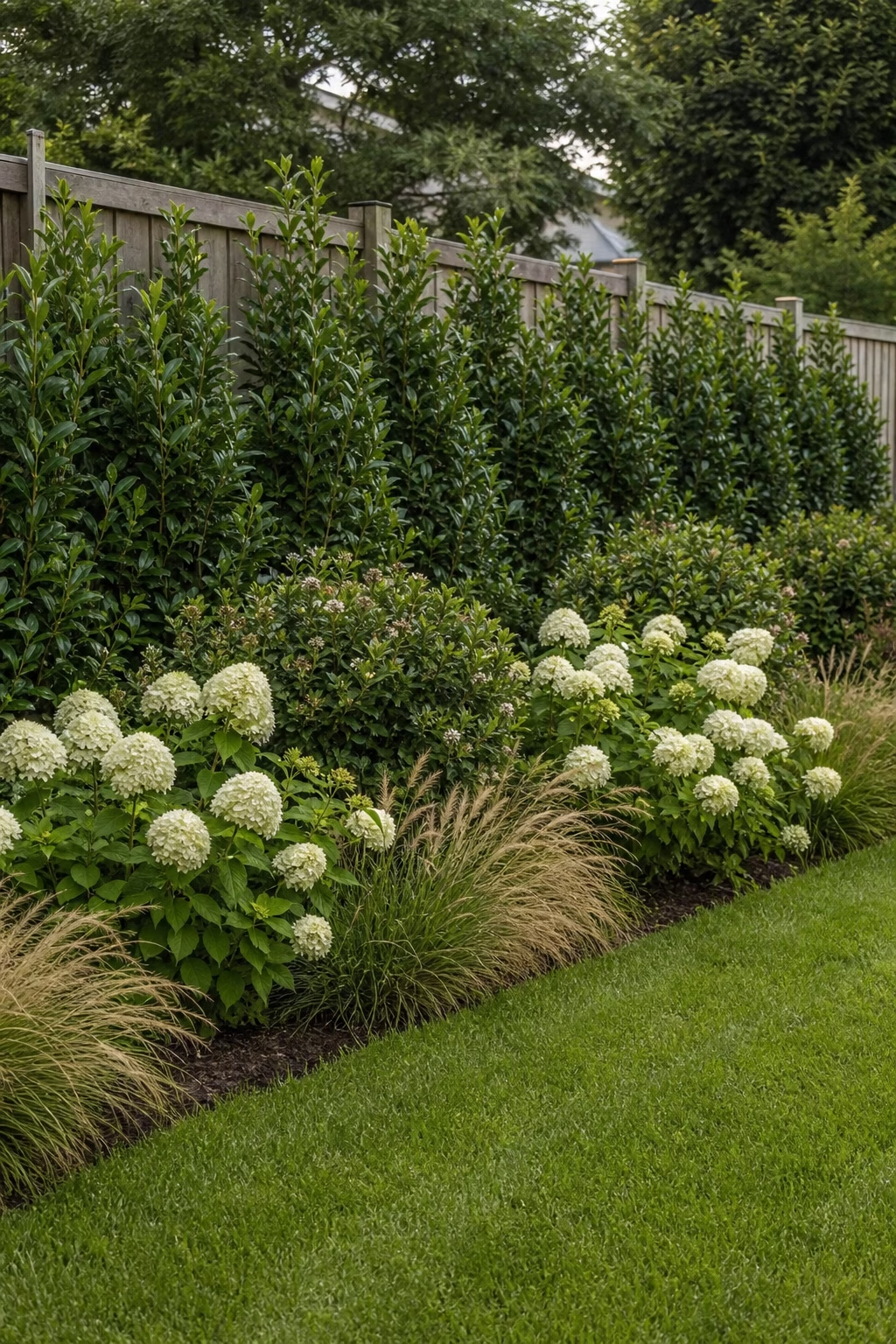
For grow a layered hedge with mixed heights, combine one permanent element with one living layer. A purely built screen can feel harsh, while plants alone may take too long to fill in. A staggered hedge planted in two loose rows establishes the boundary, and laurel, viburnum, hydrangea, and ornamental grass adds depth, movement, and seasonal change. Place the privacy element at along the boundary where neighboring windows overlook the yard so it solves the view without stealing usable floor space. Measure mature plant width before digging; crowding is what turns a smart idea into constant pruning. Keep planting too close to the fence or each other in mind, and the result will feel sheltered rather than defensive.
Use Tall Planters to Shield a Dining Table
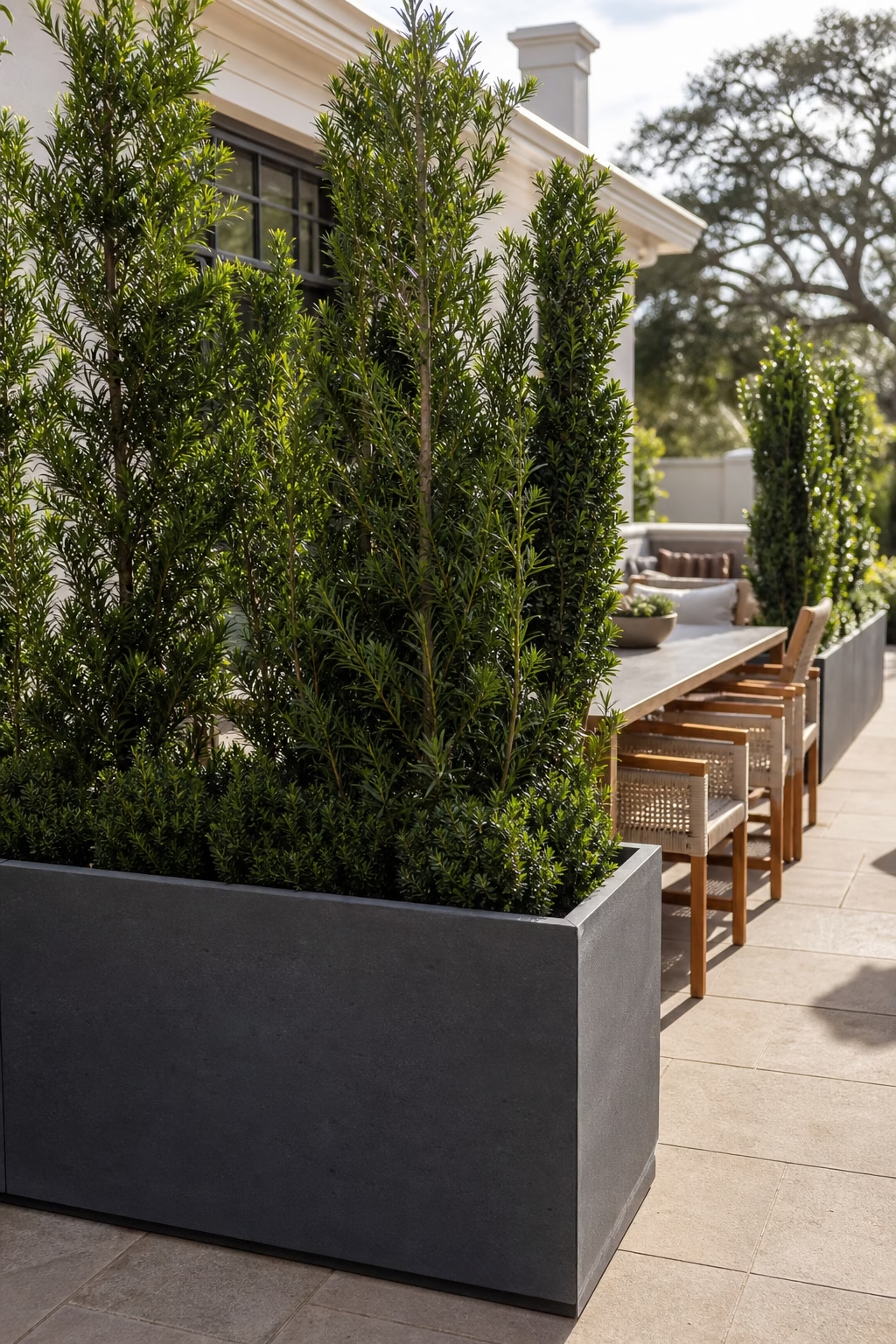
The best backyard privacy ideas feel architectural from the house and relaxed from the garden. Use rectangular planters filled with upright evergreens where the sight line is strongest, then repeat podocarpus, boxwood columns, or clumping bamboo nearby to avoid a single flat wall. Behind the dining chairs that face the open view helps the screen relate to furniture, paths, and property lines instead of floating in the yard. If the space is narrow, choose vertical texture over bulky hedges and leave room for maintenance access behind the planting. The main caution is choosing planters too light to resist wind when plants mature, especially in yards with wind, drainage issues, or close neighbors. A calm material palette makes the privacy feel designed, not improvised.
Hang Outdoor Curtains on a Pergola
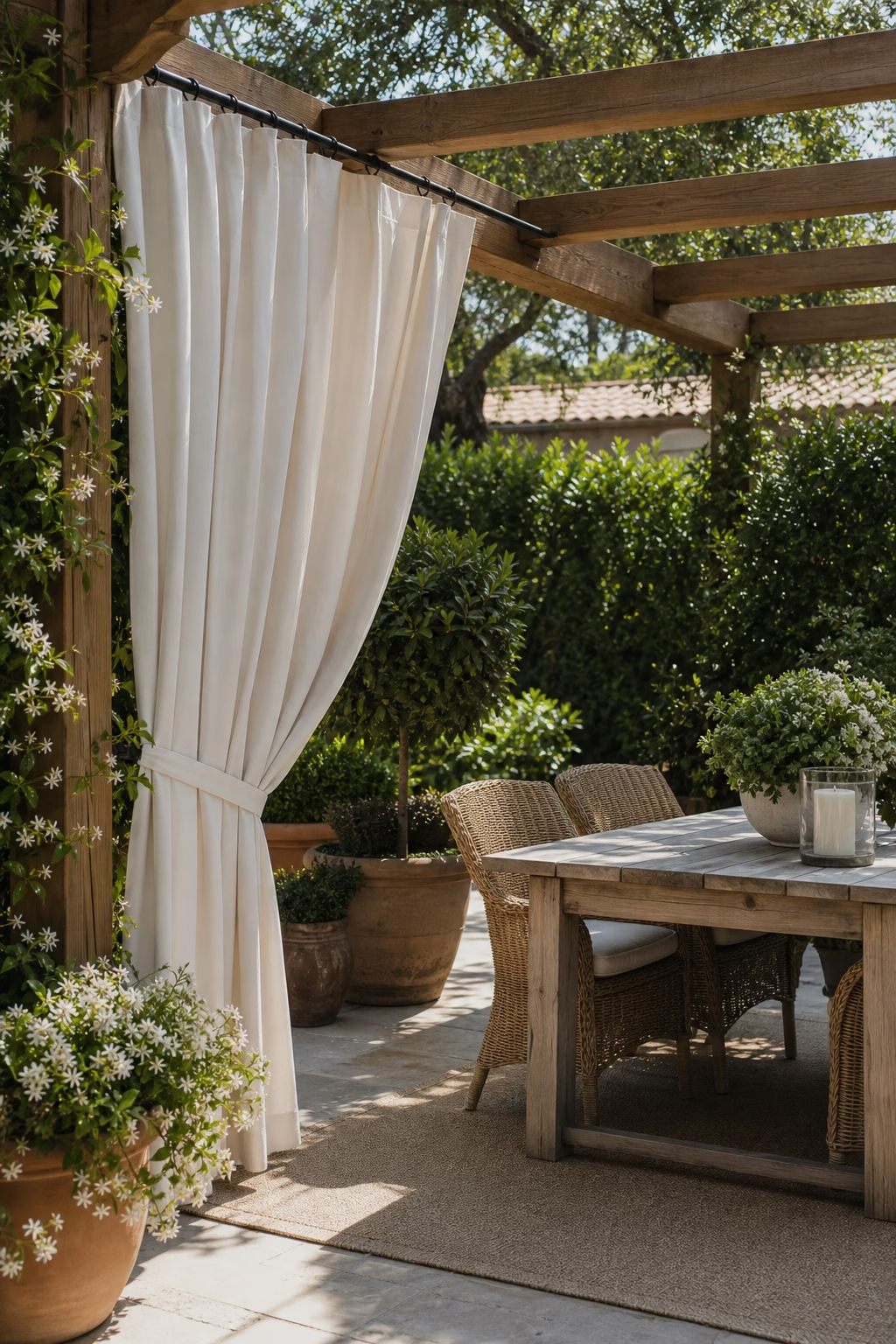
Hang Outdoor Curtains on a Pergola should block the specific view that bothers you, not seal the entire backyard. Start by standing where you actually sit, then mark the sight line before buying materials. Weather-resistant curtain panels on simple outdoor rods gives privacy quickly, while potted jasmine and clipped bay trees softens the face so the solution feels like part of the garden. Use only on the side that needs afternoon privacy to preserve daylight and air movement. The detail to watch is using fabric without enough weight or tiebacks for breezy days; privacy should make the yard calmer without creating a dark, boxed-in corner. Finish with simple lighting or a narrow planting bed so the screen looks intentional from both sides.
Build a Lattice Panel for Climbing Vines
For build a lattice panel for climbing vines, combine one permanent element with one living layer. A purely built screen can feel harsh, while plants alone may take too long to fill in. A painted lattice panel mounted on sturdy posts establishes the boundary, and star jasmine, clematis, or climbing rose adds depth, movement, and seasonal change. Place the privacy element at near the seating area rather than directly on the property line so it solves the view without stealing usable floor space. Measure mature plant width before digging; crowding is what turns a smart idea into constant pruning. Keep choosing aggressive vines that overwhelm the frame in mind, and the result will feel sheltered rather than defensive.

Create Privacy With a Row of Small Trees
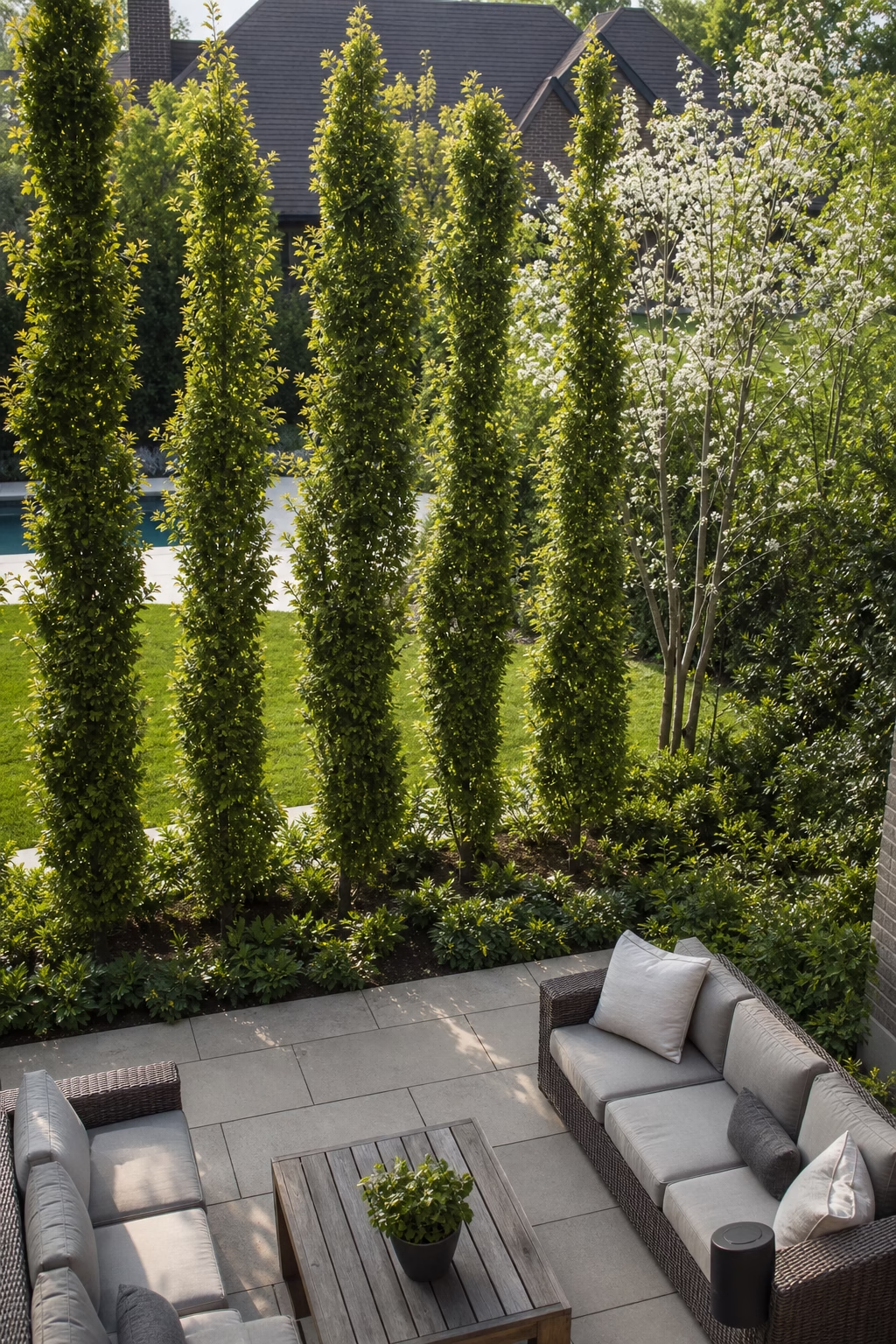
The best backyard privacy ideas feel architectural from the house and relaxed from the garden. Use a row of narrow ornamental trees where the sight line is strongest, then repeat columnar hornbeam, holly, olive, or serviceberry nearby to avoid a single flat wall. Between the patio and the overlooking second-story view helps the screen relate to furniture, paths, and property lines instead of floating in the yard. If the space is narrow, choose vertical texture over bulky hedges and leave room for maintenance access behind the planting. The main caution is forgetting overhead wires, root space, and mature canopy width, especially in yards with wind, drainage issues, or close neighbors. A calm material palette makes the privacy feel designed, not improvised.
Use a Reed or Bamboo Panel as a Budget Layer
Use a Reed or Bamboo Panel as a Budget Layer should block the specific view that bothers you, not seal the entire backyard. Start by standing where you actually sit, then mark the sight line before buying materials. A reed or bamboo privacy panel attached to an existing fence gives privacy quickly, while large leafy containers and trailing vines softens the face so the solution feels like part of the garden. Use over the bare fence section visible from the lounge chairs to preserve daylight and air movement. The detail to watch is letting the panel look temporary by leaving edges unfinished; privacy should make the yard calmer without creating a dark, boxed-in corner. Finish with simple lighting or a narrow planting bed so the screen looks intentional from both sides.

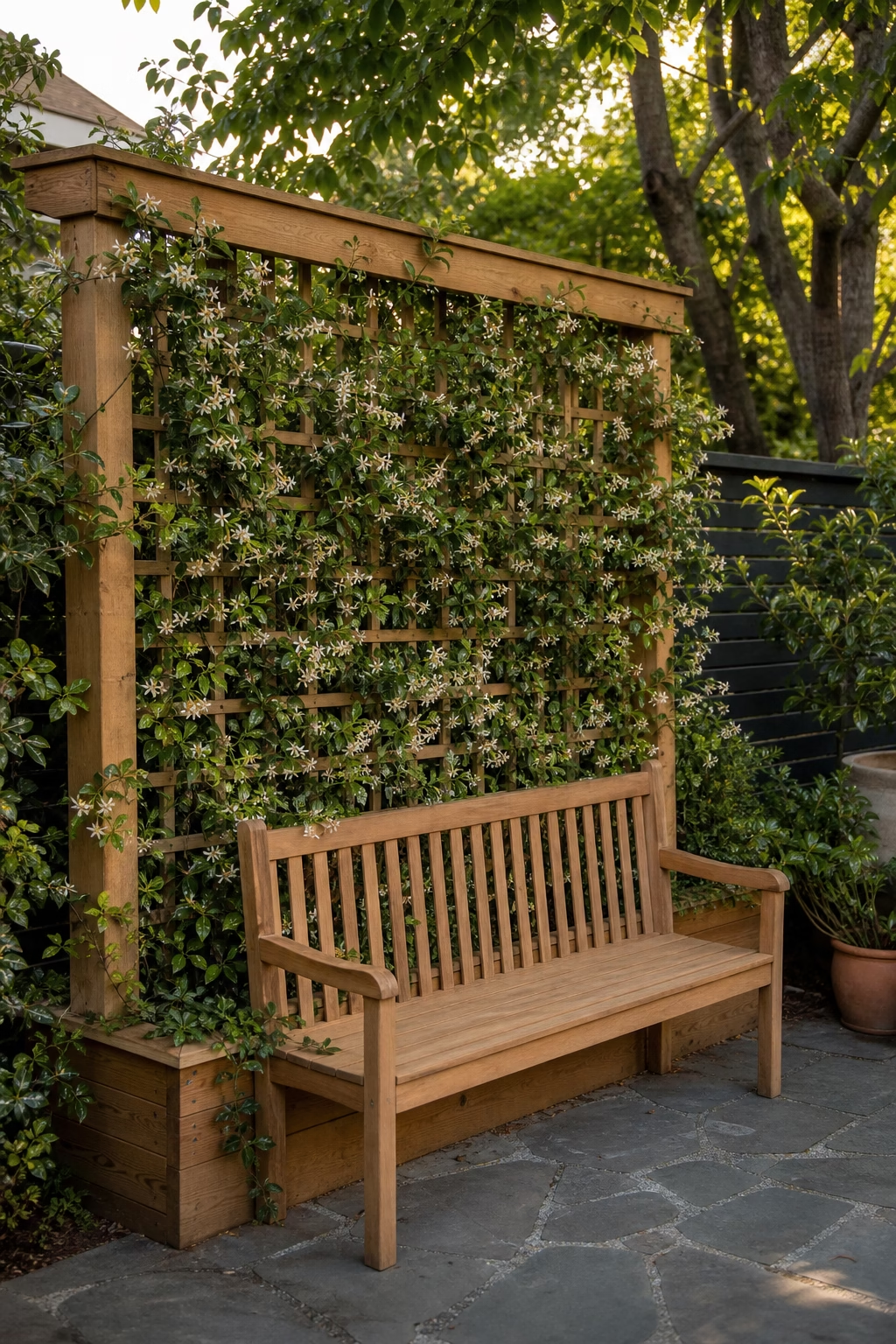
Place a Freestanding Trellis Behind a Bench
For place a freestanding trellis behind a bench, combine one permanent element with one living layer. A purely built screen can feel harsh, while plants alone may take too long to fill in. A freestanding wood trellis with a deep planter base establishes the boundary, and evergreen jasmine, mandevilla, or climbing hydrangea adds depth, movement, and seasonal change. Place the privacy element at directly behind the bench to create a protected sitting pocket so it solves the view without stealing usable floor space. Measure mature plant width before digging; crowding is what turns a smart idea into constant pruning. Keep making the trellis too narrow for the bench width in mind, and the result will feel sheltered rather than defensive.
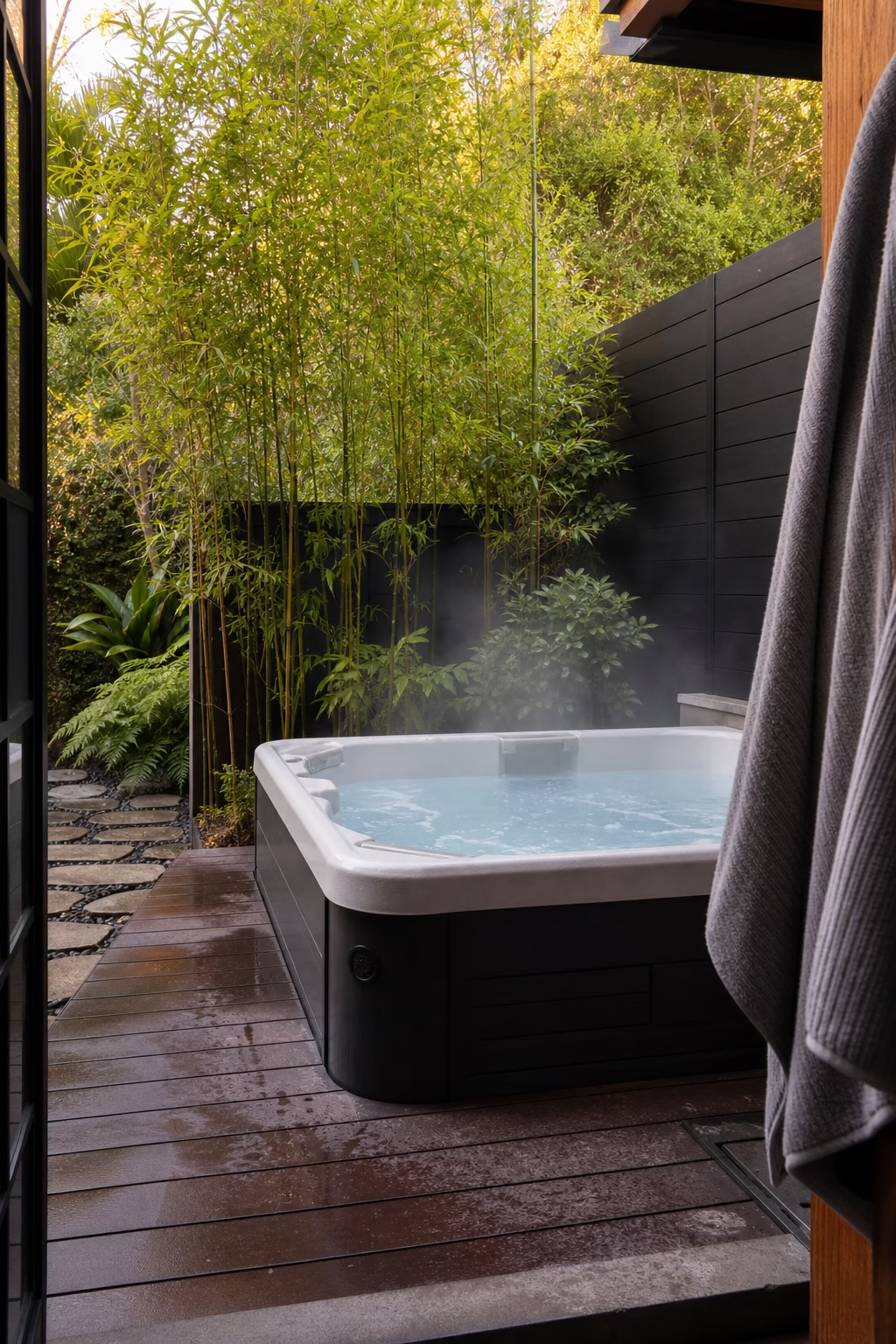
Layer Privacy Around a Hot Tub or Spa Corner
The best backyard privacy ideas feel architectural from the house and relaxed from the garden. Use a combination of solid panels and tall planting where the sight line is strongest, then repeat clumping bamboo, ferns, and broadleaf evergreens nearby to avoid a single flat wall. Around the exposed sides while keeping service access open helps the screen relate to furniture, paths, and property lines instead of floating in the yard. If the space is narrow, choose vertical texture over bulky hedges and leave room for maintenance access behind the planting. The main caution is blocking ventilation or access panels that need regular maintenance, especially in yards with wind, drainage issues, or close neighbors. A calm material palette makes the privacy feel designed, not improvised.
Angle a Screen to Protect the Main Sight Line
Angle a Screen to Protect the Main Sight Line should block the specific view that bothers you, not seal the entire backyard. Start by standing where you actually sit, then mark the sight line before buying materials. One angled privacy screen rather than a full fence extension gives privacy quickly, while soft grasses, lavender, and a small multi-stem tree softens the face so the solution feels like part of the garden. Use diagonally between the lounge chairs and neighboring window to preserve daylight and air movement. The detail to watch is creating awkward dead space behind the angled panel; privacy should make the yard calmer without creating a dark, boxed-in corner. Finish with simple lighting or a narrow planting bed so the screen looks intentional from both sides.
