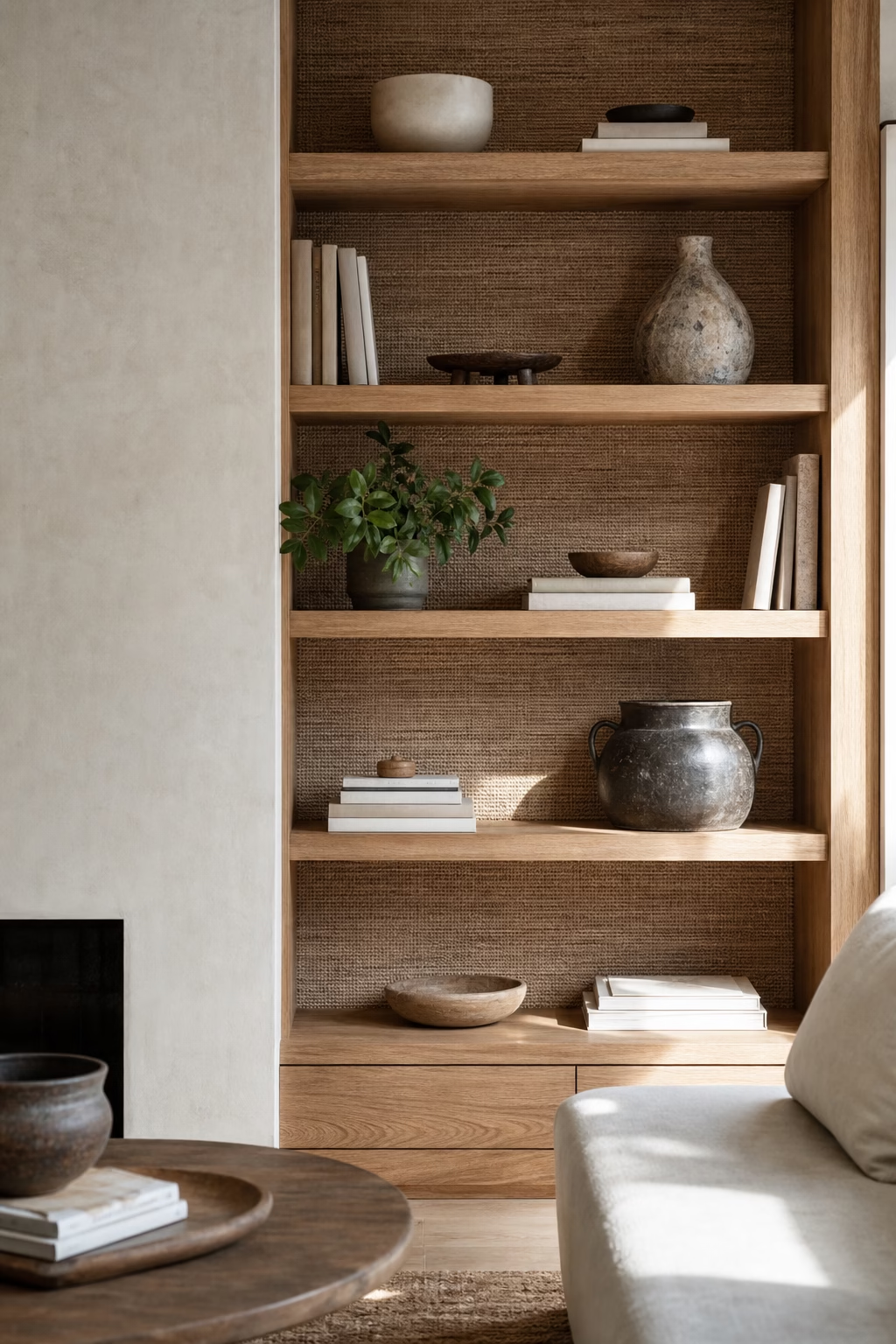
Wall hanging ideas that add texture, warmth, and personality to blank walls while still feeling polished and practical.
- Oversized Woven Hanging Above a Sofa
- Macrame Panel in a Reading Corner
- Framed Vintage Textile Over a Console
- Round Fiber Hanging for a Small Wall
- Tonal Textile Above a Neutral Bed
- Color-Blocked Hanging in a Playroom
- Narrow Runner-Style Hanging in an Entry
- Sculptural Fiber Piece for High Ceilings
- Botanical Tapestry for a Dining Nook
- Dip-Dyed Wall Hanging for Gentle Color
- Earth-Toned Stripes in a Hallway
- Picture-Lit Textile in a Polished Living Room
- Layered Gallery Wall With One Textile Anchor
- Minimal Black-and-Cream Wall Hanging
- Soft Wall Hanging Above a Mudroom Bench
Oversized Woven Hanging Above a Sofa
Oversized Woven Hanging Above a Sofa works when the piece has enough scale to affect the room without overwhelming the furniture below it. In a calm living room, start by measuring the open wall and the nearest sofa, bed, table, or console. Chunky wool, cotton slub, and a simple oak rod gives the hanging texture that reads well in real light, while centering it two-thirds above the sofa back keeps it connected to the architecture. The practical detail is using wall anchors rated for the finished weight; it prevents the idea from feeling fragile or temporary. Keep nearby accessories quieter so the fibers, shape, and shadow can carry the composition. The finished wall should feel warm, grounded, and collected, not crowded.
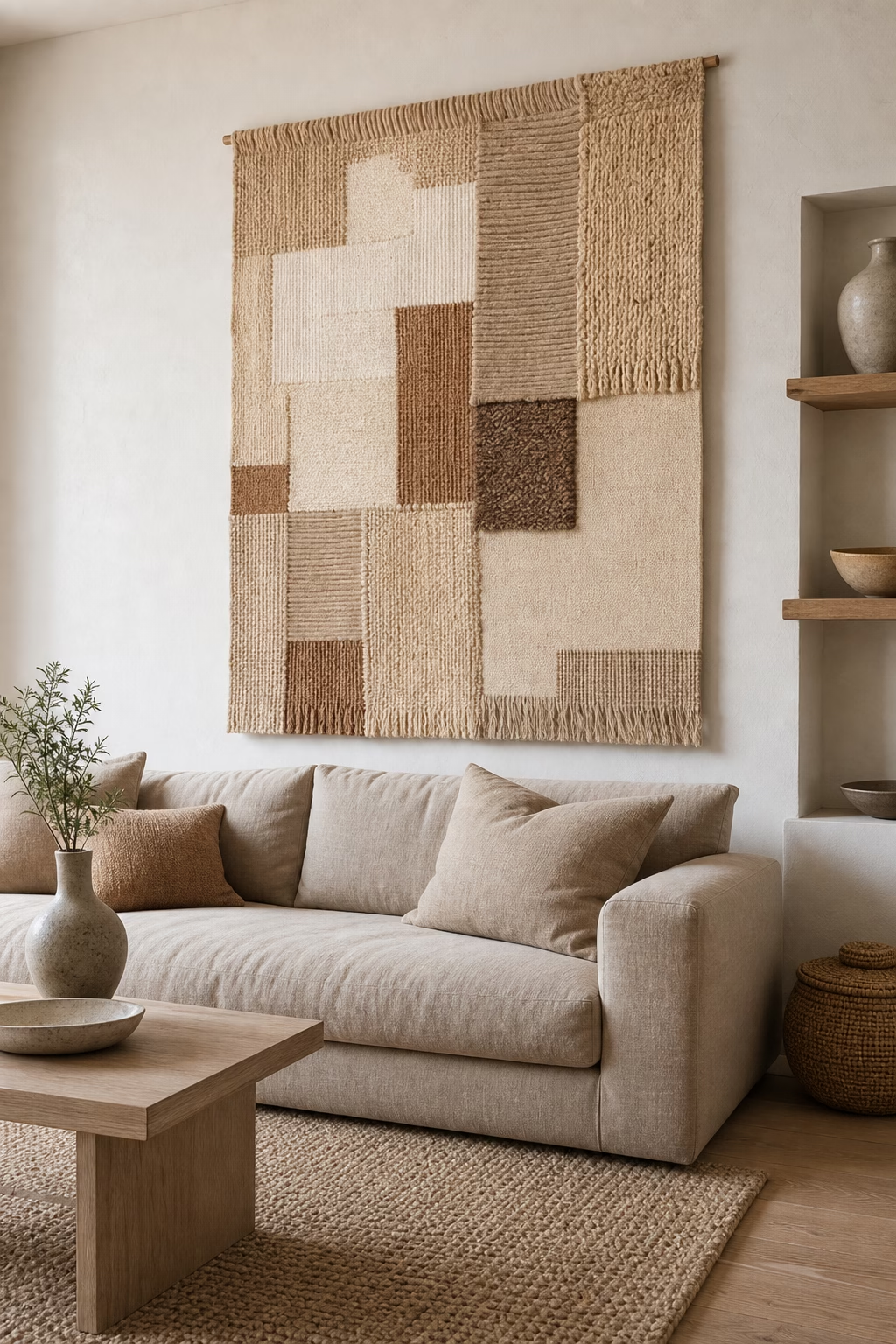
Macrame Panel in a Reading Corner
For macrame panel in a reading corner, proportion and negative space matter more than adding extra decor. A cozy reading corner can handle a stronger wall feature when the colors repeat softly in pillows, pottery, or wood tones nearby. Choose thick cotton cord with uneven knots and soft fringe, then use letting the fringe stop above the chair rail to make the installation feel deliberate rather than improvised. Before hanging, tape the outline on the wall and view it from the doorway, seating area, and main traffic path. Keeping loose cords away from candles and floor lamps is the detail that keeps the wall hanging practical after the first photograph. Done well, the room feels relaxed, tactile, and intentional.
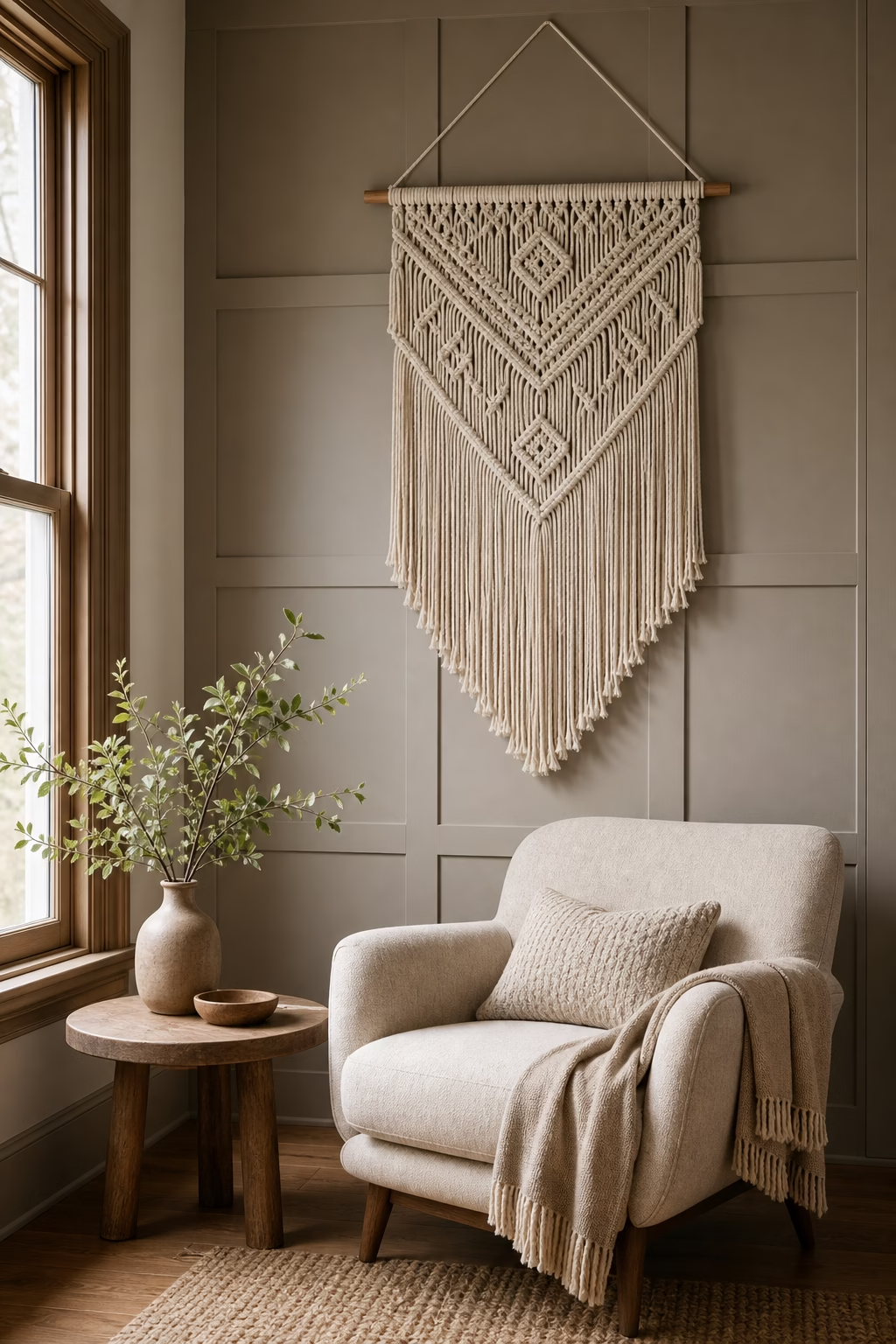
Framed Vintage Textile Over a Console
The best version of framed vintage textile over a console adds depth without turning the room into a display wall. In a entryway or dining room, the hanging should support the furniture plan, soften hard surfaces, or warm a blank stretch of wall. Look for aged linen, hand-blocked pattern, and a slim wood frame because believable texture is what separates a charming wall feature from flat decoration. Use floating the textile with a border around the edges, then leave breathing room around the sides and bottom edge. The useful guardrail is protecting fragile fabric from direct sun, especially in rooms that get daily use. That balance gives the wall a polished, personal, and gallery-like presence.

Round Fiber Hanging for a Small Wall
Round Fiber Hanging for a Small Wall works when the piece has enough scale to affect the room without overwhelming the furniture below it. In a breakfast nook or landing, start by measuring the open wall and the nearest sofa, bed, table, or console. Raffia, wool, and cotton fibers with a crisp round edge gives the hanging texture that reads well in real light, while centering it over a small table or stool keeps it connected to the architecture. The practical detail is choosing a diameter large enough to avoid a placemat look; it prevents the idea from feeling fragile or temporary. Keep nearby accessories quieter so the fibers, shape, and shadow can carry the composition. The finished wall should feel sunny, handmade, and simple, not crowded.
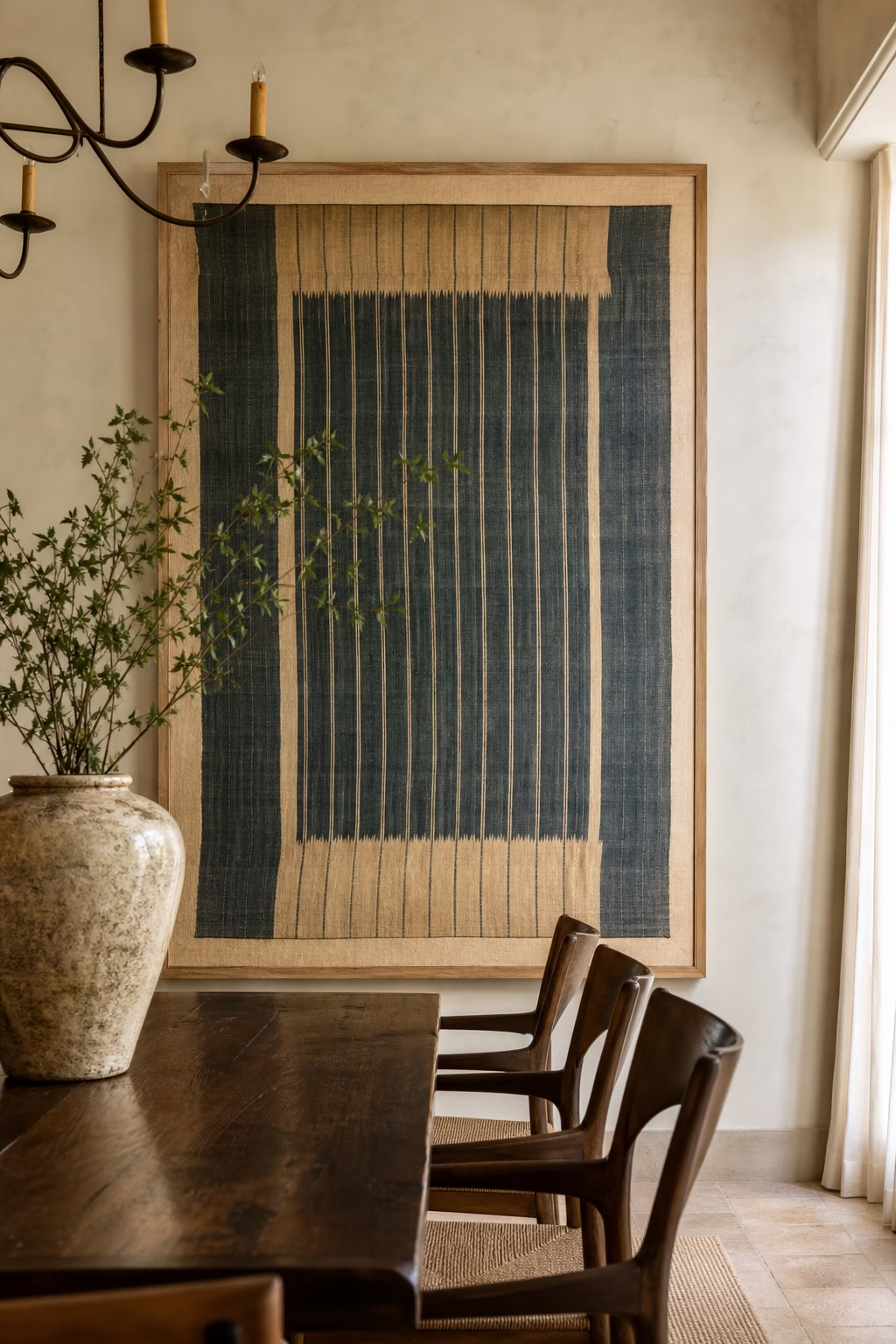
Tonal Textile Above a Neutral Bed
For tonal textile above a neutral bed, proportion and negative space matter more than adding extra decor. A primary bedroom can handle a stronger wall feature when the colors repeat softly in pillows, pottery, or wood tones nearby. Choose cream, flax, and oatmeal fibers with raised rows, then use aligning it with the nightstand lamps to make the installation feel deliberate rather than improvised. Before hanging, tape the outline on the wall and view it from the doorway, seating area, and main traffic path. Keeping the palette restful and easy to vacuum is the detail that keeps the wall hanging practical after the first photograph. Done well, the room feels quietly luxurious and breathable.
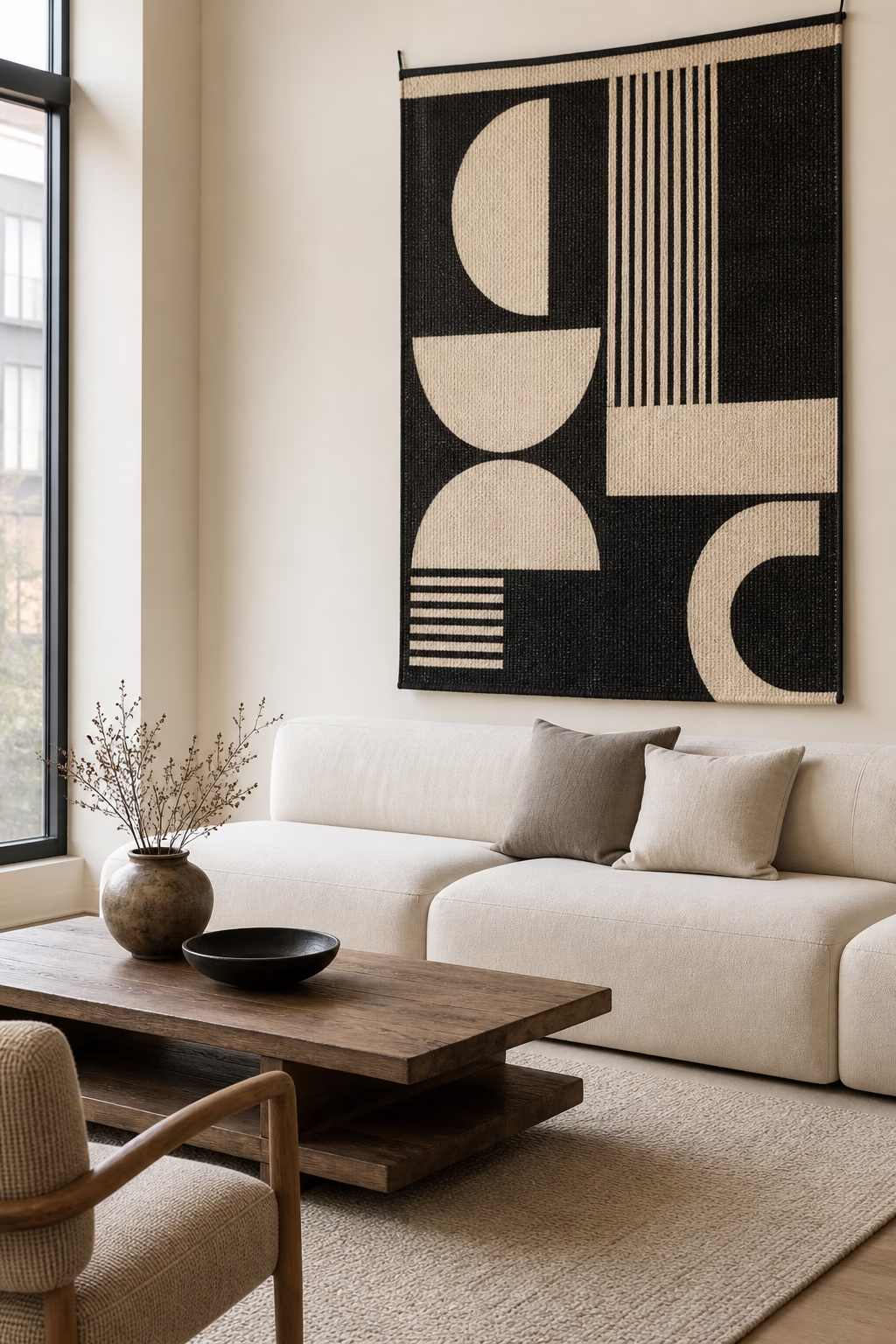
Color-Blocked Hanging in a Playroom
The best version of color-blocked hanging in a playroom adds depth without turning the room into a display wall. In a organized playroom, the hanging should support the furniture plan, soften hard surfaces, or warm a blank stretch of wall. Look for soft cotton panels in muted blue, clay, mustard, and cream because believable texture is what separates a charming wall feature from flat decoration. Use hanging it above low storage or a reading mat, then leave breathing room around the sides and bottom edge. The useful guardrail is mounting it high enough that small hands cannot pull it down, especially in rooms that get daily use. That balance gives the wall a playful, tidy, and design-conscious presence.
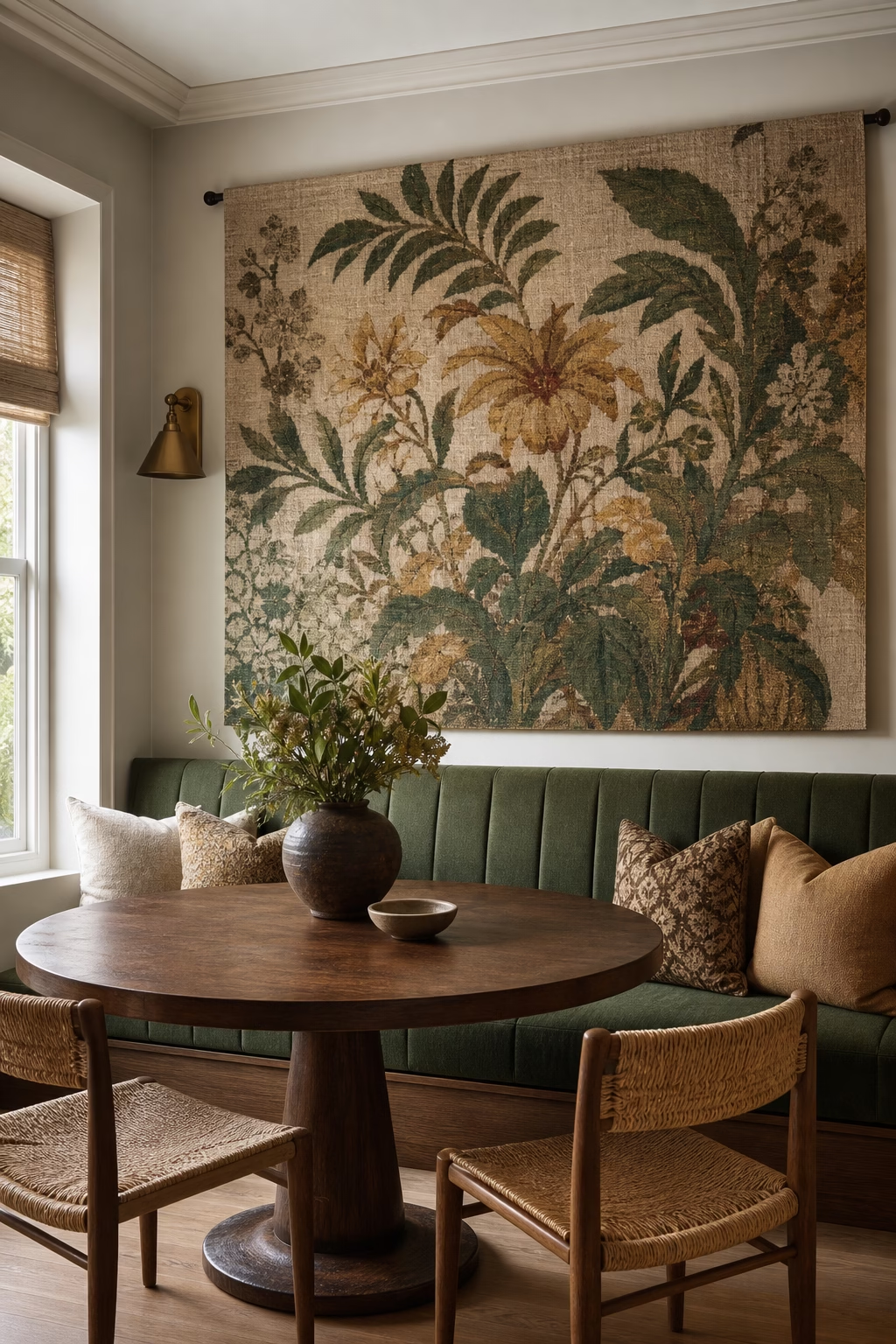
Narrow Runner-Style Hanging in an Entry
Narrow Runner-Style Hanging in an Entry works when the piece has enough scale to affect the room without overwhelming the furniture below it. In a small entryway, start by measuring the open wall and the nearest sofa, bed, table, or console. A narrow weaving with earthy dyed stripes and fringe gives the hanging texture that reads well in real light, while pairing it with a slim console rather than a wide cabinet keeps it connected to the architecture. The practical detail is keeping keys and bags from snagging the fringe; it prevents the idea from feeling fragile or temporary. Keep nearby accessories quieter so the fibers, shape, and shadow can carry the composition. The finished wall should feel welcoming, vertical, and considered, not crowded.
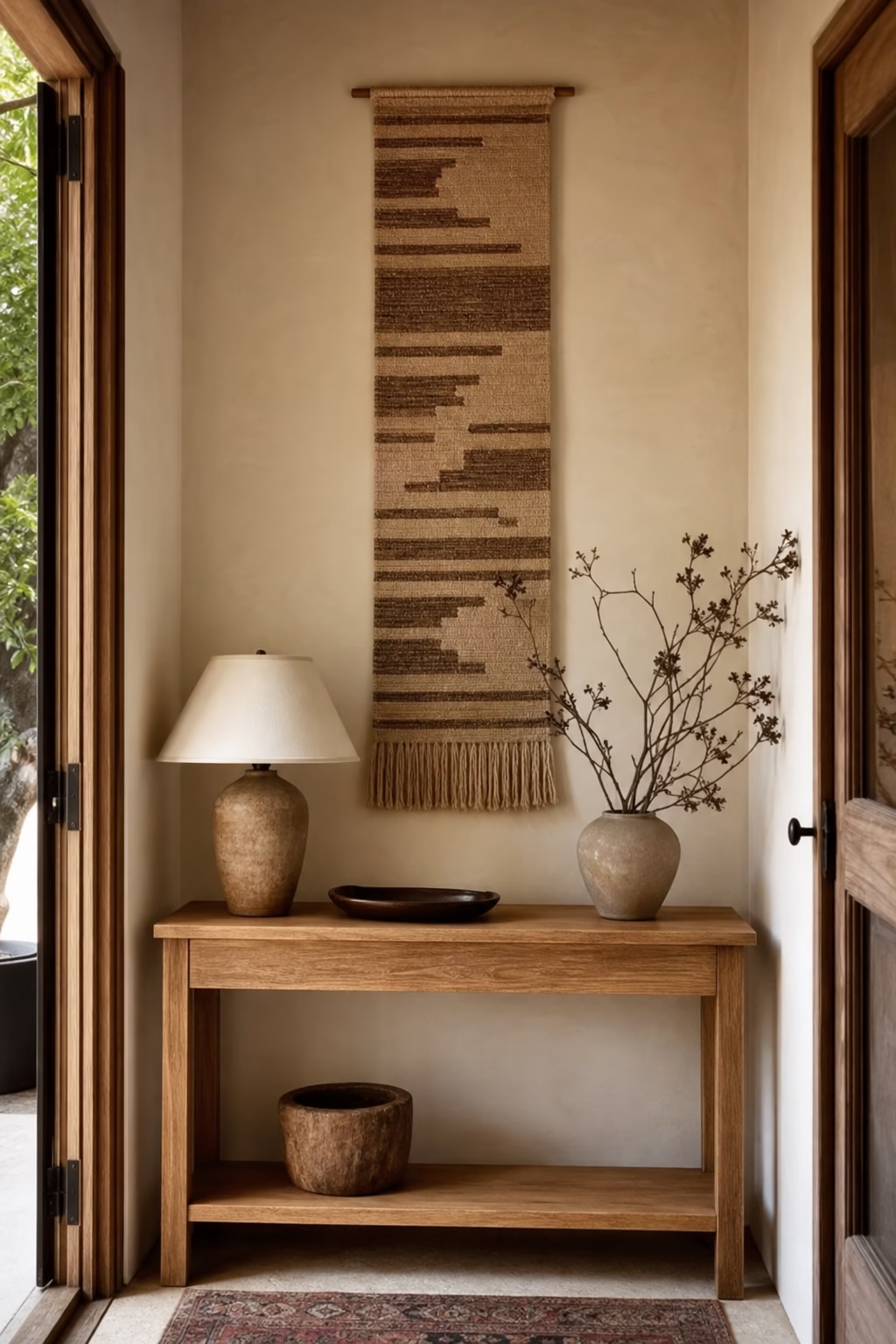
Sculptural Fiber Piece for High Ceilings
For sculptural fiber piece for high ceilings, proportion and negative space matter more than adding extra decor. A open living area can handle a stronger wall feature when the colors repeat softly in pillows, pottery, or wood tones nearby. Choose long wool loops, braided rope, and dimensional relief, then use using the vertical drop to connect seating height with the ceiling to make the installation feel deliberate rather than improvised. Before hanging, tape the outline on the wall and view it from the doorway, seating area, and main traffic path. Checking the finished weight before choosing hardware is the detail that keeps the wall hanging practical after the first photograph. Done well, the room feels dramatic, soft, and architectural.
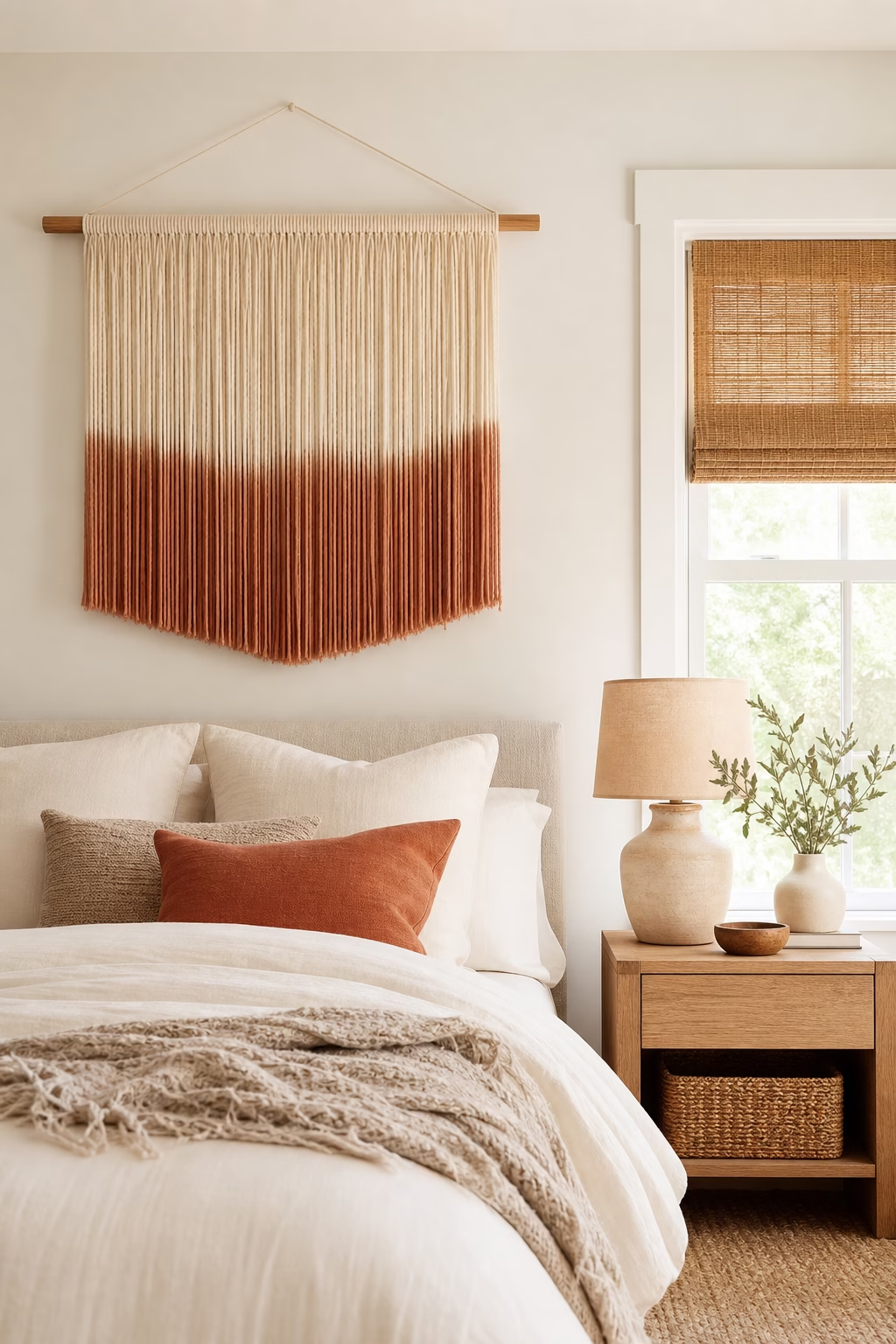
Botanical Tapestry for a Dining Nook
The best version of botanical tapestry for a dining nook adds depth without turning the room into a display wall. In a compact dining nook, the hanging should support the furniture plan, soften hard surfaces, or warm a blank stretch of wall. Look for muted green and ochre cotton threads with a botanical motif because believable texture is what separates a charming wall feature from flat decoration. Use hanging it above a banquette where framed art might feel hard, then leave breathing room around the sides and bottom edge. The useful guardrail is leaving clearance for shoulders and chair backs, especially in rooms that get daily use. That balance gives the wall a fresh, intimate, and grounded presence.
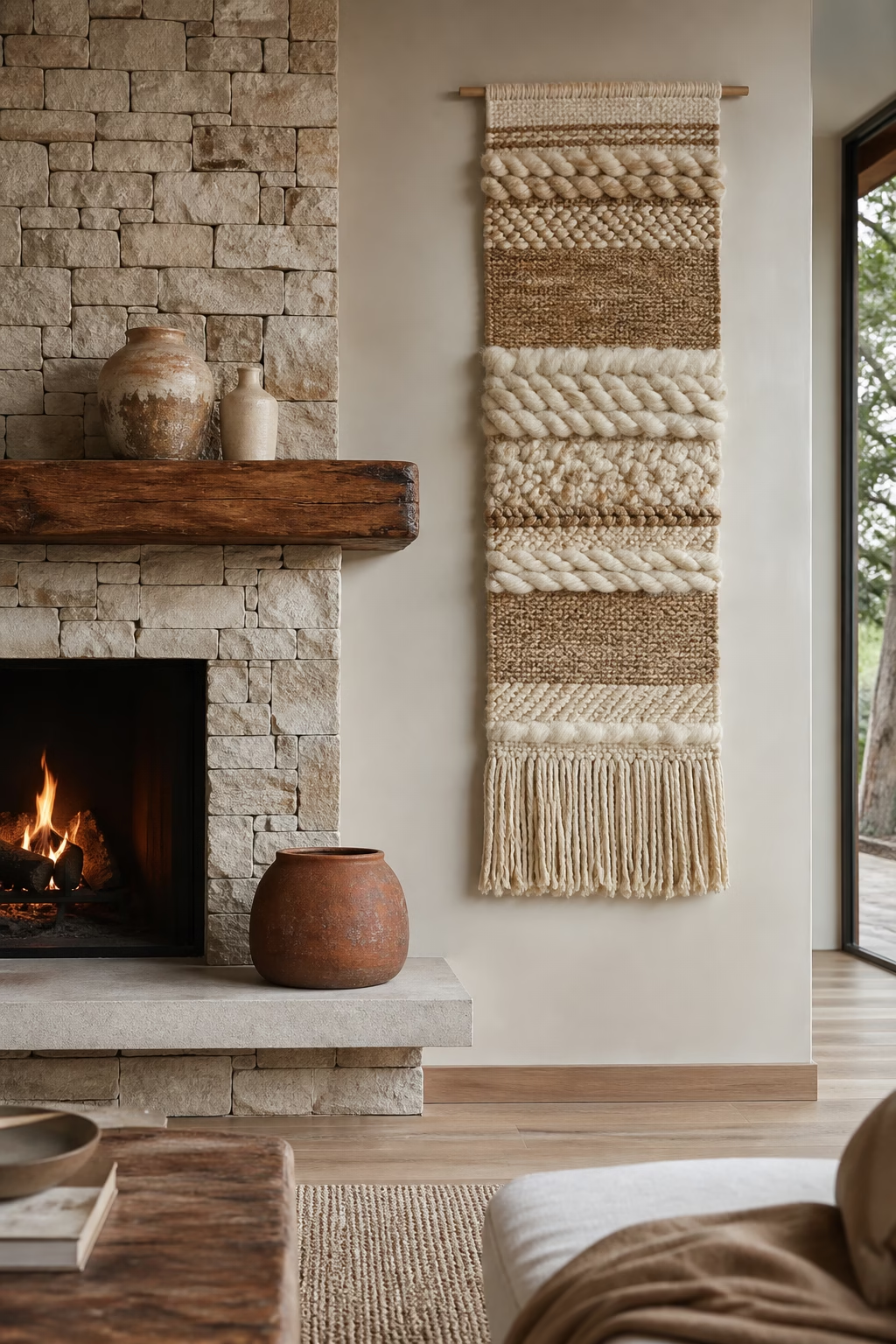
Dip-Dyed Wall Hanging for Gentle Color
Dip-Dyed Wall Hanging for Gentle Color works when the piece has enough scale to affect the room without overwhelming the furniture below it. In a light bedroom or nursery, start by measuring the open wall and the nearest sofa, bed, table, or console. Cotton cord with soft ombre dye from ivory to clay gives the hanging texture that reads well in real light, while placing it where daylight shows the color shift keeps it connected to the architecture. The practical detail is checking dye fastness near pale upholstery; it prevents the idea from feeling fragile or temporary. Keep nearby accessories quieter so the fibers, shape, and shadow can carry the composition. The finished wall should feel gentle, layered, and not overly sweet, not crowded.
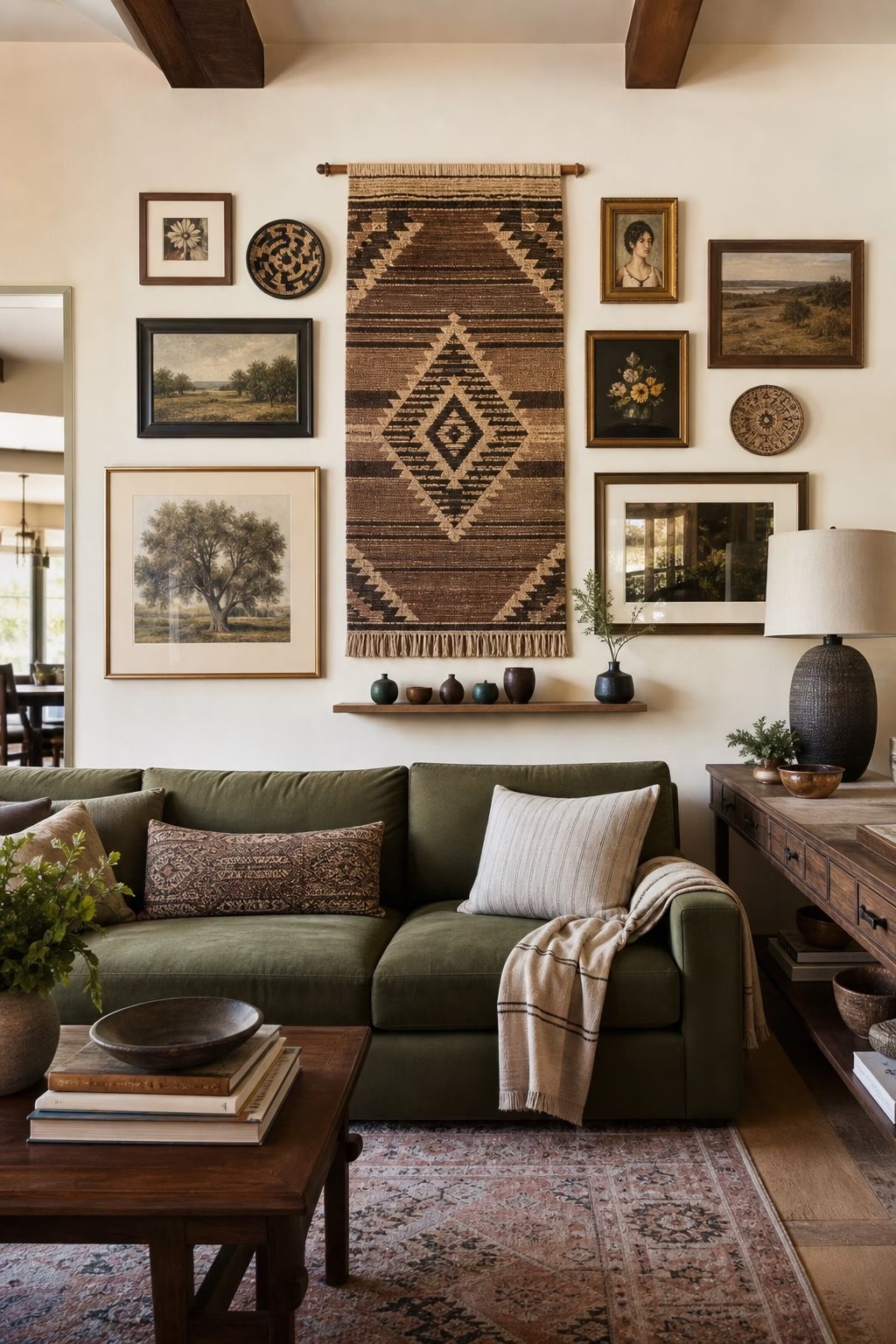
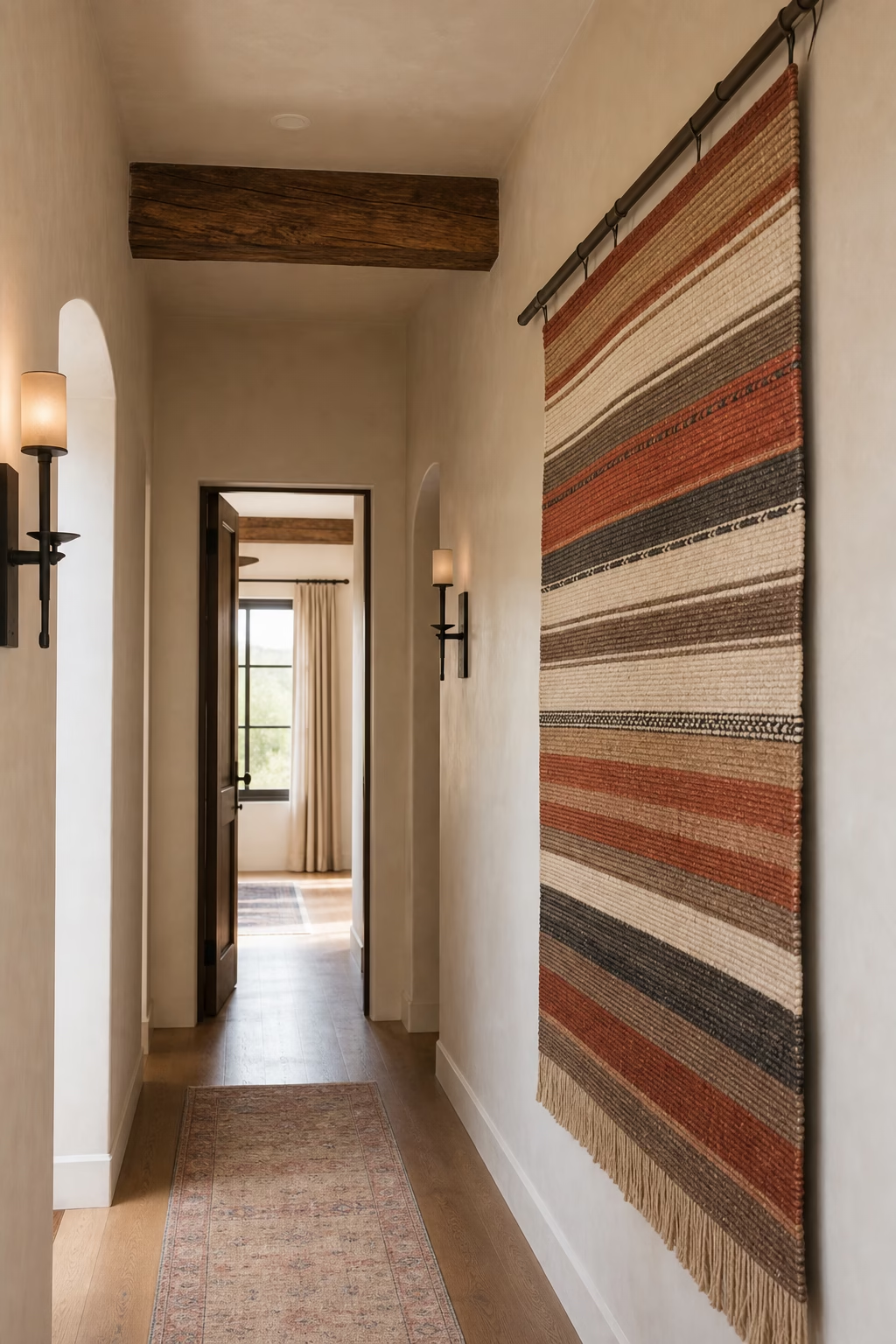
Earth-Toned Stripes in a Hallway
For earth-toned stripes in a hallway, proportion and negative space matter more than adding extra decor. A narrow hallway can handle a stronger wall feature when the colors repeat softly in pillows, pottery, or wood tones nearby. Choose flat-weave stripes in rust, sand, taupe, and faded black, then use hanging it vertically to make the passage feel taller to make the installation feel deliberate rather than improvised. Before hanging, tape the outline on the wall and view it from the doorway, seating area, and main traffic path. Choosing a low-profile textile that will not catch shoulders is the detail that keeps the wall hanging practical after the first photograph. Done well, the room feels warm, graphic, and practical.
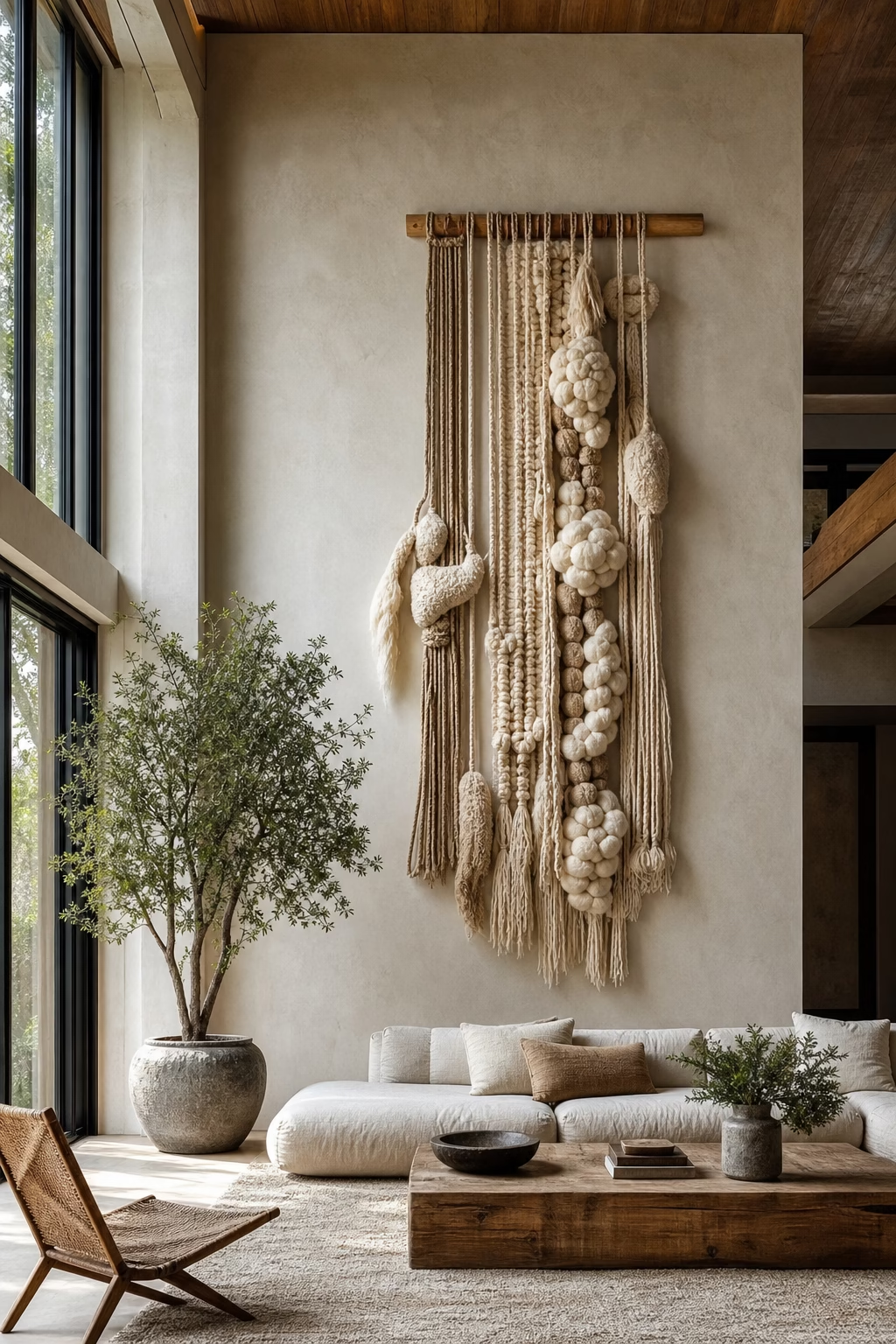
Picture-Lit Textile in a Polished Living Room
The best version of picture-lit textile in a polished living room adds depth without turning the room into a display wall. In a tailored living room, the hanging should support the furniture plan, soften hard surfaces, or warm a blank stretch of wall. Look for finely woven wool with shallow relief because believable texture is what separates a charming wall feature from flat decoration. Use installing a slim warm picture light above the hanging, then leave breathing room around the sides and bottom edge. The useful guardrail is using low-heat LED lighting and avoiding glare, especially in rooms that get daily use. That balance gives the wall a evening-ready, refined, and warm presence.
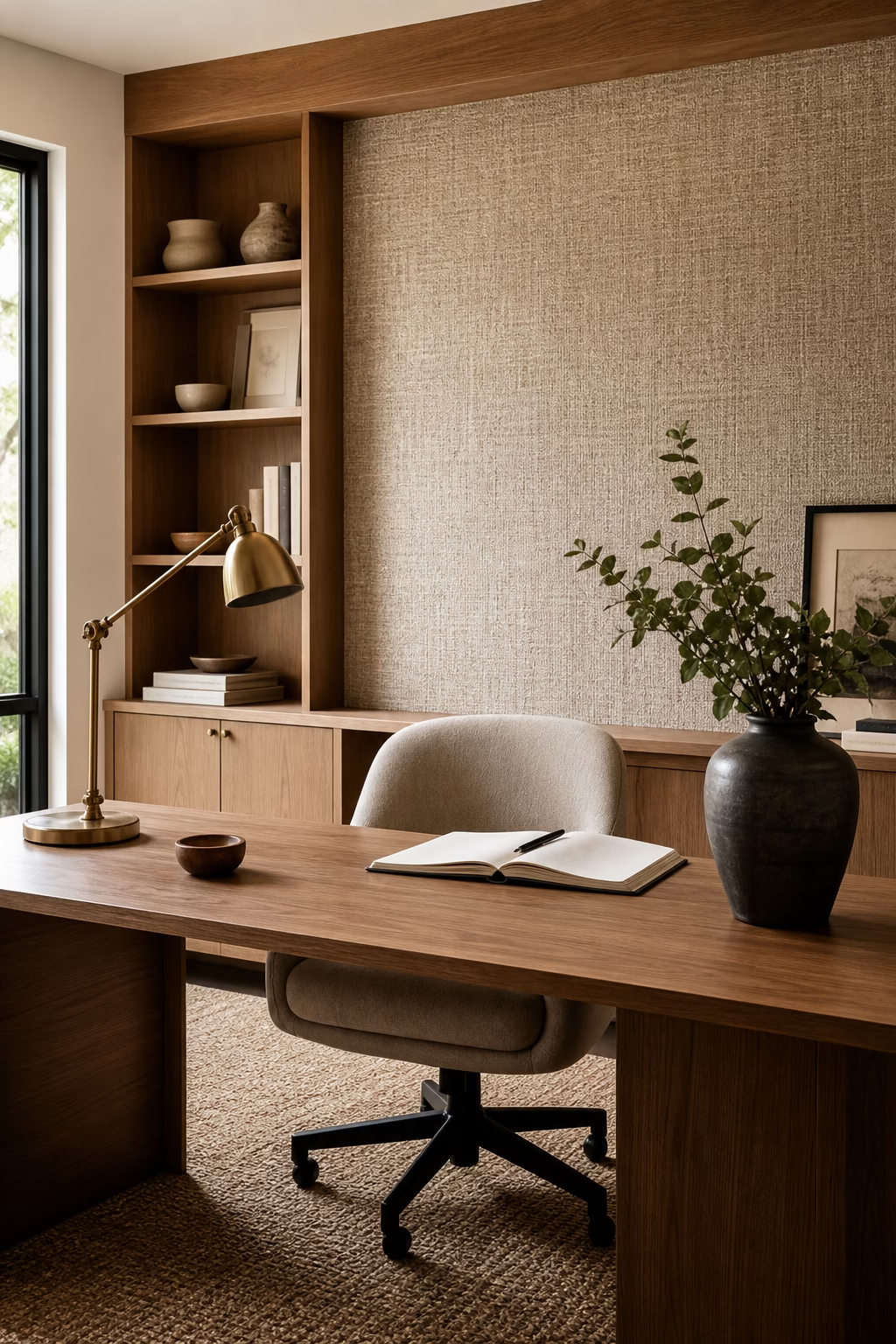
Layered Gallery Wall With One Textile Anchor
Layered Gallery Wall With One Textile Anchor works when the piece has enough scale to affect the room without overwhelming the furniture below it. In a eclectic family room, start by measuring the open wall and the nearest sofa, bed, table, or console. One larger woven piece mixed with framed prints and ceramics gives the hanging texture that reads well in real light, while using the textile as the soft anchor in the layout keeps it connected to the architecture. The practical detail is mocking the entire composition on the floor first; it prevents the idea from feeling fragile or temporary. Keep nearby accessories quieter so the fibers, shape, and shadow can carry the composition. The finished wall should feel collected, personal, and orderly, not crowded.
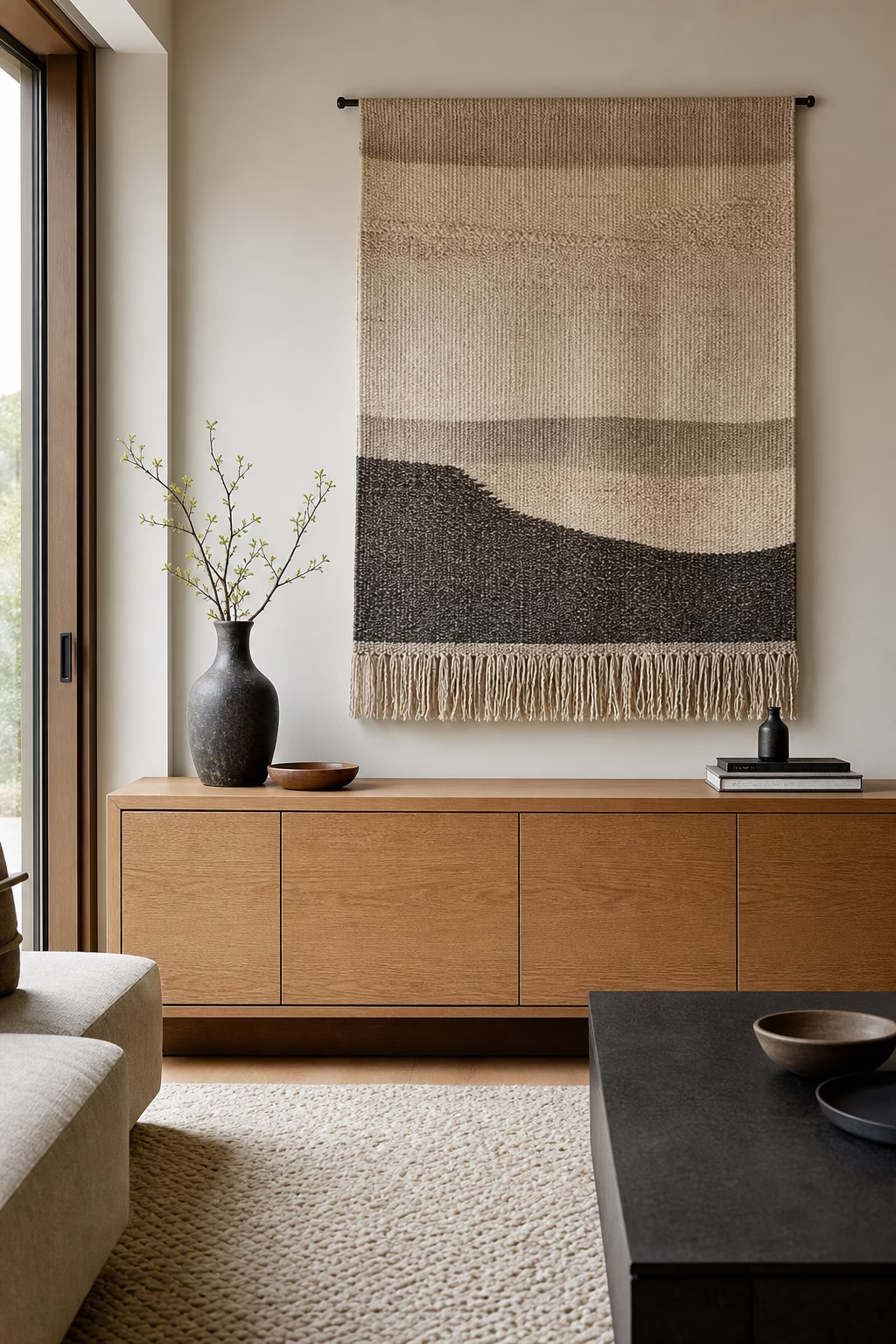
Minimal Black-and-Cream Wall Hanging
For minimal black-and-cream wall hanging, proportion and negative space matter more than adding extra decor. A modern apartment living area can handle a stronger wall feature when the colors repeat softly in pillows, pottery, or wood tones nearby. Choose flat-weave cotton with crisp black lines on a cream ground, then use aligning the top with nearby door trim to make the installation feel deliberate rather than improvised. Before hanging, tape the outline on the wall and view it from the doorway, seating area, and main traffic path. Limiting nearby patterns so the graphic shape stays sharp is the detail that keeps the wall hanging practical after the first photograph. Done well, the room feels quiet, modern, and deliberate.
Soft Wall Hanging Above a Mudroom Bench
The best version of soft wall hanging above a mudroom bench adds depth without turning the room into a display wall. In a mudroom or back entry, the hanging should support the furniture plan, soften hard surfaces, or warm a blank stretch of wall. Look for durable cotton-jute blend with tight weave and minimal fringe because believable texture is what separates a charming wall feature from flat decoration. Use mounting it above a bench away from hooks and wet coats, then leave breathing room around the sides and bottom edge. The useful guardrail is choosing a textile that can handle dust and seasonal use, especially in rooms that get daily use. That balance gives the wall a welcoming, durable, and warm presence.