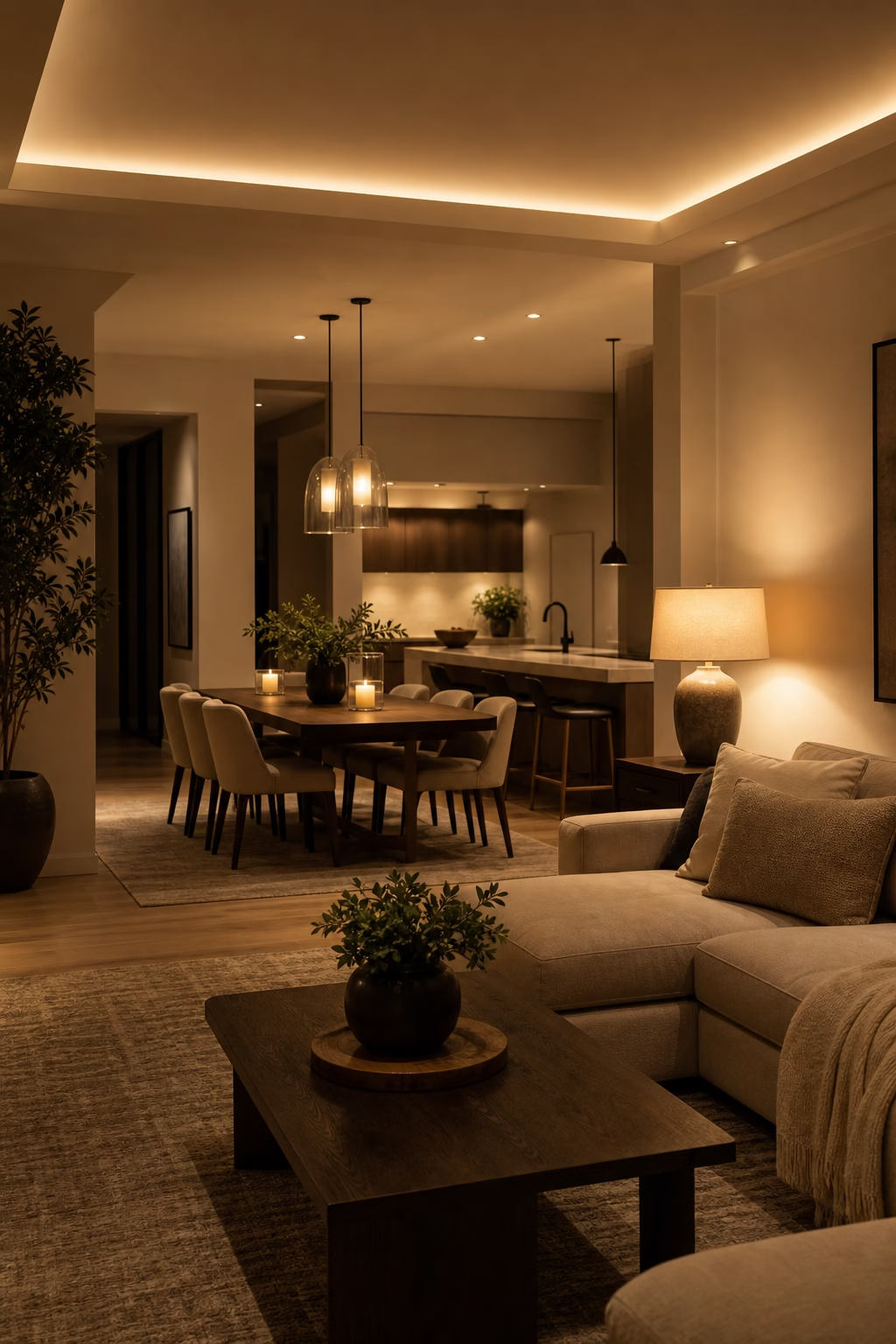
Good lighting is a system, not a shopping list of attractive fixtures. The right mix of ambient, task, accent, and decorative light makes rooms easier to use and more flattering after dark. This reference guide explains the fixture types and trends that matter most for practical, polished interiors in 2026.
Start With Ambient Light Before Choosing Statements
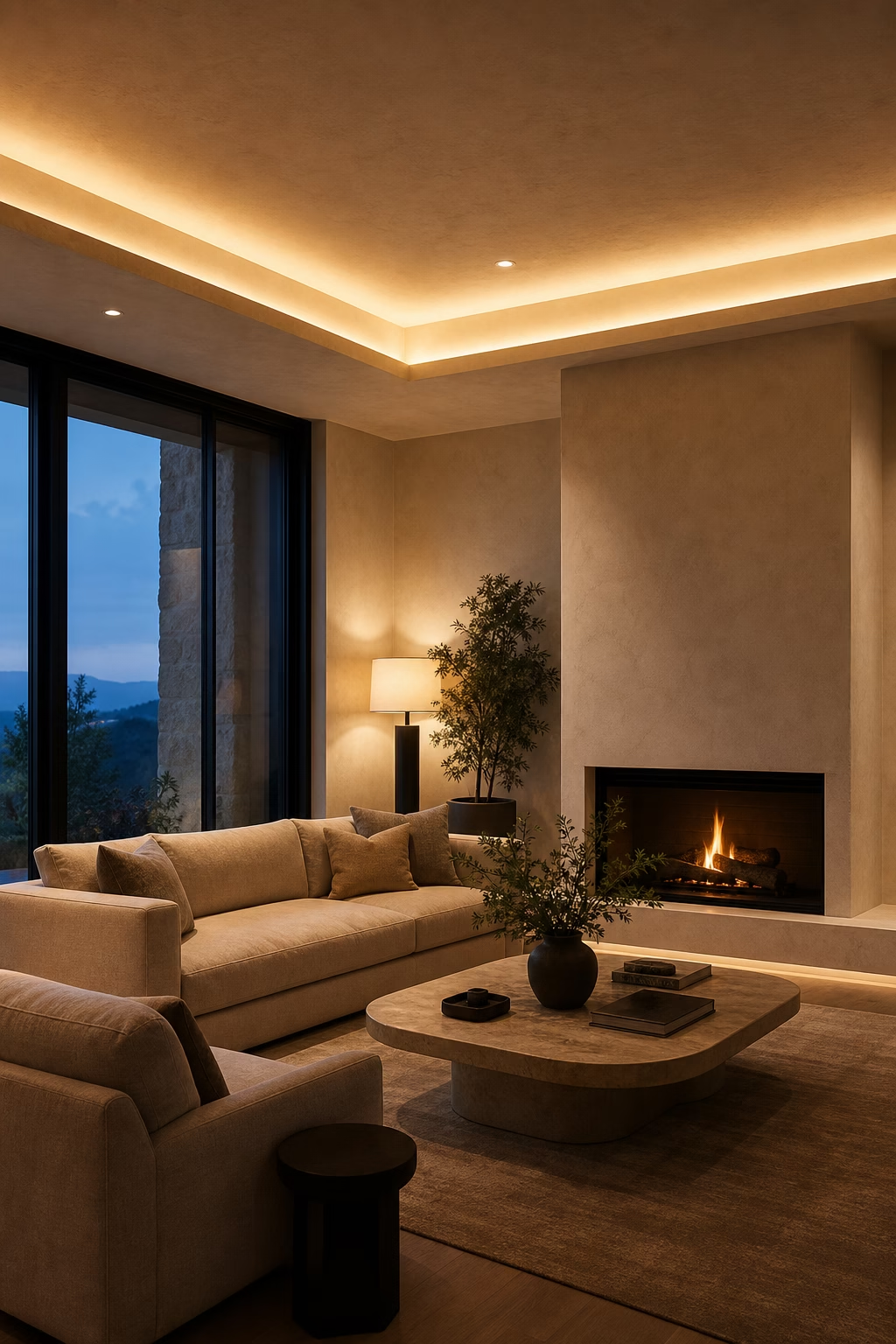
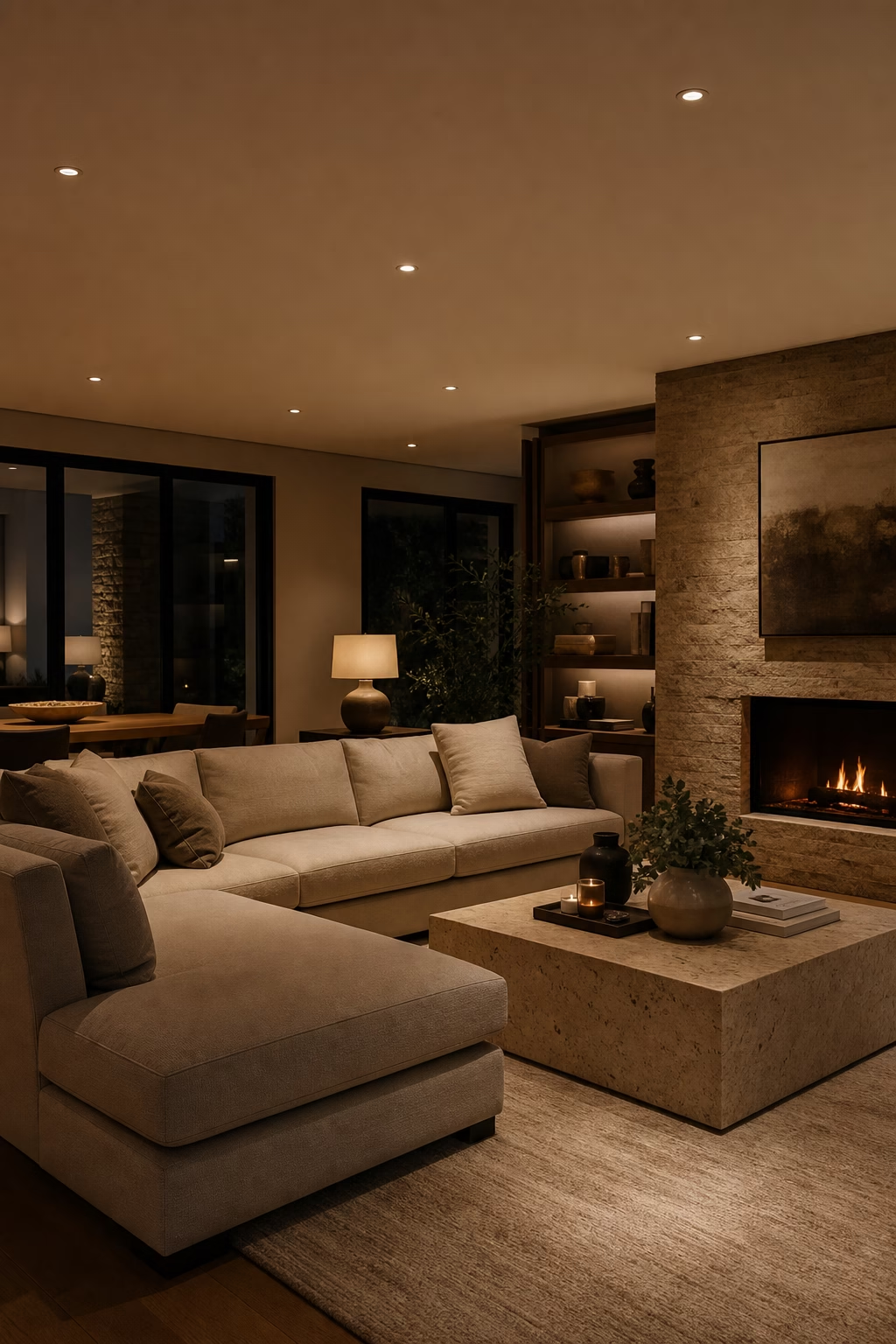
Ambient light is the base layer that lets a room function without relying on one harsh bulb. It can come from recessed downlights, cove lighting, flush mounts, shaded ceiling fixtures, or reflected light from lamps. Plan it before choosing statement pieces because it determines how evenly the room can be used. The best ambient layer is soft, dimmable, and spread across the ceiling or upper walls rather than concentrated in the center. In 2026 interiors, the trend is less about visible brightness and more about controlled glow. A room should feel easy to enter, clean, and reset before decorative lighting takes over.
Use Task Lighting Where Work Actually Happens
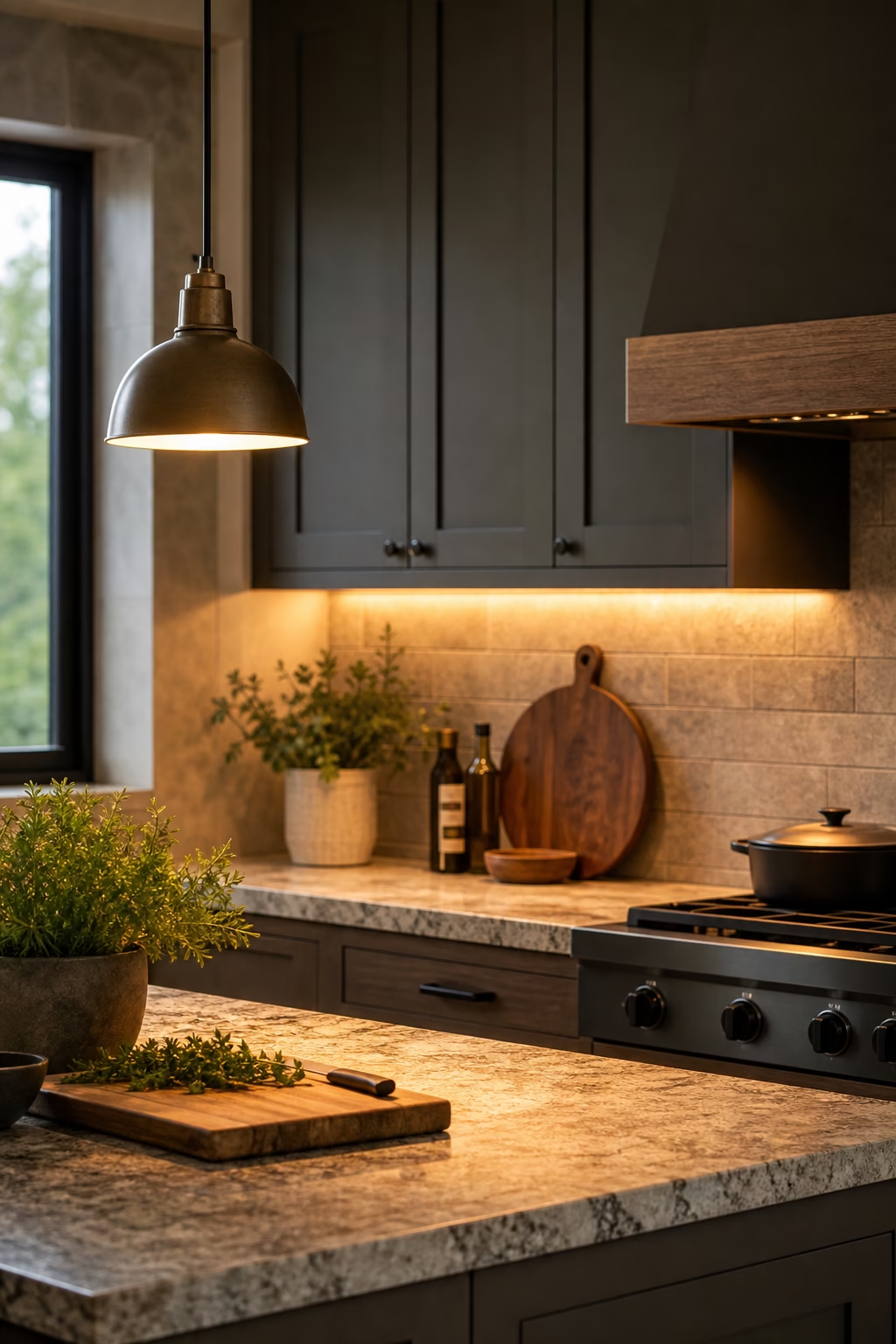
Task lighting belongs wherever hands need accuracy: kitchen counters, desks, bathroom mirrors, laundry folding zones, reading chairs, and workshop corners. The fixture should land light on the task surface without shining directly into the eyes. In kitchens, combine under-cabinet strips with pendants or recessed lights so chopping and cleanup are both clear. At a desk, a movable lamp is often better than a decorative ceiling fixture. The trend is toward slimmer fixtures with better control, not brighter rooms overall. Good task light disappears into the routine because it makes daily work easier, safer, and less visually tiring. Test it at night.
Add Accent Lighting to Give Walls Depth
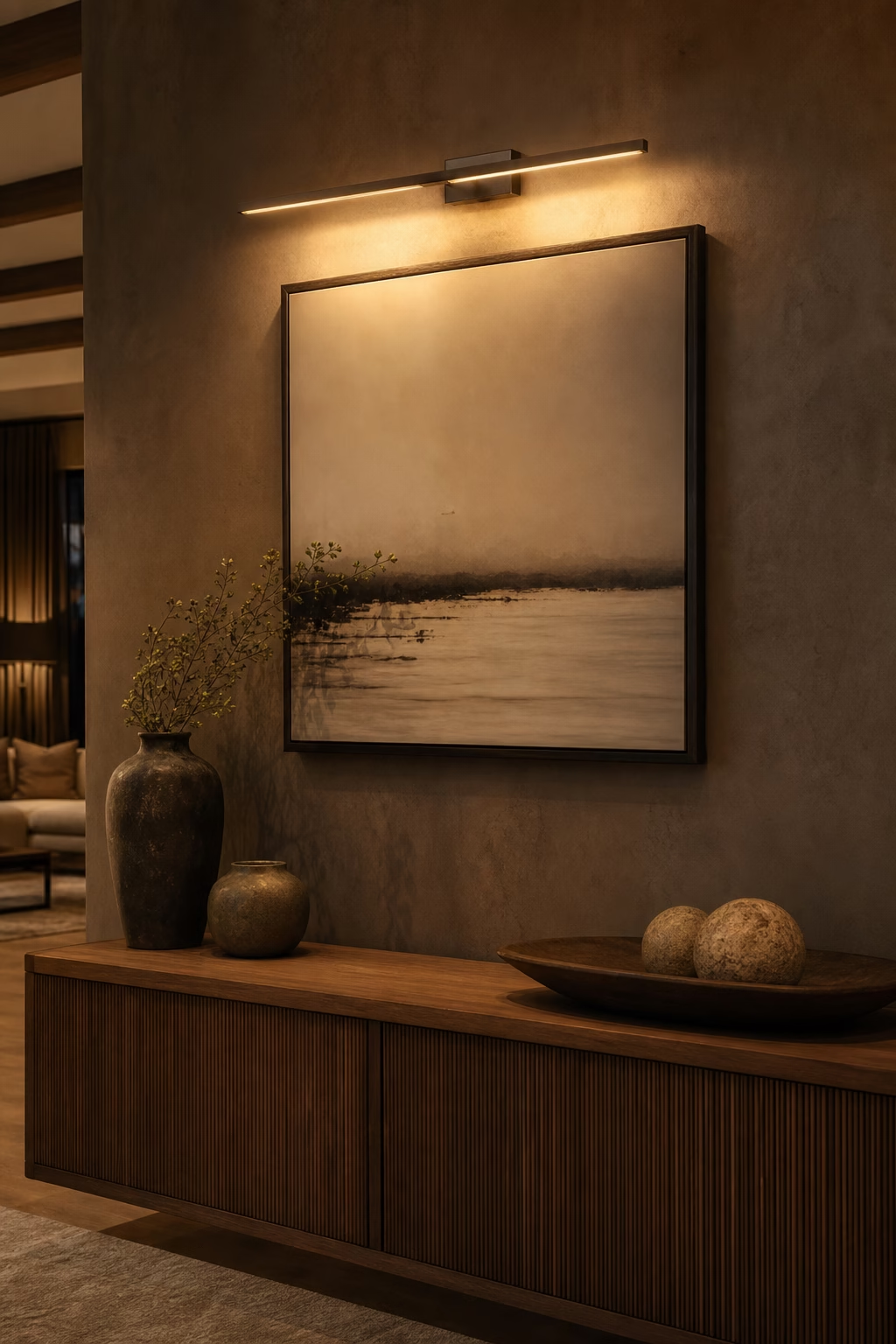
Accent lighting gives a room dimension by highlighting art, shelves, stone, plaster, plants, or architectural details. It should not flood every wall. One lit painting, a washed bookcase, or a textured niche can create enough contrast to make the room feel layered. Use narrow beams or small picture lights when the target is specific, and linear light when the feature is broad. The common mistake is over-lighting accents until they compete with the rest of the space. Keep the effect gentle and dimmable. In a finished room, accent lighting tells the eye where to pause after the practical lighting is solved.
Layer Bedroom Lighting for Morning and Night
A bedroom needs at least two moods: clear enough for getting dressed and soft enough for winding down. Combine a gentle ceiling or cove layer with bedside lamps, sconces, or pendants that can be controlled from the bed. Avoid placing bright downlights directly above pillows; they are unflattering and uncomfortable. Warm dimming is especially useful here because the room can move from practical to quiet without changing fixtures. In 2026, bedroom lighting is becoming more integrated with headboards, wall panels, and hidden channels. The goal is not drama, but a calmer evening routine and easier mornings. Keep switches reachable from both sides.

Choose Sculptural Pendants With Real Scale
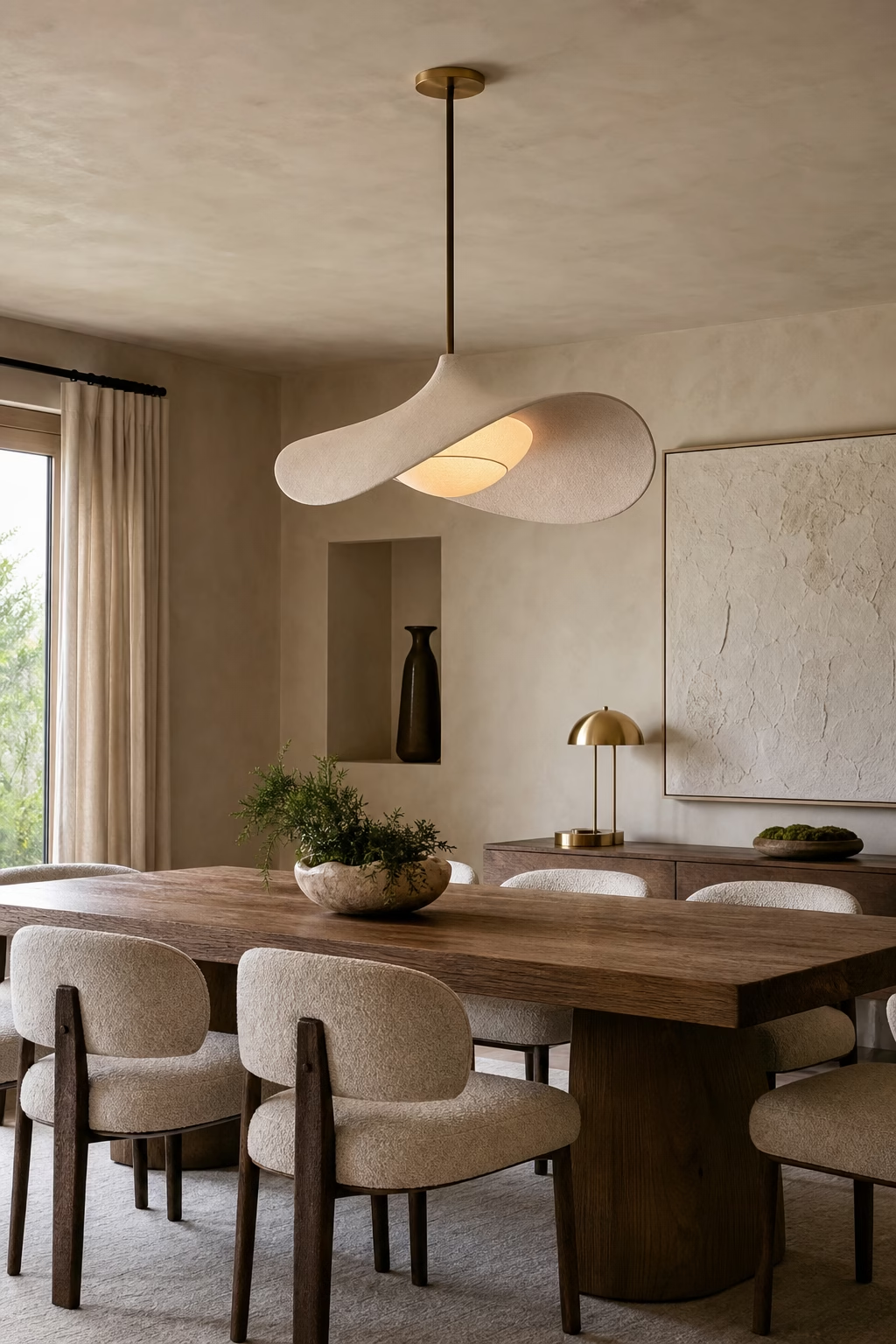
A sculptural pendant can define a dining room, entry, or stairwell, but scale matters more than novelty. The fixture should relate to the table or void below it, leaving enough clearance for movement and sightlines. Over a dining table, the shape can be generous because people are seated; in a walkway, keep it higher and slimmer. Materials such as paper, woven fiber, opal glass, and warm metal are popular because they soften the light while giving the room a focal point. Treat the pendant as architecture, not jewelry. It should look just as considered when turned off. Confirm canopy placement early.
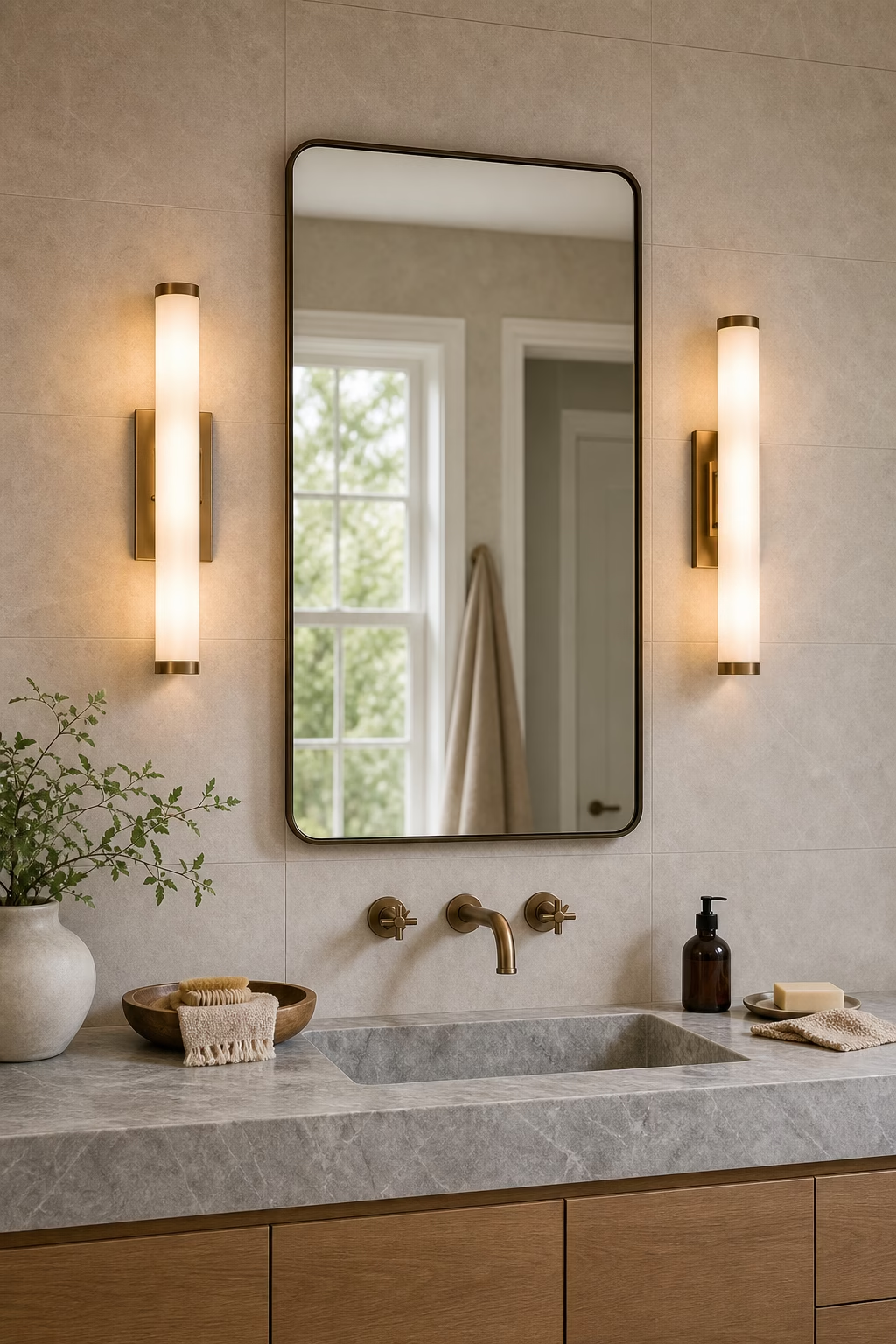
Flank Mirrors With Bathroom-Rated Sconces
Bathroom sconces need to be chosen for both flattering light and safety. Fixtures near sinks should be rated for damp locations, diffused enough to soften faces, and placed around eye level when the wall allows. A pair flanking the mirror is often more useful than one overhead bar because it reduces strong shadows. If the mirror is too wide for side sconces, consider vertical lights mounted through or beside the glass with professional planning. In 2026 bathrooms, slim linear sconces and warm opal shades remain strong because they look clean without feeling cold. Always check electrical clearances before ordering fixtures.
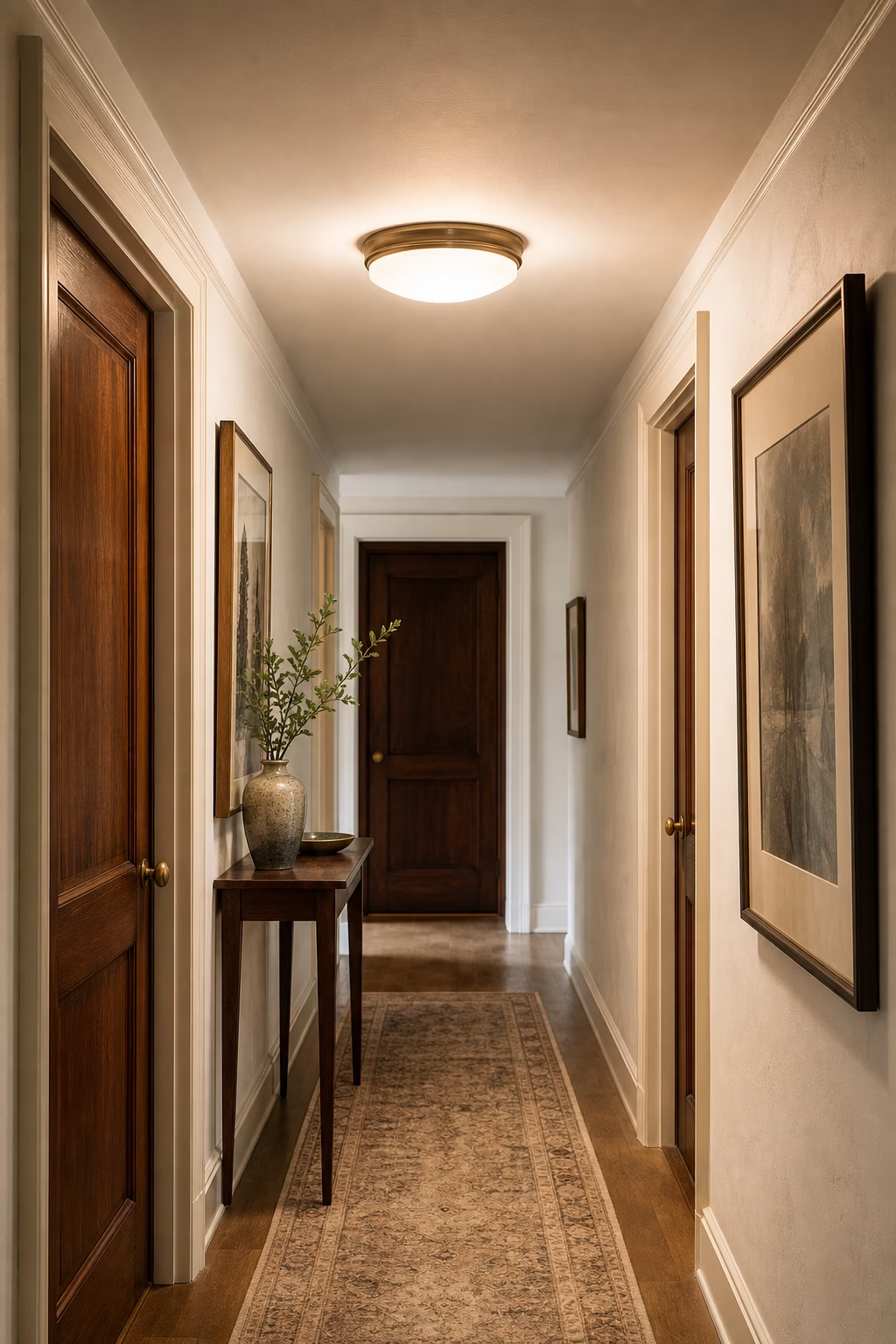
Pick Flush Mounts for Low Ceilings
Flush mounts are no longer the default compromise for low ceilings. Better versions use linen shades, opal glass, ceramic forms, or quiet metal details to provide useful light without hanging into the room. They are ideal for hallways, closets, mudrooms, kids' rooms, and older homes with modest ceiling heights. Choose a diameter that fits the ceiling plane rather than a tiny fixture that looks accidental. Dimming helps prevent the fixture from feeling flat at night. A good flush mount should look calm and permanent, giving the space polish while preserving head clearance and easy movement. Repeat finishes nearby for cohesion.
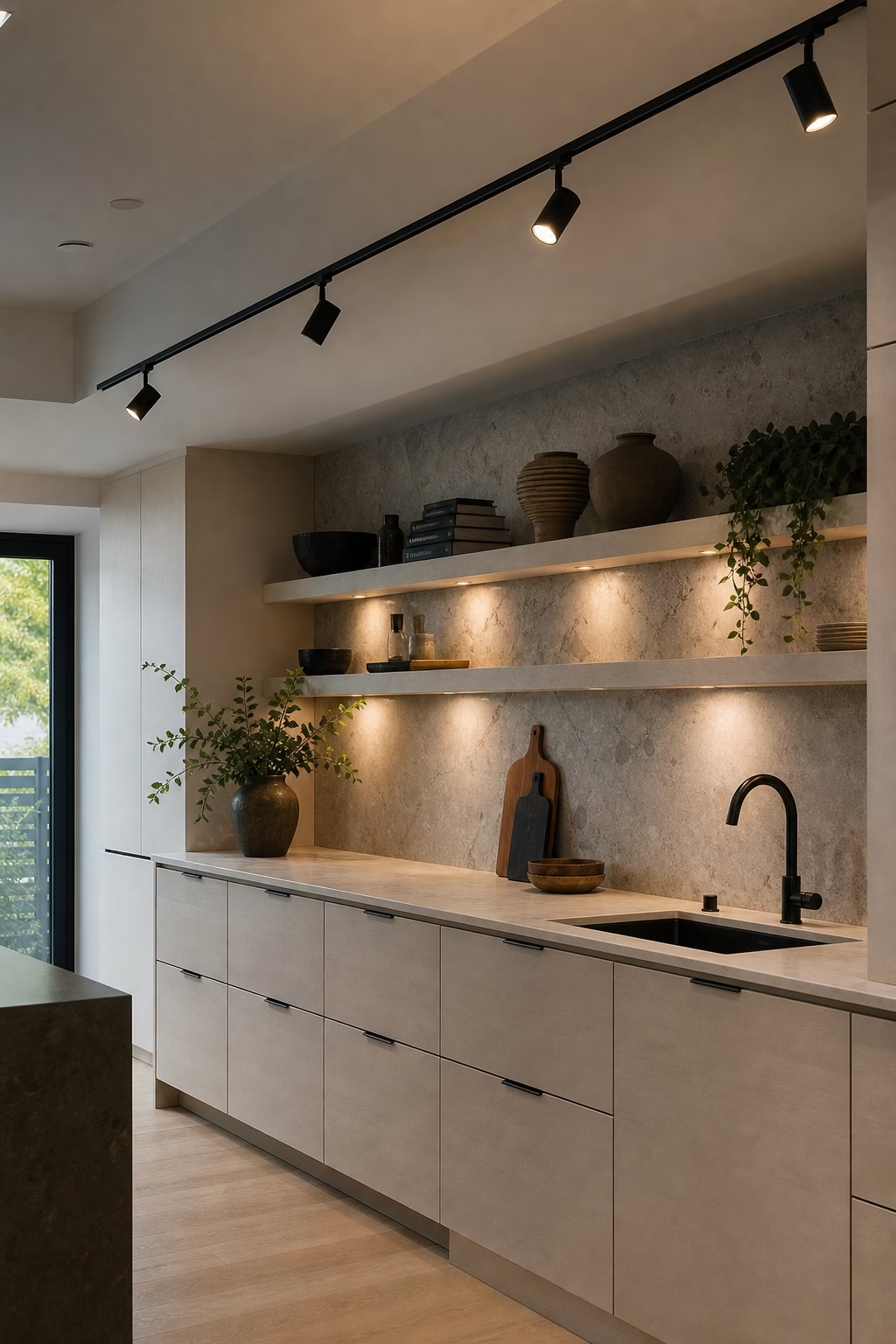
Use Track Lighting When Flexibility Matters
Track lighting is useful when rooms change, ceilings are difficult, or light needs to be aimed at several zones. Modern tracks can look far more refined than older bulky versions, especially in matte black, white, or recessed profiles. Use them for kitchens, studios, galleries, or open-plan spaces where pendants would block sightlines. Aim heads at counters, art, shelves, or seating rather than straight down everywhere. The system should feel deliberate, with even spacing and a finish that relates to hardware or window frames. Flexibility is the advantage, but the layout still needs discipline. Keep beam angles consistent across zones.
Let Picture Lights Make Art Feel Intentional
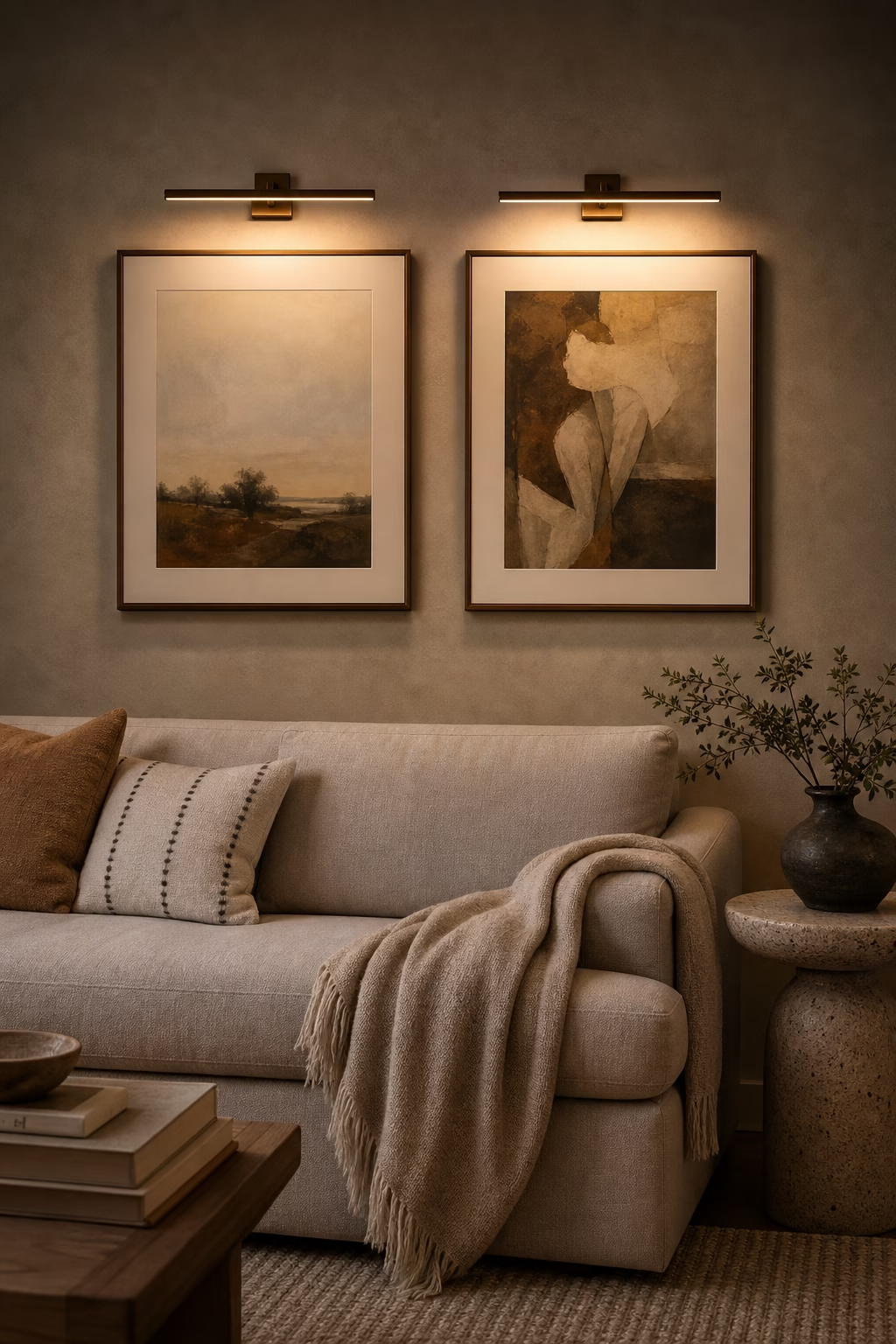
Picture lights can make framed art, textiles, and photography feel intentionally placed rather than simply hung on an empty wall. The fixture width should relate to the artwork, and the beam should cover the piece without glaring into the room. Battery options are improving, but hardwired fixtures still look cleaner and perform better for permanent rooms. Keep the finish connected to nearby metals or frames. Picture lights are especially effective in living rooms, hallways, dining rooms, and bedrooms where soft pools of light add evening depth. They are small fixtures, but they can change the perceived quality of the entire wall.
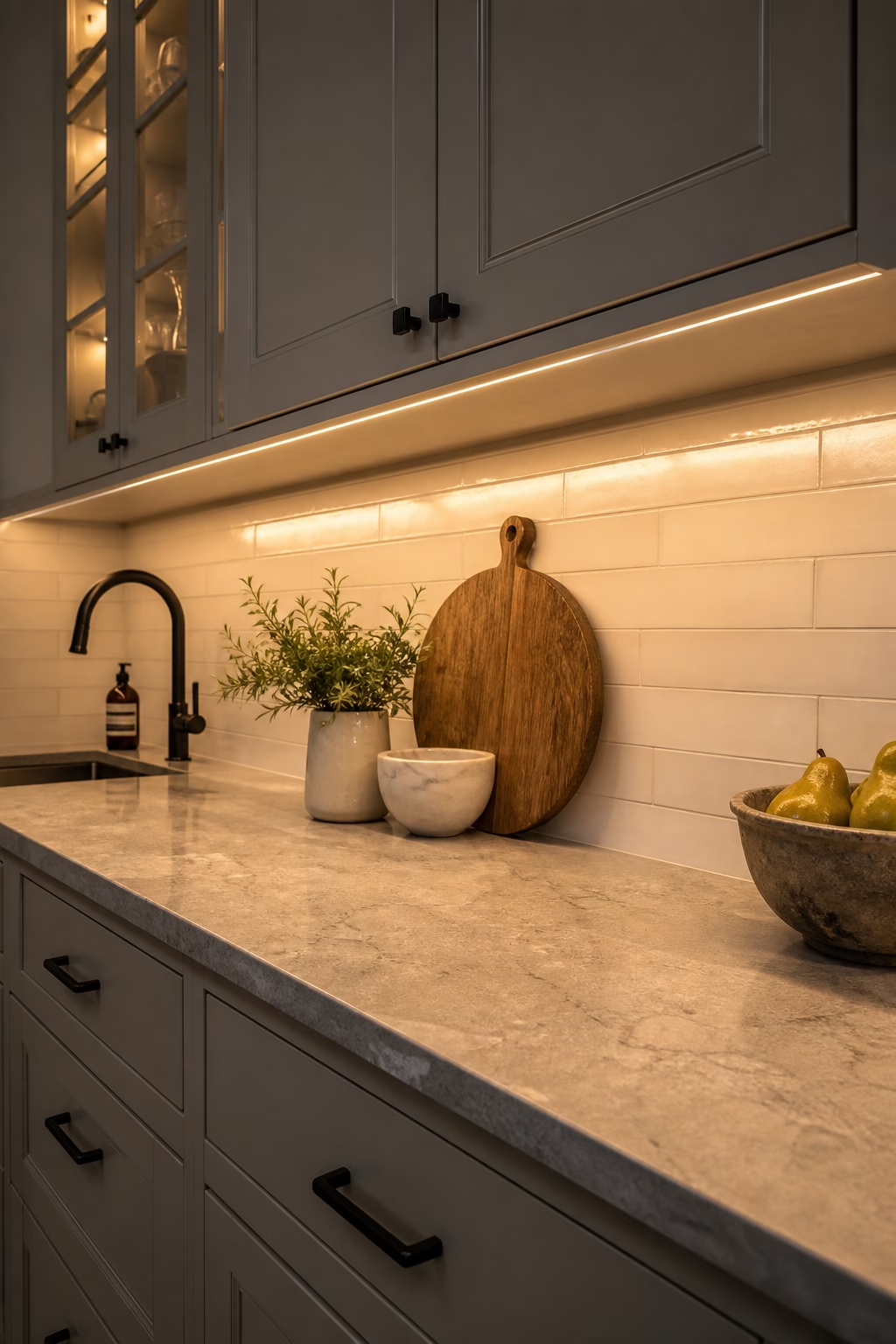
Install Under-Cabinet Lighting as a Kitchen Essential
Under-cabinet lighting is one of the most practical upgrades in a kitchen because it lights the actual work surface instead of the back of your head. Choose continuous, warm, high-quality strips or slim bars with a diffuser so the counter does not show dotted reflections. Place the light toward the front of the cabinet for better task coverage. It should be switched conveniently and dimmable if the kitchen is open to living areas. This layer also gives the room a gentle evening mode after cooking. Good under-cabinet lighting looks quiet, but it changes how useful the kitchen feels every day.
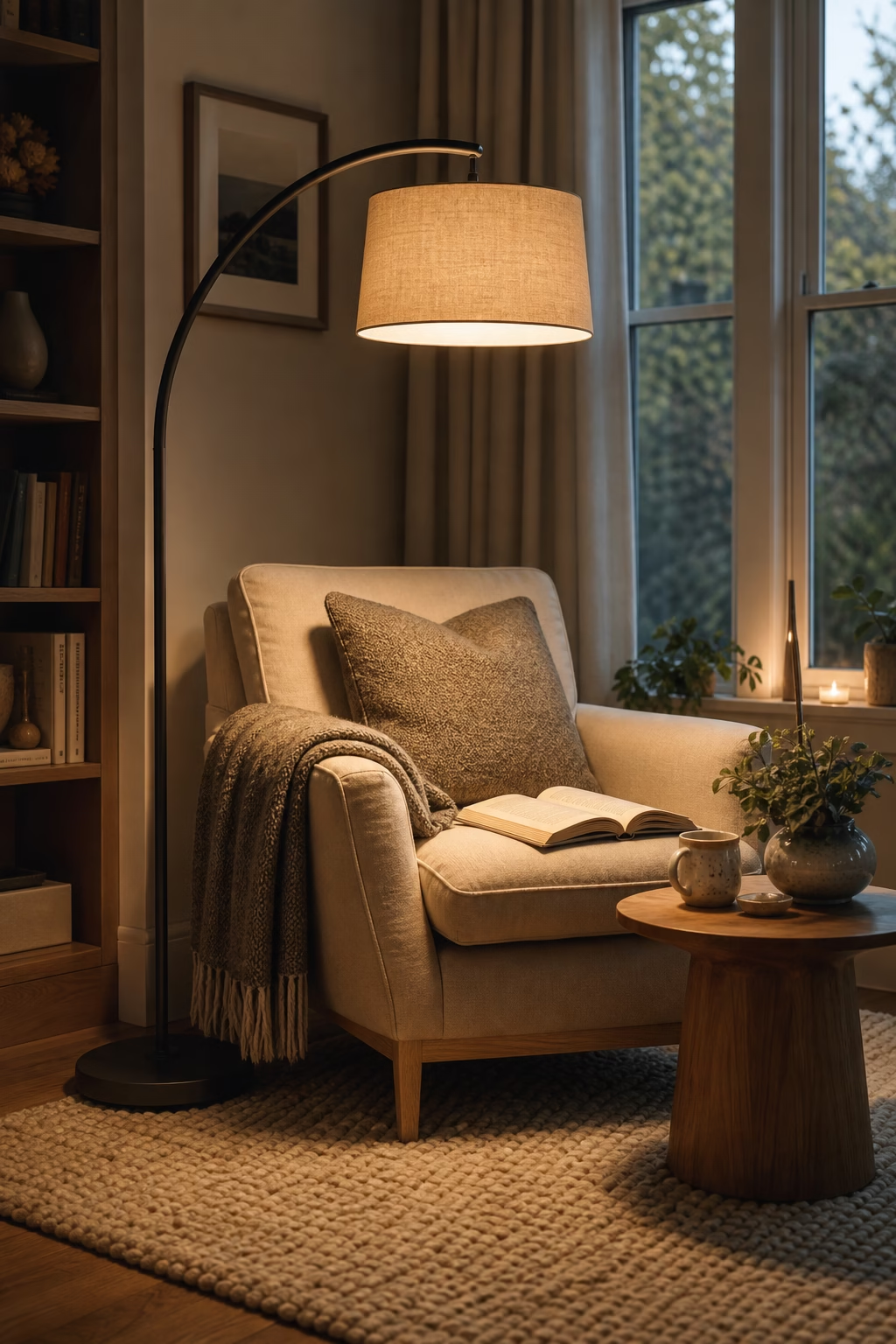
Place Floor Lamps Where People Actually Read
A floor lamp should be placed for a real activity, not parked in a random empty corner. Beside a reading chair, the shade or head needs to throw light over the shoulder and onto the book or tablet. In a living room, an arched lamp can bring light into the seating area when there is no ceiling box. Keep the base clear of walkways and heavy enough to feel stable. Fabric shades create a softer glow, while metal shades give more direction. The trend is toward lamps that act like small pieces of furniture: useful, sculptural, and easy to move when the room changes.
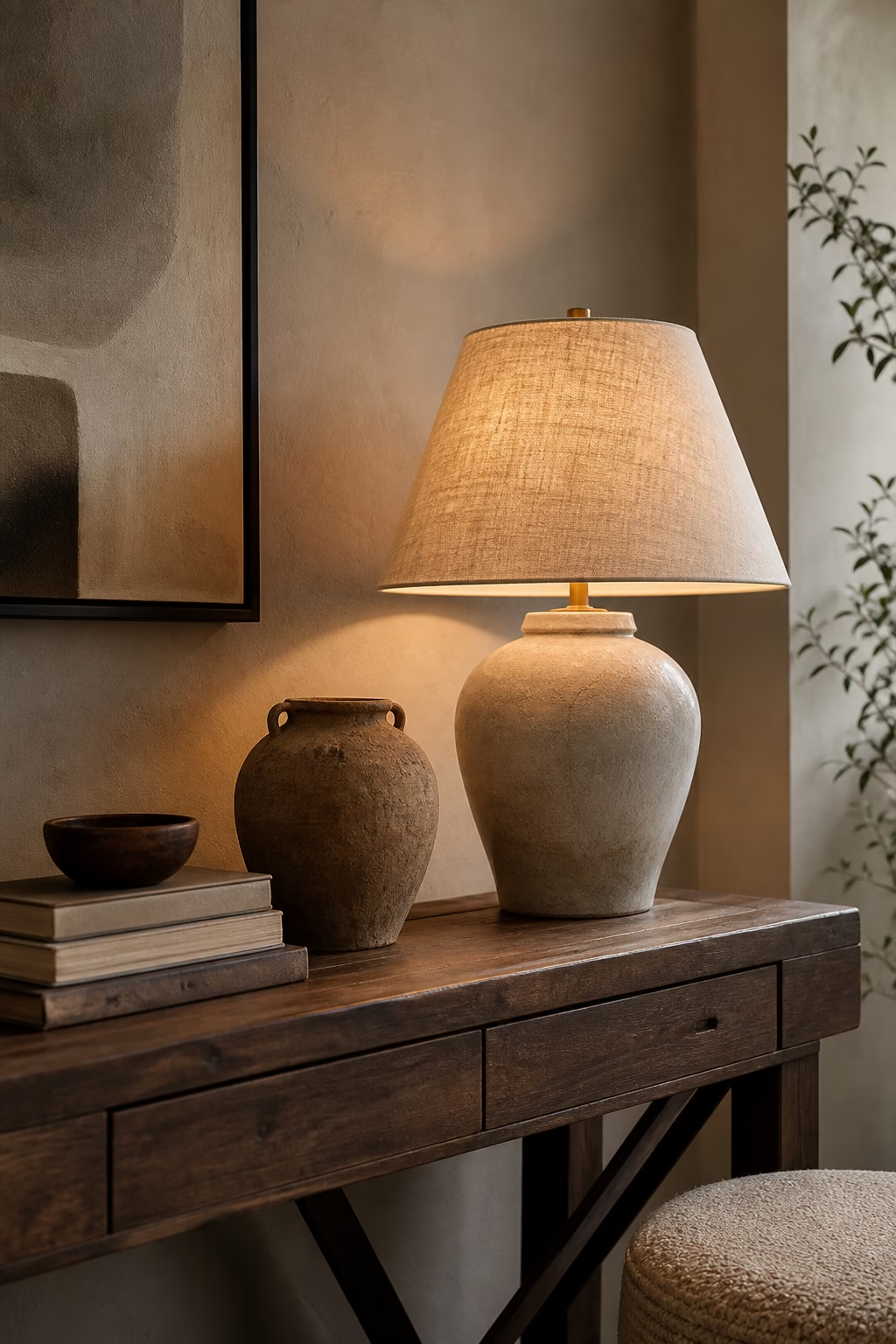
Use Table Lamps to Warm Consoles and Corners
Table lamps bring light down to human height, which is why they make rooms feel warmer than ceiling fixtures alone. Use them on consoles, side tables, nightstands, dressers, and wide shelves where a soft pool of light can shape the evening mood. The shade matters: linen, paper, and pleated fabric diffuse light more gently than exposed bulbs. Choose a lamp height that relates to the furniture and artwork around it. A ceramic or stone base can add texture even during the day. In a layered plan, table lamps are not afterthoughts; they are the easiest way to make a room feel inhabited.
Specify Warm Dimming for Recessed Downlights
Recessed downlights are useful, but they can flatten a room if they are too bright, too cool, or spaced like a grid without regard for furniture. Warm dimming helps because the color temperature softens as the lights lower, closer to the way incandescent light behaved. Use downlights to support circulation, cleaning, and specific surfaces, not to blast the whole room. Avoid placing them directly over faces, pillows, or glossy counters. In 2026, better recessed lighting is quieter, warmer, and more selective. The ceiling should not become the main visual feature unless the architecture truly calls for it. Space thoughtfully around furniture.
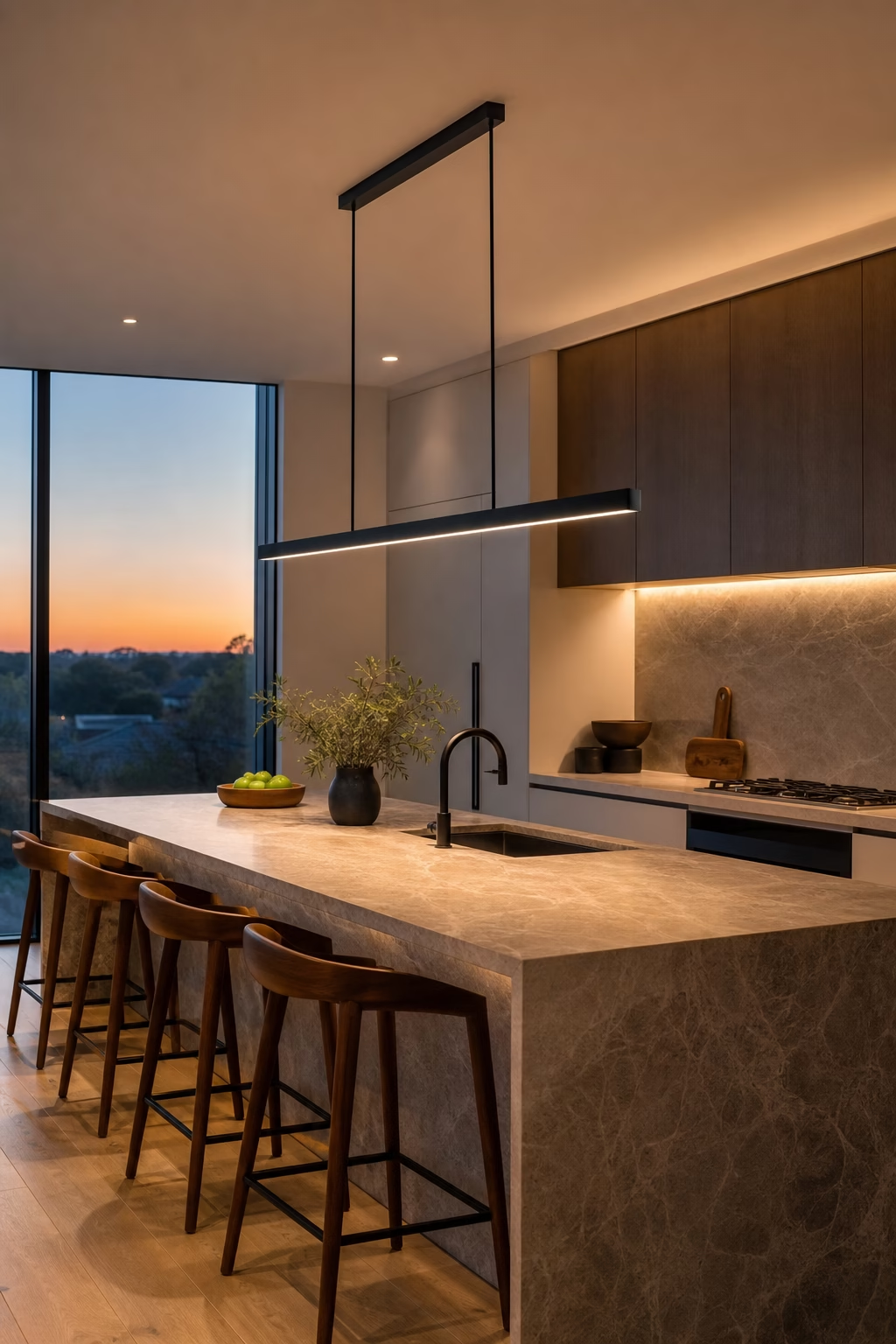
Choose Linear Pendants for Long Islands
A linear pendant can be cleaner than multiple small pendants over a long island, especially in open kitchens where sightlines matter. It gives one continuous gesture, spreads light across the counter, and reduces visual clutter above the work zone. Choose a length that is clearly shorter than the island, leaving room at both ends. The fixture should hang low enough to feel connected but high enough not to block conversation or views. Slim metal, opal glass, and warm diffusers are strong options. Pair the pendant with under-cabinet and ceiling light so the island is not carrying the entire kitchen alone.
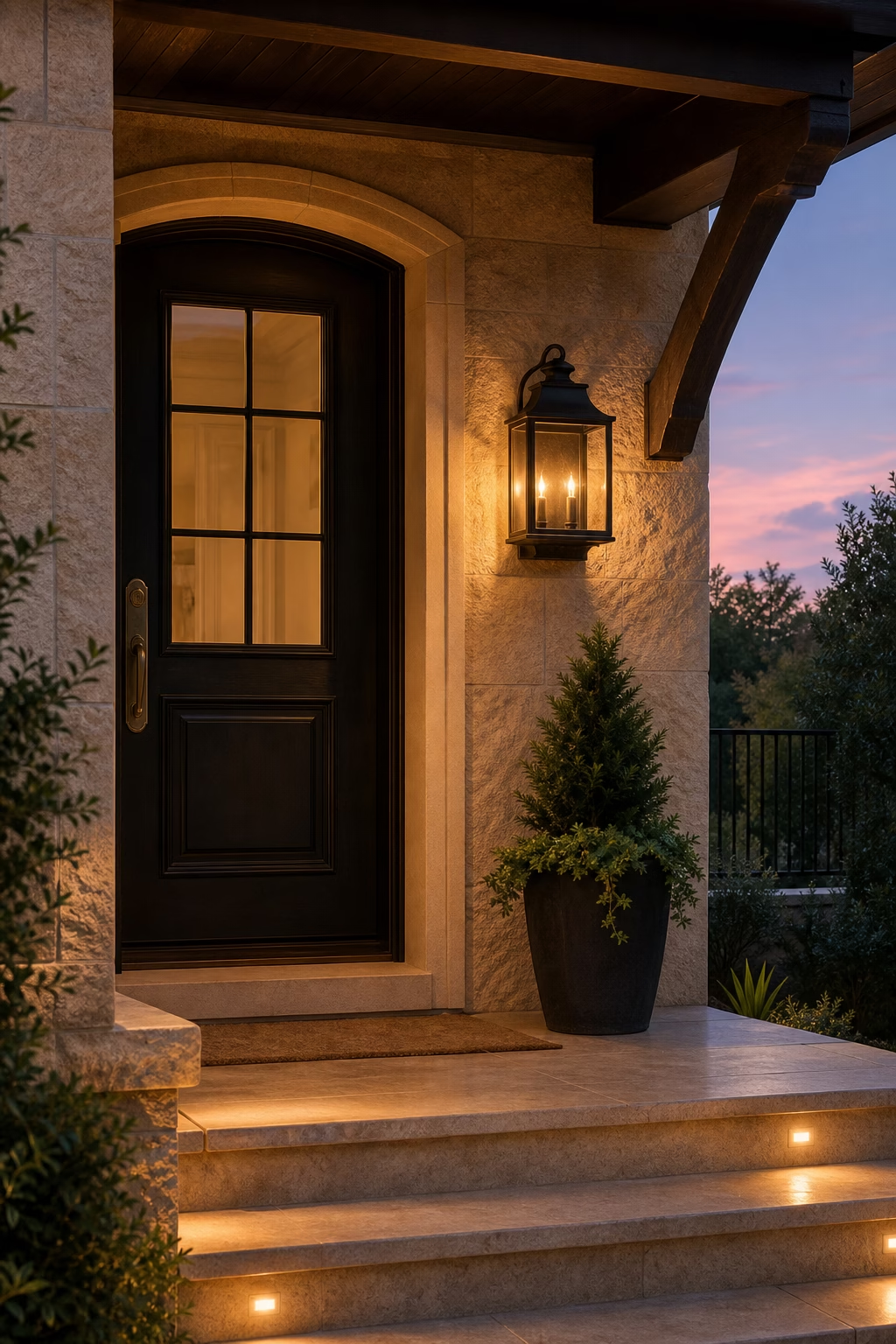
Use Outdoor-Rated Fixtures at Entries
Entry lighting has to handle weather, safety, and first impressions at once. Outdoor-rated lanterns, sconces, and ceiling fixtures should be scaled to the door and mounted where they light the threshold without glaring into guests' eyes. Warm bulbs usually look more welcoming than cool security-style light, and dimmers or smart schedules can keep the entry comfortable after dark. Check wet or damp ratings based on exposure, especially for uncovered doors. The finish should coordinate with hardware, house numbers, or railing metal. A good entry fixture makes the home easier to approach while giving the facade a more finished rhythm.
Control Scenes With Smart Dimmers, Not Gimmicks
Smart lighting is most successful when it simplifies ordinary routines. A dinner scene, cleaning scene, movie scene, or late-night path can be genuinely useful; color-changing novelty settings usually age faster. Choose smart dimmers and switches that still work manually, so guests and family members are not forced to use an app. Group fixtures by how the room is used, not only by circuit. Warm dimming and schedules can make a home feel better without announcing technology. The best smart system is nearly invisible: the lighting shifts smoothly, the walls stay uncluttered, and the room remains comfortable when the Wi-Fi has a bad day.