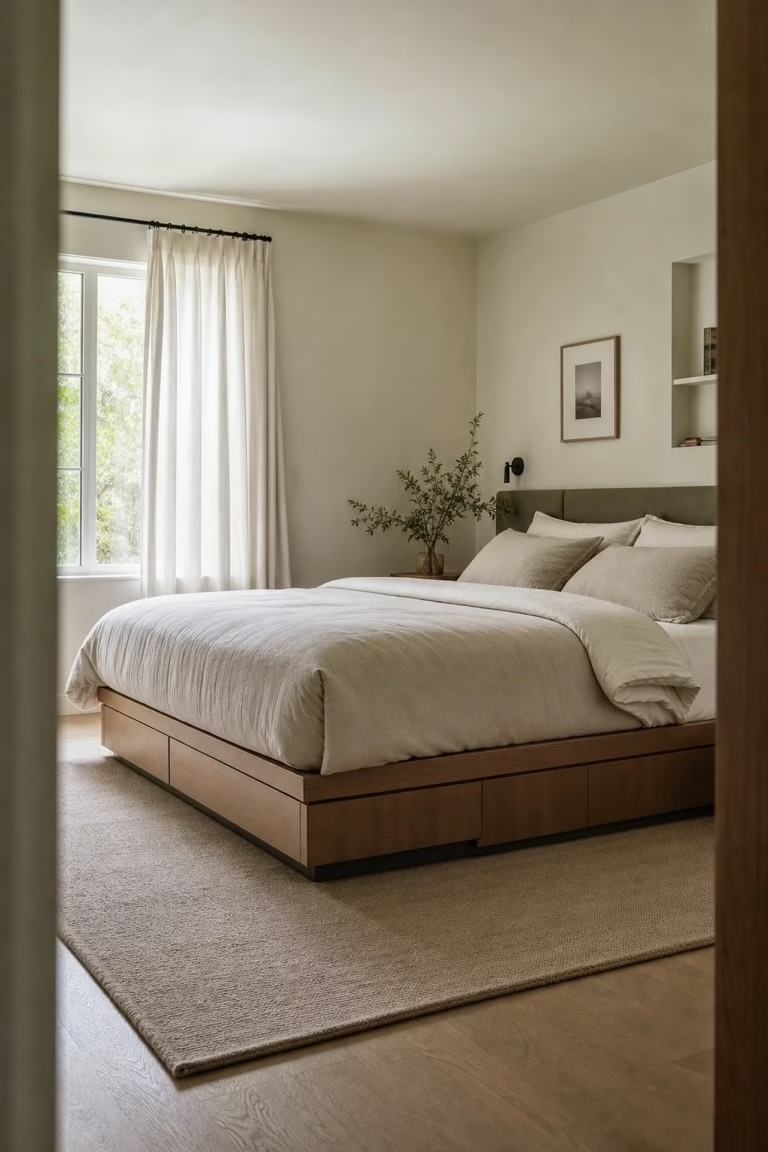
Small bedrooms need storage that works with the layout, not against it. These storage bed ideas help reclaim space while keeping the room comfortable.
- Use a Hydraulic Bed When Side Clearance Is Tight
- Choose Drawers on the Foot End for Studio Apartments
- Try a Captain's Bed for a Child's Small Room
- Select a Daybed With Built-In Drawers
- Use a Platform Bed With Recessed Pulls
- Pick a Tall Base Only When the Ceiling Can Handle It
- Choose White or Pale Wood for Visual Lightness
- Use Dark Frames for a Built-In Look
- Add Storage Without Blocking the Closet Door
- Use Under-Bed Drawers Instead of Plastic Bins
- Choose a Low Headboard to Keep Walls Open
- Use a Storage Bed as the Main Dresser
- Look for Rounded Corners in Tight Walkways
- Match Drawer Direction to the Daily Routine
- Keep Nightstands Floating Beside a Storage Base
- Use Matching Baskets Inside Open Cubbies
- Leave Breathing Room Under Visual Weight
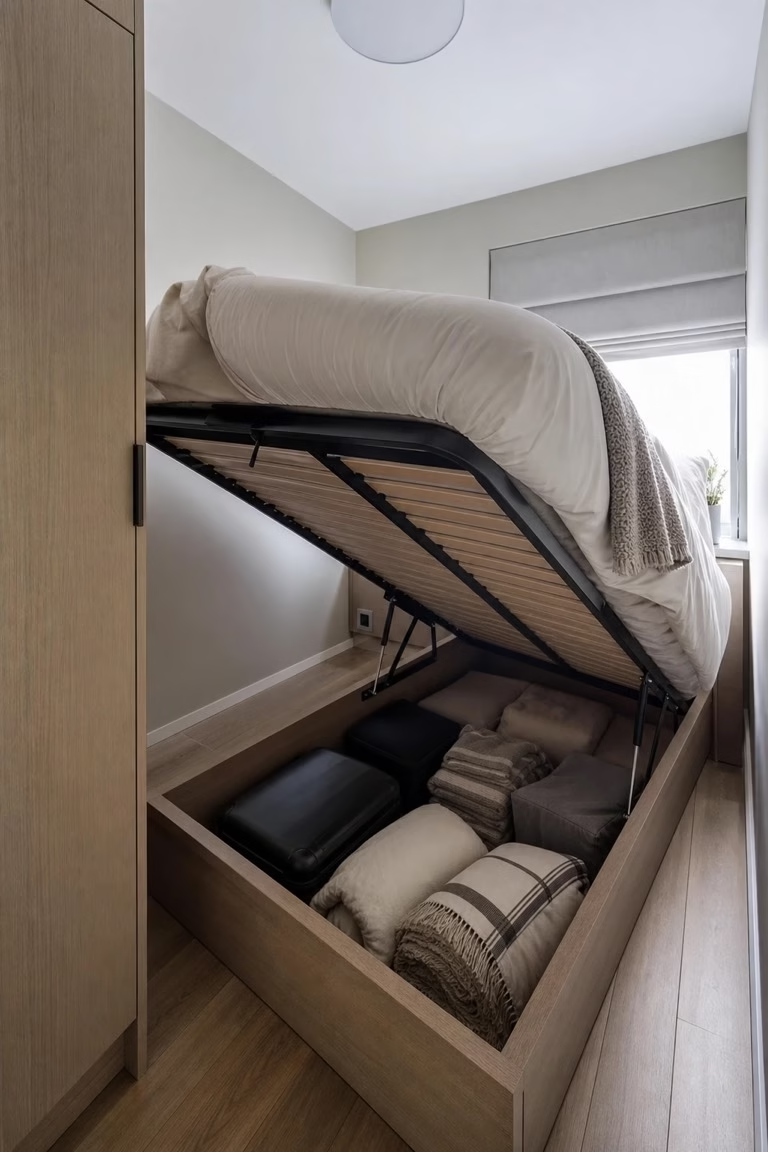
Use a Hydraulic Bed When Side Clearance Is Tight
A hydraulic lift bed is often the smartest choice for a small room because it opens upward instead of demanding clearance on either side. It can sit near a wall, wardrobe, or desk and still provide a large storage cavity under the mattress. Look for a frame with sturdy pistons, a supportive platform, and a handle that is easy to reach when bedding is in place. The interior should be divided into zones so seasonal blankets, suitcases, and spare pillows do not collapse together. This style is not ideal for items you need every morning, but it is excellent for bulky storage that would otherwise require a separate chest.
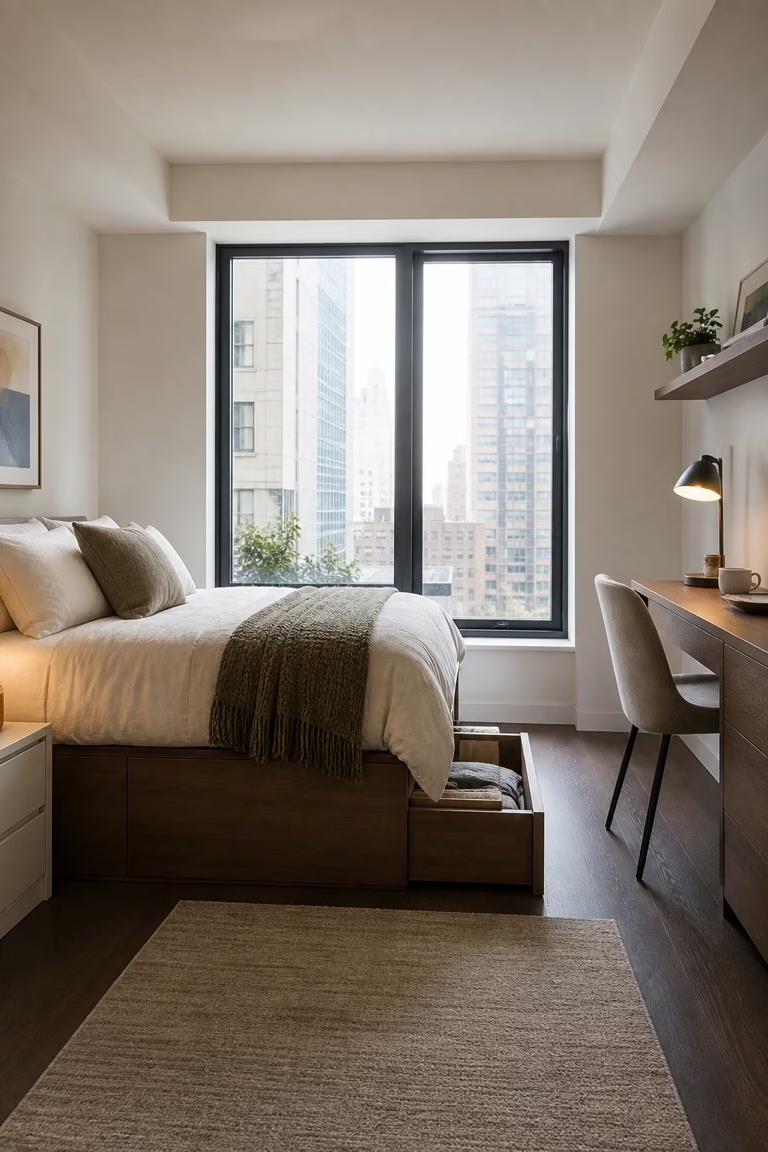
Choose Drawers on the Foot End for Studio Apartments
Studio bedrooms often have only one open side around the bed, especially when the sleeping area shares space with a sofa or desk. Foot-end drawers solve that constraint by pulling into the main walkway instead of into a wall or nightstand. Keep the drawer front low and flush so the bed does not look like a storage unit. This arrangement is useful for shoes, folded jeans, spare throws, and small travel bags. Before choosing it, measure the distance between the bed and the next piece of furniture with the drawer fully open. A storage bed should improve circulation in a studio, not create a new obstacle during busy mornings.
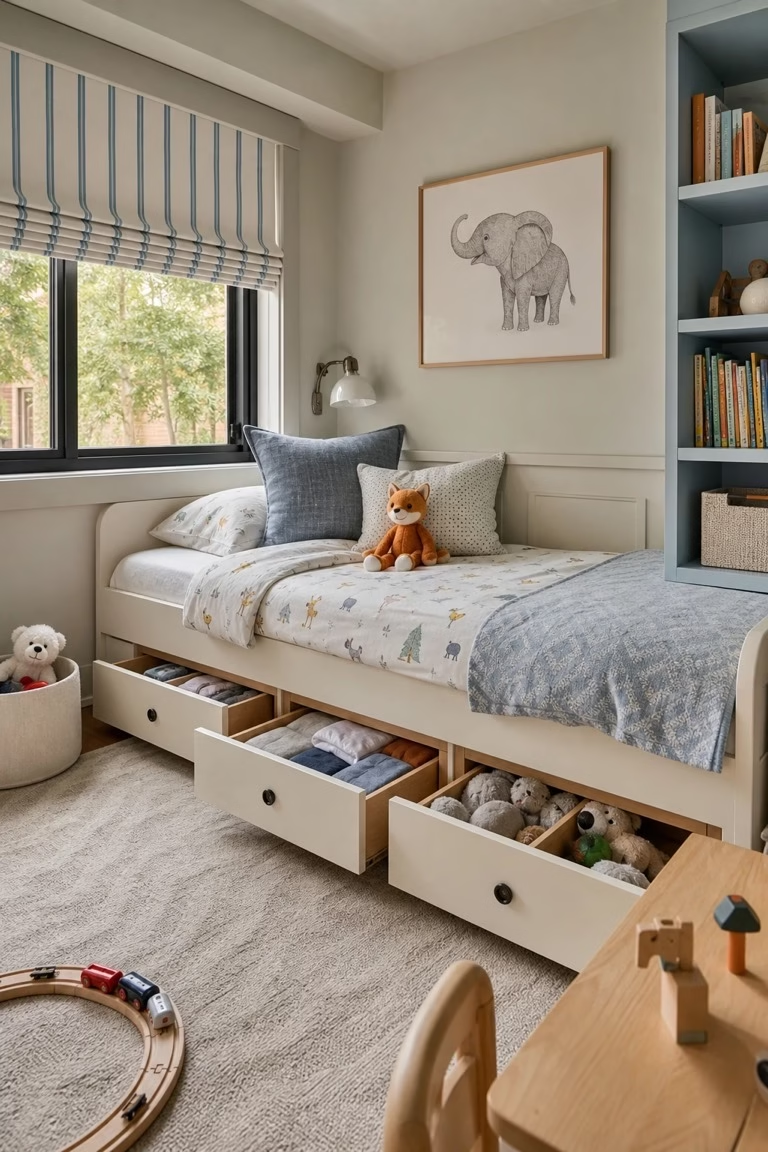
Try a Captain's Bed for a Child's Small Room
A captain's bed can replace a dresser in a small child's room when the drawers are easy to reach and not too deep. Choose broad drawers for clothing, pajamas, art supplies, or extra bedding, and keep the top of the bed low enough for safe daily use. Avoid overly tall bases that make changing sheets difficult. If the room needs toy storage, use one drawer for open bins that a child can pull out independently. The design should feel playful but not temporary, with durable pulls and rounded edges. A well-planned captain's bed gives a small room more floor space for play without sacrificing real storage.
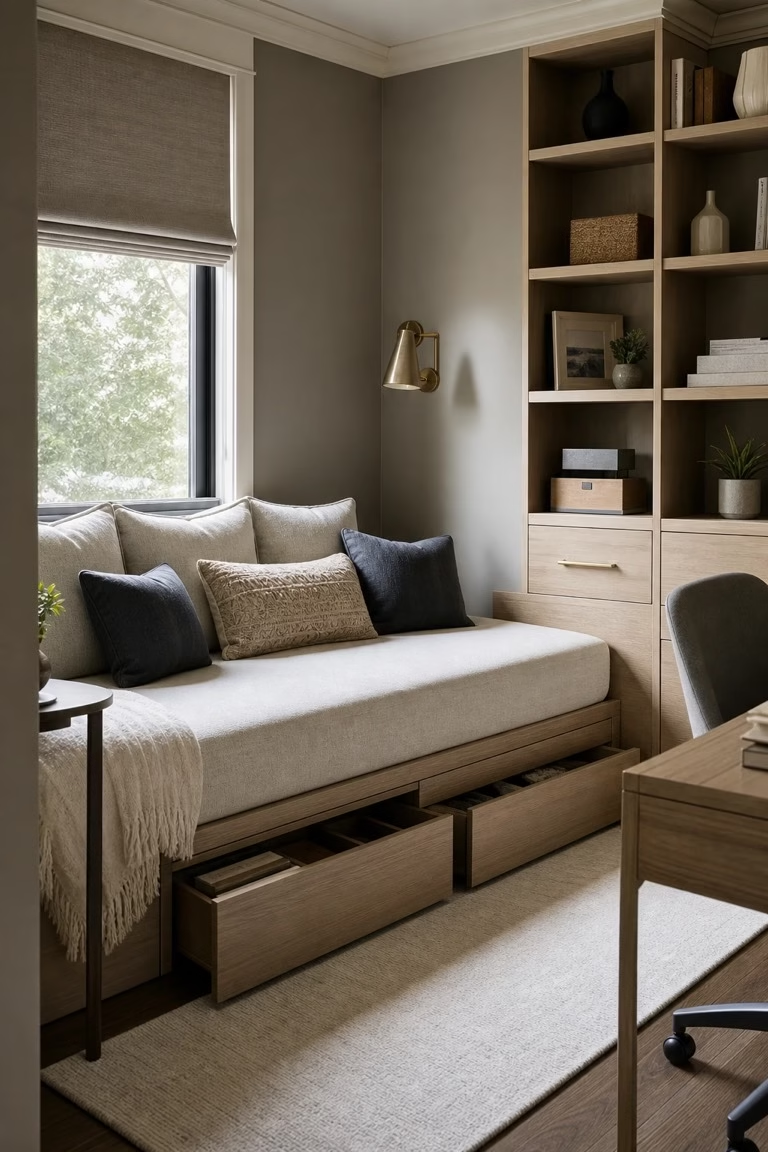
Select a Daybed With Built-In Drawers
A daybed with drawers is a strong option for a multipurpose small room because it can act as a sofa, guest bed, and storage piece at the same time. Use it in a home office, nursery, or studio corner where a standard bed would dominate the layout. The drawer fronts should align cleanly with the base so the piece reads as furniture rather than a temporary trundle. Store guest linens, office supplies, diapers, or craft materials in labeled bins. Add firm back cushions and a slim side table to make the daybed comfortable during the day. The goal is a room that changes function without changing furniture.
Use a Platform Bed With Recessed Pulls
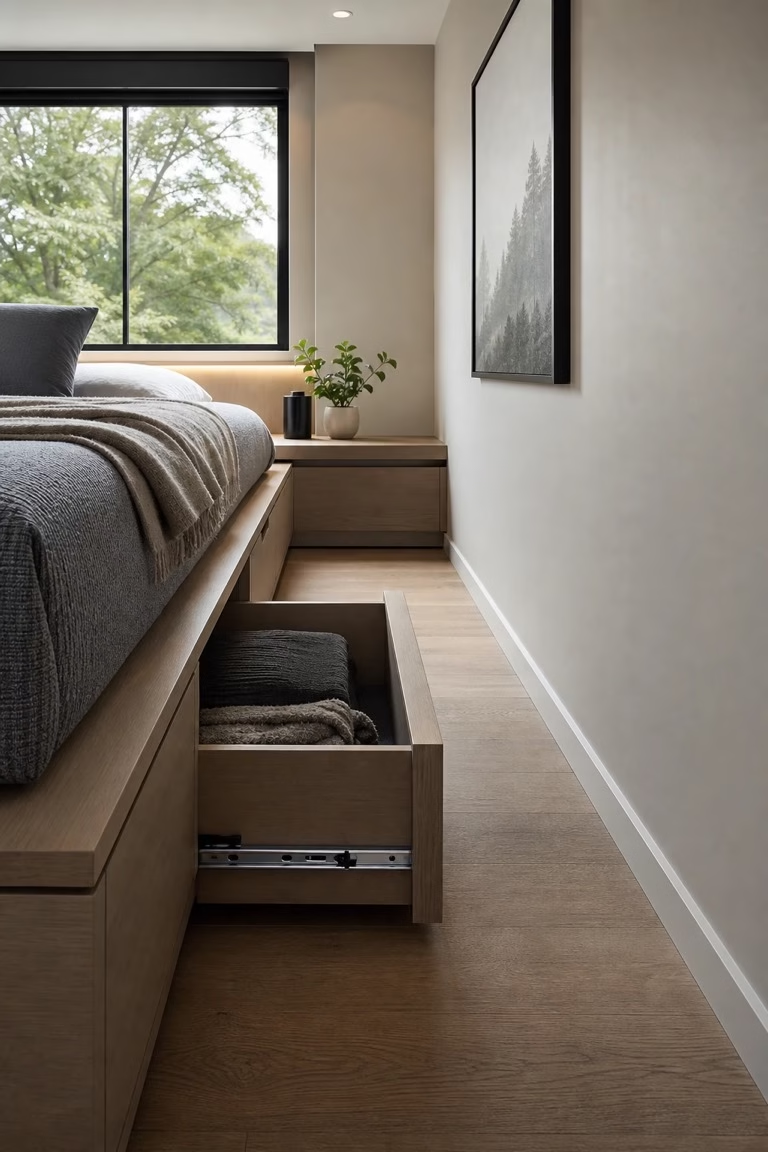
In tight rooms, protruding knobs and handles become annoying quickly. A platform storage bed with recessed pulls keeps the sides smooth, protects shins, and makes the bed look cleaner. Recessed pulls are especially useful when the bed sits close to a wall or when narrow walkways leave little margin for hardware. The platform should still have a slight reveal at the floor so it does not appear too blocky. Choose drawers that move easily on full-extension runners; shallow half-opening drawers waste the advantage of under-bed storage. This detail is small, but it can make a compact bedroom feel more refined and easier to navigate.
Pick a Tall Base Only When the Ceiling Can Handle It
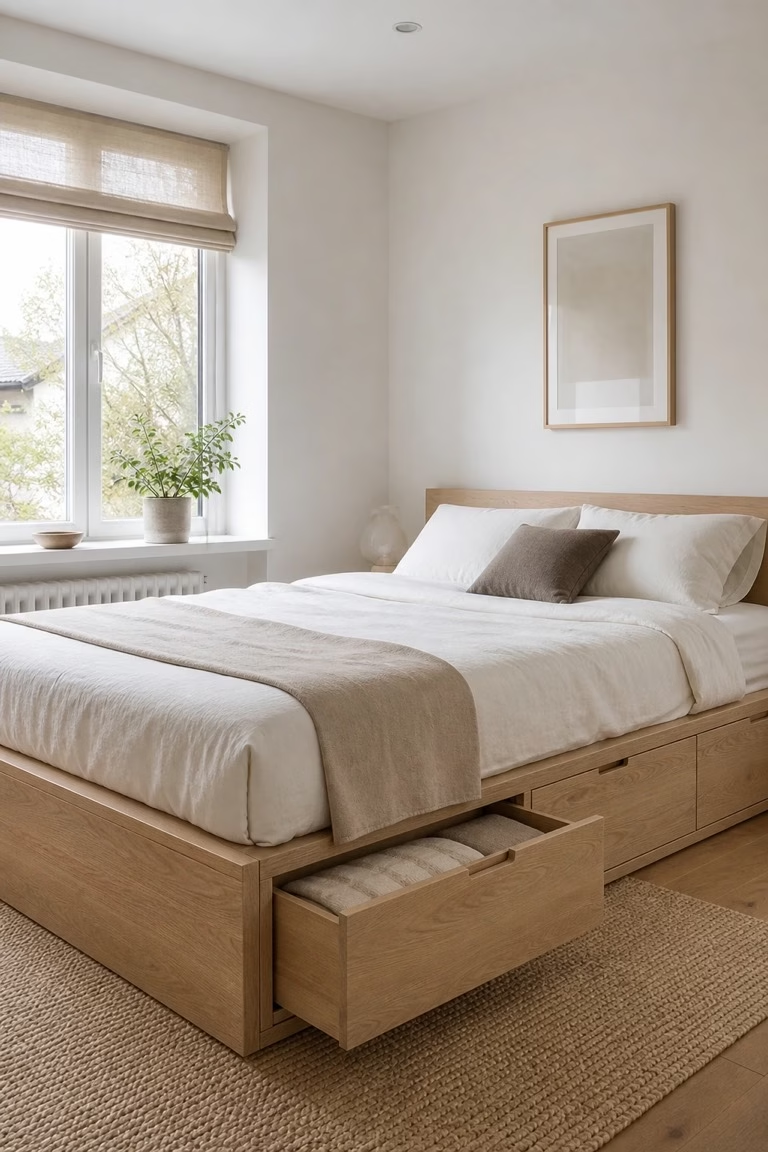
Tall storage beds can hold more, but they also raise the mattress and visually fill the room. In a small space, the right height depends on ceiling height, window placement, and how easily you can climb in and out. If the ceiling is low, choose a medium-height base with fewer but better drawers. If the room is airy, a taller base can work beautifully with simple bedding and low nightstands. Keep the headboard restrained so the bed does not become a wall of furniture. Height should solve a storage problem without making the room feel compressed. Comfort and proportion matter as much as cubic inches.
Choose White or Pale Wood for Visual Lightness
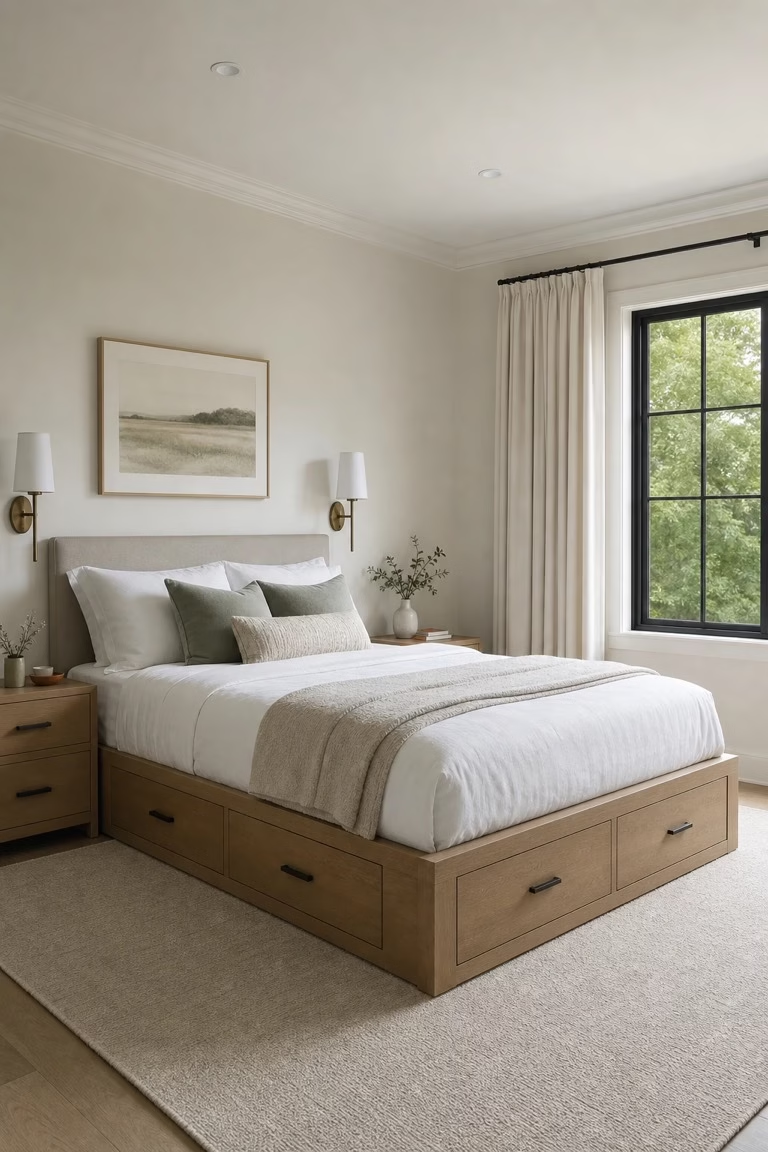
A storage bed has more mass than a standard frame, so color matters. White, pale oak, ash, and light maple finishes can make the base feel quieter in a small room. Pair them with warm bedding, a textured rug, and one darker accent so the space does not look washed out. Pale finishes are especially helpful in rooms with small windows because they reflect light around the bed instead of absorbing it. Keep drawer lines simple and avoid heavy contrast handles. The bed should read as part of the architecture, not as a bulky box. Light materials let the storage disappear without losing function.
Use Dark Frames for a Built-In Look
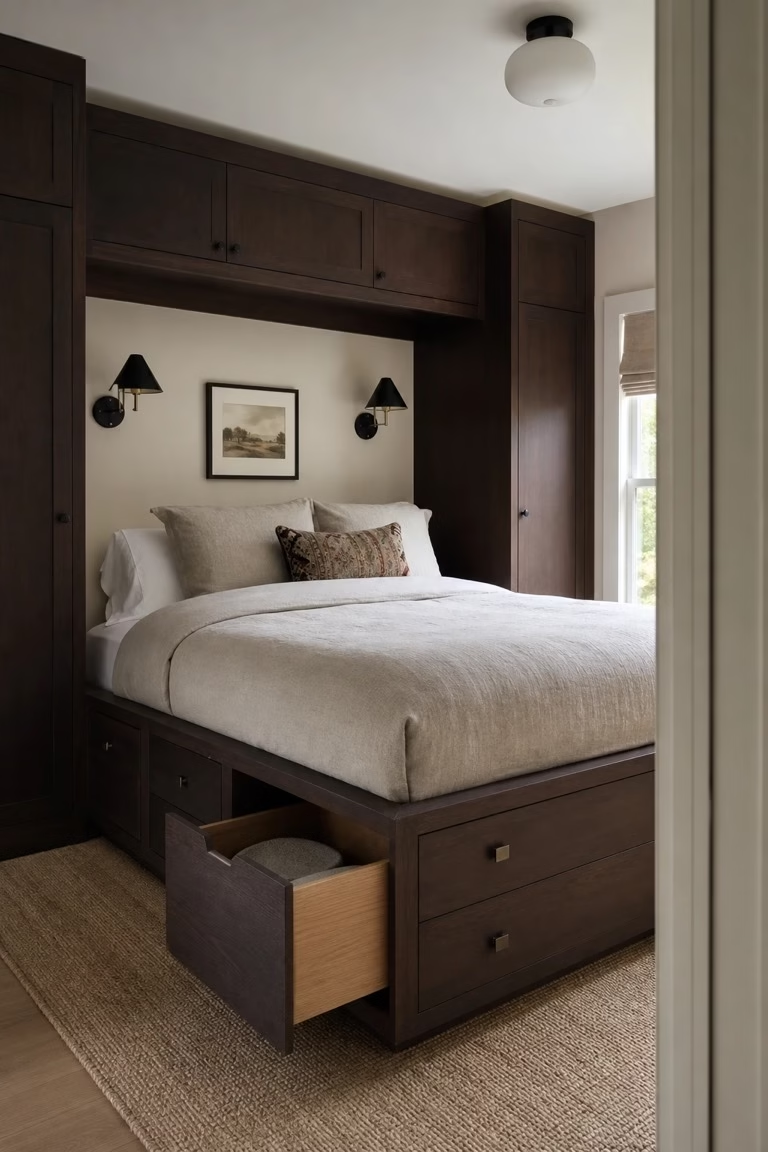
Dark storage beds can work in small spaces when they are used with intention. Charcoal, walnut, espresso, or blackened wood frames look best when they connect to another dark element, such as window trim, a sconce, or a slim shelf. Keep the bedding lighter so the mattress area still feels open. A dark base can make under-bed drawers visually recede, which is useful if the hardware is minimal. Avoid pairing a dark bed with heavy nightstands and dark walls unless the room has strong natural light. The effect should feel built-in and tailored, not cramped. Contrast is what keeps the room alive.
Add Storage Without Blocking the Closet Door
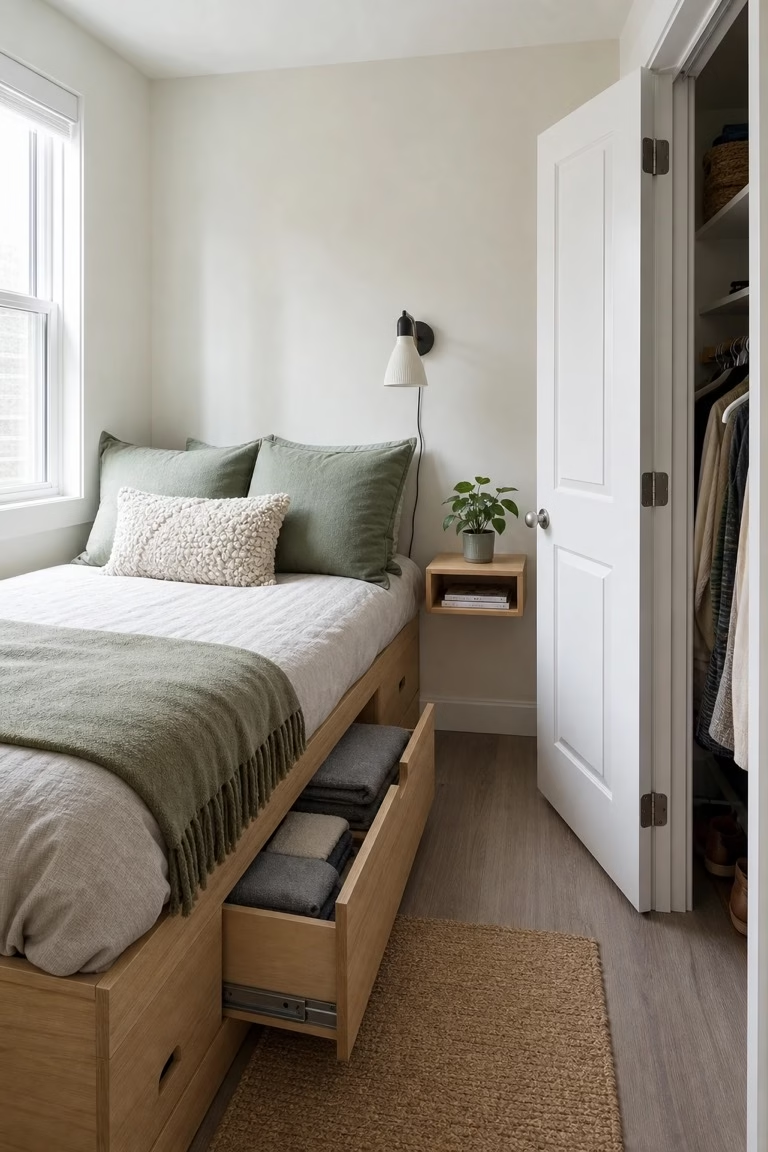
Many small bedrooms fail because the bed storage conflicts with the closet. Before choosing side drawers, map every door swing and sliding panel. If a drawer opens into the closet path, choose a lift base, foot drawer, or one-sided storage layout instead. The best storage bed supports the room's existing function rather than competing with it. In rental bedrooms, this can mean placing the drawer side toward the open wall and using the closet side only for a shallow night shelf. A good layout lets you open the closet, make the bed, and reach storage without a daily sequence of moving furniture. Measure the awkward moments, not just the empty room.
Use Under-Bed Drawers Instead of Plastic Bins
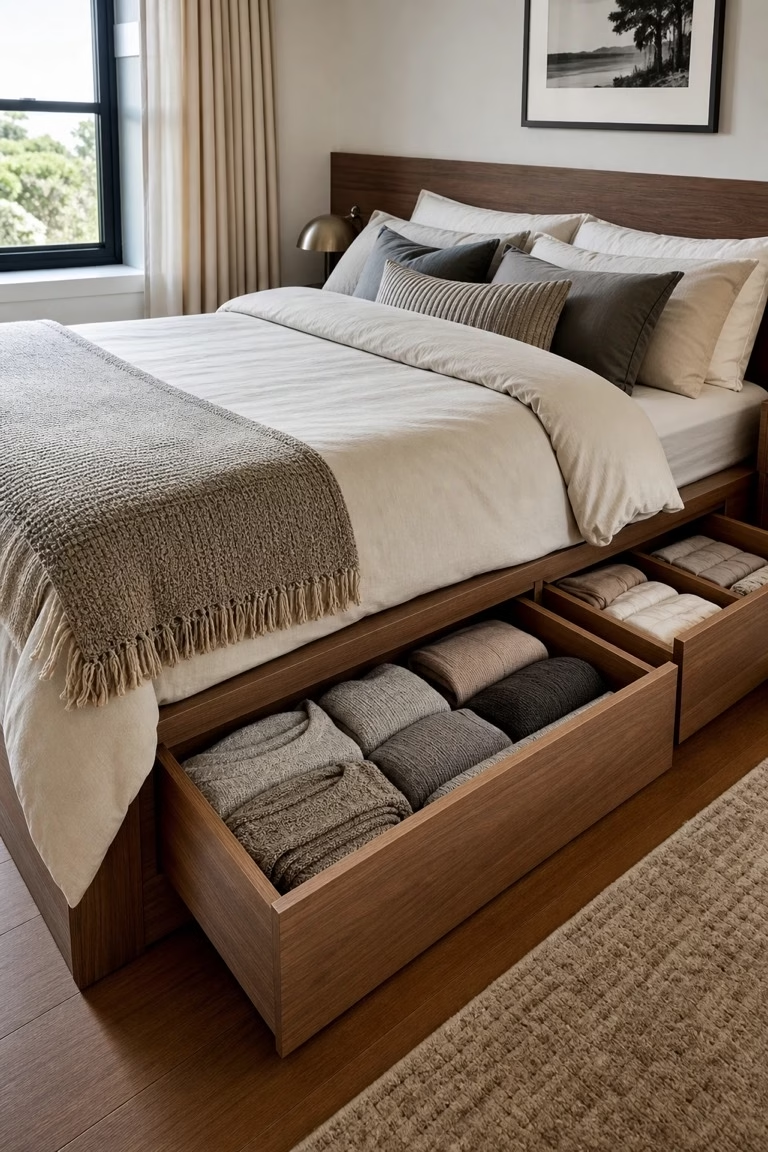
Plastic bins under a standard bed are inexpensive, but they rarely look calm and often collect dust. A storage bed with built-in drawers gives the same capacity with cleaner lines and easier access. This upgrade is especially worthwhile when the bed is visible from the doorway or shares space with a living area. Choose drawers that are enclosed at the sides so contents stay protected, and add internal dividers for socks, sweaters, or extra linens. If budget is tight, prioritize one well-made drawer side over a complicated base with flimsy hardware. Built-in storage feels more adult because it makes organization part of the furniture.
Choose a Low Headboard to Keep Walls Open
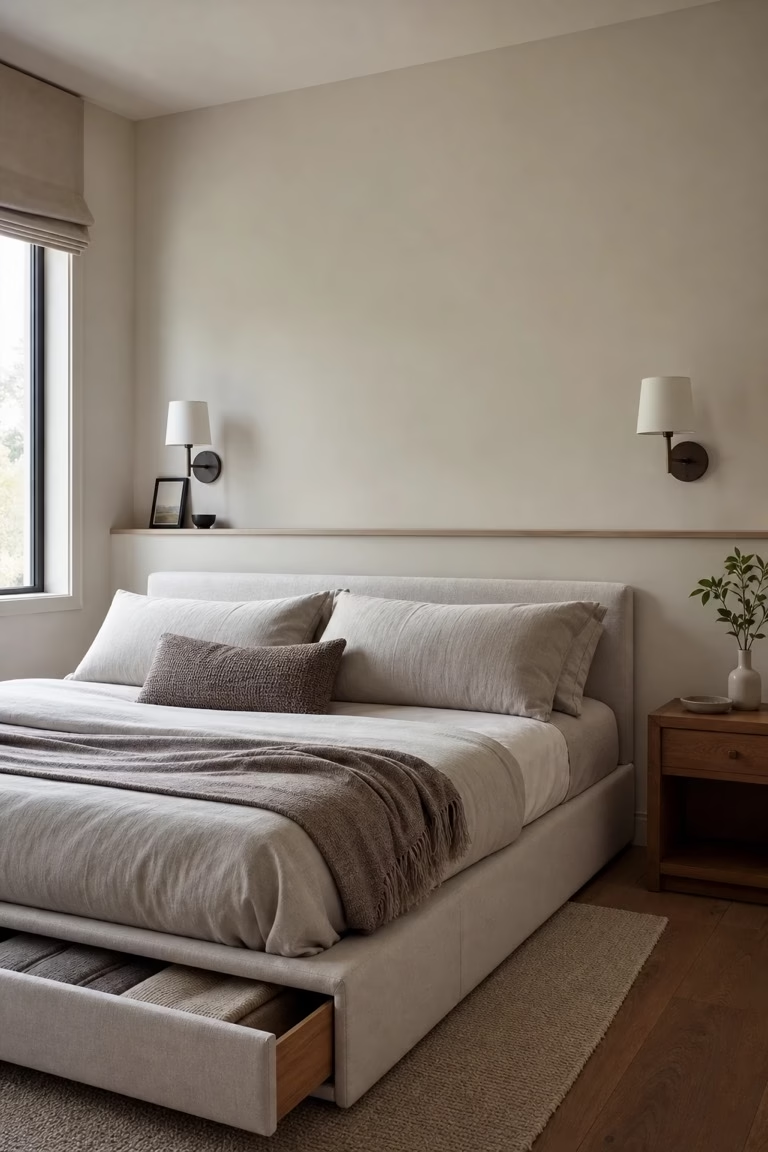
A high storage headboard can be useful, but it may overwhelm a small bedroom. A low headboard keeps the wall open for art, sconces, shelves, or simply breathing room above the pillows. This is especially important when the bed already has a thick storage base. Choose a headboard with a slim ledge if you need a place for glasses or a phone, then keep deeper storage below the mattress. The lower profile makes windows, ceiling height, and bedside lighting feel more generous. In small rooms, the most successful storage bed is often the one that hides capacity while letting the walls stay visually calm.
Use a Storage Bed as the Main Dresser
In a very small bedroom, the storage bed may need to replace a dresser entirely. Divide the drawers by clothing category and use slim organizers so each compartment works like a real drawer, not a hidden bin. Store heavier clothing near the foot or lower drawers and keep frequently used items on the easiest side. This works best with a bed that has full-extension runners and sturdy drawer boxes. Add a wall hook rail, floating shelf, or narrow wardrobe for hanging pieces so the room does not lose all vertical storage. When the bed becomes the dresser, every drawer needs a clear job and an easy path to open.
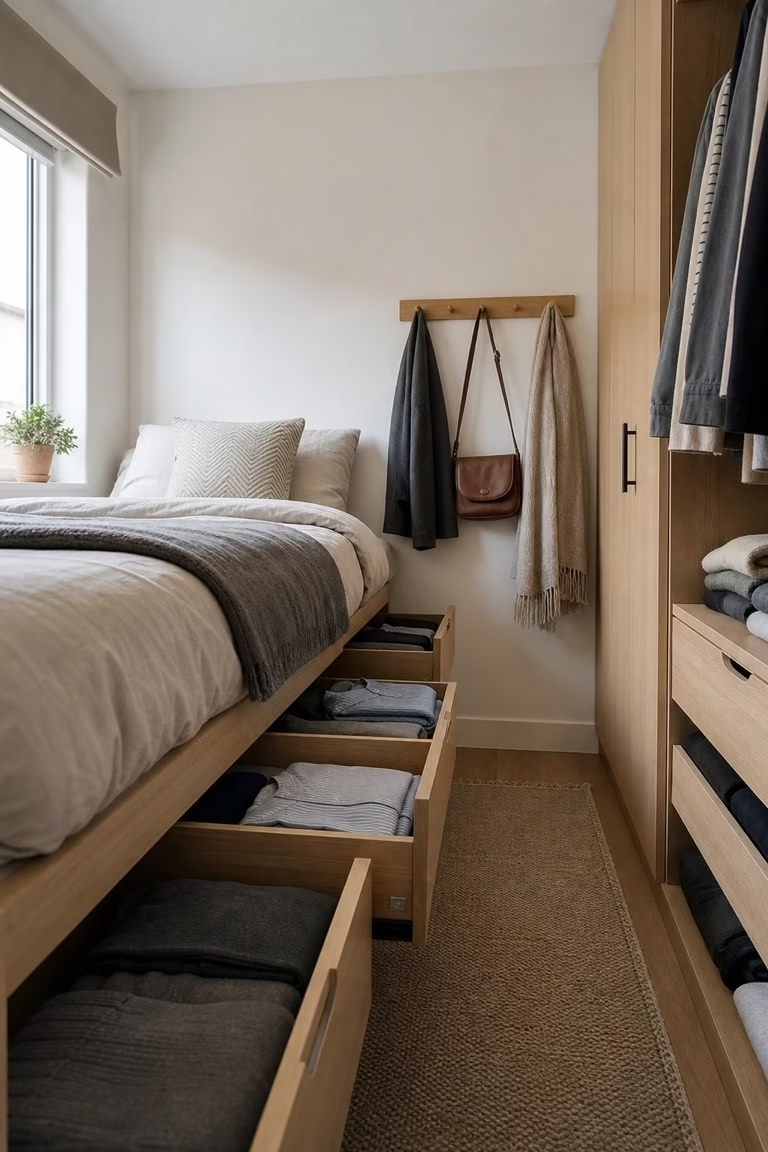
Look for Rounded Corners in Tight Walkways
Storage beds often have boxy bases, which can feel harsh in a small room. Rounded corners, softened upholstery, or chamfered wood edges make narrow walkways more comfortable and reduce the chance of bumped shins. This detail is practical as well as visual. It suits rooms where the bed sits close to the doorway, desk, or wardrobe. The frame should still look crisp; overly padded forms can feel bulky if the room is already tight. A small radius at the corner and a recessed base are usually enough. Comfort in a compact bedroom comes from tiny construction choices that make movement feel natural.
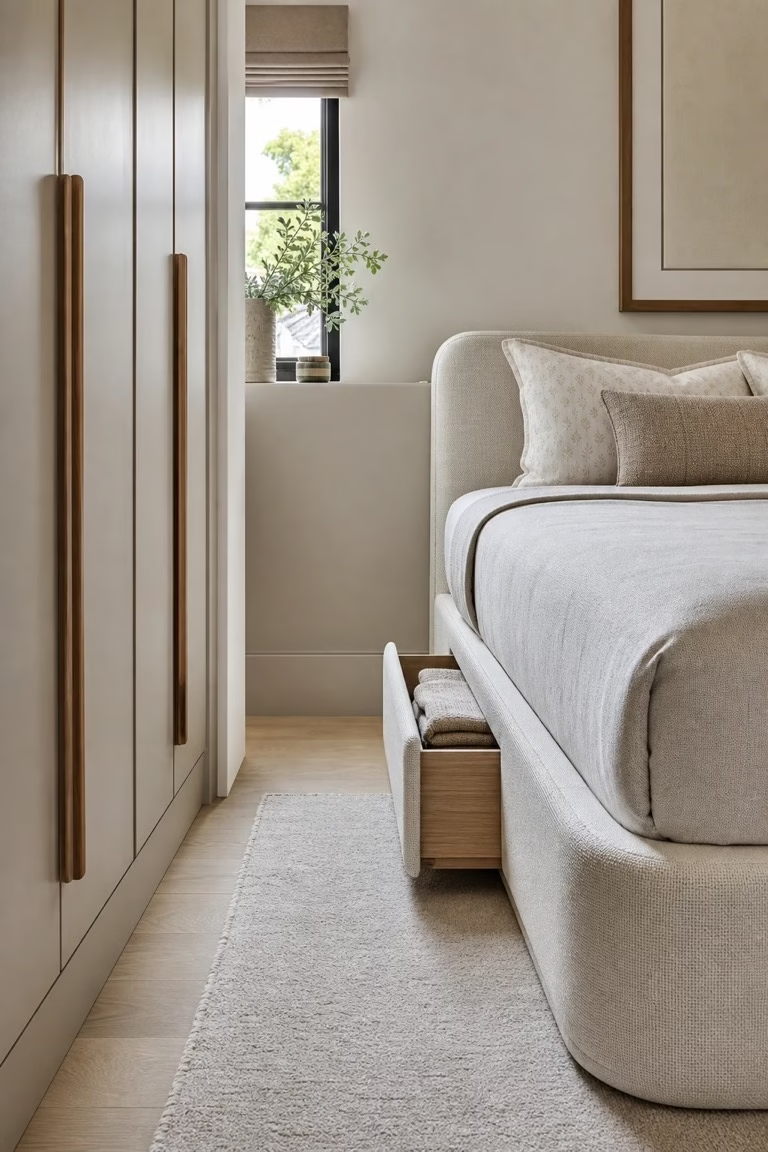
Match Drawer Direction to the Daily Routine
The best storage-bed layout depends on how the room is used. If you dress near the closet, put clothing drawers on that side. If the foot of the bed faces the door, avoid storing private items there. If one person wakes earlier, give that person the drawer side that can open quietly without crossing the room. These details sound small, but they determine whether the storage is used after the first week. Make a simple plan before buying: daily clothes, extra linens, luggage, hobby items, and backup bedding. Then match each category to the easiest opening direction. Good storage follows behavior instead of forcing it.
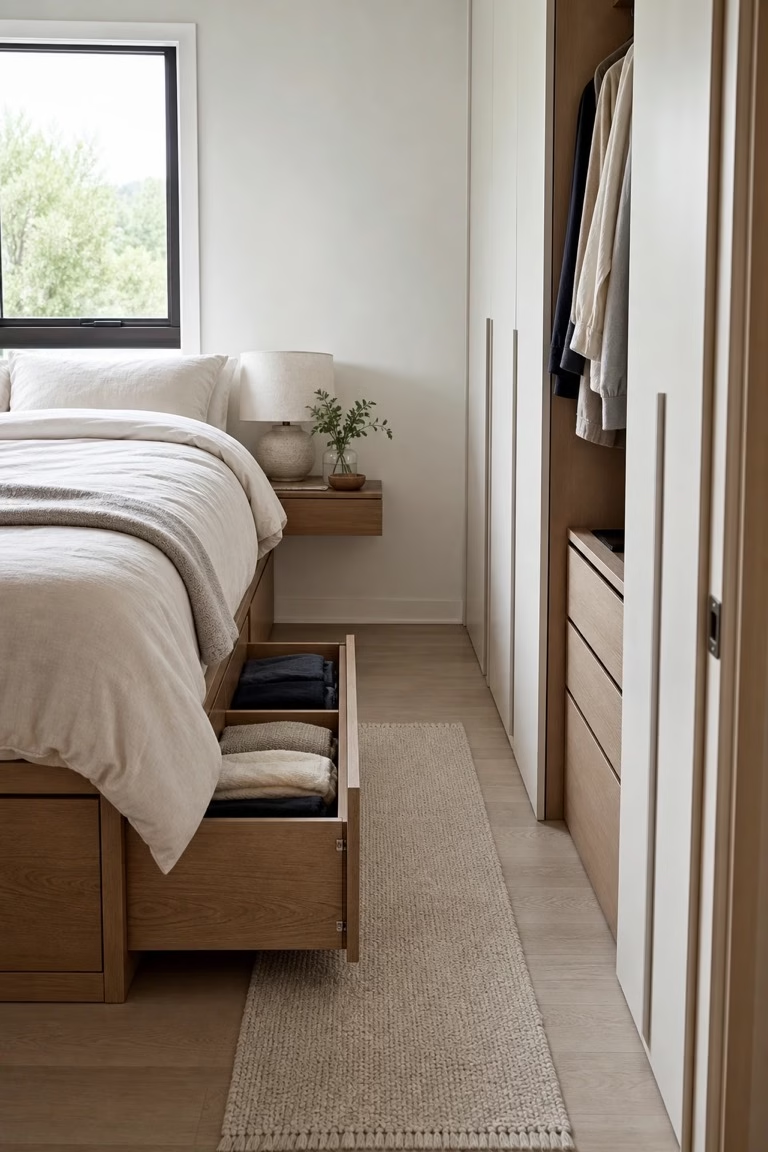
Keep Nightstands Floating Beside a Storage Base
Freestanding nightstands can block storage drawers and crowd a small bedroom. Floating nightstands or narrow wall shelves solve the problem by leaving the drawer path clear. They also make the bed area feel lighter because more floor is visible. Choose shelves with enough depth for a lamp, book, and glass of water, but not so much that they become clutter ledges. If you use sconces instead of table lamps, the shelf can stay even slimmer. This pairing works with both upholstered and wood storage beds. It lets the bed provide the hidden capacity while the wall-mounted pieces handle the few things you need at arm's reach.
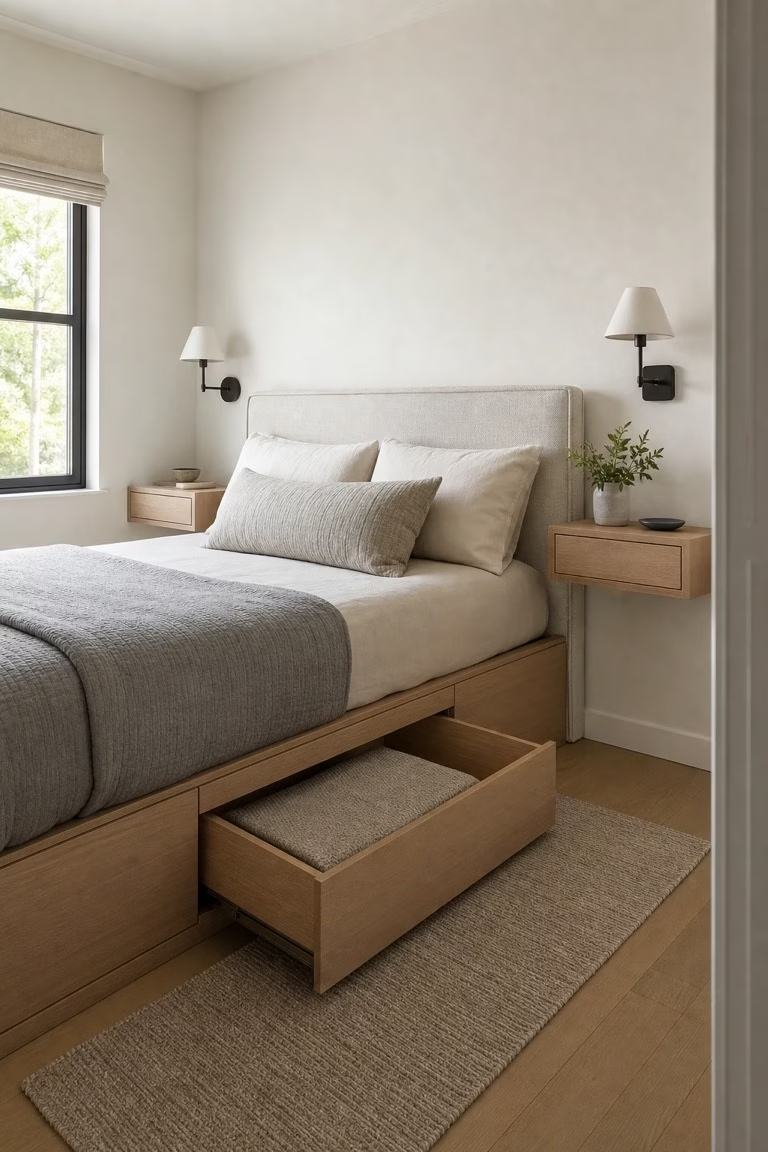
Use Matching Baskets Inside Open Cubbies
Some storage beds use open cubbies instead of closed drawers. They can work in small spaces if the contents are controlled. Matching baskets give the bed a calmer rhythm and hide the irregular shapes of chargers, books, accessories, or children's toys. Choose baskets that fit the cubbies closely but still slide out easily. Avoid overfilling them, because bulging sides make the bed look messy from the doorway. Open cubbies are best for items that can tolerate a little dust and are easy to grab. For clothing or guest bedding, closed drawers are usually better. The trick is making open storage look intentional rather than exposed.
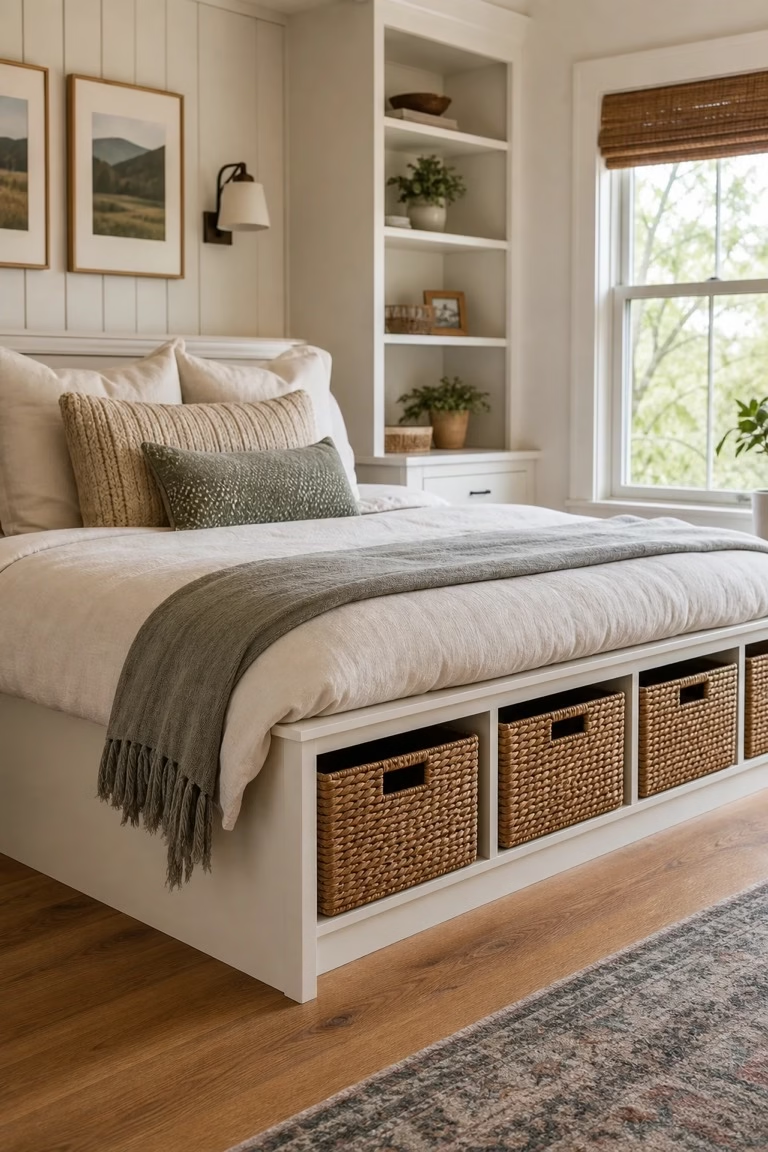
Leave Breathing Room Under Visual Weight
Even when a storage bed reaches the floor, it should not feel like a solid block dropped into the room. Look for a recessed plinth, shadow line, short legs, or a slightly lifted frame that creates visual breathing room. This detail makes the base feel lighter while still protecting the storage area. Pair it with a rug that extends beyond the bed so the footprint feels deliberate. In small spaces, every heavy piece needs a little relief. The bed can hold a surprising amount, but the eye should still read floor, wall, and furniture as separate layers. A small shadow gap often makes the whole room feel larger.