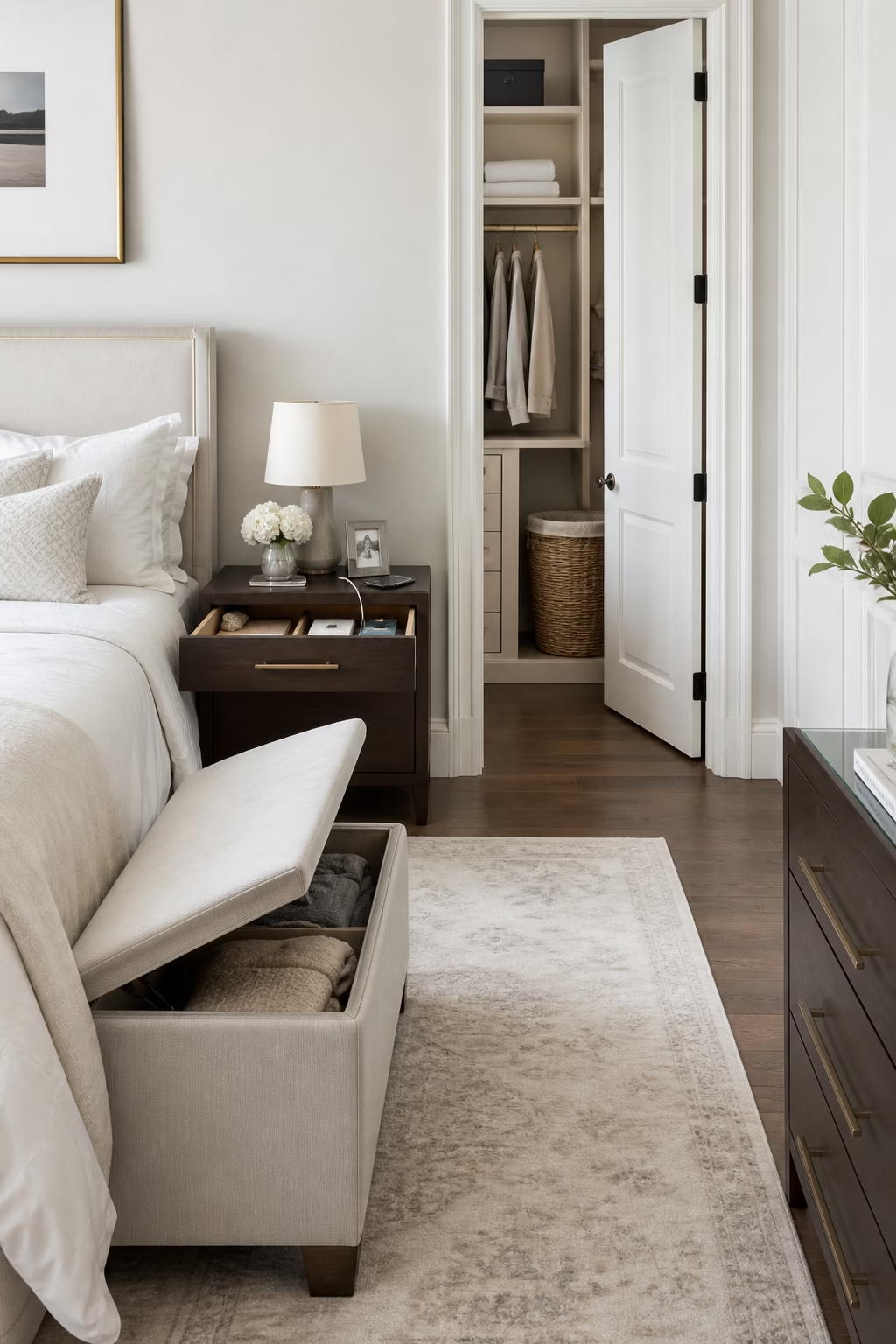
White bedroom ideas that make a minimal, clean aesthetic feel warm, layered, restful, and practical enough for daily life.
- Start With Warm White Walls, Not Stark White
- Layer Ivory, Chalk, and Linen Tones
- Choose a Low Platform Bed for Clean Lines
- Use One Sculptural Headboard as the Focal Point
- Add Pale Oak to Prevent a Clinical Mood
- Let Linen Curtains Filter the Light
- Keep Nightstands Slim and Useful
- Choose Matte Finishes Over Gloss
- Anchor the Bed With a Soft Neutral Rug
- Build Storage Into a Quiet Wardrobe Wall
- Introduce Black Accents in Thin Lines
- Use Wall Sconces to Clear the Bedside Surface
- Keep Art Tonal and Generous
- Add Texture With Boucle, Cotton, and Wool
- Make the Dresser Disappear Into the Architecture
- Use Greenery Sparingly for Freshness
- Finish With Hidden Everyday Clutter Control
Start With Warm White Walls, Not Stark White
A white bedroom feels calmest when the wall color has a little warmth in it. Pure gallery white can turn blue or gray in morning shade, especially in rooms with cool flooring or small windows. Look for soft whites with a cream, chalk, or linen undertone, then test them beside the trim, bedding, and floor before committing. The goal is a quiet backdrop that still has depth after sunset. Keep the ceiling close in tone so the room feels enveloping rather than chopped into planes. When the walls are warm but restrained, every other minimalist choice becomes easier: pale wood looks richer, white bedding feels intentional, and black accents can stay sharp without feeling severe.

Layer Ivory, Chalk, and Linen Tones
A clean white bedroom should never rely on one flat shade. The more refined approach is to layer close tones that can be felt more than announced: ivory sheets, chalky plaster walls, linen curtains, oatmeal upholstery, and a slightly warmer rug. These shifts keep the palette minimal while giving the eye something to settle on. Keep the undertones compatible so the room does not split into yellow whites and blue whites. Texture does most of the work, so choose fabrics with a visible weave, matte ceramic lamps, and a softly brushed wood finish. The effect is still simple, but it feels collected and tactile rather than empty.
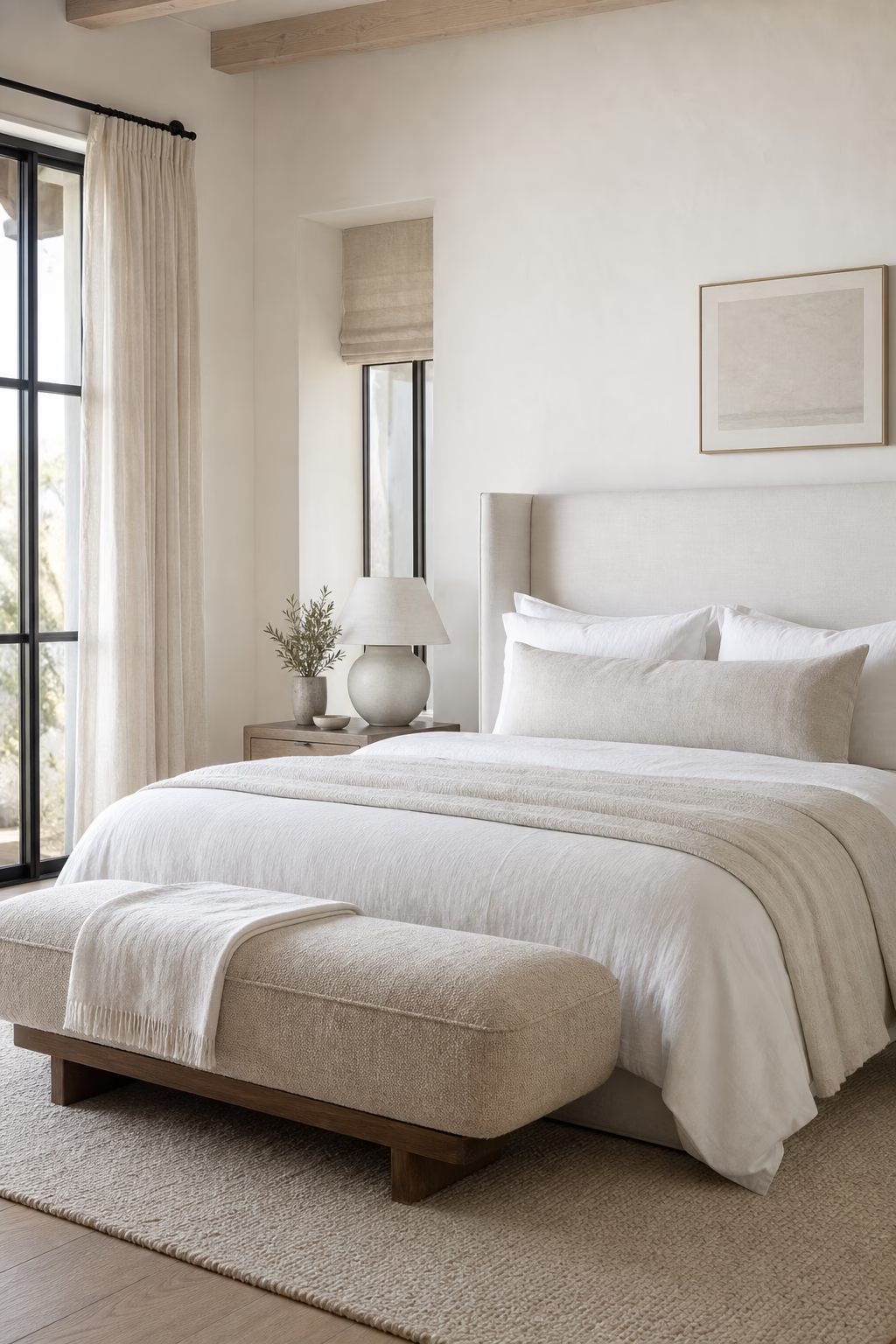
Choose a Low Platform Bed for Clean Lines
A low platform bed gives a white bedroom a grounded, modern profile without adding visual weight. The frame should be simple, well proportioned, and wide enough to make the mattress look deliberately placed rather than temporary. Pale oak, whitewashed ash, or softly upholstered linen all work beautifully in a minimal room. Keep the underside shadow clean; exposed storage bins will instantly break the calm. If the bedroom is small, a low frame can make the ceiling feel taller and the wall surfaces more generous. Pair it with crisp bedding that falls neatly, not dramatically, so the bed reads as architecture rather than a pile of fabric.
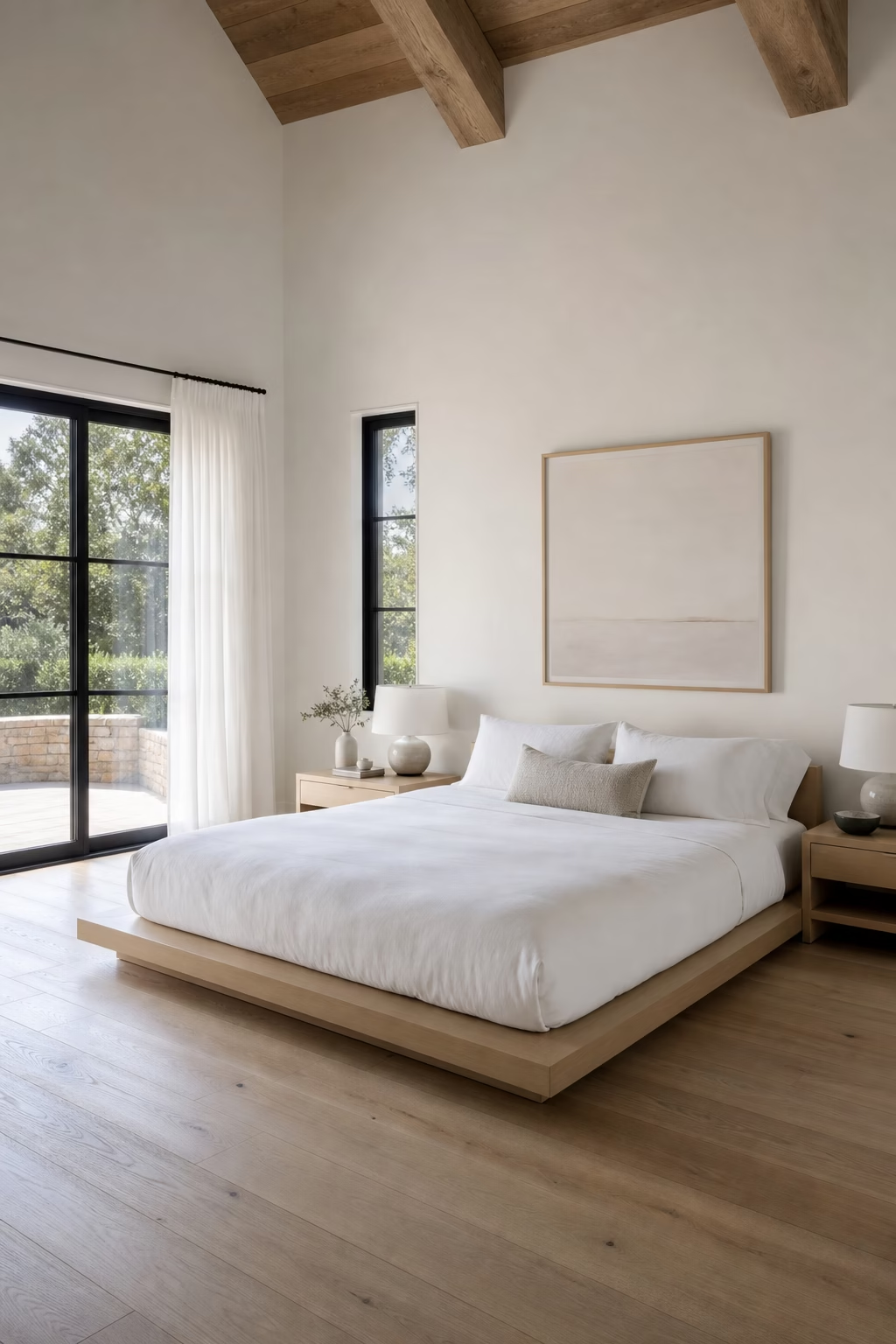
Use One Sculptural Headboard as the Focal Point
Minimal rooms still need a point of focus, and a sculptural headboard can provide it without clutter. Look for a plaster arch, a channel-tufted linen panel, a curved wood form, or a wall-to-wall upholstered slab with softened edges. The detail should relate to the width of the bed and nightstands so it feels built in, not oversized for effect. Keep the color close to the wall or bedding, then let shadow, curve, and material create interest. A good headboard also solves practical problems by protecting the wall and making reading in bed more comfortable. In a white room, one strong shape is usually more elegant than several small decorations.
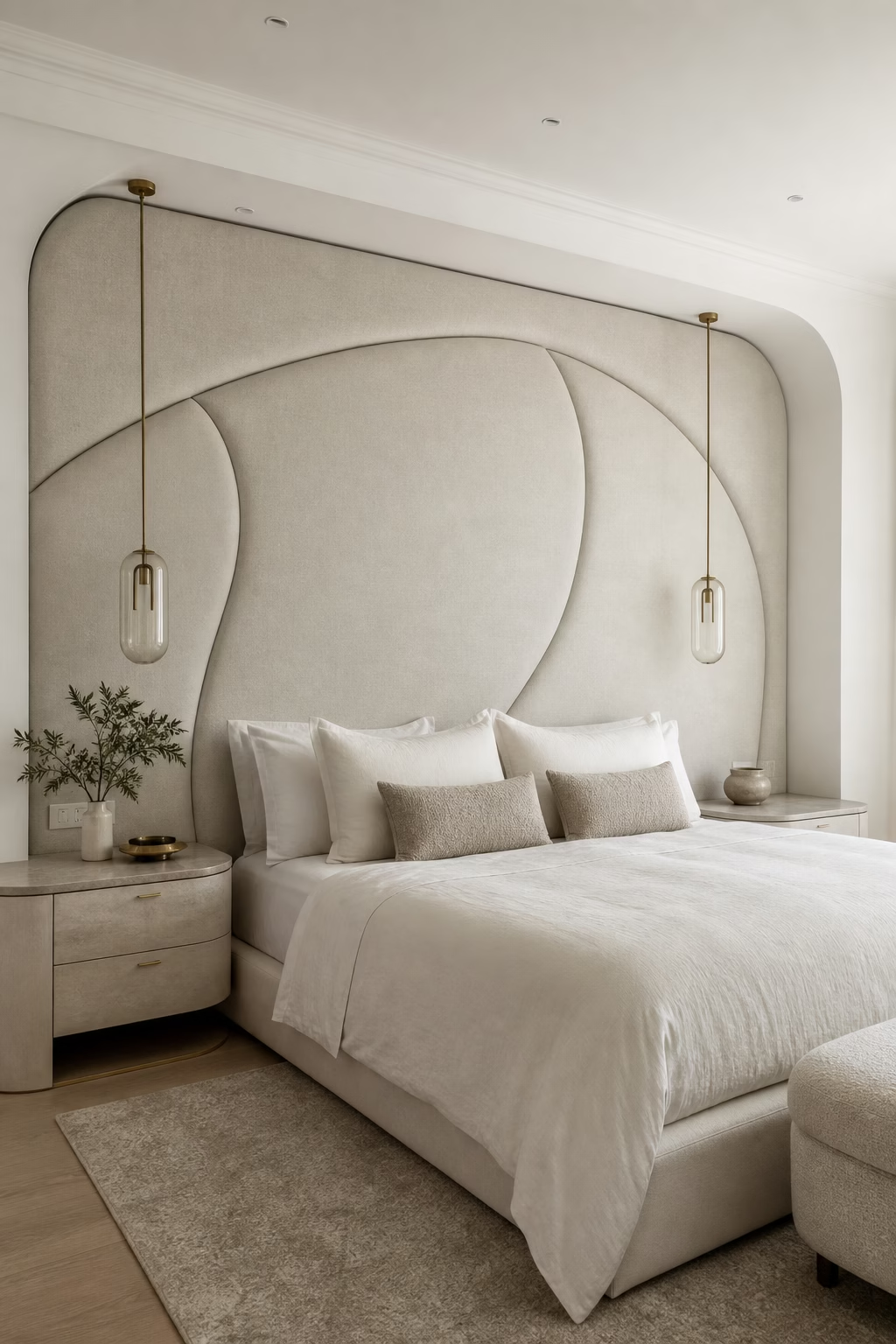
Add Pale Oak to Prevent a Clinical Mood
White interiors become more livable when pale wood brings in warmth and grain. Use oak, ash, or maple on the floor, bedside tables, bench, wardrobe fronts, or a single open shelf. The finish should be matte and light enough to support the minimal palette, but not so bleached that the wood loses character. Repeating the same wood tone two or three times creates continuity without making the room feel like a furniture showroom. Avoid mixing too many species in a small white bedroom; subtle variation is enough. The wood gives the space a natural rhythm, making white walls and bedding feel soft rather than sterile.

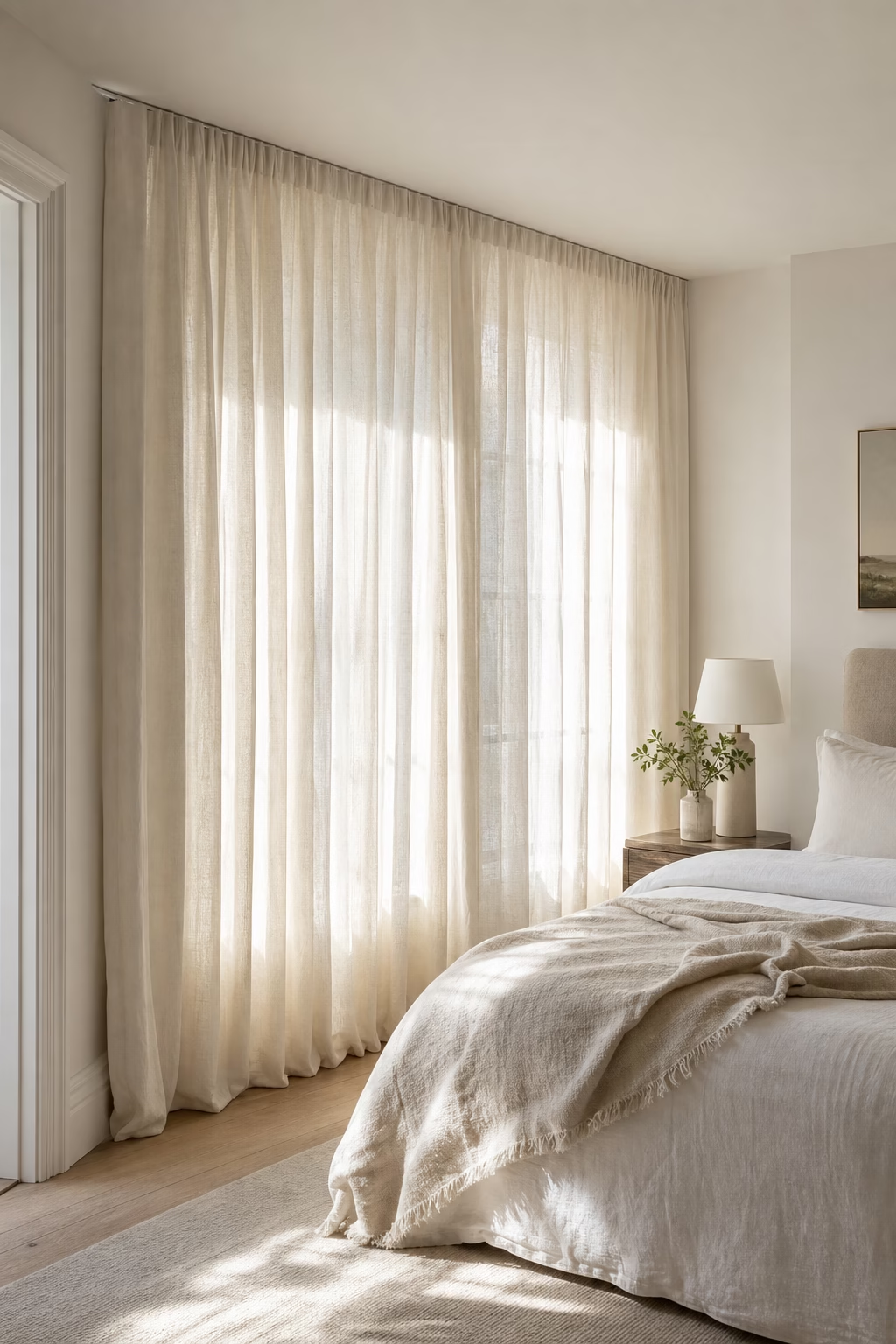
Let Linen Curtains Filter the Light
Window treatments have an outsized effect in a white bedroom because they control both light and softness. Linen curtains are ideal when they skim the floor, hang from ceiling height, and filter daylight without turning the room dark. Choose off-white, flax, or warm ivory rather than a glossy bright white fabric. The weave should be visible enough to add texture, but lined if privacy or sleep quality matters. Mount the rod wider than the window so the panels can stack back cleanly. By softening glare and adding vertical movement, linen curtains make a minimal bedroom feel intentional throughout the day, not just when the bed is perfectly made.
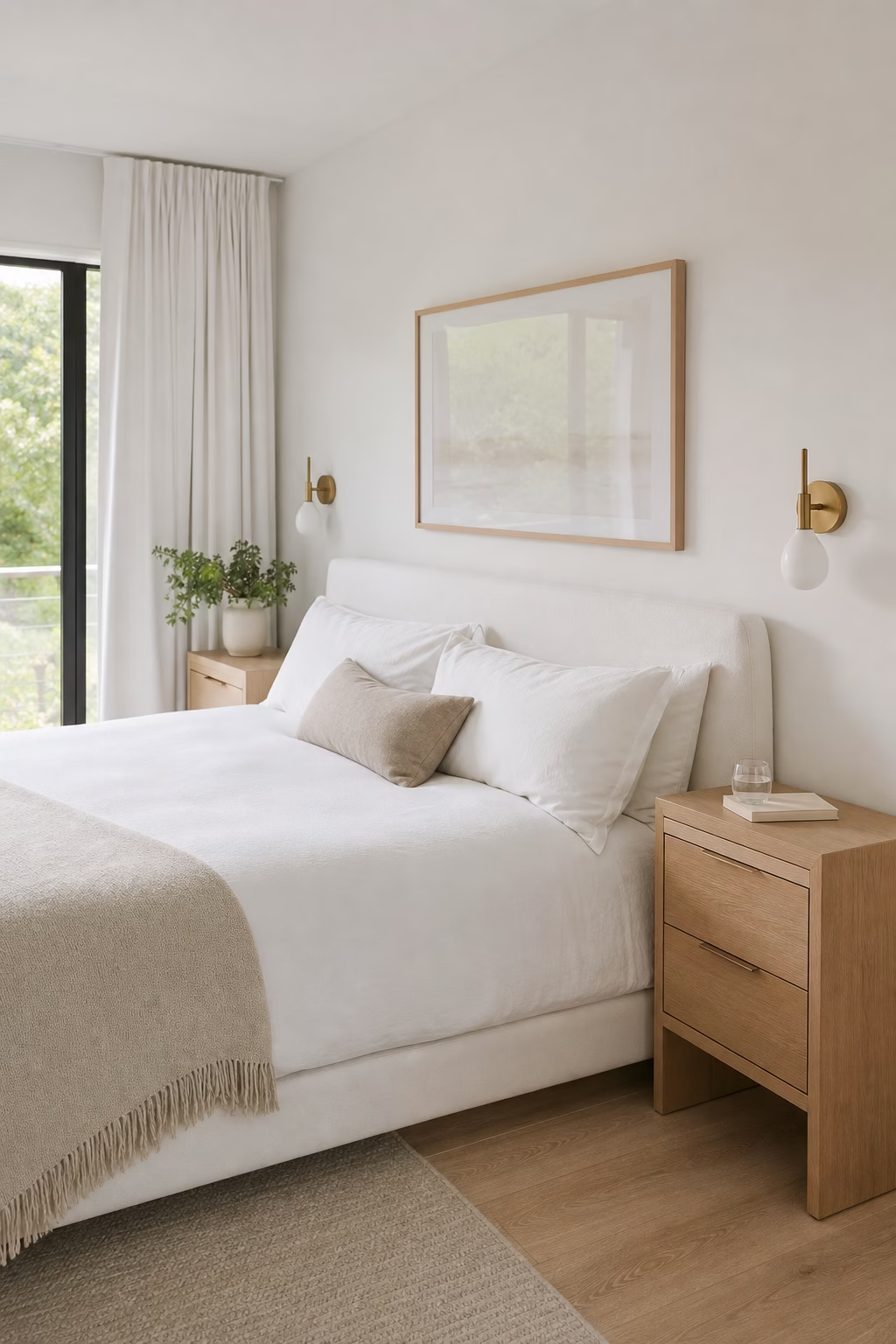
Keep Nightstands Slim and Useful
A minimalist bedroom can still support real routines. Instead of deleting nightstands, choose slim pieces that hold a book, water glass, charger, and one small drawer for visual noise. Wall-mounted shelves work in very tight rooms, while narrow wood or stone-topped tables suit a larger bed. The height should meet the mattress comfortably so the surface is easy to reach in the dark. Keep lamps either mounted to the wall or scaled small enough that they do not swallow the top. A restrained nightstand makes the bedroom feel cleaner because the essentials have a home. The trick is editing the shape, not pretending bedside storage is unnecessary.
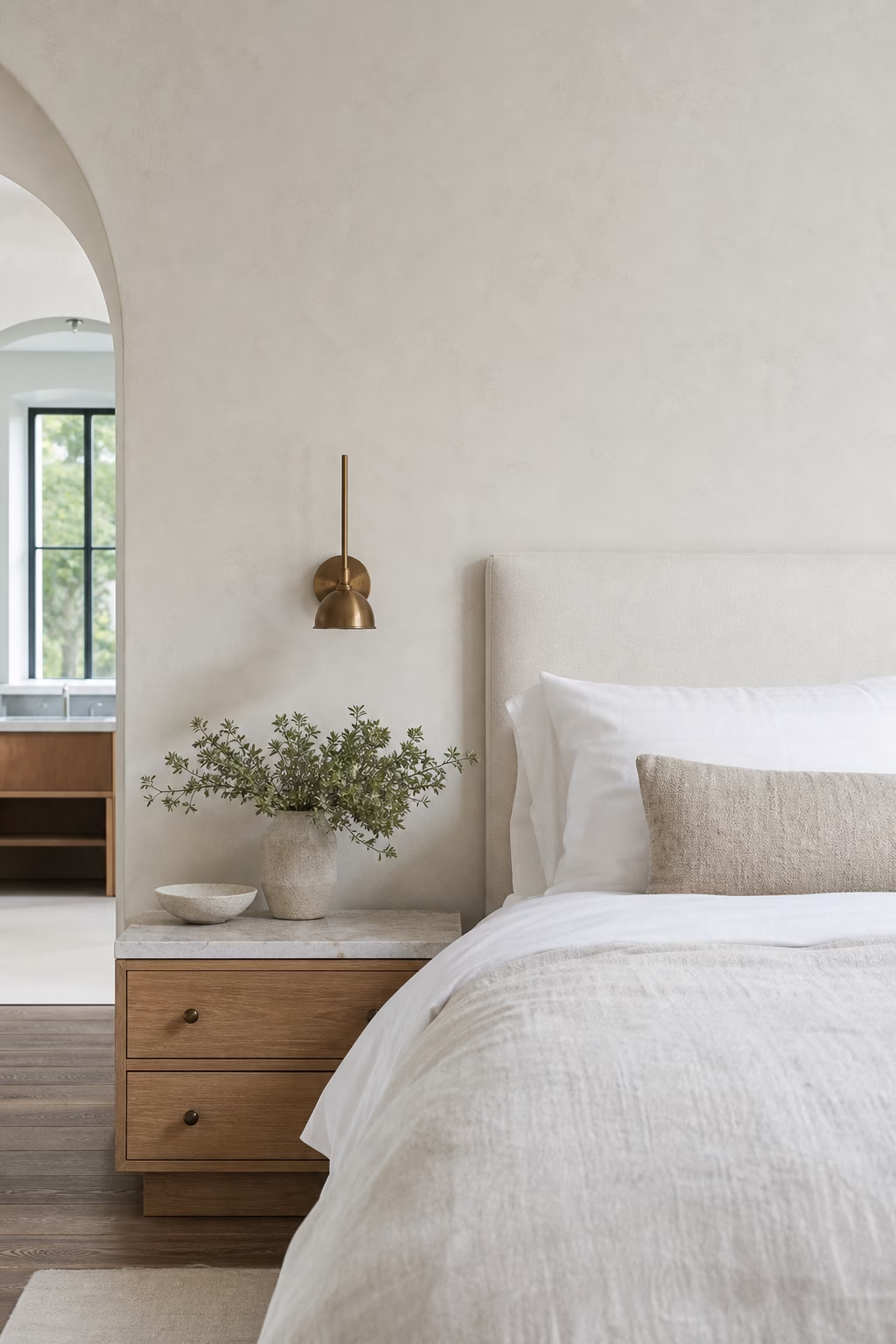
Choose Matte Finishes Over Gloss
Matte finishes are more forgiving in a white bedroom because they absorb light gently and reveal texture. Glossy white furniture, shiny tile, or polished lacquer can make the room feel colder and show every fingerprint. A better mix is matte painted walls, honed stone, brushed metal, washed wood, and soft cotton or linen. These surfaces create quiet variation without breaking the clean aesthetic. If you want a reflective note, limit it to a mirror, a small ceramic lamp, or a satin metal handle. The room should glow, not glare. Matte materials also photograph beautifully because shadows stay believable and the architecture looks calmer.
Anchor the Bed With a Soft Neutral Rug
A rug is often the difference between minimal and unfinished. In a white bedroom, choose a soft neutral rug large enough to extend beyond both sides of the bed and at least partly under the nightstands. Wool, silk-wool blends, and flatweave textures all work, as long as the tone sits close to the bedding and floor. Avoid high-contrast patterns unless the room has almost no other detail. The rug should quiet footsteps, add warmth underfoot, and visually hold the bed zone together. If the floor is pale oak, a slightly creamier rug can add depth; if the floor is darker, a warm white rug can brighten the whole composition.

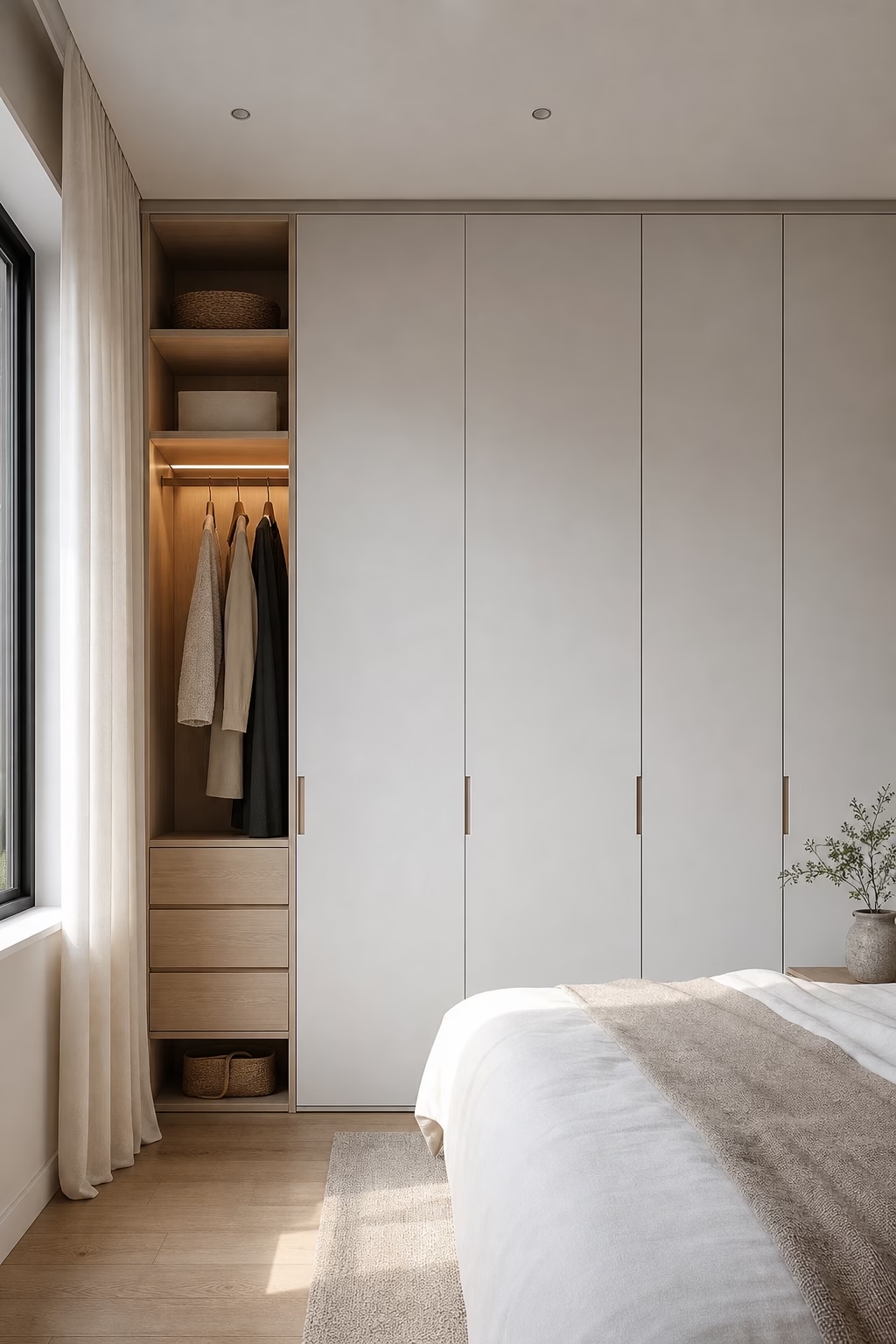
Build Storage Into a Quiet Wardrobe Wall
Visible clutter is especially noticeable in a white bedroom, so storage should feel architectural. A wardrobe wall with flat doors, narrow reveals, and discreet pulls can hold clothing, linens, luggage, and laundry without crowding the room. Paint the doors the same white as the walls for a calm built-in effect, or use pale wood if the space needs warmth. Take the cabinetry to the ceiling when possible so dust and odd shadows do not collect above it. Interior organization matters as much as the exterior: drawers, hanging zones, trays, and lighting keep the system easy to use. When storage looks quiet, the whole bedroom can stay minimal without becoming impractical.
Introduce Black Accents in Thin Lines
Black can sharpen a white bedroom, but it needs restraint. Thin accents such as a picture frame, sconce arm, curtain rod, door hardware, or narrow bench legs give the room definition without making it high contrast. Keep the black elements consistent in finish, preferably matte or softly brushed, so they read as one deliberate thread. Avoid large black furniture unless the room has generous scale and abundant light. In a minimal space, small lines are enough to outline the architecture and keep white surfaces from floating away. The result feels tailored rather than graphic, especially when the black is balanced by pale wood and textured fabric.
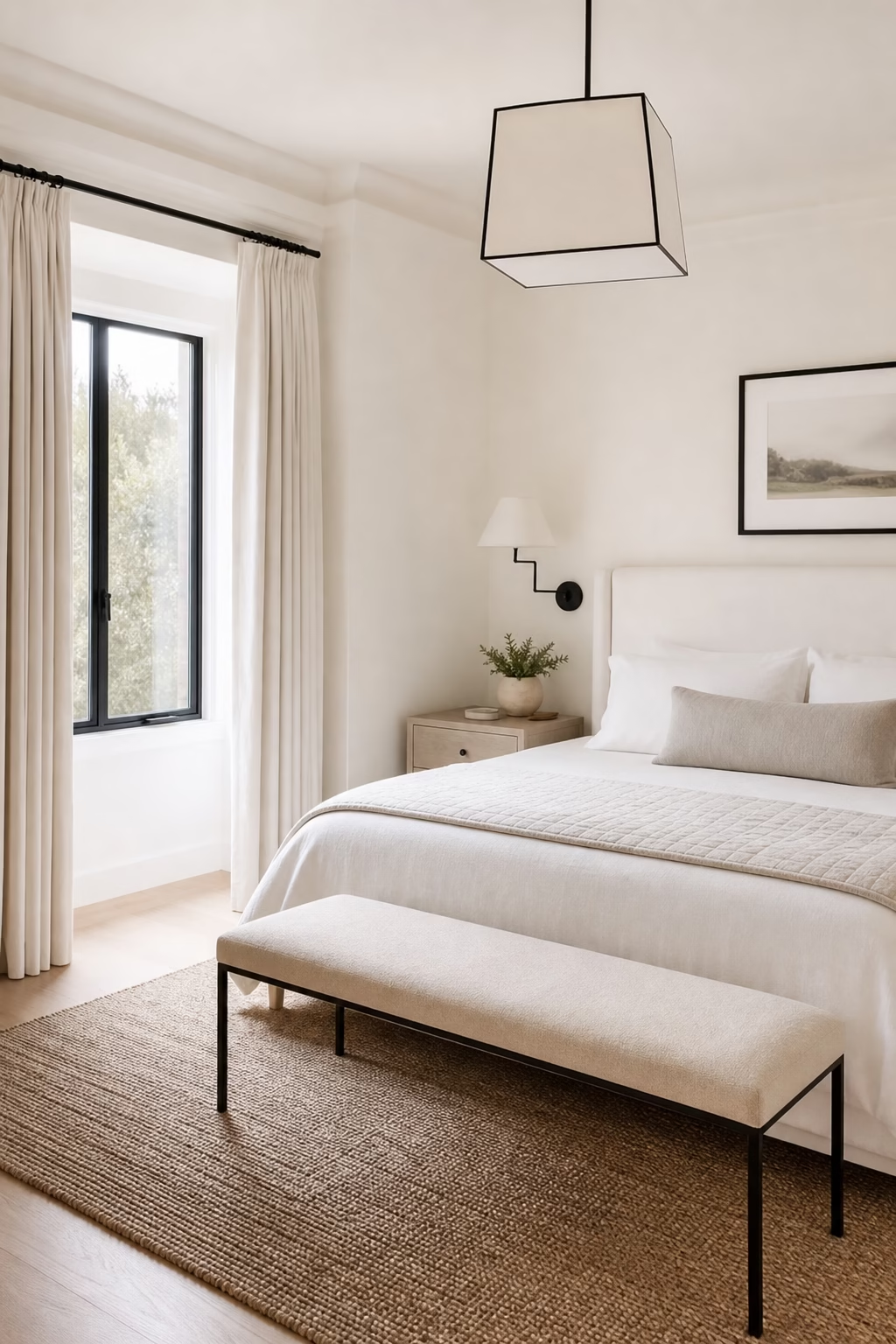
Use Wall Sconces to Clear the Bedside Surface
Wall sconces make a white bedroom feel more designed because they free the nightstand and add vertical order. Choose simple shaded, globe, or slim directional fixtures that provide useful reading light without overwhelming the wall. Placement is critical: the light should fall where a reader needs it, while switches should be reachable from bed. Hardwired sconces look cleanest, but a well-chosen plug-in fixture can work when cords are concealed neatly. Match the finish to other small metal details in the room. By moving light off the tabletop, the bedside area stays calm, and the white palette has one more architectural layer after dark.
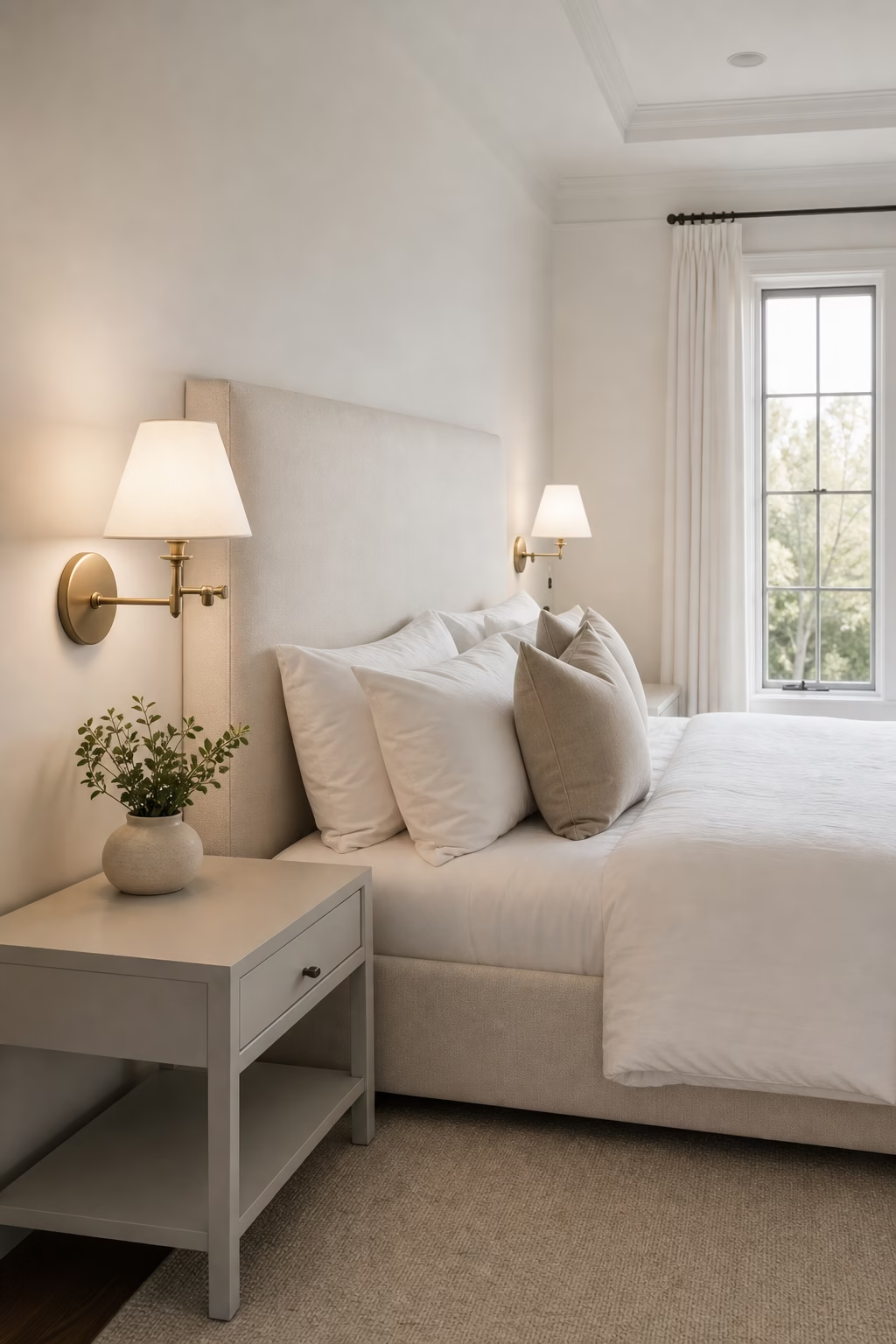
Keep Art Tonal and Generous
Art in a white bedroom should add presence without breaking the quiet mood. One generous piece is usually stronger than a scattering of small frames. Consider tonal photography, a plaster relief, a charcoal line drawing, or an abstract work in ivory, taupe, gray, and soft black. The frame should be slim and scaled to the wall, with enough breathing room around the bed or dresser. Avoid fake text, loud slogans, or overly busy gallery walls if the goal is minimal and clean. Art gives the room a human layer, but the palette keeps it restful. The best piece changes the wall without asking for all the attention.
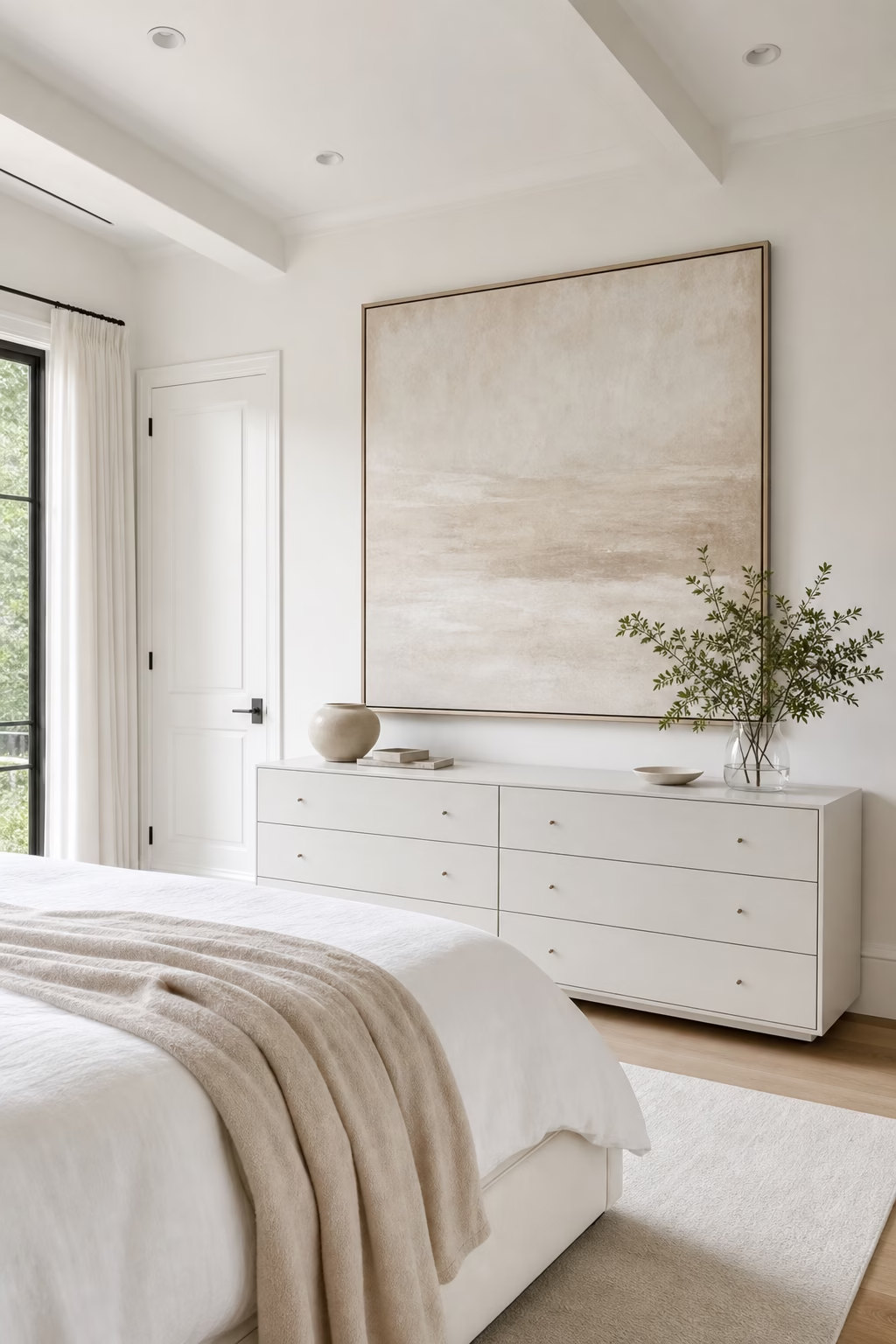
Add Texture With Boucle, Cotton, and Wool
When color is restrained, texture has to carry comfort. Boucle on a bench, crisp cotton sheets, a wool throw, ribbed ceramic lamps, and a woven shade can make a white bedroom feel layered without looking decorated. Keep each texture touchable and practical; overly delicate fabrics can make the room feel staged rather than lived in. The key is contrast in scale: fine cotton against nubby upholstery, smooth plaster beside open-weave linen, and soft wool over a neat duvet. These differences are subtle, but they prevent the room from reading as a blank box. Texture is what makes minimalism feel generous.
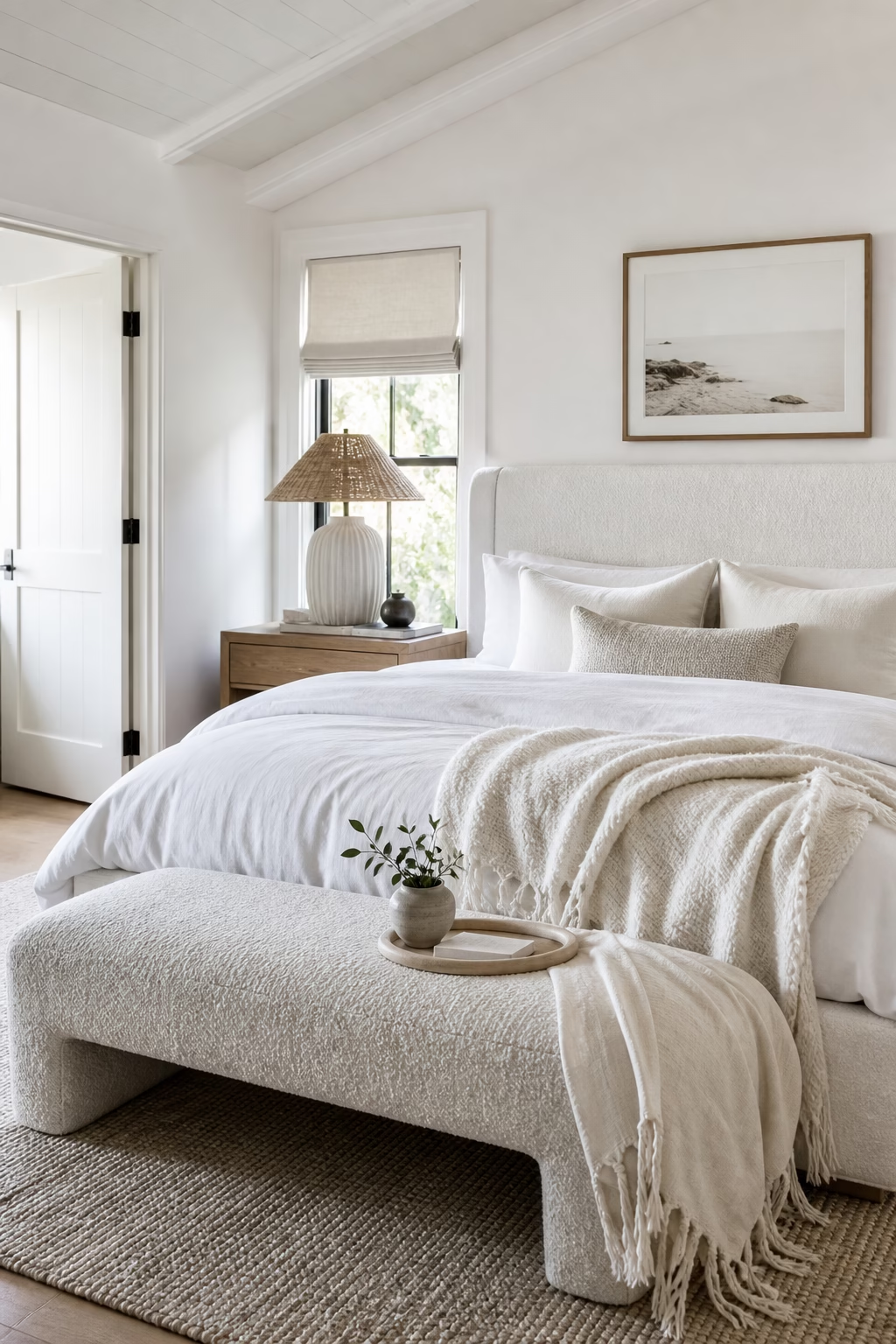
Make the Dresser Disappear Into the Architecture
A dresser can feel bulky in a minimal bedroom unless it is treated as part of the room. Choose a low, long profile with flat fronts, minimal pulls, and a finish that relates to the walls or wardrobe. A wall-mounted dresser or built-in drawer run can be even quieter, especially under a window or artwork. Keep the top mostly clear: a lamp, tray, or single vessel is enough. The proportions should leave comfortable walking space and avoid blocking outlets, vents, or closet doors. When the dresser line is calm, it supports the bedroom instead of becoming another object to decorate around.
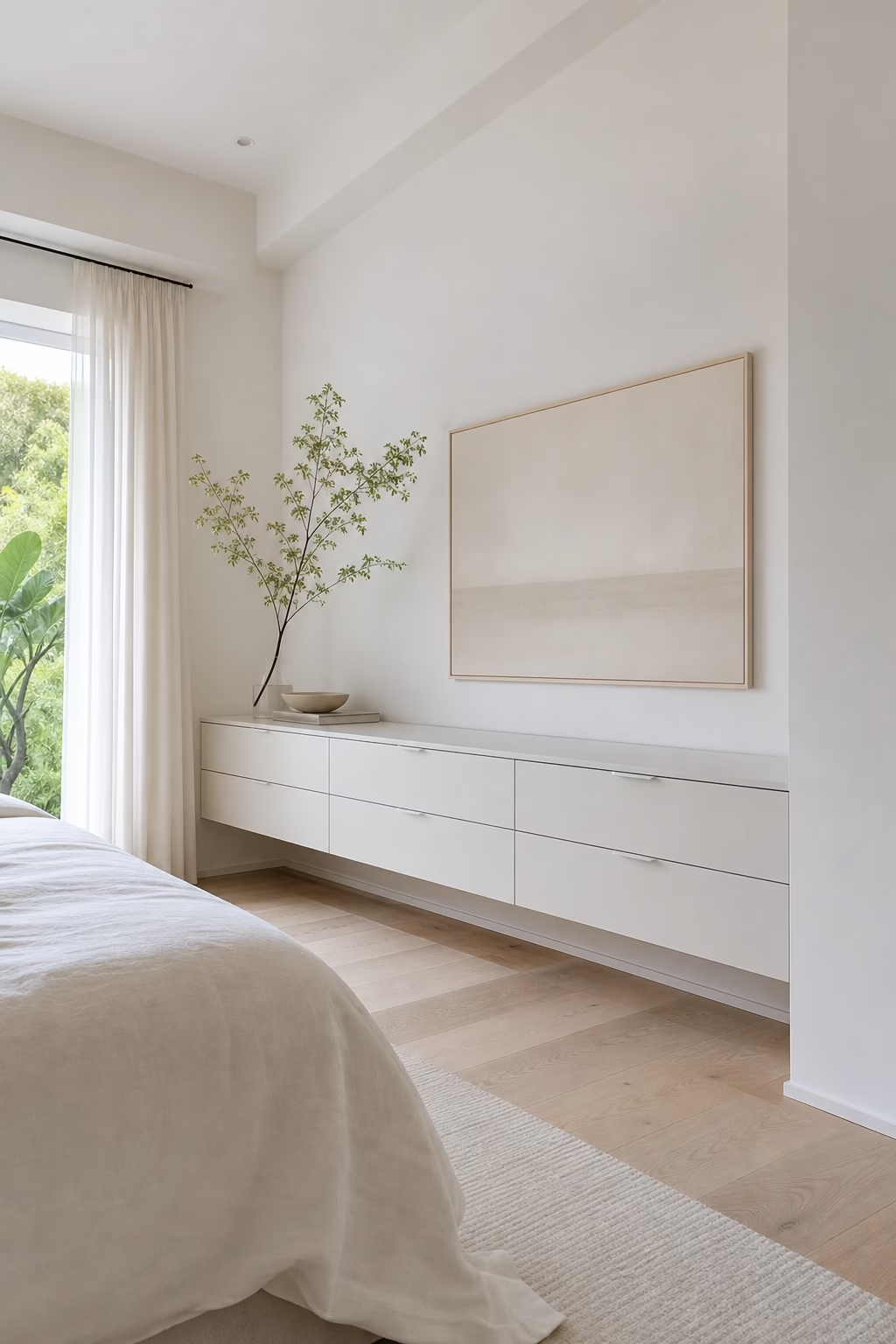
Use Greenery Sparingly for Freshness
A single plant or branch can make a white bedroom feel alive, but too much greenery changes the mood from minimal to botanical. Choose one sculptural plant in a matte ceramic pot, a small olive tree by the window, or a simple branch arrangement on the dresser. The container matters as much as the plant; keep it in ivory, stone, clay, or pale gray so it belongs to the palette. Make sure the plant has the light it actually needs, because a struggling plant is not calming. Used sparingly, greenery brings a quiet organic note and makes the white surfaces feel fresher.

Finish With Hidden Everyday Clutter Control
The most successful white bedroom is not the one that has no belongings; it is the one where belongings have quiet places to land. Add a covered laundry basket inside the wardrobe, a drawer tray for watches and lip balm, hooks hidden behind the door, and a bench with concealed storage if the room needs it. Keep charging cables routed through the nightstand or wall so they do not trail across pale surfaces. These small decisions protect the clean aesthetic after a busy week. Minimal design works best when it anticipates real behavior, allowing the room to reset quickly without constant effort.