
A well-designed home idea should look beautiful and work hard every day.
These suggestions focus on layout, storage, comfort, and easy upkeep.
Use them as a flexible starting point, then adapt details to your space.
The result is a room that feels personal, practical, and polished.
1. Map Active Zones Before Buying Anything

Start with the biggest movement first, such as running, climbing, or swinging.
Keep those zones away from grills, hard corners, and garden tools.
Use mulch, turf, or rubber pavers where falls are most likely.
A good backyard layout gives kids freedom inside clear boundaries.
2. Layer Imagination Into the Corners

A mud kitchen, chalk wall, tent, or reading nook can transform dead space.
Choose weather-friendly materials that can handle sun, water, and dirt.
Leave a little open-ended room so play can change through the seasons.
The most memorable spaces invite kids to invent their own games.
3. Keep Parents Comfortable Nearby

Add a shaded seat where adults can supervise without hovering.
Store balls, bubbles, and gardening tools in a bench or deck box.
Use solar path lights so evening play still feels safe and visible.
A family backyard works better when everyone has a reason to stay outside.
4. Create a Soft Landing Zone
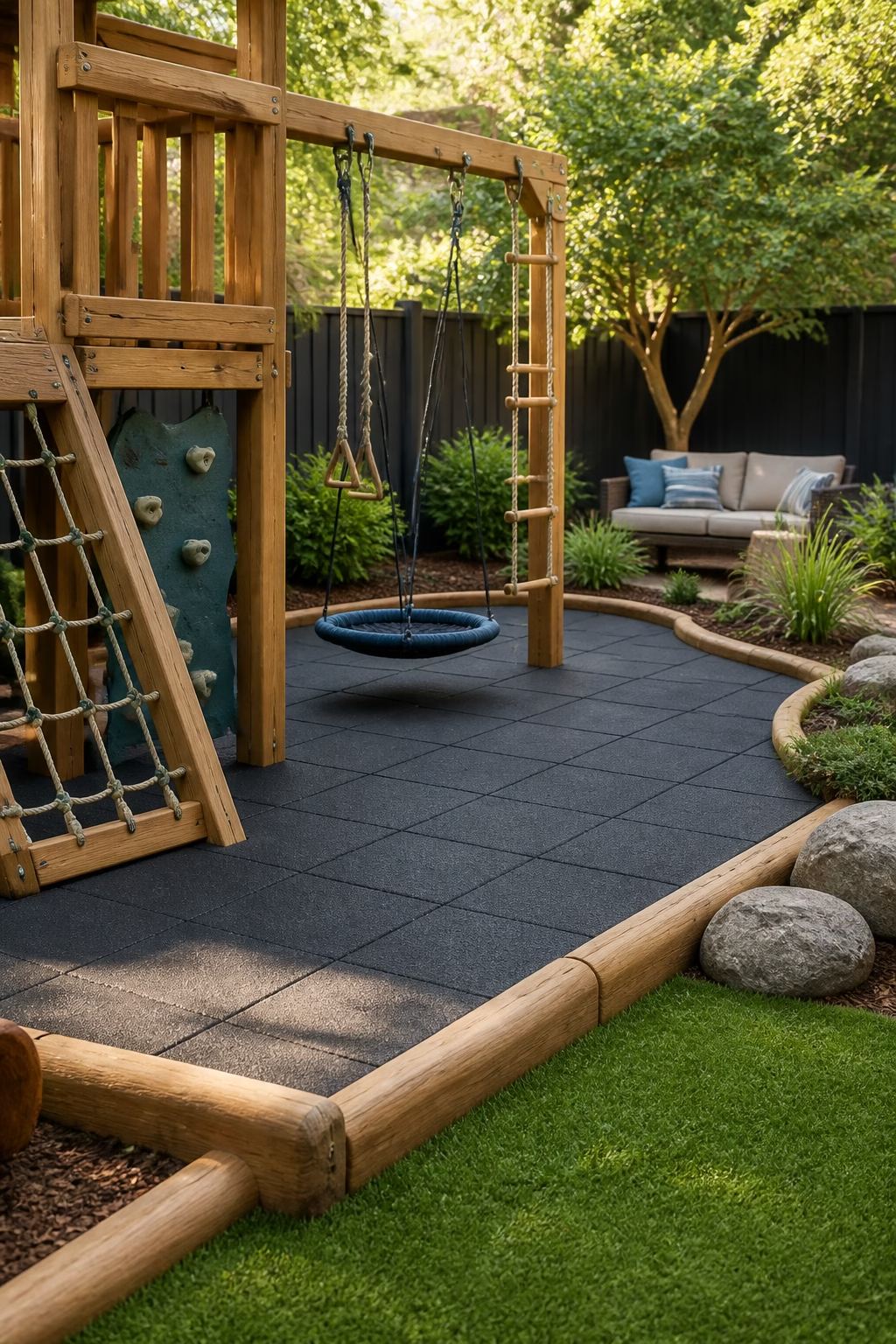
Create a Soft Landing Zone adds a focused play moment without crowding the whole yard.
Place it where adults can see clearly and kids still feel independent.
Use weather-safe materials, soft landing surfaces, and storage close by.
The best outdoor ideas invite movement while keeping cleanup realistic.
5. Add a Mud Kitchen
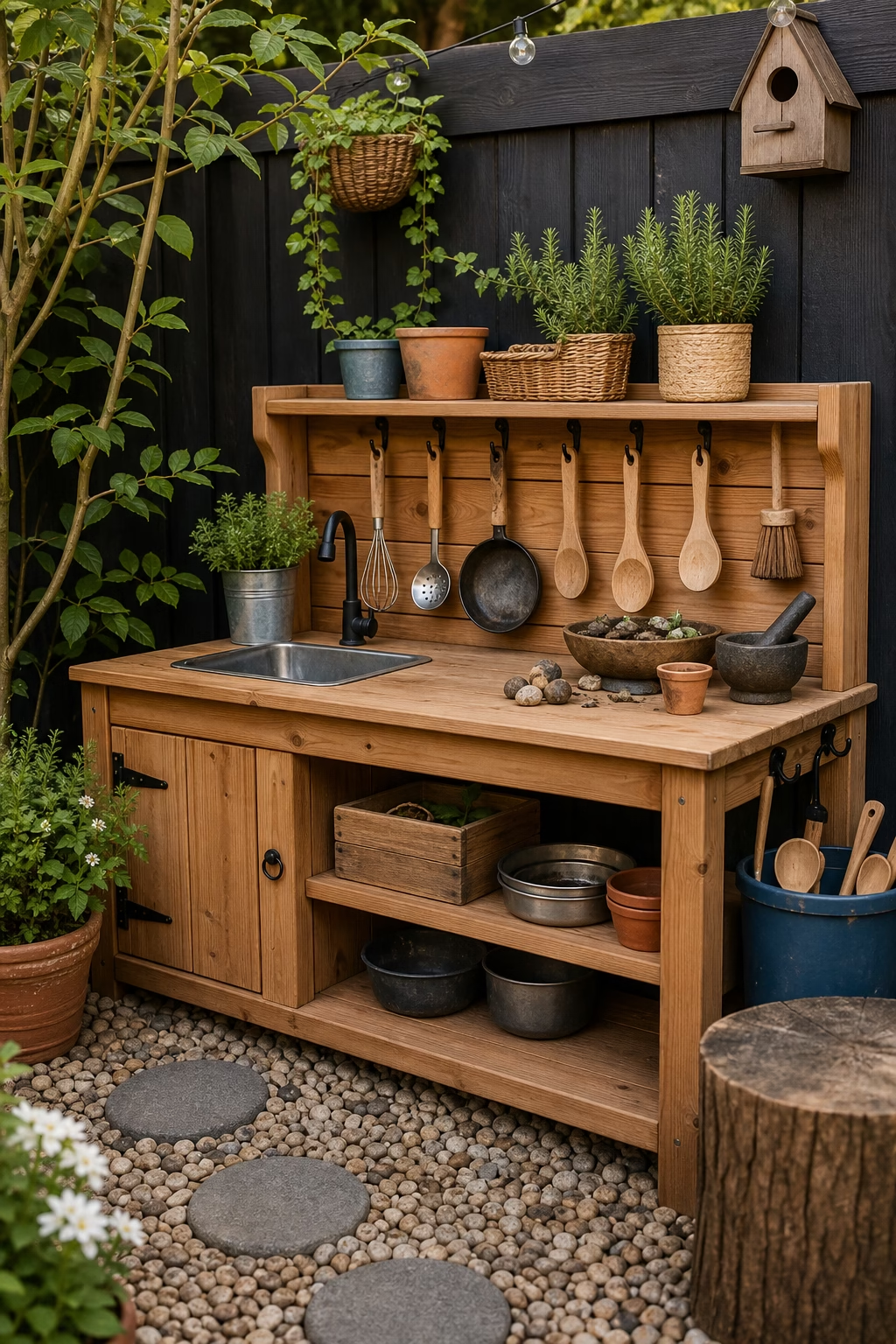
Add a Mud Kitchen adds a focused play moment without crowding the whole yard.
Place it where adults can see clearly and kids still feel independent.
Use weather-safe materials, soft landing surfaces, and storage close by.
The best outdoor ideas invite movement while keeping cleanup realistic.
6. Build a Shaded Reading Nook
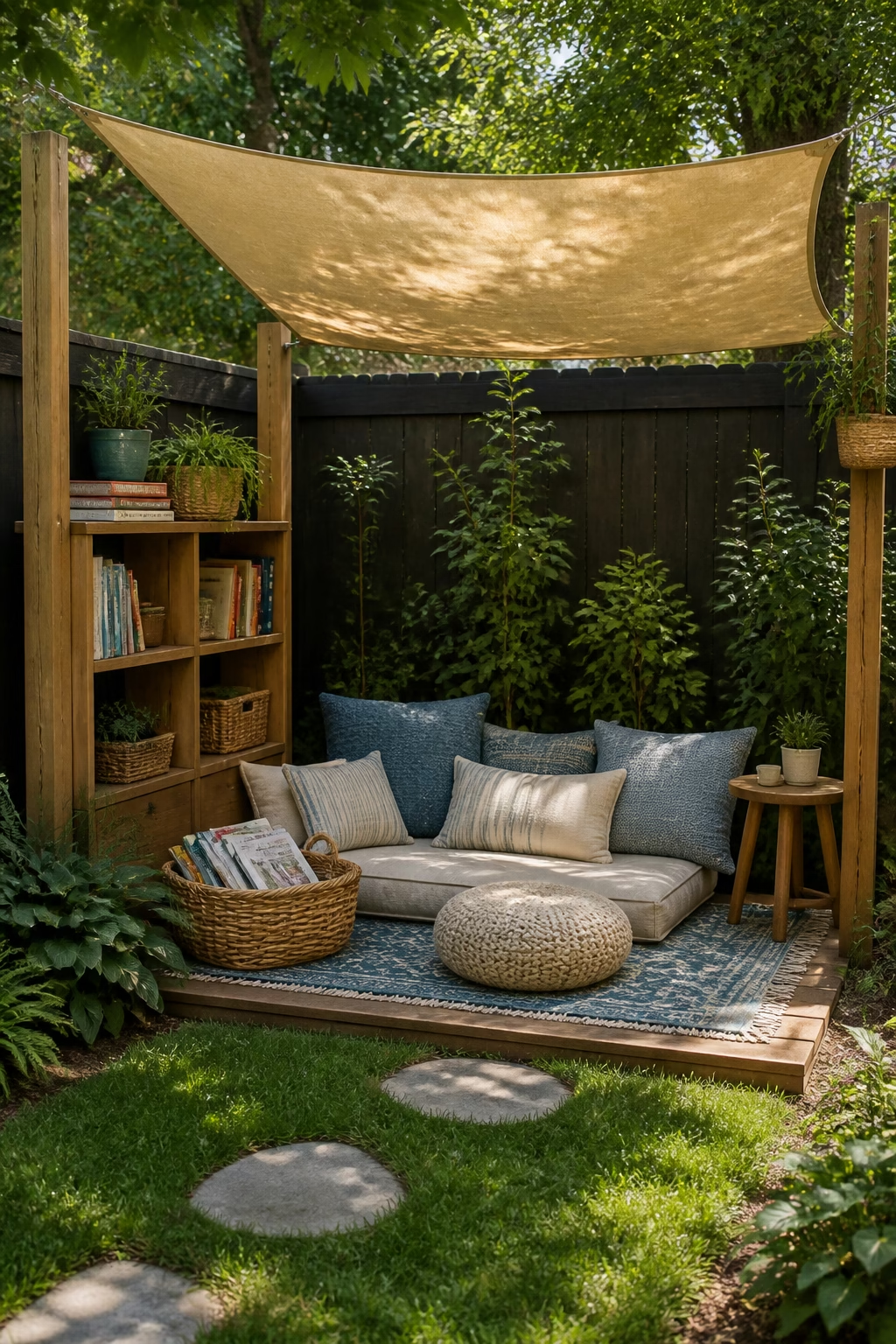
Build a Shaded Reading Nook adds a focused play moment without crowding the whole yard.
Place it where adults can see clearly and kids still feel independent.
Use weather-safe materials, soft landing surfaces, and storage close by.
The best outdoor ideas invite movement while keeping cleanup realistic.
7. Use a Chalk Wall
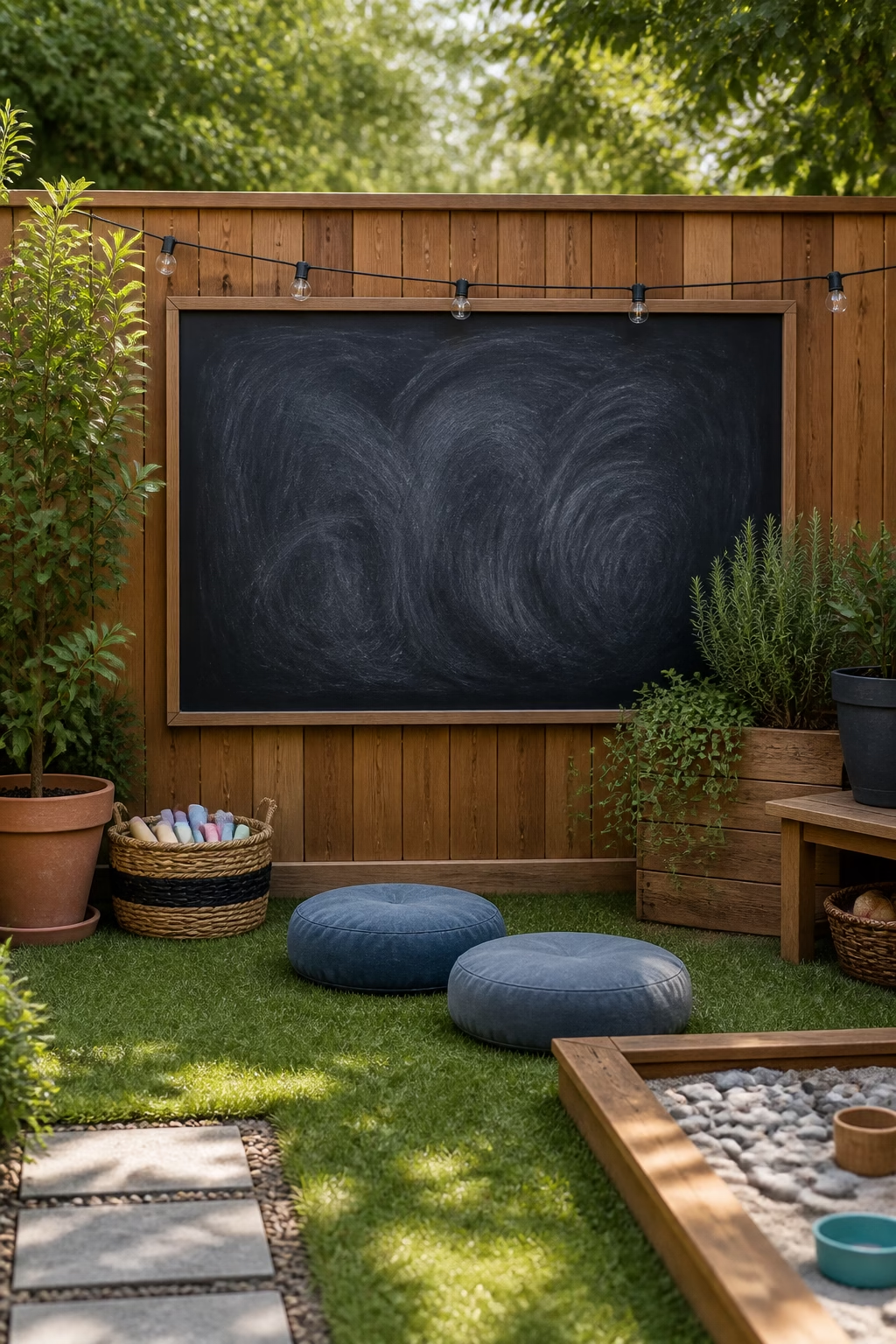
Use a Chalk Wall adds a focused play moment without crowding the whole yard.
Place it where adults can see clearly and kids still feel independent.
Use weather-safe materials, soft landing surfaces, and storage close by.
The best outdoor ideas invite movement while keeping cleanup realistic.
8. Create a Sandbox Corner
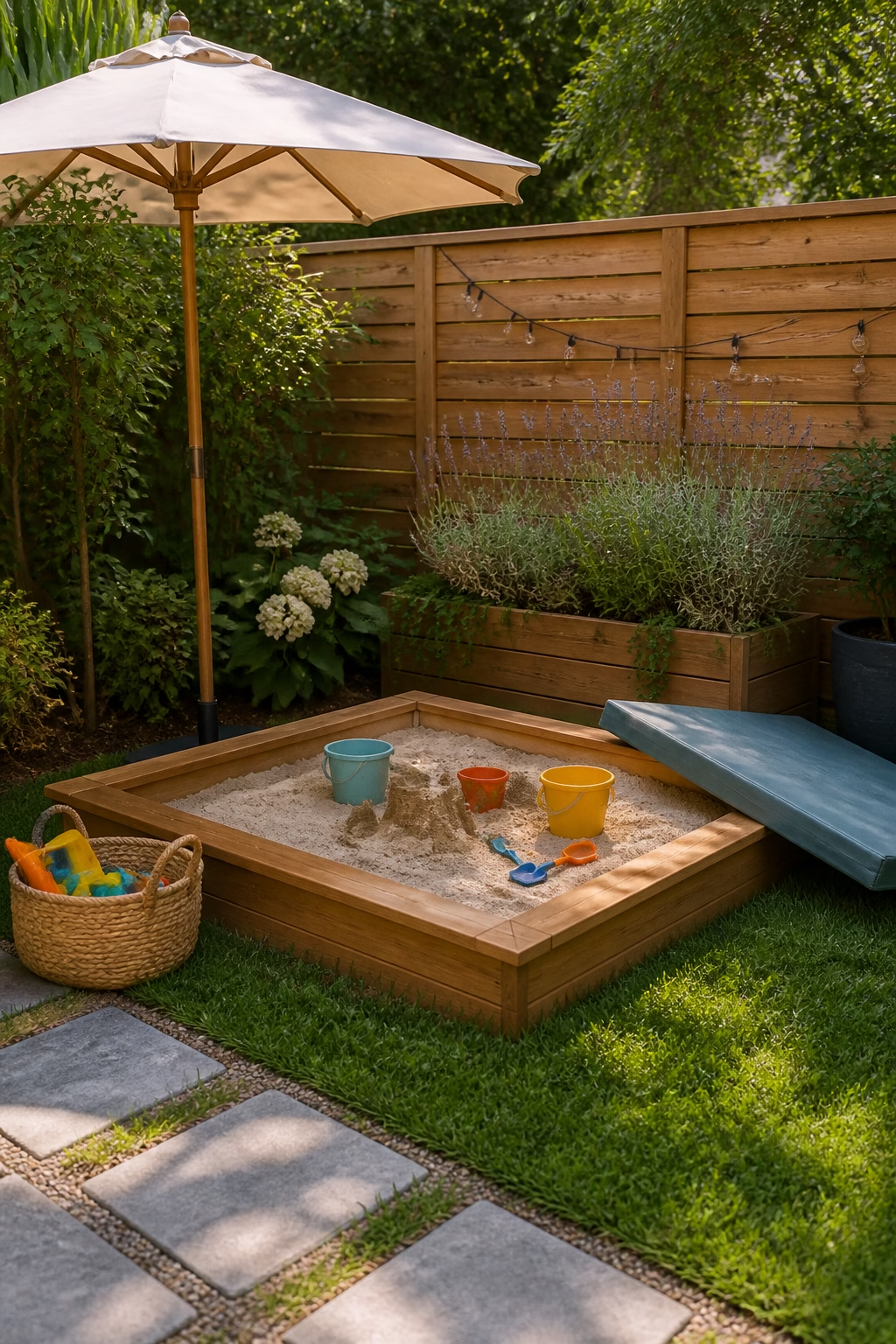
Create a Sandbox Corner adds a focused play moment without crowding the whole yard.
Place it where adults can see clearly and kids still feel independent.
Use weather-safe materials, soft landing surfaces, and storage close by.
The best outdoor ideas invite movement while keeping cleanup realistic.
9. Add a Climbing Feature
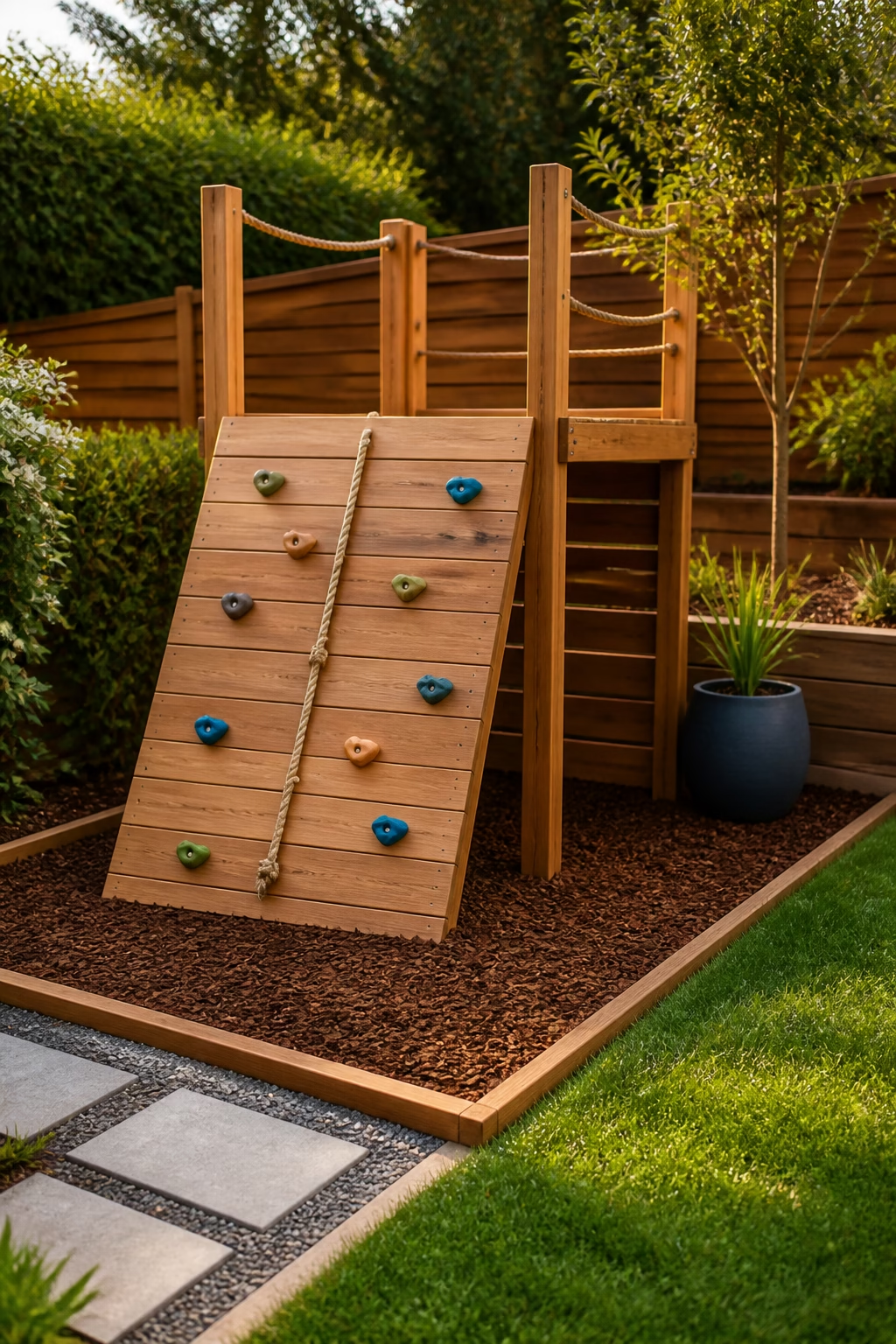
Add a Climbing Feature adds a focused play moment without crowding the whole yard.
Place it where adults can see clearly and kids still feel independent.
Use weather-safe materials, soft landing surfaces, and storage close by.
The best outdoor ideas invite movement while keeping cleanup realistic.
10. Set Up a Water Play Table
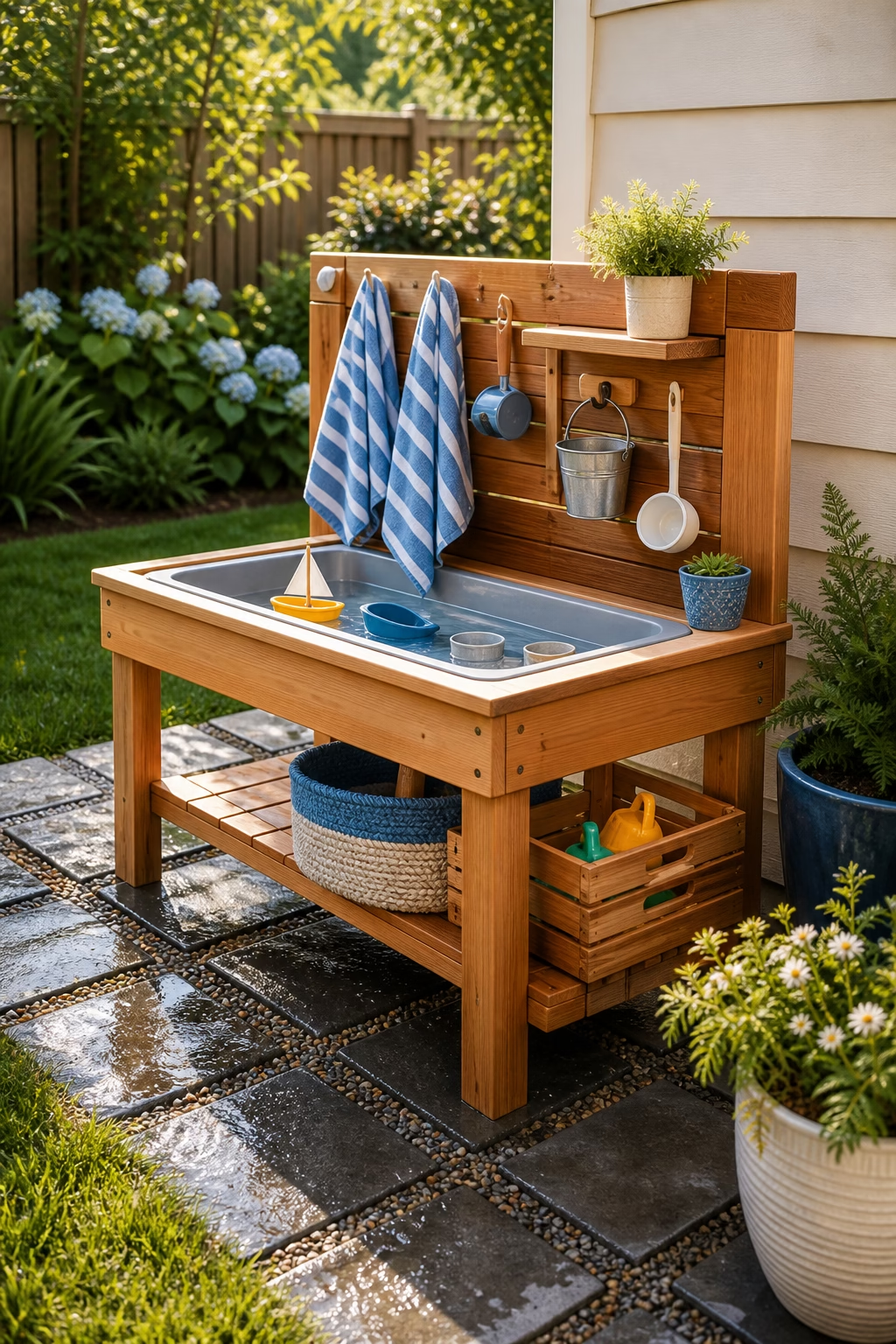
Set Up a Water Play Table adds a focused play moment without crowding the whole yard.
Place it where adults can see clearly and kids still feel independent.
Use weather-safe materials, soft landing surfaces, and storage close by.
The best outdoor ideas invite movement while keeping cleanup realistic.
11. Use a Storage Bench for Toys
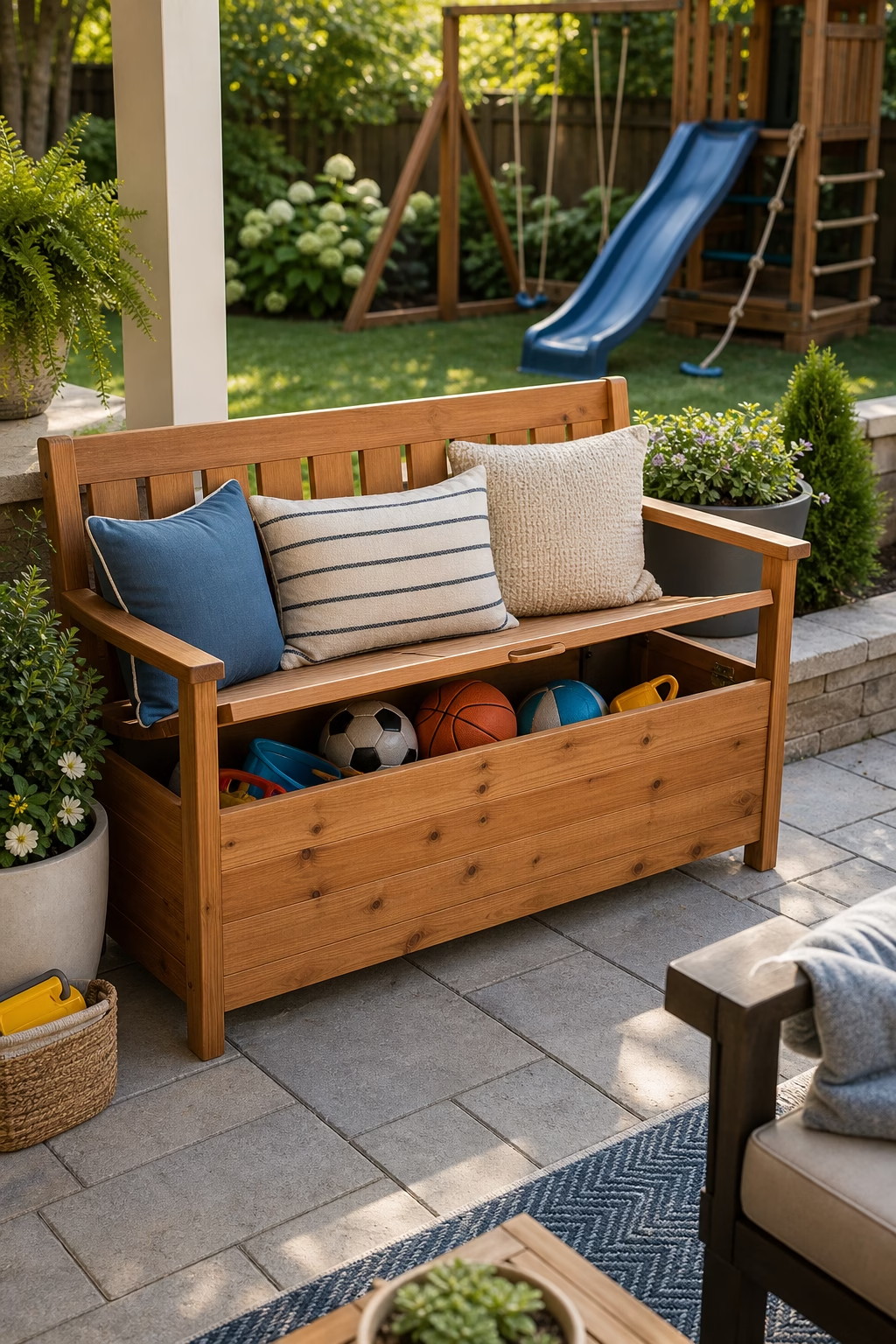
Use a Storage Bench for Toys adds a focused play moment without crowding the whole yard.
Place it where adults can see clearly and kids still feel independent.
Use weather-safe materials, soft landing surfaces, and storage close by.
The best outdoor ideas invite movement while keeping cleanup realistic.
12. Make a Mini Garden Bed
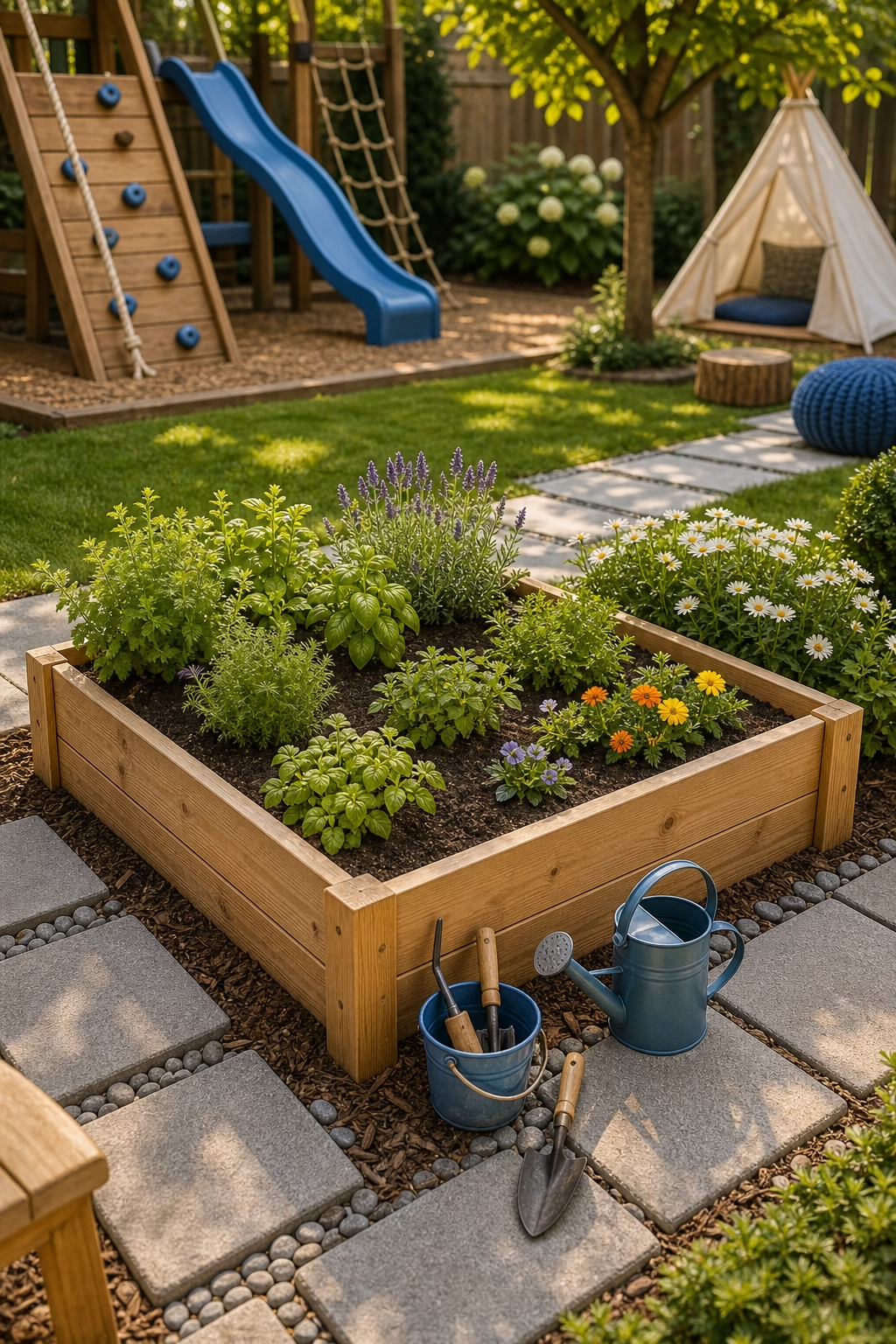
Make a Mini Garden Bed adds a focused play moment without crowding the whole yard.
Place it where adults can see clearly and kids still feel independent.
Use weather-safe materials, soft landing surfaces, and storage close by.
The best outdoor ideas invite movement while keeping cleanup realistic.
13. Add Solar Path Lights
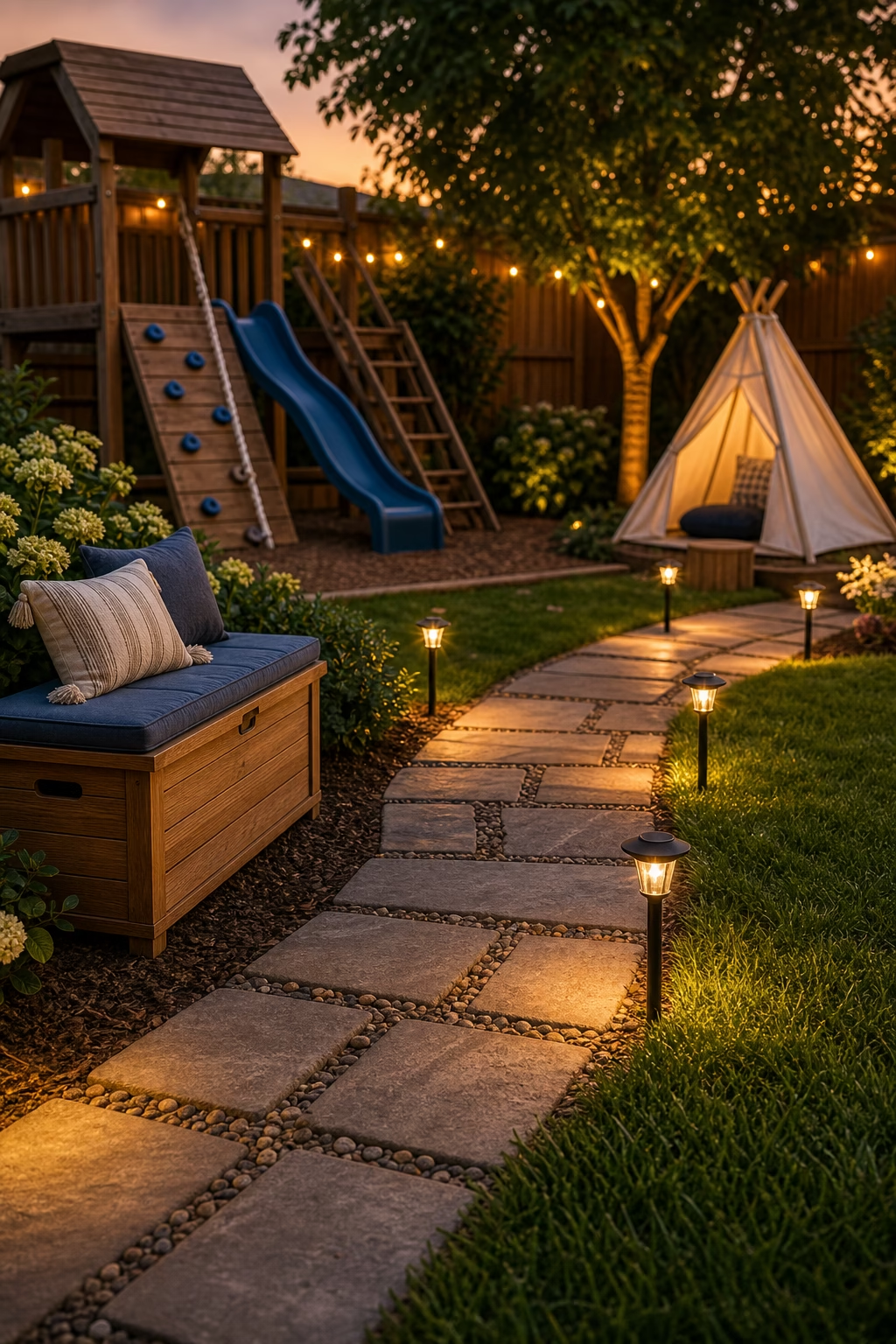
Add Solar Path Lights adds a focused play moment without crowding the whole yard.
Place it where adults can see clearly and kids still feel independent.
Use weather-safe materials, soft landing surfaces, and storage close by.
The best outdoor ideas invite movement while keeping cleanup realistic.
14. Create a Picnic Spot
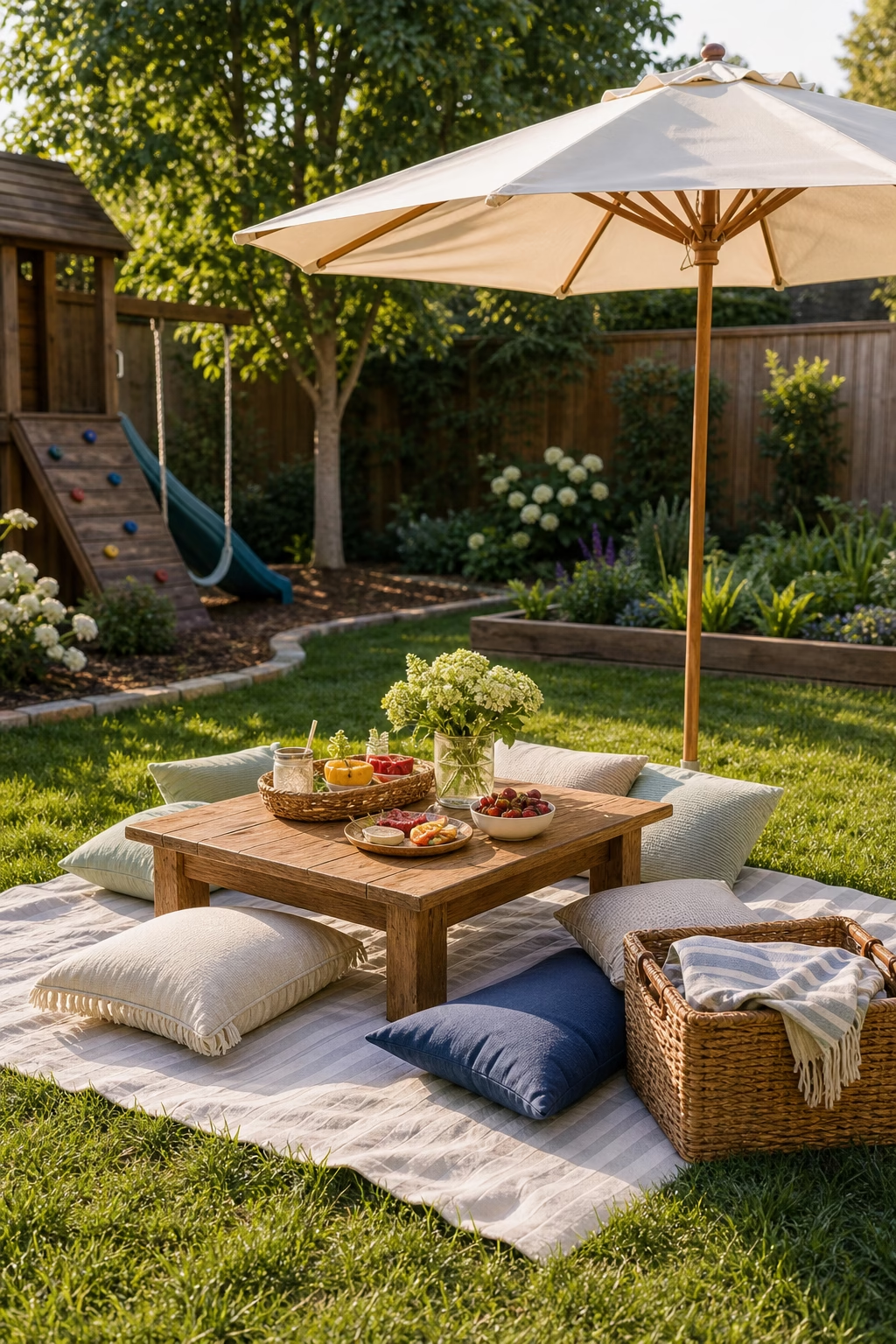
Create a Picnic Spot adds a focused play moment without crowding the whole yard.
Place it where adults can see clearly and kids still feel independent.
Use weather-safe materials, soft landing surfaces, and storage close by.
The best outdoor ideas invite movement while keeping cleanup realistic.
15. Use Outdoor Rugs to Define Play
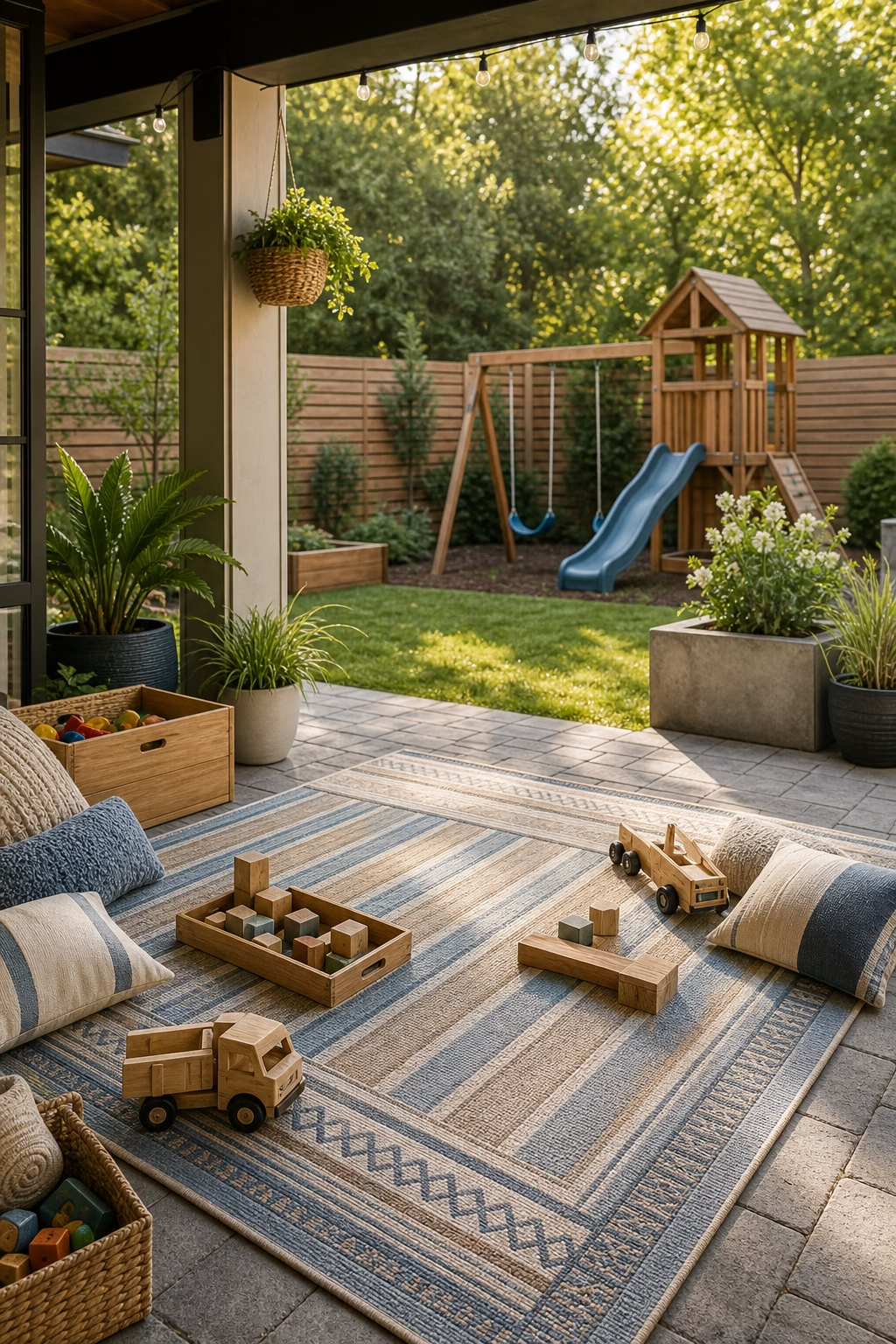
Use Outdoor Rugs to Define Play adds a focused play moment without crowding the whole yard.
Place it where adults can see clearly and kids still feel independent.
Use weather-safe materials, soft landing surfaces, and storage close by.
The best outdoor ideas invite movement while keeping cleanup realistic.
16. Add a Swing Safely
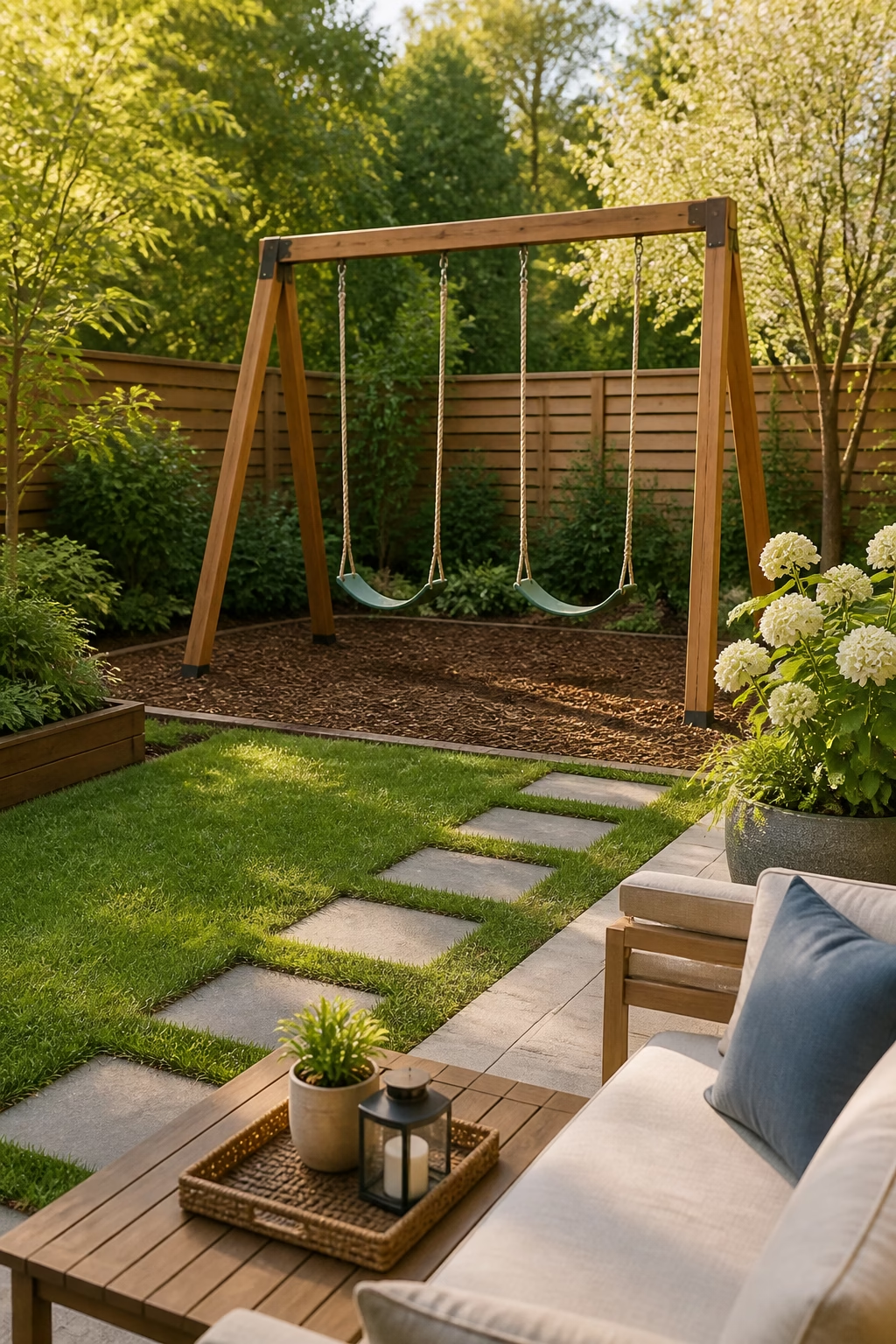
Add a Swing Safely adds a focused play moment without crowding the whole yard.
Place it where adults can see clearly and kids still feel independent.
Use weather-safe materials, soft landing surfaces, and storage close by.
The best outdoor ideas invite movement while keeping cleanup realistic.
17. Create a Ball Game Area
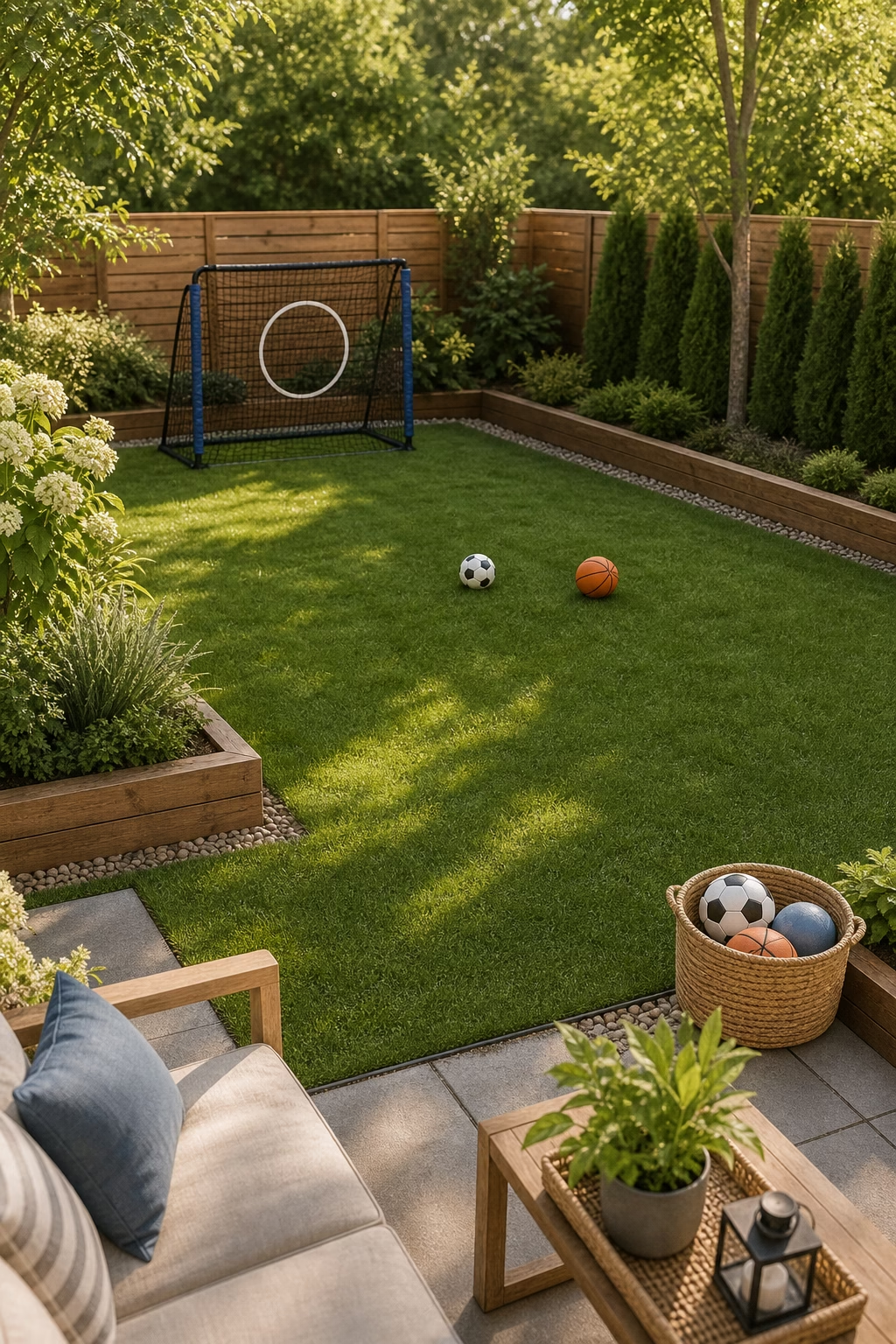
Create a Ball Game Area adds a focused play moment without crowding the whole yard.
Place it where adults can see clearly and kids still feel independent.
Use weather-safe materials, soft landing surfaces, and storage close by.
The best outdoor ideas invite movement while keeping cleanup realistic.
18. Use Planters as Soft Boundaries
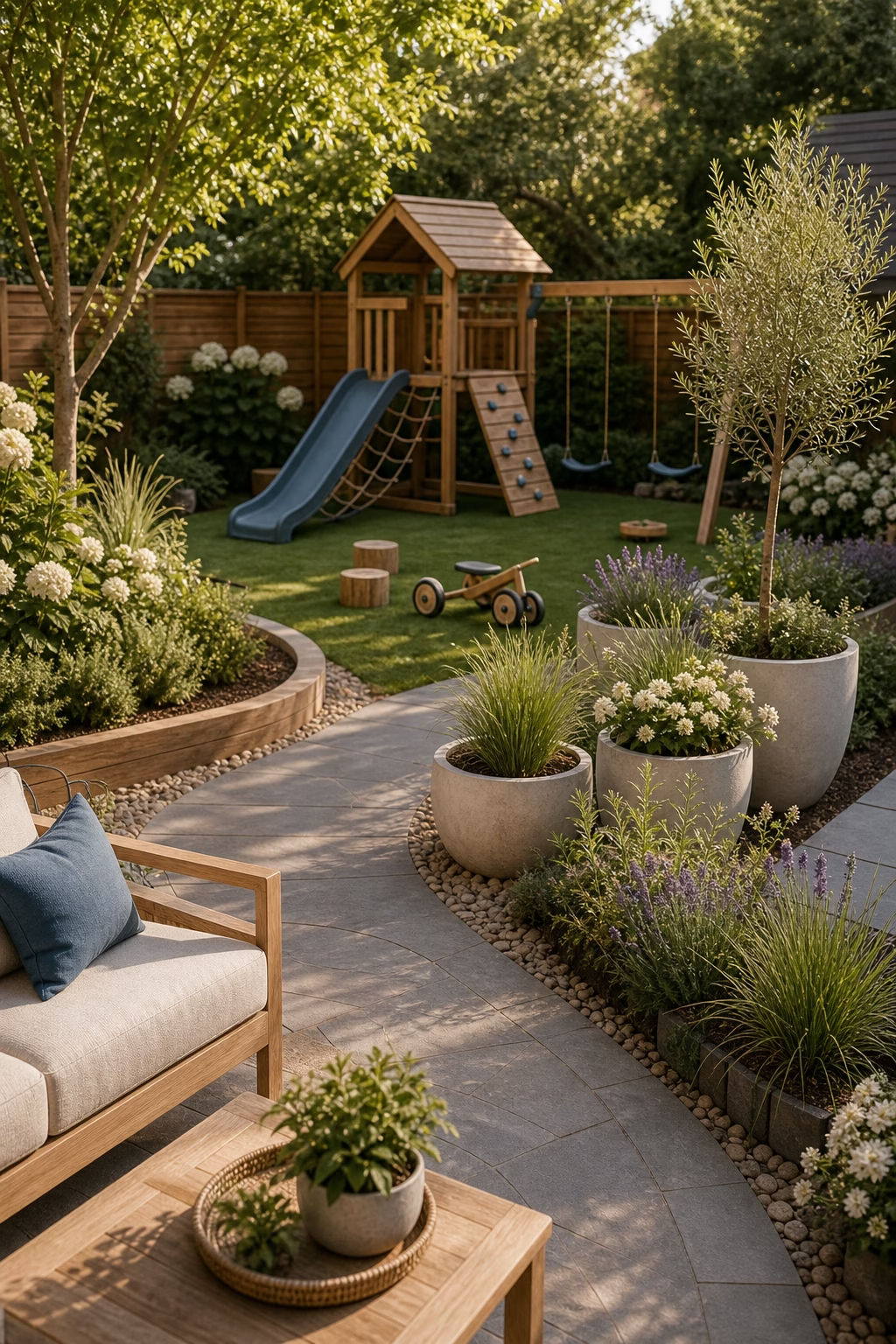
Use Planters as Soft Boundaries adds a focused play moment without crowding the whole yard.
Place it where adults can see clearly and kids still feel independent.
Use weather-safe materials, soft landing surfaces, and storage close by.
The best outdoor ideas invite movement while keeping cleanup realistic.
Final Thoughts
Start with the idea that solves the biggest daily frustration.
Then add the colors, textures, and decorative details that make it yours.
Small upgrades often work better than a full room overhaul.
A thoughtful home feels easier to use and more enjoyable to live in.