Bathroom accessories work best when they solve small daily problems while making the room feel more intentional. The strongest choices are not random counter decorations; they improve storage, touch, lighting, scent, and routine. These 2026 picks focus on durable materials, calm surfaces, and pieces that make even a modest bathroom feel finished.
Upgrade the Sink With a Ribbed Glass Soap Dispenser
A refillable soap dispenser is a small change with an outsized visual effect because it removes branded packaging from the most visible part of the vanity. Ribbed glass is especially useful in 2026 bathrooms because it catches light without looking flashy. Choose a pump finish that repeats the faucet, mirror frame, or towel hardware so the counter feels planned. The bottle should be heavy enough to stay stable and easy to clean around the neck. Keep it close to the faucet, but leave enough space for water to drain and for the counter to be wiped quickly. One good dispenser is better than several mismatched bottles.

Use a Stone Tray to Contain Daily Pieces
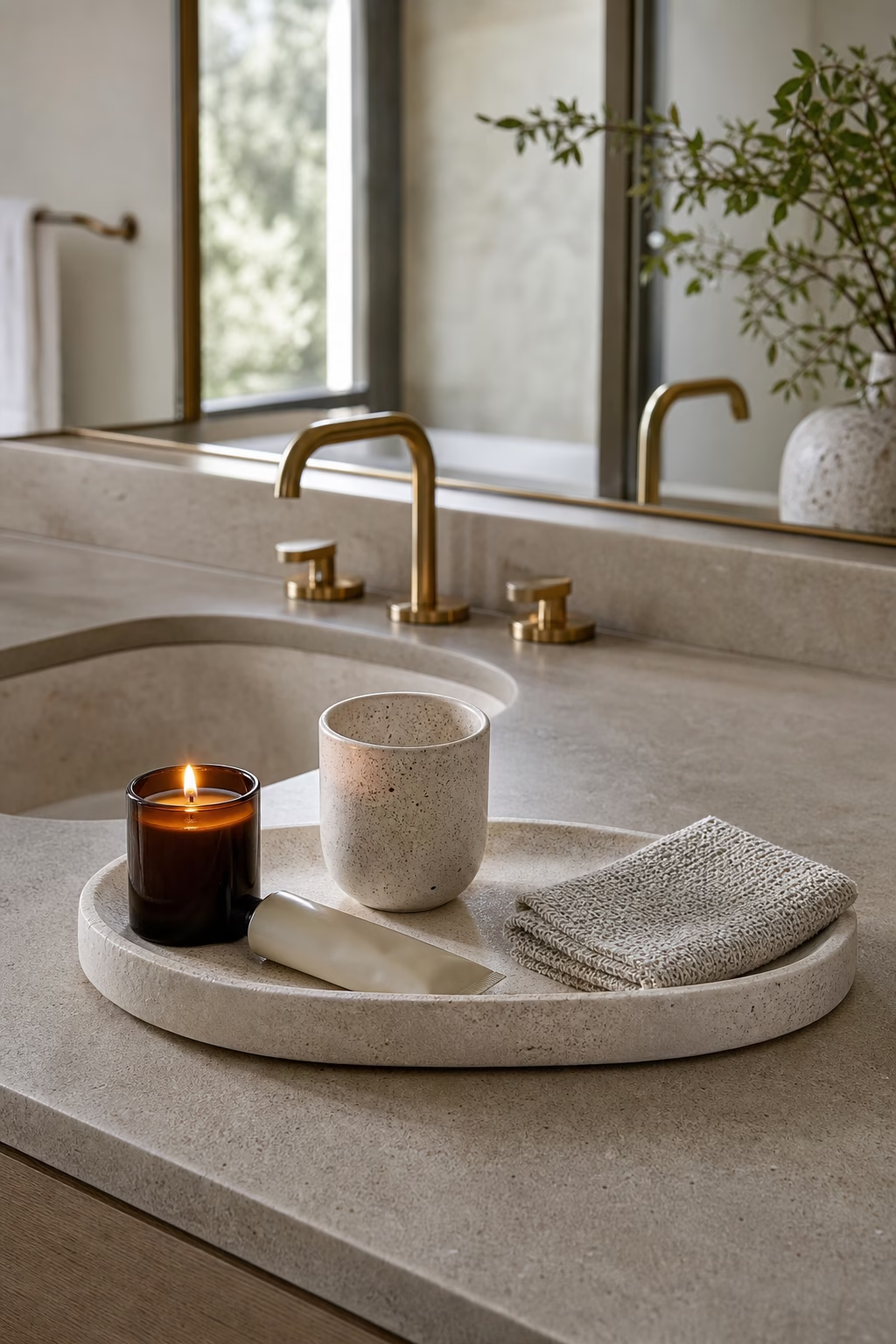
A tray gives everyday products a boundary, which is why a bathroom instantly looks calmer when the loose pieces are gathered. Stone, resin, or sealed ceramic works well because the surface handles moisture and wipes clean. Use the tray for a candle, small cup, hand cream, or the two products you reach for every morning, then move everything else into a drawer. The scale matters: a tray that is too large steals usable counter space, while one that is too small looks decorative only. Match the tray tone to the counter or backsplash for a built-in feel, then add one contrasting texture for warmth.
Install Towel Hardware That Matches the Room
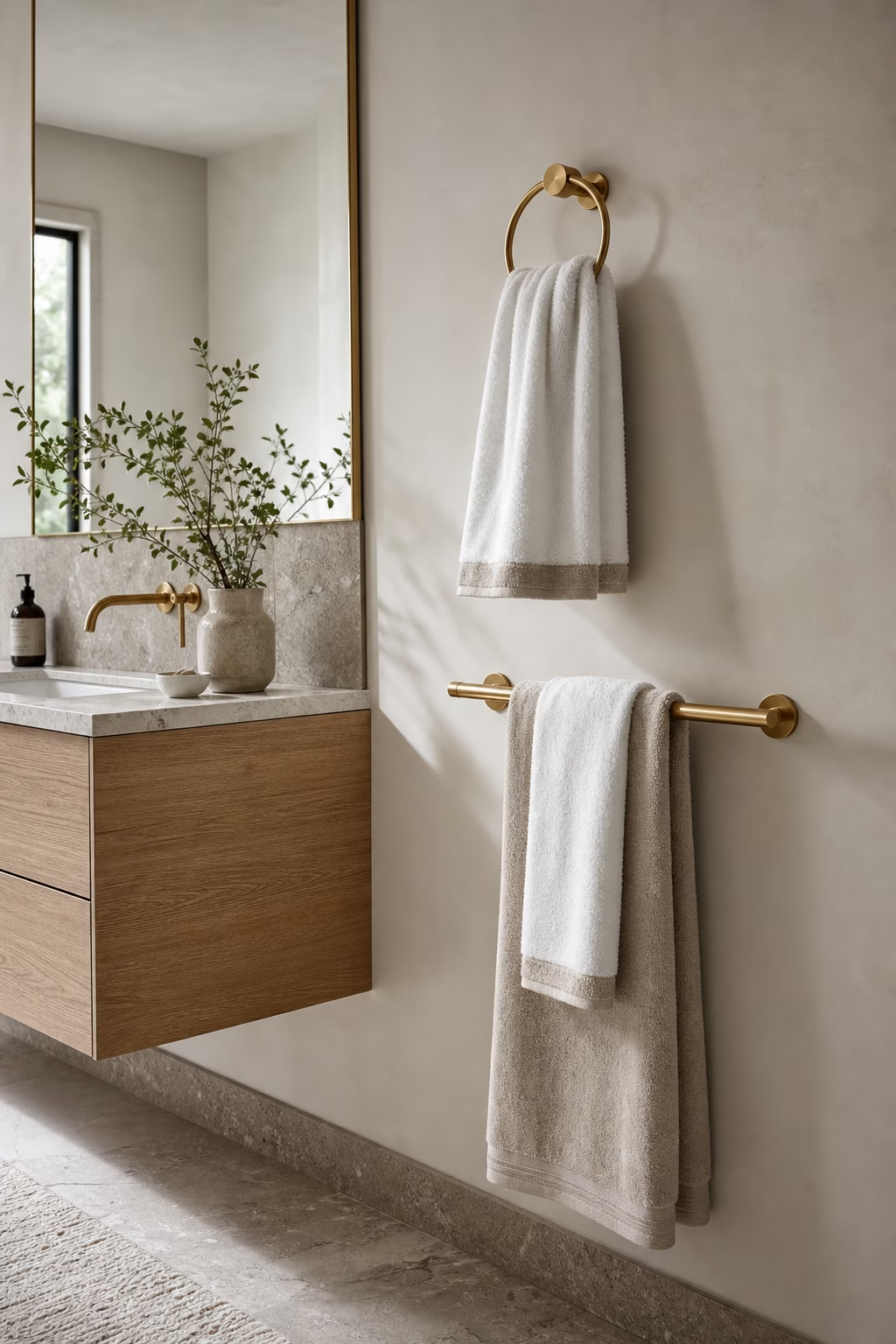
Towel hardware is often chosen last, but it decides whether the bathroom feels finished or improvised. A ring near the sink, a bar outside the shower, and a hook by the door should share a finish or a clear design language. Brass warms stone and plaster, black sharpens pale tile, and brushed nickel stays quiet in cooler rooms. Before drilling, test the actual towel length so fabric does not drag on the counter or floor. Hardware should sit where the towel can dry, not just where it looks symmetrical. Good placement keeps the room neater because the easiest option becomes the most attractive one.
Choose Matching Canisters for Small Supplies
Cotton rounds, bath salts, swabs, and hair ties can look messy even when they are technically organized. Matching canisters make those small supplies feel deliberate while keeping them within reach. Clear glass is useful for items you replace often, while opaque ceramic hides anything less attractive. Keep the lids simple and easy to remove with dry or damp hands. Three containers are usually enough; more can turn the counter into a display shelf. Place canisters on a section of counter that does not receive constant splashes, or use them on an open shelf where the repeated shapes add calm rhythm to the bathroom.

Bring a Teak Stool Into the Shower
A teak stool makes a shower feel more considered while adding genuine function. It gives a place to rest a towel before bathing, hold a scrub brush, or support shaving and foot care without balancing on one leg. Teak is popular because it tolerates moisture, but it still needs airflow and occasional cleaning. Choose a stool with stable legs, rounded edges, and enough height to be useful without blocking the shower path. In a larger walk-in shower, it can soften the tile-heavy architecture. In a smaller one, pick a narrow bench or corner shape so the accessory improves the routine instead of crowding it.

Stack Waffle Towels for Texture and Quick Drying
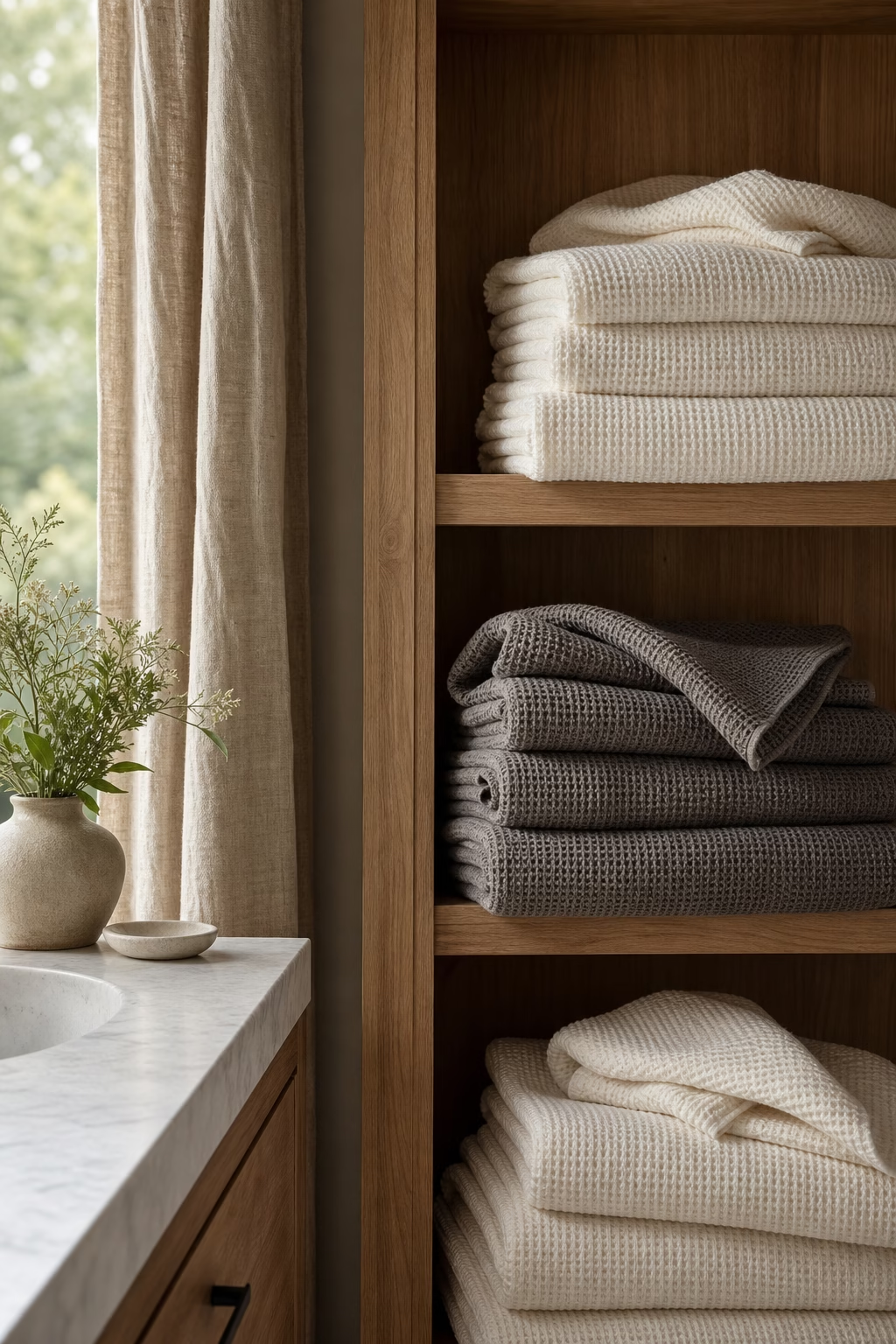
Waffle towels are practical because they dry faster than dense terry, but they also bring a relaxed texture that suits modern bathrooms. Stack them on open shelves, roll hand towels in a basket, or hang one where the grid can be seen. The key is keeping the color palette tight. Warm white, oat, stone, and soft gray mix easily with oak, marble, and plaster without making the room look busy. Buy enough towels that the set looks intentional after laundry, not like a single styled prop. If you prefer plush bath sheets, use waffle texture for hand towels and washcloths instead.
Anchor the Floor With a Low-Profile Bath Mat
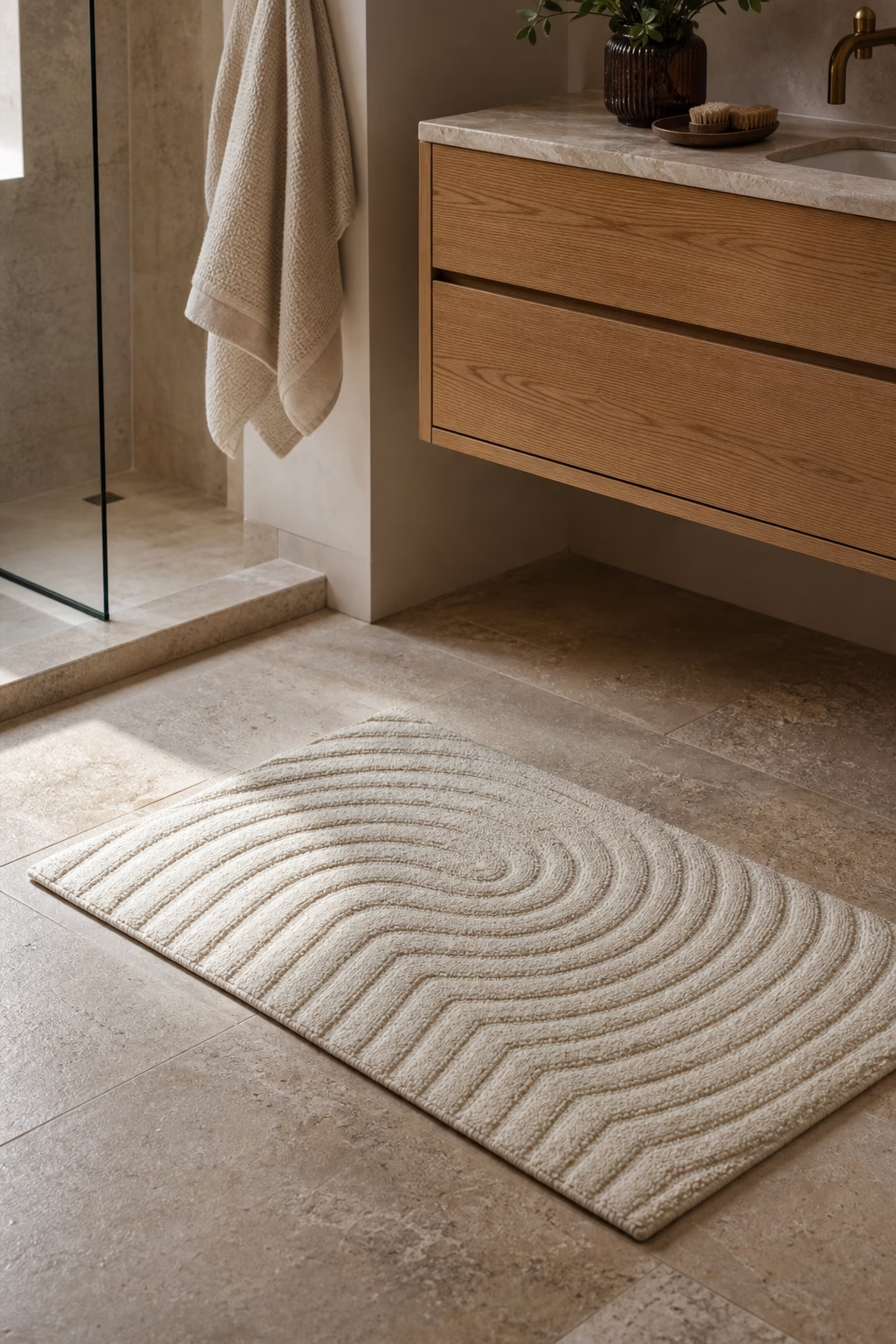
A bath mat should feel good underfoot, dry reliably, and look intentional against the floor. Low-profile textured mats are easier to live with than very thick versions because doors clear them and they dry more quickly. Look for cotton, washable wool blends, or moisture-friendly performance fibers with a backing that will not damage stone or tile. The mat should relate to the room's proportions; a tiny rectangle in front of a long vanity can look accidental. Sculpted lines or a subtle rib add interest without turning the floor into a pattern feature. Keep one spare so the bathroom still looks polished on laundry day.
Decant Shower Products Into Calm Bottles
The shower is often the most visually chaotic part of a bathroom because bottle labels multiply quickly. Refillable bottles solve that problem only if they are easy to tell apart and simple to clean. Use two or three tones, such as amber glass and matte white, and place them in a niche, corner shelf, or wall-mounted holder that drains properly. Avoid tiny labels that will peel in steam; if identification is needed, use shape, pump color, or discreet waterproof tags outside the main sightline. The goal is not pretending products do not exist, but making the shower wall feel edited and restful.

Add Robe Hooks Where They Earn Their Space
Hooks are more flexible than towel bars in tight bathrooms, but they need good placement. Install them near the shower exit, behind the door, or on a short wall where a robe can hang without brushing the sink. A row of matching hooks can hold towels, a robe, and a small toiletry pouch while adding a clean metal rhythm. Leave enough space between hooks for fabric to dry; crowding them turns the feature into a damp pile. For a polished look, align the hooks with trim, mirror edges, or tile lines. This small accessory can make a bathroom easier to use every day.

Mount a Magnifying Mirror Beside the Main Mirror
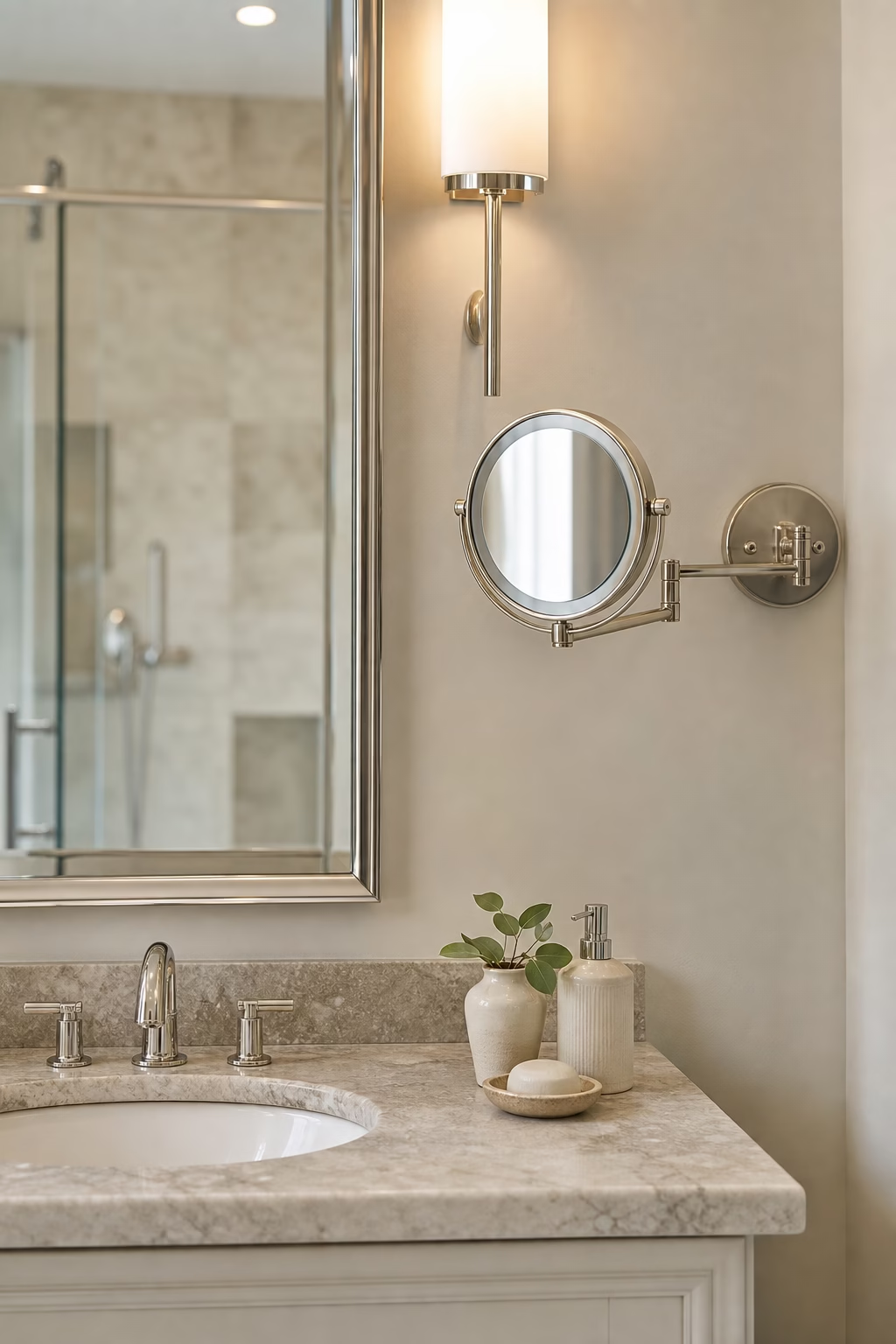
A small magnifying mirror is useful for grooming, skincare, and makeup, but it should not dominate the vanity wall. Wall-mounted versions on articulated arms keep the counter clear and can fold away when not in use. Choose a finish that matches the faucet or sconces, and place the mirror where it can be used comfortably without blocking the medicine cabinet. Hardwired lighted options need planning; simpler unlit mirrors still work well if the main vanity lighting is flattering. The accessory feels elevated when it is treated like bathroom hardware, not a loose tabletop gadget competing with every other object.
Style Scent With a Reed Diffuser and Candle
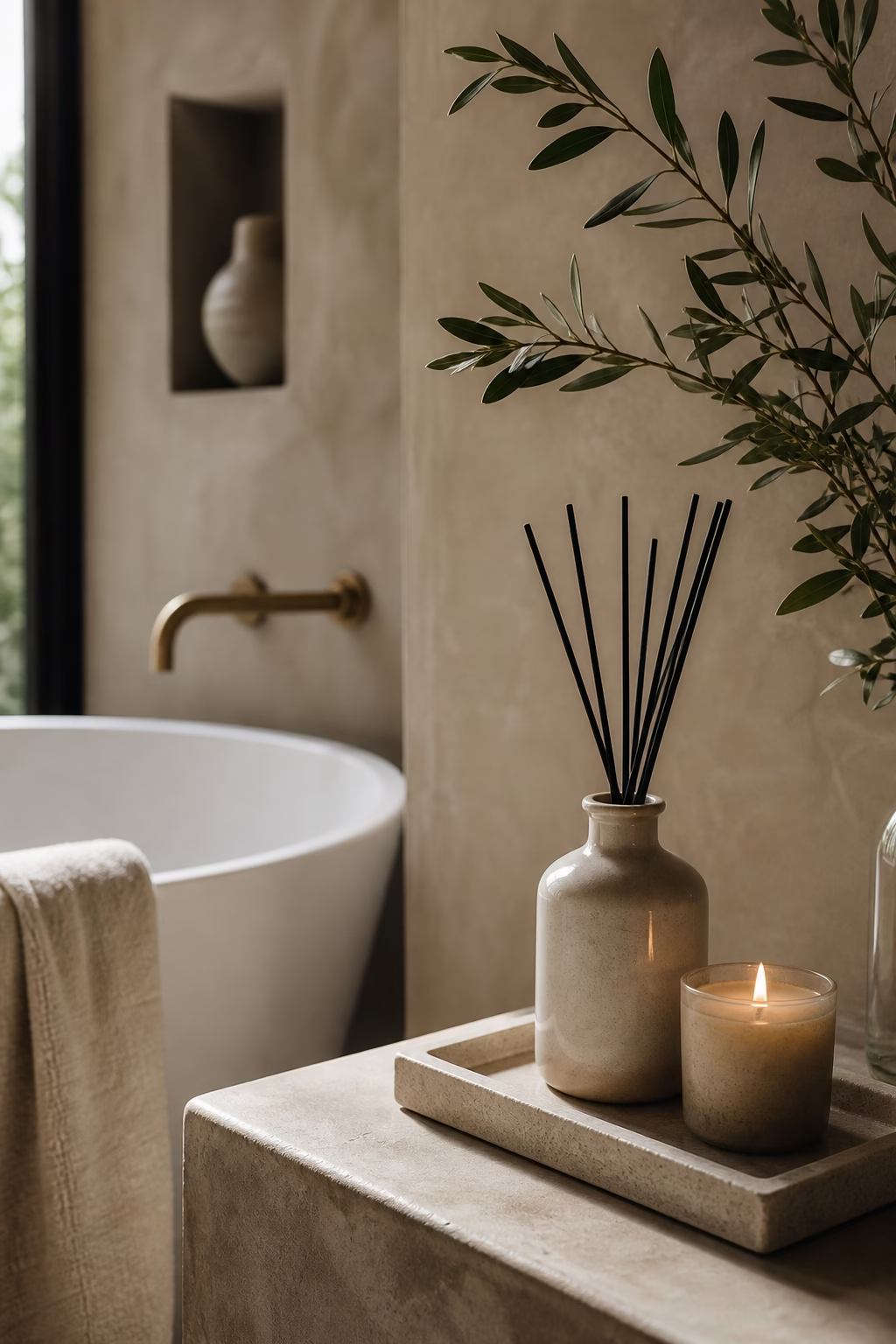
Scent should support a bathroom, not overwhelm it. A ceramic reed diffuser and one candle can make the room feel cared for while keeping the surface quiet. Choose vessels without loud labels, and keep fragrances fresh rather than sugary: eucalyptus, hinoki, lavender, neroli, or clean linen notes tend to suit bathing spaces. Place scent away from constant splashes and open flames away from towels or curtains. The tray matters because it protects stone and gives the grouping a reason to exist. This is one of the easiest ways to make a guest bath feel prepared without adding more decorative clutter.
Hide Laundry in a Lidded Woven Hamper
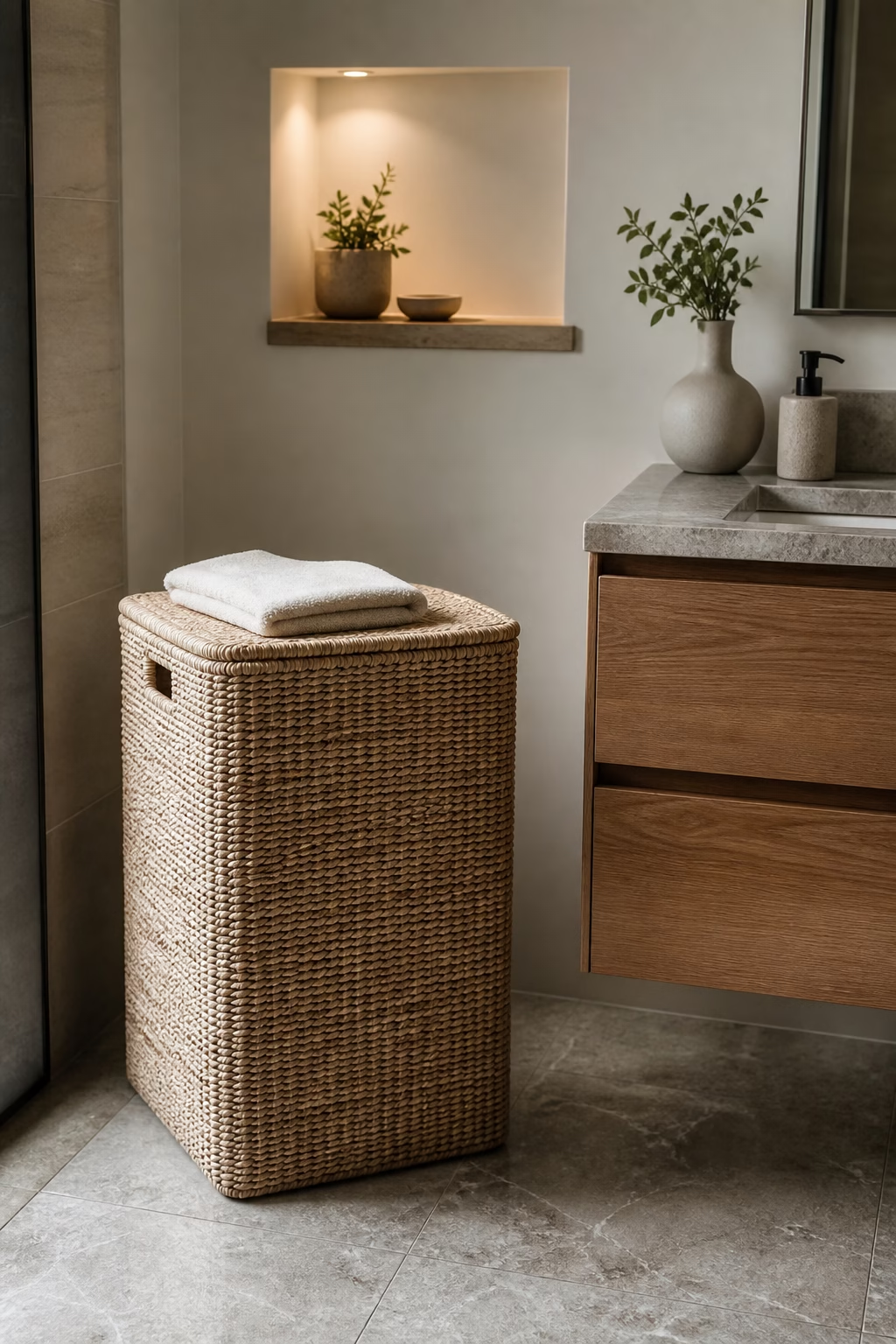
A hamper belongs in the bathroom only when it looks intentional and fits the circulation. Lidded woven styles work well because they soften tile, hide laundry, and allow some airflow. Measure the corner before buying; a hamper that blocks a drawer or shower door will quickly become annoying. Natural fiber brings warmth, but it should be lined or treated so damp towels do not damage the weave. If the bathroom is very humid, choose a ventilated metal or resin version with a woven look. The best hamper looks like part of the storage plan, not a basket borrowed from another room.
Divide Vanity Drawers for Grooming Tools
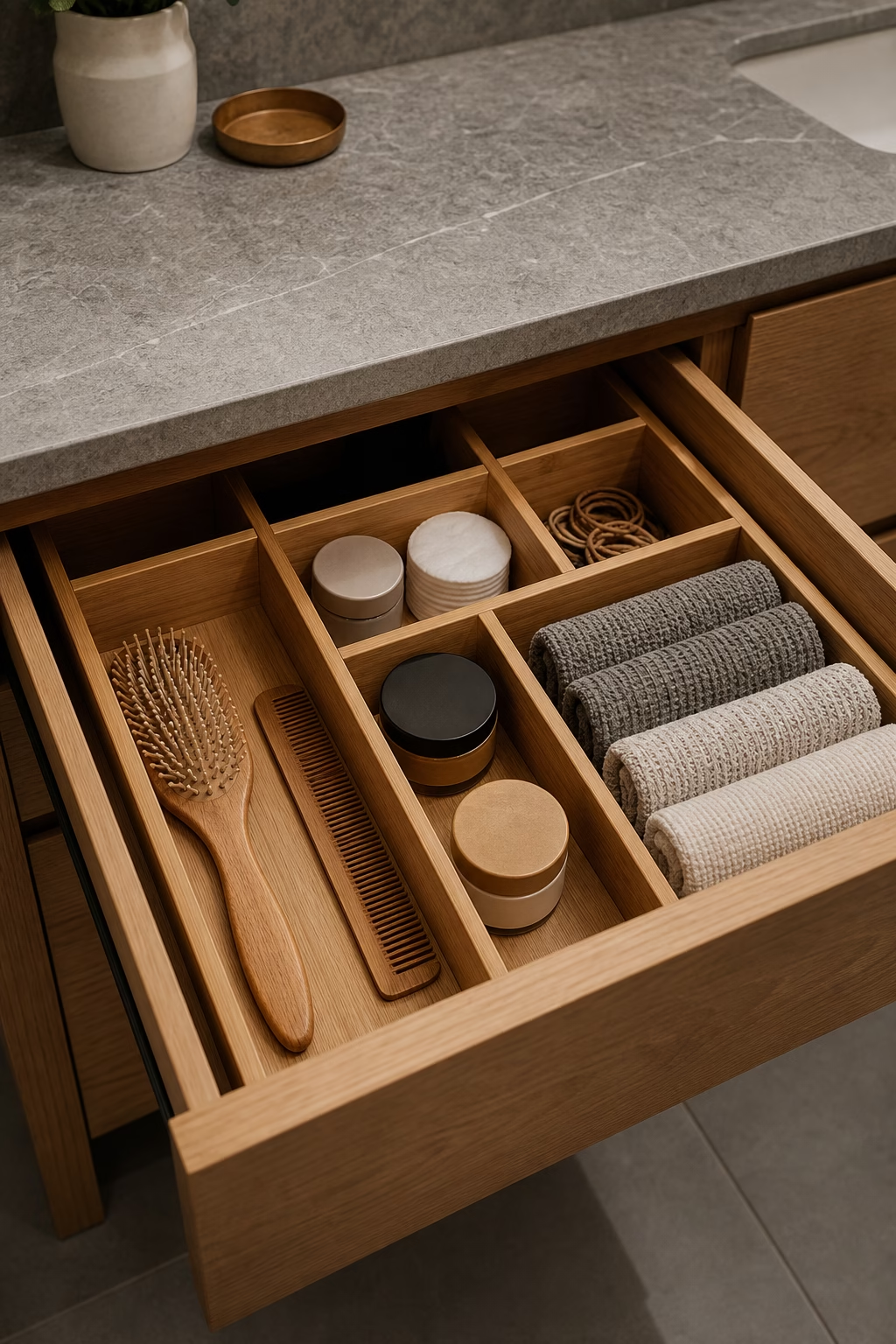
Drawer dividers are not glamorous, but they change how calm the bathroom feels at 7 a.m. Use adjustable bamboo, acrylic, or metal inserts to separate brushes, combs, cotton pads, daily jars, and folded washcloths. The point is to make the most-used items visible in one layer, not stacked under a pile of backups. Keep extras in a secondary bin or linen closet so the vanity drawer remains easy to reset. If the drawer is shallow, measure product height carefully before buying organizers. A tidy drawer lets the counter stay clear, which makes every other accessory in the room look more deliberate.
Choose Discreet Toilet-Area Accessories
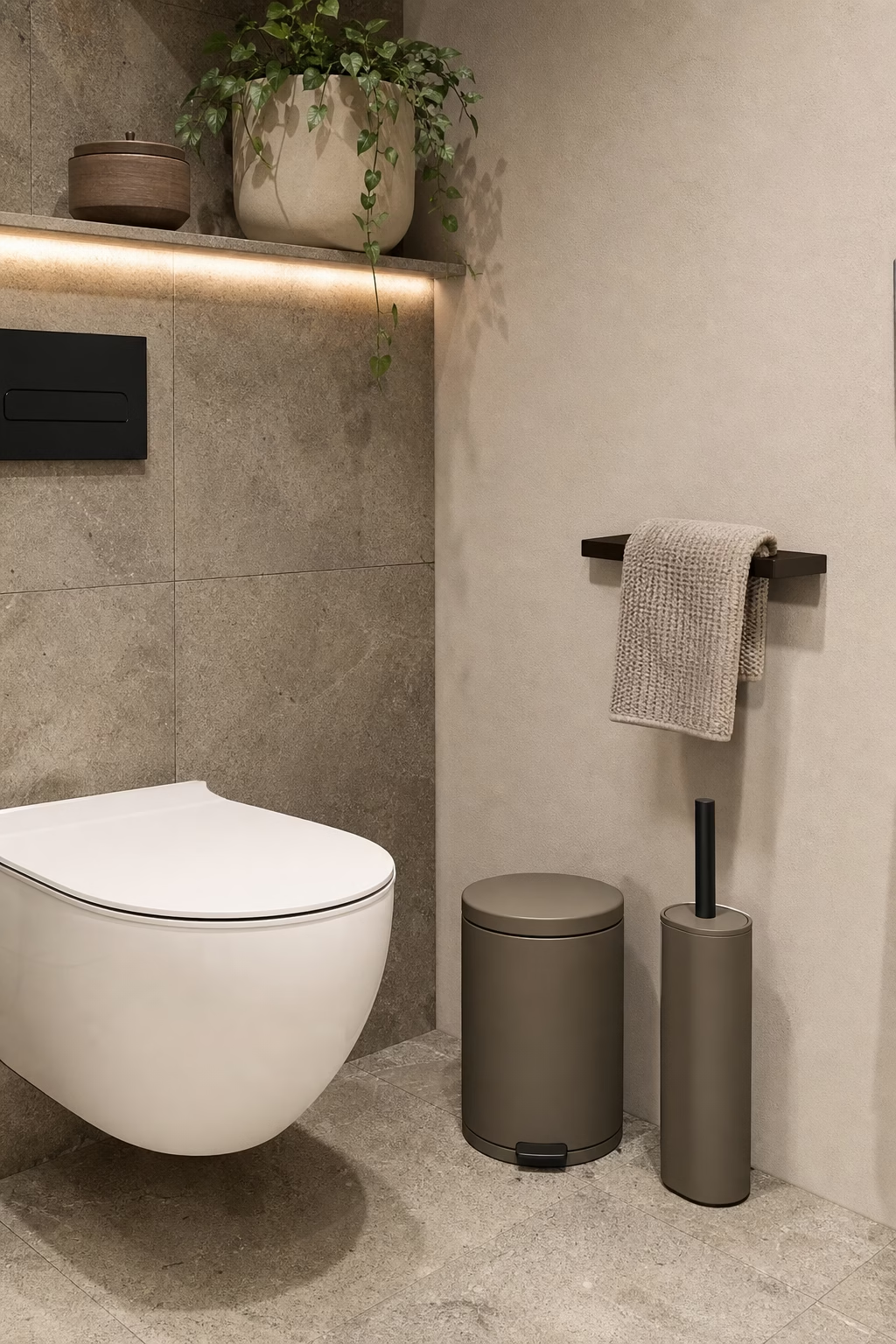
The toilet area needs practical accessories, but they should be as quiet as possible. A covered bin, slim brush holder, and nearby hand towel can all disappear visually when the colors match the tile or wall. Avoid shiny plastic, exposed liners, and oversized shapes that draw attention. Wall-mounted shelves or ledges are useful if they hold only one or two objects, such as a spare roll in a covered container and a small plant. The accessory finish should echo the flush plate, faucet, or towel hardware. Good toilet-area styling is mostly restraint: everything necessary is present, but nothing feels like the focal point.
Add a Bath Caddy That Fits the Tub
A bath caddy is useful only when it fits the tub securely. Measure the tub width, rim slope, and faucet position before choosing one, then look for grips or notches that keep it from sliding. Walnut, teak, bamboo, and sealed oak all bring warmth to stone-heavy bathrooms, but the finish should be smooth enough to wipe down. Keep the caddy edited: a cup, candle, sponge, and folded cloth are enough for a spa mood. Avoid loading it with products that could fall into the water. When not in use, store it where it can dry instead of leaving it permanently damp.

Use Greenery to Break Up Hard Surfaces
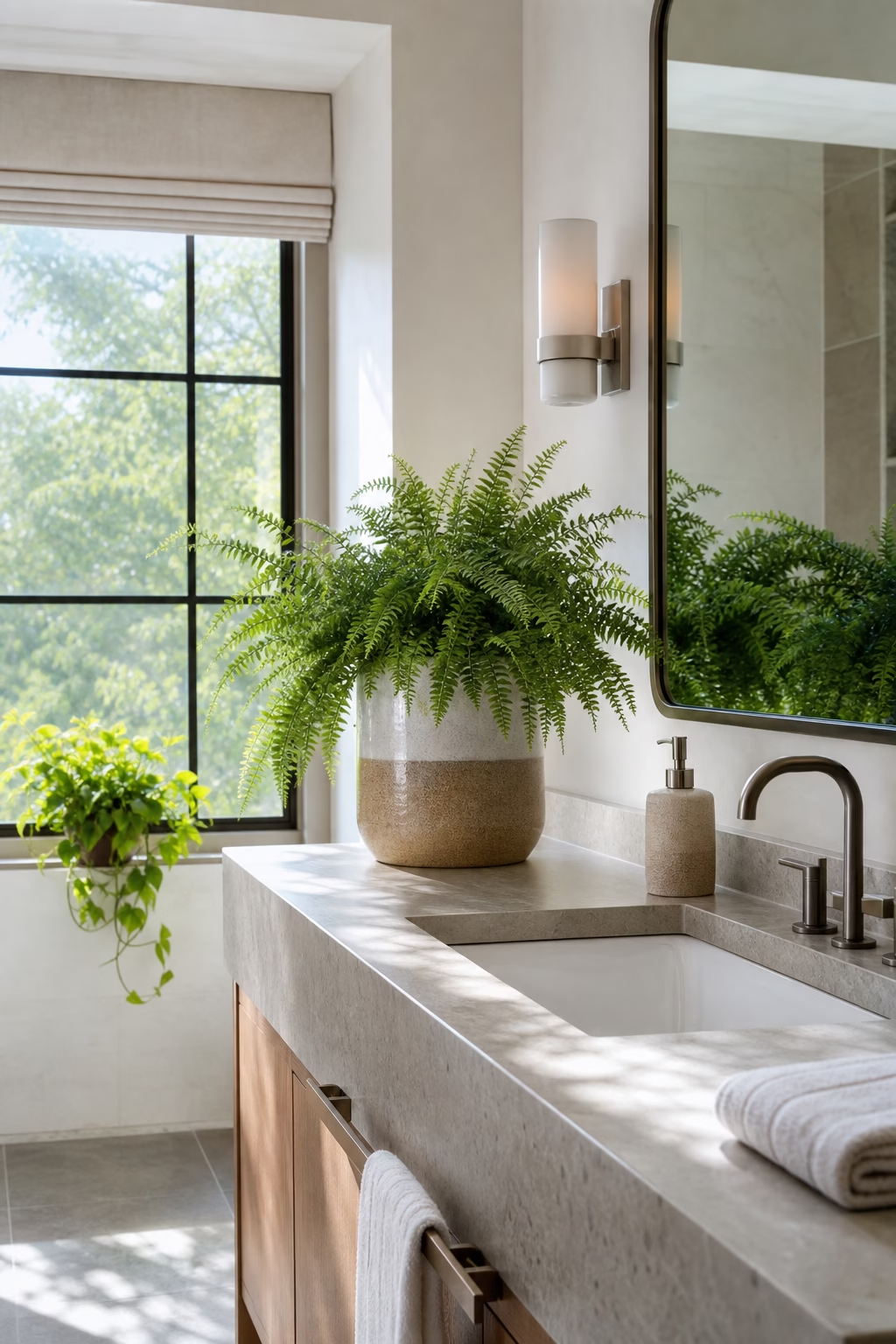
Bathrooms are full of hard, cool materials, so one healthy plant can make the room feel more alive. Choose greenery that tolerates humidity and the available light: ferns, pothos, orchids, and some philodendrons can work well near a window. The planter should relate to the vanity or tile rather than introduce a random color. Keep the plant clear of the sink basin and faucet so watering and cleaning remain easy. If natural light is limited, use cut branches in a vase instead of forcing a struggling plant. The goal is a living texture that softens the room without becoming another maintenance problem.
Coordinate the Toothbrush Holder and Tumbler
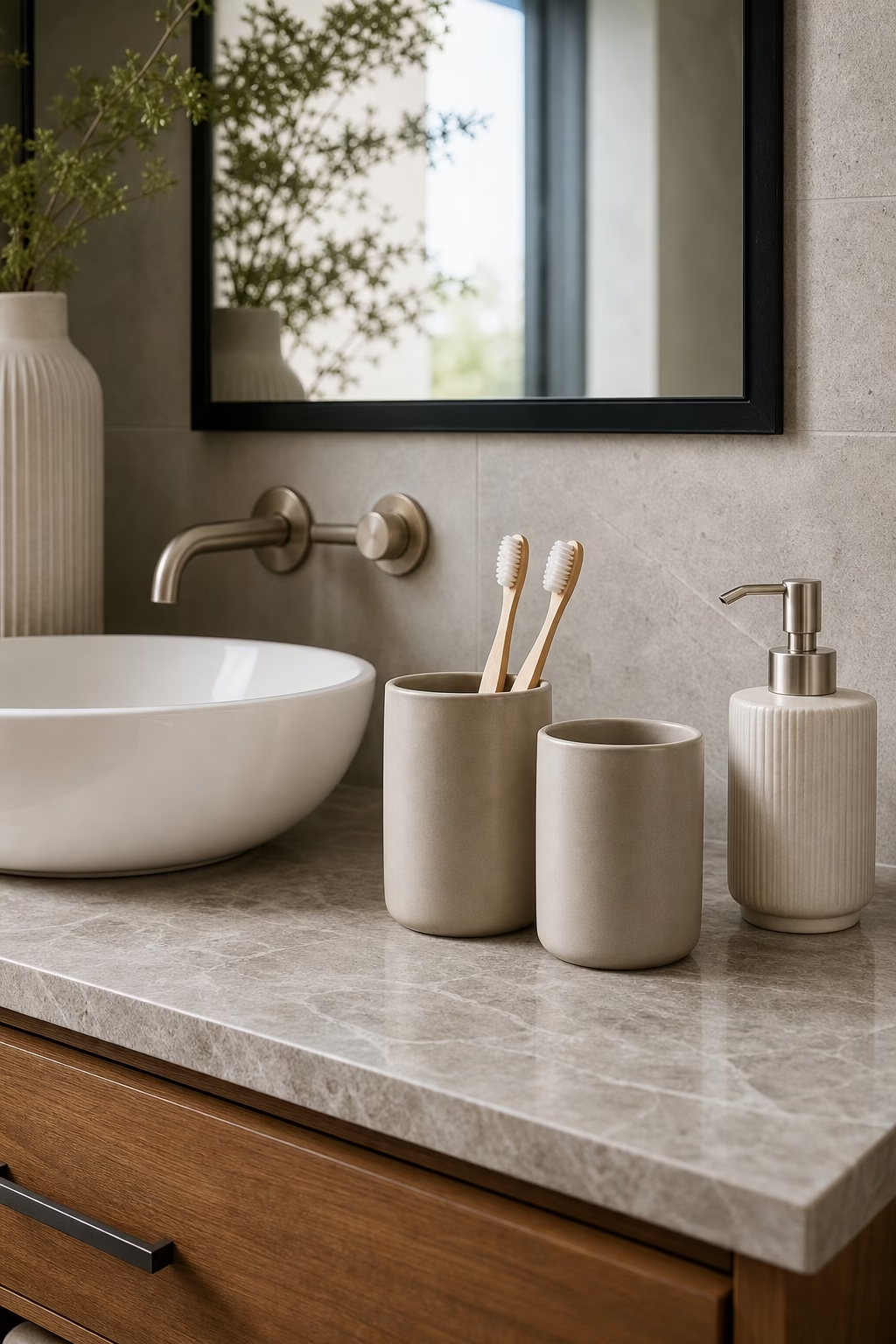
A toothbrush holder is highly visible, so it should be treated with the same care as faucet hardware or towel color. Matching ceramic or stoneware pieces look cleaner than mismatched plastic cups, and they add weight so the holder does not tip easily. Choose a design with enough airflow and an opening that can be cleaned properly. The tumbler does not need to sit out unless it is used daily; if it stays, make it part of a small set with the soap dispenser. Keep the toothbrushes simple and replace them regularly. The vanity looks more adult when even the practical objects share a material story.
Use a Slim Shelf Rail Above the Vanity
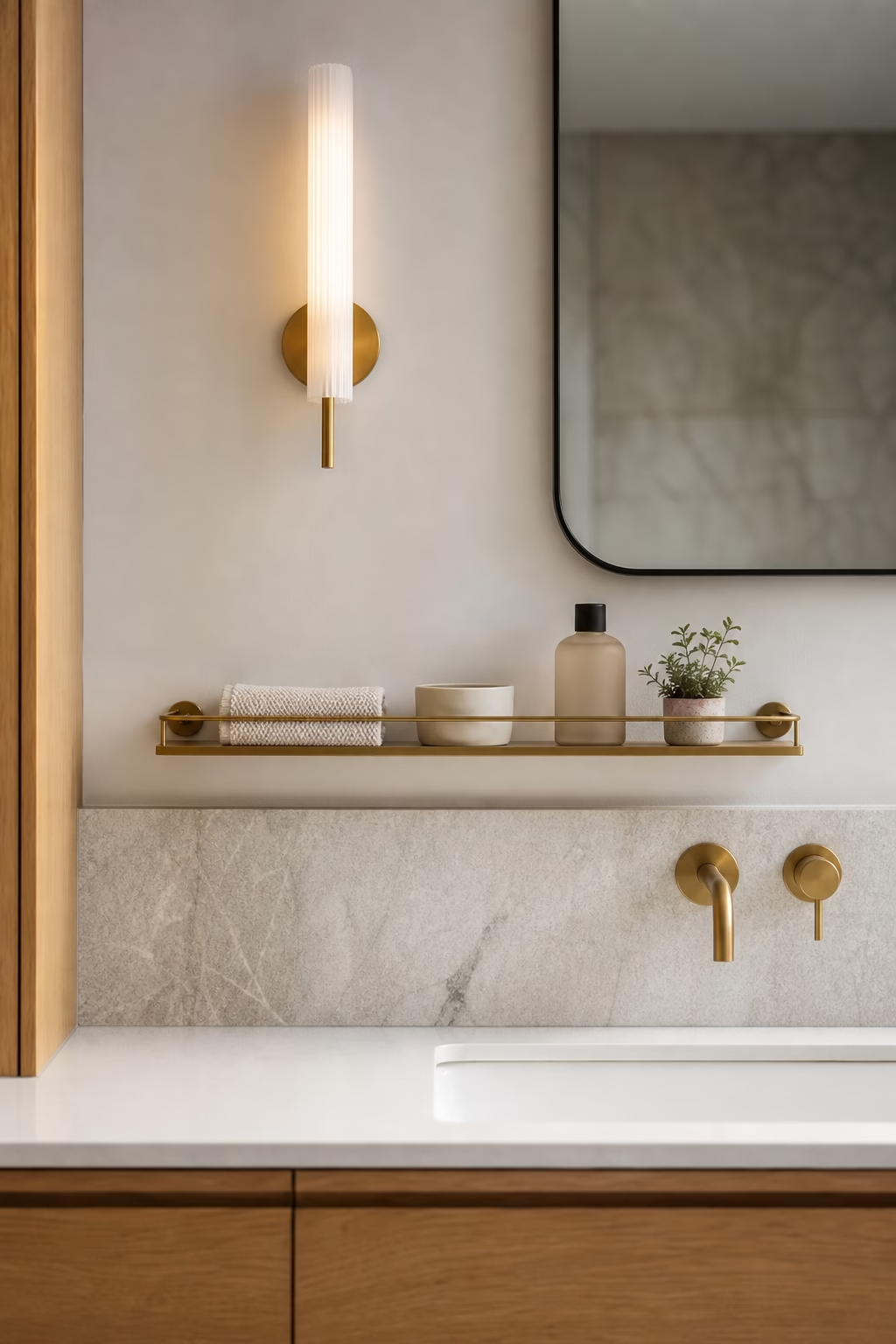
A slim shelf rail can add storage without the bulk of a cabinet, especially in a powder room or apartment bathroom. It works best for light, attractive items: a folded washcloth, small cup, plain bottle, or tiny plant. The rail prevents pieces from slipping while adding a refined hardware line beneath the mirror. Mount it high enough that it does not crowd the faucet, but low enough that the contents are reachable. Keep the shelf shallow so no one bumps into it while washing their face. This accessory is most successful when it looks architectural, almost like a planned ledge in the vanity wall.