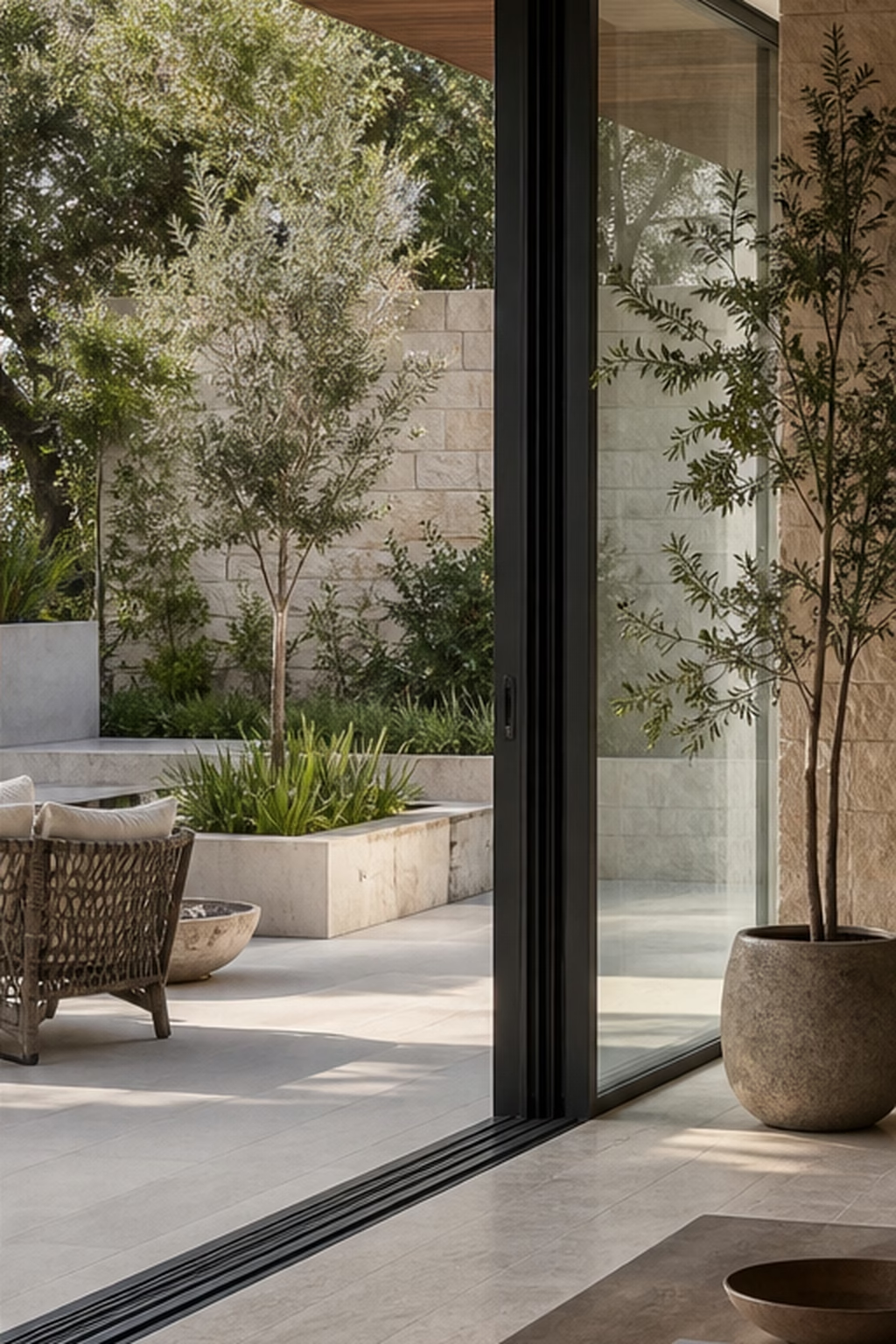
Modern interiors are becoming warmer, more tactile, and more personal, with clean architecture softened by honest materials, flexible rooms, and quieter luxury.
- Warm Minimalism With Real Texture
- Curved Furniture That Guides Movement
- Stone Used as an Everyday Anchor
- Rooms Planned for More Than One Use
- Deep Color in Controlled Doses
- Integrated Storage That Disappears
- Sculptural Lighting With Practical Glow
- Textured Walls Instead of Flat Paint
- Quiet Luxury Through Fewer Better Pieces
- Natural Wood With Cleaner Detailing
- Large Art as Architecture
- Indoor Greenery Treated Like Structure
- Bedrooms Designed as Recovery Spaces
- Kitchens With Furniture-Like Warmth
- Bathrooms With Spa-Level Material Honesty
- Vintage Pieces in Clean Rooms
- Technology Hidden Inside the Design
- Outdoor Connections That Feel Interior
Warm Minimalism With Real Texture
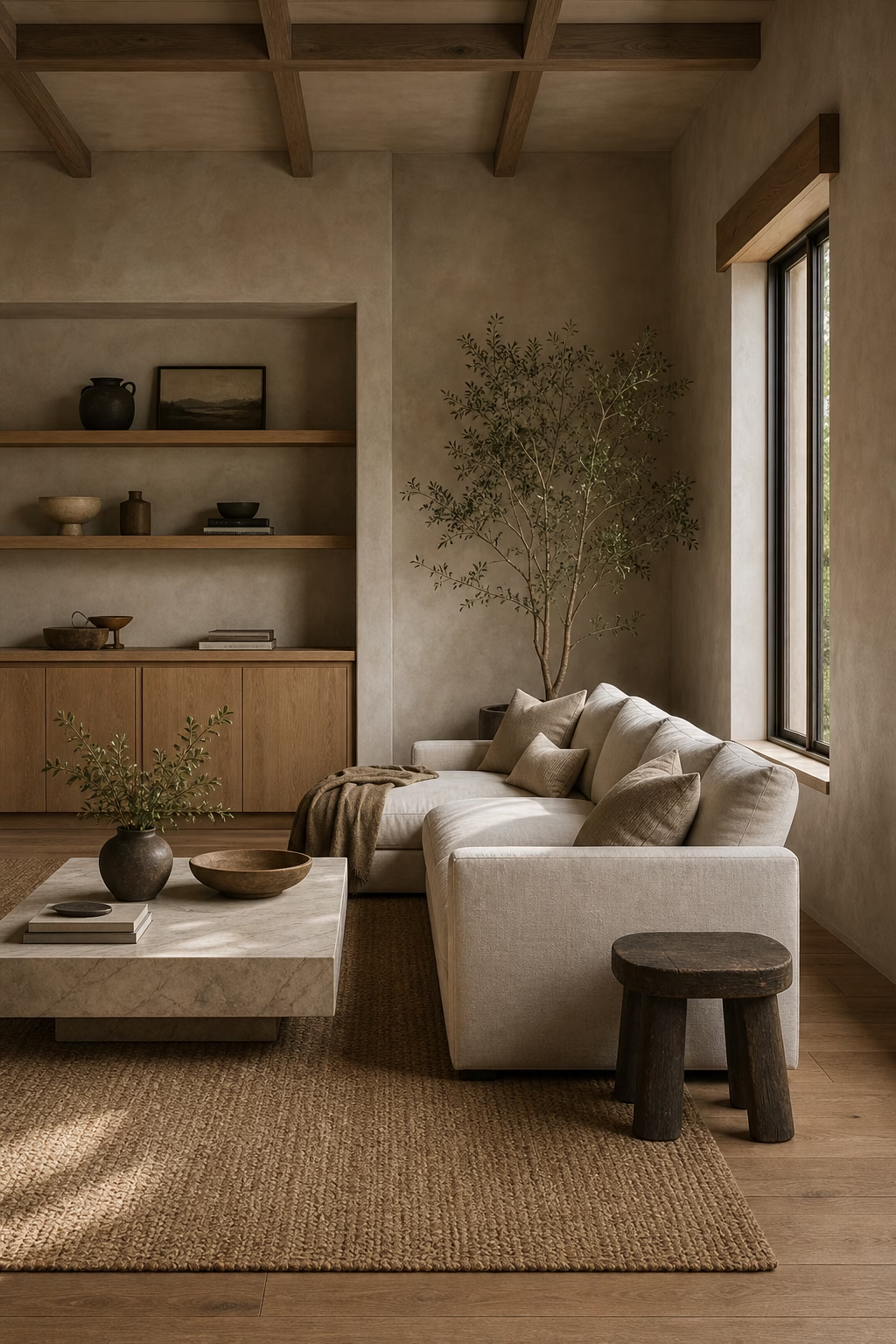
The cleanest modern rooms are no longer flat or chilly. Warm minimalism keeps the edited silhouettes, but brings in texture that can be felt from across the room: limewashed walls, oak grain, linen upholstery, wool rugs, and matte stone. The palette may stay restrained, yet the surfaces do more work. Instead of filling a room with accessories, let a plaster wall, a ribbed cabinet, or a nubby rug create the quiet interest. This trend suits homes that need calm without becoming anonymous. The result is still modern, but it has a human temperature because every simple form is supported by a tactile material.
Curved Furniture That Guides Movement
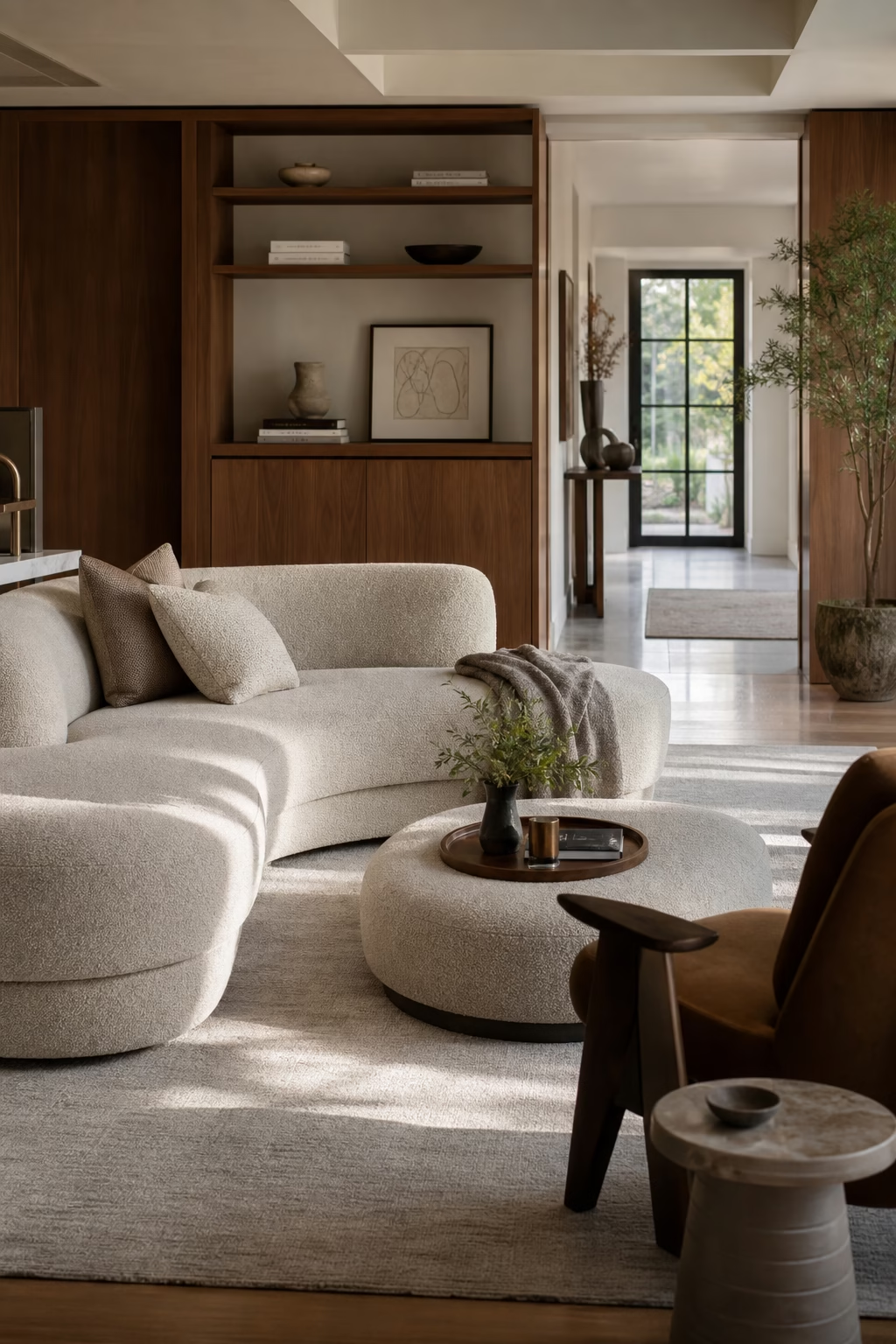
Curves are staying important, but the strongest versions are practical, not decorative for their own sake. A crescent sofa can open a conversation area, a rounded dining chair can soften a rectangular table, and an oval ottoman can improve circulation in a tight living room. The curve should respond to the plan of the room, guiding people around furniture rather than simply looking fashionable. Keep upholstery tailored so the shape feels intentional instead of overstuffed. Pair curves with straight architectural lines, such as built-ins, windows, or a stone fireplace. That contrast makes the room feel composed, with softness exactly where the body meets the space.
Stone Used as an Everyday Anchor
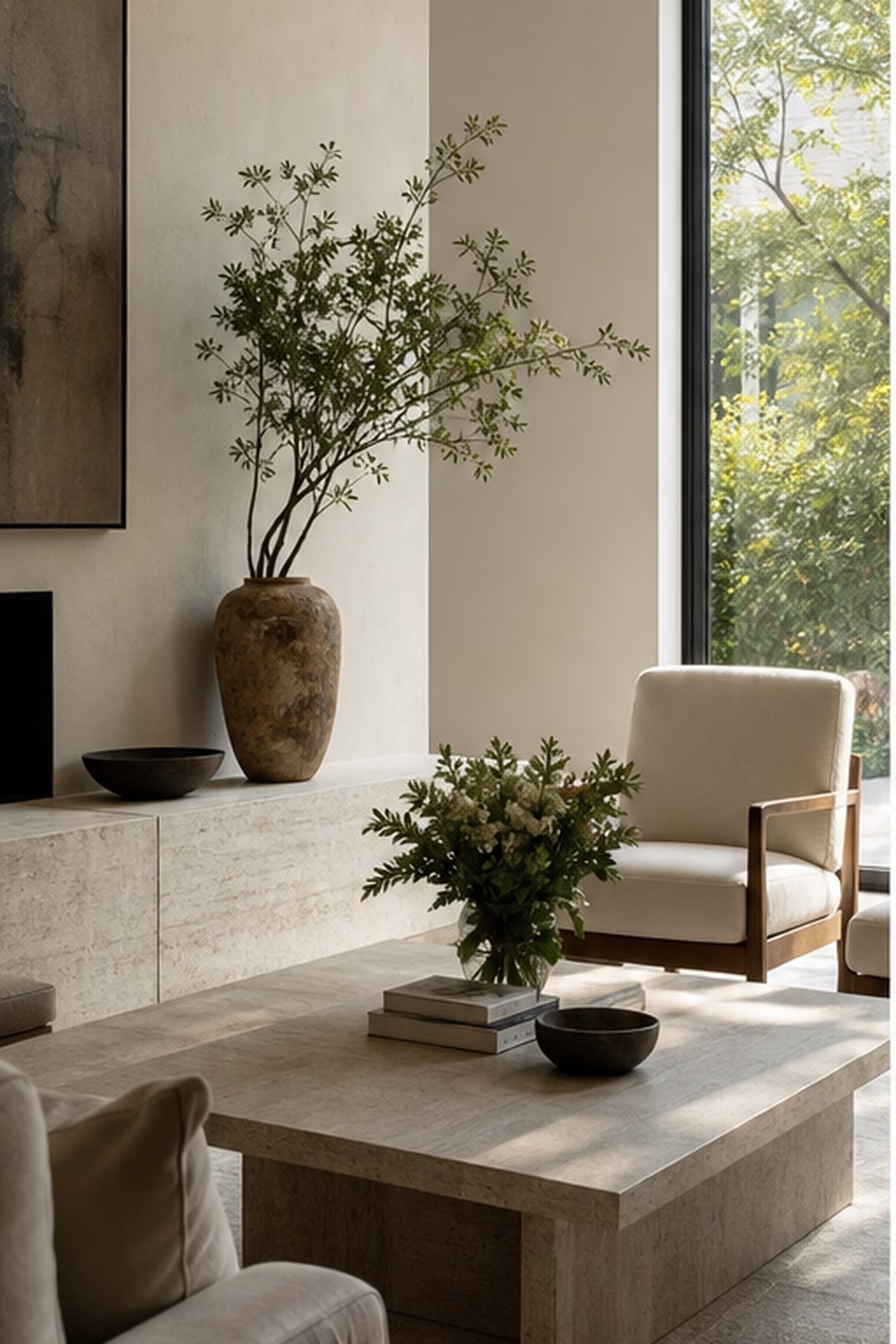
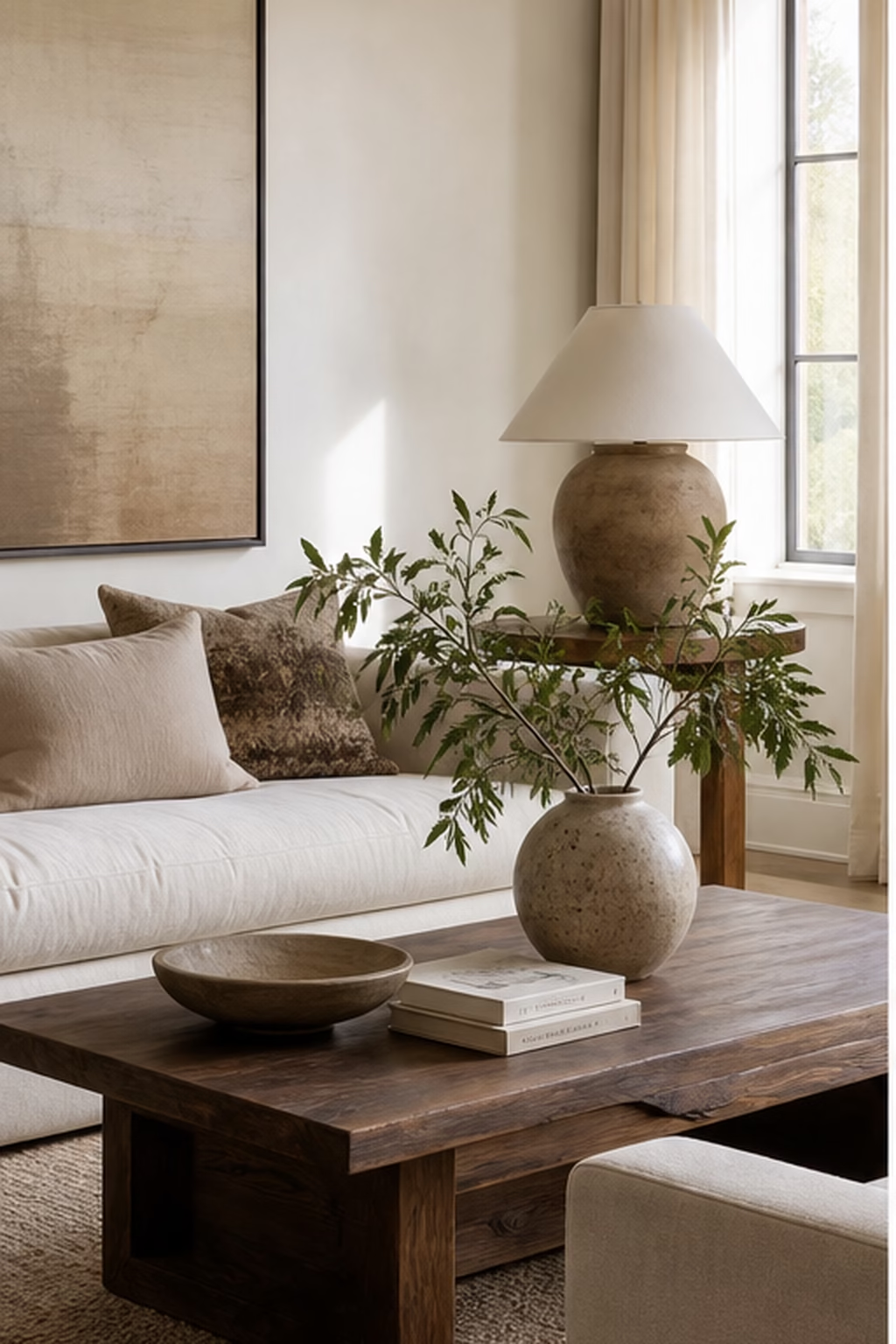
Stone is moving beyond statement kitchens and into everyday rooms as a grounding material. Honed travertine coffee tables, limestone consoles, marble shelves, and quartzite bathroom ledges all bring permanence without relying on shine. The finish matters: matte stone looks calmer and more architectural than polished slabs, especially beside fabric and wood. Use one substantial stone piece where it can hold the room visually, then keep nearby objects quieter. Stone also works beautifully in small doses, such as a ledge under a window or a thick side table beside a chair. It gives modern interiors weight, history, and a surface that improves with light.
Rooms Planned for More Than One Use
Modern homes need rooms that can shift gracefully. A dining room might also host work calls, a guest room may need hidden storage, and a living room often carries media, reading, and entertaining. The trend is not simply multipurpose furniture; it is planning each function so the room still looks calm when tasks change. Think concealed outlets, a cabinet for office supplies, a game drawer near the sofa, or a table that works for dinner and laptops. Materials should stay consistent so the room does not advertise every job it performs. When flexibility is designed in from the start, daily life feels less improvised.
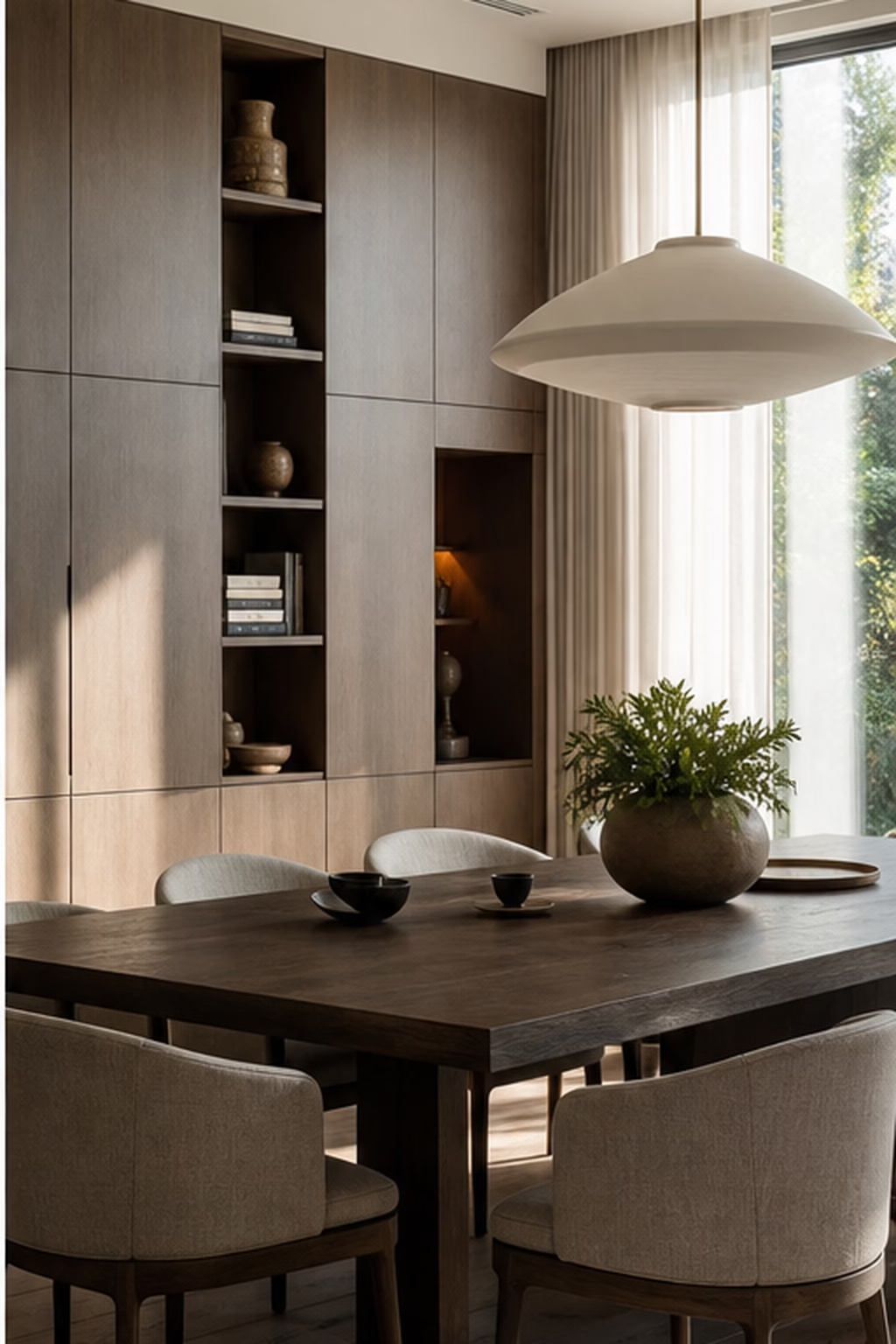
Deep Color in Controlled Doses
Modern color is becoming richer, but it is usually concentrated rather than scattered. A deep oxblood chair, olive media wall, tobacco velvet cushion, or inky blue study can make a quiet interior feel memorable without losing restraint. The key is commitment: one strong move should have enough scale to matter. Balance saturated color with matte neutrals, natural wood, and good light so the room does not feel heavy. Avoid sprinkling five accent colors across small accessories; that reads busy instead of brave. Controlled depth gives a modern room mood, and it lets neutral architecture feel chosen rather than cautious or unfinished.
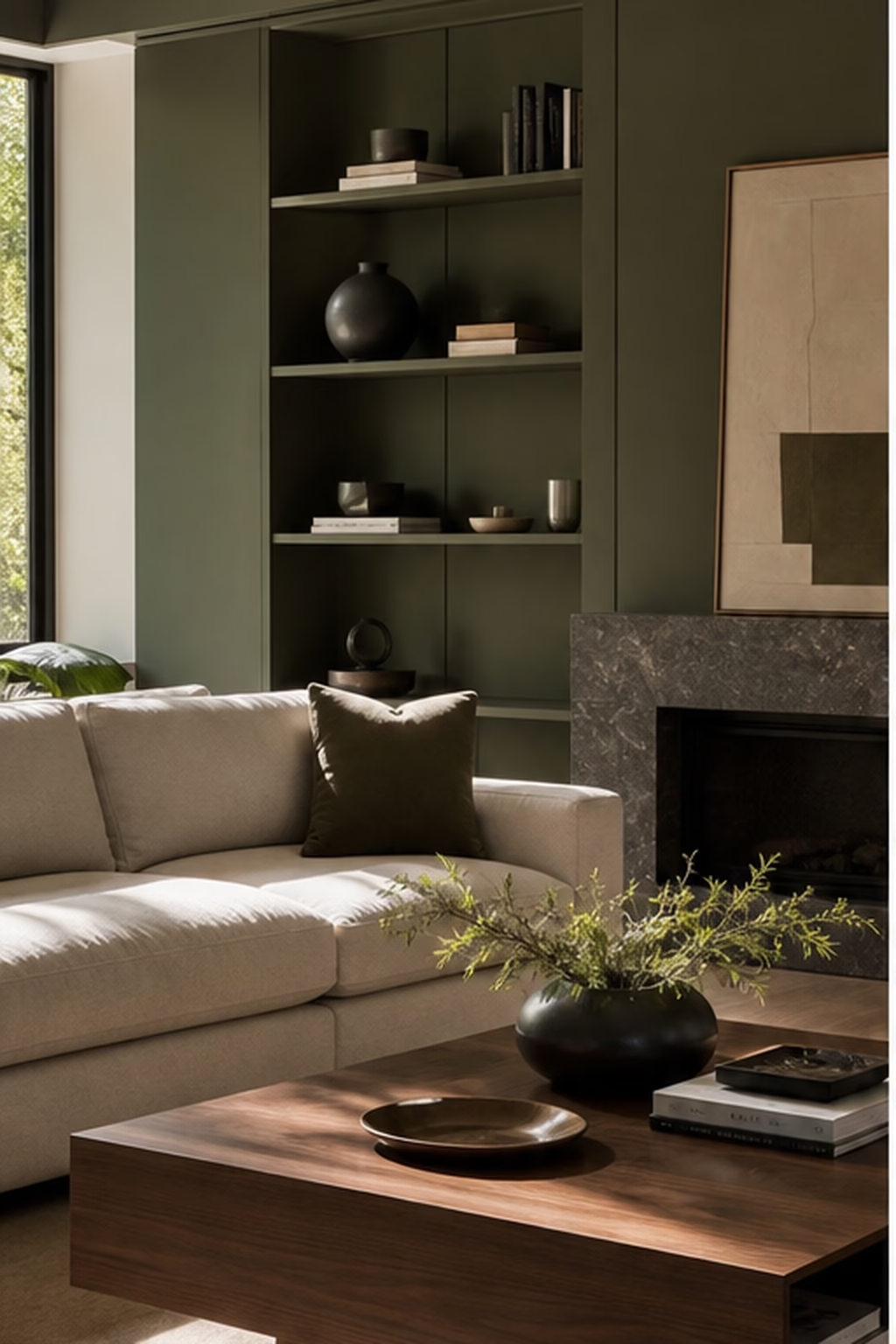
Integrated Storage That Disappears
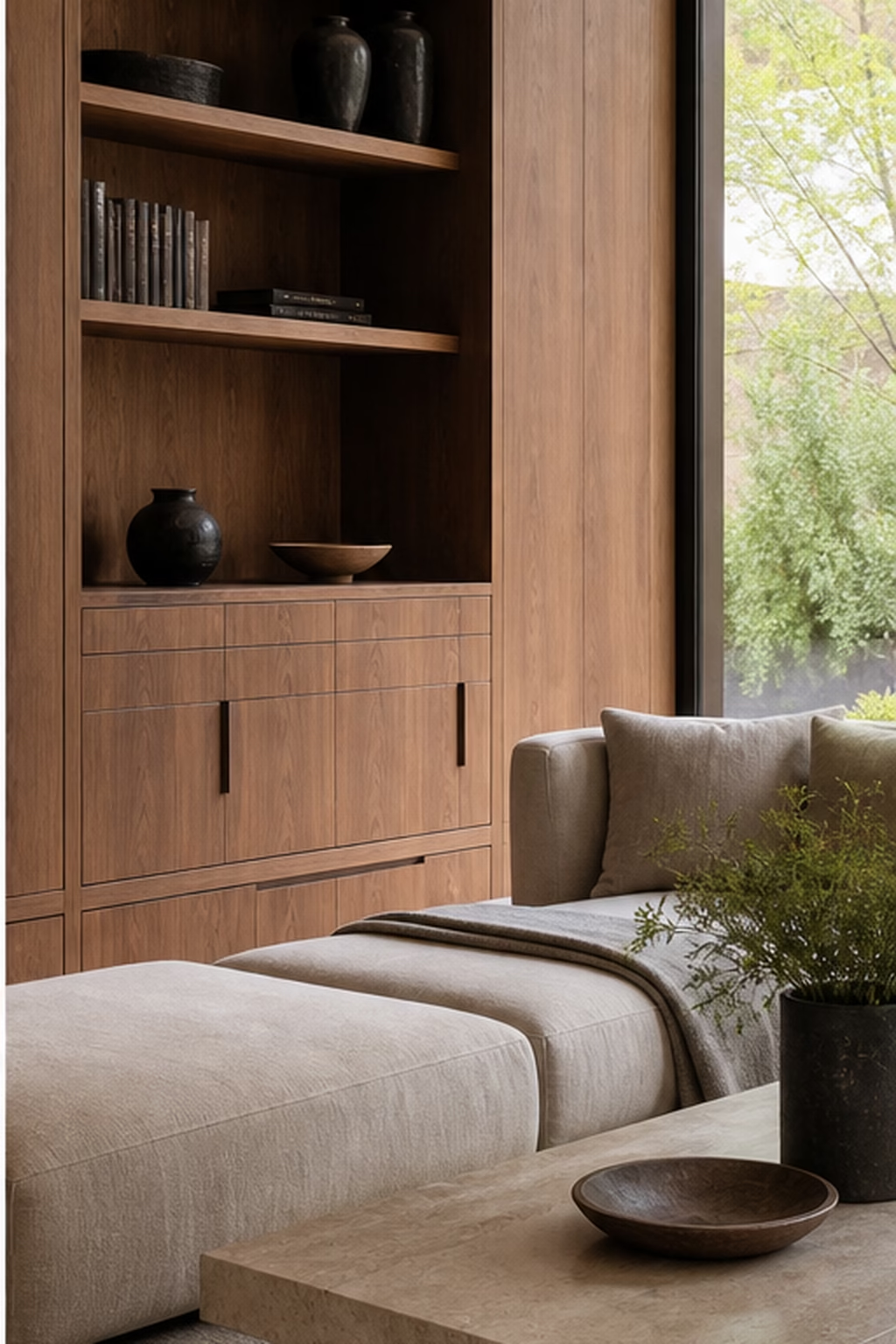
Handleless storage remains one of the most useful modern design trends because it supports real life while protecting the visual calm. Full-height cabinets, flush media walls, hidden entry closets, and drawer bases under windows can absorb daily clutter without creating a busy grid of hardware. The best examples do not look blank; they use good proportions, shadow gaps, wood grain, or subtle panel rhythm. Plan what the storage must hold before deciding the exterior. A beautiful wall of cabinets fails if shoes, chargers, or linens do not fit. When storage disappears visually, the objects left in view can be larger, fewer, and more expressive.
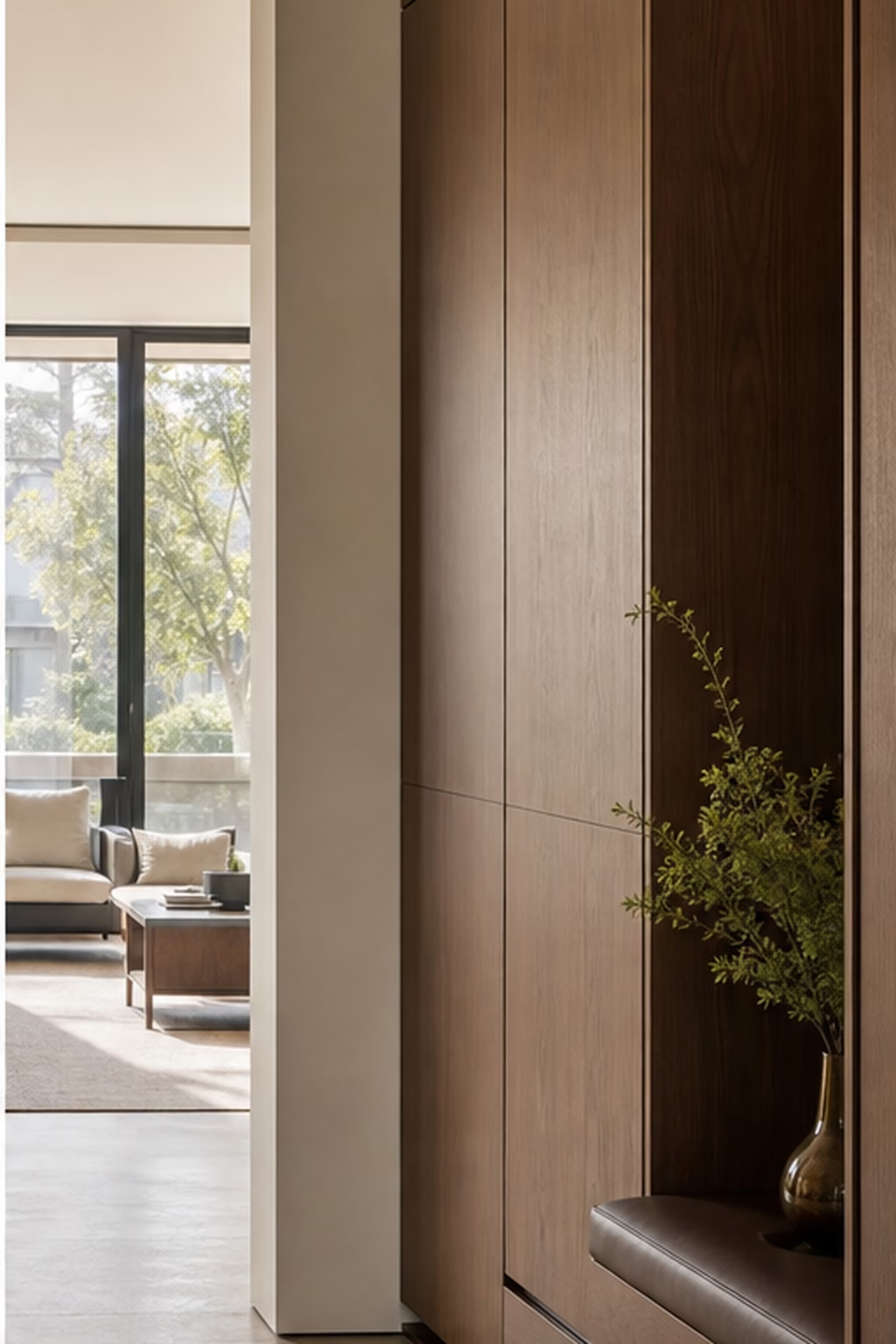
Sculptural Lighting With Practical Glow
Lighting is becoming the jewelry of modern interiors, but it still has to work. Oversized paper lanterns, opal glass chandeliers, ceramic table lamps, and slim metal sconces can shape a room while giving useful light. The trend favors pieces with presence and soft diffusion over tiny decorative fixtures that leave shadows harsh. Put lighting on dimmers wherever possible, and layer ceiling, wall, and table sources so the room changes from morning to evening. A sculptural pendant should relate to the table or seating below it, not float randomly. When the glow is flattering, the shape can be bold without feeling theatrical.
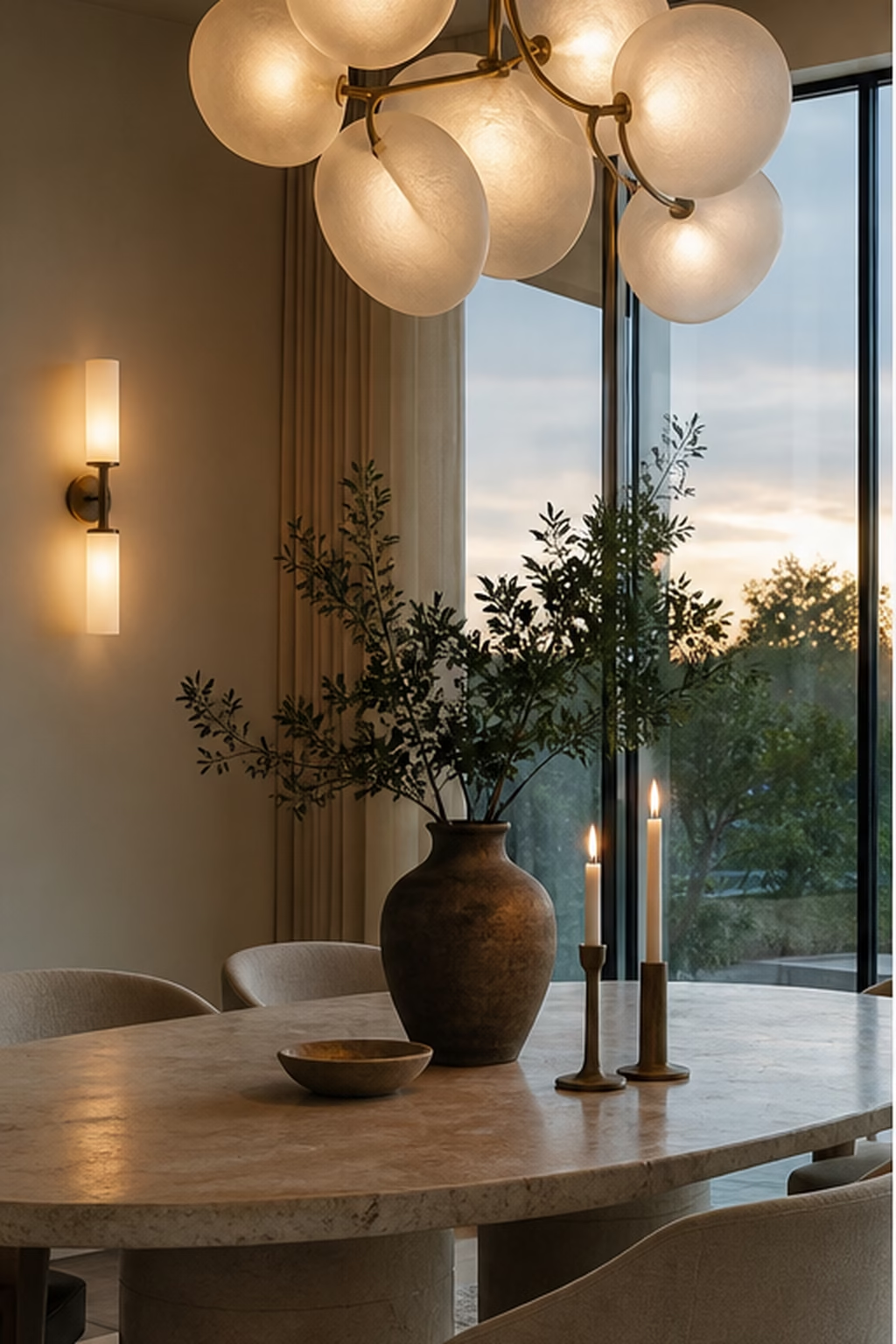
Textured Walls Instead of Flat Paint
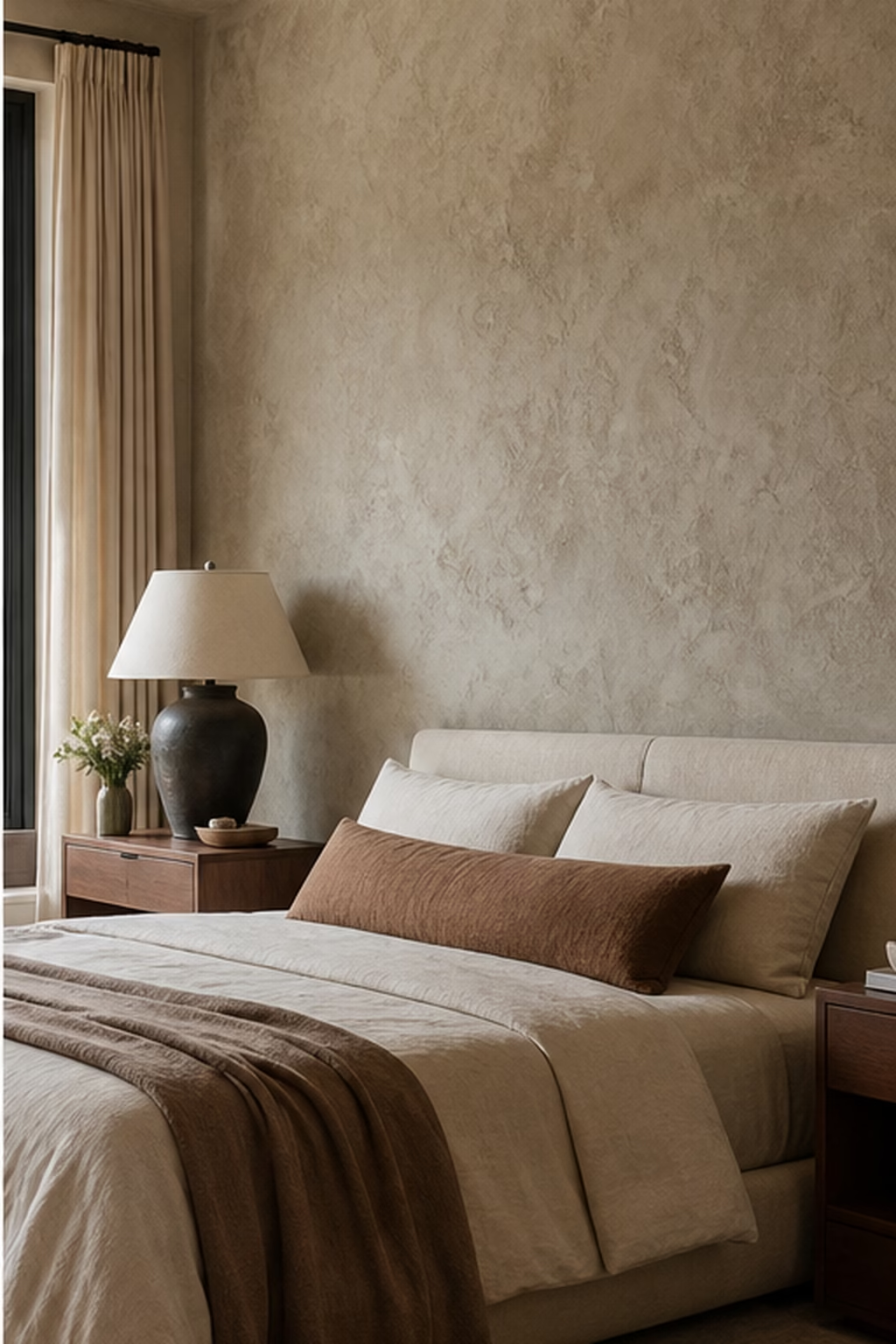
Flat painted walls are giving way to finishes that hold light more softly. Limewash, Roman clay, plaster, grasscloth, and microcement can make a modern room feel layered before furniture enters. The surface should be chosen for the architecture: plaster around a fireplace, grasscloth in a bedroom, microcement in a bath, or limewash in a sunlit living room. Texture does not need to be dramatic. A slight movement in the wall can make simple furniture look more expensive because shadows have somewhere to land. Test samples in different light before committing; a finish that looks gentle at noon may become too busy at night.
Quiet Luxury Through Fewer Better Pieces
Quiet luxury in interiors is less about labels and more about editing. Instead of buying more accents, invest attention in fewer pieces with excellent scale: a generous sofa, a wool rug that actually fits, a solid wood table, or a handmade ceramic lamp. Materials should look honest up close, with visible weave, grain, or patina. This approach is especially powerful in open-plan homes because every item is seen from several angles. Leave enough negative space for the best pieces to register. A room feels expensive when it has breathing room, good proportions, and objects that seem chosen for longevity rather than a quick refresh.
Natural Wood With Cleaner Detailing
Wood is returning to modern interiors in broad, confident planes. Walnut walls, rift oak kitchens, ash wardrobes, and smoked oak vanities bring warmth while staying crisp when the detailing is clean. Look for flat fronts, integrated pulls, precise reveals, and continuous grain instead of heavy molding. The wood should feel architectural, not rustic. It pairs especially well with stone, plaster, blackened metal, and linen because those materials keep it from looking too cabin-like. In a white room, one well-designed wood wall can do more than several small decorative accents. It adds depth, storage, and a sense of permanence in the same gesture.
Large Art as Architecture
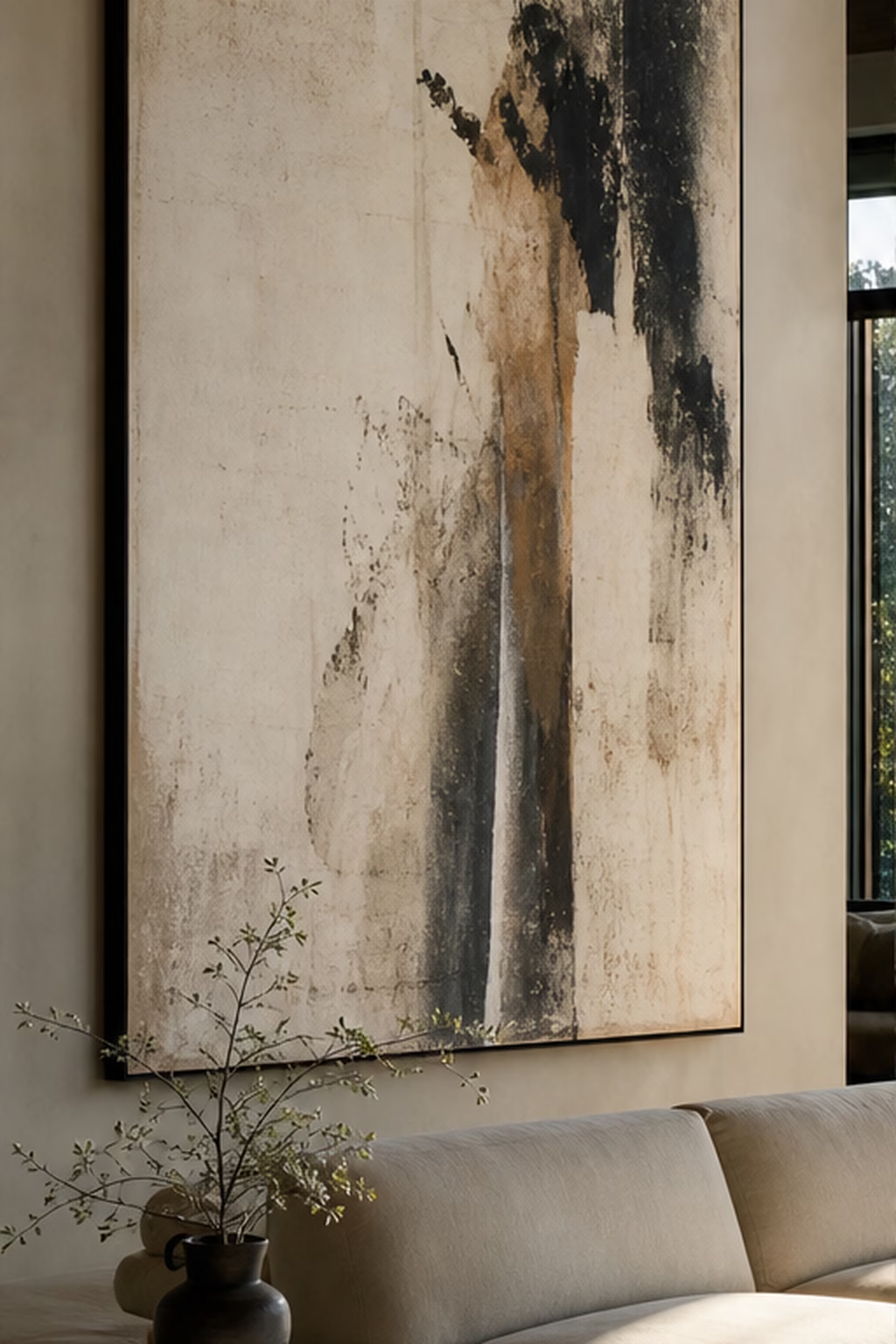
Large art is increasingly used as an architectural element rather than a final accessory. A single oversized canvas, textile panel, or framed photograph can define the mood of a room, set the color temperature, and balance high ceilings. The piece should be large enough to hold the wall without relying on a cluster around it. Keep the frame simple and let nearby furniture stay lower so the art has authority. Abstract, landscape, and tonal work all fit modern interiors as long as visible text does not dominate. This strategy is useful when a room feels finished but still lacks a point of view.
Indoor Greenery Treated Like Structure
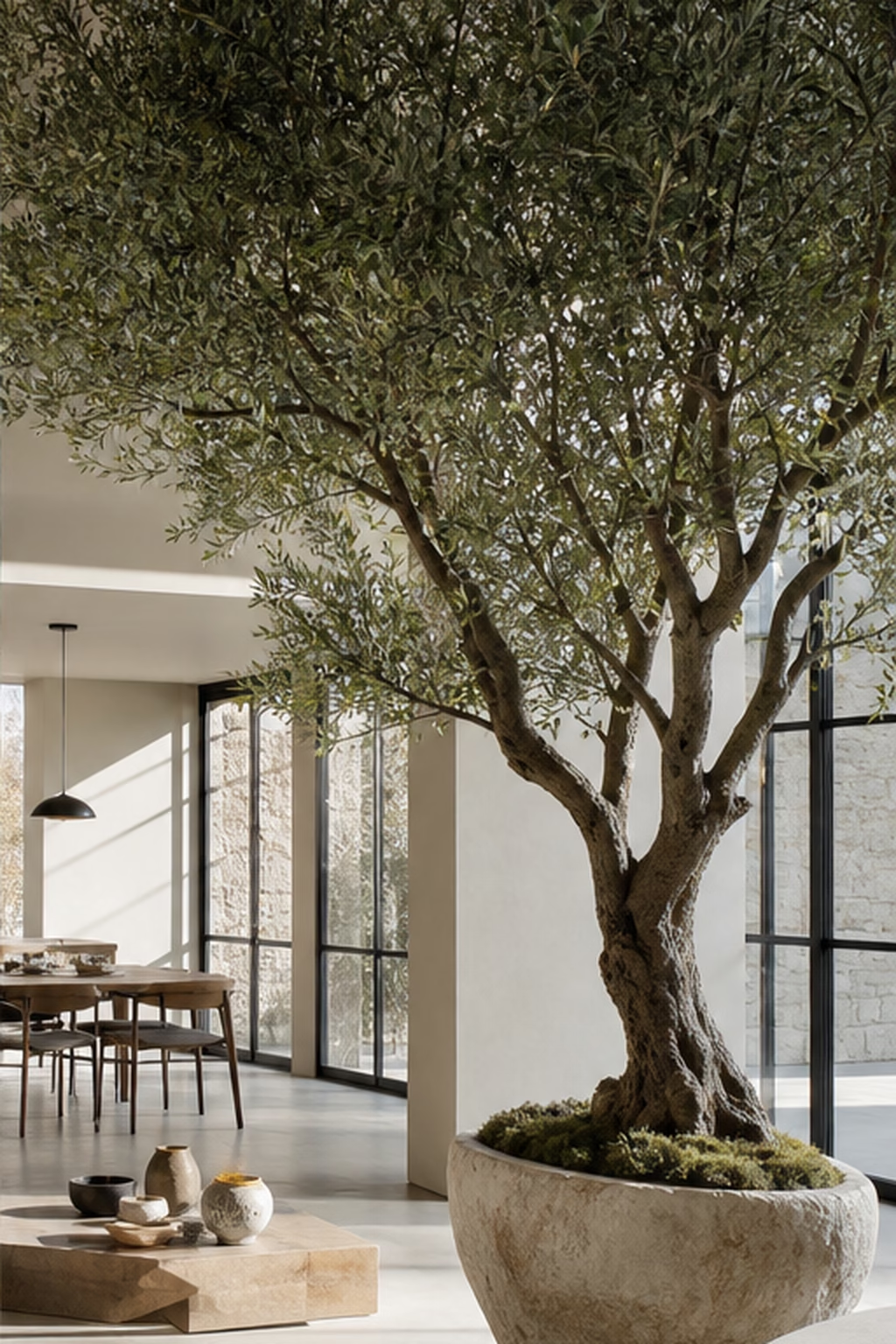
Plants are becoming more intentional in modern rooms. Instead of scattering small pots across shelves, designers are using one large indoor tree, a pair of disciplined planters, or a sculptural branch arrangement to shape the space. The container matters as much as the plant: stone, ceramic, matte metal, or wood should connect to the room's other materials. Place greenery where it has real light and room to grow, so it does not look staged or temporary. A tall olive tree can soften a window corner; a row of planters can divide an open plan. Treated this way, greenery becomes architecture with leaves.
Bedrooms Designed as Recovery Spaces
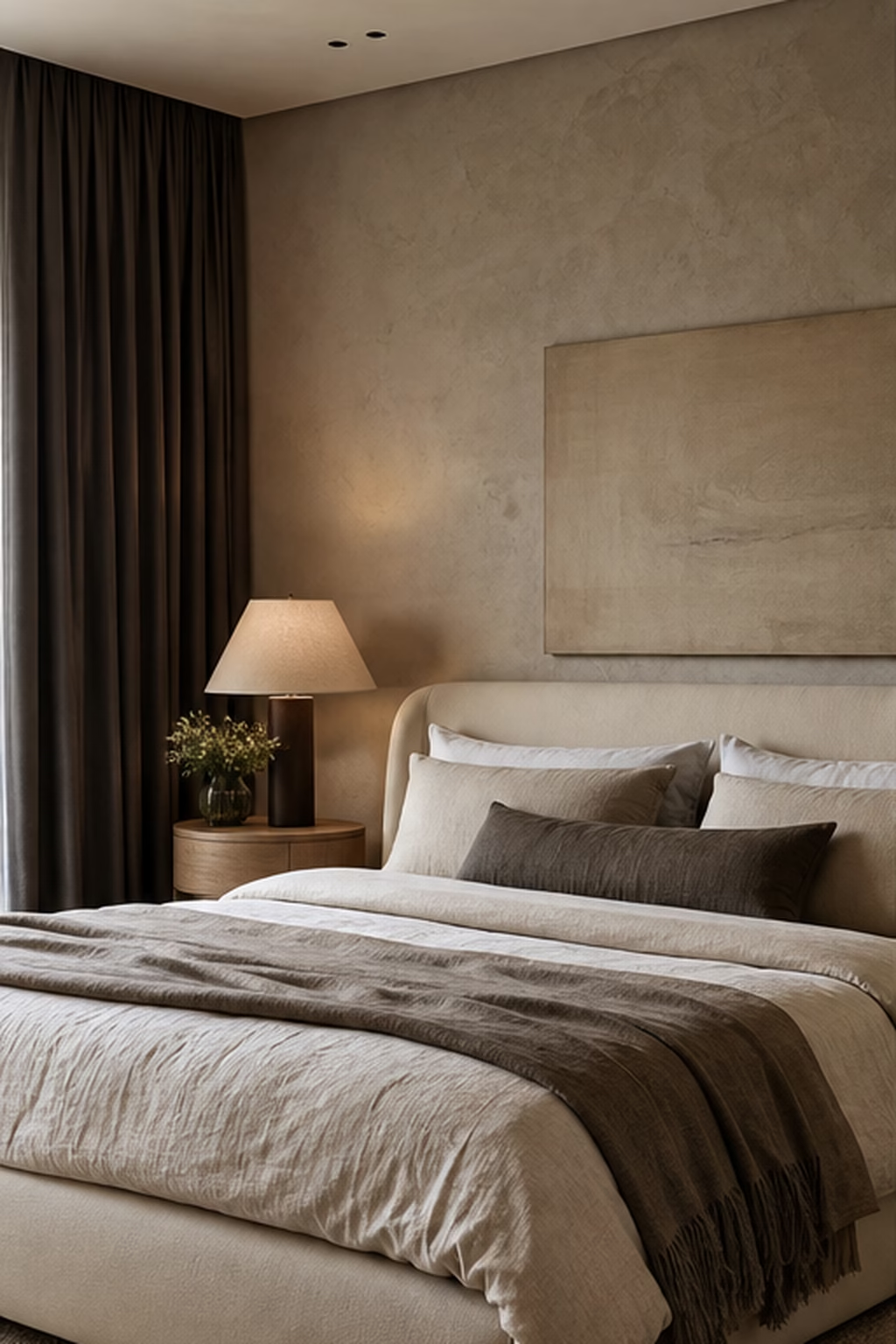
The modern bedroom is becoming quieter and more sensory. Instead of dramatic styling, the focus is on recovery: blackout layers, gentle reading light, breathable bedding, soft rugs, and fewer hard edges near the bed. A low upholstered frame, rounded nightstand, and warm wall finish can make the room feel calm without looking plain. Storage should be closed, because visual clutter is especially disruptive where you sleep. Keep technology discreet and outlets planned, not trailing across the floor. This trend recognizes that luxury is not only how a room photographs; it is how rested you feel inside it each morning afterward.
Kitchens With Furniture-Like Warmth
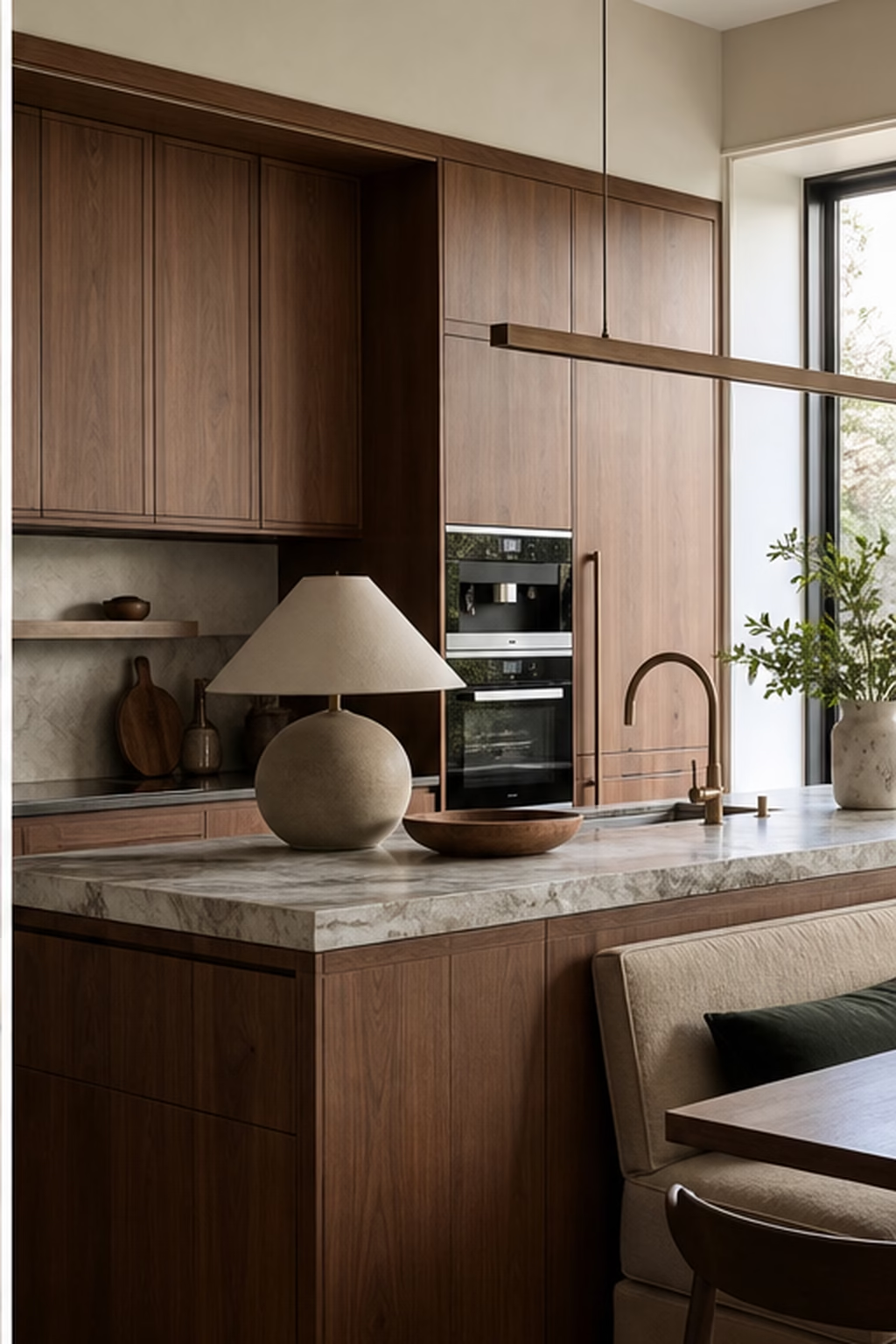
Modern kitchens are softening through details borrowed from furniture. Instead of endless glossy cabinets, expect warm wood islands, stone tables, framed pantry walls, open display niches, and lighting that feels suitable for a dining room. The kitchen still needs durable surfaces, but the visual language is less clinical. A slim rail for linens, a ceramic lamp on a counter, or a built-in banquette can make daily cooking feel more gracious. Keep appliance fronts integrated where possible so the room reads as part of the home rather than a separate work zone. This warmth matters most in open plans, where the kitchen is always visible.
Bathrooms With Spa-Level Material Honesty
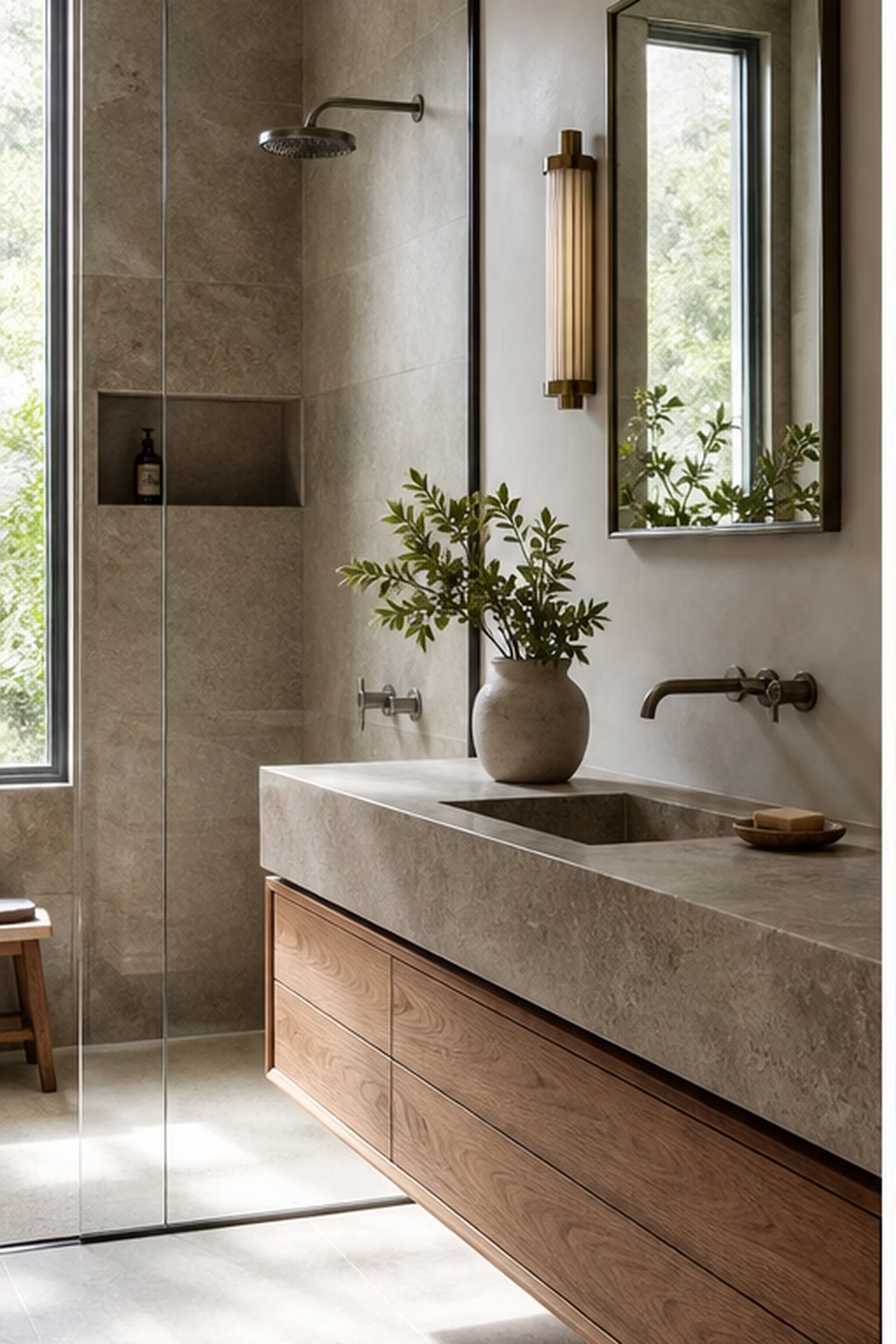
The most current bathrooms feel serene because their materials are simple and convincing. Think honed stone, microcement, warm wood vanities, brushed metal, linen towels, and glass that disappears rather than frames everything heavily. The spa feeling comes from proportion and touch, not from filling the room with accessories. If the footprint is small, align grout lines, mirror edges, and vanity widths carefully so the architecture feels calm. Add storage for real products behind closed doors. A modern bathroom can still be practical, but every visible surface should look like it belongs in the same quiet material family, every day at home.
Vintage Pieces in Clean Rooms
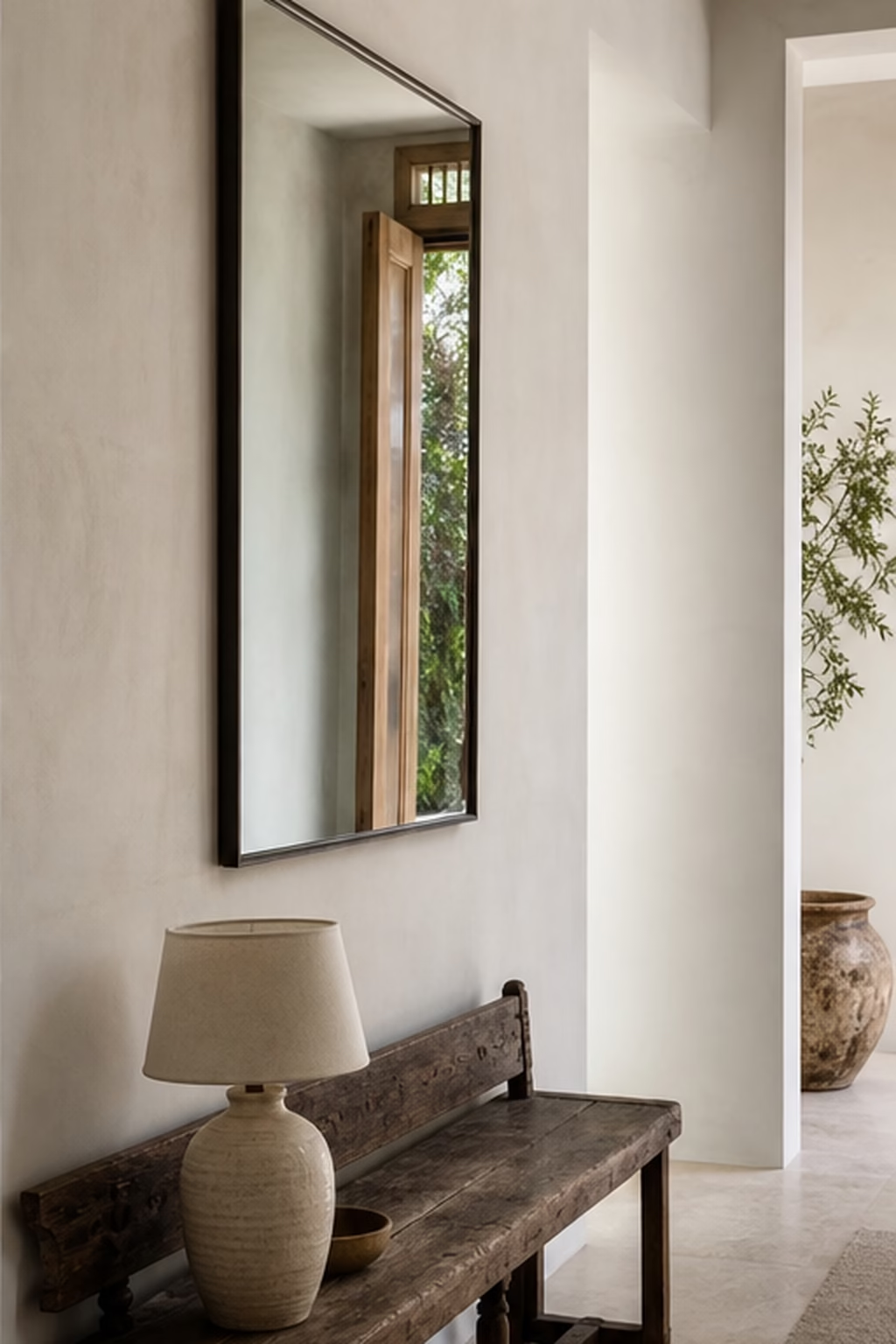
A single vintage piece can keep a modern interior from feeling too newly purchased. The trend is not cluttered nostalgia; it is contrast. A midcentury chair, antique mirror, old wood bench, or vintage ceramic lamp can add history beside clean-lined furniture. Choose pieces with good proportions and materials that can stand up to the rest of the room. Give them space so they read as intentional, not accidental. Vintage works especially well when the modern architecture is very smooth, because patina introduces depth. The room becomes more personal, and the polished elements feel less showroom-perfect over time too.
Technology Hidden Inside the Design
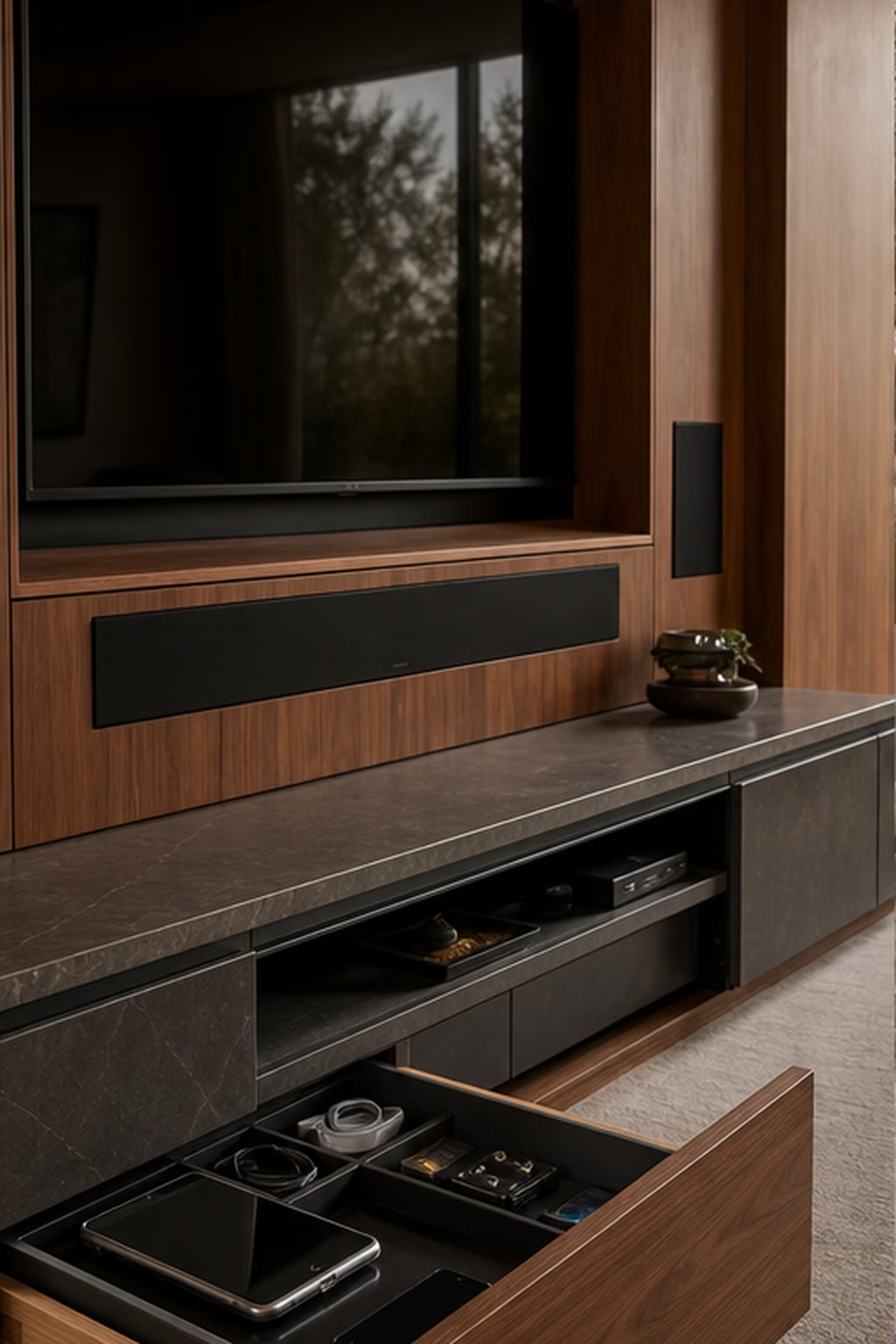
Modern interiors are increasingly judged by how calmly they handle technology. Televisions, speakers, charging stations, routers, and controls should be planned into millwork instead of appearing after the room is finished. Use framed TV modes, acoustic fabric panels, recessed outlets, cable channels, and drawers with ventilation for devices. The goal is not to deny technology; it is to give it a proper architectural home. A family room can still be comfortable for movies, but the screen does not need to dominate every hour of the day. When cords and components disappear, materials, light, and furniture regain their importance again naturally.
Outdoor Connections That Feel Interior
Modern design is paying closer attention to the threshold between inside and outside. Large doors are only the beginning; the more refined move is to repeat material cues across the boundary. A limestone floor tone, black window frame, wood ceiling, or similar planter style can make a terrace feel like an extension of the room. Furniture should be scaled so views remain open, and window treatments should soften glass without hiding it completely. Even a small balcony can benefit from this thinking. When the outdoor connection feels designed, the interior gains depth, changing light, and a daily sense of season.