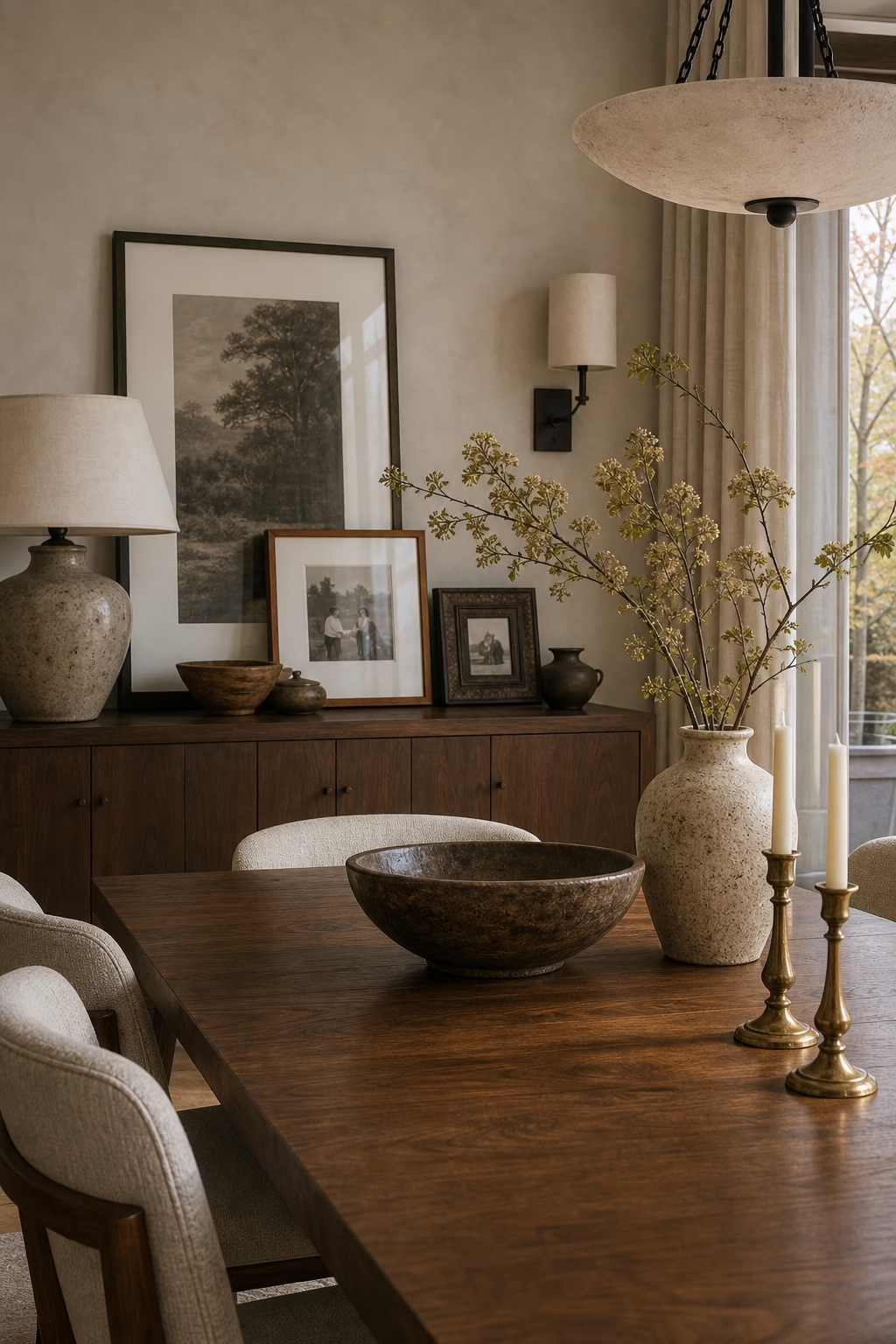
Contemporary dining room ideas for creating a stylish gathering space with warm materials, elegant lighting, practical comfort, and polished details.
- Choose a Table With Presence
- Mix Upholstered and Wood Chairs
- Install a Sculptural Pendant
- Use a Quiet Statement Rug
- Frame the Room With Built-Ins
- Layer Wall Sconces With Overhead Light
- Bring in a Curved Sideboard
- Pair Plaster Walls With Warm Wood
- Add Art That Sets the Mood
- Use Glass to Keep the Room Light
- Try a Bench on One Side
- Choose Drapery With Architectural Fullness
- Set a Monochrome Table
- Use Black Metal Sparingly
- Create a Wine Wall That Feels Integrated
- Let a Round Table Soften the Space
- Add Greenery as Living Sculpture
- Use Open Shelves for Collected Ceramics
- Keep the Final Layer Personal
Choose a Table With Presence
A contemporary dining room works best when this idea is treated as part of the architecture, not as a loose decorative move. For choose a table with presence, focus on a substantial walnut, oak, or honed stone table with enough clearance for chairs to move easily. The detail should relate to the table first, because the table sets the room's social center and controls how formal or relaxed the space feels. Avoid crowding the perimeter with too many competing statements; contemporary dining rooms look richer when materials are repeated with discipline. Check the view from the doorway, the seat at the table, and any adjacent living area so the composition works from more than one angle. Keep the palette connected to the room, repeat at least one material nearby, and leave enough breathing room for the table to remain genuinely usable.
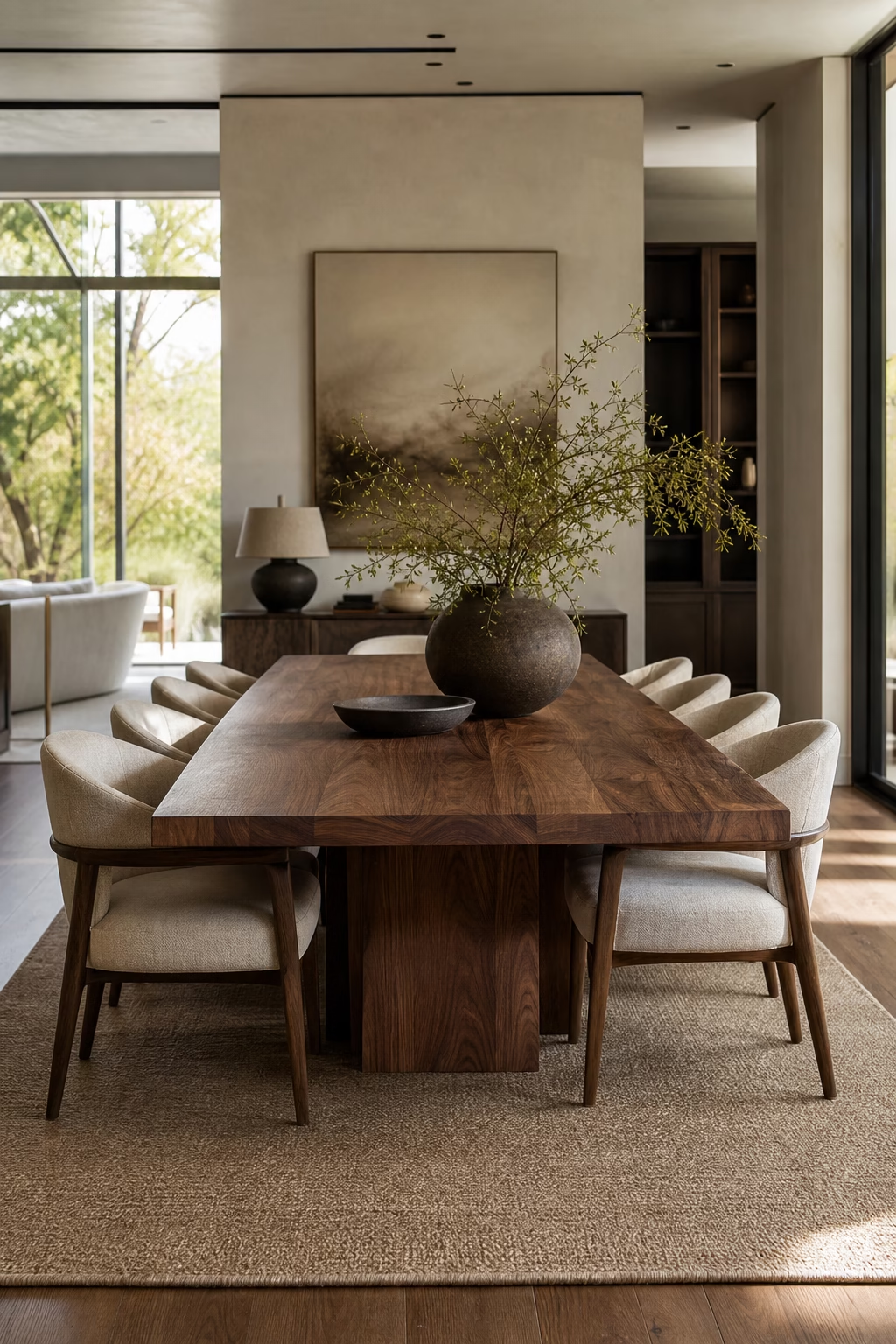
Mix Upholstered and Wood Chairs
The most polished version starts with proportion. Before choosing finishes, look at circulation, sight lines, chair movement, and how guests actually gather. For mix upholstered and wood chairs, focus on upholstered host chairs, wood side chairs, shared leg finishes, and balanced seat heights. The detail should relate to the table first, because the table sets the room's social center and controls how formal or relaxed the space feels. Avoid crowding the perimeter with too many competing statements; contemporary dining rooms look richer when materials are repeated with discipline. Check the view from the doorway, the seat at the table, and any adjacent living area so the composition works from more than one angle. The result feels contemporary because every detail has a job: comfort, rhythm, atmosphere, storage, or a clearer sense of place.
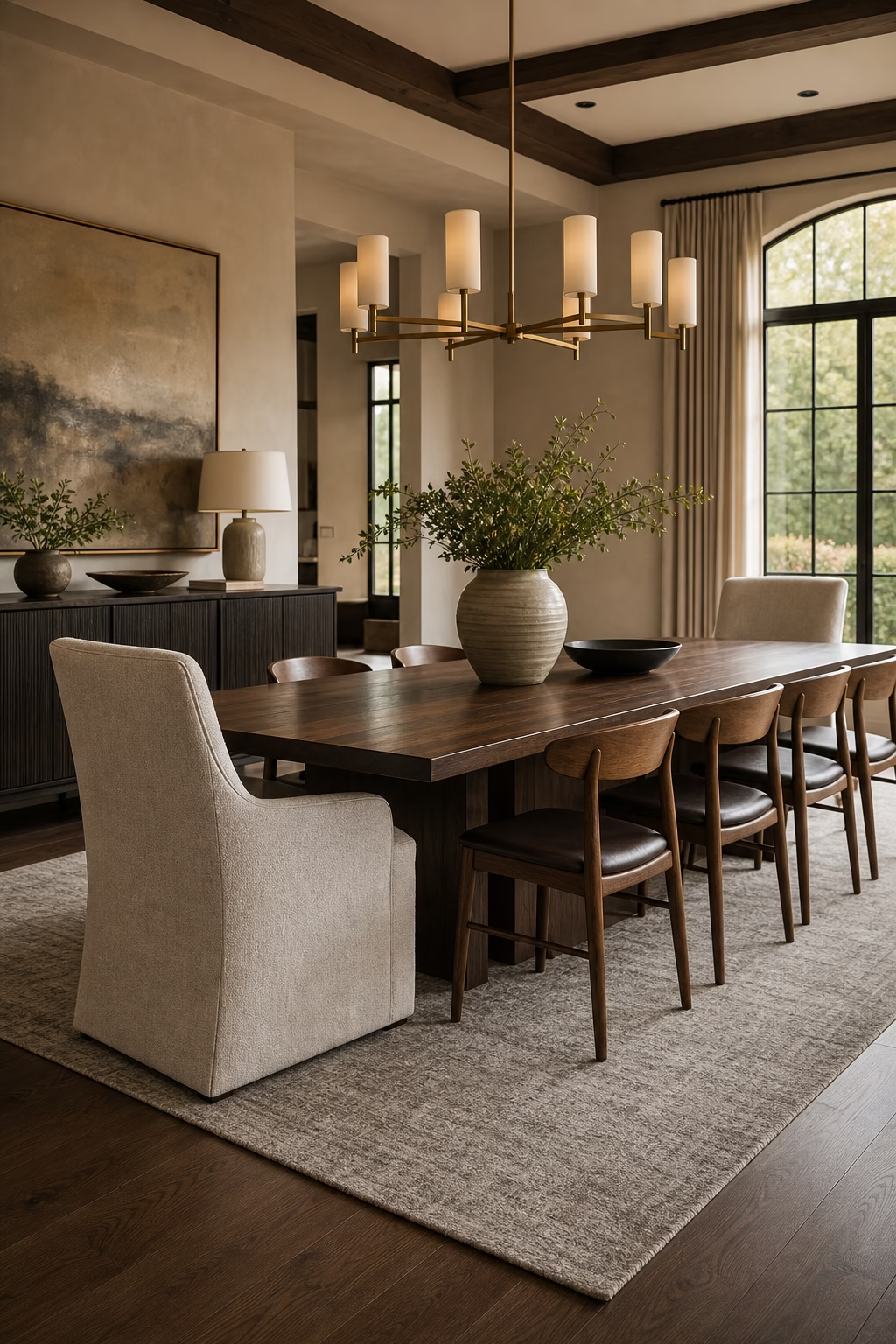
Install a Sculptural Pendant
For a luxury magazine look, restraint matters as much as the feature itself. Let one strong choice lead while the surrounding pieces stay quieter. For install a sculptural pendant, focus on a pendant centered on the table, scaled to the ceiling height, with dimmable warm light. The detail should relate to the table first, because the table sets the room's social center and controls how formal or relaxed the space feels. Avoid crowding the perimeter with too many competing statements; contemporary dining rooms look richer when materials are repeated with discipline. Check the view from the doorway, the seat at the table, and any adjacent living area so the composition works from more than one angle. When the scale is right, the room feels collected and expensive without losing the ease that makes people want to stay at the table.
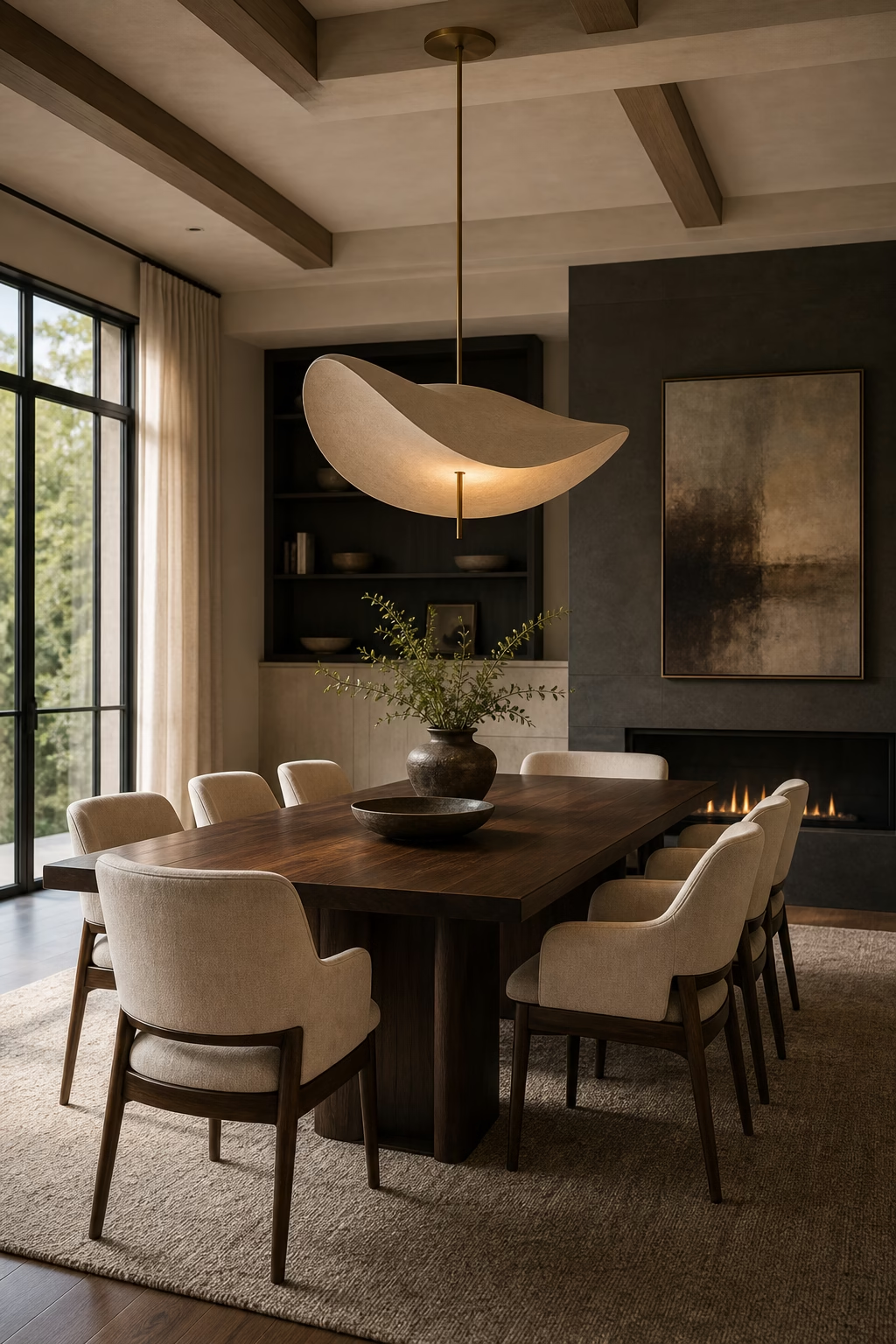
Use a Quiet Statement Rug
This is also a practical decision. A dining room has to survive long dinners, serving pieces, movement around the table, and changing daylight. For use a quiet statement rug, focus on a low-pile wool or flatweave rug large enough for pulled-back chairs. The detail should relate to the table first, because the table sets the room's social center and controls how formal or relaxed the space feels. Avoid crowding the perimeter with too many competing statements; contemporary dining rooms look richer when materials are repeated with discipline. Check the view from the doorway, the seat at the table, and any adjacent living area so the composition works from more than one angle. It should look edited in photographs, but it should also feel natural during an ordinary weeknight meal.

Frame the Room With Built-Ins
A contemporary dining room works best when this idea is treated as part of the architecture, not as a loose decorative move. For frame the room with built-ins, focus on shallow cabinetry for linens, glassware, ceramics, and a small serving bar. The detail should relate to the table first, because the table sets the room's social center and controls how formal or relaxed the space feels. Avoid crowding the perimeter with too many competing statements; contemporary dining rooms look richer when materials are repeated with discipline. Check the view from the doorway, the seat at the table, and any adjacent living area so the composition works from more than one angle. Keep the palette connected to the room, repeat at least one material nearby, and leave enough breathing room for the table to remain genuinely usable.
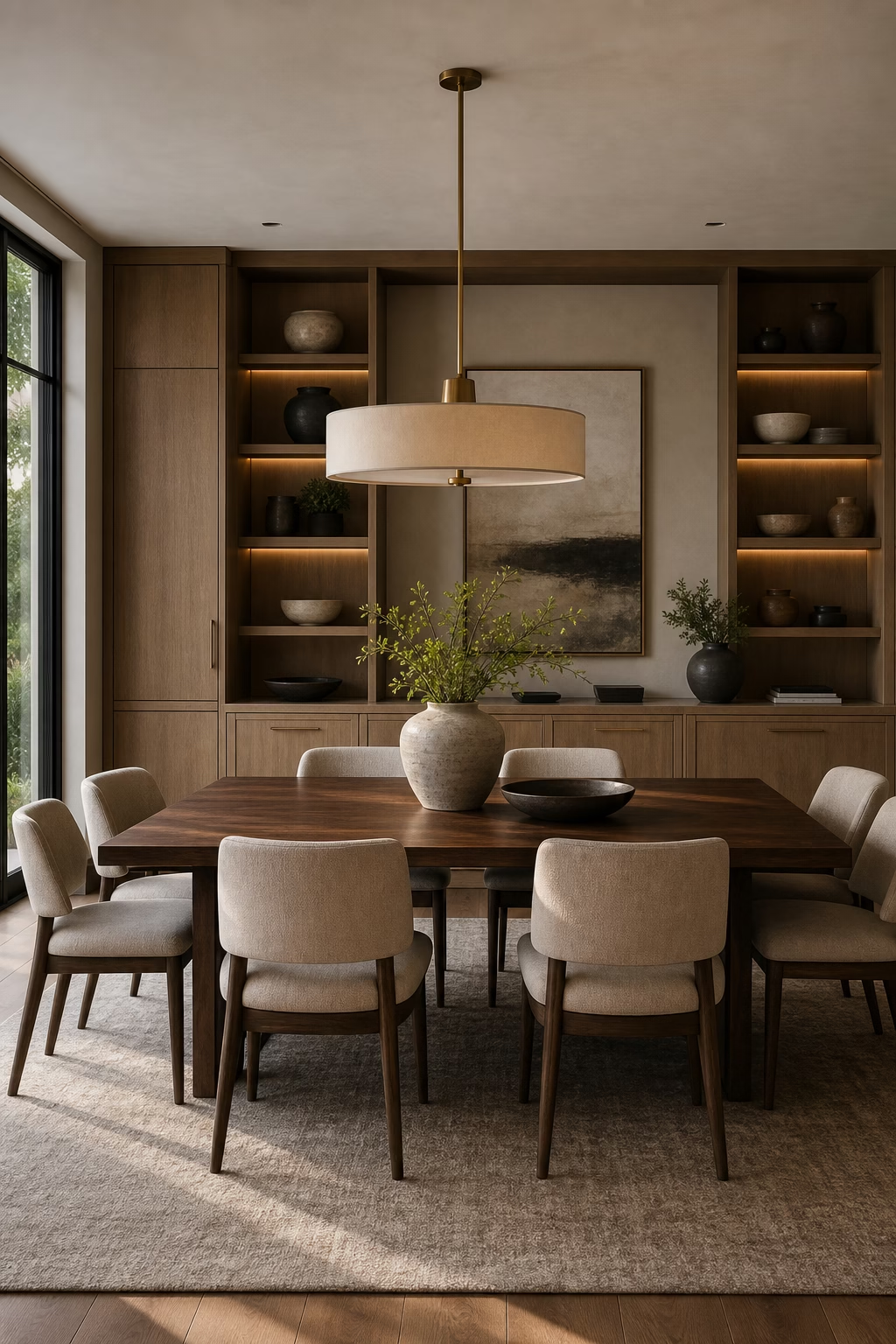
Layer Wall Sconces With Overhead Light
The most polished version starts with proportion. Before choosing finishes, look at circulation, sight lines, chair movement, and how guests actually gather. For layer wall sconces with overhead light, focus on sconces beside art or cabinetry so light glows at eye level as well as overhead. The detail should relate to the table first, because the table sets the room's social center and controls how formal or relaxed the space feels. Avoid crowding the perimeter with too many competing statements; contemporary dining rooms look richer when materials are repeated with discipline. Check the view from the doorway, the seat at the table, and any adjacent living area so the composition works from more than one angle. The result feels contemporary because every detail has a job: comfort, rhythm, atmosphere, storage, or a clearer sense of place.
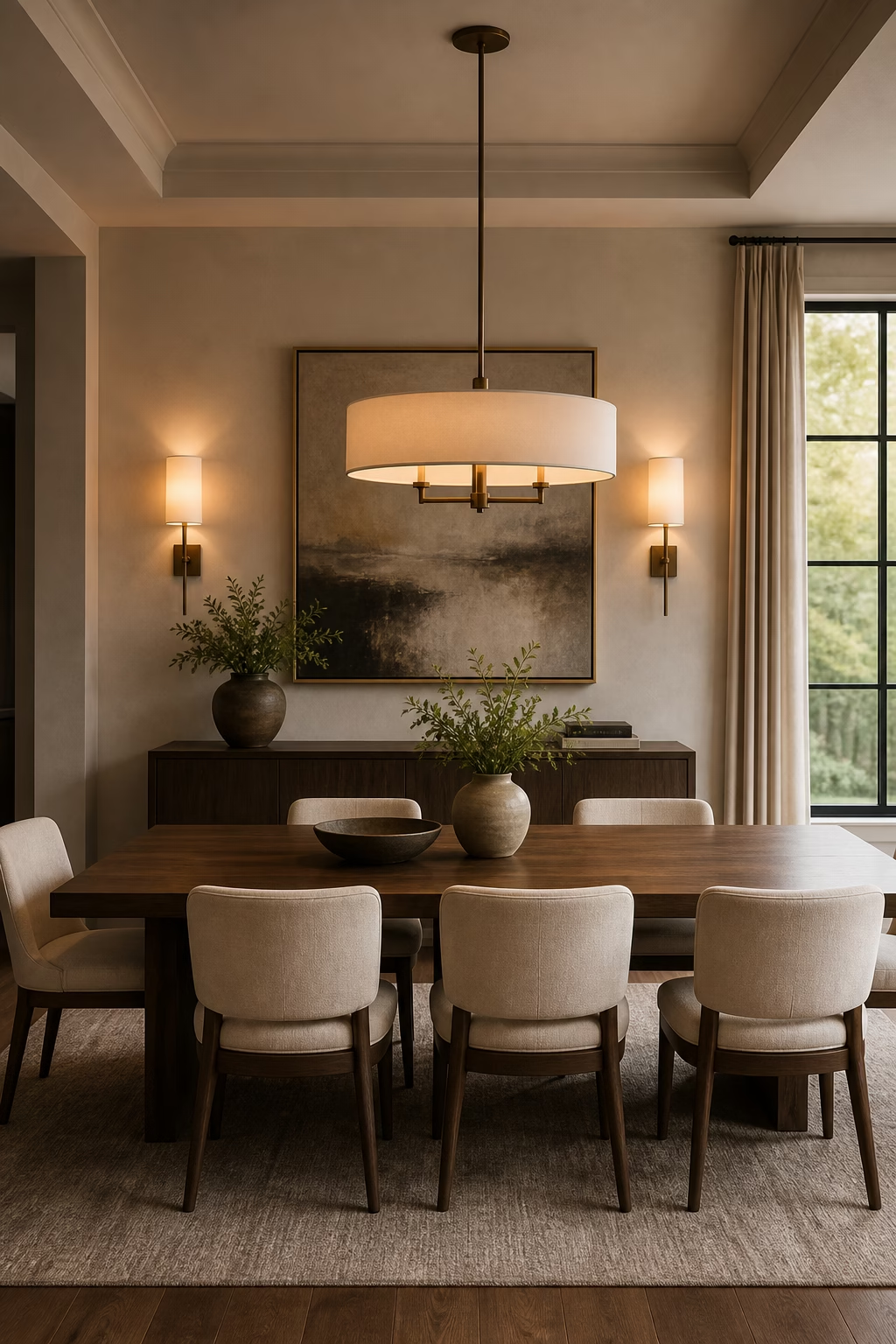
Bring in a Curved Sideboard
For a luxury magazine look, restraint matters as much as the feature itself. Let one strong choice lead while the surrounding pieces stay quieter. For bring in a curved sideboard, focus on a rounded sideboard with restrained styling, storage, and a softer circulation path. The detail should relate to the table first, because the table sets the room's social center and controls how formal or relaxed the space feels. Avoid crowding the perimeter with too many competing statements; contemporary dining rooms look richer when materials are repeated with discipline. Check the view from the doorway, the seat at the table, and any adjacent living area so the composition works from more than one angle. When the scale is right, the room feels collected and expensive without losing the ease that makes people want to stay at the table.
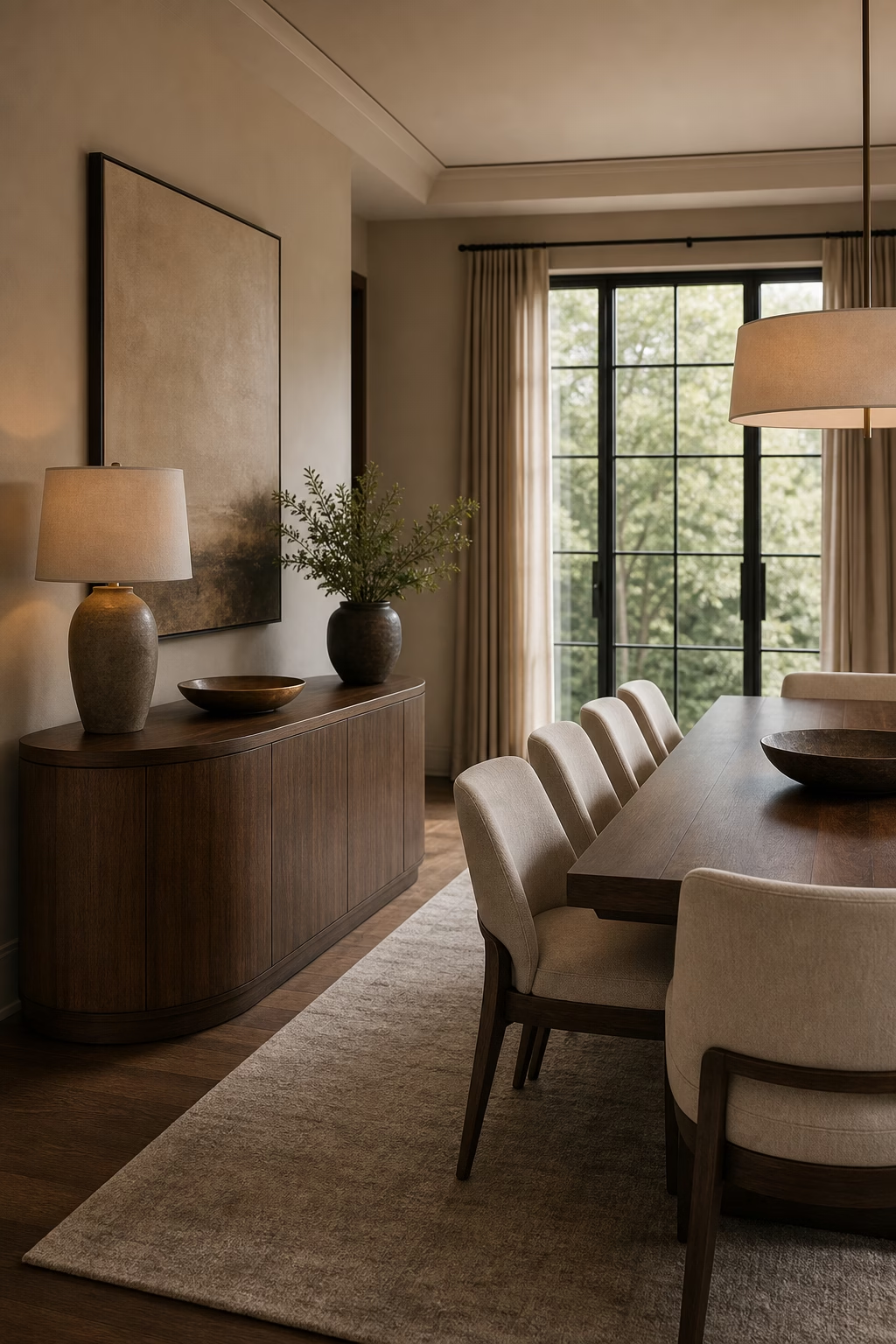
Pair Plaster Walls With Warm Wood
This is also a practical decision. A dining room has to survive long dinners, serving pieces, movement around the table, and changing daylight. For pair plaster walls with warm wood, focus on limewash or plaster walls balanced by visible walnut or oak grain. The detail should relate to the table first, because the table sets the room's social center and controls how formal or relaxed the space feels. Avoid crowding the perimeter with too many competing statements; contemporary dining rooms look richer when materials are repeated with discipline. Check the view from the doorway, the seat at the table, and any adjacent living area so the composition works from more than one angle. It should look edited in photographs, but it should also feel natural during an ordinary weeknight meal.
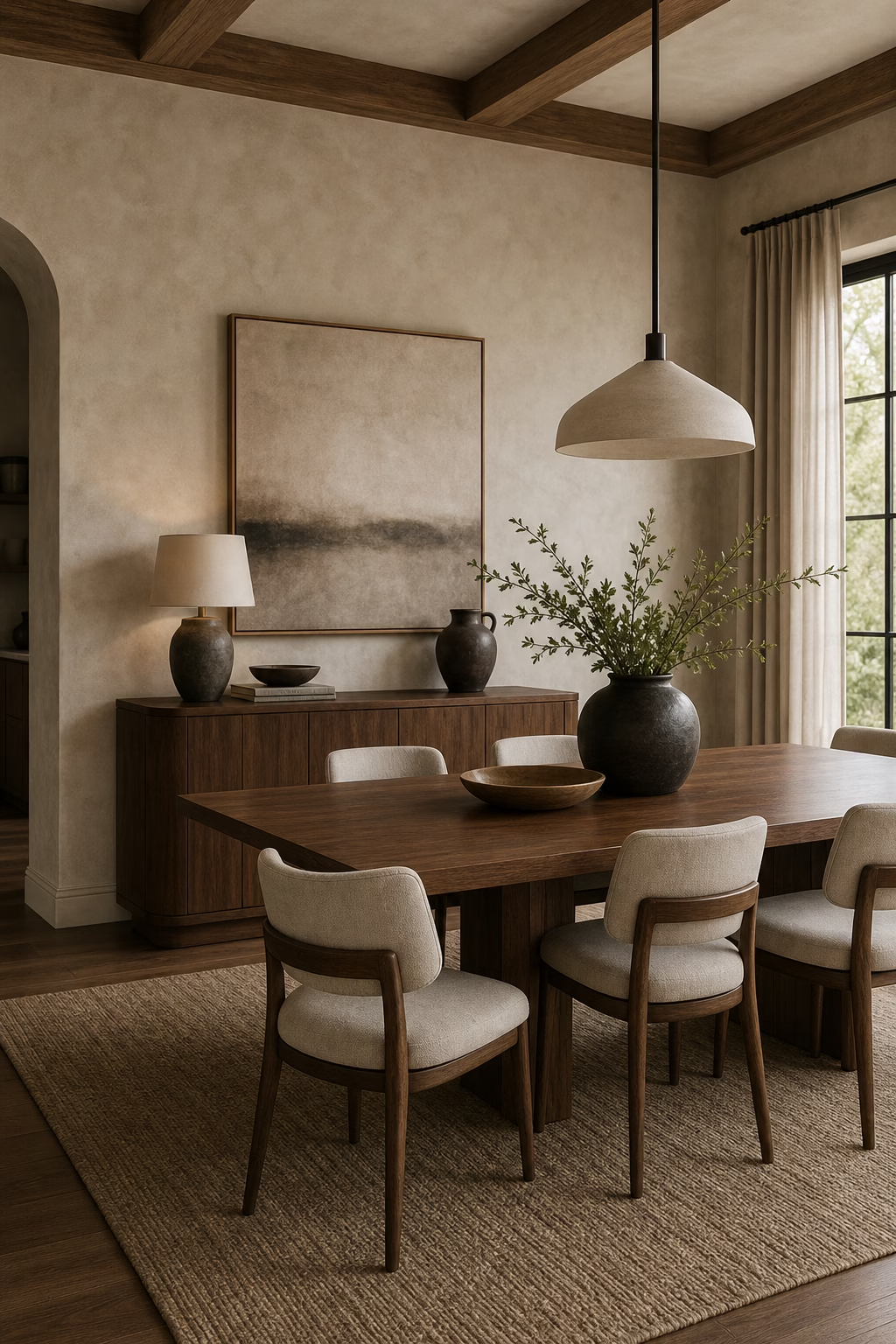
Add Art That Sets the Mood
A contemporary dining room works best when this idea is treated as part of the architecture, not as a loose decorative move. For add art that sets the mood, focus on one large abstract, tonal landscape, or black-and-white photograph hung in proportion to the table. The detail should relate to the table first, because the table sets the room's social center and controls how formal or relaxed the space feels. Avoid crowding the perimeter with too many competing statements; contemporary dining rooms look richer when materials are repeated with discipline. Check the view from the doorway, the seat at the table, and any adjacent living area so the composition works from more than one angle. Keep the palette connected to the room, repeat at least one material nearby, and leave enough breathing room for the table to remain genuinely usable.
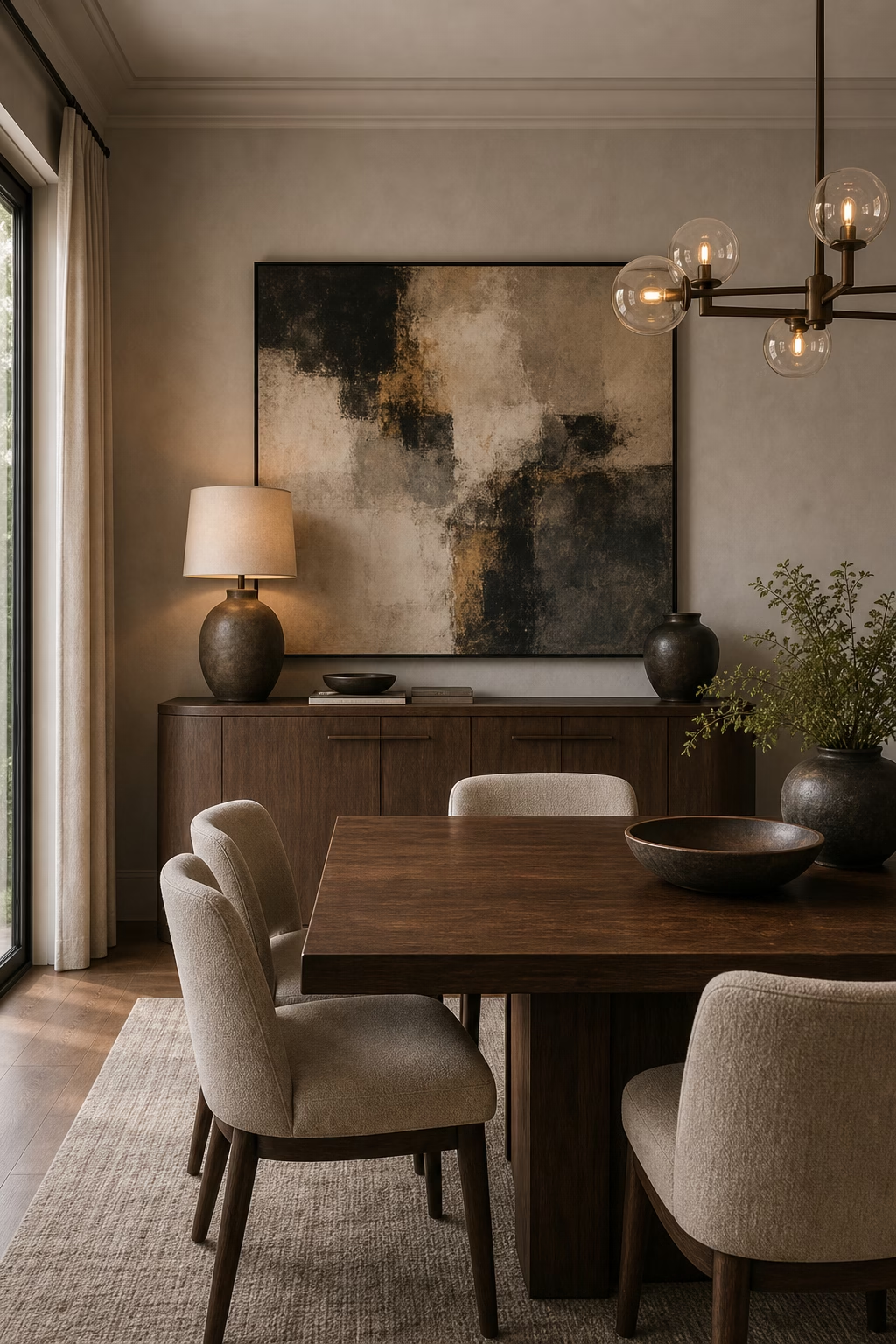
Use Glass to Keep the Room Light
The most polished version starts with proportion. Before choosing finishes, look at circulation, sight lines, chair movement, and how guests actually gather. For use glass to keep the room light, focus on ribbed glass, clear hurricanes, smoke-glass vases, or glass-front cabinets used sparingly. The detail should relate to the table first, because the table sets the room's social center and controls how formal or relaxed the space feels. Avoid crowding the perimeter with too many competing statements; contemporary dining rooms look richer when materials are repeated with discipline. Check the view from the doorway, the seat at the table, and any adjacent living area so the composition works from more than one angle. The result feels contemporary because every detail has a job: comfort, rhythm, atmosphere, storage, or a clearer sense of place.
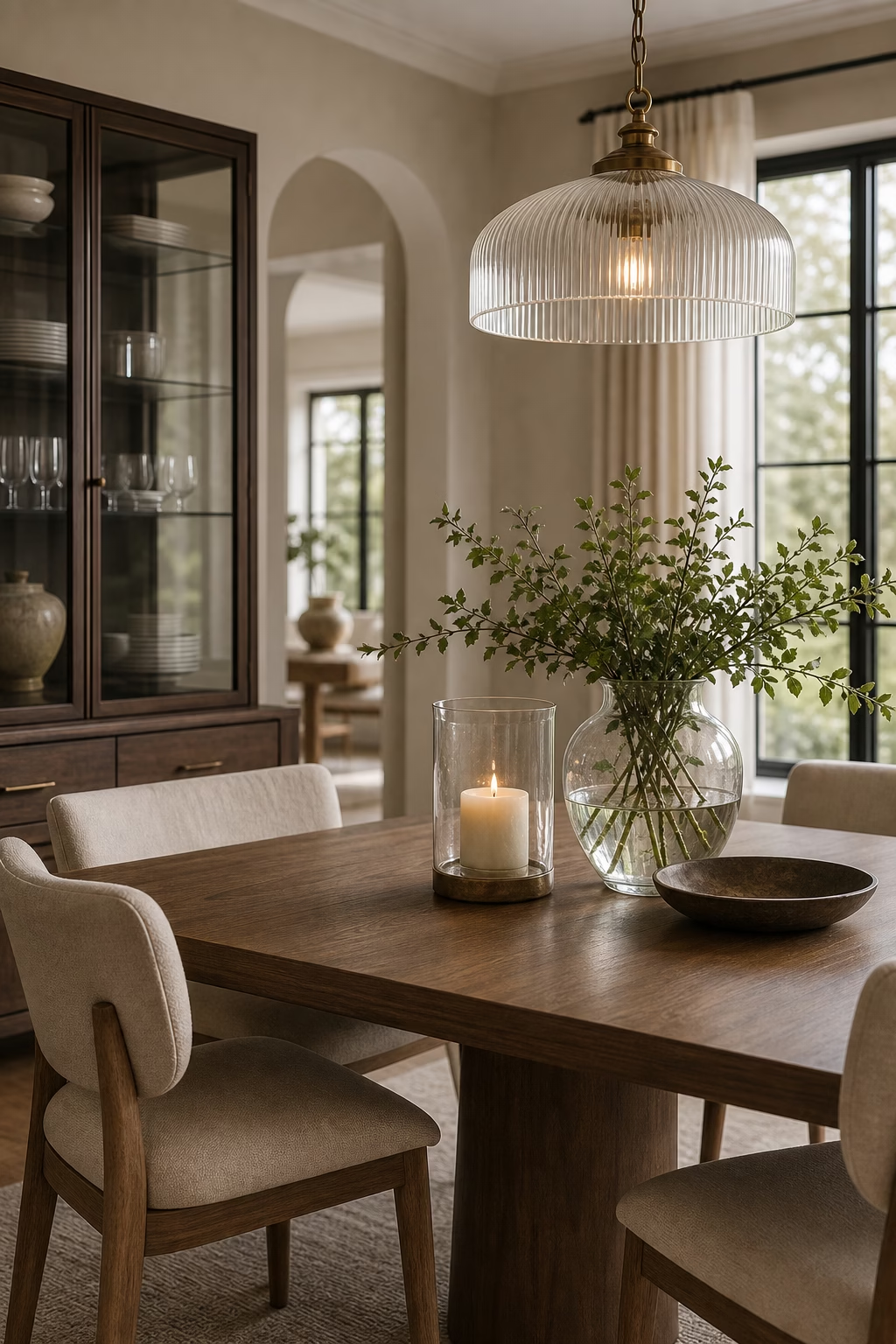
Try a Bench on One Side
For a luxury magazine look, restraint matters as much as the feature itself. Let one strong choice lead while the surrounding pieces stay quieter. For try a bench on one side, focus on a tailored upholstered bench on the long side of the table with chairs opposite. The detail should relate to the table first, because the table sets the room's social center and controls how formal or relaxed the space feels. Avoid crowding the perimeter with too many competing statements; contemporary dining rooms look richer when materials are repeated with discipline. Check the view from the doorway, the seat at the table, and any adjacent living area so the composition works from more than one angle. When the scale is right, the room feels collected and expensive without losing the ease that makes people want to stay at the table.
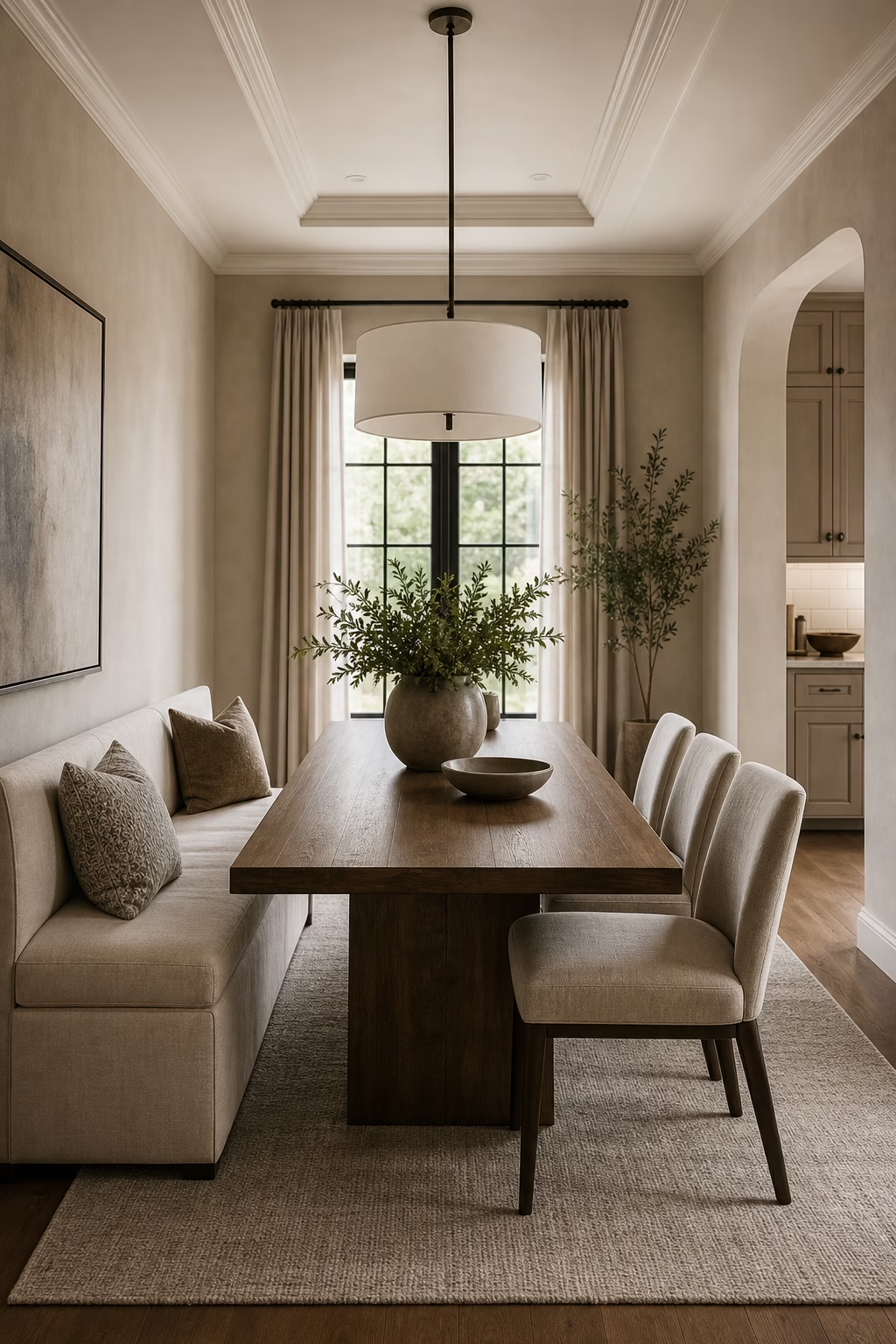
Choose Drapery With Architectural Fullness
This is also a practical decision. A dining room has to survive long dinners, serving pieces, movement around the table, and changing daylight. For choose drapery with architectural fullness, focus on plain linen or wool-sheer panels hung near the ceiling and falling cleanly to the floor. The detail should relate to the table first, because the table sets the room's social center and controls how formal or relaxed the space feels. Avoid crowding the perimeter with too many competing statements; contemporary dining rooms look richer when materials are repeated with discipline. Check the view from the doorway, the seat at the table, and any adjacent living area so the composition works from more than one angle. It should look edited in photographs, but it should also feel natural during an ordinary weeknight meal.
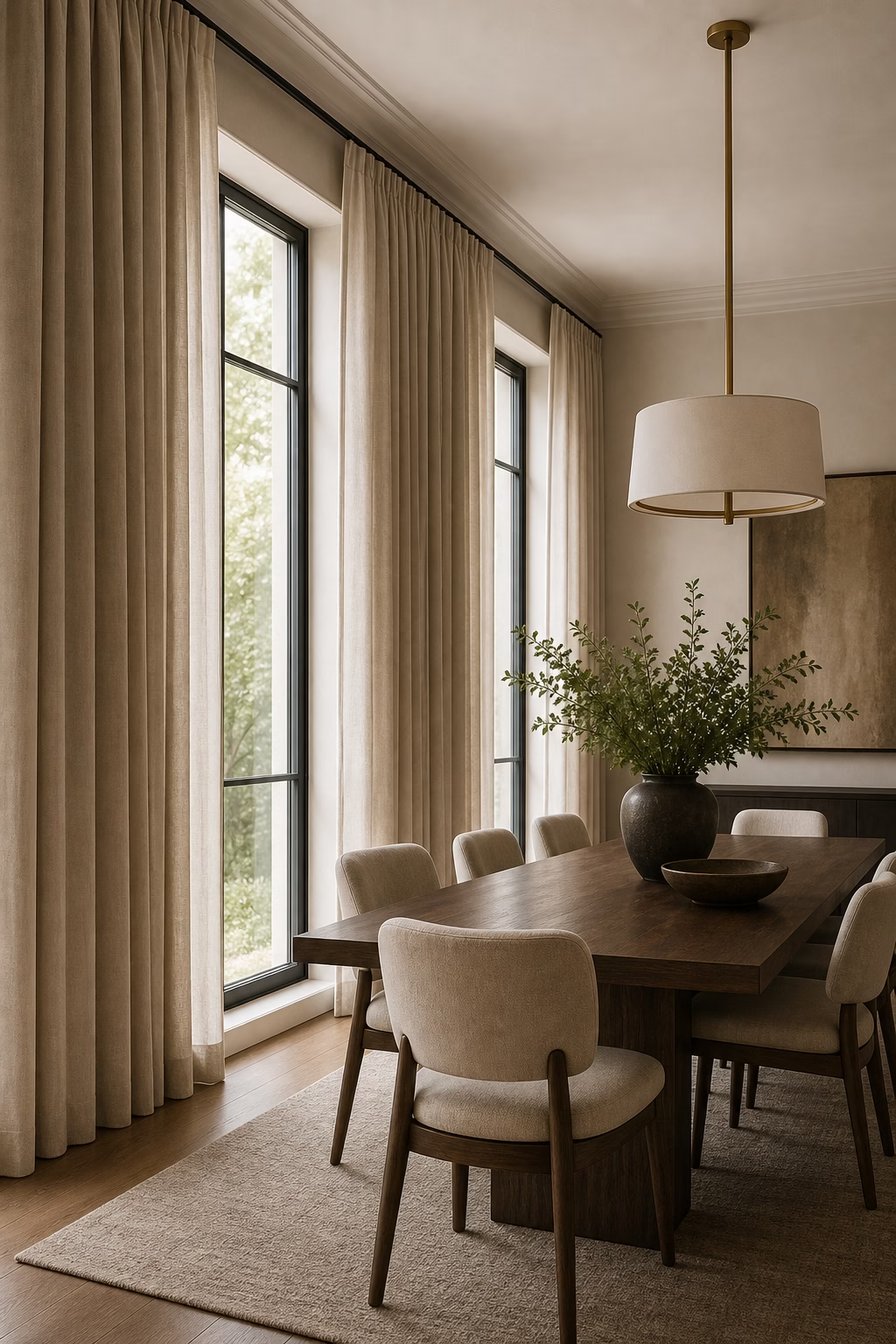
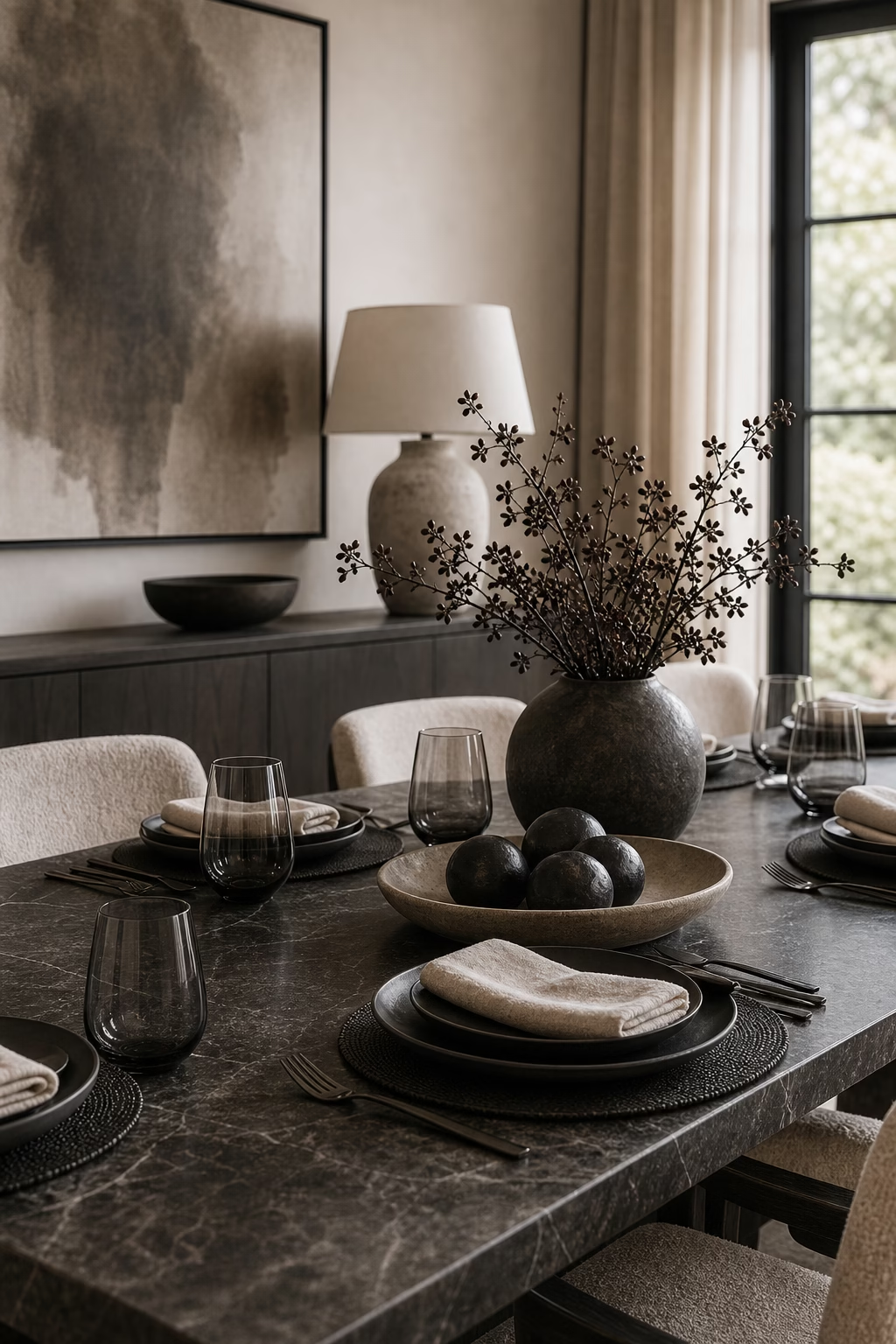
Set a Monochrome Table
A contemporary dining room works best when this idea is treated as part of the architecture, not as a loose decorative move. For set a monochrome table, focus on matte plates, linen napkins, smoky glassware, and one low sculptural centerpiece. The detail should relate to the table first, because the table sets the room's social center and controls how formal or relaxed the space feels. Avoid crowding the perimeter with too many competing statements; contemporary dining rooms look richer when materials are repeated with discipline. Check the view from the doorway, the seat at the table, and any adjacent living area so the composition works from more than one angle. Keep the palette connected to the room, repeat at least one material nearby, and leave enough breathing room for the table to remain genuinely usable.
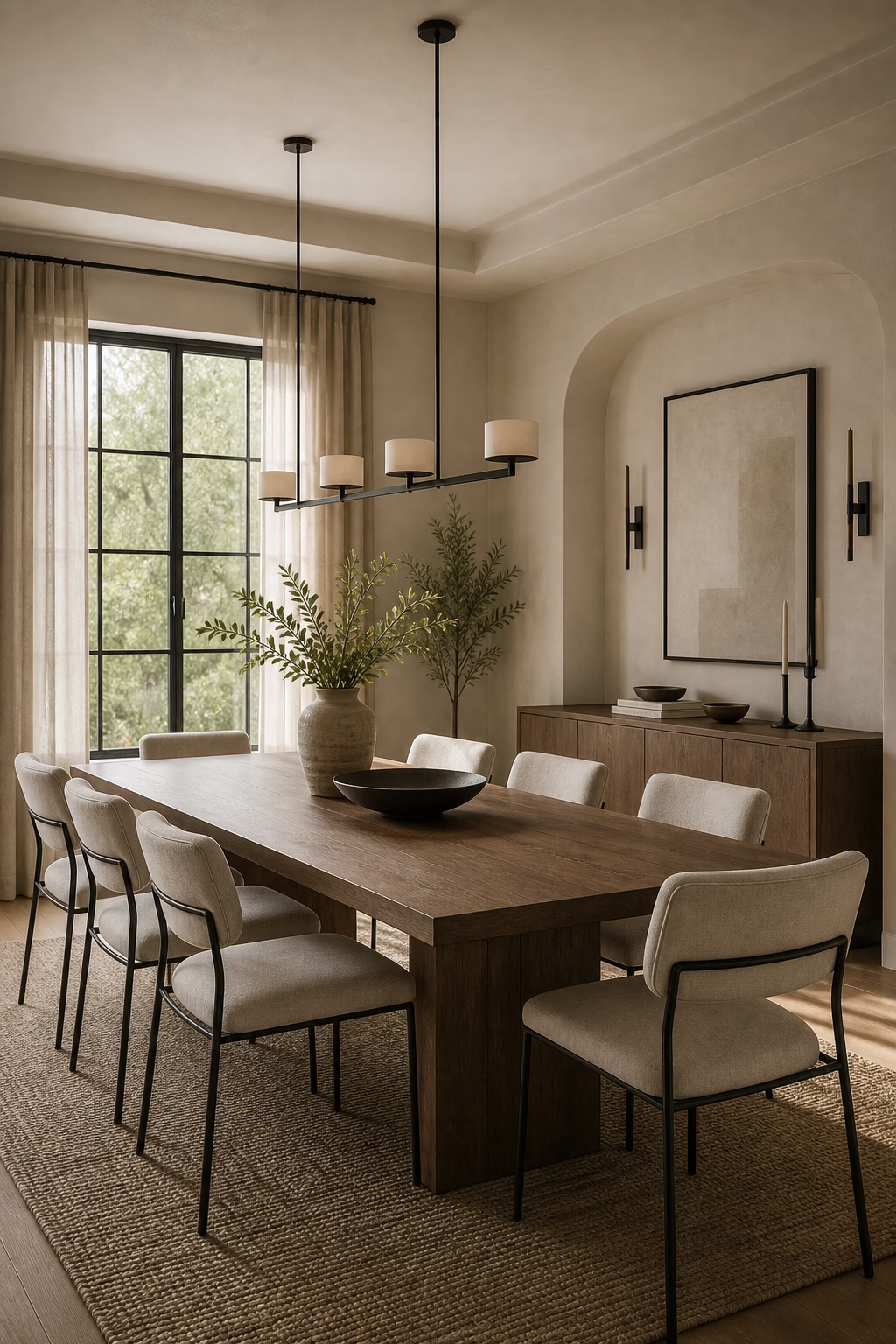
Use Black Metal Sparingly
The most polished version starts with proportion. Before choosing finishes, look at circulation, sight lines, chair movement, and how guests actually gather. For use black metal sparingly, focus on thin black chair frames, pendant details, hardware, or mullions repeated in measured doses. The detail should relate to the table first, because the table sets the room's social center and controls how formal or relaxed the space feels. Avoid crowding the perimeter with too many competing statements; contemporary dining rooms look richer when materials are repeated with discipline. Check the view from the doorway, the seat at the table, and any adjacent living area so the composition works from more than one angle. The result feels contemporary because every detail has a job: comfort, rhythm, atmosphere, storage, or a clearer sense of place.
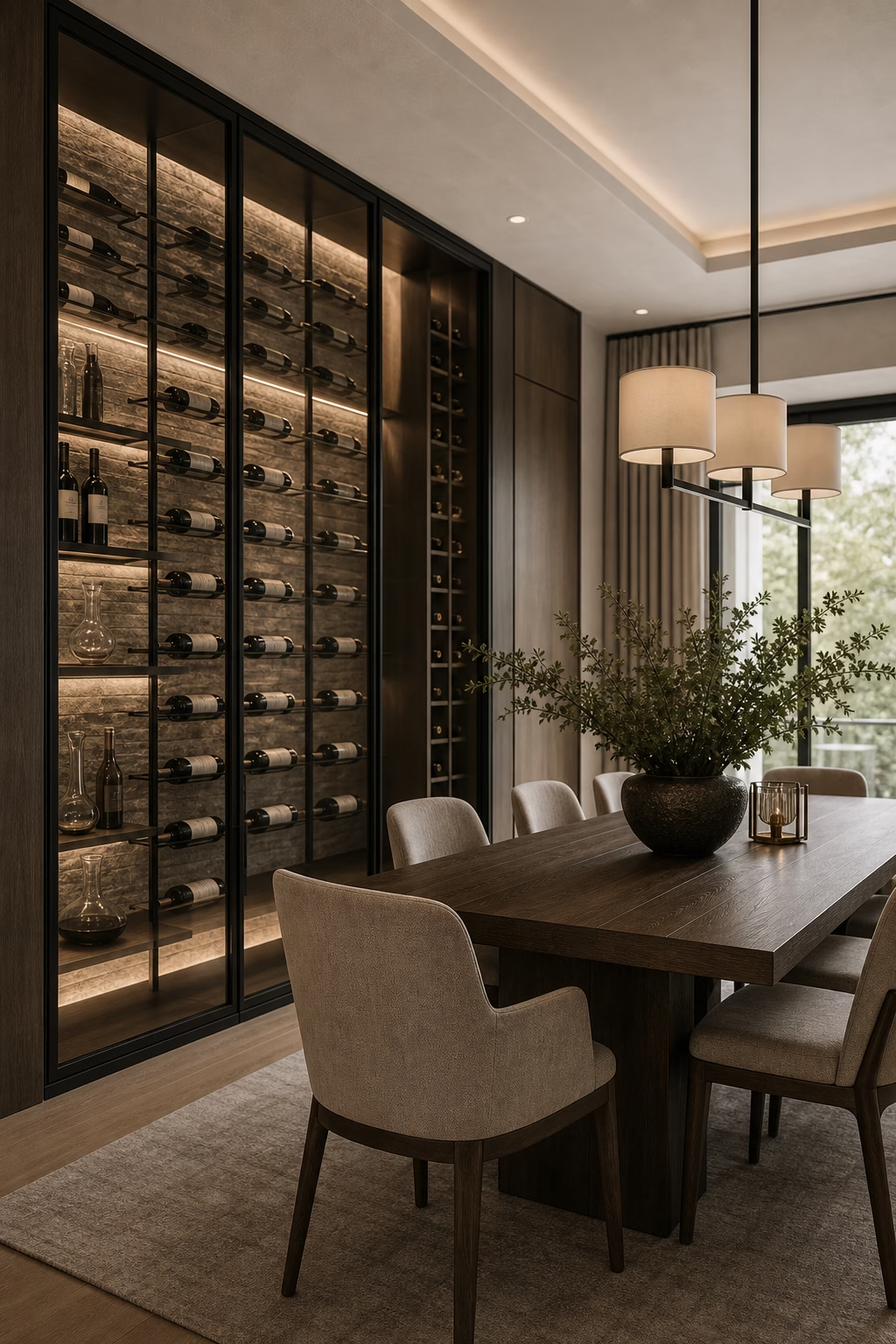
Create a Wine Wall That Feels Integrated
For a luxury magazine look, restraint matters as much as the feature itself. Let one strong choice lead while the surrounding pieces stay quieter. For create a wine wall that feels integrated, focus on recessed bottle storage with dark framing, glass doors, and architectural lighting. The detail should relate to the table first, because the table sets the room's social center and controls how formal or relaxed the space feels. Avoid crowding the perimeter with too many competing statements; contemporary dining rooms look richer when materials are repeated with discipline. Check the view from the doorway, the seat at the table, and any adjacent living area so the composition works from more than one angle. When the scale is right, the room feels collected and expensive without losing the ease that makes people want to stay at the table.
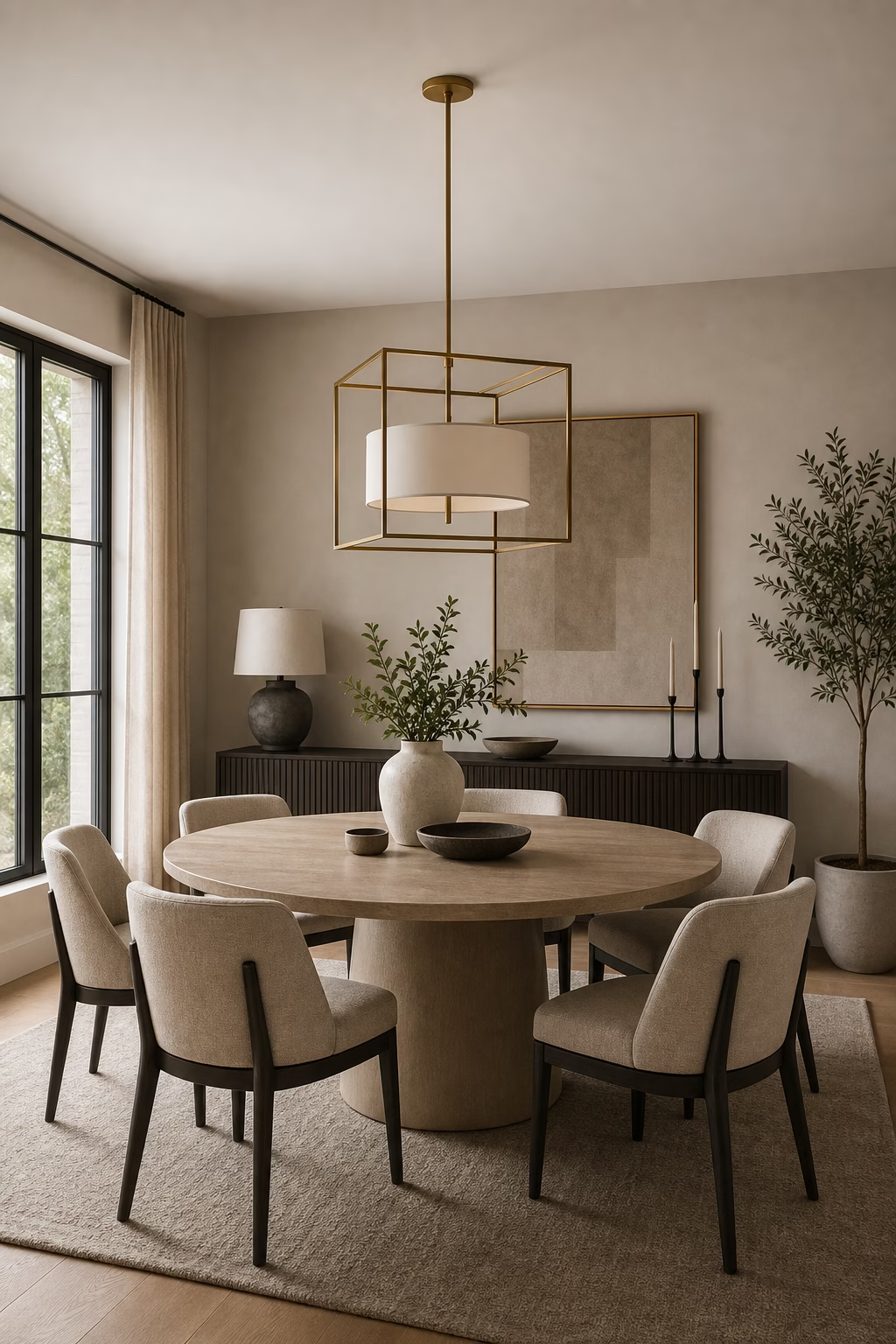
Let a Round Table Soften the Space
This is also a practical decision. A dining room has to survive long dinners, serving pieces, movement around the table, and changing daylight. For let a round table soften the space, focus on a pedestal-base round table that suits a square room and keeps every seat equally included. The detail should relate to the table first, because the table sets the room's social center and controls how formal or relaxed the space feels. Avoid crowding the perimeter with too many competing statements; contemporary dining rooms look richer when materials are repeated with discipline. Check the view from the doorway, the seat at the table, and any adjacent living area so the composition works from more than one angle. It should look edited in photographs, but it should also feel natural during an ordinary weeknight meal.
Add Greenery as Living Sculpture
A contemporary dining room works best when this idea is treated as part of the architecture, not as a loose decorative move. For add greenery as living sculpture, focus on one indoor tree, tall branch arrangement, or architectural plant in a weighty planter. The detail should relate to the table first, because the table sets the room's social center and controls how formal or relaxed the space feels. Avoid crowding the perimeter with too many competing statements; contemporary dining rooms look richer when materials are repeated with discipline. Check the view from the doorway, the seat at the table, and any adjacent living area so the composition works from more than one angle. Keep the palette connected to the room, repeat at least one material nearby, and leave enough breathing room for the table to remain genuinely usable.
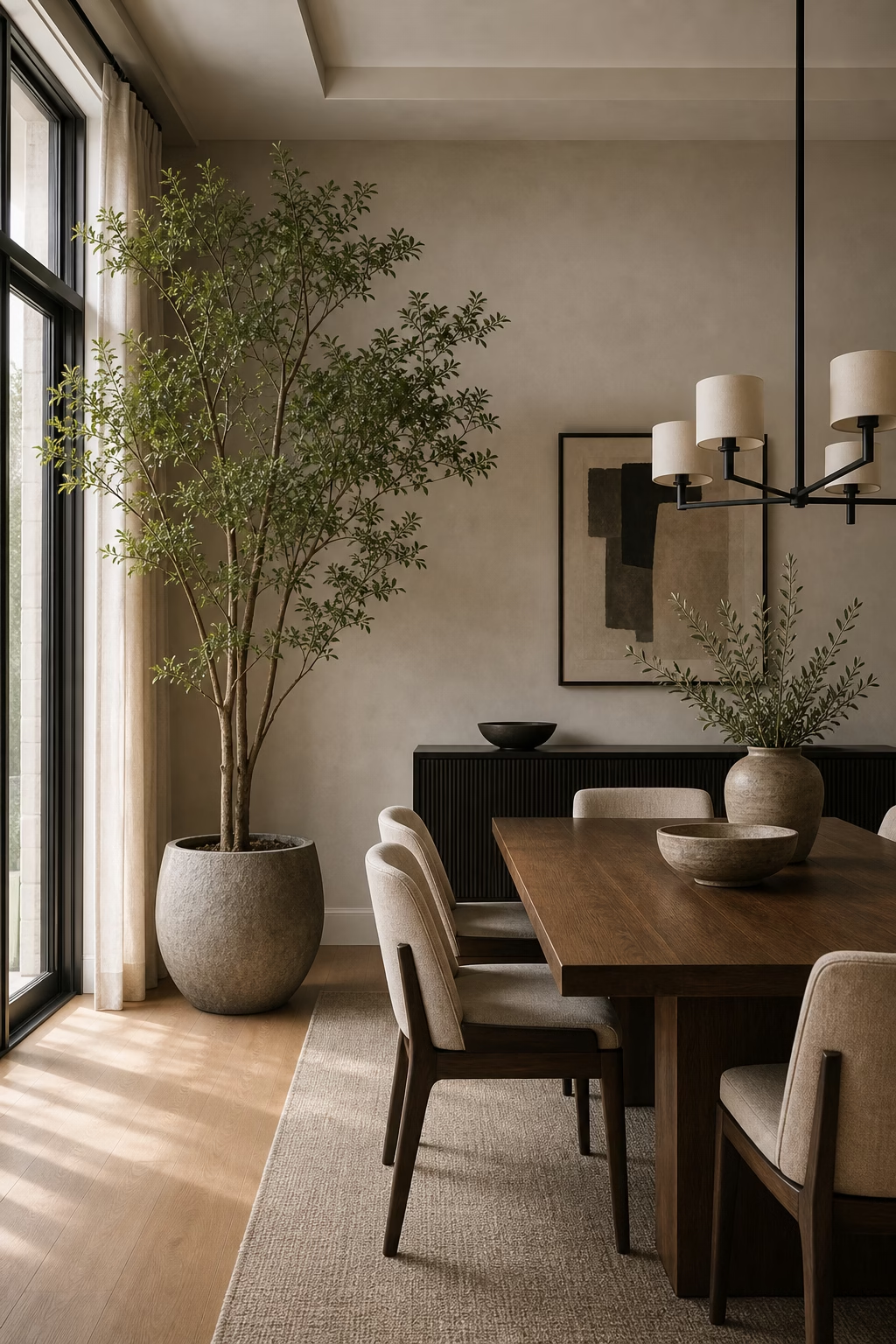
Use Open Shelves for Collected Ceramics
The most polished version starts with proportion. Before choosing finishes, look at circulation, sight lines, chair movement, and how guests actually gather. For use open shelves for collected ceramics, focus on edited shelves with useful serving bowls, sculptural ceramics, and generous negative space. The detail should relate to the table first, because the table sets the room's social center and controls how formal or relaxed the space feels. Avoid crowding the perimeter with too many competing statements; contemporary dining rooms look richer when materials are repeated with discipline. Check the view from the doorway, the seat at the table, and any adjacent living area so the composition works from more than one angle. The result feels contemporary because every detail has a job: comfort, rhythm, atmosphere, storage, or a clearer sense of place.
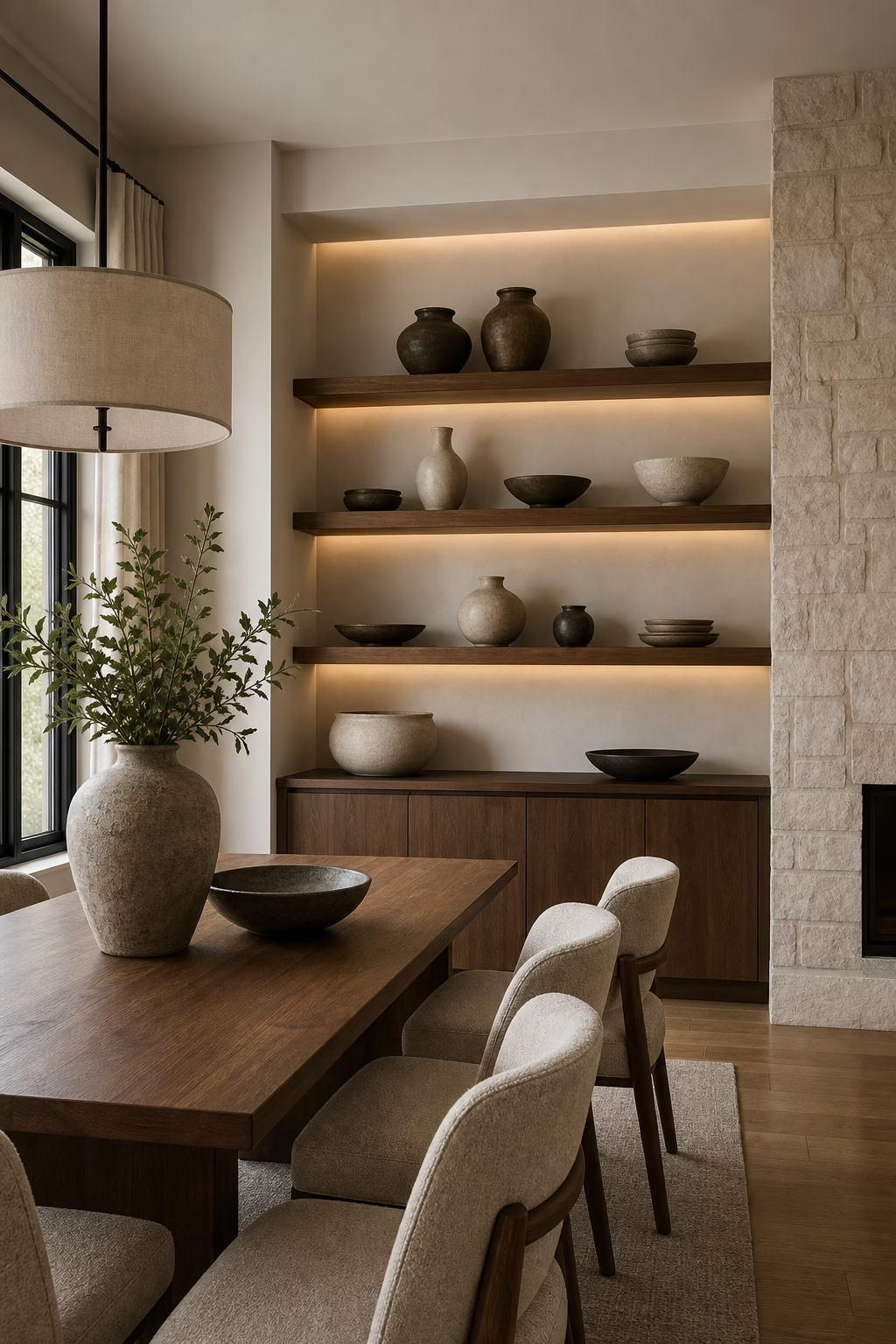
Keep the Final Layer Personal
For a luxury magazine look, restraint matters as much as the feature itself. Let one strong choice lead while the surrounding pieces stay quieter. For keep the final layer personal, focus on a favorite bowl, handmade vase, inherited candlesticks, or art that carries memory. The detail should relate to the table first, because the table sets the room's social center and controls how formal or relaxed the space feels. Avoid crowding the perimeter with too many competing statements; contemporary dining rooms look richer when materials are repeated with discipline. Check the view from the doorway, the seat at the table, and any adjacent living area so the composition works from more than one angle. When the scale is right, the room feels collected and expensive without losing the ease that makes people want to stay at the table.