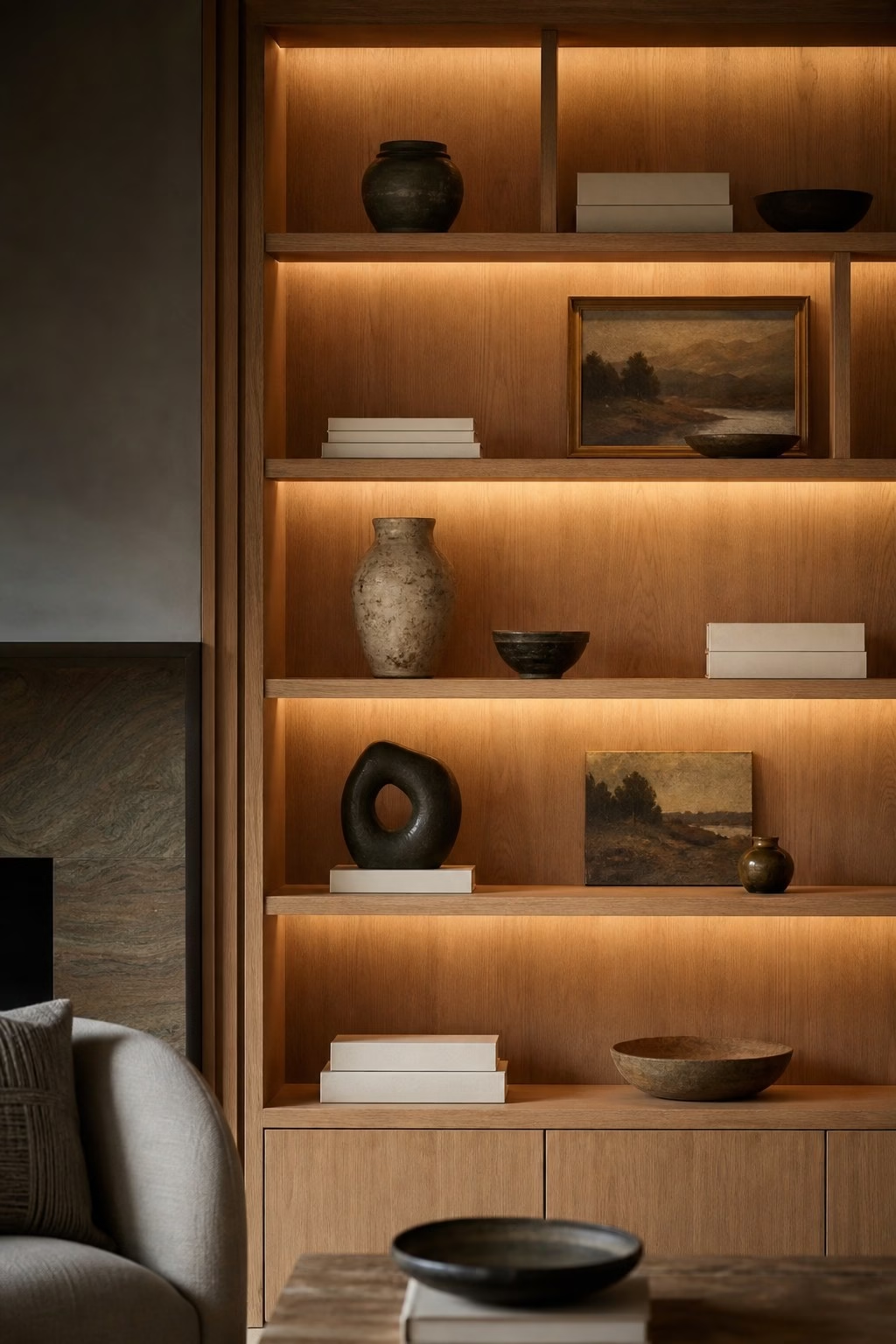
The most useful home deco trends are not about chasing novelty; they make rooms feel more layered, comfortable, personal, and easier to live in.
- Warm Minimalism Replaces Empty Minimalism
- Curved Furniture Softens Everyday Rooms
- Textured Walls Create a Finished Backdrop
- Colored Stone Becomes the Statement
- Moody Wood Makes Kitchens Feel Richer
- Sculptural Lighting Acts Like Art
- Built-In Storage Looks More Seamless
- Checkerboard Returns in Softer Colors
- Chrome Accents Add a Crisp Edge
- Ceilings Get More Attention
- Vintage Pieces Break Up Newness
- Quiet Technology Protects the Mood
- Artisan Ceramics Replace Tiny Accessories
- Soft Color Drenching Feels Cocooning
- Wellness Corners Become Part of the Plan
- Layered Window Treatments Look Finished
- Dining Nooks Get More Flexible
- Entries Become Bolder First Impressions
- Personal Collections Replace Generic Styling
Warm Minimalism Replaces Empty Minimalism
Minimal rooms are becoming warmer, softer, and more personal. Instead of stripping everything away, the newer approach keeps strong editing while allowing texture to do the emotional work. Think plaster walls, linen upholstery, oak furniture, wool rugs, and ceramics with visible handwork. The palette can remain quiet, but the materials should reward a closer look. This trend is helpful because it makes simplified spaces feel lived in rather than unfinished. Remove the extra visual noise, then choose fewer pieces with better scale and touch. The room still feels calm, yet it has enough depth to welcome real life and changing seasons.

Curved Furniture Softens Everyday Rooms
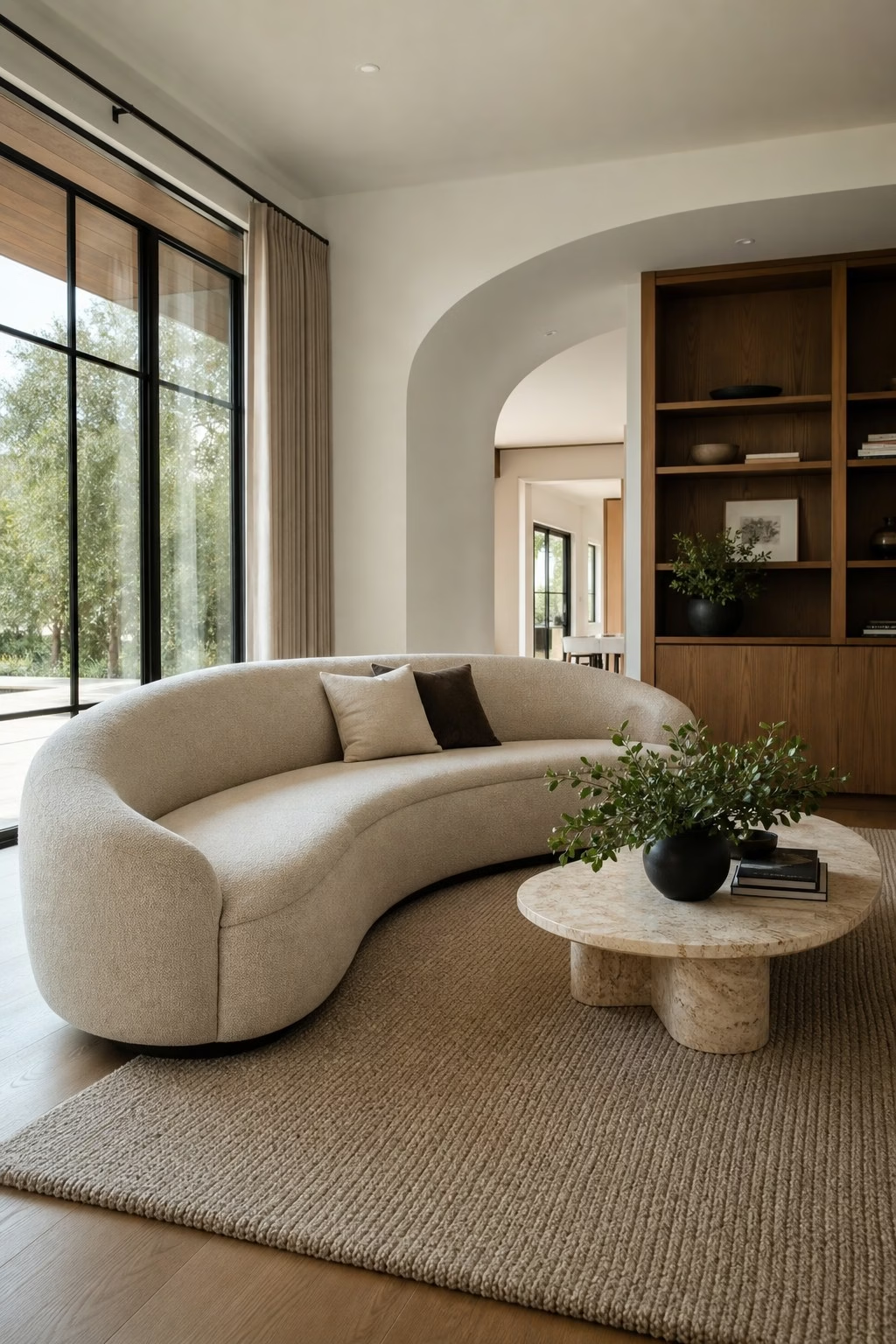
Curved furniture continues to matter because it changes how people move through a room. A rounded sofa, barrel chair, oval table, or curved bench softens the hard angles created by walls, cabinets, and screens. The most elevated pieces are not overly plush; they have clean tailoring and enough support to feel practical. Use one or two curves as a counterpoint, then keep surrounding forms simpler. This works especially well in open-plan homes, where curved seating can define a conversation zone without adding another partition. The room feels more fluid, more social, and less boxed in by furniture or rigid sightlines.
Textured Walls Create a Finished Backdrop
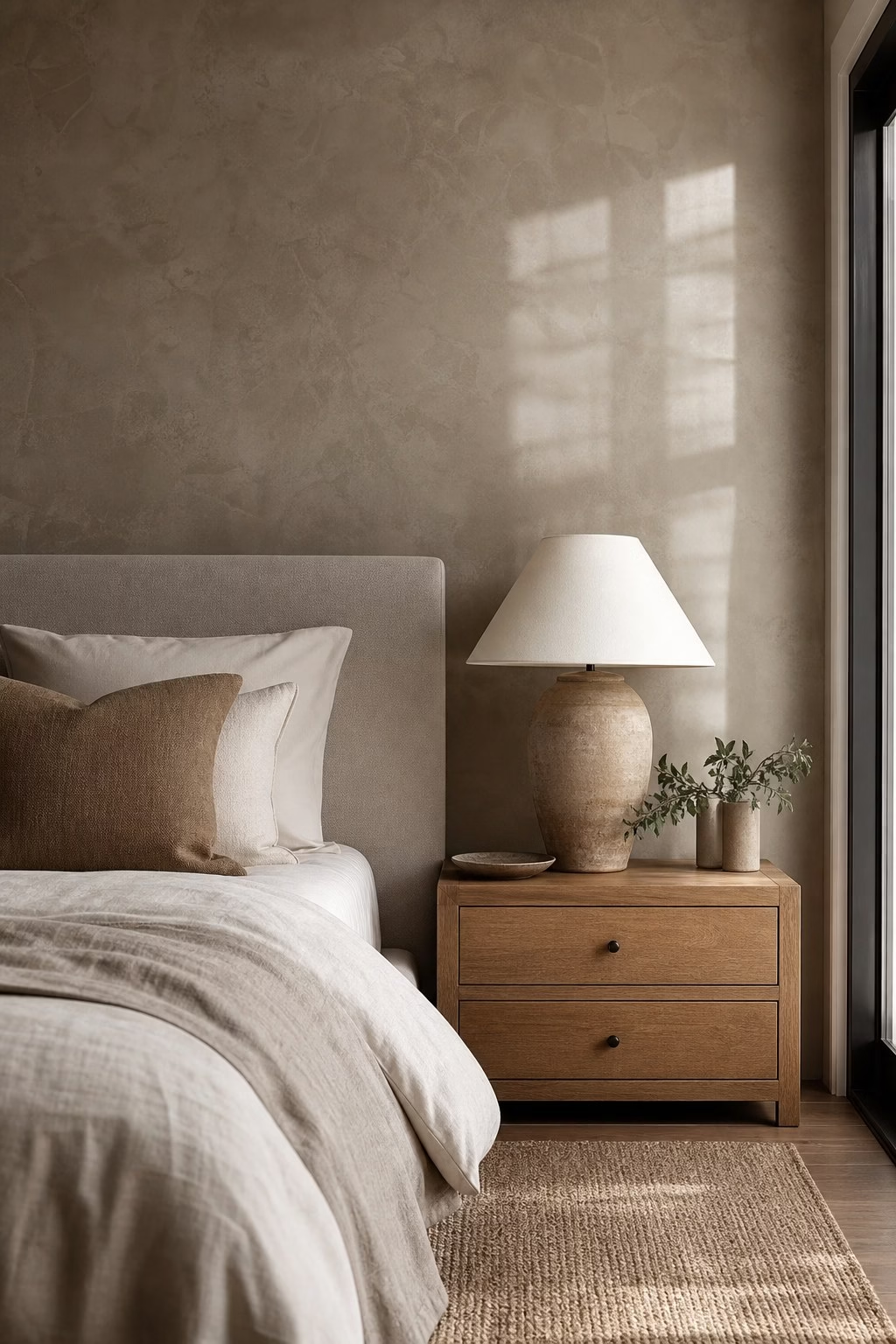
Flat painted walls are giving way to finishes with quiet movement. Limewash, clay paint, plaster, microcement, and subtle grasscloth all create a backdrop that feels finished before art is even added. The key is restraint: the texture should catch light, not dominate the room. Use it on a living room wall, bedroom, entry, or powder room where atmosphere matters. Warm neutrals are easiest to live with, but muted color can be beautiful when the furniture is simple. Textured walls elevate a space because they make daylight visible and help modern furniture feel less stark and more settled in daily use.
Colored Stone Becomes the Statement
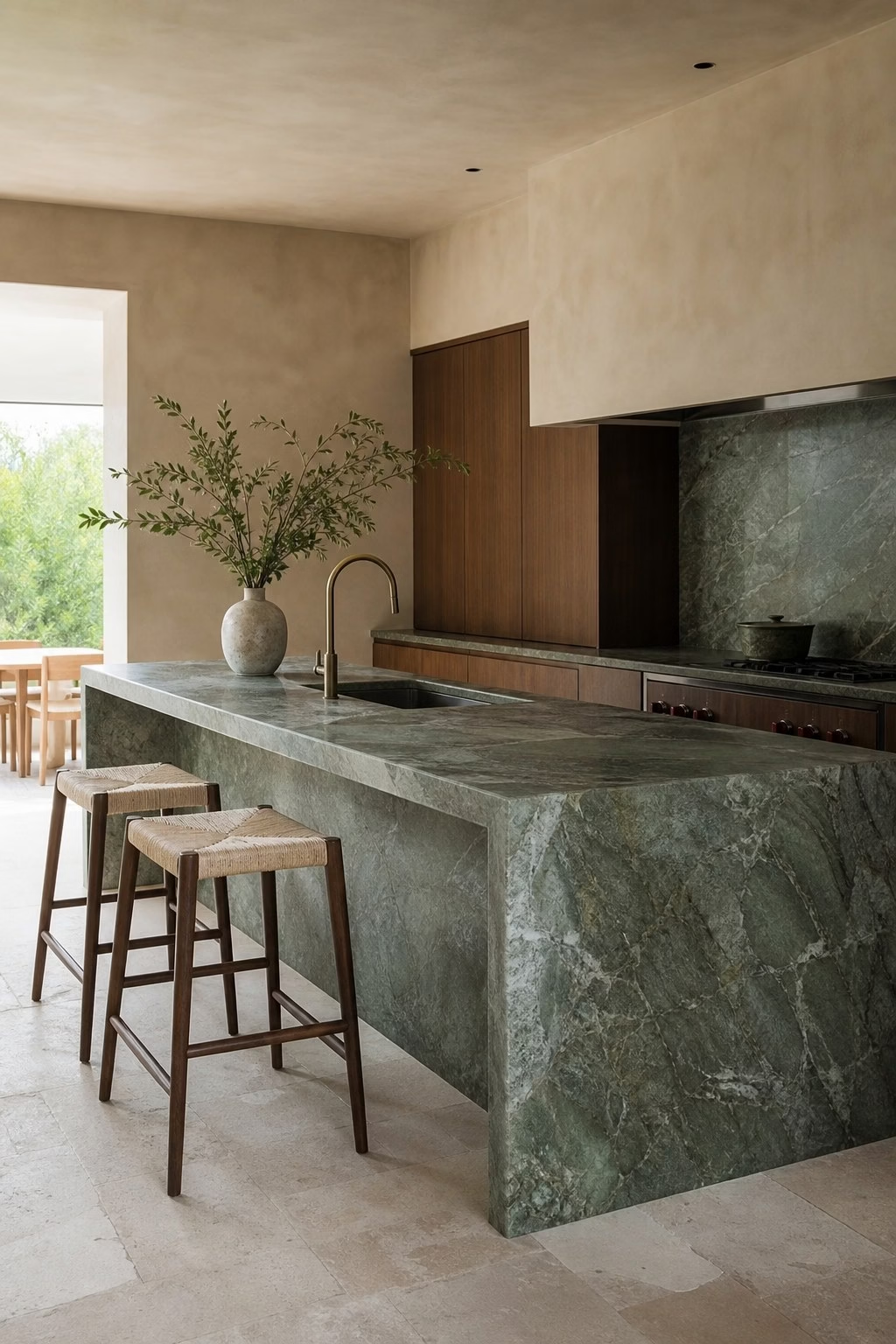
Stone is moving beyond white marble into richer, more expressive materials. Rosy travertine, green marble, burgundy stone, soapstone, and heavily veined quartzite can make a single table, shelf, or backsplash feel like the main design moment. This trend works best when the stone is balanced with quieter finishes nearby. Let one slab carry the color instead of repeating the shade across every accessory. In a kitchen, a colored stone island can ground pale cabinets. In a living room, a small stone table can sharpen soft upholstery. The effect feels elevated because the material has natural drama and permanence without extra styling.
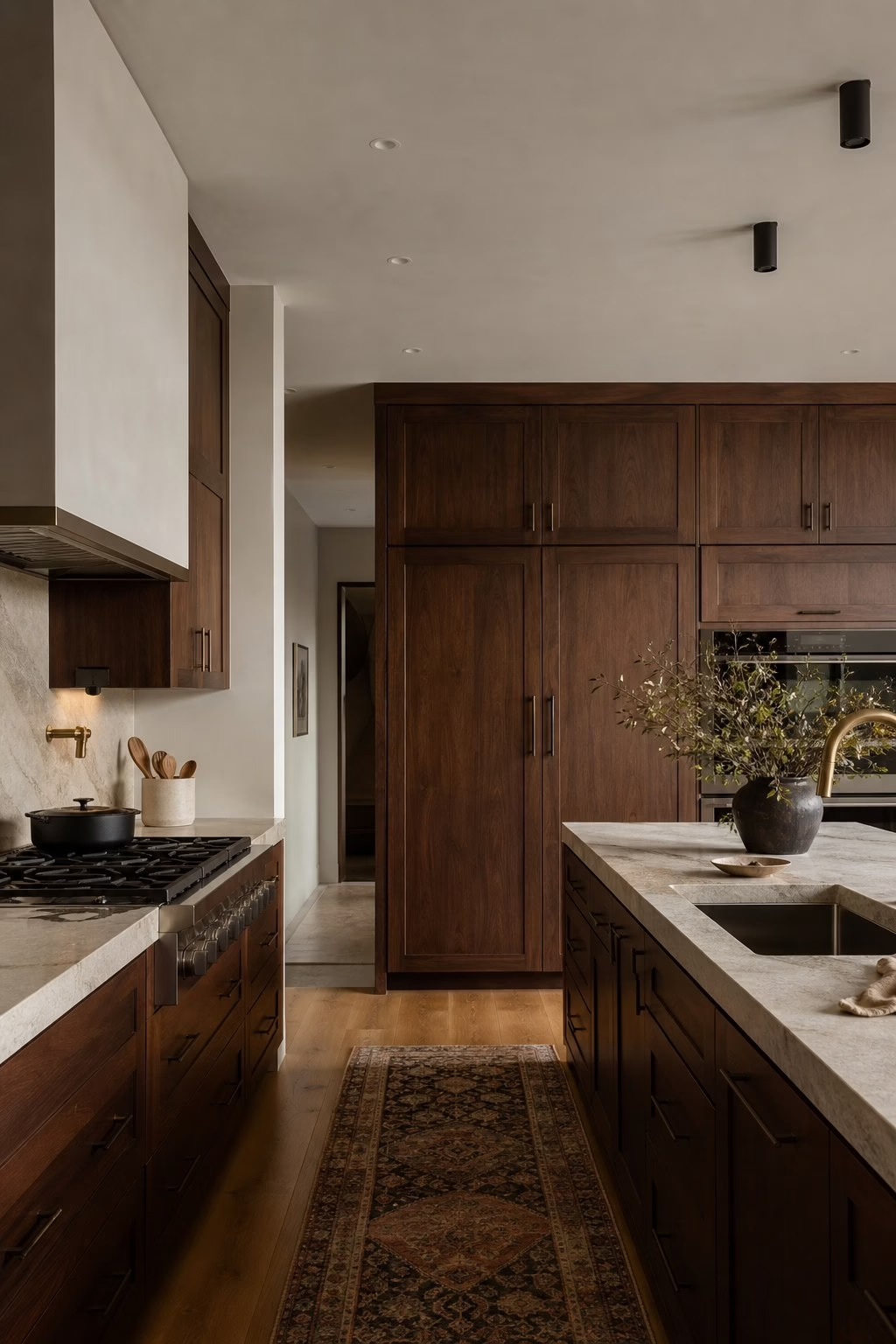
Moody Wood Makes Kitchens Feel Richer
Kitchens are leaning into deeper wood again, but the look is more refined than heavy traditional cabinetry. Walnut, smoked oak, and stained ash bring richness when the door profiles are simple and the hardware is restrained. Pair darker wood with stone counters, soft wall color, and layered lighting so the room does not feel closed in. This trend is especially useful in open homes, where the kitchen needs to look like part of the living space. Moody wood adds depth, hides wear better than flat white, and gives everyday cooking areas a more grounded, furniture-like presence over time at home.
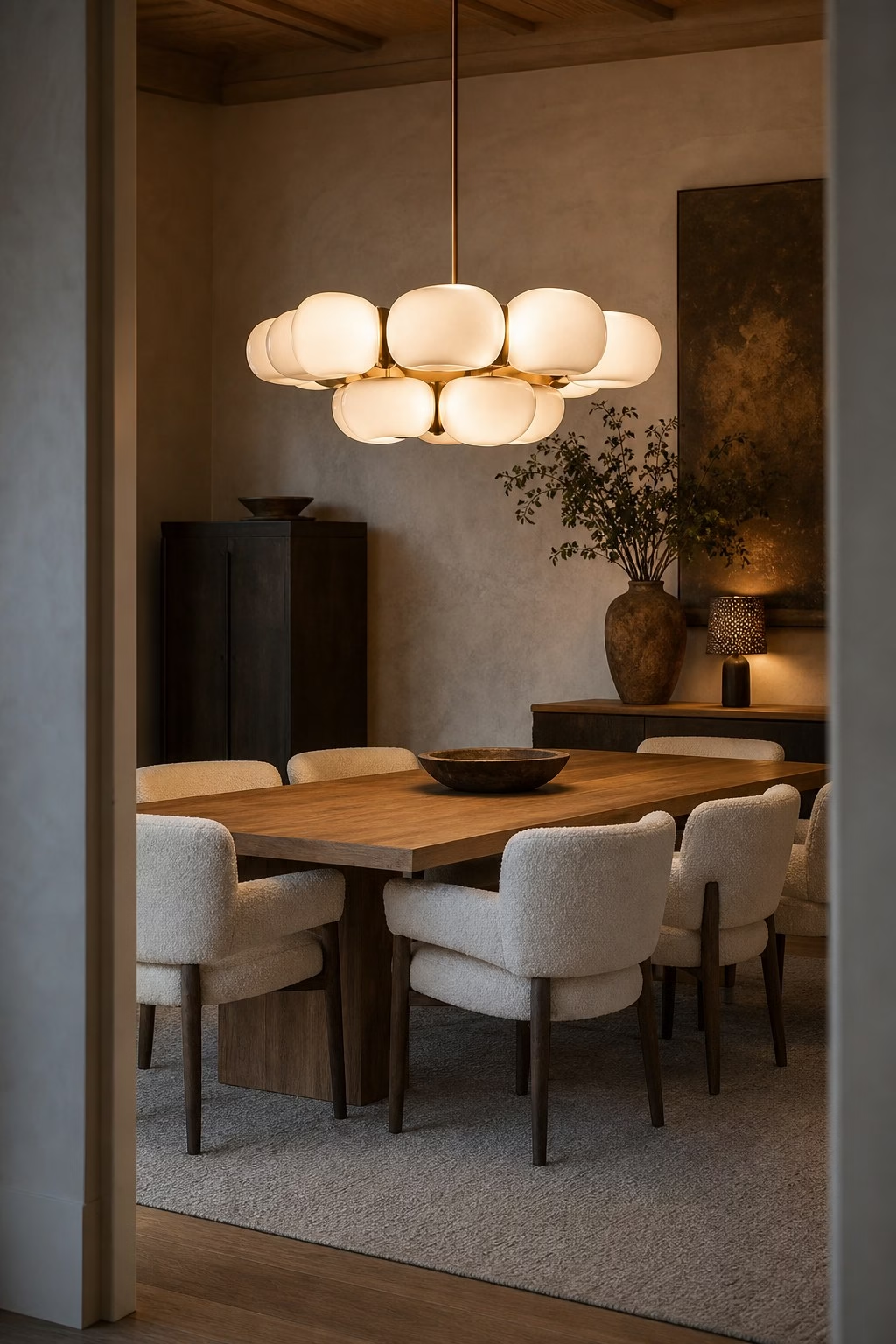
Sculptural Lighting Acts Like Art
Lighting is becoming one of the main decorative gestures in elevated interiors. A sculptural pendant, arched floor lamp, ceramic table lamp, or opal glass chandelier can add shape even when the rest of the room stays quiet. The piece still has to function; beautiful lighting that casts poor light becomes frustrating quickly. Choose warm bulbs, dimmers, and shades that flatter the space. Oversized forms work best when the material is simple, such as paper, linen, glass, metal, or ceramic. When lighting is chosen carefully, it gives a room a focal point after dark and a strong silhouette during the day.
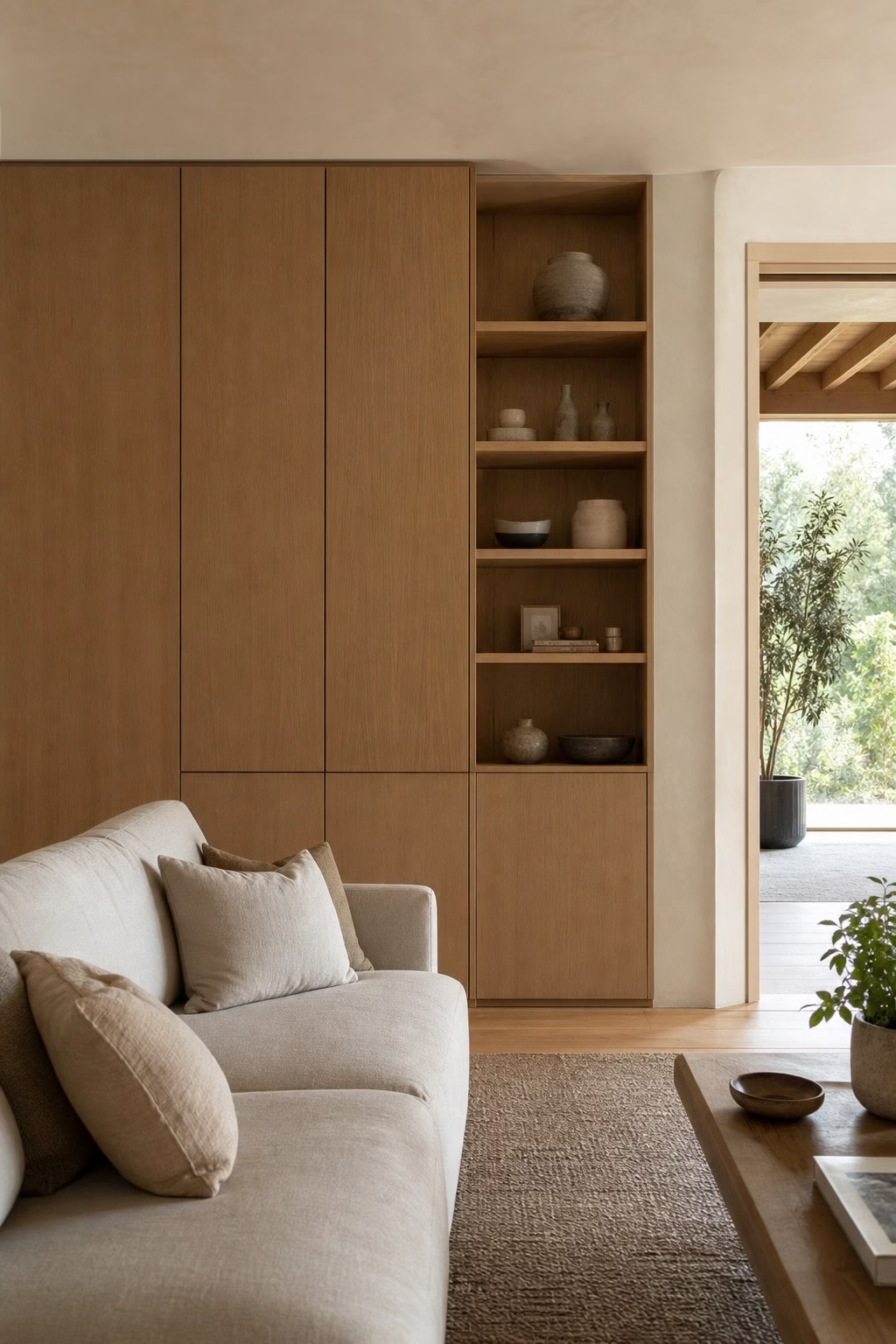
Built-In Storage Looks More Seamless
Elevated homes are hiding storage in cleaner, more architectural ways. Handleless cabinets, flush doors, recessed pulls, and wall-colored built-ins allow practical storage to fade into the room. This does not mean everything has to be minimal; it means the everyday clutter has somewhere calm to go. Plan storage around the actual objects that cause mess, from chargers and files to linens and toys. Then let open shelves display only the pieces worth seeing. Seamless storage is a trend because it solves a real problem. Rooms feel more expensive when surfaces stay clear and functional items are close but visually quiet.
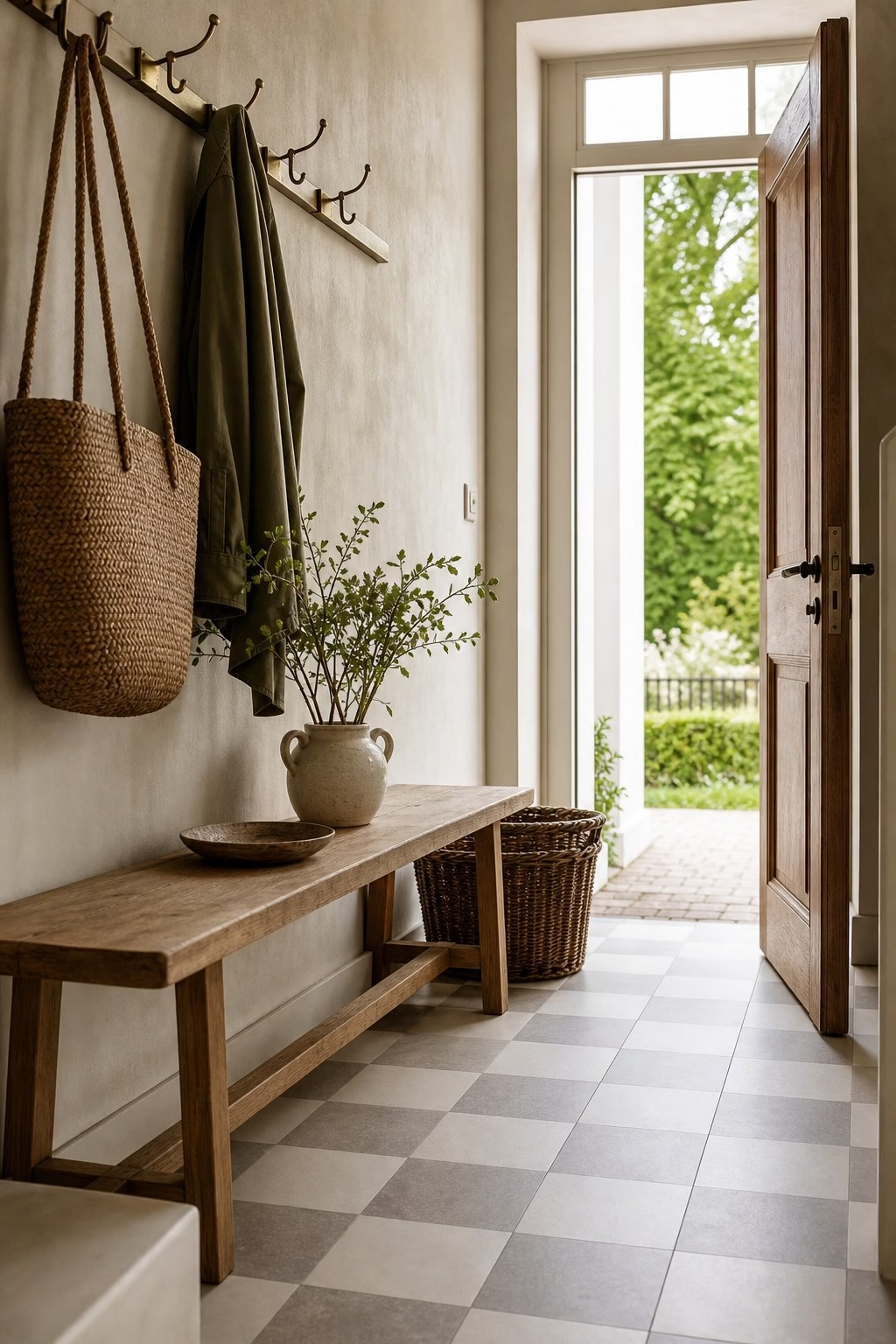
Checkerboard Returns in Softer Colors
Checkerboard is returning, but the strongest versions are softer than stark black and white. Try warm stone and cream, terracotta and sand, olive and ivory, or pale blue and chalk. The pattern can appear on a floor, runner, cushion, tiled backsplash, or small ottoman. Scale matters: larger checks feel architectural, while tiny checks can read playful. Use the pattern in one clear place and let surrounding elements breathe. This trend works because it adds rhythm without requiring many accessories. A restrained checkerboard brings heritage, charm, and graphic order to rooms that might otherwise feel too plain or unfinished visually today.
Chrome Accents Add a Crisp Edge
Chrome is appearing again as a crisp counterpoint to warm woods, plaster, and soft upholstery. A chrome lamp, chair frame, tray, mirror, or side table can make a room feel sharper without turning it cold. The key is mixing it with matte and natural materials. Chrome beside walnut, linen, stone, or ceramic feels current; chrome repeated everywhere can feel sterile. Use it where reflection is useful, such as lighting or small furniture. This trend works because it introduces a clean flash of polish in rooms that have become very soft and earthy. One controlled accent is usually enough for balance.

Ceilings Get More Attention
Ceilings are becoming part of the decorating plan instead of being ignored. Wood beams, soft color, limewash, coffers, wallpaper, or a carefully chosen pendant can make the upper plane feel resolved. This is especially effective in dining rooms, bedrooms, and small powder rooms where people notice the whole envelope. The ceiling treatment should support the architecture, not fight it. In a low room, use subtle color or narrow beams; in a taller room, a stronger feature can work. When the ceiling is considered, the room feels designed from every angle, and the furniture below seems more intentionally placed too overall.
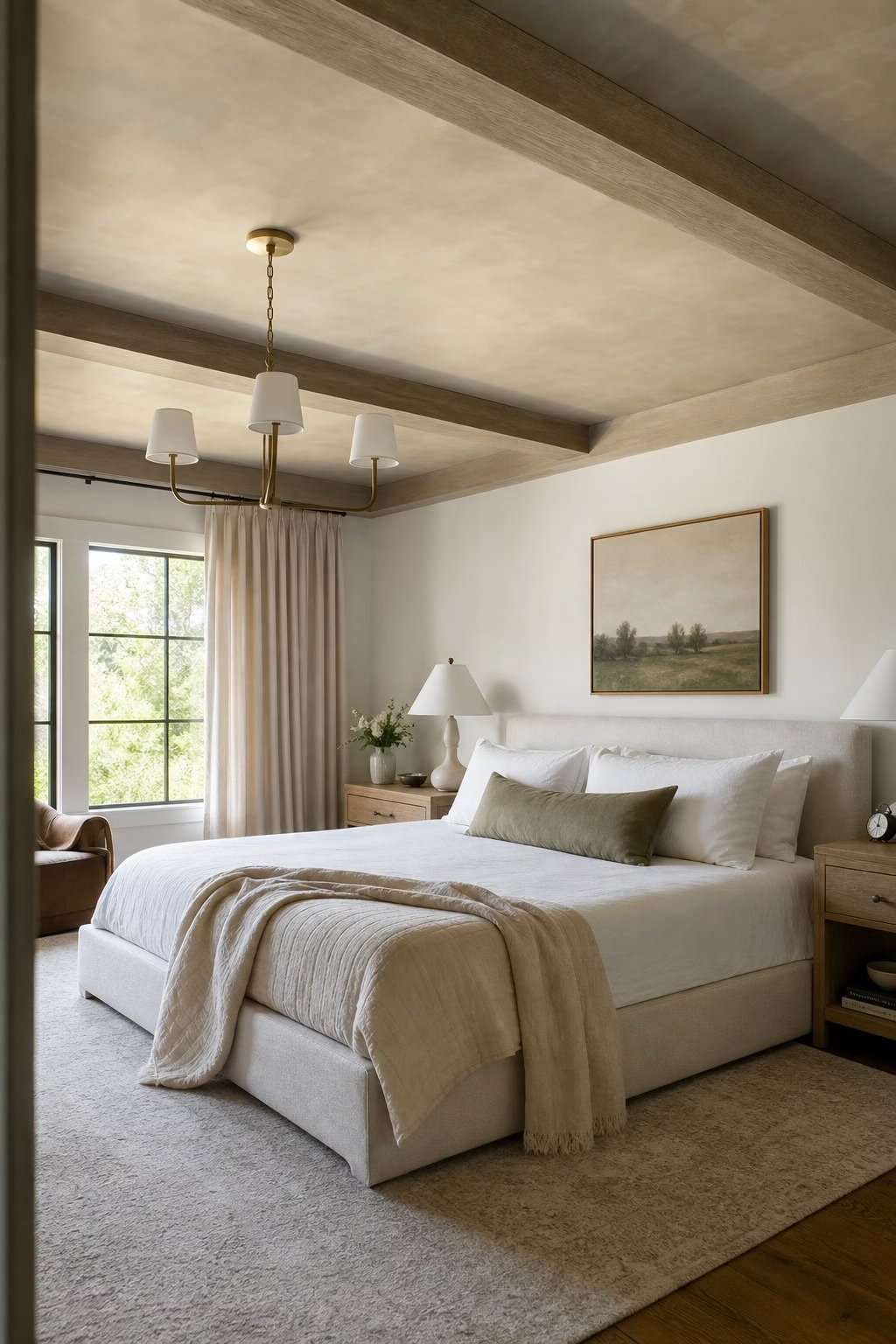
Vintage Pieces Break Up Newness
A room filled only with new pieces can look flat, even when everything is expensive. Vintage furniture, art, mirrors, rugs, and ceramics bring patina that cannot be rushed. The trend is not about making a room look old; it is about giving it a more layered timeline. One vintage side table beside a modern sofa or an antique mirror above a clean console can change the entire mood. Look for useful scale, sturdy construction, and materials that relate to the room. Vintage pieces elevate a space because they create contrast, memory, and a sense that the decor has been gathered rather than ordered all at once.
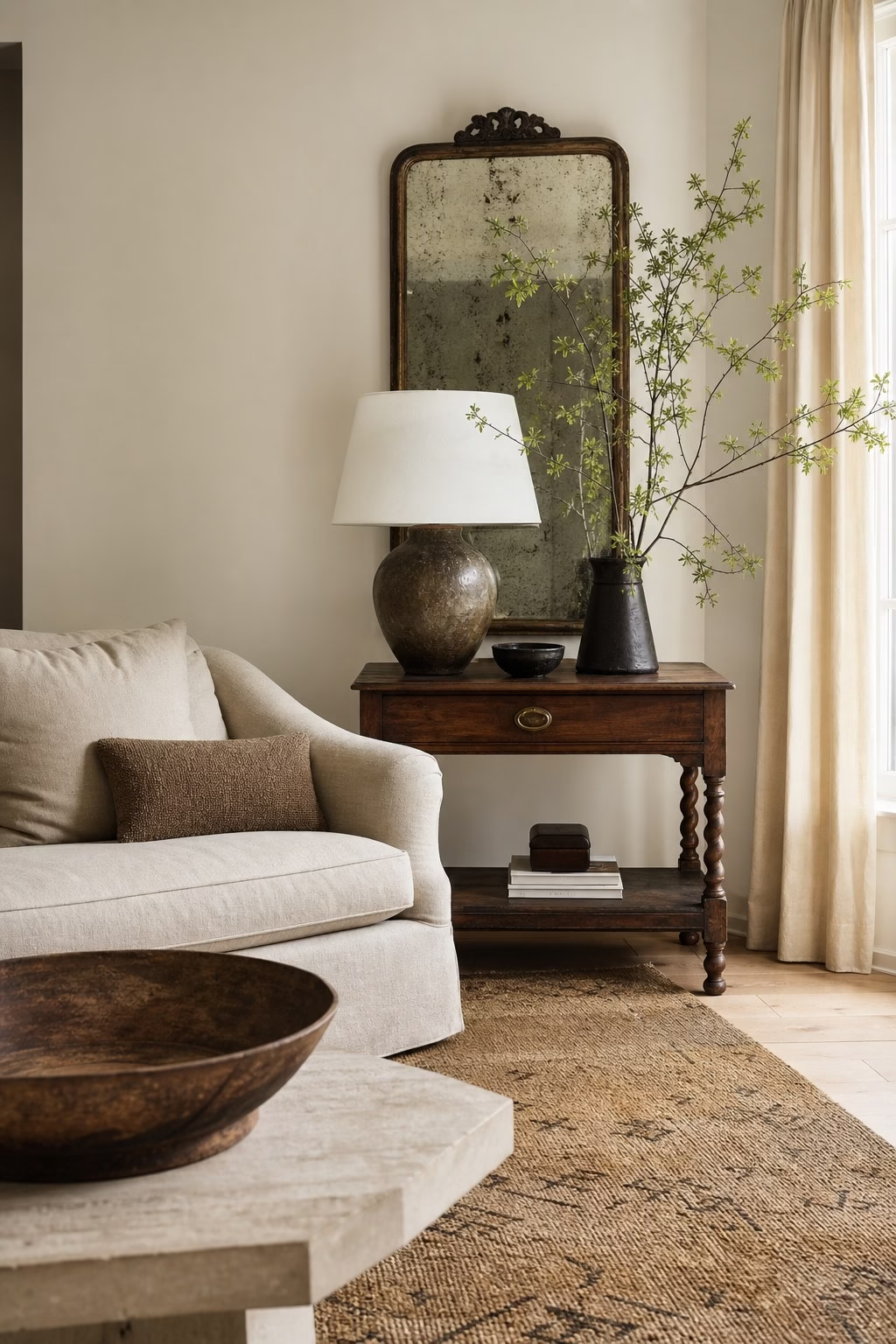
Quiet Technology Protects the Mood
Technology is becoming less visible in well-designed homes. Hidden charging drawers, framed televisions, recessed speakers, tidy cord channels, and smart shades keep convenience without letting devices control the room visually. This trend is practical because screens and cords can undo otherwise careful decorating. Start by solving the most visible problem: the television wall, the nightstand cords, or the home office cables. Then choose furniture with integrated storage where possible. Quiet technology does not mean pretending modern life does not exist. It means giving devices a place, so the atmosphere of the room stays calm, comfortable, and more elevated daily.
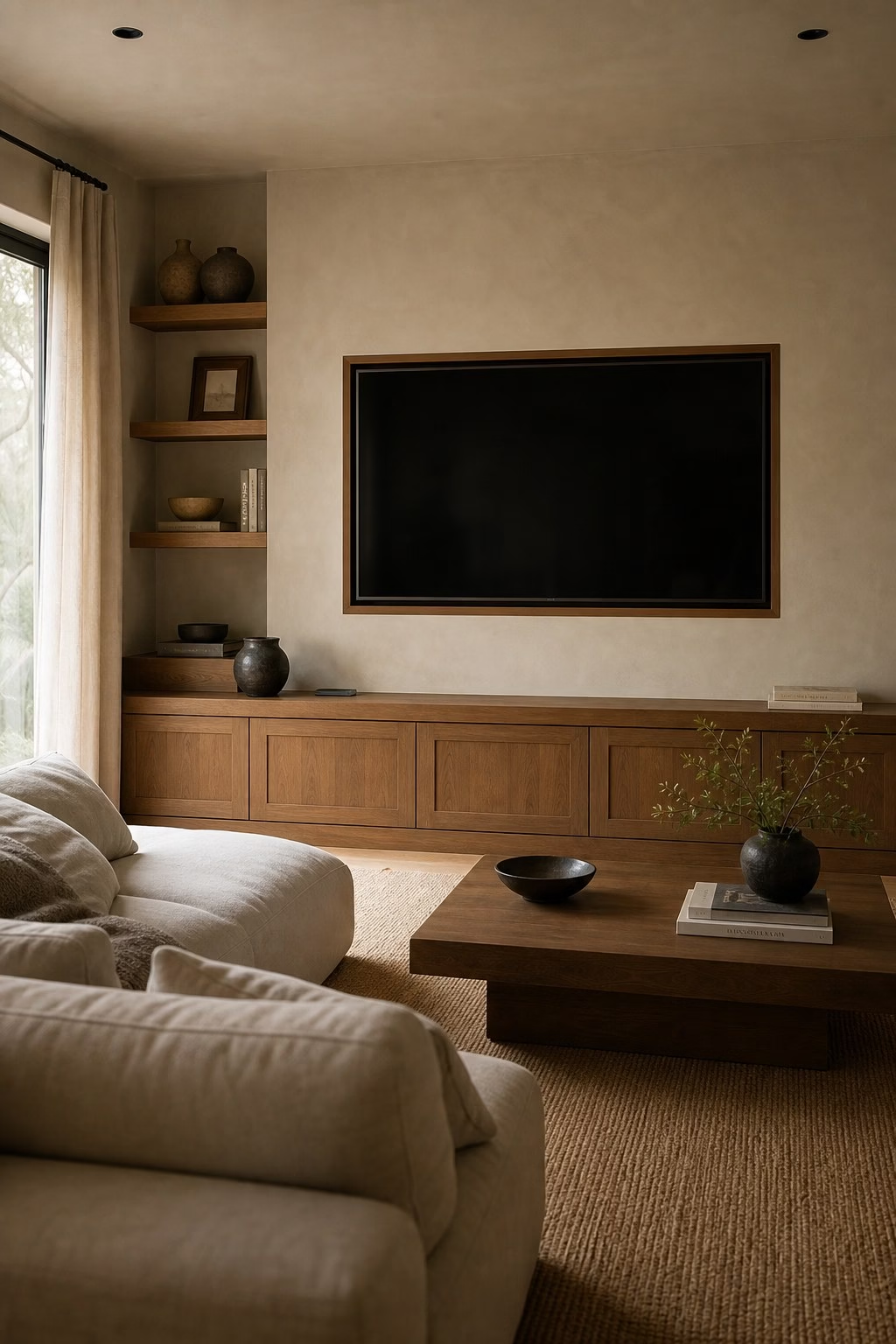
Artisan Ceramics Replace Tiny Accessories
Small decorative clutter is being replaced by fewer pieces with stronger material presence. Artisan ceramics are ideal because they bring shape, texture, and evidence of handwork without demanding a loud color scheme. A large vessel on a console, a low bowl on a coffee table, or a sculptural lamp on a sideboard can do more than a dozen small objects. Choose forms that look good empty as well as filled. Matte glazes, irregular rims, and visible clay tones make a room feel more grounded. This trend elevates surfaces because it gives each object enough scale and quality to matter visually.
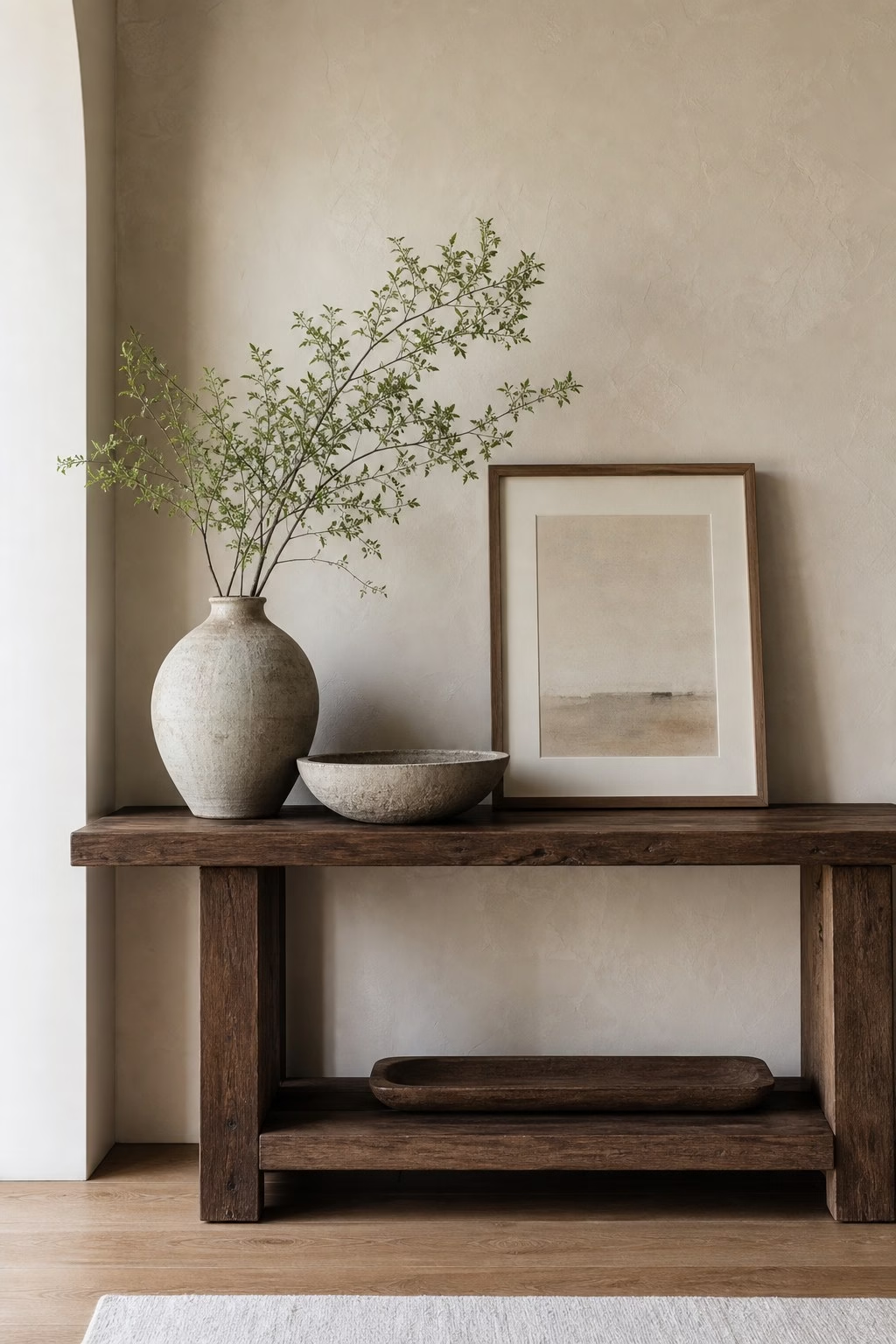
Soft Color Drenching Feels Cocooning
Color drenching is becoming softer and easier to live with. Instead of intense jewel tones everywhere, many homes are using muted clay, mushroom, sage, blue-gray, butter, or warm taupe across walls, trim, and sometimes ceilings. The continuous color makes small rooms feel more intentional and larger rooms feel more enveloping. This works best when furniture introduces texture rather than high contrast. Use matte paint and test the color in different light before committing. A softly drenched room can feel tailored, calm, and immersive. It elevates the space because the architecture reads as one thoughtful envelope, not fragments or parts.

Wellness Corners Become Part of the Plan
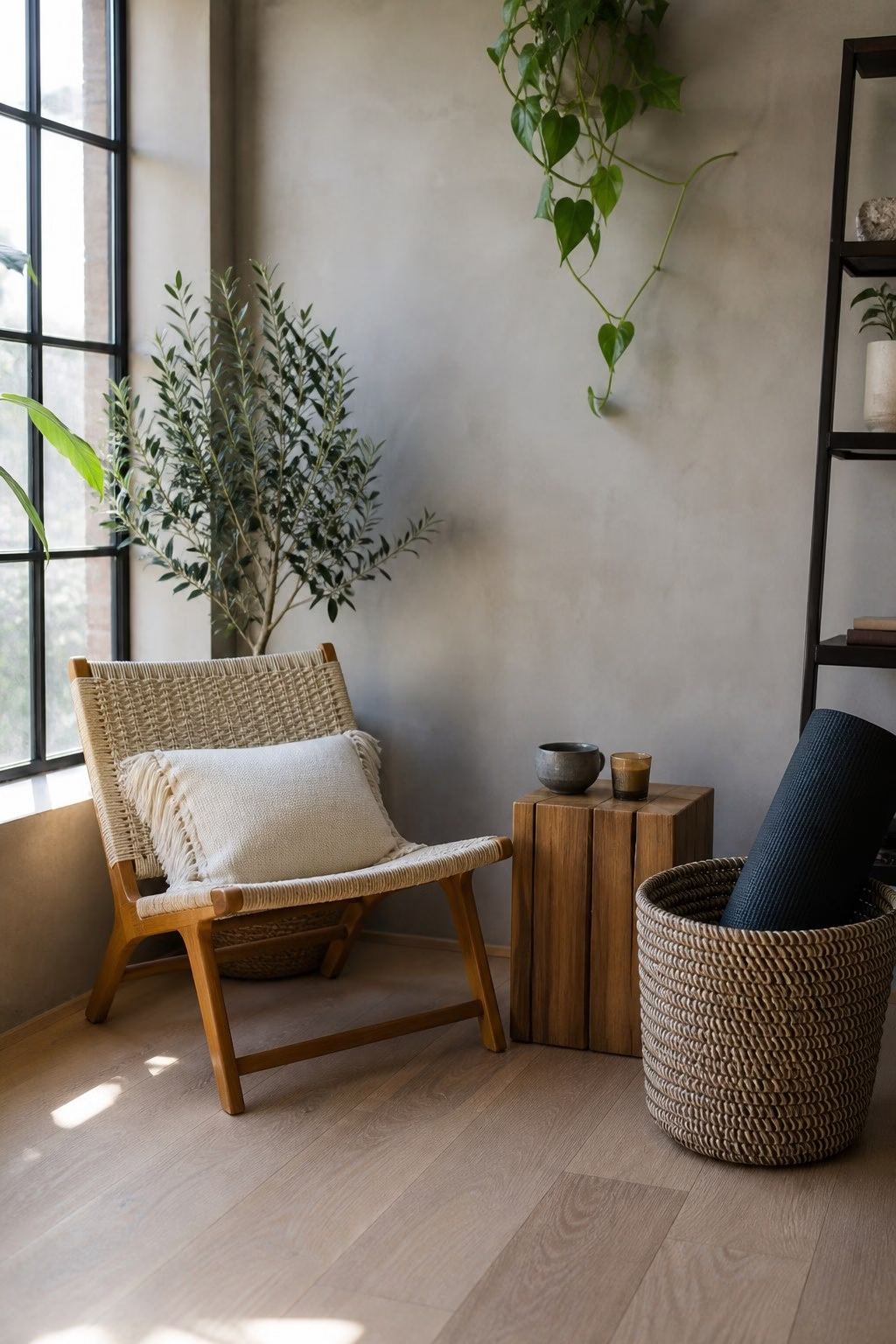
Homes are making space for small rituals instead of treating wellness as an afterthought. A meditation chair by a window, a stretching mat stored in a woven basket, a tea station, or a quiet reading corner can change how a room is used. The design should be subtle, not spa-themed. Use natural light, a comfortable seat, a small table, and storage that keeps the area ready without clutter. This trend is valuable because it connects decor to daily recovery. A wellness corner does not need much square footage; it needs enough intention that the habit feels invited and easy.
Layered Window Treatments Look Finished
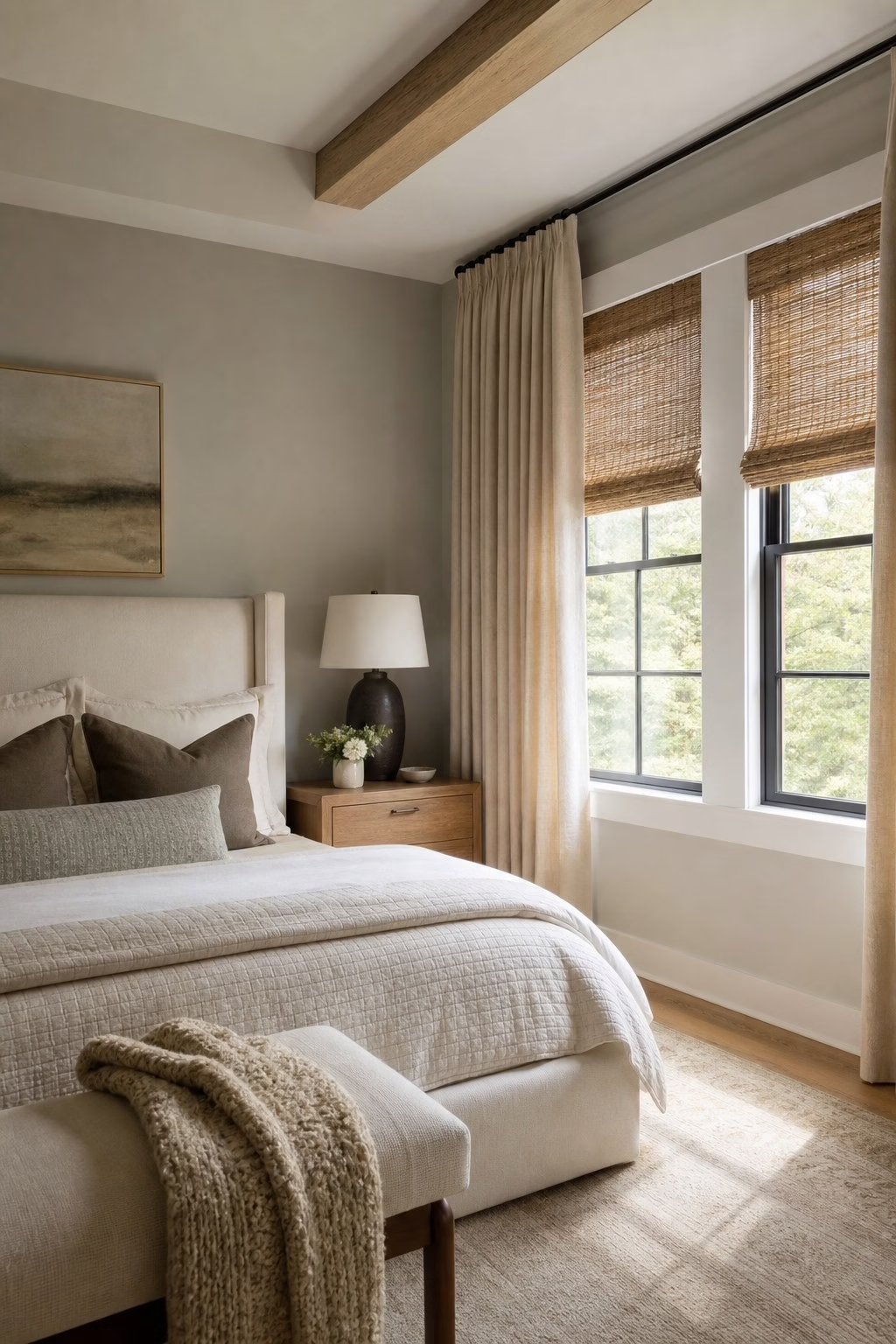
Windows are being dressed with more care again. Layering woven shades with linen curtains, sheers with blackout panels, or Roman shades with simple drapery gives rooms control over light and privacy while making the wall feel finished. The hardware should be quiet, and the fabric should hang generously enough to avoid looking skimpy. This trend is especially helpful in bedrooms and living rooms, where bare windows can make even expensive furniture feel incomplete. Keep colors close to the wall for softness or slightly deeper for structure. Layered window treatments elevate a room because they add movement, texture, and comfort at once.
Dining Nooks Get More Flexible
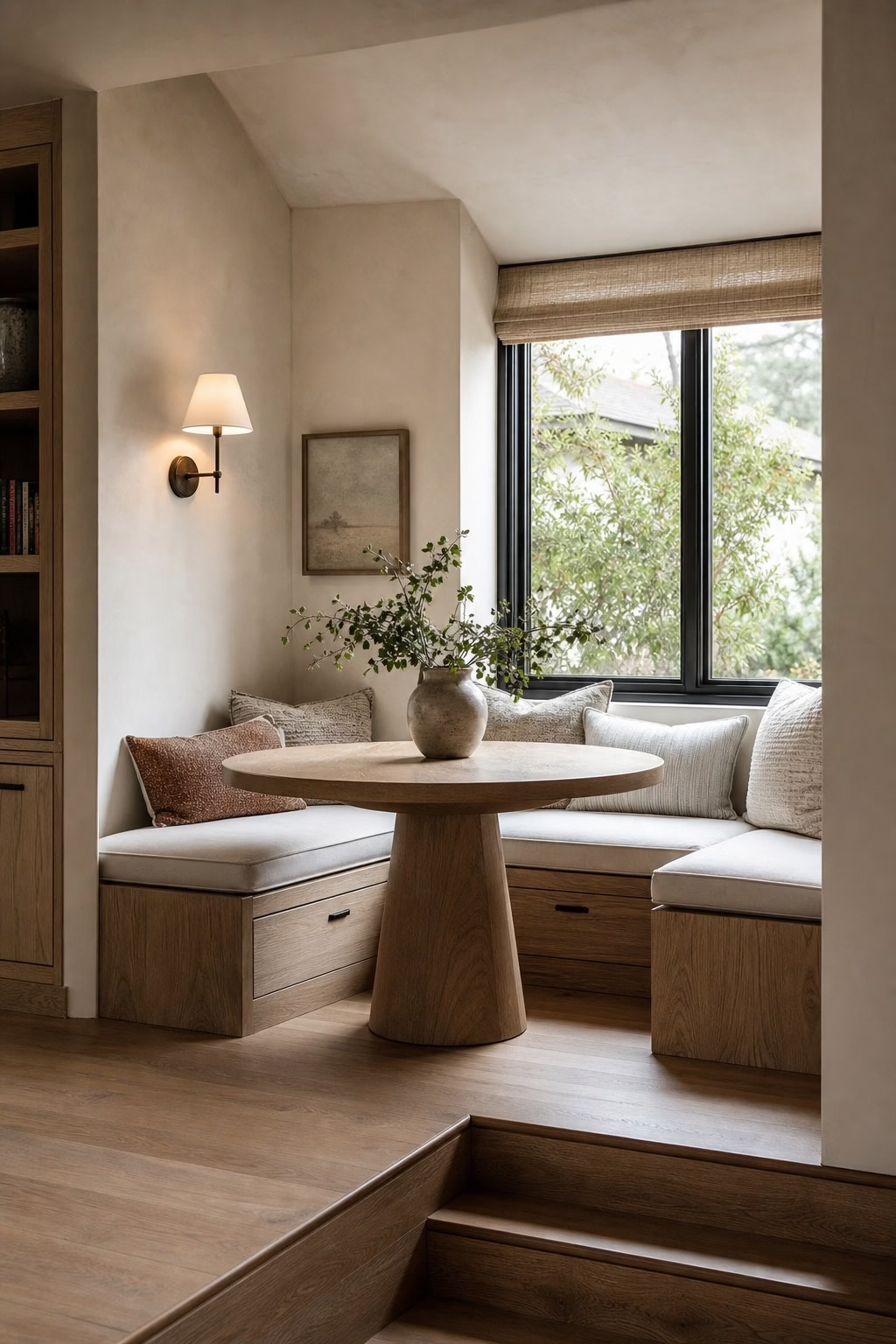
Dining spaces are becoming more flexible as homes ask one area to handle meals, work, homework, and casual gatherings. Built-in banquettes, round tables, durable upholstery, and nearby storage make a nook feel useful throughout the day. The elevated version avoids bulky restaurant styling; it uses tailored cushions, good lighting, and materials that connect to the rest of the home. A sconce or pendant helps the nook feel intentional after dark. Storage drawers beneath a bench can hide linens, games, or school supplies. This trend works because it respects how people actually live while still making a compact dining area feel designed.
Entries Become Bolder First Impressions
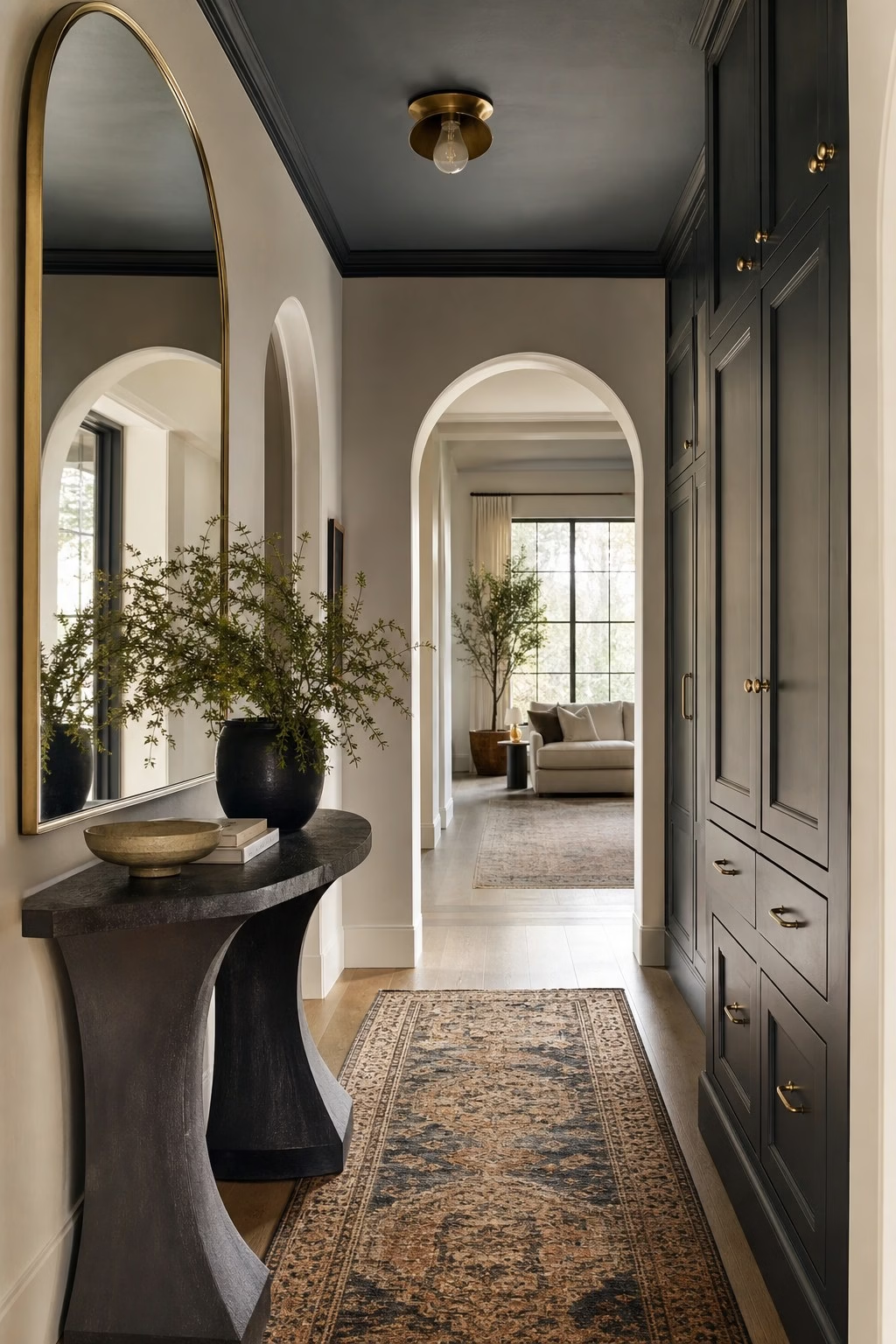
Entries are getting more personality because they set the tone for the entire home. A bold mirror, patterned runner, painted ceiling, textured wall, or sculptural console can make a small space feel memorable without overwhelming the rooms beyond. Function still matters: keys, shoes, bags, and coats need a clear place to go. The best entry trend combines one strong decorative move with practical storage. Keep the palette connected to adjacent rooms so the transition feels natural. When an entry is designed with care, the home feels more elevated before anyone reaches the living room or kitchen beyond the hall itself.
Personal Collections Replace Generic Styling
The most lasting home deco trend is the return of personality. Rooms are moving away from generic shelves and toward edited collections that reveal something real: travel ceramics, inherited books, vintage art, handmade bowls, or objects tied to a hobby. The editing is important. Display the strongest pieces with space around them and store the rest for rotation. Repeat a material or color so the collection feels intentional rather than random. Personal objects elevate a room because they add specificity, which cannot be copied from a catalog. The space becomes more memorable, more human, and easier to love over time.