
Designer-approved Japandi dining room ideas with practical details for a stylish, functional, publication-ready space.
The best Japandi dining room ideas combine atmosphere with practical choices that make the room easier to use. These ideas focus on proportion, materials, storage, lighting, and small finishing moves that give 20 japandi dining rooms that blend elegance and simplicity a more polished, considered result.
- Choose a Low-Profile Wood Table
- Use Chairs With Honest Joinery
- Keep the Palette Soft and Grounded
- Add a Single Ceramic Centerpiece
- Use Paper Lighting for Warmth
- Bring In Slatted Wood Detail
- Choose Linen Over Heavy Drapery
- Let the Table Setting Stay Minimal
- Add a Bench for Quiet Flexibility
- Use Matte Black in Small Doses
- Create Calm With Hidden Storage
- Choose Natural Fiber Rugs
- Use Asymmetry Thoughtfully
- Add Wabi-Sabi Texture
- Keep Art Low and Restrained
- Use Greenery as a Sculptural Gesture
- Balance Pale Oak With Deeper Walnut
- Keep Sightlines Open
- Choose Functional Beauty for Serveware
- Finish With Space Around Every Piece
Choose a Low-Profile Wood Table
In a well-designed Japandi dining room, choose a low-profile wood table should feel intentional, durable, and easy to live with. Use texture, scale, and placement to create interest before adding extra accessories. For a family home, choose surfaces that forgive fingerprints, moisture, movement, and the occasional rushed morning. That balance is what keeps the room stylish without becoming precious.
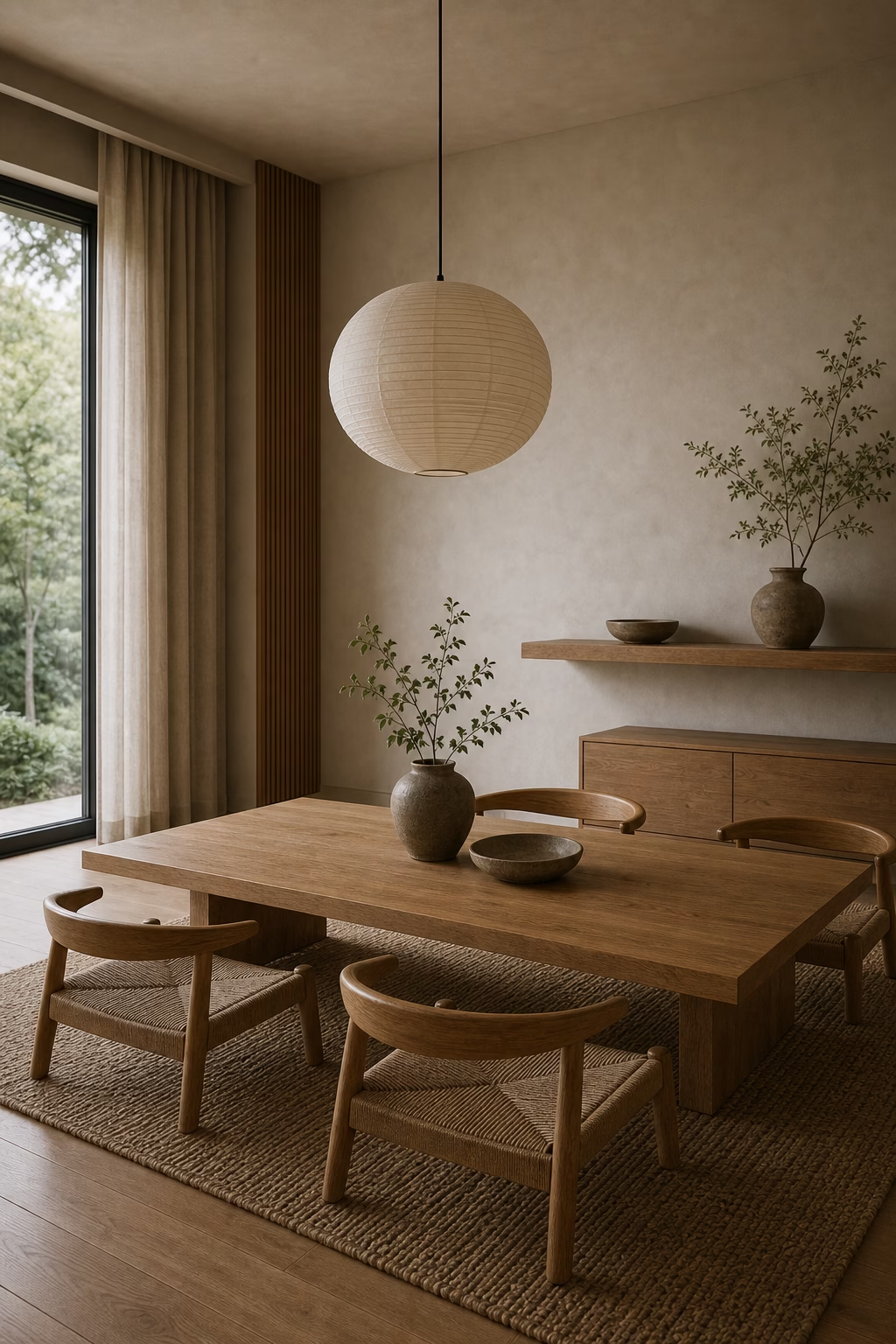
Use Chairs With Honest Joinery
This idea brings polish to a Japandi dining room while still respecting the daily routines that happen there. If the space is compact, prioritize one strong move and let the surrounding finishes stay quieter. The most successful version is easy to clean, easy to reset, and visible enough that the habit becomes natural. The result feels layered, useful, and quietly custom.
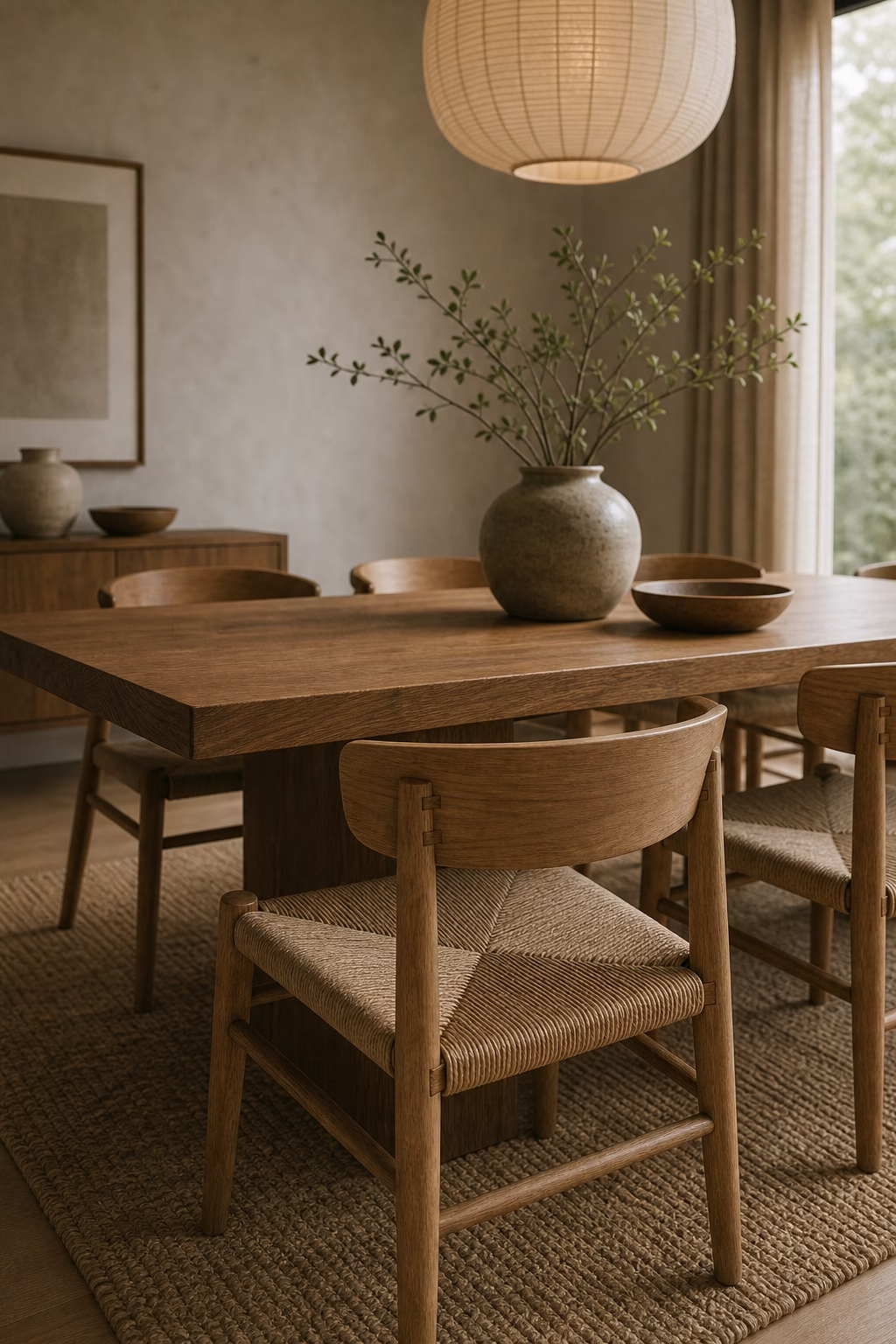
Keep the Palette Soft and Grounded
A refined Japandi dining room depends on details like this: practical enough to use every day, but considered enough to elevate the whole room. Start by deciding what the zone needs to hold, then choose proportions that leave breathing room around the pieces. Avoid crowding the feature; negative space is what makes the detail feel expensive. It is a small design decision, but it changes how gracefully the room functions.
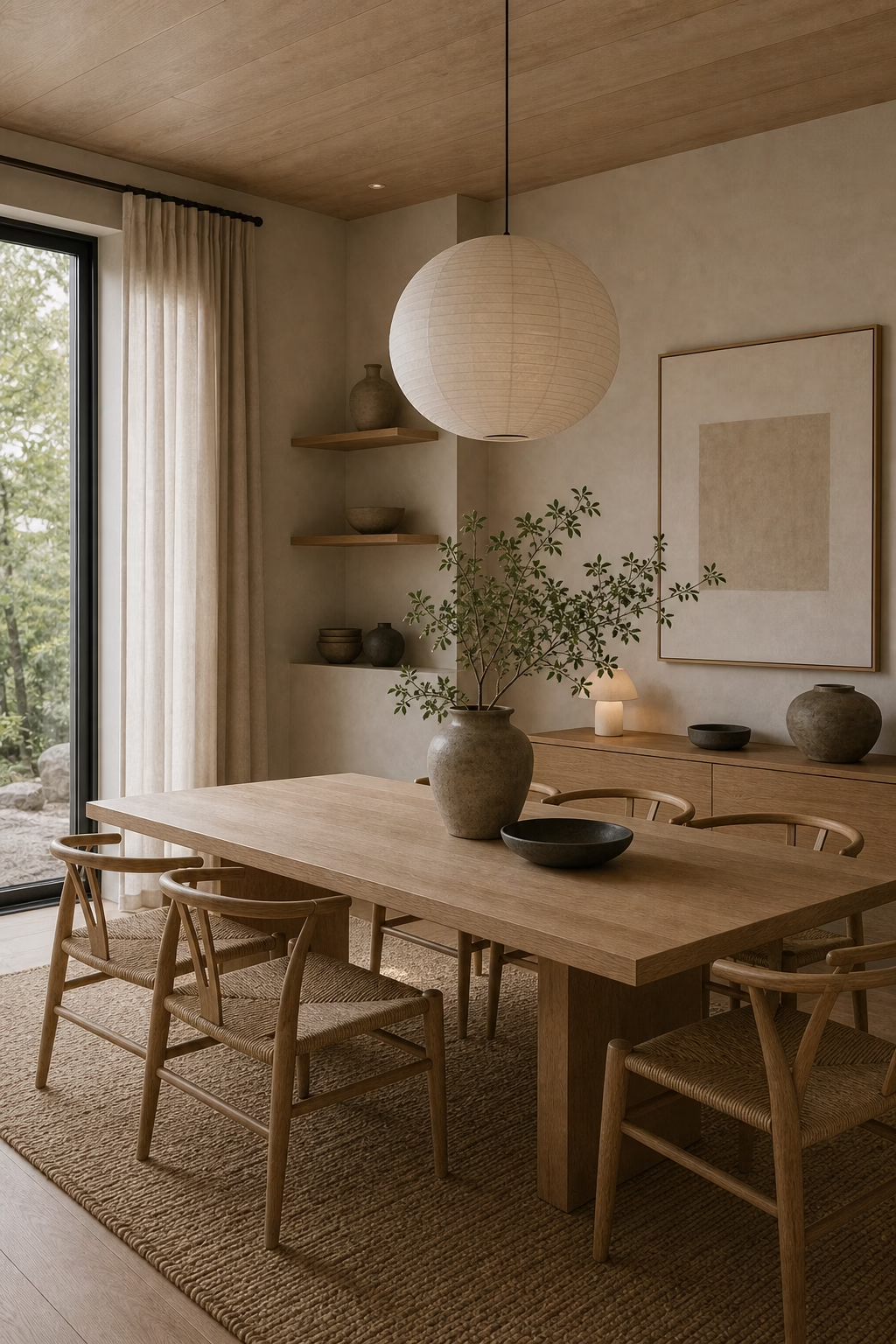
Add a Single Ceramic Centerpiece
Add a Single Ceramic Centerpiece works because it gives the Japandi dining room a clear design job instead of adding decoration for its own sake. Keep the main materials consistent so the room feels edited rather than busy, especially when color or pattern is involved. Repeat one finish nearby, such as wood, metal, linen, stone, or ceramic, so the idea connects to the rest of the room. Handled with restraint, it gives the space a magazine-quality finish without sacrificing comfort.
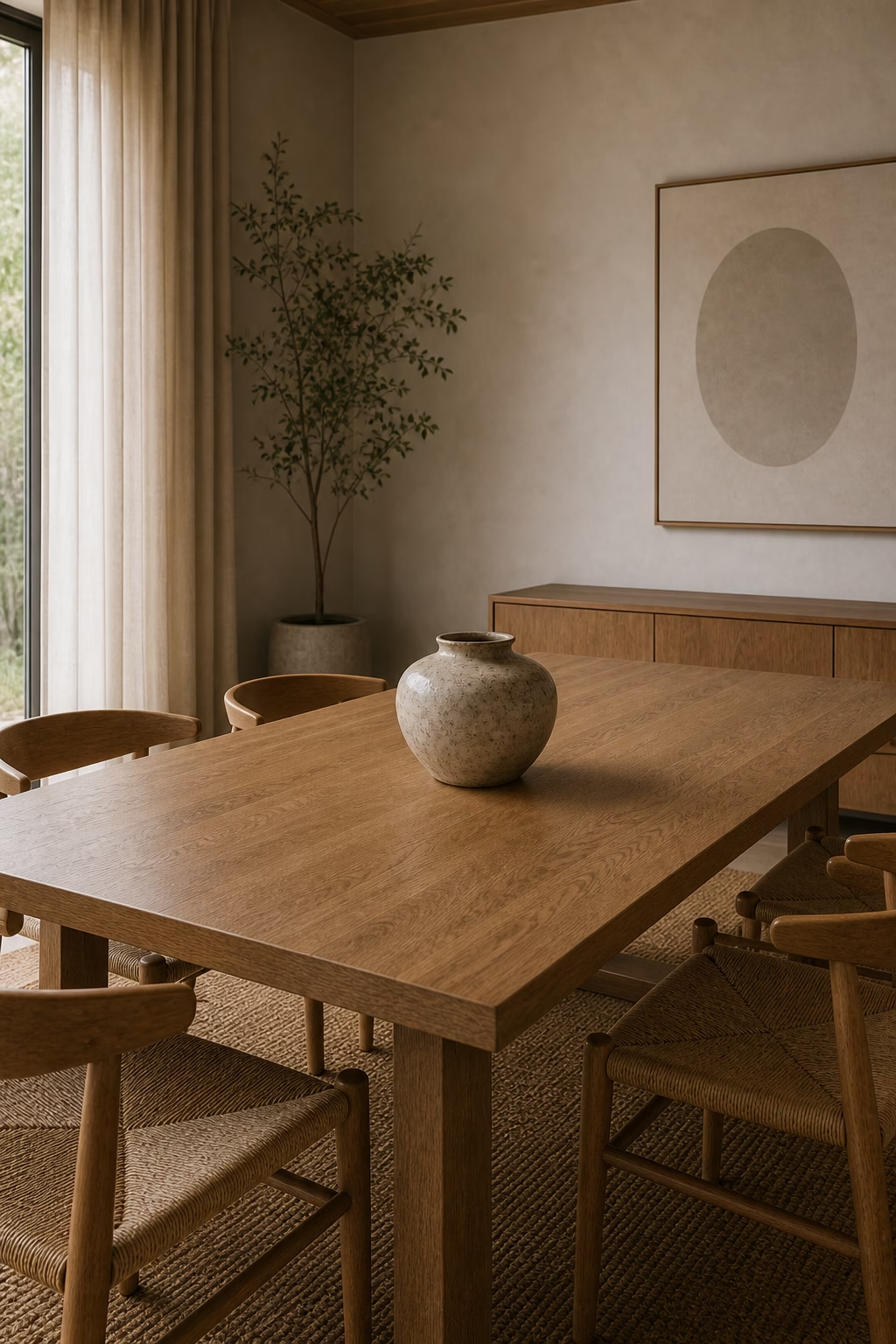
Use Paper Lighting for Warmth
In a well-designed Japandi dining room, use paper lighting for warmth should feel intentional, durable, and easy to live with. Use texture, scale, and placement to create interest before adding extra accessories. For a family home, choose surfaces that forgive fingerprints, moisture, movement, and the occasional rushed morning. That balance is what keeps the room stylish without becoming precious.
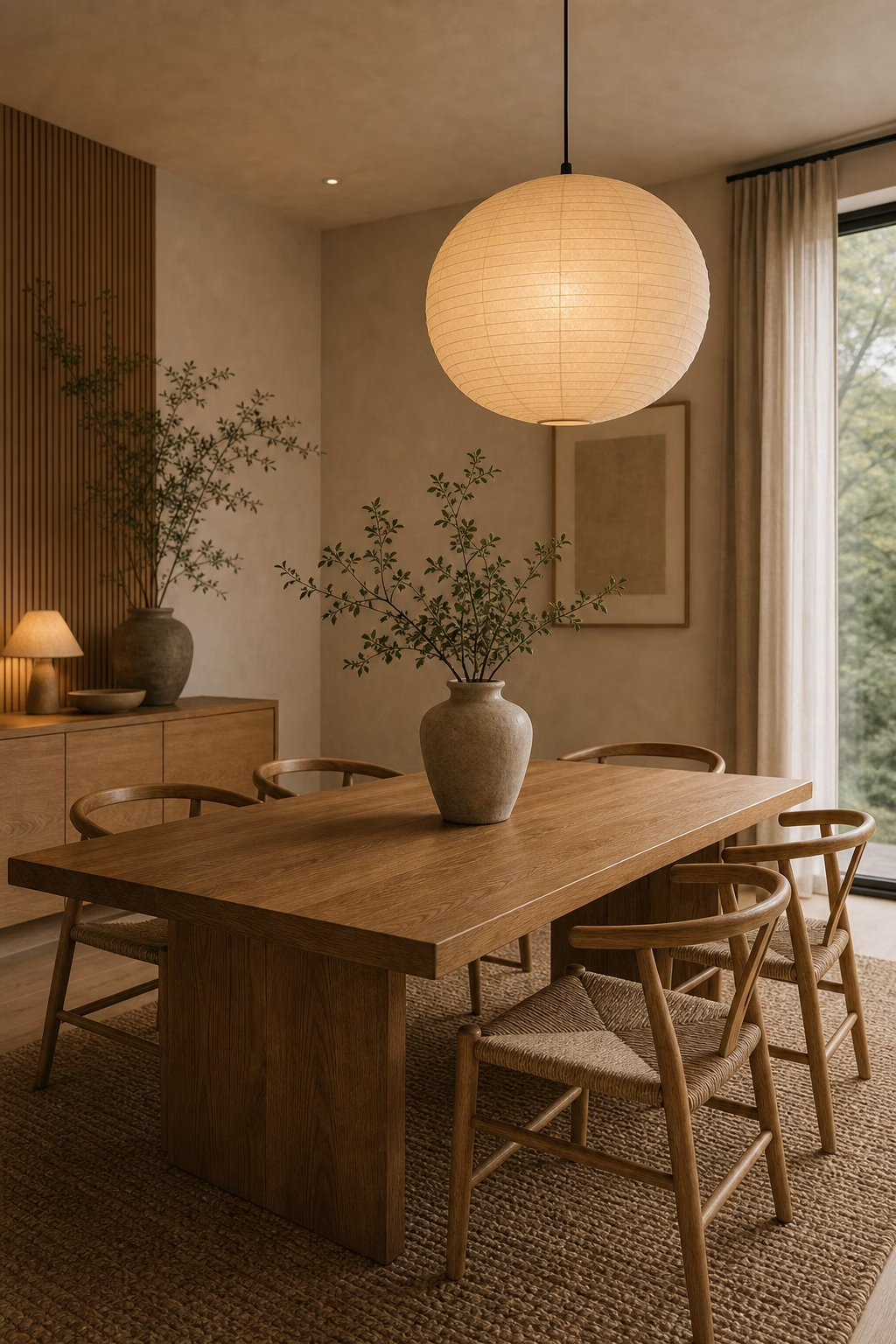
Bring In Slatted Wood Detail
This idea brings polish to a Japandi dining room while still respecting the daily routines that happen there. If the space is compact, prioritize one strong move and let the surrounding finishes stay quieter. The most successful version is easy to clean, easy to reset, and visible enough that the habit becomes natural. The result feels layered, useful, and quietly custom.
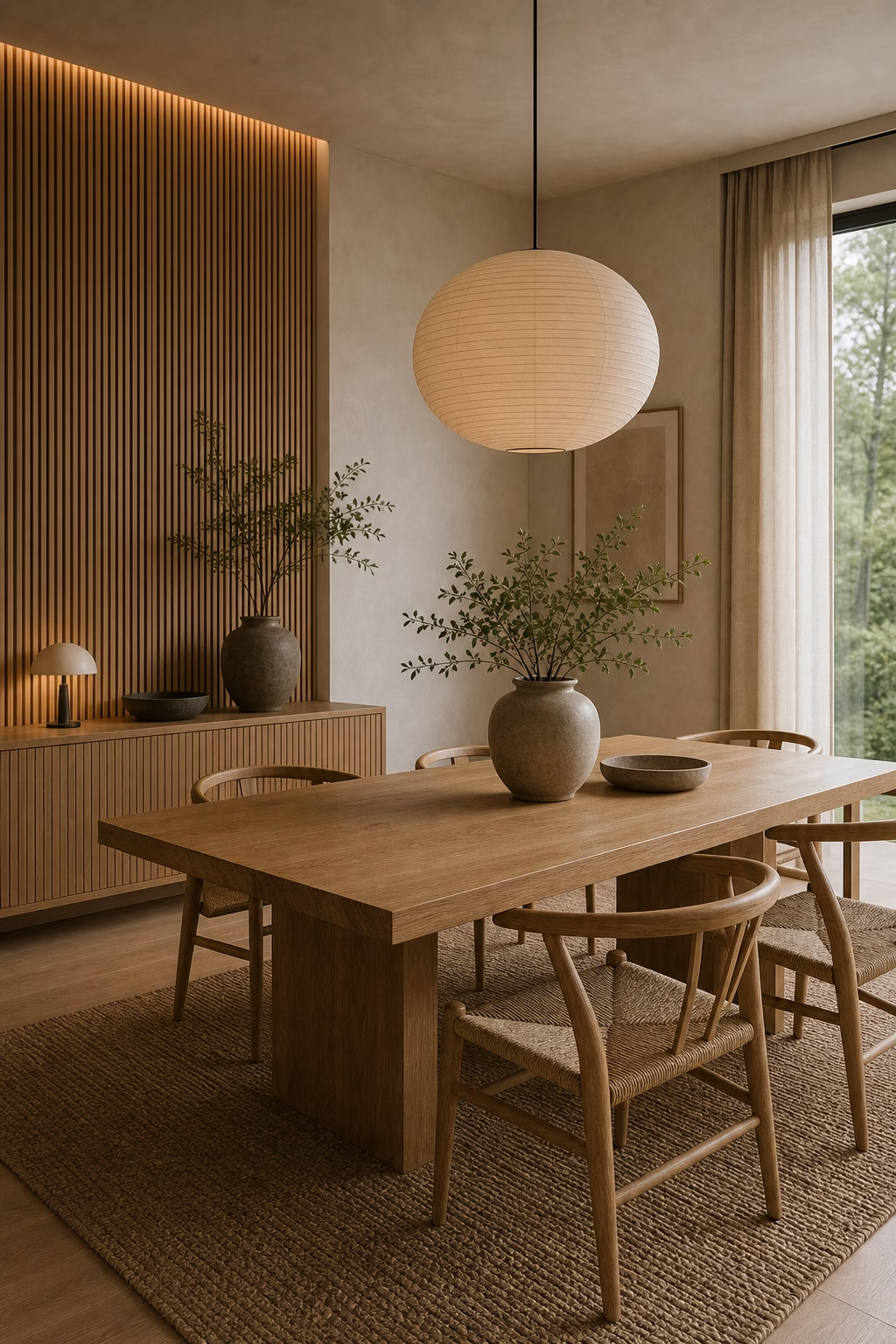
Choose Linen Over Heavy Drapery
A refined Japandi dining room depends on details like this: practical enough to use every day, but considered enough to elevate the whole room. Start by deciding what the zone needs to hold, then choose proportions that leave breathing room around the pieces. Avoid crowding the feature; negative space is what makes the detail feel expensive. It is a small design decision, but it changes how gracefully the room functions.
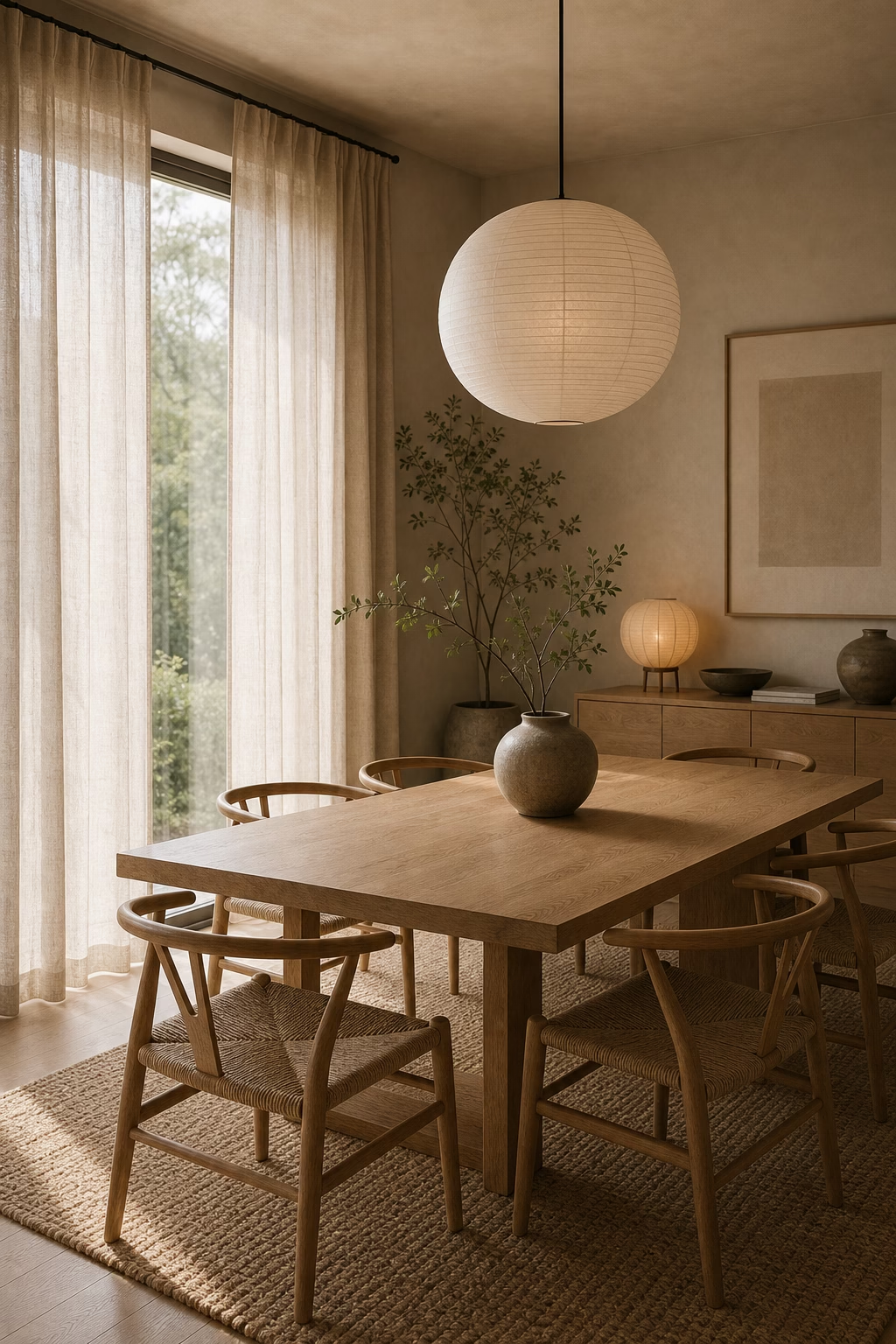
Let the Table Setting Stay Minimal
Let the Table Setting Stay Minimal works because it gives the Japandi dining room a clear design job instead of adding decoration for its own sake. Keep the main materials consistent so the room feels edited rather than busy, especially when color or pattern is involved. Repeat one finish nearby, such as wood, metal, linen, stone, or ceramic, so the idea connects to the rest of the room. Handled with restraint, it gives the space a magazine-quality finish without sacrificing comfort.
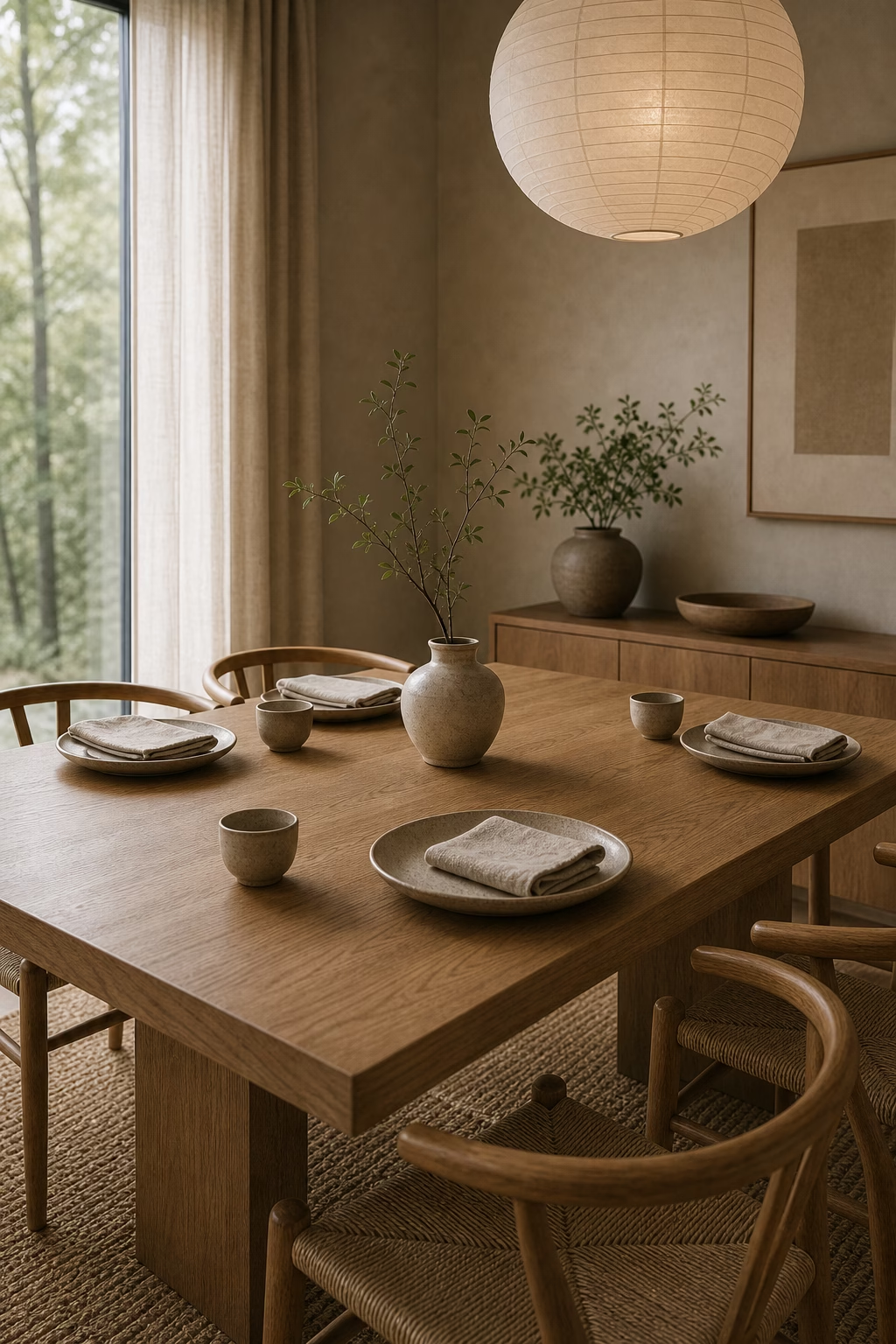
Add a Bench for Quiet Flexibility
In a well-designed Japandi dining room, add a bench for quiet flexibility should feel intentional, durable, and easy to live with. Use texture, scale, and placement to create interest before adding extra accessories. For a family home, choose surfaces that forgive fingerprints, moisture, movement, and the occasional rushed morning. That balance is what keeps the room stylish without becoming precious.
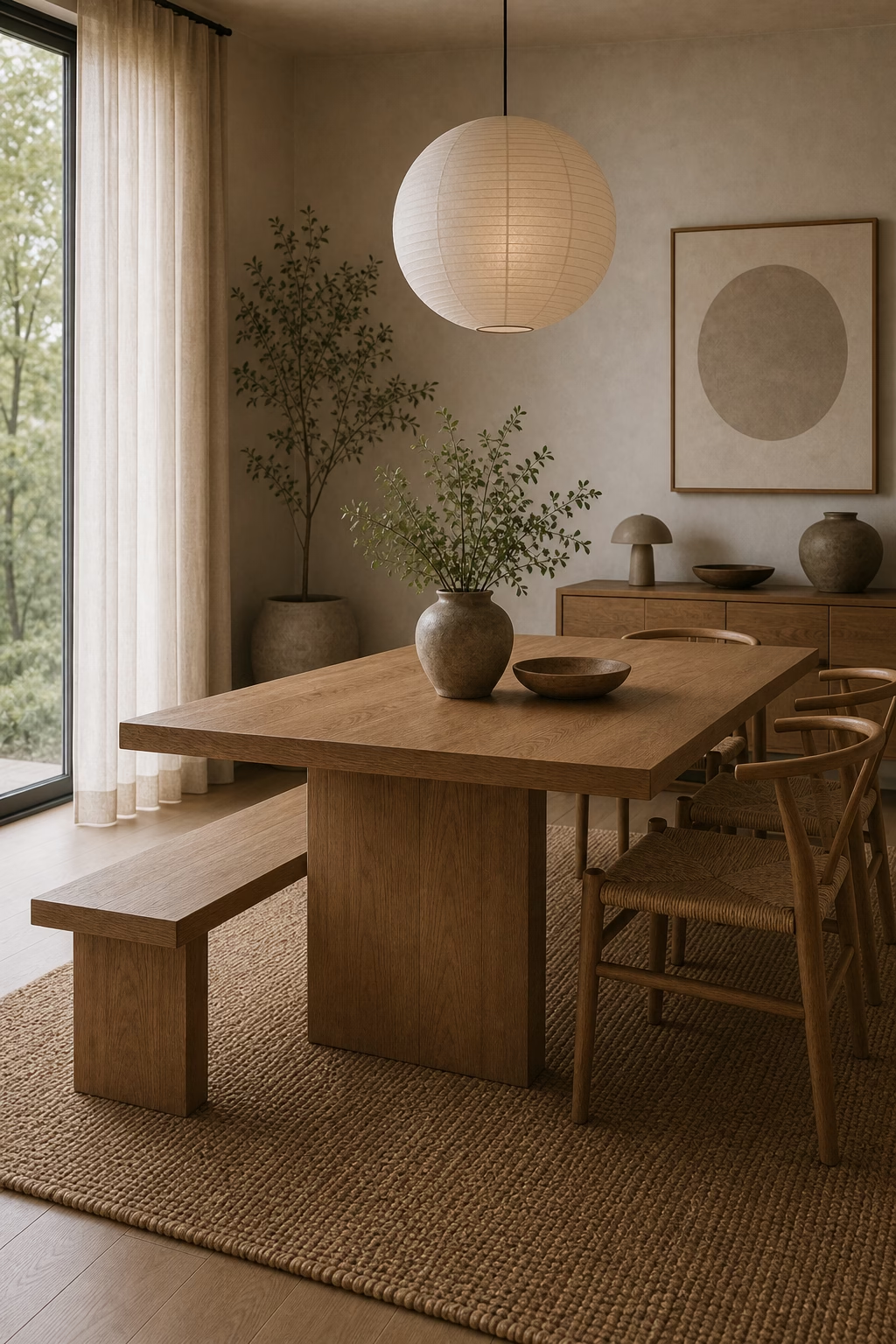
Use Matte Black in Small Doses
This idea brings polish to a Japandi dining room while still respecting the daily routines that happen there. If the space is compact, prioritize one strong move and let the surrounding finishes stay quieter. The most successful version is easy to clean, easy to reset, and visible enough that the habit becomes natural. The result feels layered, useful, and quietly custom.
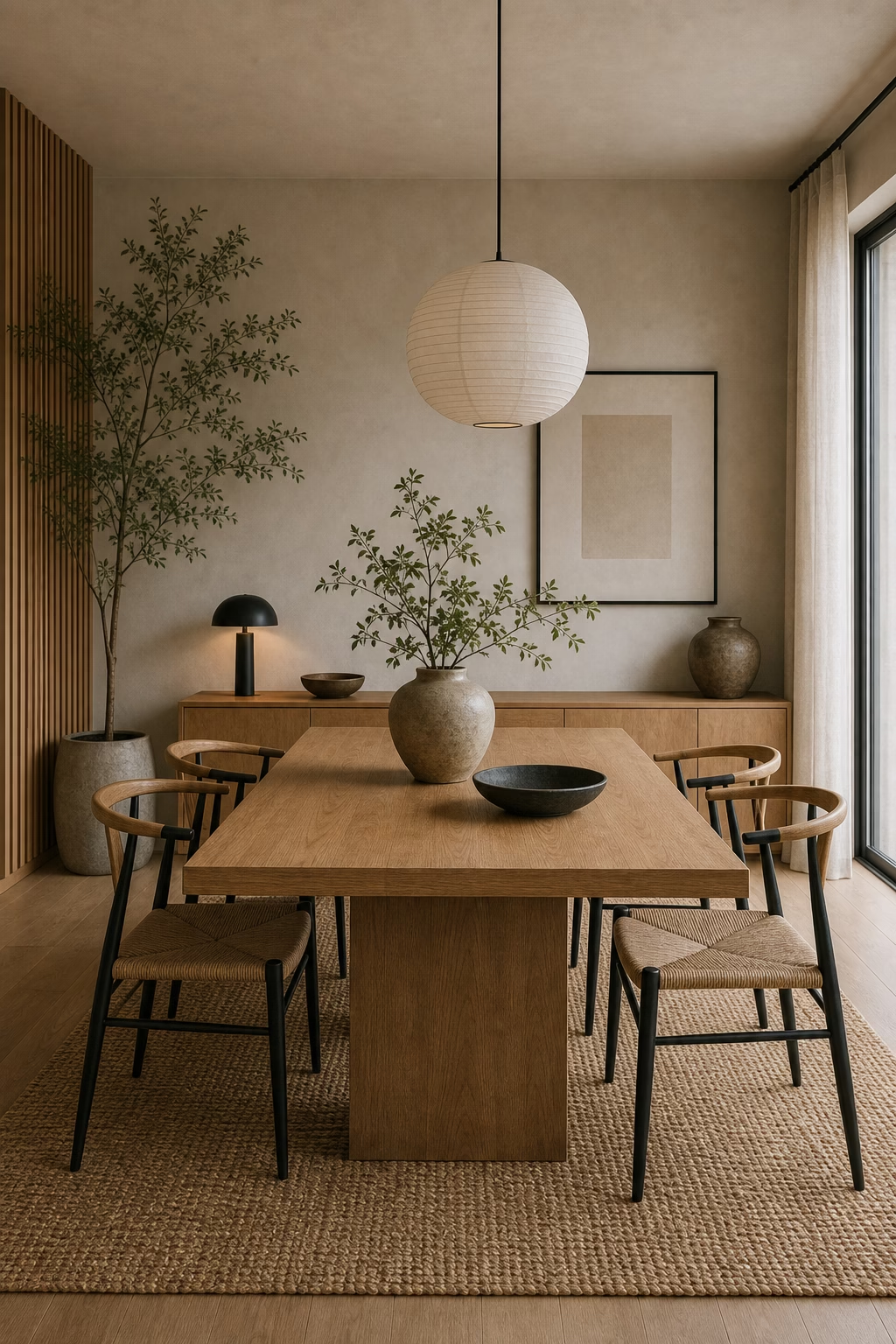
Create Calm With Hidden Storage
A refined Japandi dining room depends on details like this: practical enough to use every day, but considered enough to elevate the whole room. Start by deciding what the zone needs to hold, then choose proportions that leave breathing room around the pieces. Avoid crowding the feature; negative space is what makes the detail feel expensive. It is a small design decision, but it changes how gracefully the room functions.
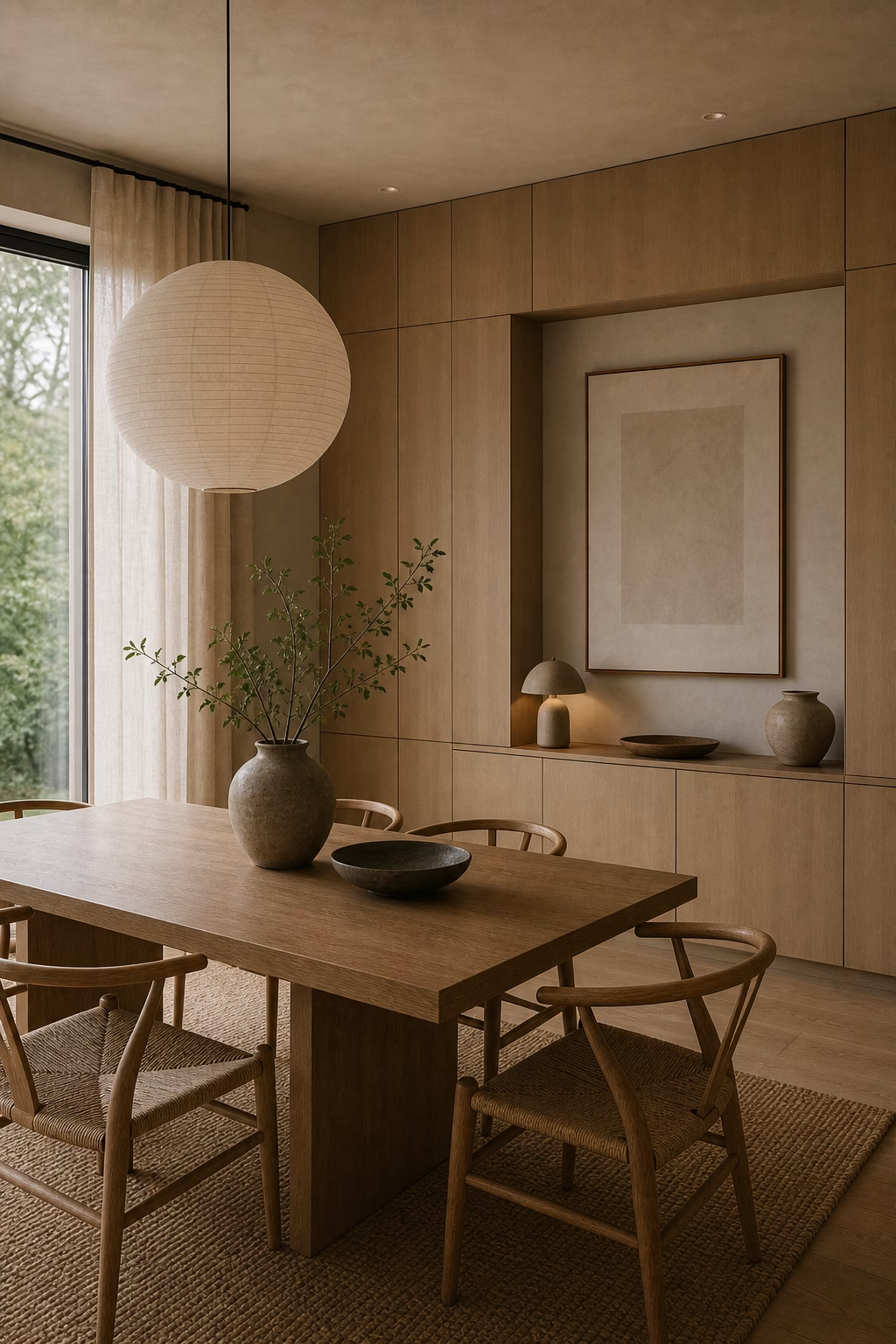
Choose Natural Fiber Rugs
Choose Natural Fiber Rugs works because it gives the Japandi dining room a clear design job instead of adding decoration for its own sake. Keep the main materials consistent so the room feels edited rather than busy, especially when color or pattern is involved. Repeat one finish nearby, such as wood, metal, linen, stone, or ceramic, so the idea connects to the rest of the room. Handled with restraint, it gives the space a magazine-quality finish without sacrificing comfort.
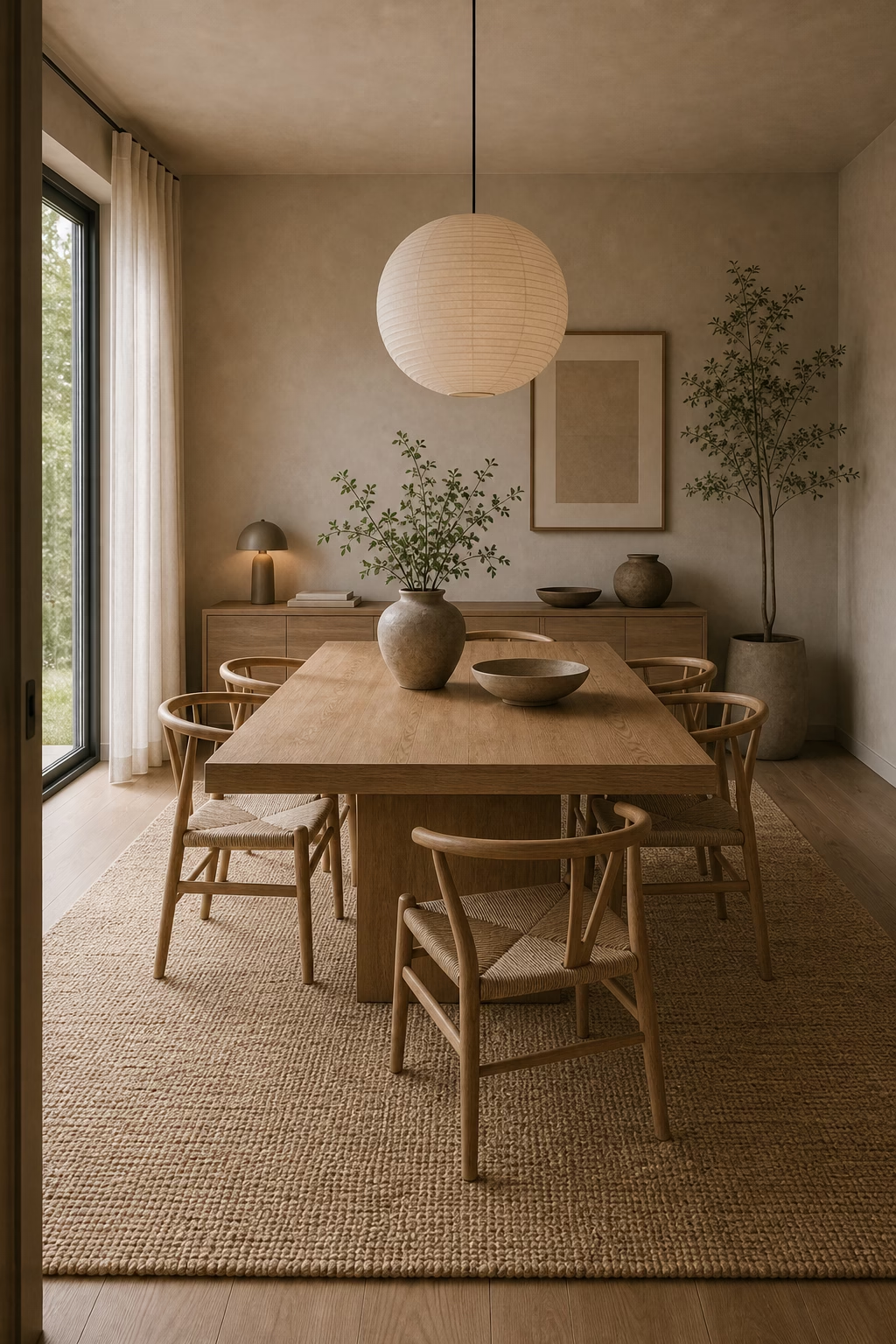
Use Asymmetry Thoughtfully
In a well-designed Japandi dining room, use asymmetry thoughtfully should feel intentional, durable, and easy to live with. Use texture, scale, and placement to create interest before adding extra accessories. For a family home, choose surfaces that forgive fingerprints, moisture, movement, and the occasional rushed morning. That balance is what keeps the room stylish without becoming precious.
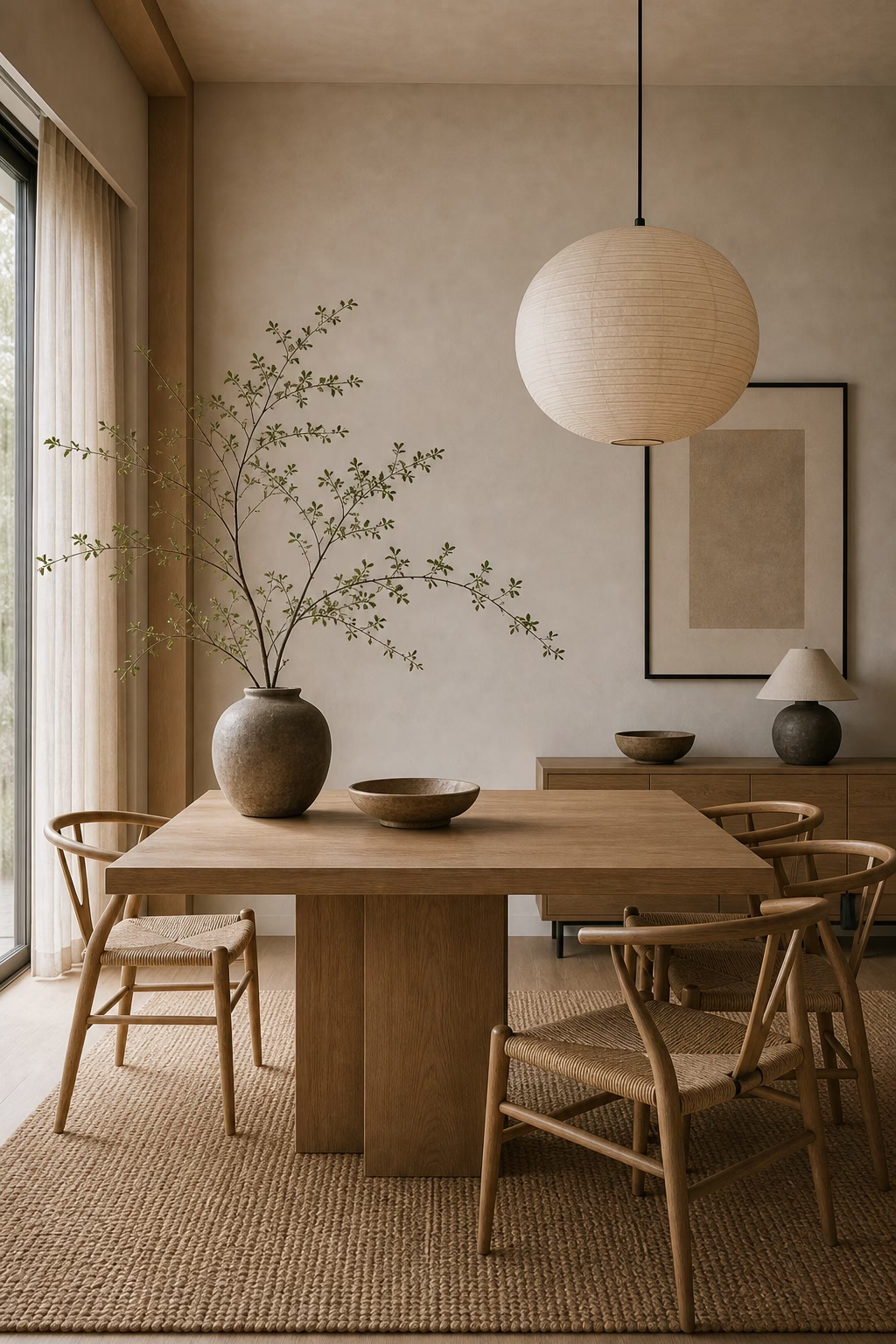
Add Wabi-Sabi Texture
This idea brings polish to a Japandi dining room while still respecting the daily routines that happen there. If the space is compact, prioritize one strong move and let the surrounding finishes stay quieter. The most successful version is easy to clean, easy to reset, and visible enough that the habit becomes natural. The result feels layered, useful, and quietly custom.
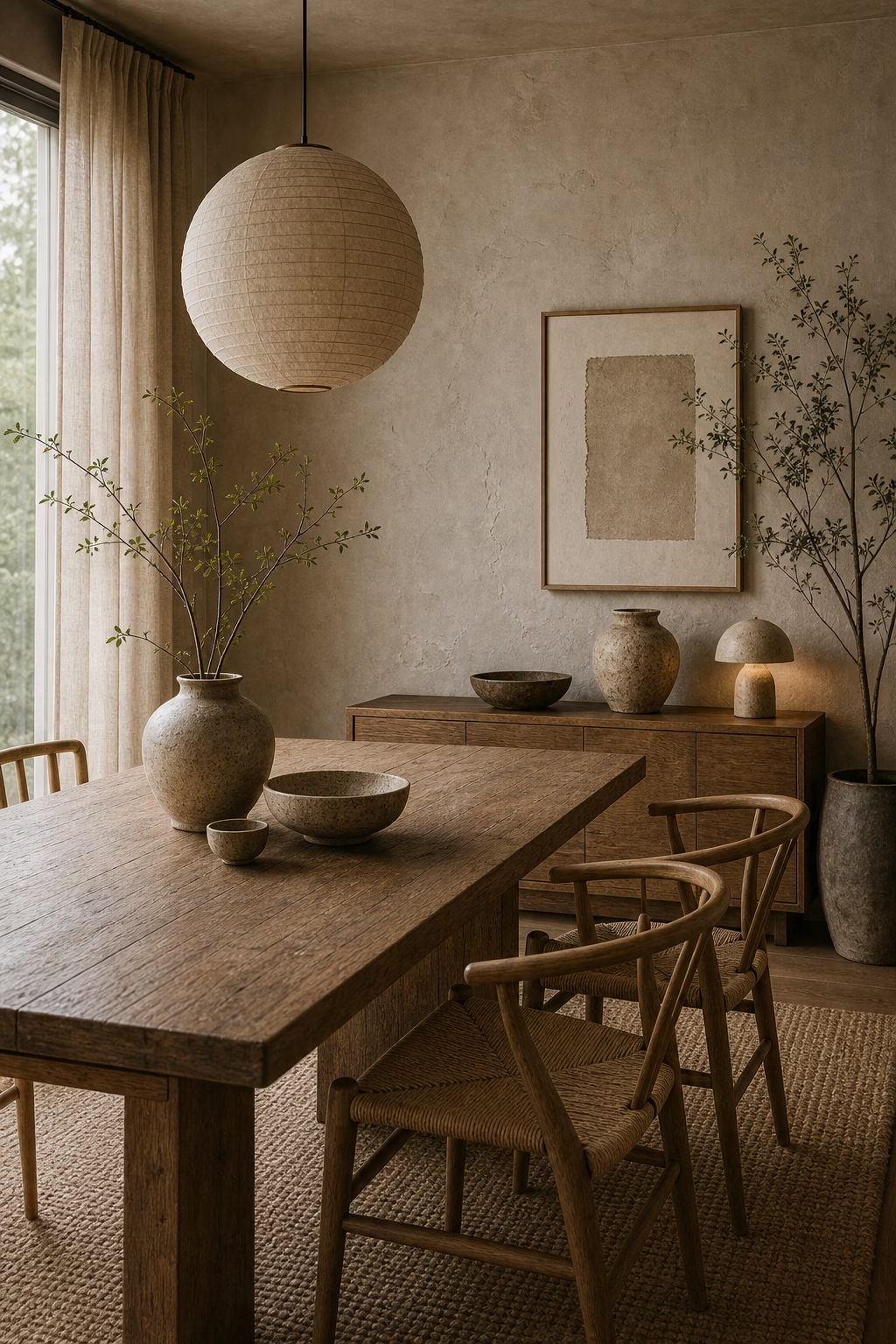
Keep Art Low and Restrained
A refined Japandi dining room depends on details like this: practical enough to use every day, but considered enough to elevate the whole room. Start by deciding what the zone needs to hold, then choose proportions that leave breathing room around the pieces. Avoid crowding the feature; negative space is what makes the detail feel expensive. It is a small design decision, but it changes how gracefully the room functions.
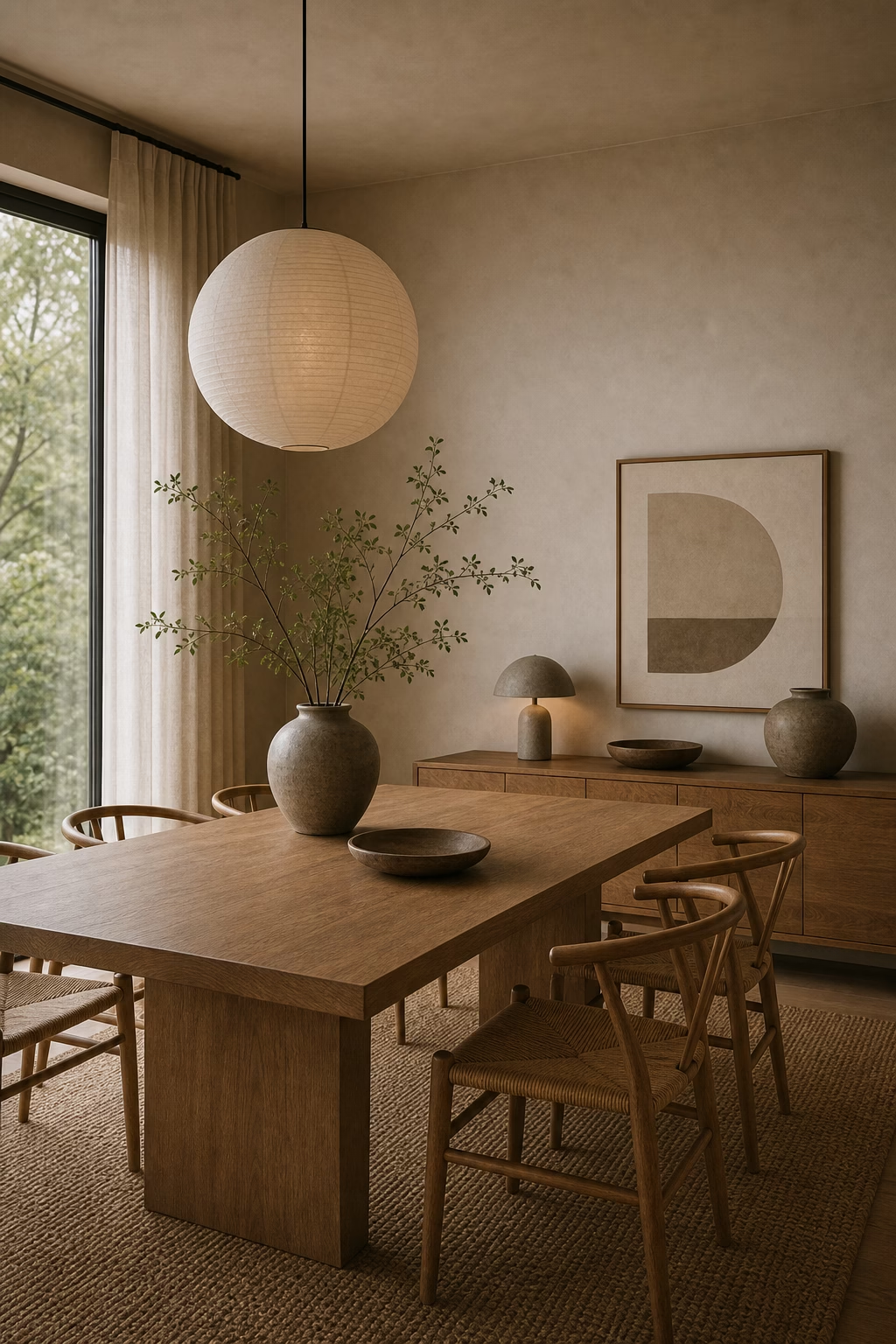
Use Greenery as a Sculptural Gesture
Use Greenery as a Sculptural Gesture works because it gives the Japandi dining room a clear design job instead of adding decoration for its own sake. Keep the main materials consistent so the room feels edited rather than busy, especially when color or pattern is involved. Repeat one finish nearby, such as wood, metal, linen, stone, or ceramic, so the idea connects to the rest of the room. Handled with restraint, it gives the space a magazine-quality finish without sacrificing comfort.
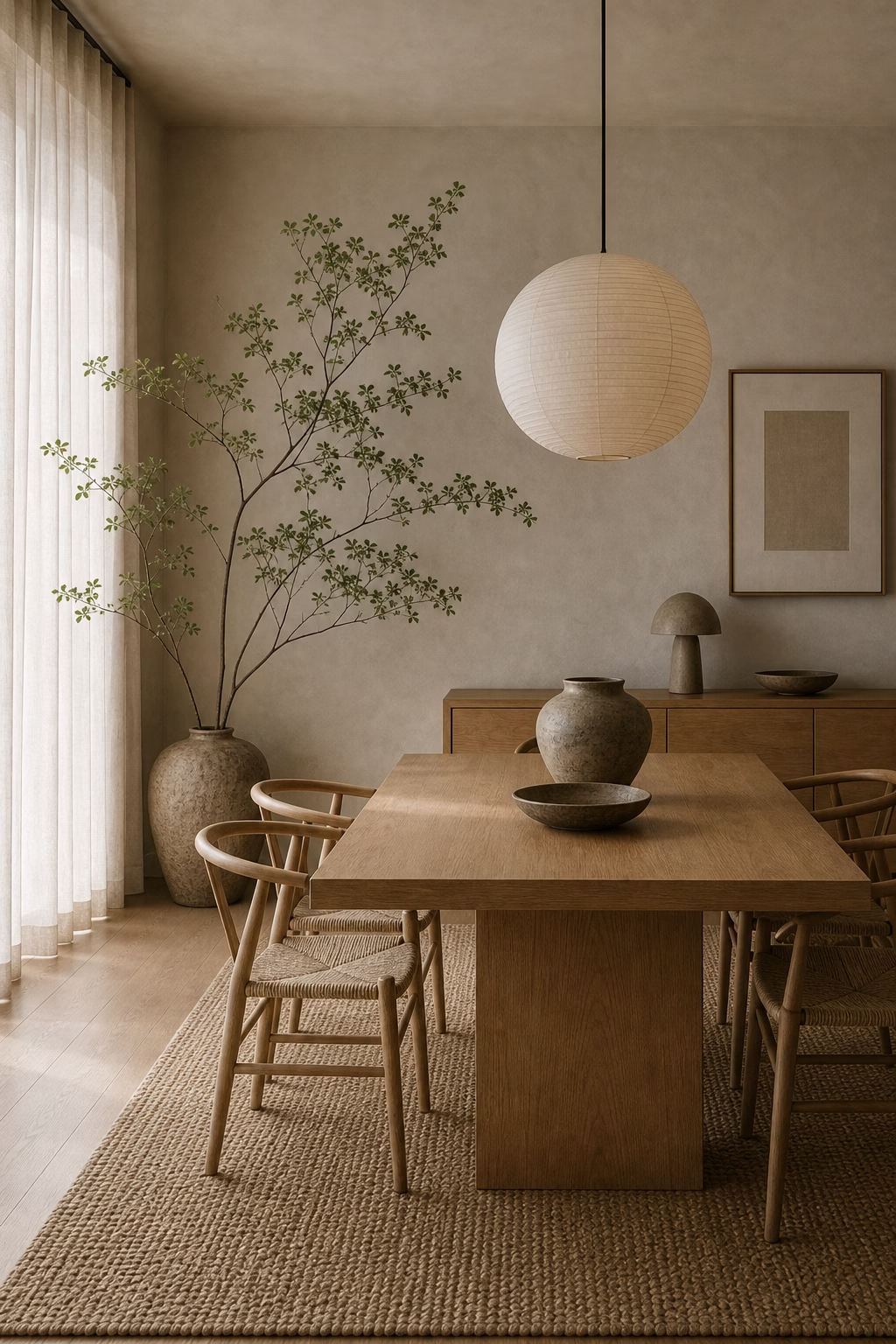
Balance Pale Oak With Deeper Walnut
In a well-designed Japandi dining room, balance pale oak with deeper walnut should feel intentional, durable, and easy to live with. Use texture, scale, and placement to create interest before adding extra accessories. For a family home, choose surfaces that forgive fingerprints, moisture, movement, and the occasional rushed morning. That balance is what keeps the room stylish without becoming precious.
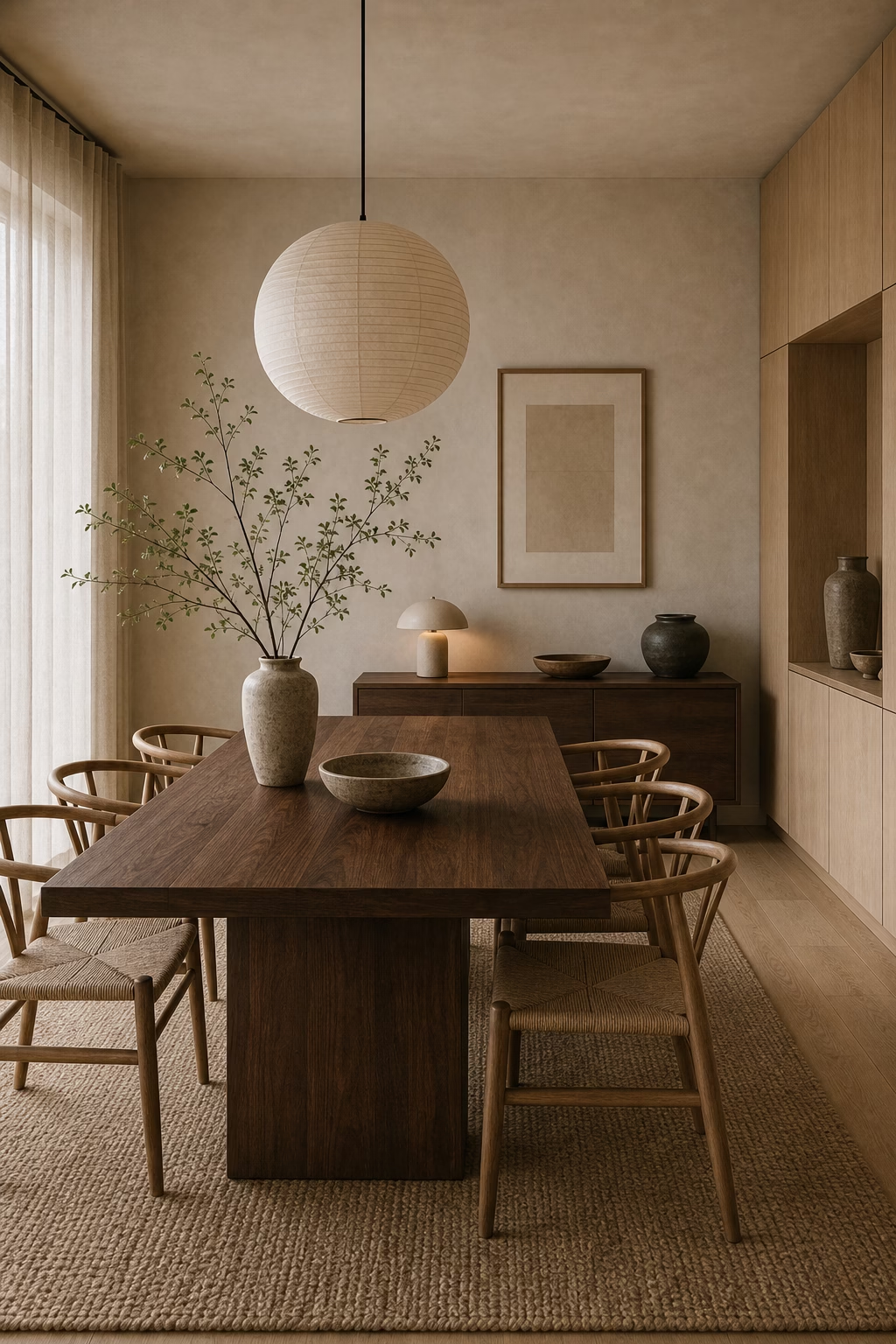
Keep Sightlines Open
This idea brings polish to a Japandi dining room while still respecting the daily routines that happen there. If the space is compact, prioritize one strong move and let the surrounding finishes stay quieter. The most successful version is easy to clean, easy to reset, and visible enough that the habit becomes natural. The result feels layered, useful, and quietly custom.
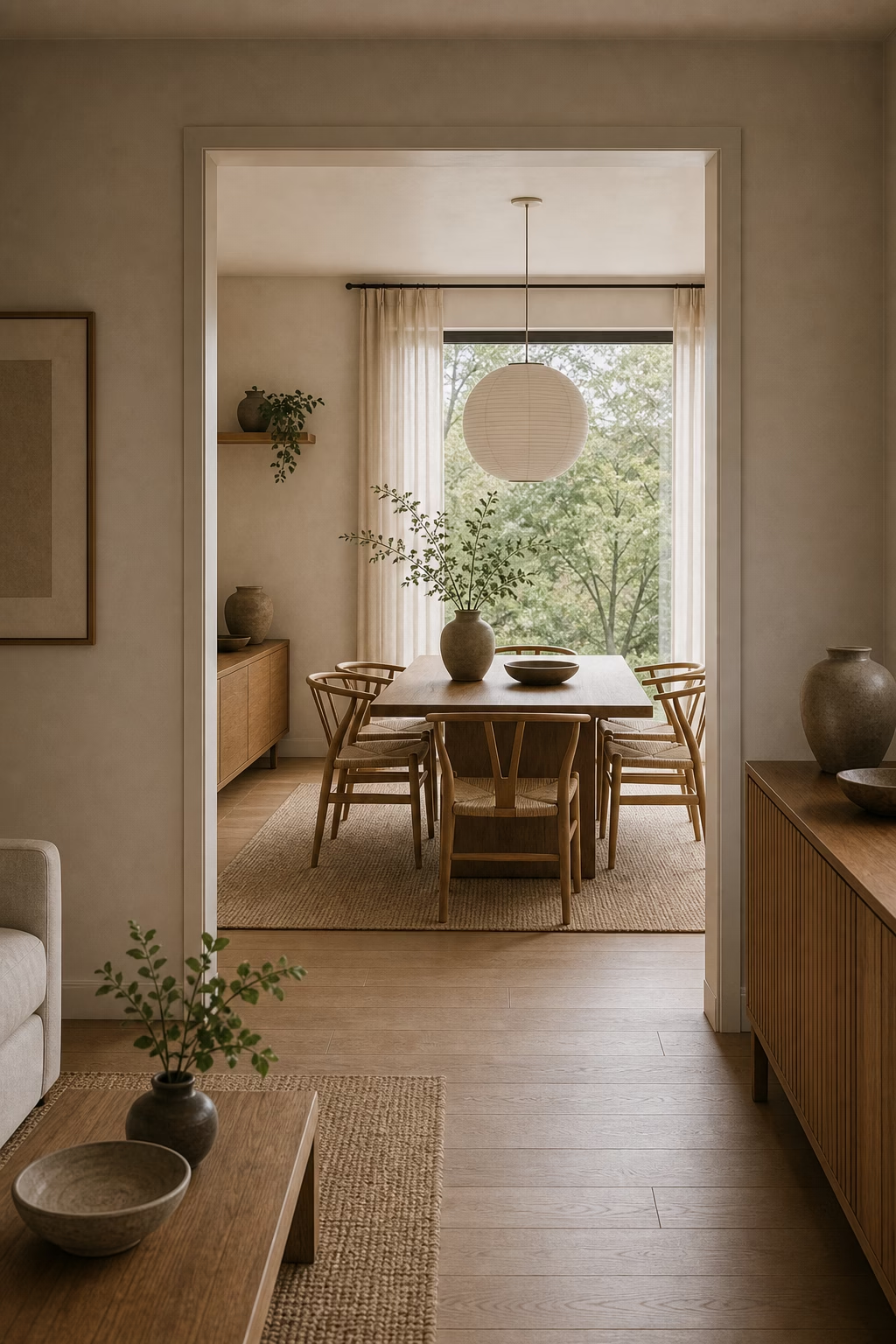
Choose Functional Beauty for Serveware
A refined Japandi dining room depends on details like this: practical enough to use every day, but considered enough to elevate the whole room. Start by deciding what the zone needs to hold, then choose proportions that leave breathing room around the pieces. Avoid crowding the feature; negative space is what makes the detail feel expensive. It is a small design decision, but it changes how gracefully the room functions.
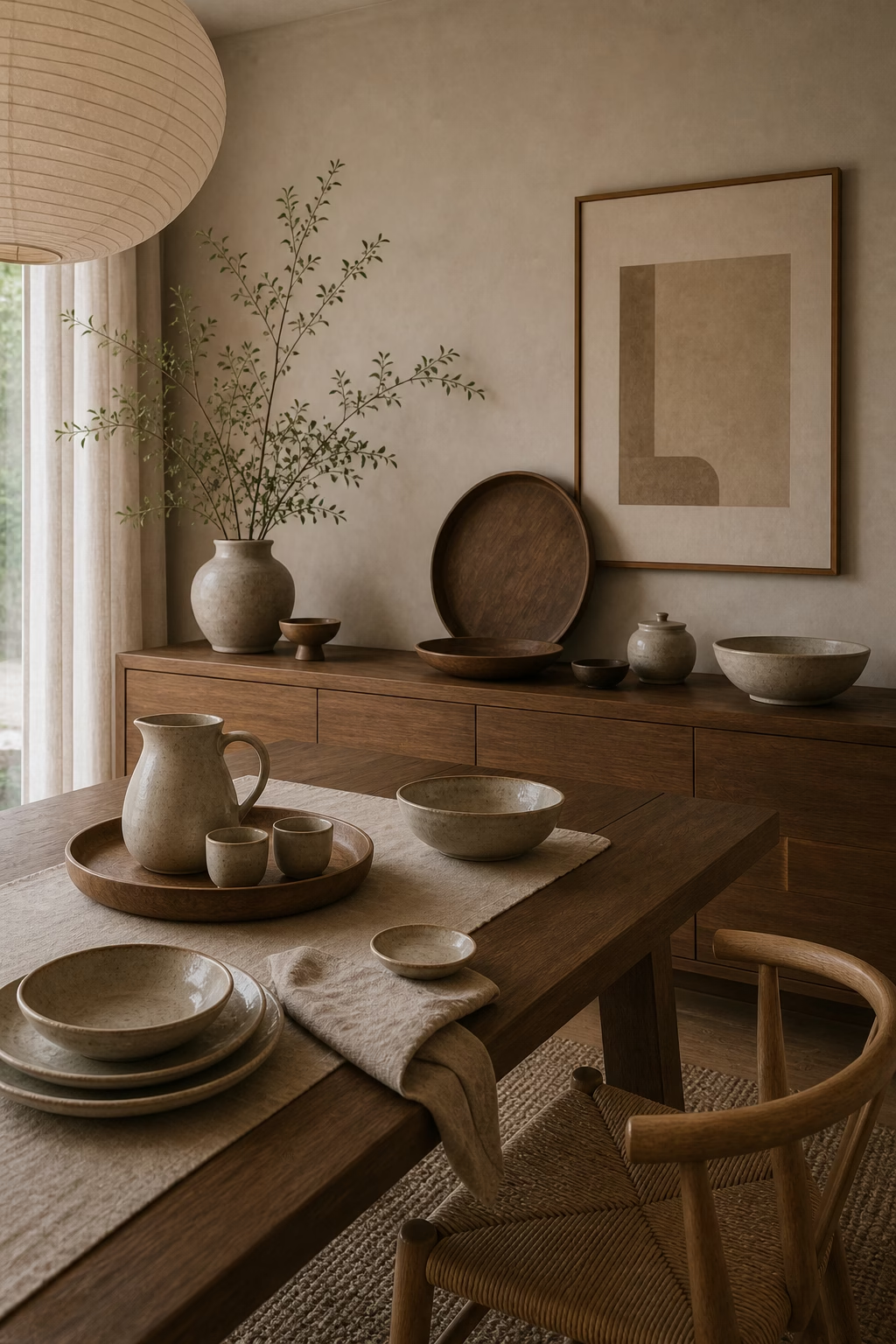
Finish With Space Around Every Piece
Finish With Space Around Every Piece works because it gives the Japandi dining room a clear design job instead of adding decoration for its own sake. Keep the main materials consistent so the room feels edited rather than busy, especially when color or pattern is involved. Repeat one finish nearby, such as wood, metal, linen, stone, or ceramic, so the idea connects to the rest of the room. Handled with restraint, it gives the space a magazine-quality finish without sacrificing comfort.
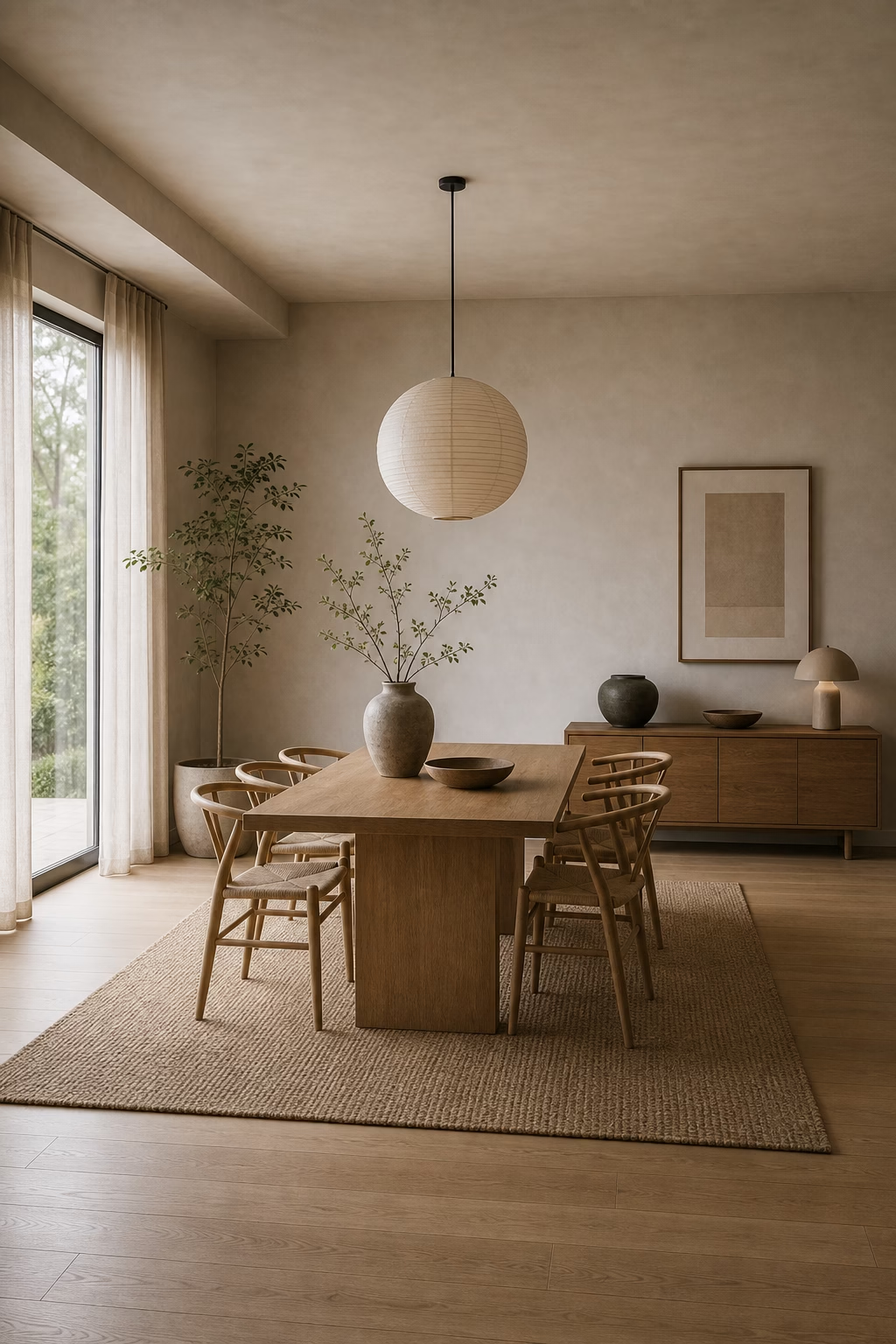
Use these ideas as a starting point, then edit them to suit the room's scale, light, and daily routines. A beautiful space feels strongest when every decorative move also makes life a little easier.