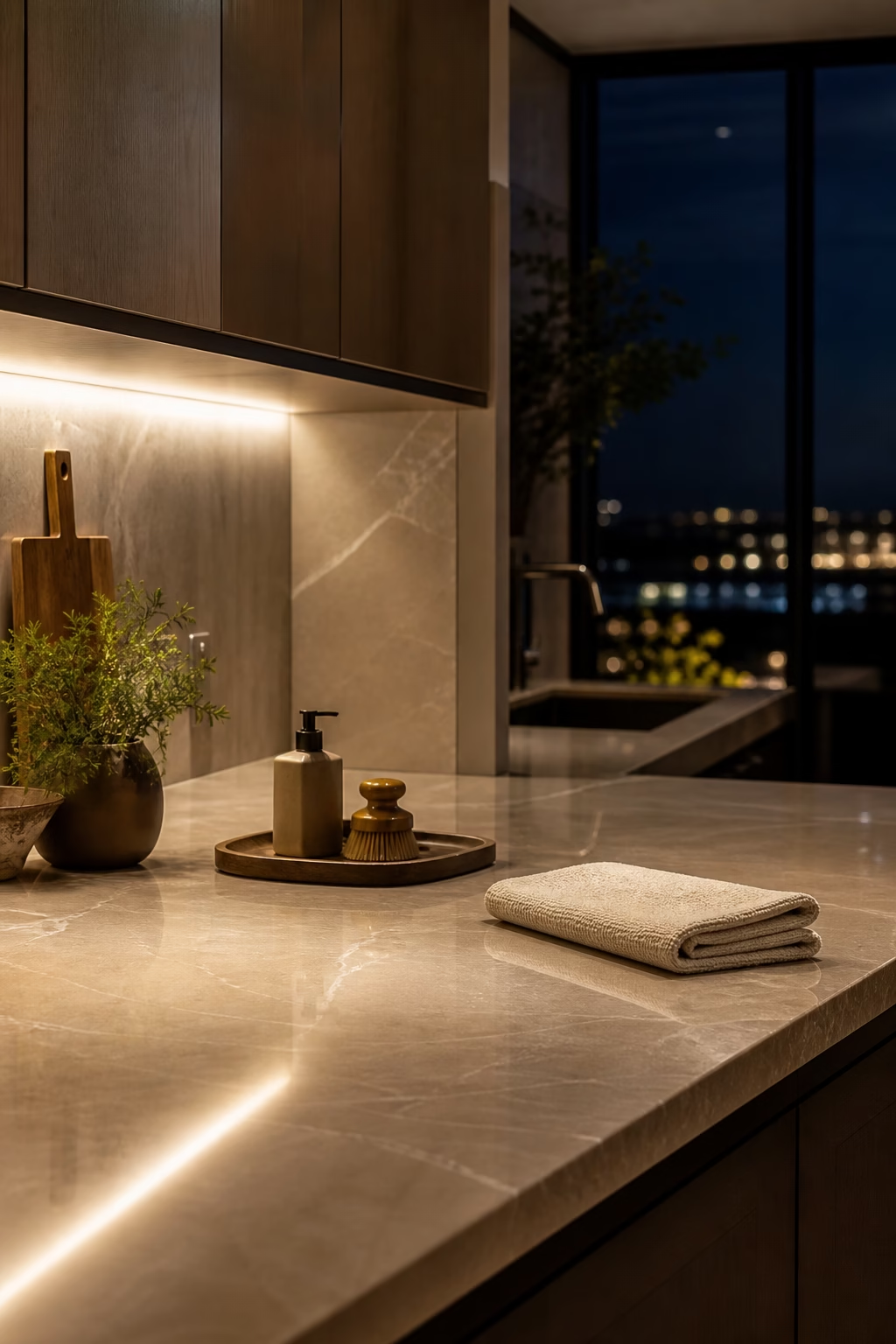
A sleek kitchen counter is not empty for the sake of emptiness; it is edited so the useful pieces look intentional, beautiful, and easy to live with.
- Edit the Counter Before Styling It
- Group Daily Items on a Tray
- Choose Appliances in One Finish
- Lean Cutting Boards With Restraint
- Use One Sculptural Vessel
- Keep the Sink Zone Practical
- Let Stone Surfaces Stay Visible
- Create a Coffee Station That Breathes
- Use Clear Canisters Sparingly
- Add Greenery Where It Can Thrive
- Use Cookbooks as a Low Layer
- Hide Cords Before Adding Decor
- Try a Small Counter Lamp
- Keep Oils Near the Cooktop
- Use Bowls for Real Produce
- Choose Utensil Crocks With Weight
- Leave the Island Center Mostly Clear
- Repeat Materials From the Cabinets
- Create One Baking Corner
- End Each Night With a Reset
Edit the Counter Before Styling It
The sleekest kitchen counters begin with a hard edit. Remove every appliance, jar, charger, paper pile, and decorative object, then bring back only what genuinely supports daily use or improves the room. This reset reveals where the counter is naturally beautiful and where clutter is hiding a weak storage system. Keep the busiest prep zone almost clear, especially near the sink and cooktop. If a piece returns to the counter, it should earn the space through function, scale, or material quality. Editing first prevents styling from becoming a disguise for disorder. The result feels calmer because every visible object has a reason to be there.
Group Daily Items on a Tray
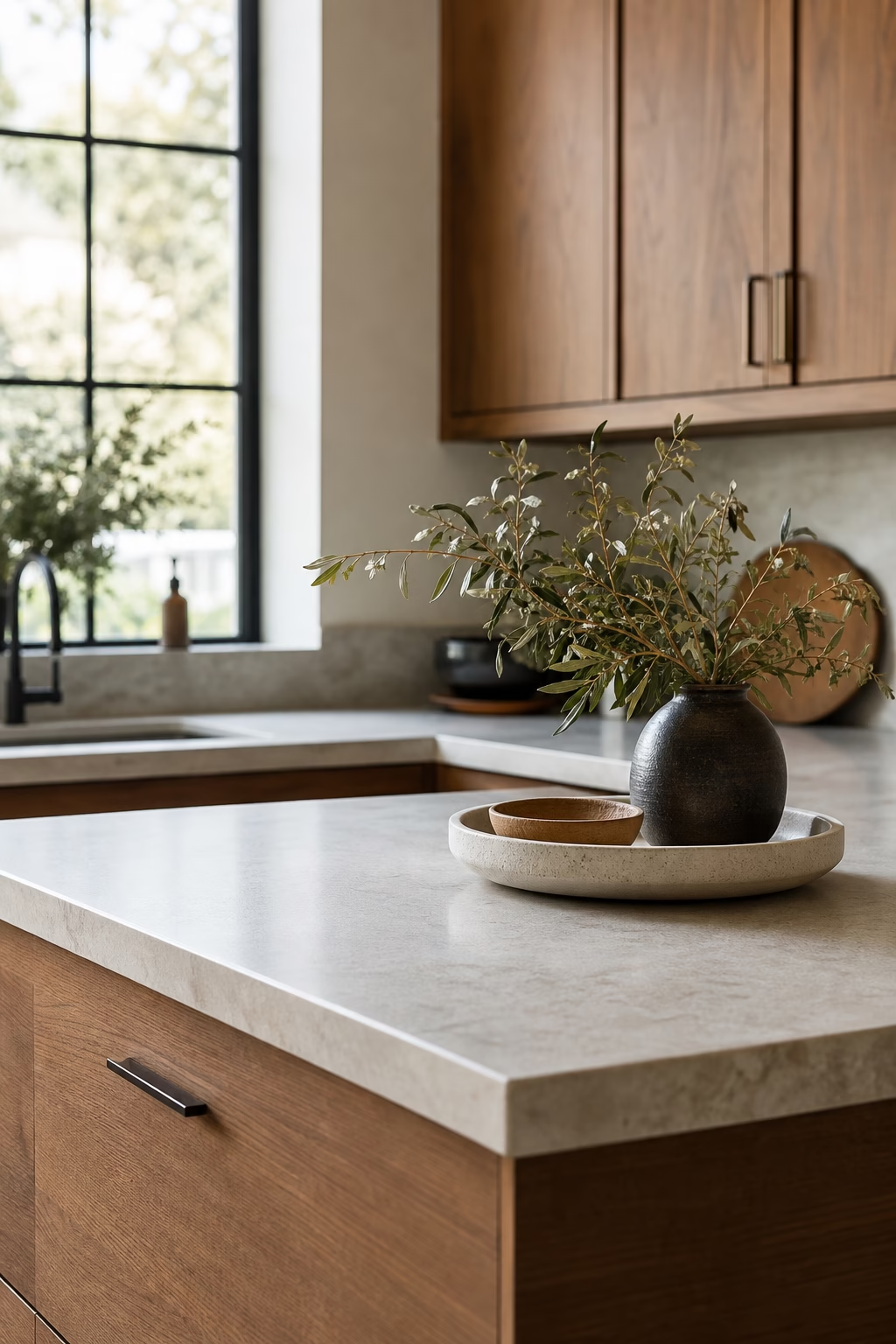
A tray is the easiest way to make necessary counter items look intentional. Use it for olive oil, salt, a pepper mill, a small bowl, or the coffee essentials you reach for every morning. The tray should fit the counter depth comfortably and leave open stone or wood around it. Choose a material that adds quiet contrast: marble on wood, walnut on quartz, brass on soapstone, or ceramic on stainless. Avoid overfilling it until it becomes a portable junk drawer. A well-edited tray creates a visual boundary, so practical objects read as one composed vignette rather than scattered clutter.
Choose Appliances in One Finish
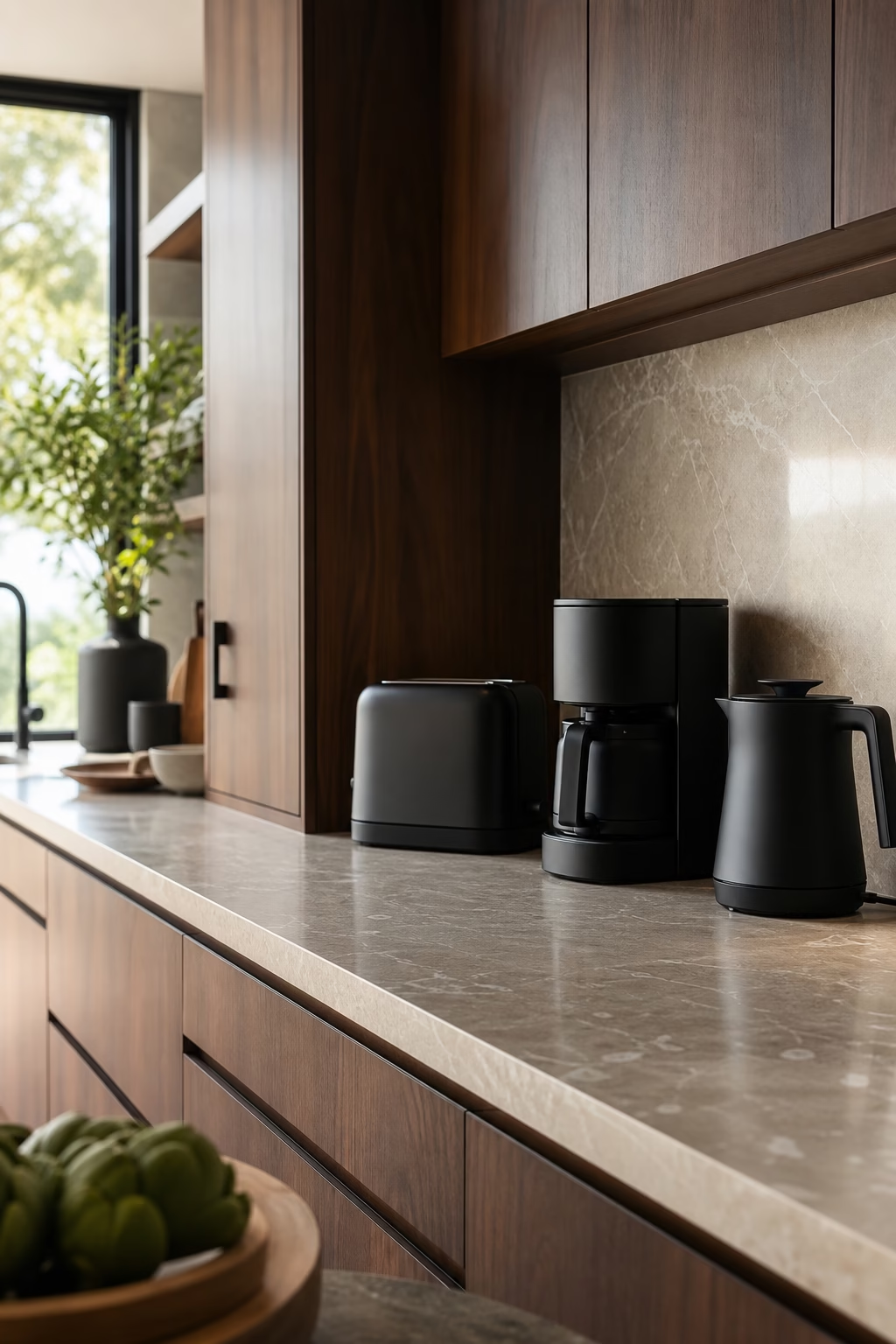
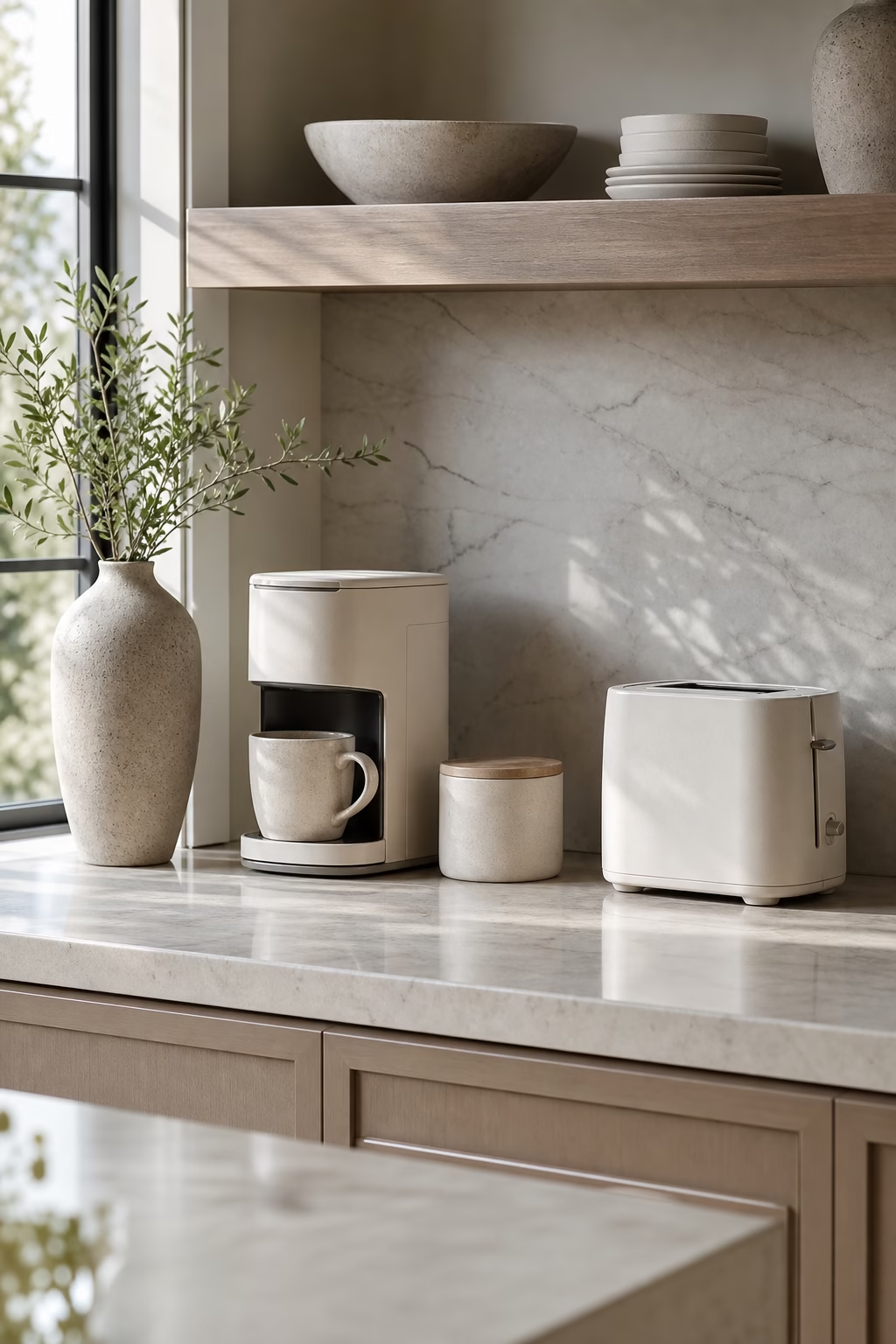
Small appliances can stay visible if they share a disciplined finish. A toaster, kettle, coffee grinder, and espresso machine look sleeker when they relate through matte black, stainless steel, white, cream, or brushed metal. Mixed plastic colors quickly make the counter feel accidental. If replacing everything is not realistic, hide the least attractive pieces and let the best-designed appliance remain. Leave breathing room around each machine so the counter still feels usable. Appliances are part of modern kitchen decor because they carry shape, reflection, and scale. Treating them as a coordinated material choice makes the room feel designed, not merely equipped.
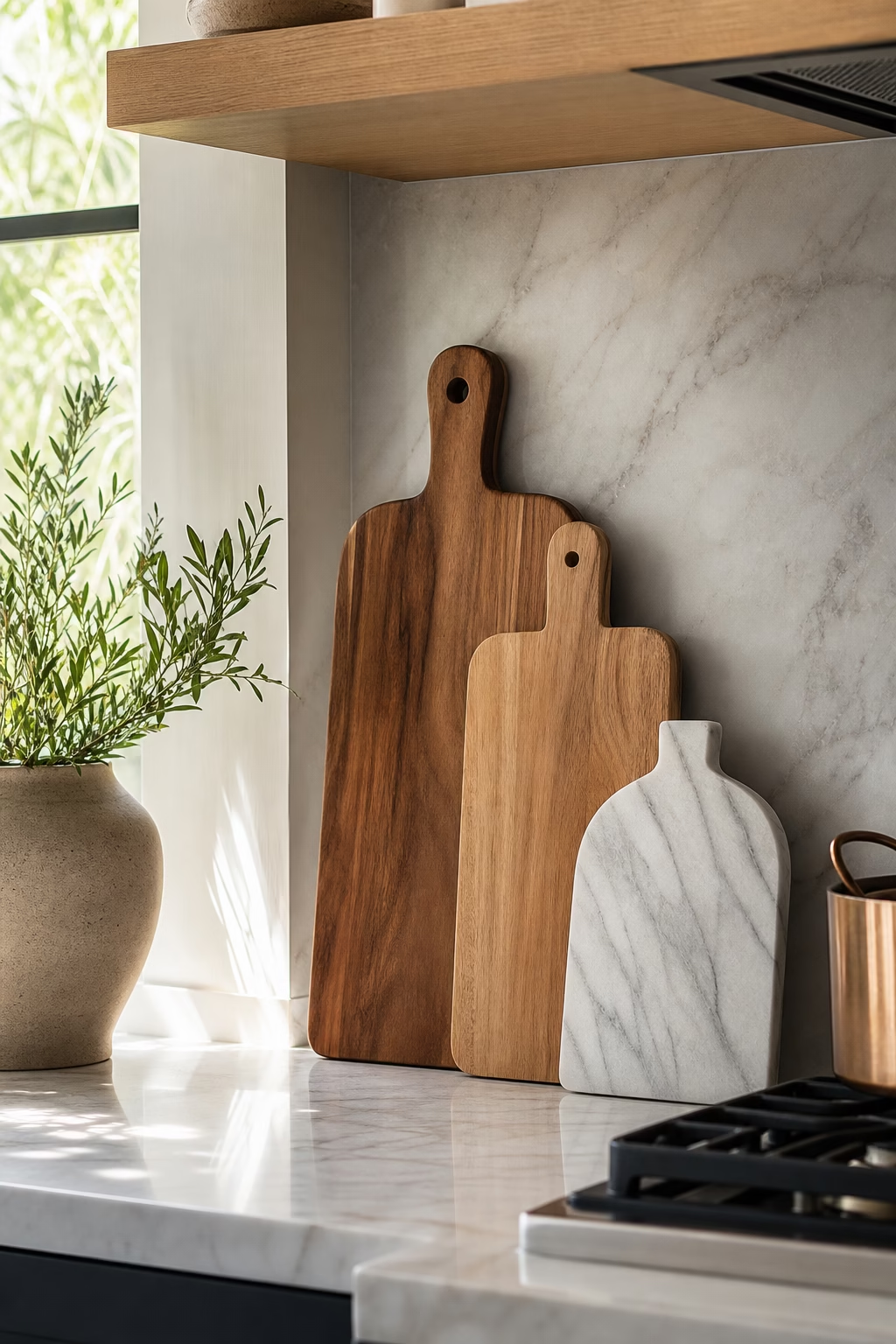
Lean Cutting Boards With Restraint
Leaning cutting boards can soften a sleek kitchen, but the arrangement should be restrained. Choose two or three boards in related woods or stone, then layer them against the backsplash near a prep zone. Vary height and shape so the stack feels collected rather than store-bought. Keep the boards clean and genuinely usable; worn but well-maintained wood often looks better than purely decorative pieces. Avoid covering beautiful tile or stone with too many layers. A small stack of boards adds warmth, vertical interest, and practical readiness. It works because the object is useful first and decorative second every day.
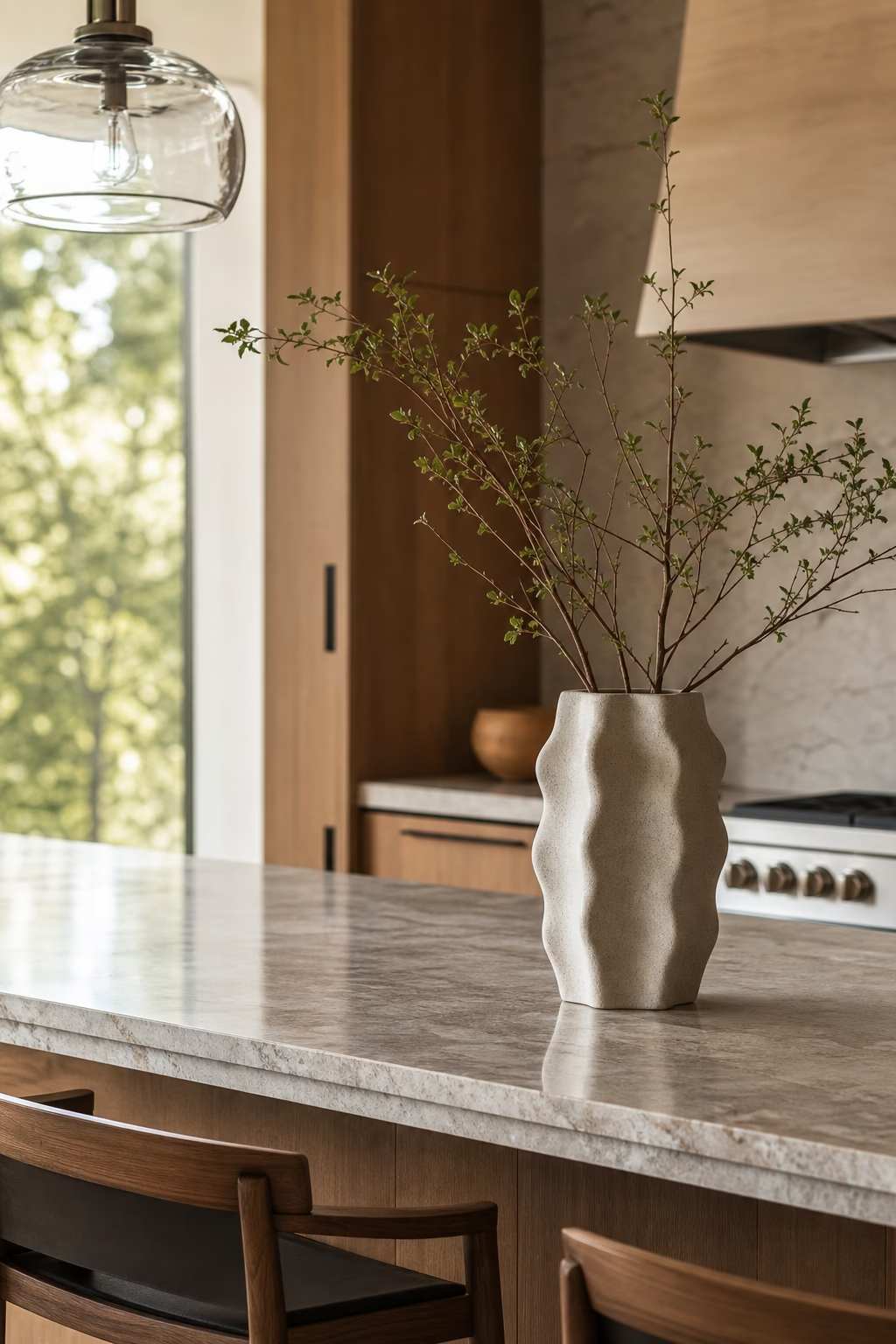
Use One Sculptural Vessel
One sculptural vessel can give a kitchen counter the polish of a styled room without stealing work space. Place it where it will not interfere with chopping, loading the dishwasher, or setting down groceries: on an island end, a corner, or beside a range wall. The shape should be strong enough to stand alone, whether it holds branches, herbs, or nothing at all. Ceramic, stoneware, glass, or metal all work if the scale suits the cabinetry. Resist surrounding it with many small accessories. A single vessel introduces height and handmade texture while keeping the counter sleek, breathable, and functional daily.
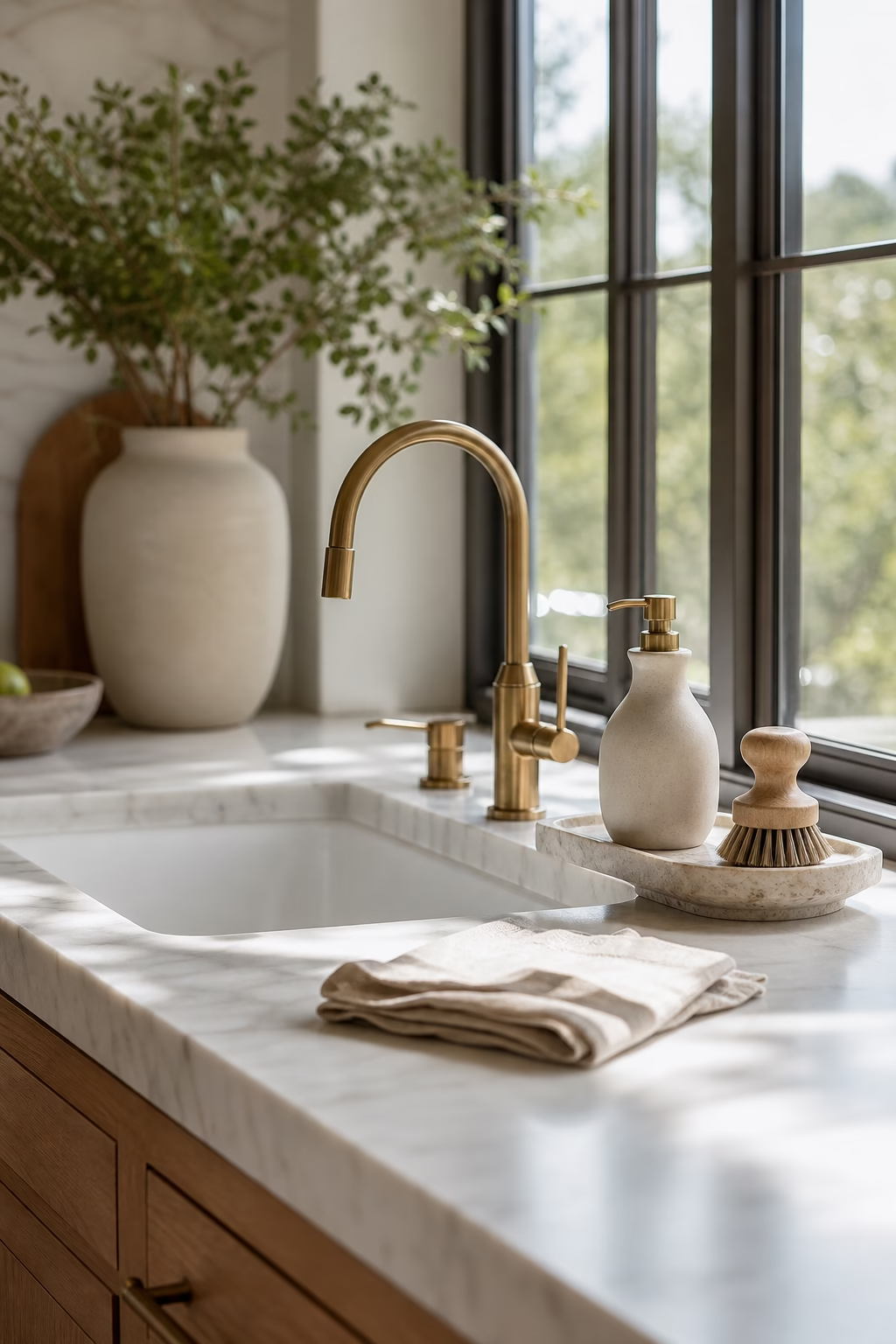
Keep the Sink Zone Practical
The sink area is where sleek styling often fails because soap, sponges, brushes, and towels collect quickly. Give this zone a practical system instead of pretending it can stay empty. Decant dish soap into a weighted dispenser, choose a simple brush, fold one linen towel, and use a small stone or ceramic tray to catch drips. Hide extra scrubbers below the sink. The materials should relate to the faucet and counter, not shout for attention. When the sink zone is organized, the whole kitchen looks cleaner. It also functions better, which is the real test of elegant counter decor daily.
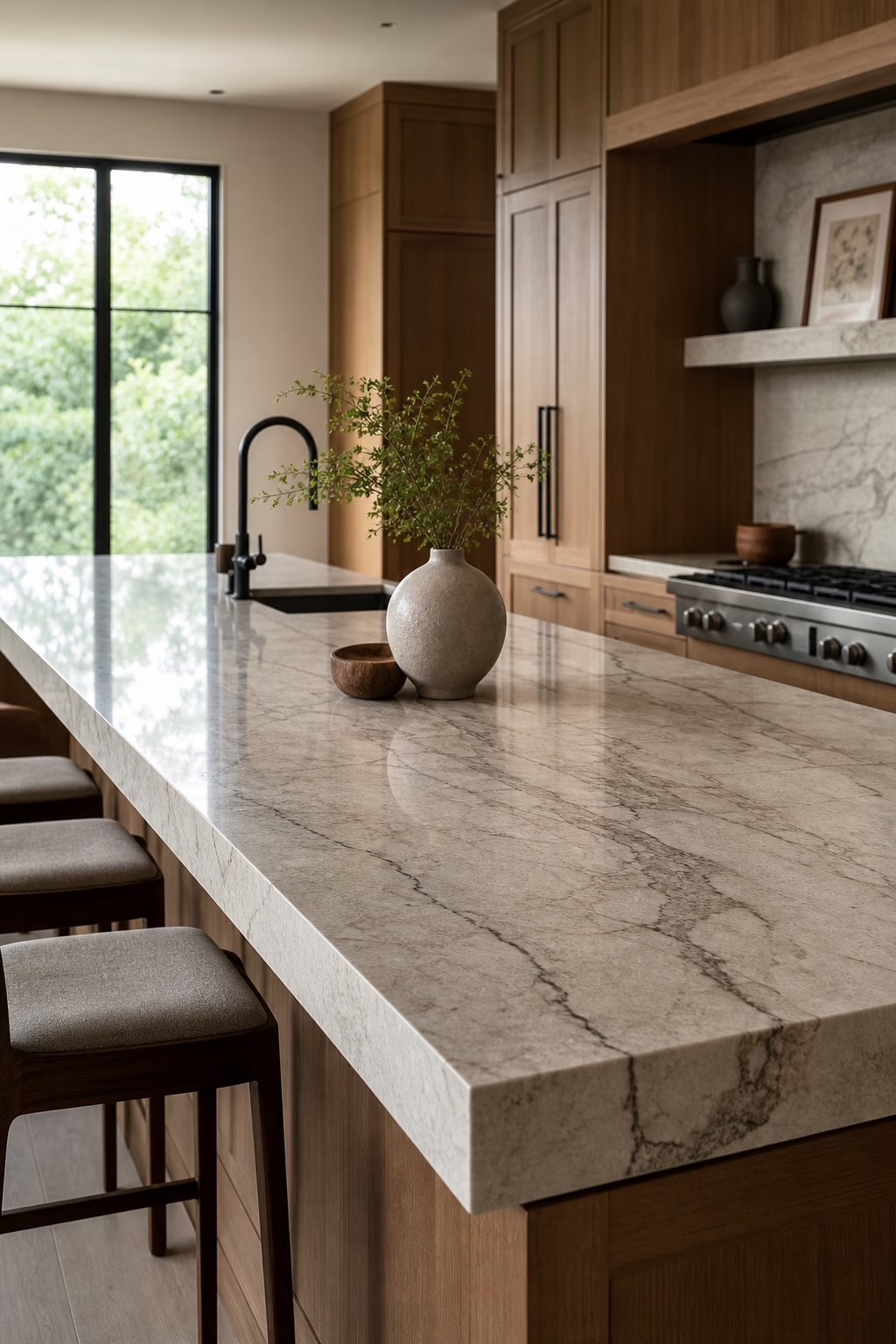
Let Stone Surfaces Stay Visible
Beautiful stone is already decor. If the kitchen has marble, quartzite, soapstone, limestone, or well-chosen engineered stone, leave enough of it visible to register from across the room. Counter styling should frame the material, not bury it. Use low objects, clear glass, or warm wood in small doses so the veining and edge profile remain the main event. This is especially important on islands, where clutter can make even expensive stone look ordinary. Open surface area also makes the kitchen easier to use. A sleek counter succeeds when the permanent finishes have room to do the visual work clearly.
Create a Coffee Station That Breathes
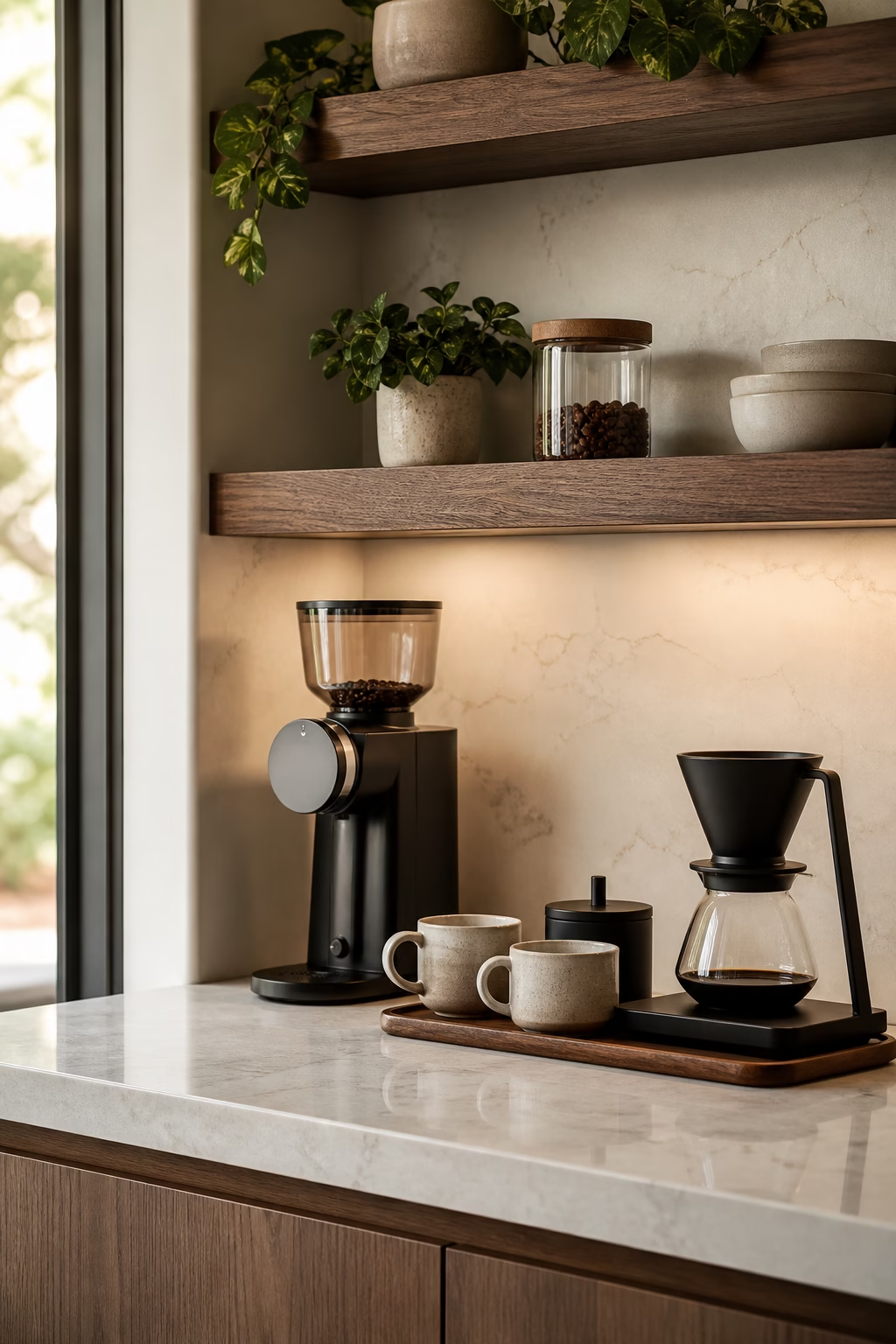
A coffee station can look sleek if it has enough negative space. Start with the machine, then add only what is used every day: cups, beans, grinder, spoons, or a small canister. Keep syrups, extra mugs, and packaging hidden unless they are beautiful and frequently needed. A tray, drawer insert, or wall shelf can help separate the zone from the main prep surface. Leave space in front of the machine for cups and movement. The station should feel like a small hospitality moment, not a crowded appliance garage. Clean lines, repeated finishes, and one warm material make the ritual feel polished.
Use Clear Canisters Sparingly
Clear canisters are useful, but too many can make a kitchen counter look like a shop display. Keep only the ingredients that are attractive, fresh, and used often: oats, pasta, coffee beans, flour, or tea. Choose canisters with consistent shapes and lids that relate to the hardware or wood tones. Labels should be discreet or absent if the contents are obvious. Place them in one zone rather than spreading them across the counter. The transparency adds lightness when handled sparingly. It also creates accountability; if the contents look messy or half-used, they are better stored behind a cabinet door.

Add Greenery Where It Can Thrive
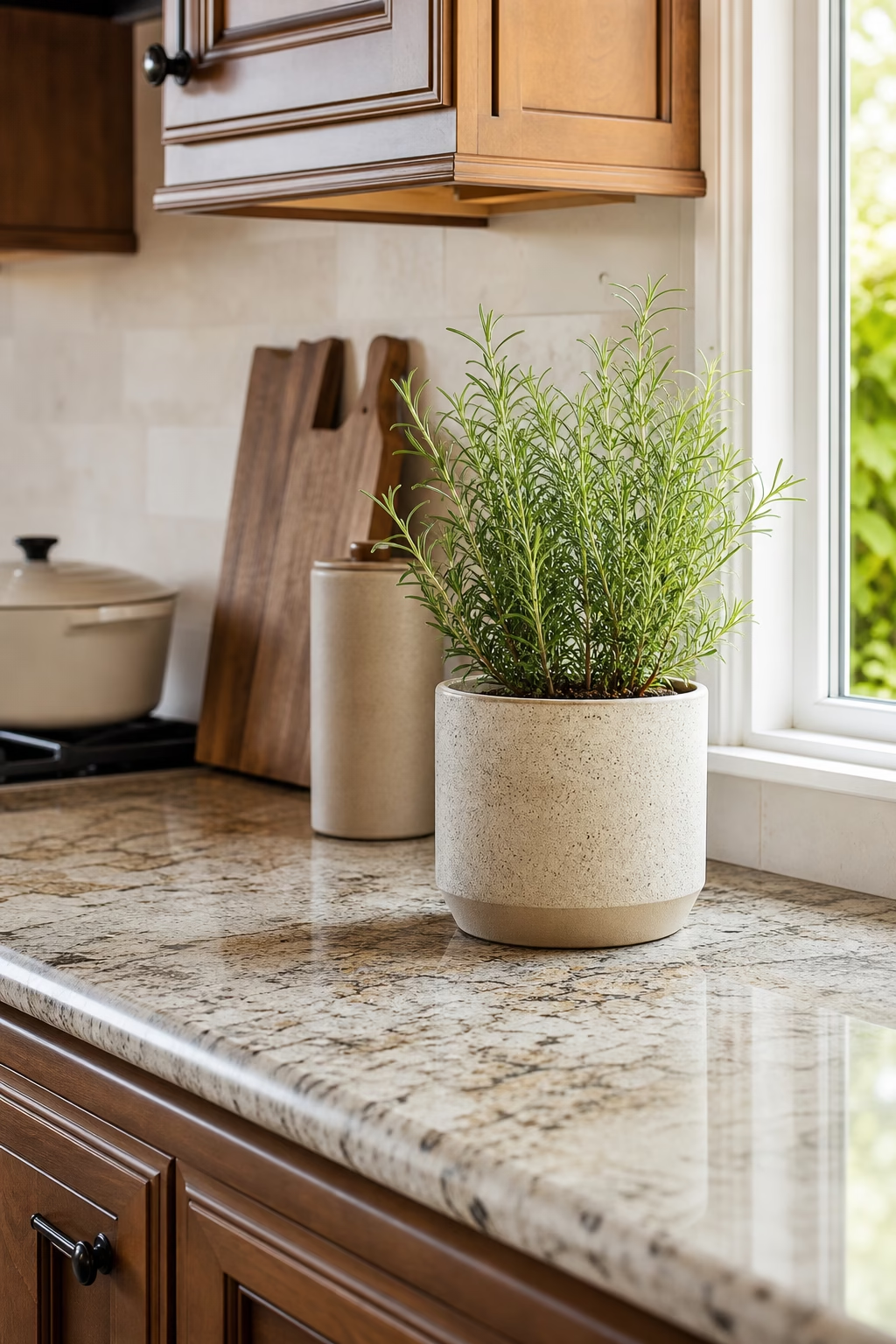
A plant or herb pot can make a kitchen counter feel alive, but only if the light is real and the placement is practical. Basil near a sunny window, rosemary on an island end, or a small trailing plant on an open shelf can work beautifully. Avoid tiny pots scattered everywhere or plants squeezed beside hot appliances. The container should be as considered as the plant: ceramic, stone, zinc, or simple terracotta. Greenery is most effective when it softens hard surfaces without competing with prep space. One healthy plant looks sleeker than several struggling ones used as filler in corners.
Use Cookbooks as a Low Layer
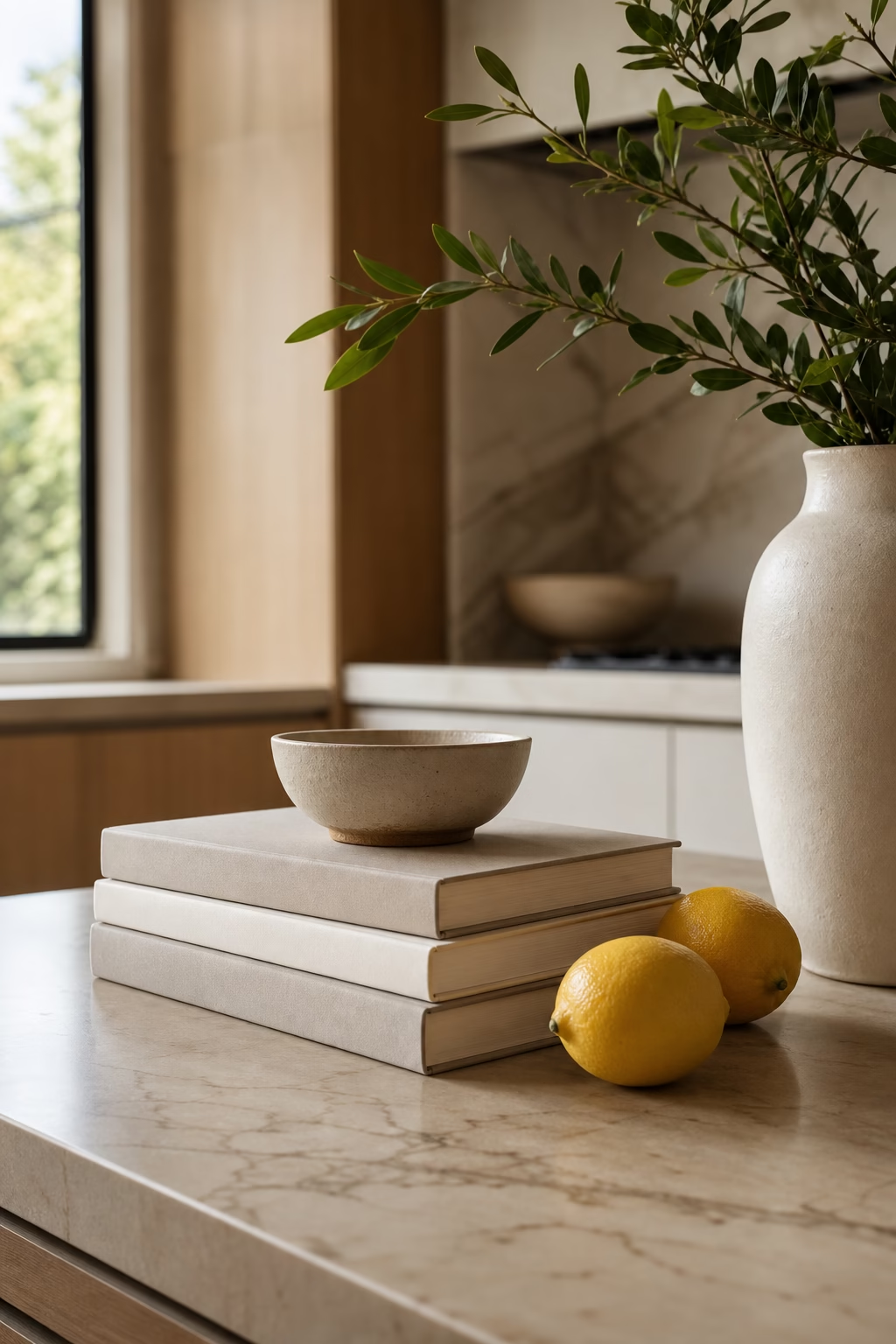
Cookbooks can belong on the counter when they are edited and useful. Choose one or two with beautiful covers or strong everyday value, then stack them low near a baking zone, coffee area, or island end. Avoid tall piles that collect splatter and dust. A small bowl, lemon, or vessel on top can make the stack feel intentional, but keep it simple. Cookbooks add personality in a way generic decor cannot, especially in kitchens that are otherwise very streamlined. The key is restraint. A low book layer brings warmth, color, and evidence of real cooking without making the counter feel busy.
Hide Cords Before Adding Decor
Visible cords can undermine even the most expensive counter styling. Before adding decorative pieces, solve power visually: route appliance cords behind the machine, use short cord wraps, tuck chargers into drawers, or place devices near outlets that are already hidden by the backsplash or cabinetry. If a cord must show, keep it straight and intentional rather than tangled. This matters around coffee stations, stand mixers, lamps, and phone charging zones. A sleek counter depends on clean lines, and cords create visual noise faster than almost anything else. Once the wiring is controlled, fewer accessories are needed to make the surface look finished.
Try a Small Counter Lamp
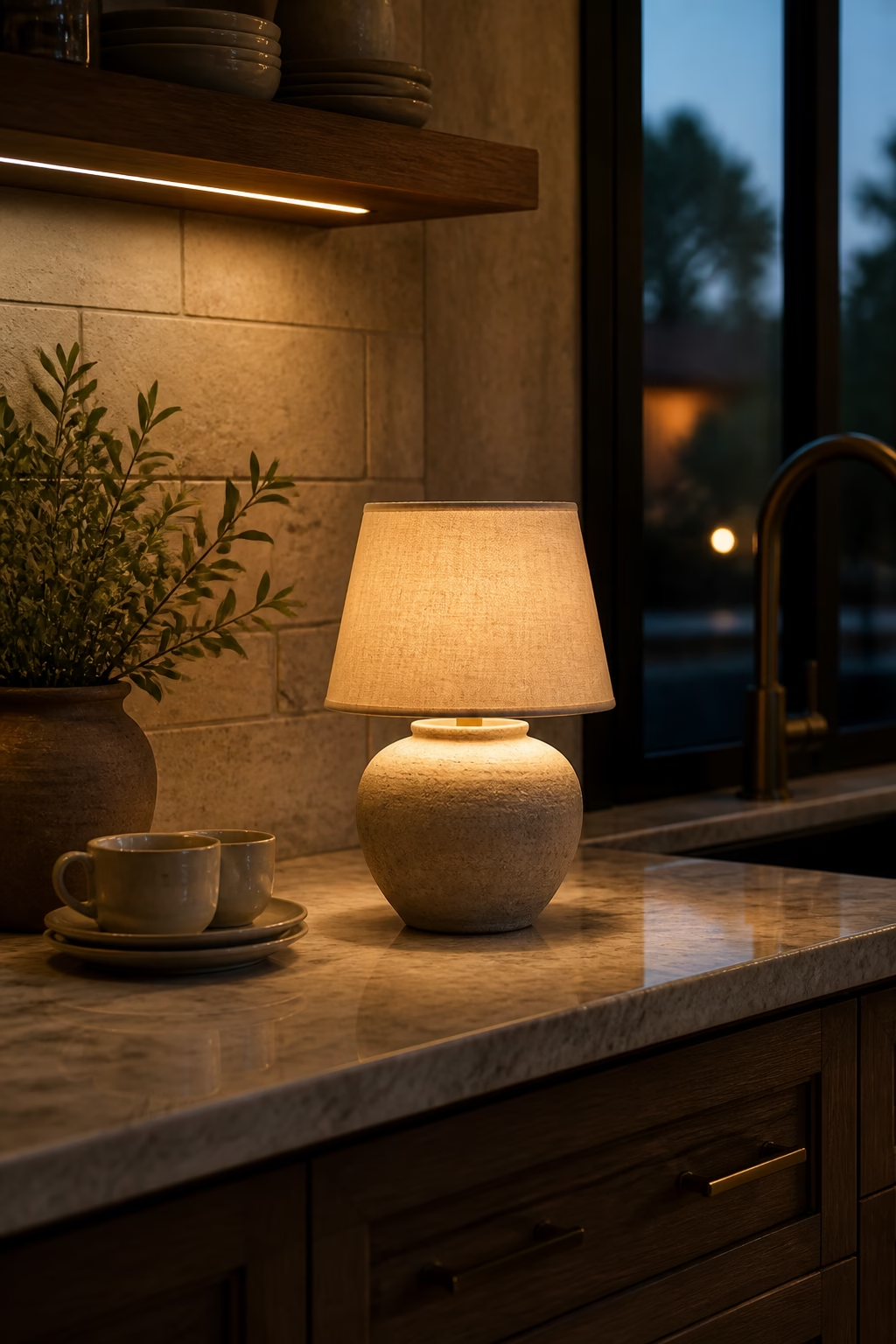
A small counter lamp can make a kitchen feel less utilitarian after dark. Choose a compact lamp with a washable shade, sturdy base, and warm bulb, then place it where it will not be splashed or knocked over. It works beautifully in a corner, beside a coffee station, or under open shelving. The lamp should relate to the kitchen finishes: ceramic with stone, brass with warm hardware, or black metal with modern frames. It is not a substitute for task lighting; it is atmosphere. In the evening, a small lamp softens counters and cabinetry, making the kitchen feel like part of the home rather than a workroom.
Keep Oils Near the Cooktop
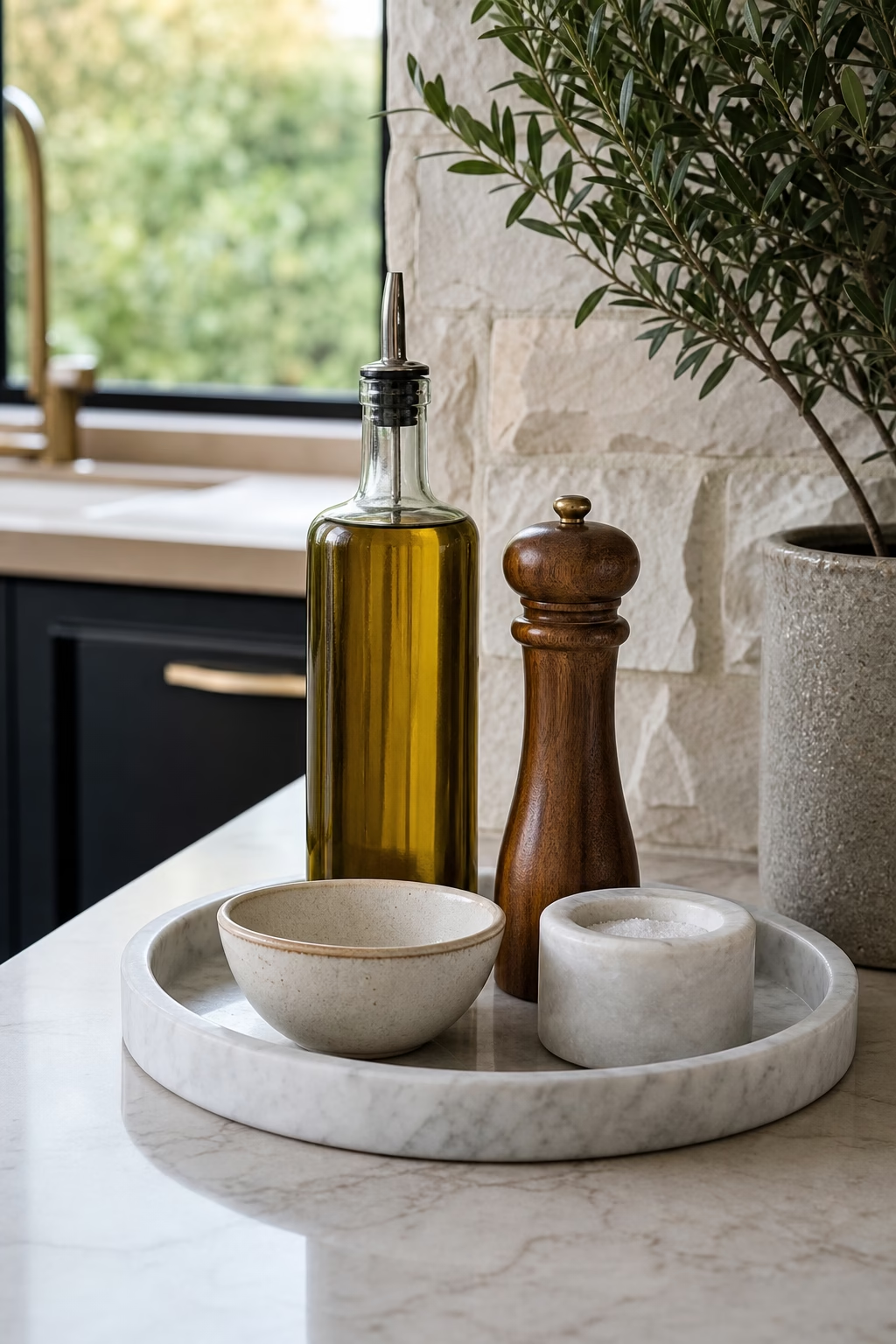
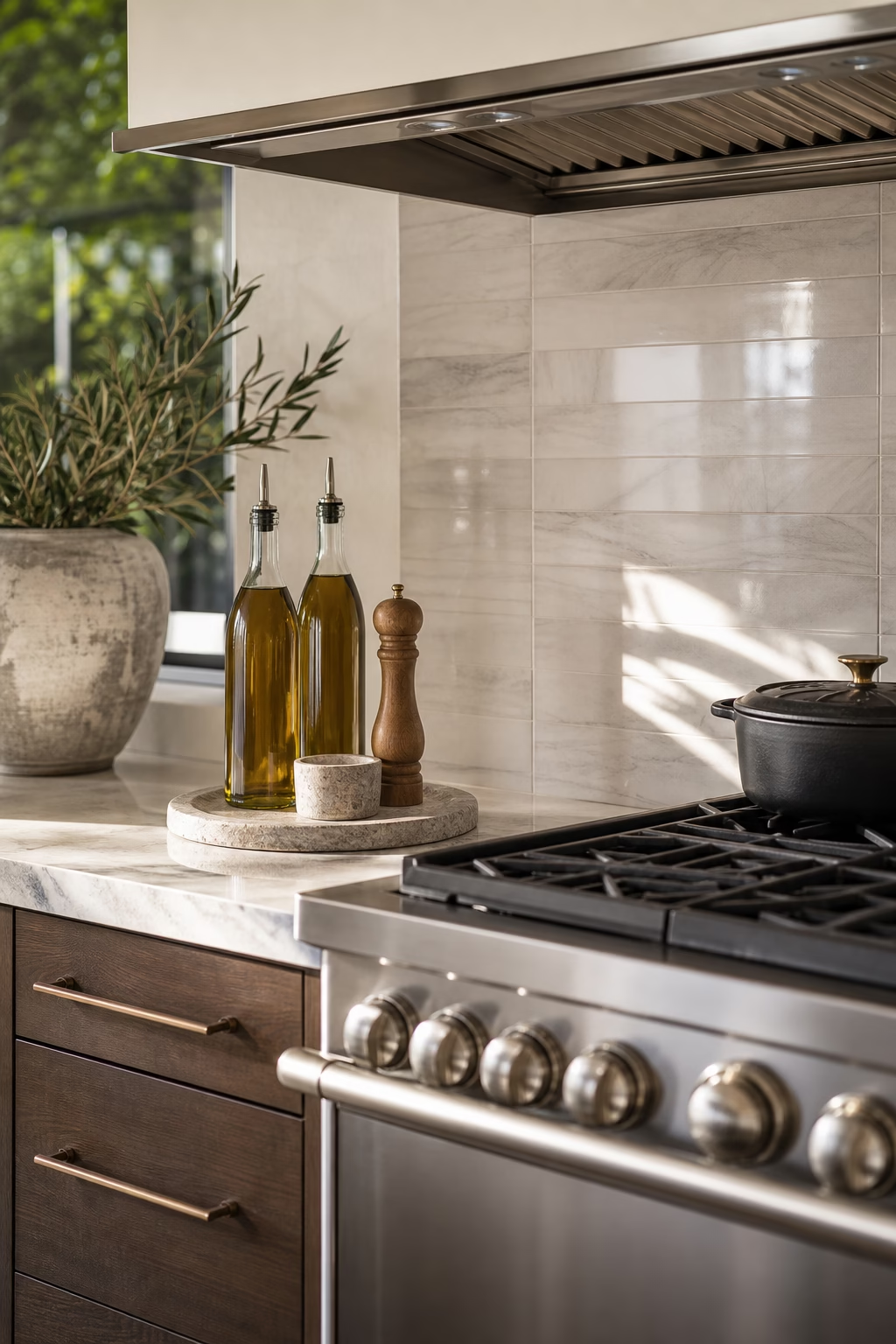
Oils and cooking salts can stay on the counter if they are close to the cooktop and edited to the essentials. Use one or two attractive bottles, a salt cellar, and perhaps a pepper mill on a heat-safe tray or shallow dish. Avoid a crowded row of condiments that duplicates the pantry. The bottles should be easy to lift with one hand and far enough from heat to protect the contents. This small cooking zone looks good because it is honest about use. It gives the counter a chef-like readiness while keeping the rest of the surface free for prep.
Use Bowls for Real Produce
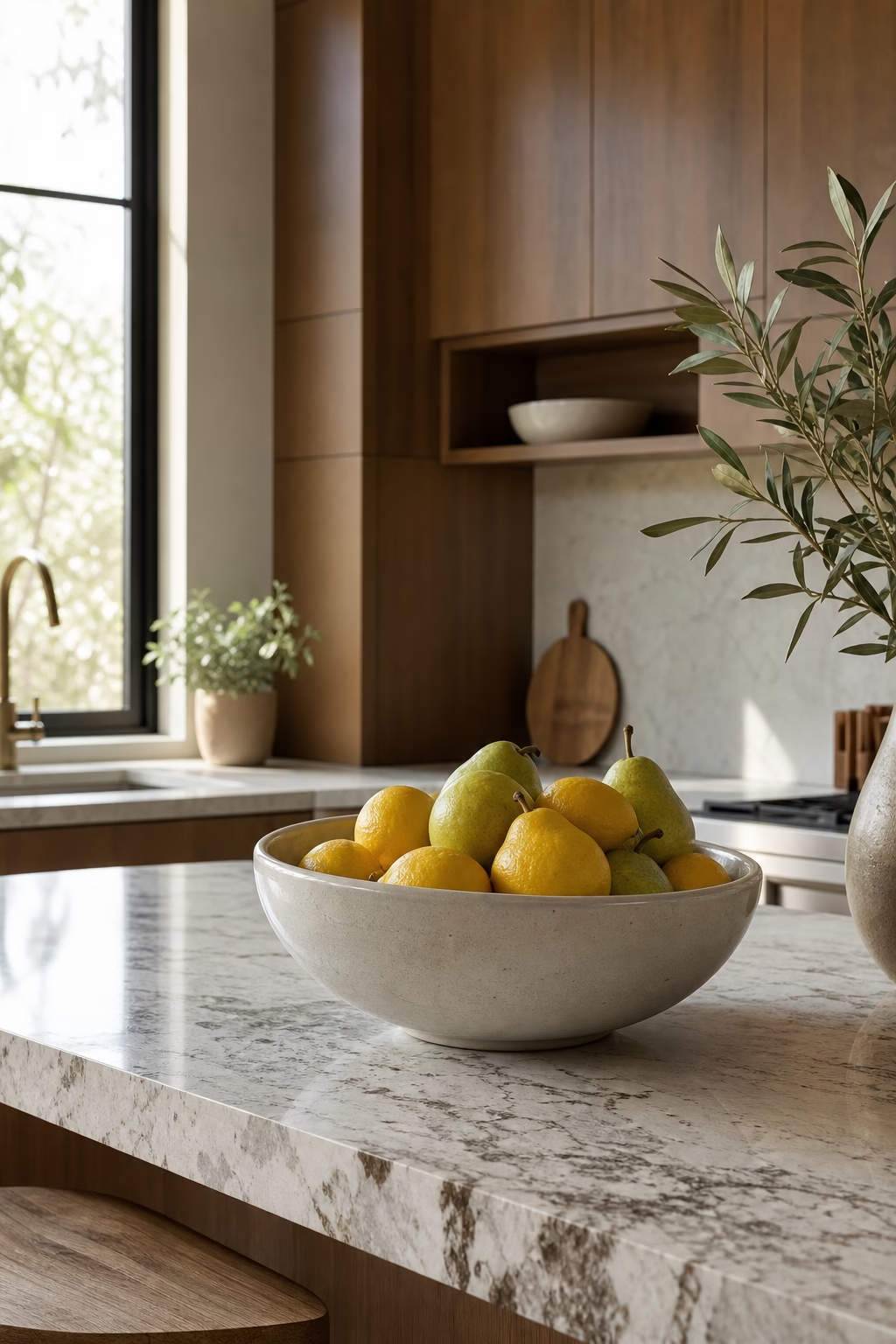
A fruit bowl is classic counter decor because it is beautiful and useful, but it needs discipline. Choose one substantial bowl in stone, wood, ceramic, or metal, then fill it with produce that looks good together and will actually be eaten. Lemons, pears, apples, artichokes, or citrus branches can create color without adding a decorative object. Avoid overflowing the bowl or mixing too many colors at once. Place it on an island or dining-side counter where it will not interrupt prep. Real produce brings life, seasonality, and softness to a sleek kitchen, especially when the rest of the palette is restrained.
Choose Utensil Crocks With Weight
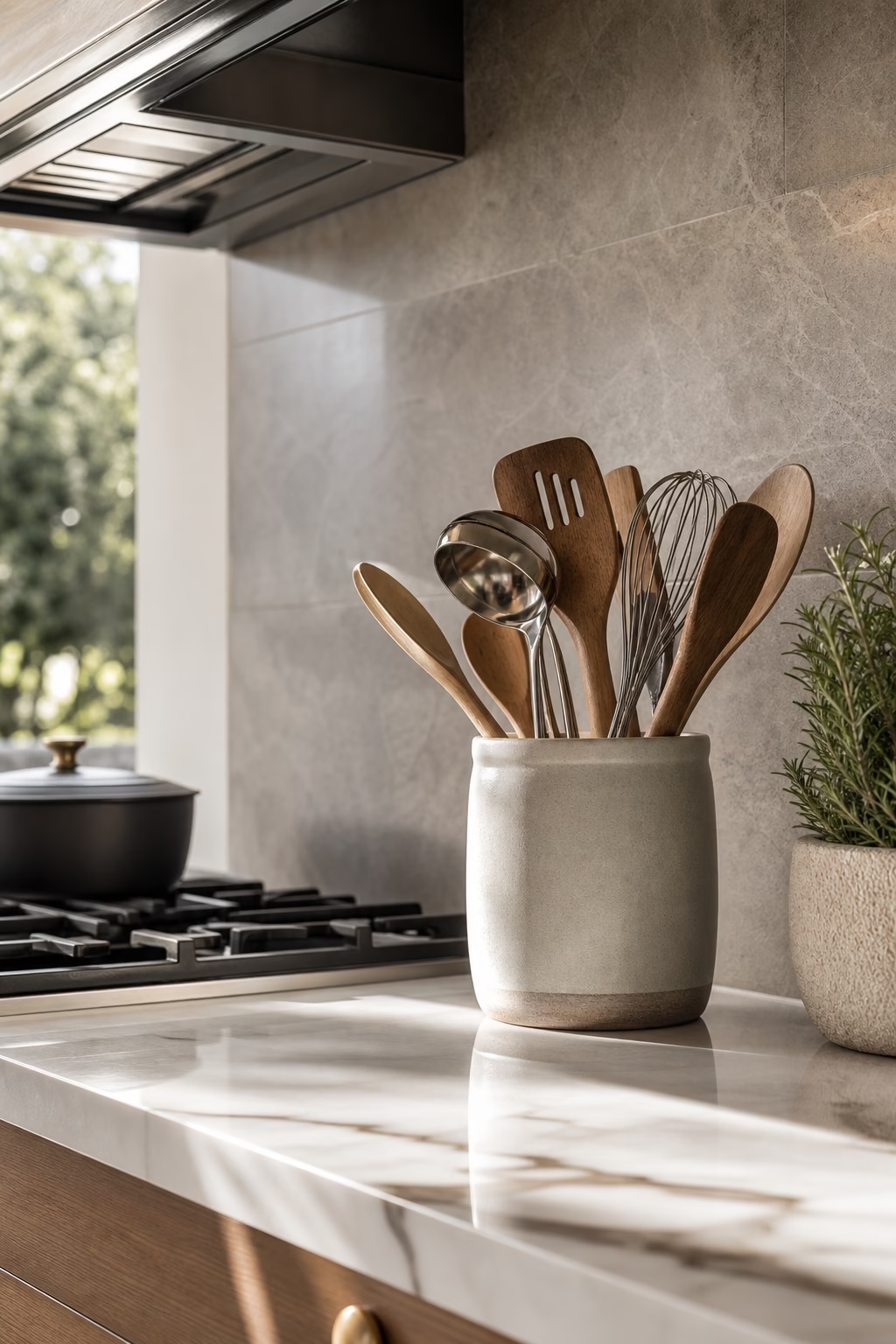
Utensil crocks can look messy if they are too small, light, or crowded. Choose one heavy vessel in ceramic, stoneware, marble, or metal, then edit the tools inside to the pieces used daily. Wood spoons, stainless whisks, and black silicone tools can look elegant when the palette is controlled. Keep specialty gadgets in drawers. Place the crock near the range, where it has a functional reason to be visible. The vessel should feel substantial enough to anchor the cluster and tall enough to hold tools upright. Done well, it adds practical vertical texture without making the counter look cluttered again.
Leave the Island Center Mostly Clear
The center of the island is valuable working space, so it should not be treated like a mantel. Keep most decor toward one end or in a low, movable arrangement. This allows the island to handle groceries, serving platters, homework, flowers, and conversation without constant clearing. If you want a focal point, use one low bowl, a vessel with branches at the far end, or a tray that can be lifted away. Open surface area is what makes the island feel luxurious. A sleek kitchen looks expensive partly because it is ready to use, not because every inch has been styled.
Repeat Materials From the Cabinets
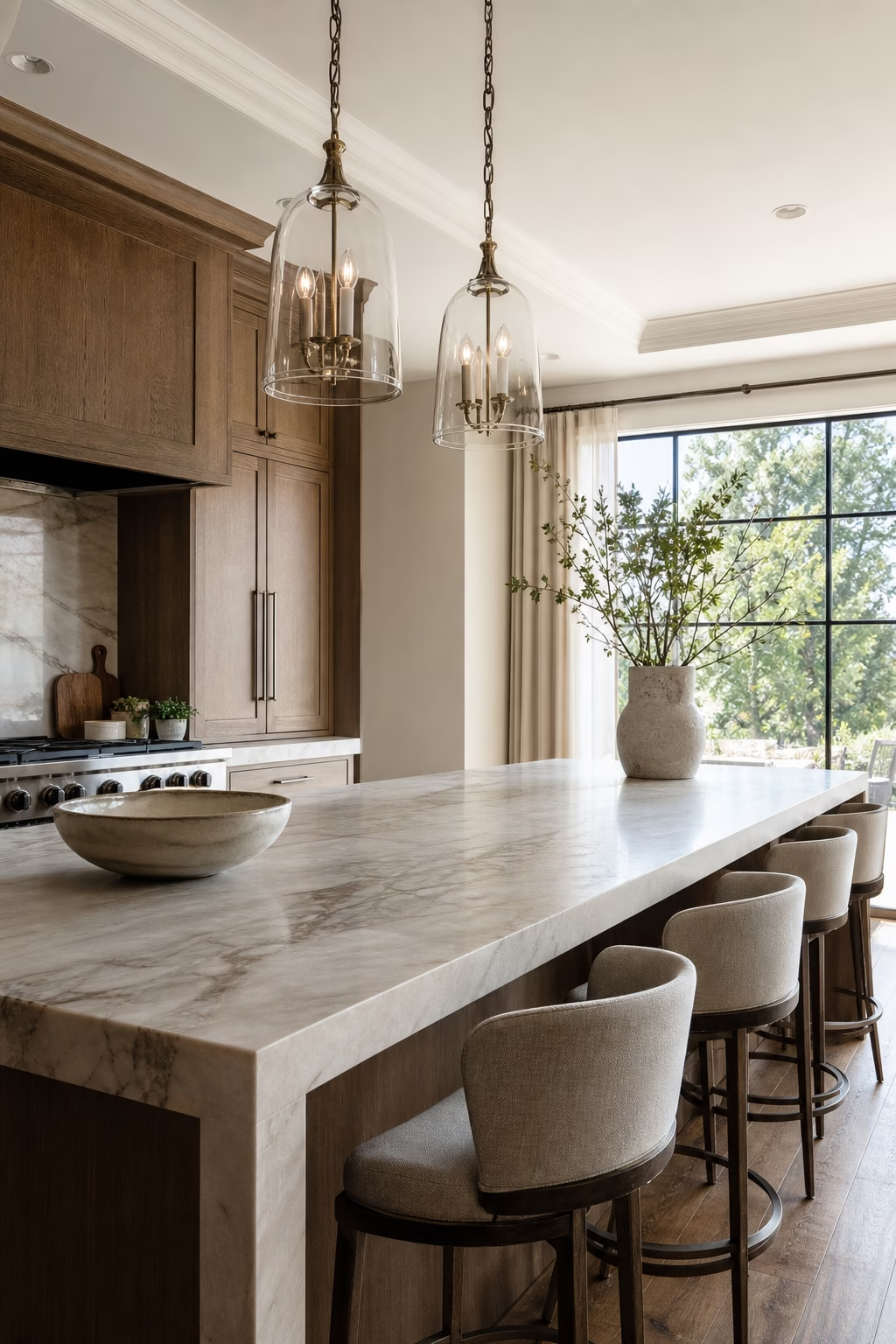
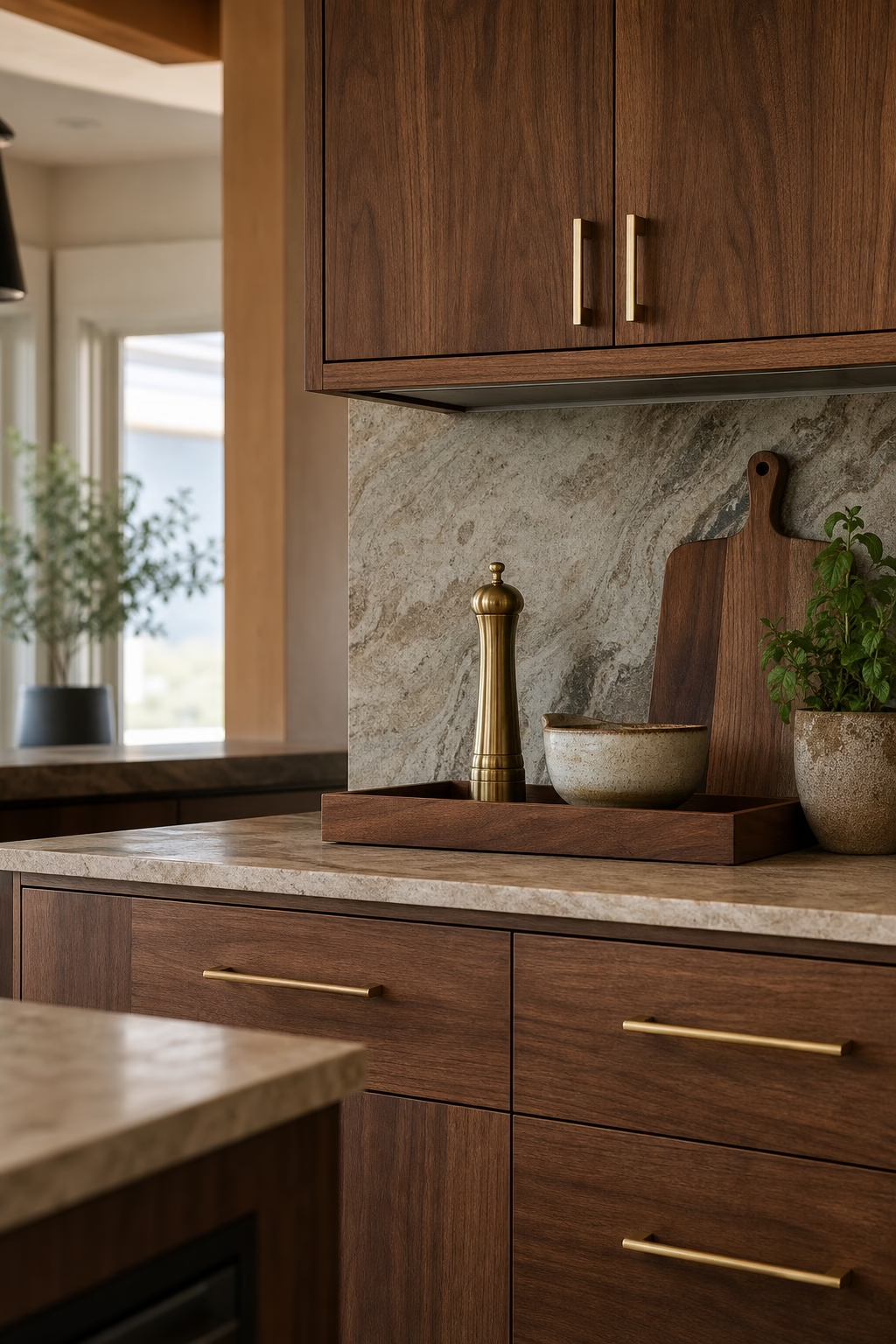
Counter decor feels sleeker when it repeats materials already present in the kitchen. If the cabinets are walnut, add a wood board or tray in a related tone. If the hardware is brass, use a brass pepper mill, lamp base, or small bowl. If the backsplash is stone, choose a ceramic or marble piece that sits comfortably with it. These echoes create continuity, which matters in open-plan homes where the kitchen is always visible. The pieces do not need to match exactly; they simply need to speak the same material language. Repetition makes everyday objects feel integrated rather than added at the end.
Create One Baking Corner
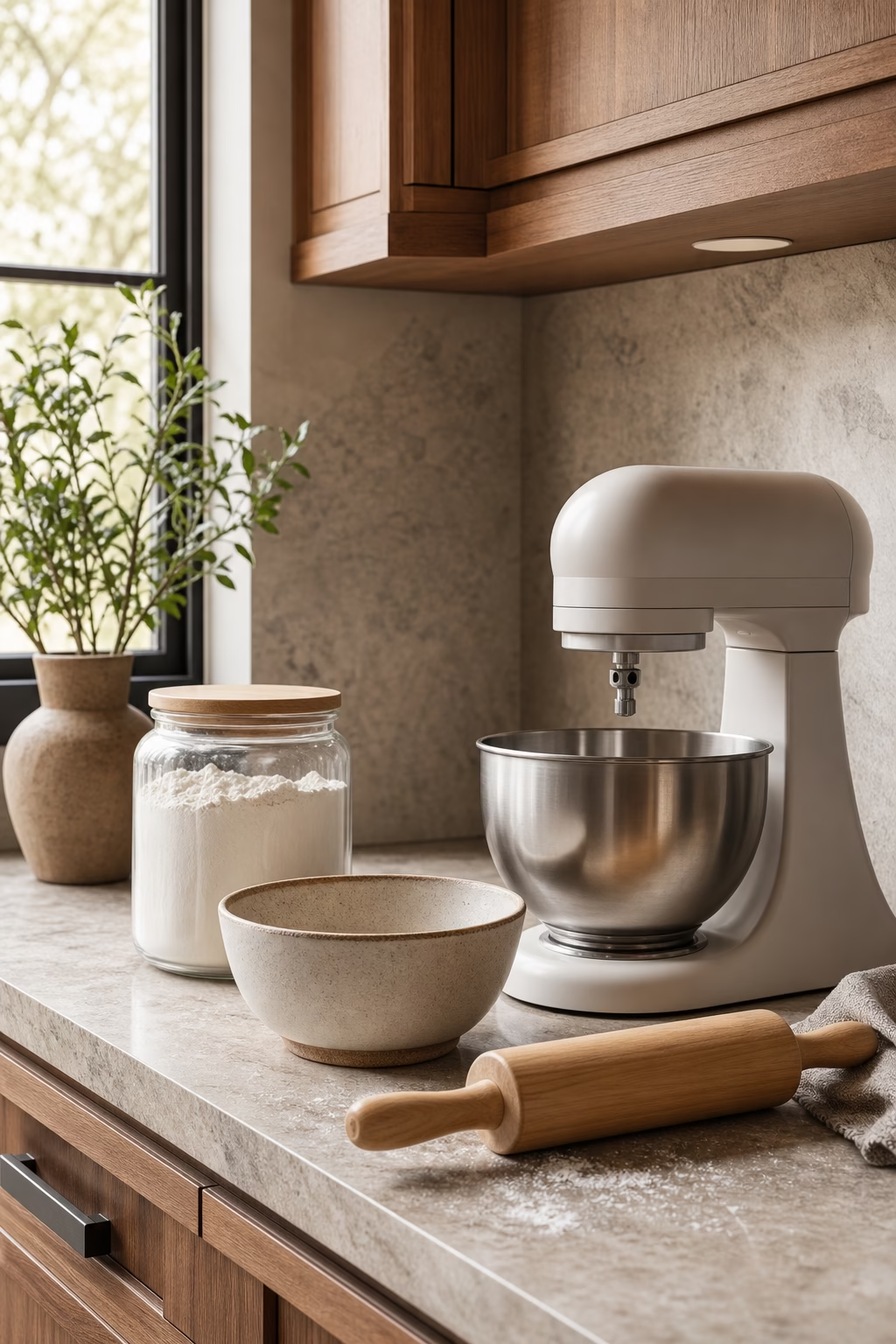
If baking is part of daily life, give those counter items one elegant corner instead of spreading them through the kitchen. A stand mixer, flour jar, rolling pin, and ceramic bowl can look beautiful when grouped with enough space around them. Keep measuring tools and extra ingredients in a drawer or cabinet nearby. The mixer finish should relate to the rest of the appliances, and the jars should be clean and consistent. A dedicated baking corner feels charming because it is specific, not generic. It also keeps the rest of the counter sleek by giving a high-use activity a defined home.
End Each Night With a Reset
Sleek counter decor only works if it can be reset quickly. At the end of the night, return dishes, wipe the tray, straighten towels, refill the soap if needed, and put stray mail or chargers away. This is not about perfection; it is about protecting the visual calm that makes the kitchen pleasant in the morning. A good counter arrangement should take less than five minutes to restore. If it takes longer, there are too many objects visible or not enough storage nearby. The nightly reset is what keeps the kitchen looking designed after real cooking, meals, and family traffic.