The most memorable holiday rooms are rarely overfilled; they rely on a few beautifully chosen Christmas pieces that echo the architecture, warm the light, and make everyday spaces feel ceremonious.
- Hang an Oversized Wreath at the Entry
- Drape Velvet Ribbon Through the Stair Garland
- Set Out Stoneware Candle Holders on the Mantel
- Layer Tall Brass Tapers on a Console
- Choose Knit Stockings With Real Texture
- Fill a Marble Bowl With Glass Ornaments
- Frame Doorways With Cedar Garland
- Swap In a Pleated Tree Skirt
- Style a Sculptural Nativity on the Sideboard
- Build a Frosted Village on the Dining Sideboard
- Suspend Paper Stars in the Windows
- Drape Plaid Throws Over Lounge Chairs
- Arrange Ceramic Houses Across Open Shelves
- Scatter Mercury Glass Votives on the Table
- Display Ribbon-Wrapped Gift Boxes Beneath the Tree
- Add a Mini Tree to the Kitchen Counter
- Hang Fresh Greenery Above the Dining Chandelier
- Cluster Bells on an Interior Door
- Loop Wooden Bead Garland Through a Bowl Centerpiece
- Hide the Stand With a Luxe Tree Collar
- Place a Winter Floral Arrangement on the Coffee Table
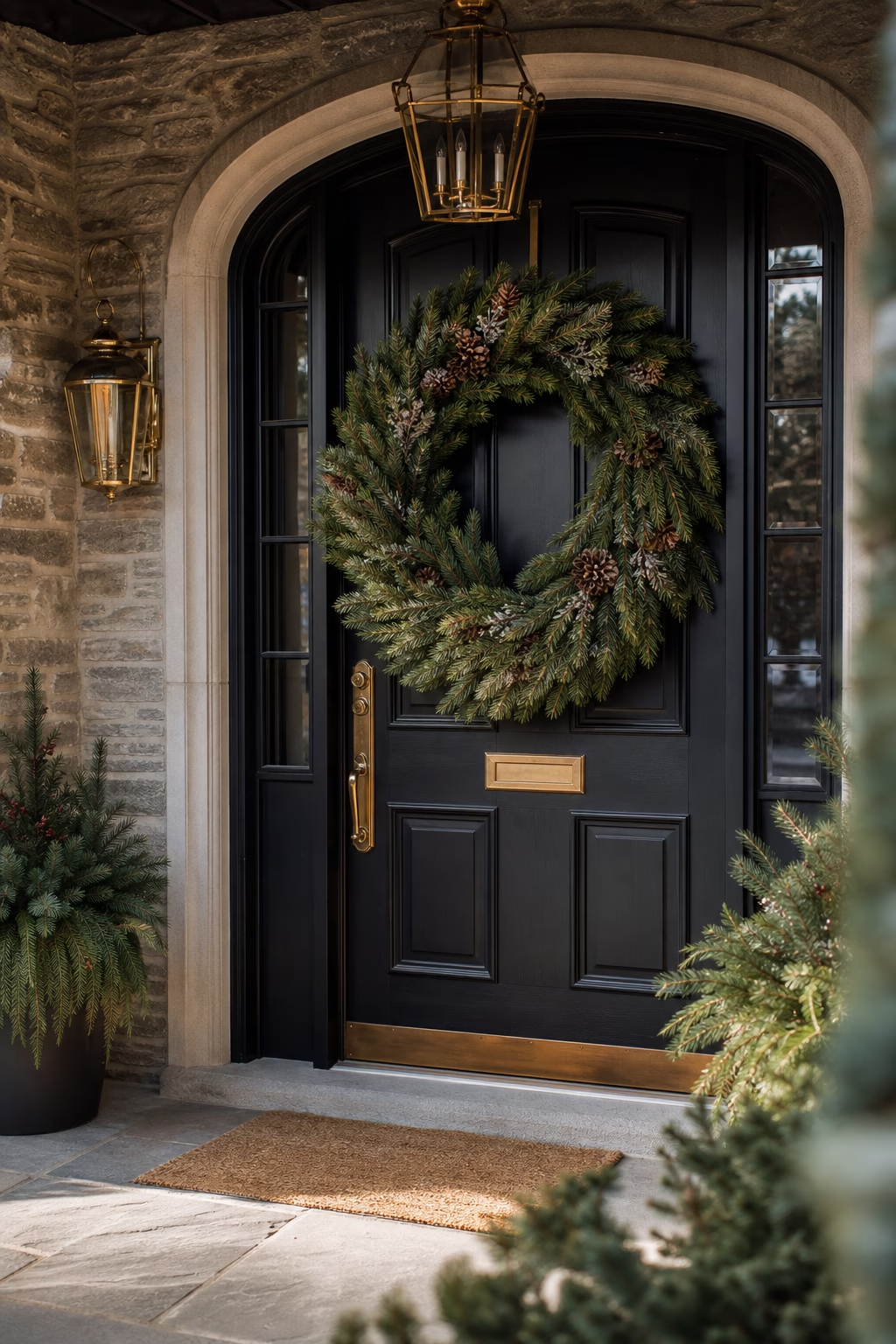
Hang an Oversized Wreath at the Entry
An oversized wreath gives the entry instant ceremony because it relates to the scale of the front door instead of feeling like a token seasonal accent. Choose one made with real or realistic mixed evergreens, then keep the ribbon simple so the greenery does the visual work. A wide velvet or grosgrain bow in forest green, oxblood, deep brown, or soft cream feels richer than shiny red plastic finishes. Hang the wreath where hardware, sidelights, and stonework still have room to breathe. The goal is to make the threshold feel composed from the street all the way through the foyer, with enough presence to announce the season gracefully rather than loudly.
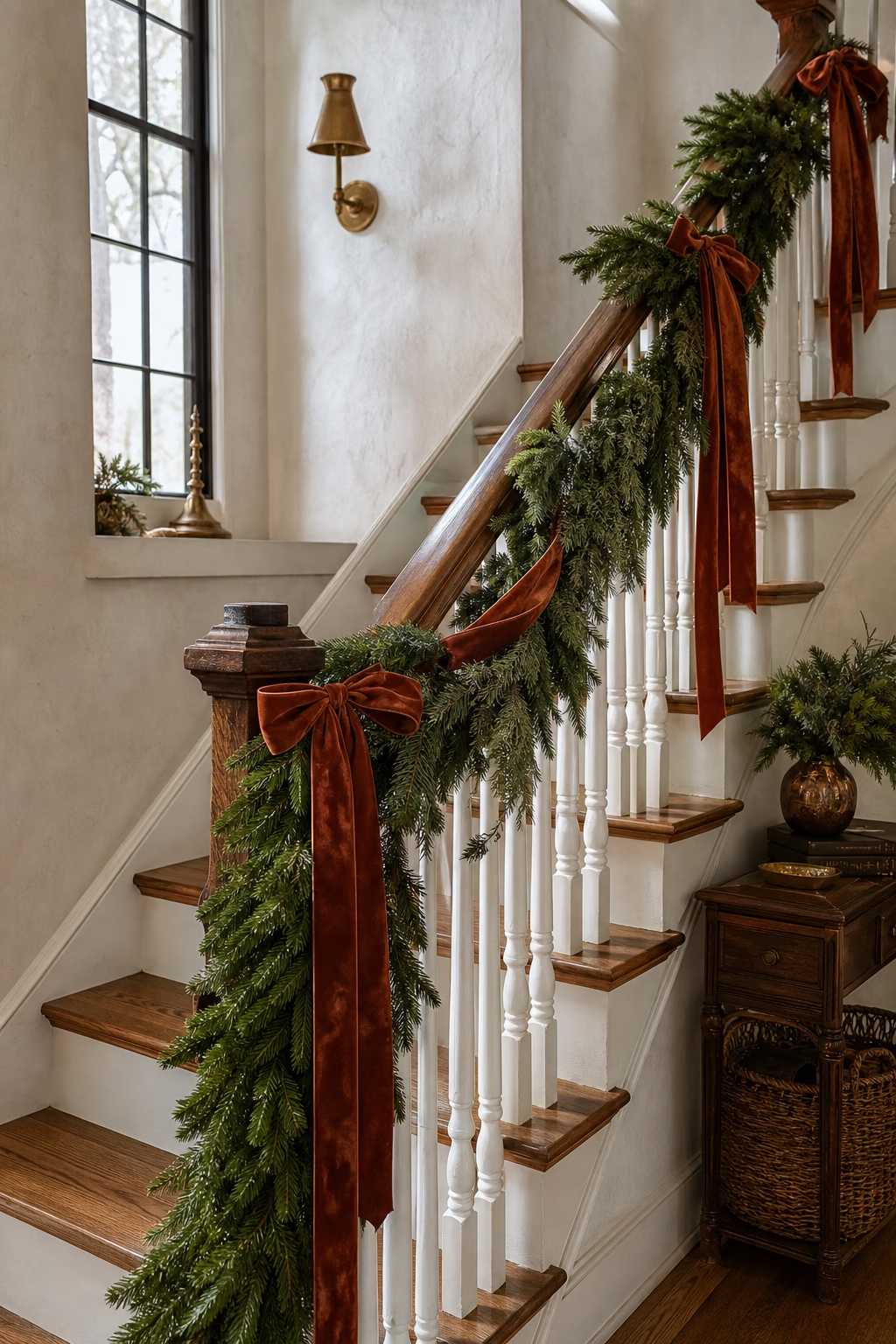
Drape Velvet Ribbon Through the Stair Garland
Velvet ribbon is one of the easiest ways to make a staircase garland feel more tailored. Instead of wrapping it tightly, weave long lengths through cedar or pine so the fabric falls in relaxed loops and vertical tails. That looser rhythm looks more architectural and keeps the greenery from reading as one dense tube. Choose a ribbon width that is substantial enough to register from across the hall, then echo the same color in the tree, dining room, or entry for a cohesive story. When the ribbon tone suits the house, the staircase feels dressed with intent and softness rather than overloaded with novelty decorations.
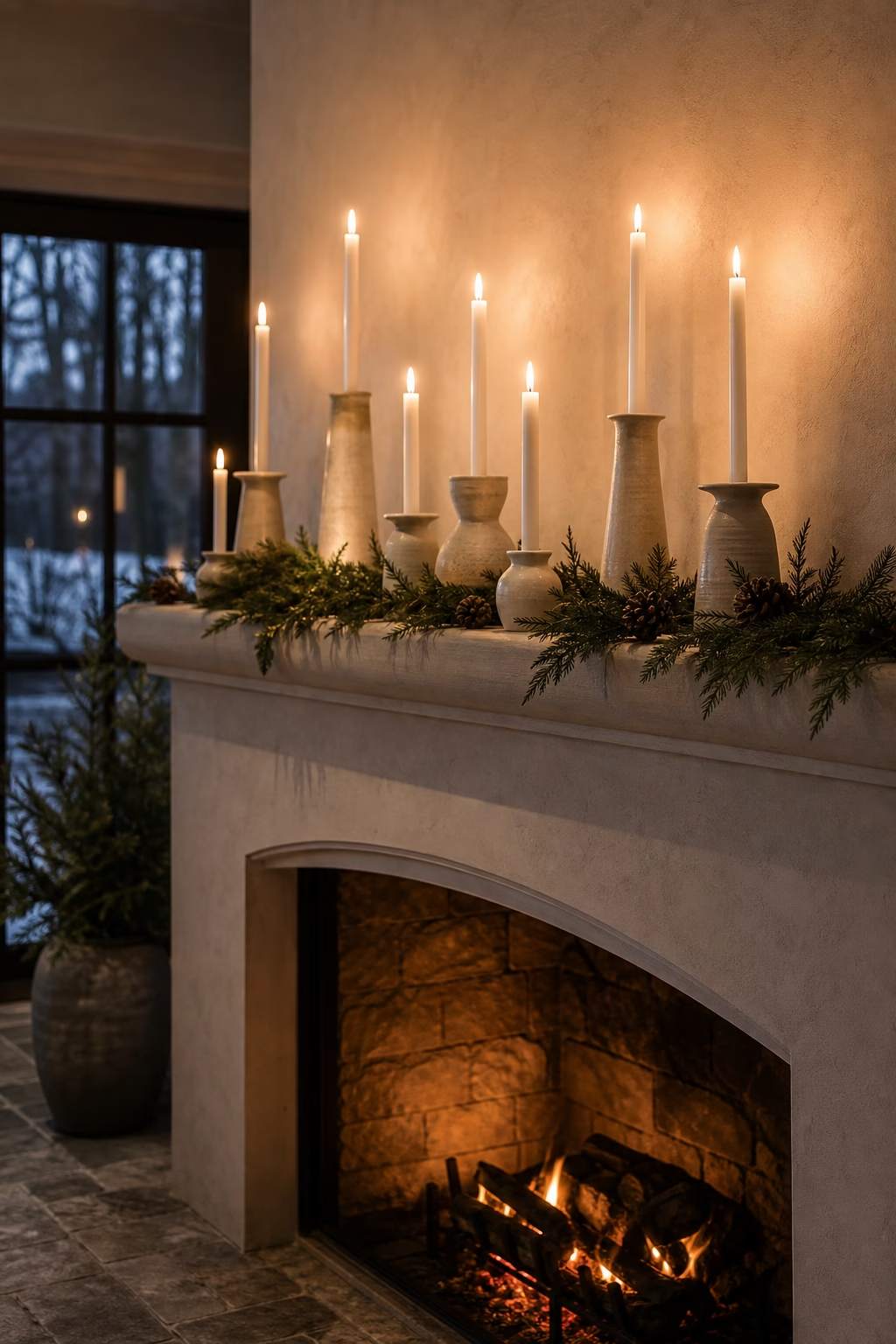
Set Out Stoneware Candle Holders on the Mantel
Stoneware candle holders bring the right amount of weight to a Christmas mantel because they read as collected objects first and holiday decor second. Group a few in varied heights with taper candles in ivory, moss, tobacco, or muted burgundy, then balance them with greenery so the mantel feels edited rather than symmetrical. The matte surface of stoneware is especially useful against marble, plaster, or brick because it softens those harder materials. Keep the candle colors restrained and the forms quiet. A mantel styled this way looks atmospheric in daylight and even better after dusk, when the candlelight pulls texture from the wall and hearth.
Layer Tall Brass Tapers on a Console
A hallway or living room console can feel festive with very little if the objects have enough scale. Tall brass taper holders are ideal because they create height, reflection, and a sense of occasion without crowding the tabletop. Arrange them with one branch arrangement or bowl so the composition has both vertical lift and lower visual grounding. Brass works beautifully with winter greenery, dark wood, and framed art, and it looks increasingly rich as the daylight fades. Avoid stuffing the console with small ornaments and figurines. A cleaner arrangement lets the architecture stay visible while the candles bring a subtle holiday glow that still feels compatible with everyday design.

Choose Knit Stockings With Real Texture
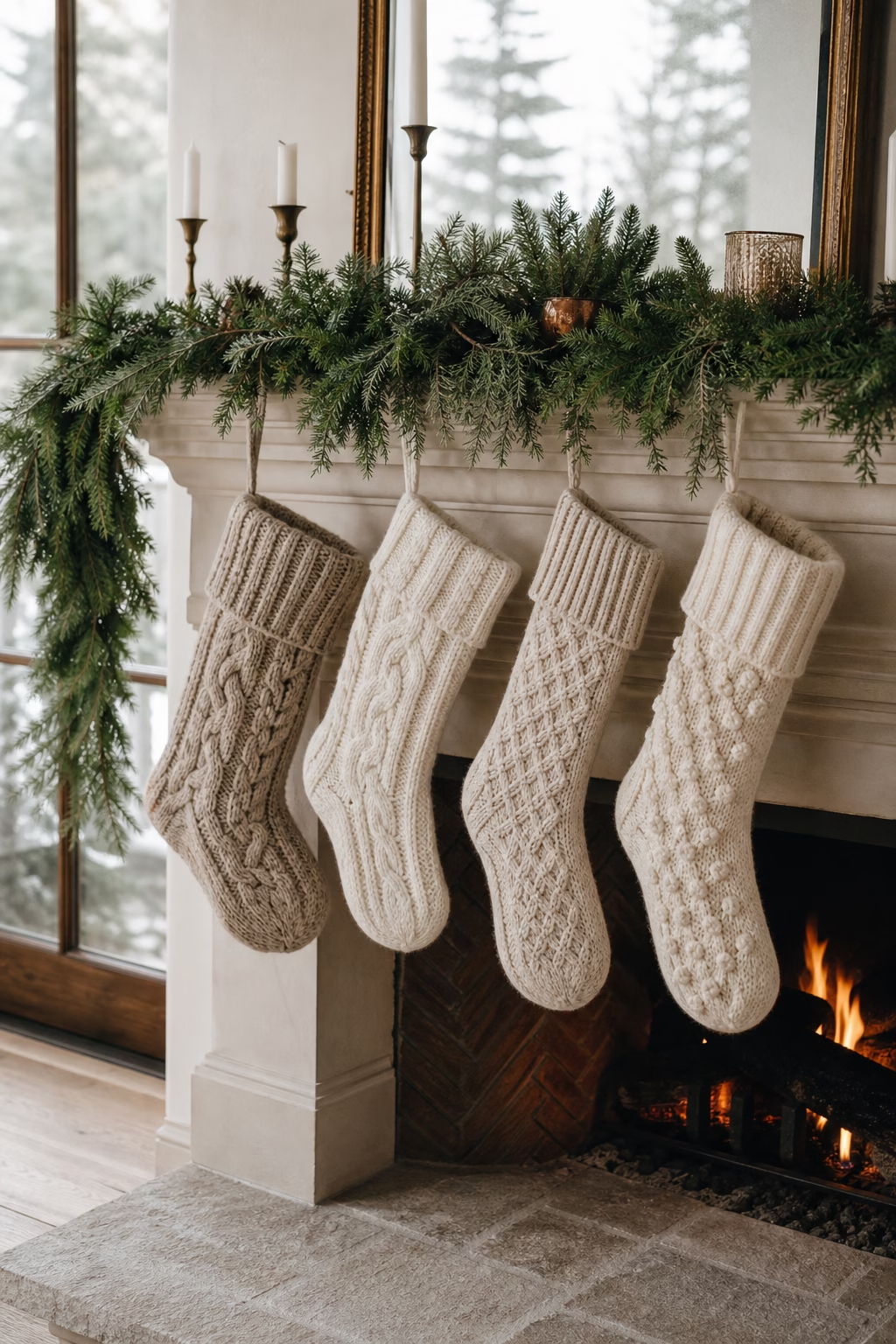
Stockings have more visual value when they contribute texture instead of shouting with pattern. Chunky knit, boucle, brushed wool, quilted linen, or soft felt versions feel more integrated in a refined room than glossy novelty styles. Hang them so their scale suits the mantel width and the spacing between hooks feels natural. If you need several stockings, keep the palette cohesive and let one subtle variation, such as a stitched monogram or a contrasting cuff, carry the personality. The softness of textile stockings also helps balance fireplaces finished in stone, brick, or painted plaster. They make the hearth feel warm and familial without tipping the room into theme-party territory.
Fill a Marble Bowl With Glass Ornaments
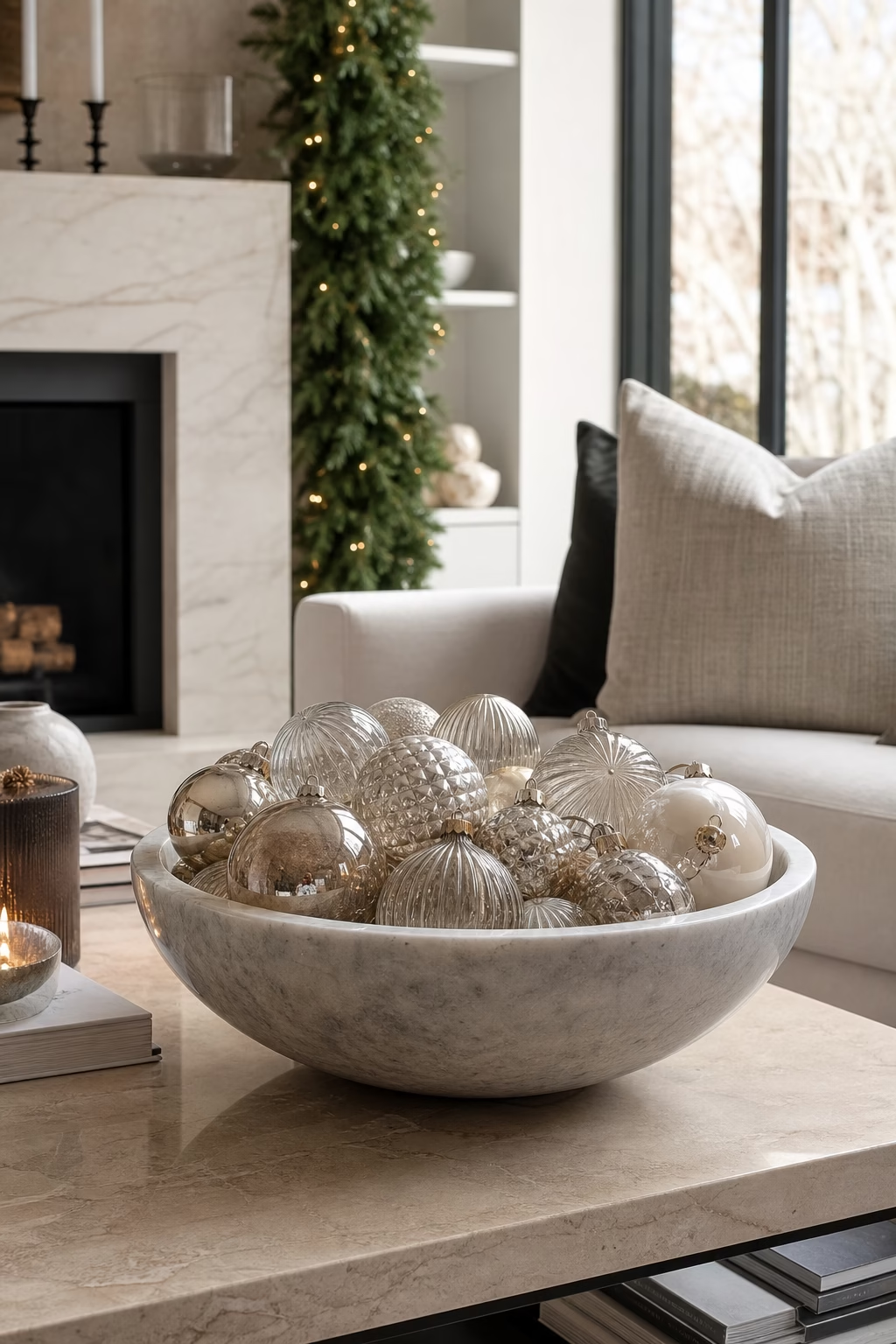
A generous bowl of glass ornaments can decorate a coffee table, dining console, or kitchen island without taking up the visual space of another tree. The key is choosing ornaments that relate to the room already in place: smoked glass, antique gold, matte pearl, bronze, or soft champagne all look more elevated than bright primary colors. Use a substantial bowl in marble, stone, wood, or ceramic so the arrangement feels grounded. Let some ornaments vary in finish or scale, but keep the palette disciplined. This simple move catches daylight beautifully, reflects candlelight after dark, and adds just enough holiday sparkle to rooms that need a quieter seasonal gesture.
Frame Doorways With Cedar Garland
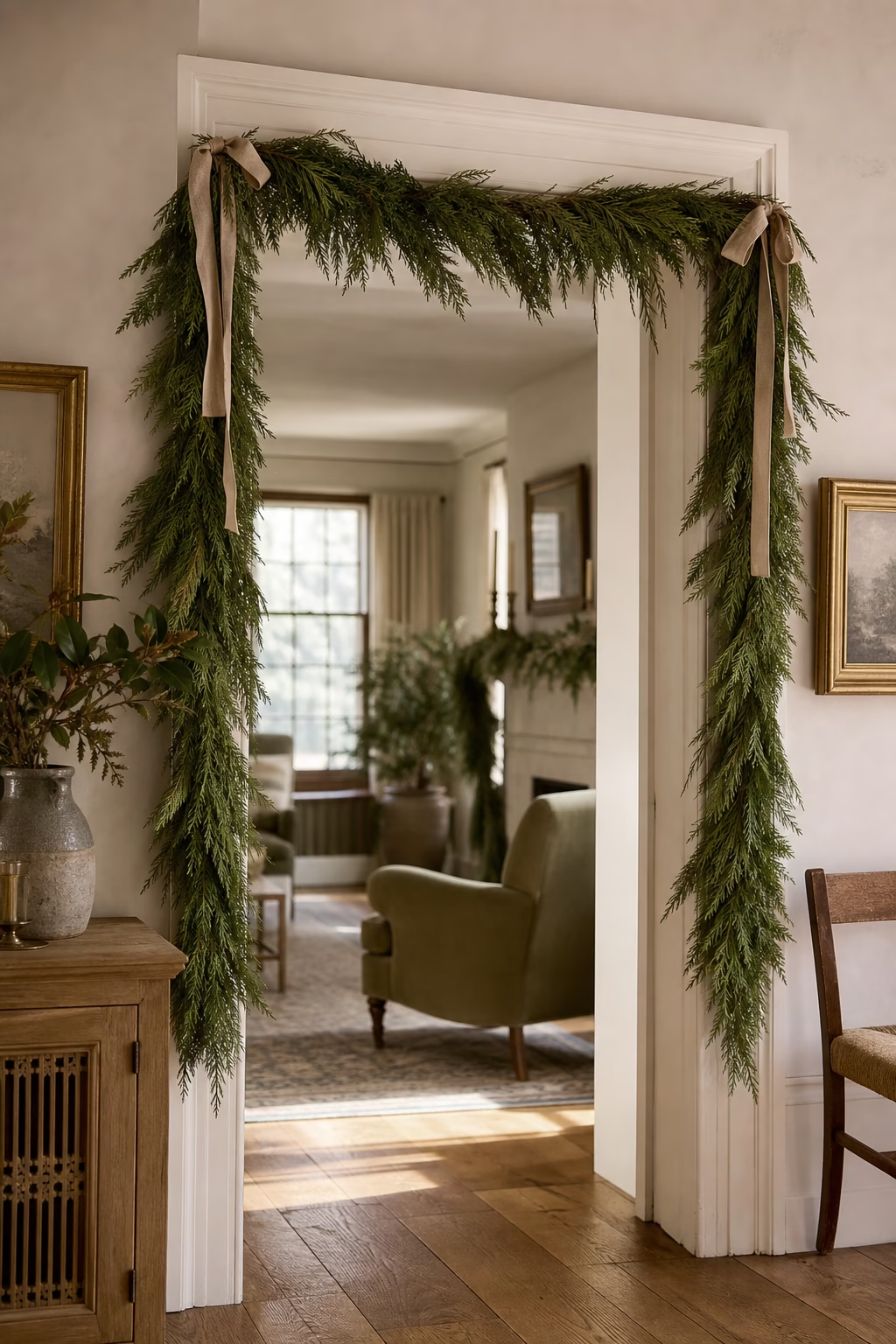
Doorway garlands make circulation spaces feel special because they turn ordinary passages into seasonal thresholds. Cedar is especially useful because it drapes softly and has enough natural variation to look rich without extra filler. Let the garland skim the casing and fall slightly longer on one side if you want a looser, European mood, or keep both ends even for a more tailored look. If bows are added, use them sparingly and in fabrics that repeat elsewhere in the house. Doorway greenery works best when it respects the architecture and leaves the lines of the trim legible. That balance is what makes it feel decorative rather than cumbersome.
Swap In a Pleated Tree Skirt
The base of the Christmas tree matters more than many people expect because it sits at eye level when you enter the room and often occupies the visual center of the floor. A pleated tree skirt in linen, velvet, wool, or cotton gives the tree a cleaner foundation than synthetic faux fur or highly embellished fabric. The folds create softness around the stand while still looking intentional and tailored. Choose a neutral or deep seasonal tone that supports the room rather than competing with the ornaments. When the skirt is well proportioned, it also helps wrapped gifts look more considered, making the whole tree vignette feel finished from top to bottom.

Style a Sculptural Nativity on the Sideboard
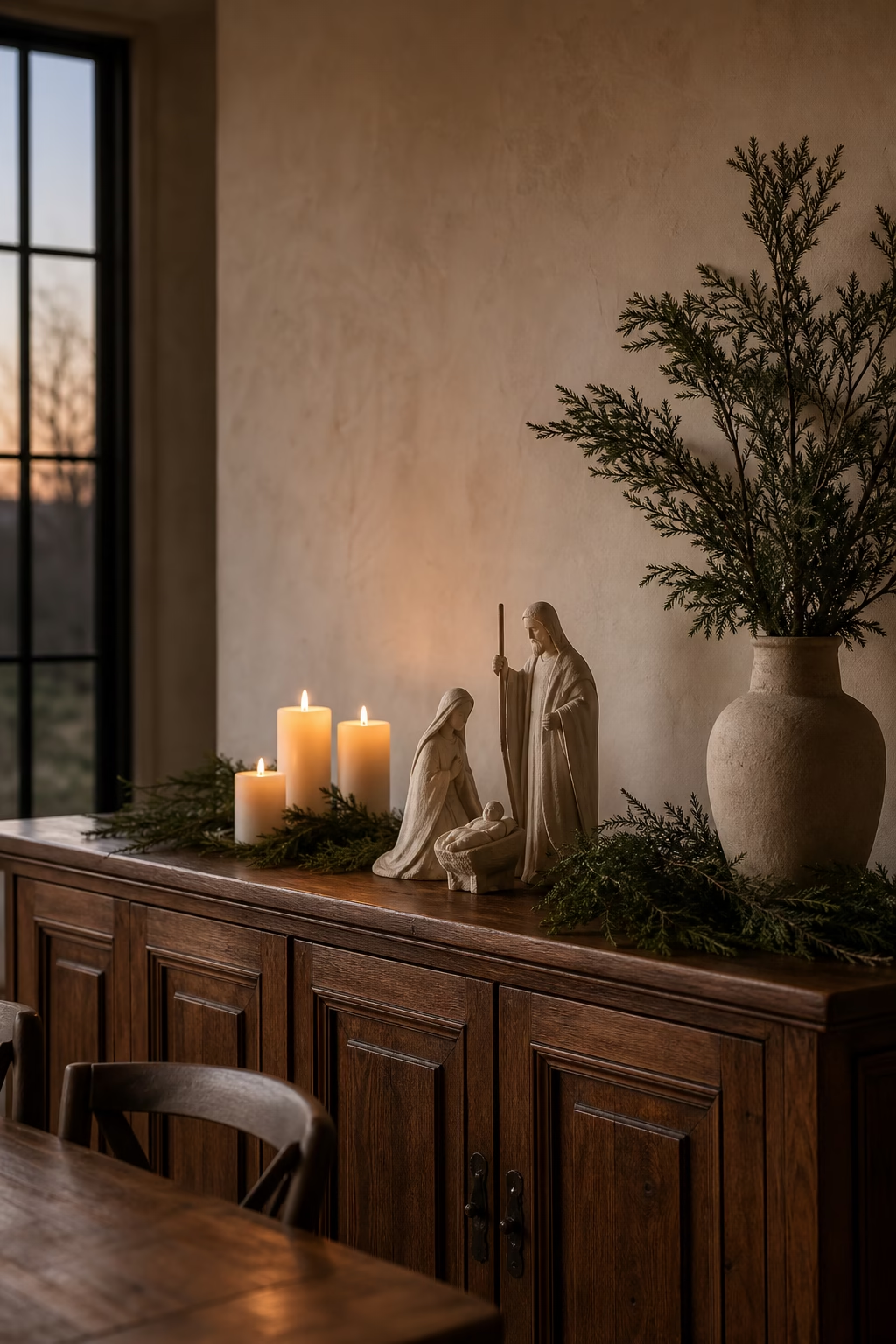
A nativity set can feel deeply elegant when the figures are chosen for form, proportion, and material rather than bright color. Look for carved wood, matte ceramic, cast brass, stone resin, or plaster silhouettes with simplified lines. Place the set on a sideboard or console where it has enough negative space around it to read as one intentional vignette. A pair of candles or a low garland can support the grouping, but the scene should not be crowded. Treating a nativity as sculpture allows it to carry meaning without visual clutter. It feels contemplative and calm, which is often exactly what holiday decorating needs.
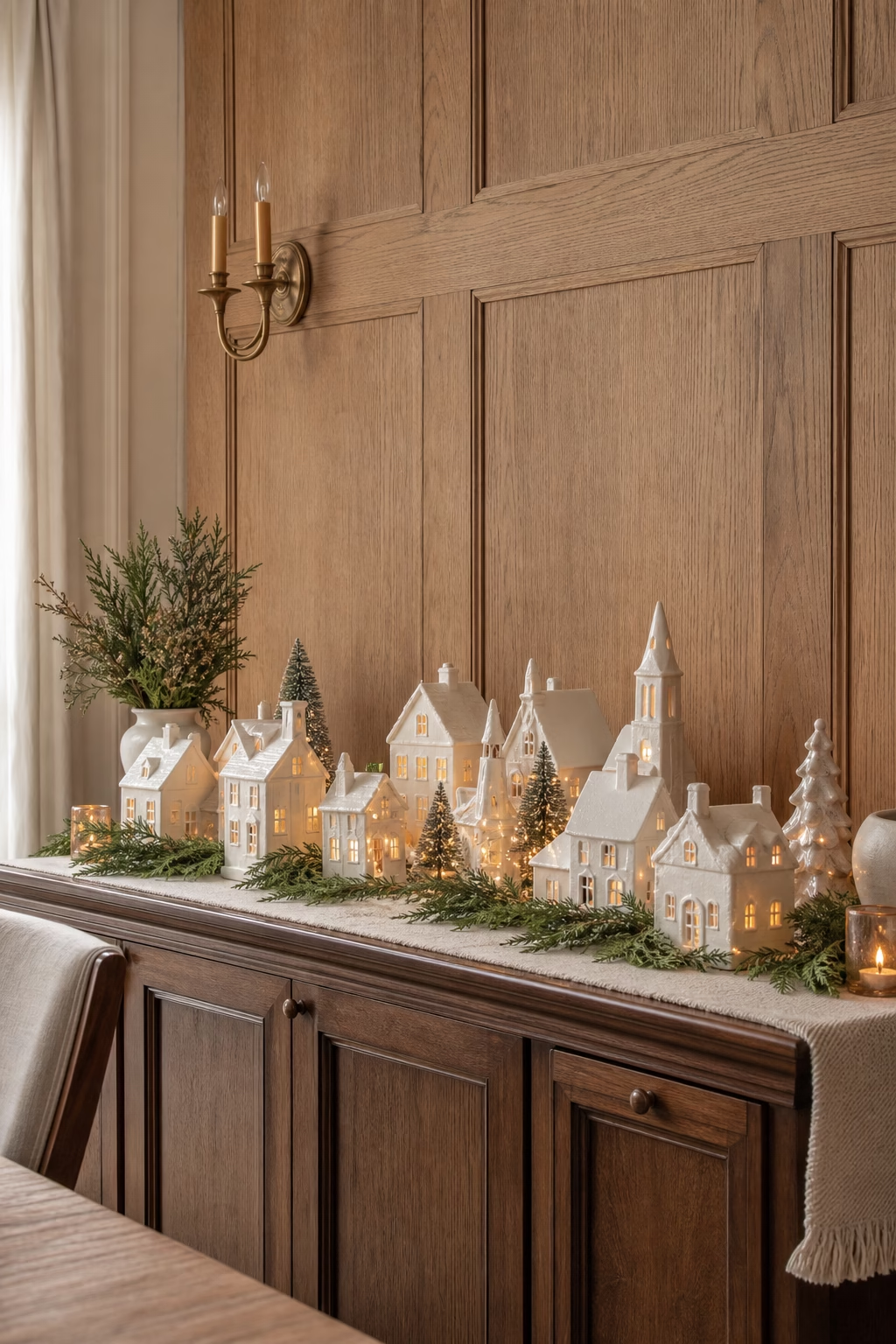
Build a Frosted Village on the Dining Sideboard
A village display becomes more sophisticated when the buildings are limited in finish and arranged with breathing room. Frosted porcelain or matte ceramic houses work especially well because they reflect light softly and feel architectural rather than toy-like. Group taller pieces toward the back, then vary the spacing so the composition reads like a little streetscape instead of a strict grid. Add a string of tiny warm lights behind or within the houses if the cords can remain hidden. The dining sideboard is a strong location because it gives the display real width and makes it visible during gatherings. A quiet village introduces whimsy while staying polished.
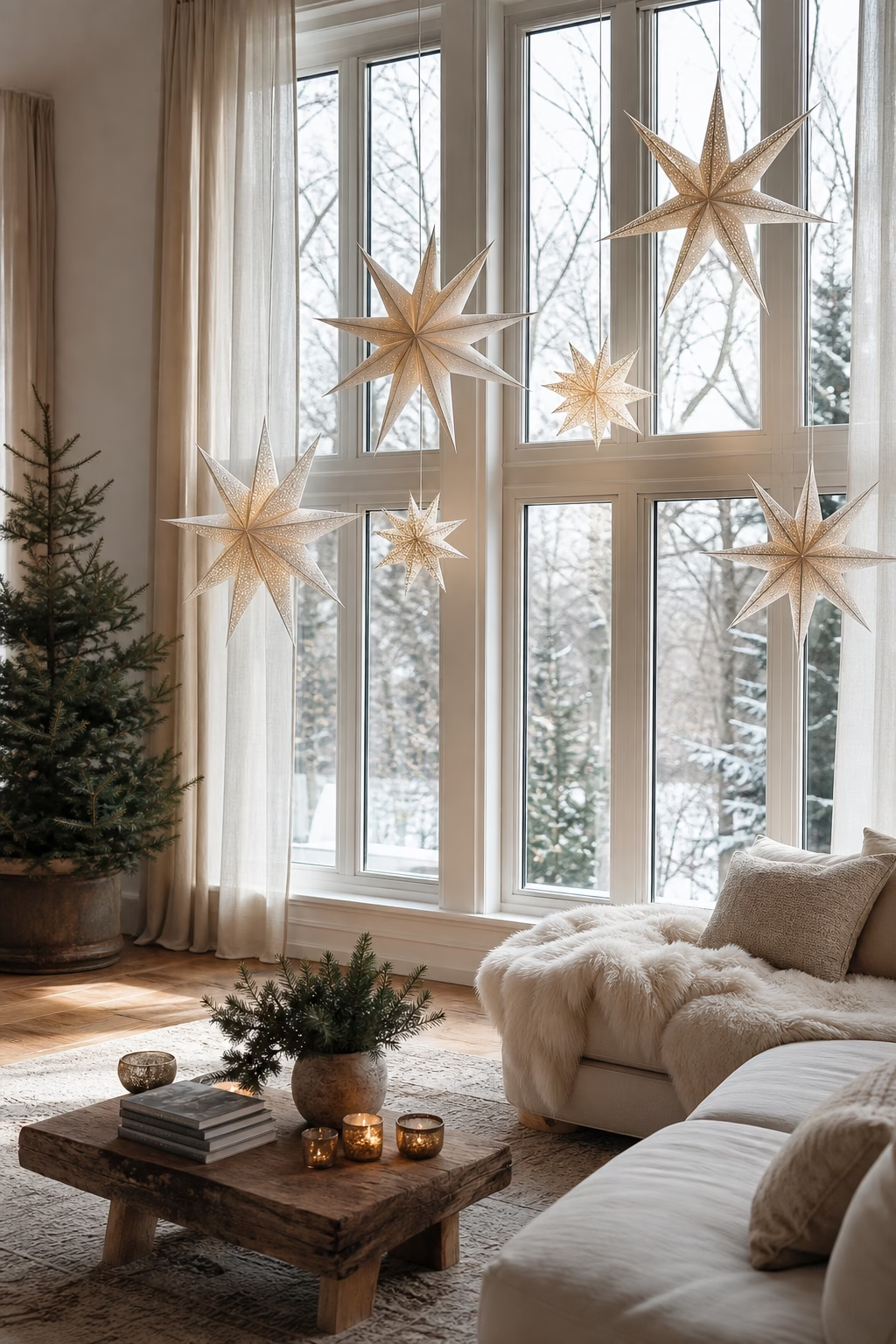
Suspend Paper Stars in the Windows
Paper stars are one of the lightest ways to add Christmas atmosphere because they float against the glass without taking over the room. Choose oversized stars in ivory, warm white, natural paper, or soft metallic finishes and hang them at slightly varied heights so the arrangement feels relaxed. During the day they catch diffuse winter light, and at night they glow beautifully if fitted with discreet warm bulbs. They are especially effective in rooms that already have strong furniture or art because they decorate the window plane rather than another surface. Their simplicity makes them feel seasonal, graphic, and unexpectedly serene.
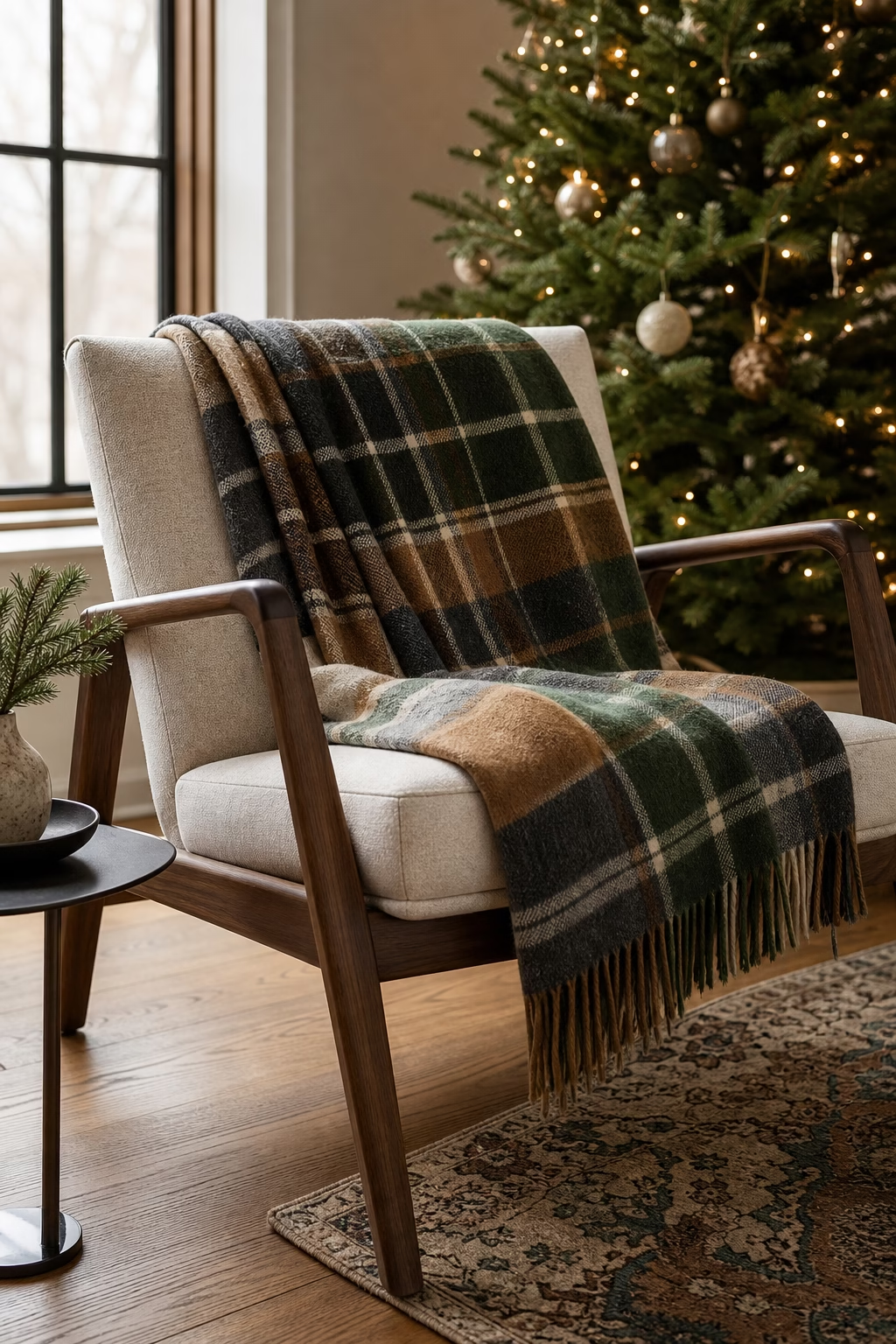
Drape Plaid Throws Over Lounge Chairs
A seasonal throw works best when it looks like a textile you would still appreciate in January. Plaid in muted tones such as espresso, pine, camel, charcoal, or cream can add unmistakable Christmas warmth without reading like costume fabric. Drape one loosely over the arm or seat of a lounge chair, then let the rest of the room stay fairly restrained. The point is to create an invitation to sit, not a pile of blankets everywhere. When the weave is tactile and the palette sophisticated, a plaid throw becomes both decor and comfort. It warms the visual temperature of the room while remaining practical for chilly evenings.
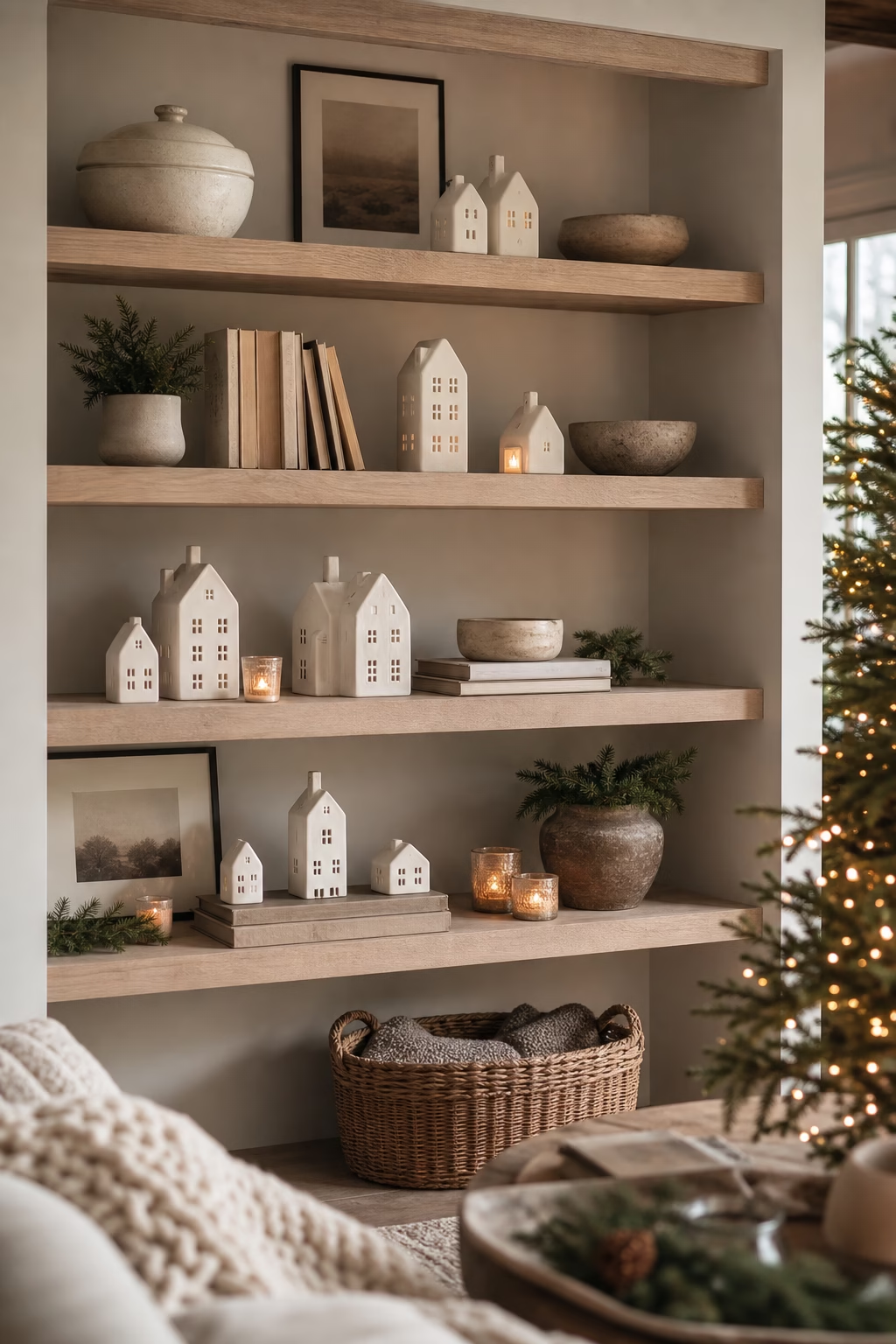
Arrange Ceramic Houses Across Open Shelves
Open shelves can hold holiday decor gracefully if the pieces are repeated in a disciplined way. Ceramic houses are ideal because they bring a winter silhouette without introducing loud color. Tuck them among books, bowls, and framed art rather than dedicating an entire shelf wall to seasonal objects. Keep the houses within one finish family such as white, stone, matte charcoal, or pale sand, then vary their heights so the shelves retain rhythm. A few tiny lights or candles can help after dusk, but the shelves should still feel like part of the room, not a separate Christmas display zone. That integration is what keeps them elegant.
Scatter Mercury Glass Votives on the Table
Mercury glass votives bring sparkle in a softer way than mirrored trays or glittering ornaments because their finish diffuses the light instead of bouncing it sharply. Use them down the center of a dining table or on a cocktail table with low greenery, fruit, or stoneware so the setting stays grounded. Vary the sizes slightly, but keep the shapes related for a more collected effect. They are particularly helpful in evening entertaining because they make the table glow without blocking sightlines. When paired with linen, wood, and natural evergreen textures, mercury glass feels festive and grown-up rather than flashy.

Display Ribbon-Wrapped Gift Boxes Beneath the Tree
Wrapped gifts are part of the room’s visual composition long before anyone opens them, so they deserve the same editing as the ornaments. Limit the paper palette to two or three finishes such as kraft, matte cream, deep green, tobacco, plaid, or understated metallic, then let the ribbons add the richer note through velvet, grosgrain, or silk. Vary the sizes and stack them loosely so the arrangement feels naturally abundant rather than staged like a storefront. A thoughtful group of gifts can make the tree area feel complete even on quiet days between gatherings. It is a practical piece of decor that rewards consistency more than complexity.

Add a Mini Tree to the Kitchen Counter
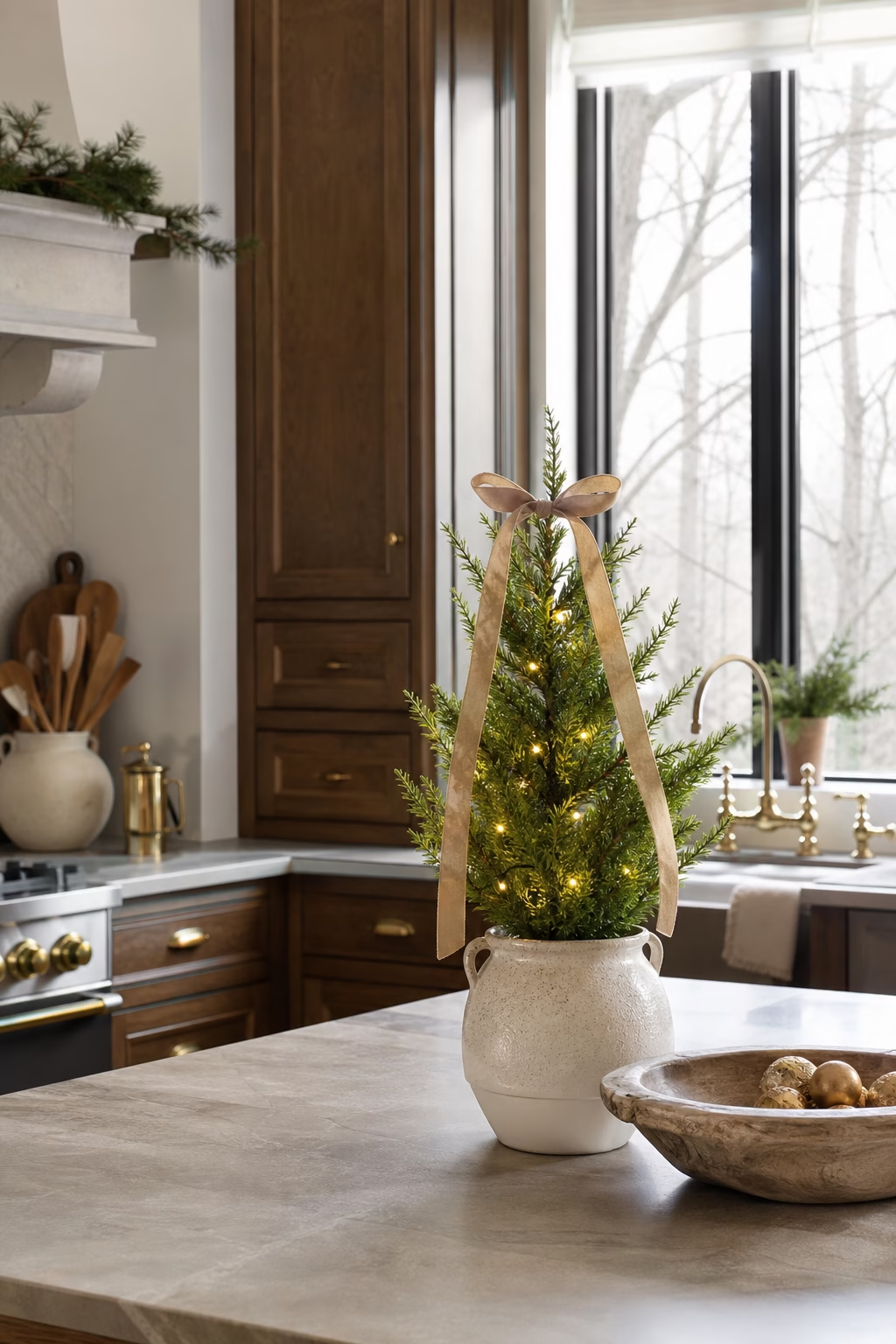
A miniature tree can bring the holiday mood into the kitchen without demanding an elaborate second decorating scheme. Choose one with a shape that feels natural, then place it in a crock, urn, woven basket, or ceramic pot so it belongs with the room’s everyday materials. Keep ornaments minimal or skip them entirely in favor of warm lights and one simple ribbon. A mini tree works best where it does not interfere with prep space, perhaps on a side counter, breakfast nook ledge, or open shelf near a window. That small gesture helps the kitchen feel included in the season while staying functional and easy to maintain.
Hang Fresh Greenery Above the Dining Chandelier
Suspended greenery can make a dining room feel extraordinary because it shifts the holiday focus upward and turns the ceiling plane into part of the decor. A restrained swag or ring of cedar, pine, or eucalyptus above the chandelier adds softness without blocking the light fixture itself. Keep the foliage airy enough that the shape of the chandelier remains visible, and hang it with discreet mechanics so it appears to float. This is a strong choice for holiday meals because it frames the table in an immersive way while leaving the tabletop less crowded. The effect feels lush, architectural, and a little theatrical in the best possible sense.

Cluster Bells on an Interior Door
A bell cluster is charming when it looks like a gathered object rather than a novelty craft. Choose bells in brass, bronze, iron, or antique pewter finishes and tie them with velvet or woven ribbon to an interior door, pantry latch, or cabinet pair. The weight of the metal gives the arrangement presence, while the subtle sound adds another seasonal layer without visual excess. Keep the grouping generous enough to feel intentional but not so large that it overwhelms the joinery. Bells work well in hallways and kitchens because they decorate vertical surfaces that are often left plain, adding holiday character with almost no footprint.

Loop Wooden Bead Garland Through a Bowl Centerpiece
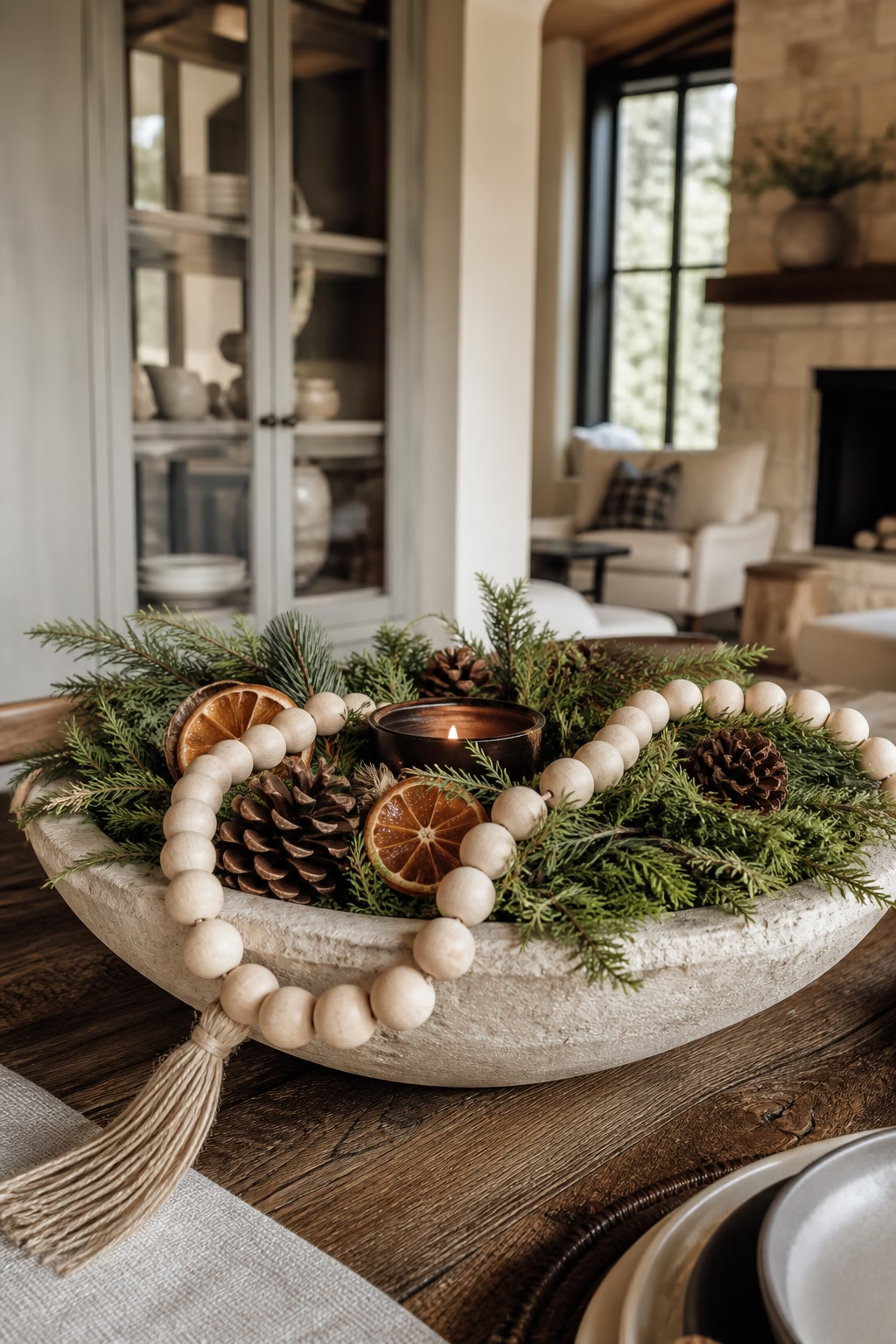
Wooden bead garland brings a handcrafted note to holiday decorating, but it feels most sophisticated when it is used sparingly and paired with stronger materials. Loop it through a bowl centerpiece with evergreen clippings, pinecones, dried citrus, or a candle so the beads become a textural layer rather than the whole display. Pale wood beads are especially useful in rooms with stone, linen, and oak because they add warmth without sparkle. They can also soften more formal Christmas settings by introducing something a little humbler and tactile. The result is festive but grounded, which helps holiday styling feel livable instead of overly polished.
Hide the Stand With a Luxe Tree Collar
A tree collar can transform the lower half of the tree because it replaces exposed hardware with a material that relates to the rest of the room. Woven rattan, hammered metal, matte brass, blackened steel, oak, or painted wood all work if the finish echoes nearby furniture and lighting. The best collars are simple and scaled correctly, large enough to feel intentional but not so bulky that they crowd the skirt or the gifts. This one detail has an outsized effect because it makes the tree read like part of the interior rather than a temporary object brought indoors. Clean transitions always look more luxurious.

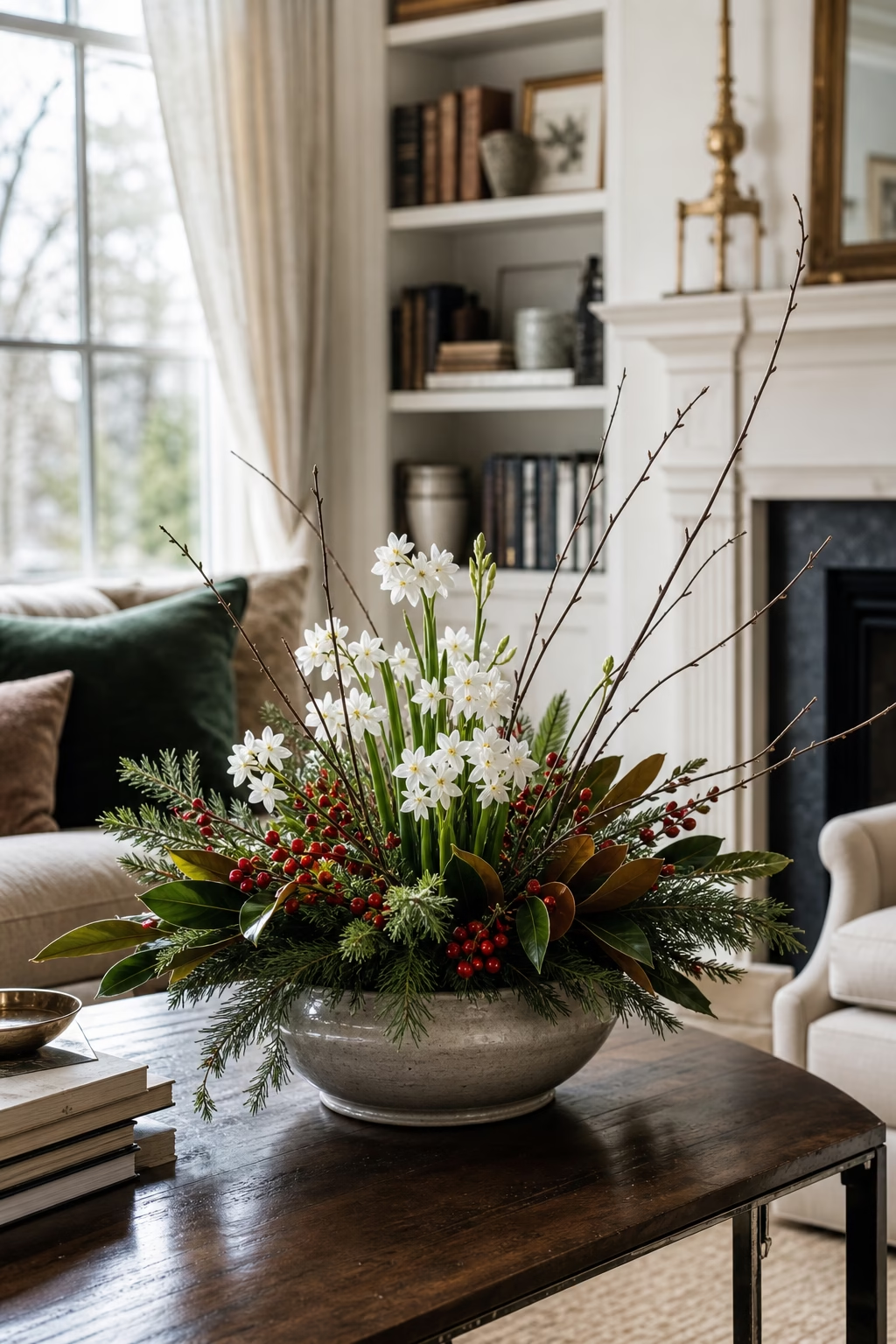
Place a Winter Floral Arrangement on the Coffee Table
A winter floral arrangement can carry the holiday mood through the entire room if it is built with seasonally convincing materials and a generous silhouette. Think hellebores, paperwhites, amaryllis, evergreen clippings, berries, magnolia leaves, or bare branches arranged loosely in a ceramic or stone vessel. The goal is a composition that feels fresh and architectural, not a compact florist dome. A coffee-table arrangement should sit low enough to preserve conversation while still giving the room a central point of life. When the greens, stems, and blooms feel natural, the arrangement brings color, fragrance, and quiet abundance without depending on overt Christmas motifs.