Elegant dining table decor ideas for centerpieces that feel polished, practical, and beautiful enough for everyday meals or special gatherings.
- Start With Sculptural Ceramic Vases
- Style a Low Bowl With Seasonal Fruit
- Anchor the Table With a Linen Runner
- Keep Candles Slim and Sight-Friendly
- Use Greenery Instead of Full Florals
- Create Height With One Branch Arrangement
- Scatter Bud Vases Down the Center
- Use a Footed Compote for Flowers
- Try Clear Hurricane Lanterns
- Group Decor on a Pedestal Tray
- Build a Tone-on-Tone Neutral Centerpiece
- Use Black Accents for Definition
- Mix Vintage Brass Candlesticks
- Keep Everyday Decor Minimal
- Bring In Coastal Texture Subtly
- Create a Moody Autumn Table
- Make Winter Whites Feel Warm
- Freshen the Table With Spring Tulips
- Use a Rustic Dough Bowl With Restraint
- Add a Metallic Bowl for Shine
- Let the Sideboard Support the Table
- Choose a Tray You Can Lift Away
Start With Sculptural Ceramic Vases
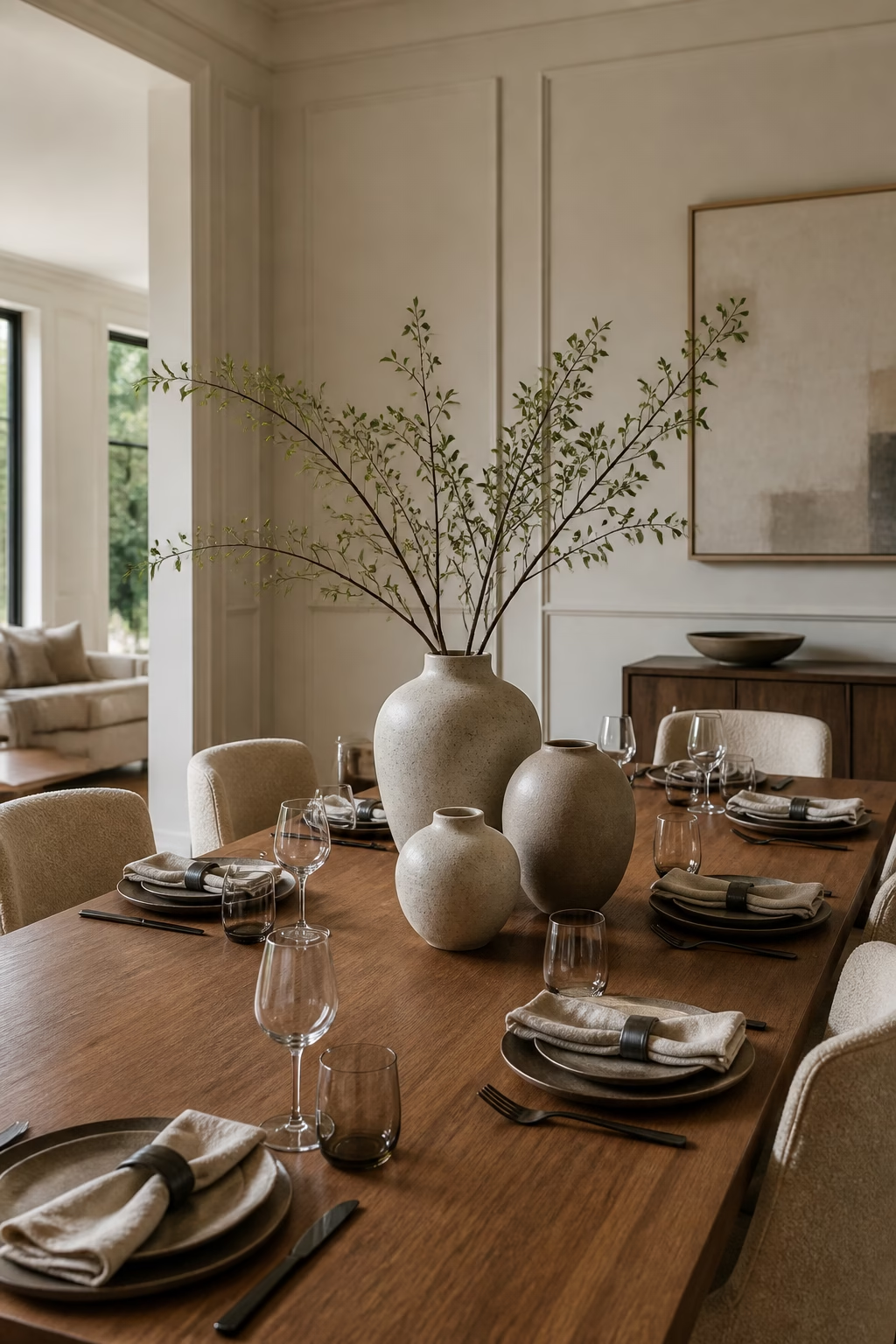
Ceramic vases are the easiest way to make a dining table feel styled without turning it into a display shelf. Choose two or three pieces with different heights, but keep the finishes related: chalky white, warm clay, smoky brown, or a quiet glazed green. The arrangement should sit slightly off center so the table still feels relaxed, especially if you use it daily. Leave at least half the tabletop visually open, and avoid stuffing every vessel with flowers. One vase can stay empty, one can hold a few branches, and one can carry a single stem. That restraint gives the table a collected, editorial quality while keeping conversation sight lines clear and dinner service practical.
Style a Low Bowl With Seasonal Fruit
A low fruit bowl brings color, texture, and usefulness to the center of the table. The key is choosing fruit that looks abundant without becoming messy: pears, figs, lemons, artichokes, or small apples all photograph beautifully and last longer than delicate berries. Use a footed ceramic bowl, a shallow marble dish, or a hammered metal vessel so the arrangement has some presence. Keep the bowl low enough that guests can see across it, then repeat one color from the fruit in napkins, flowers, or glassware nearby. This kind of centerpiece feels natural because it belongs in a dining room, but it still gives the table a polished, magazine-ready focal point.

Anchor the Table With a Linen Runner
A linen runner gives the table a soft center line and makes even simple decor feel intentional. Choose a runner that is long enough to fall slightly over the ends, but not so wide that it fights with place settings. Stonewashed linen works especially well because the relaxed texture keeps formal dining furniture from looking stiff. Layer a vase, candles, or a low bowl on top, then let the fabric wrinkle naturally instead of pressing it flat. The result feels elegant but lived-in. If the room already has strong pattern or color, use a quiet oatmeal, ivory, or flax tone. In a plainer space, a muted stripe or soft sage runner can add just enough personality.

Keep Candles Slim and Sight-Friendly
Candles add instant atmosphere, but oversized holders can make a dining table feel crowded. Slim taper candles are more graceful because they add height without stealing surface area. Use three holders down the center of a rectangular table, or one pair flanking a low bowl on a round table. The holders do not need to match exactly, but they should share a finish such as aged brass, blackened bronze, or clear glass. Keep the flame line above eye level or low enough to avoid blocking conversation. For everyday styling, unlit tapers still look sculptural in daylight, while dinner parties get the glow and movement that make the room feel special.

Use Greenery Instead of Full Florals
Greenery is a smart choice when you want the table to feel fresh without the formality of a flower arrangement. Eucalyptus, olive branches, bay, rosemary, or ruscus can run loosely down the center as a low garland. Keep it narrow enough that plates and serving pieces still have room, and tuck cut ends inward so the styling looks deliberate. Greenery works especially well with wood tables because it softens the surface without hiding the grain. Add a few small votives or simple ceramic bowls if the arrangement needs weight. The best version looks like it grew from the room’s materials rather than being placed there for a single occasion.

Create Height With One Branch Arrangement
One tall branch arrangement can make a dining room feel architectural, especially when the table sits under a pendant or chandelier. The trick is choosing branches with an open shape rather than dense leaves that block the room. Place them in a heavy ceramic or stoneware vase so the scale feels secure, then keep everything else on the table low. Bare branches, olive stems, magnolia, or cherry blossom can all work depending on the season. This idea is strongest when the branches echo something outside the window or in the home’s palette. It creates drama without clutter, and it gives a simple table the kind of vertical line usually reserved for professionally styled interiors.

Scatter Bud Vases Down the Center
Bud vases solve the problem of wanting flowers without one bulky centerpiece. Use five or seven small vessels spaced irregularly down the table, each with a single stem or tiny cluster. Mixing clear glass with one or two ceramic pieces keeps the look collected, while repeating the same flower creates calm. This works beautifully for long tables because each guest gets a little moment of detail without a large arrangement in the way. Keep the heights varied but modest, and leave gaps for serving dishes. The effect is delicate, personal, and easy to refresh: when one stem fades, you can replace it without rebuilding the entire table.

Use a Footed Compote for Flowers
A footed compote gives flowers a lifted, graceful shape that feels more tailored than a standard vase. It is especially useful on round or oval dining tables because the arrangement reads as one central gesture. Keep the flowers loose and slightly asymmetrical, but trim them low enough that the centerpiece remains comfortable for conversation. Garden roses, ranunculus, sweet peas, or seasonal greenery can feel abundant without becoming fussy when the colors stay tonal. Place the compote directly on wood for a relaxed look or over a linen runner for a more formal setting. The height of the vessel adds elegance, while the wide bowl shape keeps the arrangement grounded.

Try Clear Hurricane Lanterns
Hurricane lanterns give candlelight structure and make a centerpiece feel substantial without adding visual heaviness. Clear glass is best because it protects the flame while letting the table, runner, and surrounding chairs remain visible. Use two lanterns on a medium table or three on a longer one, then soften the bases with greenery, linen, or a few small ceramic dishes. Avoid lanterns that are too tall or wide; the goal is glow, not obstruction. This idea works in modern, coastal, farmhouse, and traditional dining rooms because the form is simple. It also transitions easily from everyday decor to a dinner setting with almost no effort.

Group Decor on a Pedestal Tray
A pedestal tray makes small objects look curated instead of scattered. Choose one with real material weight: travertine, marble, dark wood, or aged metal. Then group only three to five items on it, such as a small vase, a candle, a salt cellar, and a low bowl. The raised base gives the arrangement importance, while the tray edge keeps the tabletop visually tidy. This is especially helpful if you often clear the table for meals because the whole centerpiece can move in one lift. Keep the palette tight and vary the shapes, mixing something round, something vertical, and something textural for balance.

Build a Tone-on-Tone Neutral Centerpiece
Neutral dining table decor can be rich when the materials do the work. Layer ivory ceramic, oatmeal linen, pale oak, smoky glass, and soft white flowers so the table has depth without strong color contrast. The secret is texture: matte beside glossy, rough beside smooth, woven beside polished. Keep the shapes simple and let shadows define the arrangement. This approach is ideal for rooms with architectural detail, because the centerpiece supports the space rather than competing with it. Add one warmer note, such as brass flatware or a honey-toned wood bowl, so the palette does not feel cold. The result is quiet, expensive-looking, and easy to adapt year-round.

Use Black Accents for Definition
Black accents can sharpen dining table decor and keep pale rooms from feeling washed out. Use them sparingly: black taper candles, a dark ceramic bowl, charcoal napkins, or slim black flatware can be enough. The surrounding materials should stay warm and tactile so the contrast feels elegant rather than harsh. Pair black with wood, linen, stone, and clear glass, then repeat the accent in a chair frame, pendant, or artwork nearby. This creates a visual thread across the room. It is a particularly strong move for modern dining rooms because it gives the table structure without relying on busy pattern or oversized floral arrangements.

Mix Vintage Brass Candlesticks
A mixed group of brass candlesticks brings history and warmth to a dining table. Look for varied heights, narrow bases, and patina rather than a perfectly polished finish. Odd numbers usually feel best, but the arrangement should still leave room for plates and serving pieces. Brass works beautifully with cream candles, dark wood, stoneware, and soft florals because it catches light without looking flashy. To keep the table from feeling antique-store crowded, limit the rest of the decor to one low vessel or a simple runner. The charm comes from the collected shapes, not from adding more objects. This is an easy way to make a new room feel layered.

Keep Everyday Decor Minimal
The most useful dining table decor is often the simplest. For daily life, try one vase, one tray, or one bowl that can stay in place without interrupting homework, coffee, or casual meals. Choose pieces that look good from every angle because dining tables are usually seen from several rooms at once. A matte ceramic vase with one branch, a shallow dish, and folded linen napkins can be enough. Avoid fragile clusters that need constant adjusting. Minimal decor works when scale is right: one substantial object looks calmer than several tiny pieces. This gives the room a finished feeling while keeping the table genuinely usable.

Bring In Coastal Texture Subtly
Coastal table decor is strongest when it suggests the shoreline through materials rather than literal shells and signs. Use woven placemats, clear glass, pale blue or sea-green linen, and driftwood-toned ceramics. Keep the centerpiece low and natural: a glass vase with branches, a bowl of citrus, or a woven tray with candles. The room should still feel like a dining space, not a themed display. Balance breezy textures with tailored chairs and proper lighting so the look stays elevated. This approach works well in bright rooms because sunlight brings out the weave, glass reflections, and soft color shifts that make the table feel fresh.

Create a Moody Autumn Table
Autumn table decor can be refined without relying on obvious seasonal props. Choose dark wood, amber glass, russet branches, pears, figs, and linen in tobacco or olive tones. A low bowl of fruit paired with a branch arrangement feels more elegant than a crowded collection of pumpkins. Keep the centerpiece narrow, and let the richer colors repeat in napkins or glassware. Candlelight helps, but natural afternoon light is just as beautiful because it deepens the shadows across wood and ceramic. The goal is warmth and abundance with control. When edited carefully, an autumn dining table feels atmospheric enough for guests and calm enough for everyday dinners.

Make Winter Whites Feel Warm
Winter white decor looks best when it includes warmth and texture. Start with ivory candles, matte white ceramics, evergreen clippings, and natural linen, then add pale wood or aged brass so the table does not feel flat. Avoid shiny novelty pieces; the elegance comes from simple materials arranged with breathing room. A low evergreen runner or a single ceramic vase with winter branches can be enough. If you use candles, vary the heights slightly and keep the palette creamy rather than stark. This creates a seasonal table that feels festive without becoming temporary. It can stay in place for weeks because it reads as refined winter styling, not party decoration.

Freshen the Table With Spring Tulips
Tulips bring movement to a dining table because their stems bend and open naturally over time. Place them in a clear glass cylinder, a ceramic pitcher, or several smaller vases, then keep the rest of the table light. Pale green napkins, white plates, and delicate glassware let the flowers carry the color. Trim the stems so the arrangement sits low enough for conversation, and remove extra leaves below the waterline for a cleaner look. Spring styling should feel fresh rather than elaborate. A simple tulip arrangement on a beautiful table can do more for the room than a complicated centerpiece, especially when daylight catches the petals and glass.

Use a Rustic Dough Bowl With Restraint
A wood dough bowl adds rustic texture, but it needs restraint to feel current. Choose one long, shallow bowl and fill it with a simple combination such as moss, pillar candles, linen-wrapped objects, or a few seasonal branches. Leave some of the aged wood visible so the piece does not become a container for clutter. This works well on farmhouse, transitional, and organic modern tables because it introduces history without looking precious. Pair it with clean-lined chairs or simple ceramics to keep the contrast fresh. The bowl should look useful, tactile, and grounded: a quiet centerpiece that brings warmth to the room.

Add a Metallic Bowl for Shine
A metallic bowl can give the dining table a subtle flash without making the room feel formal. Look for brushed bronze, dark nickel, pewter, or antiqued silver rather than a mirror-bright finish. Fill it lightly with sculptural objects, fruit, or nothing at all, depending on the room’s style. The reflective surface is already decorative, so give it space. Metallic pieces work best when they connect to another finish nearby, such as cabinet hardware, a chandelier, or chair legs. That repetition makes the centerpiece feel integrated instead of random. On a matte wood or stone table, the contrast between shine and texture feels especially polished.

Let the Sideboard Support the Table
Dining table decor does not have to carry the whole room. A nearby sideboard can support the centerpiece with lamps, art, a vase, or a pair of sculptural objects. When the sideboard is styled, the table itself can stay simpler, which is useful for daily meals. Repeat one material between the two surfaces, such as ceramic, brass, linen, or dark wood, so they read as one composition. Keep the sideboard taller and the table lower; that layered height makes the dining room feel designed from every viewpoint. This is especially effective in open-plan homes where the dining area needs presence even when the table is not fully set.

Choose a Tray You Can Lift Away
A removable tray is the practical decorator’s secret. It lets you enjoy a styled table, then clear the centerpiece in seconds when dinner needs more space. Choose a tray with handles or a substantial rim, and keep the contents edited: one vase, one candle, and one small bowl is plenty. The tray should be scaled to the table, leaving generous room at the edges. Wood feels warm, metal feels tailored, and stone feels luxurious, but any material can work if it connects to the room. This idea is especially useful for family dining rooms because beauty and function do not compete. The table stays polished, but it remains ready for real life.
