
The best bookshelf decor does more than look arranged; it makes every shelf easier to use while giving the room a calmer, more intentional rhythm.
- Sort Books by Use Before Color
- Mix Vertical Rows With Horizontal Stacks
- Reserve Lower Shelves for Baskets
- Use Matching Boxes for Small Clutter
- Keep One Shelf Almost Empty
- Place Heavy Books at the Bottom
- Create a Hidden Work Zone
- Add Art to Break Up Book Rows
- Use Slim Bookends as Decor
- Install Shelf Lighting Carefully
- Turn Deep Shelves Into Layers
- Style Corners With Tall Pieces
- Group Paperbacks in Bins
- Use the Top Shelf for Display
- Repeat One Ceramic Color Family
- Leave Room for Books to Grow
- Angle a Few Books for Movement
- Use Plants Only Where Light Reaches
- Hide Cords Behind Books
- Make Children's Books Easy to Reset
- Use Closed Cabinets Below Open Shelves
- Finish With a Distance Edit
Sort Books by Use Before Color
A beautiful bookshelf fails if the books you need are buried behind a color story. Start by sorting for use: daily references, favorite novels, design books, children's books, office files, or seasonal reading. Once the practical groups are clear, refine the look by arranging each zone with related tones and sizes. This keeps the shelves intuitive without abandoning style. Put frequently used books at eye level or within easy reach, and move rarely used volumes higher or lower. The result feels more spacious because you are not searching through decorative stacks every day. Good decor starts with a shelf that respects how the room actually works.
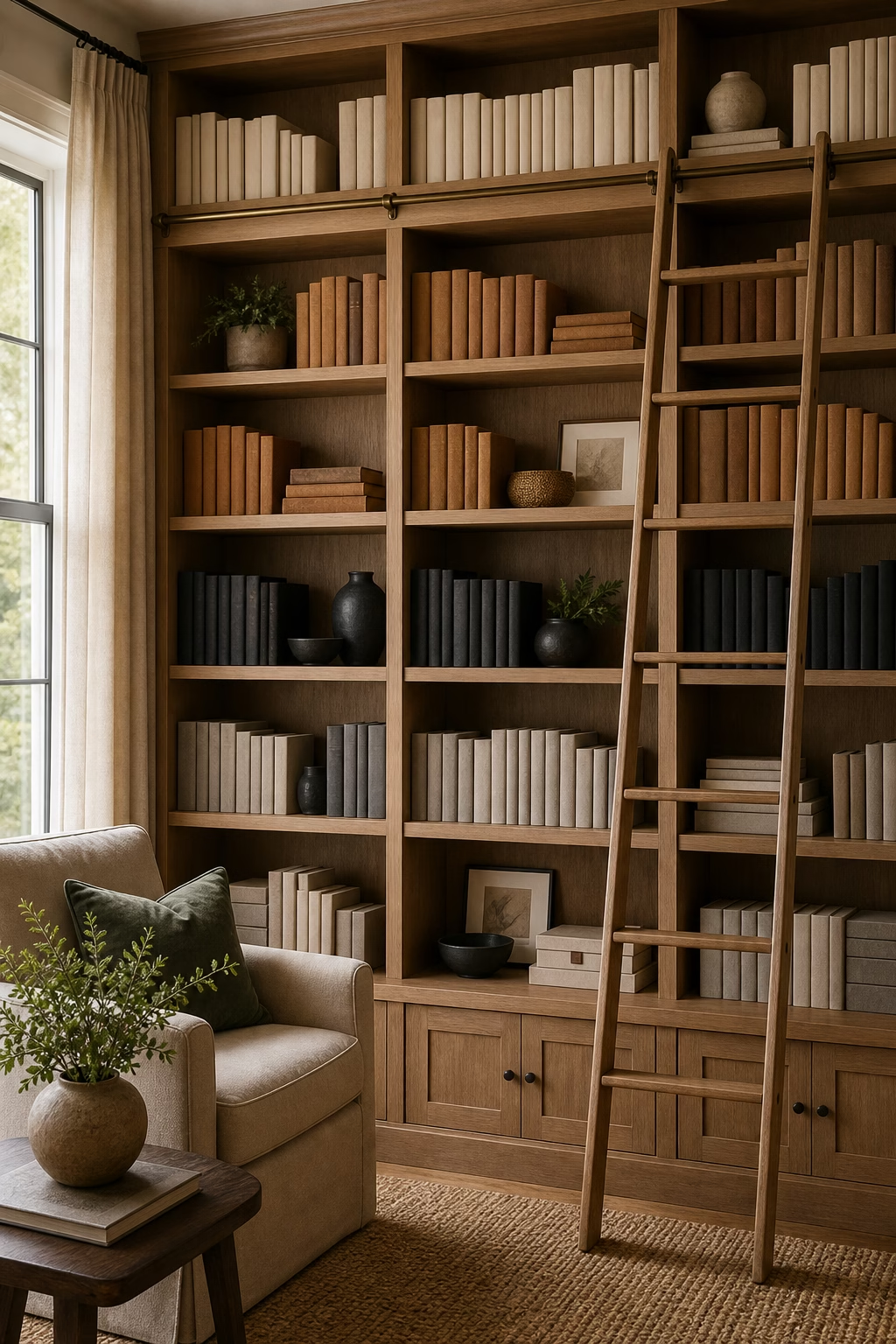
Mix Vertical Rows With Horizontal Stacks
A wall of only upright books can feel dense, while too many horizontal stacks waste shelf height. Mixing both gives the bookcase rhythm and makes better use of awkward gaps. Use vertical rows for most books, then add short horizontal stacks where you need a platform for a bowl, framed photo, or small sculpture. Keep stacks low enough that the shelf above still has breathing room. This method also helps support books that might otherwise lean. The combination looks relaxed but structured, especially when the horizontal piles break up long rows. It maximizes space because every shelf holds books and display without becoming a solid block.

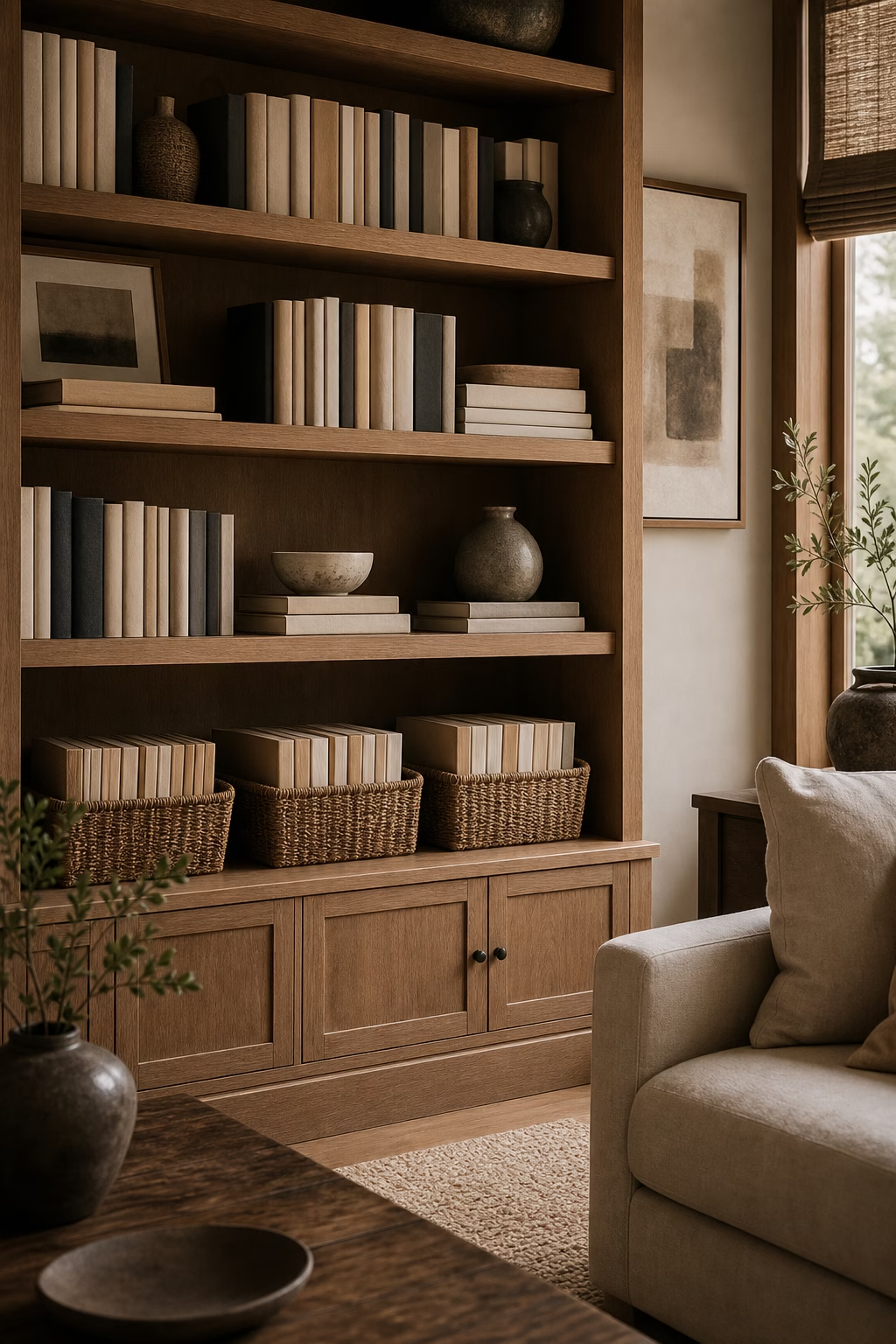
Reserve Lower Shelves for Baskets
Lower shelves are prime storage territory because they can handle visual weight and everyday clutter. Use matching or related baskets for blankets, toys, chargers, games, cables, or magazines that do not need to be on display. Choose baskets that fit the shelf depth properly, leaving enough room to pull them out without scraping. Woven seagrass, cane, leather, or dark fiber can add texture while hiding the messiest items. Keeping baskets low also prevents the bookcase from feeling top-heavy. The upper shelves can stay lighter with books, art, and ceramics, while the lower third quietly does the hard practical work.
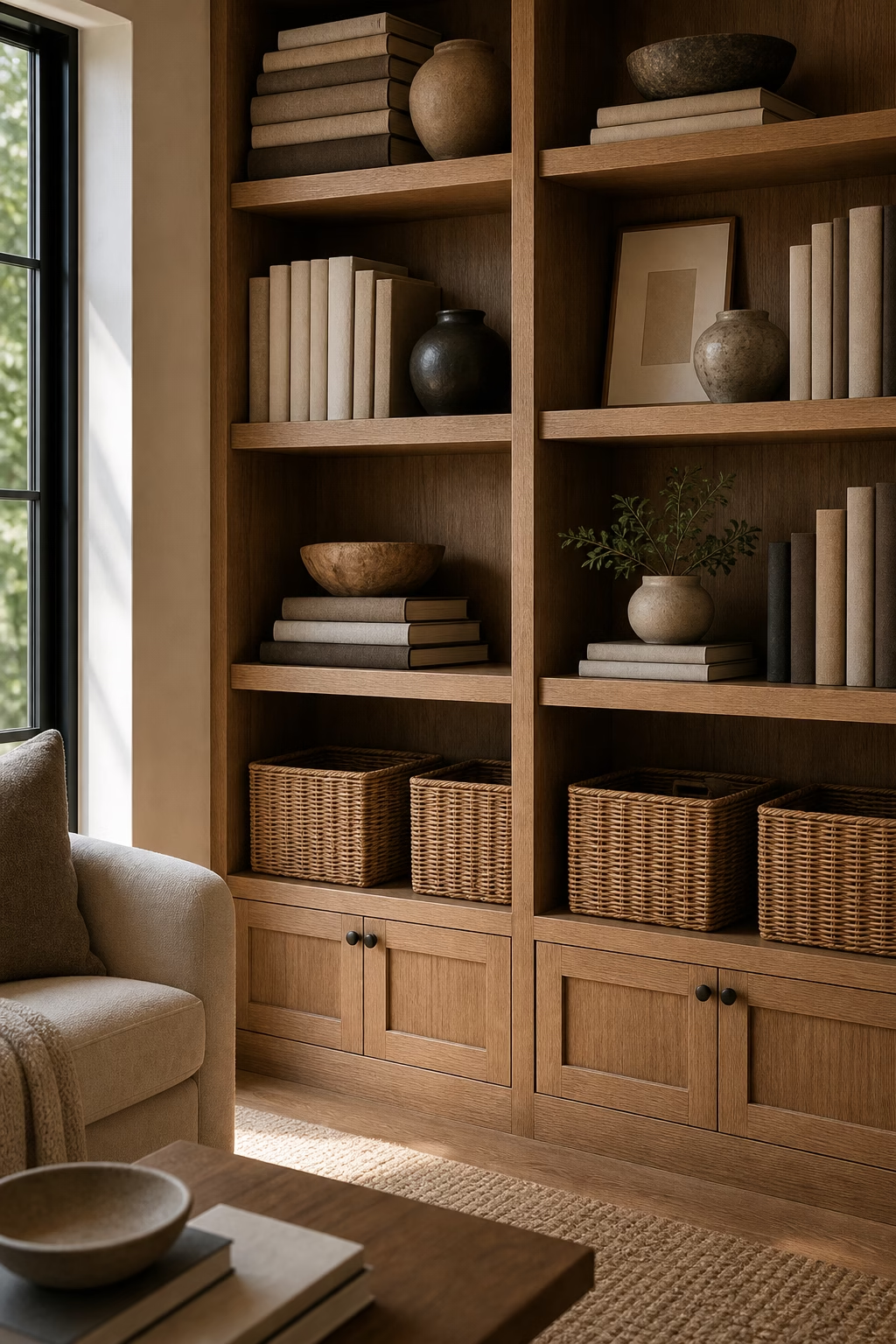
Use Matching Boxes for Small Clutter
Small items make bookshelves feel crowded faster than books do. Matching boxes solve that problem by giving tiny objects a clean home. Use linen, leather, lacquer, or sturdy paper boxes for remotes, stationery, receipts, photos, cords, or craft supplies. Keep the boxes in pairs or trios so they look intentional, and choose sizes that fill the depth without hanging over the edge. If labels are needed, place them inside the lid or on a discreet tag rather than across the front. Boxes are especially useful in living rooms and home offices because they let open shelves perform like closed storage.
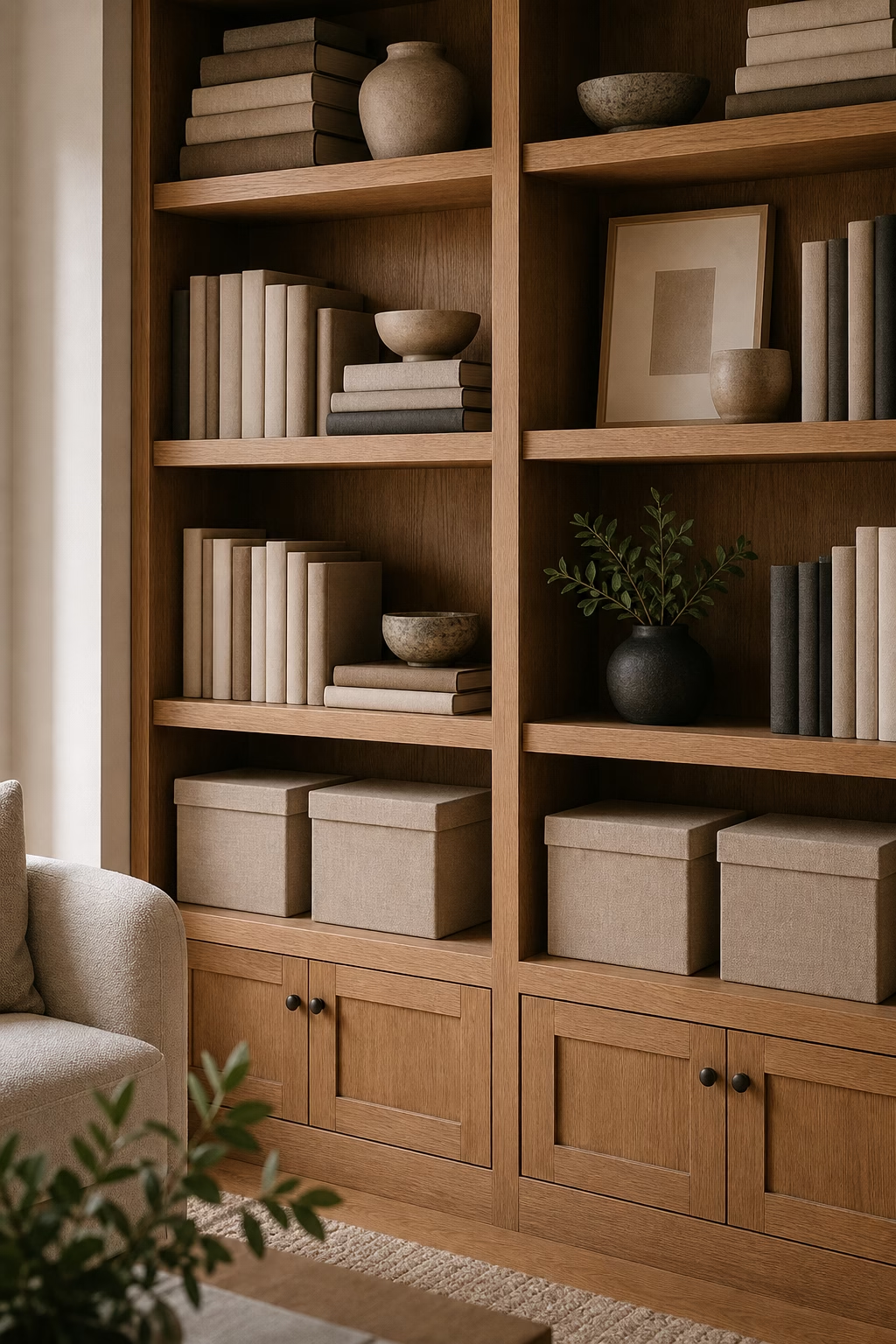
Keep One Shelf Almost Empty
Leaving one shelf nearly empty may seem counterintuitive when you want to maximize space, but it makes the whole bookcase feel larger. A single bowl, sculpture, or framed photograph with air around it gives the eye a place to rest. Without that pause, every shelf competes for attention and the storage feels more crowded than it is. Choose a shelf at eye level or just above it where the empty space will be noticed. This does not mean wasting storage; it means using visual space strategically. The rest of the shelves can work harder because one quiet moment keeps the wall from feeling overloaded.
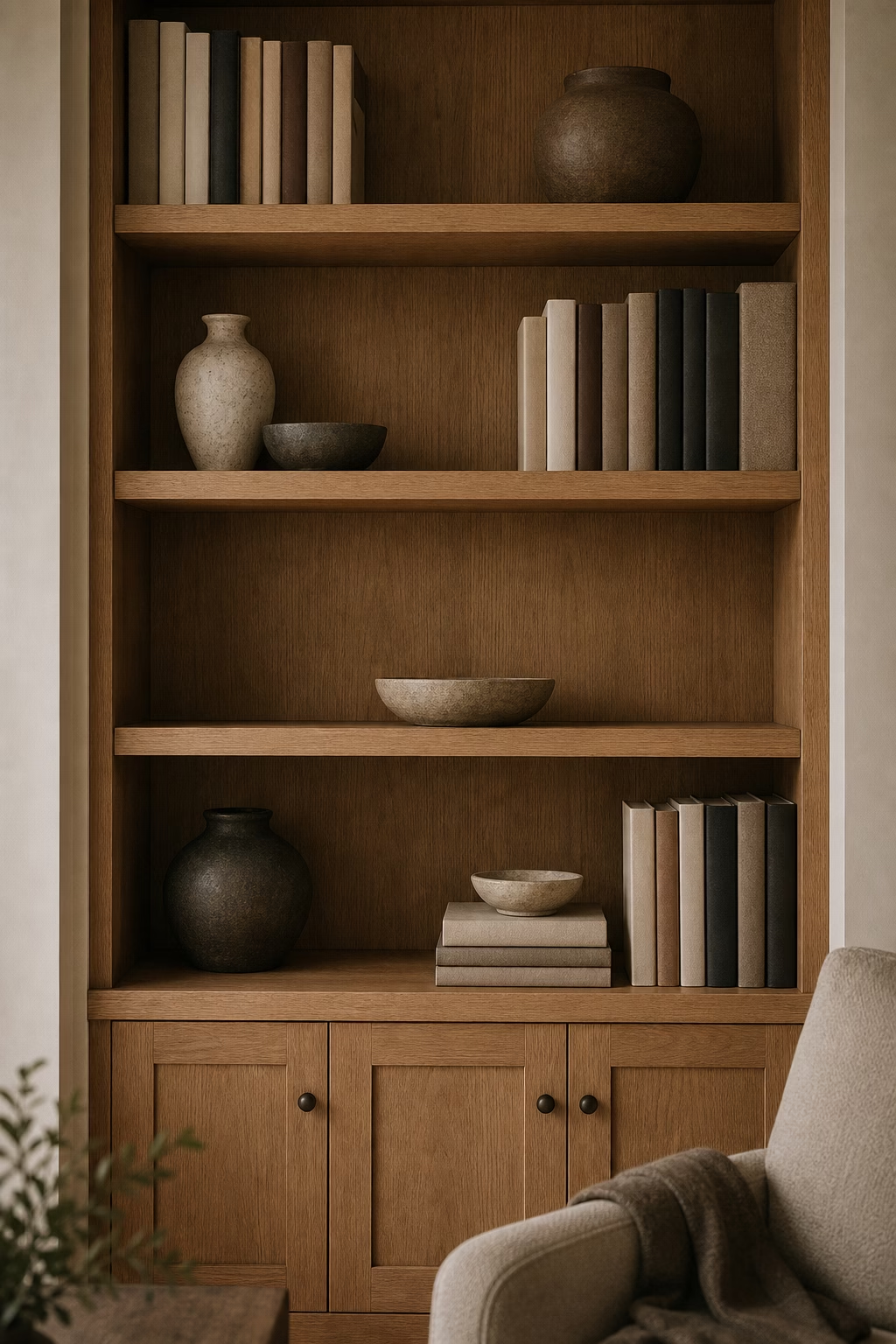
Place Heavy Books at the Bottom
Large art books, atlases, and oversized binders look best lower on the bookcase, where their weight feels natural. This placement is also safer and easier to use. Lay the heaviest volumes horizontally on lower shelves or stand them upright between sturdy bookends. Then keep lighter paperbacks, small objects, and delicate ceramics higher up. The visual gravity makes the entire bookshelf feel stable, which is important when you are trying to maximize storage. A top-heavy arrangement can make even a spacious built-in feel uneasy. When the heaviest pieces sit low, the eye trusts the structure and the upper shelves can feel more open.
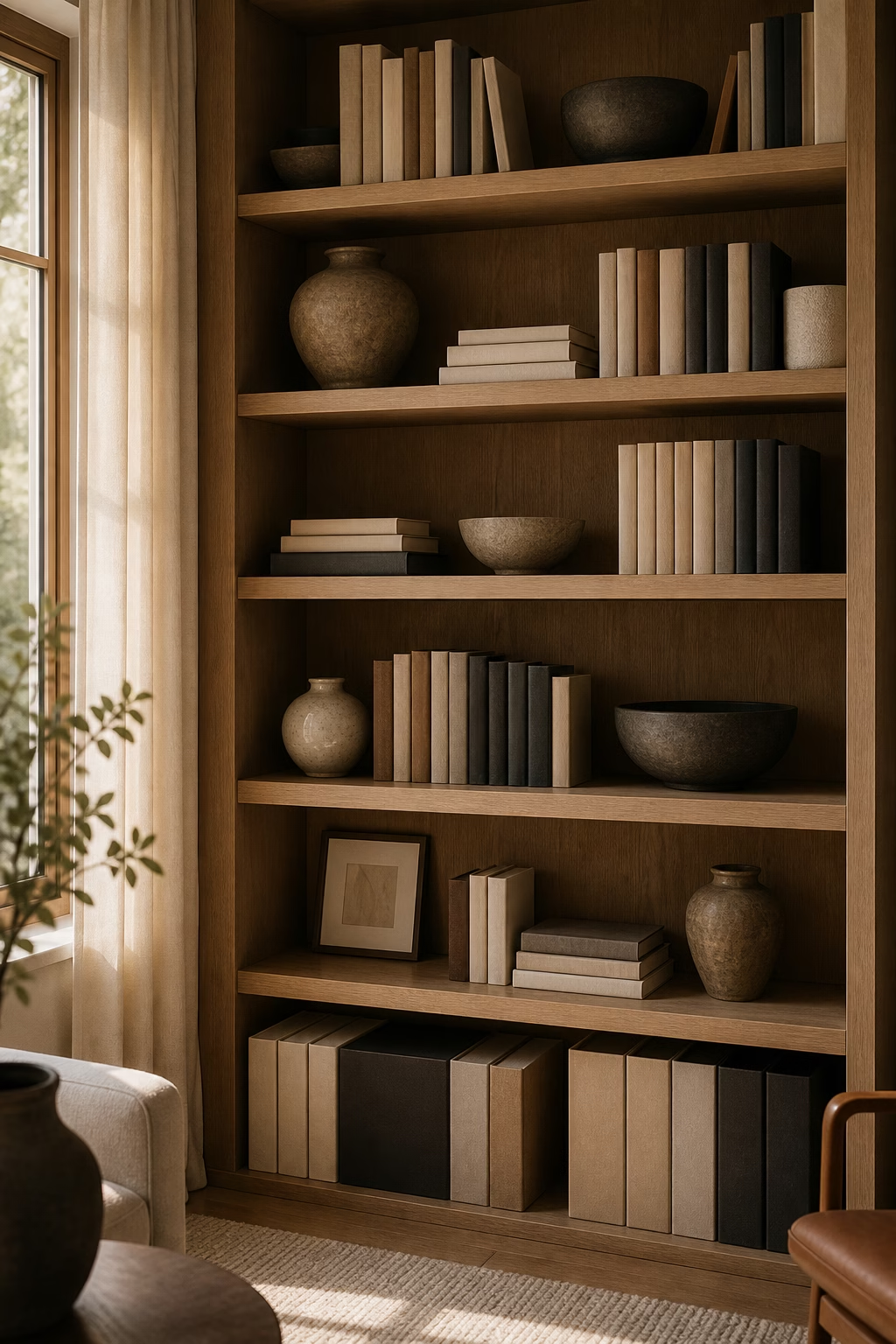
Create a Hidden Work Zone
Bookshelves can absorb a small work zone without making the room feel like an office. Dedicate one or two shelves to attractive file boxes, a pencil cup, a charging tray, and a slim document sorter. Keep these pieces in the same material family so the practical items read as decor. If the bookcase has cabinets below, store printer paper, cords, and supplies there. The visible shelf should hold only what you use daily. This approach is useful in apartments, living rooms, and guest rooms where a separate office is not possible. The bookshelf gains function while the room keeps its polished atmosphere.

Add Art to Break Up Book Rows
Framed art can make a crowded bookshelf feel more spacious by interrupting long rows of spines. Lean a small painting or photograph in front of books, or hang a piece on the outer frame of a built-in if the construction allows. Choose art that relates to the room's palette rather than shouting for attention. The frame should be slim enough not to steal shelf depth. This technique works well when you own many books and cannot leave much empty space. Art creates a visual pause while the books remain accessible behind or beside it. The shelf reads as a layered wall, not just storage.

Use Slim Bookends as Decor
Bookends are practical, but they can also sharpen the styling when shelf space is tight. Choose slim, heavy pieces in stone, metal, wood, or acrylic so they hold books without taking up too much width. Avoid novelty shapes that distract from the books and reduce usable space. A good bookend lets you create shorter rows, which makes room for a vessel, picture frame, or empty gap beside them. It also prevents leaning books from looking messy. Use pairs where stability matters, and single ends where books meet a side panel. When the bookends relate to other materials in the room, they become quiet decor rather than office supplies.
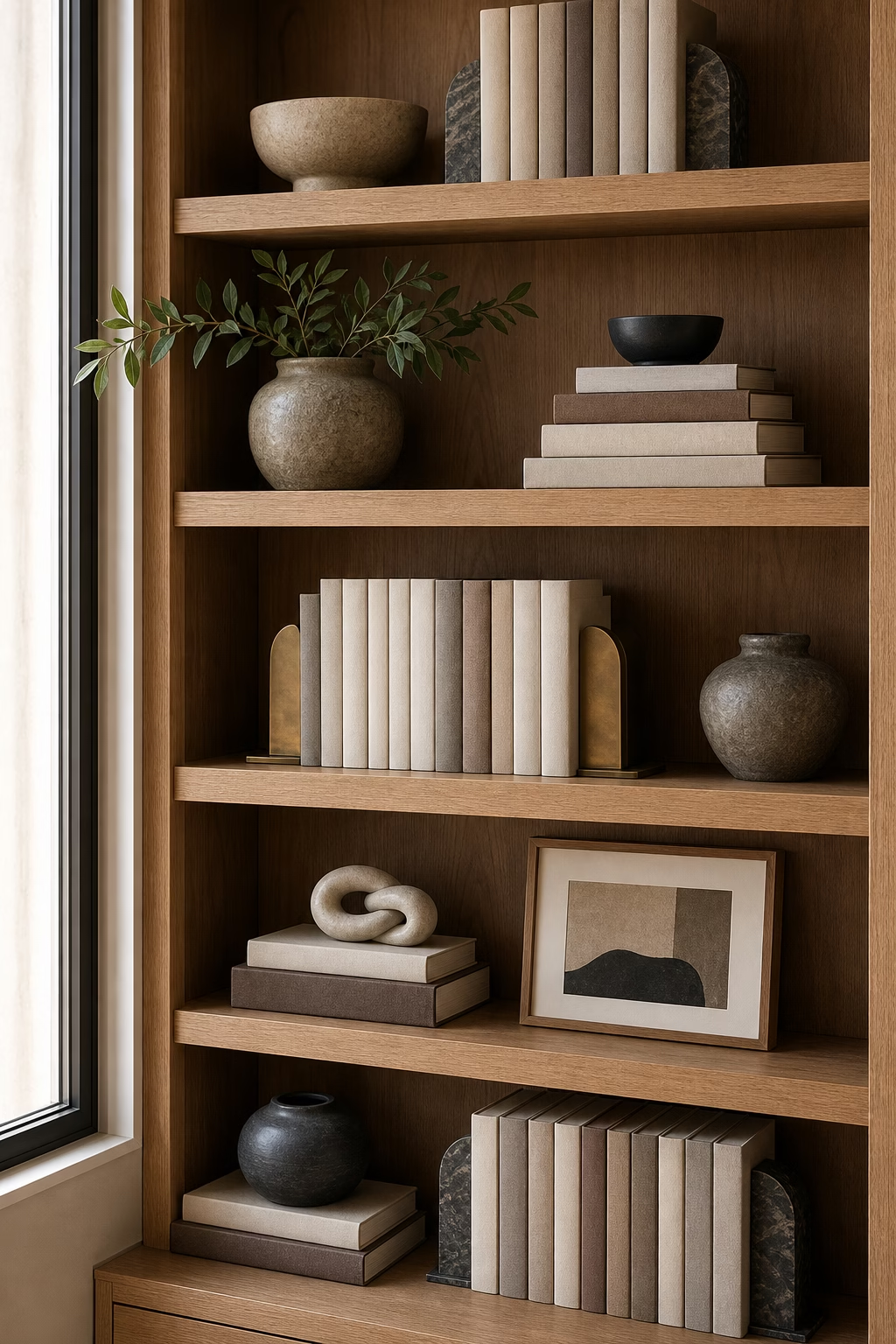
Install Shelf Lighting Carefully
Lighting makes bookshelves feel deeper and more intentional, especially when they are packed with storage. Integrated LED strips, small picture lights, or tiny rechargeable lamps can highlight books and objects without using shelf space. Keep the color temperature warm and the wiring hidden. The light should wash the objects, not glare outward or create harsh dots on glossy covers. Put fixtures on dimmers if the shelves share a living or dining room. In a dark room, shelf lighting can replace the need for extra decorative pieces because shadow and glow do the styling work. It also helps you find books in the evening. Good lighting turns efficient storage into atmosphere.
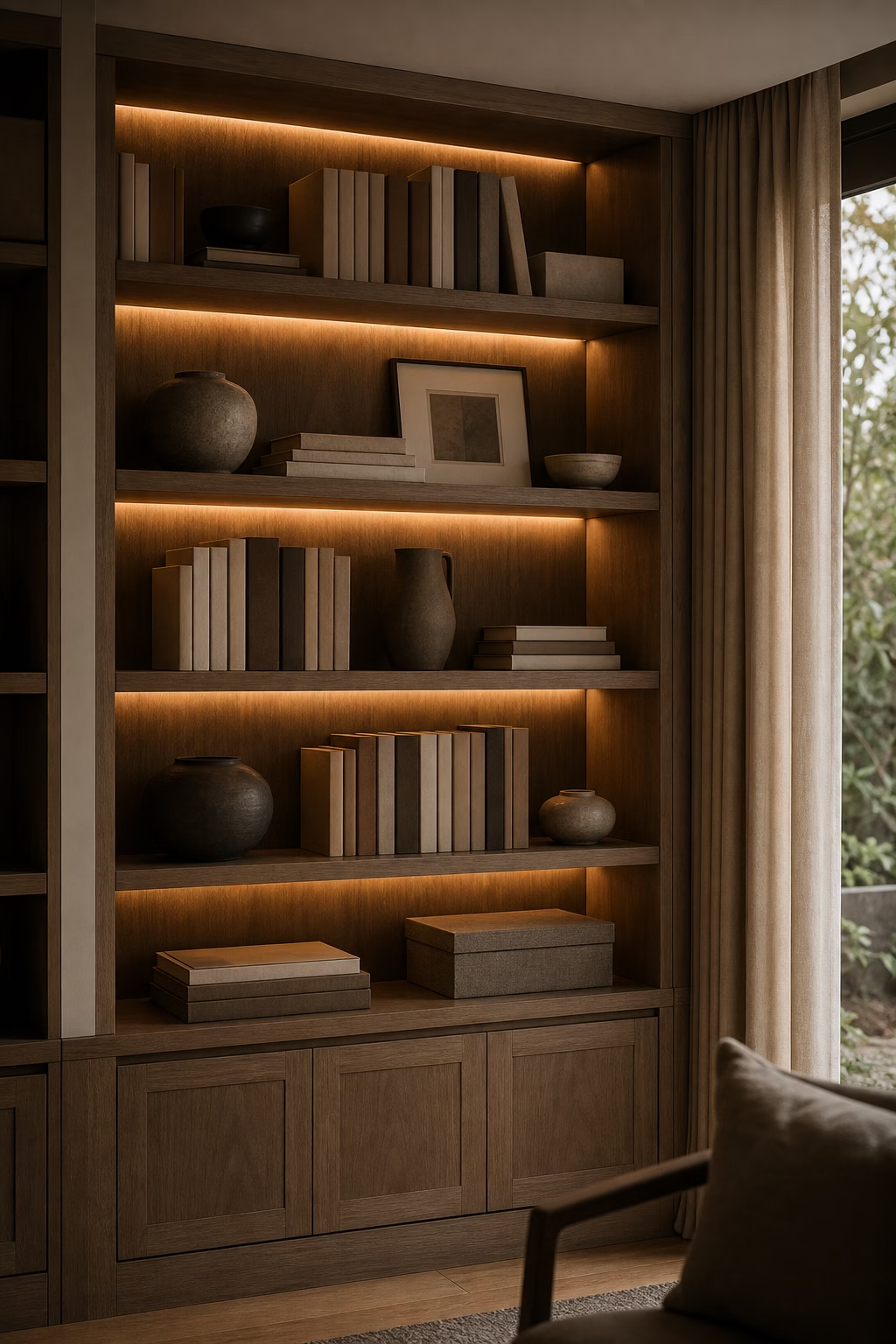
Turn Deep Shelves Into Layers
Deep shelves can swallow objects if everything sits against the back. Use the depth by creating layers: books at the rear, a low stack in front, and one small object or frame near the edge. Keep the front layer low so it does not block titles you need to reach. This strategy is especially helpful on older bookcases with generous shelf depth or built-ins designed for media equipment. Layering makes the shelf look richer while preserving storage behind. The trick is to leave enough room for your hand to reach in. A layered deep shelf should feel composed, not trapped.
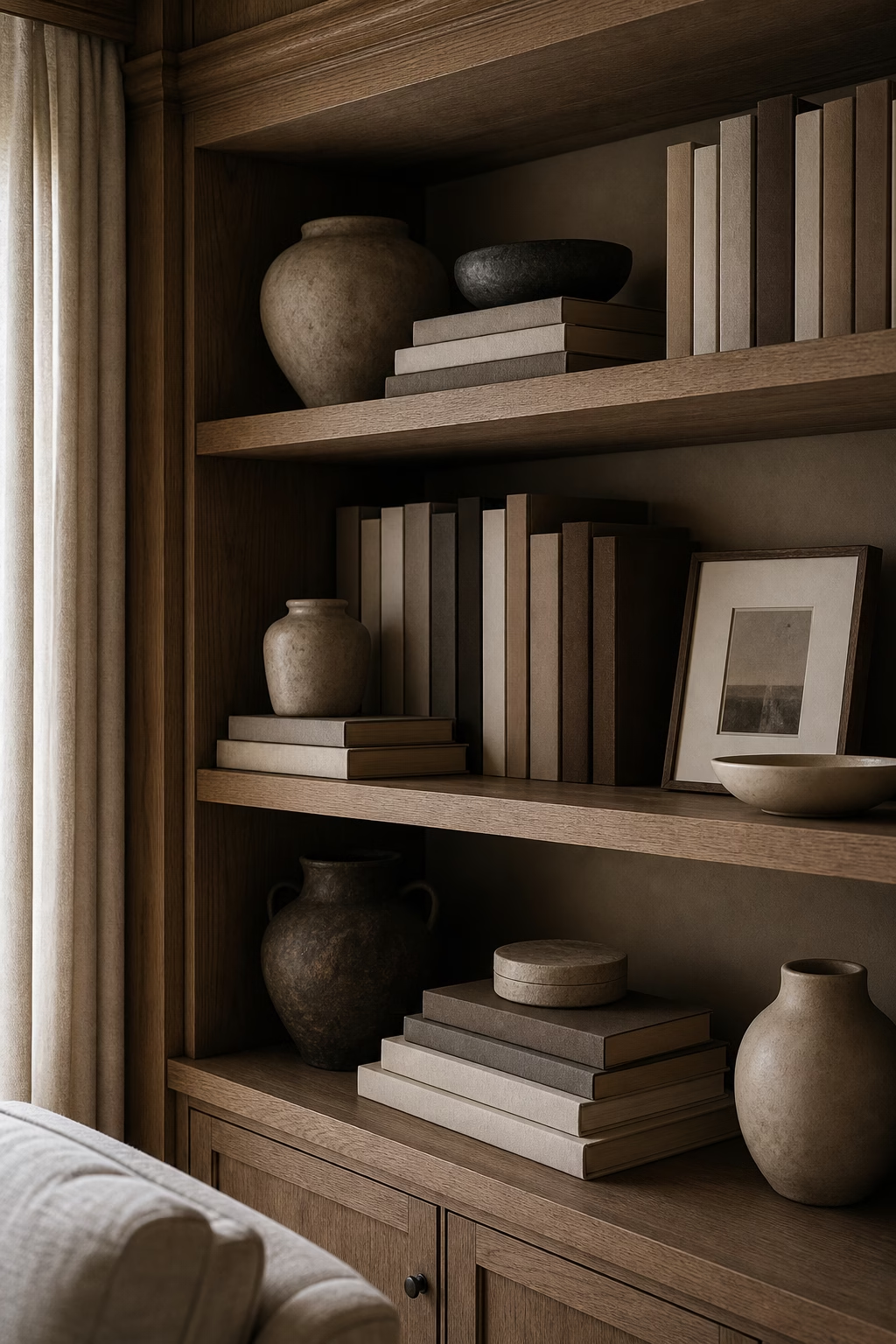
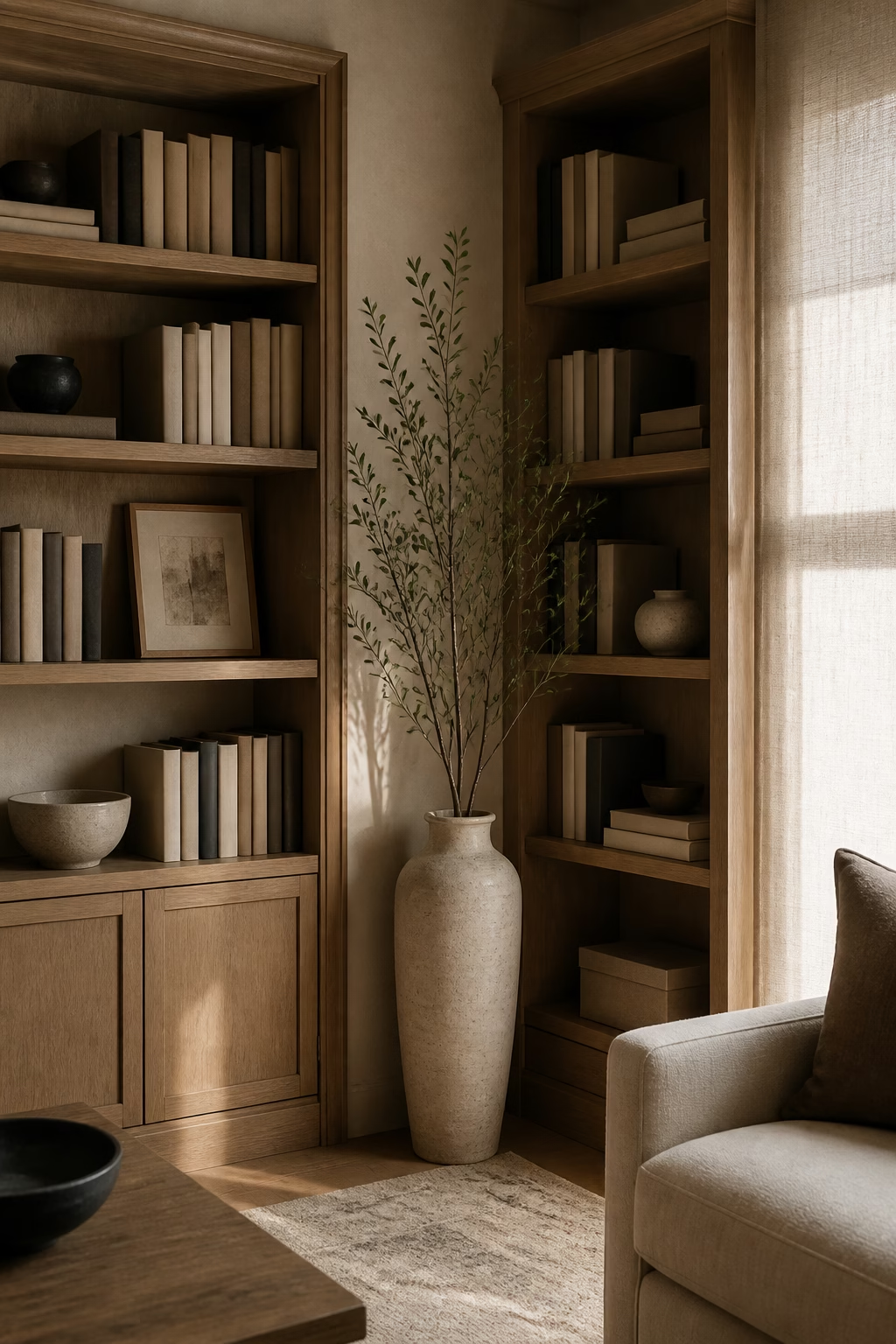
Style Corners With Tall Pieces
Bookcase corners often become dead zones where small objects disappear. Use taller pieces there instead: a narrow vase, framed artwork, sculptural branch, or vertical stack of books. Height gives the corner purpose and prevents the shelf from looking like it fades out awkwardly. Choose pieces that fit comfortably within the shelf height, leaving a little air above. If the bookcase turns a corner, repeat one material on both sides so the transition feels connected. Avoid fragile objects in corners that are difficult to reach. Tall corner styling helps maximize space because it uses vertical volume that would otherwise be wasted while keeping the main shelf runs easier to access.
Group Paperbacks in Bins
Paperbacks can create visual static when their sizes and colors vary wildly. If you have many, group some in open bins or low boxes rather than forcing every spine into a perfect row. This works well for children's books, beach reads, craft manuals, and frequently rotated novels. Choose bins that are sturdy enough to slide out and low enough that the books remain visible. Place them on lower or middle shelves for easy access. Keep each bin to one category so finding a title is still simple. The method keeps collections usable while reducing the choppy look that makes shelves feel crowded. It is storage disguised as a calm, practical rhythm.
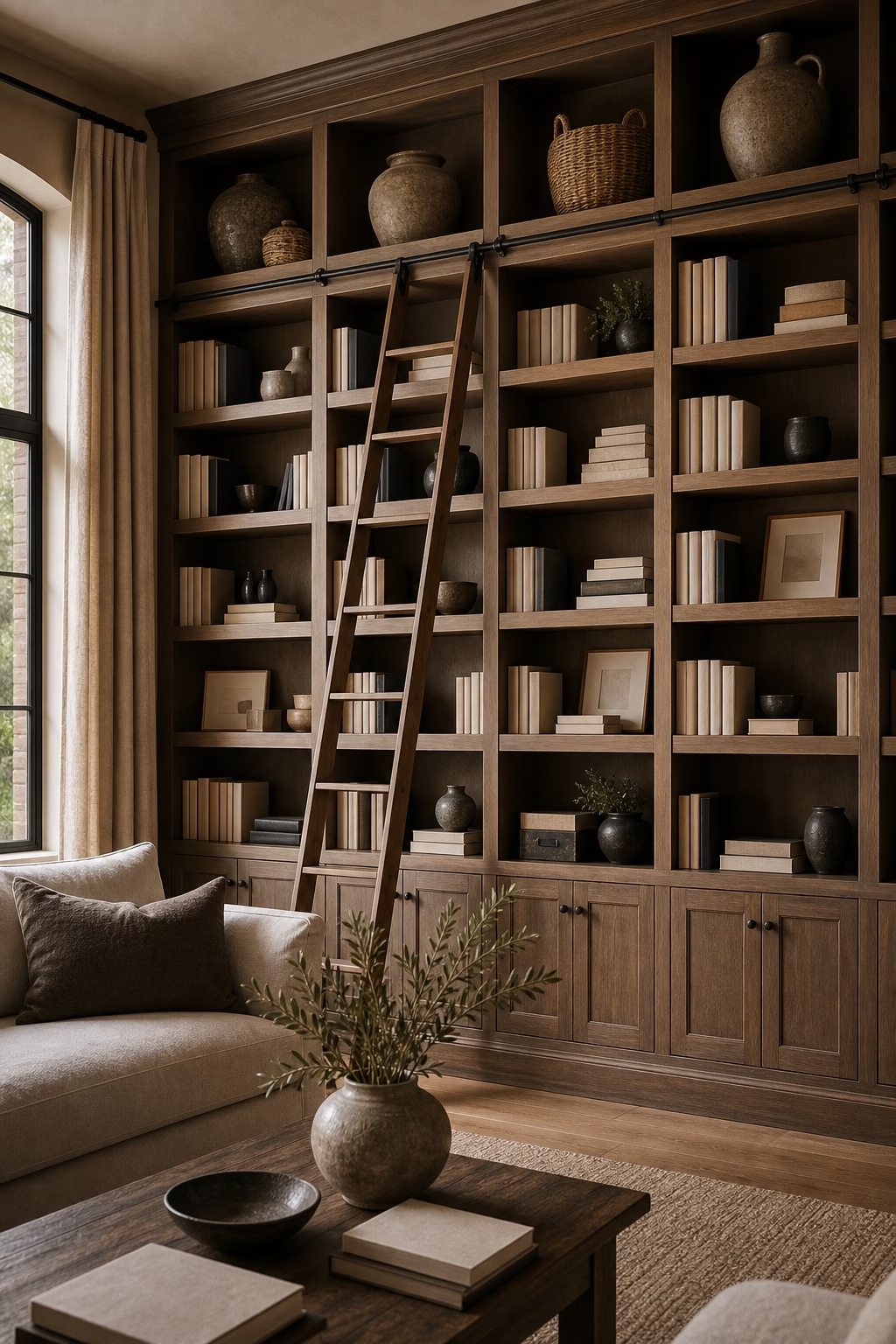
Use the Top Shelf for Display
Top shelves are often hard to reach, so they are better for display than daily storage. Use them for large vessels, framed art, baskets, or a few beautiful books that do not need constant handling. Keep the shapes simple and substantial so they are readable from below. Tiny objects on a top shelf usually look dusty and accidental. If the ceiling is high, leave space above the objects instead of filling every inch. Repeat one shape or material across the top for continuity. Treating the top shelf as a display band allows lower shelves to hold practical books and boxes. The whole unit feels taller, calmer, and better planned.
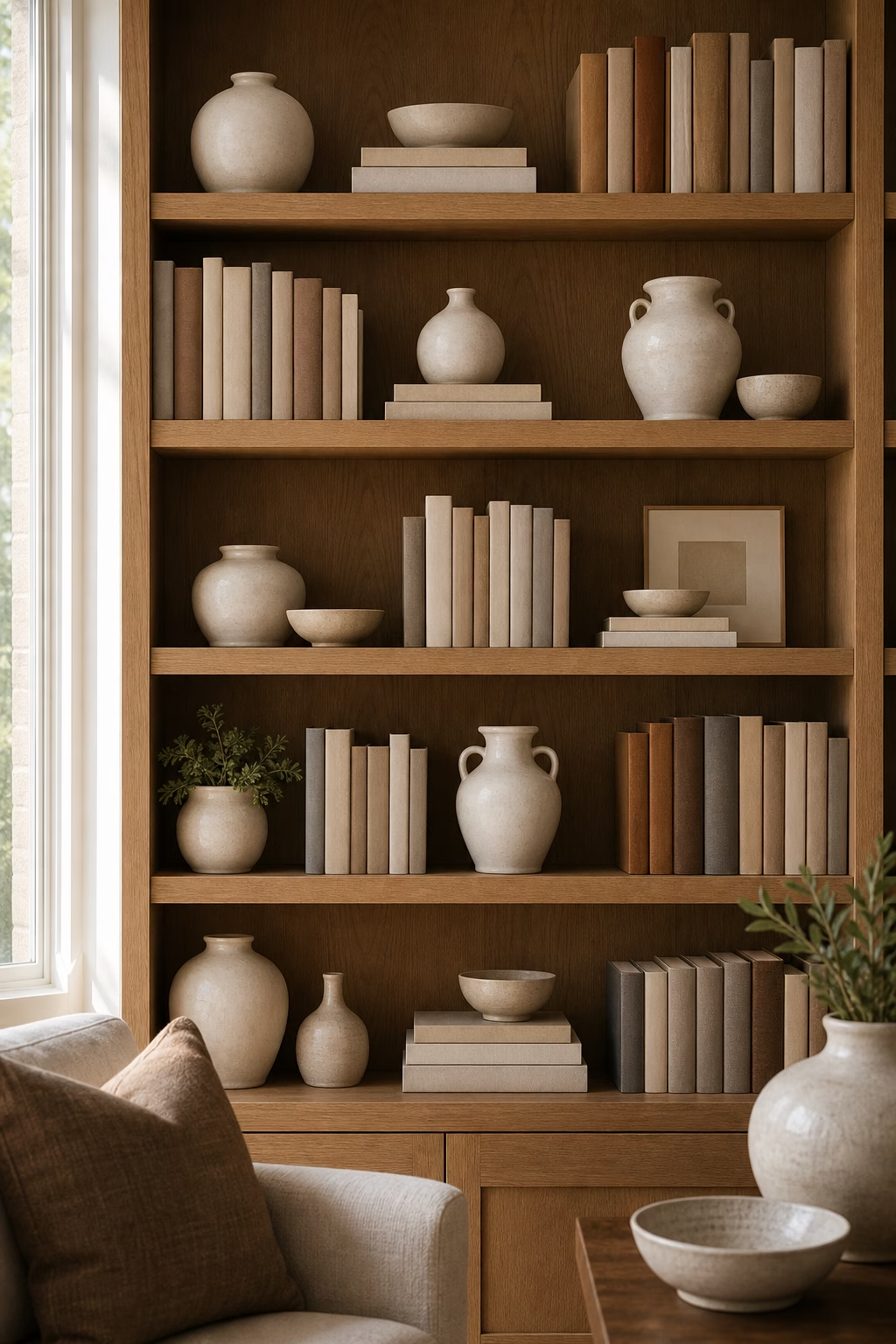
Repeat One Ceramic Color Family
Ceramics add texture without taking much space, but they look more sophisticated when the color family is controlled. Choose warm white, black clay, stone gray, terracotta, or celadon, then vary the shapes from shelf to shelf. One tall vase, one low bowl, and one lidded jar can create enough movement without requiring many pieces. A repeated ceramic palette also calms shelves filled with multicolored books. The objects act like punctuation rather than extra clutter. Leave room around each piece so the silhouette can be seen. This is especially useful in smaller rooms where the bookcase is highly visible from every angle. Repetition helps the storage feel edited.
Leave Room for Books to Grow
A bookshelf that is filled to the last inch has no future. Leave a few flexible gaps for new books, borrowed volumes, or objects that rotate through the room. These spaces do not have to look empty; a small bowl, short stack, or leaning frame can hold the gap until it is needed. Planning for growth prevents the shelves from becoming overstuffed after one shopping trip or birthday. It also makes daily use easier because books can be removed and returned without forcing them into place. Space is part of the storage system, not a sign that the bookcase is unfinished.
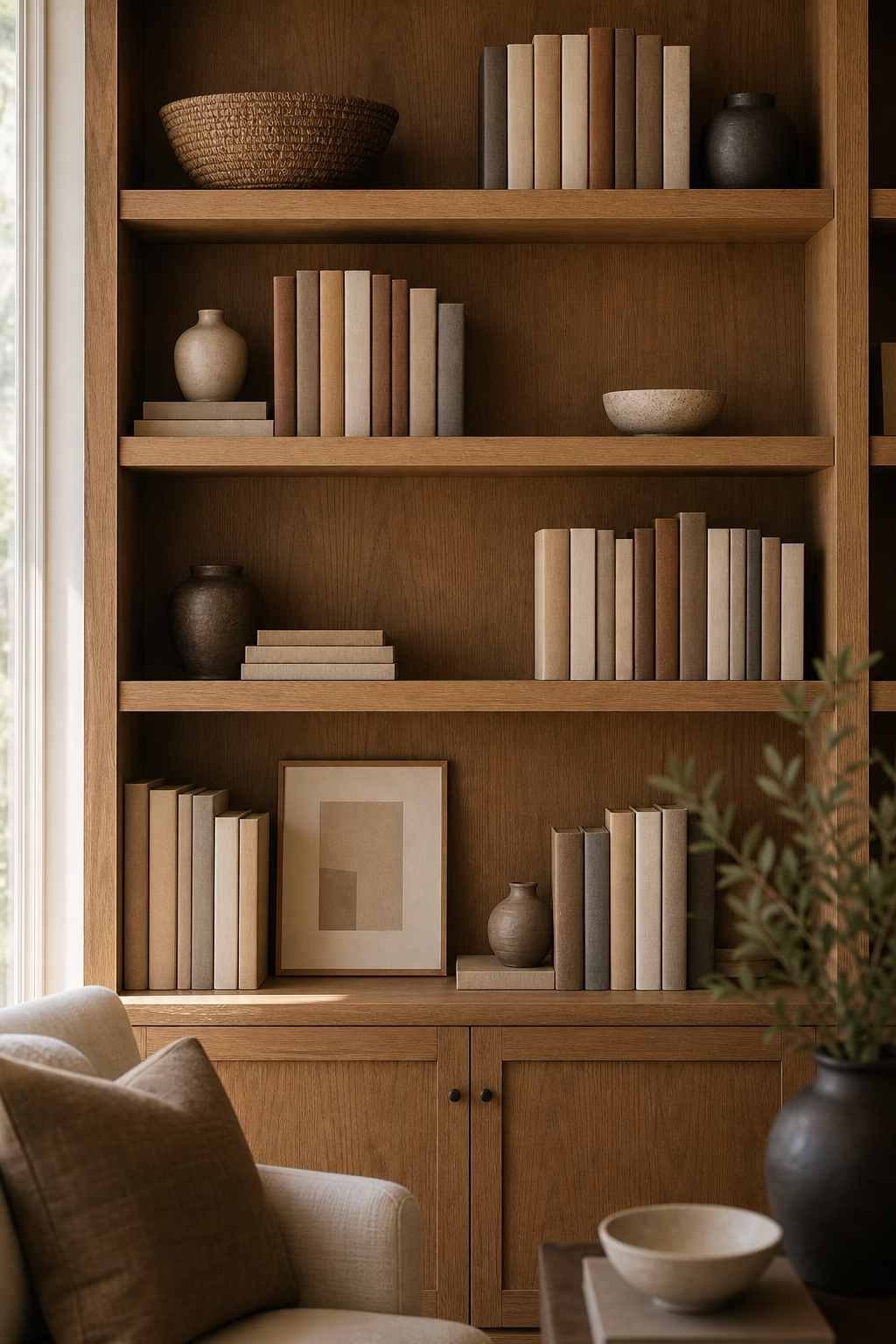
Angle a Few Books for Movement
A few angled books can make packed shelves feel more relaxed, but the move should be used sparingly. Let one art book lean against a vertical row, or angle a small stack beside a ceramic object. The purpose is to create movement, not to make the shelf look careless. Support valuable books properly so spines do not warp. Keep angled books away from shelf edges where they can slide. This works best when the rest of the shelf is orderly, because the contrast reads as intentional. In a space-maximizing bookcase, a little diagonal energy prevents the storage from becoming visually rigid while still keeping the books easy to reach.
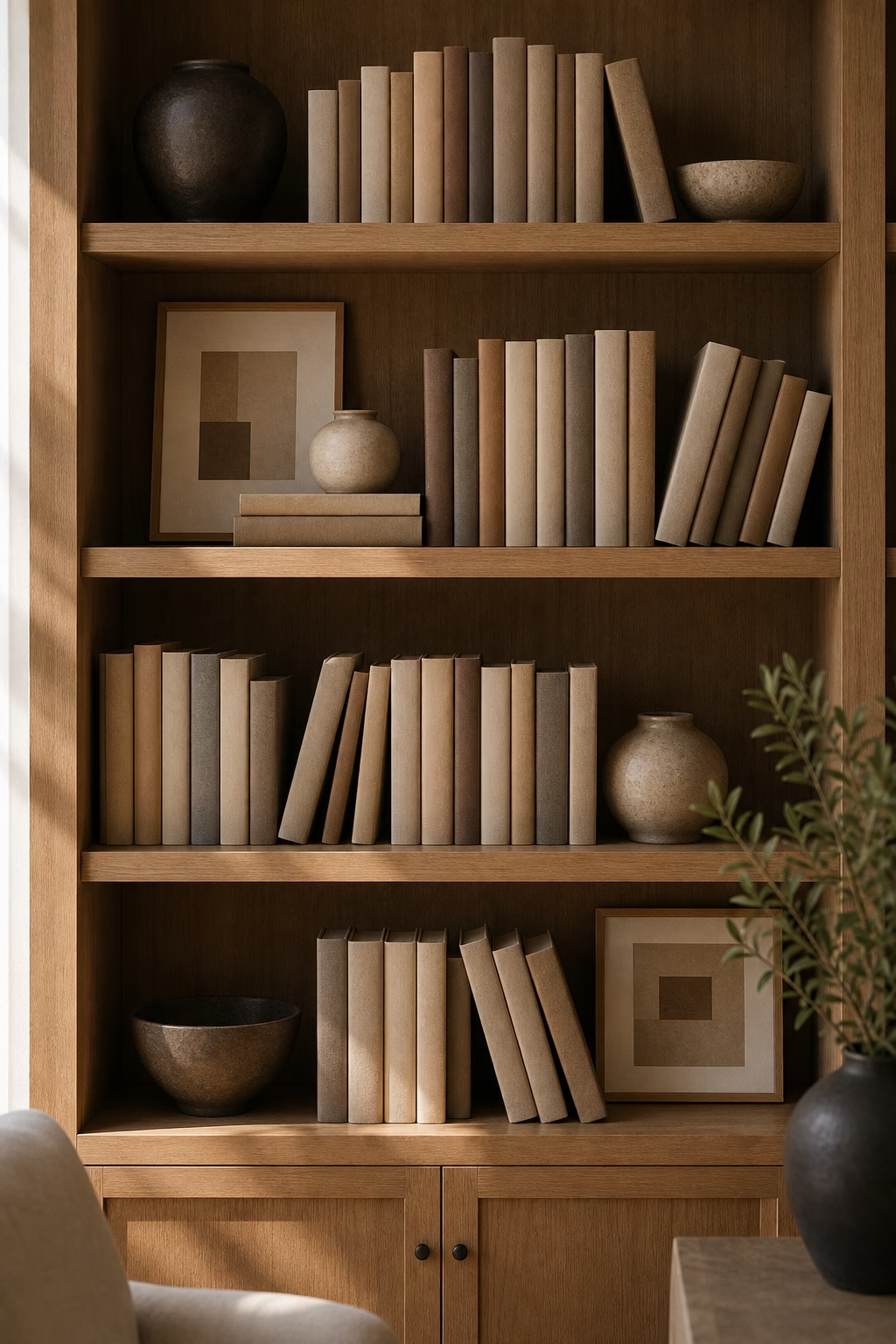
Use Plants Only Where Light Reaches
Plants make bookshelves feel alive, but they should not be used as filler in dark cubbies. Place them where natural light actually reaches, usually near the outer edge of the bookcase or close to a window. A trailing pothos, hoya, or philodendron can soften a hard vertical line, while a small upright plant needs enough clearance above. If the shelf is dim, use cut branches or dried botanicals instead. Choose planters that connect to the room's ceramics, metal, or woven textures. Add a saucer or liner to protect wood shelves from water. One healthy plant with space around it looks more luxurious than several struggling plants crowded between books.

Hide Cords Behind Books
Shelves often hold lamps, speakers, chargers, or routers, and the cords can ruin the calm quickly. Plan a hidden path behind books, through a cable channel, or into a closed cabinet below. Keep electronics grouped in one zone rather than scattering them across the whole bookcase. A stack of larger books or a linen box can conceal a charging hub while leaving it accessible. Use cord clips at the back so cables stay put when books move. Make sure ventilation is adequate for anything that generates heat. When cords disappear, the bookshelf instantly feels more spacious because the eye is no longer catching thin black lines between carefully styled objects.
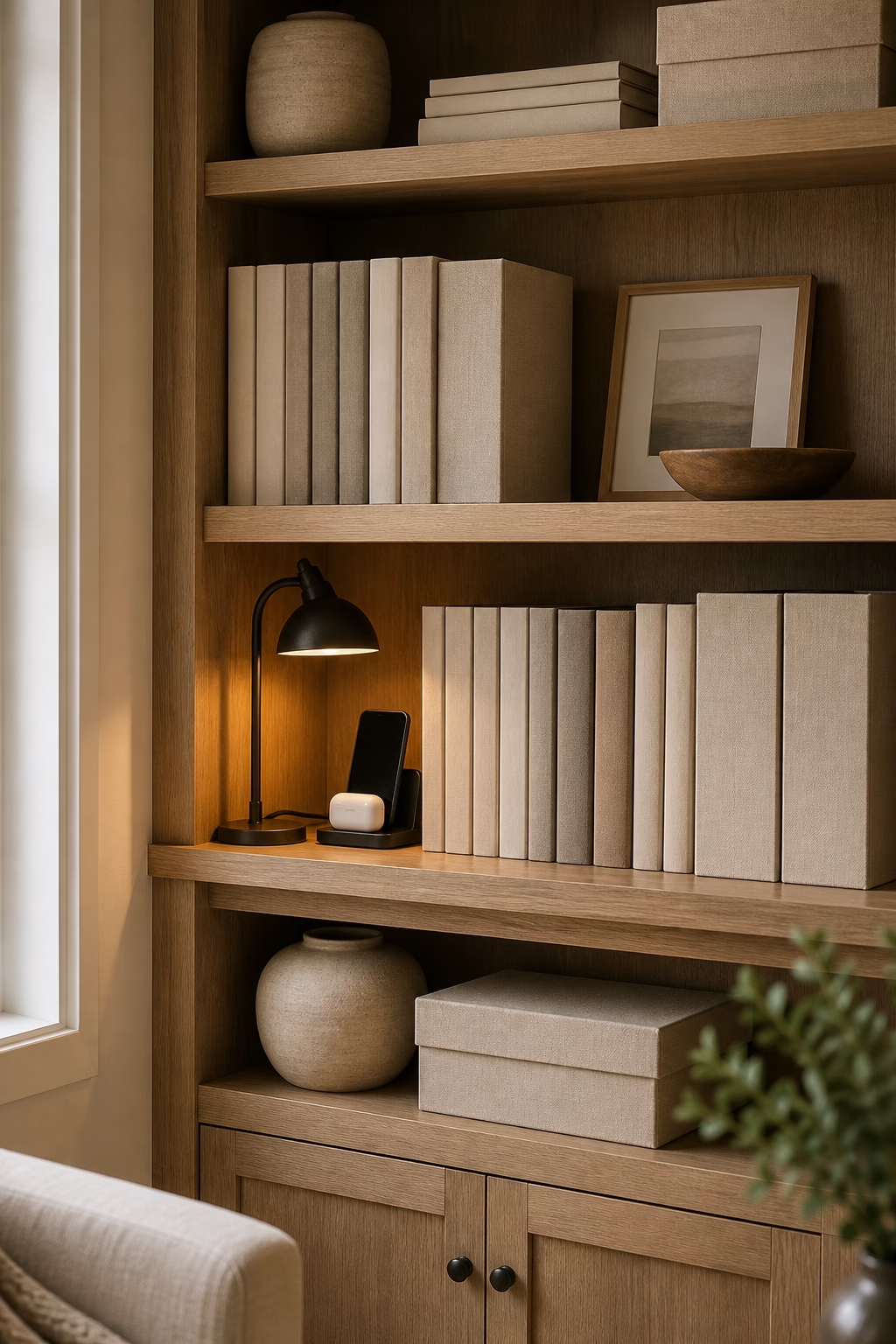
Make Children's Books Easy to Reset
Children's books need a different strategy because they are pulled out often and rarely returned perfectly. Use lower shelves, forward-facing bins, or shallow baskets so covers are visible and cleanup is quick. Keep the surrounding decor sturdy: woven baskets, fabric boxes, wood bookends, and framed art mounted out of reach. Do not overstyle the children's section; leave enough space for real use. A small reading lamp or floor cushion nearby can make the shelf feel intentional within the room. When the system is easy to reset, the bookcase can support family life without looking chaotic by the end of every day.
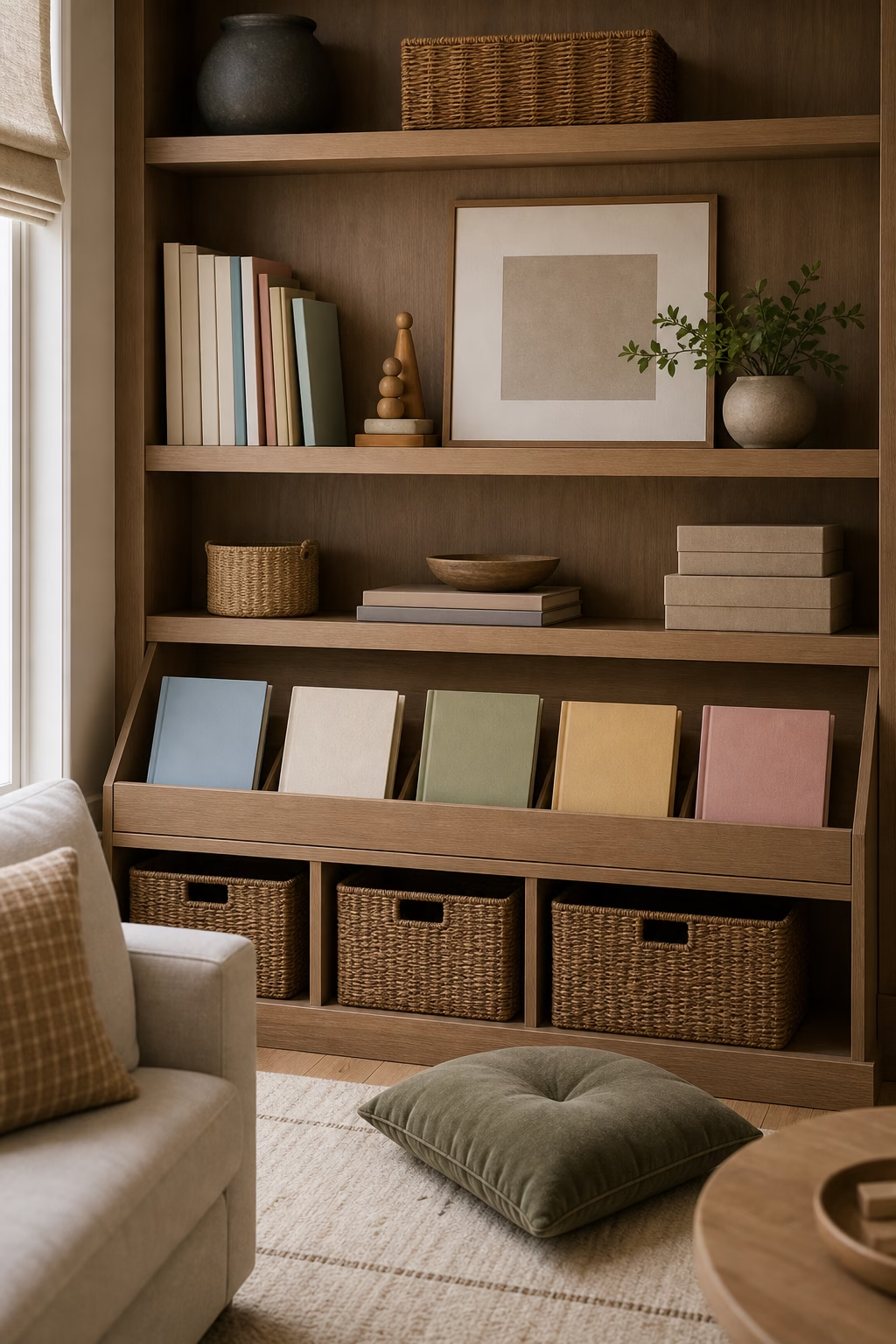
Use Closed Cabinets Below Open Shelves
The most space-efficient bookcases usually combine open shelves with closed storage below. Let the open shelves hold books, art, ceramics, and a few attractive baskets, then put less beautiful necessities behind doors. Board games, office supplies, photo archives, extra candles, and tech equipment do not need to be visible to be accessible. Keep cabinet fronts simple so the lower section reads as a quiet base. This arrangement makes the shelves above feel lighter because they are not carrying every household category. It is the difference between a display wall that also stores and a storage wall trying to look decorative.

Finish With a Distance Edit
The final step is to stand across the room and read the bookshelf as one wall. Look for crowded patches, repeated objects too close together, awkward gaps, and shelves that feel heavier on one side. Remove before you add. Often a single object taken away makes the whole bookcase feel more spacious. Check that useful items are still reachable and that decorative objects are not blocking books you use. Then look again at night with lamps on, because shadows change the balance. A distance edit is what turns storage into decor. It helps the shelves work hard while still feeling calm.
