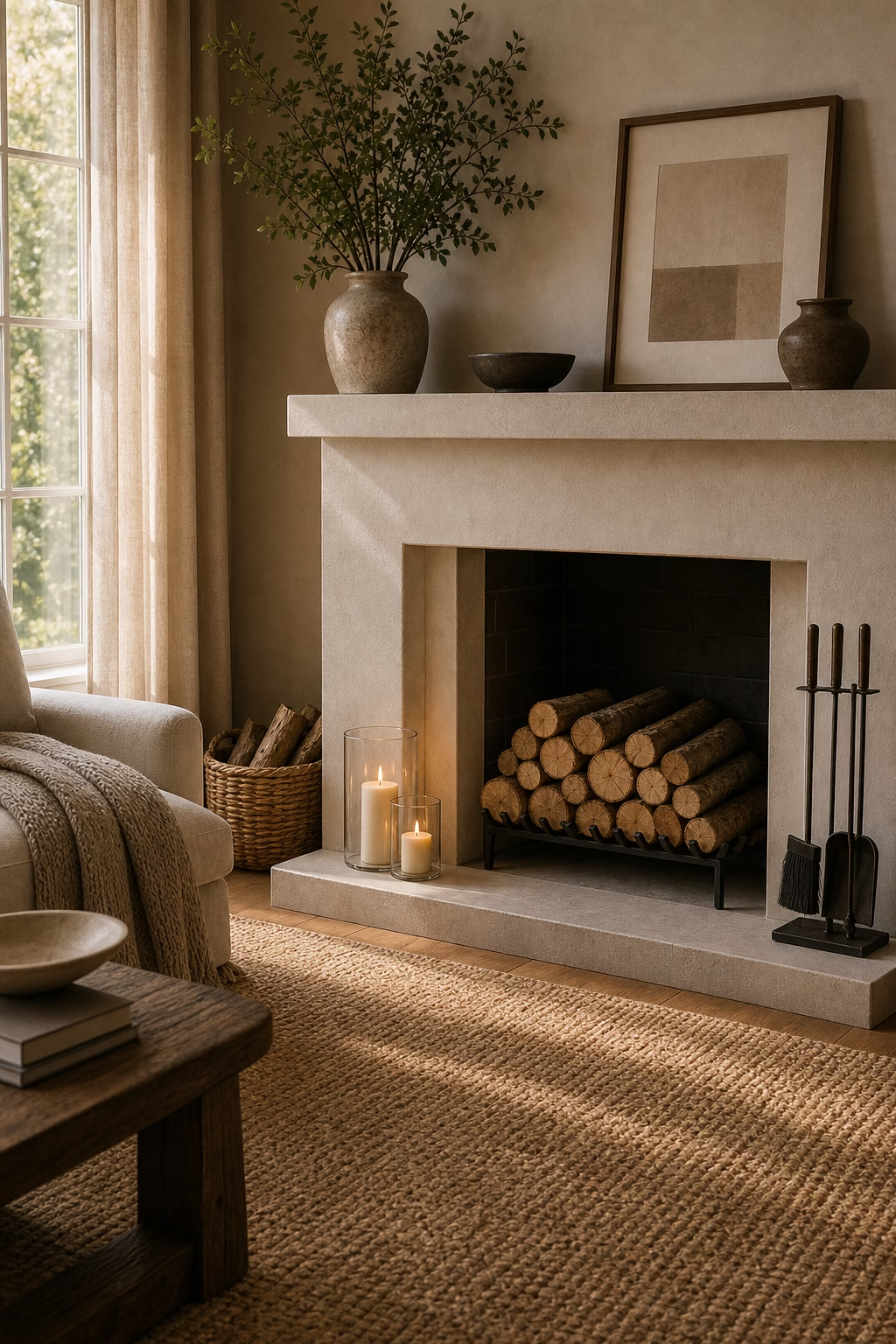
A fireplace sets the emotional temperature of a room, but the surrounding decor decides whether it feels polished, heavy, casual, or quietly luxurious.
- Start With a Clean Mantel Line
- Layer Art Instead of Hanging Everything
- Use Candles With Real Scale
- Choose a Hearth Material That Feels Grounded
- Add a Woven Basket for Logs
- Let Fireplace Tools Look Architectural
- Keep the Television From Dominating
- Use a Mirror to Borrow Light
- Style One Side Heavier Than the Other
- Bring Texture to the Wall Above
- Add Low Seating Near the Hearth
- Use Greenery That Can Handle Heat
- Display Books in Small Stacks
- Repeat the Room's Metal Finish
- Choose a Screen With Quiet Presence
- Let Brick Feel Refined, Not Rustic
- Add Sconces for Evening Glow
- Create Storage That Looks Built In
- Use Seasonal Decor Without Novelty
- Make a Nonworking Fireplace Useful
- Frame the Fireplace With Soft Textiles
- Edit the Hearth Before Guests Arrive
Start With a Clean Mantel Line
The fastest way to make a fireplace feel warmer and more expensive is to simplify the mantel line before adding anything new. Remove scattered candles, tiny frames, and unrelated objects so the mantel reads as one calm horizontal plane. Then choose two or three pieces with enough scale to hold the width: a framed artwork, a ceramic vessel, a low bowl, or a pair of weighty candlesticks. The objects do not need to be perfectly symmetrical, but they should share a material language with the room. A clean mantel lets the firebox, stone, plaster, or tile become part of the composition instead of background noise. Warmth comes from restraint as much as from flame.
Layer Art Instead of Hanging Everything
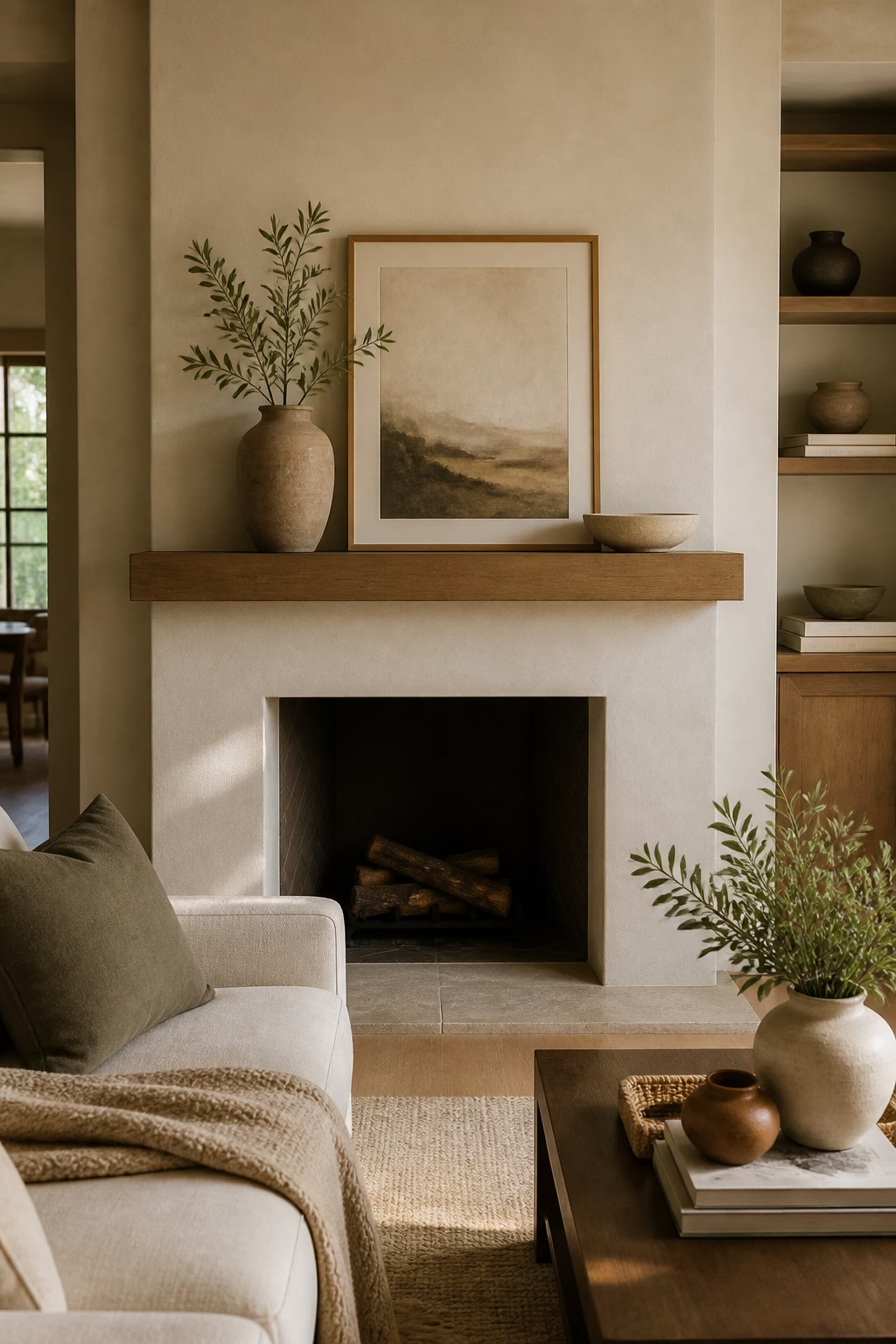
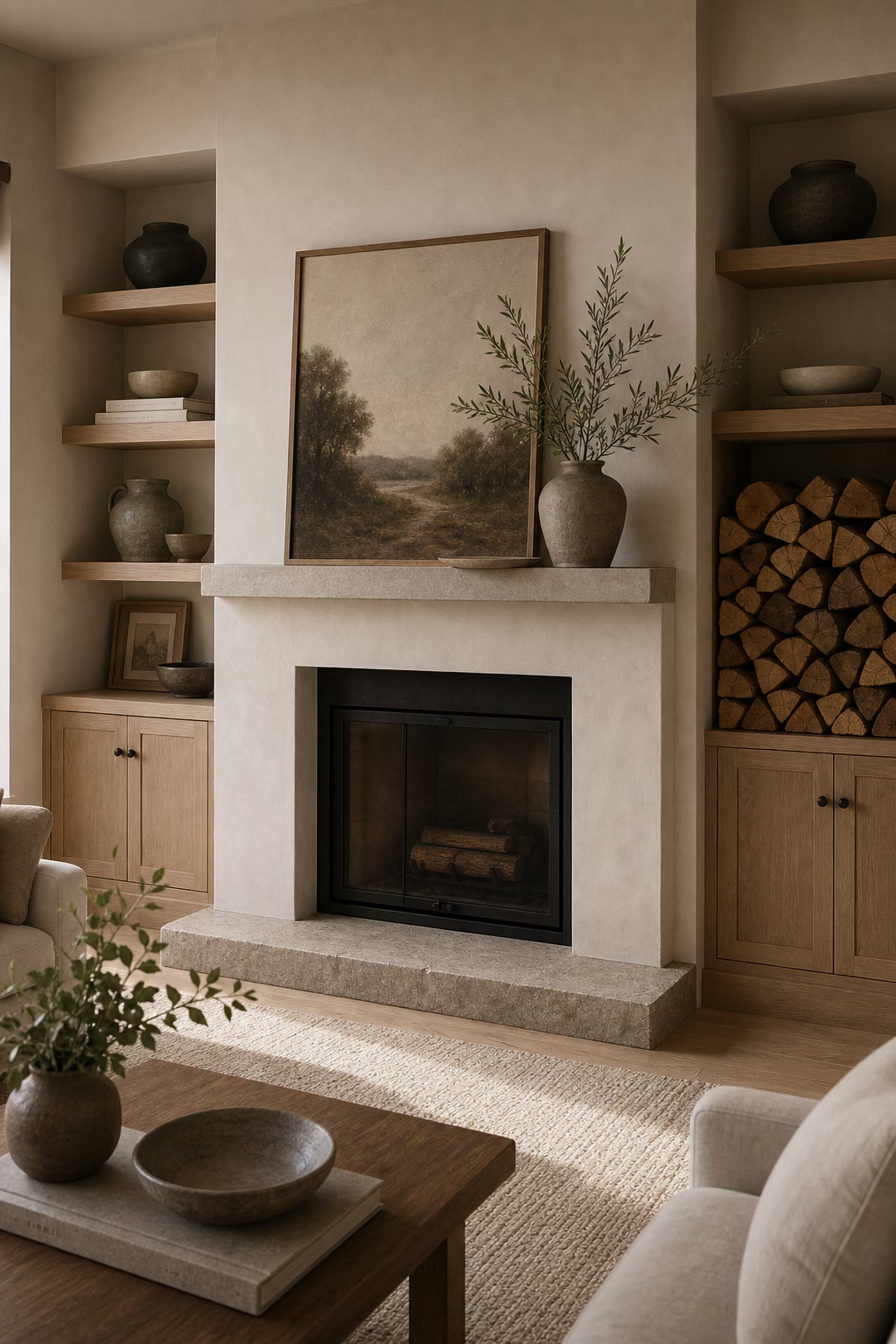
Leaning art on a mantel gives a fireplace a relaxed, collected feeling that is difficult to achieve with perfectly centered wall decor. Choose one larger piece as the anchor, then layer a smaller work slightly in front of it so the arrangement has depth. Keep the frames slim and connected to the room, such as oak, black metal, aged brass, or natural linen. The subject can be abstract, landscape, or tonal photography, but avoid visible text because it distracts from the architecture. This approach is especially useful when the mantel is shallow or the wall above it feels too formal. The layers soften the fireplace and make the room feel lived in without becoming messy.

Use Candles With Real Scale
Candles are obvious near a fireplace, but scale decides whether they look atmospheric or cluttered. Instead of lining the mantel with many small votives, use a few substantial candles in hurricane glass, stone holders, or simple metal candlesticks. Vary the heights enough to create movement, then leave space around them so the shapes can breathe. On a nonworking fireplace, a controlled cluster inside the firebox can create a soft glow without pretending to be a real fire. On a working fireplace, keep candles safely away from heat and soot. Large candles add warmth even when unlit because their wax, glass, and metal surfaces catch light beautifully.

Choose a Hearth Material That Feels Grounded
The hearth is not just a code requirement or a practical landing area; visually, it grounds the entire fireplace. Honed limestone, travertine, slate, soapstone, brick, or simple concrete can all feel warm if the finish is matte and the proportions are generous. A thin strip of glossy tile rarely has the same presence. If you are updating an existing fireplace, consider extending the hearth slightly or choosing a material with natural variation. The surface should relate to nearby flooring, tables, or hardware so it feels integrated. A grounded hearth also gives you a place for a basket, tools, or one sculptural object without crowding the mantel.

Add a Woven Basket for Logs
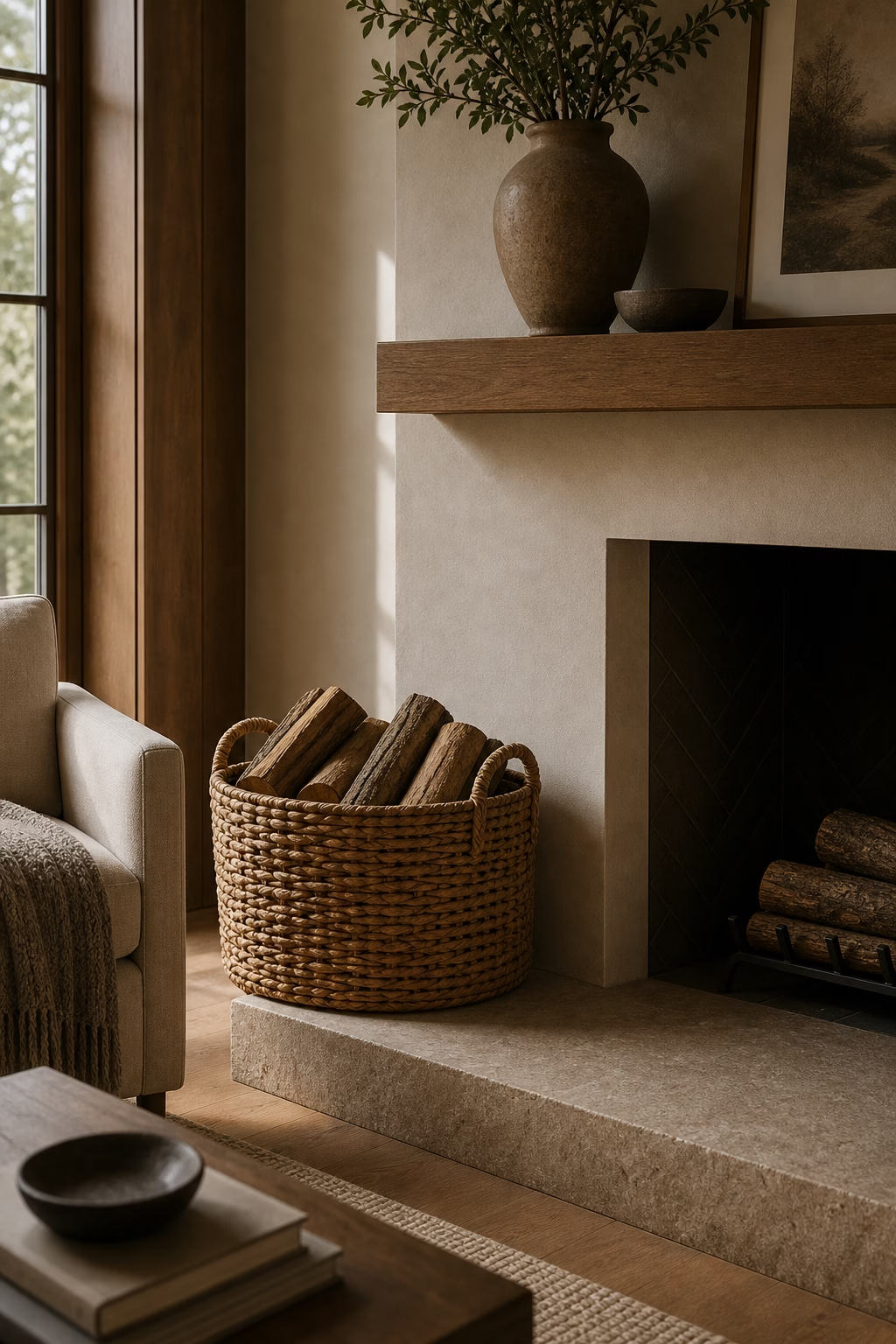
A log basket brings immediate warmth because it introduces texture, utility, and a natural material in one move. Choose a basket with a strong shape rather than a floppy one: seagrass, rattan, dark wicker, leather-handled canvas, or woven willow can all work. Place it beside the hearth where it feels practical, not decorative for its own sake. The logs should be neatly stacked and dry, with cut ends visible for a graphic rhythm. If the fireplace is gas or decorative, the same basket can hold blankets instead. The key is honesty. A good basket makes the fireplace zone feel ready for use while softening stone, tile, and metal.
Let Fireplace Tools Look Architectural
Fireplace tools can either disappear awkwardly or become a handsome architectural detail. Look for a set with clean lines, solid weight, and a finish that relates to the room: blackened steel, brushed brass, bronze, or iron. Avoid overly ornate handles unless the fireplace itself is traditional enough to carry them. Place the tools on one side of the hearth so they balance a basket, stool, or floor vase on the other. The stand should be stable and correctly scaled to the firebox. When the tools are chosen with the same care as lighting or hardware, they make the fireplace feel functional, permanent, and warmly prepared.

Keep the Television From Dominating
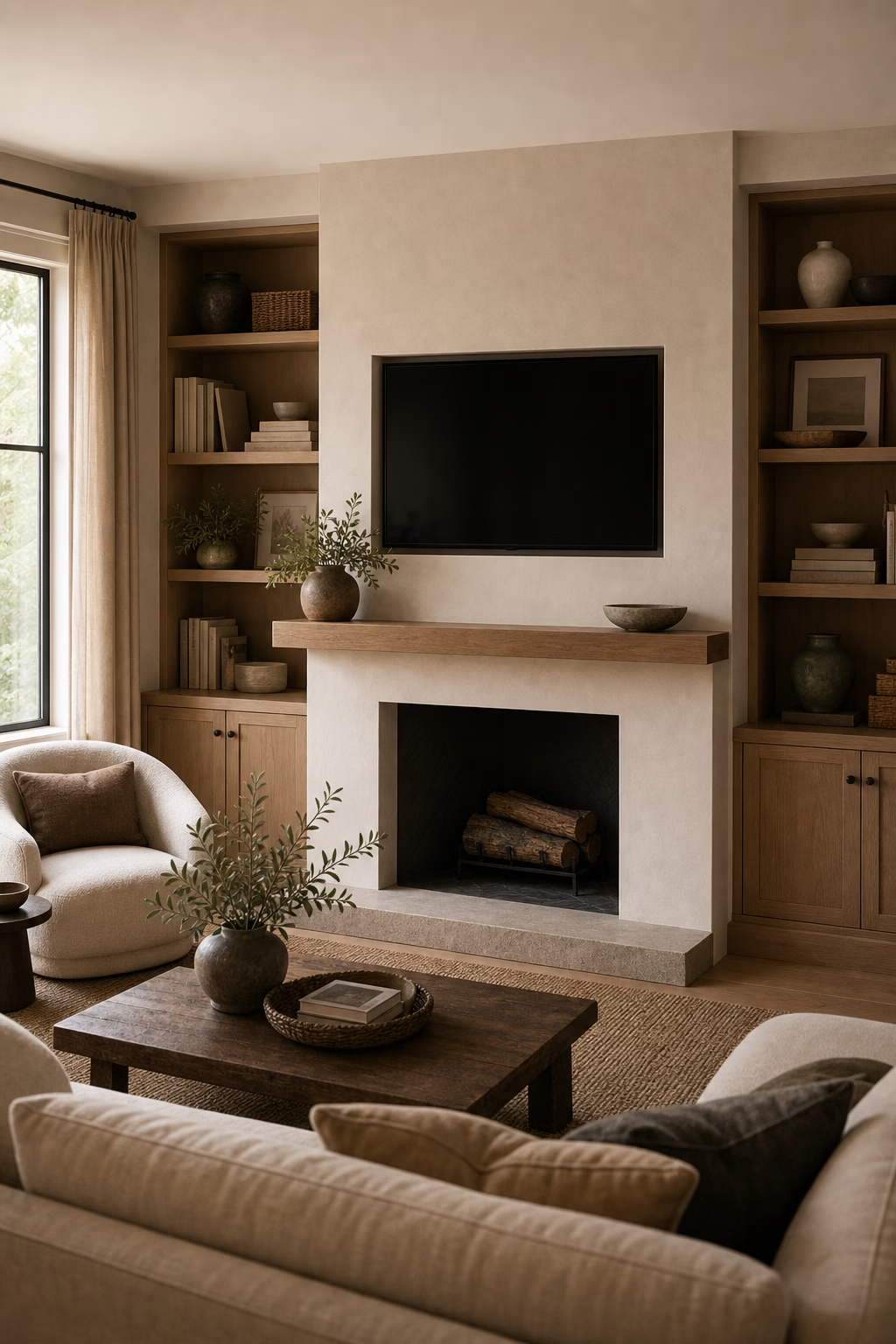
Many living rooms need a television near the fireplace, but it should not become the only thing the wall says. If the screen must sit above the mantel, keep the surrounding styling quiet and low so the composition does not become top-heavy. A slim frame-style television, dark plaster wall, or recessed niche can help it recede. If possible, place the TV beside the fireplace in built-ins and let art or texture sit above the mantel instead. The goal is not to hide real life; it is to prevent the screen from flattening the atmosphere. Warmth returns when the fireplace remains the emotional anchor, not a media bracket.
Use a Mirror to Borrow Light
A mirror above a fireplace can be beautiful when it reflects something worth repeating. Before hanging it, check the view from the main seating area. The glass should catch a window, chandelier, art wall, or soft curtains rather than ceiling clutter or a blank upper wall. Choose a frame that has warmth: aged brass, antique wood, blackened metal, or a quiet plaster edge. Round and arched mirrors soften square fireboxes, while rectangular mirrors suit cleaner architecture. Keep mantel objects lower than the mirror's center so the reflection stays open. Used this way, a mirror doubles light and atmosphere instead of creating visual confusion.

Style One Side Heavier Than the Other
Perfect symmetry can make a fireplace feel formal, which is not always the warmest choice. Try weighting one side of the mantel with a taller vase, branch arrangement, or leaning artwork, then balance it with a lower bowl or candle on the other side. The asymmetry should still feel deliberate: repeat a color, material, or shape so the pieces speak to each other. This works particularly well on simple plaster, brick, or stone fireplaces because the architecture provides the stable center. The eye moves across the mantel instead of stopping at a matched pair. A slightly uneven composition feels relaxed, collected, and more personal.

Bring Texture to the Wall Above
If the wall above the fireplace feels flat, texture can add warmth without adding clutter. Limewash, plaster, Roman clay, grasscloth, vertical wood slats, or a subtle stone slab can make the chimney breast feel more architectural. The finish should belong to the house and handle heat conditions properly. In a modern room, a continuous plaster surface can feel soft and monolithic; in a traditional room, grasscloth or paneling may bring gentler character. Test samples beside the mantel in daylight and lamplight before committing. Once the wall has texture, you need fewer accessories. The fireplace becomes a material feature, and the decor can stay edited around it.

Add Low Seating Near the Hearth
A small stool, ottoman, or low bench near the fireplace makes the area feel hospitable without blocking the focal point. Choose a piece that can move easily: a leather stool, boucle cube, woven bench, or small upholstered ottoman. It can hold a book, tray, or folded throw when not in use, and it offers a casual perch during gatherings. Keep the height low enough that the firebox and mantel remain visible from across the room. Leave safe clearance from sparks, doors, and walking paths. This is especially helpful in larger living rooms where the fireplace wall can feel distant. Low seating pulls the warmth forward into the room.

Use Greenery That Can Handle Heat
Greenery softens a fireplace, but placement matters because heat and dry air can damage leaves quickly. Keep living plants to the side of the hearth or on nearby shelving rather than directly above an active firebox. Olive branches, eucalyptus, magnolia, pine, or bare sculptural stems work beautifully in a heavy ceramic vessel when you want height without maintenance stress. If you use a garland seasonally, keep it loose, natural, and safely distanced from flame. The best fireplace greenery looks like it came from the landscape around the home, not a craft bin. It brings movement and scent while respecting the practical limits of the fireplace.

Display Books in Small Stacks
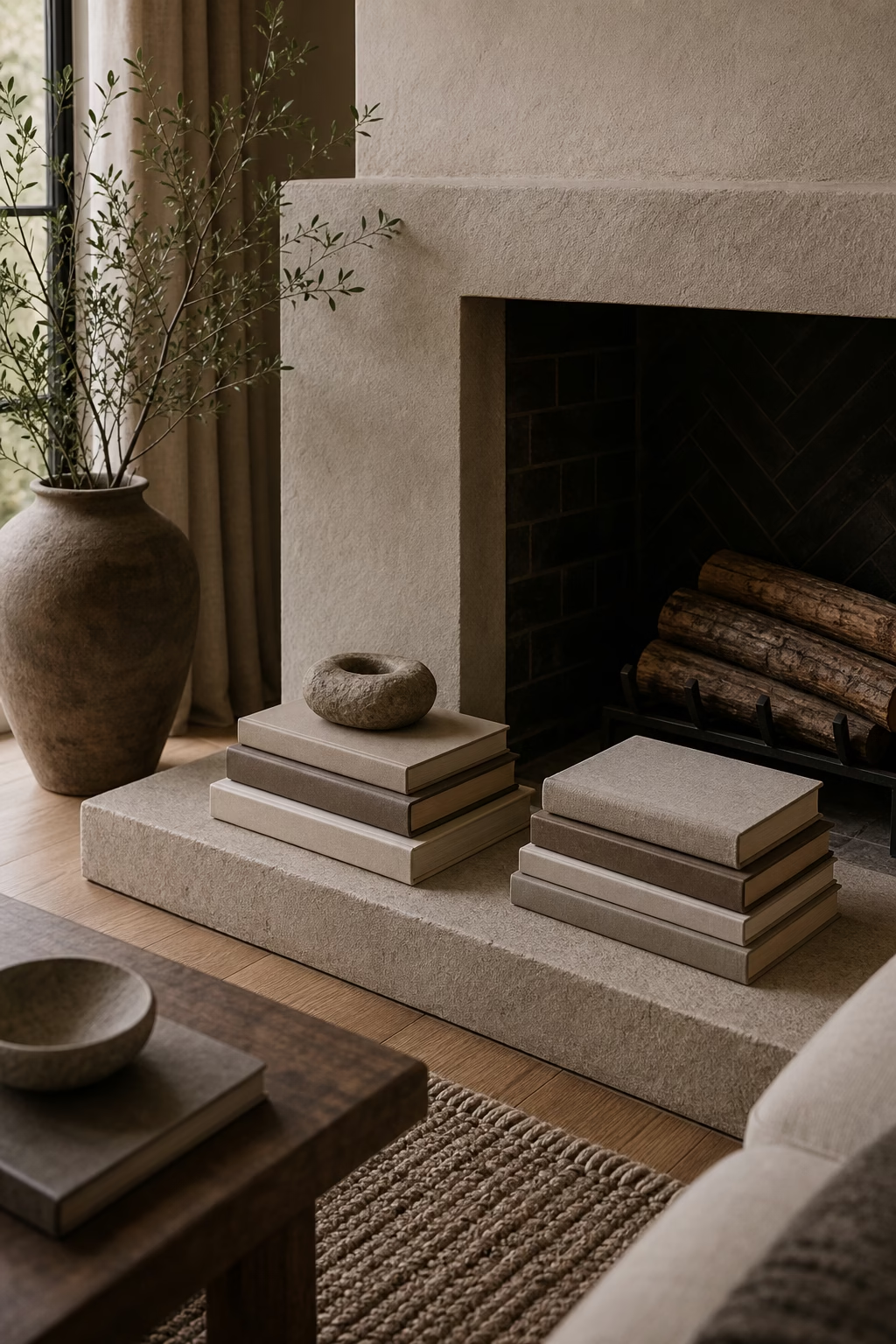
Books make a fireplace feel inhabited, but they work best in small, intentional stacks. Use two or three large-format design, garden, travel, or art books on the mantel or hearth, then top them with a small bowl, candle, or stone object. Keep the spines turned naturally and avoid stacking books so high that they compete with artwork. On the hearth, books should sit away from sparks and traffic. Their paper edges, linen covers, and muted colors add softness against hard materials. A fireplace styled with books suggests the room is used for reading and conversation, not just arranged for display.
Repeat the Room's Metal Finish
Fireplace decor feels calmer when the metal finishes relate to the rest of the room. If the lighting is aged brass, use brass candlesticks or a thin brass frame. If the hardware is blackened steel, echo it in the tools, screen, or mirror frame. The repetition does not need to be exact, but it should feel deliberate. Avoid mixing too many shiny finishes near the firebox, where reflections are already active. A controlled metal palette helps the fireplace connect to lamps, tables, cabinet pulls, and curtain rods. This small detail makes the whole room feel designed rather than decorated one surface at a time.

Choose a Screen With Quiet Presence
A fireplace screen is often the largest accessory in the whole composition, so it deserves careful selection. The best screens feel protective without looking decorative in a forced way. A simple black mesh panel, bronze-framed screen, or folded iron design can suit many rooms if the proportions align with the firebox. Avoid flimsy screens that sit too far forward or ornate patterns that fight the mantel. The screen should be easy to move and stable on the hearth. Even when the fire is out, a good screen gives the opening depth, shadow, and a finished edge that makes the fireplace feel intentional.

Let Brick Feel Refined, Not Rustic
Brick fireplaces can feel warm without leaning rustic if the surrounding choices are disciplined. Clean the brick, repair uneven mortar, and let its color guide the palette. Cream upholstery, blackened metal, warm oak, and matte ceramics all help brick look considered. If the brick tone is too loud for the room, limewash or a mineral paint can soften it while preserving texture. Keep the mantel profile simple so the brick remains the main texture. Avoid piling on farmhouse signs or overly themed accessories; the brick already carries character. A refined brick fireplace works best when its roughness is balanced by tailored furniture, good lighting, and fewer decorative objects.

Add Sconces for Evening Glow
Sconces near a fireplace create atmosphere long after the fire is out. Place them on the chimney breast, flanking built-ins, or adjacent walls where they can wash the surface with warm light. The shade matters: linen, opal glass, parchment, or simple metal can create a soft glow instead of a hard spotlight. Use dimmers whenever possible so the fireplace zone can shift from reading light to evening ambience. Sconces also help balance a tall wall when the mantel decor is low. Their glow brings dimension to stone, plaster, or brick and makes the fireplace feel like a room within the room.

Create Storage That Looks Built In
Fireplace storage should look planned, even when it solves ordinary problems. Built-in cabinets, recessed log niches, floating shelves, or low drawers can hold kindling, blankets, games, and media equipment without cluttering the hearth. Keep doors simple and align shelves with the mantel or firebox so the wall feels architectural. If open storage is visible, style it with restraint: neat logs, a few books, ceramic vessels, and enough empty space. This is especially important in family rooms where the fireplace shares duty with television and daily living. Good storage lets the warm focal point stay warm instead of becoming a drop zone.
Use Seasonal Decor Without Novelty
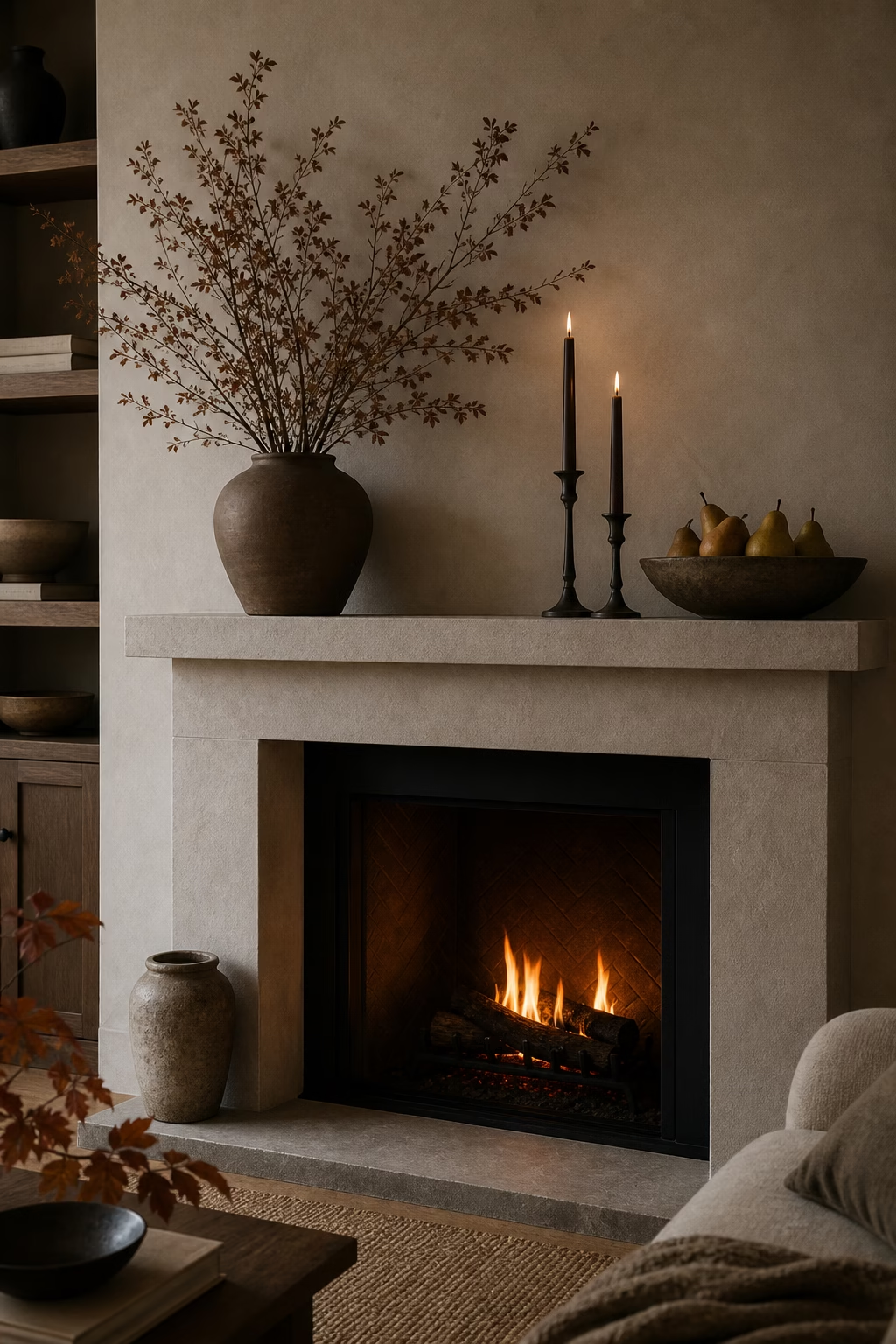
Seasonal fireplace decor feels most elegant when it changes texture and color rather than announcing a theme. In autumn, try branches, a darker candle, or a bowl of pears. In winter, use evergreen clippings, wool stockings, or brass bells with restraint. Spring might call for budding branches and a pale ceramic vase. The mantel should still feel like the same room underneath the seasonal layer. Store the off-season pieces together so swaps stay quick and edited. Avoid signs, oversized bows, fake snow, and anything with text. A few natural changes keep the fireplace connected to the calendar while preserving the calm, warm atmosphere that makes the room feel expensive.
Make a Nonworking Fireplace Useful
A nonworking fireplace can still be one of the room's strongest assets. Treat the opening with intention rather than leaving it as a dark void. Fill it with stacked birch logs, a cluster of large candles, a sculptural vessel, or a clean basket of blankets, depending on the room's function. Paint or clean the interior so it looks deliberate, not abandoned. Keep the mantel simple and let the firebox arrangement provide depth. This works beautifully in apartments, older homes, and decorative bedrooms. The fireplace may not produce heat, but it can still create warmth through texture, shadow, and a sense of ritual.

Frame the Fireplace With Soft Textiles
Stone, brick, metal, and glass can make a fireplace zone feel hard unless textiles soften the edges. A wool rug, linen curtains, upholstered chairs, boucle ottoman, or cashmere throw can all bring warmth without touching the mantel. Place the rug so it connects the seating to the hearth, and let curtains fall close enough to frame the wall while staying safely away from heat. Choose fabrics with visible weave rather than shiny synthetics. The contrast is what makes the fireplace feel inviting: hard architectural materials at the center, tactile layers around them. Textiles turn the focal point into a place people actually want to sit.

Edit the Hearth Before Guests Arrive
The hearth collects objects quickly: matches, ash tools, toys, books, blankets, and extra candles. Before guests arrive, edit the fireplace zone from across the room. Remove anything that does not support the mood or function, then straighten logs, fluff nearby cushions, and check that candles or tools are safely placed. This final pass matters because the fireplace is usually where eyes land first. You do not need a perfect room; you need a clear focal point with warmth, usefulness, and breathing space. A well-edited hearth makes the whole living room feel calmer, even when the rest of the evening is casual.