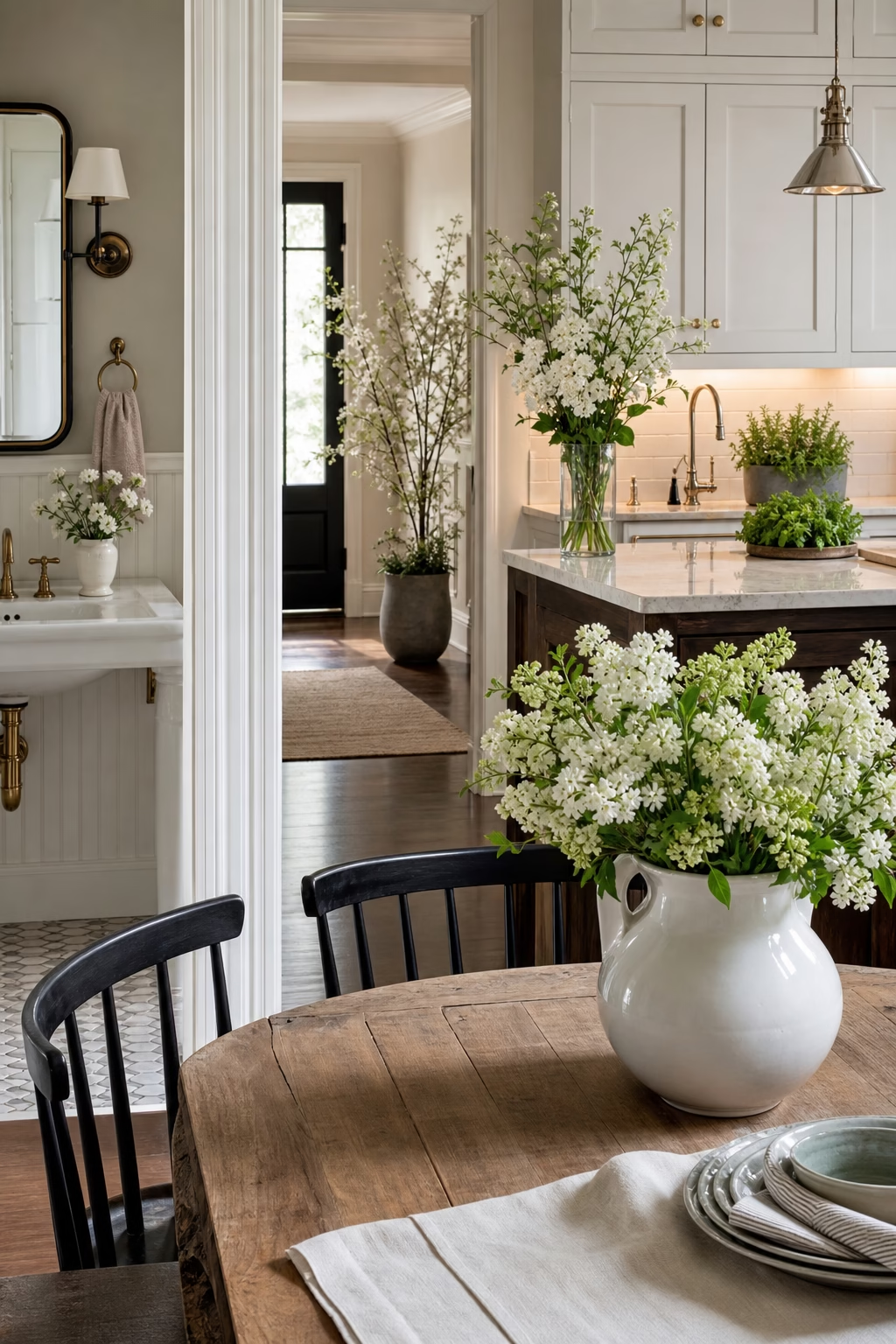
Spring decorating works best as a thoughtful reset: lighter textures, cleaner surfaces, fresher color, and small seasonal gestures that let the whole home breathe.
- Clear Winter Weight Before Adding Anything
- Switch to Linen and Cotton Layers
- Bring in Branches Before Full Blooms
- Use Fresh Color in Muted Doses
- Let the Entry Feel Washed and Bright
- Refresh the Coffee Table With Space
- Make Shelves Feel Less Dense
- Set a Breakfast Table With Garden Energy
- Use Florals in One Strong Moment
- Lighten Window Treatments Where Possible
- Bring Baskets Back Into Use
- Add One Fresh Piece of Art
- Let the Bedroom Wake Up Slowly
- Give the Kitchen a Market Bowl
- Use Scented Candles More Lightly
- Refresh the Bathroom With Small Textures
- Let Outdoor Views Influence the Palette
- Edit the Mantel Into a Lighter Composition
- Use Mirrors to Move Spring Light
- Refresh Workspaces With Clearer Surfaces
- Bring Patio Pieces Into View
- Finish With a Whole-House Flower Plan
Clear Winter Weight Before Adding Anything
A fresh spring room begins with subtraction. Remove heavy throws, dark candles, dense greenery, pinecones, and overly layered pillows before shopping for new pieces. This gives the architecture and daylight a chance to reappear. Look at each surface from the doorway and decide what still feels useful, beautiful, or seasonally appropriate. Often the room needs fewer changes than expected once the winter weight is gone. Keep one textured throw if the evenings are still cool, but choose linen, cotton, or a lighter wool instead of bulky fleece. The first spring decorating move is making the room breathe, so every later detail feels intentional.
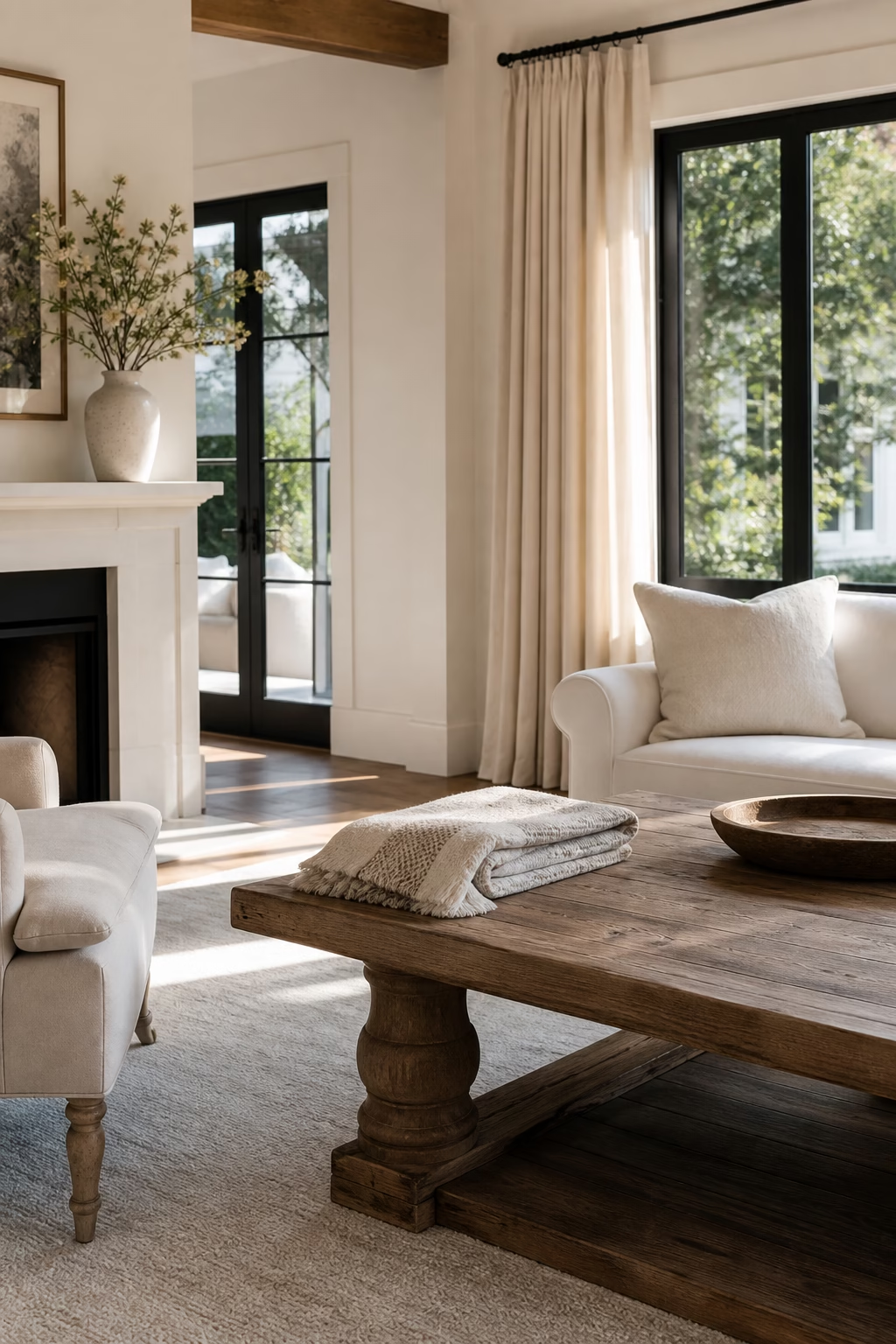
Switch to Linen and Cotton Layers
Spring textiles should feel breathable even when the room still needs softness. Swap heavy velvet, faux fur, and dense knits for linen, cotton, matelasse, light wool, or washed canvas. The change can be subtle: pillow covers, a bed coverlet, napkins, a table runner, or a lighter throw over the sofa. Natural wrinkles are part of the appeal because they make the room feel relaxed rather than overdone. Choose fabrics with texture so the palette can stay calm without becoming flat. A linen cushion in oat, clay, moss, or blue-gray can make the whole seating area feel easier, brighter, and more seasonal.
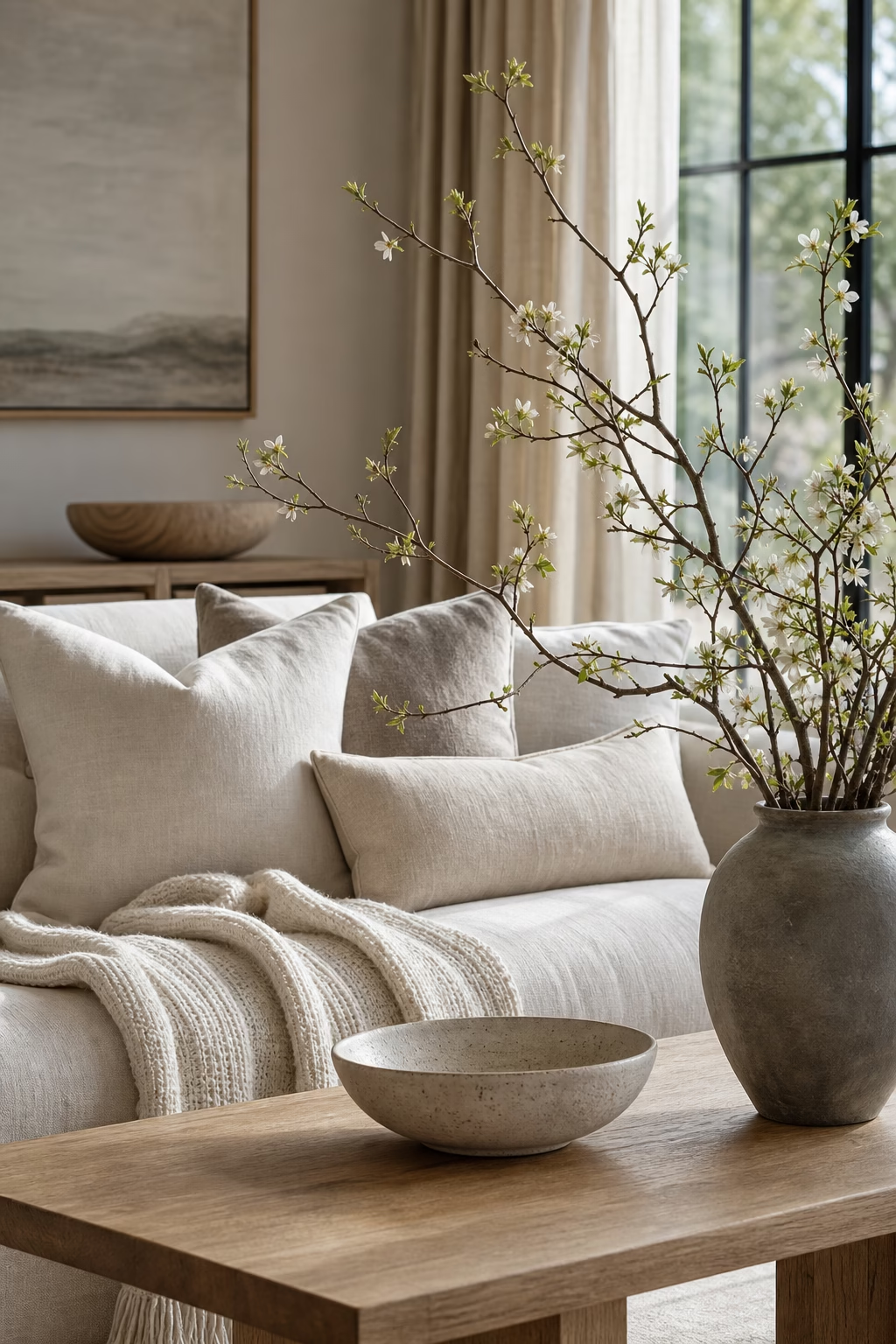
Bring in Branches Before Full Blooms
Early spring is beautifully captured with branches. Forsythia, cherry blossom, quince, dogwood, magnolia, or simple budding stems give height and movement before the season becomes floral. Place them in a heavy ceramic or glass vessel so the arrangement feels architectural, not flimsy. Branches work especially well on entries, dining tables, kitchen islands, and mantels because they fill vertical space without needing many objects. Keep water clear and trim the stems so the proportions suit the furniture. A single generous branch arrangement can do more than several small bouquets. It signals renewal while keeping the room elegant, graceful, airy, and uncluttered.
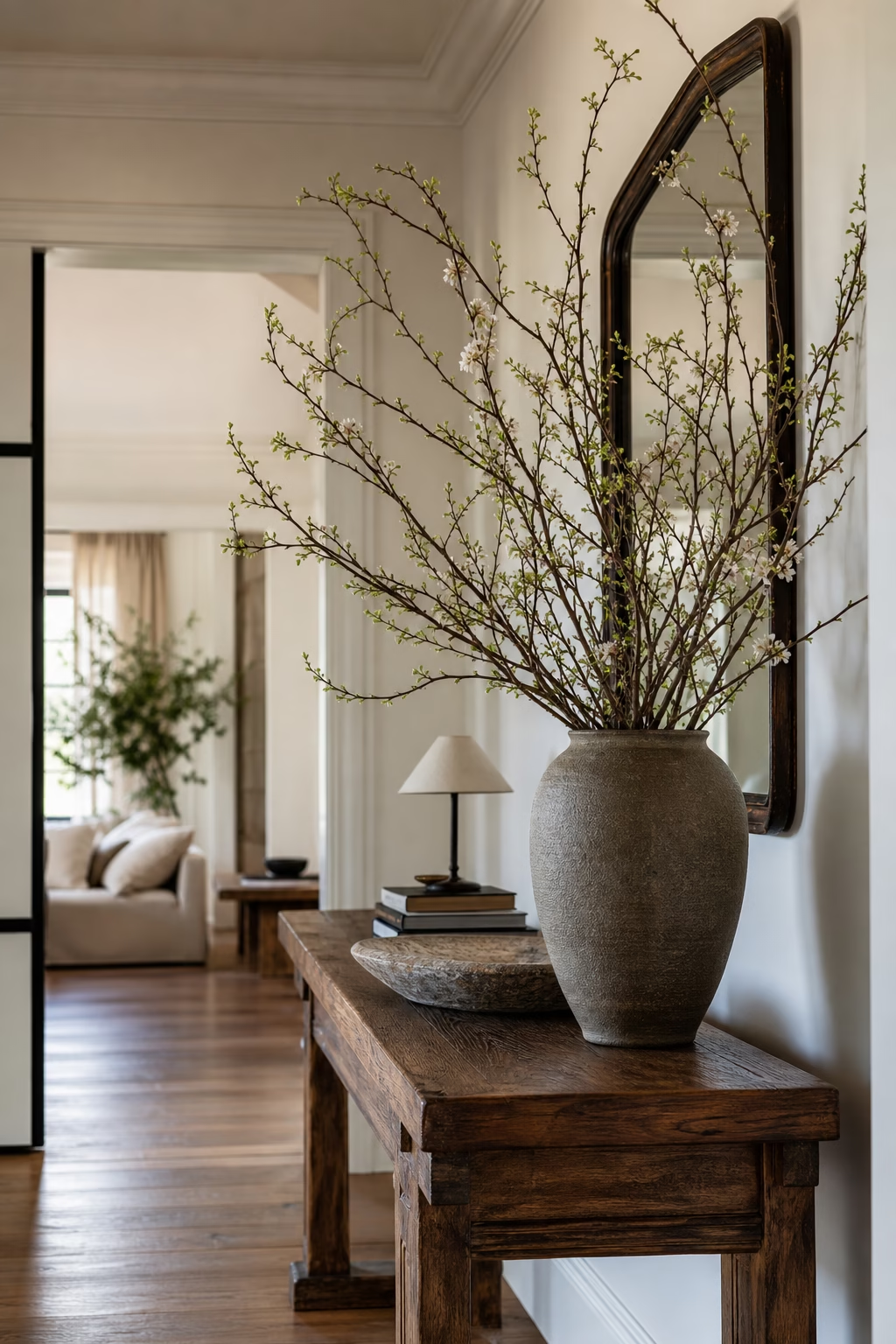
Use Fresh Color in Muted Doses
Spring color does not have to be sugary. Muted doses of celadon, butter yellow, dusty rose, sky blue, moss, lilac, or warm white can freshen a room without making it feel temporary. Choose one or two tones and repeat them lightly through pillows, flowers, books, ceramics, or napkins. The permanent palette should still lead, especially in expensive rooms with stone, wood, and upholstery already in place. A little color looks more sophisticated when surrounded by natural texture and negative space. This approach gives the home a seasonal lift while avoiding a full redecorating cycle every time the weather changes outside.

Let the Entry Feel Washed and Bright
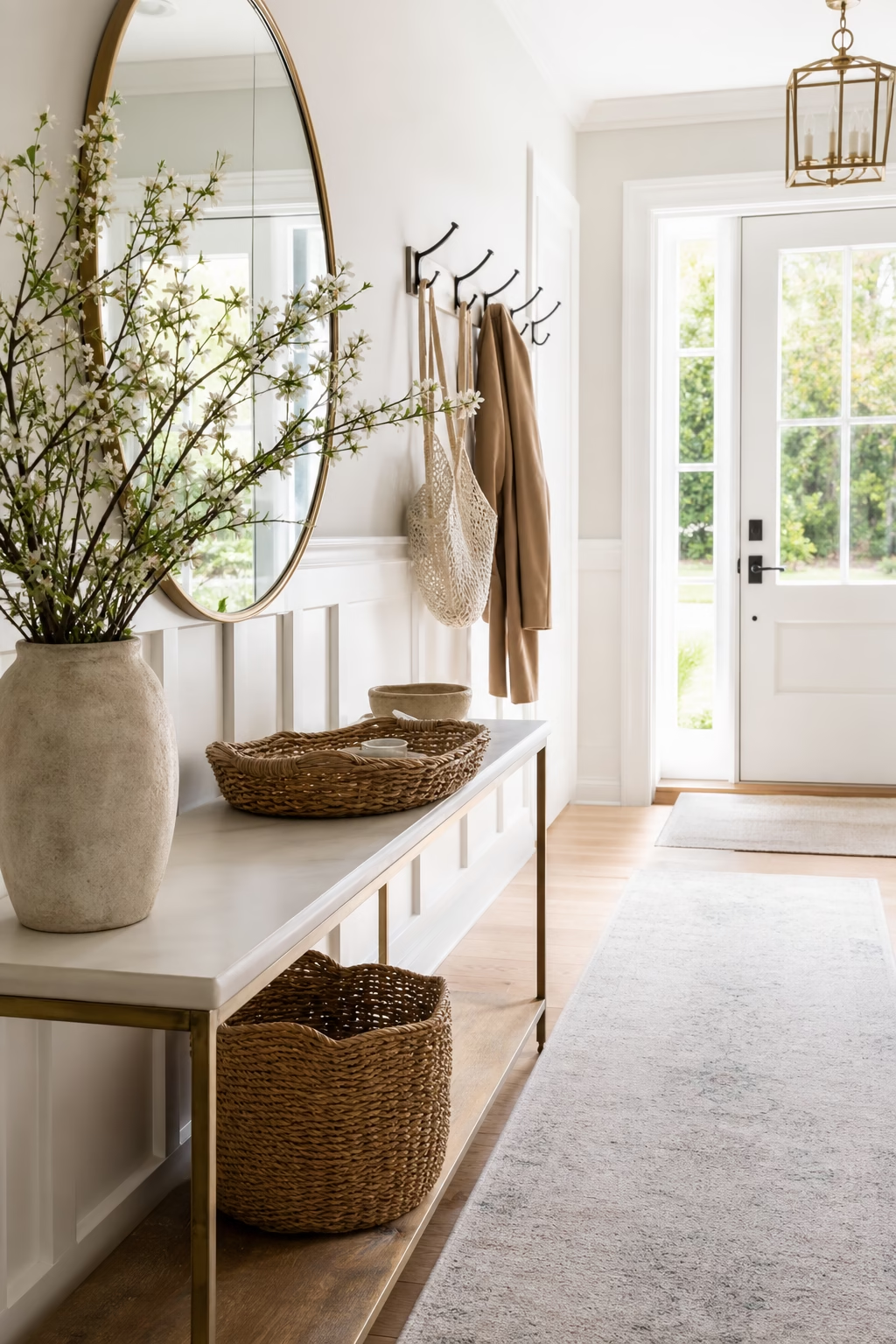
The entry sets the tone for a spring reset. Clear winter boots, bulky baskets, and dark seasonal decor, then rebuild the surface with lighter pieces: a shallow tray, a vase of branches, a woven catchall, and perhaps a pale runner underfoot. If the space lacks sunlight, use a mirror to catch brightness from another room and a lamp with a warm but clean shade. Keep hooks edited so coats do not overwhelm the wall. A bright entry does not need to be bare; it needs to feel prepared for easier movement. Guests should sense air, light, and order as soon as they arrive.
Refresh the Coffee Table With Space
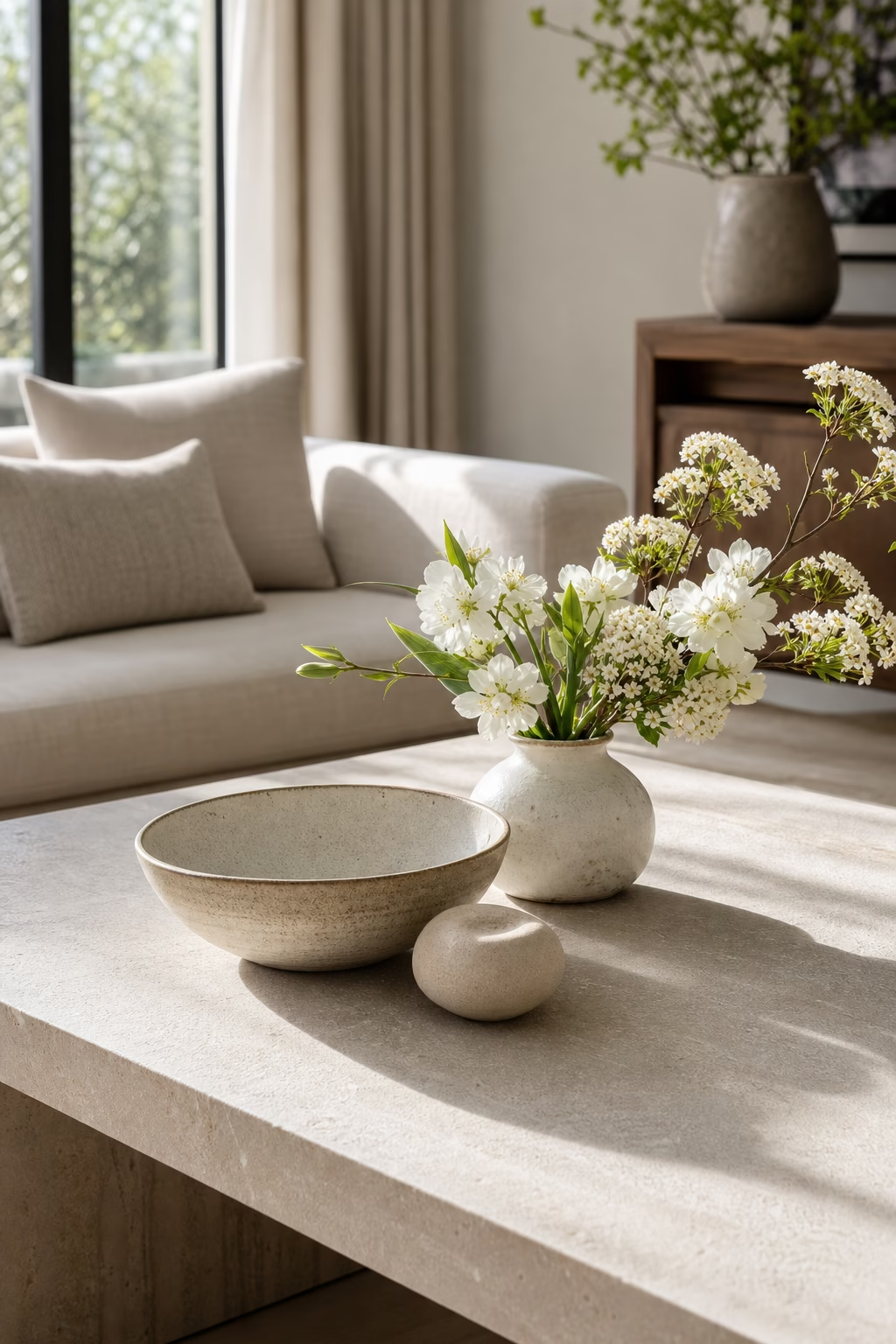
A spring coffee table should feel lighter in both color and arrangement. Remove stacked winter books, extra candles, and heavy trays, then choose a few useful pieces with room between them. A low bowl, one vase of flowers, a linen-covered book, and a small object can be enough. If the table is dark wood or stone, add something pale or reflective to catch daylight. Keep the styling low so conversation and sightlines remain easy. The point is not to make the table look empty; it is to let each object register. Spring decor often looks freshest when surfaces are allowed to breathe.
Make Shelves Feel Less Dense
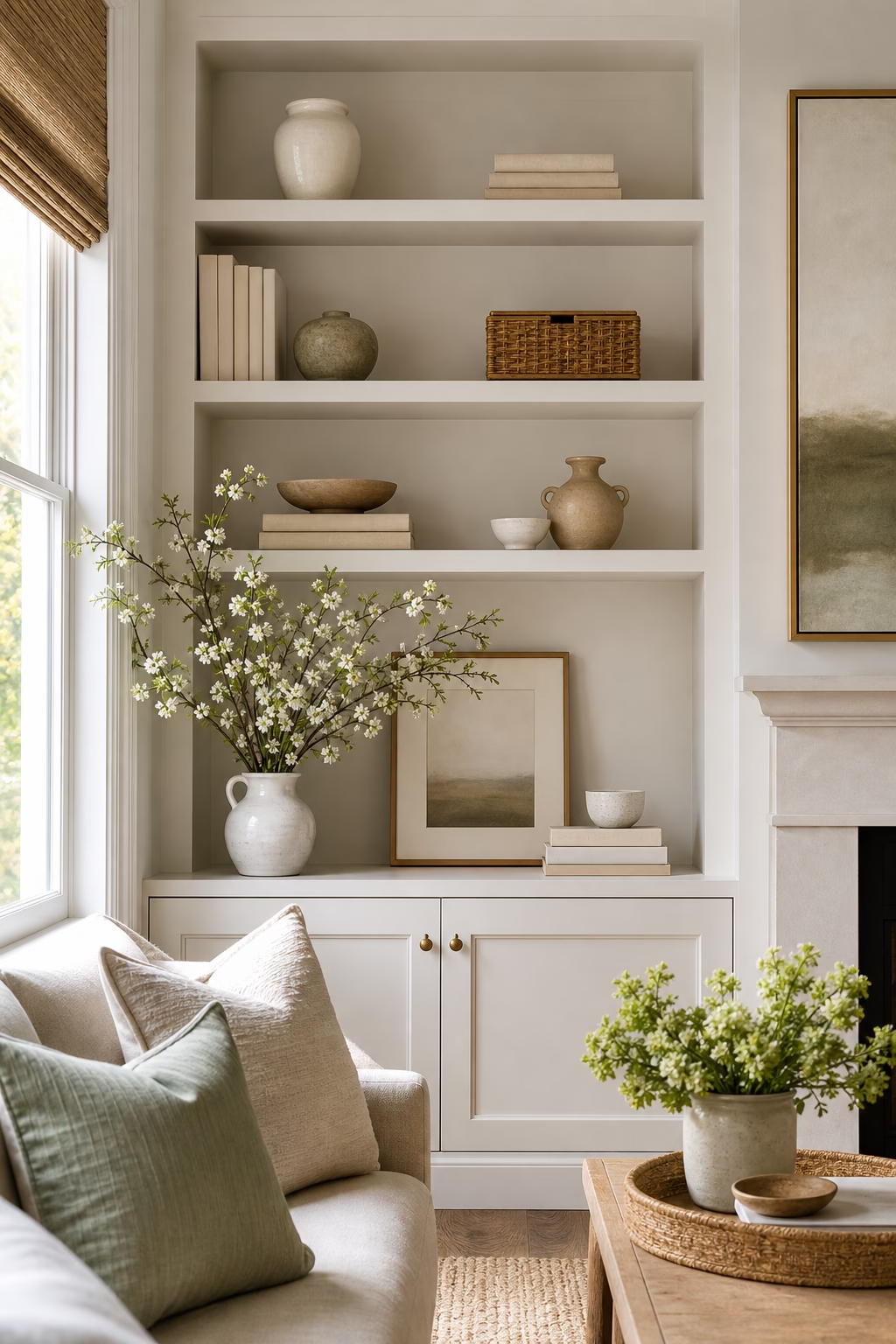
Shelves can quietly hold on to winter even after the rest of the room changes. Edit them by removing a few dark, heavy, or duplicate objects, then open up space around the best books, ceramics, and art. Add one spring note per shelf zone rather than filling every cubby: a small branch, pale vessel, woven box, or fresh book stack. If the shelves feel visually busy, turn some book spines inward only where it looks natural, or group them by tone. The goal is not sterile minimalism. It is a clearer rhythm that lets daylight and favorite objects move through the shelves again.
Set a Breakfast Table With Garden Energy
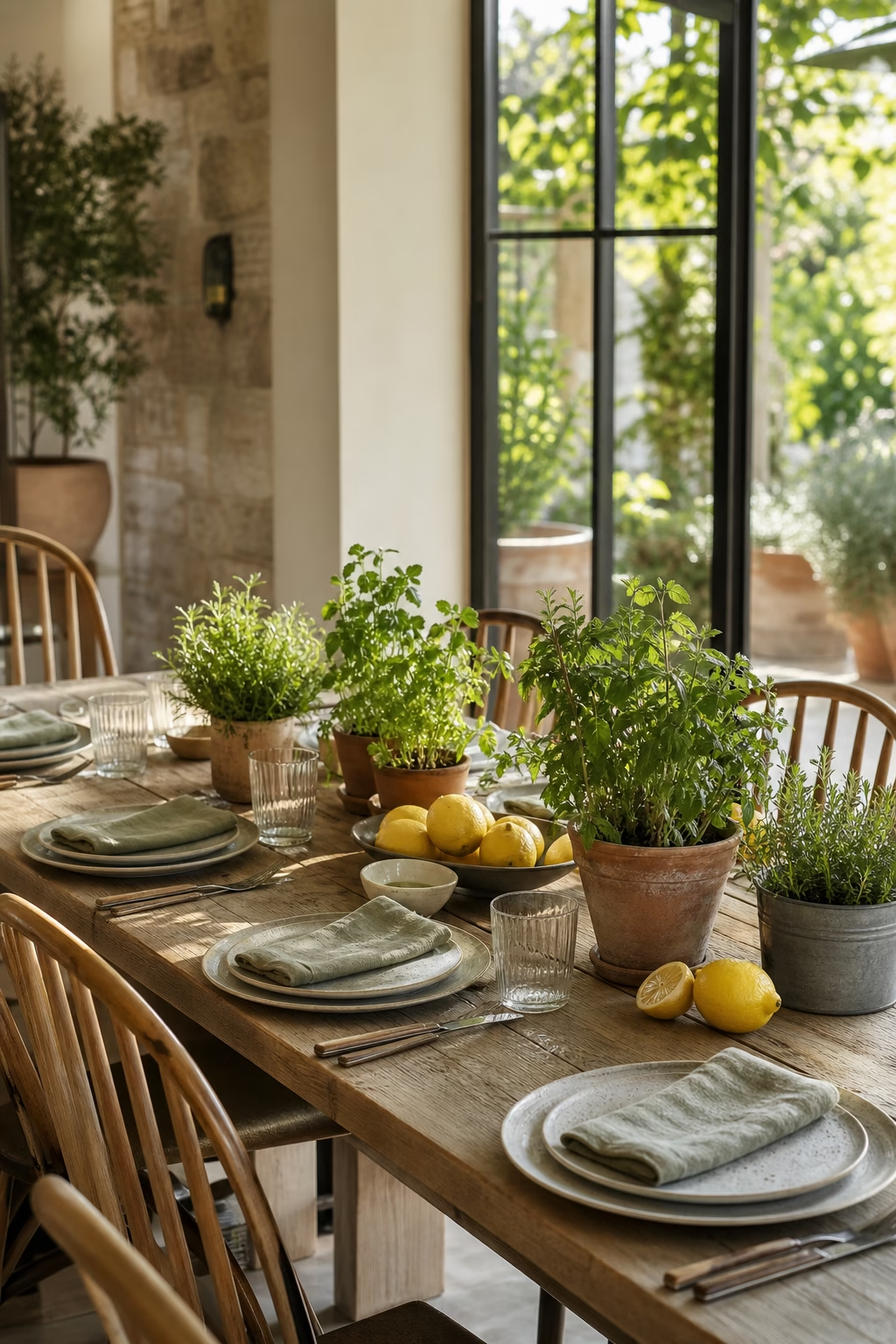
A spring table can be casual and still feel special. Use everyday plates, linen napkins, clear glassware, and one fresh element from the market or garden. Herbs in small pots, a bowl of lemons, budding branches, or a loose arrangement of tulips can set the mood without blocking conversation. Keep the tablecloth or runner light enough to feel relaxed, and let wood or stone show if the surface is beautiful. This is not formal entertaining; it is a daily table that acknowledges the season. A breakfast corner with garden energy makes ordinary mornings feel brighter and gives the room a reason to gather.
Use Florals in One Strong Moment
Florals feel most modern when they are concentrated in one confident moment rather than scattered as small prints everywhere. Choose a large arrangement, a pair of patterned pillows, one framed botanical artwork, or curtains with a restrained floral pattern. Let that gesture carry the season, then keep nearby pieces calmer. Fresh flowers should look loose and natural, with visible stems and a mix of heights. If using floral fabric, balance it with solids, wood, stone, or rattan so it does not become overly sweet. A single strong floral moment feels fresh, grown-up, and easier to change when the season moves on.

Lighten Window Treatments Where Possible
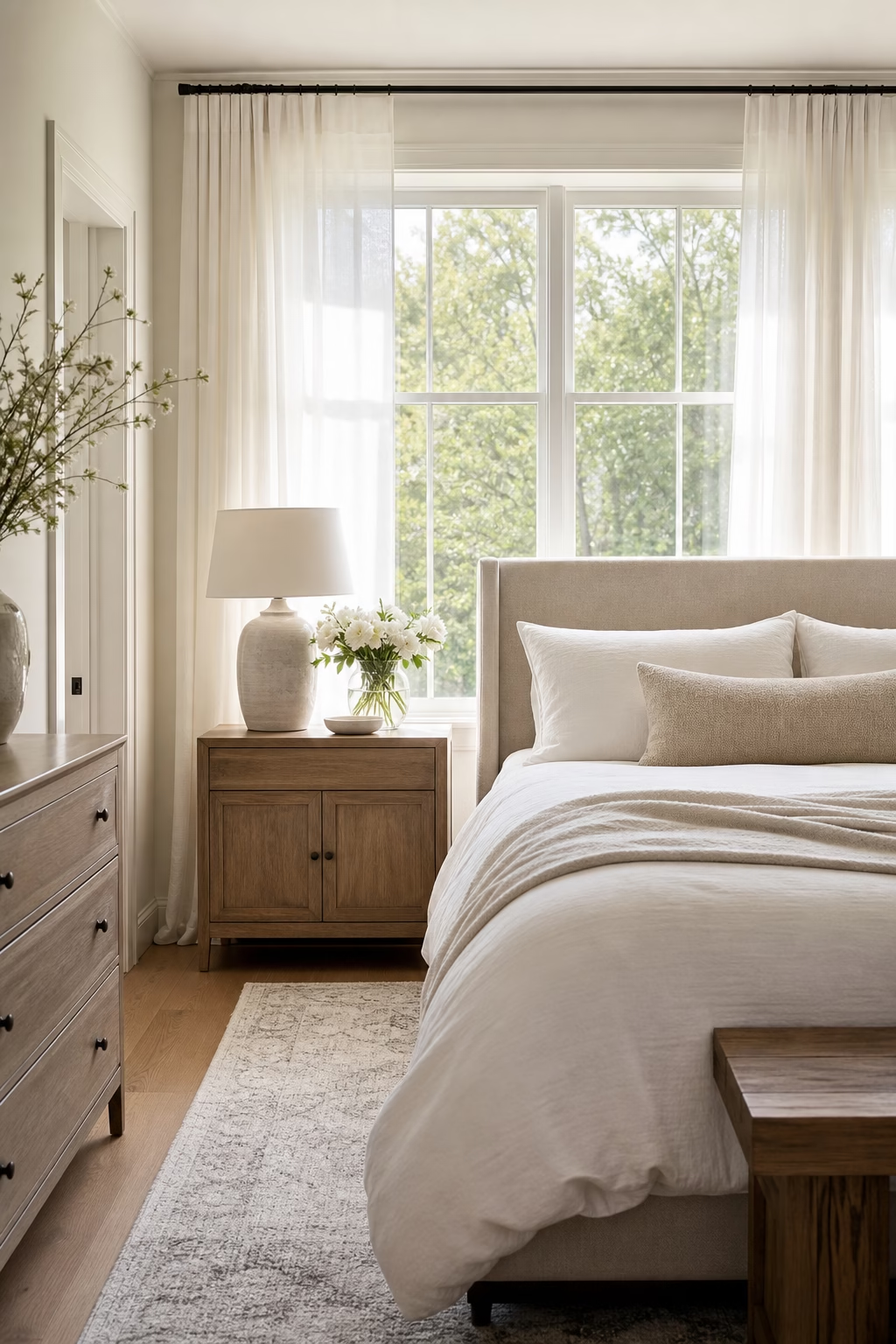
Spring light is valuable, so window treatments deserve attention. Open heavy drapes fully, swap dense panels for linen or sheer layers where practical, and clean the glass so daylight feels crisp. If privacy is needed, use woven shades or translucent fabric that filters light rather than shutting it out. Hardware should stay simple and high enough to make windows feel taller. Lighter treatments can change a room more than new accessories because they affect every surface. The goal is not exposing the room completely; it is letting daylight enter softly. Once the windows feel lighter, colors, flowers, and textiles all look fresher.
Bring Baskets Back Into Use
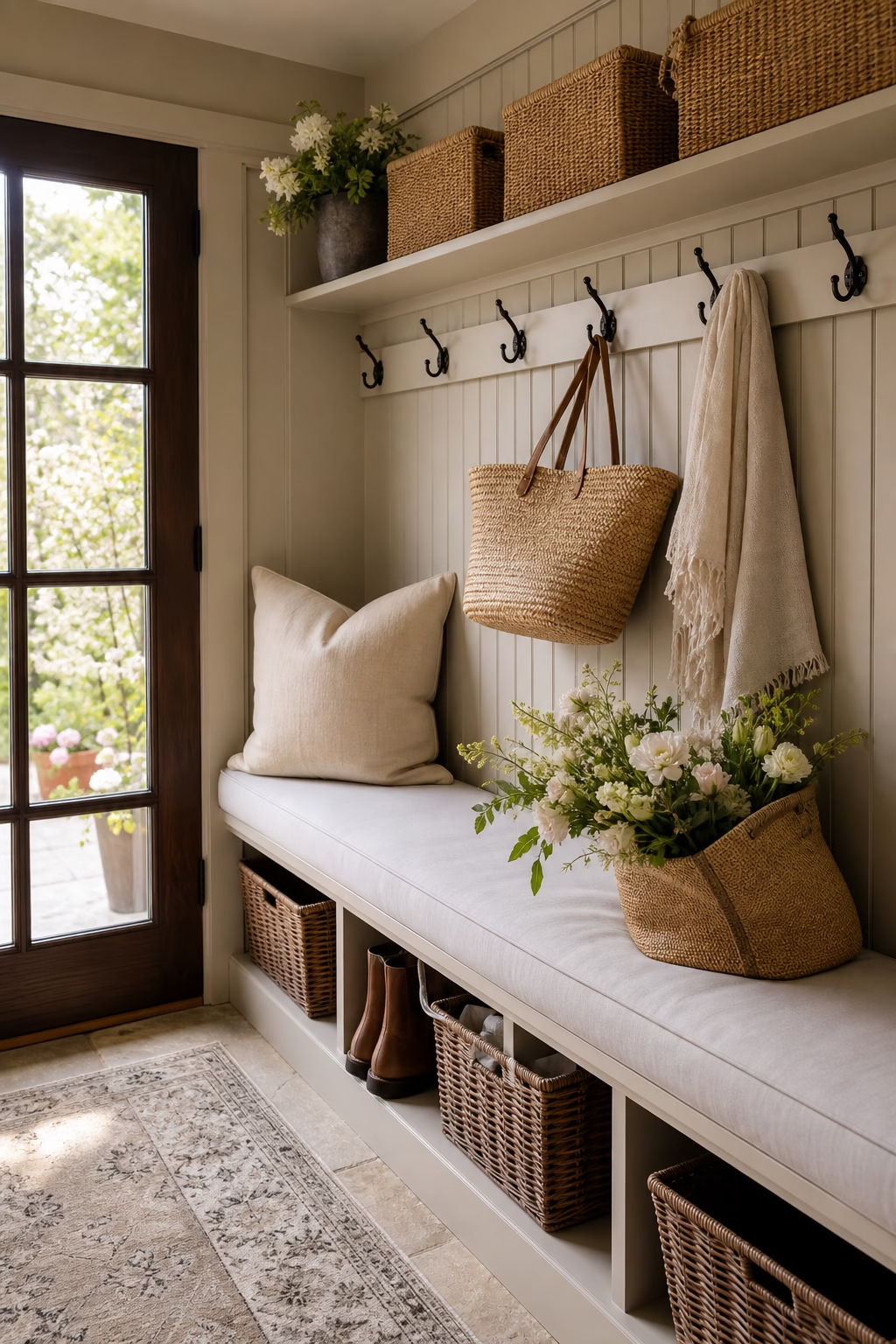
Baskets are useful in spring because they add texture while helping clear visual clutter. A lidded basket can hold winter throws, a shallow tray basket can organize entry essentials, and a handled market basket can sit beautifully near the kitchen or mudroom. Choose simple woven forms with enough structure to stand upright. The basket should look like part of the decor, but it should also solve a real storage problem. Natural fibers pair well with linen, flowers, and pale wood, giving the room a relaxed seasonal quality. When storage looks tactile and intentional, the whole home feels easier to live in.
Add One Fresh Piece of Art
Changing art is a subtle way to shift the season without replacing furniture. Lean a small landscape on a shelf, hang a botanical print in the kitchen, or swap a dark abstract for something with more air and movement. The piece does not need to be literal spring imagery; it might simply have lighter colors, open space, or a softer composition. Keep the frame connected to the room so the change feels natural. Seasonal art is especially effective in entries, powder rooms, and breakfast areas, where one wall can carry the mood. A fresh piece gives the eye a new view.

Let the Bedroom Wake Up Slowly
A spring bedroom should feel lighter without losing comfort. Start with breathable bedding: cotton percale, linen sheets, a matelasse coverlet, or a lighter duvet folded at the foot. Replace dark cushions with two or three soft tones, and keep bedside styling simple enough for real use. A small vase of flowers, a carafe, or a linen shade can make the room feel fresh without clutter. If the rug is heavy, balance it with lighter bedding rather than changing everything. The bedroom should wake up slowly, like the season itself, with cleaner surfaces, gentler color, and fabrics that feel good in warmer mornings.

Give the Kitchen a Market Bowl
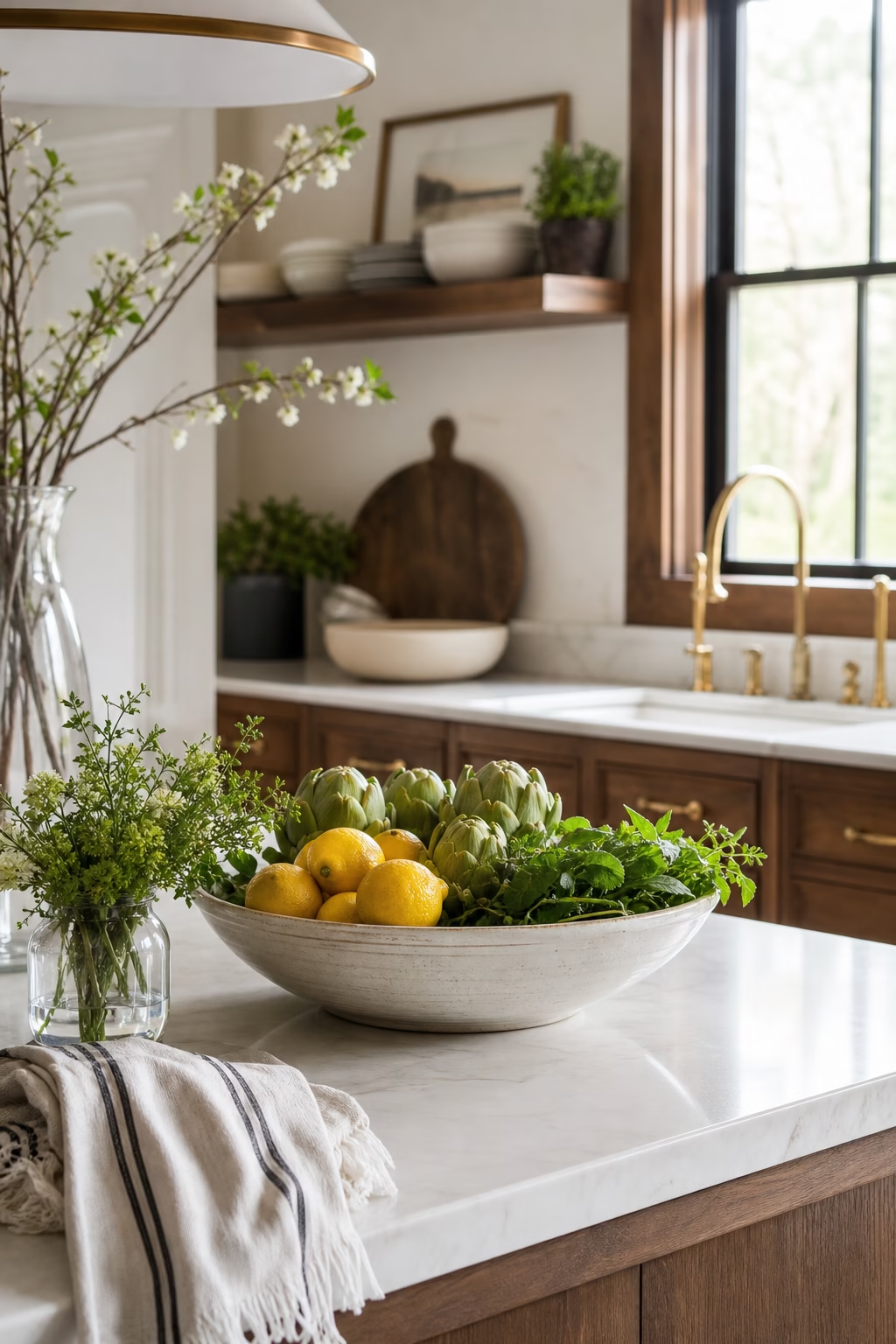
A bowl of seasonal produce is one of the most practical spring decorations. Lemons, artichokes, pears, radishes, herbs, or early stone fruit bring color and life to the kitchen while remaining useful. Choose a beautiful bowl in ceramic, wood, glass, or stone and place it where it will not interrupt prep space. The colors should look fresh against the counters and cabinetry. This small move works because kitchens already revolve around food; produce belongs there more naturally than decorative objects. Replace the contents as you cook and shop, and the room will keep changing quietly with the season each week.
Use Scented Candles More Lightly
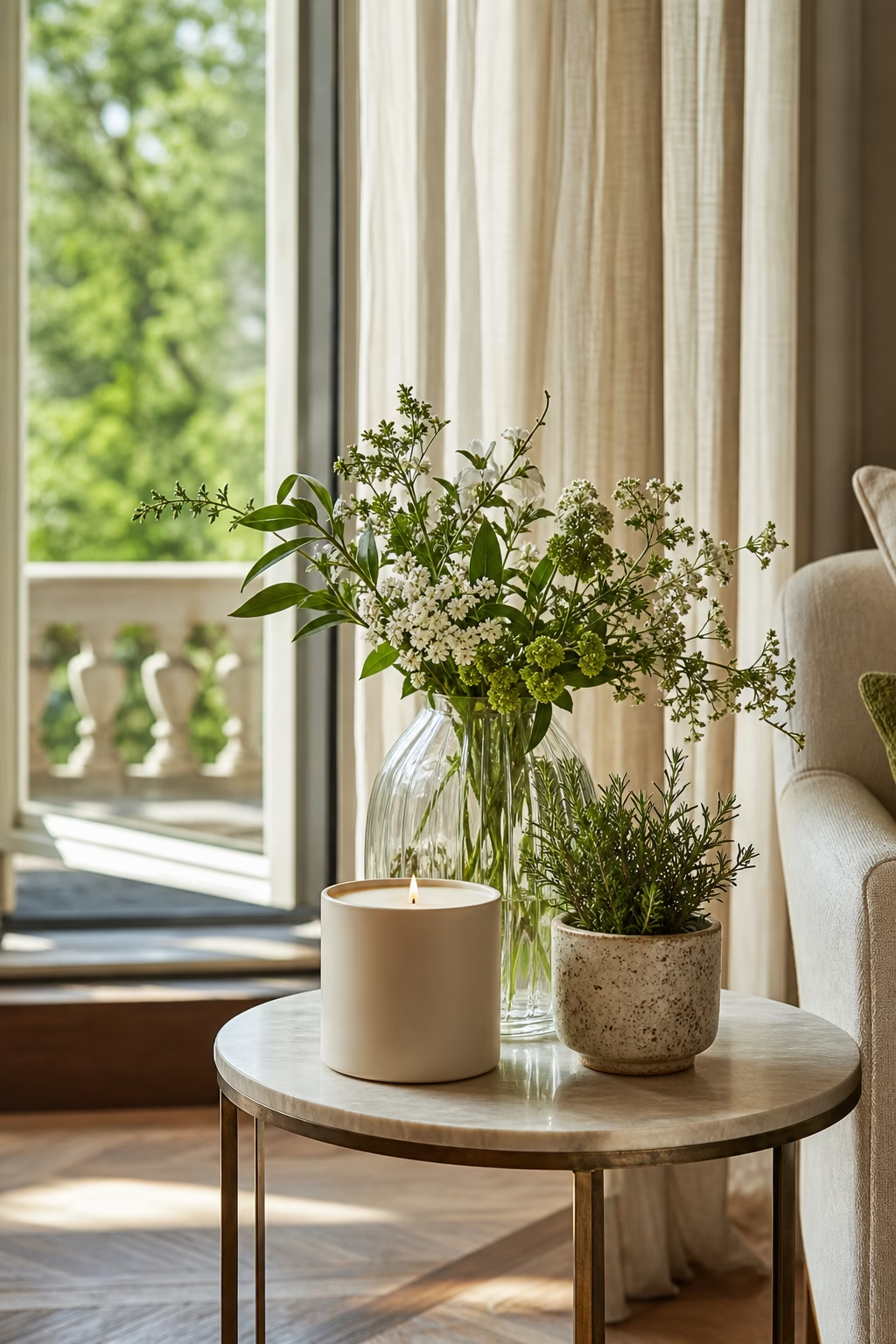
Spring scent should feel clean and subtle. Retire heavy winter candles and choose lighter notes such as fig leaf, basil, neroli, linen, tomato vine, rain, or soft citrus. One candle in a room is usually enough, especially near dining areas where fragrance can compete with food. Pay attention to the vessel too; pale ceramic, clear glass, or simple metal will look fresher than dense dark jars. If candles feel too heavy, try a bowl of herbs, fresh flowers, or open windows instead. The scent layer should support the feeling of air moving through the house, not announce itself before the room does.
Refresh the Bathroom With Small Textures
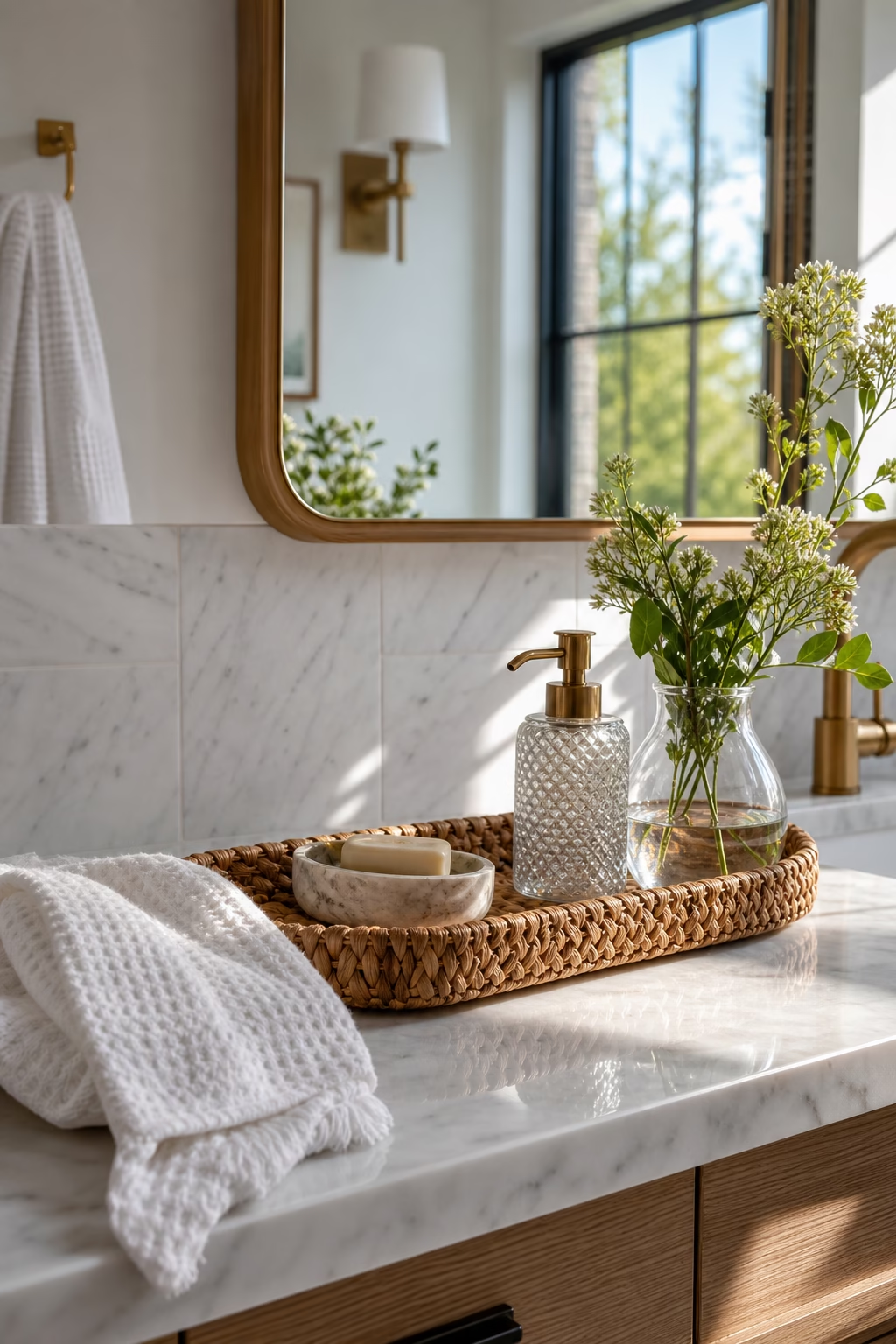
A bathroom can feel newly fresh with very small changes. Replace tired towels with crisp cotton or waffle weave, add a small vase of stems, clean the mirror thoroughly, and edit the counter down to the products you actually use. A wooden stool, woven tray, or stone soap dish can bring natural texture without taking up much room. If the bathroom has no window, choose pale towels and warm lighting so the space does not feel flat. Spring decor in a bathroom should read as cleanliness and ease. It is less about theme and more about making daily routines feel lighter.
Let Outdoor Views Influence the Palette
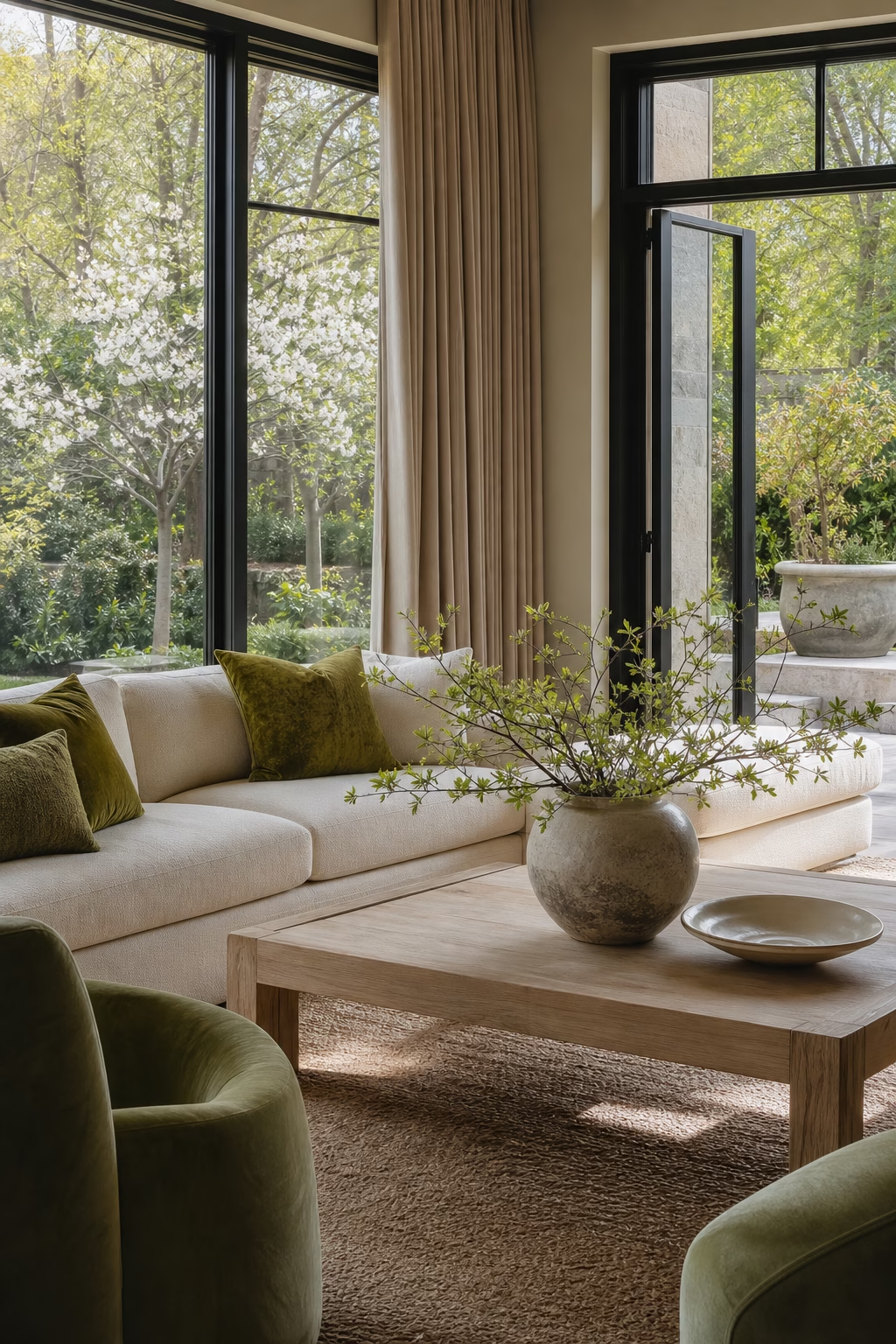
Spring decorating becomes more cohesive when the view outside influences the palette inside. If the garden is full of new greens, echo them with moss cushions or a leafy branch. If the view is pale sky and stone, use soft blue, ivory, and gray. A blooming tree might inspire blush, cream, or deeper bark tones. This does not mean matching the landscape exactly; it means letting the room feel connected to what the windows reveal. When indoor colors speak to outdoor light, the house feels larger and more alive. The seasonal shift becomes architectural, not just decorative or surface-level.
Edit the Mantel Into a Lighter Composition
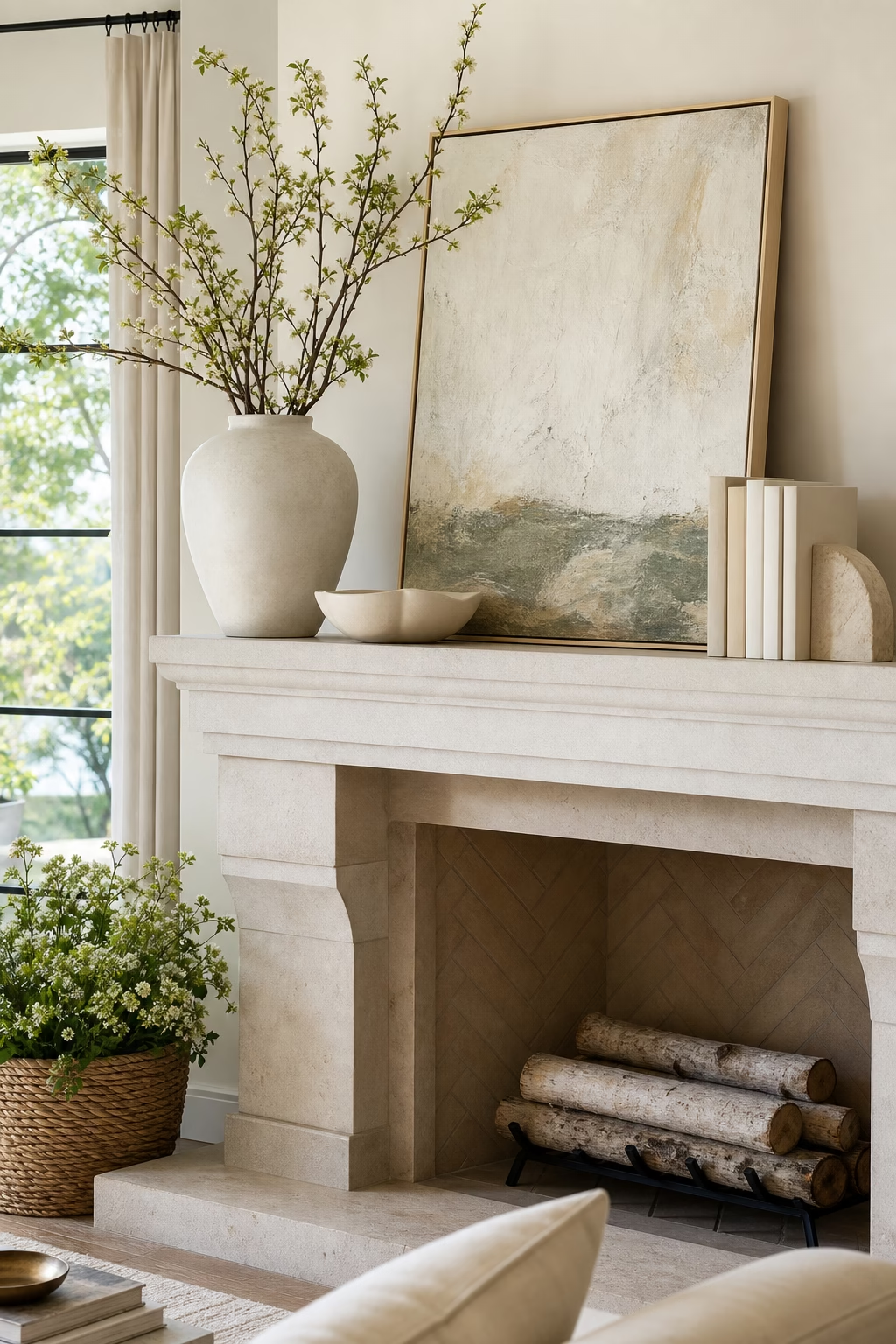
Mantels often carry the memory of colder months. Remove dense garlands, dark candles, and heavy objects, then create a lighter spring composition with one piece of art, a few branches, and perhaps a low ceramic bowl. Keep the arrangement asymmetrical so it feels natural, and let the wall surface show. If the fireplace is no longer in use, clean the hearth and replace log baskets with a simple stool, plant, or stack of pale books. The mantel should still anchor the room, but with less visual weight. This shift helps the whole living area feel brighter even before flowers arrive.
Use Mirrors to Move Spring Light
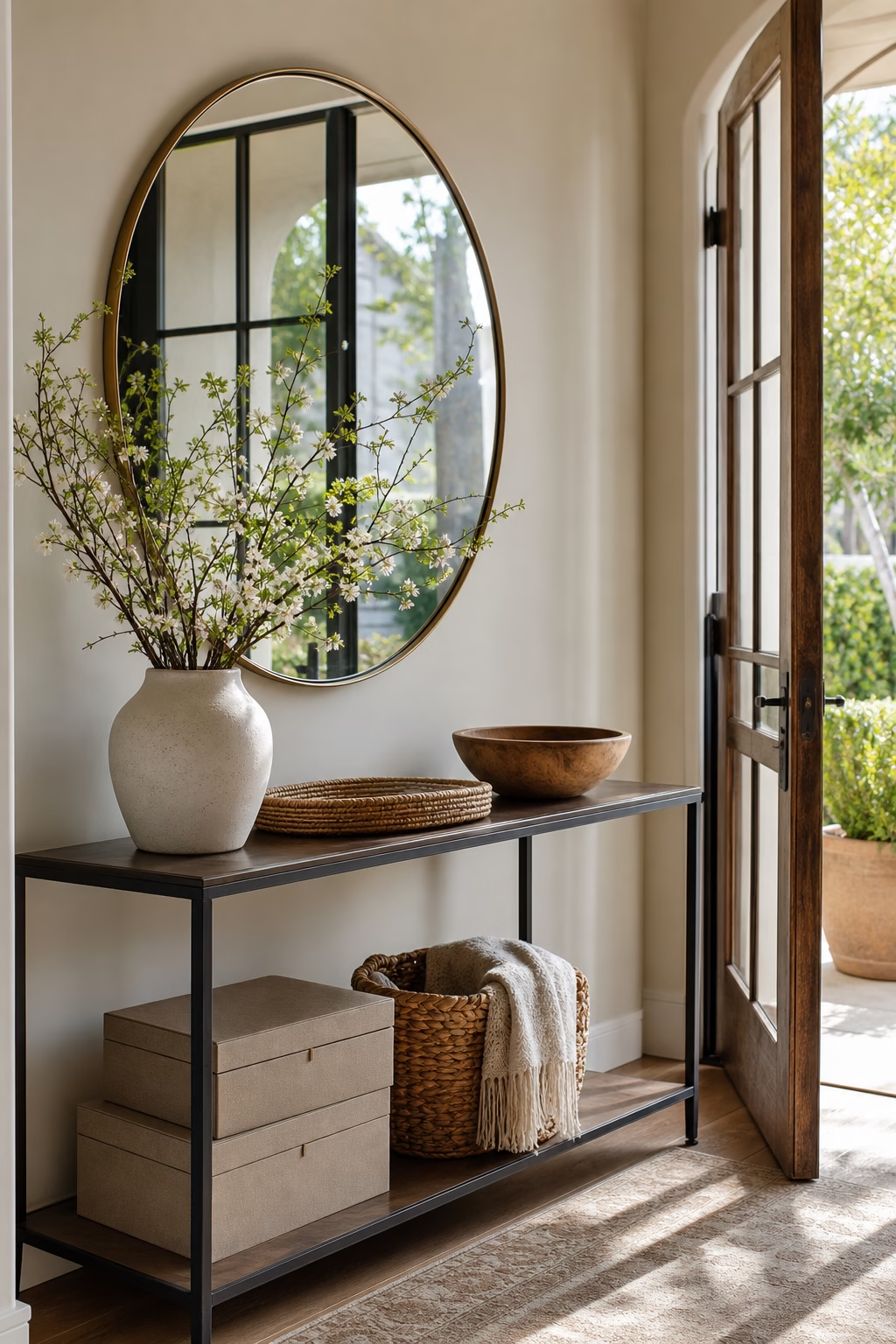
Mirrors are especially useful in spring because they can move changing daylight deeper into the home. Place a mirror where it reflects a window, greenery, or a lighter wall rather than clutter. In an entry, a round mirror can brighten arrivals; in a dining room, a long mirror can catch afternoon light; in a bedroom, a floor mirror can reflect curtains and sky. Clean the glass and simplify the surface below it so the reflection feels fresh. A mirror should not feel like a trick. It should behave like a quiet second window, borrowing the season and returning it to the room.
Refresh Workspaces With Clearer Surfaces
A desk or home office benefits from spring editing because paper and cords accumulate quietly. Clear the surface completely, then return only the lamp, current notebook, pen cup, and one living element such as a small plant or branch. Use a tray or drawer for chargers and sticky notes so the desktop can stay focused. Lighter decor does not mean less function; it means fewer distractions competing for attention. If the office feels dull, add a pale artwork, linen pinboard, or fresh shade on the lamp. A clearer workspace makes the seasonal reset feel productive, focused, and not merely pretty.

Bring Patio Pieces Into View
Spring begins before outdoor living is fully underway, so make the patio or balcony part of the interior view. Clean the outdoor table, add cushions in weather-safe fabric, place a planter where it can be seen from inside, and keep the threshold tidy. Even if the doors stay closed on cool days, the room will feel larger when the outdoor area looks ready. Repeat one material or color from inside so the transition feels deliberate. A woven chair, terracotta pot, or pale cushion can carry the mood across the glass. The fresh start becomes visible every time you look out.

Finish With a Whole-House Flower Plan
Flowers look more elegant when they are planned as a whole-house rhythm. Instead of buying many mixed bouquets, choose one or two flower types for the week and place them where they matter: branches in the entry, tulips on the dining table, a tiny bud vase in the bathroom, or herbs in the kitchen. Vary the vessel size, not the color story, so the rooms feel related. Remove tired stems quickly; freshness is the point. A simple flower plan keeps spring decor alive without making every surface busy. It gives the home movement, scent, and color in a way that can change every few days.