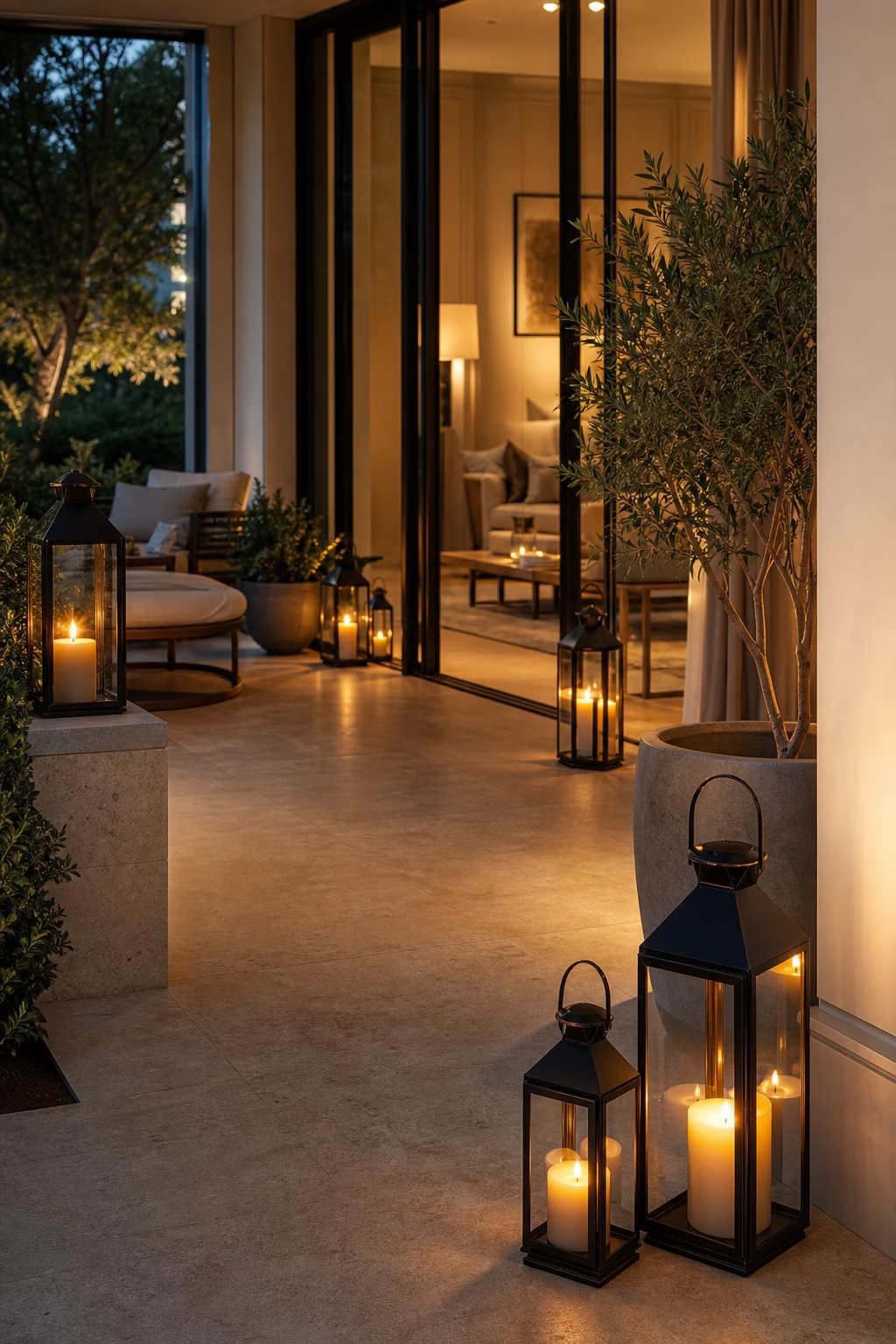
Candle lanterns create their best atmosphere when they are scaled generously, placed with intention, and treated as part of the room's architecture after dark.
- Frame the Front Door With Tall Lanterns
- Cluster Mixed Heights on the Patio
- Use Hurricane Lanterns on a Dining Table
- Place Brass Lanterns Beside a Fireplace
- Line Garden Steps With Protected Light
- Make a Bathroom Feel Like a Spa
- Choose Black Metal for Modern Rooms
- Warm a Bedroom Corner With One Lantern
- Use Woven Lanterns for Soft Coastal Texture
- Style Lanterns Under a Console Table
- Create a Safe Lantern Tray
- Hang Lanterns From a Covered Pergola
- Pair Lanterns With Potted Olive Trees
- Use Clear Glass Where Views Matter
- Layer Lanterns With String Lights Carefully
- Place Lanterns at the End of a Hall
- Choose Frosted Glass for Gentle Glow
- Use Oversized Lanterns as Floor Decor
- Make a Balcony Feel Finished
- Set Lanterns Beside a Bathtub Stool
- Mix Lantern Finishes With One Link
- Add Lanterns to a Covered Outdoor Kitchen
- Use Lanterns to Mark a Reading Nook
- Finish With an Evening Safety Pass
Frame the Front Door With Tall Lanterns
A pair of tall candle lanterns can make the front door feel composed before guests even step inside. Choose lanterns that are large enough to relate to the door height, not tiny accents lost beside the threshold. Blackened metal, aged brass, bronze, or weathered wood all work if the finish suits the hardware and exterior stone. Place one lantern slightly forward and the other tucked closer to the jamb so the arrangement feels natural. Use substantial pillar candles or warm battery candles, especially near windy entries. The glow should guide people toward the door while leaving the path clear, safe, and architecturally calm.

Cluster Mixed Heights on the Patio
Outdoor lanterns look most luxurious when they are grouped in varied heights rather than lined up like runway lights. Build a cluster beside a lounge chair, near a low table, or at the edge of an outdoor sofa. Use three lanterns with related finishes and different proportions: one tall, one medium, and one low. This creates a small pool of light that feels intentional without overwhelming the patio. Keep the flames protected behind glass and leave enough clearance for feet, cushions, and throws. A considered cluster turns a simple seating area into an evening destination, especially when the surrounding materials are stone, teak, linen, and planting.

Use Hurricane Lanterns on a Dining Table
A dining table needs candlelight that feels generous without blocking conversation. Hurricane lanterns solve that balance because the glass protects the flame and keeps the profile clean. Choose low or medium lanterns with clear glass, slim frames, and candles that sit below eye level once guests are seated. Run them down the table with linen, low greenery, fruit, or ceramic bowls so the setting feels layered rather than formal. Avoid scented candles at dinner, where fragrance competes with food. The best table lanterns create a warm ribbon of light across plates and glassware while leaving every face visible and every dish easy to reach.
Place Brass Lanterns Beside a Fireplace
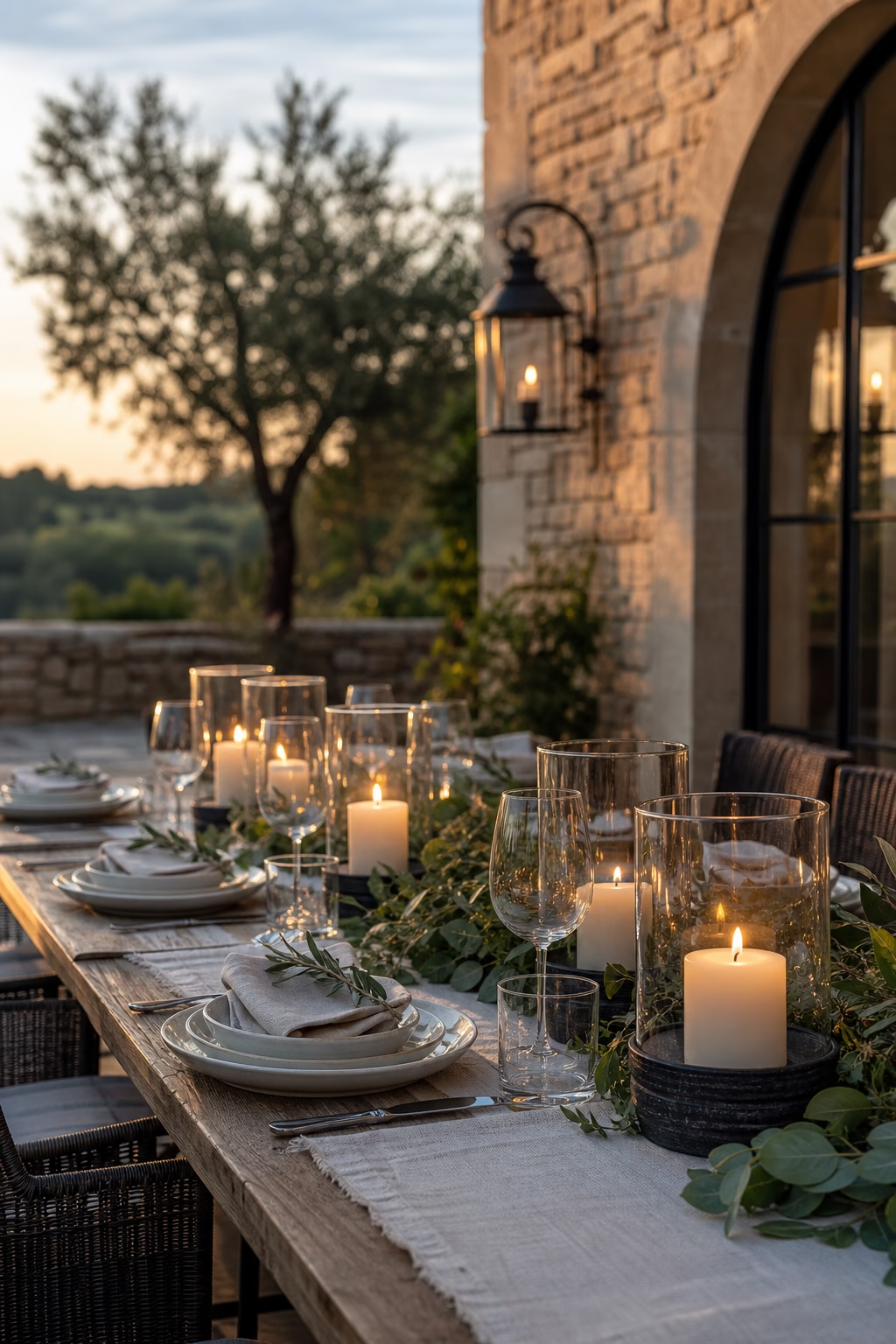
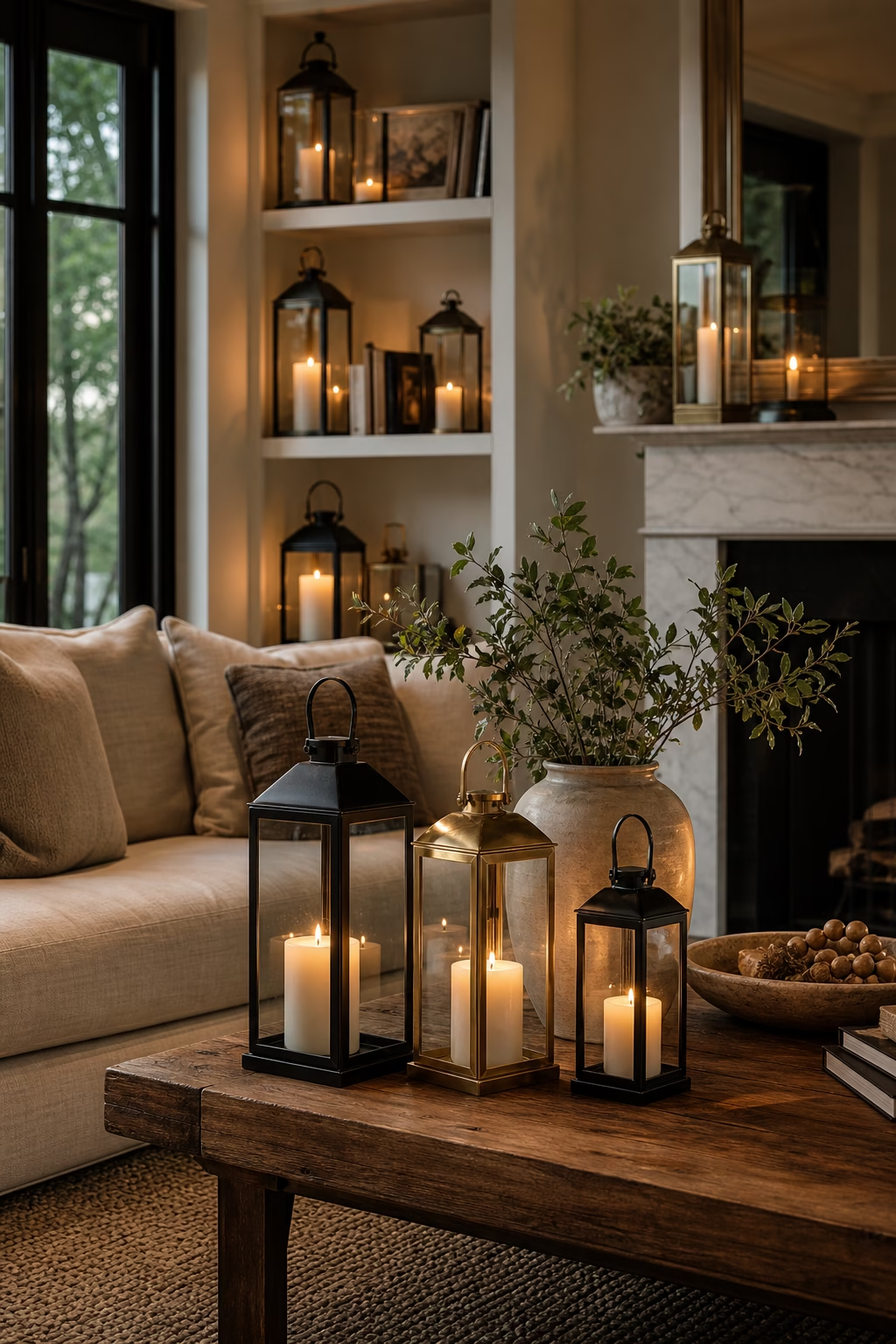
Fireplace lanterns should feel like part of the hearth, not decorative leftovers. Brass is especially beautiful here because it warms stone, plaster, brick, and dark fireboxes even when no fire is burning. Place one substantial lantern on the hearth and a smaller one nearby, keeping both away from active flames and heat. The scale should be strong enough to balance the firebox opening. If the mantel already has art or a mirror, keep the lantern shapes simple so the composition does not become busy. This is a practical way to give the fireplace an evening presence in seasons when a real fire is unnecessary.
Line Garden Steps With Protected Light
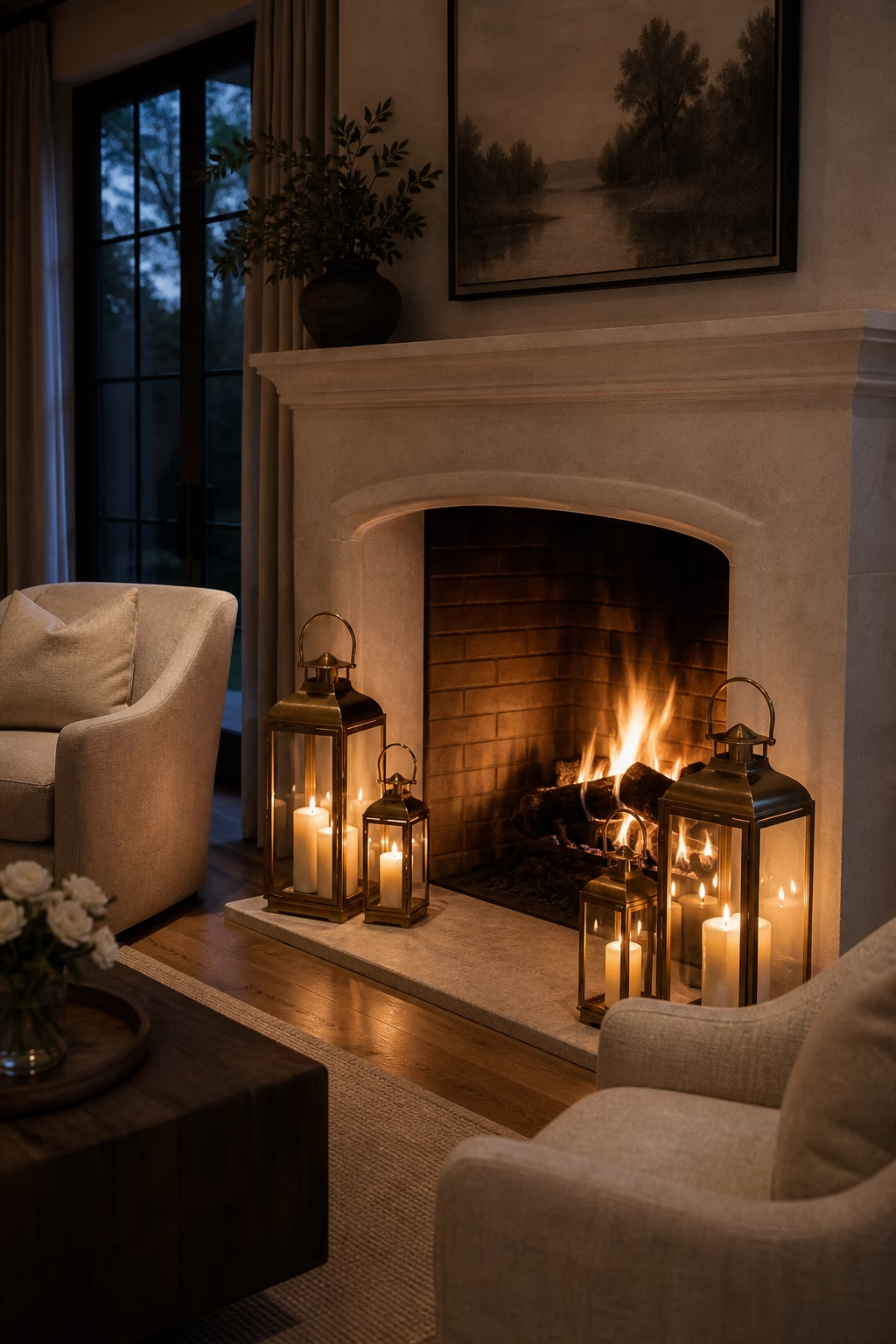
Candle lanterns can make garden steps feel magical, but safety has to lead the design. Use enclosed lanterns with weighted bases and place them to the side of the tread, never where someone naturally steps. Spacing matters more than quantity; a lantern every few steps gives rhythm without clutter. Choose warm, steady light rather than flickering effects that make level changes harder to read. Materials should suit the landscape: black metal against limestone, bronze with brick, or woven lanterns on a softer gravel path. The result is both practical and atmospheric, turning a dark route into a measured procession through the garden.

Make a Bathroom Feel Like a Spa
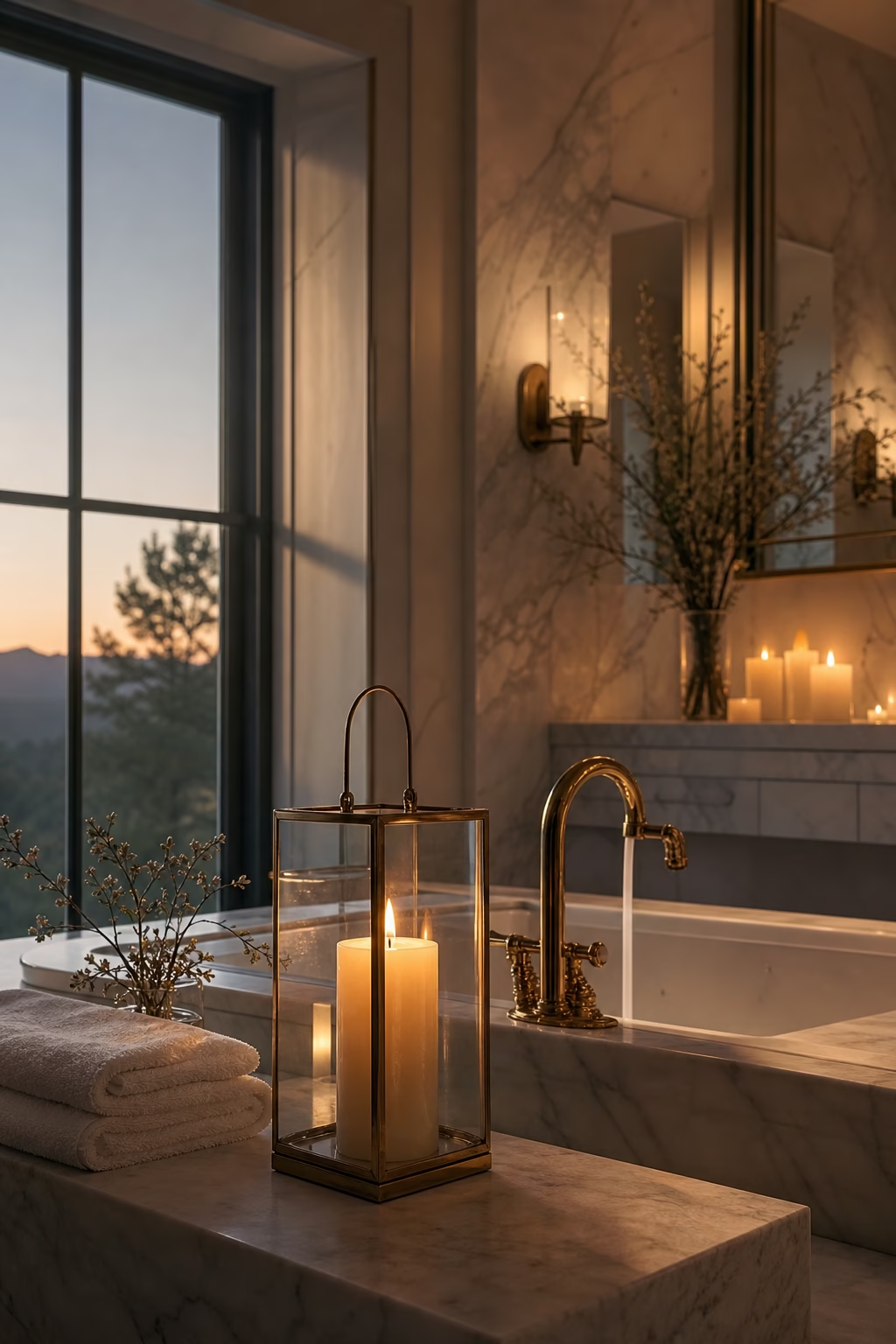
A bathroom lantern works best when it brings spa atmosphere without crowding wet zones. Place one glass lantern on a deep tub ledge, a stool, or a built-in niche where it cannot be knocked into water. Choose a finish that relates to the tapware, then keep the candle unscented or very subtle. The lantern should soften hard surfaces such as marble, zellige, microcement, or porcelain with a warmer, more human note. Pair it with folded towels and a small branch rather than many products. One protected flame can make a bathroom feel quiet, restorative, and polished, especially in the evening.
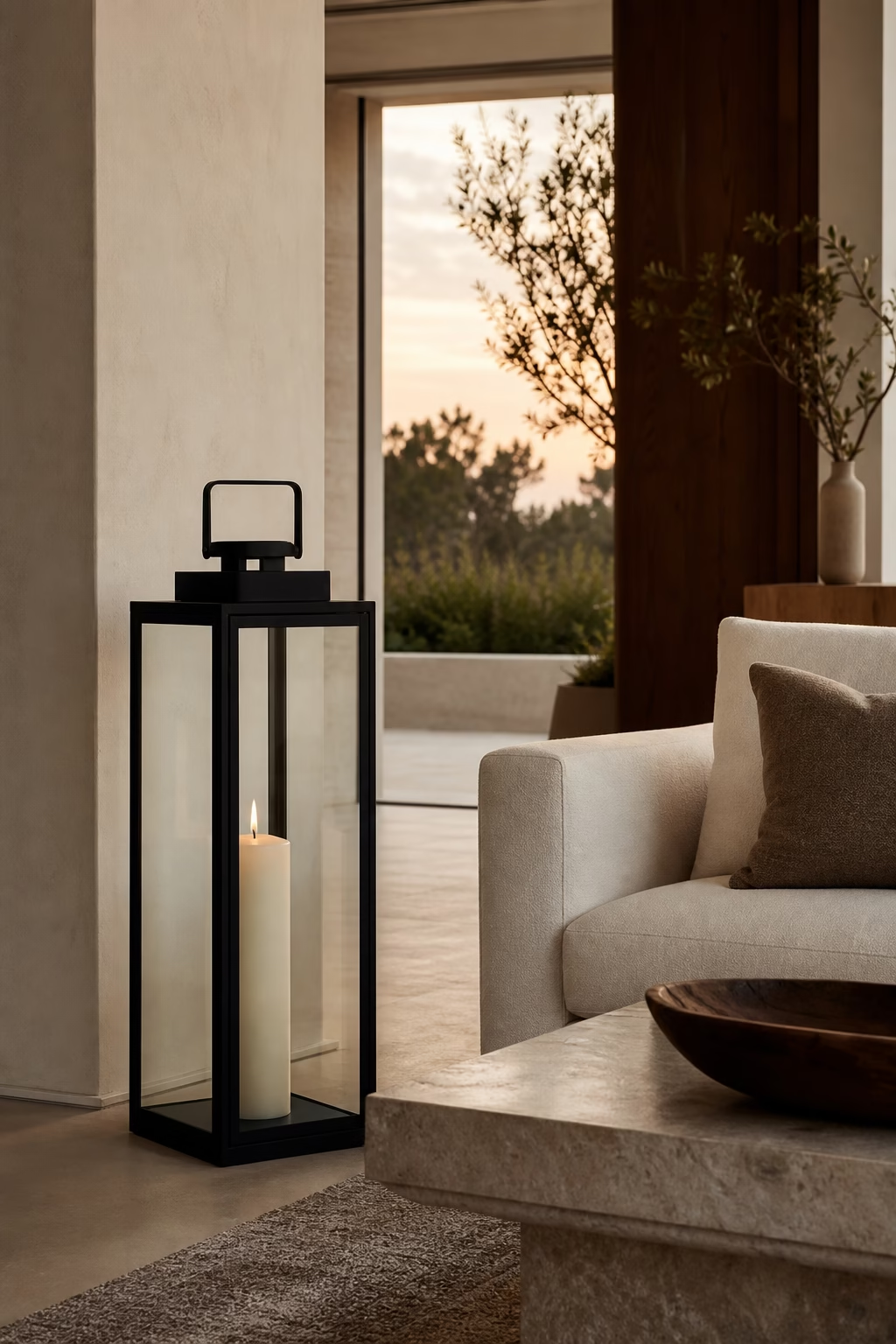
Choose Black Metal for Modern Rooms
Black metal lanterns bring definition to modern interiors because they add crisp lines without introducing heavy color. Use them in rooms with pale upholstery, plaster walls, stone floors, or warm wood so the contrast feels intentional. The shape should be simple: rectangular, square, or a clean cylinder with minimal ornament. A single oversized lantern can sit beside a sofa or console, while a pair can anchor a fireplace or entry bench. Keep nearby accessories matte and restrained so the lantern does not read as rustic. In a modern room, the point is the clean silhouette and controlled glow, not a crowded candle display.
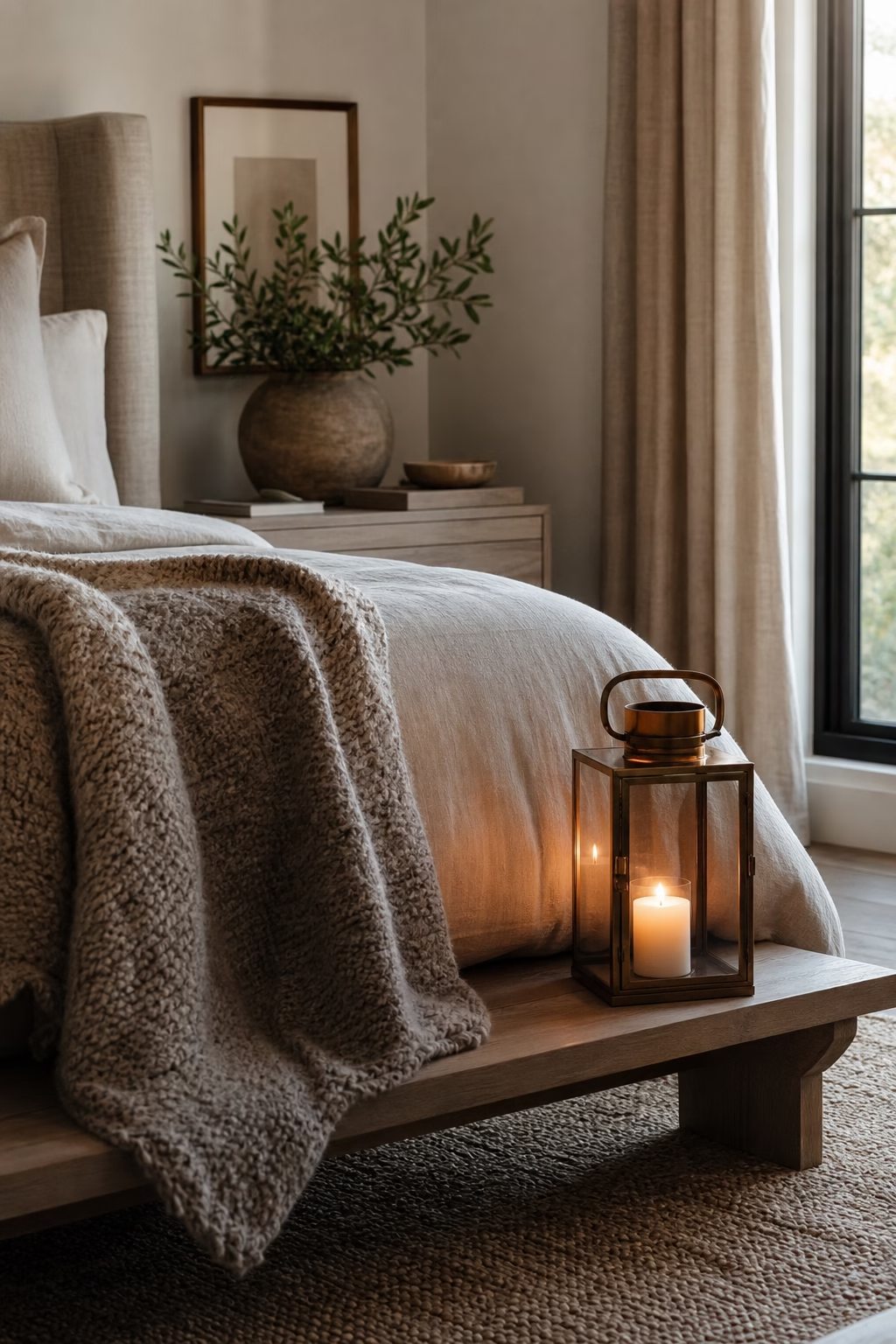
Warm a Bedroom Corner With One Lantern
Bedrooms need candlelight that feels calm rather than theatrical. One lantern in a quiet corner can do more than several small candles scattered around the room. Place it on a low bench, wide nightstand, or floor tray where the glass protects the flame and the base sits stable. Keep bedding, curtains, books, and dried stems at a safe distance. Materials matter: linen, wool, pale wood, and ceramic make the glow feel restful. A single lantern can mark the transition from daytime tasks to evening recovery, giving the room a ritual quality without making it look staged, unsafe, or overly romantic.
Use Woven Lanterns for Soft Coastal Texture
Woven lanterns are ideal when a room needs warmth but not more metal or glass. Rattan, cane, seagrass, or bamboo shades filter candlelight into a softer pattern, especially on covered porches, sunrooms, and relaxed living rooms. Choose a lantern with a glass insert or protected candle cup so the natural fibers stay away from flame. The weave should look tight and well made, not flimsy. Pair it with linen cushions, pale oak, stone, and indoor plants for a coastal mood that still feels elevated. The texture adds shadow and movement, which is often what a neutral room needs at night.

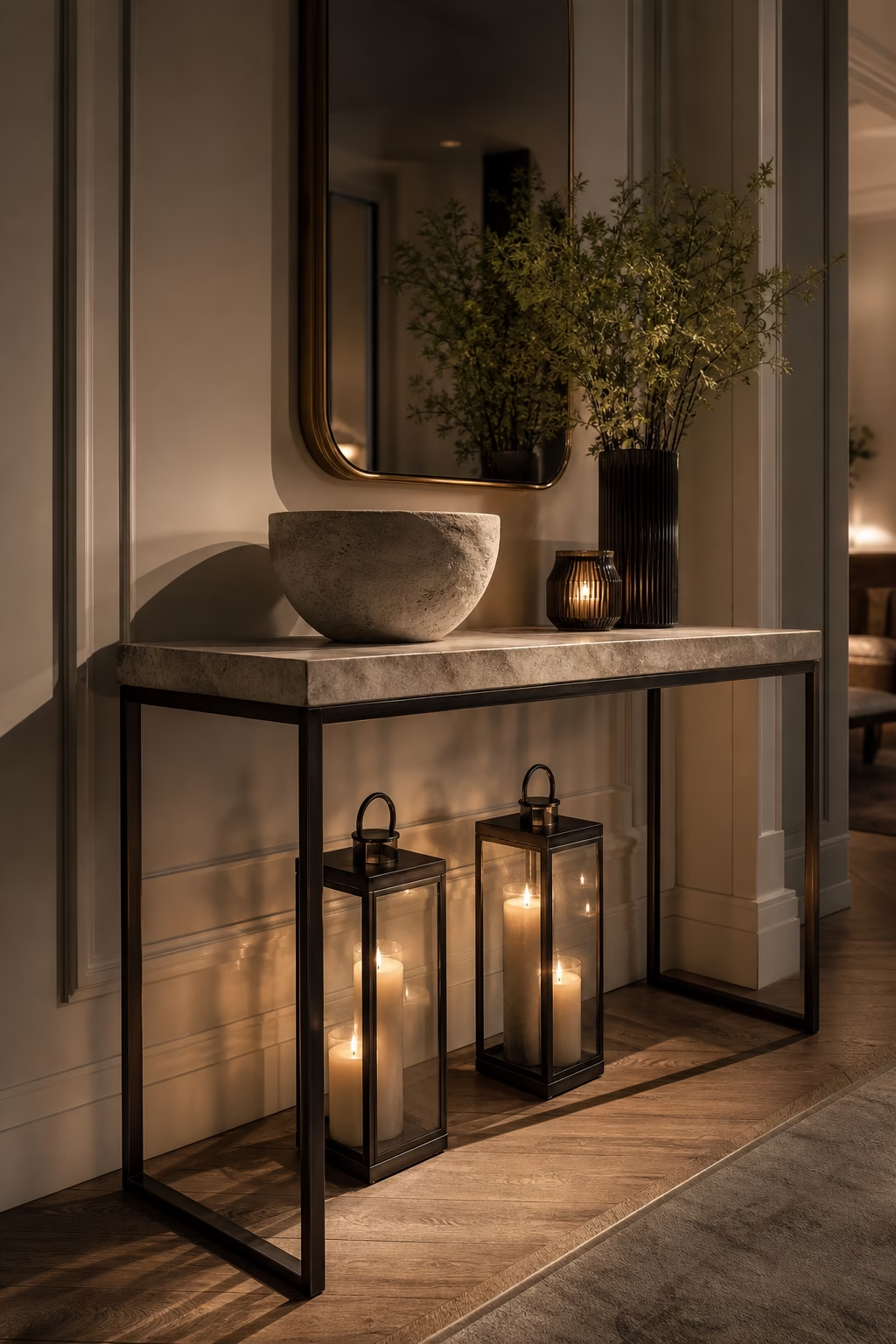
Style Lanterns Under a Console Table
The open space below a console table is often neglected, yet it can hold lanterns beautifully. This works especially well in an entry, hallway, or dining room where the tabletop already carries a lamp, mirror, or vessel. Place one or two lanterns beneath the console, making sure they are easy to see and not in the path of feet. Their glow will sit low, washing the floor and legs of the furniture with warmth. Keep the arrangement edited; a basket, one lantern, and a ceramic bowl may be enough. Low candlelight gives the console depth and makes narrow circulation spaces feel intentionally styled after dark.
Create a Safe Lantern Tray
A tray helps candle lanterns feel collected and keeps small evening details under control. Choose a stone, metal, wood, or lacquer tray large enough for one lantern, a match cloche, and perhaps a small ceramic dish. Avoid crowding the tray with loose greenery or fabric if a real flame is used. On a coffee table or ottoman, the tray also makes it easy to move the arrangement when drinks or books need space. A lantern tray is useful because it turns candlelight into a portable ritual. It can shift from living room to terrace while still looking composed, practical, and refined.

Hang Lanterns From a Covered Pergola
Hanging lanterns create an intimate ceiling plane outdoors, but they need proper scale and secure placement. Use them under a covered pergola, porch beam, or sturdy outdoor structure where wind and rain are considered. Keep the lanterns high enough that people can stand and move comfortably beneath them, then repeat the style in an uneven rhythm rather than a rigid grid. Battery candles are often the most practical choice overhead. The glow should float above the table or seating area, reinforcing the architecture. When the hanging points are aligned with beams and the lanterns are not too small, the whole outdoor room feels designed.

Pair Lanterns With Potted Olive Trees
Lanterns and potted olive trees share a quiet Mediterranean elegance. Use the combination on patios, balconies, entries, or sunrooms where the tree can get real light and the lantern can sit safely at its base. Terracotta, aged zinc, limestone, or black metal pots all pair well with simple glass lanterns. The key is proportion: a spindly tree needs a modest lantern, while a mature standard can hold a taller piece beside it. At night, the candle glow catches the leaves and throws delicate shadows on the wall. It feels atmospheric because the light interacts with living texture, not just hard surfaces.

Use Clear Glass Where Views Matter
Clear glass lanterns are the right choice when the surrounding view is already beautiful. On a balcony, beside a window wall, or along a pool terrace, heavy decorative frames can interrupt the architecture. Choose lanterns with thin metal edges and clean glass panels so the candlelight appears to float. Keep the candles plain, ivory, and substantial. The point is to add warmth without blocking a skyline, garden, or water view. Clean glass also reflects the last daylight beautifully, giving a subtle sparkle before the candles take over. This restrained approach suits contemporary homes where the landscape is part of the decor.

Layer Lanterns With String Lights Carefully
Lanterns and string lights can work together if each has a separate job. Let string lights define the overhead canopy or fence line, then use lanterns low to mark seating, steps, or table edges. Keep both light sources warm in color temperature so the scene does not feel mismatched. Avoid covering every surface; too much sparkle can flatten the atmosphere. Lanterns are valuable because they create pools of shadow and glow, while string lights provide gentle background structure. When balanced, the combination makes an outdoor room feel festive but still grown-up, with enough darkness left for the candlelight to matter.

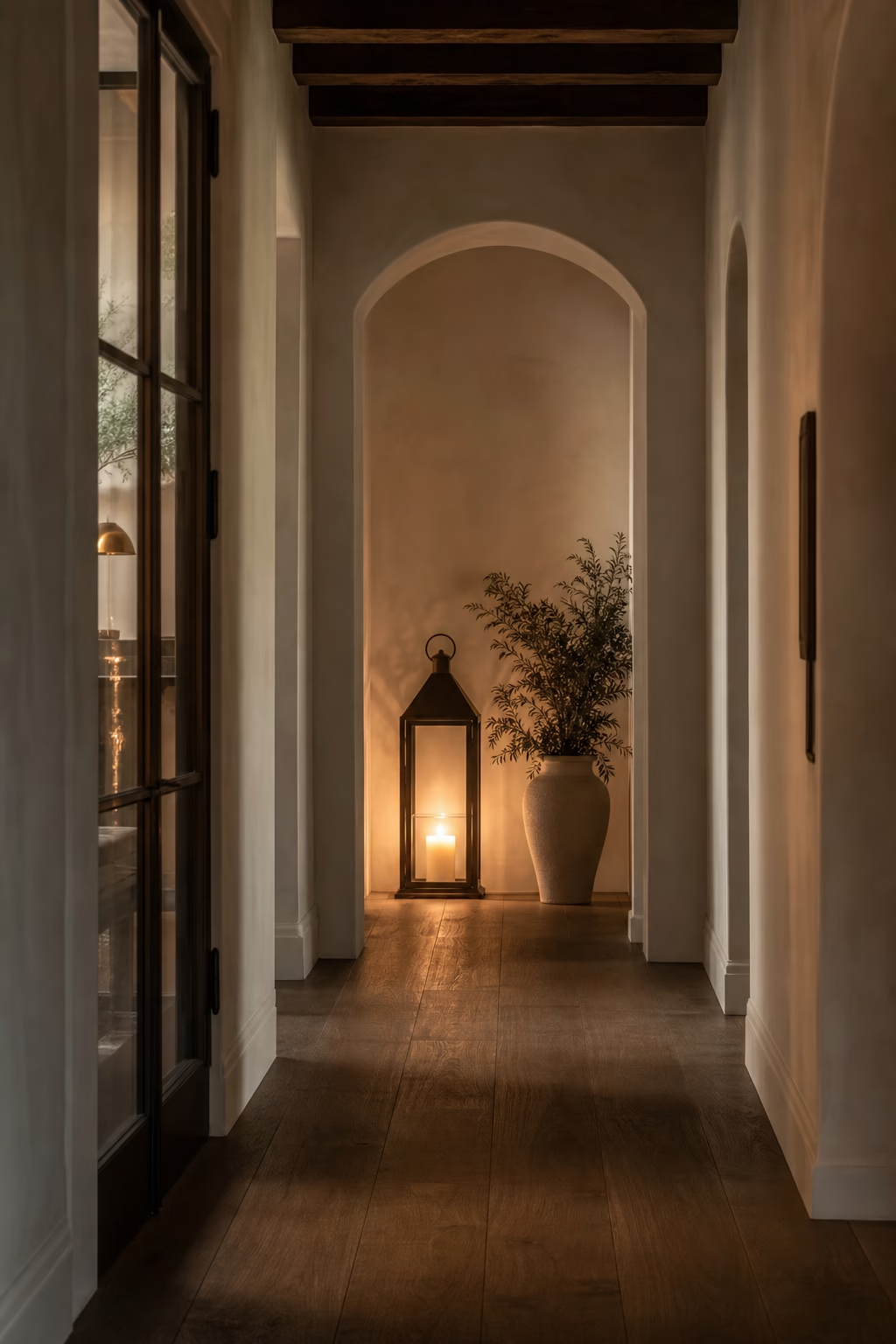
Place Lanterns at the End of a Hall
A hallway can feel long and empty after dark, especially if the lighting is only overhead. A lantern placed at the end of the sightline gives the eye a warm destination. Set it on a bench, low plinth, or floor beside a large vase rather than in the walking path. The lantern should be large enough to read from a distance and simple enough not to compete with art or doors along the hall. This low glow softens hard flooring and makes the route through the house feel more intentional. It is a small gesture, but it changes the mood of circulation spaces completely.
Choose Frosted Glass for Gentle Glow
Frosted glass lanterns are useful when visible flames feel too bright or busy. The softened surface turns candlelight into a more even glow, which works well in bedrooms, bathrooms, libraries, and quiet living rooms. Choose frosted glass with a clean metal or wood frame so it looks architectural rather than decorative. The effect is especially beautiful against textured walls, where the lantern can cast a calm halo. Frosted glass also hides battery candles more gracefully than clear panels, making it a practical choice for households with pets or children. It gives the evening a gentle polished mood without demanding attention.
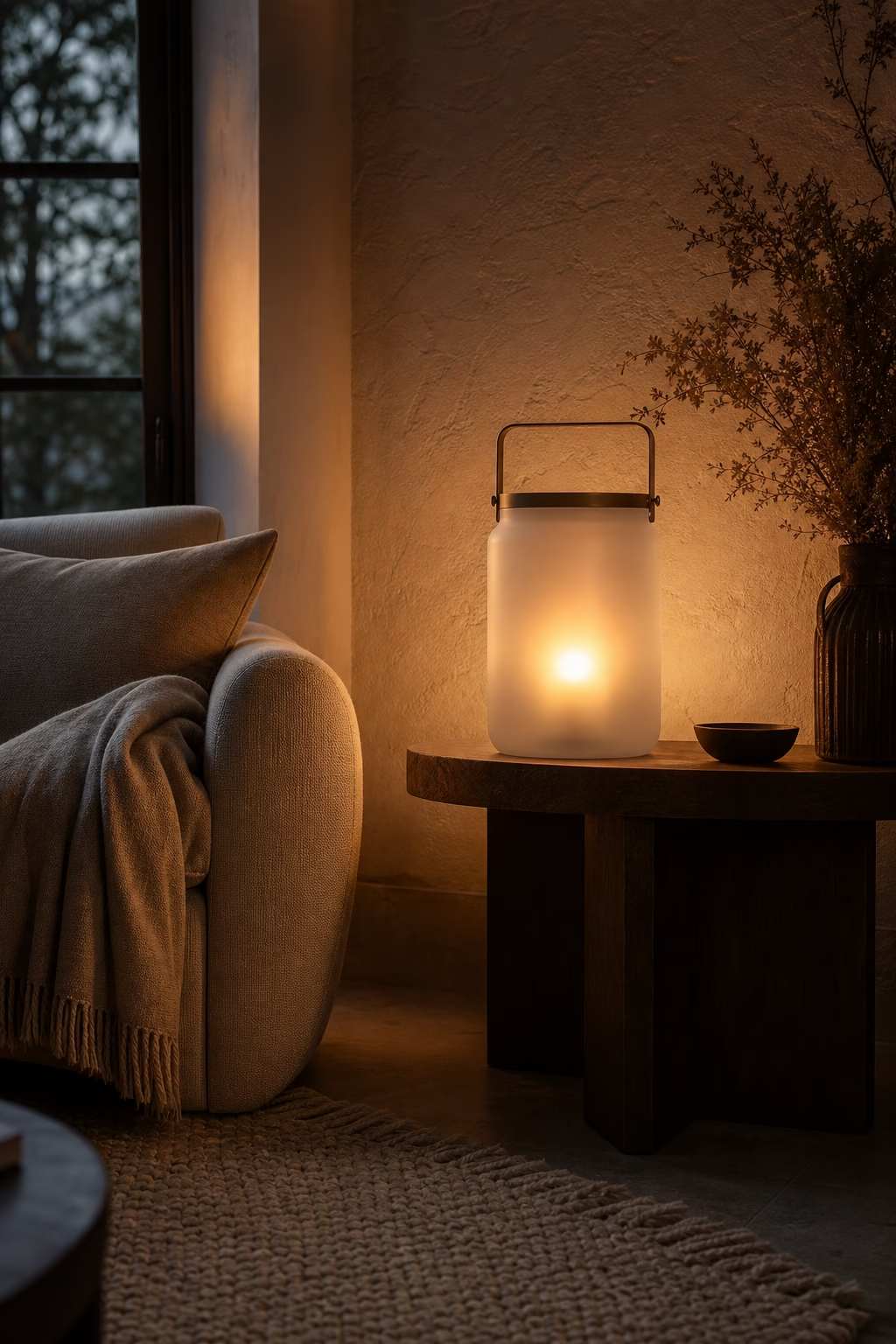
Use Oversized Lanterns as Floor Decor
Oversized floor lanterns can replace a small side table or sculpture when a corner needs presence. They work best beside a fireplace, at the edge of a sectional, near a stair landing, or under a tall window. The lantern should be deliberately large, with enough visual weight to stand on its own. Avoid placing small candles inside a huge frame; use a tall pillar or a cluster of coordinated candles that fills the volume properly. Floor lanterns need clear space around them so they do not look like storage. Treated as sculptural lighting, they add height, shadow, and evening drama without adding clutter.

Make a Balcony Feel Finished
Small balconies often have furniture but no atmosphere. Candle lanterns solve that problem because they add scale and intimacy without needing much floor area. Place one lantern beside the chair and another on a slim outdoor table, leaving the threshold and railing clear. Choose weather-appropriate materials and battery candles if wind is common. The lanterns should relate to the chair frame, planter finish, or exterior railing so the balcony feels cohesive. Add one cushion and a plant rather than crowding the space. At night, the glow makes even a compact balcony feel like a usable room instead of leftover outdoor square footage.

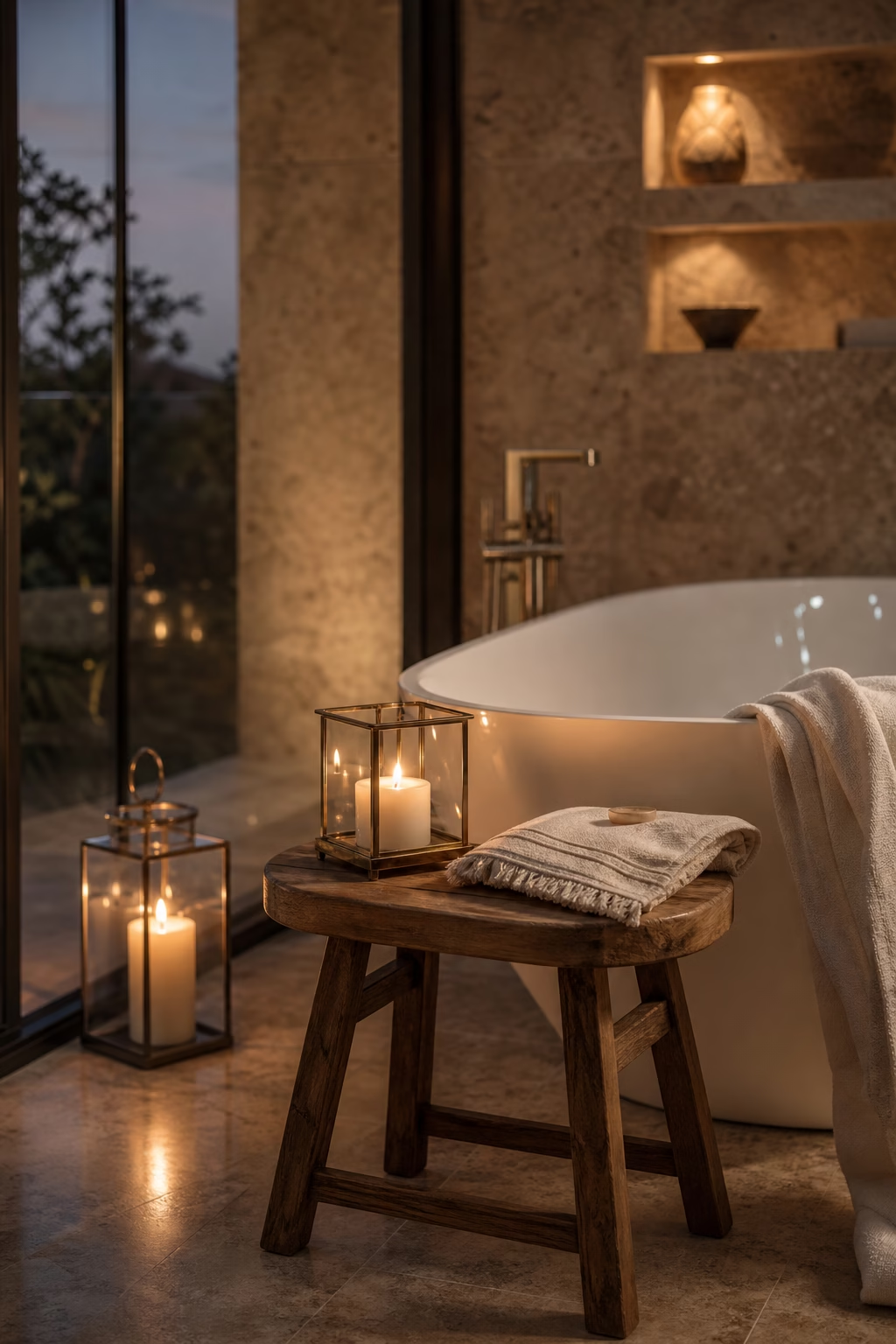
Set Lanterns Beside a Bathtub Stool
A small stool beside the bathtub is a natural place for a lantern because it keeps the candle close but controlled. Use a waterproof or sealed wood stool, then place one glass lantern with enough footprint to feel stable. Add a folded hand towel, bath brush, or small ceramic dish only if the surface has space. Keep the lantern away from splashing and never balance it on a narrow tub edge. The stool creates a spa-like vignette that still serves a purpose. It also lets candlelight sit lower, where it reflects softly on tile, stone, and water without glaring into the room.
Mix Lantern Finishes With One Link
A room can handle mixed lantern finishes if there is one clear link between them. The shapes might match while the metals vary, or the finishes might share an aged patina even if the sizes differ. This keeps the arrangement collected rather than random. Try black metal with brass handles, bronze with smoky glass, or weathered wood with clear glass inserts. Repeat one finish elsewhere in the room, such as a lamp, frame, or cabinet pull, so the lanterns belong to the larger design. Mixed finishes are especially useful in layered homes where perfectly matched accessories would feel too stiff.
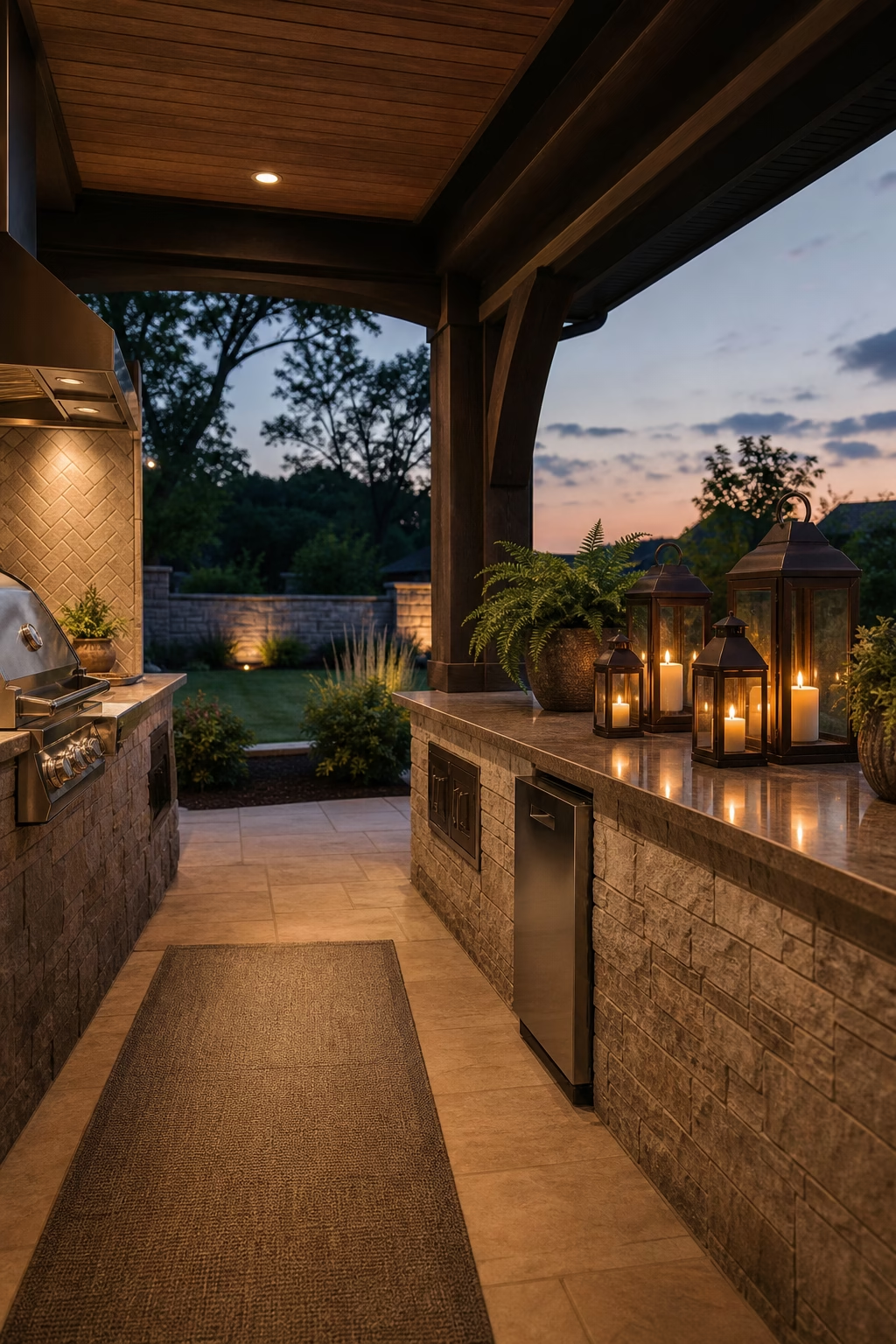
Add Lanterns to a Covered Outdoor Kitchen
An outdoor kitchen often has strong task lighting but not much atmosphere. Lanterns can soften the hard surfaces once cooking is done. Place enclosed lanterns on a side counter, dining ledge, or low wall away from the grill, sink, and prep area. The finish should tolerate weather and grease, so powder-coated metal, stainless steel, or aged bronze is smarter than delicate materials. Use unscented candles around food. After dinner, the lanterns help the outdoor kitchen shift from work zone to gathering space. They make stone counters, tile, and stainless appliances feel warmer without interfering with safe cooking or cleanup.
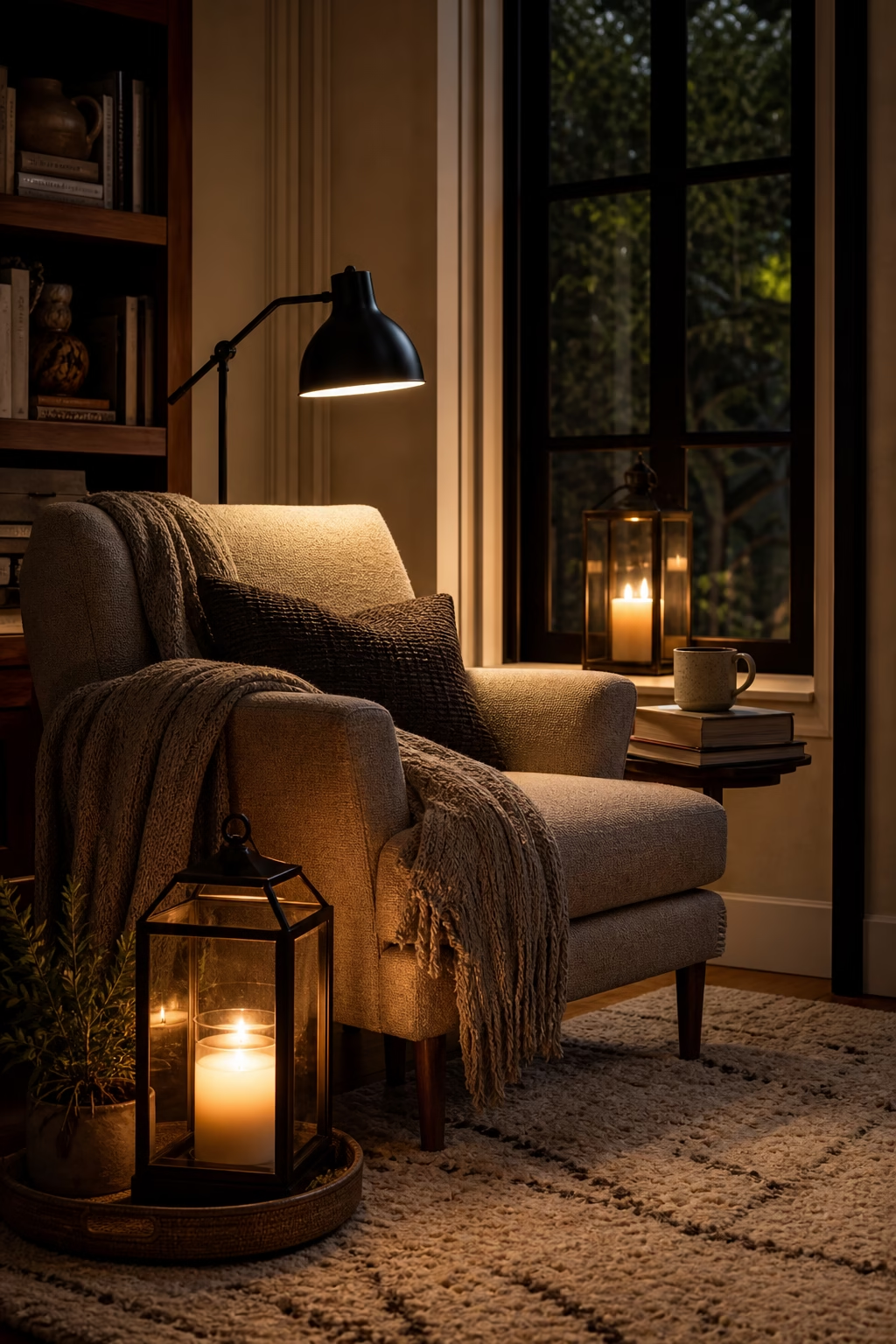
Use Lanterns to Mark a Reading Nook
A reading nook benefits from layered light: a practical lamp for the page and a lantern for atmosphere. Place the lantern low, perhaps on a floor tray or side table shelf, where it will not compete with the task lamp. The candlelight should warm the edges of the chair, rug, and nearby books rather than provide the main illumination. Choose a lantern with a quiet finish and clear glass if the nook is already small. This combination makes the corner feel settled and intentional. It invites a slower evening mood while keeping the actual reading light comfortable, focused, and functional.
Finish With an Evening Safety Pass
The final step is to look at every lantern after dark and check how the house actually moves. Make sure no lantern blocks a path, sits too close to fabric, overheats a shelf, or creates glare at eye level. Confirm that outdoor lanterns are stable against wind and that overhead pieces are securely attached. If children, pets, or heavy traffic are part of the home, use high-quality battery candles where needed. A safety pass does not ruin the atmosphere; it protects it. Once the practical details are right, the lanterns can glow confidently, making the night feel warmer, slower, and beautifully considered.