
A round mirror is one of the easiest ways to soften a small room, but the right placement, frame, and nearby furniture decide whether it feels useful or merely decorative.
- Float One Above a Slim Entry Ledge
- Pair It With a Wall Sconce
- Use a Round Mirror Over a Tiny Vanity
- Let a Black Frame Sharpen Pale Walls
- Choose Brass for Warmth in a Powder Room
- Hang It Low Above a Bedroom Dresser
- Create a Corner Dressing Spot
- Layer It Above Open Shelving
- Use a Mirror to Brighten a Desk Nook
- Make a Rental Entry Feel Built In
- Center It Over a Narrow Console
- Use Wood Frames for Scandinavian Softness
- Try an Oversized Circle in a Tiny Room
- Reflect a Window, Not the Clutter
- Add Hooks Below for Daily Function
- Soften a Gallery Wall With One Circle
- Use It Above a Floating Nightstand
- Frame a Small Dining Banquette
- Make Bathroom Tile Feel Less Rigid
- Choose a Thin Frame for Visual Lightness
- Let a Round Mirror Finish a Closet Wall
- Style It With a Picture Ledge
- Use Two Small Mirrors as a Pair
- Set It Above a Shoe Cabinet
- Keep the Styling Below It Edited
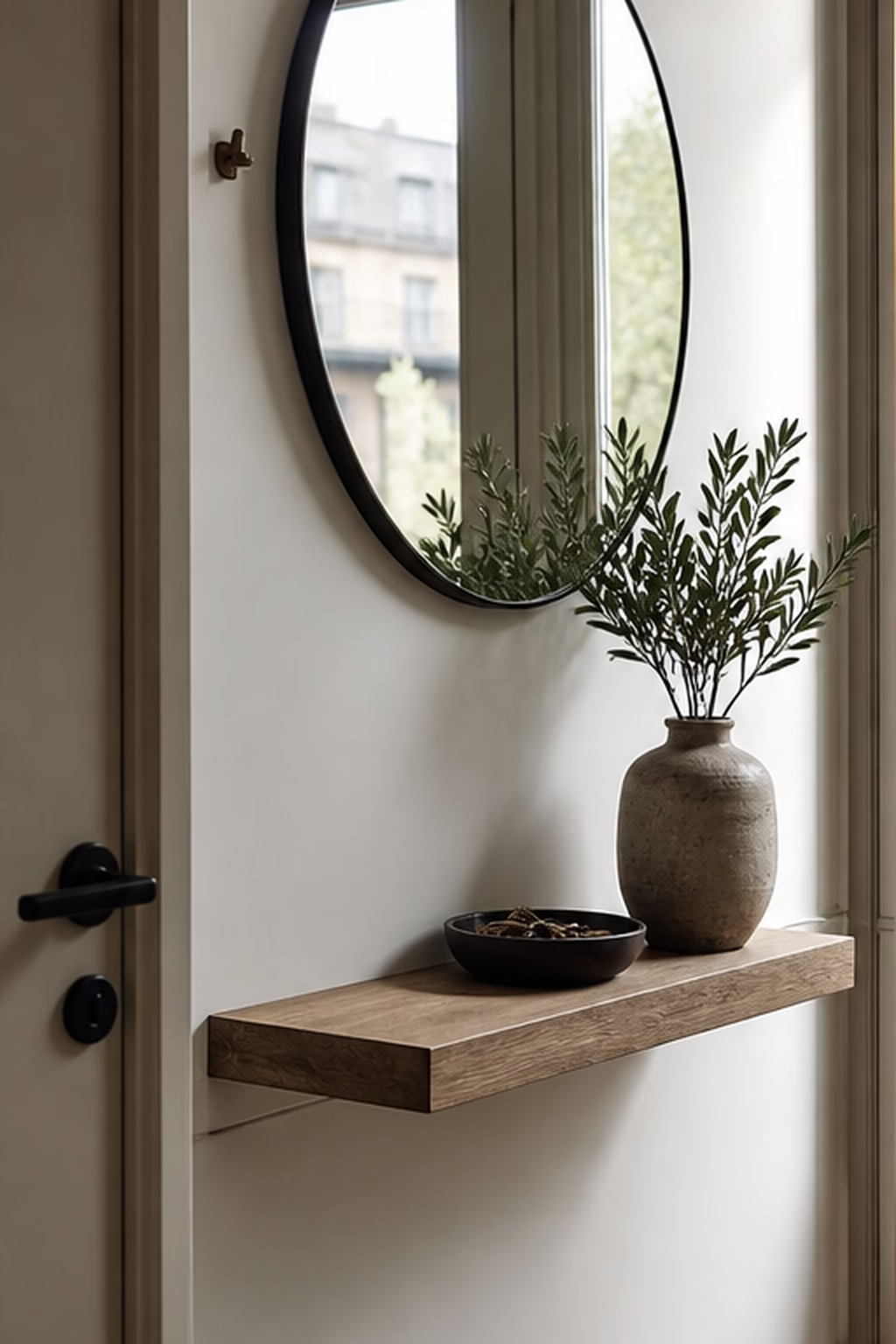
Float One Above a Slim Entry Ledge
A small entry rarely has room for a full console, but a narrow ledge with a round mirror can create the same sense of arrival. Mount the mirror so its center sits near eye level, then keep the ledge shallow enough for keys, a small bowl, and perhaps one sculptural vase. The round shape softens door frames, switches, and closet lines, while the ledge gives the arrangement a practical purpose. Choose warm wood or painted metal if the mirror frame is simple. Good spacing matters: leave a little wall visible between the ledge and mirror so the composition breathes rather than feeling stacked.
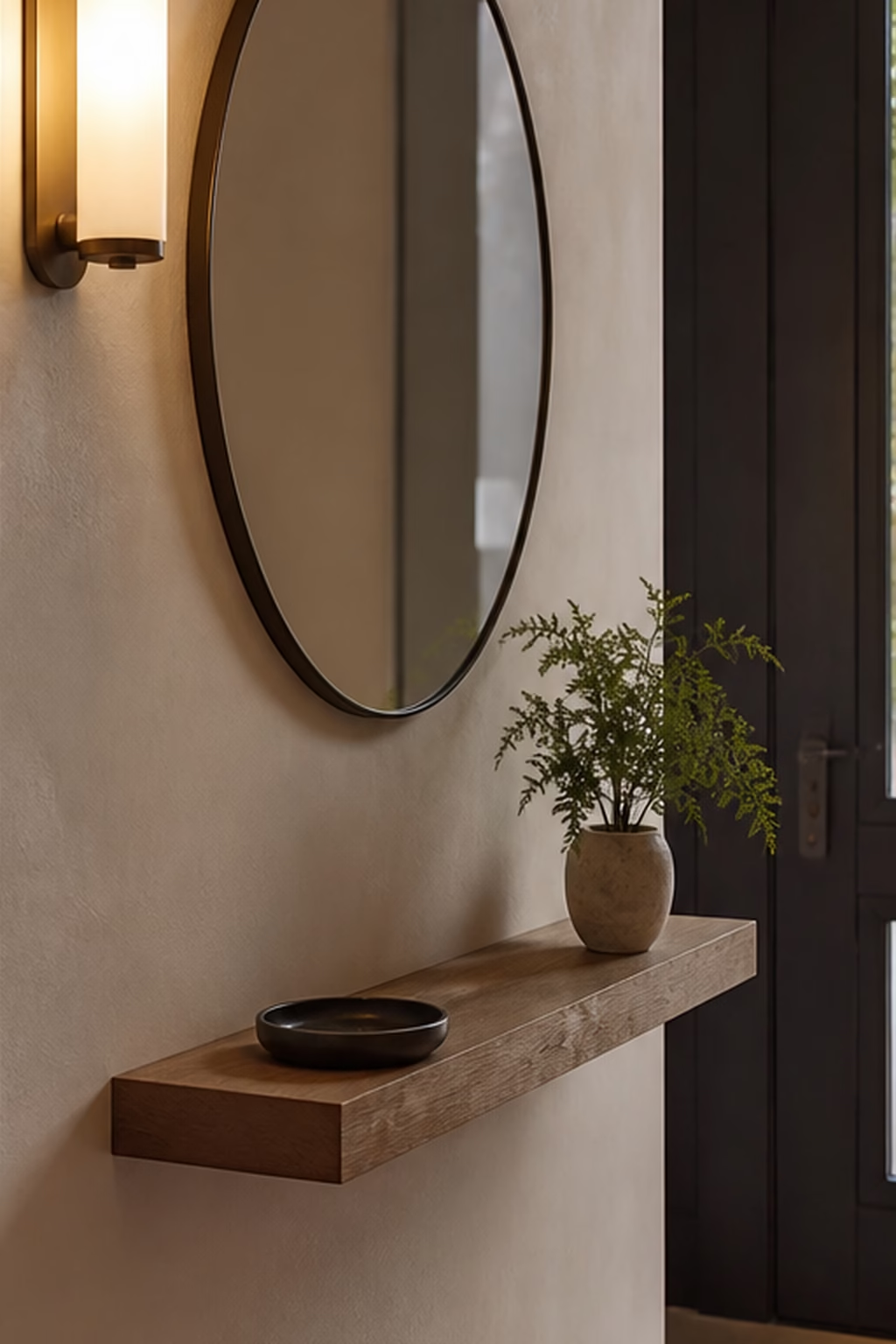
Pair It With a Wall Sconce
A round mirror becomes much more useful in a small space when the lighting is planned beside it. Place a slim wall sconce to one side, high enough that the shade does not block the glass but close enough to brighten the face and wall. Opal glass, linen, or a small metal cone works well with clean Ikea-style mirrors because the fixture adds texture without crowding the reflection. This is especially effective in entries, bedrooms, and narrow hall corners where overhead light can be harsh. Keep cords hidden or use a hardwired fixture if possible. The mirror then feels designed, not simply hung.
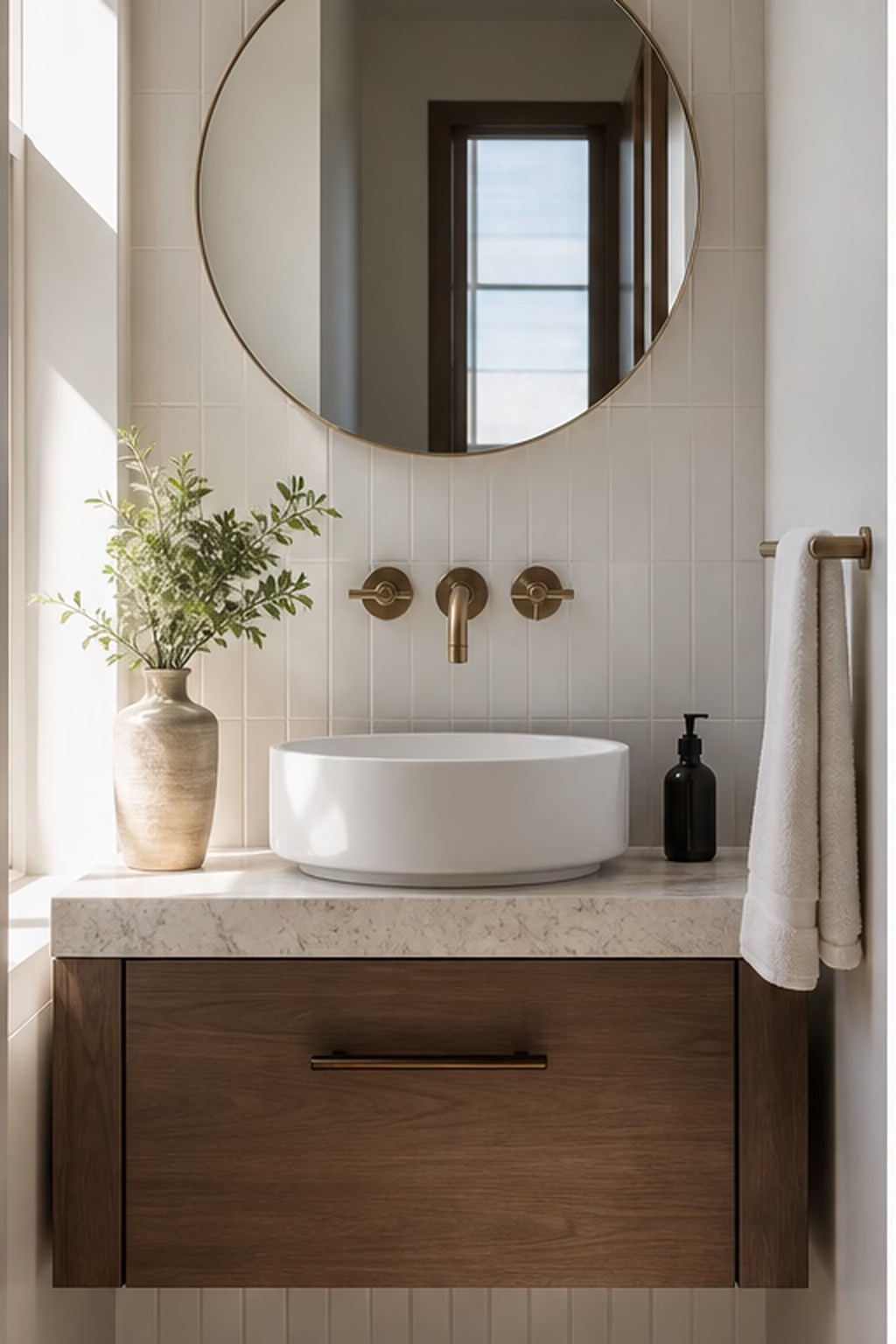
Use a Round Mirror Over a Tiny Vanity
In a compact bathroom, a round mirror can make a small vanity feel intentional instead of squeezed in. Choose a diameter that is slightly narrower than the vanity, then align the faucet, sink, and mirror center carefully. This alignment keeps the wall calm even when the room is tight. If storage is limited, add a recessed cabinet elsewhere rather than forcing a bulky medicine cabinet into the mirror's place. A simple frame in black, brass, or pale wood can relate to the faucet and towel hook. The round edge breaks up tile grids and makes the vanity zone feel softer.
Let a Black Frame Sharpen Pale Walls
A black-framed round mirror is useful when a small white or beige room needs definition. The dark edge gives the wall a clear focal point without adding bulky furniture. Keep the rest of the black accents thin: a small hook, lamp base, faucet, or picture frame is enough. Too many dark blocks can make a compact space feel chopped up. The mirror should be large enough to feel deliberate, not like a small porthole floating on the wall. Against pale plaster, tile, or painted drywall, the black circle adds graphic clarity while the reflection keeps the room from feeling closed.

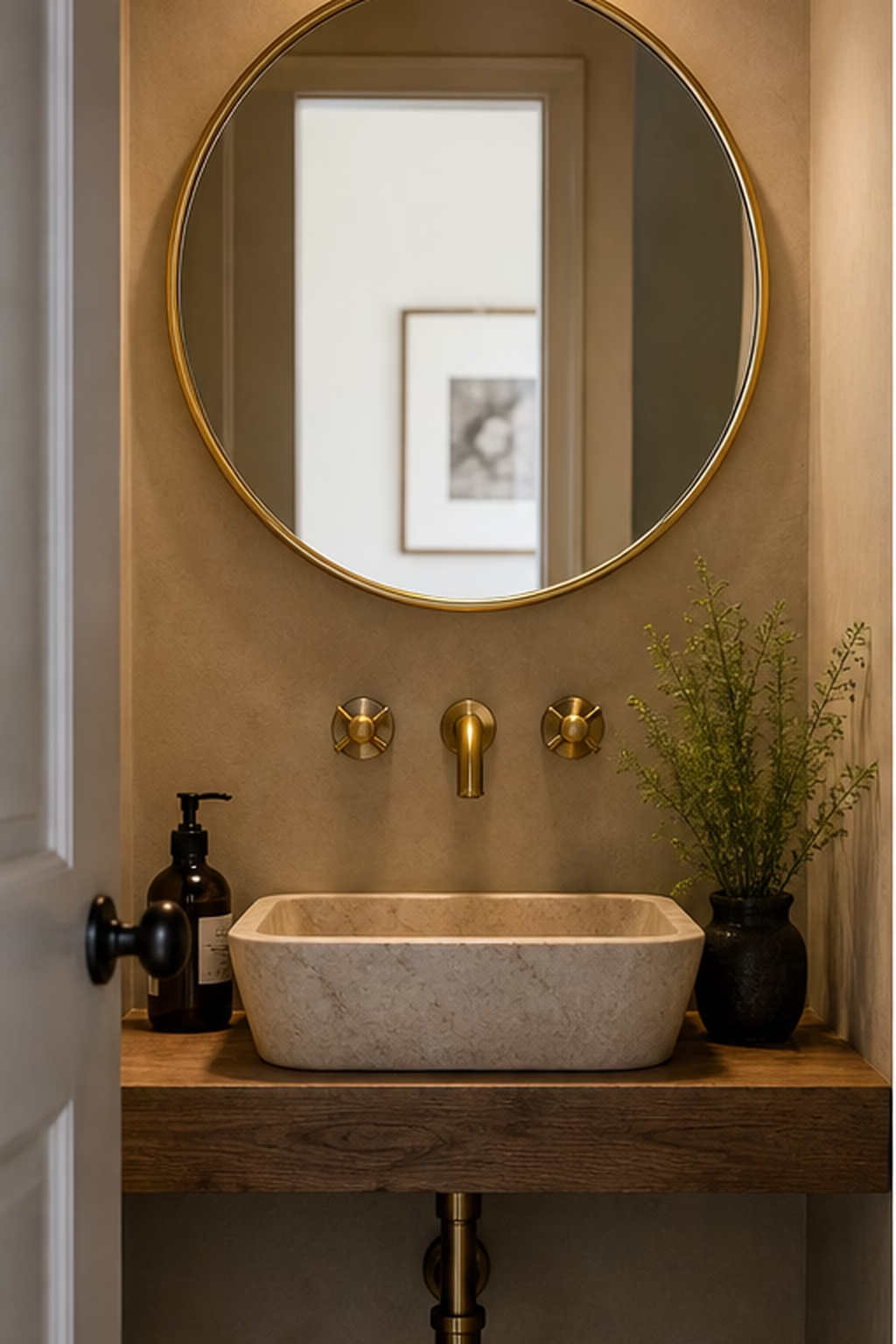
Choose Brass for Warmth in a Powder Room
A brass-tone round mirror can warm up a tiny powder room without overwhelming the walls. The finish works especially well with stone, plaster, deep paint, or patterned floor tile because it catches light gently. Keep the brass repeated only once or twice, perhaps in the faucet or a small sconce, so the room does not become shiny. If the mirror is simple, let the surrounding materials do the decorative work. A round brass edge also softens the hard geometry of a square sink and narrow door. In a windowless powder room, that warmth can make the whole space feel more flattering.
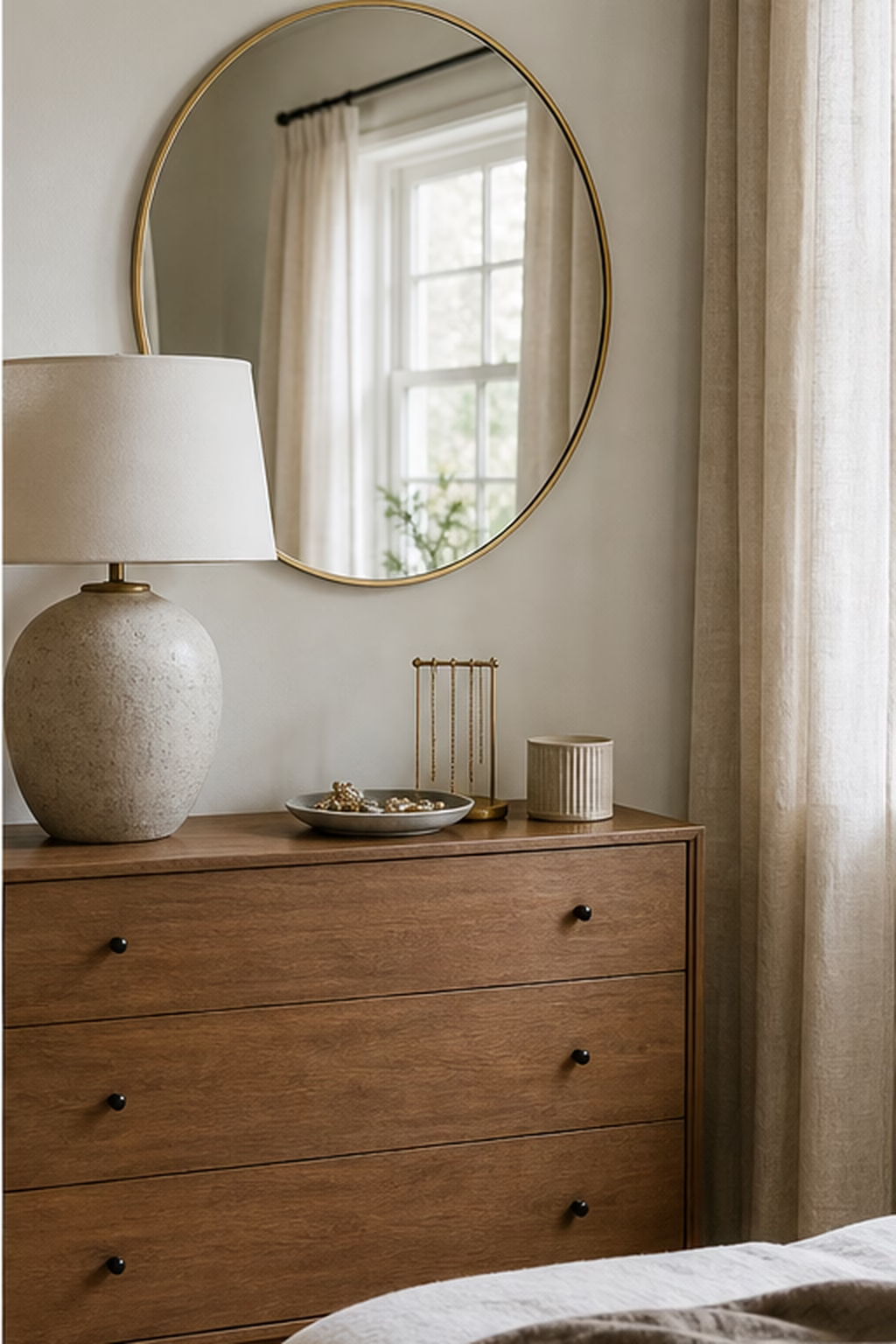
Hang It Low Above a Bedroom Dresser
A round mirror over a small bedroom dresser should feel connected to the furniture, not stranded high on the wall. Hang it low enough that the bottom edge relates to the dresser surface while leaving space for a lamp, tray, or jewelry box. This creates a compact vanity moment without needing a separate dressing table. If the dresser is simple, add texture through a ceramic lamp, linen shade, or small branch arrangement. The reflection should catch daylight, curtains, or art rather than an open closet. In a small bedroom, this placement adds function and light without taking extra floor space.
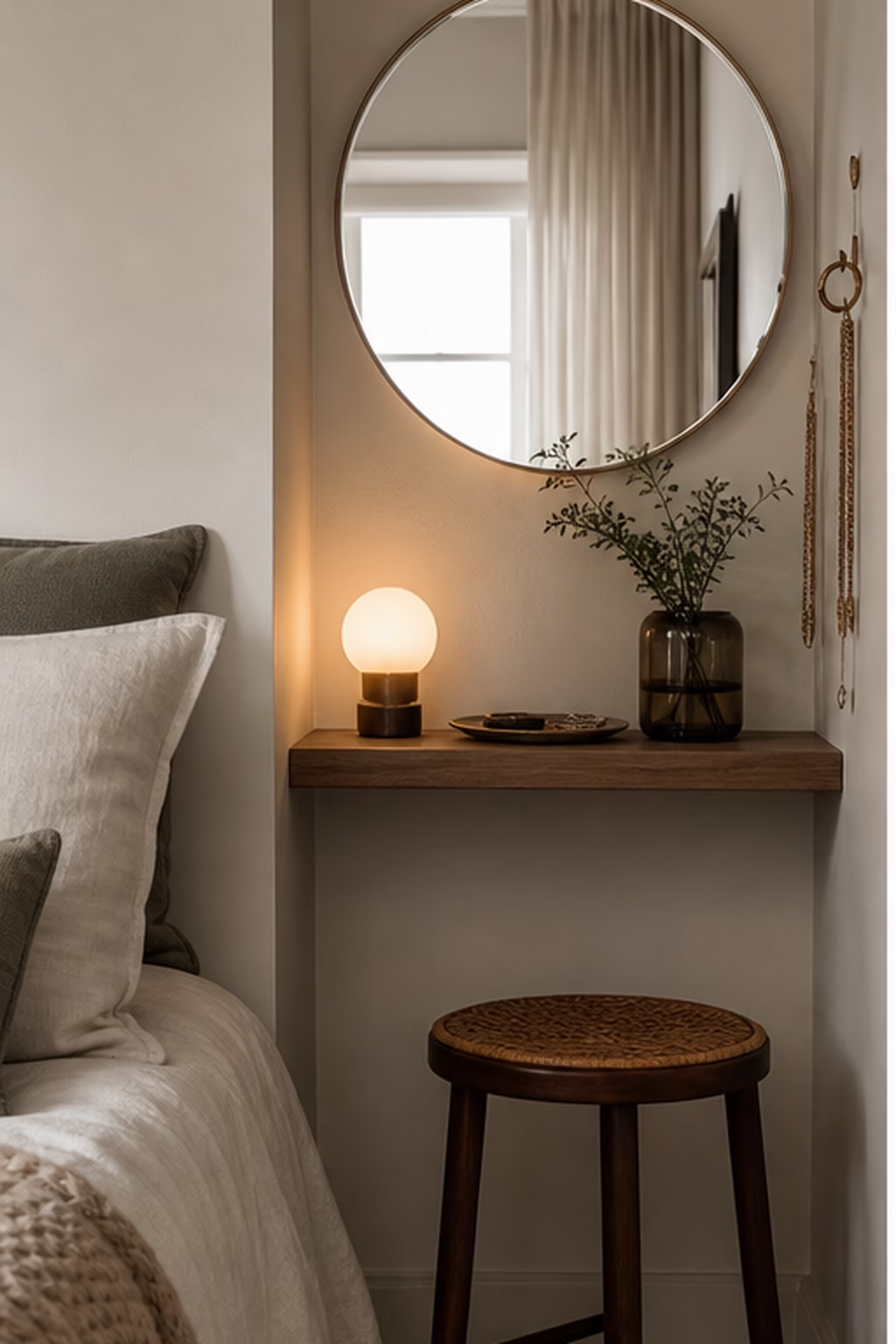
Create a Corner Dressing Spot
A round mirror can make an unused bedroom corner feel purposeful. Place it above a narrow stool, wall shelf, or tiny table where it can serve makeup, jewelry, or last looks before leaving. The setup should not block doors or drawers; small-space success depends on clear movement. Add a warm lamp or nearby sconce so the corner works at night, and keep the surface edited to a tray and one container. A round shape is ideal because corners already have hard vertical lines. It softens the junction of two walls while giving the room a daily ritual zone for use.
Layer It Above Open Shelving
Open shelving can look boxy in a small room, and a round mirror above it helps break the grid. Use the shelves for useful objects, such as towels, baskets, books, or ceramics, then let the mirror create a softer top line. Keep the mirror centered on the shelf width unless the whole arrangement is intentionally asymmetrical. This works in bathrooms, entries, kitchens, and studio apartments where one wall has to do several jobs. Avoid placing tall objects directly in front of the glass; they interrupt the reflection and make the setup feel crowded. A little empty wall around the mirror is what keeps it polished.

Use a Mirror to Brighten a Desk Nook
A desk nook can feel closed in, especially when it sits in a bedroom or hallway recess. A round mirror above the desk reflects light and gives the eye a softer shape than another rectangle. Keep the desk surface practical: a small lamp, a tray for supplies, and one closed box are usually enough. If the mirror reflects a window, the whole nook will feel wider. Avoid placing it where it reflects clutter behind the chair, because that doubles visual noise. This idea works well for rental apartments because it adds polish without built-ins or permanent changes at all.

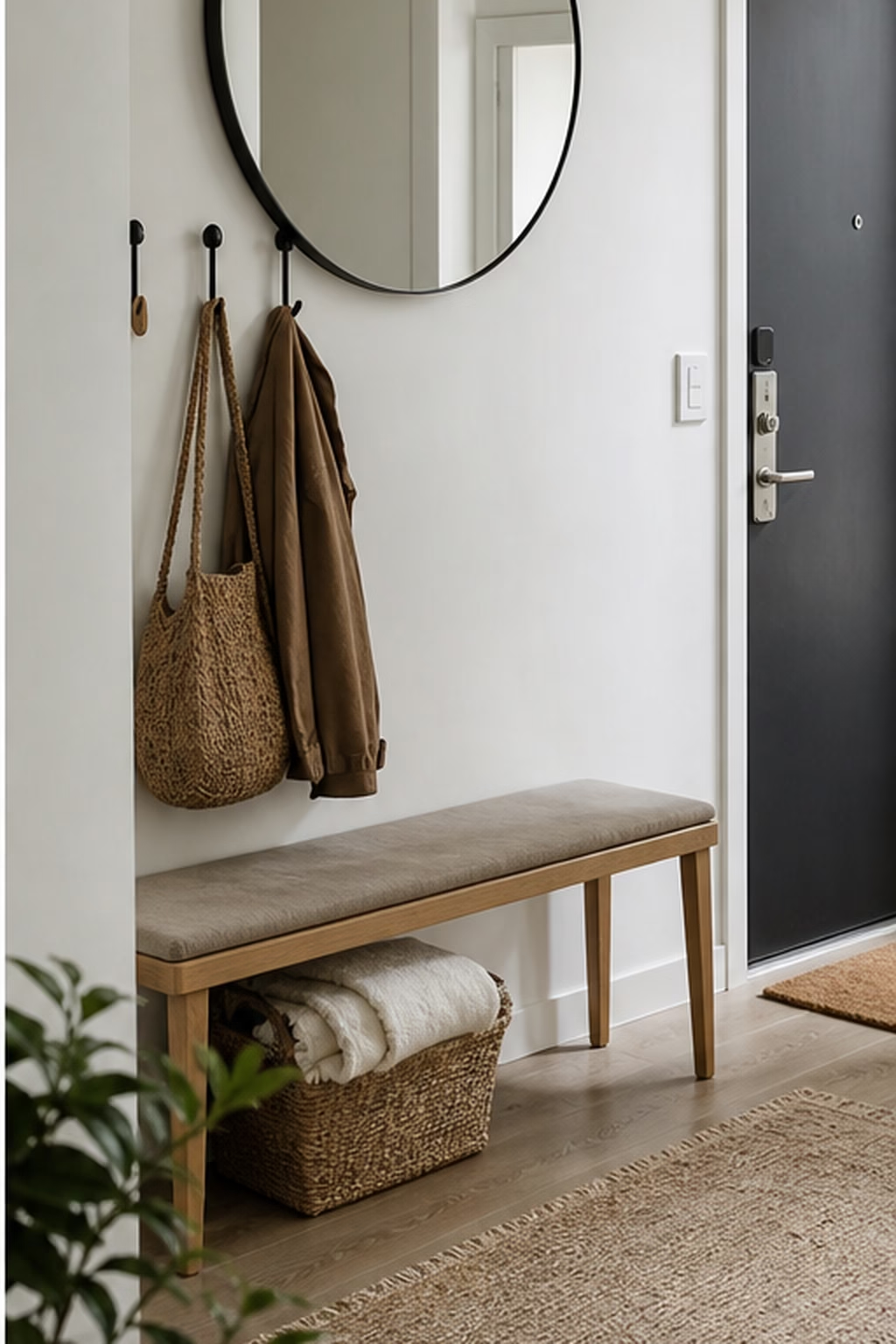
Make a Rental Entry Feel Built In
Rentals often have awkward entries with no architecture to support them. A round mirror can create a built-in feeling when paired with a bench, hooks, and a narrow rug in a tight vertical composition. Use removable hooks if needed, but keep them aligned with the mirror so the wall feels planned. A small basket under the bench can hold shoes or umbrellas without creating clutter. The mirror gives a practical last check and reflects light from the door or hallway. Even without permanent millwork, the arrangement tells the entry what it is supposed to be every day at home.
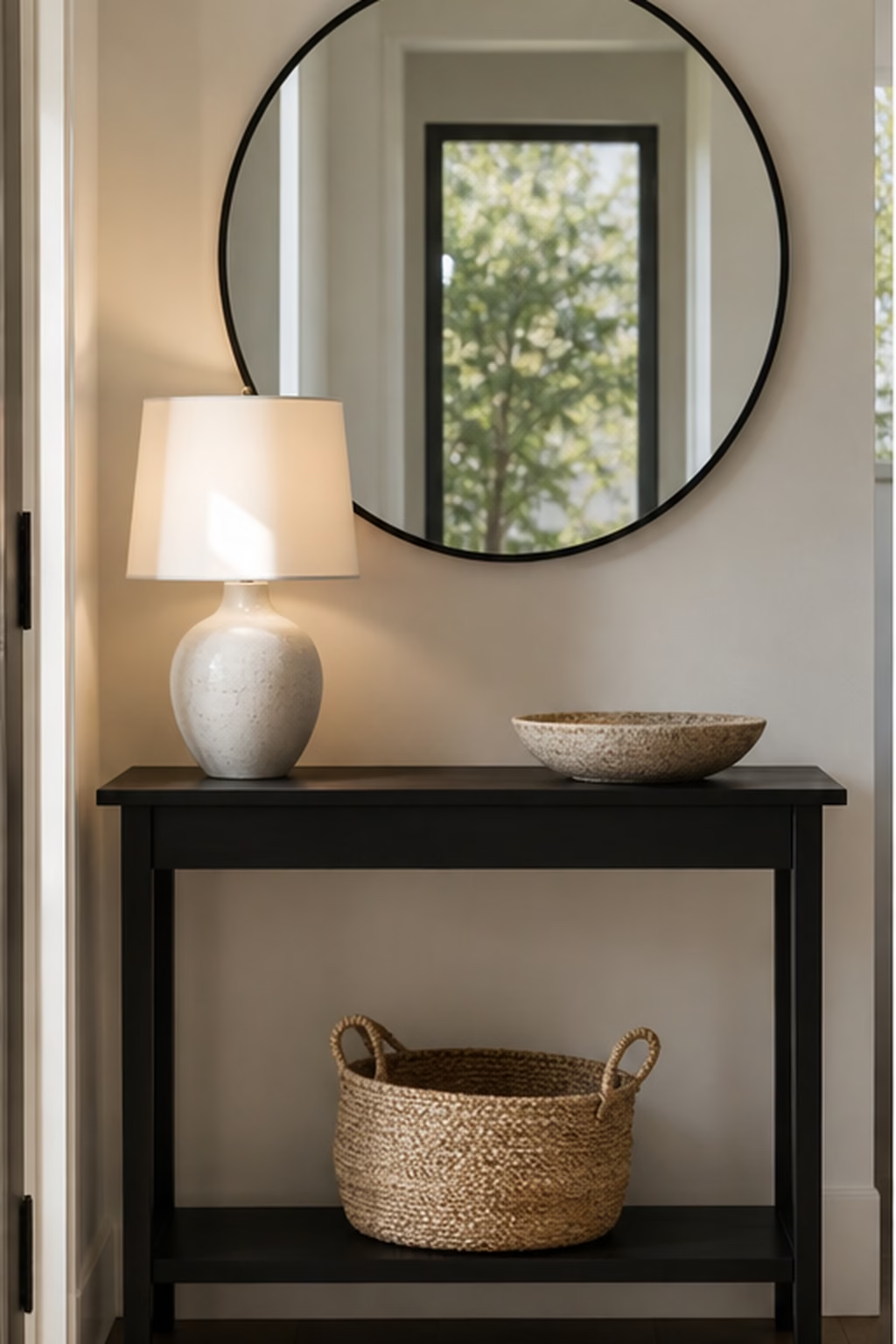
Center It Over a Narrow Console
A narrow console and round mirror are a classic small-space pair because they provide function without visual bulk. Choose a console that is shallow enough for the hallway or living room wall, then center the mirror so the two pieces read as one unit. The console surface should not be crowded. A lamp, bowl, and one taller object can be enough. If the table has open legs, add a basket below for texture and storage. The round mirror keeps the arrangement from feeling like a hard stack of rectangles, while the console gives the reflection a grounded base below.
Use Wood Frames for Scandinavian Softness
A pale wood round mirror suits small rooms because it adds warmth without strong contrast. Oak, ash, or beech frames work beautifully with white walls, light floors, linen textiles, and simple Ikea storage pieces. The look is quiet, but it should not be bare. Add one woven basket, a wool runner, or a ceramic lamp so the mirror feels part of a layered room. Pale wood is especially forgiving in nurseries, bedrooms, and compact entries where black might feel too sharp. Keep nearby wood tones related rather than identical; slight variation makes the space feel natural and relaxed overall too.

Try an Oversized Circle in a Tiny Room
Small rooms do not always need small mirrors. An oversized round mirror can make a tiny entry, powder room, or bedroom wall feel more confident because it reads as architecture. The diameter should still leave breathing room at the sides and above nearby furniture. Keep the frame slim so the scale does not become heavy. This works best on a simple wall where the circle can be the main gesture. Large mirrors also reflect more light, but check the reflection before hanging. If it captures a window, art, or clean doorway, the room will feel bigger and more finished instantly.
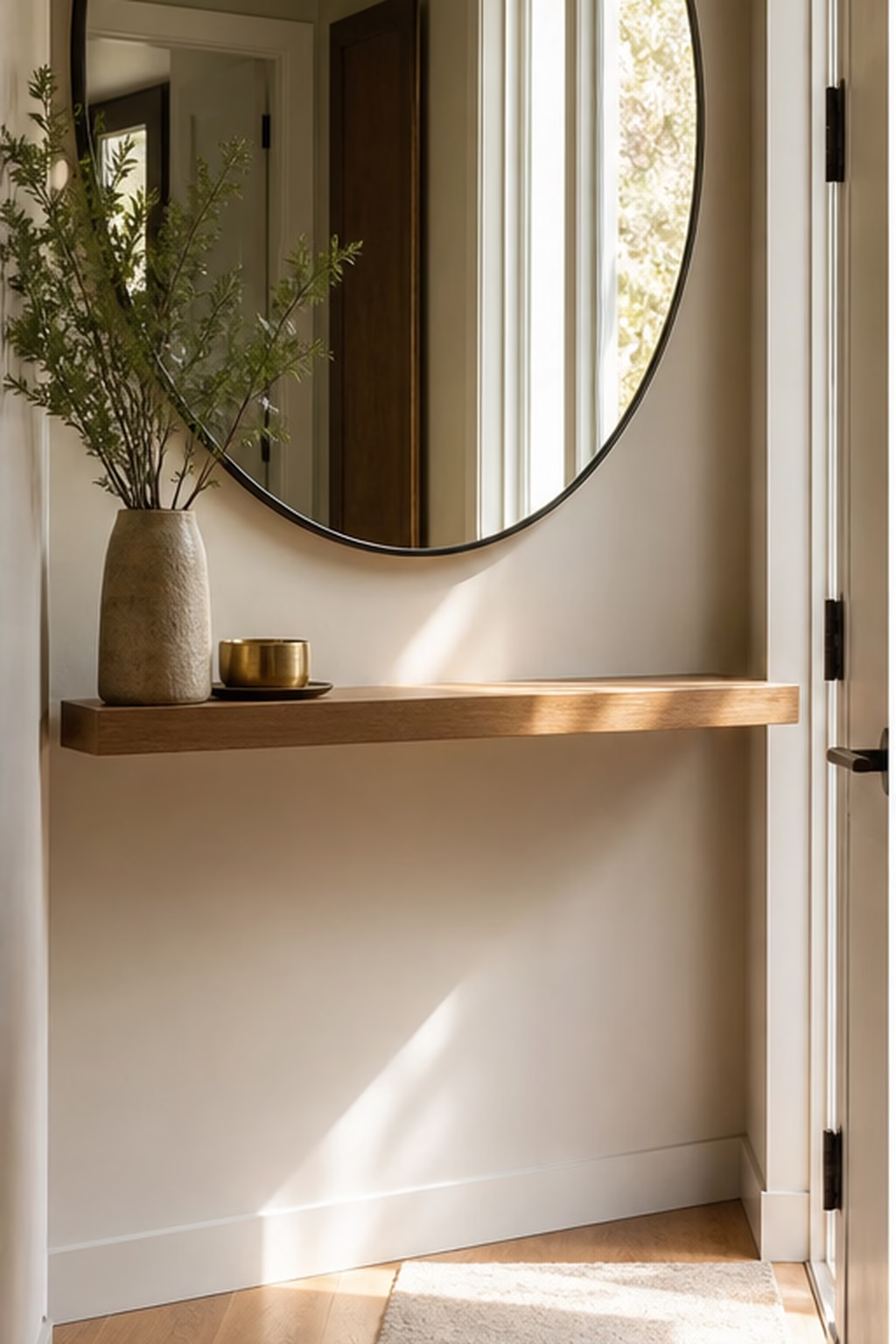
Reflect a Window, Not the Clutter
The best mirror placement in a small space is often decided by what the glass reflects. Before drilling, hold the round mirror in a few positions and check the view from the doorway and main seat. A window, curtain, artwork, or clean wall will make the room feel brighter. An open closet, laundry pile, or crowded shelf will double the mess. This matters even more with round mirrors because the shape draws attention to the reflection like a framed picture. If the ideal wall reflects clutter, adjust nearby storage first. A mirror can enlarge a room only when it repeats something worth seeing.
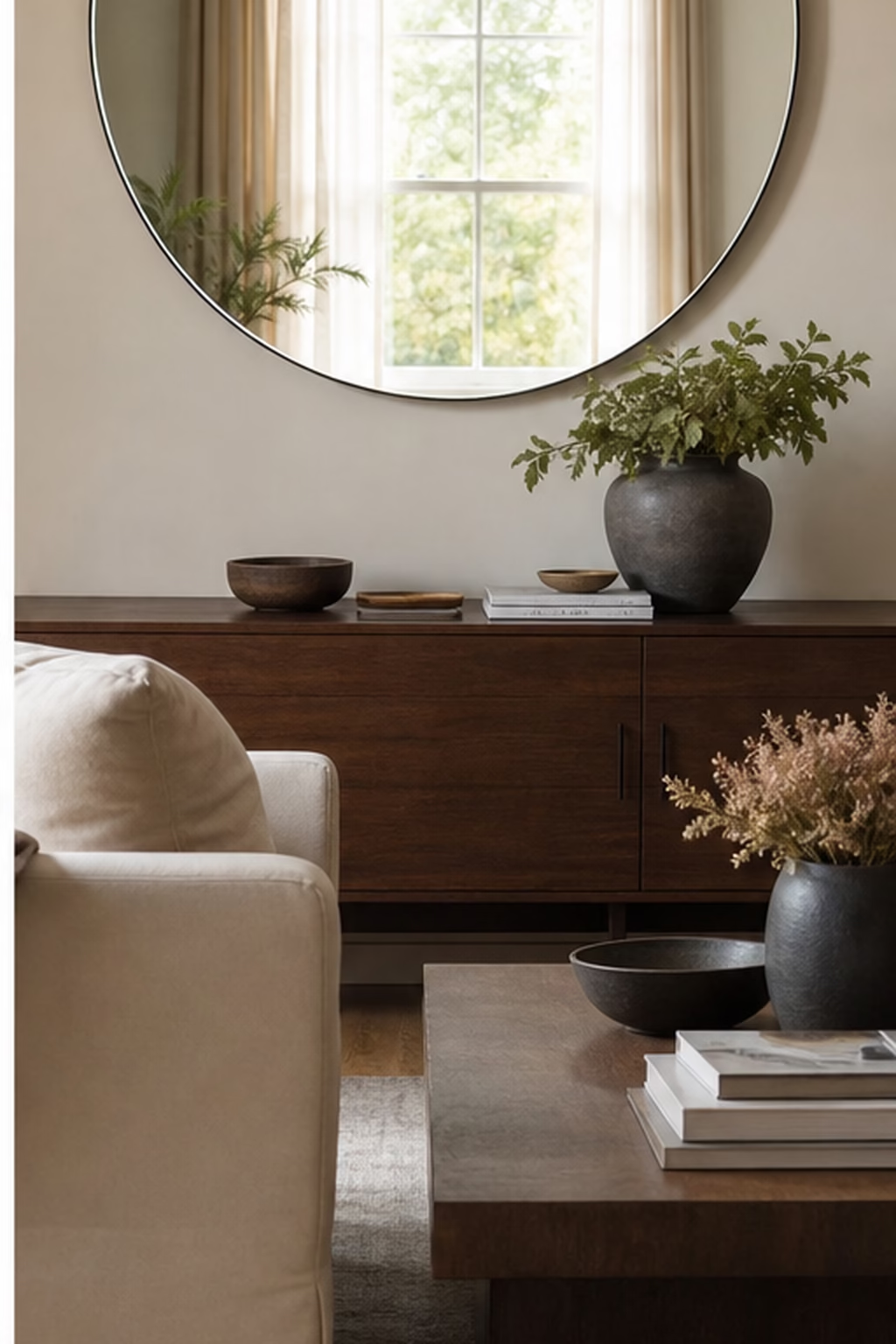
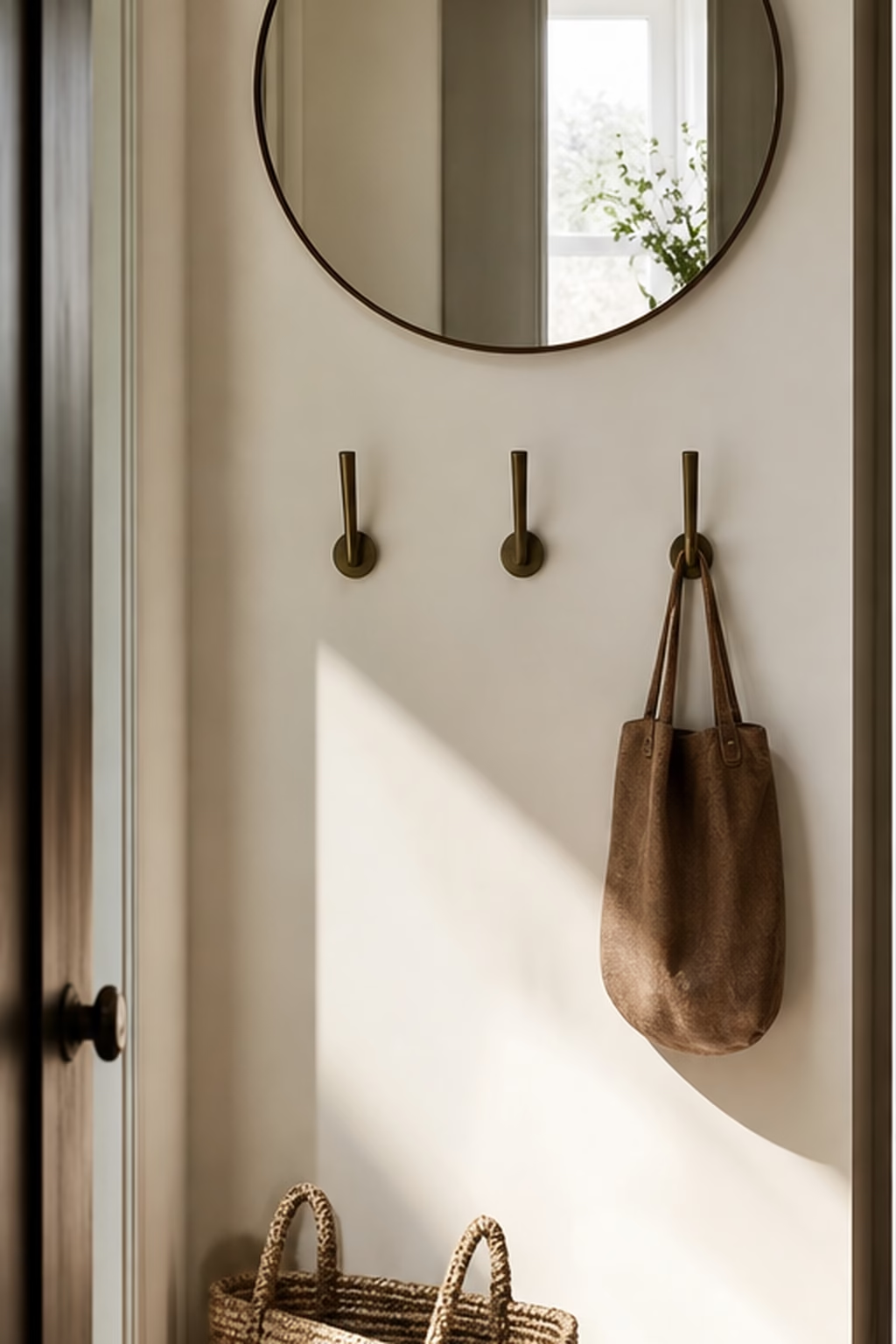
Add Hooks Below for Daily Function
In a small entry, the wall below a round mirror can do real work. Install a short row of simple hooks for a tote, hat, keys, or light jacket, keeping enough space that items do not cover the mirror. Hooks should match or quietly relate to the frame finish. This setup is better than a bulky coat rack when floor area is limited. Keep the number of hooks modest, because an overfilled wall will make the mirror feel cluttered. The goal is daily function with a clean reset. A basket below can catch scarves or dog leashes while preserving the narrow footprint.
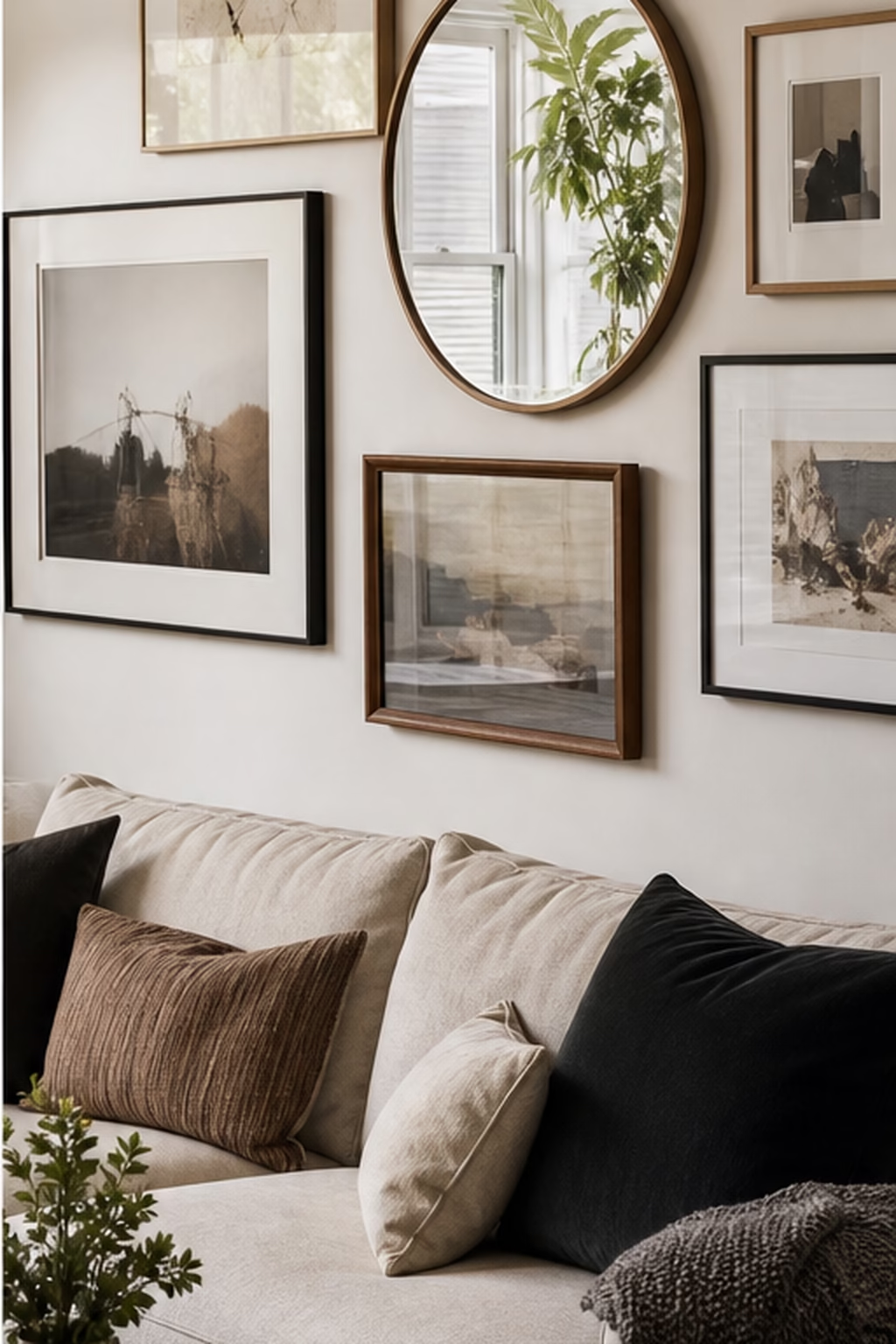
Soften a Gallery Wall With One Circle
A round mirror can break up a small gallery wall that would otherwise feel like a grid of rectangles. Place it slightly off center among framed art, keeping the frame finishes related so the arrangement still feels cohesive. The mirror gives the wall light and depth, while the art adds personality. This works well above a sofa, desk, or narrow dining bench in an apartment. Avoid making the mirror the smallest piece; it should have enough presence to earn its place. The circular form relaxes the composition and gives the eye a place to pause between images and tones nearby.
Use It Above a Floating Nightstand
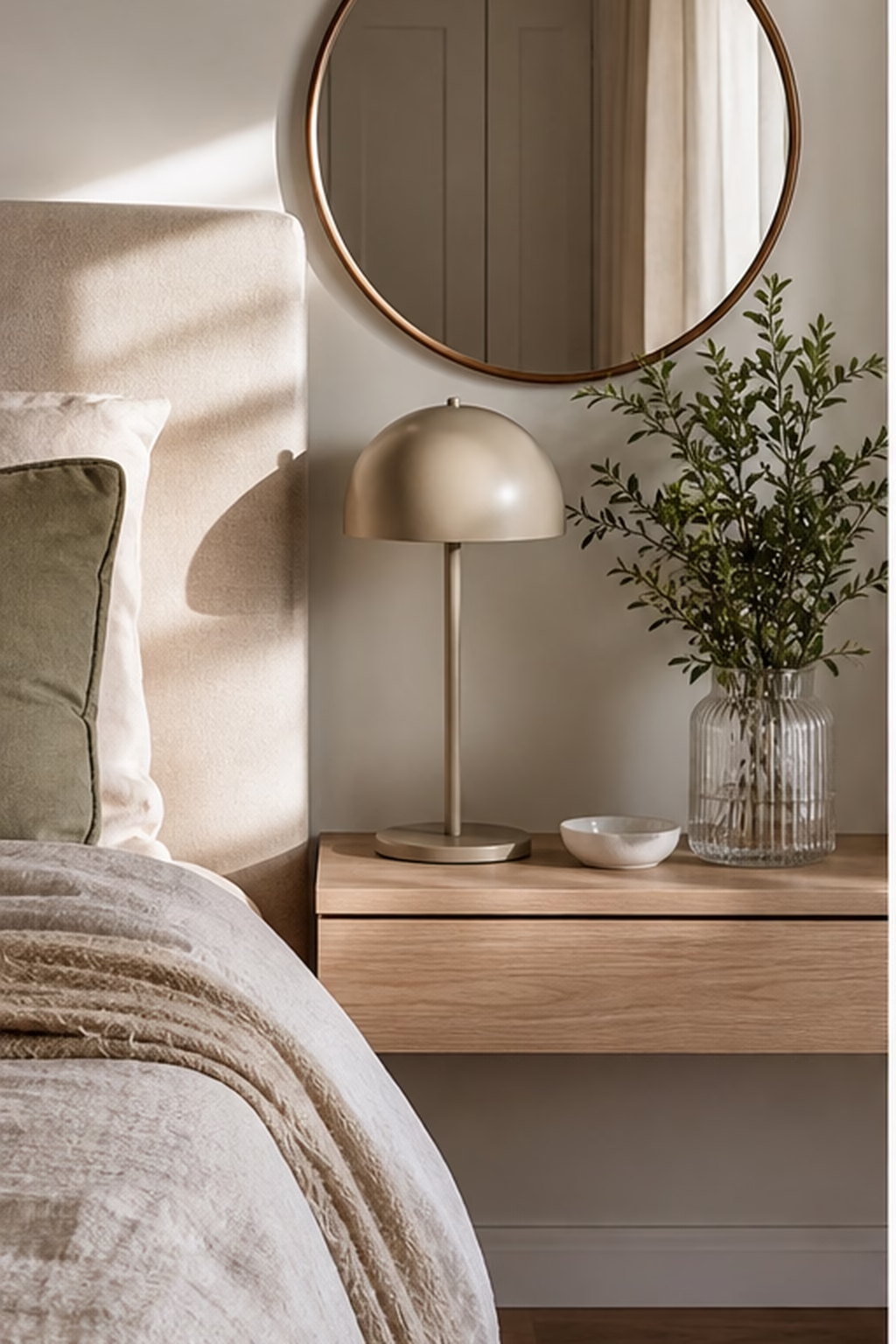
A floating nightstand and round mirror can turn the side of a small bed into a useful dressing or reading corner. Mount the shelf low enough for a glass, book, and small lamp, then hang the mirror above it so the wall has vertical rhythm. This is especially helpful when there is no room for a dresser. Keep the mirror diameter modest so it does not crowd the headboard or window trim. The floating surface preserves floor space, and the round mirror keeps the arrangement from feeling too boxy. Add one fabric shade or ceramic object for softness nearby too.
Frame a Small Dining Banquette
Small dining corners often need a focal point that does not project into the room. A round mirror above a banquette or narrow bench adds light and shape while keeping the wall usable. Hang it centered over the table or aligned with the bench, depending on the layout. The reflection should catch a pendant, window, or open room beyond. Pair the mirror with a compact table and chairs that tuck in fully, so circulation stays clear. The circle softens the straight lines of the bench, table, and wall paneling. It also gives the dining nook a more intentional, restaurant-like finish.

Make Bathroom Tile Feel Less Rigid
Square tile, grout lines, and compact fixtures can make a small bathroom feel rigid. A round mirror interrupts that geometry without requiring extra color or pattern. Choose a clean diameter that relates to the vanity, then keep the frame simple so the tile remains visible. If the tile has strong texture, a thin metal or wood frame is usually enough. Add one soft element nearby, such as a linen hand towel or small shaded sconce. The round shape brings visual relief, especially in narrow bathrooms where nearly every other element is straight. It is a small change that can soften the whole room.

Choose a Thin Frame for Visual Lightness
When a room is very small, the mirror frame should not add unnecessary weight. A thin-framed round mirror gives the benefit of shape and reflection while keeping the wall visually light. This is useful over tiny sinks, narrow consoles, and shared bedroom walls where every inch feels noticed. Thin frames also mix easily with Ikea storage, simple shelves, and rental finishes because they do not demand a highly decorated room. If the wall needs more warmth, add it through nearby wood, textile, or lighting instead of a heavy mirror border. The mirror should feel crisp, easy, and slightly architectural.

Let a Round Mirror Finish a Closet Wall
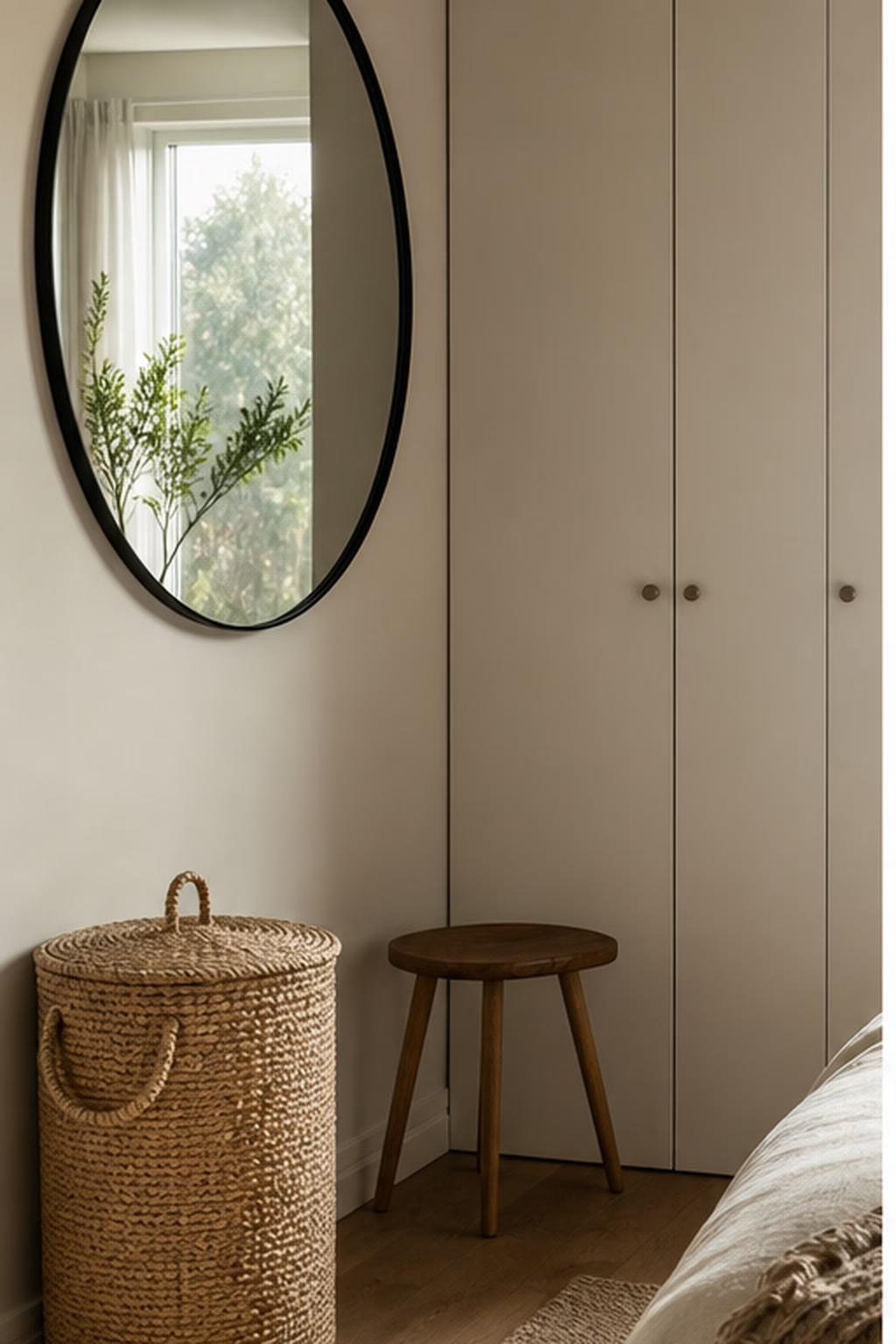
Closet walls in small bedrooms often look purely functional. A round mirror can make the zone feel finished while helping with daily dressing. Place it near the closet doors but not where swinging doors or drawers will hit it. If the closet fronts are plain, the circular shape adds relief without needing pattern. A small stool, laundry basket, or wall hook nearby can complete the dressing function. Keep the mirror clear of piles and open storage, because the reflection will multiply them. Used carefully, it turns a practical wall into a calm dressing area with purpose and everyday polish intact.
Style It With a Picture Ledge
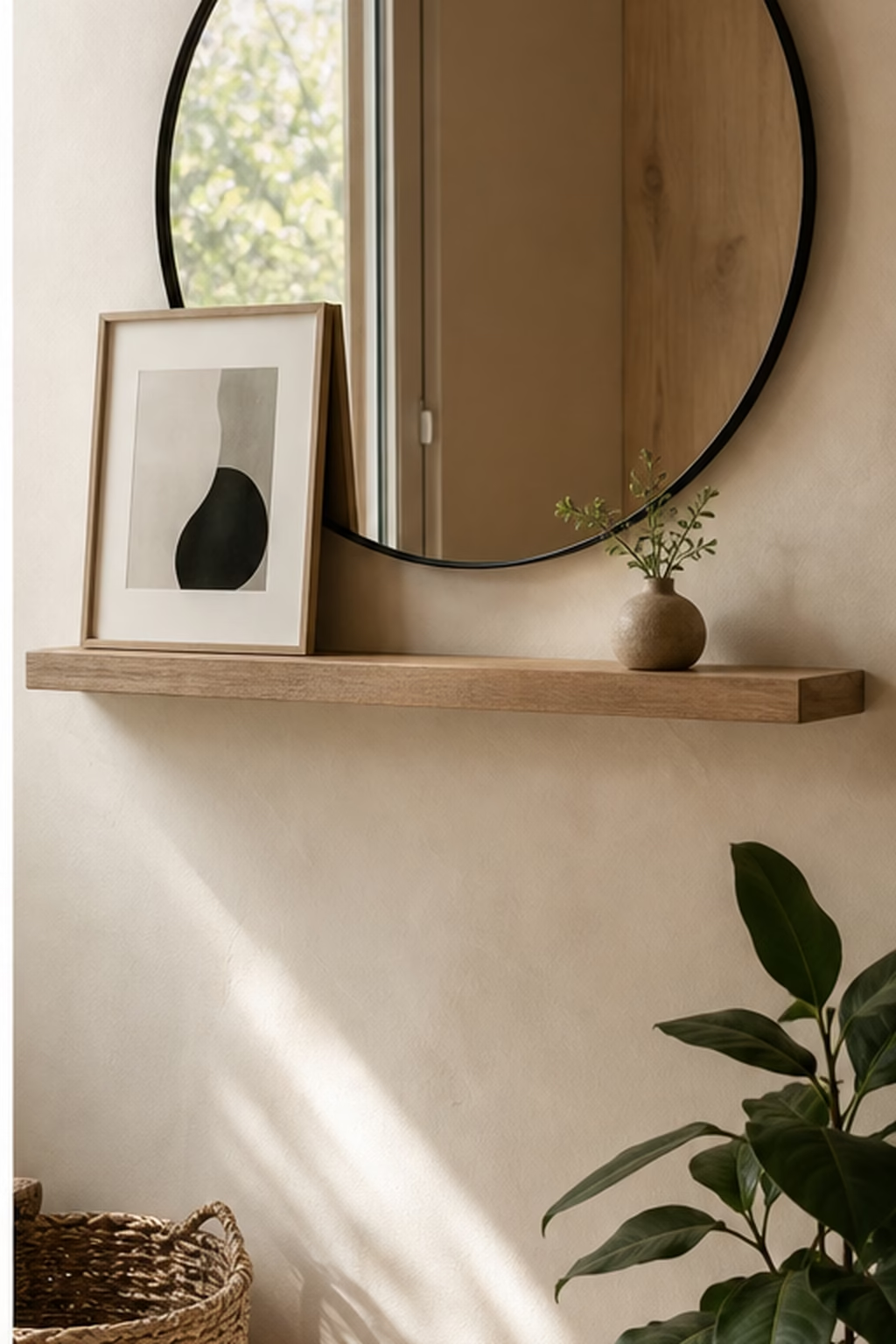
A picture ledge beneath or beside a round mirror lets a small wall change without adding bulky shelves. Use it for one framed print, a tiny vase, or a favorite photograph, keeping the objects low enough that they do not cover the reflection. This is a good solution for renters because the footprint is light and easy to rearrange. The ledge should relate to the mirror frame through color or material, even if it does not match exactly. Avoid filling the ledge end to end. The beauty of the round mirror is its breathing space, and the ledge should support that rather than compete with it.
Use Two Small Mirrors as a Pair
Two smaller round mirrors can work better than one large mirror when a wall serves two people or two functions. Place them above a double vanity, twin desks, or a shared entry bench, keeping spacing exact so the pair feels intentional. The mirrors should match in size and frame, while the objects below can vary slightly. This gives symmetry without needing a wide single mirror that may not fit. In a small bathroom, paired circles can also make two sinks feel more personal. Keep lighting balanced between or beside them, and avoid adding too many extra wall details nearby too.

Set It Above a Shoe Cabinet
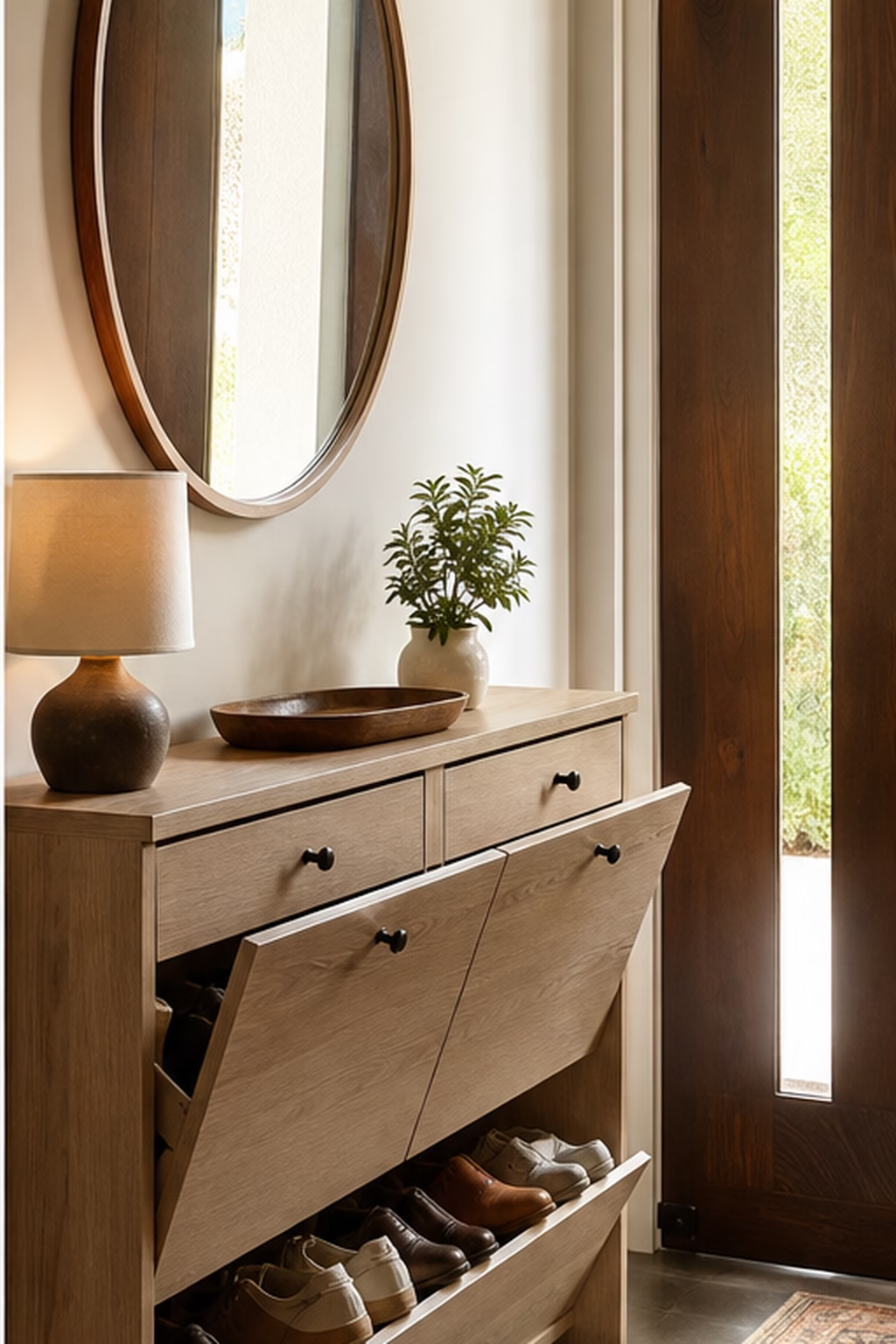
A slim shoe cabinet is one of the most useful pieces in a small entry, and a round mirror above it keeps the wall from feeling purely utilitarian. Center the mirror over the cabinet or align it with a lamp and tray if the cabinet is off to one side. The surface can hold keys, sunglasses, and a small bowl, while shoes stay hidden behind narrow doors. Choose a mirror frame that connects to the cabinet finish, such as pale wood with white, black with dark hardware, or brass with warm accents. The result is practical storage with a polished front-door moment.
Keep the Styling Below It Edited
The surface below a round mirror often becomes a drop zone, which can undo the whole small-space benefit. Edit that area to the essentials: a tray for keys, one lamp or vase, and a closed box if storage is needed. Anything tall should sit to the side so it does not block the reflection. Step back and check whether the mirror, surface, and objects read as one clean composition. This final edit matters because small rooms show clutter quickly. A round mirror can make the wall feel bright and generous, but only if the styling below leaves enough visual air.
