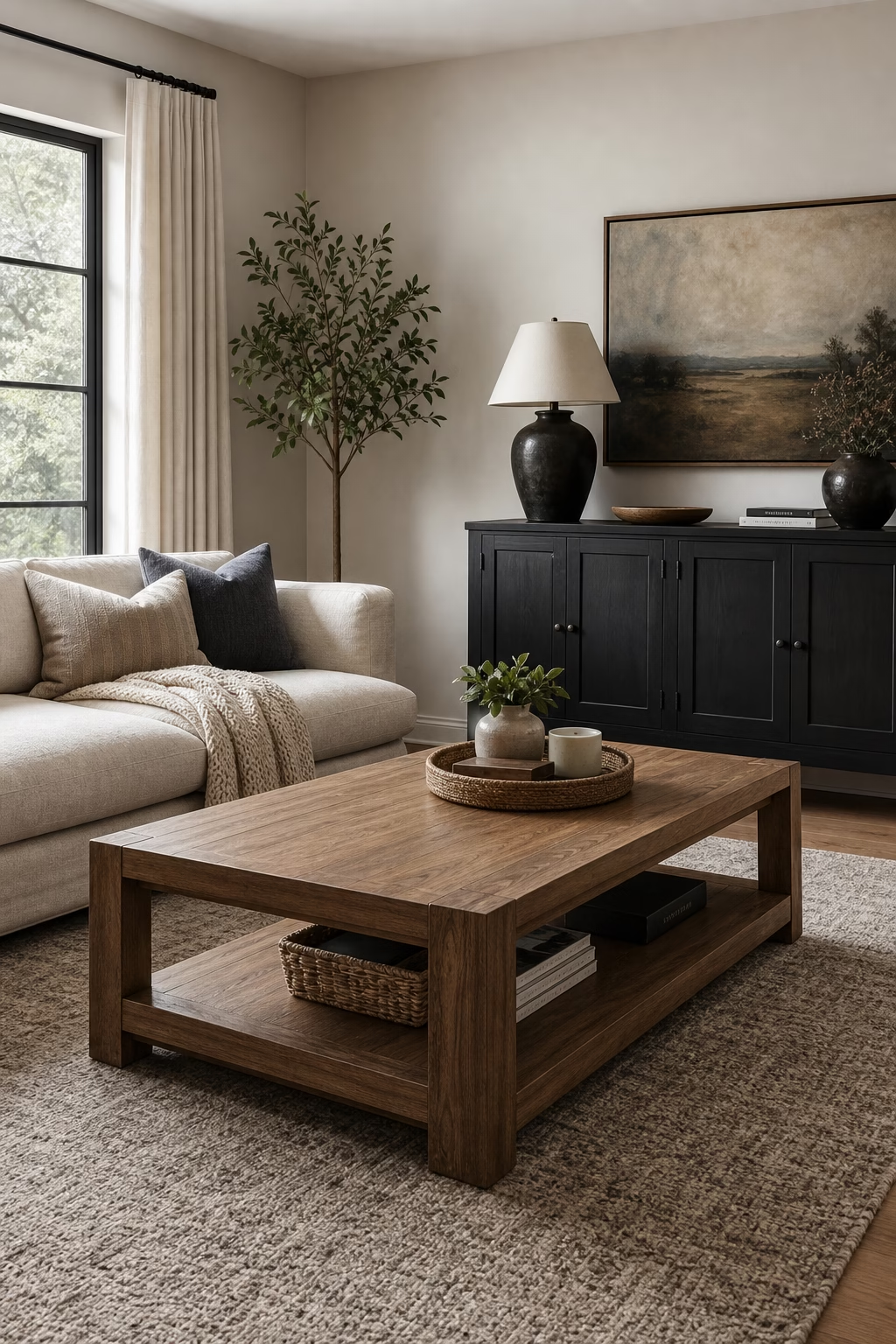
Simple living room decorating ideas that make a home feel cozy, practical, personal, and comfortable without adding unnecessary clutter.
- Start With a Sofa That Fits the Room
- Pull Seating Away From the Walls
- Layer Rugs for Warmth and Definition
- Mix Table Lamps With Soft Overhead Light
- Use Curtains to Soften Hard Edges
- Add a Coffee Table With Real Surface Area
- Bring in One Deep Accent Color
- Style Shelves With Breathing Room
- Use Throw Pillows in Different Textures
- Choose a Reading Chair With a Lamp Nearby
- Make the Fireplace Wall Feel Balanced
- Add Baskets for Blankets and Daily Clutter
- Mix Wood Tones Deliberately
- Use an Oversized Mirror to Reflect Light
- Create a Soft Landing Near the Entry
- Display Personal Objects Without Crowding
- Add a Bench or Poufs for Flexible Seating
- Keep the Television Area Visually Quiet
- Use Scent and Candlelight as Finishing Layers
- Choose Art That Sets the Emotional Tone
- Add Plants Where They Can Thrive
- Create a Game or Puzzle Surface
- Use Books as Decor You Actually Read
- Soften Corners With Round Shapes
- Finish With One Clear Surface
Start With a Sofa That Fits the Room
A cozy living room begins with the right sofa scale. Oversized seating can look tempting, but it quickly makes a room feel crowded if walkways disappear or side tables become impossible to reach. Measure the wall, the traffic paths, and the distance to the coffee table before choosing the silhouette. A deep sofa works beautifully in a family room, while an apartment may need a tighter arm, raised legs, or a compact sectional. Upholstery should feel soft without sagging, and the seat height should suit the people who use it most. When the sofa fits, every other decorating choice feels more relaxed because the room can breathe.
Pull Seating Away From the Walls
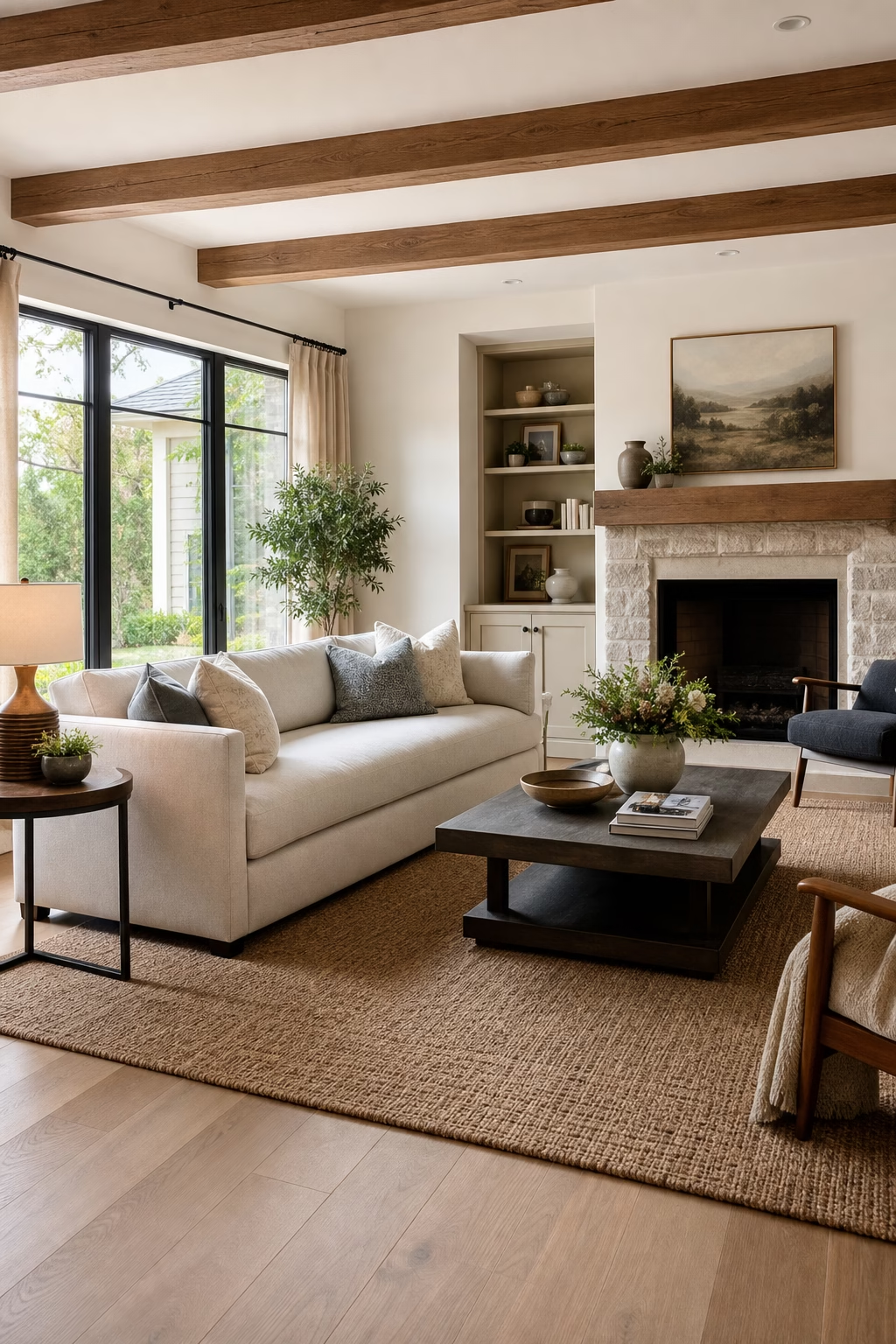
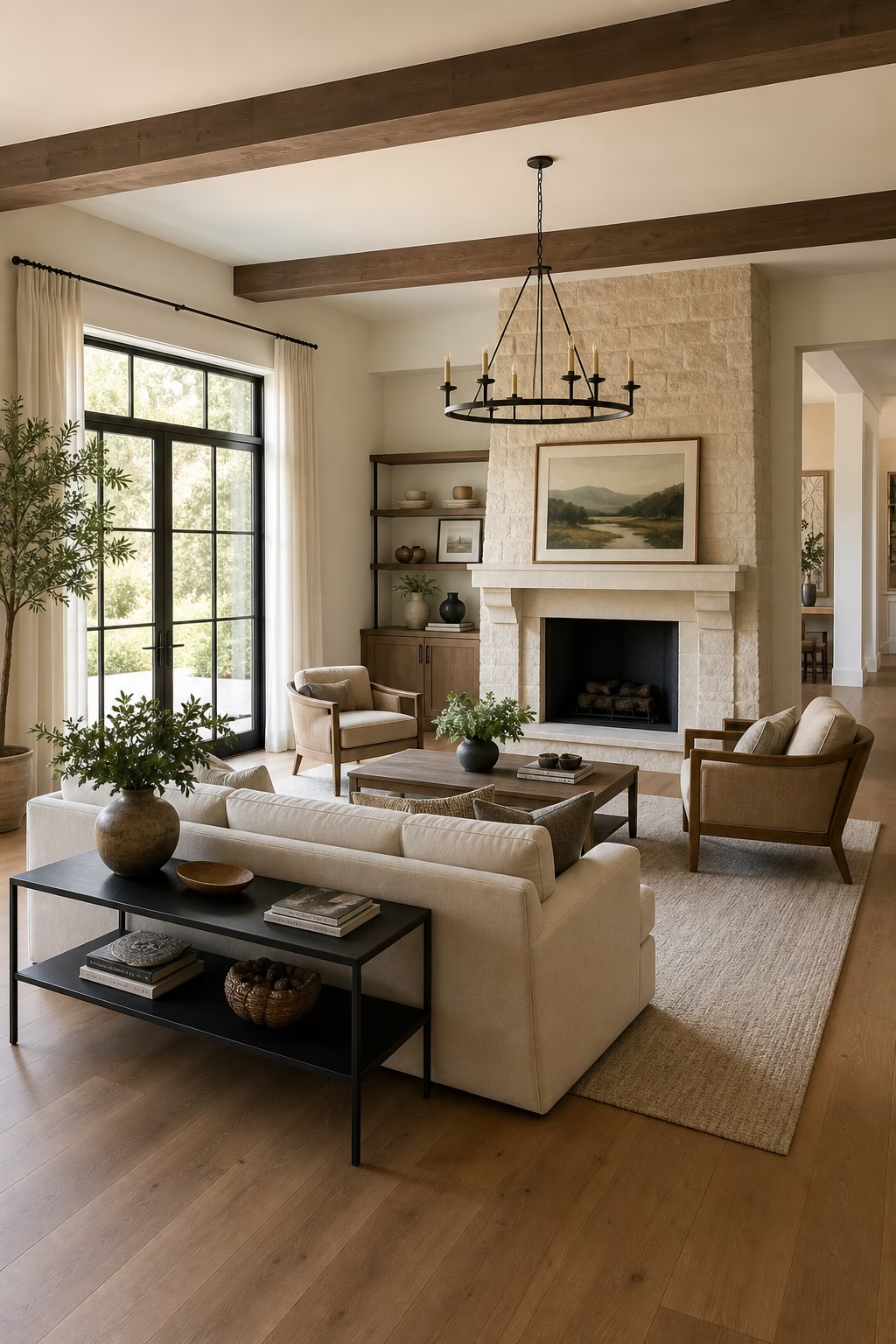
Even a small living room can feel more welcoming when the seating is pulled slightly inward. Floating a sofa by six to twelve inches, or arranging chairs around a rug instead of against every wall, creates a conversation zone rather than a waiting room. The move also gives curtains, lamps, and side tables enough space to work. Keep the main path clear, especially between entries and adjoining rooms. If the back of the sofa is visible, add a slim console, low bookcase, or clean upholstered back so it looks intentional. This simple adjustment makes the room feel designed, softer, and more connected to the people using it.
Layer Rugs for Warmth and Definition
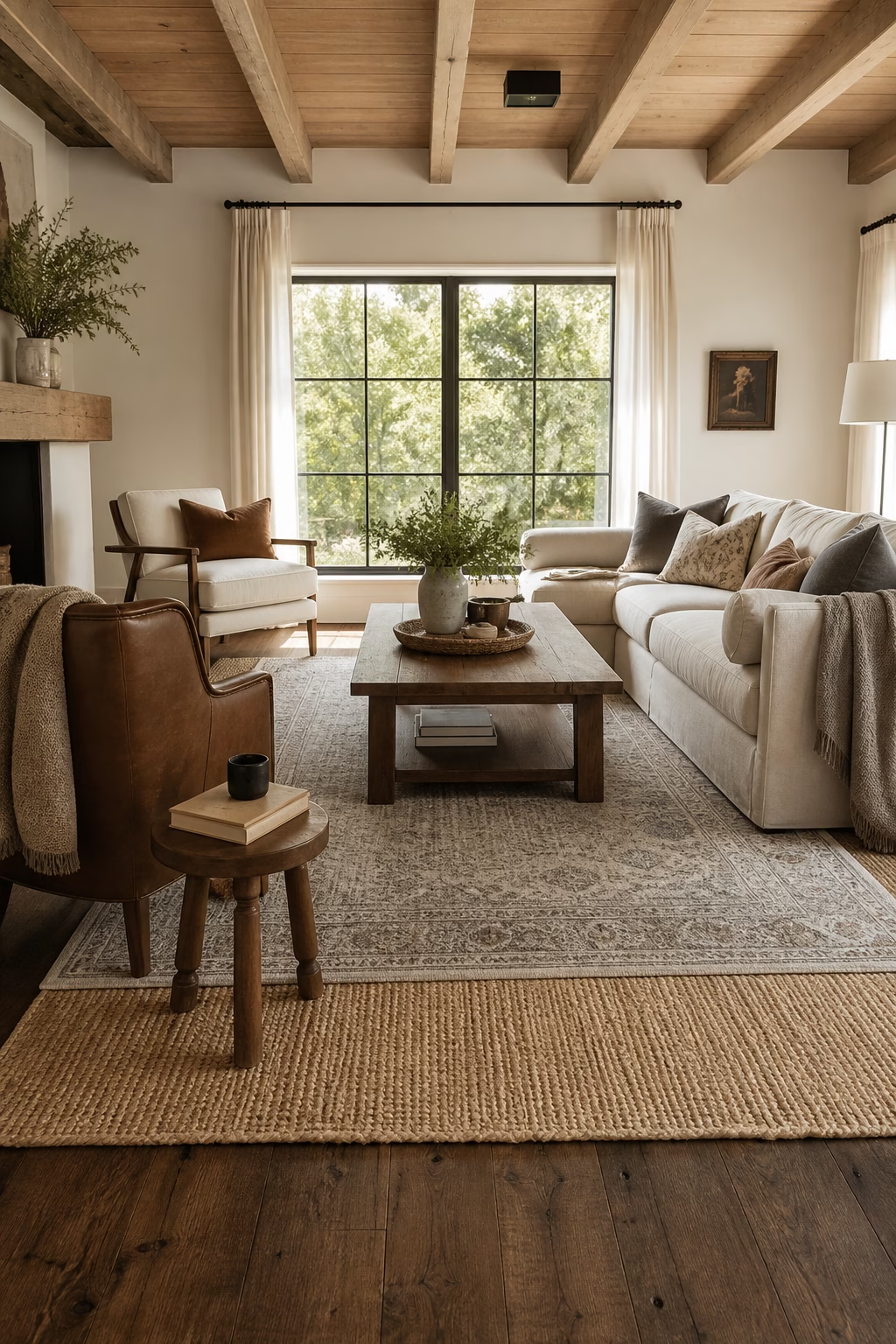
Rugs do more than cover the floor; they decide where the living area begins and ends. Choose a base rug large enough for at least the front legs of the sofa and chairs, then add a smaller textured rug if the room needs extra softness. Natural fiber under wool, a low-pile neutral under a vintage pattern, or a flatweave under a plush accent can all work when the tones relate. Avoid rugs that are too small, because they make furniture look stranded. The layers should lie flat and leave doors clear. A well-scaled rug arrangement adds warmth, absorbs sound, and gives the room a settled, cozy center.
Mix Table Lamps With Soft Overhead Light
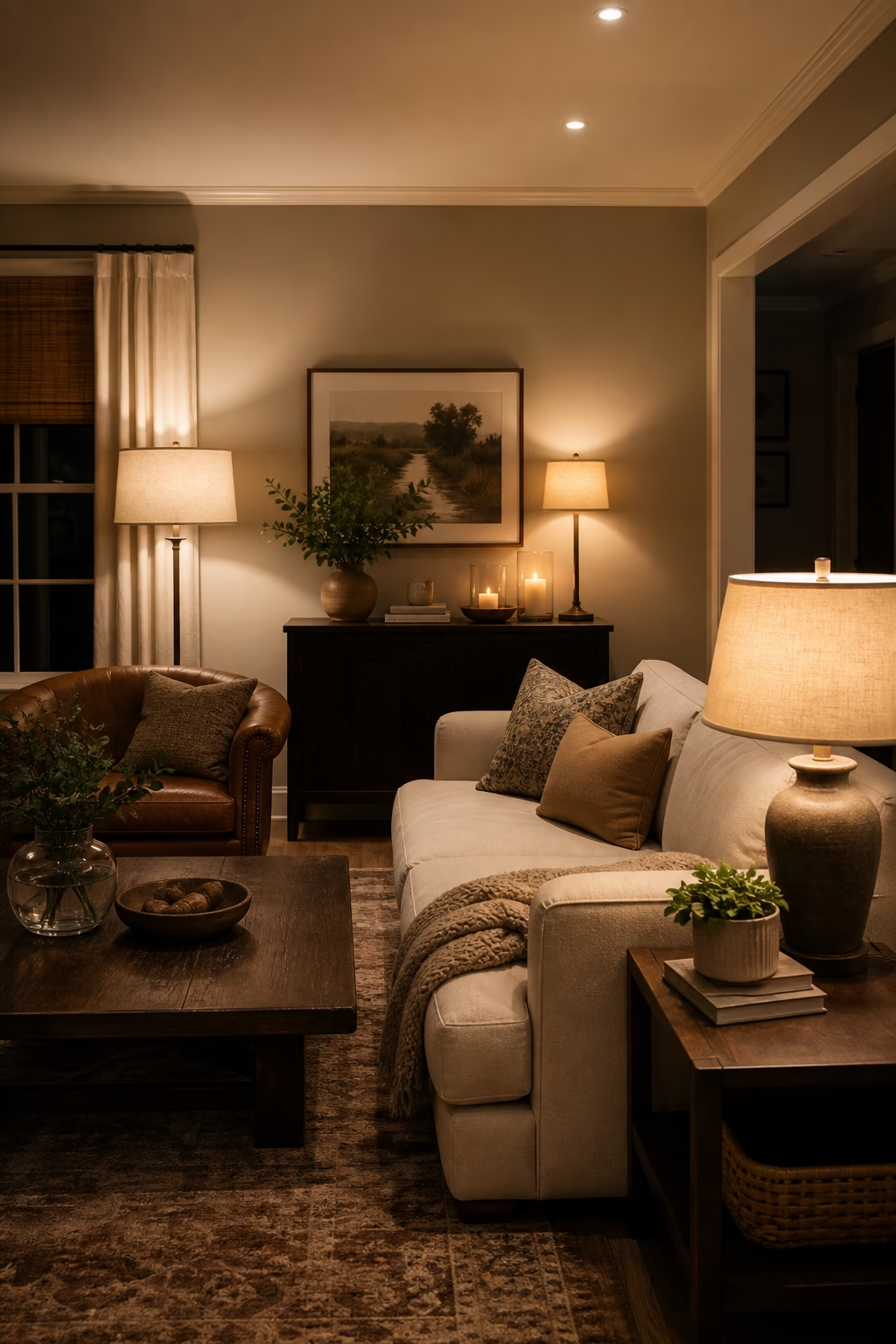
Cozy lighting rarely comes from one ceiling fixture. A living room needs several softer sources: a table lamp by the sofa, a floor lamp near a chair, a dimmed overhead fixture, and perhaps a picture light or shelf light. Keep bulbs warm and use shades that diffuse rather than glare. The lamps should be placed where people actually read, talk, or set down a drink. If the room has recessed lights, put them on dimmers and let lamps carry the evening mood. Layered lighting makes ordinary decorating feel richer because the same furniture can look bright and practical by day, then intimate after sunset.
Use Curtains to Soften Hard Edges
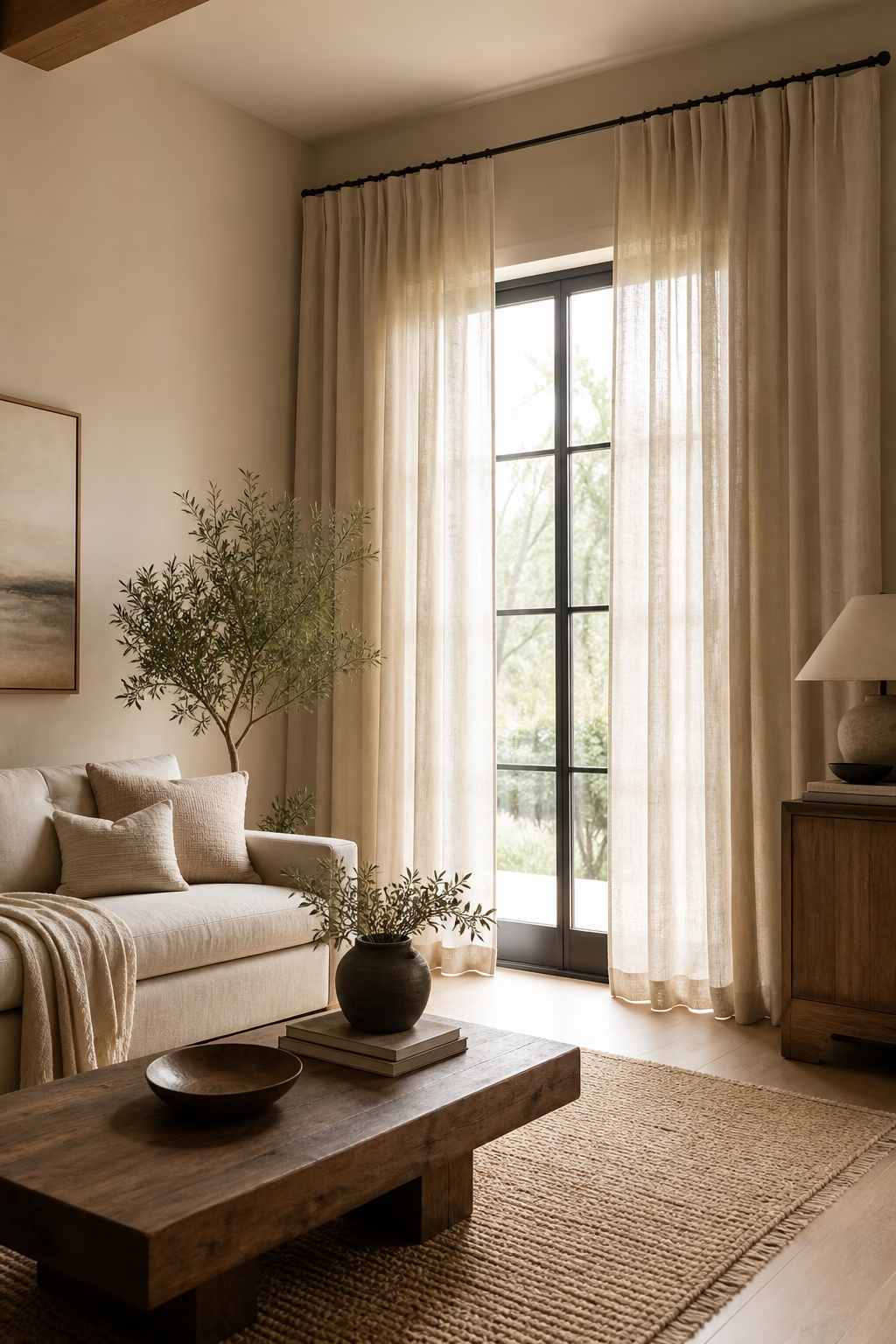
Curtains can change the entire mood of a living room, especially when the architecture is simple or boxy. Hang them high and wide so the window feels taller and the fabric can stack away from the glass. Linen, cotton, wool, or a soft blend adds movement and absorbs sound, while a lined panel gives privacy and better drape. Choose a color close to the wall for quiet softness, or a slightly deeper neutral if the room needs framing. Avoid skimpy panels that stop short of the floor. Full-length curtains make the windows feel finished and give the living room a gentler, more layered envelope.
Add a Coffee Table With Real Surface Area
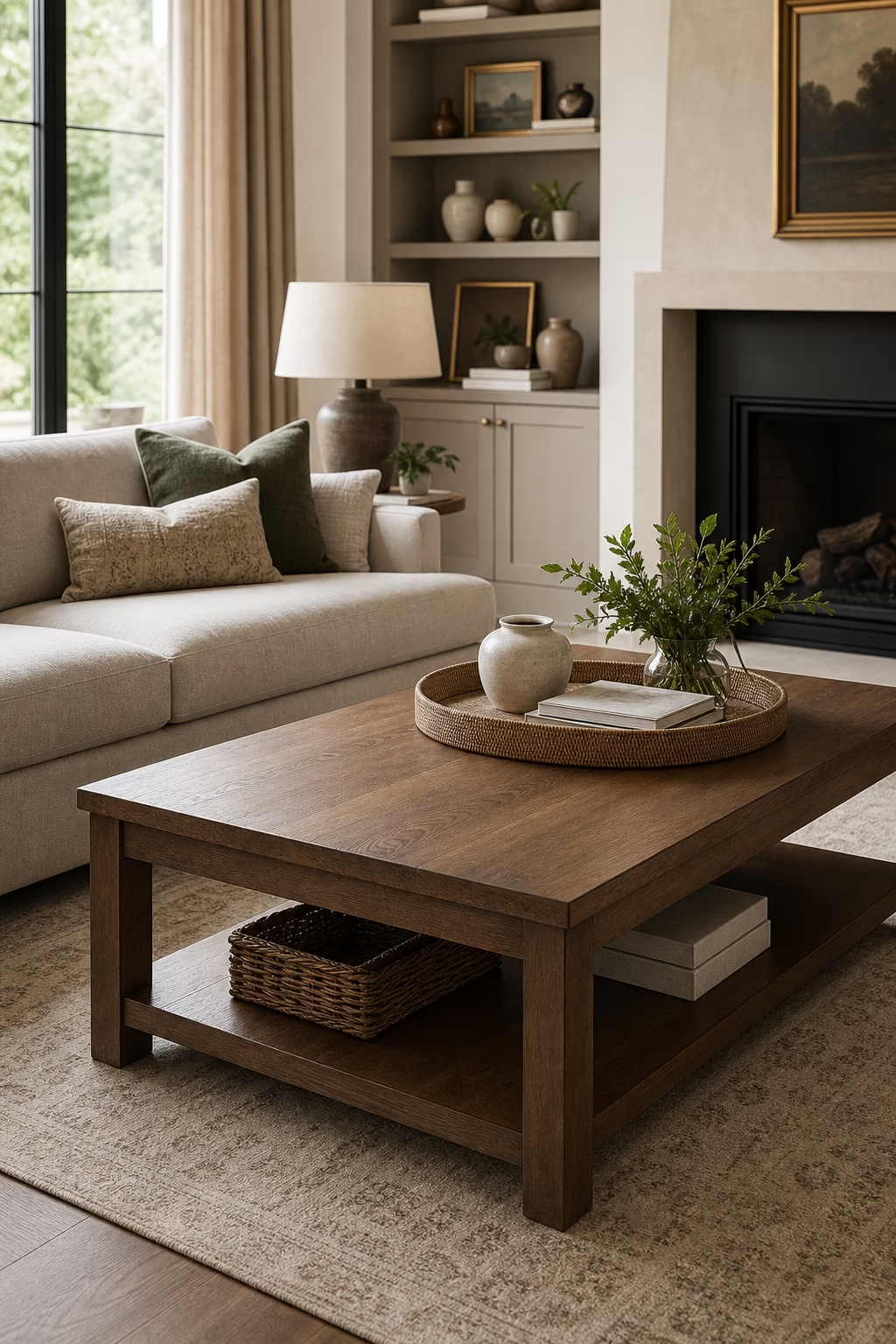
A coffee table should support the way the room is used, not just fill the center. Choose enough surface for books, a tray, drinks, and a small object without blocking circulation. Round tables help tight rooms because they soften corners, while rectangular tables suit longer sofas. If the living room needs storage, look for a shelf, drawers, or an ottoman with a tray rather than letting remote controls and blankets drift. Keep the height close to the sofa seat for comfort. A practical coffee table quietly makes the whole room cozier because people can settle in without juggling everything in their hands.
Bring in One Deep Accent Color
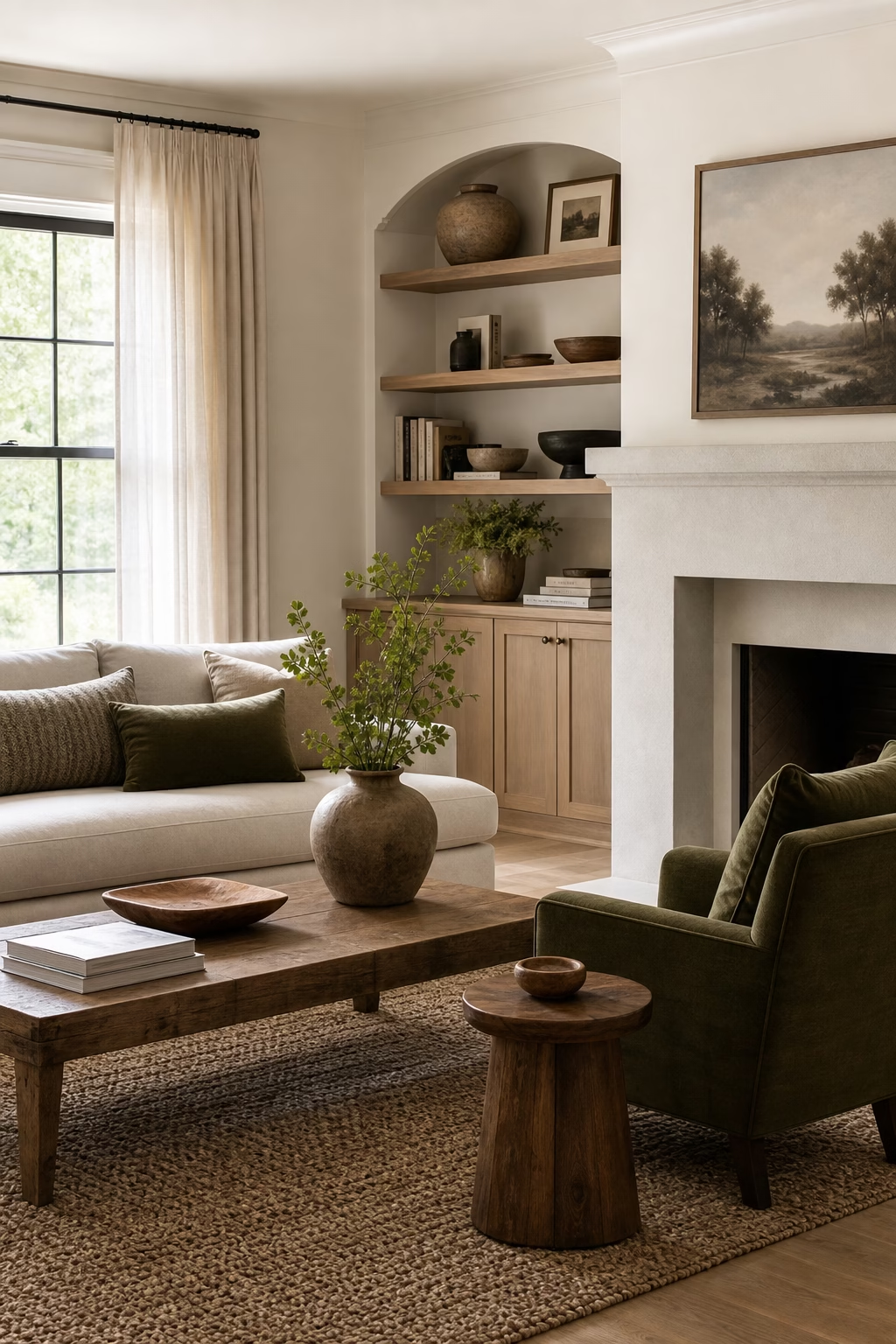
A room can feel cozy without becoming dark everywhere. One deep accent color, used with restraint, gives the palette depth and makes pale furniture feel more grounded. Try olive, oxblood, chocolate, indigo, tobacco, or charcoal on pillows, a chair, a throw, or a painted bookcase. Repeat the color at least twice so it feels intentional, but avoid scattering it across every accessory. The rest of the room can stay warm neutral, with wood, linen, and stone carrying the softness. A concentrated accent is especially useful in rentals or budget updates because it changes the mood without requiring new flooring or major furniture.
Style Shelves With Breathing Room
Shelves make a living room feel personal, but overcrowding them can create visual noise. Start with books, then add ceramics, framed art, baskets, and a few sculptural objects in varied heights. Leave open space around each grouping so the shelves feel curated rather than packed. Heavier items belong lower, while lighter pieces can sit at eye level. Mix vertical and horizontal book stacks, but keep the palette connected to the rest of the room. If the shelves hold daily items, use closed baskets or boxes for the less attractive pieces. With breathing room, shelving adds warmth and story without stealing calm from the seating area.
Use Throw Pillows in Different Textures
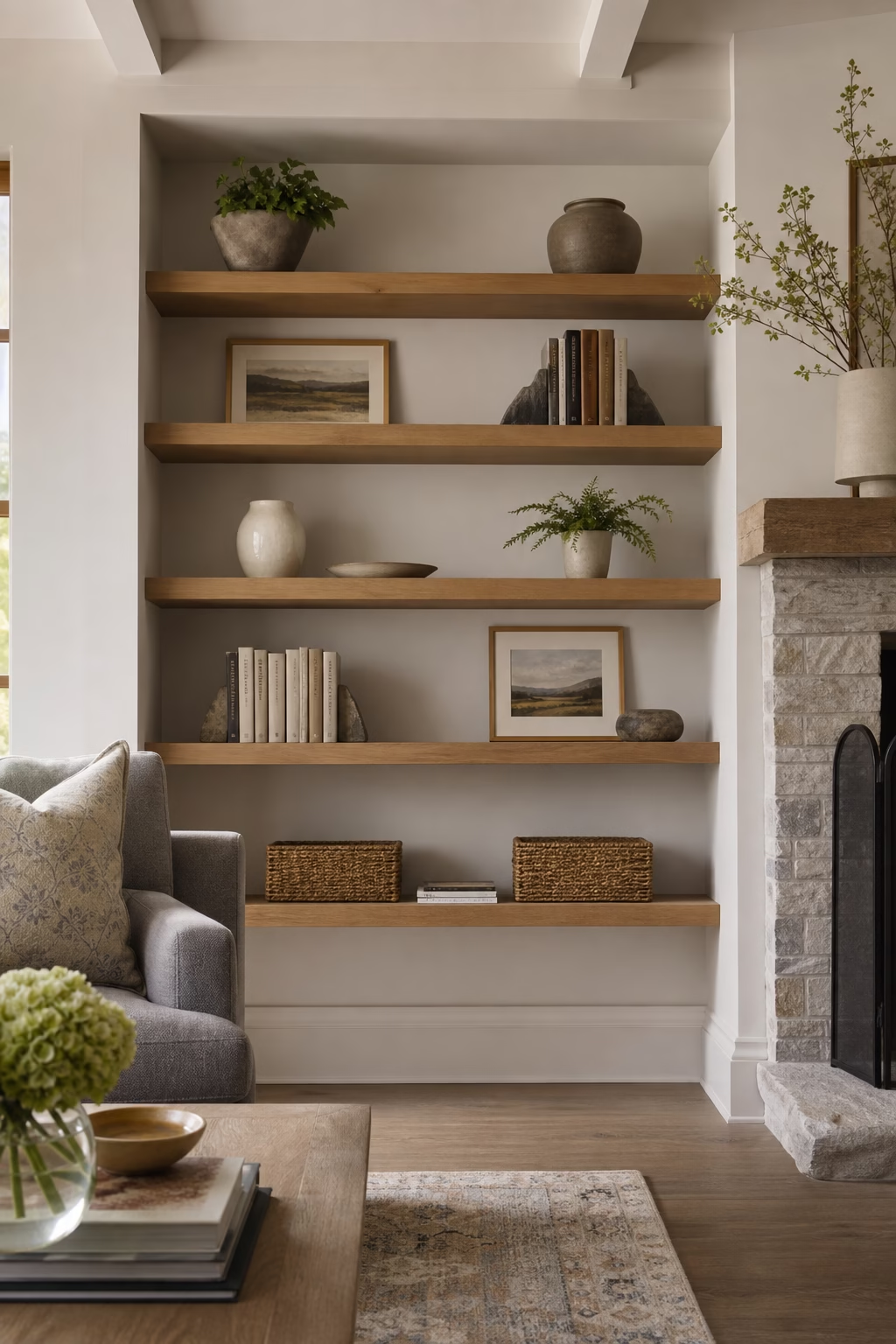
Throw pillows work best when they feel like a small textile collection, not a matching set. Combine linen, velvet, wool, boucle, or washed cotton in related tones, then vary the sizes so the sofa looks relaxed but not messy. Two larger pillows can anchor the corners, while a smaller lumbar pillow adds shape in the center. Avoid overfilling the sofa until there is nowhere to sit. Inserts should be full enough to hold their form but soft enough to lean against. Texture keeps a neutral living room from feeling flat, and it lets seasonal updates happen through touch rather than loud pattern.
Choose a Reading Chair With a Lamp Nearby
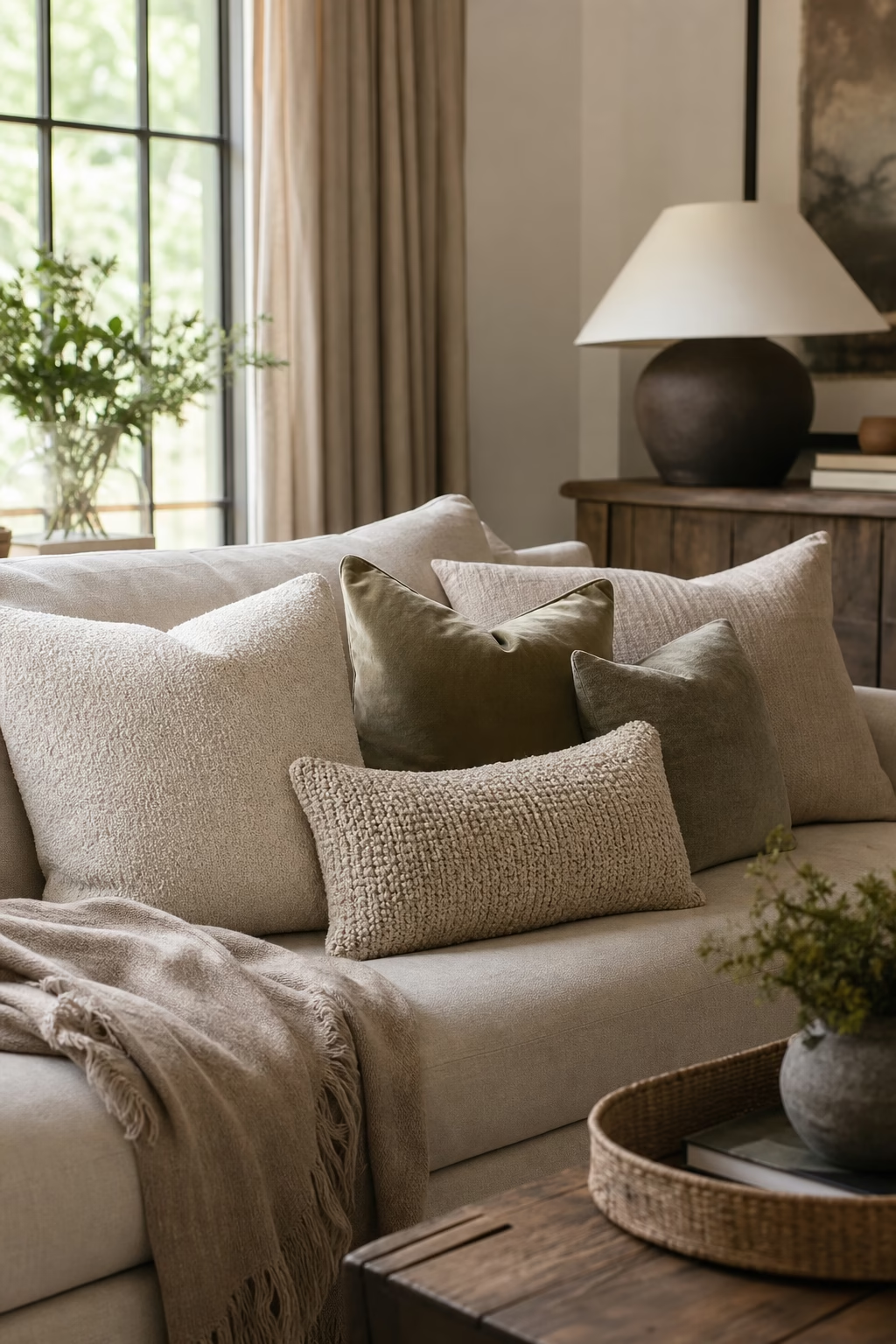
A cozy home needs at least one seat that invites a slower pace. Place a comfortable reading chair near a window, bookcase, fireplace, or quiet corner, then give it a dedicated lamp and a small table. The chair should be deep enough to settle into, but not so oversized that it overwhelms the room. Add a pillow or throw only if it improves comfort. A footstool can turn an unused corner into the most loved spot in the house. What matters is completeness: seat, light, surface, and softness. When those four pieces work together, the corner feels purposeful instead of leftover.
Make the Fireplace Wall Feel Balanced
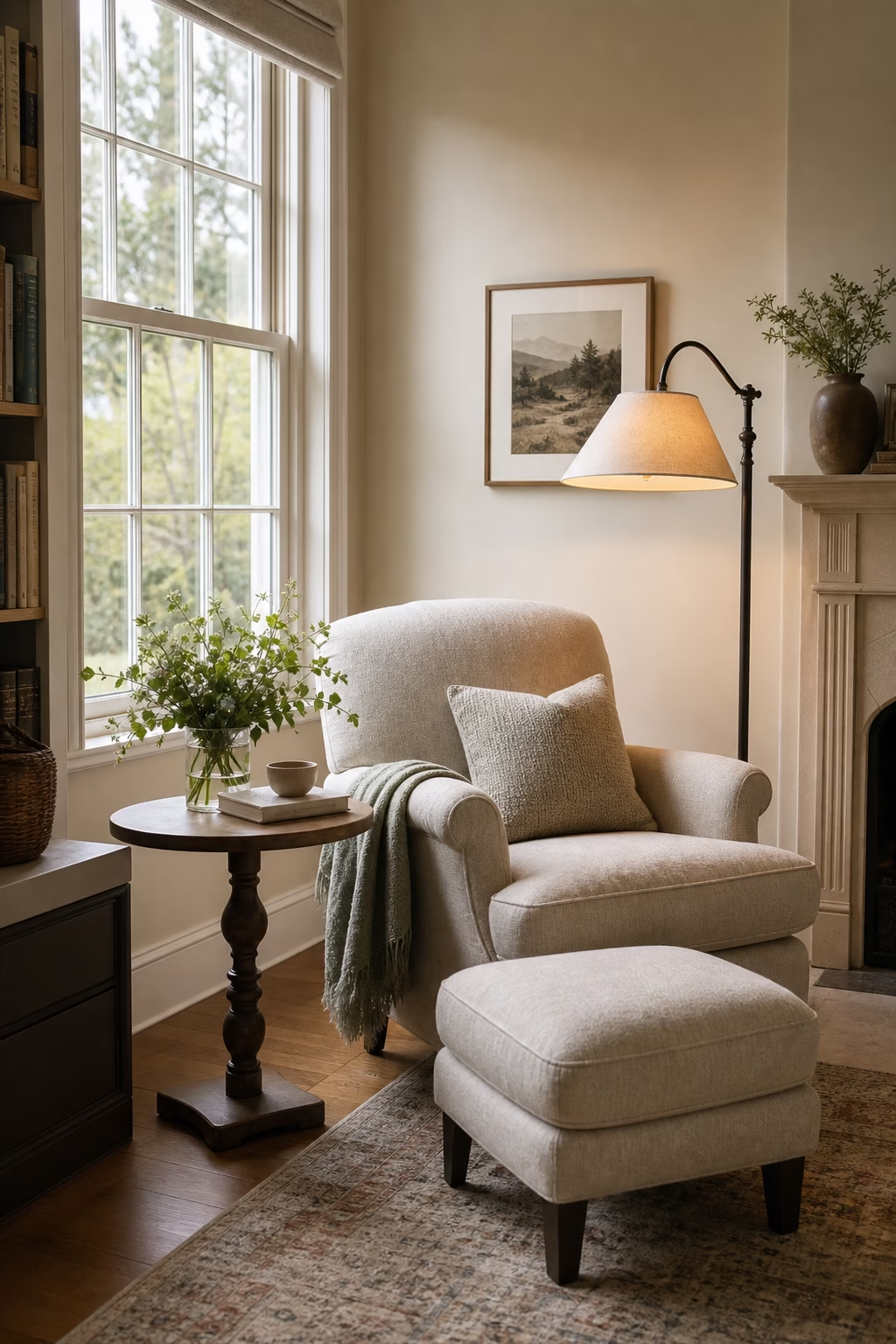
If the living room has a fireplace, the surrounding wall should feel composed rather than crowded. Balance the mantel, hearth, art, television, shelves, and seating so no single element looks randomly placed. A simple stone or plaster surround can feel warm when paired with wood shelves, low lighting, and a few substantial objects. Keep the mantel edited; one large artwork or mirror often looks calmer than many small pieces. If a television is necessary, consider a lower console, dark backing, or cabinetry that reduces its contrast. A balanced fireplace wall gives the room a natural gathering point and makes the seating arrangement feel anchored.
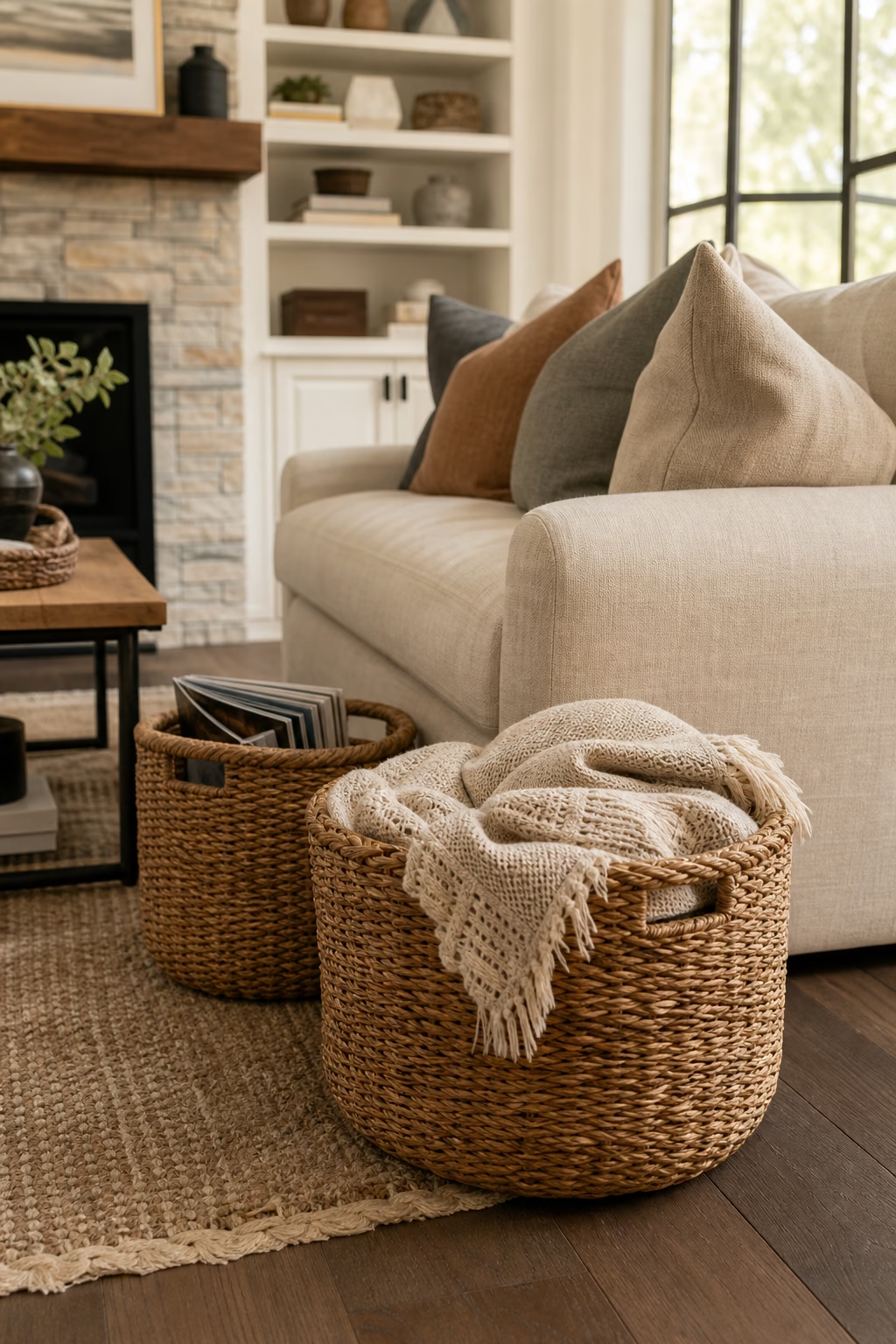
Add Baskets for Blankets and Daily Clutter
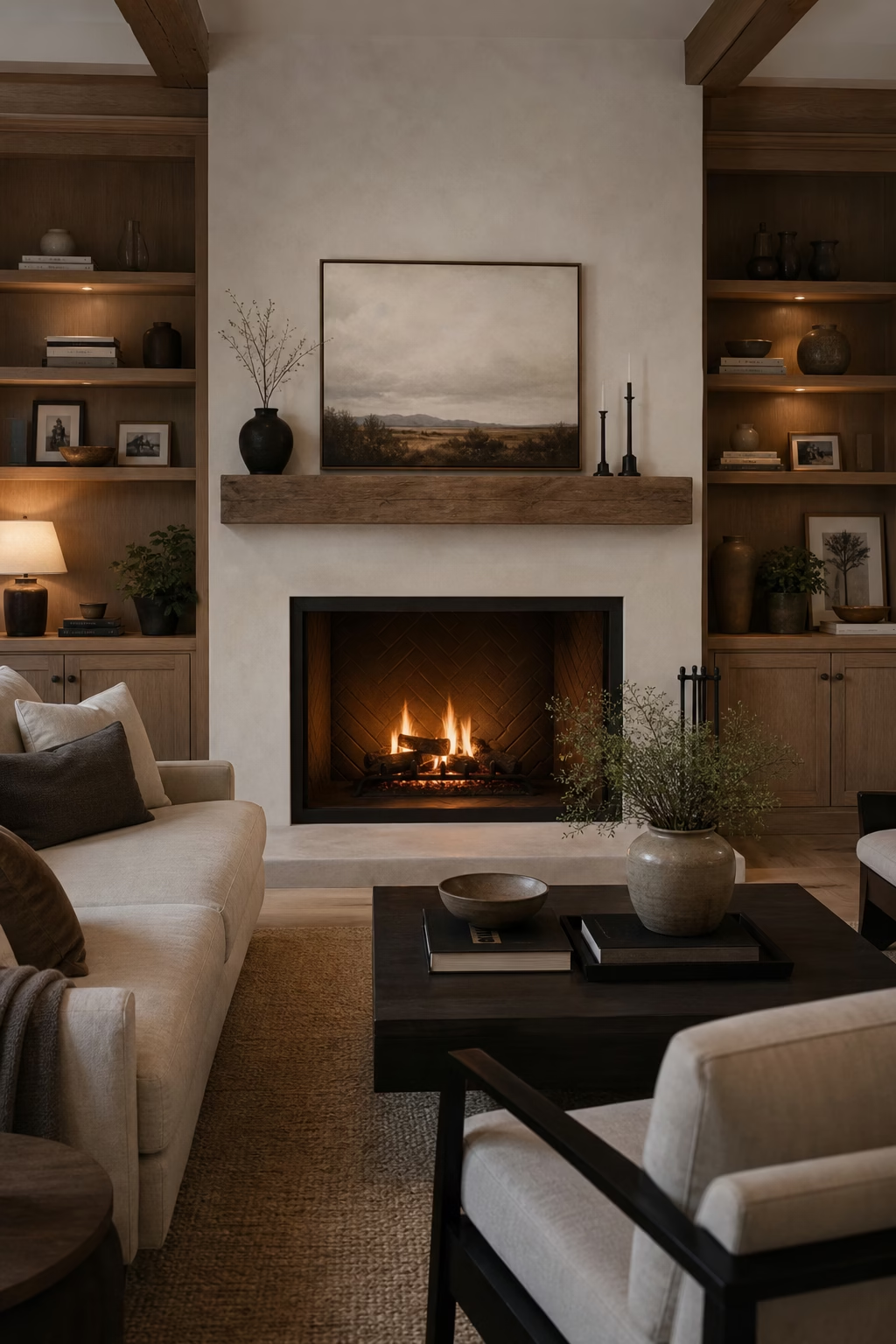
Cozy rooms need accessible softness, but blankets and everyday items can become messy fast. Baskets solve that problem when they are attractive enough to leave in view and sturdy enough for real use. Place one beside the sofa for throws, one near the entry side of the room for toys or magazines, or a lidded version under a console for remotes and chargers. Natural woven textures work especially well because they add warmth while hiding irregular shapes. Do not use baskets as a substitute for all storage; use them for items that move in and out daily. The room stays relaxed, but reset is easy.
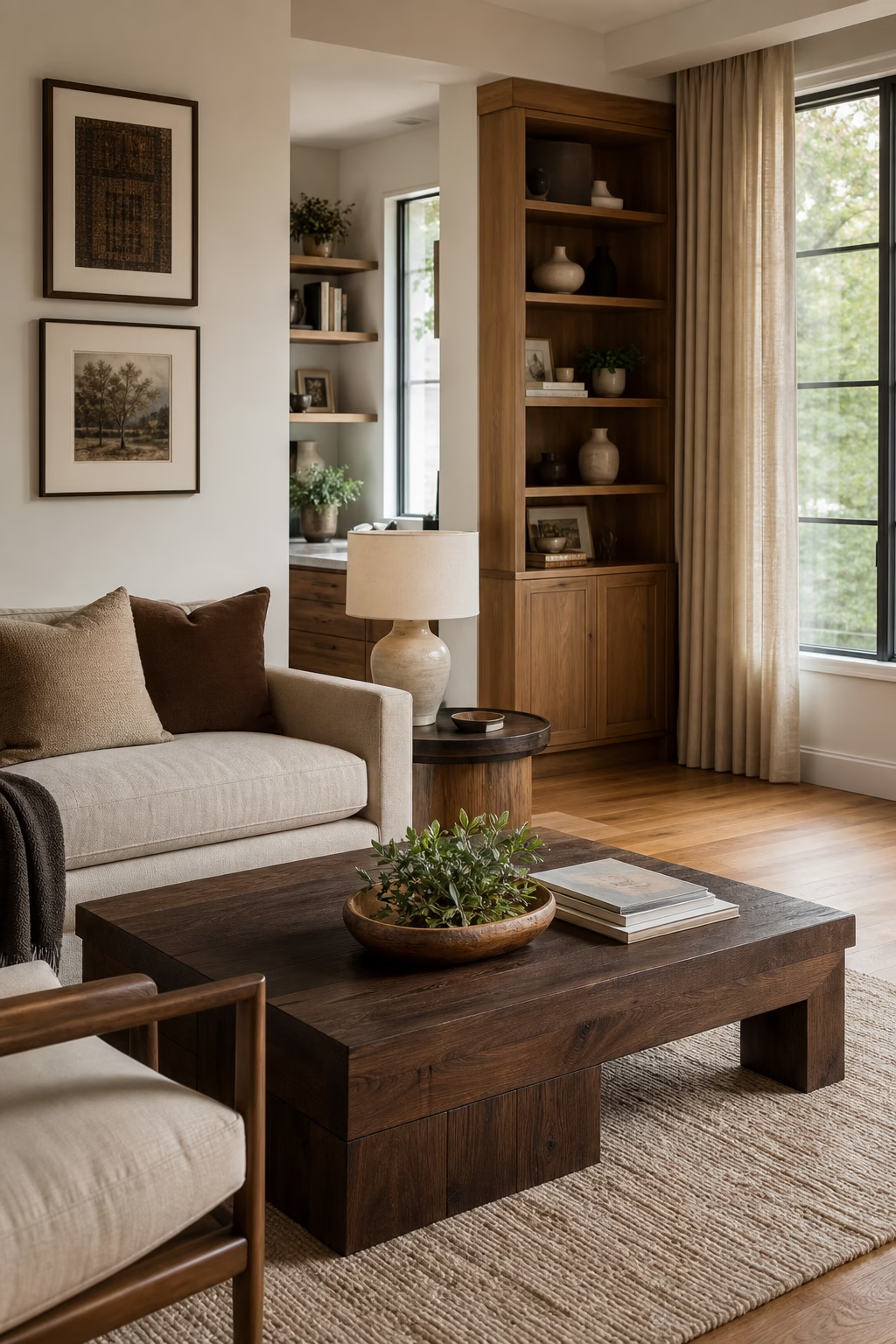
Mix Wood Tones Deliberately
A living room feels warmer when wood tones are mixed with intention. Instead of matching every piece, choose a dominant tone, such as oak or walnut, then add one lighter or darker contrast. Repeat each tone at least once so the mix looks designed: walnut coffee table with picture frames, oak side table with shelving, or a blackened wood chair with a dark lamp base. Keep undertones compatible, especially if the floor already has a strong color. Too many unrelated woods can make the room feel accidental. A deliberate mix gives the space depth and makes it look collected over time, which is often cozier than a perfect set.
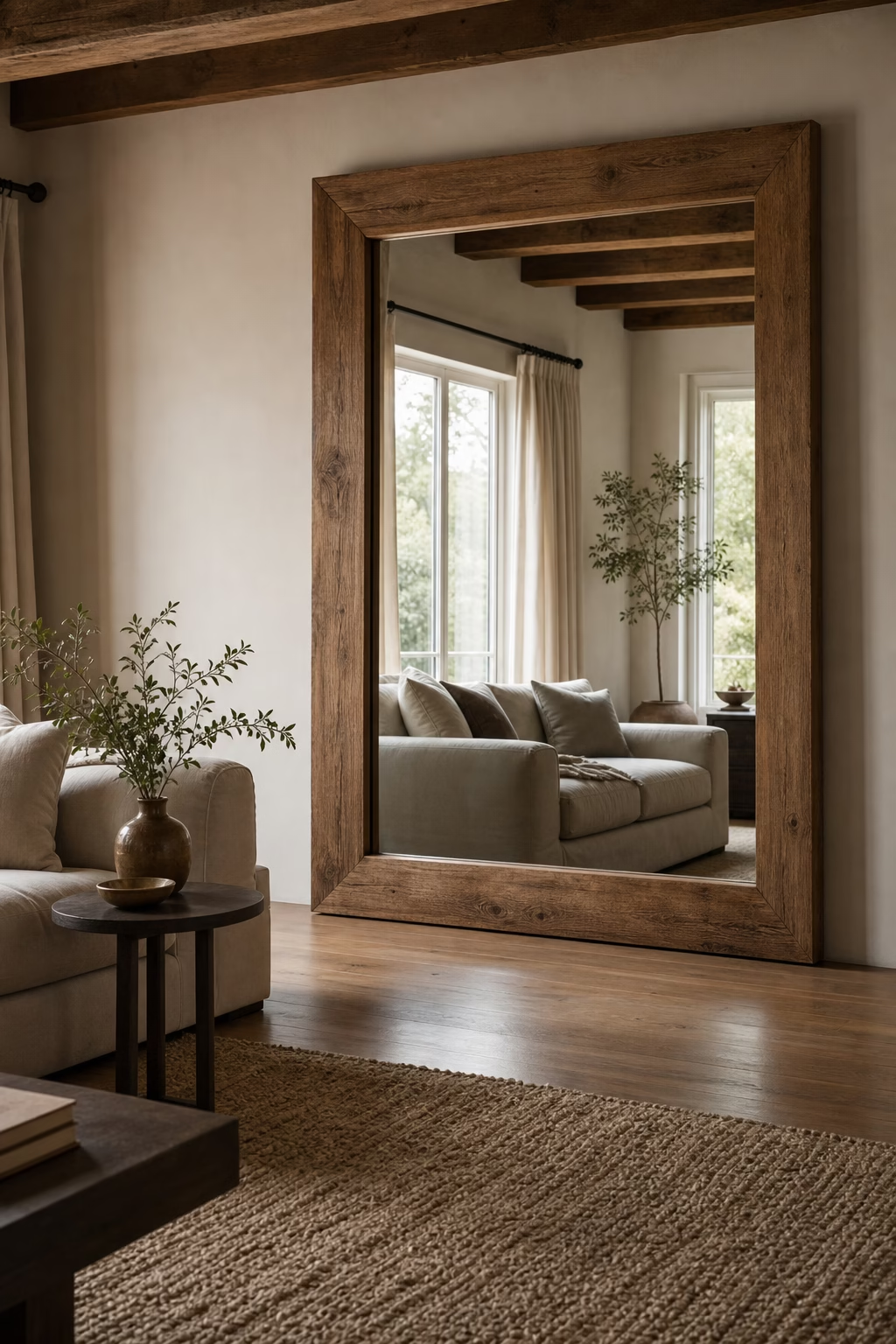
Use an Oversized Mirror to Reflect Light
A large mirror can make a cozy living room brighter without making it feel busy. Place it where it reflects a window, a lamp, greenery, or an attractive architectural view rather than a cluttered corner. The frame should suit the room: warm wood for softness, slim black metal for definition, or plaster for a quieter look. Scale matters; a mirror that is too small can feel decorative, while a larger one acts almost like a second window. Lean it carefully or mount it securely, especially in homes with children. Used well, a mirror expands the light and adds depth while keeping the decorating simple.
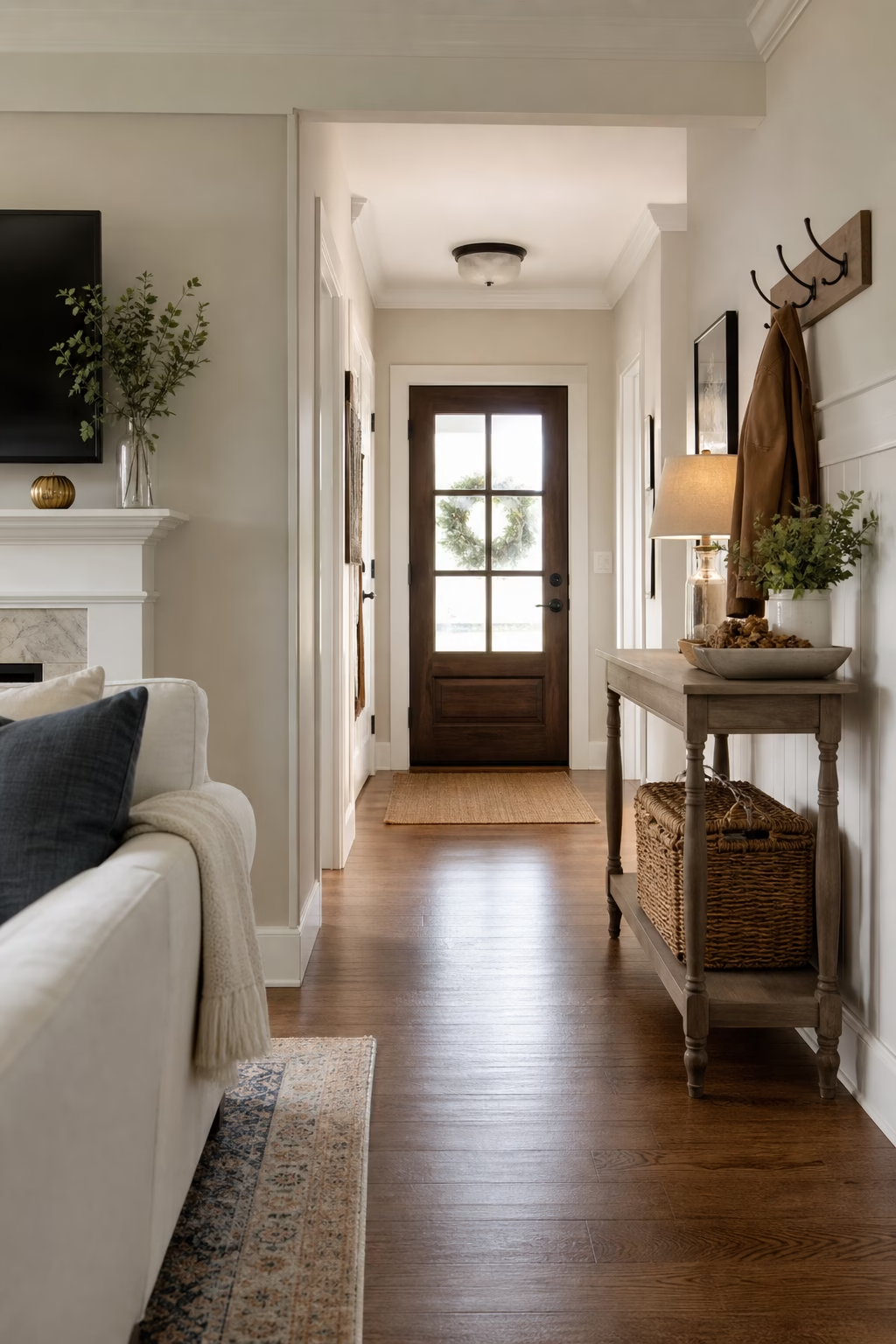
Create a Soft Landing Near the Entry
When the living room connects to the front door, a small landing zone keeps the space from feeling chaotic. A narrow console, wall hooks, tray, lamp, and basket can hold keys, mail, shoes, or dog leashes without spilling into the seating area. Keep the furniture shallow enough that the path remains comfortable. The style should match the living room so the entry does not feel like a separate utility corner. A lamp is especially useful because it makes arriving home feel warm after dark. This small decorating move protects the cozy atmosphere by giving daily traffic a place to settle.
Display Personal Objects Without Crowding
A cozy home should show some evidence of the people who live there. The key is choosing personal objects with enough scale and spacing: a ceramic from a trip, inherited candlesticks, framed family photography, a handmade bowl, or a stack of favorite design books. Group small items on a tray or shelf so they read as a composition rather than clutter. Rotate pieces seasonally if surfaces become crowded. The room does not need to tell every story at once. A few meaningful objects make the living room warmer and more memorable while still leaving the furniture, architecture, and light room to breathe.
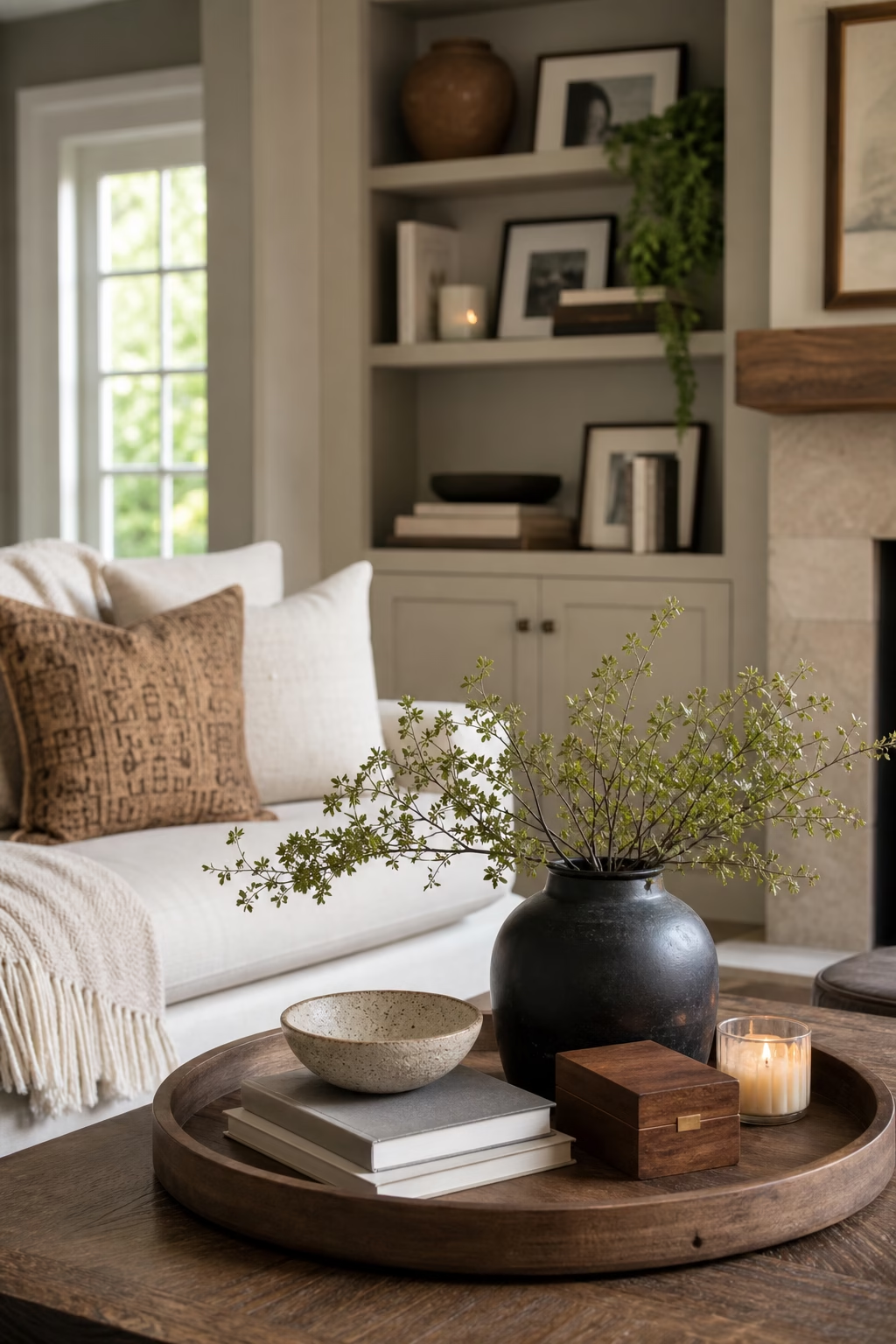
Add a Bench or Poufs for Flexible Seating
Flexible seating helps a living room handle guests, family movie nights, and quiet weekdays without crowding the layout. A low bench can sit under a window or behind a sofa, while poufs can slide near the coffee table when needed. Choose pieces that are light enough to move but substantial enough to look intentional. Upholstered options add softness, and woven or leather pieces introduce texture. Keep the height compatible with the rest of the seating so the extra pieces are actually comfortable. This is a simple way to make the room feel generous, especially when there is not enough space for another full armchair.
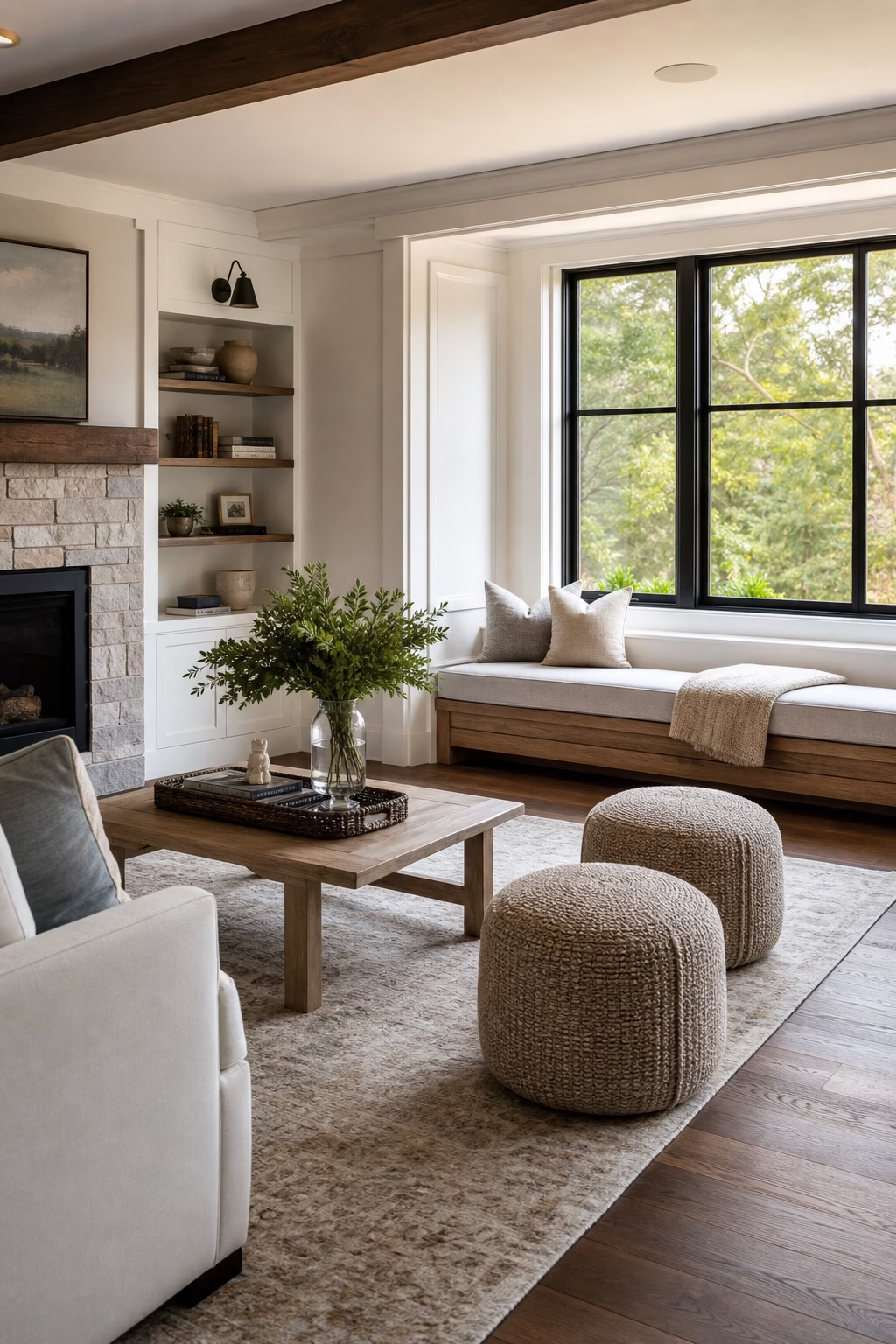
Keep the Television Area Visually Quiet
A television does not have to dominate a cozy living room. Reduce its contrast by placing it against a darker panel, built-in cabinetry, or a wall color that softens the black rectangle. A low console with closed storage keeps remotes, cables, game equipment, and speakers contained. Avoid decorating tightly around the screen with tiny objects, which can make the wall feel busier. If possible, balance the television with art, shelves, or a fireplace elsewhere in the room so it is not the only focus. The goal is not hiding daily life, but making entertainment fit into a room that still feels warm and designed.
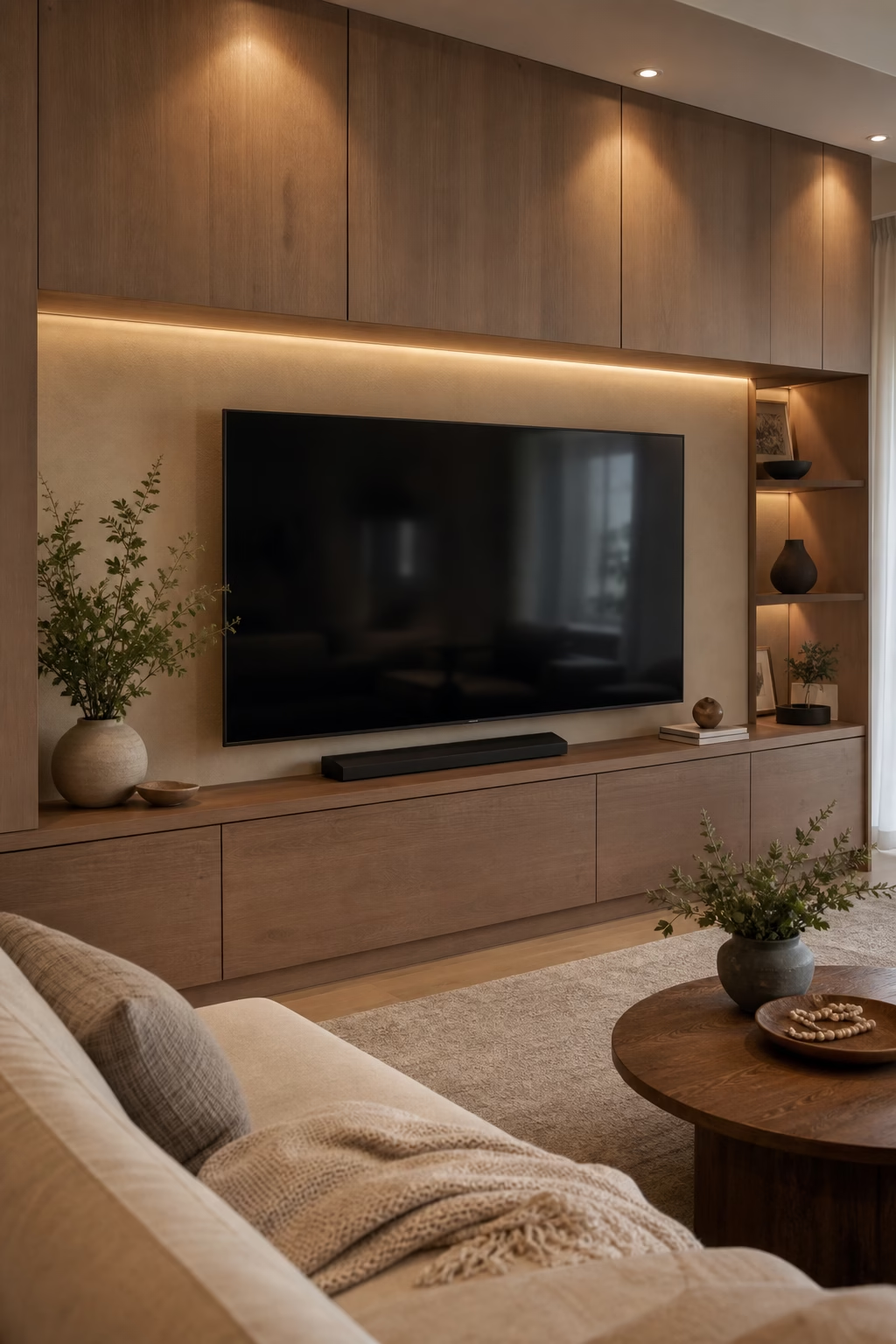
Use Scent and Candlelight as Finishing Layers
The coziest living rooms engage more than the eye. Candlelight, a subtle diffuser, or a small group of unscented tapers can make the room feel calmer in the evening. Keep scented elements restrained so they do not compete with cooking, flowers, or fresh air. Place candles on stable trays away from curtains, books, and upholstery, and use hurricanes where drafts are likely. Visually, a few low points of warm light can soften the coffee table, mantel, or console. This layer should feel effortless and safe, not theatrical. It is the final signal that the room is ready to be used slowly.
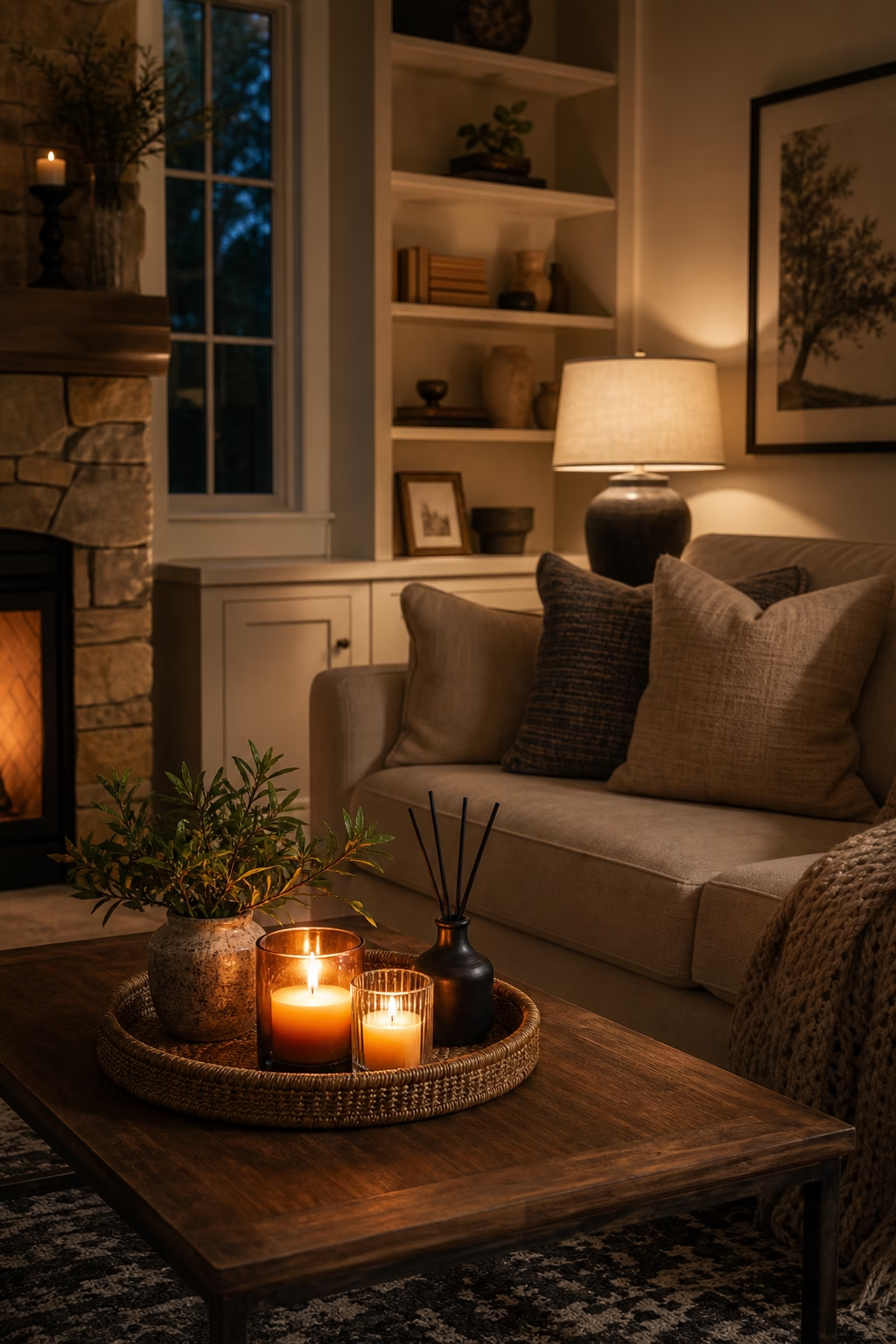
Choose Art That Sets the Emotional Tone
Art can make a living room feel restful, lively, nostalgic, or polished before any accessories are added. For a cozy home, choose pieces with warmth in the color, subject, or material. Landscapes, tonal abstracts, textile art, and intimate photography can all work if the scale fits the wall. Hang art lower than you might expect, relating it to the sofa, console, or fireplace rather than floating it near the ceiling. One larger work often creates more calm than several tiny pieces. The frame should connect to another element in the room, such as wood, black metal, brass, or painted trim.
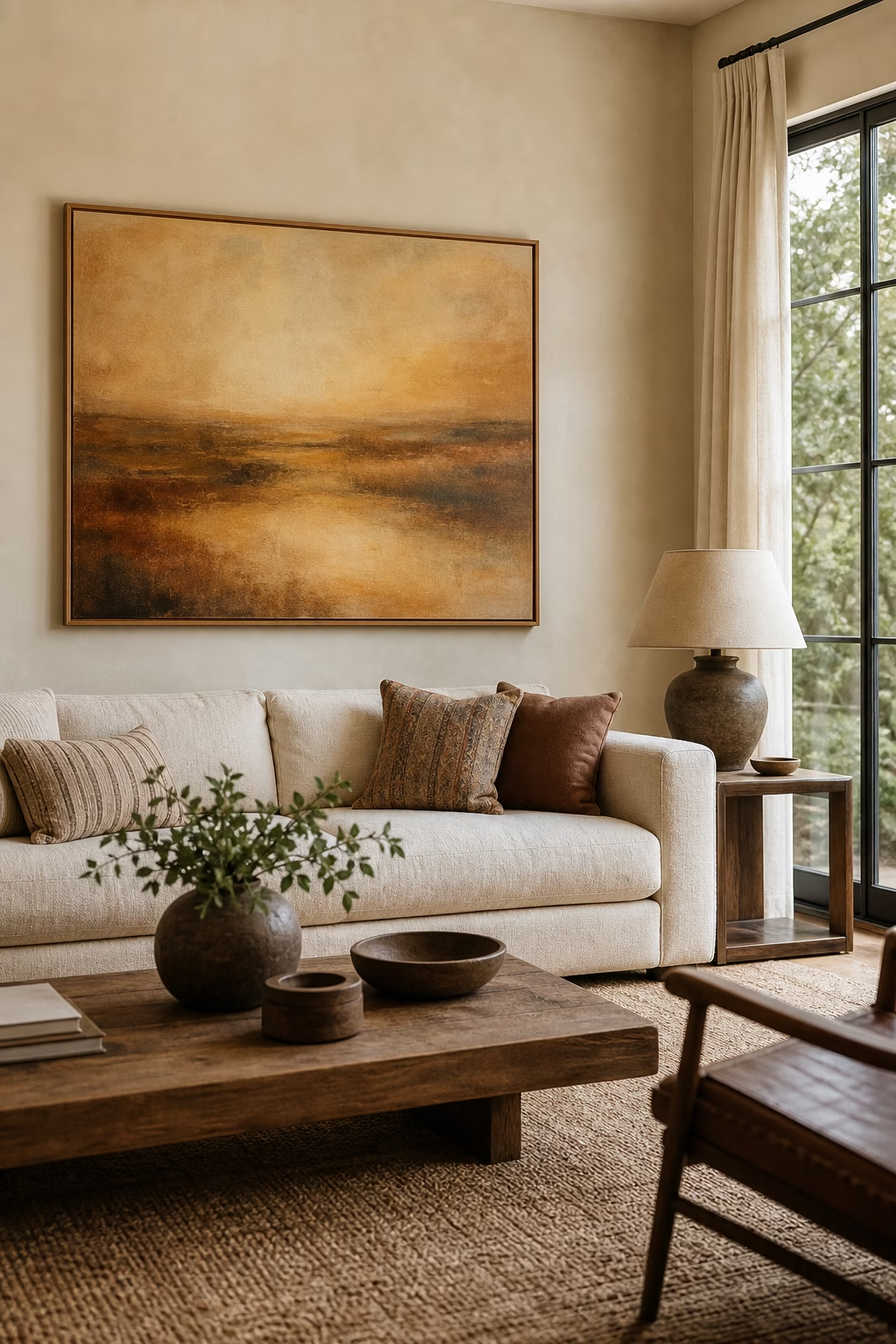
Add Plants Where They Can Thrive
Plants bring life to a living room, but they only look cozy when they are healthy and well placed. Match the plant to the light first, then choose a pot that belongs to the room. A tall plant can soften an empty corner, trailing greenery can relax a shelf, and a small plant can freshen a side table. Avoid blocking walkways or cramming plants behind furniture where watering becomes awkward. Use saucers and liners to protect floors and tables. A few thriving plants are better than many struggling ones. Their organic shape balances upholstery, wood, and architecture in a way accessories rarely can.
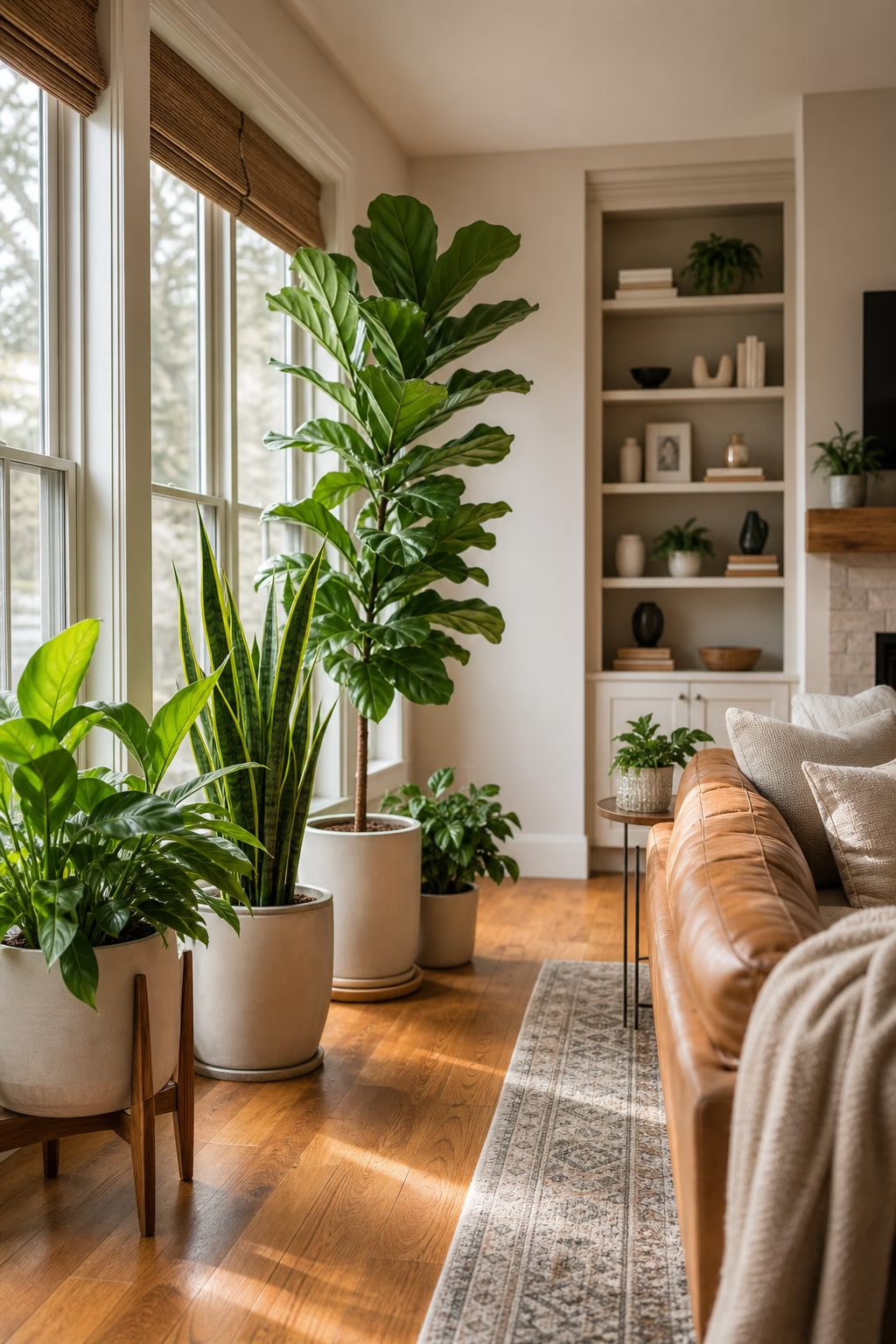
Create a Game or Puzzle Surface
A cozy living room becomes more useful when it supports small rituals beyond watching television. A side table, expandable coffee table, or console with stools can become a place for puzzles, cards, chess, or sketching. Choose a surface that can stay partially clear, with nearby storage for boxes and pieces. Good light matters, so place a lamp within reach. The area should not interrupt the main seating path, but it should be close enough that people can join casually. This kind of thoughtful surface makes the room feel hospitable because it invites activity without requiring a separate game room nearby.
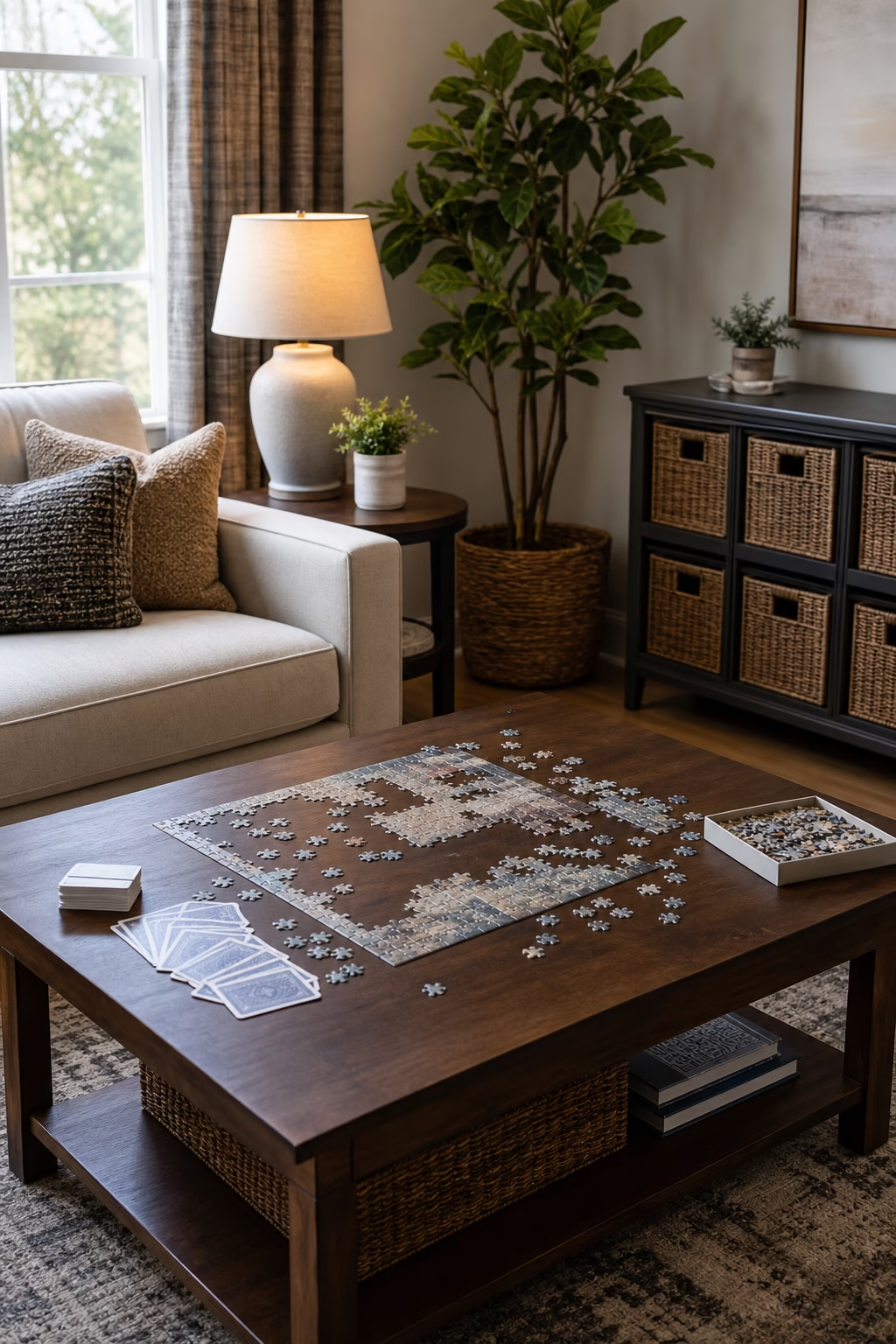
Use Books as Decor You Actually Read
Books add instant warmth because they bring color, scale, and personality into the room. Use them on shelves, coffee tables, consoles, or a small reading stack beside a chair, but keep the arrangement believable. Oversized books can anchor a table, while paperbacks and hardcovers make shelves feel relaxed. Sort loosely by subject, tone, or height rather than forcing a perfect color code that makes browsing difficult. Leave room for new books to enter the mix. The coziest rooms make books easy to pick up, not precious objects arranged only for display. Their casual presence says the living room is meant to be used.
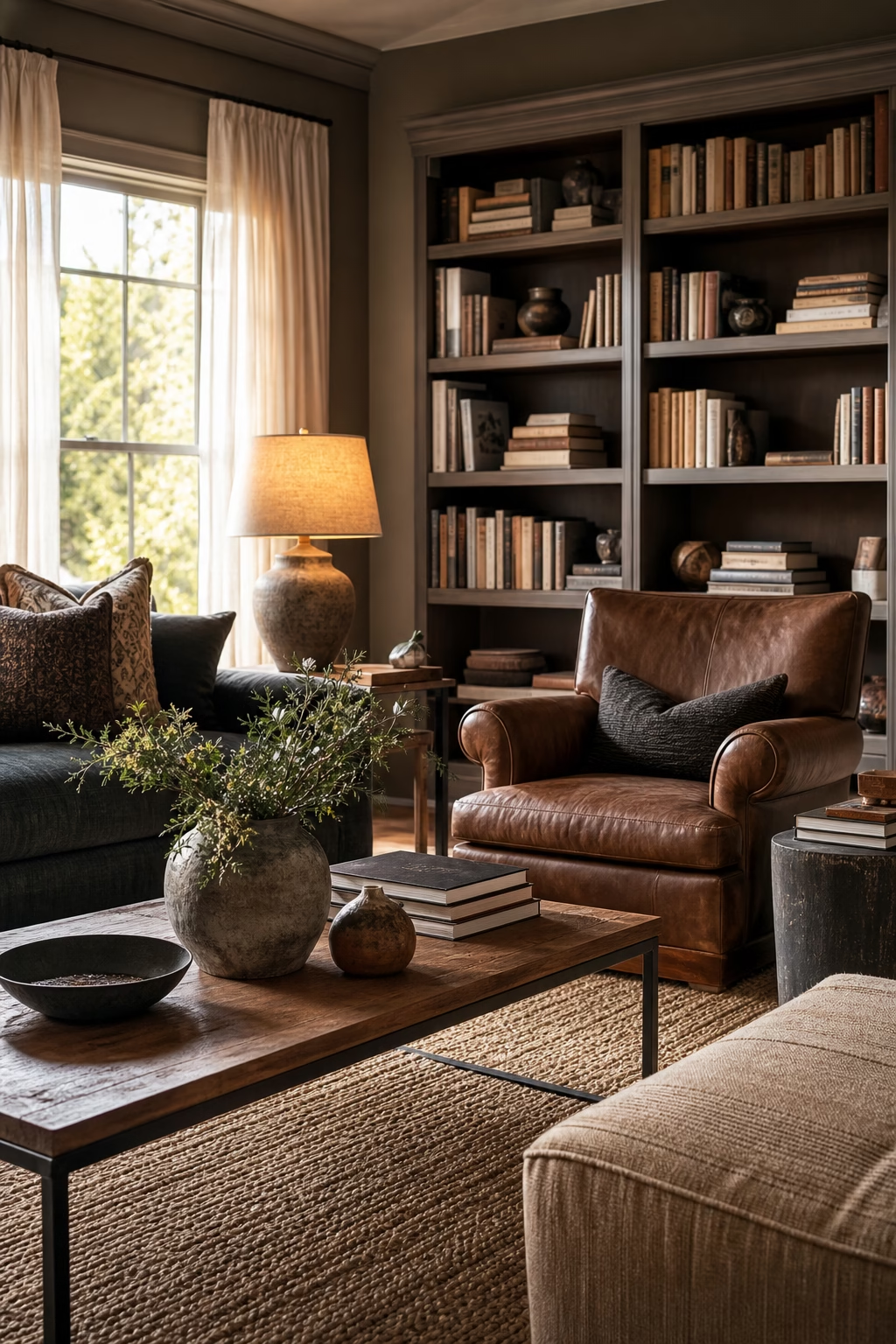
Soften Corners With Round Shapes
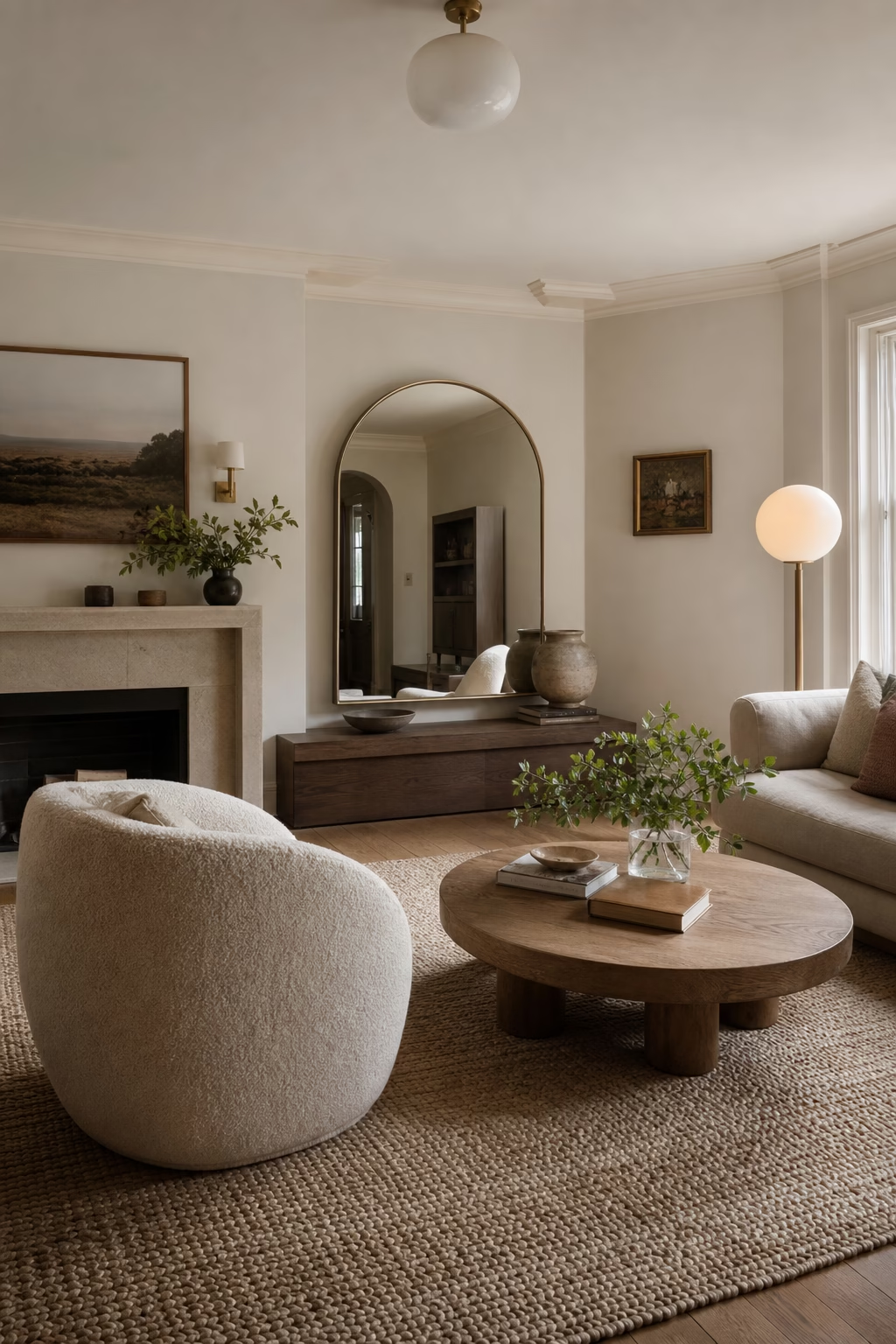
Round shapes make a living room feel easier to move through and gentler to look at. A round coffee table, curved chair back, drum ottoman, arched mirror, or globe lamp can offset the hard lines of windows, sofas, and built-ins. You do not need every piece to be curved; one or two rounded forms can change the whole mood. This is especially helpful in small rooms where sharp corners interrupt circulation. Keep the materials consistent with the palette so the curves feel sophisticated, not playful by default. Soft geometry adds comfort before anyone even sits down, which is why it works so well in cozy homes.
Finish With One Clear Surface
A living room can be layered and still need one clear surface where life can happen. Leave part of the coffee table, console, or side table open for a cup, laptop, flowers, or a child’s drawing. This small amount of negative space makes the decorating feel confident rather than overfilled. Use trays to corral smaller objects and choose storage pieces that absorb the things used daily. A clear surface also makes cleaning faster, which helps the room stay cozy in real life instead of only in photographs. The best finishing touch is often restraint: enough beauty to feel cared for, enough space to feel usable.