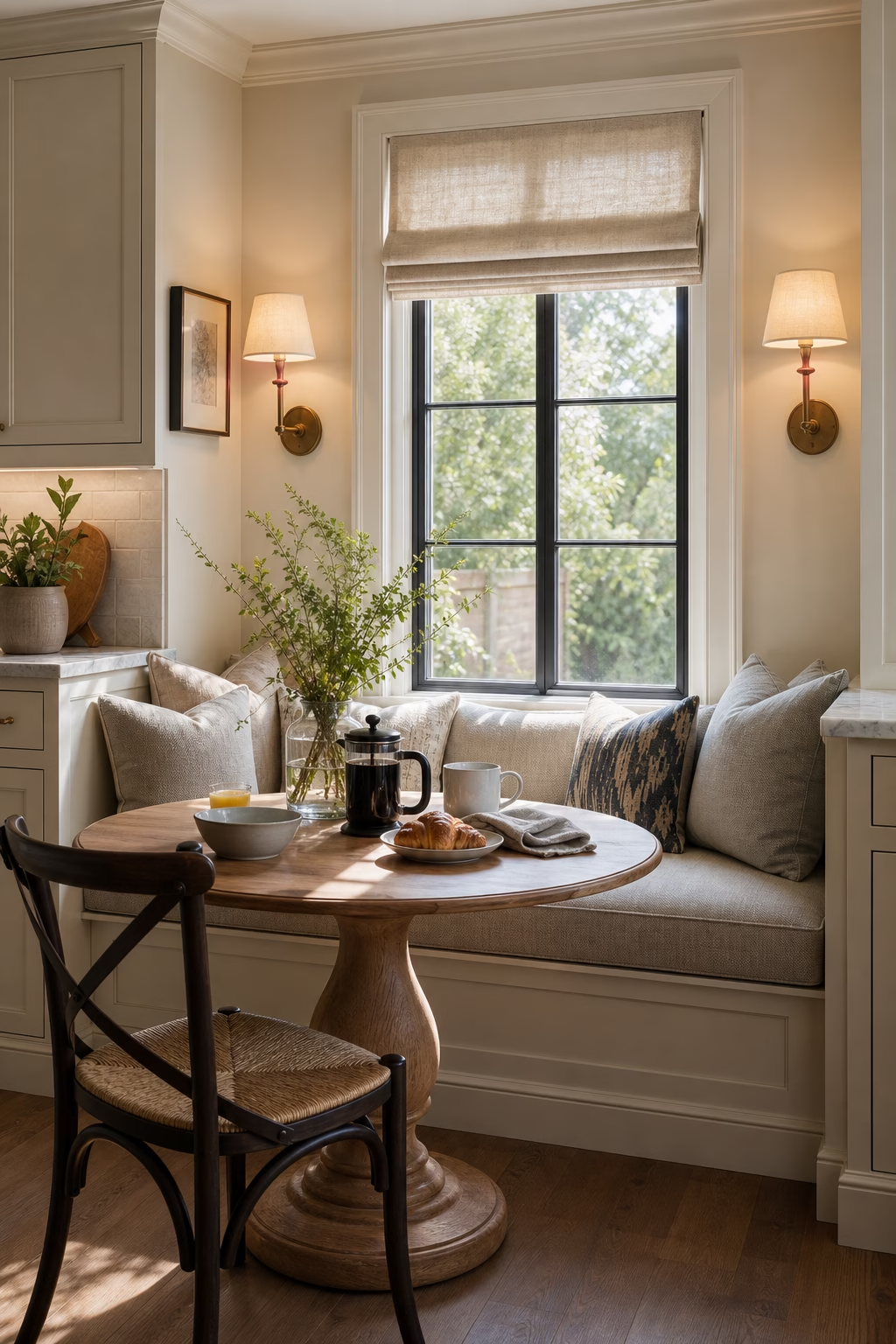
Cozy breakfast nook ideas for turning a kitchen corner into a comfortable, polished place for coffee, family meals, and slow mornings.
- Build Around a Tailored Banquette
- Choose a Narrow Oval Table
- Add Storage Beneath the Seat
- Layer Pillows Without Crowding
- Center a Pendant Over the Table
- Filter Light With Roman Shades
- Hang a Quiet Gallery Wall
- Warm the Palette With Earthy Color
- Use a Corner Window Seat
- Pair a Bench With Cafe Chairs
- Try a Fully Upholstered Bench
- Anchor the Nook With a Round Rug
- Style the Table With a Morning Tray
- Add Open Shelves Nearby
- Bring In Beadboard or Wainscoting
- Make a Tiny Two-Seat Nook
- Mix Banquette and Loose Chairs
- Wrap the Corner in Tile
- Include a Small Bookcase
- Add a Plant for Natural Texture
- Paint the Banquette a Deep Color
- Use a Marble Bistro Table
- Layer Sconces With Window Light
Build Around a Tailored Banquette
A built-in banquette instantly makes a breakfast nook feel intentional because it turns an awkward corner into architecture. The best versions look tailored rather than bulky: a clean base, a comfortable seat height, and cushions that fit precisely from end to end. Choose performance fabric if the nook will handle coffee, jam, and children’s breakfasts. A round pedestal table keeps knees from fighting with table legs, while a few loose pillows soften the joinery. Pay attention to the back angle; an upright bench may photograph well but feel stiff in daily use. When the proportions are right, a banquette gives the room storage, comfort, and a sense of cozy enclosure without needing much extra decoration.
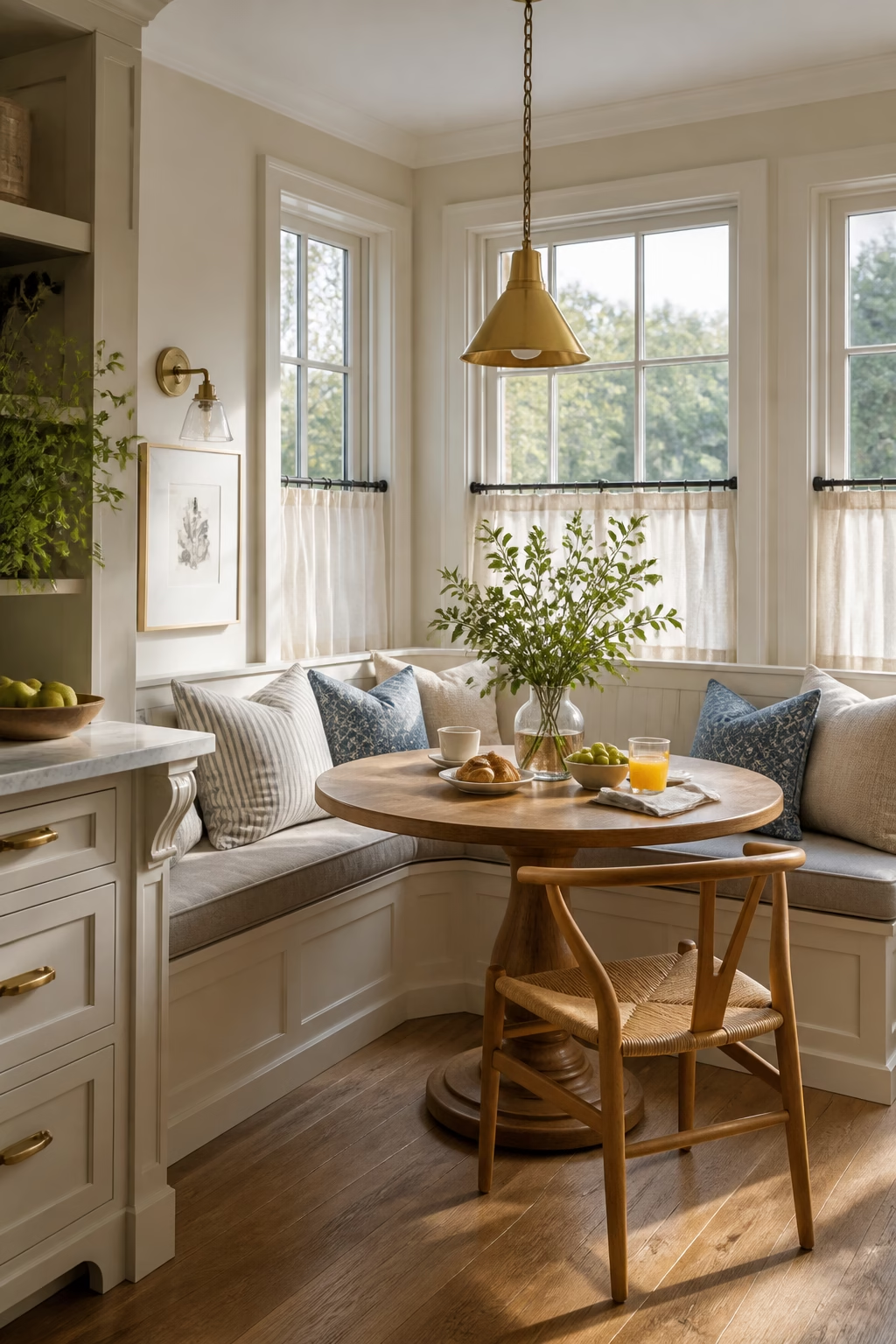
Choose a Narrow Oval Table
A narrow oval table is one of the smartest choices for a breakfast nook because it softens corners and improves circulation. It gives more usable surface than a tiny round table but still lets people slide in and out easily. Look for a pedestal base or slim legs set inward, especially if one side of the nook has a bench. The oval shape works beautifully in a bay window, along a kitchen wall, or in a small apartment dining corner. Keep the tabletop styling simple: a small vase, two mugs, and a folded napkin can be enough. The goal is a nook that feels intimate, not cramped, with every inch serving the morning routine.
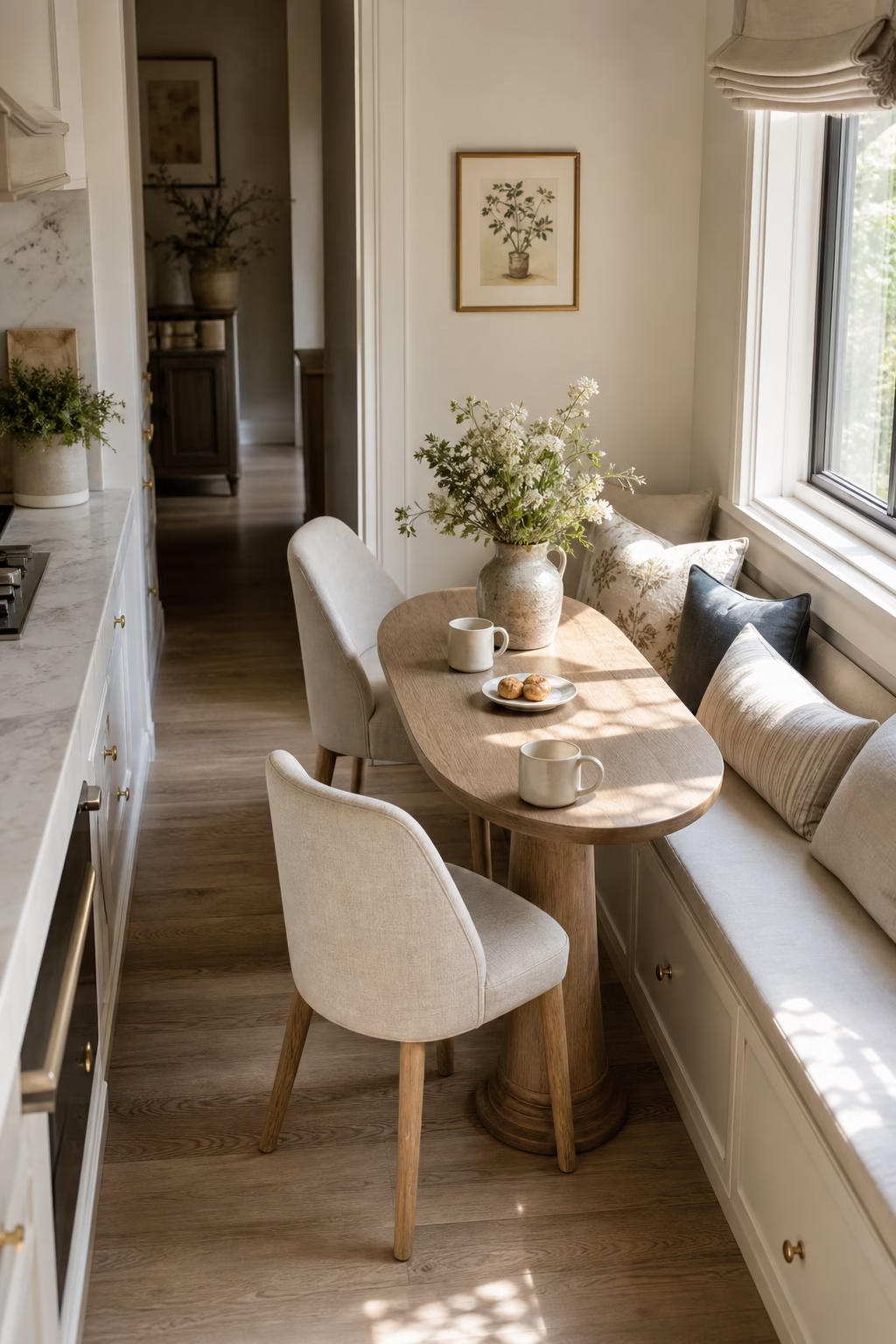
Add Storage Beneath the Seat
Hidden storage makes a breakfast nook work harder without changing its cozy character. Drawers are easier to use than lift-up lids because you do not have to remove cushions or pillows every time you need something. Use the space for placemats, napkins, board games, pet supplies, or seasonal table linens. Keep the drawer fronts aligned with the banquette base so the storage feels built-in rather than added later. Hardware should be comfortable to grip but not so projecting that it catches legs. This is a practical upgrade, but it also improves the room visually: when small items have a home, the table can stay clear and the nook keeps its calm morning mood.
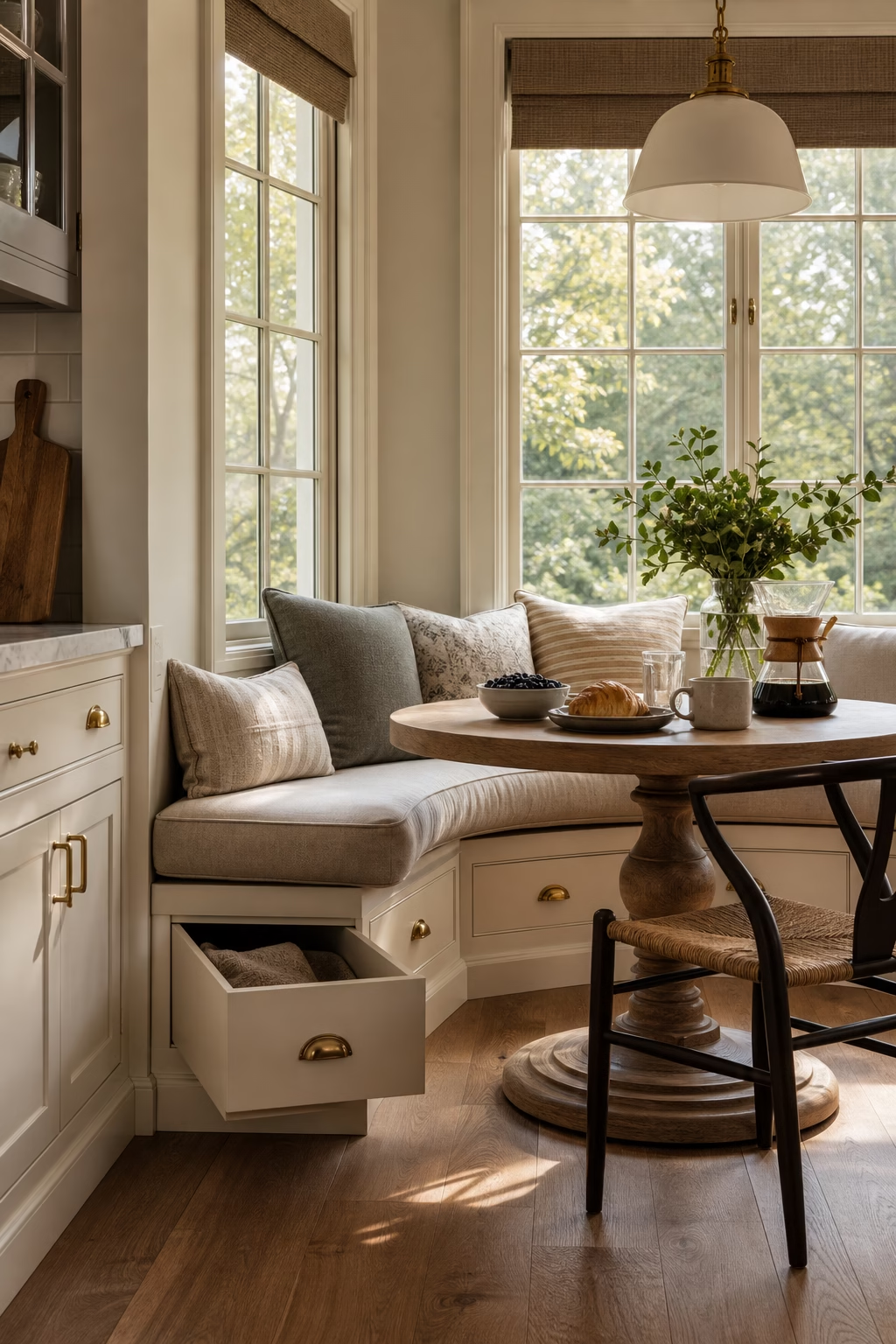
Layer Pillows Without Crowding
Pillows make a breakfast nook inviting, but too many can steal seat depth and turn breakfast into rearranging. Start with a firm back cushion, then add two or three pillows in varied sizes. Mix one small pattern with solids or subtle texture so the nook feels designed, not busy. Performance linen, indoor-outdoor woven fabric, and washable covers are worth the investment because kitchen seating sees real use. Keep the palette connected to the room: one color can echo cabinetry, tile, or Roman shades. The most comfortable arrangement leaves enough open cushion for someone to sit down without moving half the styling. Cozy should still be easy.
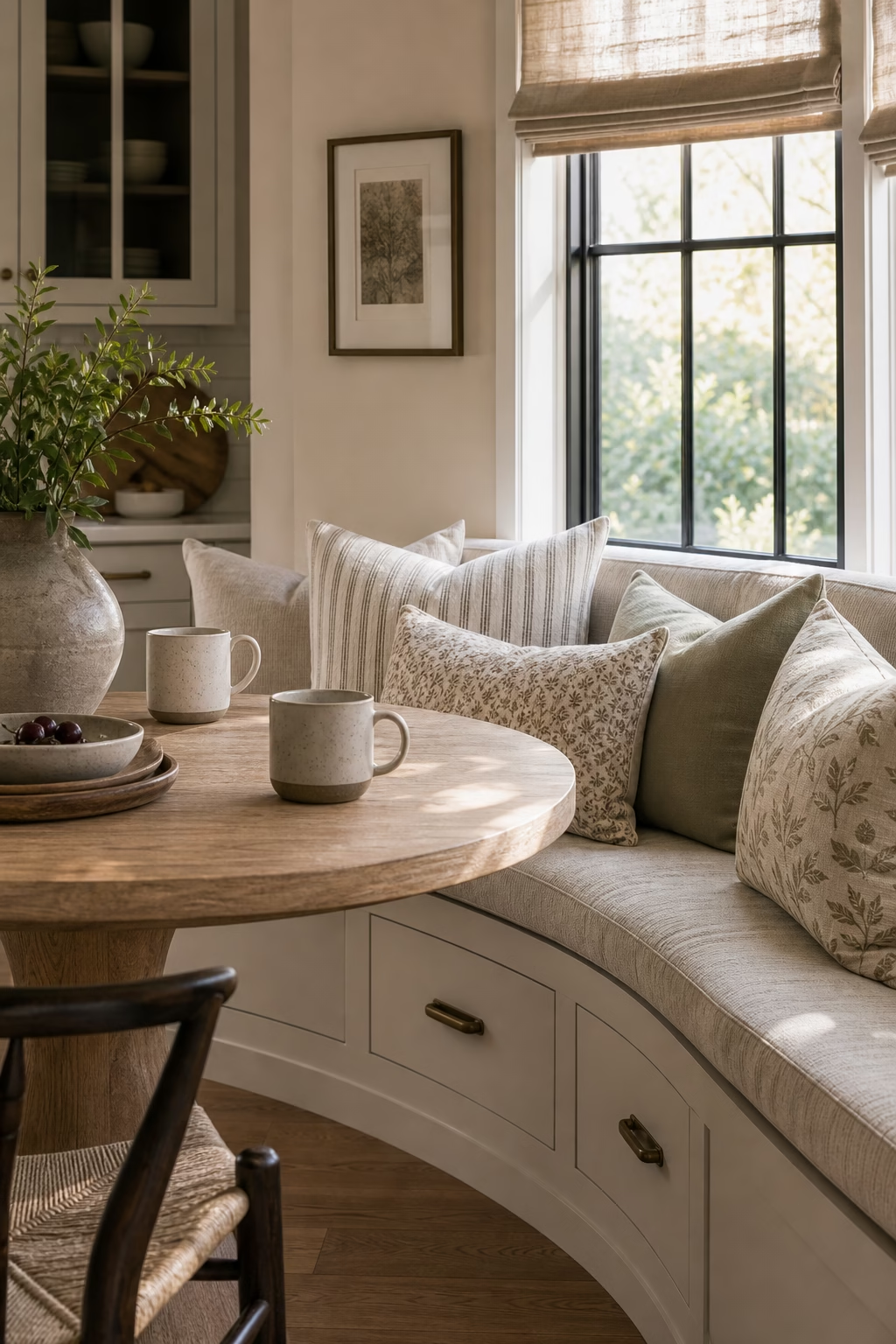
Center a Pendant Over the Table
Lighting can make a breakfast nook feel like its own room, even when it sits inside a kitchen. A pendant centered over the table creates that boundary. Hang it low enough to feel intimate but high enough to preserve sight lines and head clearance. The fixture should relate to the table shape: a small drum, globe, cone, or woven shade usually works better than an oversized chandelier. If the kitchen already has strong lighting, choose a pendant with softer texture rather than more shine. Add a dimmer so the nook can shift from bright morning coffee to a quiet evening homework spot. Good lighting gives the corner presence without adding clutter.
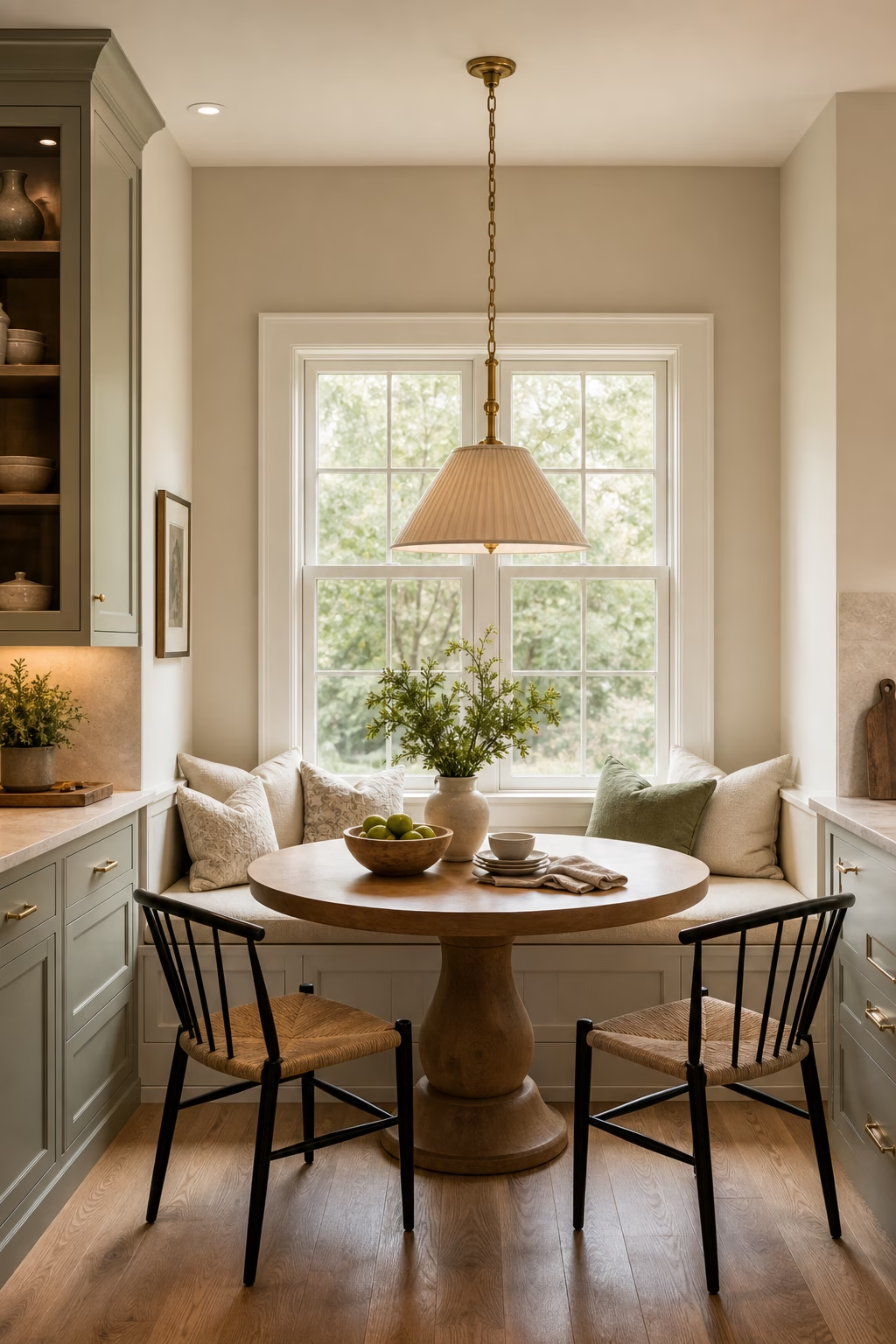
Filter Light With Roman Shades
Roman shades bring softness to a breakfast nook while controlling glare during morning hours. They are especially useful when the table sits beside east-facing windows. Choose a woven, linen, or relaxed flat style that folds neatly above the glass and does not interfere with the banquette back. A shade color close to the wall keeps the nook calm; a subtle stripe can add charm if the rest of the room is plain. Lining matters, too. Privacy lining protects the corner at night, while light-filtering fabric keeps breakfast bright. The result is practical comfort with a finished, custom look that plain blinds rarely achieve.
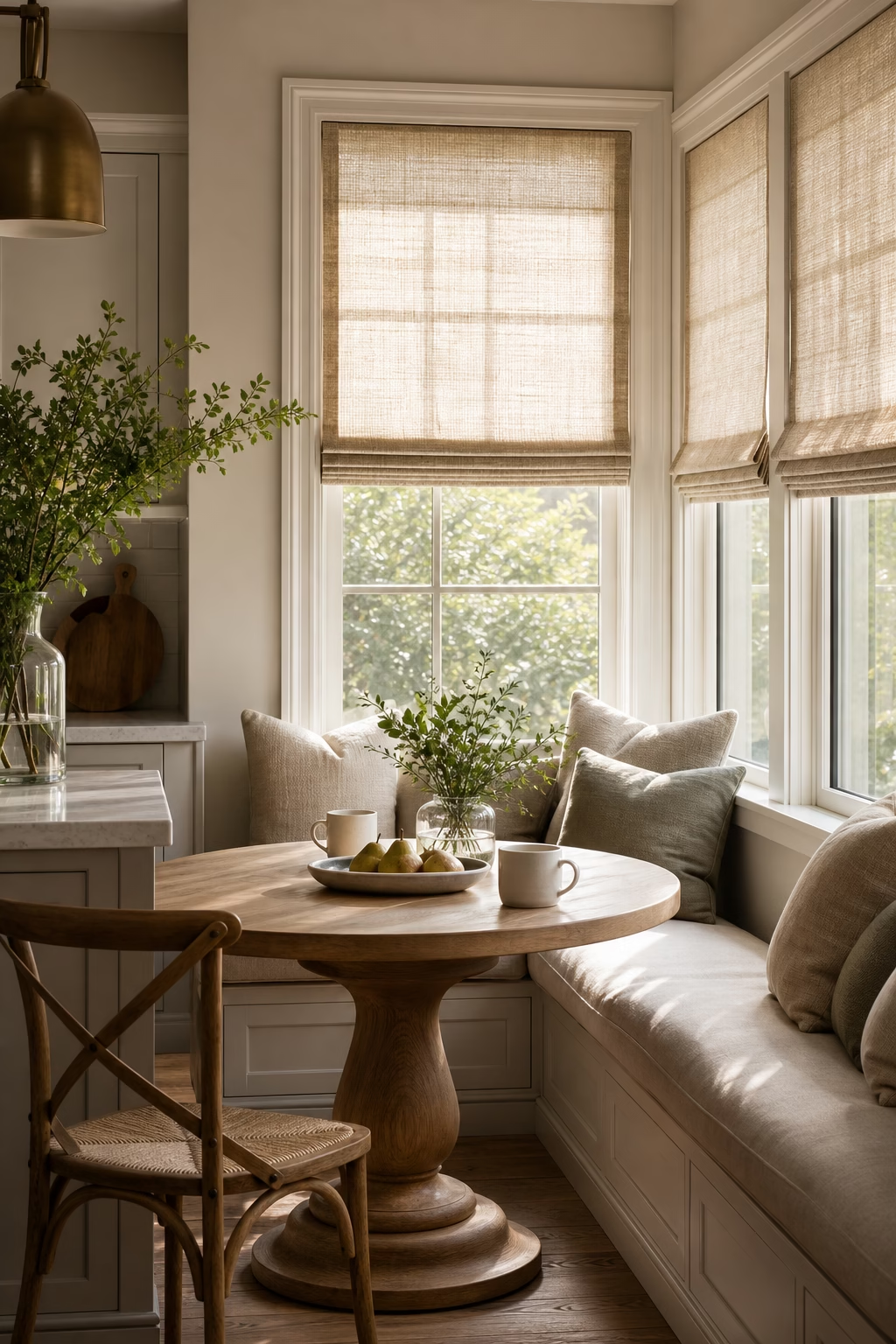
Hang a Quiet Gallery Wall
A gallery wall can give a breakfast nook personality without taking up table space. Keep it quiet and collected: three to five frames, related tones, and artwork that feels appropriate for a kitchen. Botanical studies, small landscapes, abstract sketches, or family-friendly photography all work when the scale is restrained. Hang the lowest frame high enough that pillows do not rub against it, and avoid glass that reflects harsh morning light. The frames should relate to the nook’s hardware or table finish so the wall feels connected. This is a good place for charm, but not clutter. A small gallery can make breakfast feel personal and considered.
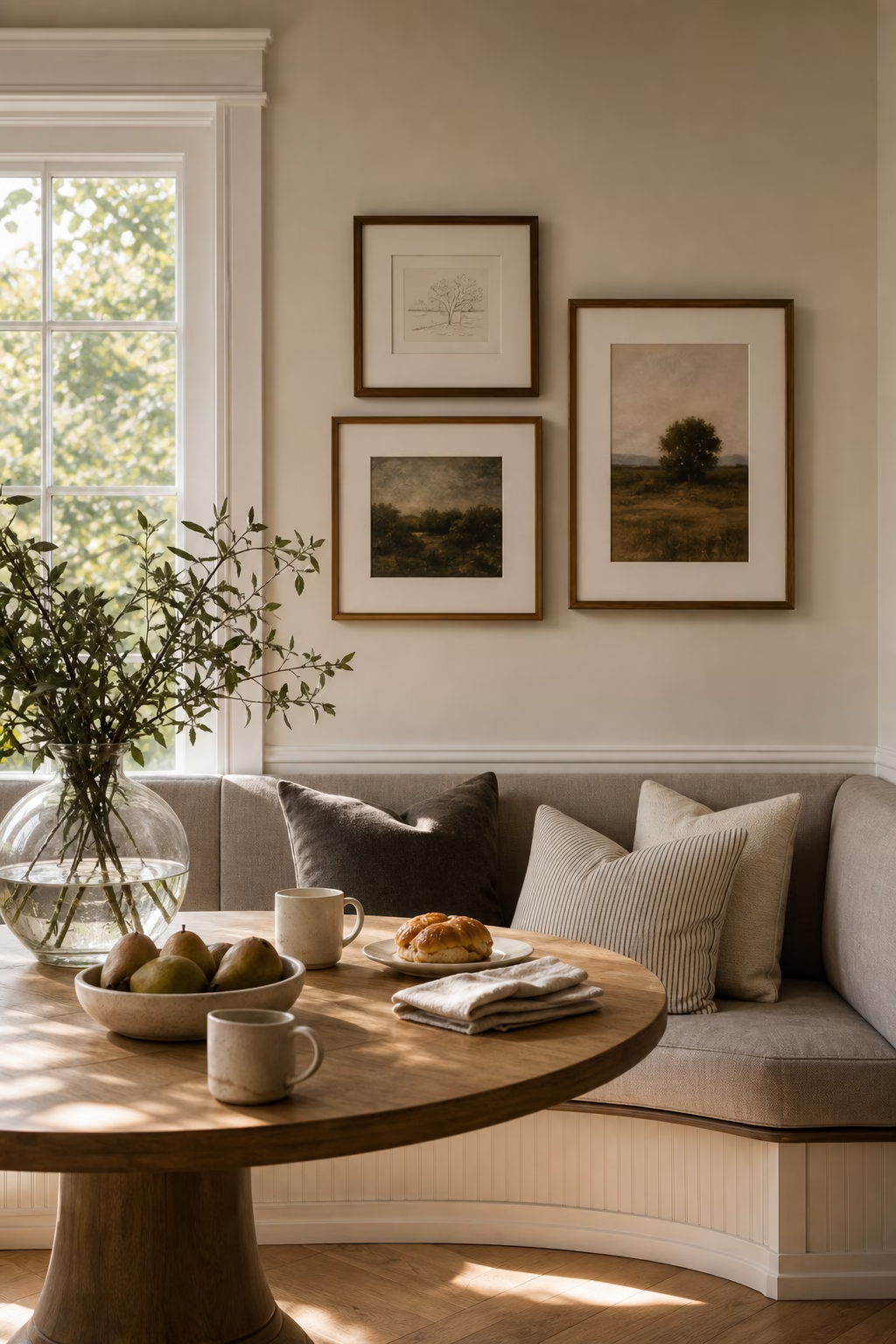
Warm the Palette With Earthy Color
A cozy breakfast nook does not need to be dark. Warmth can come from earthy color: terracotta, ochre, olive, clay, mushroom, or muted rose. Use these tones in pillows, seat fabric, artwork, or a small vase rather than painting every surface. Earthy colors pair well with oak, cream cabinetry, brass, and natural stone, so they feel sophisticated instead of sugary. If the kitchen is mostly white, one grounded color can keep the nook from looking like an afterthought. Repeat it twice in small doses for balance. The result feels cheerful in the morning and warm later in the day, which is exactly what a nook should do.
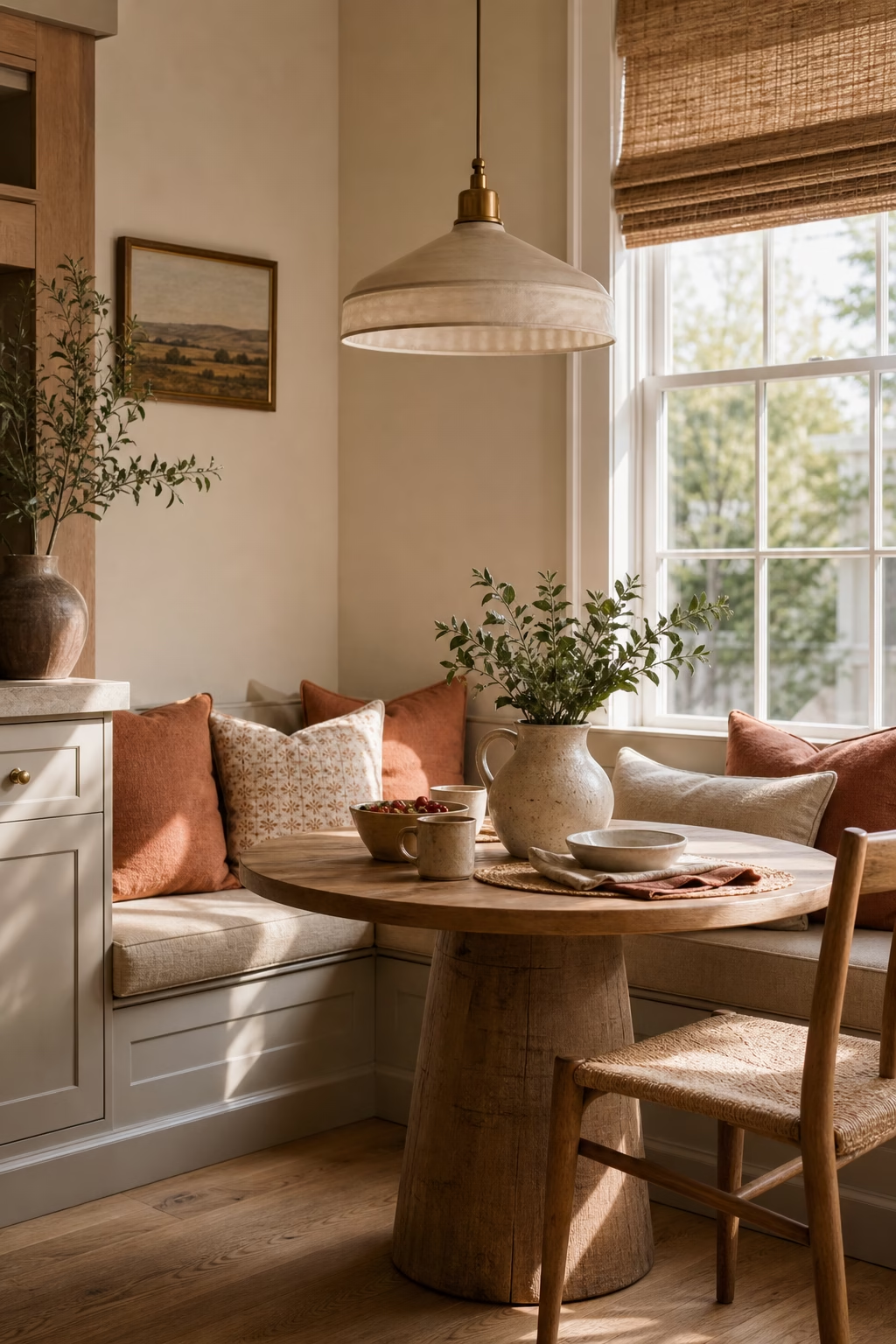
Use a Corner Window Seat
A corner window seat gives a breakfast nook the feeling of a tiny retreat. Two walls of glass bring in light from different directions, making even a compact table feel generous. Keep the bench lines simple so the windows remain the main feature, and choose cushions that fit cleanly around the corner. A round table is usually easiest because it leaves equal access from each side. If privacy is needed, use soft Roman shades or cafe curtains that do not hide the architecture. This layout works best when the view, daylight, and seating all support one another. It makes morning coffee feel like a small ritual rather than a rushed stop.
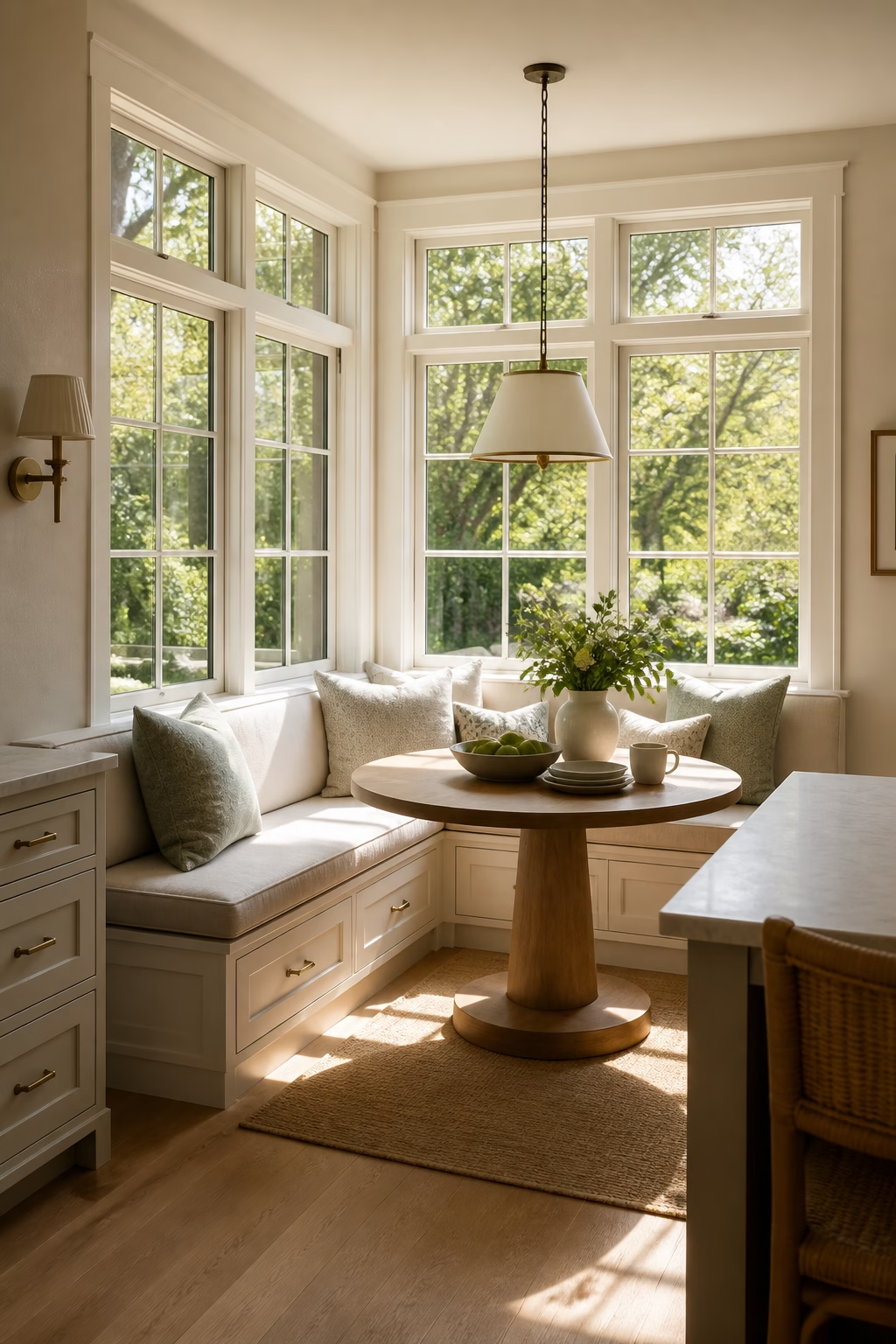
Pair a Bench With Cafe Chairs
Cafe chairs keep a breakfast nook light on its feet. When paired with a built-in bench, they add flexibility without making the corner feel formal. Bentwood, cane, or slim spindle chairs are especially useful because they bring texture and curve while remaining easy to pull back. Choose chairs that tuck comfortably under the table and do not overpower the bench height. This mix works well in small kitchens because the chairs can move to another room when extra seating is needed. Keep finishes coordinated but not identical; a little contrast makes the nook feel collected. The goal is casual comfort with enough polish to belong in a finished kitchen.
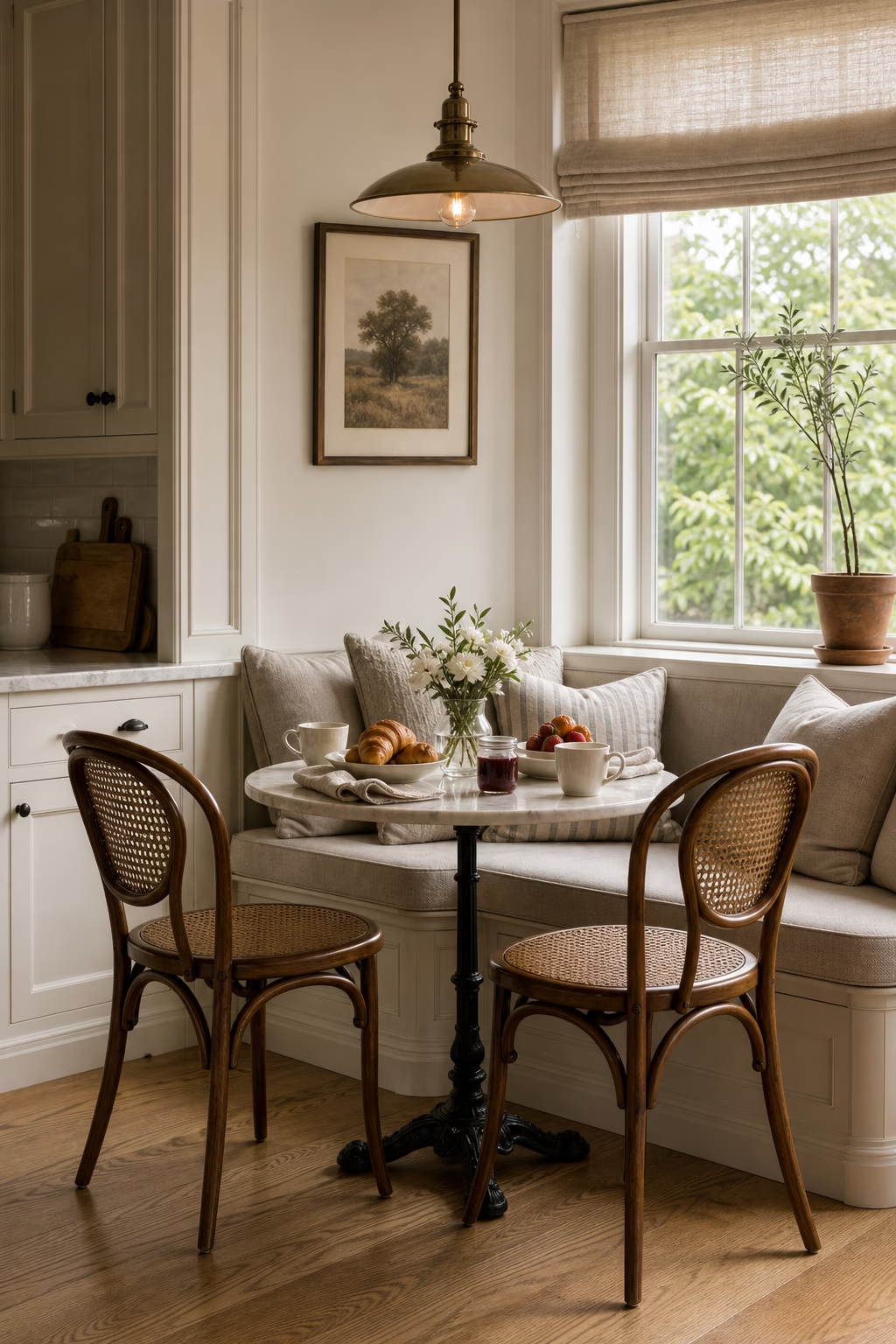
Try a Fully Upholstered Bench
A fully upholstered bench turns a breakfast nook into the softest seat in the kitchen. It is a strong choice when the surrounding room has a lot of cabinetry, tile, or stone because fabric balances the harder materials. Use a tailored seat and back, not loose cushions that slide out of place. Performance fabric is essential, and a medium tone hides wear better than bright white. Piping, channeling, or a simple boxed edge can make the upholstery feel custom without being fussy. Pair it with a table that has a wipeable surface so the nook stays practical. The contrast between soft seating and everyday function is what makes it feel luxurious.
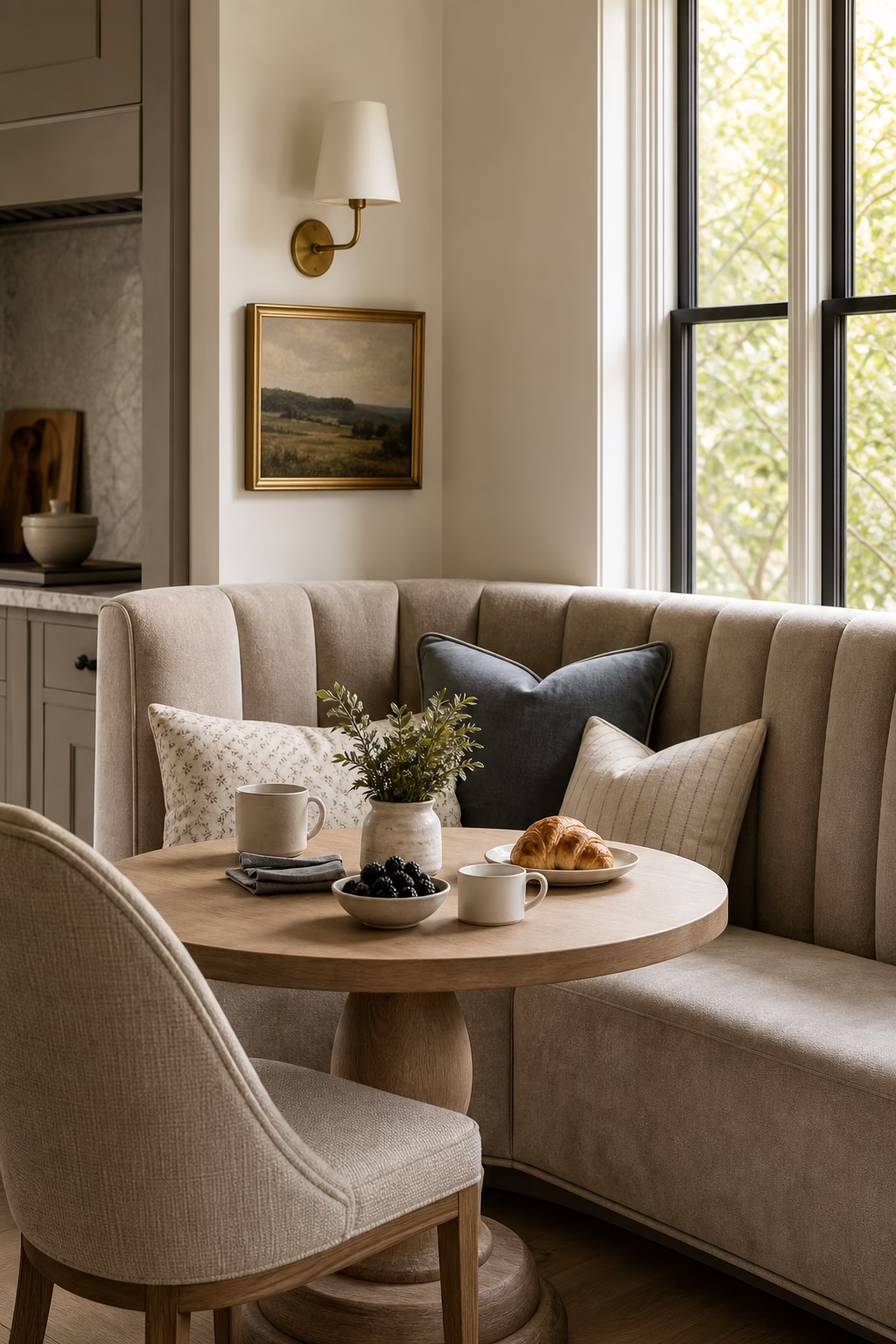
Anchor the Nook With a Round Rug
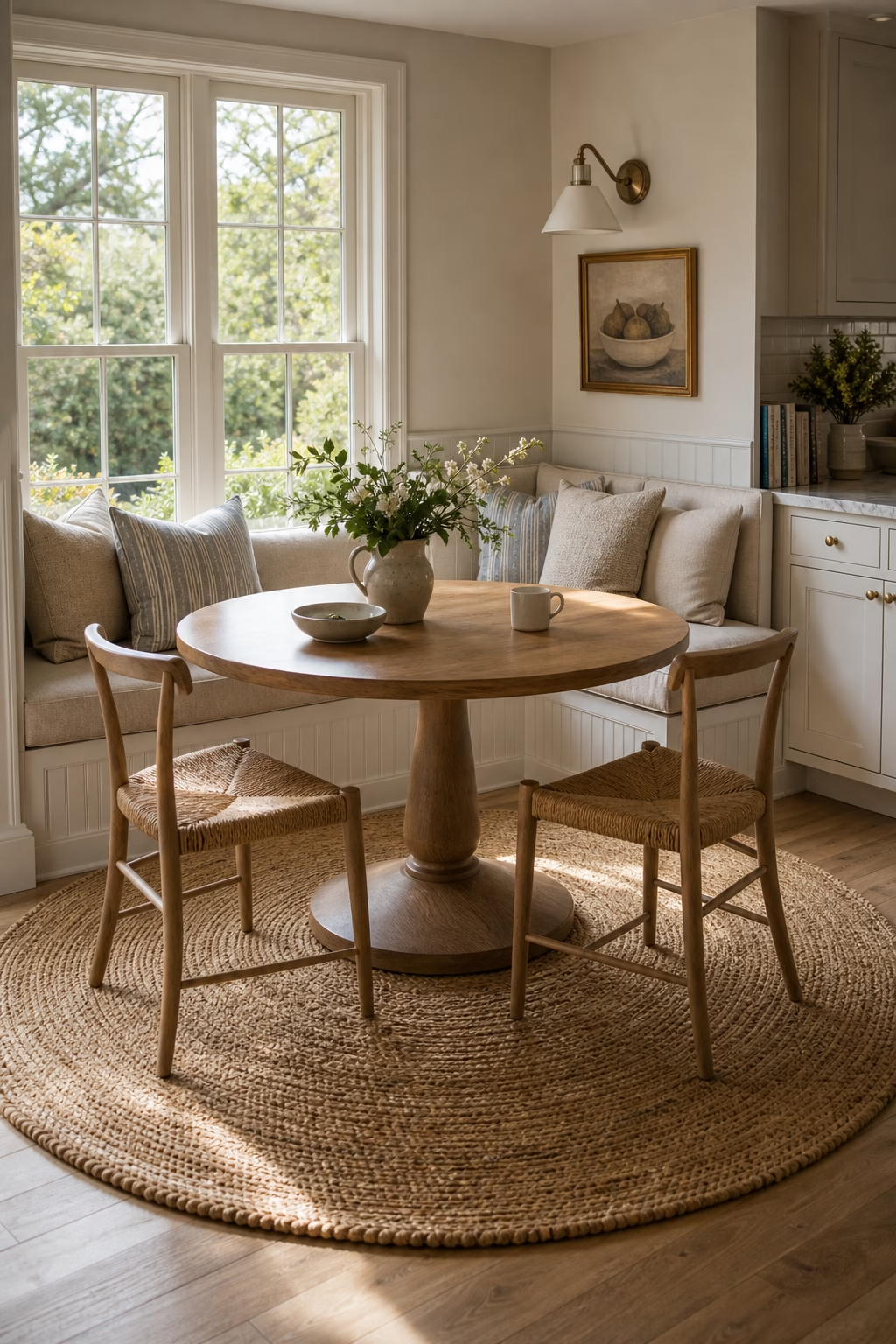
A round rug can make a breakfast nook feel complete, especially when the table is round or oval. The rug should be large enough that chair legs stay on it when pulled out slightly; too small will look decorative but function poorly. Flatweave wool, jute, or indoor-outdoor styles are best because crumbs and chair movement are inevitable. The texture adds warmth underfoot and helps separate the nook from the kitchen work zone. Keep pattern subtle if the pillows or shades already have personality. A rug is not required in every kitchen, but when the floor feels cold or the nook floats visually, it can be the detail that grounds everything.
Style the Table With a Morning Tray
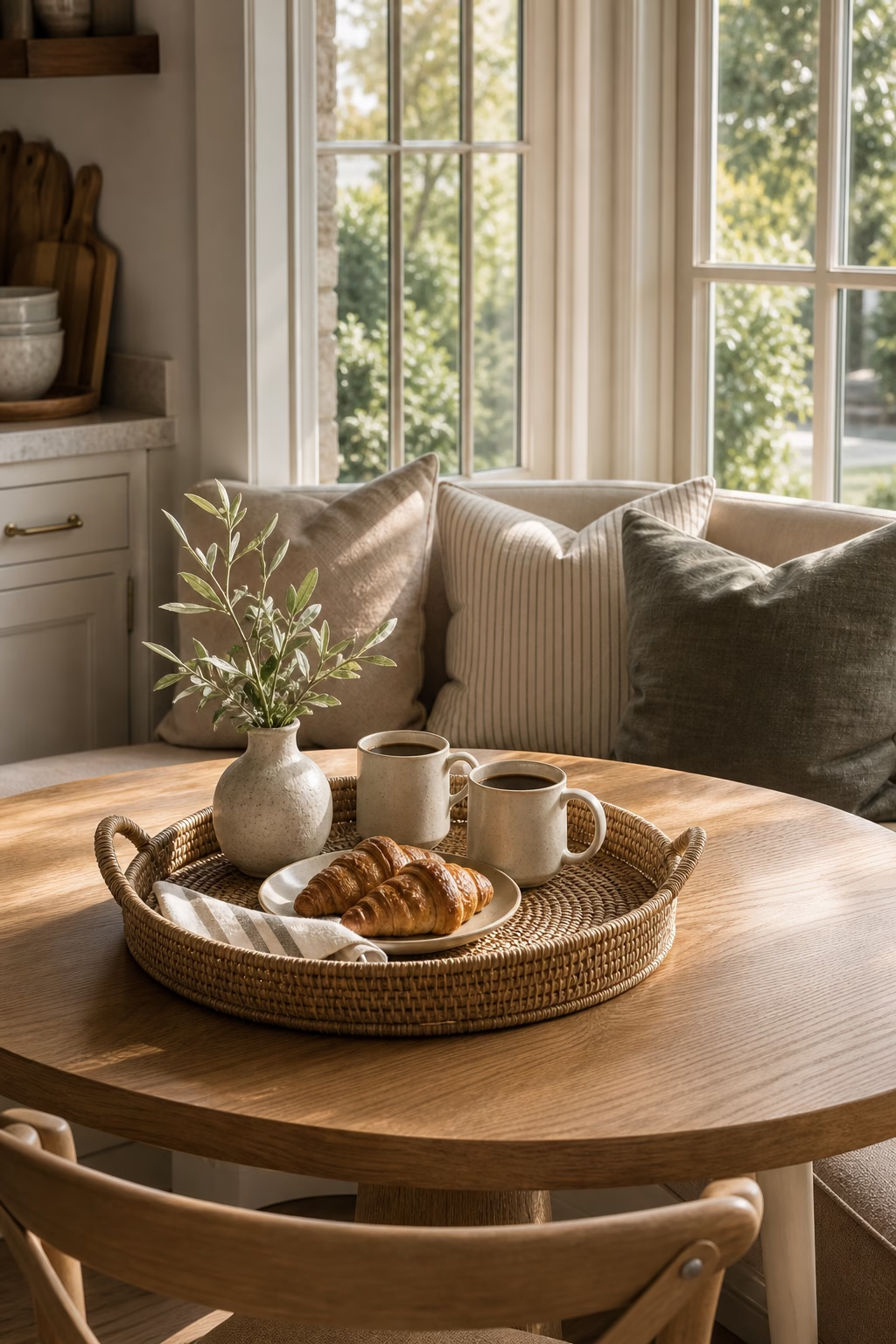
A breakfast tray gives the table a styled look that still makes sense for daily life. Use it to hold coffee cups, a small vase, napkins, and perhaps a bowl of fruit or pastries. The tray keeps small items grouped, which makes the table easier to clear when someone needs space for a laptop or homework. Choose wood for warmth, metal for polish, or woven texture for a relaxed kitchen. Keep the arrangement low and leave room for plates. This is one of the easiest ways to make a breakfast nook feel welcoming in the morning without creating a centerpiece that has to be moved before anyone can sit down.
Add Open Shelves Nearby
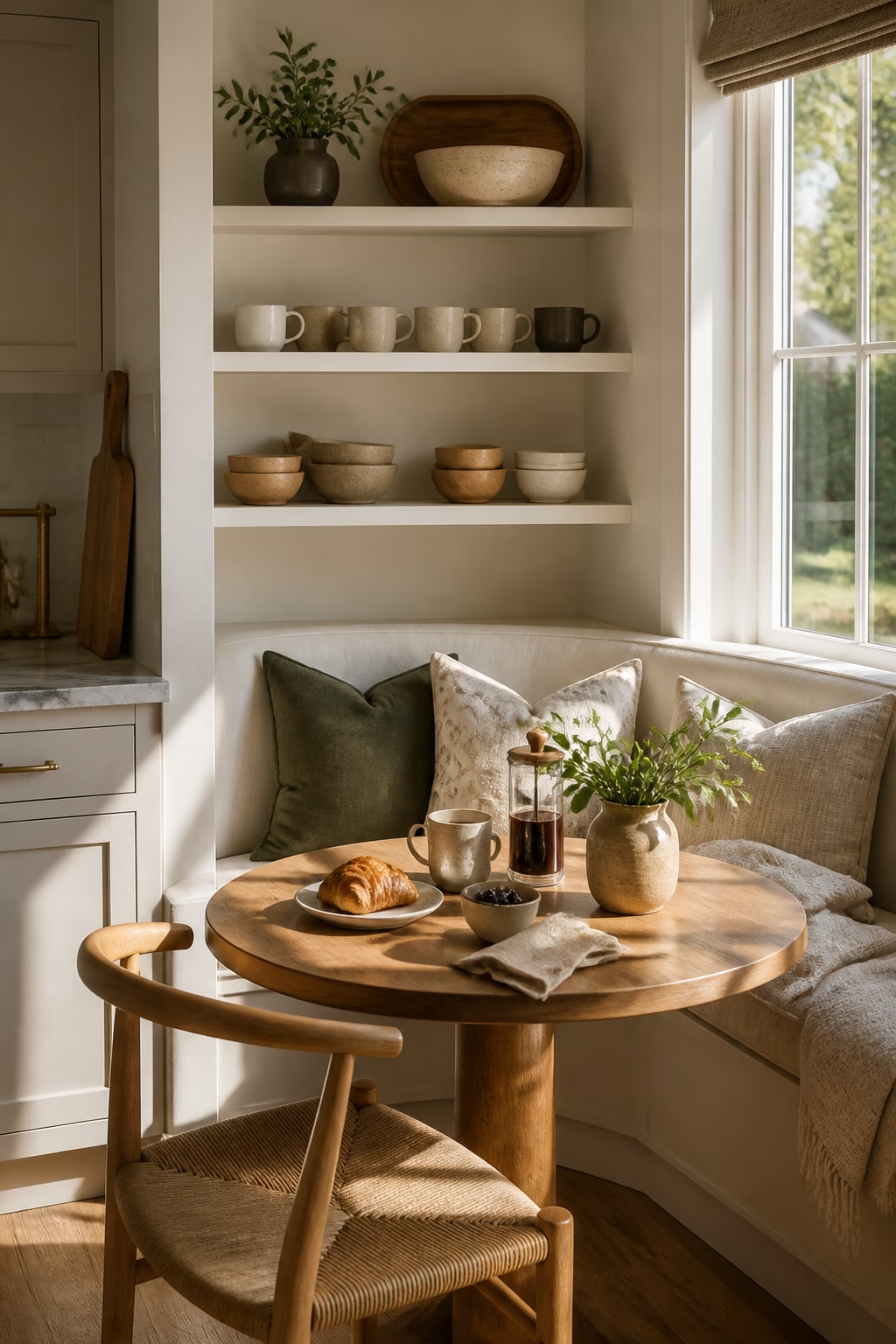
Open shelves near a breakfast nook can make the corner more useful and more charming. Keep them shallow so they do not crowd the seating, and stock them with pieces that support the morning routine: mugs, small bowls, coffee canisters, folded napkins, or a few favorite ceramics. Editing is important because shelves beside a table are always in view. Leave open space between objects and repeat materials from the nook, such as oak, ceramic, brass, or painted wood. A tiny shelf can also hold a bud vase or lamp if outlets allow. Done well, the shelves make the nook feel like a complete destination rather than leftover kitchen space.
Bring In Beadboard or Wainscoting
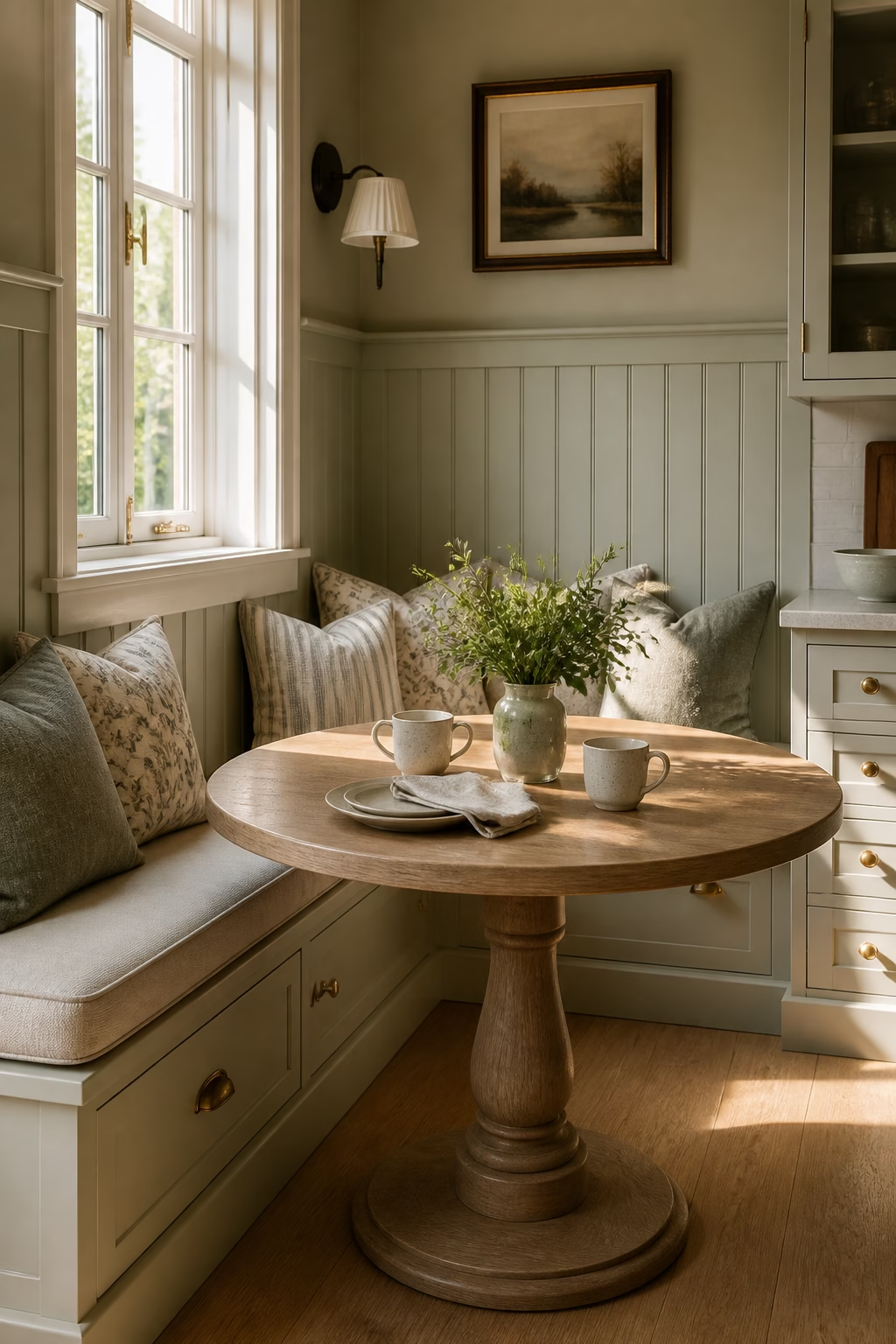
Millwork gives a breakfast nook architectural weight, especially in a plain kitchen corner. Beadboard, vertical paneling, or simple wainscoting can wrap the bench wall and make the seating feel built in even if the bench is modest. Paint it the same color as the cabinetry for a seamless look, or go one shade deeper for definition. The panel height should relate to the bench back and window trim, not stop randomly. This detail also protects the wall from scuffs and chair movement. Paired with a tailored cushion and a small table, millwork turns a practical eating spot into a cozy, designed feature.
Make a Tiny Two-Seat Nook
A breakfast nook does not need to seat a crowd to be worthwhile. A two-seat bench, a petite table, and one slim chair can transform a small kitchen corner into the most-used spot in the house. The key is honest scale. Choose a table just large enough for two plates and coffee, and avoid chairs with wide arms or bulky backs. Wall-mounted lighting or a small pendant can add polish without taking floor space. Keep colors light if the area is tight, then bring warmth through wood, linen, or a woven shade. A tiny nook succeeds when it feels deliberate, not squeezed in as an afterthought.
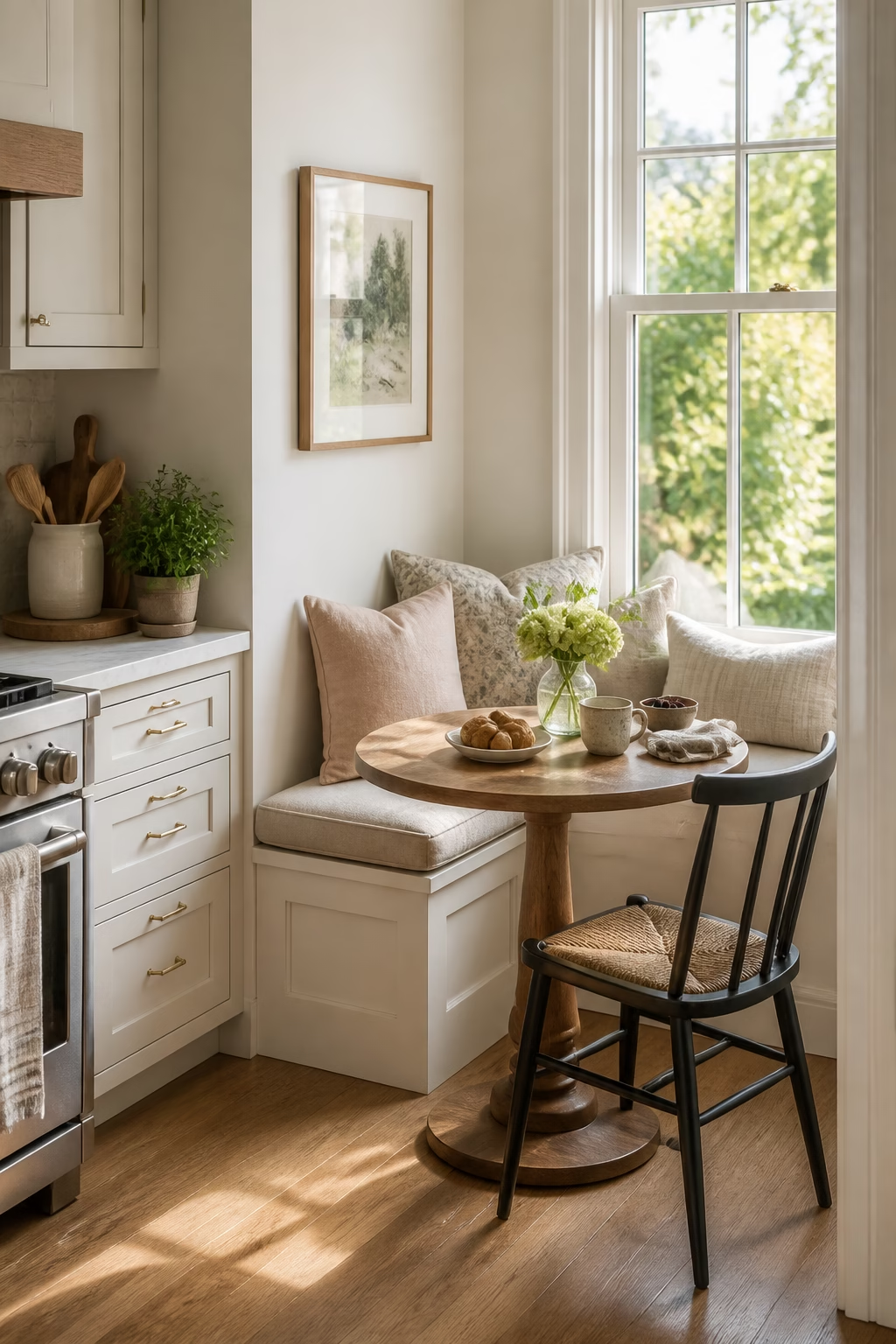
Mix Banquette and Loose Chairs
Mixed seating makes a breakfast nook more flexible and visually layered. A banquette on one side saves space, while loose chairs opposite let guests adjust their comfort. This works best with an oval or rectangular table that gives each seat enough knee room. The chairs do not have to match the bench, but their height and visual weight should feel compatible. Upholstered chairs make the nook softer; wood or cane chairs keep it lighter. Repeat one element, such as fabric color or wood tone, so the mix feels intentional. This approach is ideal for family kitchens because it balances built-in efficiency with real-life movement.
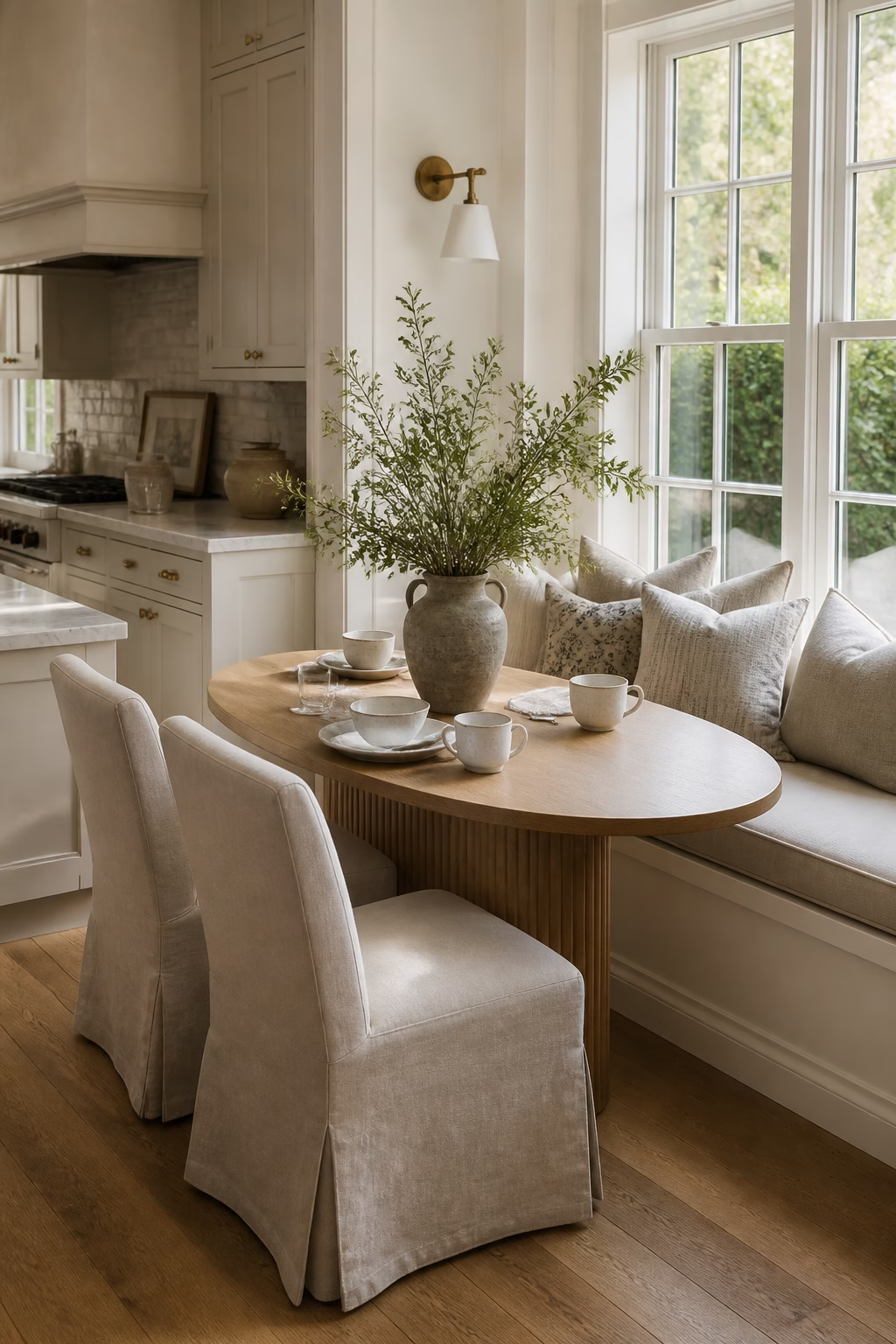
Wrap the Corner in Tile
Tile can make a breakfast nook feel durable and special, particularly when the nook sits inside a hardworking kitchen. A low tiled wall, a wraparound backsplash, or handmade tile behind the banquette adds texture that wipes clean. Choose tile with subtle variation so morning light catches the surface without making the room busy. Keep grout color close to the tile for a softer look, or darker for definition in a casual space. Pair tile with cushions and wood so the corner does not feel cold. This is a practical design move, but it also gives the nook the kind of custom detail that makes a kitchen memorable.
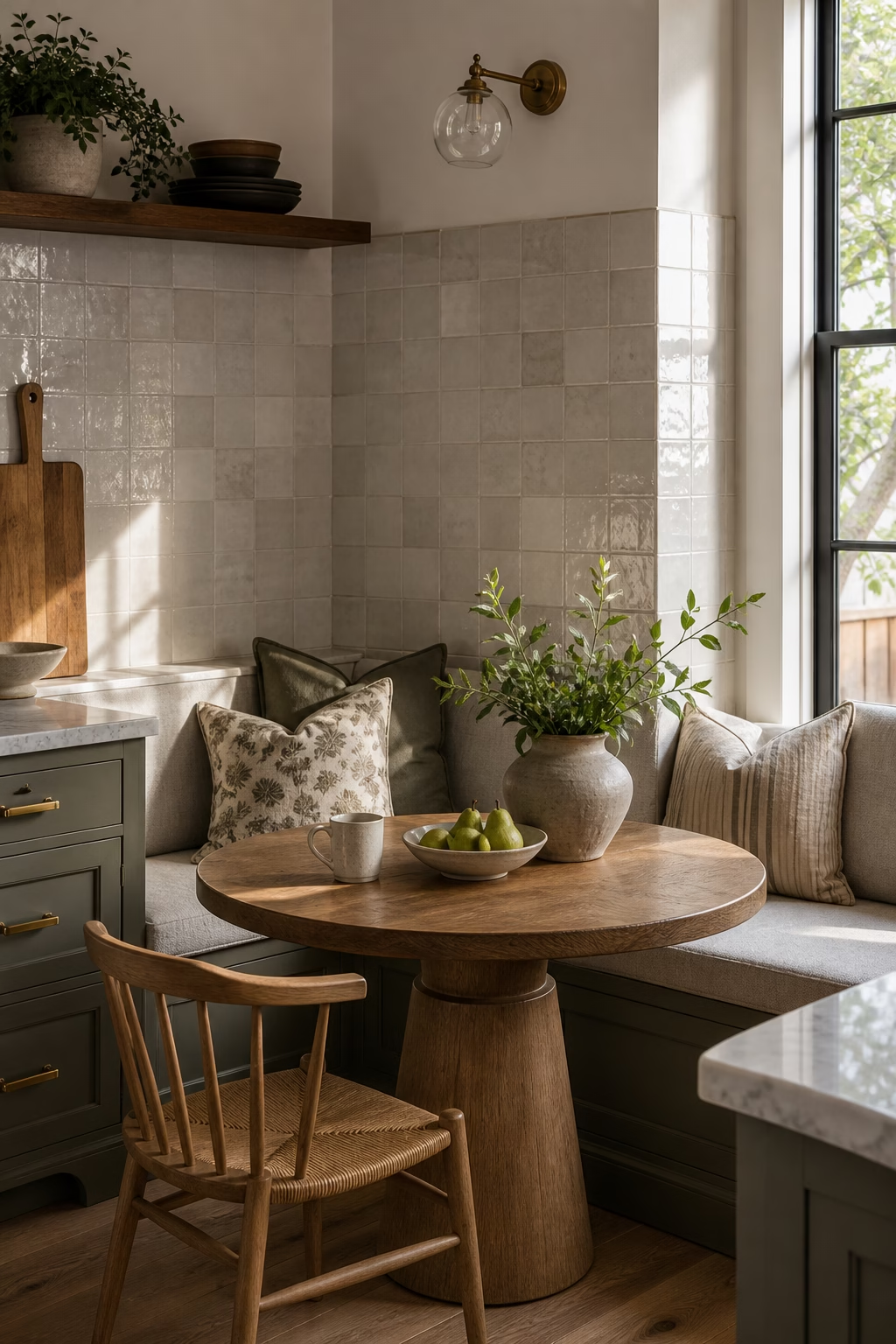
Include a Small Bookcase
A small bookcase can turn a breakfast nook into a morning reading spot. Built-in shelves beside or above the bench are perfect for cookbooks, children’s books, ceramics, and a few everyday objects. Keep the shelves shallow and edited so they do not overwhelm the table. If book spines add too much visual noise, turn some horizontally or mix them with simple bowls and baskets. This idea works especially well in homes where the kitchen is the family hub. It gives the nook another purpose beyond meals and makes the corner feel relaxed, personal, and lived in. Good storage can be decorative when it is composed carefully.
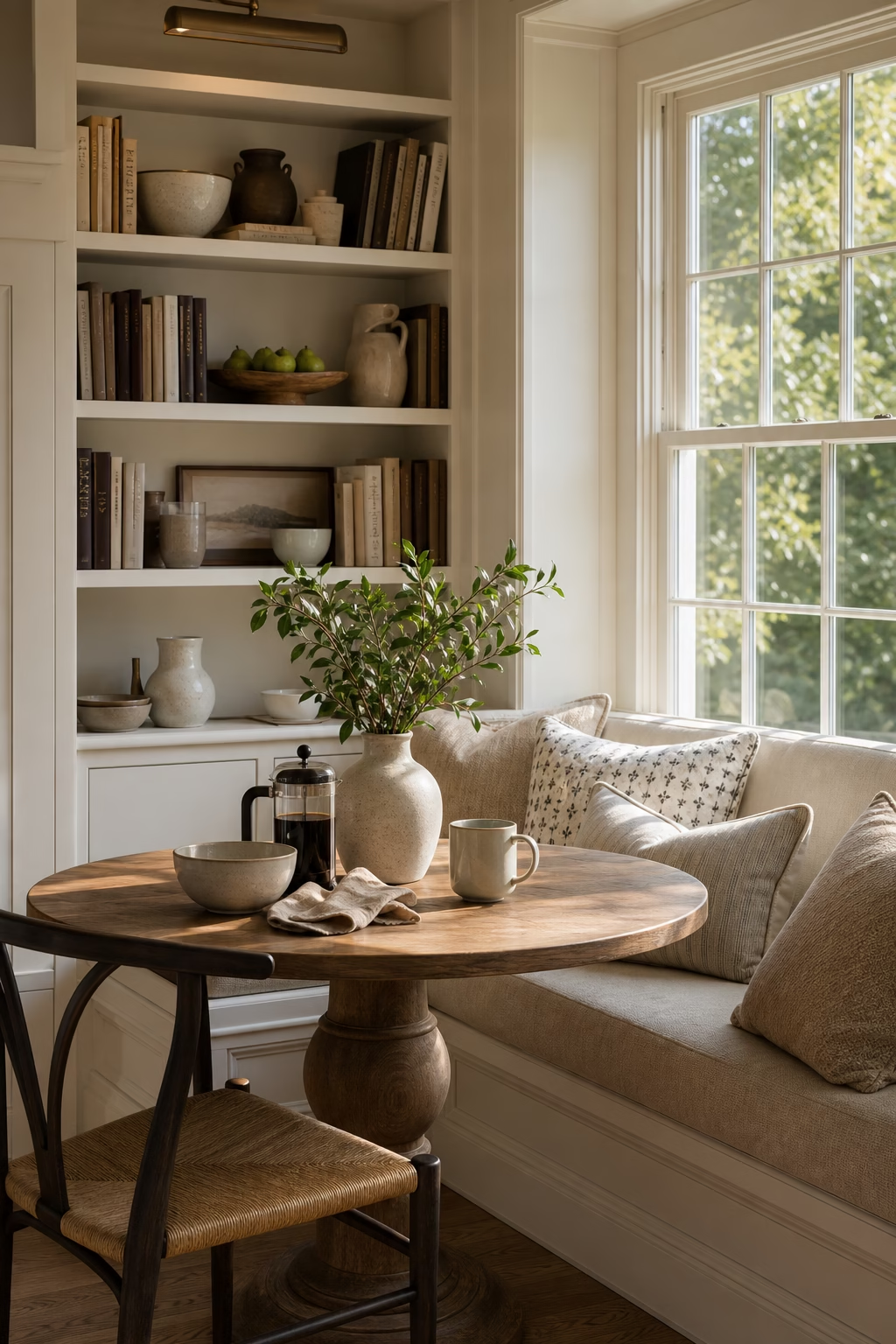
Add a Plant for Natural Texture
A plant brings life to a breakfast nook, but scale matters. A small tree, a trailing plant on a shelf, or a full potted fern can soften the corner without crowding the table. Choose a species that suits the light, not just the style; a struggling plant will make the room feel neglected. Place it where leaves do not brush diners or block a window seat. Natural greenery pairs beautifully with wood, linen, woven shades, and ceramic breakfast pieces. It also adds height when the rest of the nook is low. The effect is simple: the corner feels fresher, calmer, and more connected to the morning light.
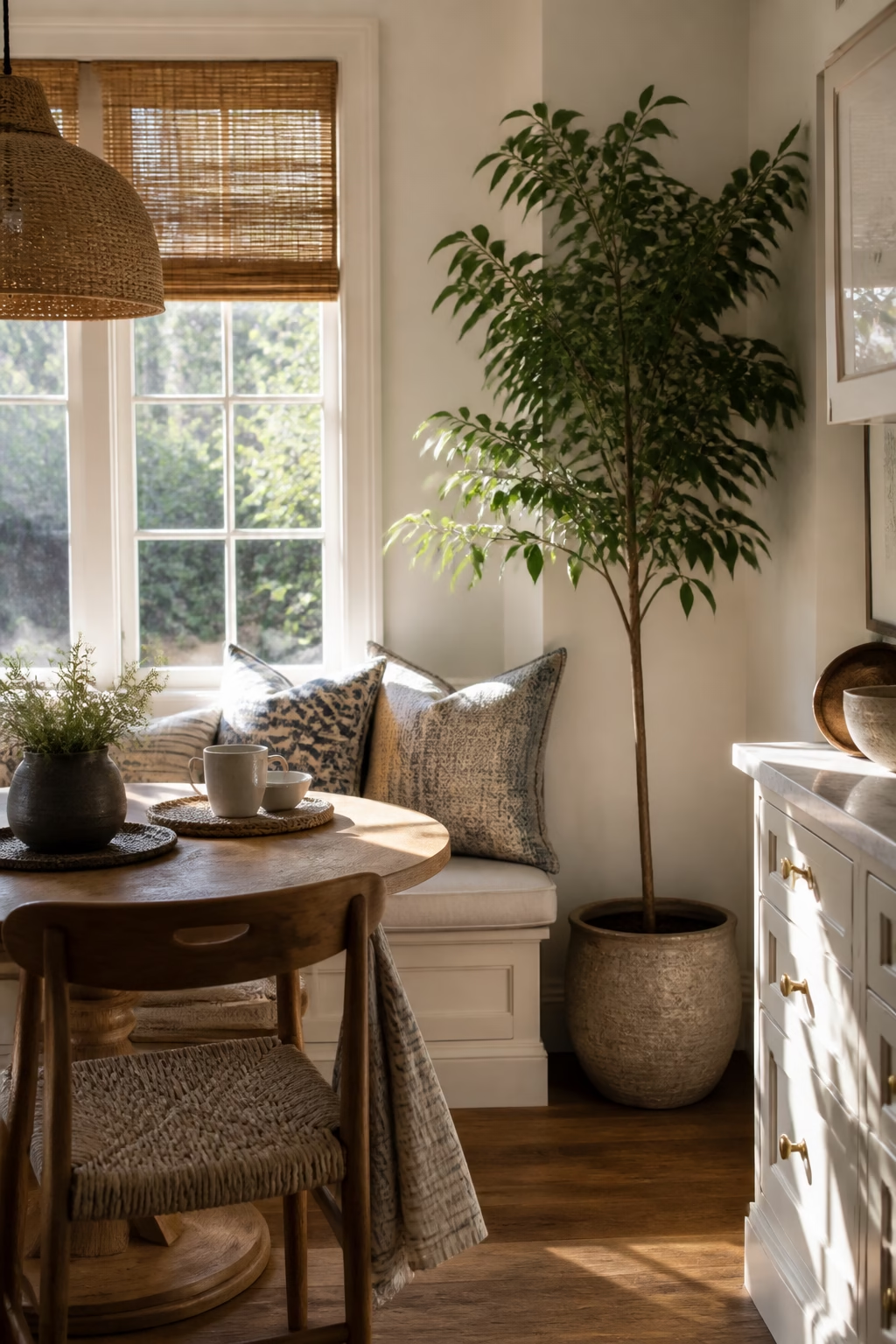
Paint the Banquette a Deep Color
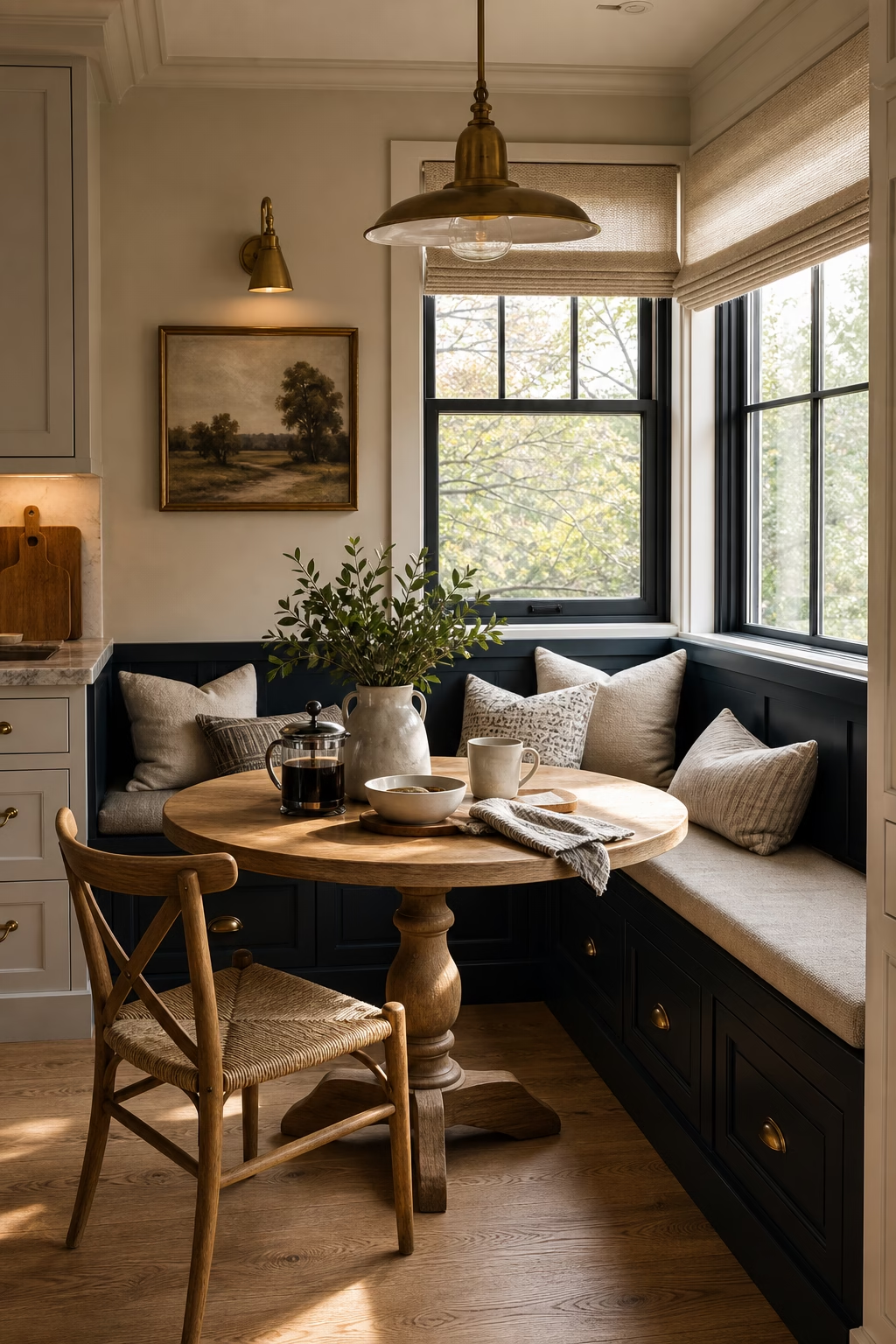
A dark painted banquette can make a breakfast nook feel grounded and tailored. Navy, deep green, charcoal, or warm brown all work when the surrounding surfaces have enough lightness. Use the darker color on the base or back panel, then soften it with neutral cushions and a warm wood table. Brass hardware, cream ceramics, and natural linen keep the palette from feeling heavy. This is a good strategy for open kitchens because the nook gains definition without needing a wall. The dark paint also hides scuffs better than pale finishes, which matters in a seat used every day. Done thoughtfully, contrast can feel cozy rather than dramatic.
Use a Marble Bistro Table
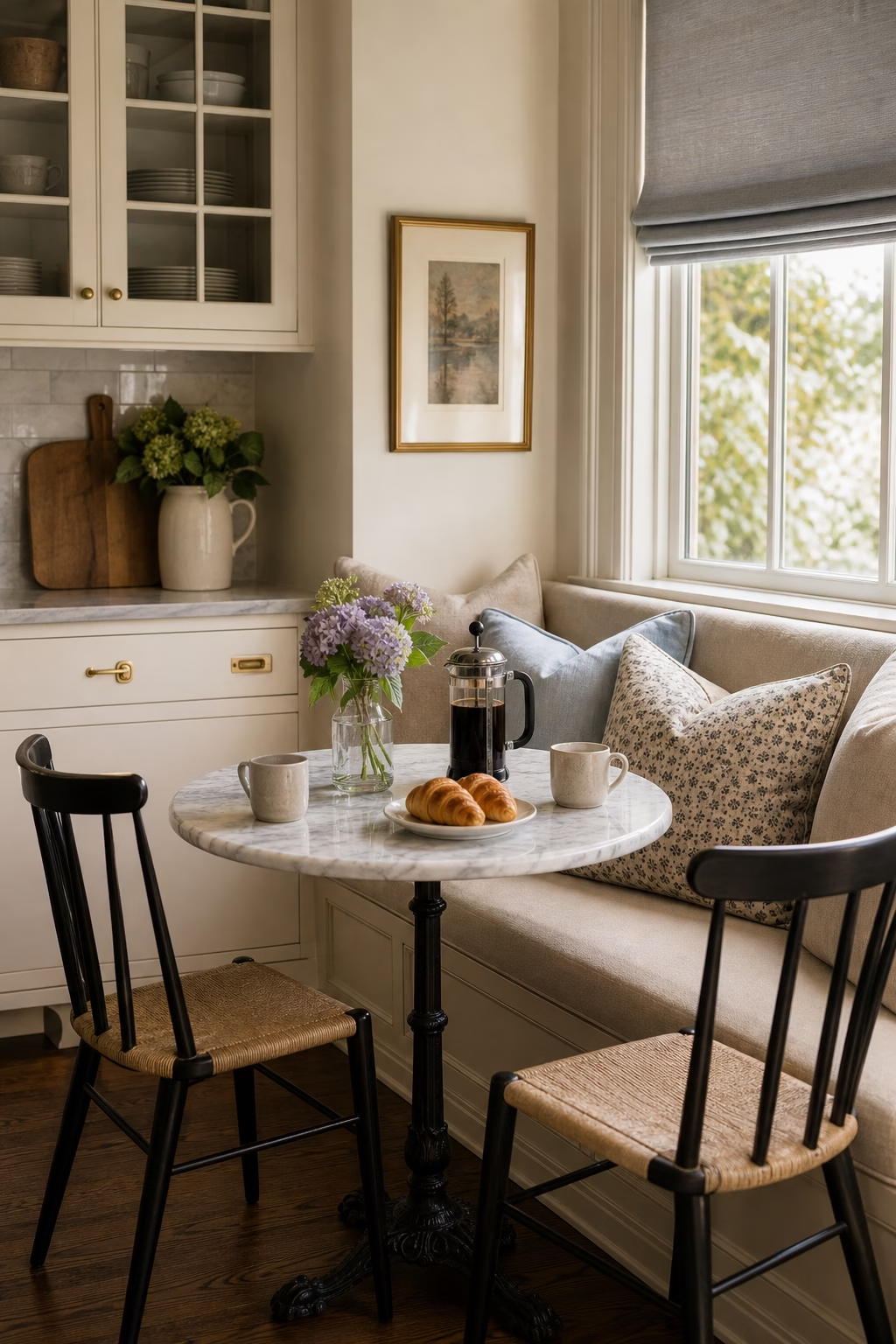
A marble-top bistro table gives a breakfast nook polish without requiring much decoration. The stone surface is practical for coffee cups and breakfast plates, and the pedestal shape keeps the seating flexible. Choose a table with a softly rounded edge and a base that feels stable; a wobbly bistro table ruins the charm quickly. Marble pairs well with upholstered benches, cane chairs, brass lighting, and painted cabinetry. Keep the tabletop styling minimal because the material already brings movement. A small vase and two cups are enough. This idea is especially effective in compact nooks where one beautiful material can carry the whole composition.
Layer Sconces With Window Light
Sconces give a breakfast nook a finished evening mood, even though the space is used most in the morning. Mount them high enough to clear shoulders and pillows, and place them symmetrically or in a balanced pair if the wall allows. Soft shades are more flattering than bare bulbs, especially near a table. During the day, sconces frame the architecture; at night, they make the nook feel intimate without turning on the whole kitchen. Pair them with natural window light, a small pendant, or under-cabinet lighting nearby. Layered light is what lets a breakfast nook shift from coffee spot to homework corner to quiet dessert table.