Japandi bathrooms balance Japanese restraint with Scandinavian warmth, creating spaces that feel quiet, tactile, and genuinely restorative.
Start With Warm Minimalism, Not Emptiness
Japandi design is minimal, but it should never feel vacant. In a bathroom, the goal is to remove visual noise while keeping warmth, tactility, and useful comfort. Begin with simple forms: a clean vanity, a quiet shower screen, a low tub, and storage that disappears into the architecture. Then bring in natural materials so the room still has depth. Pale oak, soft stone, handmade tile, linen, and ceramic prevent the simplicity from feeling sterile. Every object should have a job or a beautiful material presence. When the edit is this disciplined, the bathroom feels serene because nothing is fighting for attention.
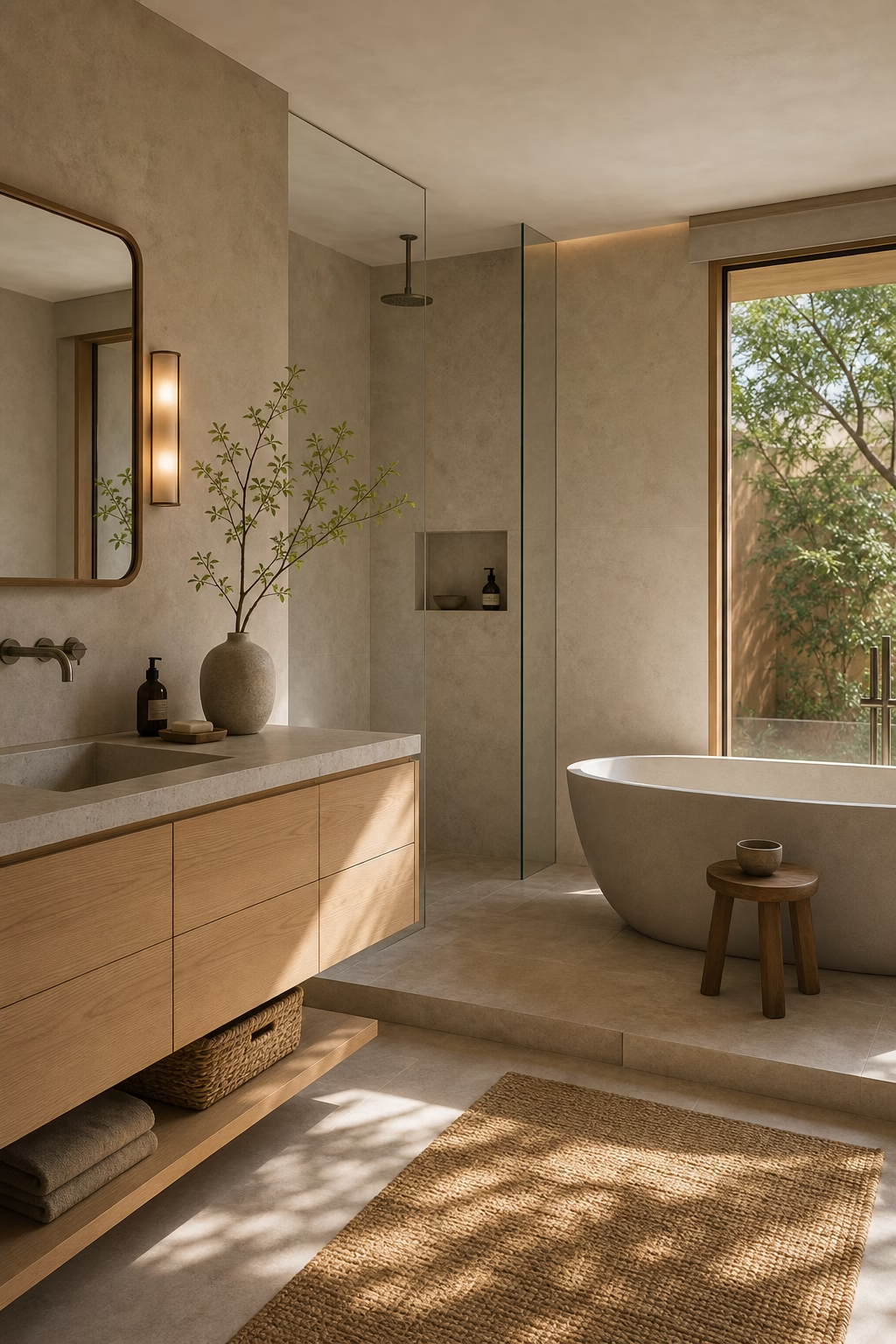
Choose a Low Wood Vanity With Quiet Lines
The vanity is often the strongest Japandi gesture in a bathroom. A low, clean-lined wood vanity grounds the room and adds warmth without decoration. Choose slab or very simple shaker fronts, integrated pulls, and a matte finish that lets the grain show softly. Floating designs make the floor feel open, while a furniture-style base can feel more grounded and calm. Keep the counter thin and restrained, preferably in honed stone, quartz, or a warm solid surface. The storage should be practical enough to keep the top clear. A single ceramic vessel or undermount sink completes the look without interrupting the quiet geometry.

Use Stone Tile With Soft Movement
Japandi bathrooms rely on surfaces that feel natural and calm. Stone-look porcelain, limestone, travertine, and softly veined marble can all work when the movement is gentle rather than theatrical. Choose honed or matte finishes so the room absorbs light instead of reflecting it harshly. Large-format tile reduces grout lines, but smaller handmade pieces can add a meditative rhythm when the palette stays quiet. Warm greige, bone, mushroom, and pale taupe are especially useful because they flatter wood and skin tones. The best stone surface feels grounded, not flashy. It should make the bathroom quieter the moment you step inside. It should age quietly with daily use.
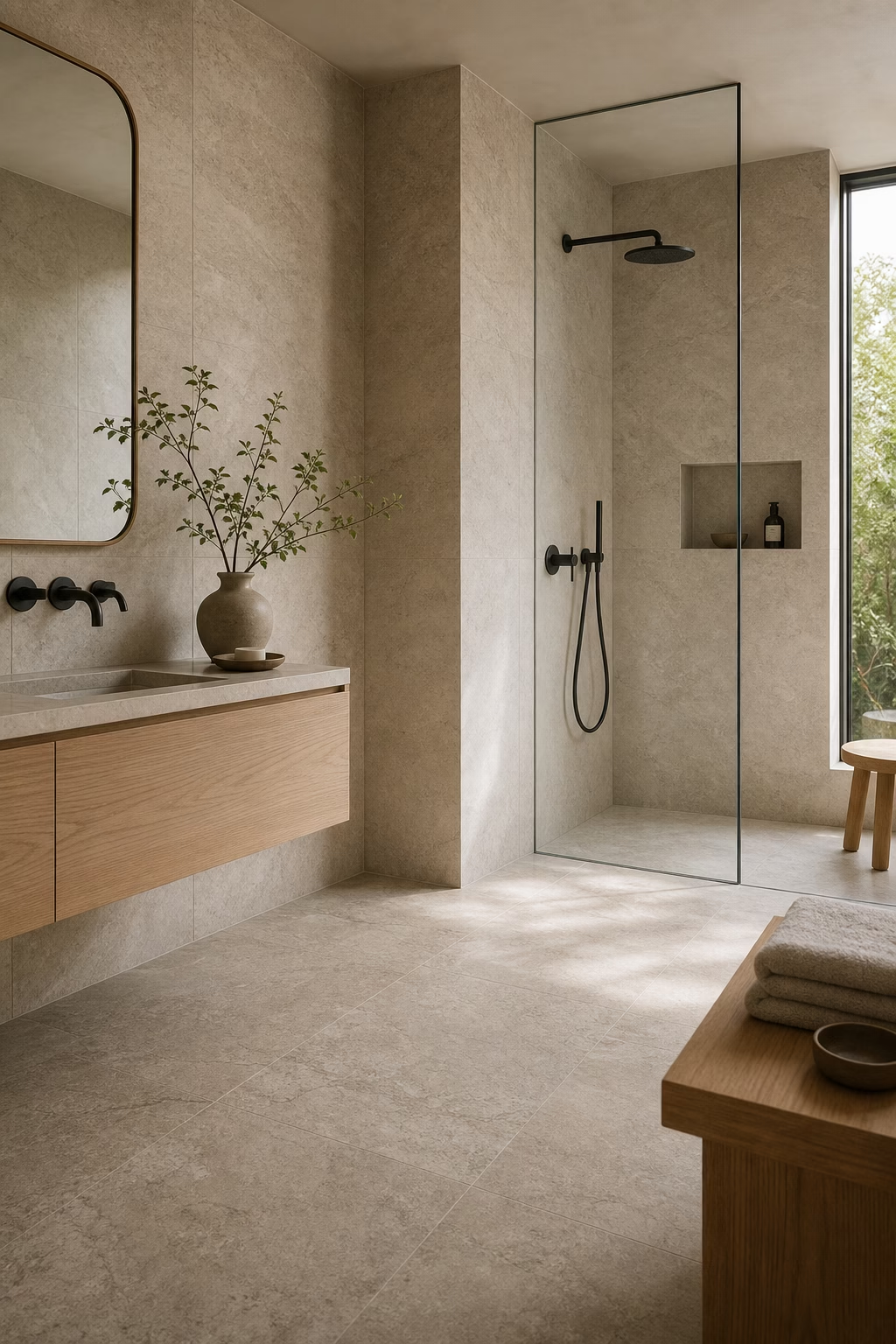
Let the Soaking Tub Feel Like a Ritual
A Japandi soaking tub should feel simple, compact, and intentional. Deep Japanese-inspired tubs work beautifully when the room has enough clearance and the plumbing is planned cleanly. If a deep tub is not practical, choose a plain oval soaking tub with a low profile and generous water depth. Place it near natural light, a plaster wall, or a wood ledge rather than surrounding it with busy tile. A small stool, folded towel, and ceramic bath vessel are enough styling. The emphasis should be on ritual: warm water, quiet materials, and a layout that makes bathing feel slow rather than decorative.
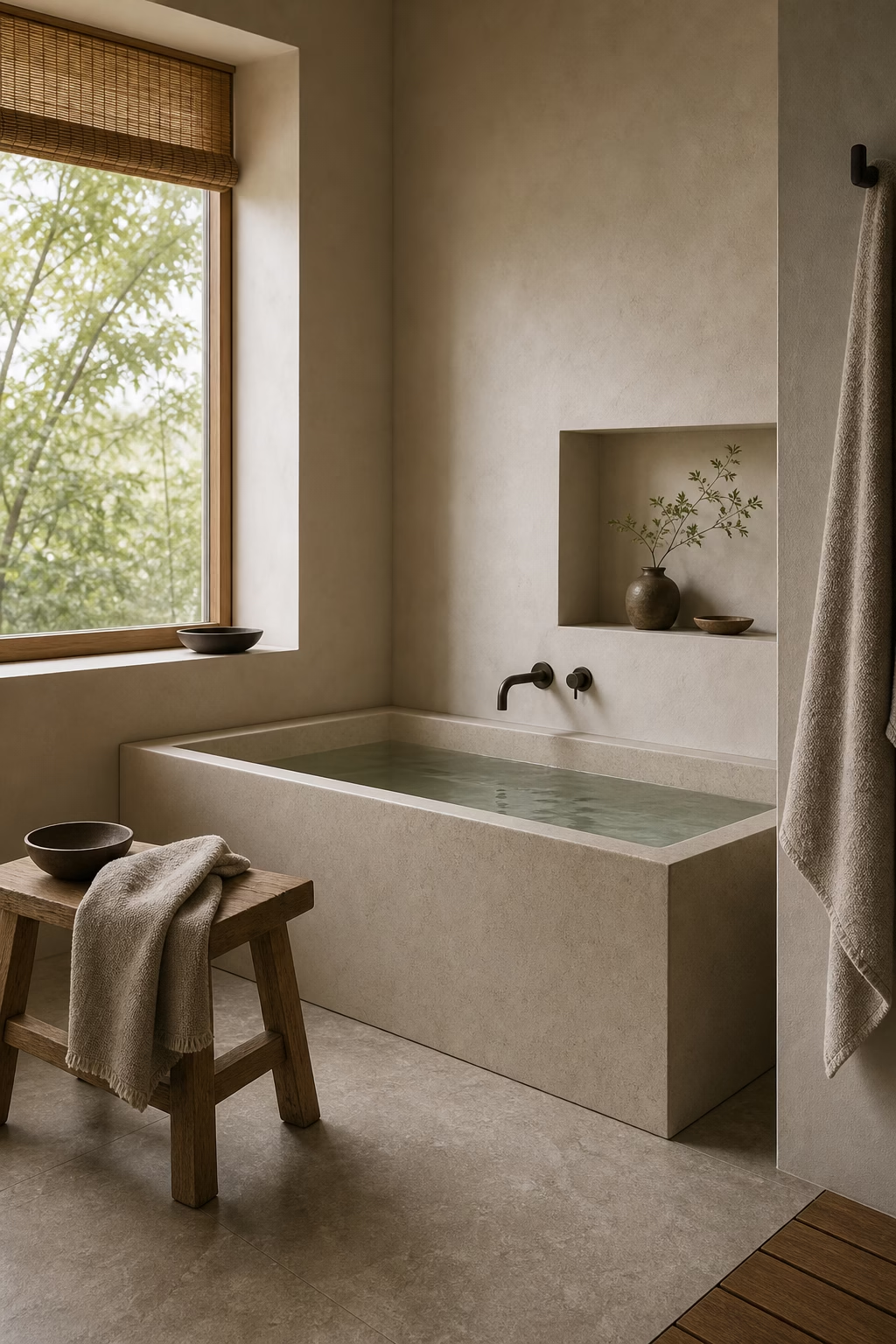
Keep the Palette Soft, Earthy, and Layered
A successful Japandi palette is restrained but not flat. Build it from warm white, oatmeal, clay, greige, mushroom, ash, pale oak, and charcoal used sparingly. The subtle shifts between these tones give the bathroom depth without creating contrast fatigue. Avoid stark white with cool grey if you want the room to feel restful; warmer neutrals usually suit the style better. A single dark accent, such as a charcoal stone floor or bronze faucet, can add structure. Repeat each tone in more than one place so the palette feels considered. The result is calm, natural, and easy to live with. That repetition keeps the restraint from feeling accidental.
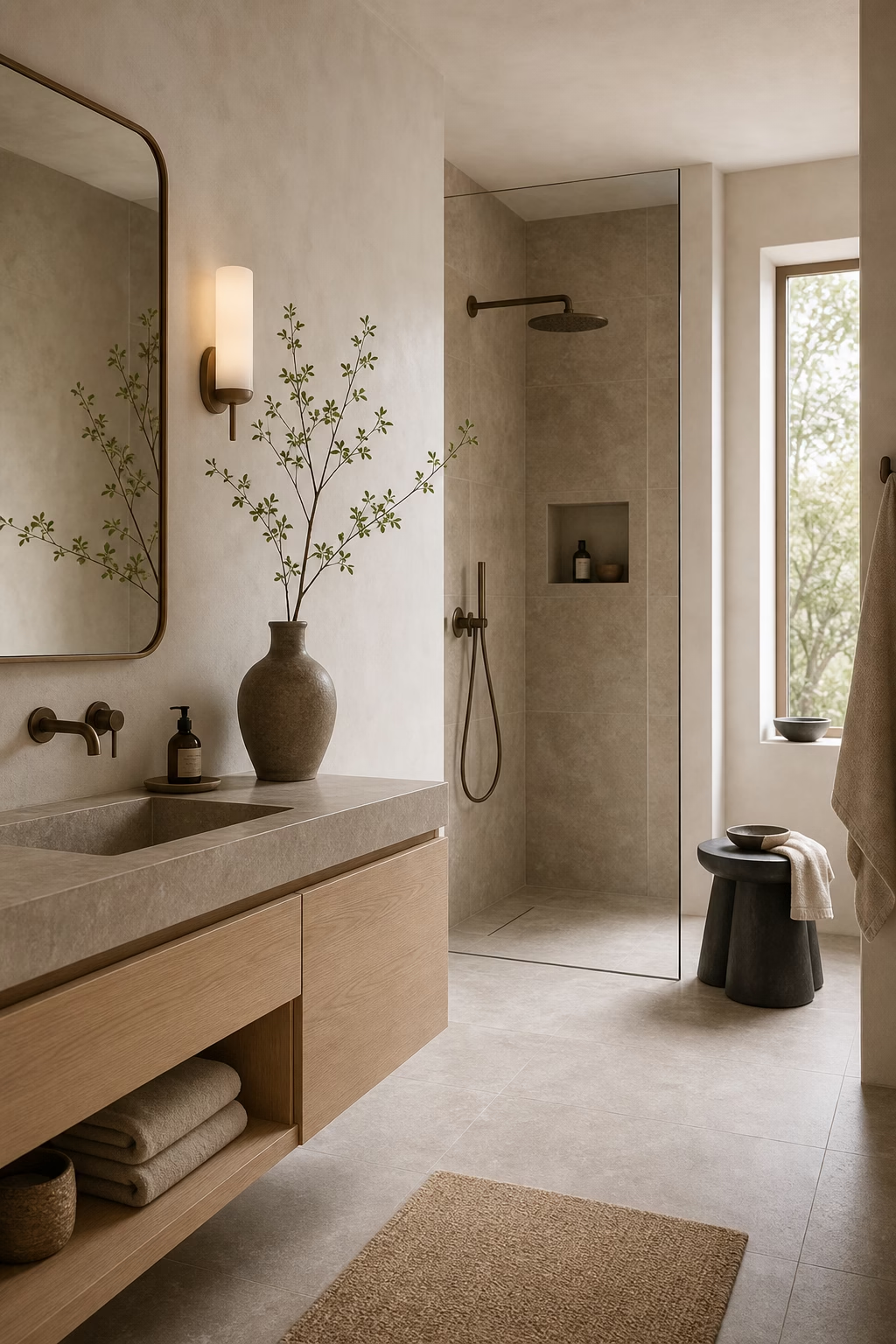
Hide Daily Products Behind Calm Storage
Japandi bathrooms look serene because everyday clutter has a place to go. Use deep vanity drawers, recessed mirrored cabinets, linen towers, and shallow wall niches with doors where possible. Open storage should be limited to beautiful, useful items like folded towels, a brush, or one ceramic container. If appliances are part of the routine, plan an outlet inside a drawer or cabinet so cords do not live on the counter. The goal is not unrealistic minimalism; it is thoughtful concealment. When products disappear easily after use, the bathroom can stay peaceful without requiring constant styling or impractical habits. This is what makes minimalism livable.
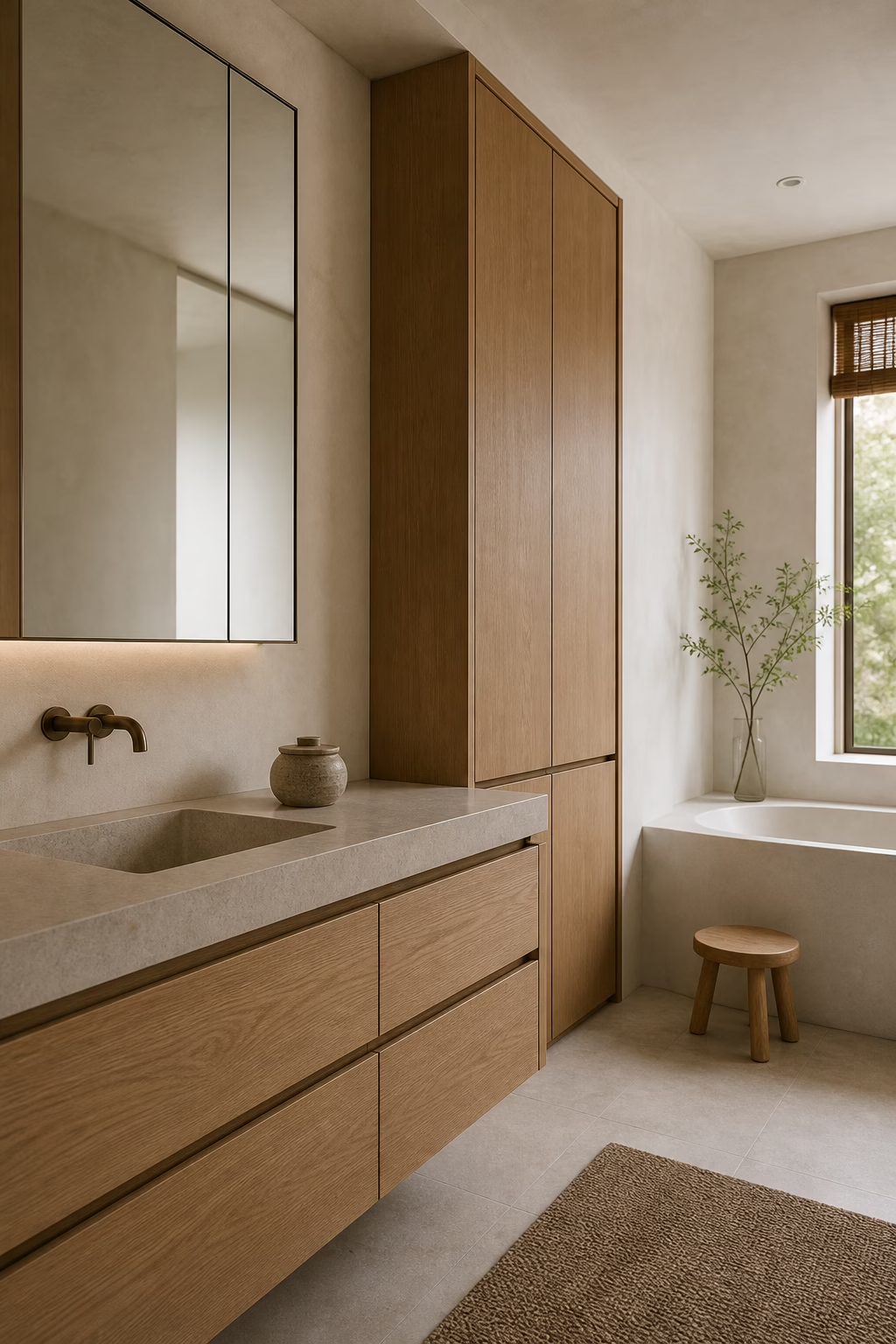
Use Slatted Wood Sparingly
Slatted wood is a signature Japandi detail, but it is most elegant in restraint. Use it on a vanity front, privacy screen, ceiling panel, or one wall section rather than wrapping the entire bathroom. The rhythm should be precise, with consistent spacing and a finish that suits moisture. In wet areas, consider porcelain or sealed wood products designed for humidity. Slats can soften a hard stone room, filter light, or hide storage without making it feel closed off. Keep surrounding surfaces plain so the shadow lines have room to breathe. One well-placed slatted element is usually stronger than many repeated accents.
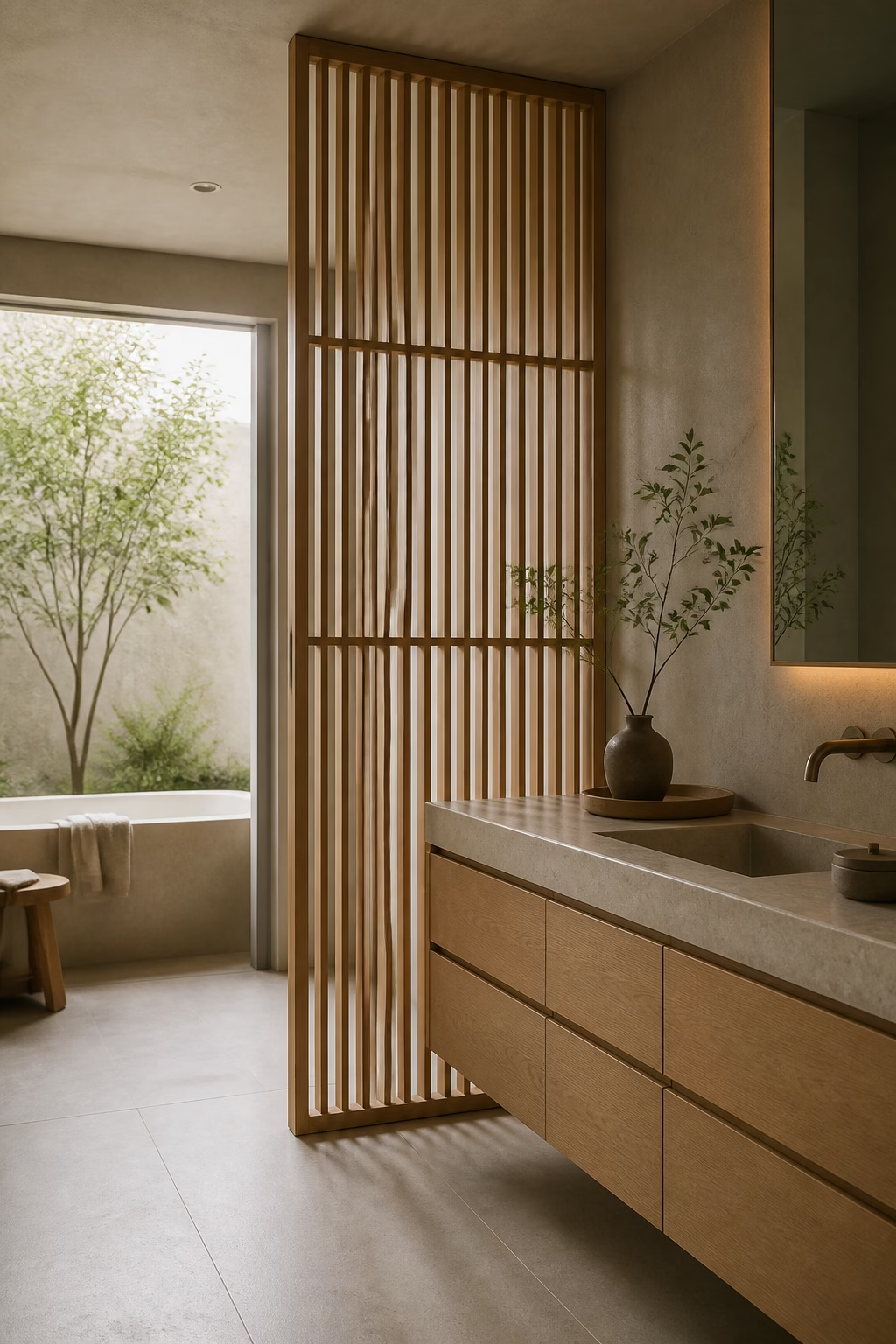
Pick Matte Fixtures With Simple Profiles
Fixtures in a Japandi bathroom should feel quiet in the hand and the eye. Brushed nickel, soft black, dark bronze, and warm stainless finishes all work when the shapes are slender and unfussy. Avoid ornate curves, shiny finishes, or overly industrial silhouettes. A wall-mounted faucet can keep the vanity counter clear, while a simple shower system with a handheld fixture supports real use. If the room is very pale, a darker fixture can add gentle definition. If the materials already have contrast, choose a softer metal. The best fixture choice supports the atmosphere without announcing itself. The restraint lets touch and proportion lead.
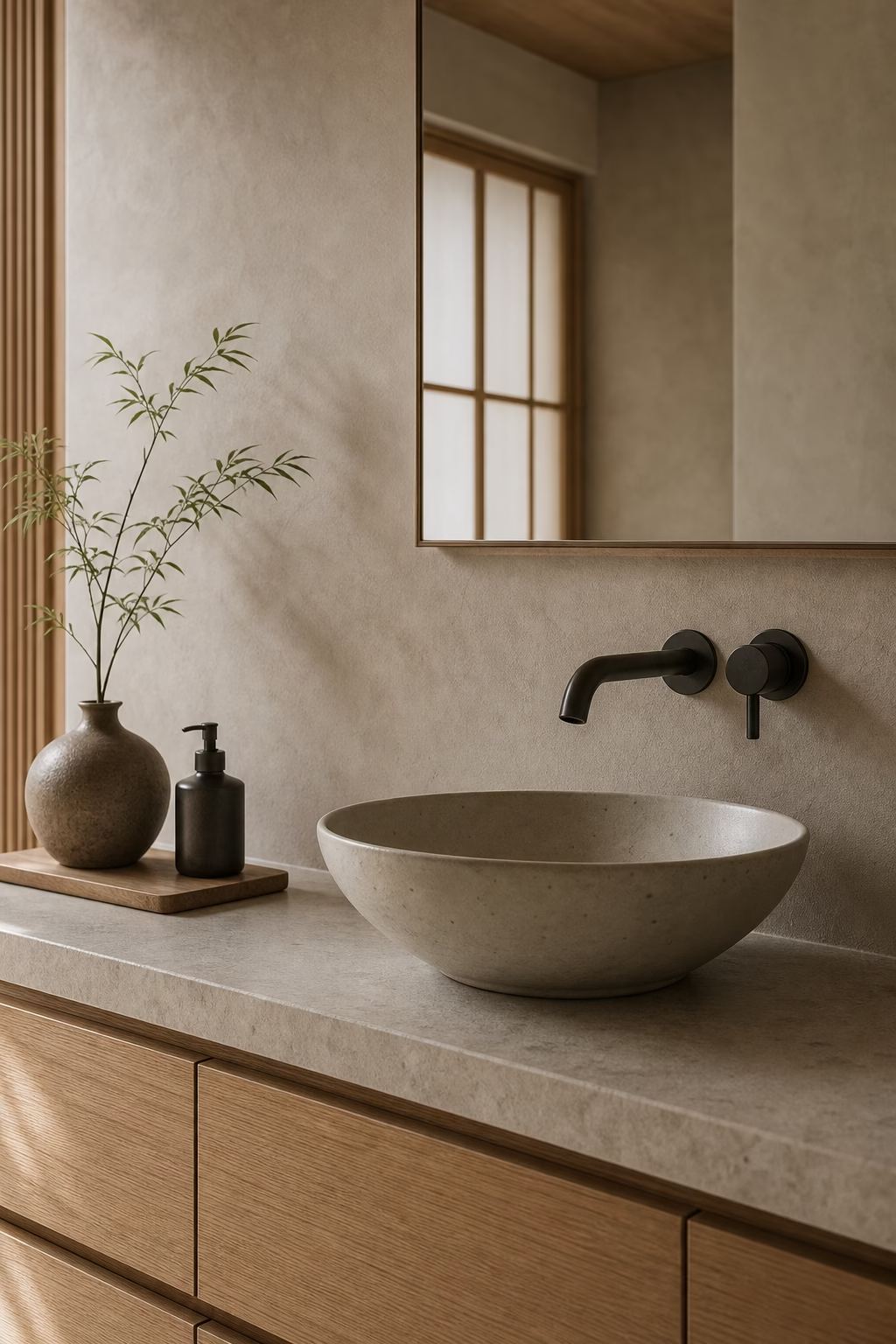
Bring in Handmade Tile for Gentle Imperfection
Japandi style welcomes imperfection when it feels honest and quiet. Handmade-look tile, zellige, or subtly uneven ceramic can add life to a shower wall or backsplash without overwhelming the room. Choose muted glazes in warm white, mist, sand, or pale clay, and keep grout close in color for softness. The slight variation catches natural light beautifully and balances the crispness of glass and plumbing. Use this texture on one zone rather than every wall. The effect should be wabi-sabi in spirit: calm, tactile, and imperfect enough to feel human, but still installed with precision. That balance keeps the surface soulful, not busy.
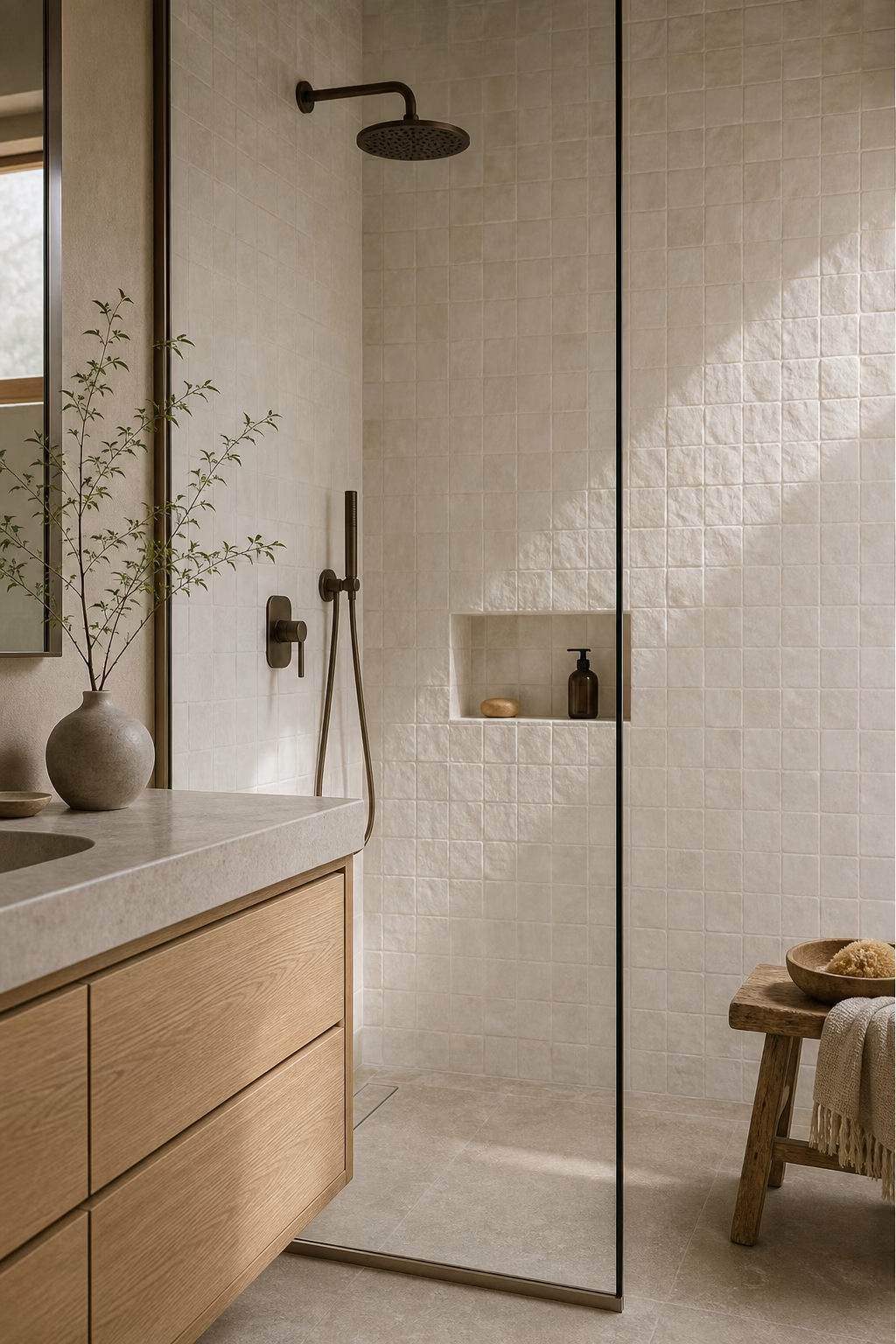
Keep the Shower Glass Clean and Barely There
A transparent shower enclosure helps a Japandi bathroom feel open and uninterrupted. Use a frameless panel or a very slim frame so stone, tile, and wood remain the visual focus. The shower floor should slope properly, with a linear or discreet drain that does not interrupt the calm surface. Avoid heavy grids unless the room needs a stronger architectural line; even then, keep the profile thin. Place controls where they are easy to reach and keep niches aligned with the tile. The result is practical minimalism: water is contained, but the room still reads as one continuous, peaceful space. This clarity is what makes the restraint practical.
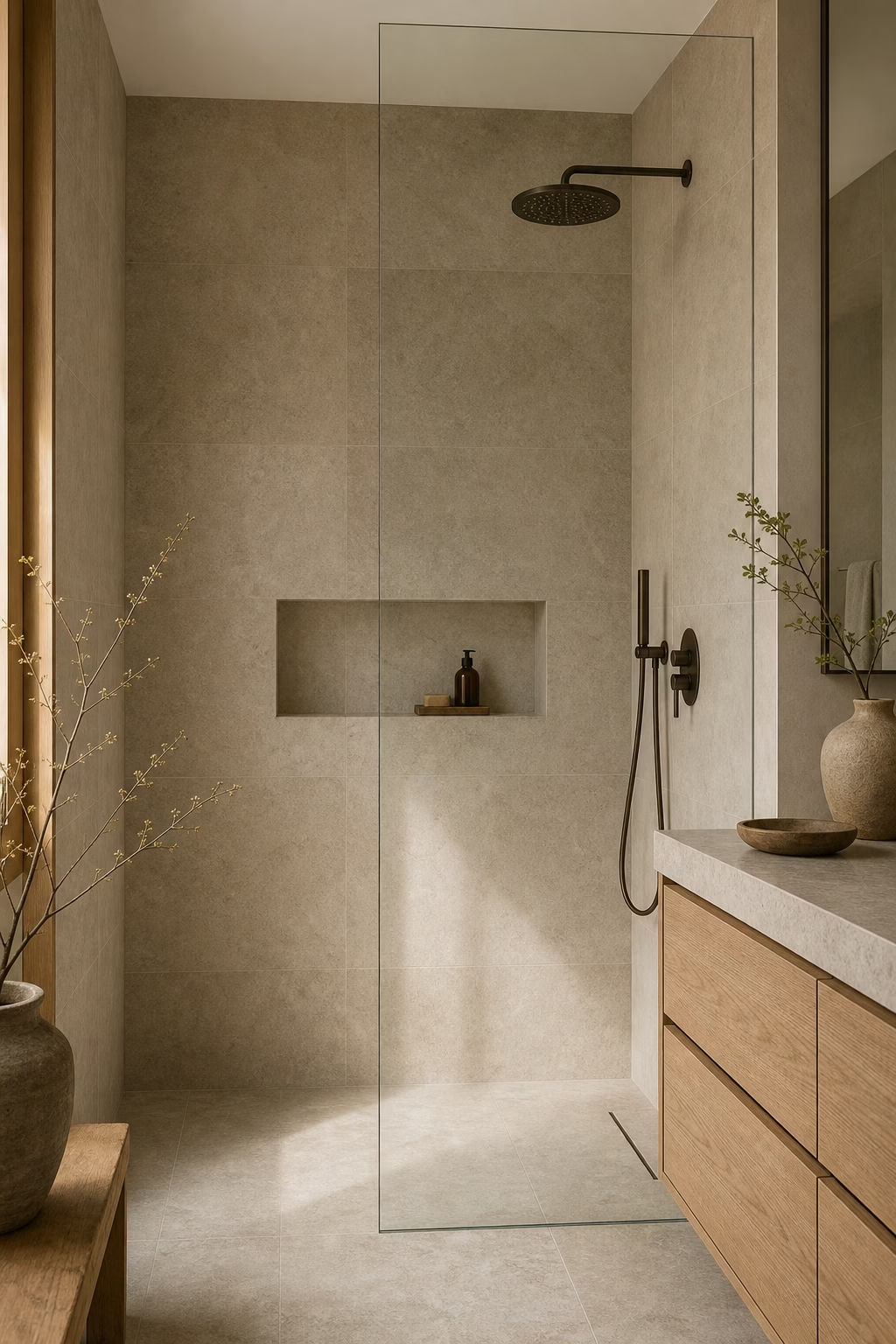
Add Texture Through Linen and Cotton
Soft textiles keep a Japandi bathroom from feeling too architectural. Choose towels, robes, bath mats, and window coverings in linen, cotton, waffle weave, or gauze-like textures. The palette should stay quiet: ivory, oat, clay, mist grey, or charcoal used with restraint. A linen shower curtain can work beautifully in a bathtub bathroom if it is hung high and kept full, but wet zones still need proper waterproof lining. Folded towels on a wood shelf or a simple stool can add softness without clutter. These small tactile details make the room feel restful and genuinely usable. The texture makes the minimal room feel cared for.

Use Indirect Light for a Softer Mood
Japandi lighting should feel gentle, layered, and useful. Harsh overhead light can flatten the materials, so combine recessed fixtures with sconces, backlit mirrors, or concealed LED strips tucked under shelves and vanities. Warm color temperature is important because it preserves the softness of wood, stone, and plaster. Place vanity light where it flatters the face, not just where it looks symmetrical. In the shower, use wet-rated fixtures with a quiet trim. At night, a low glow under the vanity or near the tub can make the bathroom feel like a retreat rather than a bright utility room. This softness is central to the style.
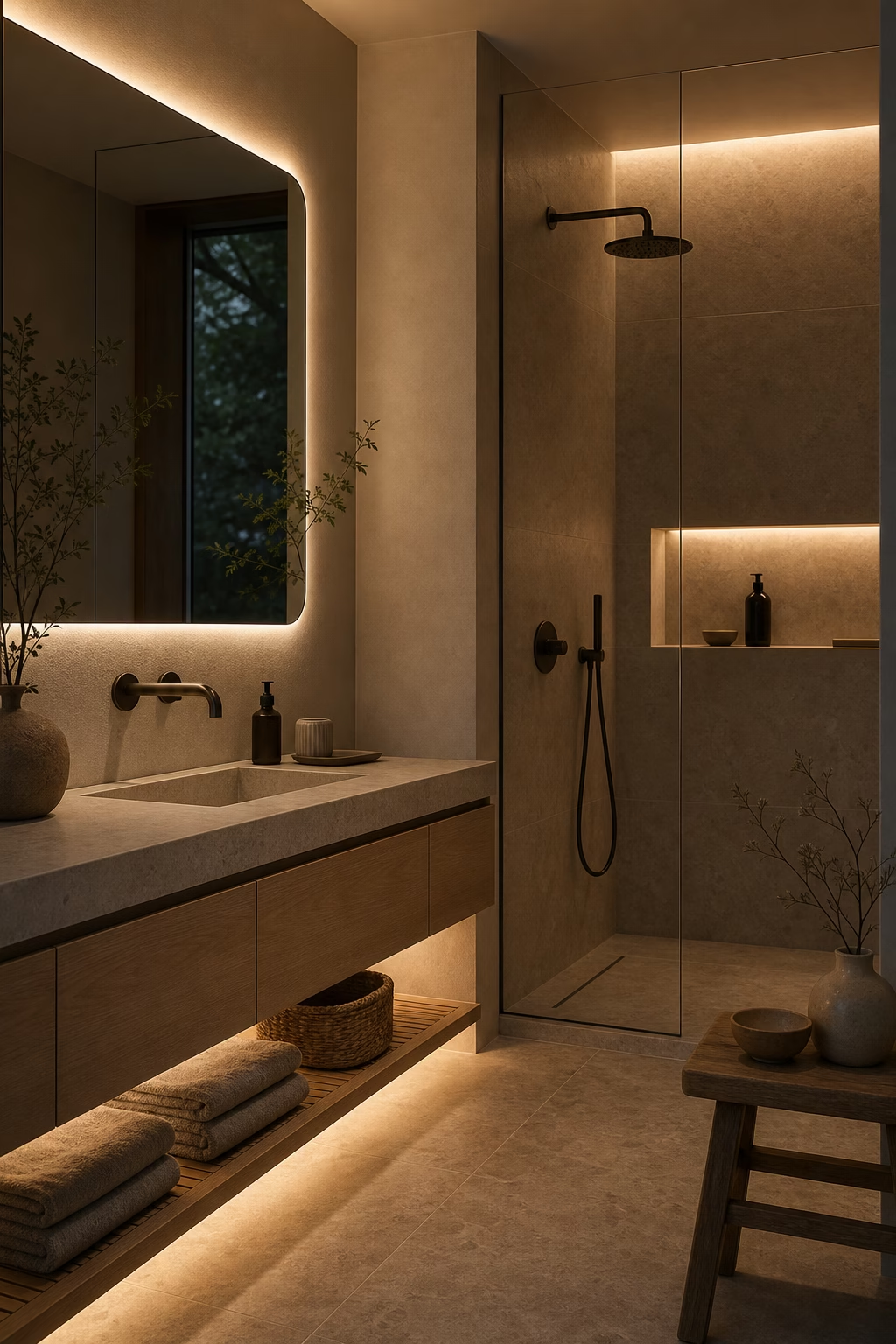
Choose a Mirror With an Organic Shape or Quiet Frame
The mirror can soften a minimal bathroom without adding clutter. A round, oval, or gently organic mirror brings a natural note to straight cabinetry and tile. If the room already has soft forms, a simple rectangular mirror with a pale wood or thin metal frame may be stronger. Scale matters more than decoration: the mirror should relate to the vanity width, faucet height, and lighting placement. Avoid overly ornate frames or novelty shapes. In Japandi design, the mirror should feel calm and useful, reflecting light and proportion while adding just enough warmth to the vanity wall. The quiet scale keeps the wall composed.
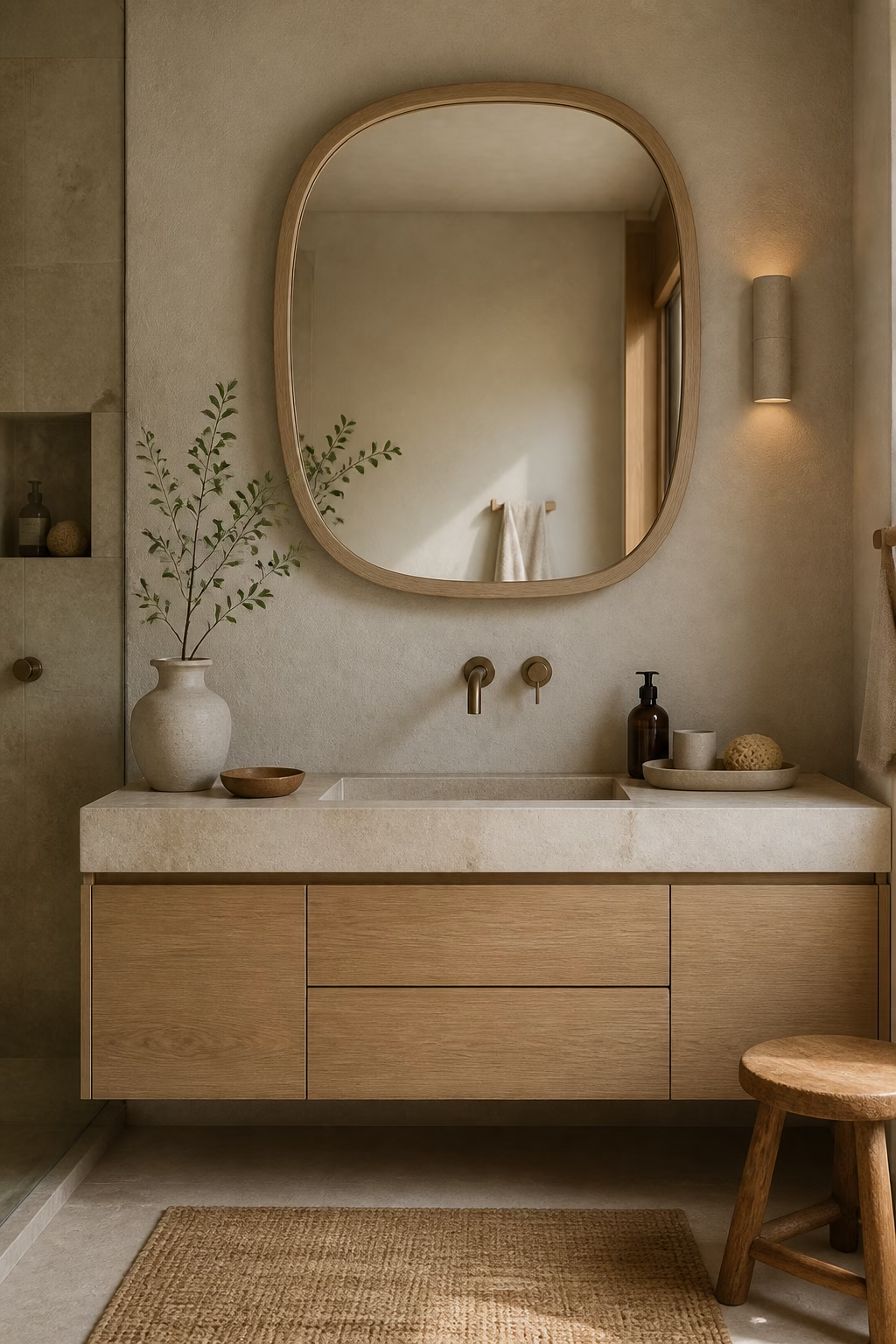
Let a Wood Stool Do Real Work
A small stool is one of the most useful Japandi accessories. It can hold a towel beside the tub, support a bath brush, provide a place to sit, or bring warmth to a stone-heavy room. Choose a simple shape in teak, oak, ash, or sealed cedar, with proportions that feel sturdy rather than decorative. Keep it away from constant spray unless the wood is appropriate for wet use. The stool should look like part of a ritual, not a prop. Against pale tile and plaster, this one grounded object can make the bathroom feel more human and relaxed. Its usefulness is what makes the detail beautiful.
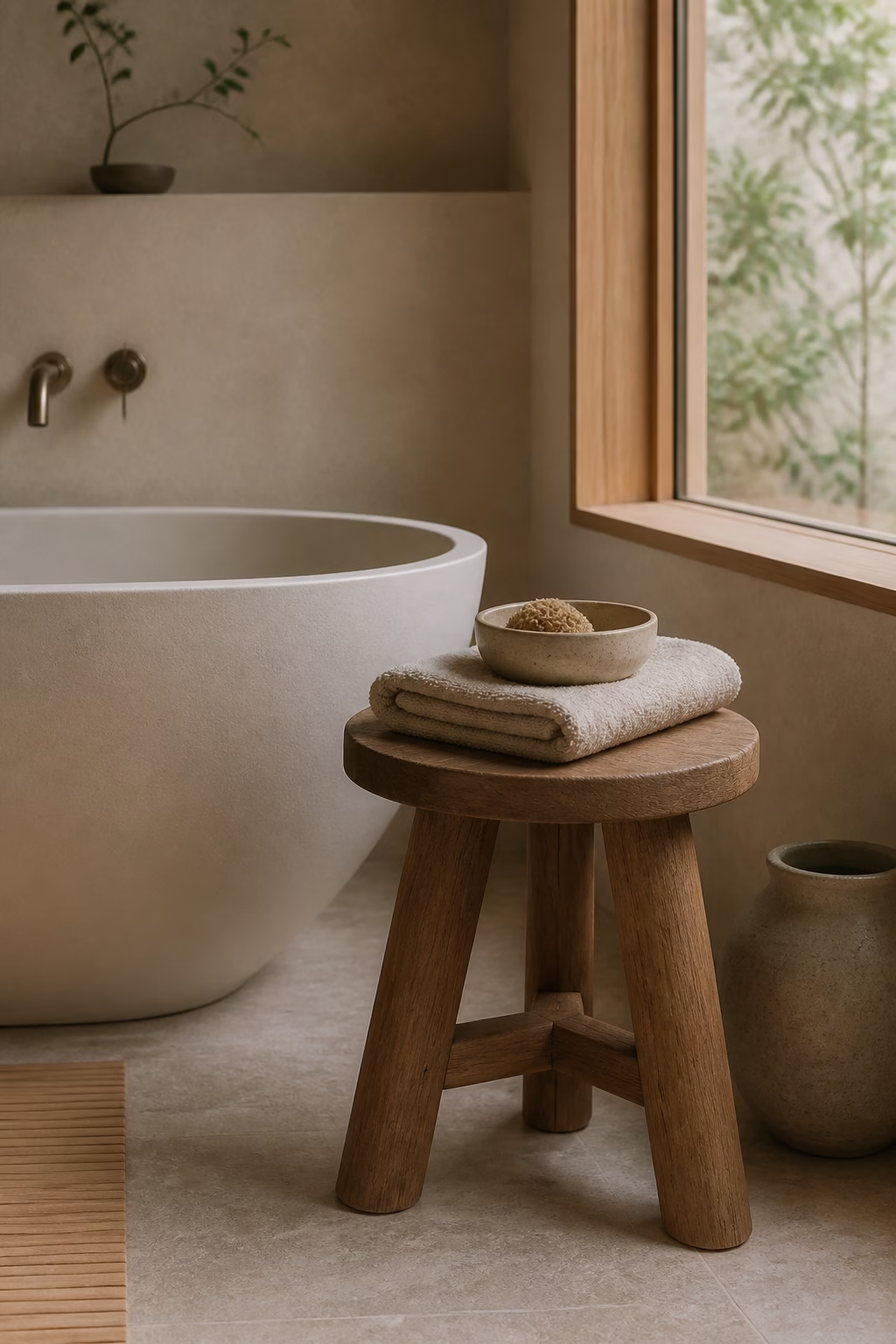
Bring Nature In Without Crowding the Room
Natural elements support Japandi serenity, but they should be edited carefully. A single branch arrangement, a small humidity-loving plant, or a view to greenery can be enough. Avoid filling every ledge with pots, especially in a bathroom that already has wood and stone. If you use plants, choose simple containers in ceramic, stone, or woven texture and place them where light and moisture make sense. Dried branches can add sculptural movement without daily maintenance. The goal is a quiet connection to nature, not a garden theme. One living or organic gesture often feels more luxurious than many small ones. This restraint preserves the visual breathing room.
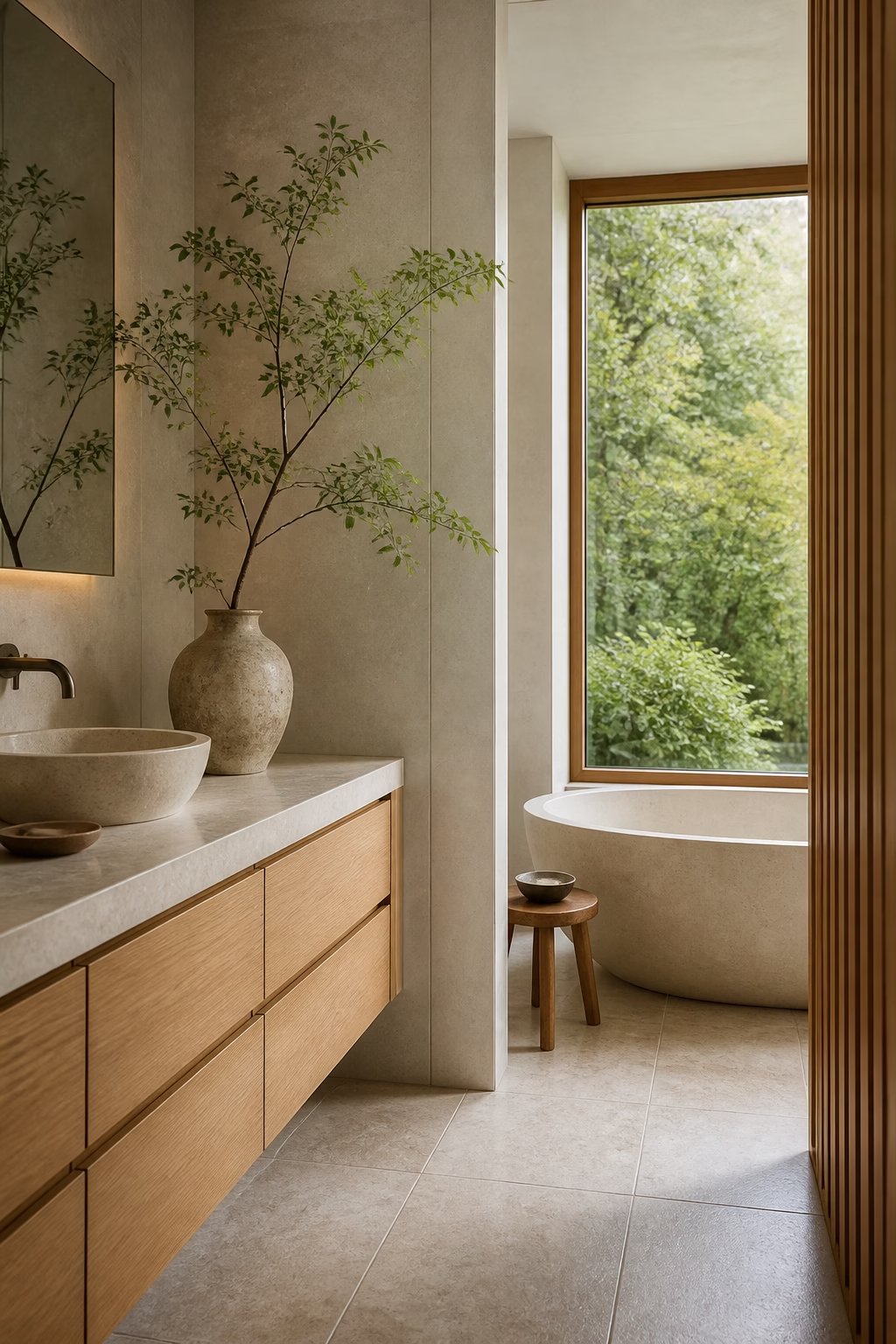
Use Plaster or Limewash for Soft Walls
Flat paint can work, but plaster and limewash bring subtle movement that suits Japandi bathrooms beautifully. Their matte, mineral quality softens light and pairs naturally with wood, stone, and ceramic. Use these finishes outside direct wet zones unless they are properly specified and sealed for bathroom conditions. Warm white, bone, clay, and mushroom tones are especially calming. The finish should be quiet enough to serve as a backdrop, not a feature wall screaming for attention. When paired with simple tile in the shower, softly textured walls can make the entire bathroom feel handcrafted and peaceful. The surface gives silence a tactile quality.
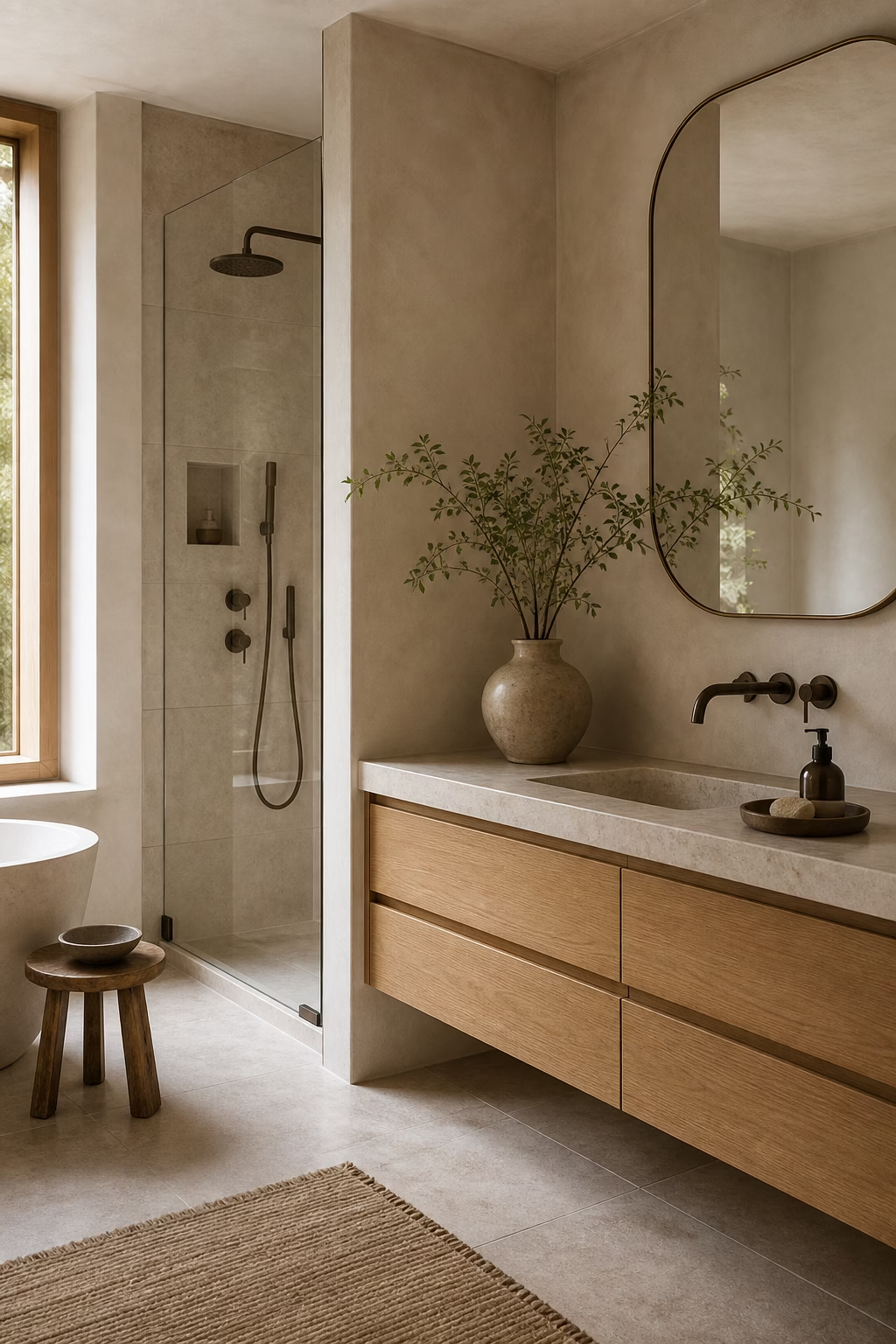
Make Open Shelves Sparse and Useful
Open shelving in a Japandi bathroom should be treated with discipline. One slim wood shelf can hold folded towels, a ceramic cup, or a small tray, but it should not become a display of products. Keep shelves shallow enough that they do not intrude into circulation and use the same wood tone as the vanity or another architectural element. Negative space is part of the composition. If the bathroom needs serious storage, closed cabinetry will be calmer than a wall of open shelves. A sparse shelf works best as a tactile detail, offering convenience while preserving the room's quiet atmosphere.
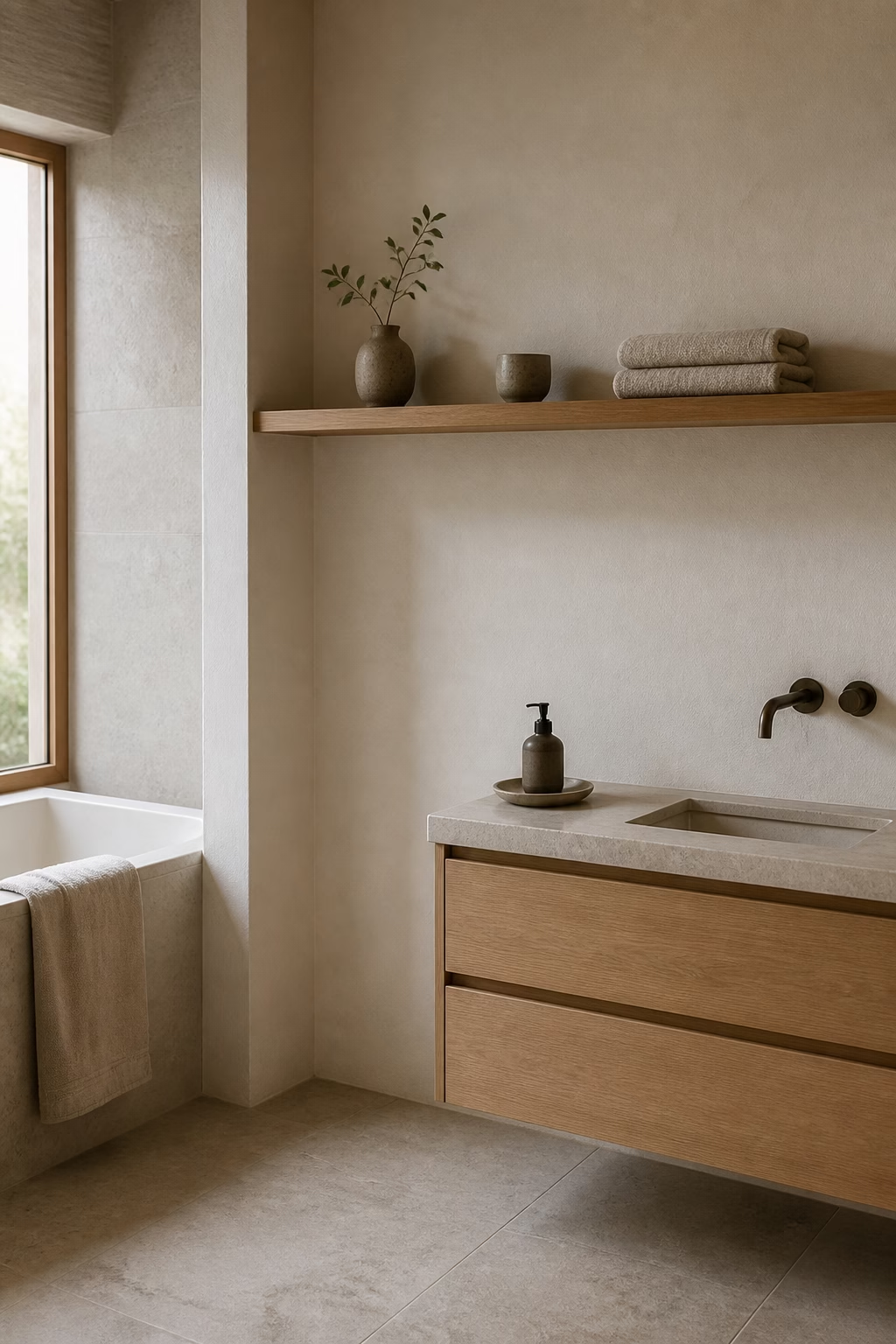
Create Contrast With Charcoal in Small Doses
Japandi rooms often need a little contrast to avoid looking washed out. Charcoal can provide that structure when it is used sparingly. Try a dark stone floor, a slim mirror frame, a small stool, or matte dark fixtures against pale wood and warm plaster. The contrast should ground the room, not dominate it. Avoid using black on every accessory, because the style depends on softness. Repeating charcoal in two subtle places is usually enough. This measured darkness helps define edges, makes natural textures feel richer, and gives the bathroom a more sophisticated, composed presence. It also sharpens the pale materials nearby.

Choose Bath Accessories in Ceramic and Stone
Small accessories can either support the Japandi mood or break it. Replace plastic bottles and shiny trays with ceramic dispensers, stone dishes, wood brushes, and simple woven baskets used sparingly. Keep shapes low and tactile, with colors drawn from the room's palette. A soap dish, toothbrush cup, and tray are enough for most vanities when storage is planned well. The point is not to buy a matching set, but to choose objects that feel quiet and made from honest materials. These details make daily routines feel calmer while keeping the counter visually clean. Material honesty matters more than quantity here.
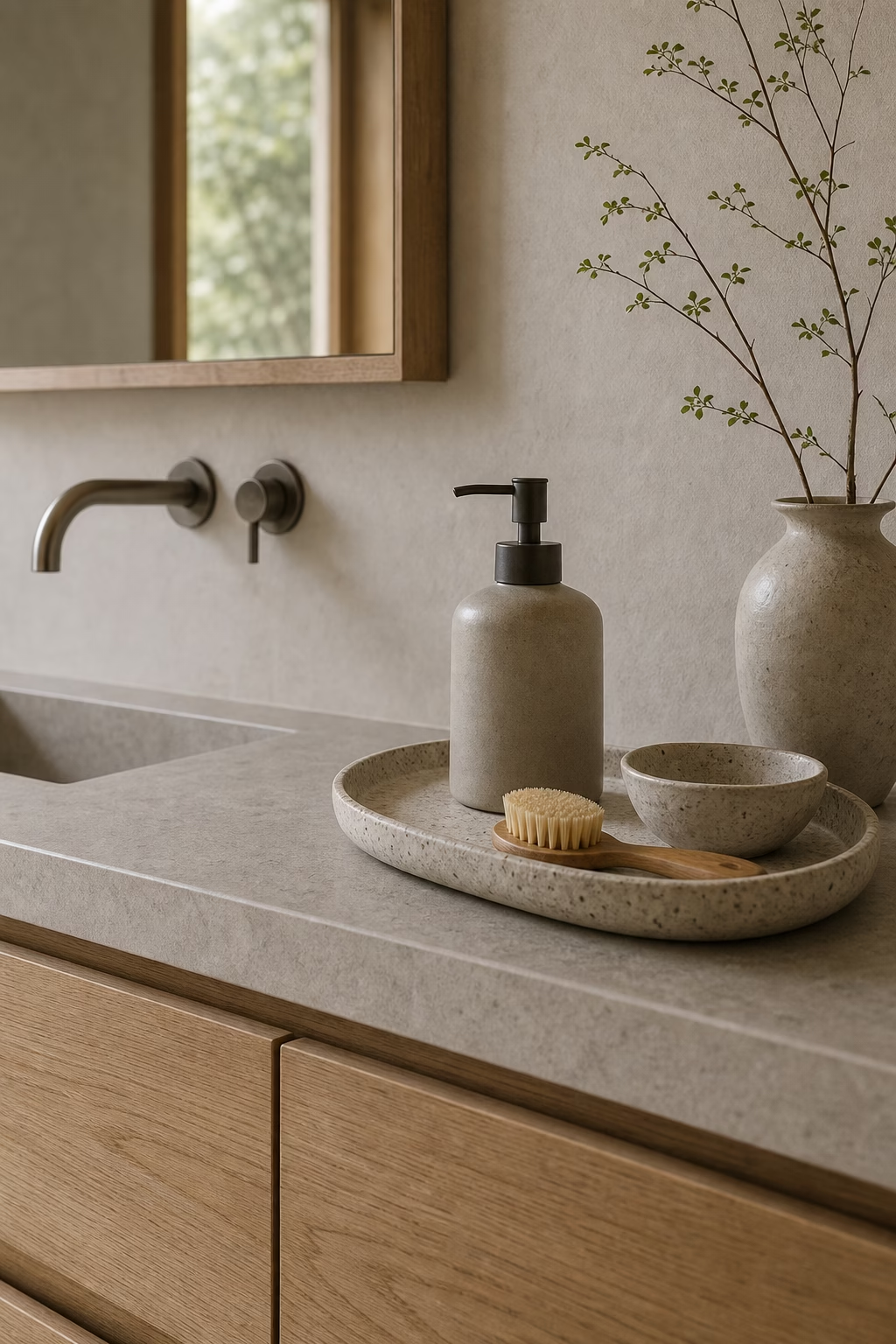
Use a Wet Room Only When the Drainage Is Right
A wet room can look beautifully minimal, but it has to be engineered carefully. The floor slope, drain location, waterproofing, glass placement, and underfloor heat all matter. In a Japandi bathroom, the wet zone should feel open and simple, with stone or tile continuing calmly from shower to tub. Leave enough dry space for towels, storage, and safe movement. A partial glass panel can prevent splash without breaking the visual flow. When the technical details are right, a wet room feels like a private spa. When they are not, it becomes difficult to clean and uncomfortable to use. Planning is the luxury here.
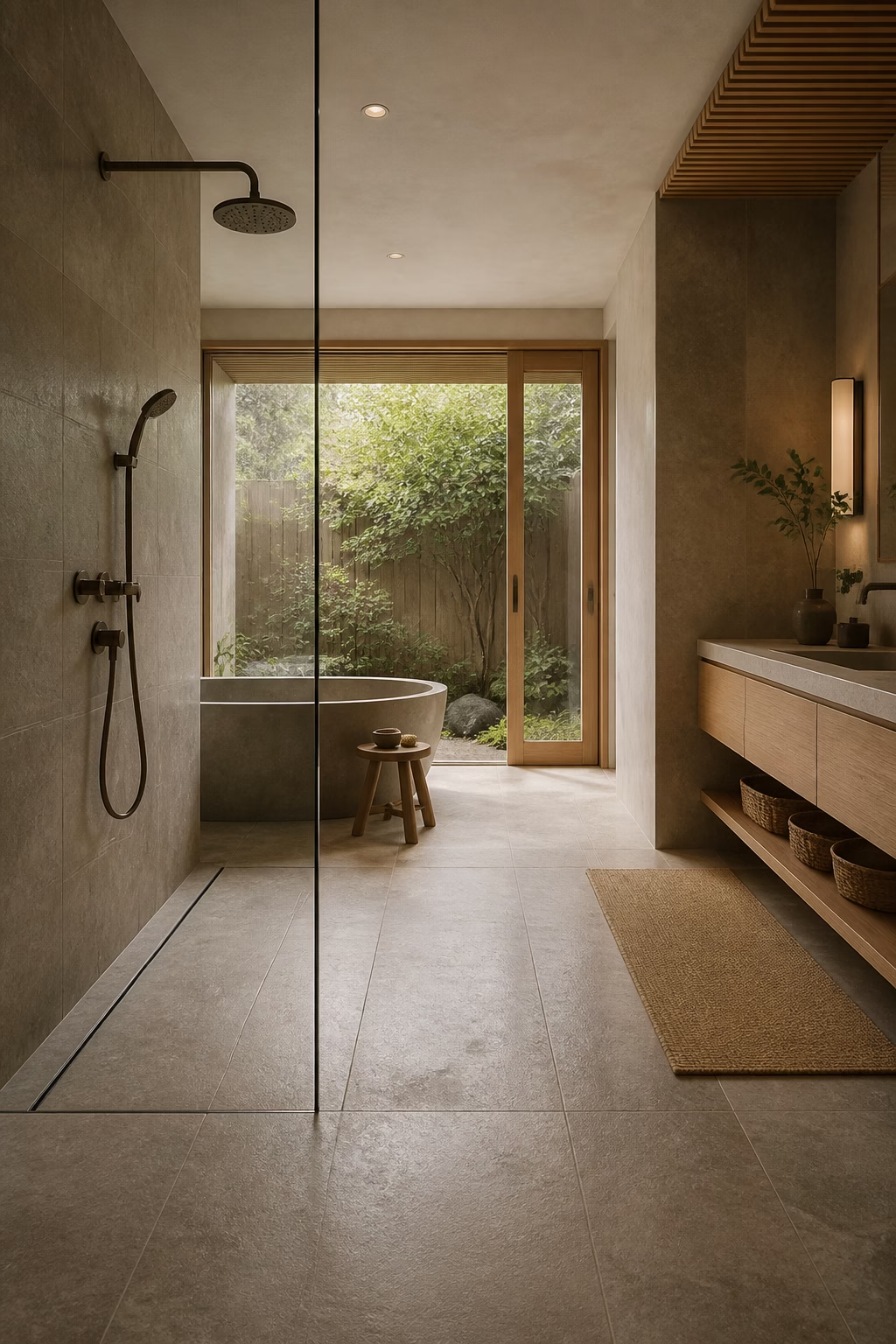
Keep Lines Horizontal and Grounded
Japandi interiors often feel calm because their lines are low and grounded. In a bathroom, emphasize horizontal elements such as a floating vanity, long shelf, linear niche, or low tub ledge. These shapes slow the eye and make the room feel settled. Balance them with vertical elements only where needed, such as a tall mirror or linen cabinet. Avoid too many small staggered pieces that create visual chatter. If the ceiling is high, a long vanity or continuous tile datum can keep the proportions restful. This quiet geometry is one reason Japandi spaces feel spacious even when the footprint is modest.
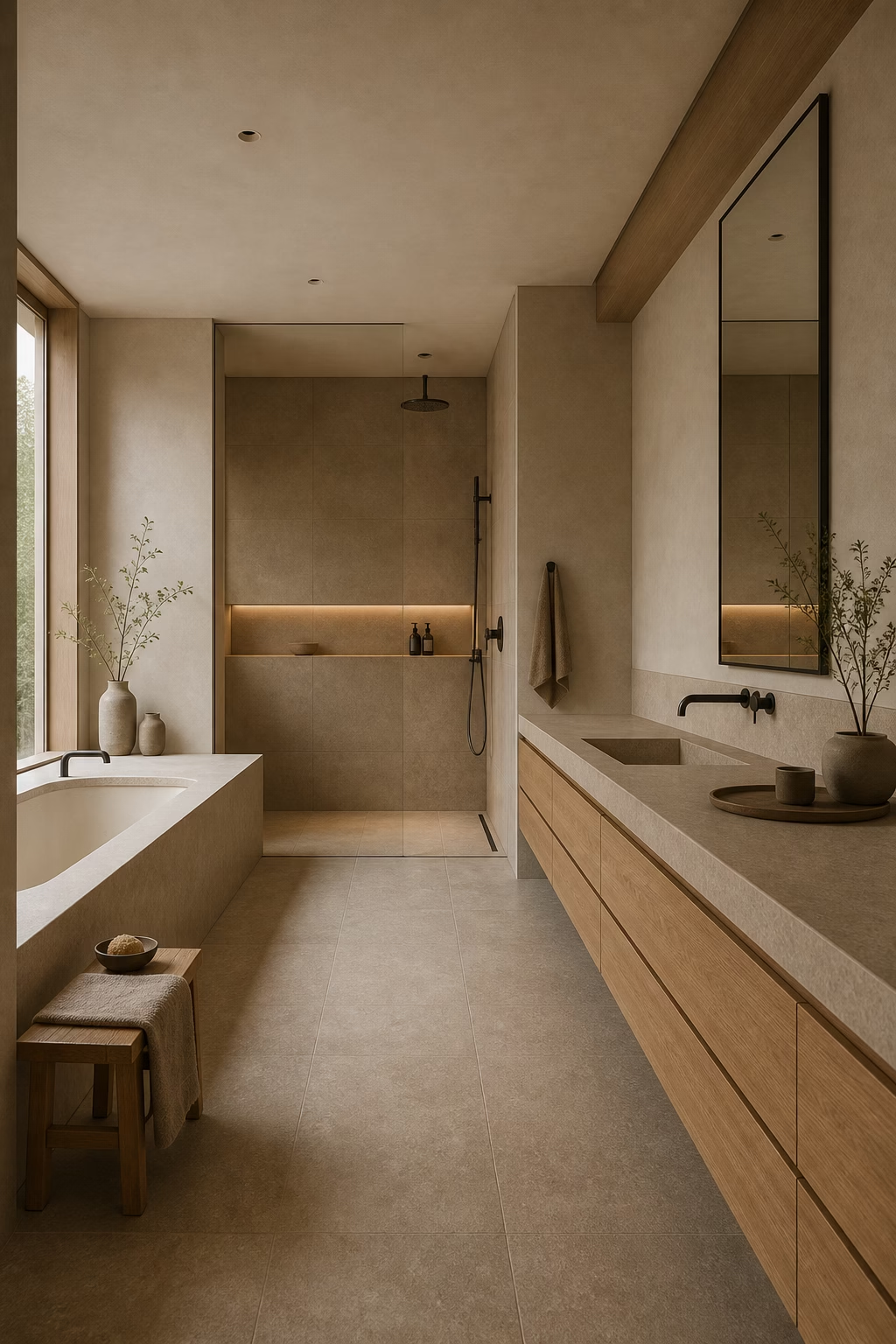
Use Fragrance and Styling With Restraint
A serene bathroom does not need many decorative layers. One candle, a ceramic incense holder, a small tray, or a single branch arrangement can finish the room without clutter. Keep labels hidden or choose refillable containers so text does not interrupt the calm surfaces. Fragrance should feel subtle and natural: hinoki, cedar, green tea, mineral, or soft citrus notes suit the mood. Styling works best when it supports a ritual, such as bathing or handwashing. If an object is only there to fill space, remove it. Japandi design feels luxurious because it trusts quiet materials and intentional emptiness. The room should never feel perfumed for display.
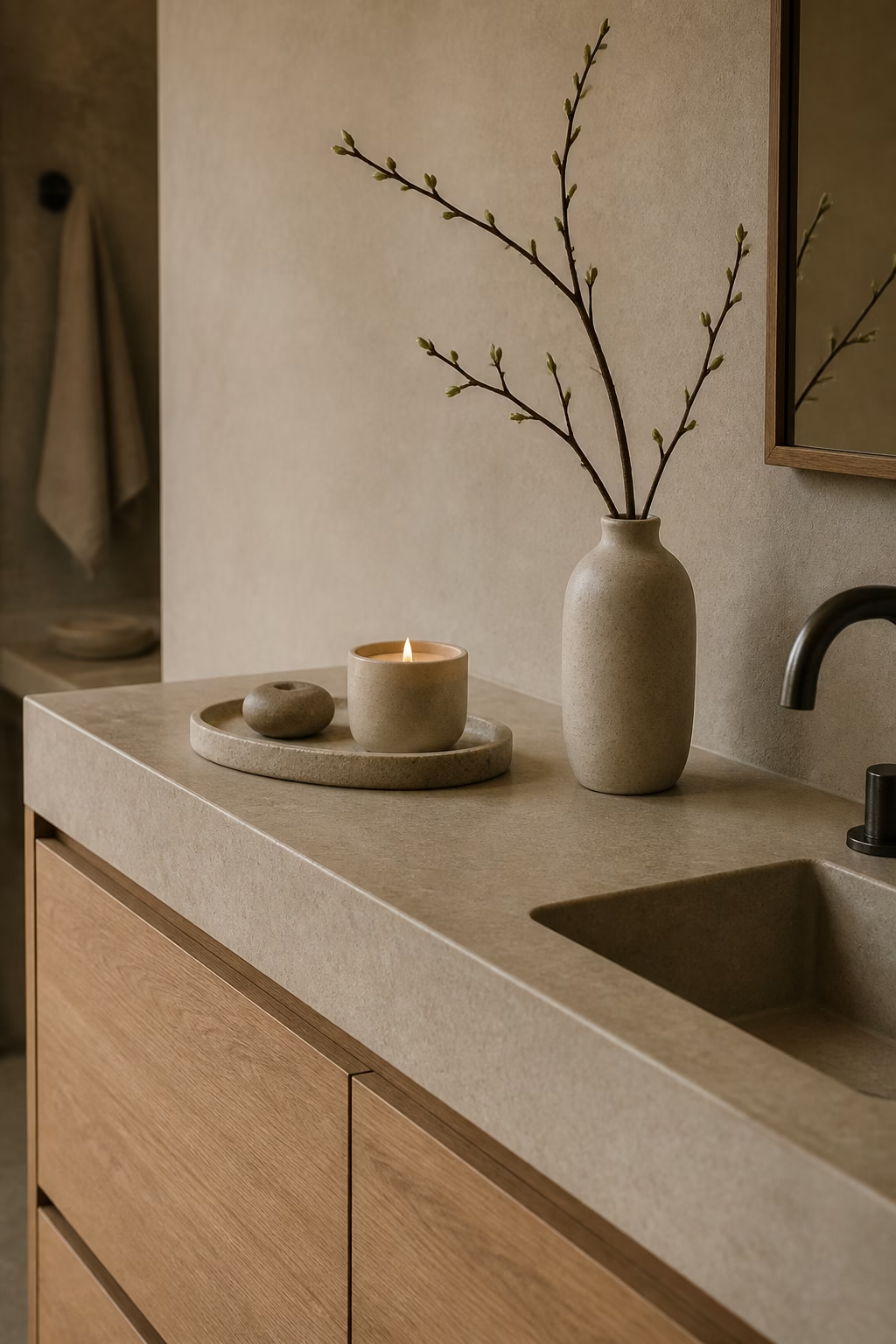
Plan Ventilation So Natural Materials Last
Japandi bathrooms use wood, plaster, textiles, and handmade surfaces, so ventilation is not optional. A quiet, properly sized exhaust fan protects finishes and keeps the room comfortable after showers. Place it where moisture gathers, and pair it with operable windows when possible. Heated floors or towel warmers can help textiles dry faster, especially in a compact bathroom. Materials should be sealed appropriately, but they should not be asked to survive constant dampness. Good ventilation is invisible in the finished photograph, yet it is what keeps the serene look from becoming stained, warped, or musty over time. It protects the calm you created.
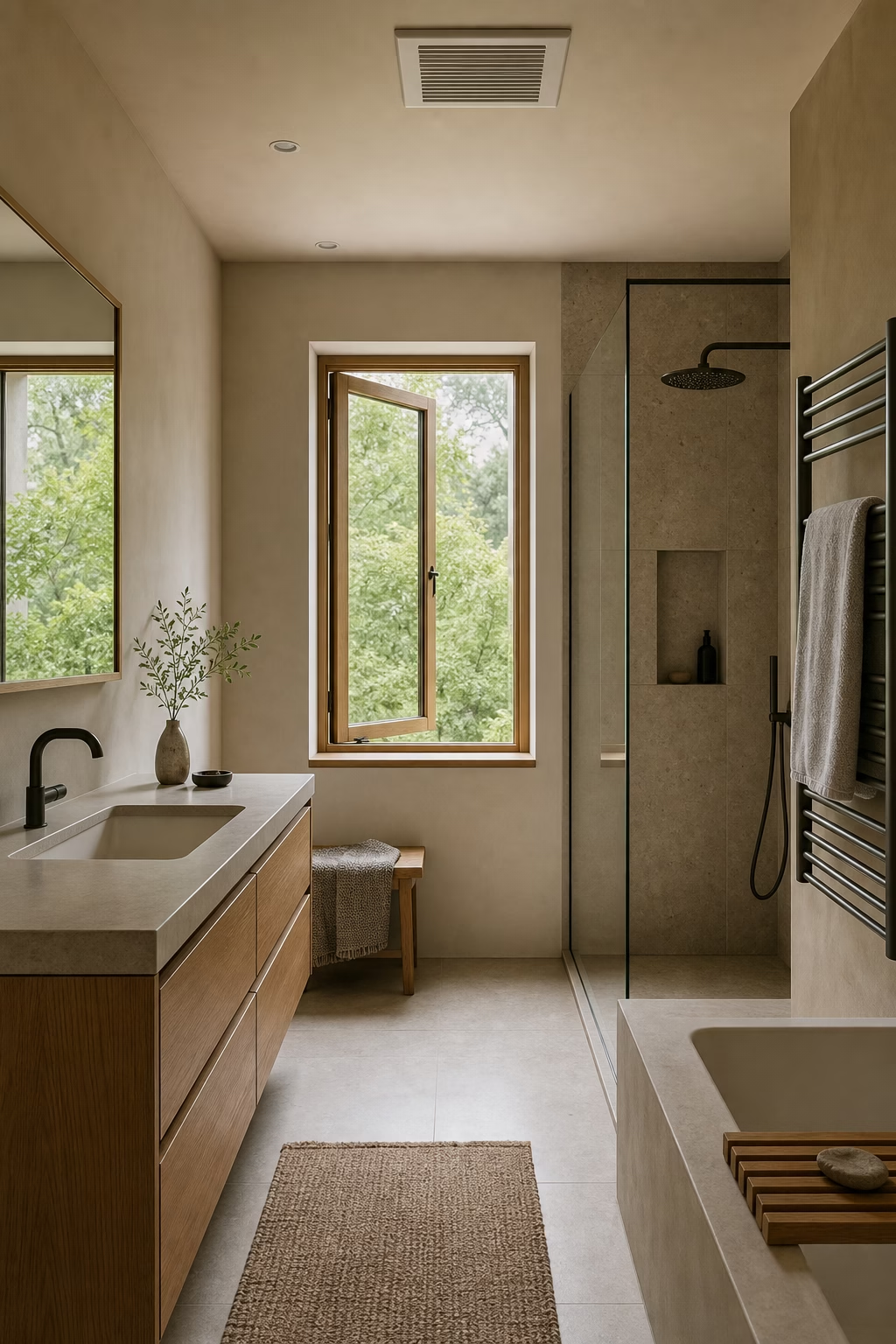
Finish With Negative Space
The most important Japandi idea may be knowing when to stop. After the vanity, tub, shower, lighting, and storage are resolved, leave some walls and surfaces empty. Negative space allows wood grain, stone texture, and natural light to become the decoration. It also makes the bathroom easier to clean and more restful to use. This does not mean the room should feel unfinished; it means the proportions, materials, and practical objects are strong enough to stand on their own. A clear counter, an unfilled wall, and a quiet floor can feel more luxurious than another shelf or accessory. That pause is the final detail.
