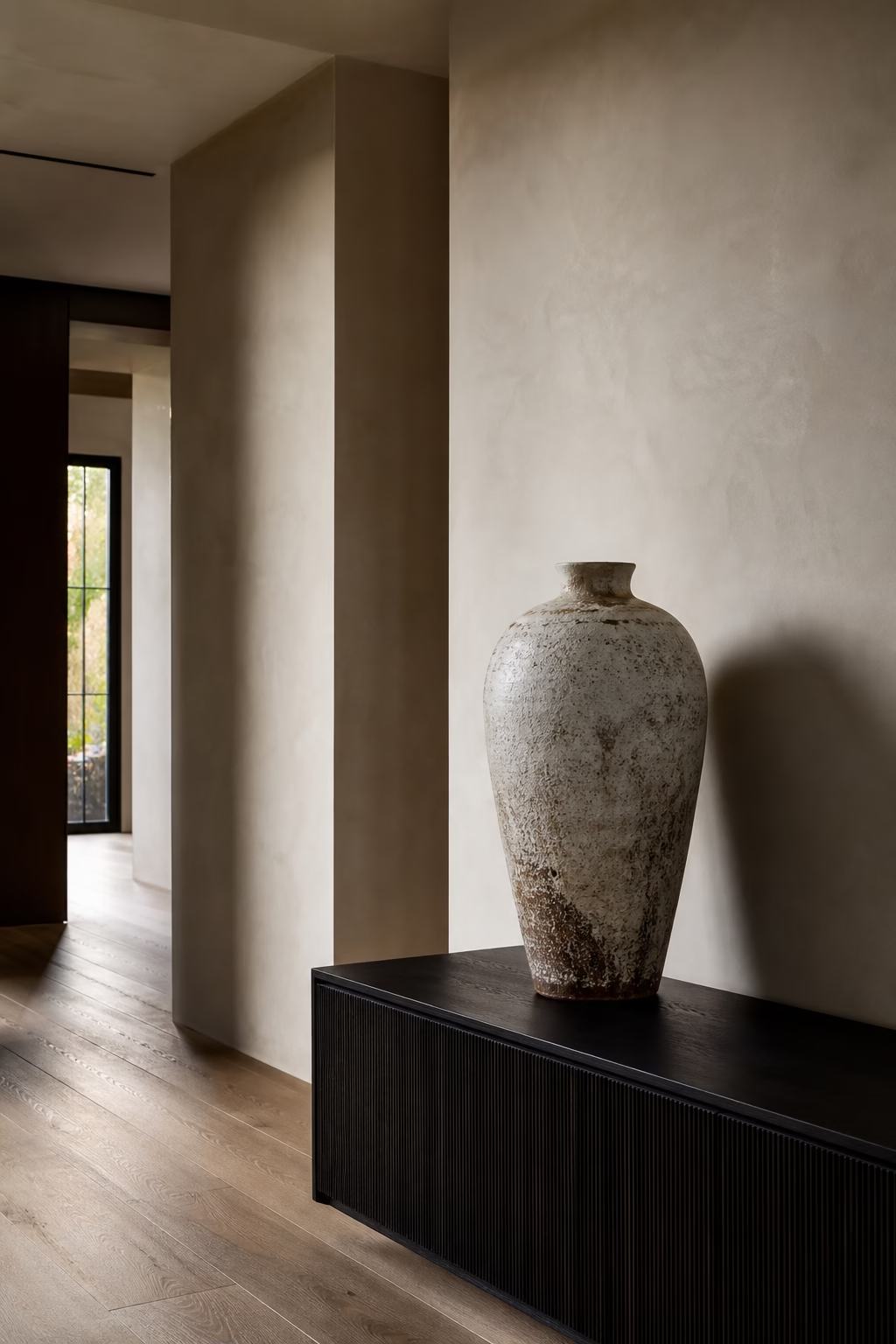
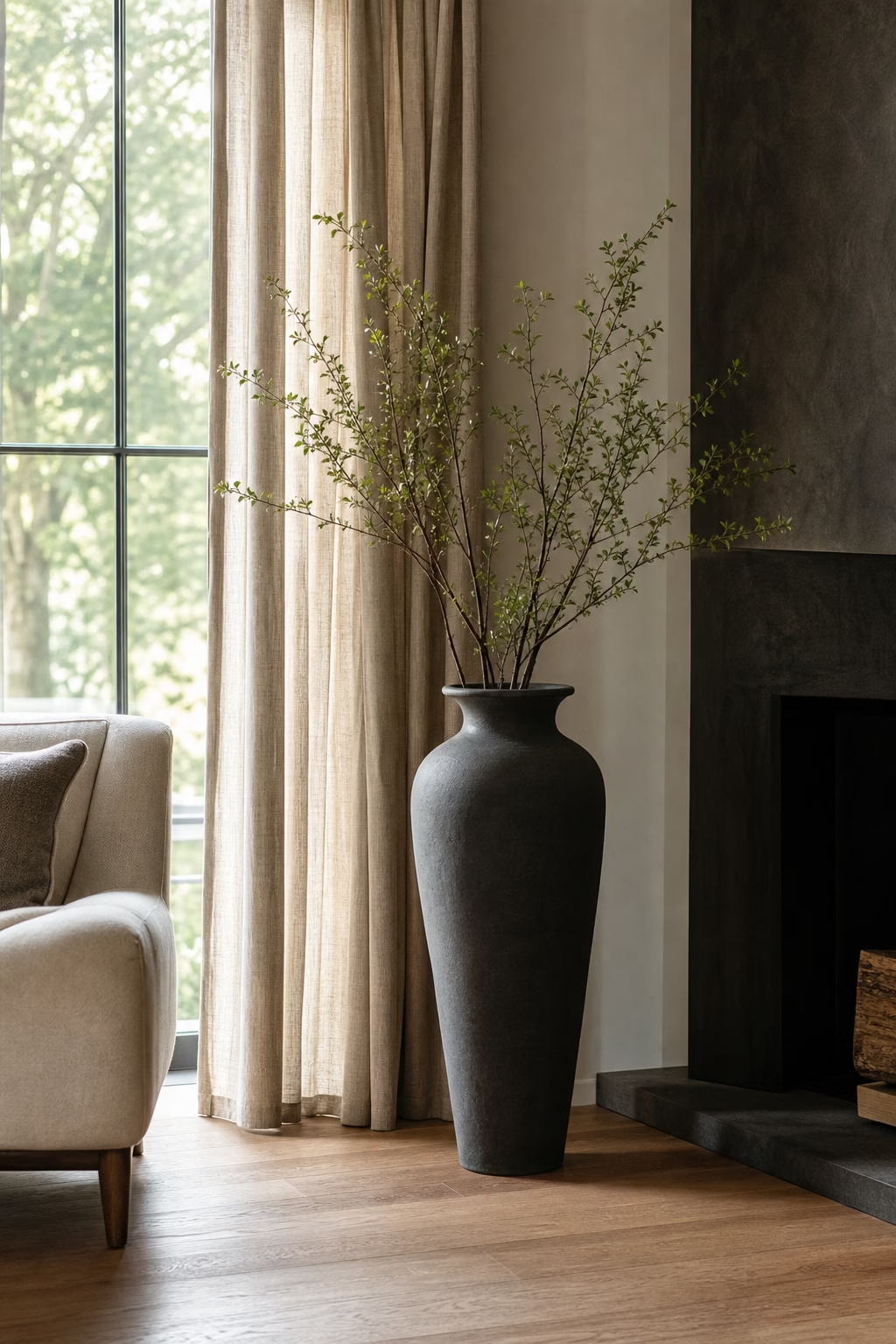
Anchor an Empty Corner With a Tall Ceramic Floor Vase
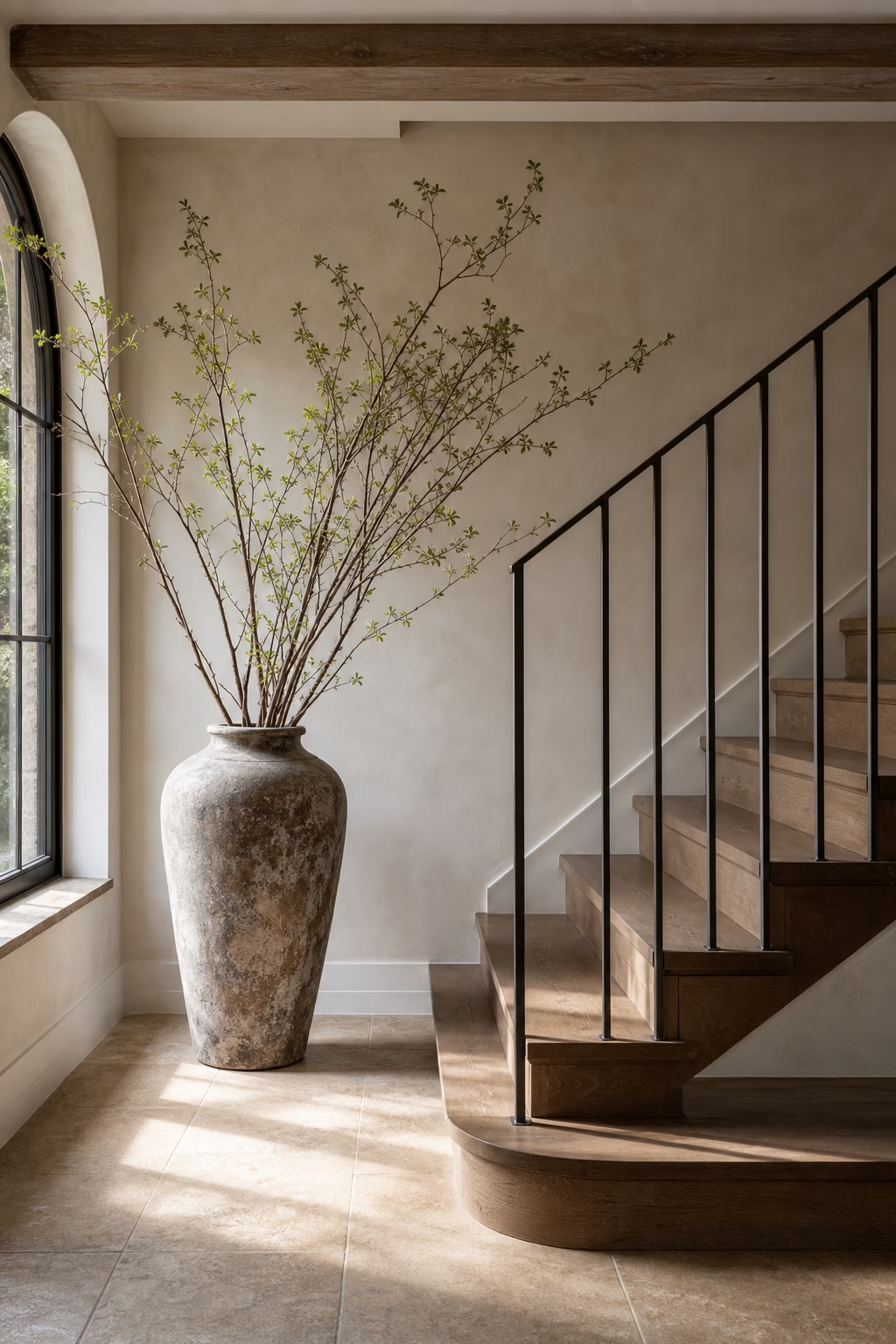
A tall ceramic floor vase is one of the simplest ways to make an empty corner feel designed rather than forgotten. Choose a vessel with enough height to hold its own beside curtains, a reading chair, or a console, then fill it with branches that extend upward instead of spilling sideways. The proportions matter more than the flowers themselves: a narrow corner usually wants a slender vase, while a generous living room can carry a fuller urn shape. Matte ivory, warm clay, charcoal, or stone-gray finishes look especially elevated because they feel architectural. Leave a little breathing room around the vase so it reads as a sculptural object, not clutter pushed into a gap.
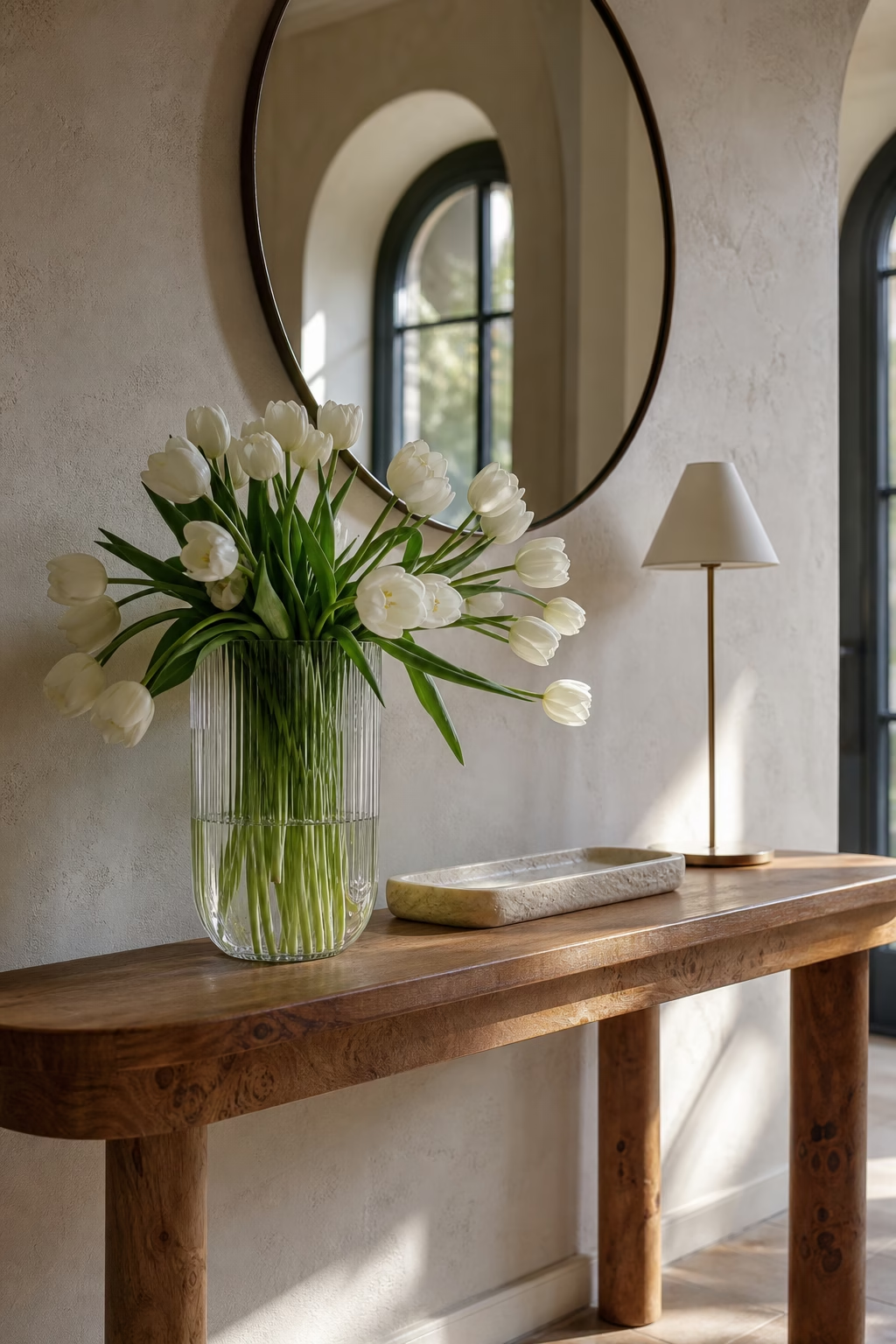
Use a Ribbed Glass Vase on a Sunny Console
Ribbed glass brings movement to a hallway or living room console without adding heavy color. The vertical texture catches sunlight beautifully, especially when the vase holds simple stems such as tulips, ranunculus, or clipped greenery. Keep the arrangement loose and a little asymmetrical so the glass still feels light. On a narrow console, choose one medium vase rather than several competing pieces, then balance it with a tray, lamp, or framed mirror. Clear glass works in almost any palette, while smoked amber or pale green adds a softer vintage note. The best version looks effortless from the doorway but still rewards a closer look.
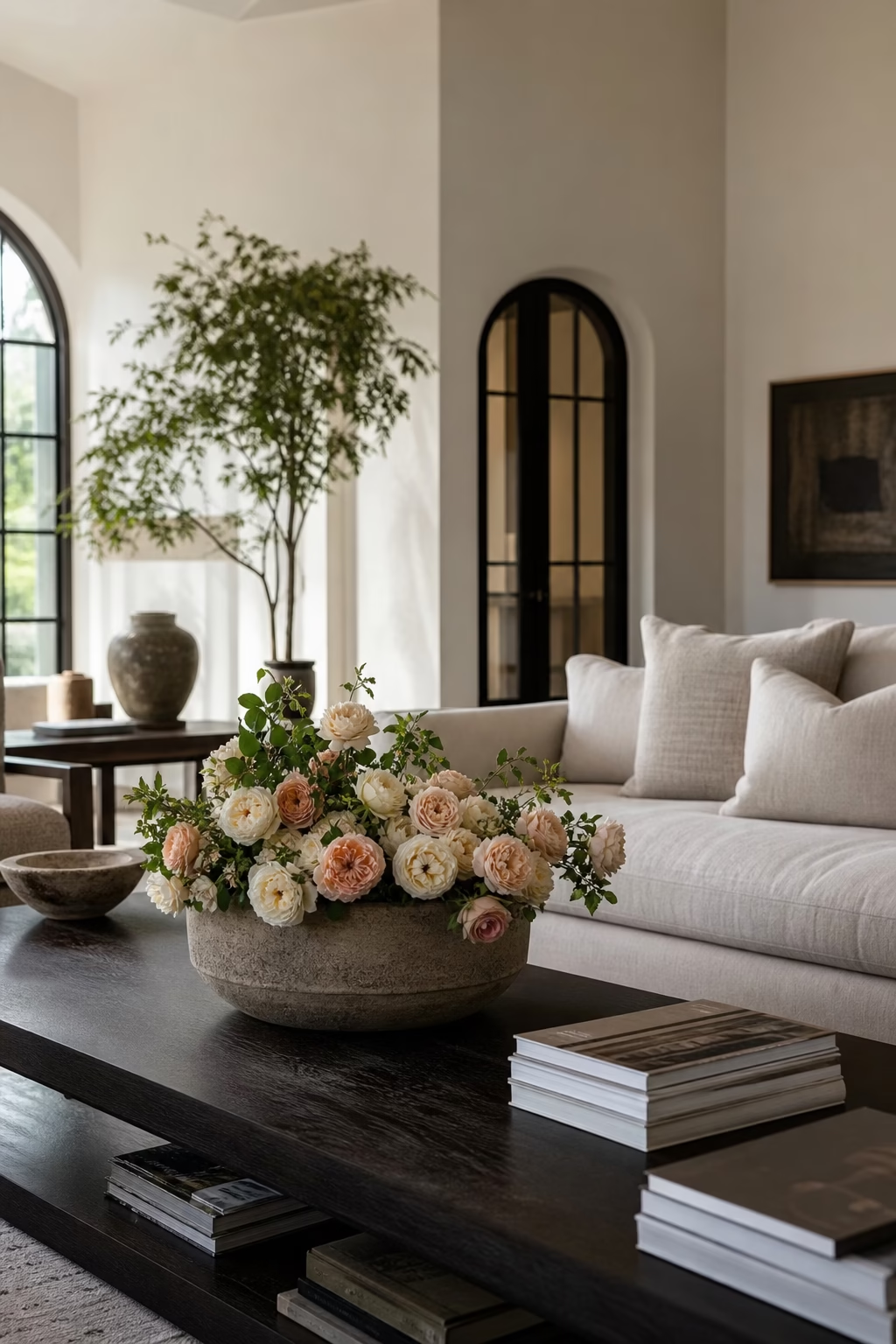
Style a Wide Stoneware Bowl Vase on the Coffee Table
A bowl vase suits a coffee table because it stays low enough for conversation while giving the surface real presence. Look for a wide stoneware vessel with a small opening or internal frog so flowers can spread naturally instead of collapsing outward. Short garden roses, hellebores, anemones, or clipped herbs work well because they create a dense, collected arrangement. Keep the finish tactile: hand-thrown clay, chalky glaze, or soft speckling feels richer than anything too shiny. Place it slightly off-center with a book stack or low tray nearby. The result feels considered but livable, especially in a room where taller flowers would block sightlines.
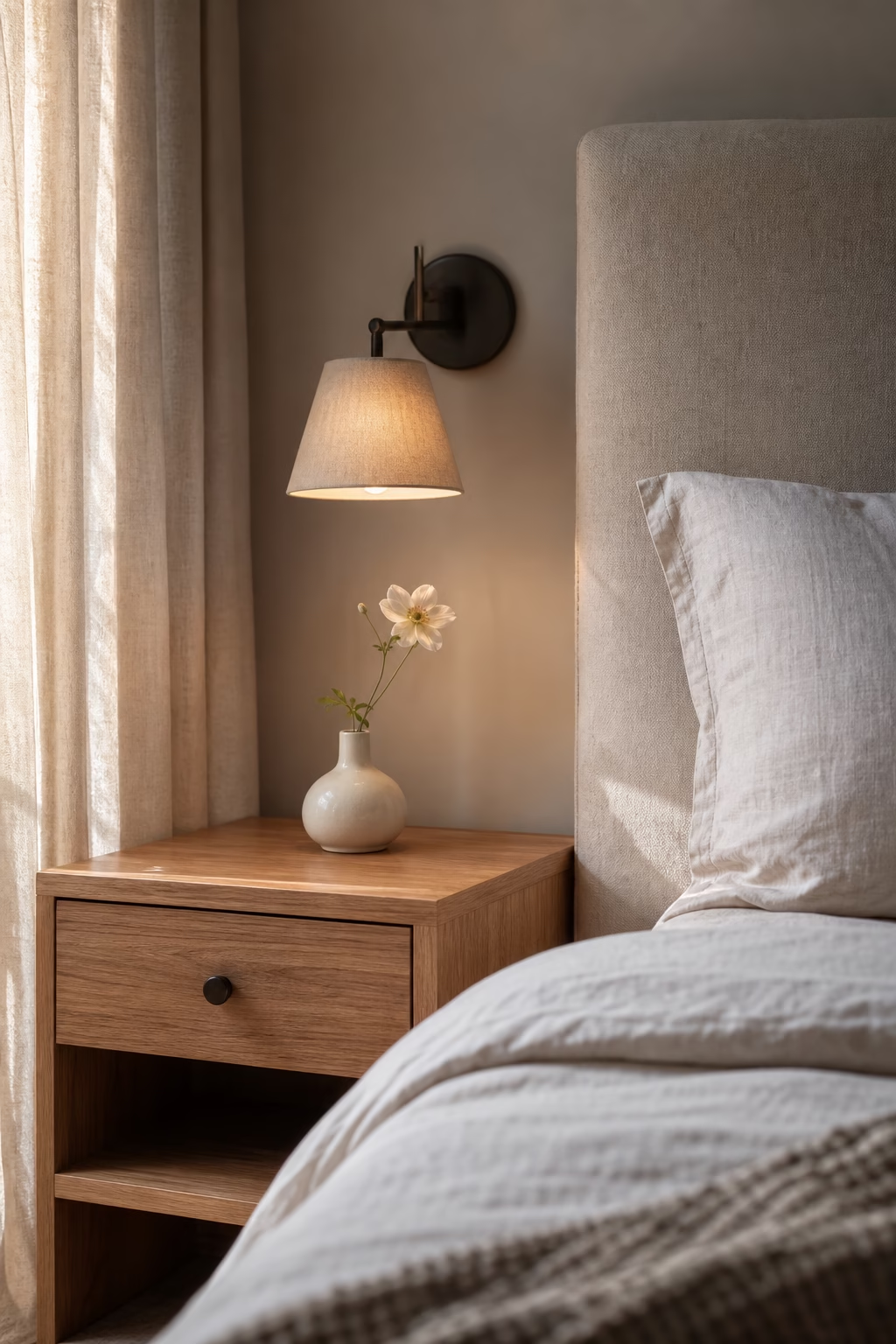
Let a Bud Vase Refine a Bedside Table
A bedside table rarely needs a large bouquet. A single bud vase is more graceful, easier to maintain, and better scaled beside a lamp, book, and water glass. Choose a small ceramic, glass, or marble vessel that feels stable enough not to tip when the drawer opens. One stem can be enough: a sweet pea, garden rose, cosmos, or even a small leafy branch. The gesture makes the nightstand feel cared for without turning it into a display surface. Keep the color close to the bedding or wall tone for a restful look. In a bedroom, the vase should whisper rather than announce itself.
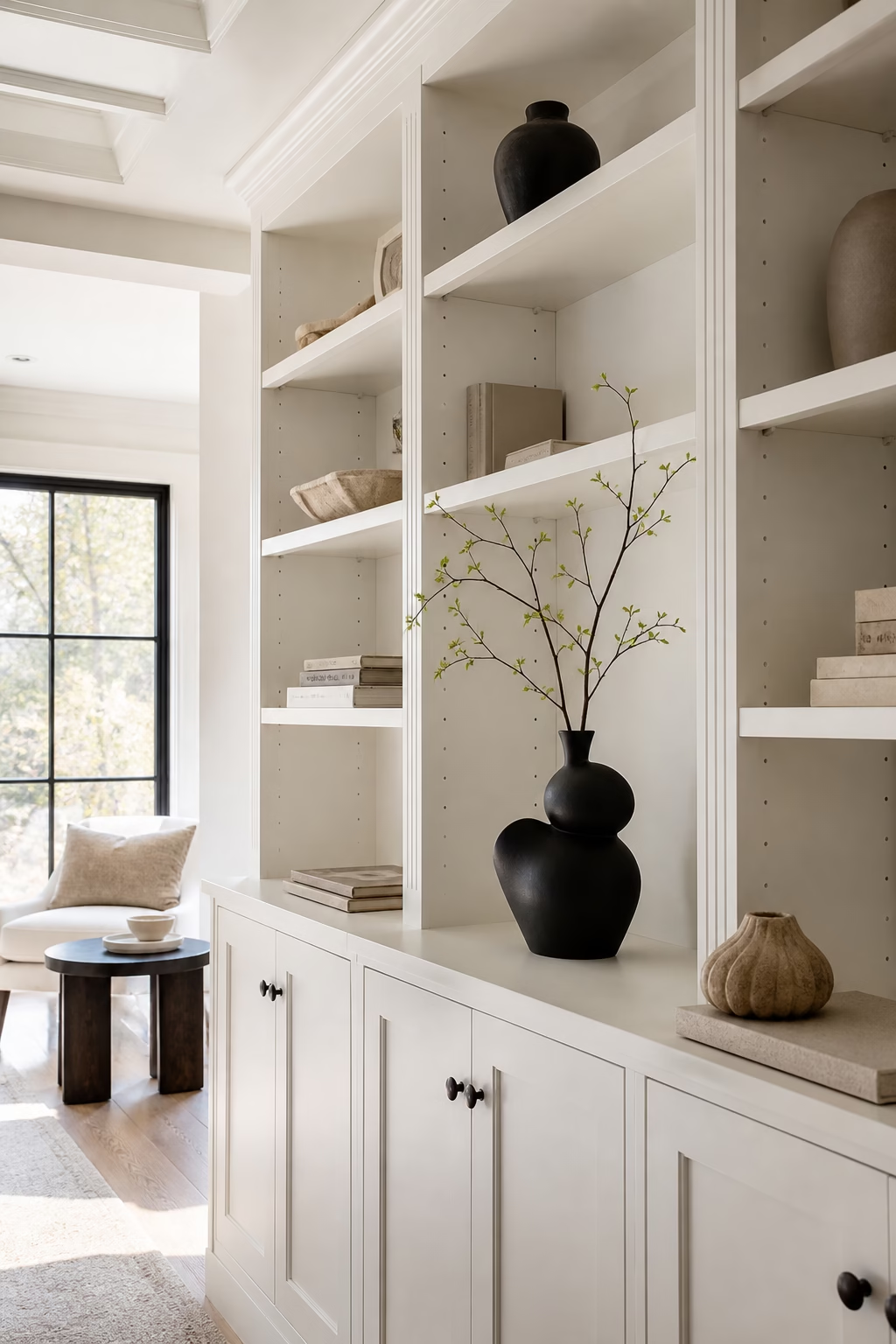
Choose a Sculptural Black Vase for a White Shelf
A sculptural black vase can sharpen a pale shelf without making the room feel harsh. The key is choosing a form with clean curves, an interesting neck, or a handmade silhouette so it reads as art even when empty. On white built-ins, black gives the eye a stopping point and prevents books and ceramics from blending into one soft blur. Use flowers sparingly: bare branches, white blossoms, or deep green leaves are usually enough. Repeat black once elsewhere, perhaps in a picture frame or lamp base, so the vase feels connected. This contrast works best when the shelf still has plenty of negative space.
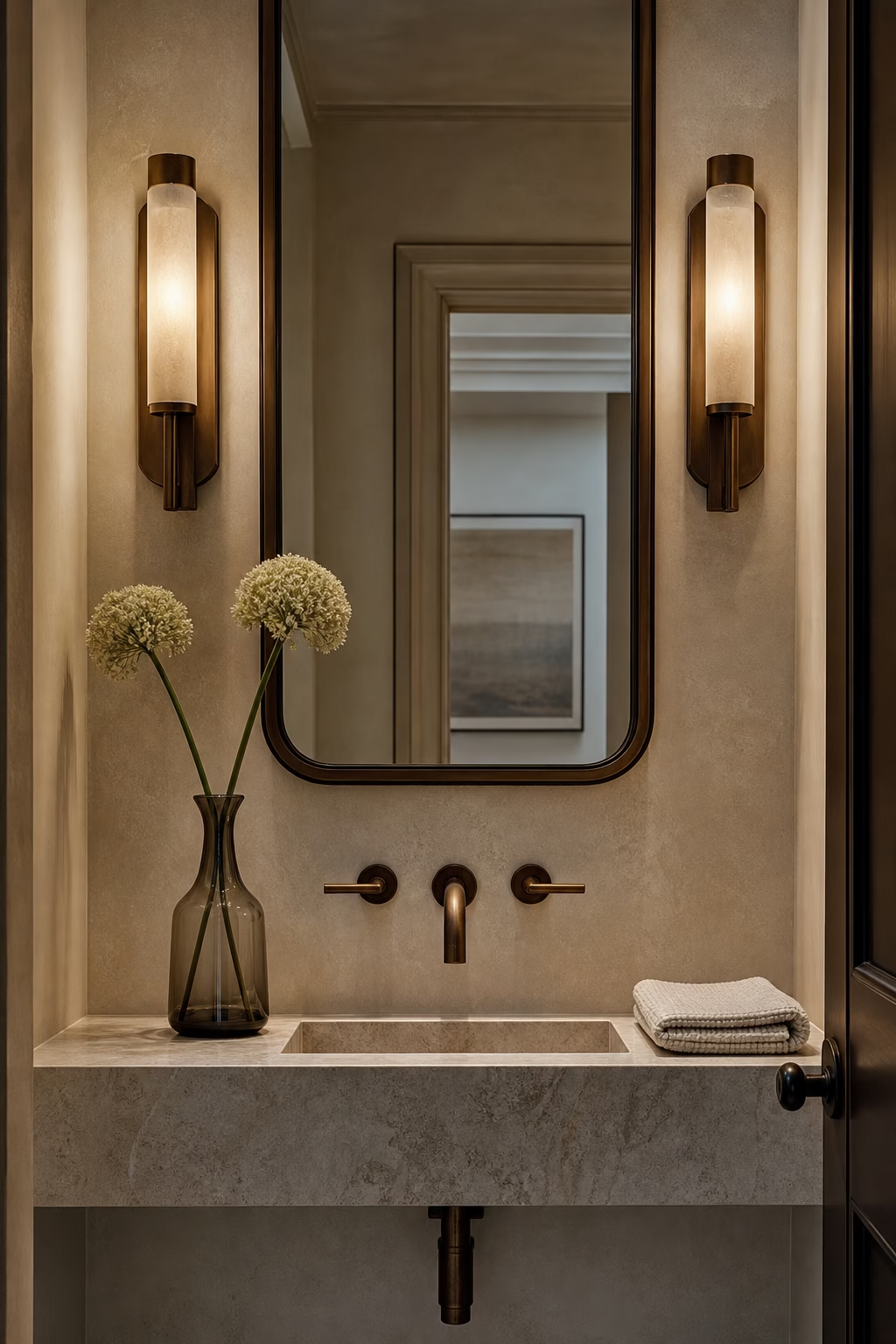
Place a Narrow Neck Vase on a Powder Room Sink
A powder room can handle a little drama because guests experience it in small moments. A narrow neck vase on the sink or vanity keeps the footprint controlled while allowing one or two stems to stand tall. Choose a vessel that relates to the faucet finish or stone counter, such as smoked glass with bronze, ivory ceramic with marble, or green glass with soapstone. Avoid a wide bouquet that crowds the basin or splashes water onto petals. The right vase makes a tiny room feel intentional, especially when paired with a fresh hand towel and soft lighting. It is a small luxury that never feels wasteful.
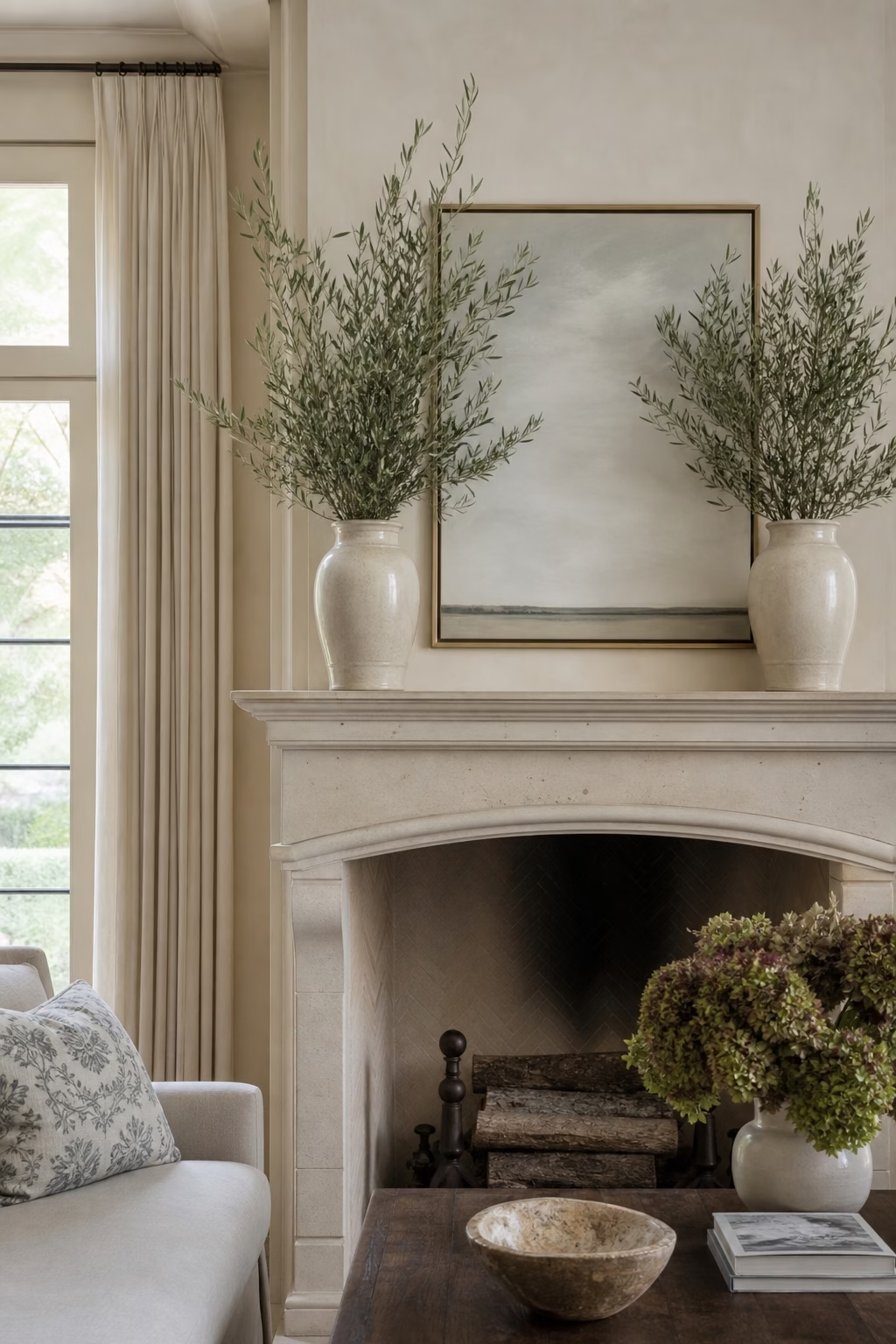
Use a Pair of Matching Vases on a Mantel
Matching vases bring order to a mantel, but they should not look stiff. Choose two vessels with the same material and height, then let the flowers vary slightly so the arrangement feels alive. A pair of cream ceramic vases with olive branches, for example, can frame artwork or a mirror without overwhelming it. Keep the stems airy and avoid symmetrical domes unless the room is very formal. The mantel already has strong horizontal architecture, so the vases should add vertical lift and softness. If the fireplace surround is stone, a matte or textured finish will feel more natural than glossy porcelain.
Bring Height to the Dining Table With a Clear Cylinder Vase
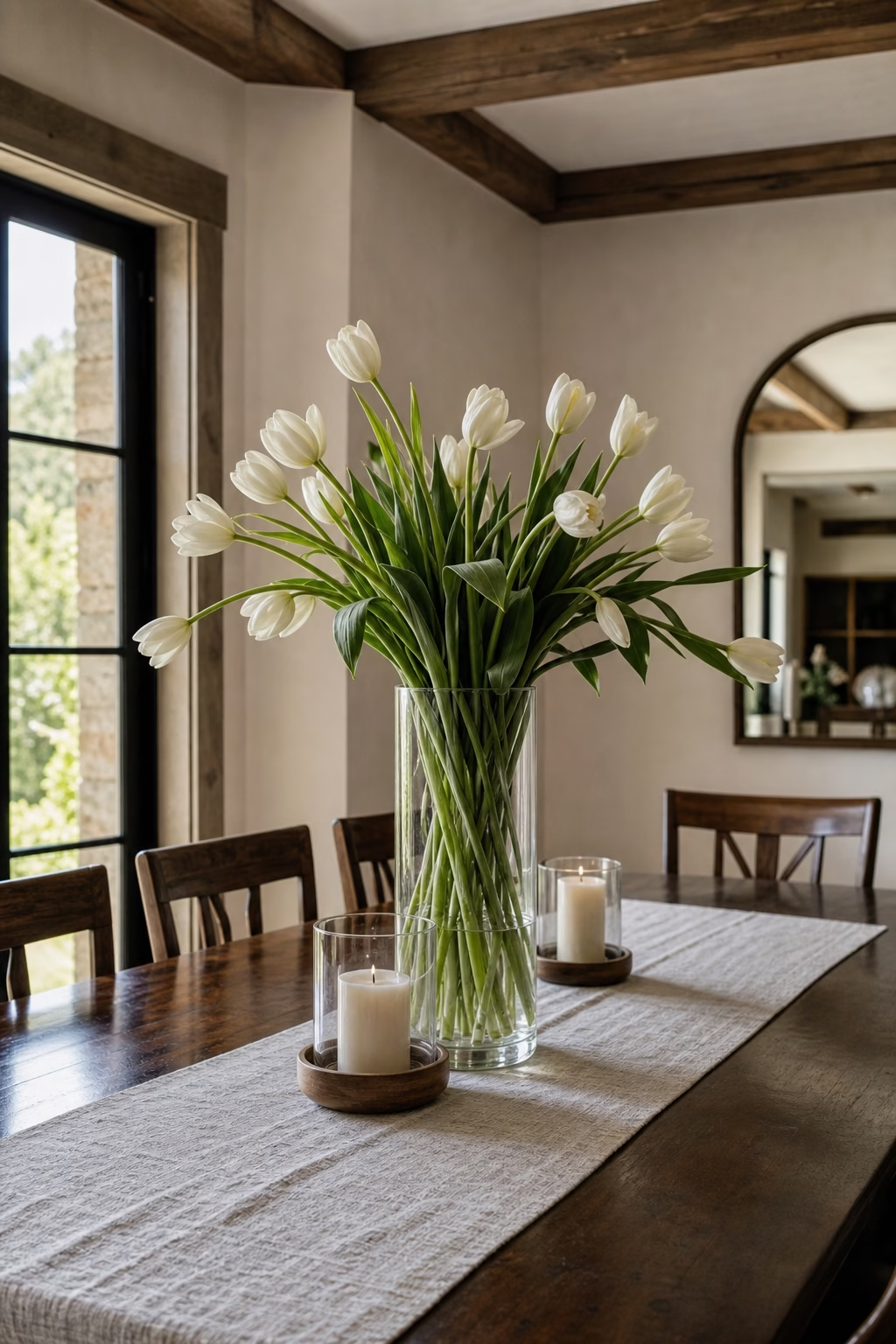
A clear cylinder vase is useful when the dining table needs height but not visual heaviness. Because the glass disappears, the stems become part of the composition and the room still feels open. Use long tulips, calla lilies, flowering branches, or tall greenery, then keep the water clean and the stems trimmed with intention. For dinner, move the vase to a sideboard if it blocks faces across the table; for everyday styling, it can be beautifully central. The shape works especially well on long rectangular tables because it adds a clean vertical line. Pair it with low candles or simple linen runners for balance.
Try a Handmade Clay Vase in a Kitchen Corner
Kitchens often need decorative pieces that can tolerate real life. A handmade clay vase feels relaxed enough for a counter corner but still refined when the shape is strong. Place it away from the main prep zone, perhaps beside cookbooks, near a window, or at the end of a backsplash. Dried grasses, herbs, or clipped branches are practical because they do not demand constant water changes near food surfaces. Earthy clay warms stone counters and painted cabinets, especially in kitchens that lean white or gray. Let the vase have slight irregularity; that handmade quality softens the precision of appliances and cabinetry.

Add a Petite Marble Vase to a Desk
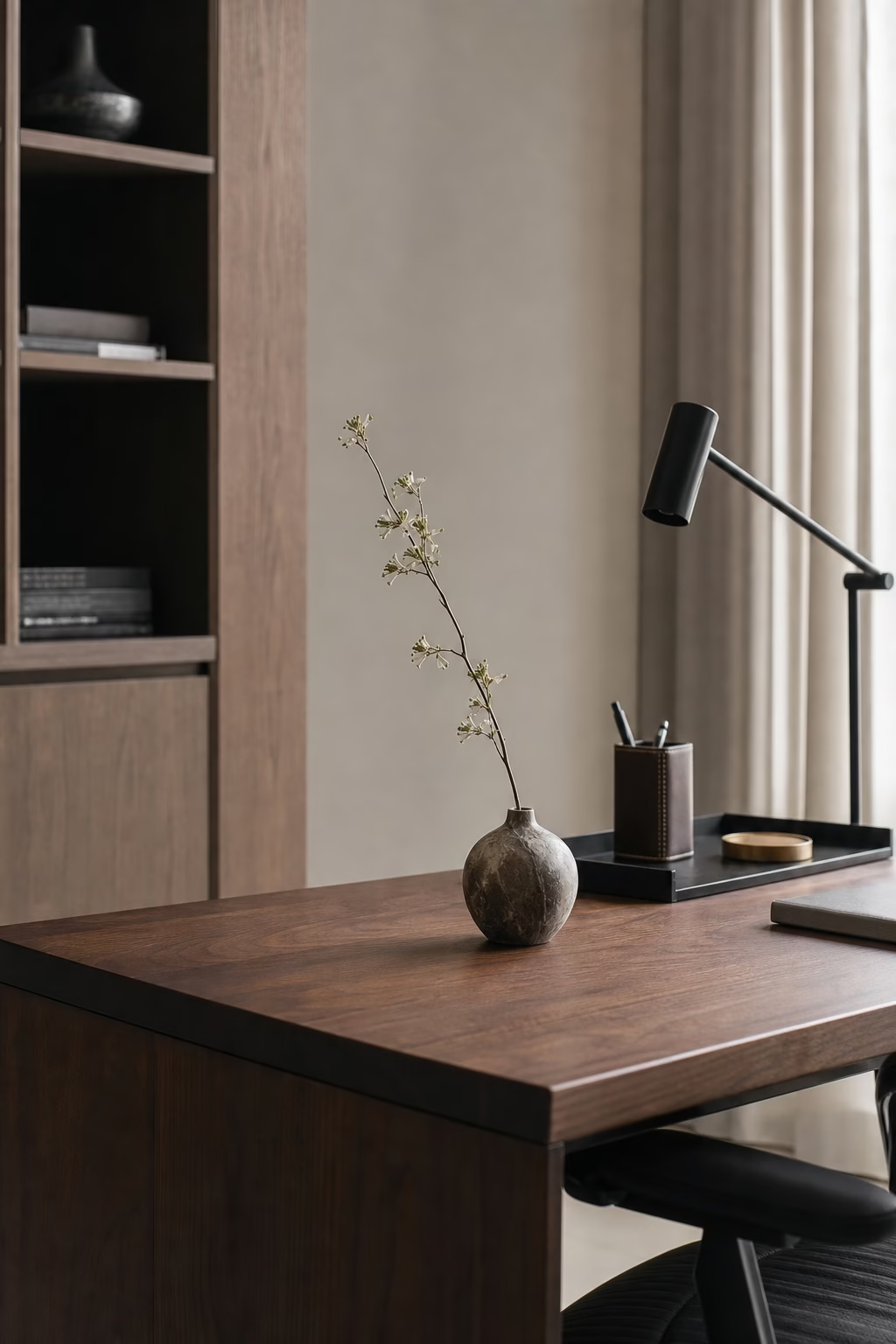
A desk vase should feel stable, compact, and calm. Marble is ideal because its weight keeps a small arrangement grounded, and the veining adds polish even when the vessel is empty. Use one clipped bloom, a small fern frond, or a few delicate stems rather than a bouquet that competes with the work surface. The vase can sit beside a task lamp, pencil cup, or tray, but it should not interfere with the keyboard or writing zone. Soft white, green, or brown marble feels sophisticated without becoming flashy. The effect is subtle: a desk that looks finished, not decorated at the expense of function.
Use a Woven Sleeve Vase for Coastal Texture
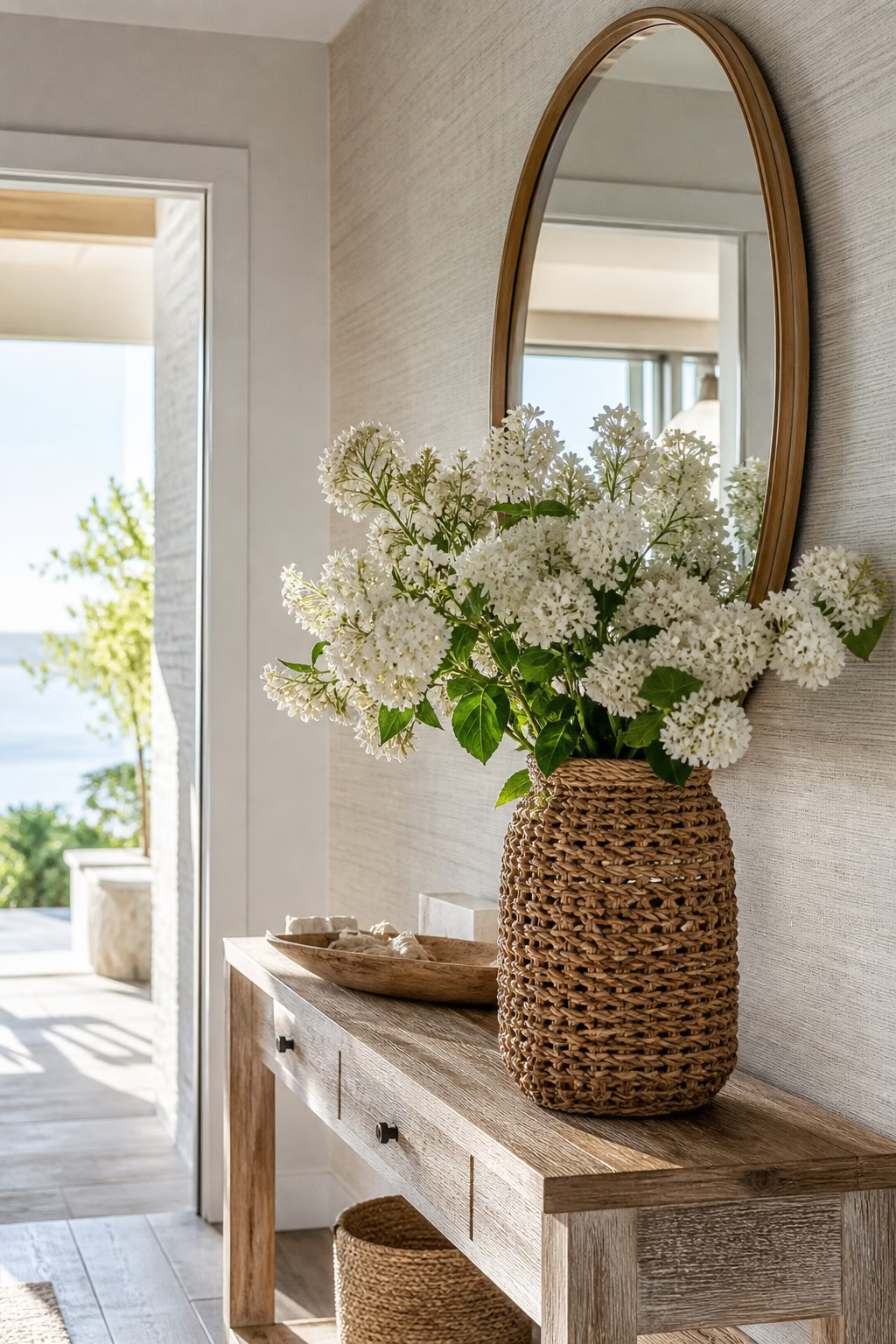
A vase wrapped in rattan, cane, seagrass, or woven fiber can bring coastal texture without leaning into a theme. It works best with simple white flowers, eucalyptus, or sculptural greenery so the weave remains the main detail. Place it on a console, nightstand, or bathroom shelf where the natural material can be seen up close. If the vessel holds water, make sure the interior is glass or sealed ceramic rather than raw fiber. The texture pairs beautifully with white walls, pale wood, linen upholstery, and stone floors. Use just one woven vase in a room so the detail feels special rather than repetitive.
Let an Oversized Branch Vase Fill a Stair Landing
A stair landing often has enough space for something substantial but not enough for furniture. An oversized vase with tall branches solves that problem elegantly. Choose a heavy vessel with a wide base so the arrangement feels secure, then use branches that follow the vertical rise of the staircase. Dogwood, olive, maple, or bare sculptural branches can all work depending on the season. The goal is height and rhythm, not fullness. Keep the vase slightly out of the traffic path and let the branches sit against a simple wall. It turns a pass-through zone into a quiet architectural pause with graceful movement.
Choose a Colored Glass Vase for a Neutral Room
Colored glass is a controlled way to introduce color when the room itself is neutral. Amber, smoke, olive, blush, or pale blue glass can add atmosphere without the permanence of paint or upholstery. The trick is to keep the flowers simple so the glass does not compete with a busy arrangement. On a side table or shelf, a colored vase can echo a rug thread, artwork tone, or cushion shade. In sunlight, it casts a gentle tint that feels layered rather than loud. Choose a form with enough clarity to show the stems, because that transparency is what keeps the piece feeling light.
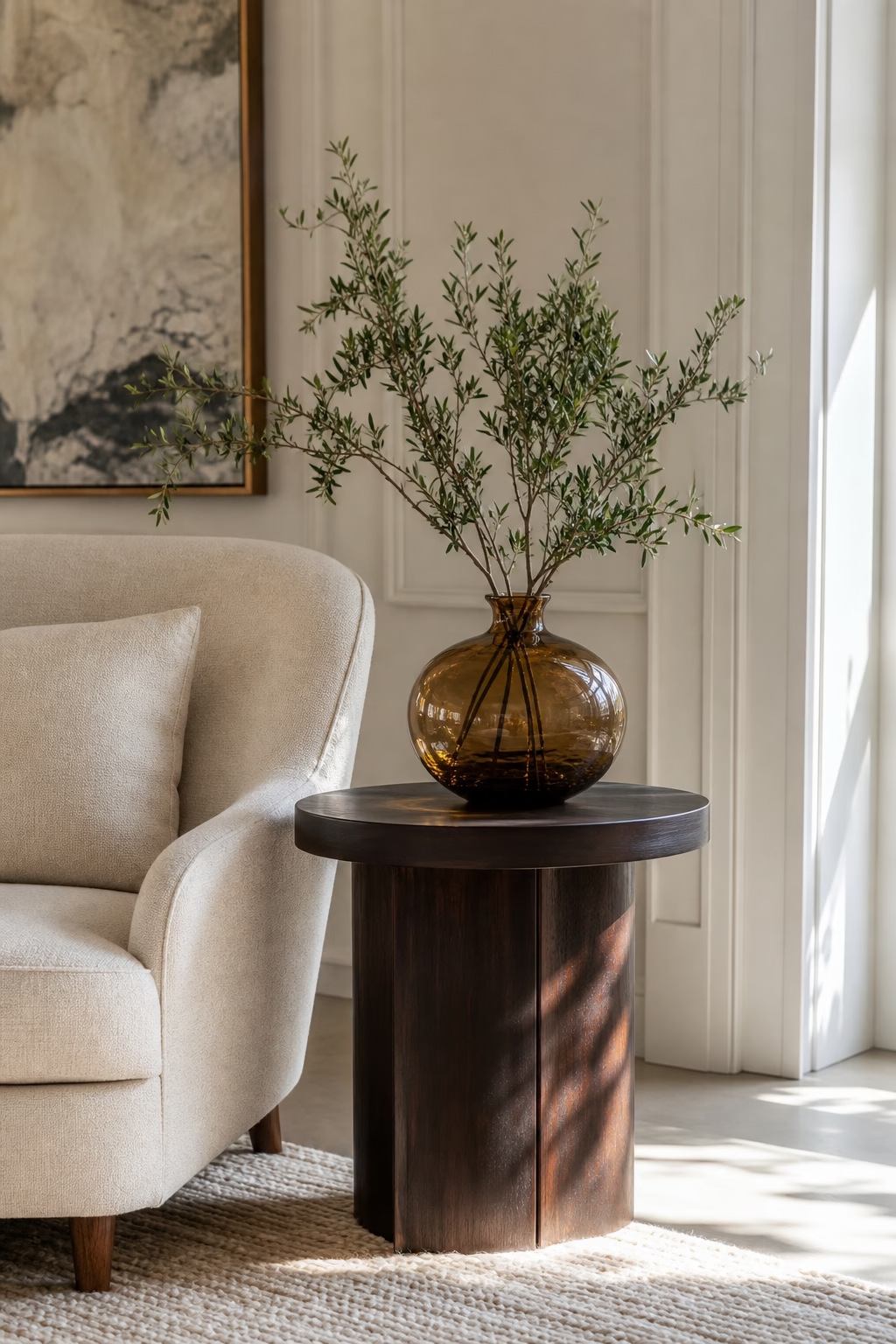
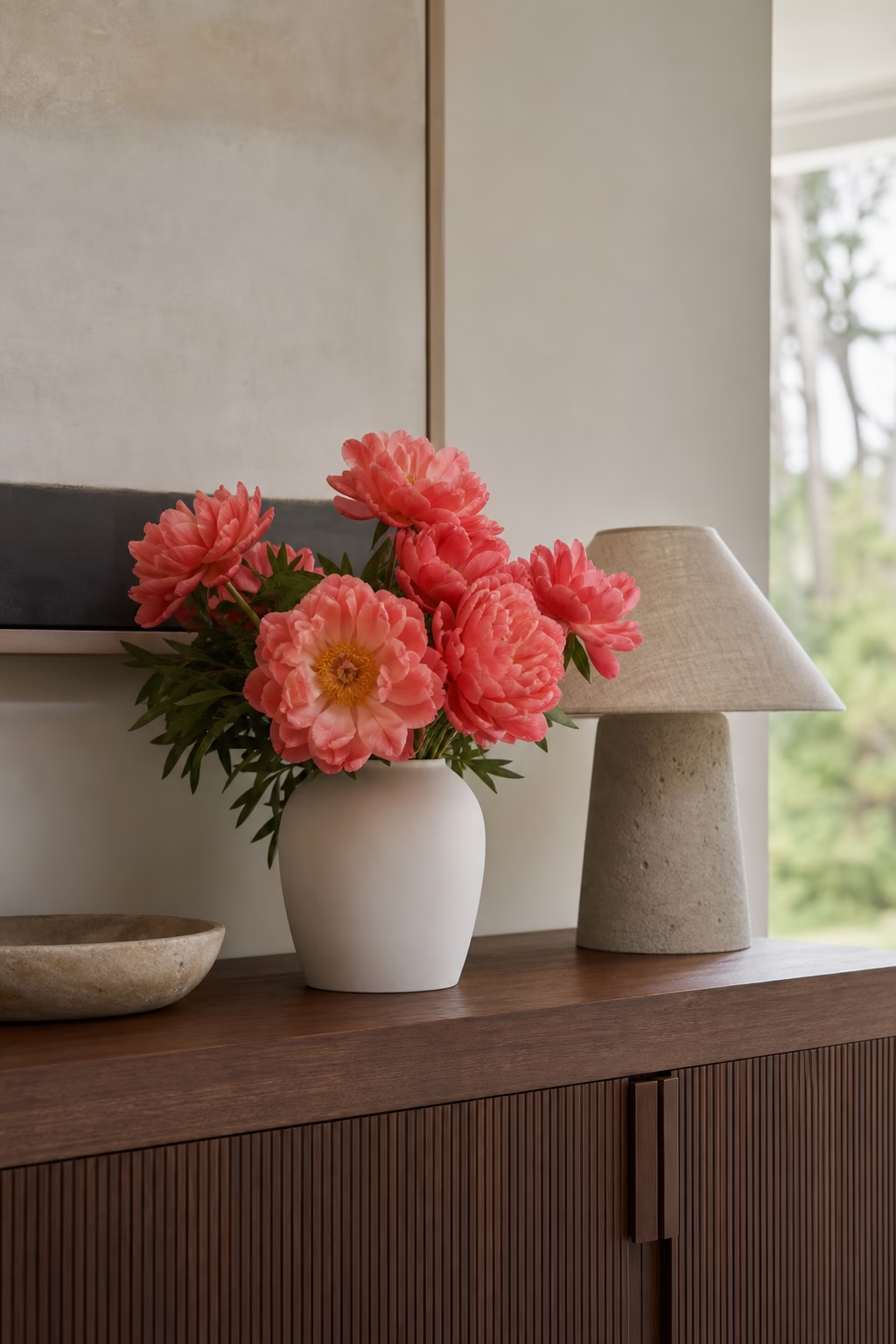
Use a Minimal White Vase for Bold Flowers
When the flowers are expressive, the vase should often step back. A minimal white vase gives strong blooms a clean foundation, whether the arrangement uses coral peonies, deep dahlias, purple irises, or sculptural lilies. Choose a matte or satin finish rather than a mirror gloss so the vessel feels modern and calm. This approach works well on dining buffets, entry tables, and bedroom dressers because the color comes from the flowers, not the object. Keep the shape simple but not flimsy; a slightly thick rim or rounded shoulder adds quality. The contrast lets the flowers feel generous without making the room look busy.
Style a Trio of Bud Vases on Open Shelving
Three bud vases can make open shelving feel lively without taking over. Vary the heights slightly, but keep the material or color related so the trio reads as one decision. Each vase should hold one stem or a tiny sprig; overcrowding defeats the point. Place them across a shelf rather than in a tight row, using books, bowls, or framed art to create rhythm. This works especially well in kitchens, offices, and living rooms where shelves need small natural touches. The trio also makes flower buying easier, because a few leftover stems from a market bunch can suddenly look intentional.

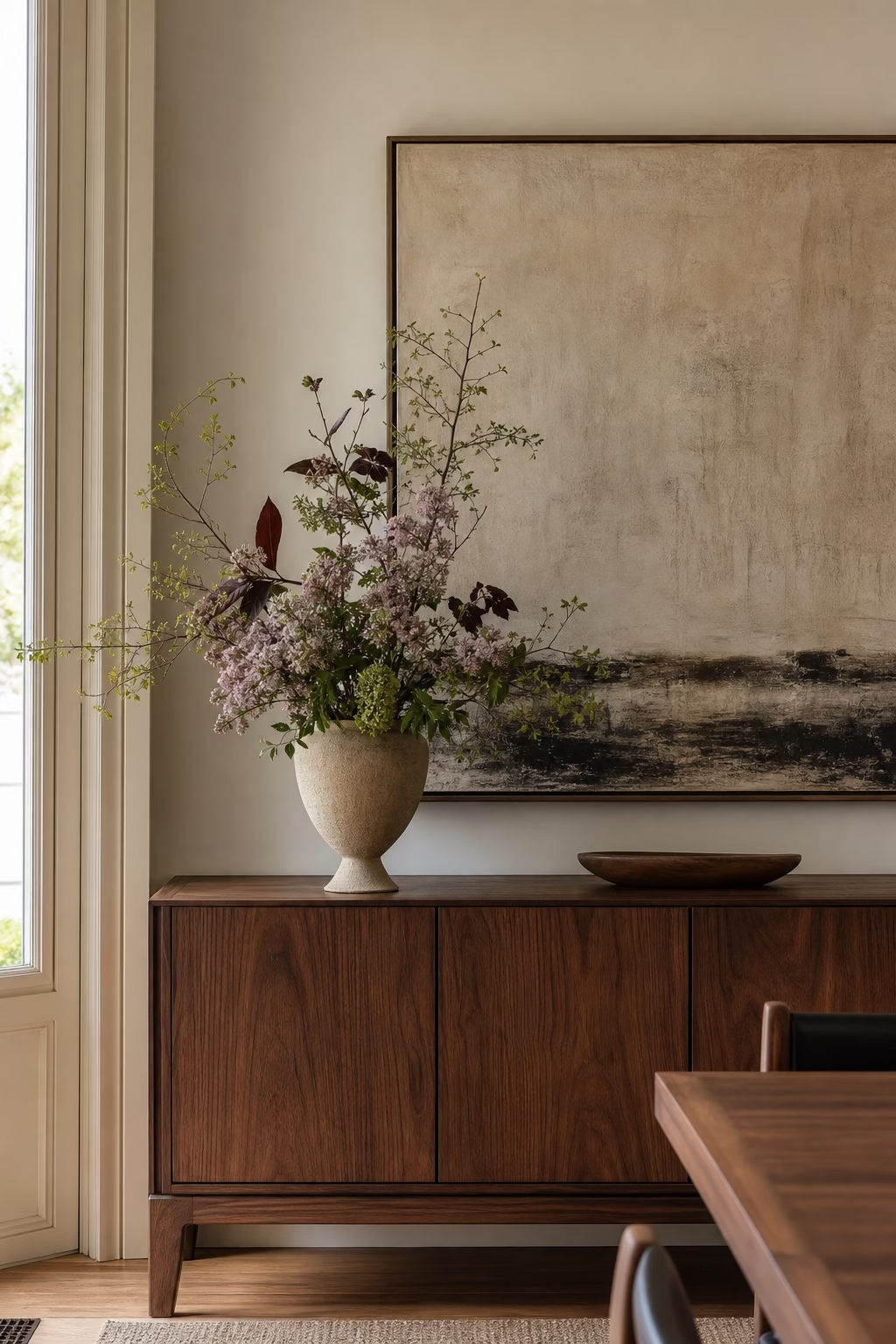
Use a Footed Vase to Elevate a Sideboard
A footed vase gives a sideboard or buffet a more formal posture without needing a complicated arrangement. The raised base creates shadow and separation, which makes even simple greenery feel considered. Look for stoneware, ceramic, or metal with a bowl-like upper form and a sturdy pedestal. This shape is especially useful under artwork because it lifts flowers into the composition without requiring extremely long stems. Keep the arrangement broad but controlled, with flowers leaning slightly rather than forming a perfect mound. A footed vessel feels elegant in dining rooms, entries, and living rooms where a flat vase might look too casual.
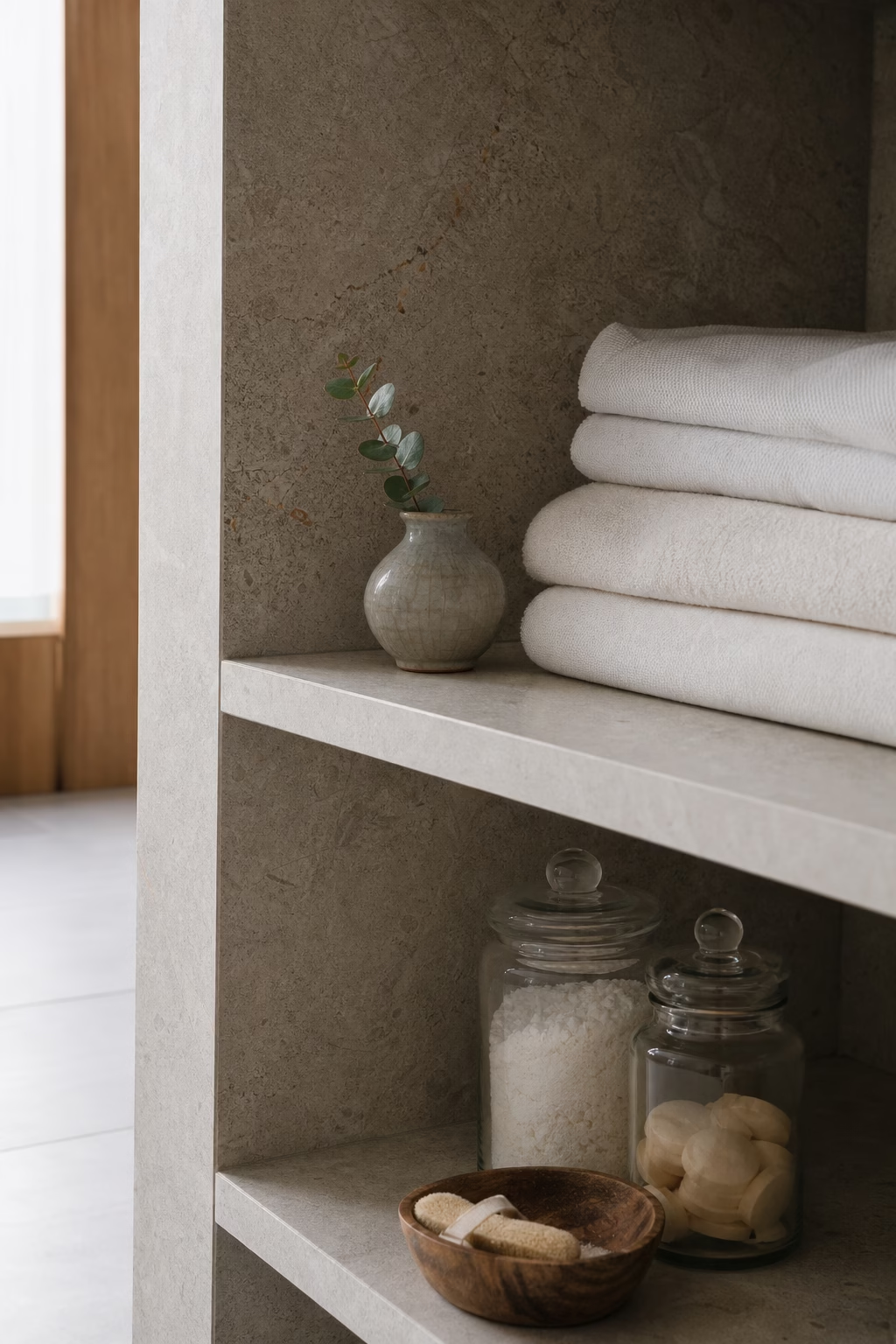
Place a Tiny Vase on a Bathroom Shelf
Bathroom shelves can become purely practical unless one small detail softens them. A tiny vase with a fresh sprig brings life to folded towels, jars, and soap without taking up much space. Choose a vessel that can handle humidity, such as glazed ceramic, glass, or stone. One fern stem, eucalyptus clipping, or small flower is enough. The scale should be modest so the shelf remains functional and easy to clean. In a guest bathroom, this little gesture makes the room feel prepared. In a primary bath, it turns a daily routine into something more composed without adding real maintenance or clutter.
Use a Textured Vase to Break Up Smooth Surfaces
Rooms with polished stone, lacquered furniture, or sleek cabinetry often need one rougher object to keep them from feeling flat. A textured vase can provide that relief. Look for fluting, carved lines, lava glaze, hand-built ridges, or a sandy matte finish. The flowers can be simple because the surface does much of the work. On a marble counter or glossy console, texture reads especially well; it gives the eye something tactile to register. Choose a color close to the room's palette so the contrast comes from finish rather than hue. It is a quiet way to make modern surfaces feel more human.

Bring a Clear Bud Vase to a Breakfast Nook
A breakfast nook benefits from flowers that do not interfere with plates, mugs, or conversation. A clear bud vase keeps the table easy and bright, especially when it holds one seasonal stem from the garden or grocery bunch. Place it on a small linen napkin or saucer if the tabletop is wood, and keep the water line fresh because it will be visible. The transparency suits informal meals and morning light better than a heavy centerpiece. In a banquette setting, it can sit against the wall side, leaving the practical eating zone open. The mood is casual, but still thoughtfully finished.
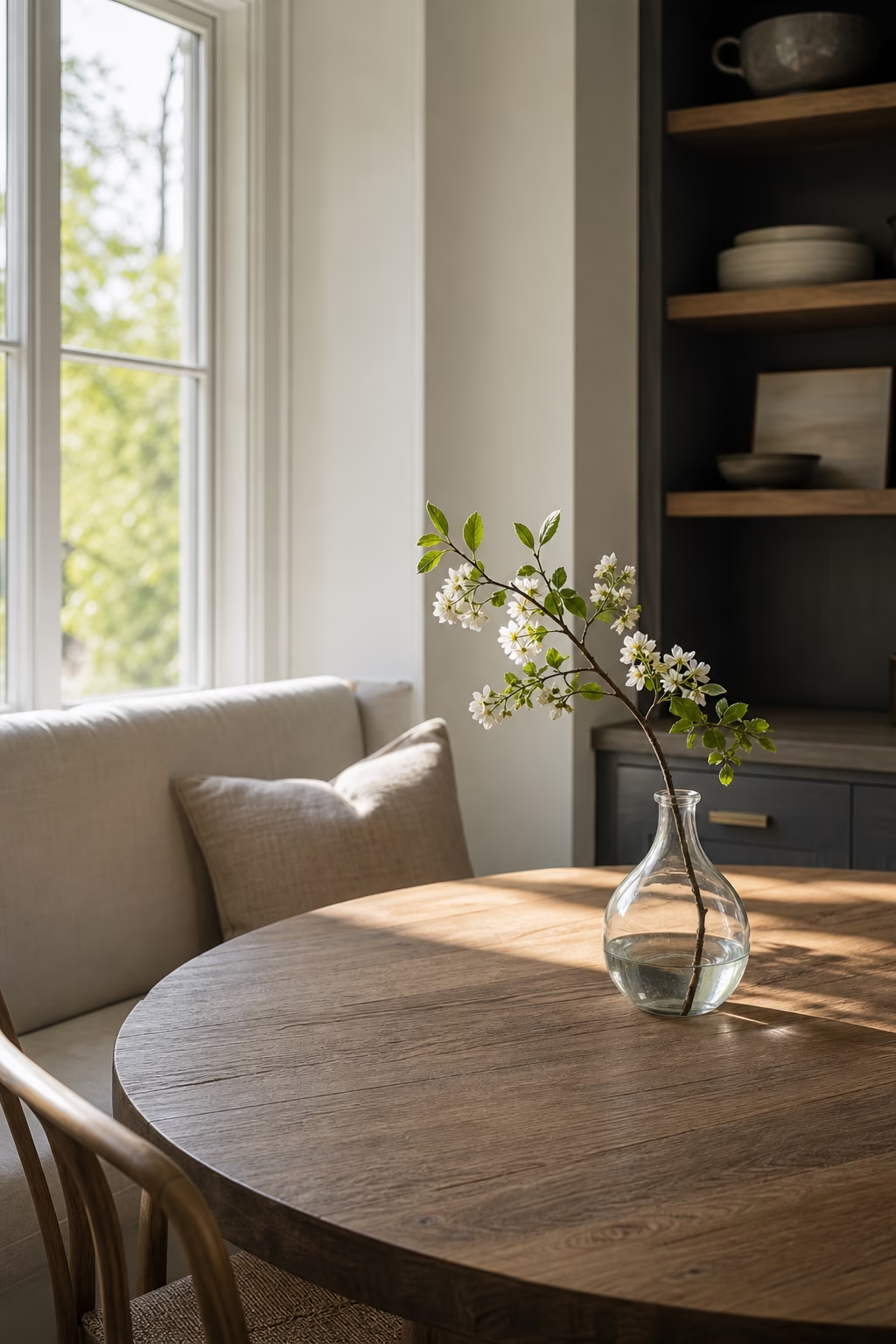
Set a Stone Vase Beside a Fireplace
A stone vase belongs naturally near a fireplace because both elements have weight and permanence. Choose limestone, travertine, marble, or a convincing stoneware finish, then style it with branches, dried stems, or a restrained floral arrangement. The vessel should be large enough to stand up to the firebox and surround, but not so large that it crowds the hearth. Keep safety in mind and place it away from active flames or heat exposure. The look is especially strong in quiet living rooms where the fireplace is the main architectural feature. Stone-on-stone styling feels calm, grounded, and quietly luxurious in every season.

Try an Asymmetrical Vase for Modern Drama
An asymmetrical vase can bring modern drama to a surface without needing loud flowers. Look for an offset neck, folded ceramic form, or sculptural silhouette that changes as you walk around it. Because the shape already has movement, keep the arrangement restrained: one branch, a few calla lilies, or a leaning cluster of greenery. This type of vase works well on a pedestal table, console, or open shelf where its outline can be seen clearly. Give it negative space and avoid crowding it with other objects. The piece should feel like a small sculpture that happens to hold flowers beautifully.
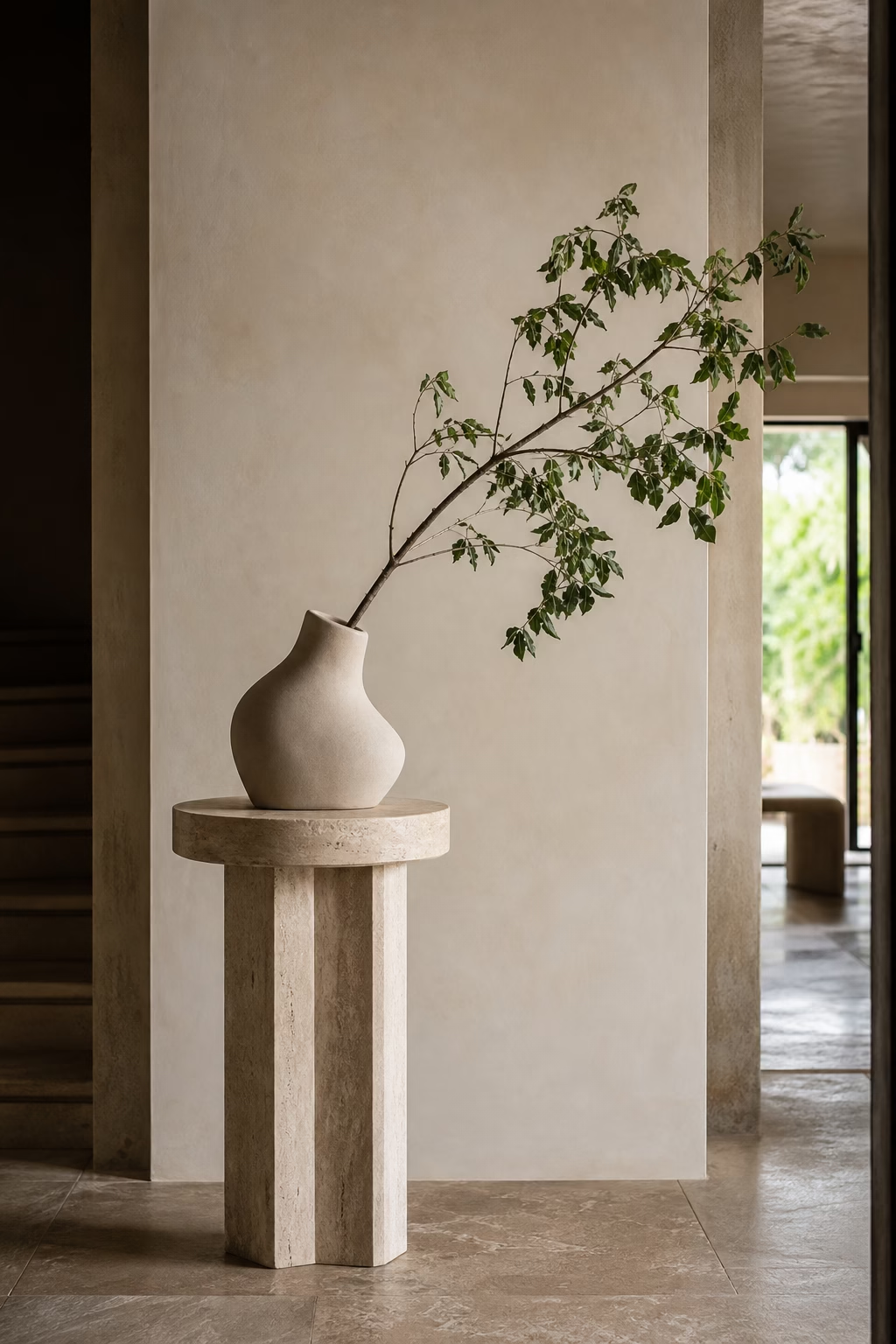
Use a Vintage-Inspired Urn in a Traditional Room
A vintage-inspired urn brings grace to a traditional room, especially when the architecture includes molding, antiques, or tailored upholstery. Choose a vessel with aged ceramic, cast metal, or stone-like character rather than a shiny reproduction. The arrangement can be fuller here: garden roses, hydrangeas, flowering branches, or seasonal greens suit the classic shape. Keep the color palette edited so the urn feels elegant rather than fussy. It works beautifully on a round entry table, a dining sideboard, or a deep mantel. The trick is restraint around it; let the urn be the decorative gesture, then keep nearby accessories quieter and lower.
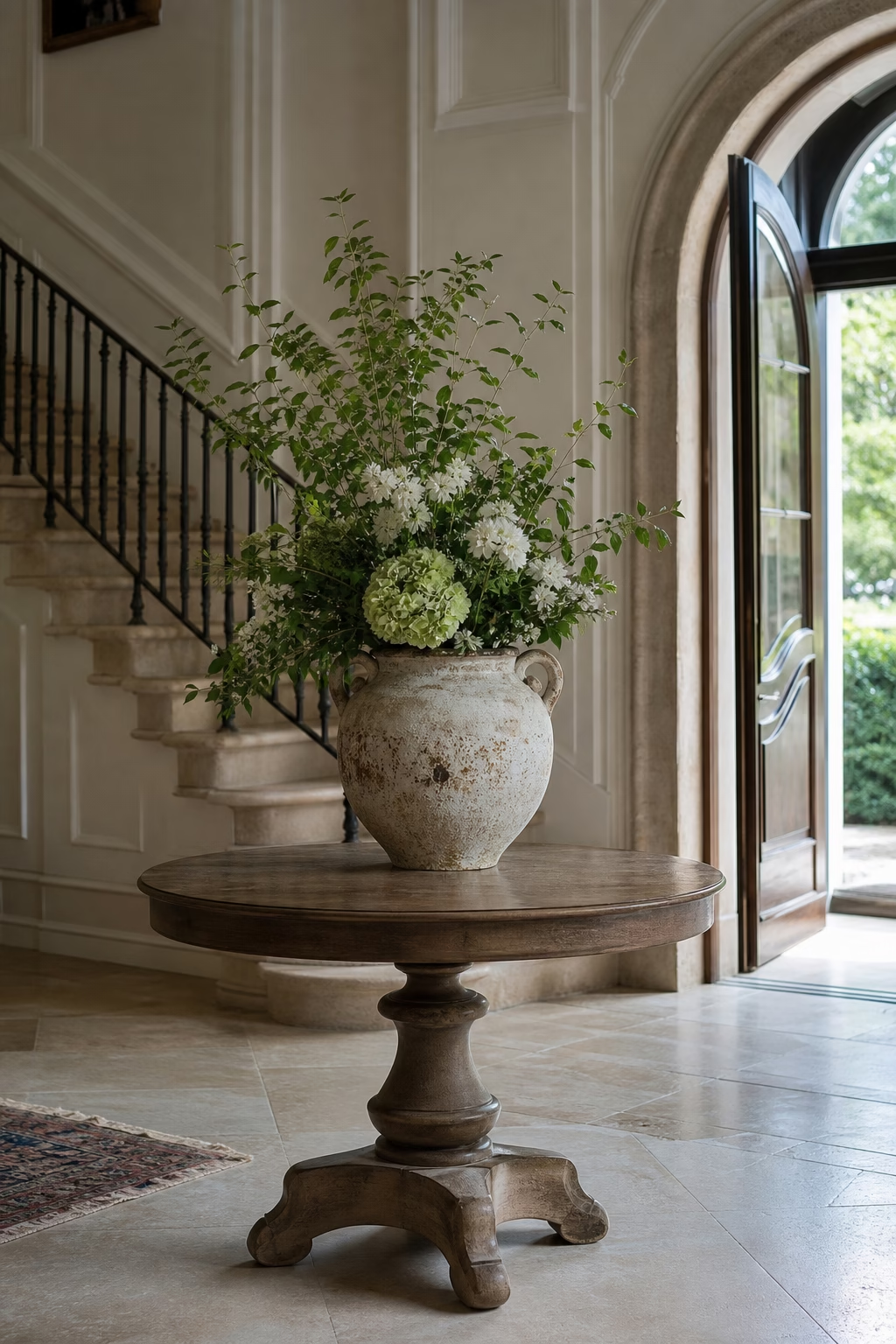
Choose a Matte Vase for Dried Arrangements
Dried flowers and grasses look most refined in a matte vase because the soft finish supports their muted texture. Pampas, bunny tails, preserved eucalyptus, dried hydrangea, and seed pods can become dusty or overly rustic in the wrong vessel, so keep the shape clean and the color calm. Ivory, taupe, clay, or charcoal ceramics work well. Trim the stems so the arrangement has intention rather than looking like a bundle dropped into a pot. Dried arrangements are useful for shelves, guest rooms, and darker corners where fresh flowers fade quickly. The result should feel sculptural, not neglected or forgotten later.

Let One Statement Vase Stand Alone
Some vases do not need flowers at all. A statement vessel with a beautiful profile, rare glaze, carved surface, or generous scale can stand alone on a plinth, console, or low cabinet. Treat it like sculpture: give it space, light it well, and resist the urge to surround it with small accessories. This works particularly well in corners where fresh stems would be hard to maintain or on surfaces already near artwork. The vase should relate to the room through color, material, or shape, but it does not have to match anything exactly. A single strong object often looks more expensive than a crowded vignette.