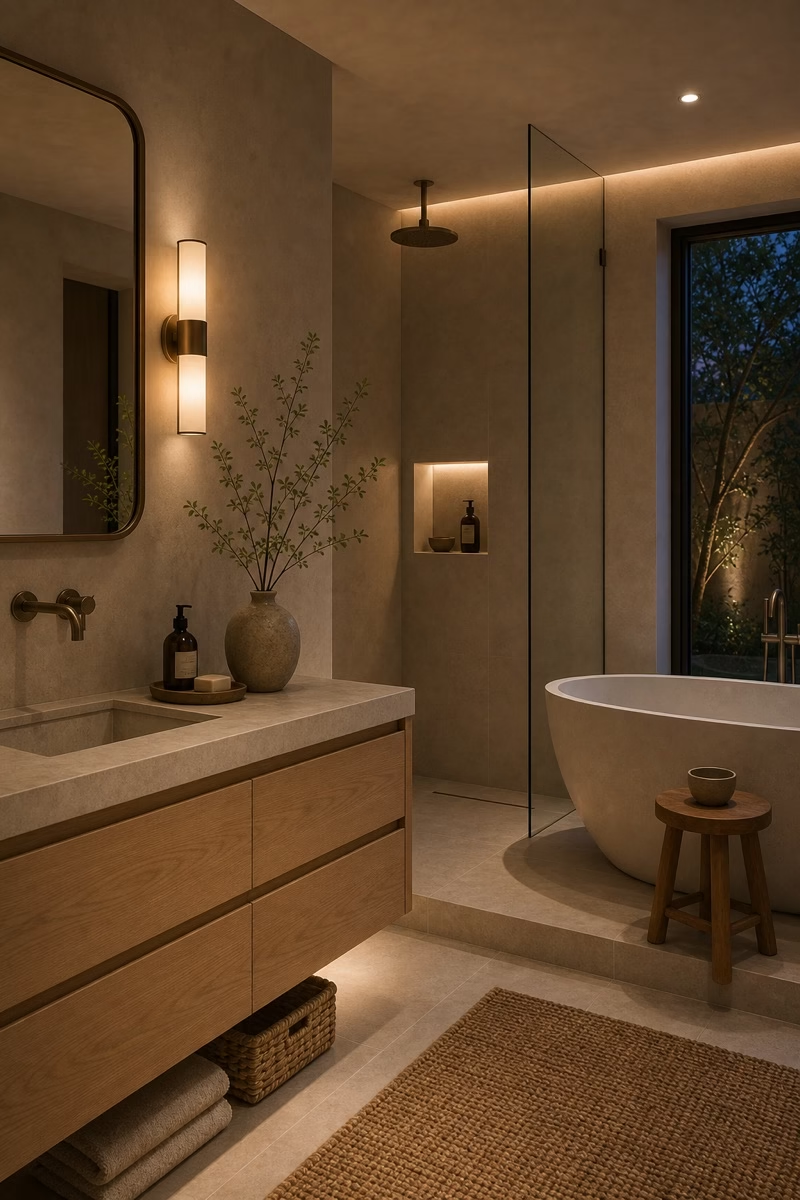
The most memorable bathrooms balance atmosphere with usefulness, pairing refined materials with the small comforts that make daily routines feel considered.
Design Around the Daily Routine First
A beautiful bathroom starts with the way it is actually used. Before choosing tile or fixtures, map the morning and evening routine: who needs the sink, where towels land, how products are stored, and whether the shower or tub matters most. This practical layer keeps the design from becoming a showroom that frustrates daily life. A double vanity may be worth more than a freestanding tub in a shared bathroom, while a generous shower can be the true luxury in a compact en suite. Once the routine is clear, the style decisions become sharper. Comfort comes from fewer annoyances, not just softer materials.
Pair Warm Wood With Honed Stone
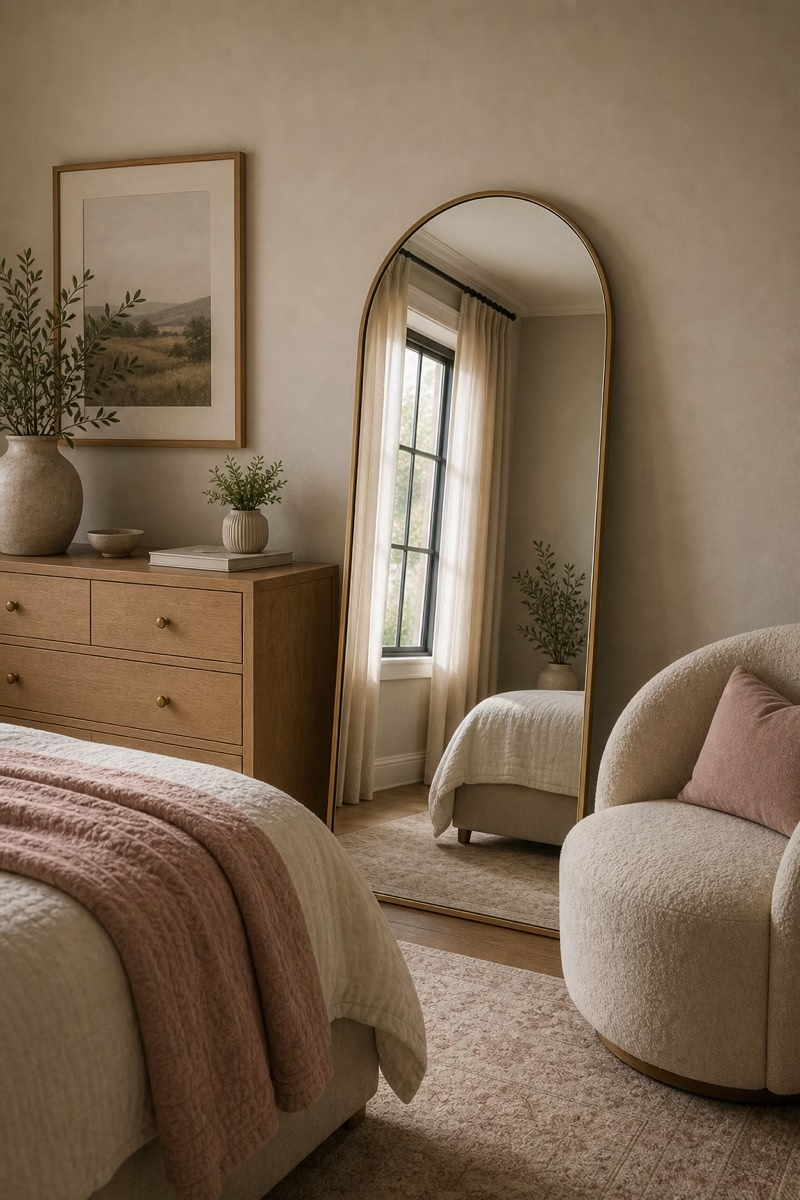
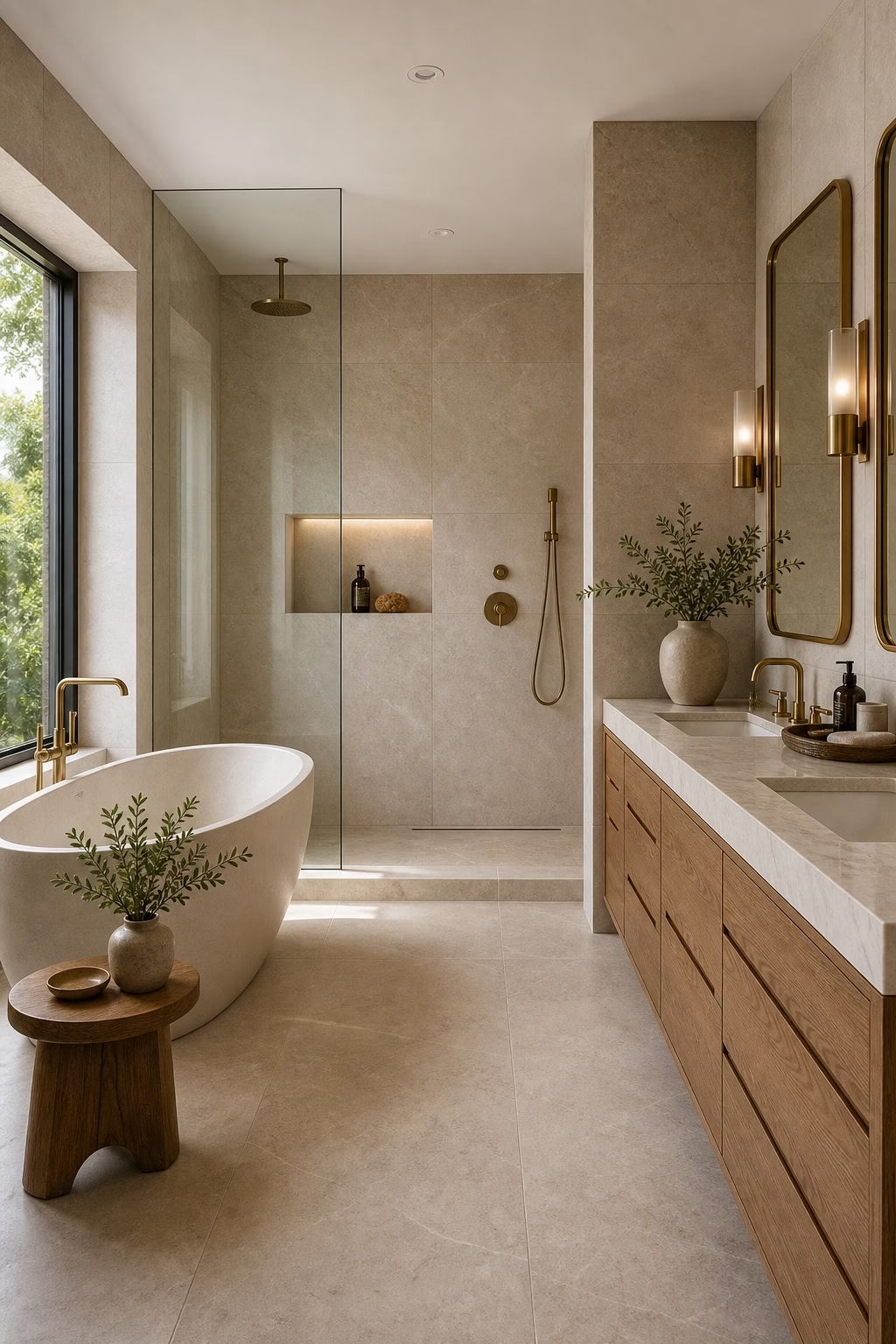
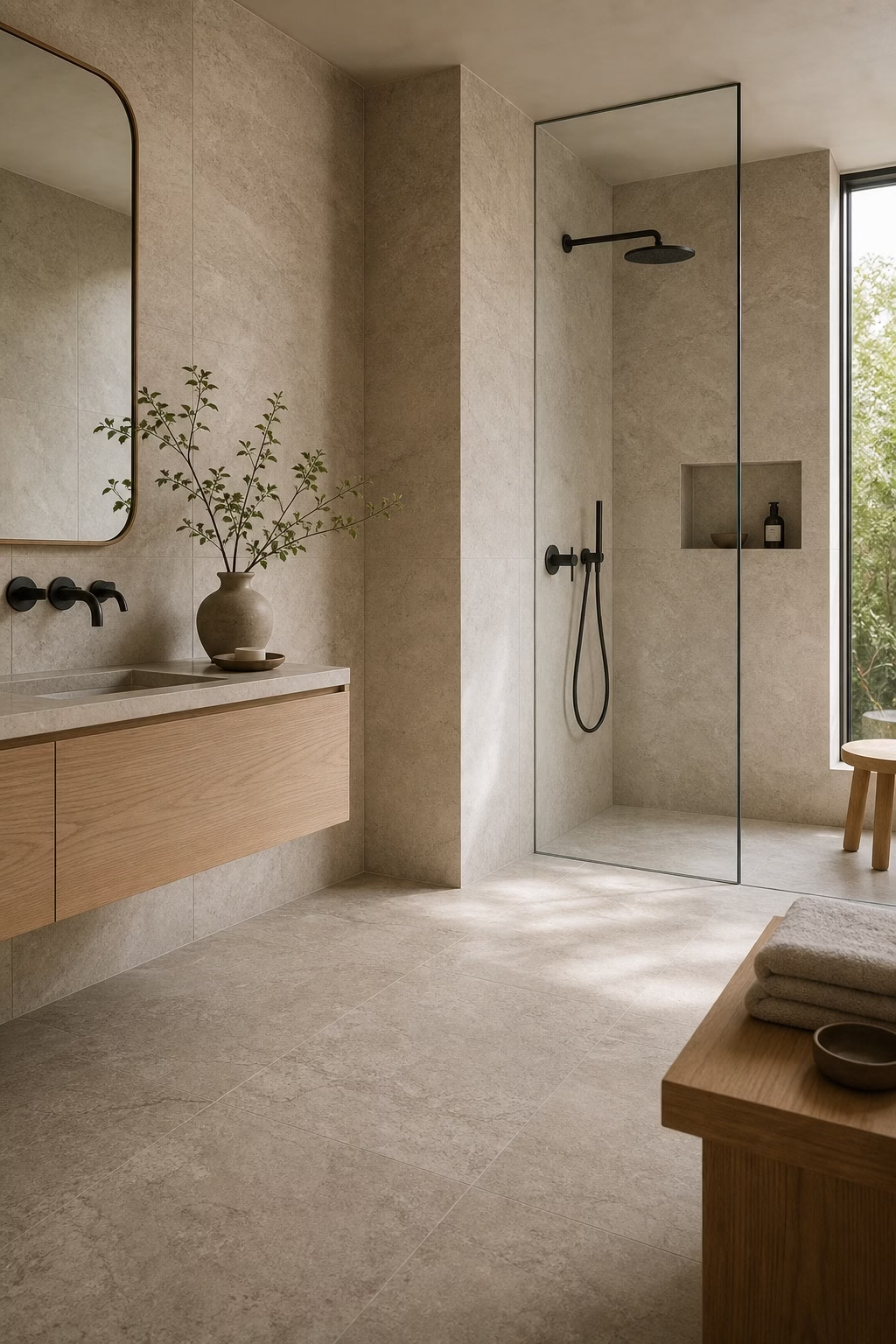
Wood and stone are a dependable pairing because they balance warmth with durability. Honed limestone, marble, travertine, or stone-look porcelain can handle water and create a calm architectural base, while oak, walnut, or ash softens the room at touch points. Use wood on the vanity, mirror frame, shelving, or stool rather than in the wettest zones. The finish should be sealed and simple, with a grain that feels natural rather than rustic by default. This combination works in modern, transitional, organic, and even traditional bathrooms because it is rooted in texture. The room feels stylish without losing the sense of ease.
Layer Light for Morning and Night
Bathroom lighting needs range. Bright, even light helps with grooming and cleaning, while softer light makes evening routines feel calmer. Combine ceiling lighting with face-level sconces or a backlit mirror, then add low accent light under a vanity, inside a niche, or near a tub if it suits the room. Use dimmers wherever possible and choose warm bulbs that flatter skin and stone. Avoid relying only on recessed downlights above the sink, which can cast shadows. A layered plan makes the bathroom look polished in photographs, but more importantly, it lets the room shift with the hour. Put separate switches where they feel intuitive.

Make the Vanity Feel Like Furniture
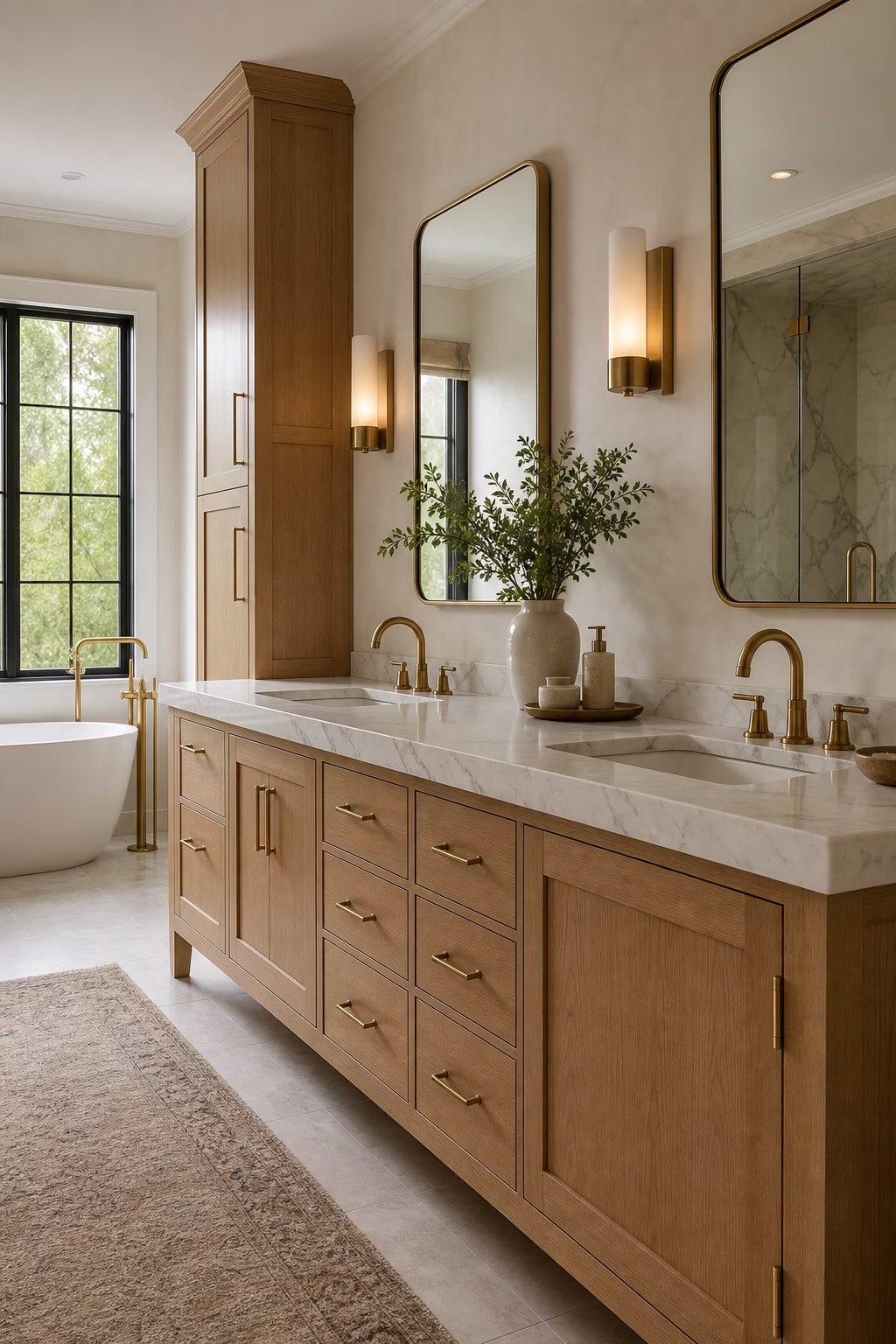
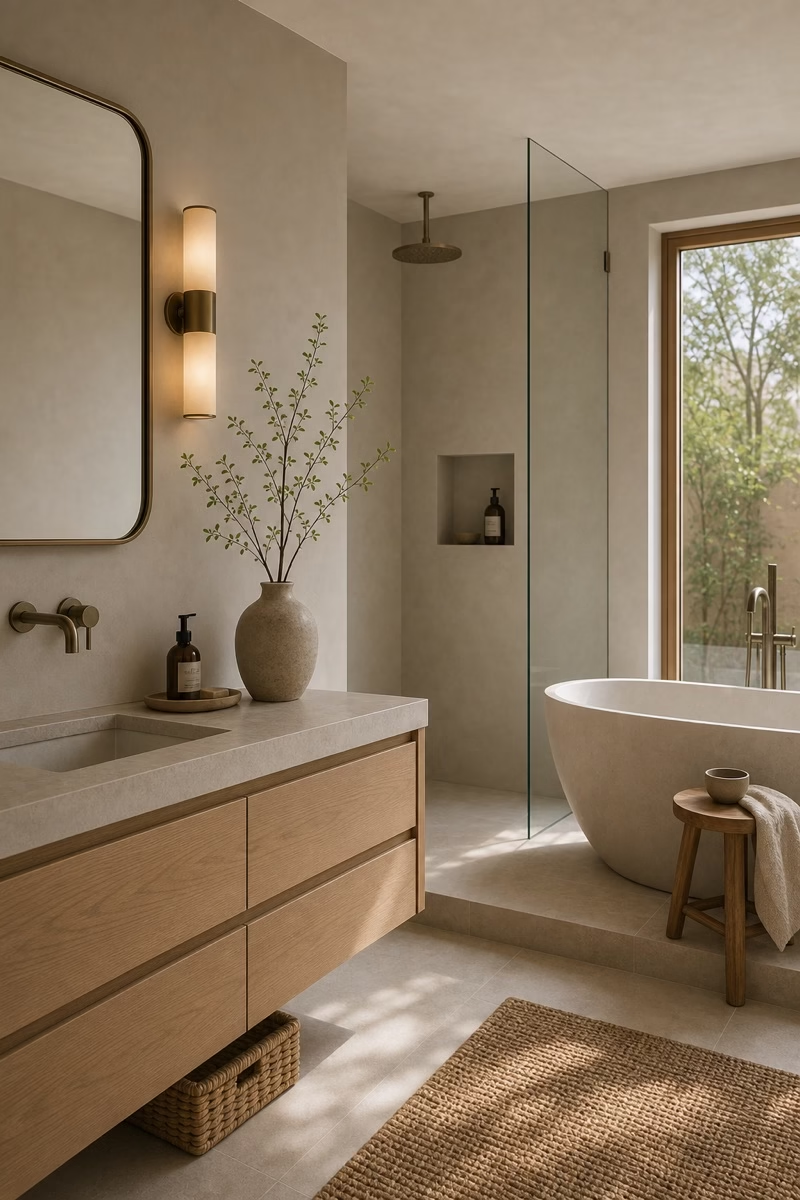
The vanity is often the visual anchor of a bathroom, so it deserves the same attention as a piece of furniture. Look for balanced proportions, quality hardware, and a finish that connects to the rest of the home. A floating vanity feels light and contemporary, while a legged or furniture-style vanity adds a more tailored character. Drawers are usually more useful than deep cabinets, especially for everyday products. Add a durable counter with an edge profile that suits the room: slim for modern spaces, softened for classic interiors. When the vanity is well designed, storage and style work together instead of competing.

Give the Shower a Real Seat
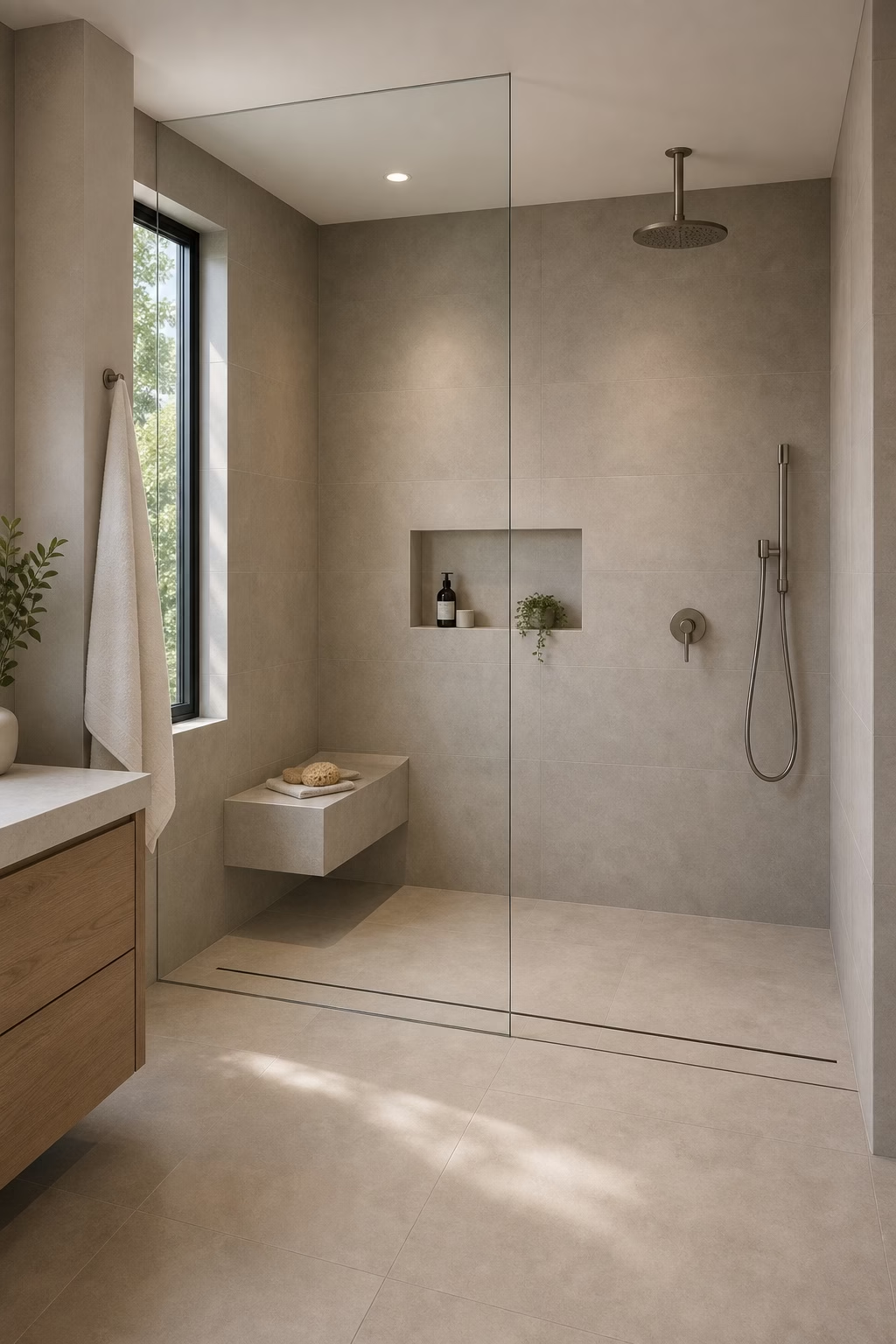
A shower bench adds comfort, but only if it is sized and placed like a real architectural element. A narrow ledge that cannot be used comfortably will look like an afterthought. Build a bench in stone, tile, or teak where it does not block entry, and make sure the shower head, handheld fixture, and niche all relate to it. The seat should slope slightly for drainage and feel visually connected to the rest of the room. Even in a busy family bathroom, a proper bench helps with bathing, shaving, and setting down essentials. It turns the shower into a more generous daily experience.
Hide Storage Inside the Architecture
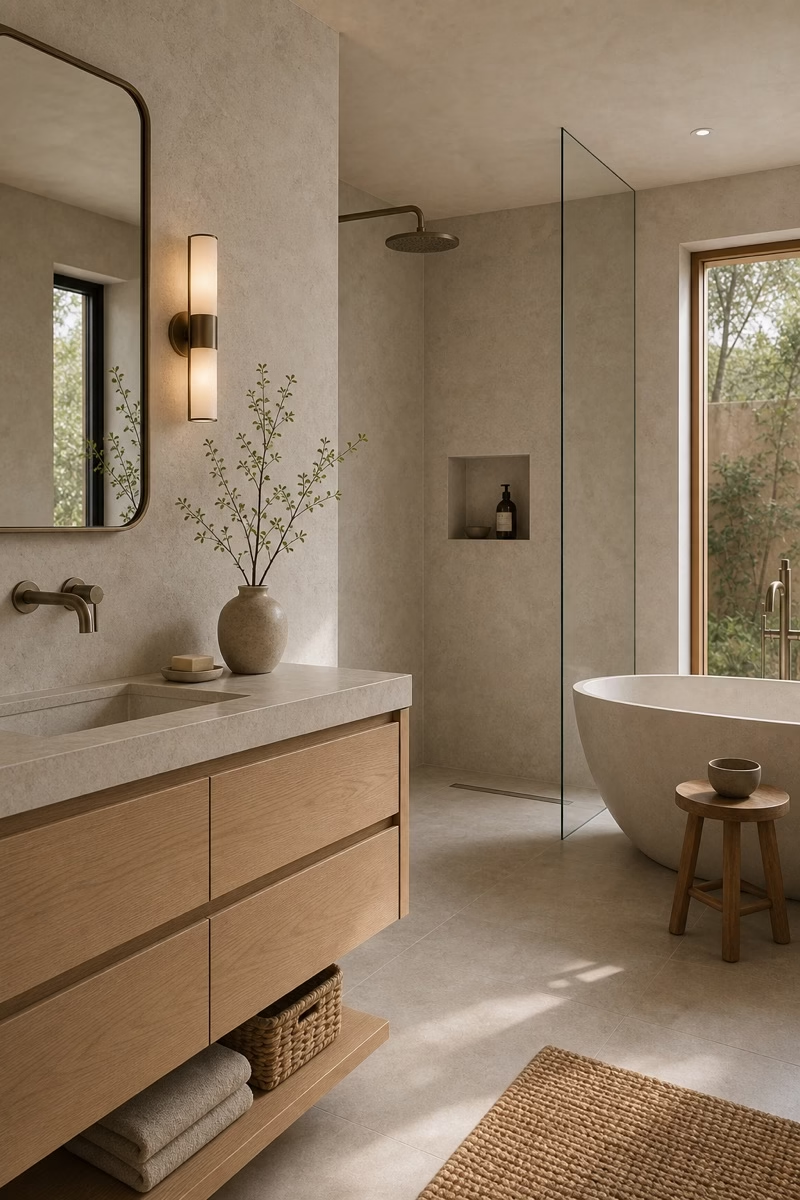
The calmest bathrooms rarely show everything they store. Use recessed medicine cabinets, linen towers, vanity drawers, toe-kick drawers, and shallow built-ins to keep daily items close but out of sight. The best storage aligns with the room: cabinet doors match the vanity, shelves fit between walls, and niches follow the tile layout. Open shelving can be beautiful, but it should be limited to towels or a few objects that stay tidy. Comfortable bathrooms need practical capacity, especially when more than one person uses the space. Hidden storage protects the atmosphere because the surfaces are not forced to carry every routine.
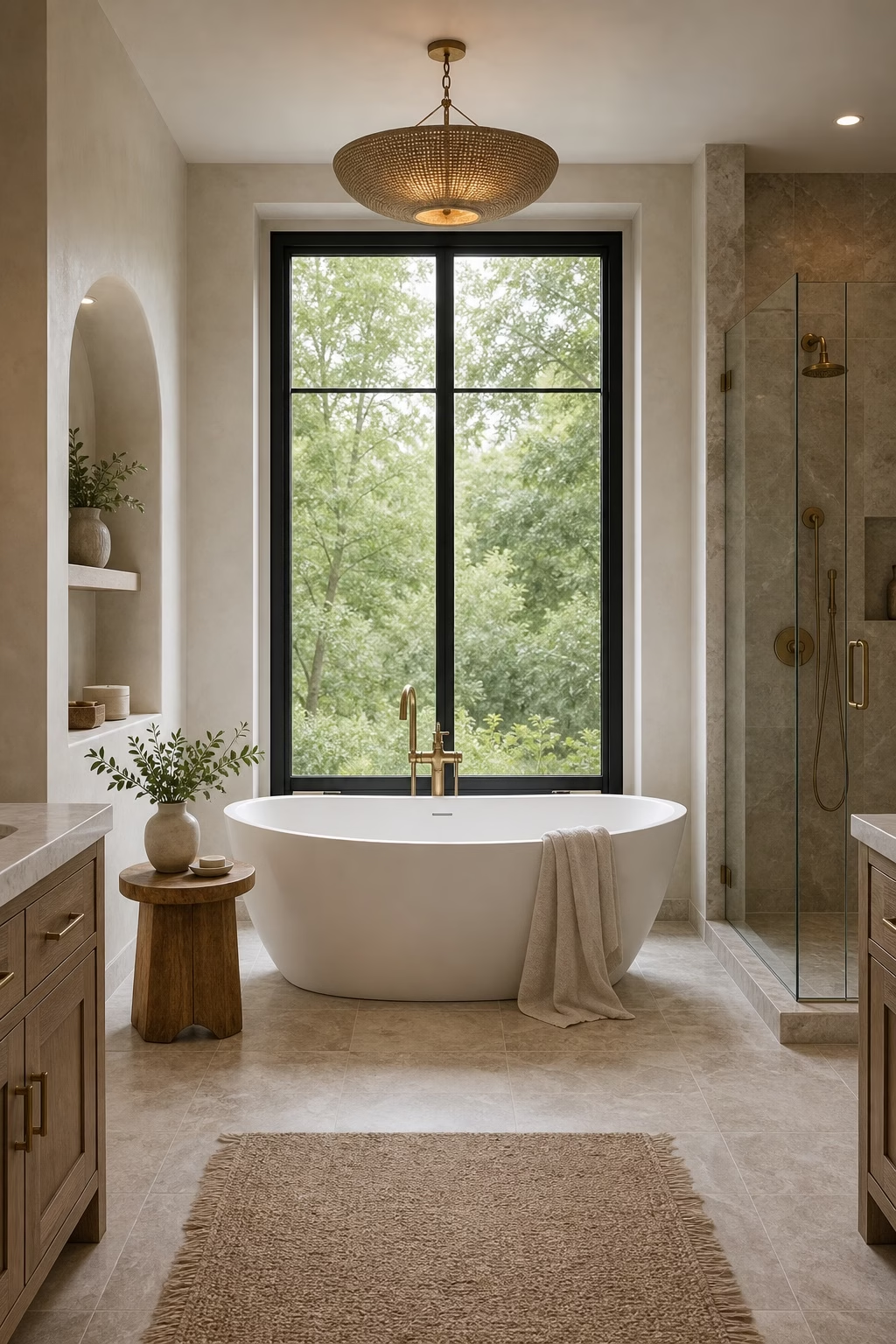
Place a Freestanding Tub With Breathing Room
A freestanding tub can make a bathroom feel serene, but only when it has enough clearance to look intentional and be cleaned properly. Position it near a window, centered on a quiet wall, or aligned with a view rather than squeezed into leftover space. Choose a shape that matches the architecture: a soft oval for relaxed rooms, a sharper silhouette for modern interiors. The filler should be located with real plumbing logic, and towel access should be nearby. If the room is tight, a built-in tub may be more comfortable. Style and comfort both depend on proportion. Leave space for a bath mat too.
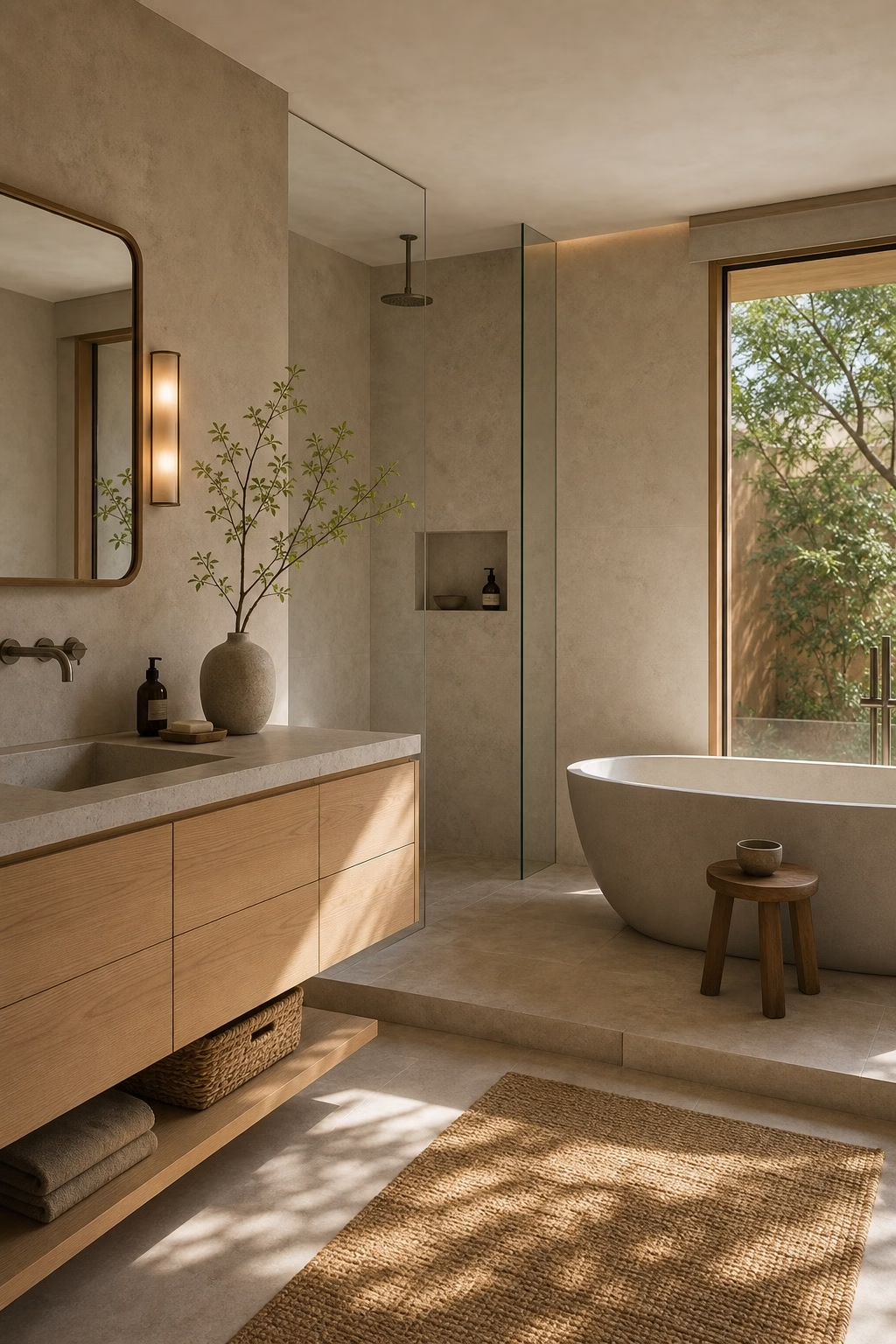
Choose Textiles That Soften Hard Surfaces
Bathrooms are full of tile, glass, stone, and metal, so textiles matter more than they seem. Towels, bath mats, shower curtains, and window treatments can make the room feel comfortable without adding clutter. Choose cotton, linen, waffle weave, or Turkish textures in colors that support the palette. Warm white, oatmeal, charcoal stripe, muted blue, and sage are all easy to layer. Hang towels where they can dry properly, and keep bath mats washable rather than precious. Soft goods are also a low-risk way to update the room seasonally. They bring warmth to the design while staying practical. Match towel size to the available hooks.
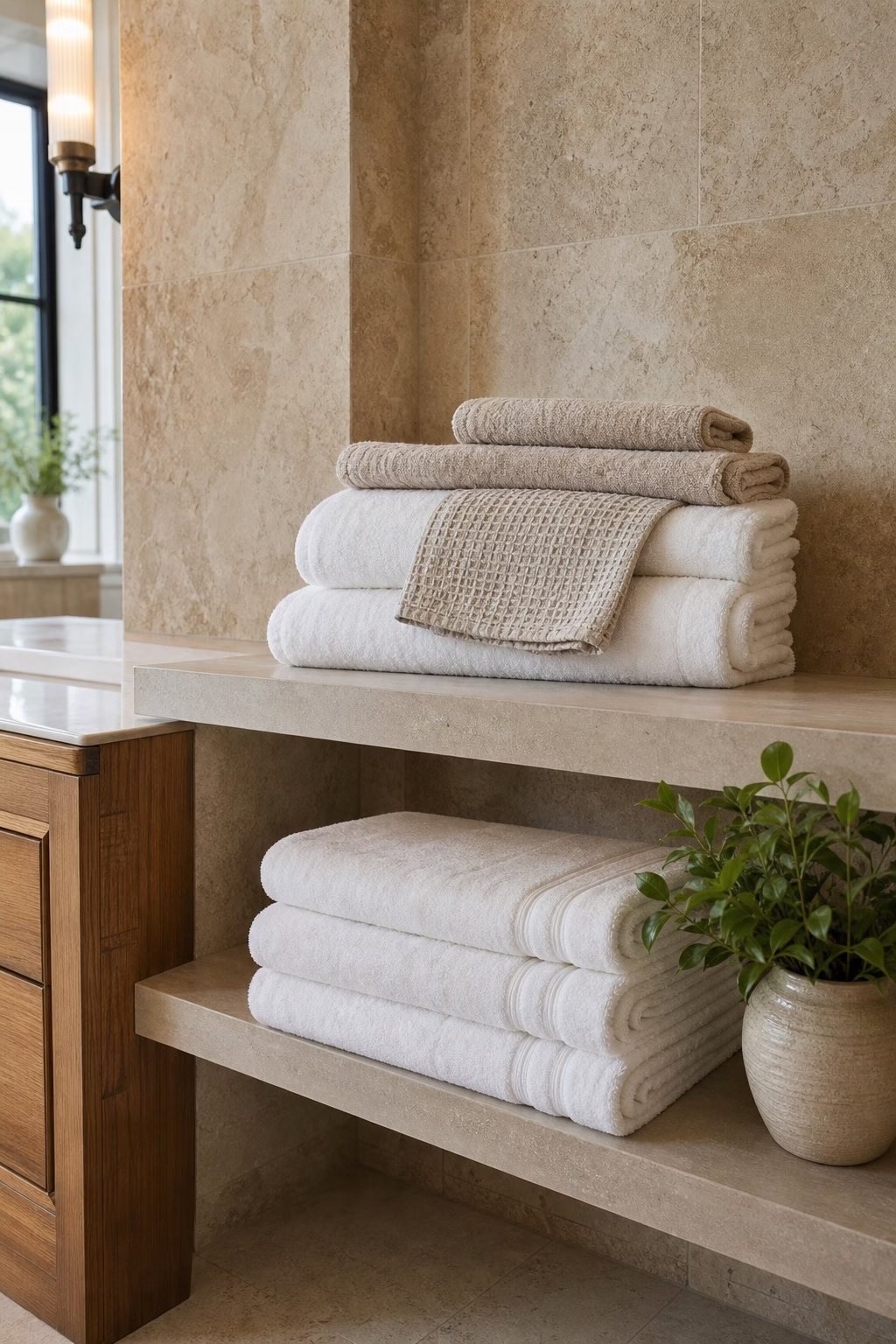
Use Texture on One Main Wall
A textured wall can make a bathroom feel custom, but it should be used with restraint. Consider fluted tile behind the vanity, plaster around a tub, ribbed wood on a cabinet wall, or handmade-look tile in the shower. Let one surface carry the movement while the surrounding walls stay quieter. This keeps the room layered rather than busy. Texture is especially effective where light grazes across it, creating soft shadows throughout the day. In wet zones, choose materials that are appropriate for moisture and easy to maintain. A single tactile wall can bring depth without relying on decorative objects. Keep outlets and switches carefully aligned.

Scale Mirrors to the Vanity
Mirrors should look proportionate to the vanity and the wall, not simply fill a random gap. A single wide mirror can make a double vanity feel calm and expansive, while two tall mirrors create rhythm and leave room for sconces. In smaller bathrooms, a mirrored medicine cabinet can carry storage without interrupting the design. Keep frames slim unless the room needs a stronger decorative note. The bottom of the mirror should relate comfortably to the faucet and backsplash, and the top should not crowd the ceiling. When mirror scale is right, the vanity wall feels resolved and the whole bathroom looks more deliberate.
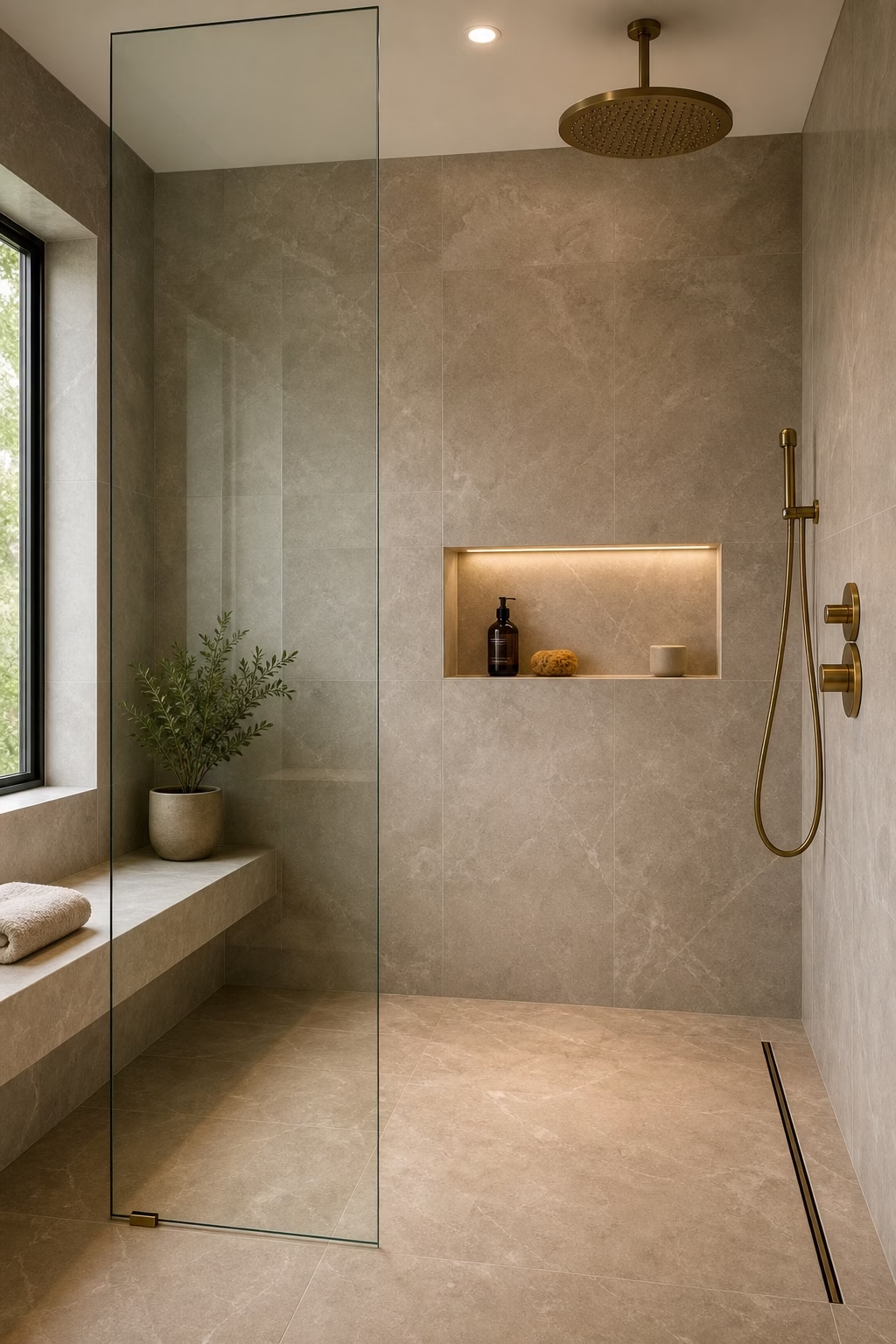
Build a Soft Neutral Palette
A neutral bathroom does not have to be plain. The key is to work with undertones and texture rather than one flat shade. Combine warm white, bone, greige, mushroom, pale taupe, oatmeal, and light oak for a palette that feels gentle and layered. Add one grounding element, such as dark bronze hardware, a charcoal floor, or a walnut vanity. Test samples in the actual room because tile, water, glass, and daylight can shift colors dramatically. Soft neutrals are comfortable because they do not demand attention every morning. They create a calm base that can handle towels, flowers, and seasonal changes.
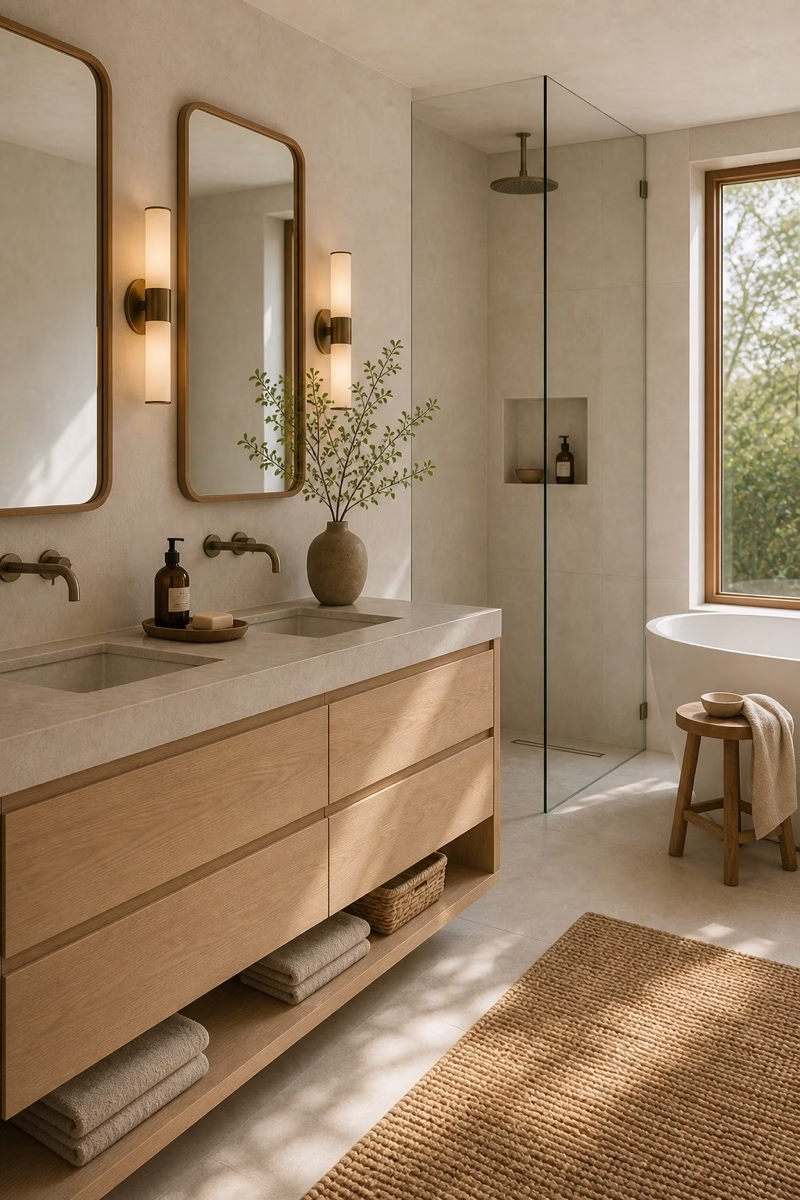
Use Color on Cabinetry Instead of Every Surface
Color can feel sophisticated in a bathroom when it has a clear boundary. A painted vanity or linen cabinet is often easier to live with than colorful tile across the whole room. Muted sage, smoky blue, clay, aubergine, or deep green can bring personality while leaving the walls and floor calm. Pair the color with stone, wood, and metal finishes that make it feel intentional. This approach is also practical because cabinetry can be repainted more easily than tile. The room gains character without losing flexibility. For the most polished result, repeat the color subtly in towels or a small accessory.
Create Contrast With Tile Scale
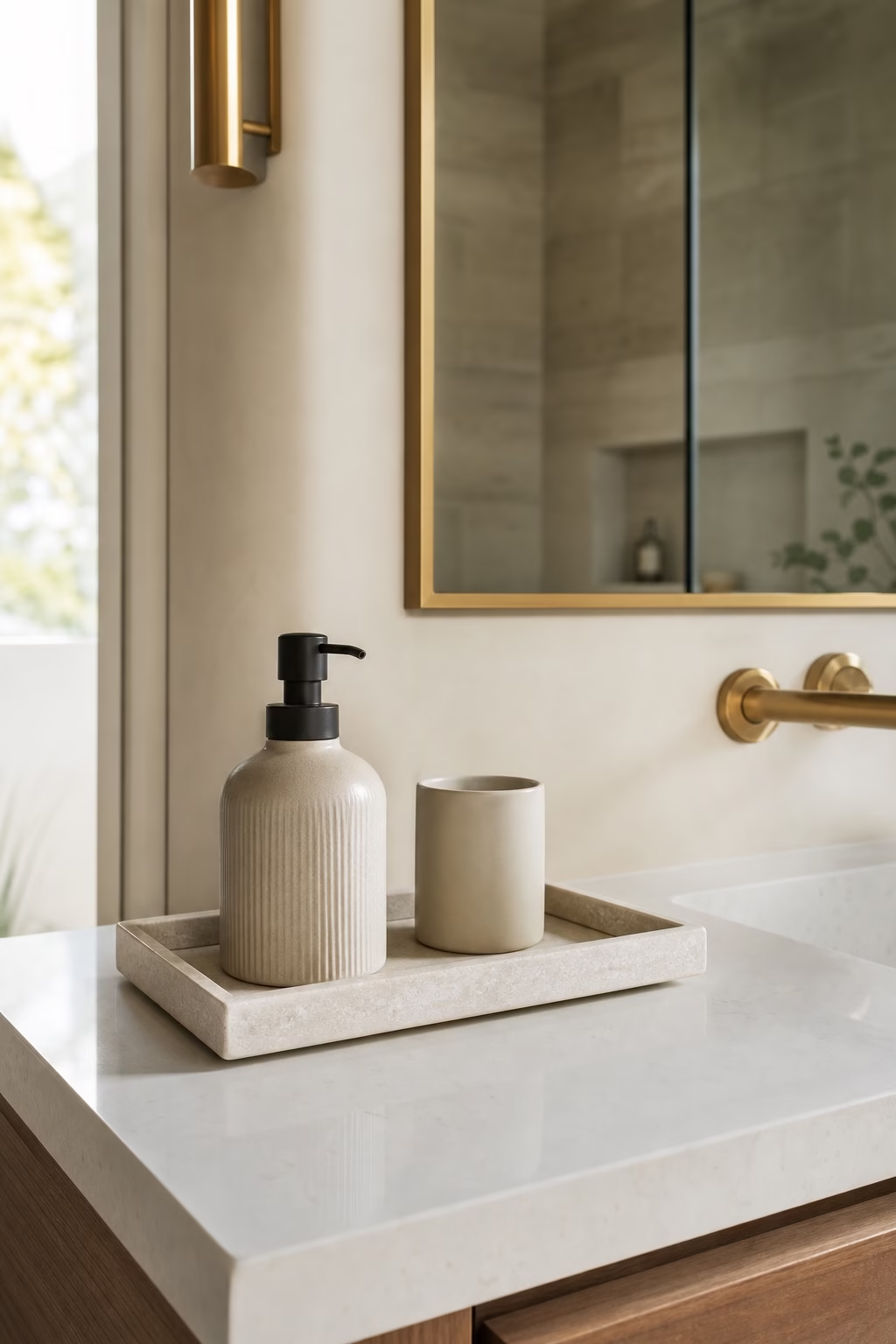
Tile contrast does not always need bold color. A large-format wall tile paired with smaller mosaic shower flooring can create subtle rhythm while staying calm. Another option is a slab-look vanity wall with a handmade tile in the shower, or a simple floor tile with a narrow border. The trick is to keep the palette related so the surfaces feel composed. Too many tile shapes can make the room restless, especially in a compact bath. Choose one dominant tile and one supporting scale. This gives the bathroom depth, improves slip resistance where needed, and keeps the design from feeling flat.

Mix Metals With a Clear Rule
Mixed metals can make a bathroom feel collected, but the combination needs discipline. Assign each finish a role: black for shower framing and mirrors, brass for lighting and hardware, or brushed nickel for plumbing with bronze accents in accessories. Repeat each metal at least twice so nothing looks accidental. Keep the shapes related even when the finishes differ. A room with too many metals can feel busy fast, especially around the vanity. Two finishes are usually enough. When the rule is clear, the mix adds warmth and dimension while still looking tailored. Match drain covers to nearby plumbing when possible.
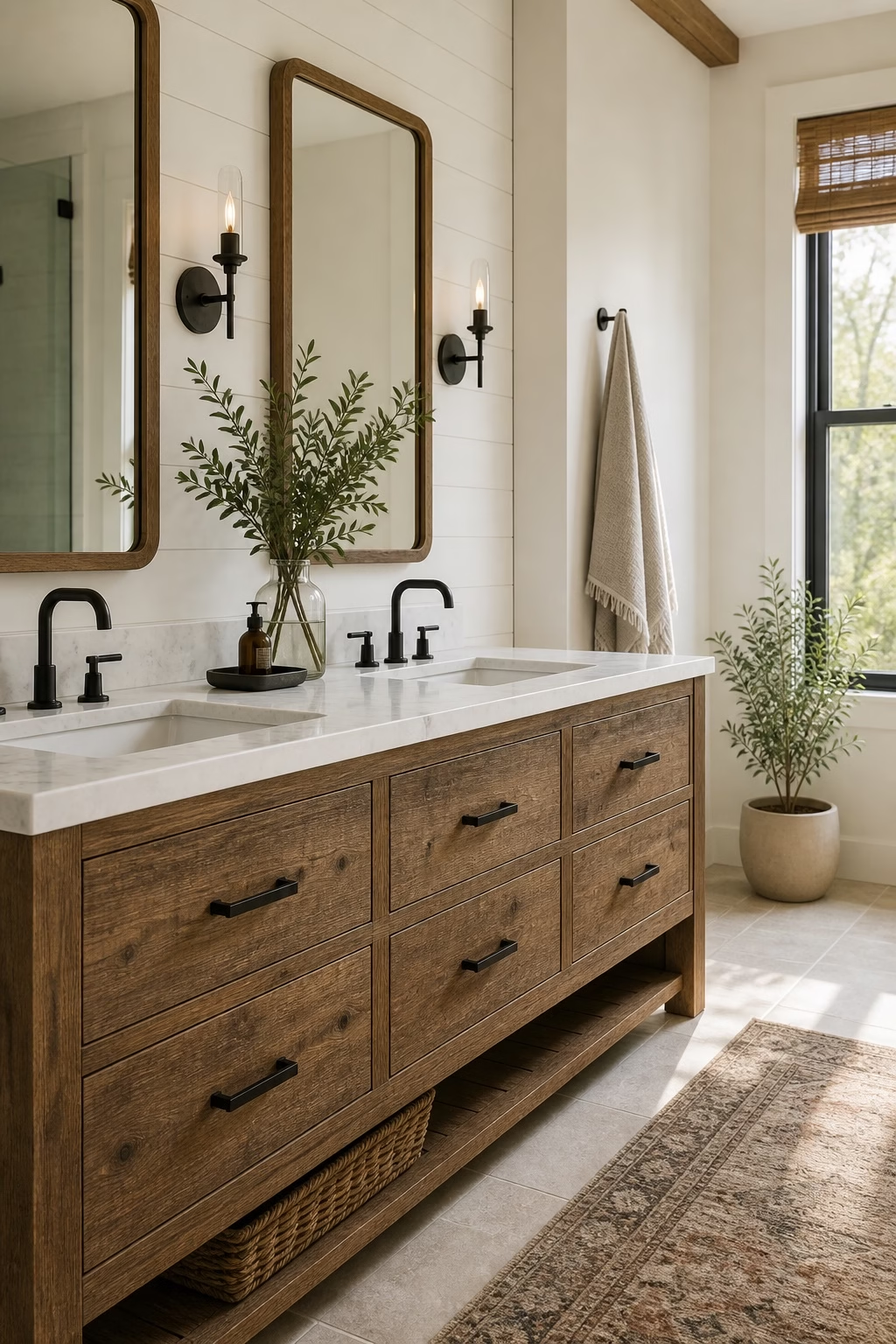
Add Natural Elements Without Clutter
Natural touches bring life to a bathroom, but they should be chosen carefully. A single branch arrangement, a humidity-tolerant plant near a window, a teak stool, or a stone tray can soften the hard materials without making the room feel crowded. Avoid filling every ledge with small objects. The strongest natural elements have useful scale and clear placement. In darker bathrooms, preserved greenery or cut branches may be more reliable than plants that struggle. The point is not to turn the bathroom into a greenhouse. It is to add a quiet note of life and texture that supports the atmosphere.
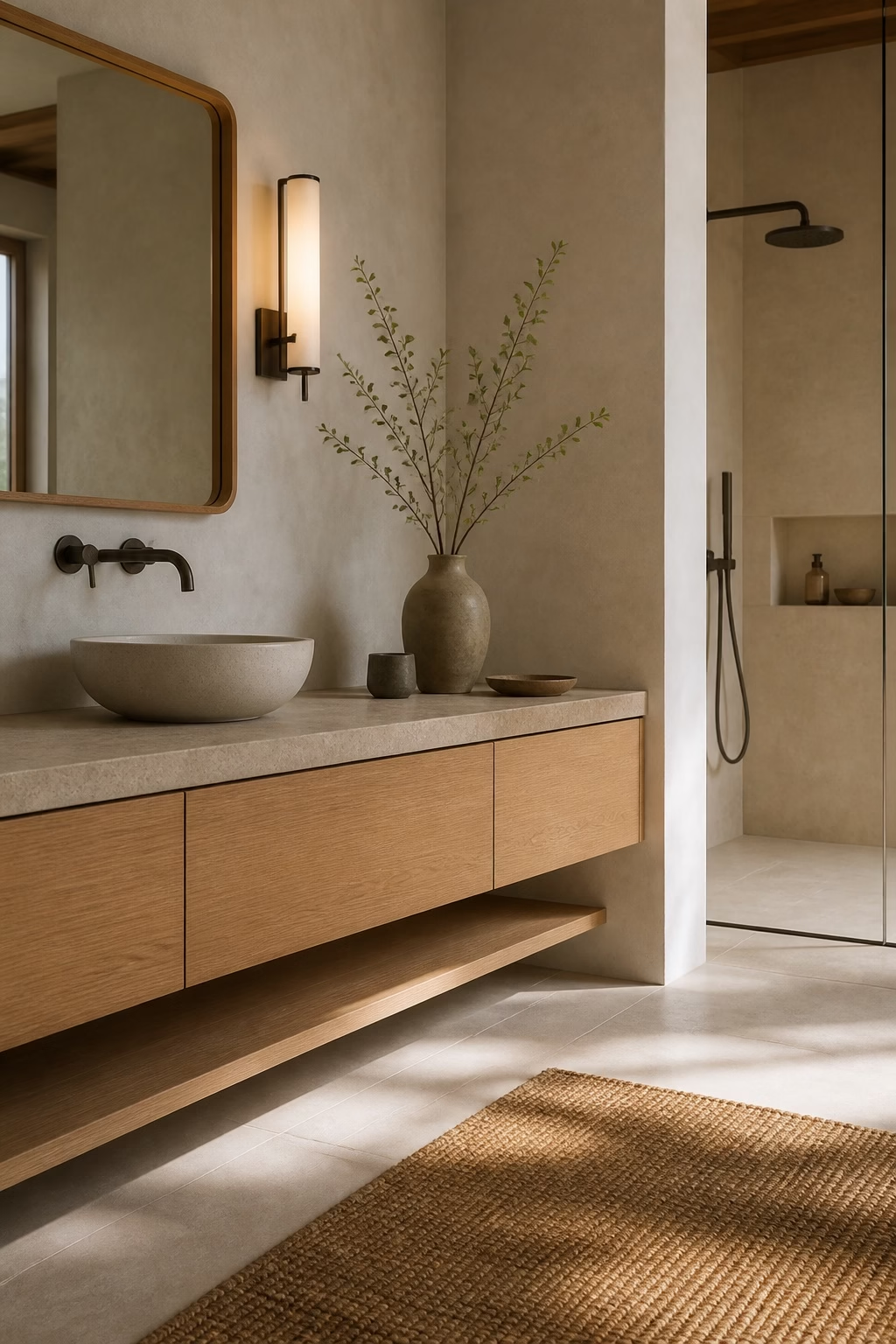
Make Heat Part of the Comfort Plan
Warmth is a design feature in a bathroom, even if it is mostly invisible. Heated floors make stone and porcelain feel more comfortable, especially in colder climates or on early mornings. A heated towel rail helps textiles dry faster and can reduce the need for extra towel storage. Place controls where they are easy to reach but not visually distracting. These upgrades should be planned before tile and electrical work, not added as an afterthought. They may not dominate photographs, but they change how the room feels every day. Comfort is often the difference between a pretty bathroom and a truly luxurious one.
Treat Ventilation as Essential
Ventilation is not glamorous, but it protects every beautiful decision in the room. A quiet, properly sized fan helps prevent fogged mirrors, damp towels, peeling paint, and mildew. Place the exhaust where moisture collects, especially near showers and tubs, and choose a grille that blends with the ceiling or wall. If the bathroom has a window, ventilation still matters during colder months or humid weather. Good airflow also helps wood cabinetry, wallpaper, and textiles last longer. A stylish bathroom should not require constant maintenance to stay fresh. Practical comfort begins with a room that dries properly after use. Timer switches make the habit easier.
Hang Art Where It Can Survive
Art can make a bathroom feel connected to the rest of the home, but placement and materials matter. Avoid hanging delicate works directly beside a shower or above a tub where steam gathers. Powder rooms and dry vanity walls are better candidates. Choose framed prints behind glass, moisture-resistant pieces, or small sculptural objects on a shelf. Keep the subject quiet and personal rather than relying on obvious bathroom phrases or novelty signs. One well-placed piece can bring character without clutter. It should relate to the room’s palette and scale, giving the wall intention while respecting the humid environment. Use secure hardware on tiled walls.

Choose Window Treatments That Handle Humidity
Window treatments make a bathroom feel finished, but they need to tolerate moisture and privacy needs. Linen-look Roman shades, woven shades with liners, shutters, or frosted lower glass can all work depending on the room. Avoid heavy fabric that sits too close to splash zones. If the window is near a tub, make sure the material dries quickly and can be cleaned. The color should support the palette rather than steal attention. A good window treatment softens tile, filters daylight, and protects privacy without making the room feel sealed off. It is both a comfort decision and a design detail.

Let Niches and Ledges Carry Daily Objects
The most comfortable bathrooms give daily objects a proper place. Shower niches, tub ledges, vanity ledges, and shallow shelves can hold essentials without relying on loose caddies or crowded counters. Align these details with tile joints and wall planes so they feel built in. Keep the depth practical: a ledge should hold a bottle, folded cloth, or small tray without becoming a dust shelf. Use the same material as the surrounding wall for a quiet look, or introduce a stone shelf for subtle contrast. When small objects have an architectural landing place, the room is easier to reset and more pleasant to use.
Respect Original Details in Older Homes
In older homes, the best bathroom interiors often blend new performance with existing character. Keep original windows, plaster curves, trim profiles, or floor proportions when they add charm, then pair them with updated waterproofing, ventilation, and efficient fixtures. A vintage-inspired sconce can sit beside a modern vanity if the finishes are controlled. Avoid forcing a stark contemporary bathroom into architecture that wants softness. The room should feel renovated, not erased. Comfort comes from modern function, but style often comes from respecting what was already good. A thoughtful balance keeps the bathroom connected to the rest of the house. Match trim paint carefully.
Add a Stool Where It Solves Something
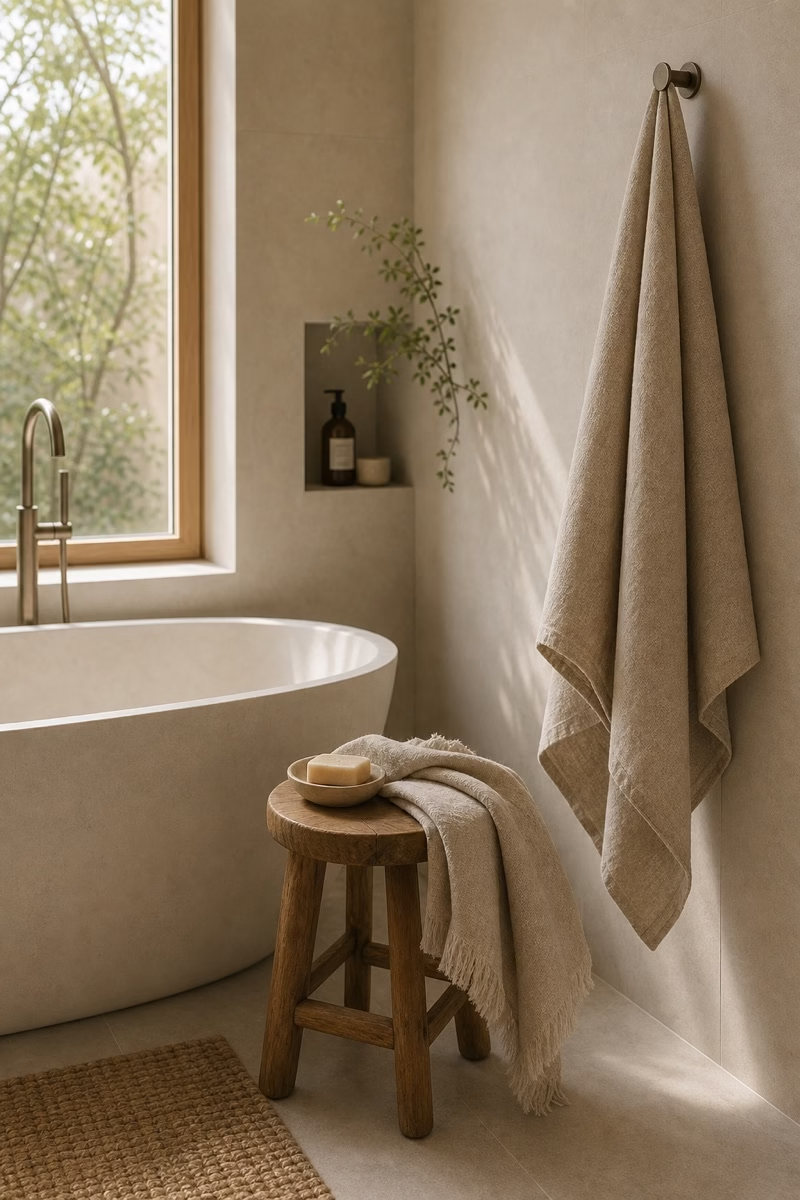
A small stool can make a bathroom feel relaxed, but it should have a reason to be there. Beside a tub, it can hold a towel, book, or bath brush. Near a shower, it can be a landing spot for folded linens. In a larger bathroom, it softens the space between fixtures. Choose teak, oak, ceramic, or stone depending on the palette and moisture level. Scale is important; the stool should look sturdy and proportional, not like a tiny prop. When it supports a real routine, this modest piece adds comfort and texture without crowding the room. Felt pads protect stone floors.
Plan for Accessibility Before It Is Needed
Comfort also means designing a bathroom that remains easy to use over time. Blocking walls for future grab bars, choosing a wider shower entry, lowering thresholds, and specifying slip-resistant tile can be done without making the room look clinical. A handheld shower, bench, lever handles, and good lighting are useful for almost everyone. These choices are best planned early, when framing, plumbing, and tile layouts are still flexible. The result can look refined and feel generous while quietly supporting different bodies and stages of life. A bathroom that is stylish today and adaptable tomorrow is a smarter investment. Keep controls reachable from the entry.

Keep the Final View Calm
The first view into a bathroom shapes how the whole room feels. From the doorway, try to feature the vanity, a beautiful wall, a tub, or a clean shower composition rather than a crowded toilet zone or storage pile. Align mirrors, lighting, tile transitions, and towel placement so the room reads as intentional. This does not require a large budget; it requires editing the sightline. Hide the least attractive necessities, keep surfaces clear, and let one strong material or fixture lead. A calm final view makes the bathroom feel more spacious, more comfortable, and more expensive every time the door opens.