Trendy open-shelving ideas that make modern kitchens feel lighter, warmer, better organized, and more architecturally finished.
- Run One Long Shelf Across the Sink Wall
- Frame the Range With Balanced Floating Shelves
- Choose Thick Wood Shelves for Warmth
- Use Stone Shelves for a Seamless Look
- Paint Shelves the Same Color as the Wall
- Add Brass Rail Detail Beneath a Shelf
- Turn a Corner Into Display Storage
- Use Recessed Shelving in a Niche
- Keep Shelves Shallow Above a Coffee Zone
- Mix Open Shelves With Tall Pantry Cabinets
- Float Shelves Over a Full-Height Tile Wall
- Style Shelves With Repetition, Not Clutter
- Install Shelf Lighting for Evening Warmth
- Use Blackened Metal Brackets Precisely
- Let Glass Shelves Keep the Wall Light
- Create a Shelf Above a Slab Backsplash Ledge
- Use Open Shelving to Break Up Cabinet Walls
- Match Shelf Thickness to Counter Edges
- Use Open Shelves in a Small Kitchen Sparingly
- Display Cookbooks in a Protected Shelf Bay
- Choose Open Shelves for a Bar Niche
- Leave Breathing Room Around Artful Objects
- Align Shelves With Window and Cabinet Lines
- Finish Shelves With Everyday Pieces Only
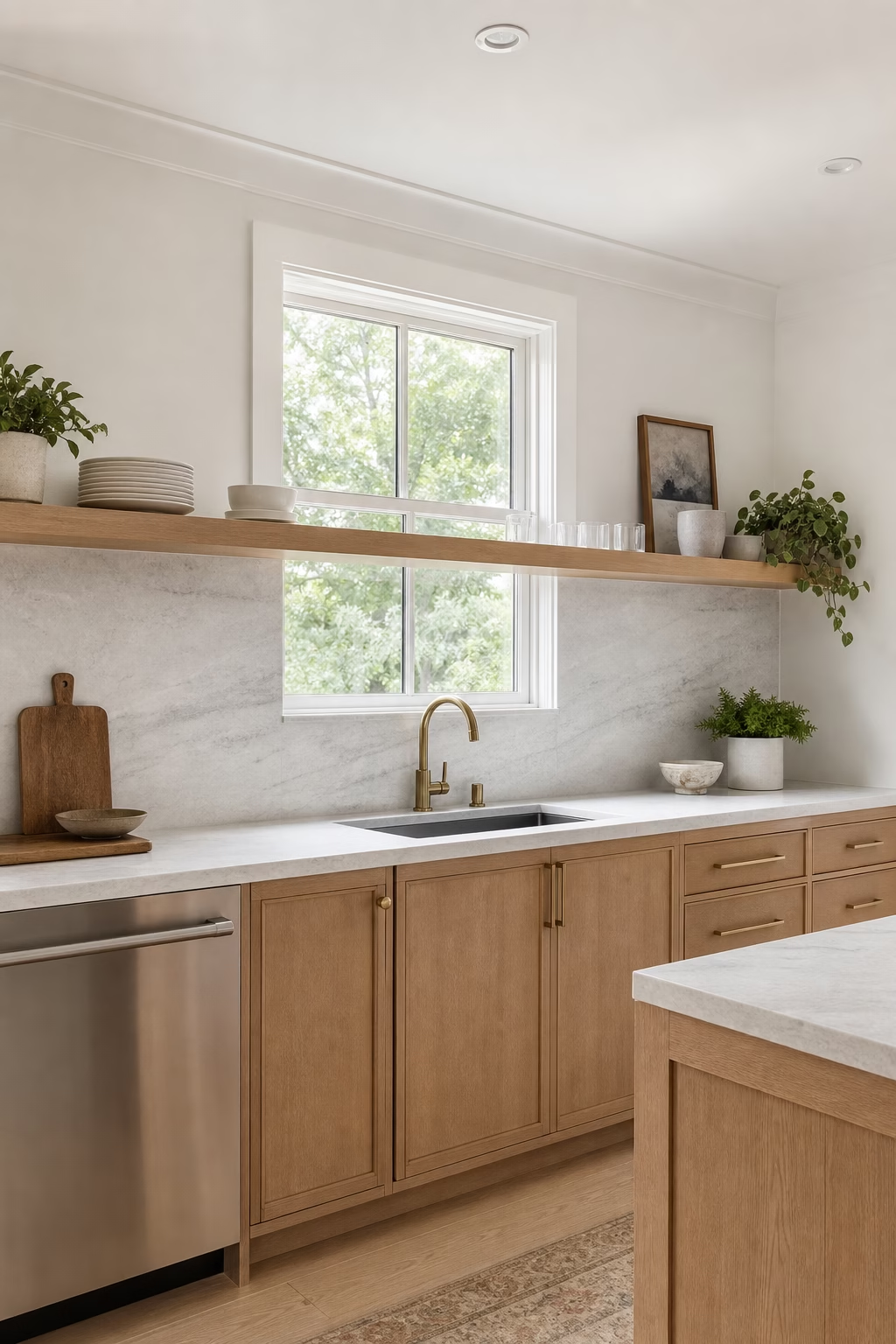
Run One Long Shelf Across the Sink Wall
A single shelf can make a modern kitchen feel wider when it is treated as an architectural line. Run it across the sink wall, align it with the window trim or hood detail, and keep the depth shallow enough that it does not crowd the counter. This works best above a slab backsplash, quiet tile, or plaster where the shelf can read cleanly from end to end. Store the pieces used every day: glasses, breakfast bowls, a small stack of plates, and one vessel with height. The restraint matters. A long shelf loses its polish when every inch is packed. Leave gaps so daylight can move across the wall and the kitchen still feels practical.
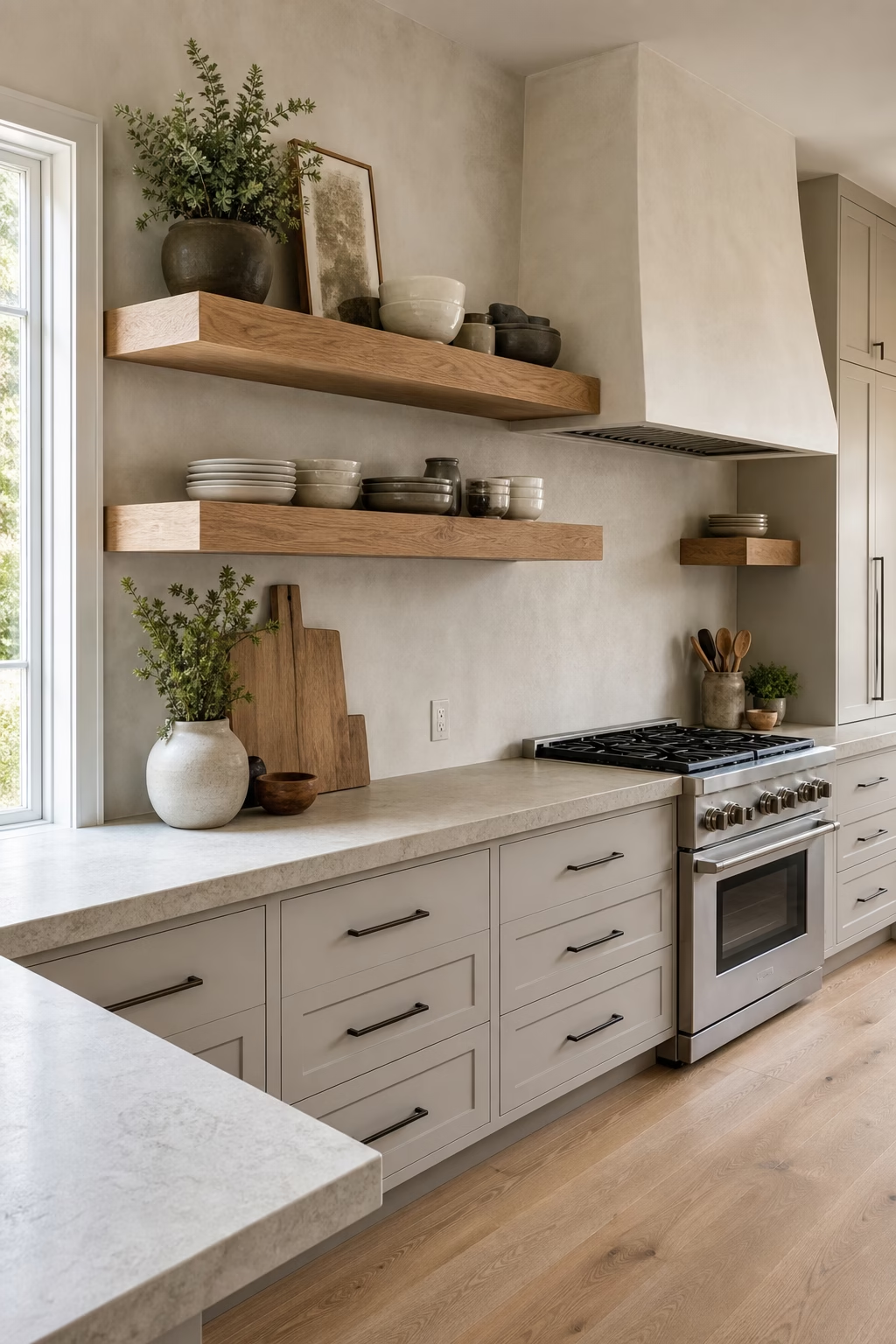
Frame the Range With Balanced Floating Shelves
Open shelving around a range looks best when the composition is balanced, not crowded. Use one or two shelves on each side of a properly scaled hood, then leave enough clearance from heat and splatter for the shelves to stay useful. Stone, oak, or painted shelves can all work if the brackets and thickness feel intentional. Keep daily seasonings near the cooking zone, but avoid turning the wall into a storage overflow. A few bowls, oil bottles, and ceramic pieces are enough to soften the hard lines of cabinetry. The range remains the focal point while the shelves add a collected layer that still respects real cooking.
Choose Thick Wood Shelves for Warmth
Thick wood shelves bring warmth to a modern kitchen without making the room feel rustic. Rift oak, walnut, or ash works especially well when the grain direction is consistent and the edges are clean. Pair the shelves with painted cabinets, pale stone, or plaster so the wood becomes a warm counterpoint rather than another busy surface. The thickness should look structurally believable, particularly if the shelf spans a wide wall. Style it with simple pieces in ceramic, glass, and metal instead of too many decorative objects. The result is practical storage that makes sleek cabinetry feel more human and less showroom-like.
Use Stone Shelves for a Seamless Look
Stone open shelves feel luxurious when they grow out of the backsplash rather than appearing added later. Use the same marble, quartzite, or porcelain slab for the backsplash and shelf, then keep the shelf shallow so the weight feels elegant instead of bulky. This approach suits sink walls, bar niches, and compact range walls where continuity matters. Because stone is visually strong, the styling should stay spare: clear glasses, a small bowl, or a few pale ceramics. Check support details early with the fabricator. A stone shelf needs hidden structure and careful installation, but when it is done well, it gives the kitchen a tailored, permanent quality.
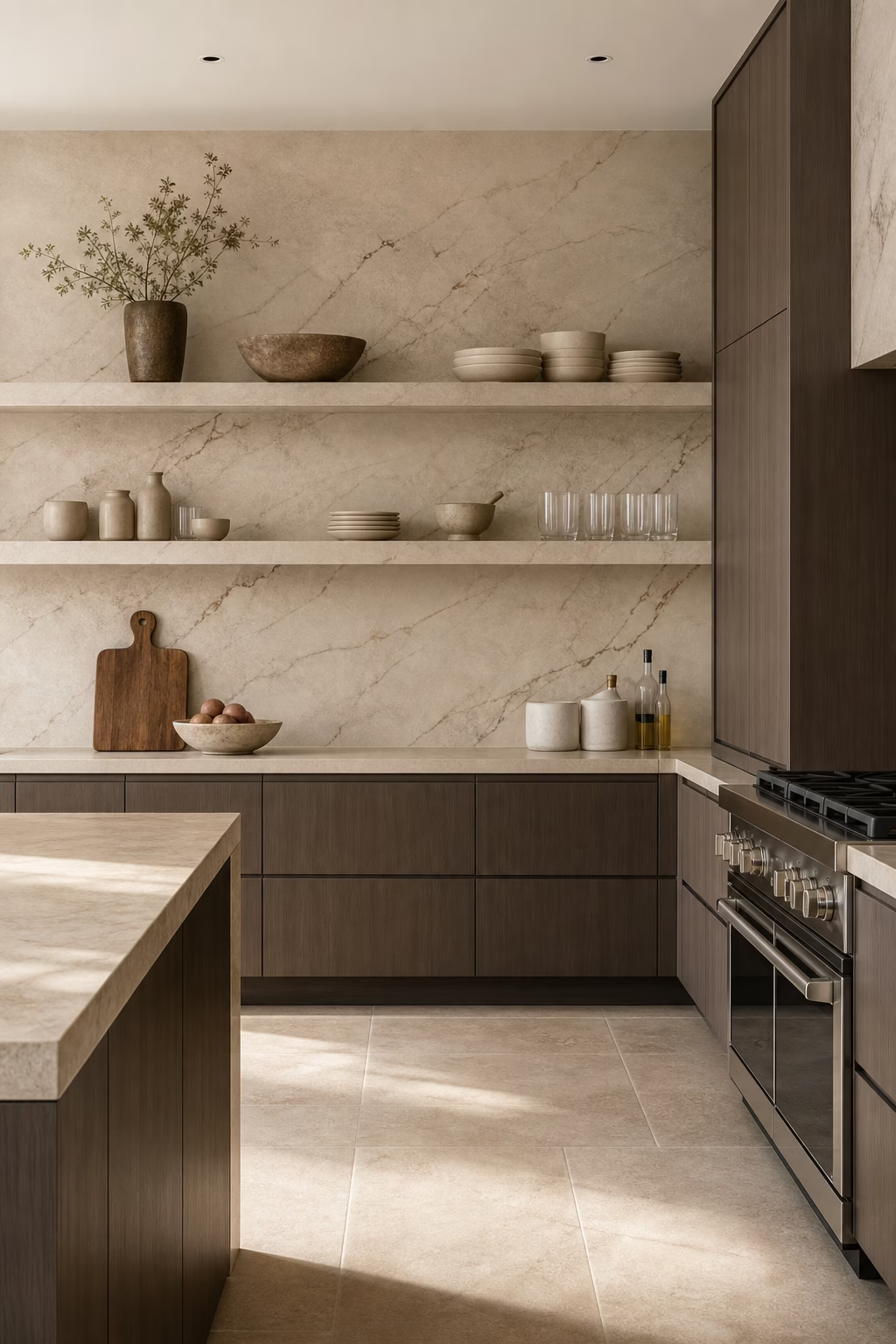
Paint Shelves the Same Color as the Wall
Painting shelves and the wall behind them in one color creates a built-in effect without adding heavy cabinetry. It is a strong choice for small or open-plan kitchens because the shelves recede while the objects stay visible. Choose a durable satin or washable matte finish, especially near a sink or coffee area. Soft white, mushroom, olive, charcoal, and blue-gray can all work if they relate to the cabinets and stone. Keep brackets concealed or painted to match so the line stays clean. This idea is less about display and more about calm storage that belongs to the architecture of the room.
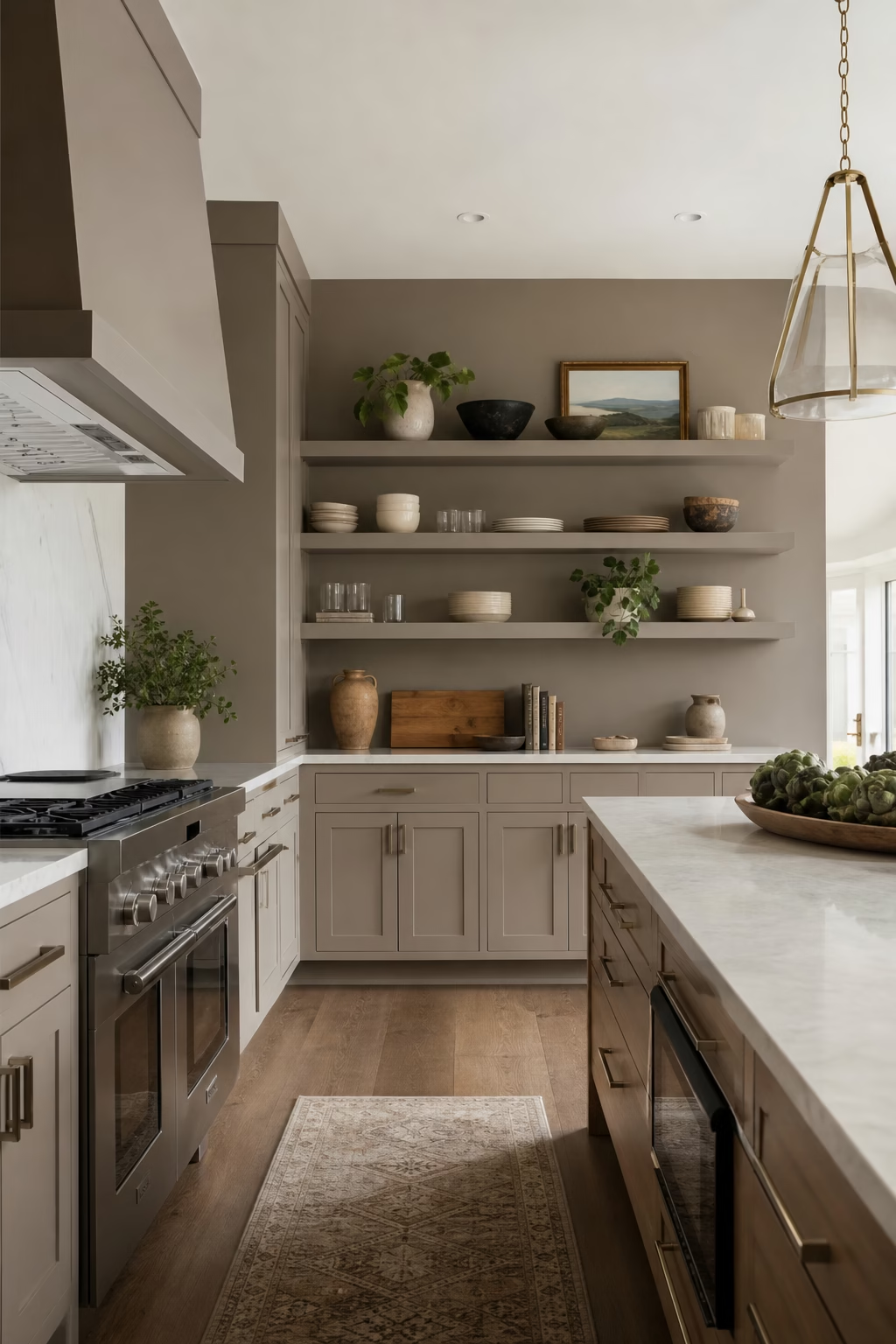
Add Brass Rail Detail Beneath a Shelf
A slim rail beneath an open shelf can make the detail more useful and more tailored. Use aged brass, blackened steel, or brushed nickel for a small run of hooks that hold mugs, a linen towel, or a few cooking tools. The rail should sit where it supports a real task, such as above a coffee counter or beside the range, not in the middle of a busy prep zone. Keep the hanging pieces edited and similar in tone so the rail does not become visual clutter. This detail gives open shelving a furniture-like finish and adds storage without stealing another drawer.
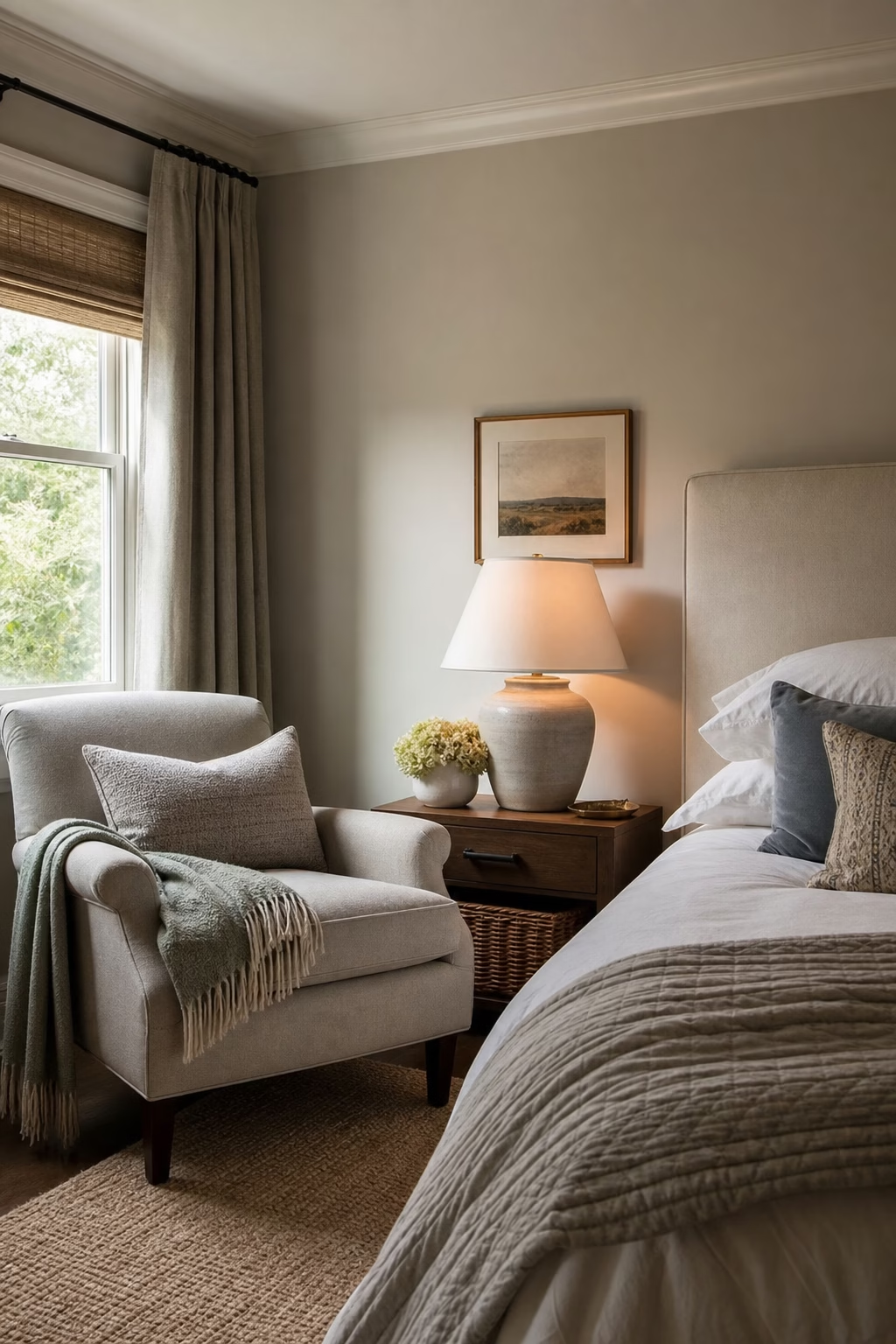
Turn a Corner Into Display Storage
Corner cabinets often feel awkward, but a corner of open shelving can become one of the most useful parts of a modern kitchen. Wrap two short shelves around the corner, keeping the depth consistent so plates and bowls sit securely. This works well near a breakfast area, prep counter, or pantry wall where everyday pieces need to be easy to reach. Avoid making the corner too deep; the back will become hard to clean and difficult to use. A small integrated light can keep the corner from feeling shadowed. When the proportions are right, the corner looks intentional rather than like a leftover gap.
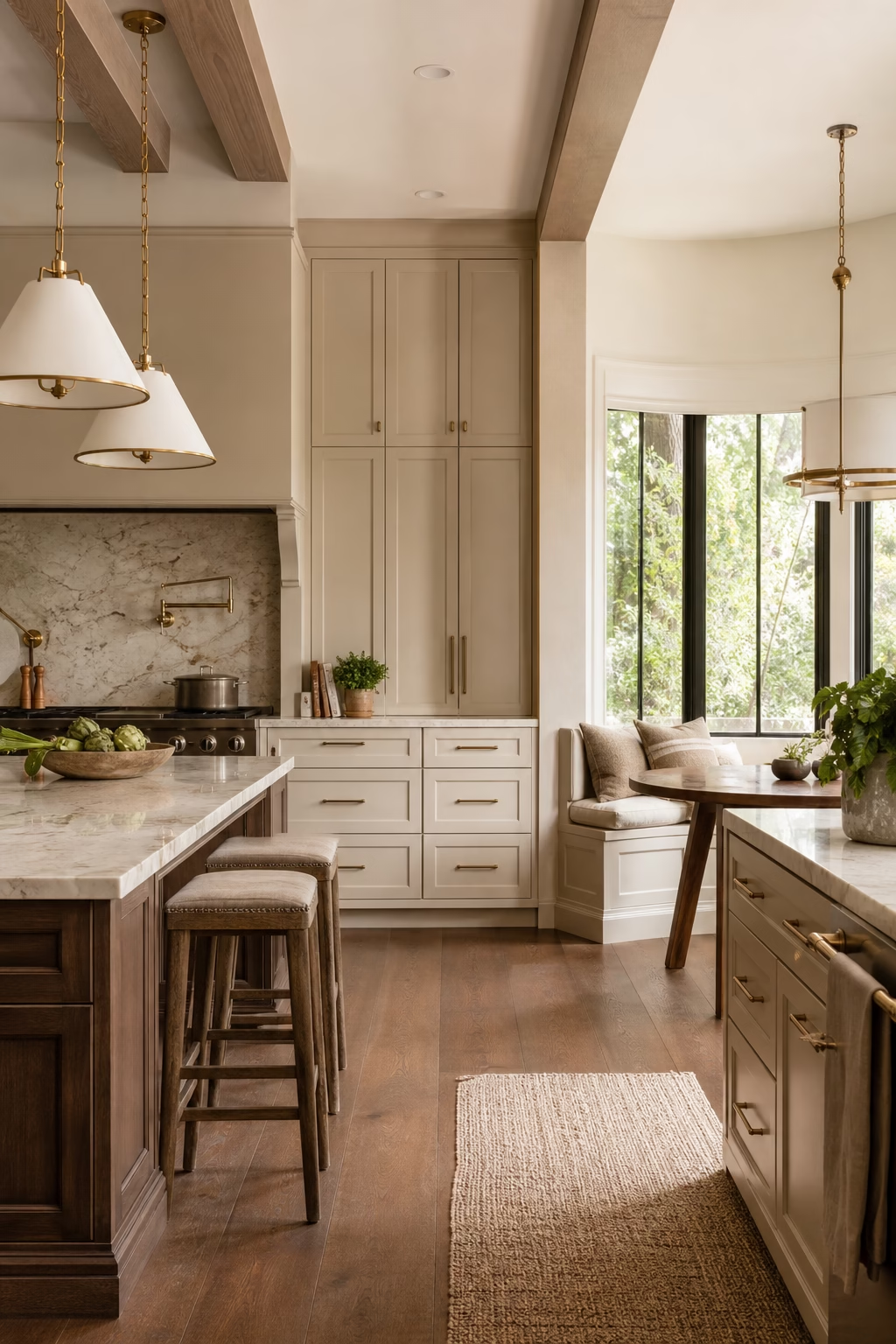
Use Recessed Shelving in a Niche
Recessed shelving is ideal when you want open storage without shelves projecting into the room. Build a shallow niche between tall cabinets, beside a chimney breast, or within a pantry wall, then line it with wood, tile, or painted millwork. The niche gives glasses, cookbooks, or coffee pieces a clear home while keeping the kitchen profile clean. Make sure the shelves are not too tall; tight vertical spacing looks more refined and makes daily objects easier to reach. Lighting inside the recess is worth considering, especially if the surrounding cabinetry is deep. This is open shelving with a quieter, more architectural presence.
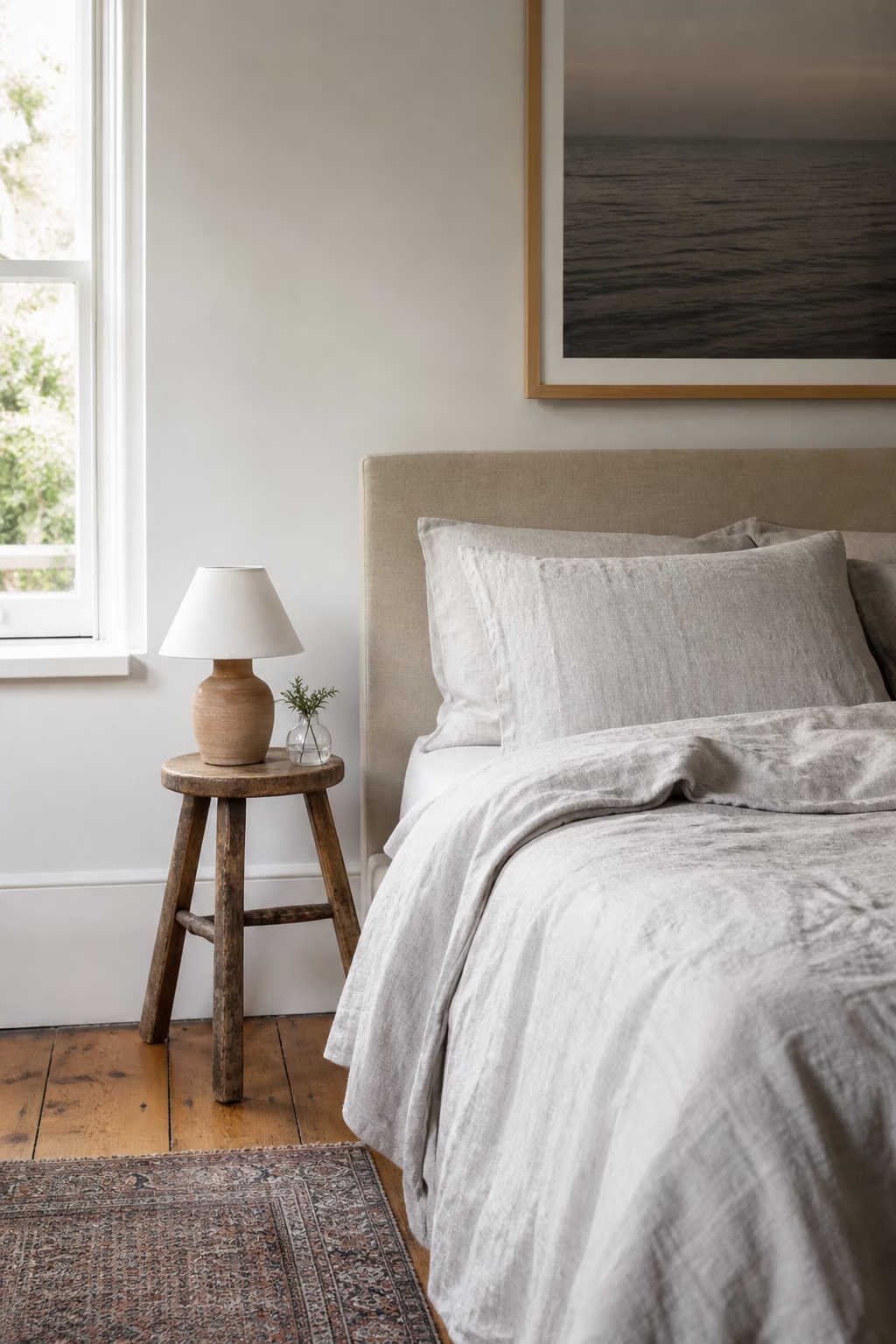
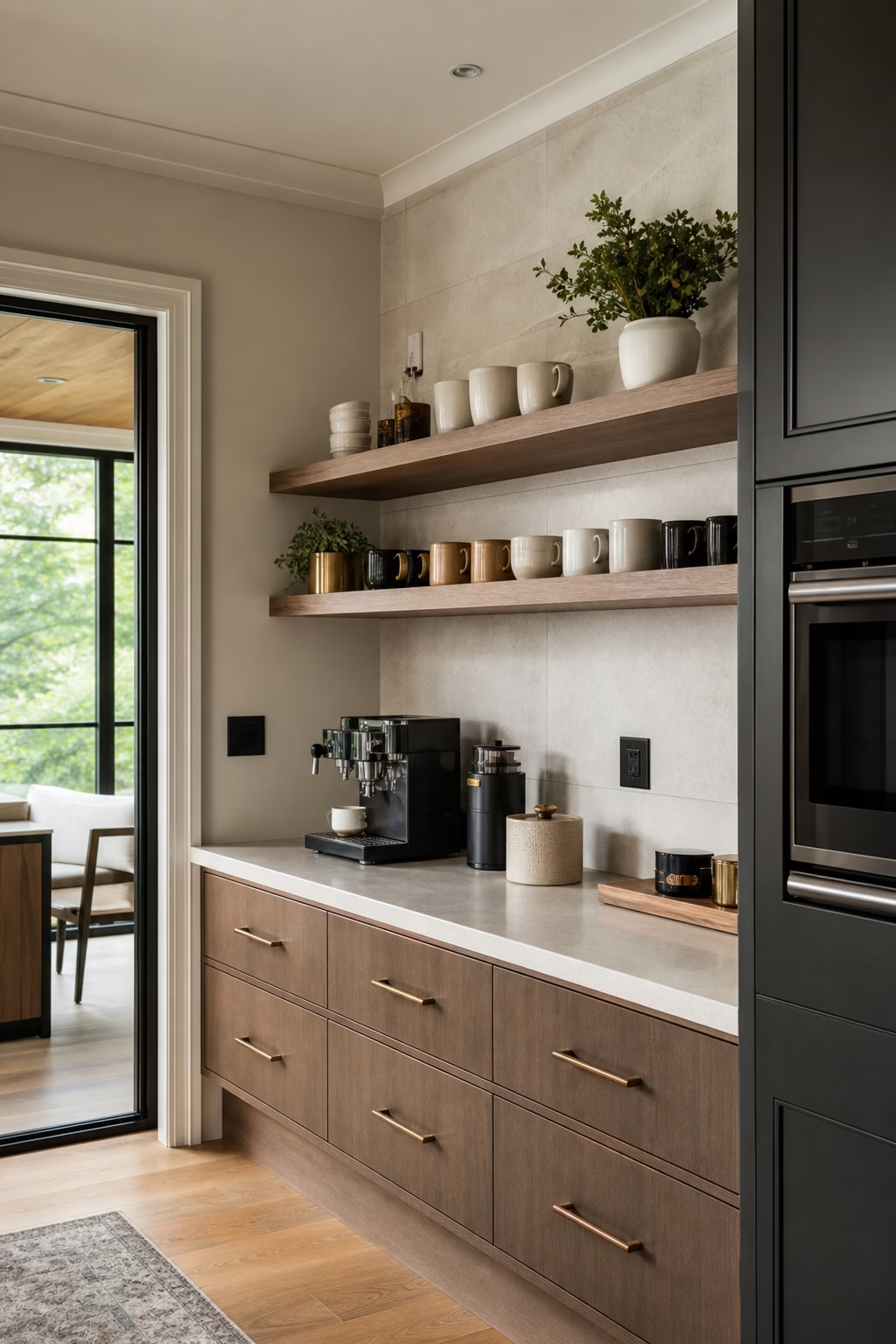
Keep Shelves Shallow Above a Coffee Zone
A coffee zone benefits from open shelving because the daily pieces are small and attractive when edited. Keep the shelves shallow so mugs, espresso cups, tea tins, and small plates sit in one clean row rather than disappearing behind one another. Place them above a stone or wood counter with outlets and enough clearance for the coffee machine to vent safely. If the area has pocket doors, the shelves can sit inside the cabinet for a hidden breakfast station. The key is proximity. Cups should be exactly where the coffee is made, and the shelf should be easy to wipe when steam and grounds drift upward.
Mix Open Shelves With Tall Pantry Cabinets
Open shelving works better when it is not asked to store everything. Pair a short, beautiful shelf run with tall pantry cabinets that hide bulkier pieces, small appliances, dry goods, and cleaning supplies. The shelves can then hold the items that genuinely look good in the room: dishes, glasses, a favorite bowl, or a small stack of cookbooks. This balance keeps the kitchen modern and practical. Use the pantry cabinets as the storage backbone and the shelves as the everyday layer. When the closed storage is generous, the open shelves stay graceful instead of becoming proof that the kitchen ran out of cabinets.
Float Shelves Over a Full-Height Tile Wall
A full-height tile wall gives open shelves a finished backdrop and protects the surface behind daily dishes. Choose handmade-look ceramic, elongated rectangles, or quiet zellige-style tile with enough variation to catch light. The shelves should be mounted cleanly through the tile with planned support, not patched in after installation. Keep grout close in tone if the room is small, or let a subtle grid show if the kitchen needs more rhythm. This idea is especially strong on a sink wall because tile can handle splashes while the shelves keep glasses and bowls within reach. The wall feels complete even when the styling is minimal.
Style Shelves With Repetition, Not Clutter
The most polished open shelves usually rely on repetition. Stack matching plates, group similar glasses, and repeat one ceramic tone rather than mixing every favorite object at once. Repetition makes practical storage look intentional and helps the eye read the shelf quickly. Vary height with a pitcher, bowl, or small vessel, but leave room around each grouping so the shelf does not feel packed. Avoid signs, fake plants, and objects that have no kitchen use. Modern kitchens look best when the shelf styling supports the room's function. A useful object, repeated with care, almost always looks more expensive than decorative filler.

Install Shelf Lighting for Evening Warmth
Open shelving can become a quiet lighting layer if it is planned during the electrical phase. Slim LED strips under the shelves wash the backsplash and counter with soft light, making the wall feel deeper after dark. Use warm, high-quality LEDs with diffusers so there are no harsh dots reflected in tile, glass, or stone. The wiring should disappear into the wall or cabinet sides. Shelf lighting is especially useful in kitchens that open to living spaces because it gives the room ambience without turning on every ceiling fixture. It also makes everyday dishes look considered, even when the shelves are doing real work.
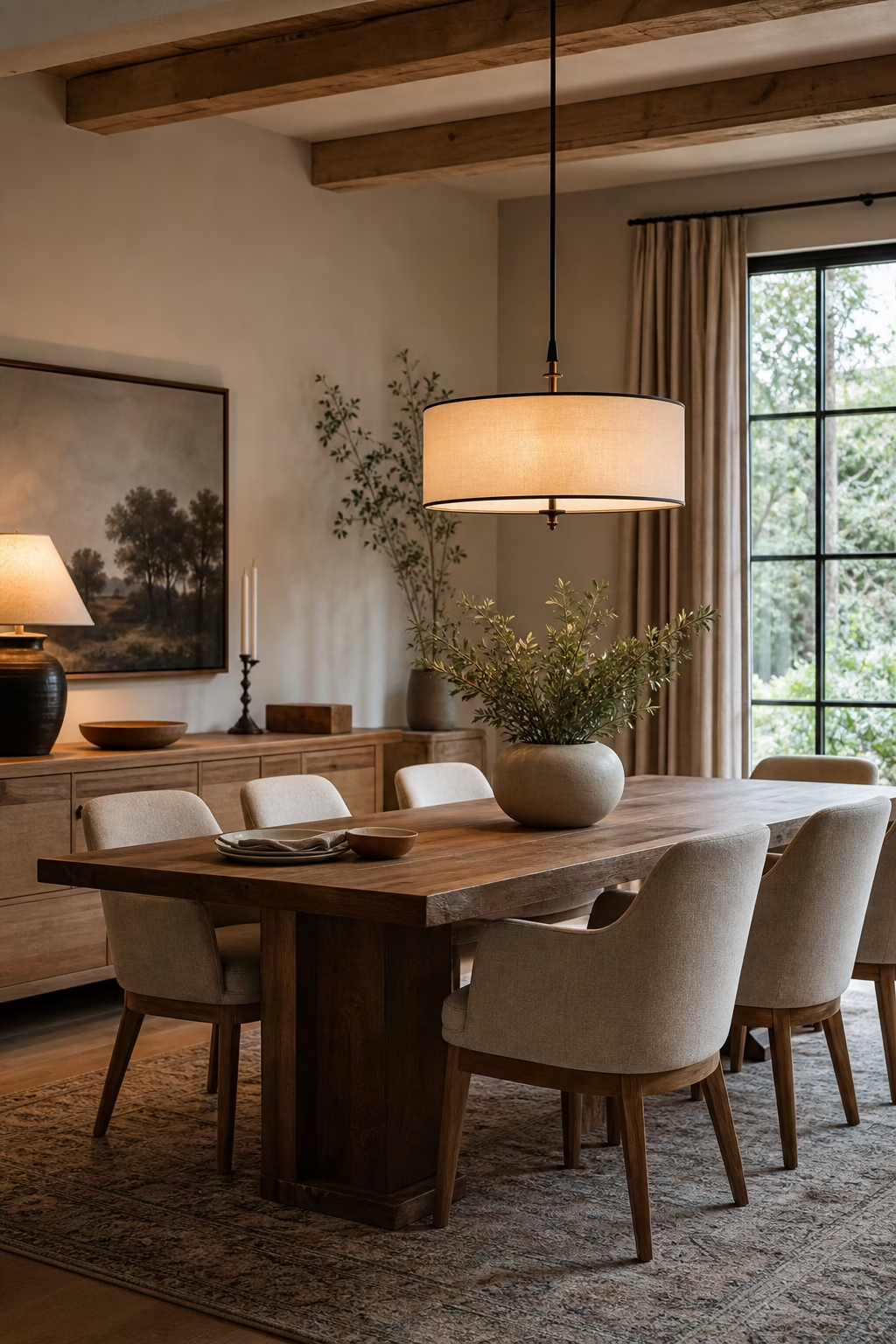
Use Blackened Metal Brackets Precisely
Visible brackets can look refined when they are treated as precise metalwork. Blackened steel brackets suit modern kitchens with dark windows, stainless appliances, or slate counters, but their scale needs discipline. Thin, well-spaced brackets feel intentional; heavy hardware can make the wall look utilitarian. Align them with studs, shelf ends, or tile joints so the rhythm feels planned. Pair the metal with oak, walnut, or stone shelves for contrast. The shelf should still be useful and safely supported, especially if it holds dishes. Done carefully, brackets add structure and a subtle graphic line without making the kitchen feel industrial. Keep the finish consistent with nearby hardware.
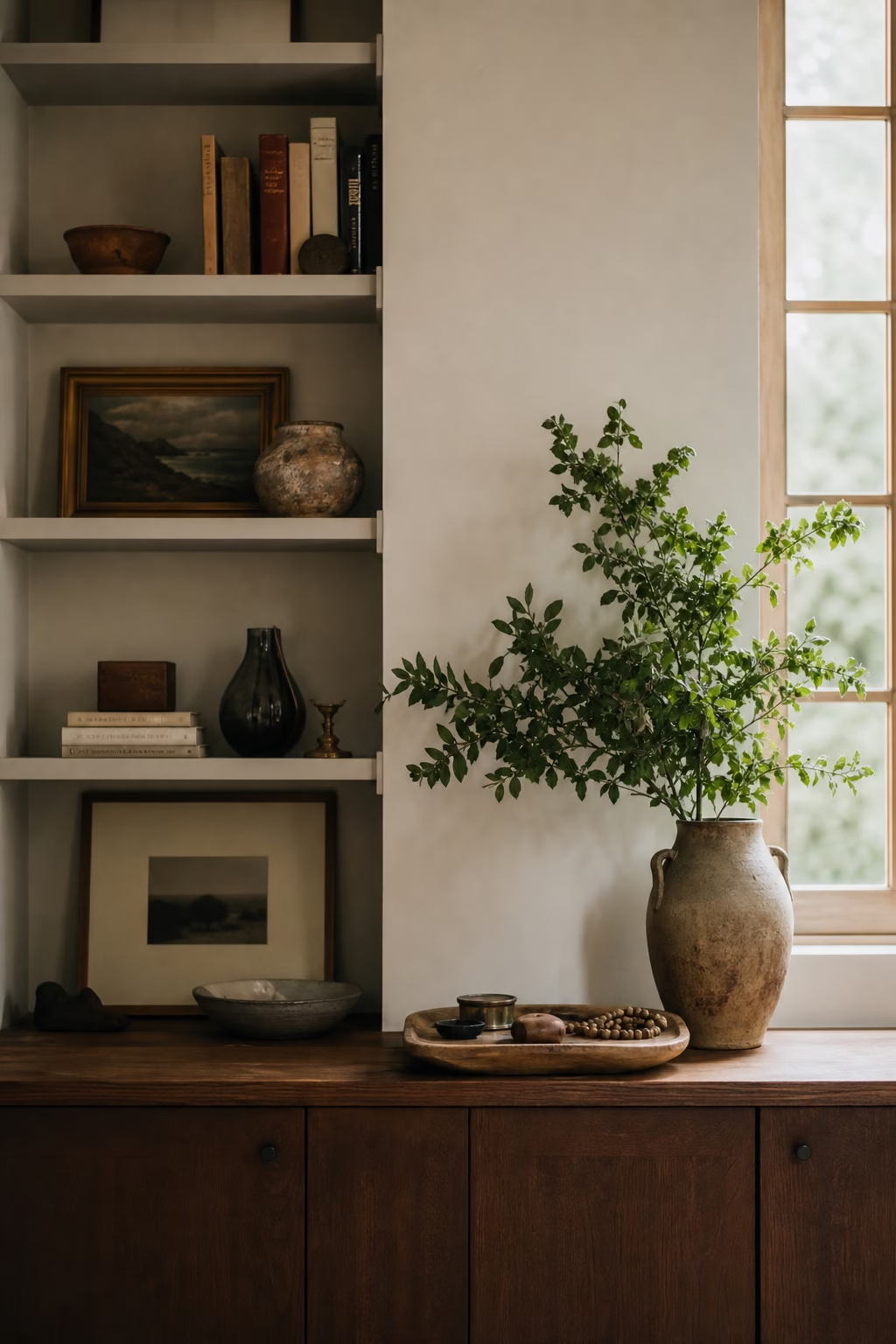
Let Glass Shelves Keep the Wall Light
Glass shelves are useful when a kitchen needs storage without visual weight. They work best in a bar niche, beside a window, or above a small sink where wood or stone would feel too heavy. Choose thicker tempered glass with polished edges and discreet supports so the shelves look deliberate and safe. Keep the contents simple: glassware, small bowls, or a few bottles. Because glass shows dust and fingerprints, it belongs in areas that are easy to reach and clean. The advantage is lightness. The wall stays open, tile remains visible, and the kitchen gains storage without blocking daylight. Use fewer objects so the transparency still reads.
Create a Shelf Above a Slab Backsplash Ledge
A shallow slab ledge and a higher open shelf can work together beautifully when they have different jobs. The ledge holds salt, oil, and a small ceramic dish close to the counter, while the shelf above stores plates, bowls, or glasses. Keep the ledge very narrow so it does not become a clutter strip. The upper shelf should align with cabinetry or window trim for a composed look. This layered approach adds depth to a simple wall without requiring upper cabinets. It also gives small items a place to land, which helps the counter stay clear during cooking and cleanup.
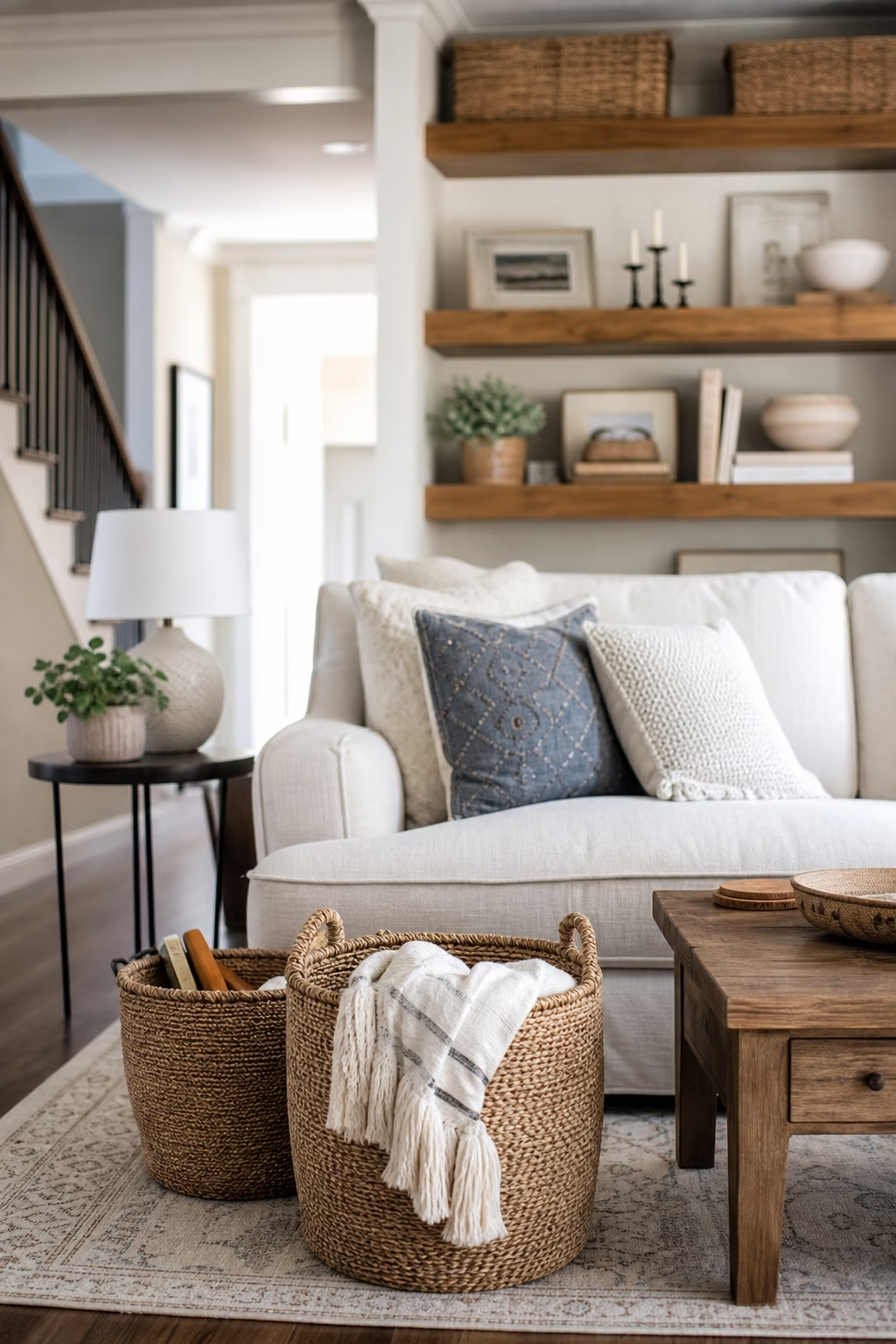
Use Open Shelving to Break Up Cabinet Walls
A tall wall of cabinetry can feel heavy if every surface is a closed door. Inserting one open shelf bay gives the composition relief and creates a place for pieces used often. Keep the bay the same width as surrounding cabinet modules so it feels designed into the millwork. A wood interior can warm painted cabinets, while a painted interior can make the whole wall quieter. Use the shelves for glassware, serving bowls, or coffee cups rather than random display. This detail is most successful when the closed cabinets still handle the real storage load, letting the open bay stay edited and calm.
Match Shelf Thickness to Counter Edges
Small proportional decisions make open shelving feel expensive. Matching the shelf thickness to the counter edge, island detail, or nearby stone return creates a subtle connection across the room. A thin shelf can look sharp in a minimalist kitchen, while a thicker shelf can balance chunky stone or deep cabinet frames. The important part is consistency. If every horizontal line has a different weight, the kitchen starts to feel pieced together. Before ordering shelves, compare samples against the countertop and cabinet profiles. When the edges relate to each other, the shelving looks like part of the design language rather than an accessory.
Use Open Shelves in a Small Kitchen Sparingly
In a small kitchen, open shelving can either make the room breathe or make it feel busier. The difference is quantity. Use one focused shelf run instead of replacing every upper cabinet, and reserve it for the prettiest daily essentials. Pair it with ceiling-height closed storage elsewhere so the small footprint still functions. Keep the shelf color close to the wall or cabinet finish if you want the room to feel larger. Deep shelves, crowded collections, and too many brackets will visually shrink the space. A narrow, edited shelf gives a compact kitchen relief while preserving storage discipline. Measure usable depth before committing.
Display Cookbooks in a Protected Shelf Bay
Cookbooks can bring warmth to a modern kitchen, but they need a protected spot away from steam, grease, and direct sink splashes. A shelf bay at the end of an island, beside a pantry, or near a breakfast nook keeps them accessible without risking daily damage. Stand a few upright and stack one or two horizontally so the shelf feels relaxed but not messy. Avoid placing books directly beside the range unless there is proper distance and ventilation. This idea works especially well when the covers add subtle color to an otherwise quiet palette. The kitchen gains personality without sacrificing function.
Choose Open Shelves for a Bar Niche
A bar niche is one of the easiest places to use open shelving well. Bottles, glassware, cocktail tools, and small bowls naturally suit display when they are organized. Use a stone counter, undercounter refrigerator, or small sink if the space supports it, then place shelves above at comfortable reach. A darker paint color or tile inside the niche can give the area depth without overwhelming the main kitchen. Keep bottle heights in mind when spacing shelves. The bar should feel like a considered pause beside the kitchen, not a crowded shelf of leftovers from entertaining. Add lighting if the niche sits away from windows.
Leave Breathing Room Around Artful Objects
Open shelving is most convincing when functional pieces and artful objects are given space. A ceramic vessel, stone bowl, or sculptural pitcher can belong in a kitchen if it is not fighting twenty other items. Place one stronger object near everyday dishes so the shelf feels styled but still useful. The empty space around it is what makes the piece read as intentional. This is especially important in modern kitchens, where clean lines can be interrupted quickly by visual noise. Edit seasonally and remove anything that does not serve the room. Luxury often shows up as restraint, not abundance. Let one object hold the moment.
Align Shelves With Window and Cabinet Lines
Open shelves look more architectural when their edges align with something already in the room. Match the shelf height to a window head, cabinet reveal, hood line, or tall pantry module so the wall has a clear rhythm. Even a beautiful shelf can look accidental if it floats at a random height. This is especially noticeable in modern kitchens because the detailing is so exposed. Before installation, draw the shelf on the elevation and check how it relates to switches, outlets, sconces, and tile joints. Alignment does not cost more than guesswork, but it makes the finished kitchen feel calmer and more custom.
Finish Shelves With Everyday Pieces Only
The best final edit for open shelving is simple: keep what the kitchen actually uses. Everyday plates, glasses, mugs, bowls, and a few serving pieces make the shelves feel alive without becoming decorative clutter. Store seasonal platters, duplicate mugs, and mismatched extras behind closed doors. This keeps dust under control and makes unloading the dishwasher faster because the destination is visible. Choose pieces with compatible tones and textures so daily use still looks refined. Open shelves should not demand constant styling to look good. When the contents are useful, limited, and easy to reset, the design works long after the photograph is taken.