A strong bathroom remodel is not defined by how much you replace, but by how intelligently each update improves comfort, maintenance, light, and daily rhythm.
Audit What Can Stay Before You Demo
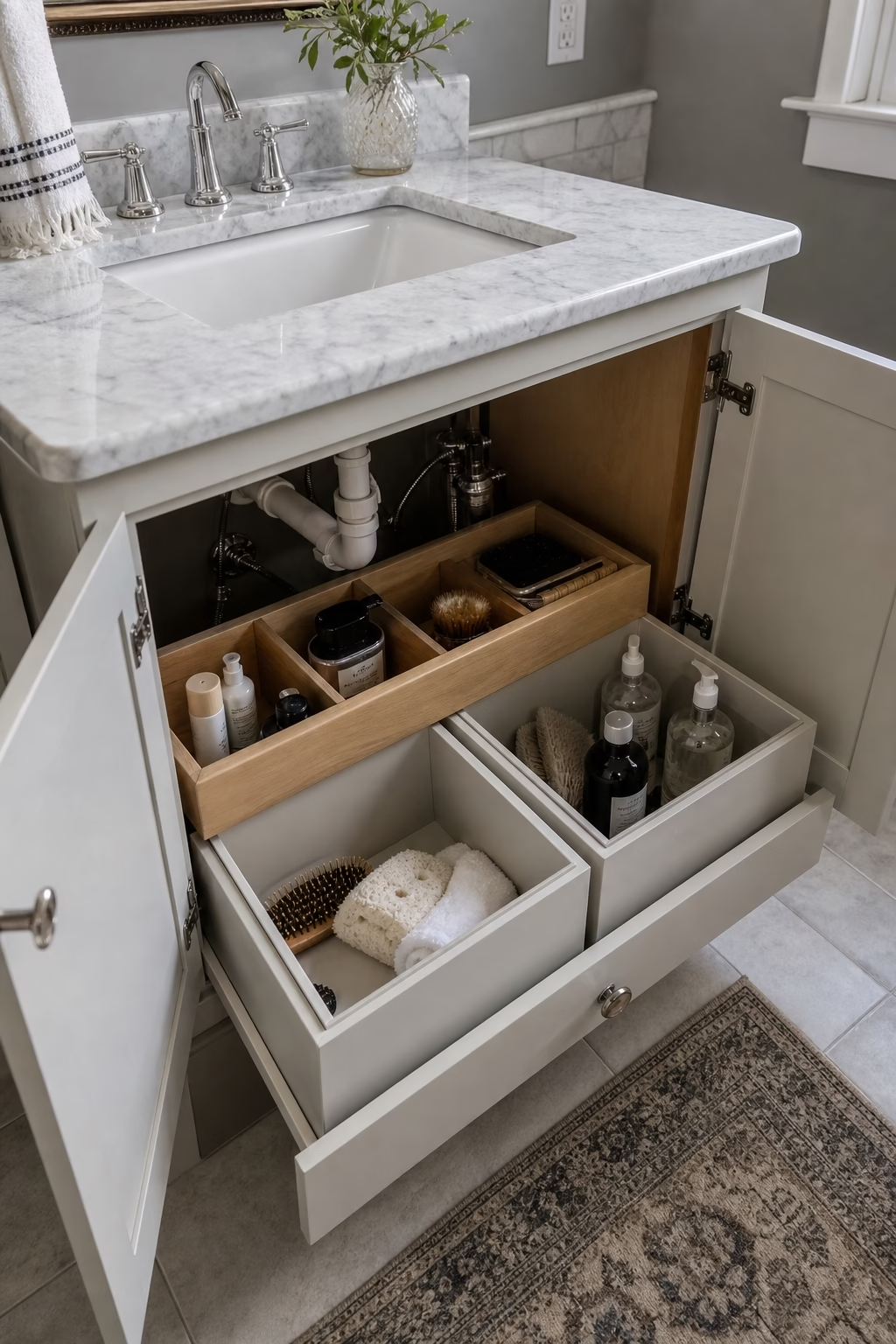
The most affordable bathroom remodels begin with restraint. Before planning demolition, look carefully at the layout, plumbing locations, tub condition, tile substrate, ventilation, and storage. Keeping the toilet, shower, and vanity in their existing positions usually protects the budget more than any sale fixture can. That does not mean settling for a tired room. A bathroom can feel new through better lighting, cleaner grout, a sharper vanity finish, updated hardware, and more edited storage. Photograph the space in daylight and at night so weak points are obvious. Spend where performance changes: leaking fixtures, poor airflow, cracked tile, or unsafe electrical work. Everything else should earn its place in the remodel plan.
Paint the Vanity Like Built-In Furniture
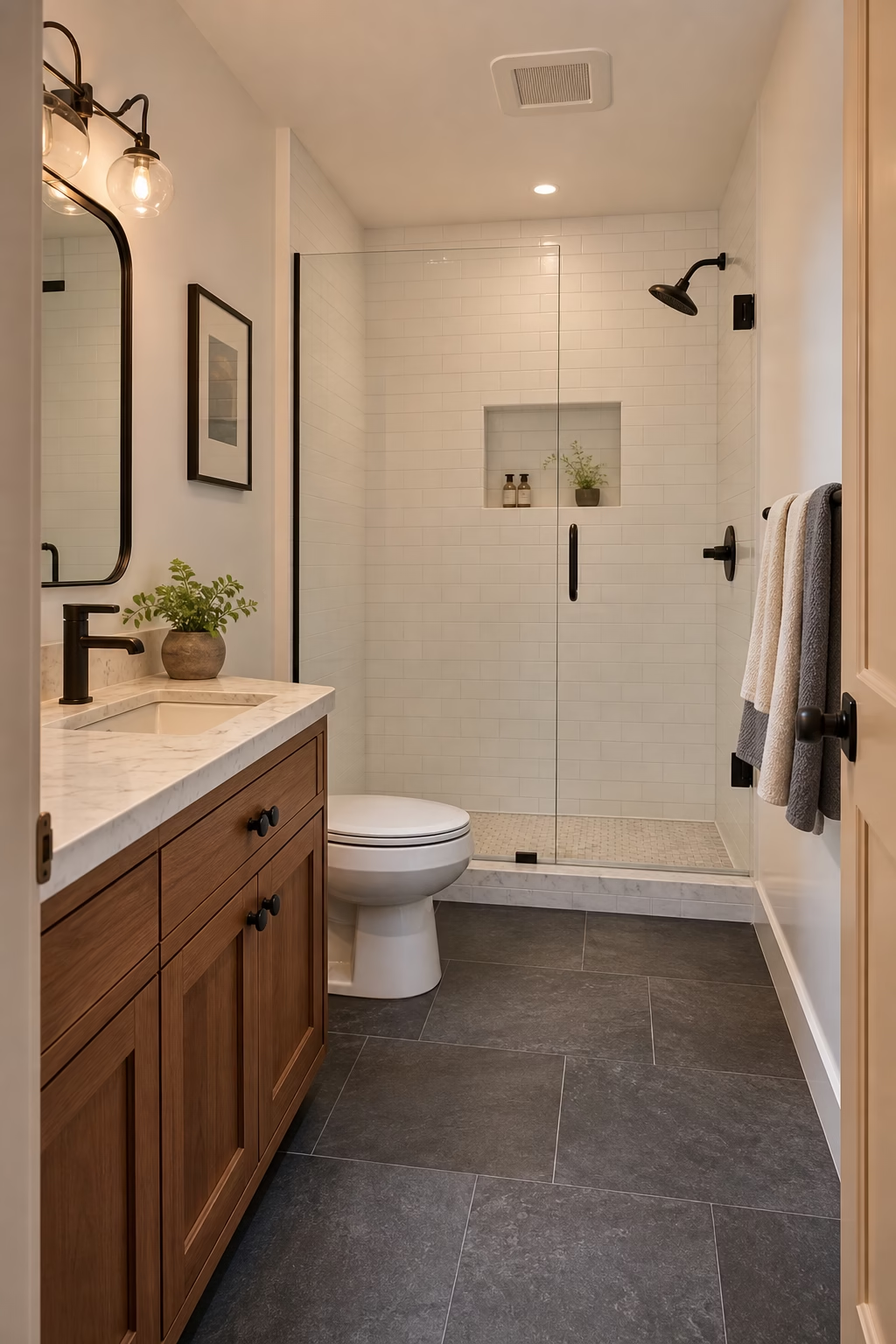
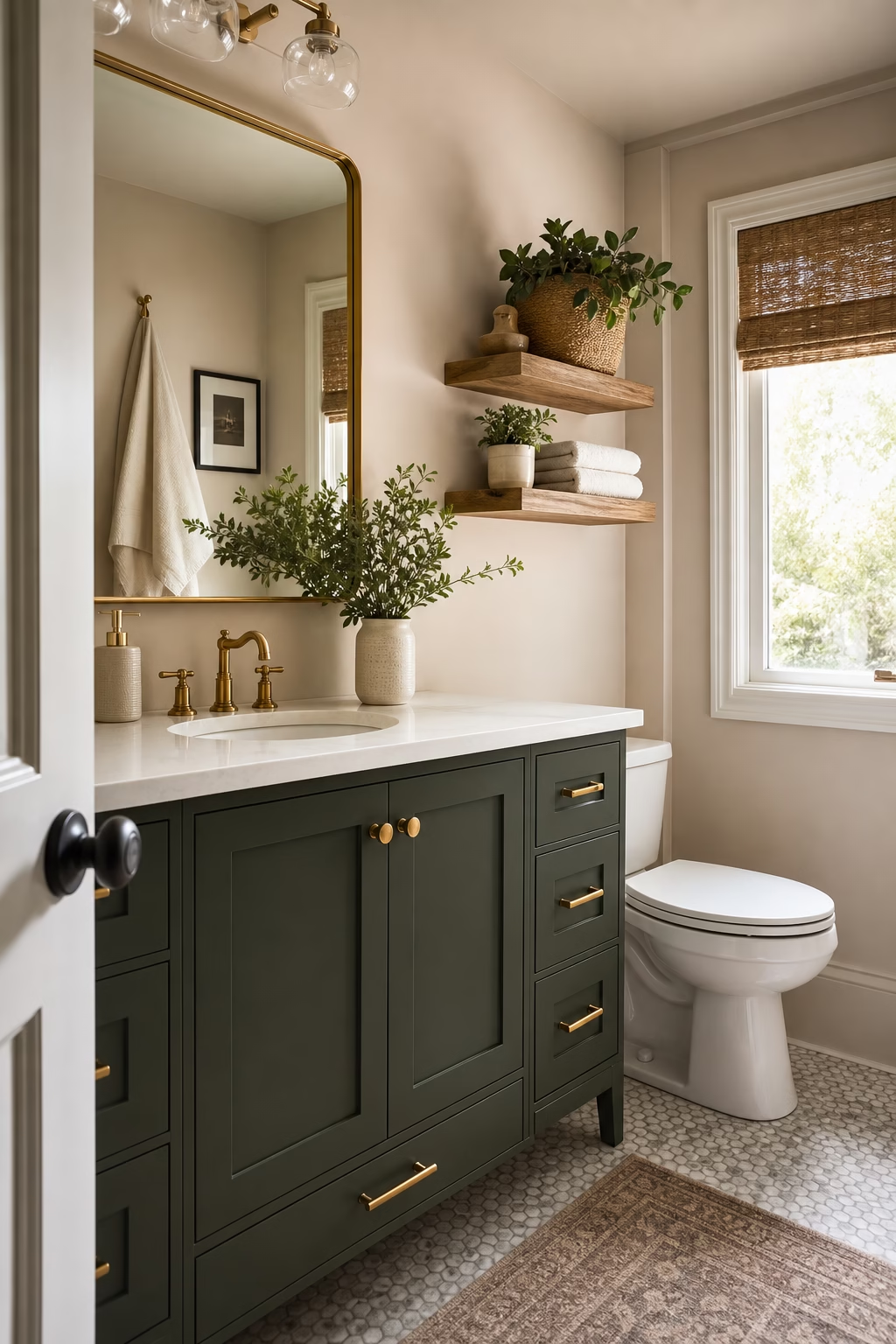
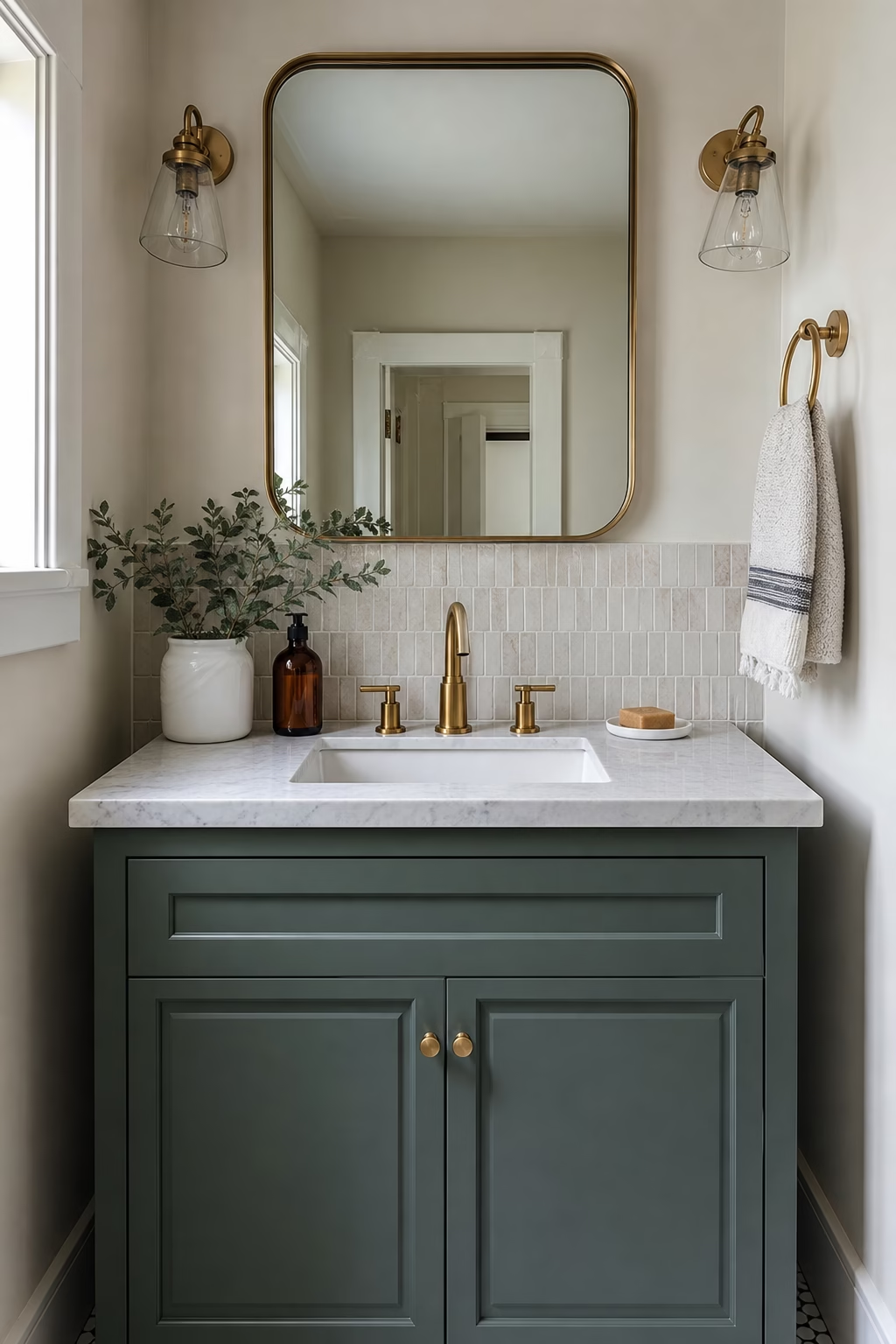
A dated vanity can become the visual anchor of the bathroom if the box is solid and the proportions still work. Remove the doors, clean every surface thoroughly, sand lightly, and use a cabinet-grade primer before applying a durable enamel or urethane finish. Soft mushroom, warm white, muted sage, charcoal blue, and greige tend to look more expensive than bright novelty colors. Replace hinges that sag, add quiet new pulls, and consider a simple toe-kick refresh so the cabinet feels intentional from floor to counter. The finish should look smooth, not crafty. Pair it with a cleaner counter and a modern faucet, and the room can shift dramatically without replacing the entire vanity.
Upgrade the Faucet, Drain, and Supply Lines Together
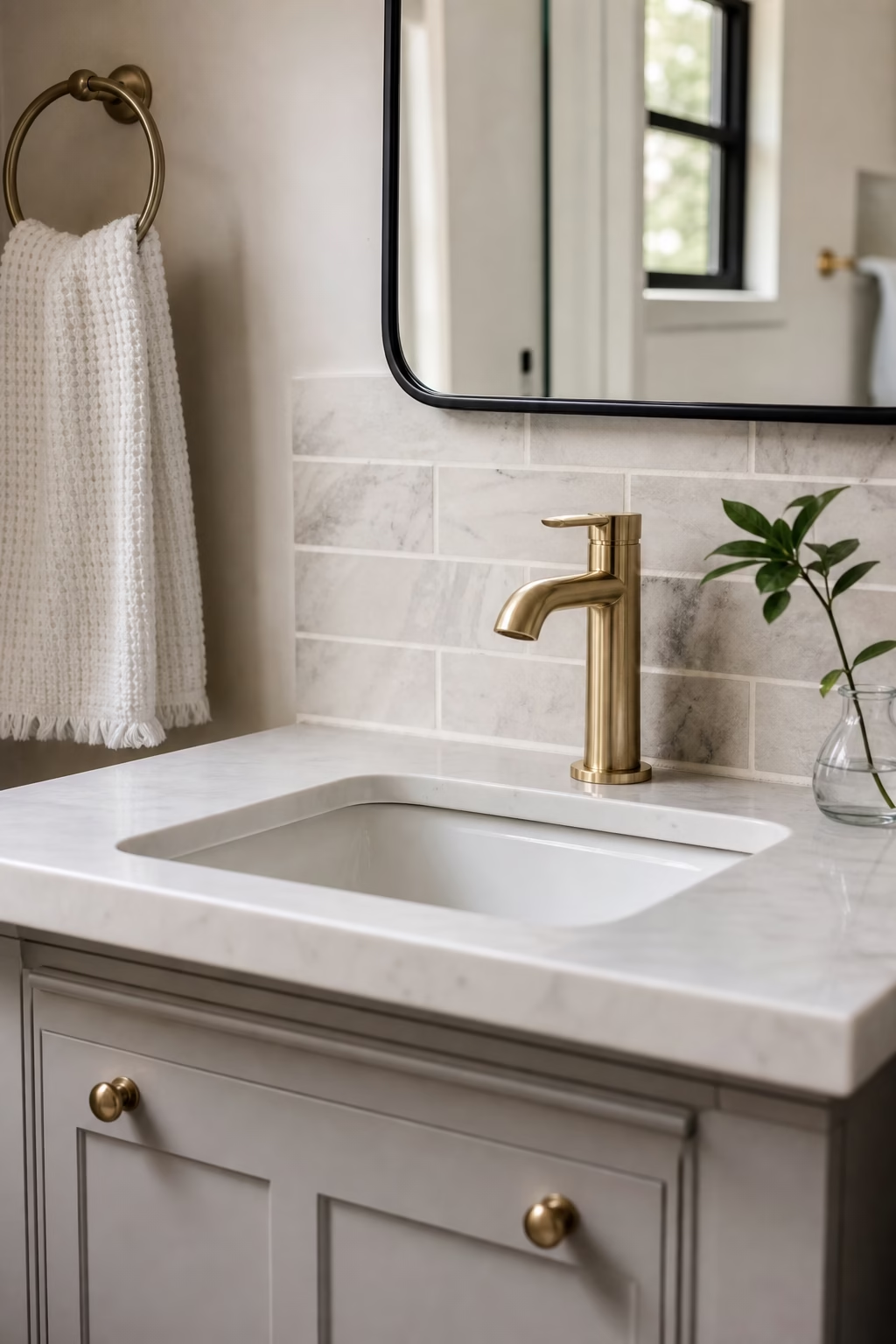
A new faucet is a small change, but it should not be treated as a decorative swap alone. Choose the faucet, drain trim, trap, supply lines, and shutoff valves as one clean system so the sink zone performs as well as it looks. Brushed nickel, polished nickel, aged brass, and dark bronze all work when repeated elsewhere in the room. Check the sink hole spacing before ordering, and make sure the spout reach lands comfortably in the basin rather than splashing against the back edge. If the old shutoffs are stiff or corroded, replacing them during the remodel prevents future frustration. This is an affordable update that reads polished because the practical details are clean.
Replace Builder Mirrors With Real Lighting
Many bathrooms feel flat because the mirror and lighting were chosen as afterthoughts. Replacing a wall-wide builder mirror with one or two properly scaled mirrors immediately creates a more tailored vanity wall. Add sconces at face height where wiring allows, or choose a high-quality backlit mirror if side sconces are not practical. Warm, dimmable light is worth prioritizing because tile, glass, and pale counters can make cool bulbs feel harsh. Keep the mirror frame slim unless the room needs a stronger decorative note. The upgrade should improve grooming as much as style. When faces are evenly lit and the mirror fits the vanity, the whole remodel looks more deliberate.
Refresh Grout Before Replacing Tile
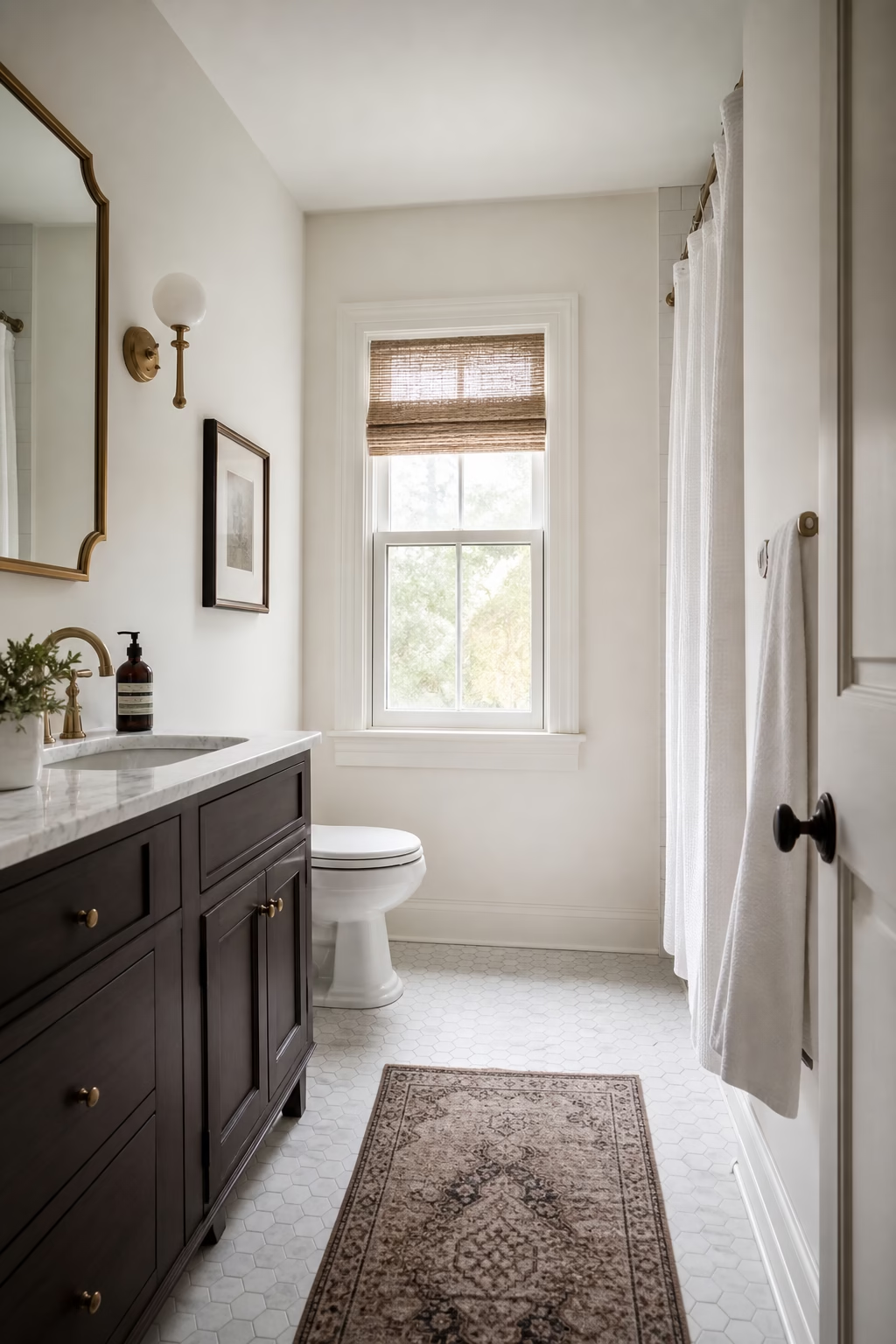
Tile often looks older because of the grout, not because the tile itself has failed. A professional deep clean, grout repair, or full grout color refresh can make a bathroom feel dramatically brighter for far less than replacement. Choose a grout tone that supports the design: close to the tile for a calm spa look, slightly darker for pattern definition, or warm grey to soften white tile. In showers, repair cracked or missing grout and address caulk separately, because grout is not a substitute for flexible sealant at corners and changes of plane. This update is quiet, practical, and highly visible. Clean grout also makes new hardware and textiles look more intentional.
Use Budget Flooring Only Where It Makes Sense
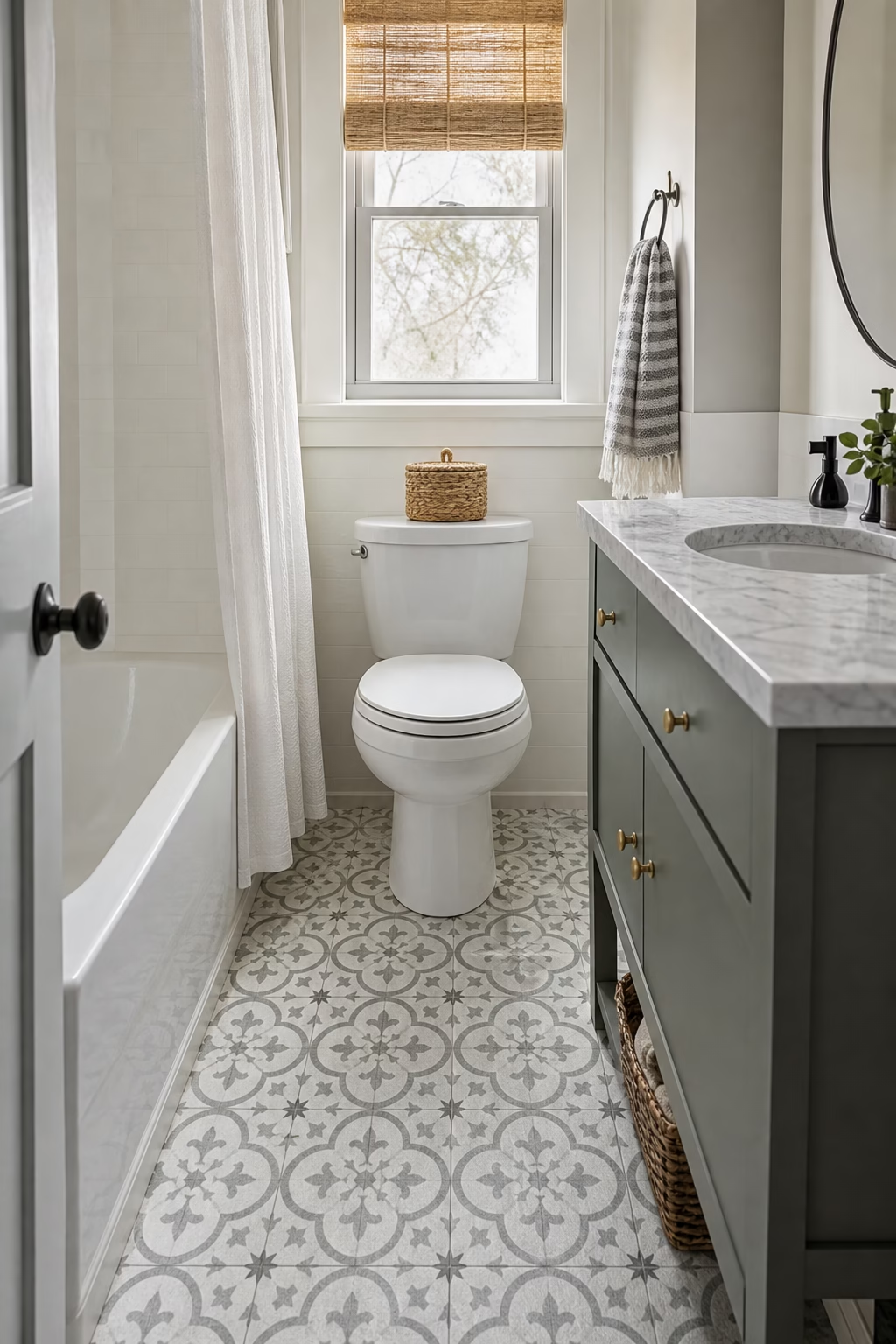
Affordable flooring can be excellent when it is chosen for the right bathroom and installed with care. Luxury vinyl tile, peel-and-stick tiles, and floating waterproof floors work best over stable, flat surfaces in powder rooms or low-splash family baths. They are less convincing when forced into wet rooms with poor edges, uneven subfloors, or constant standing water. Keep the pattern refined rather than busy: limestone looks, soft checkerboards, muted cement motifs, and warm concrete tones tend to age better. The perimeter cuts and thresholds matter more than the product photo. A budget floor looks elevated when the installation is crisp, the caulk lines are neat, and the palette relates to the vanity.
Turn the Shower Curtain Into a Tailored Panel
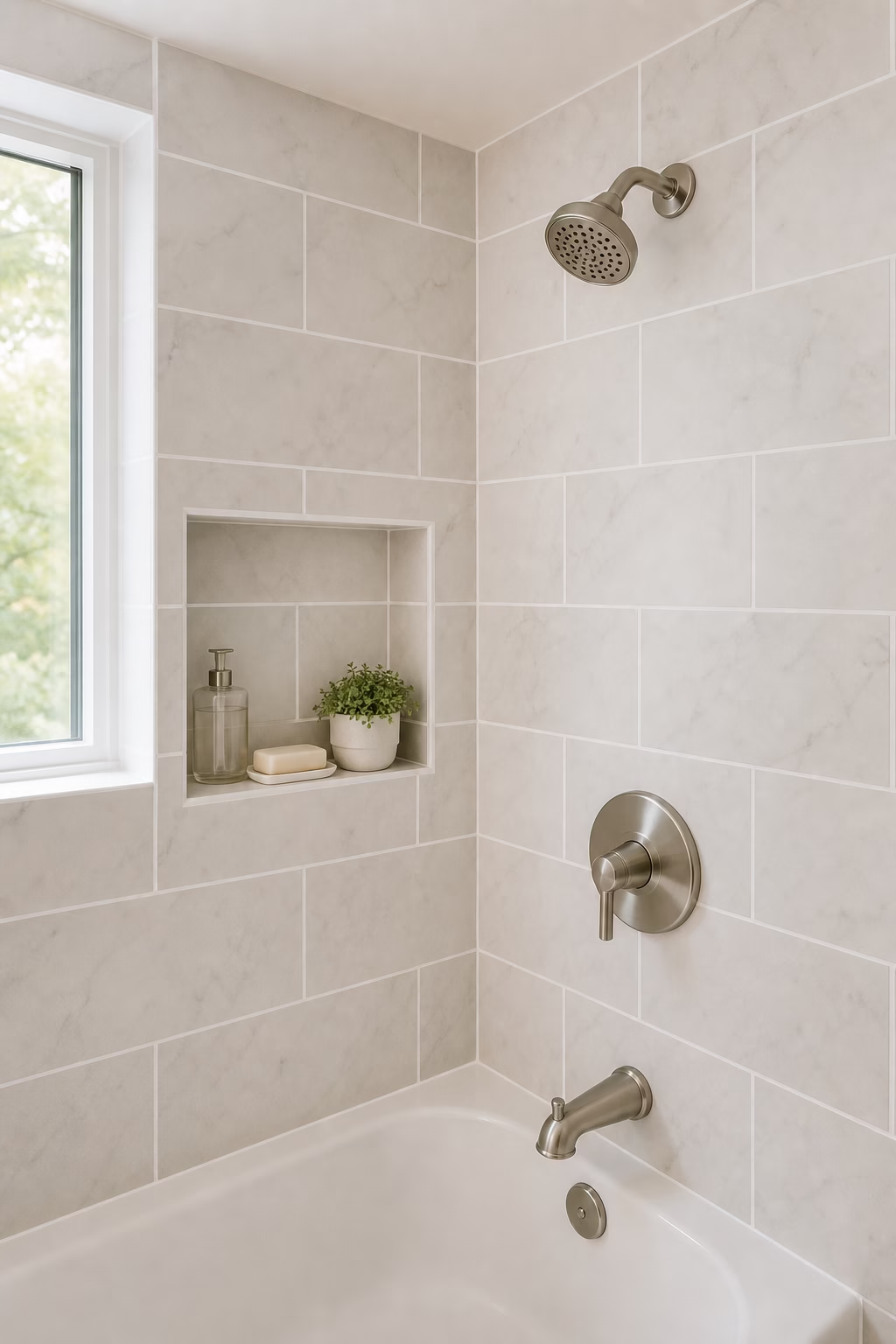
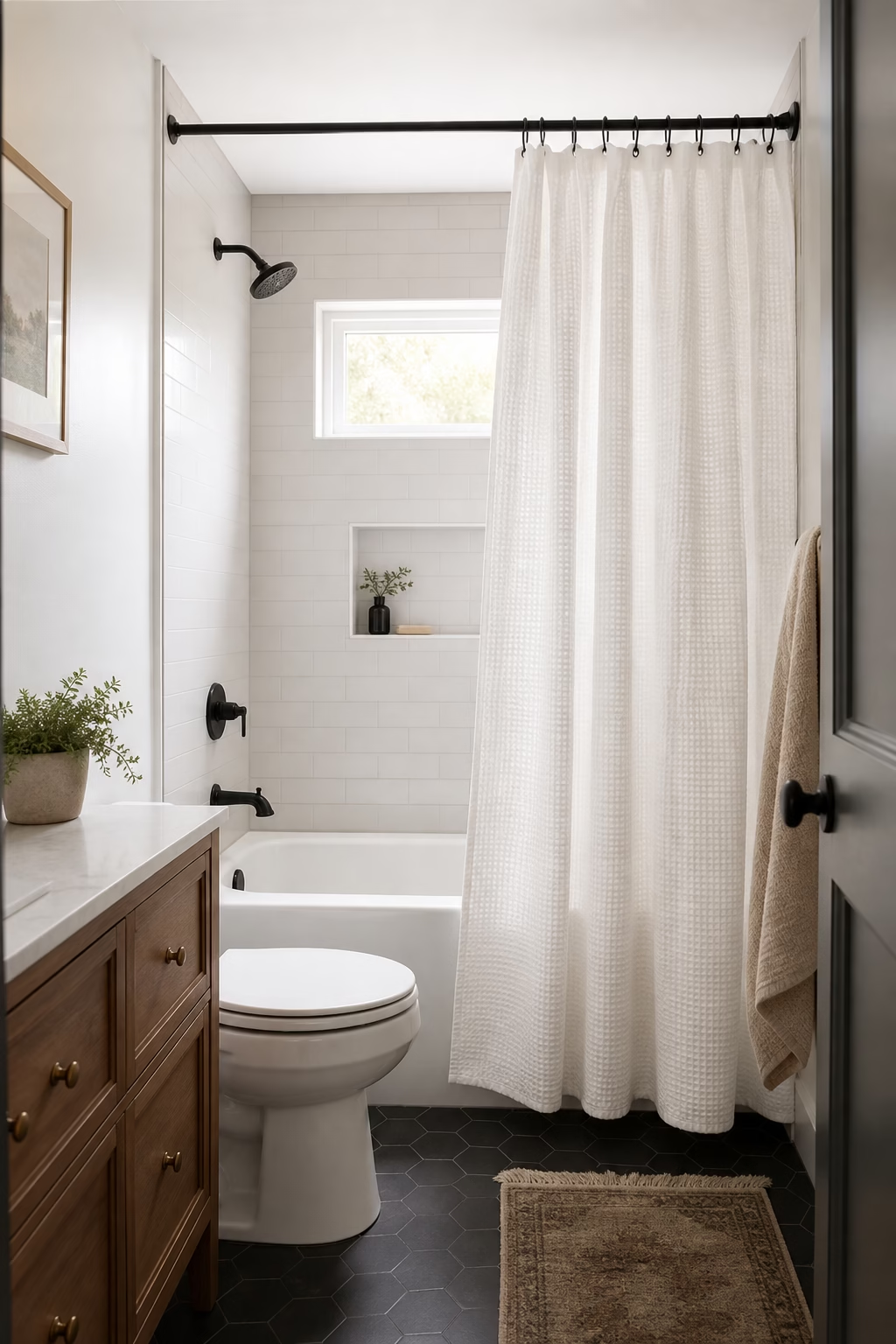
If a glass enclosure is not in the budget, a shower curtain can still look polished. Hang the rod higher than standard, choose a full-length cotton or linen-blend curtain, and use a quality liner that disappears behind the fabric. A ceiling-mounted track can feel especially elegant in small bathrooms because it removes the visual clutter of a bulky rod. Keep the curtain plain, softly textured, or subtly striped instead of relying on a loud print to carry the room. The extra height draws the eye upward and makes the tub or shower zone feel more architectural. Finish with matching rings or hooks so the detail reads as designed.
Add a Useful Ledge During Tile Work
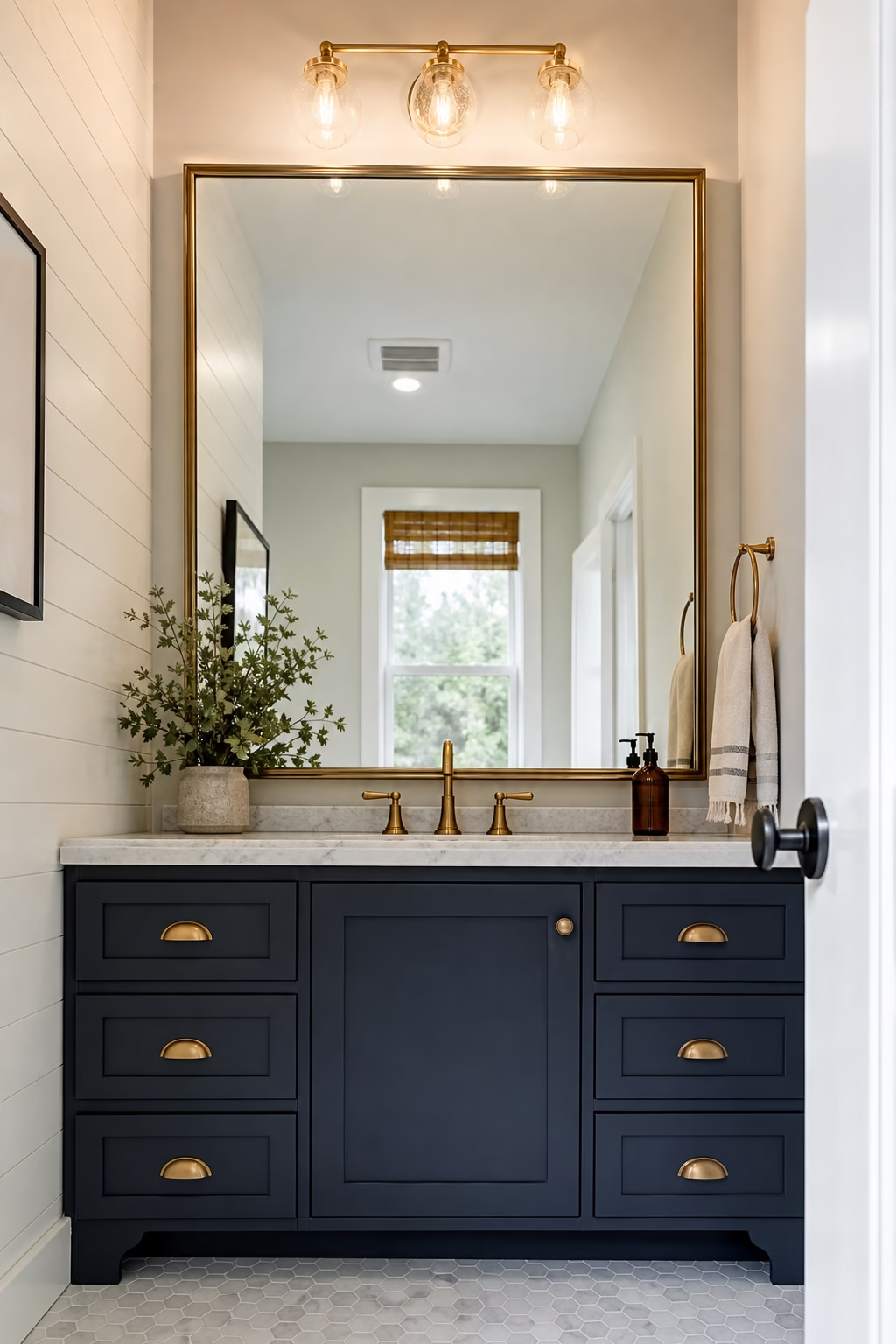
If the remodel includes any shower or vanity wall tile, look for the chance to build a ledge or niche that solves daily clutter. A shallow stone ledge above a sink can hold soap and a small tray without crowding the counter. In the shower, a long niche aligned with the tile layout feels cleaner than a tiny square opening placed randomly between studs. Measure real bottles before deciding the height, and add a slight slope for drainage. This is not an accessory; it is part of the architecture. A well-placed ledge makes an affordable remodel feel custom because it removes the plastic organizers and loose products that usually cheapen the room.
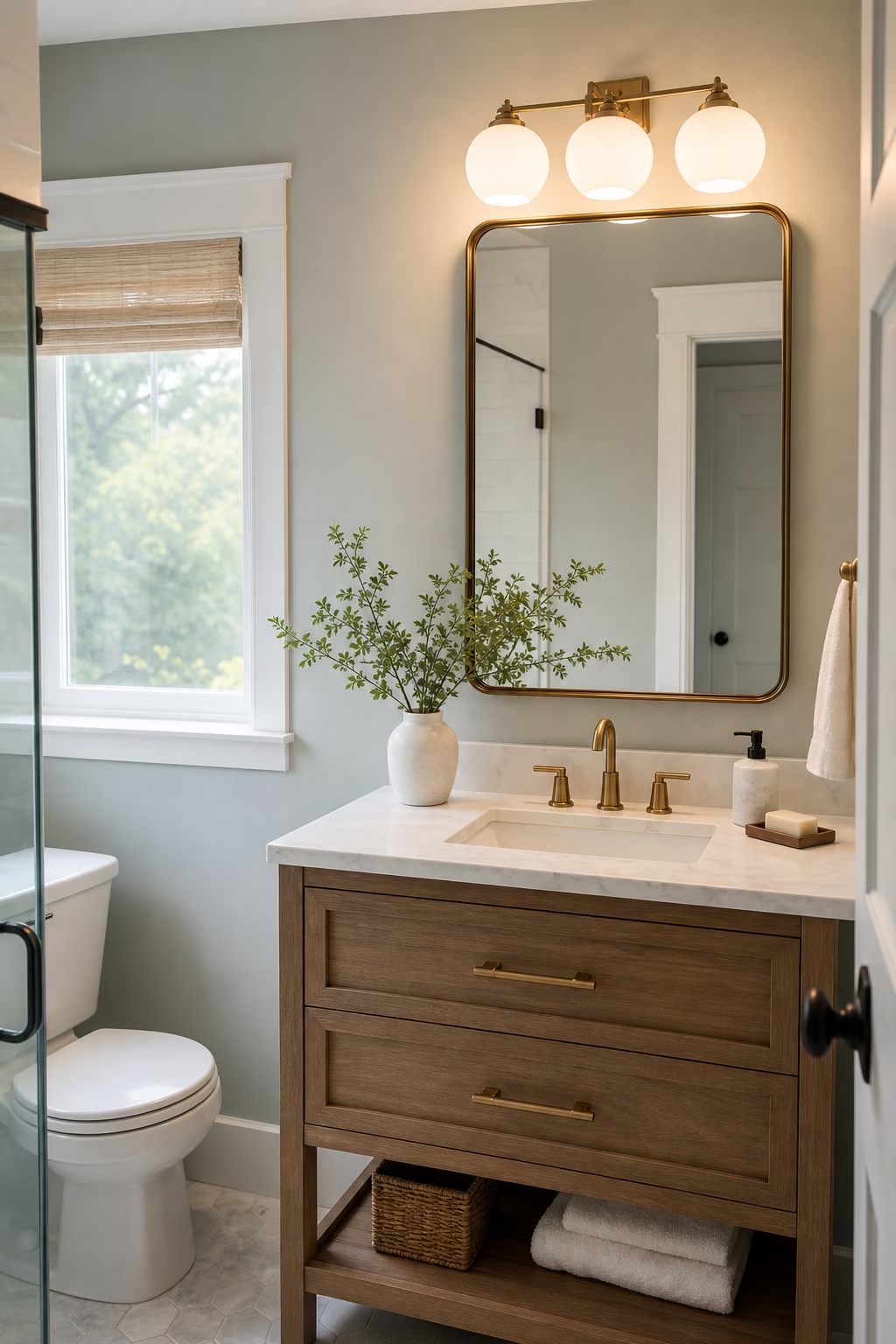
Choose a Prefabricated Top With a Custom Attitude
A vanity top does not have to be fully custom to look refined. Many prefabricated quartz, cultured marble, solid surface, and stone-look tops offer integrated sinks and clean edges at a manageable cost. The key is to select a profile and color that feel calm rather than flashy. Warm white, soft grey, or subtle veining will usually outlast dramatic patterns. Confirm the depth, faucet holes, backsplash height, and side splash needs before ordering. If the vanity base is being reused, a new top can make it feel far more substantial. Keep the edge simple and let the mirror, lighting, and hardware provide the personality.
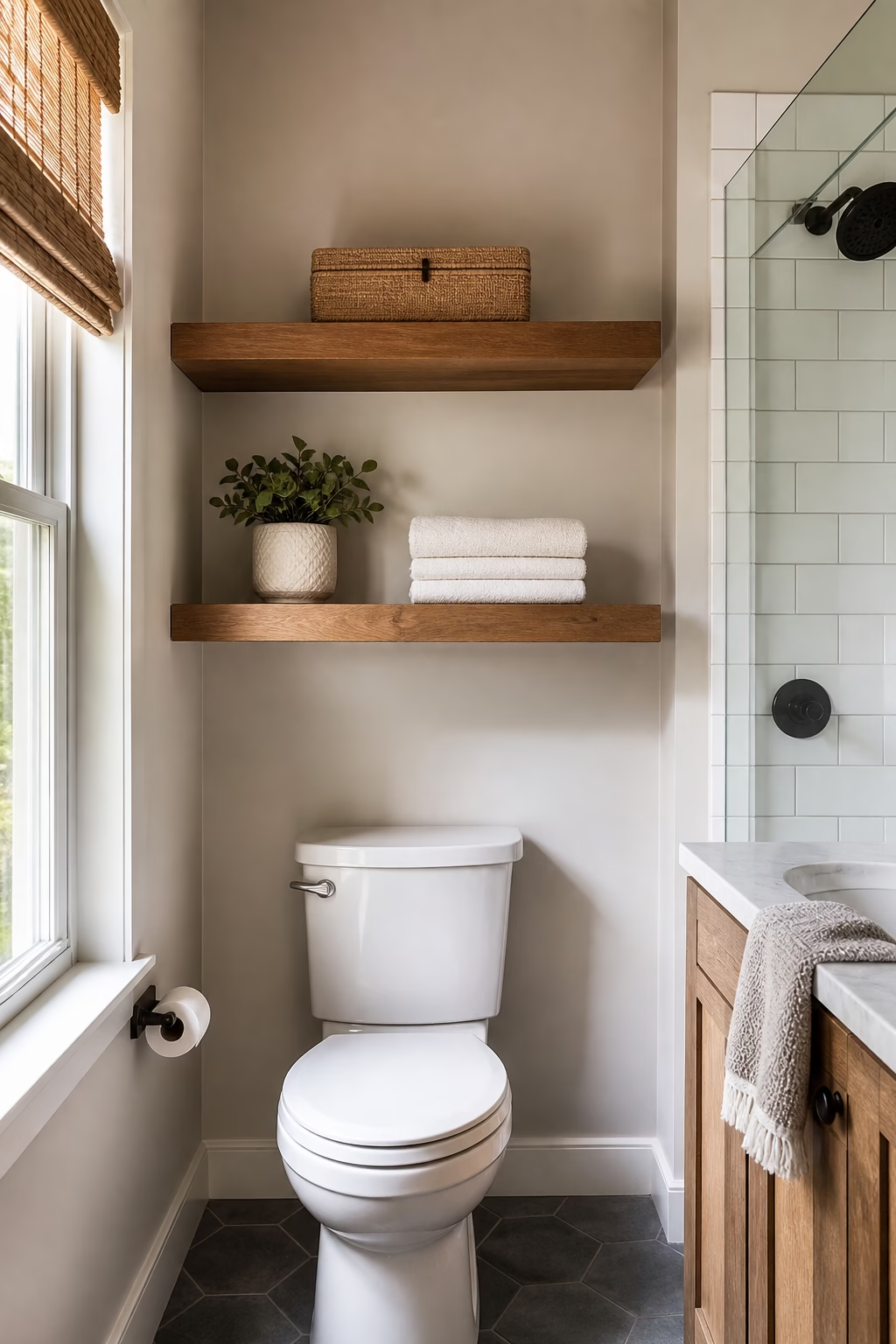
Layer Warm Light for a Spa Mood
Spa atmosphere depends heavily on lighting. A single overhead fixture can make even new tile feel cold, while layered light lets the bathroom shift from bright morning use to soft evening calm. Combine general ceiling light with mirror lighting and, where possible, a low glow under a floating shelf, inside a niche, or near the tub. Use warm bulbs and dimmers so the room does not glare against mirrors and glossy surfaces. If electrical work is already part of the remodel, add separate switches for task and ambient light. This update feels luxurious because it changes how the room behaves throughout the day, not just how it photographs.
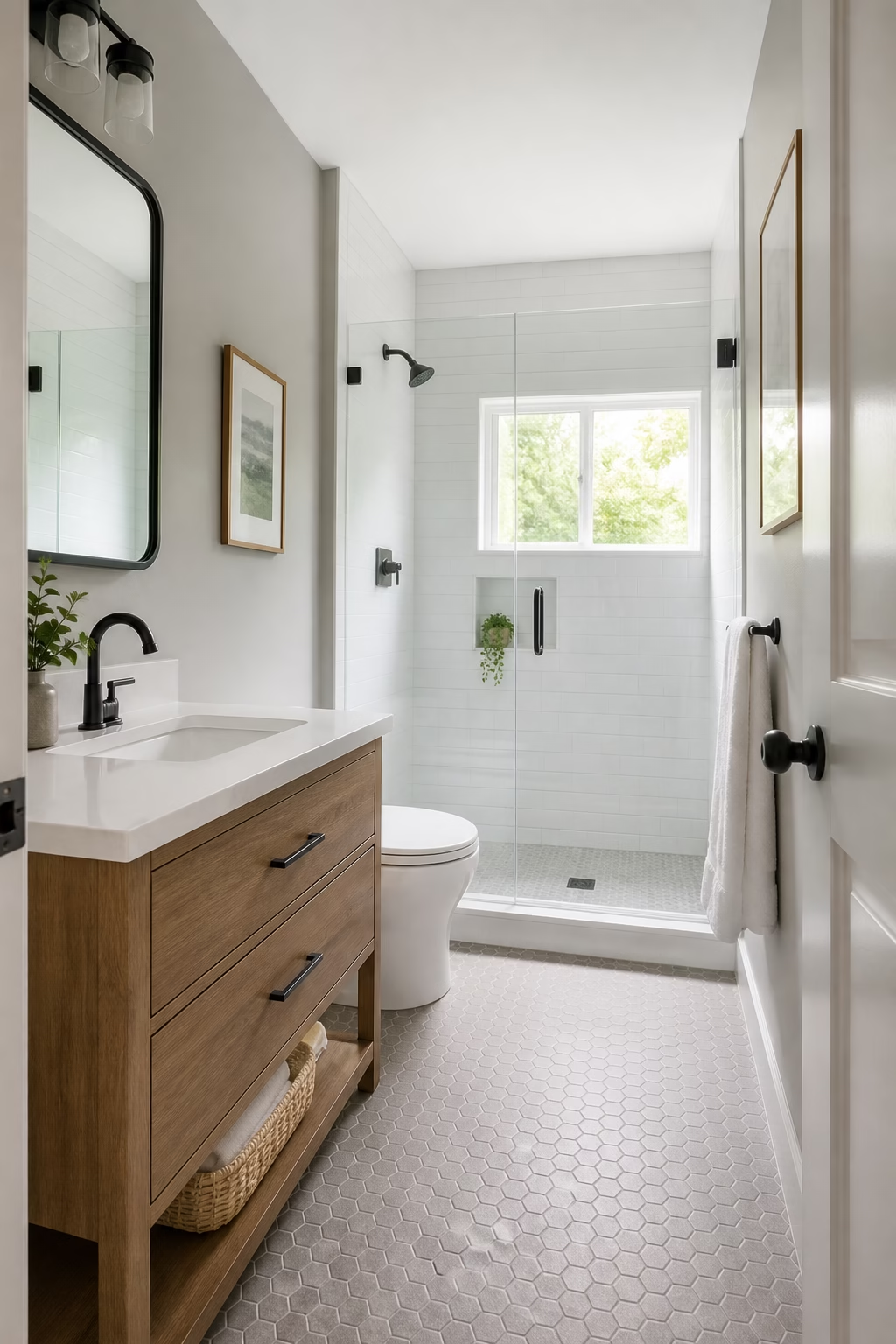
Treat Hardware as One Quiet System
Towel bars, robe hooks, toilet paper holders, cabinet pulls, and shower trim should feel related, even if every piece does not come from the same collection. In an affordable remodel, this consistency creates a stronger impression than scattered upgrades. Choose one dominant finish and repeat it clearly. Black can sharpen a pale room, brass warms a neutral palette, and brushed nickel feels clean and forgiving. Mount each piece at a comfortable height and align hooks with real towel use rather than decorative symmetry alone. Avoid overloading the walls with hardware. A few well-placed pieces make the bathroom easier to use and give the remodel a calm, finished rhythm.
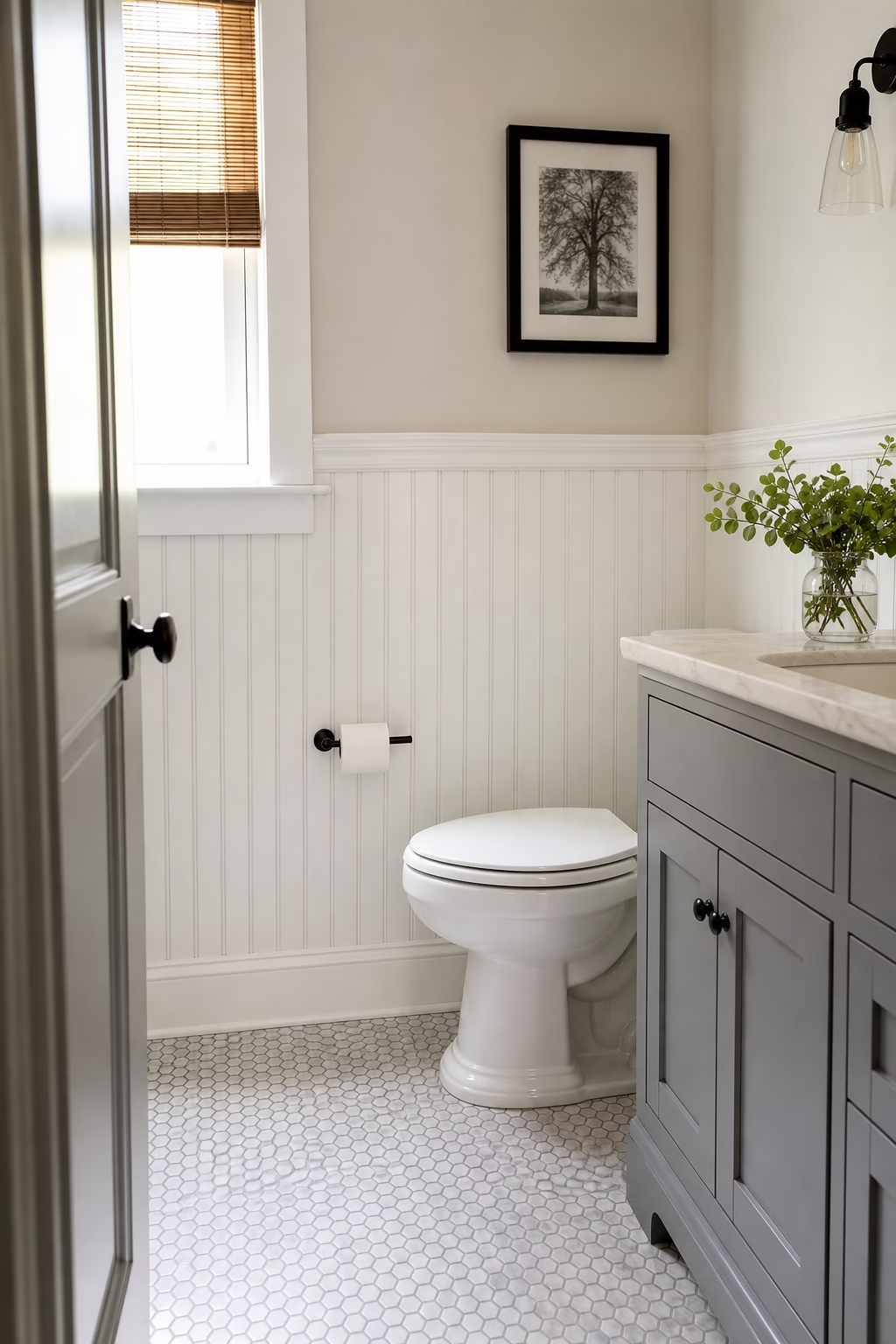
Invest in Textiles That Feel Hotel-Level
Soft goods can carry a surprising amount of the spa upgrade. Replace mismatched towels and thin bath mats with a tight edit of cotton, waffle weave, Turkish, or ribbed textures. Warm white, oatmeal, soft grey, muted sage, and charcoal stripe work with most remodel palettes and photograph beautifully. Choose towel sizes that fit the hooks and bars you actually have, because oversized towels crammed into small spaces never feel luxurious. A washable runner can soften long bathrooms, while a simple bath mat is better near a shower threshold. The goal is comfort with discipline. Textiles should add warmth and absorption without turning every rail and shelf into storage.
Upgrade the Shower Head for Daily Comfort
A better shower head is one of the most noticeable affordable upgrades because it changes the daily experience immediately. Look for a model with balanced pressure, water-saving performance, and a finish that matches the rest of the remodel. A handheld shower on a slide bar adds flexibility for cleaning, bathing children, washing hair, or rinsing the shower walls. If the valve is old or unreliable, address it before investing only in trim. A rain head can be lovely, but it needs proper placement and water pressure to feel generous. Practical comfort is the point. A modest shower can feel more spa-like when the water pattern, height, and controls work beautifully.
Use Paint to Make the Room Feel Finished
Paint is affordable, but in a bathroom it needs to be chosen with more care than in a bedroom or hallway. Use a moisture-resistant finish, prepare patched walls properly, and test colors beside the tile, counter, and bulb temperature. Warm whites, pale taupes, mushroom tones, muted greens, and soft blue-greys can all make a remodel feel calmer. Avoid choosing a color from a tiny swatch under store lighting; bathroom colors shift quickly beside mirrors and glossy tile. Paint the ceiling if it looks dingy, and refresh trim so the room feels complete. Clean paint lines around tile and cabinetry are what make this simple update look professional.
Spend on One Natural Detail
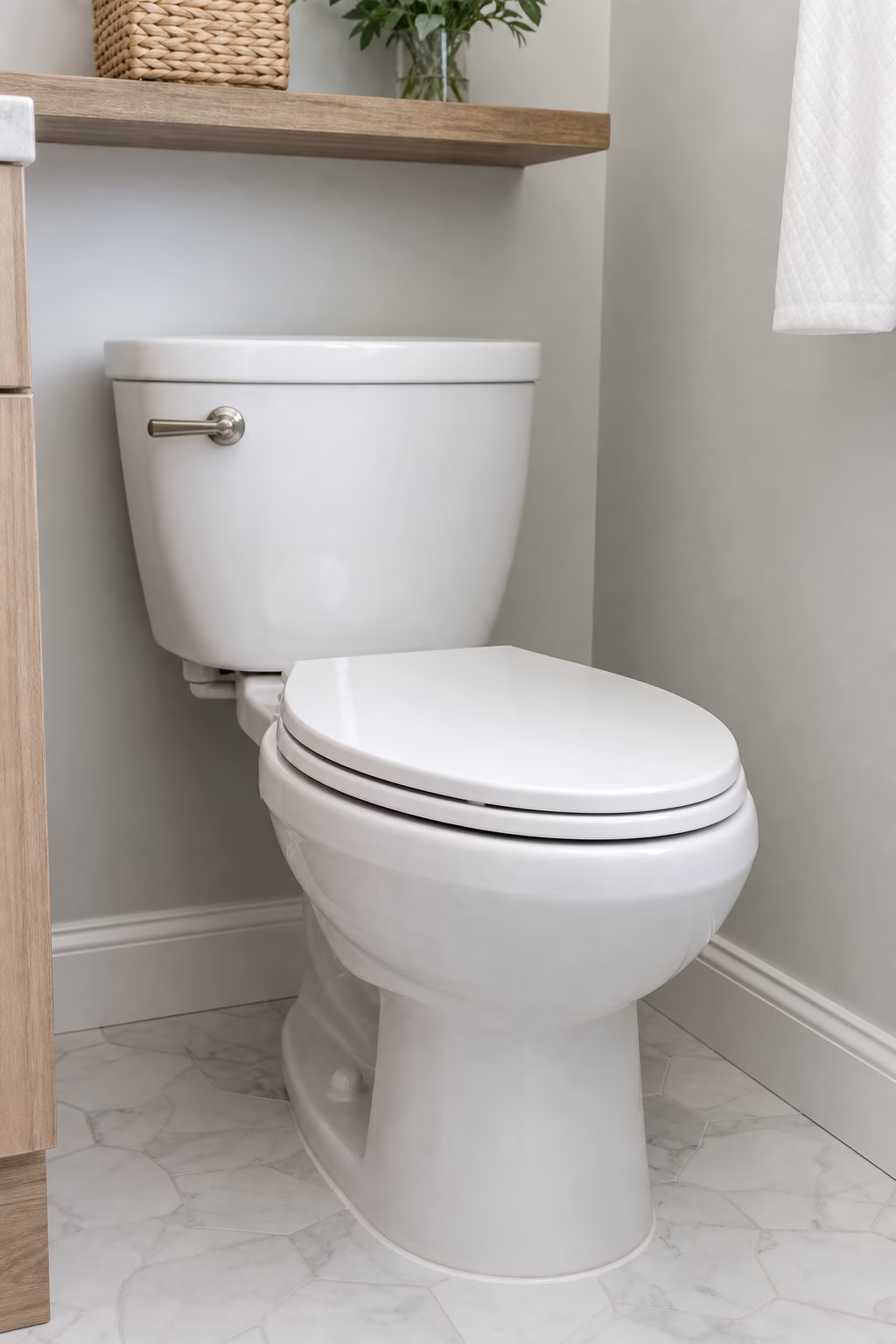
When the budget is limited, one natural detail can make the whole bathroom feel more elevated. A teak stool, honed stone tray, oak shelf, limestone ledge, or marble threshold brings texture that plastic accessories and generic finishes cannot copy. Keep the piece functional so it earns the cost. A stool can hold towels beside the tub, a stone tray can organize the vanity, and an oak shelf can replace a flimsy storage rack. Seal wood properly and keep porous stone away from heavy splash unless it is suited to the location. This final layer gives the remodel a tactile, spa-level quality without requiring every surface to be expensive.