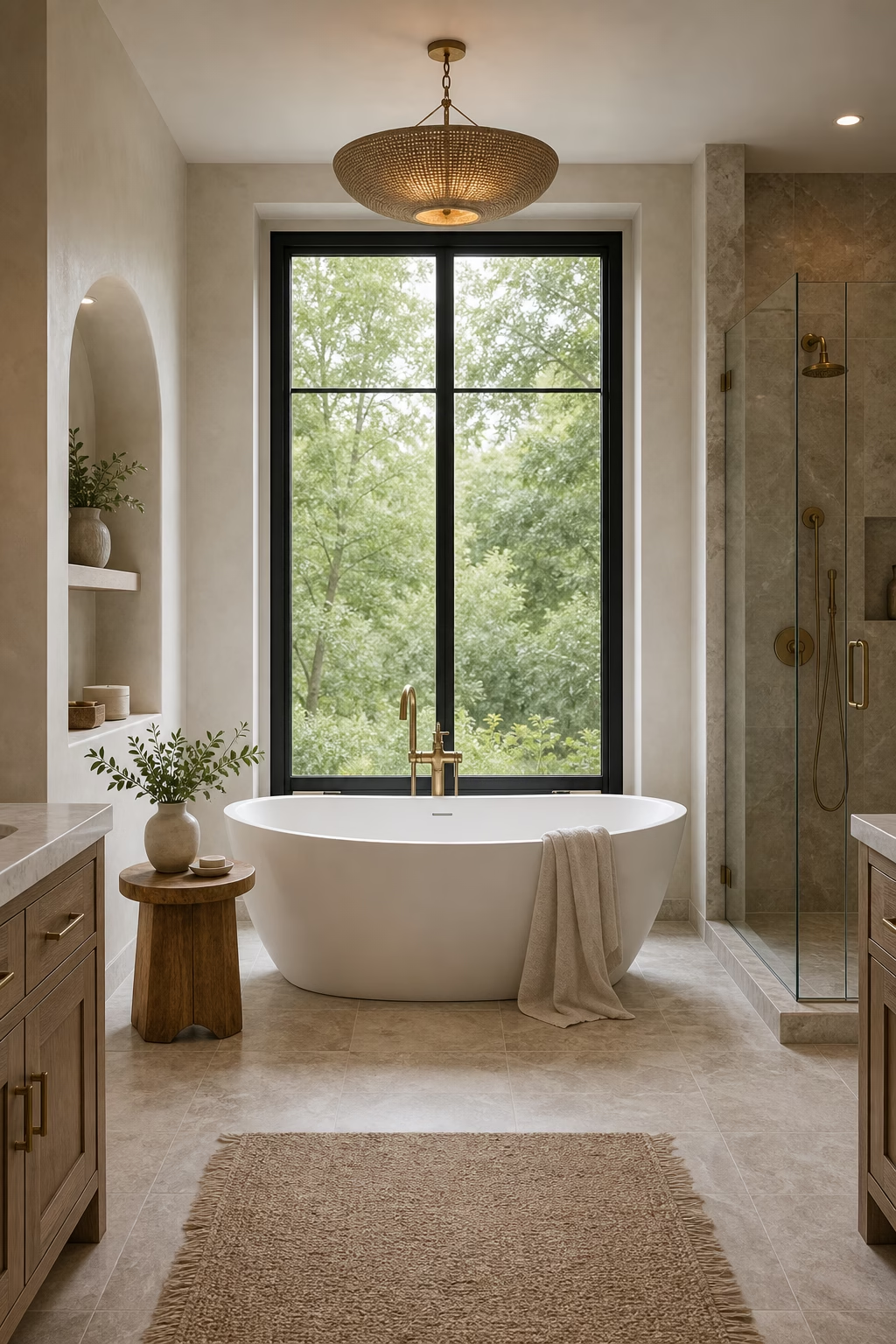
A bathroom feels elevated when the useful pieces are chosen with the same care as the tile, vanity, and lighting.
Start With a Tray That Controls the Counter
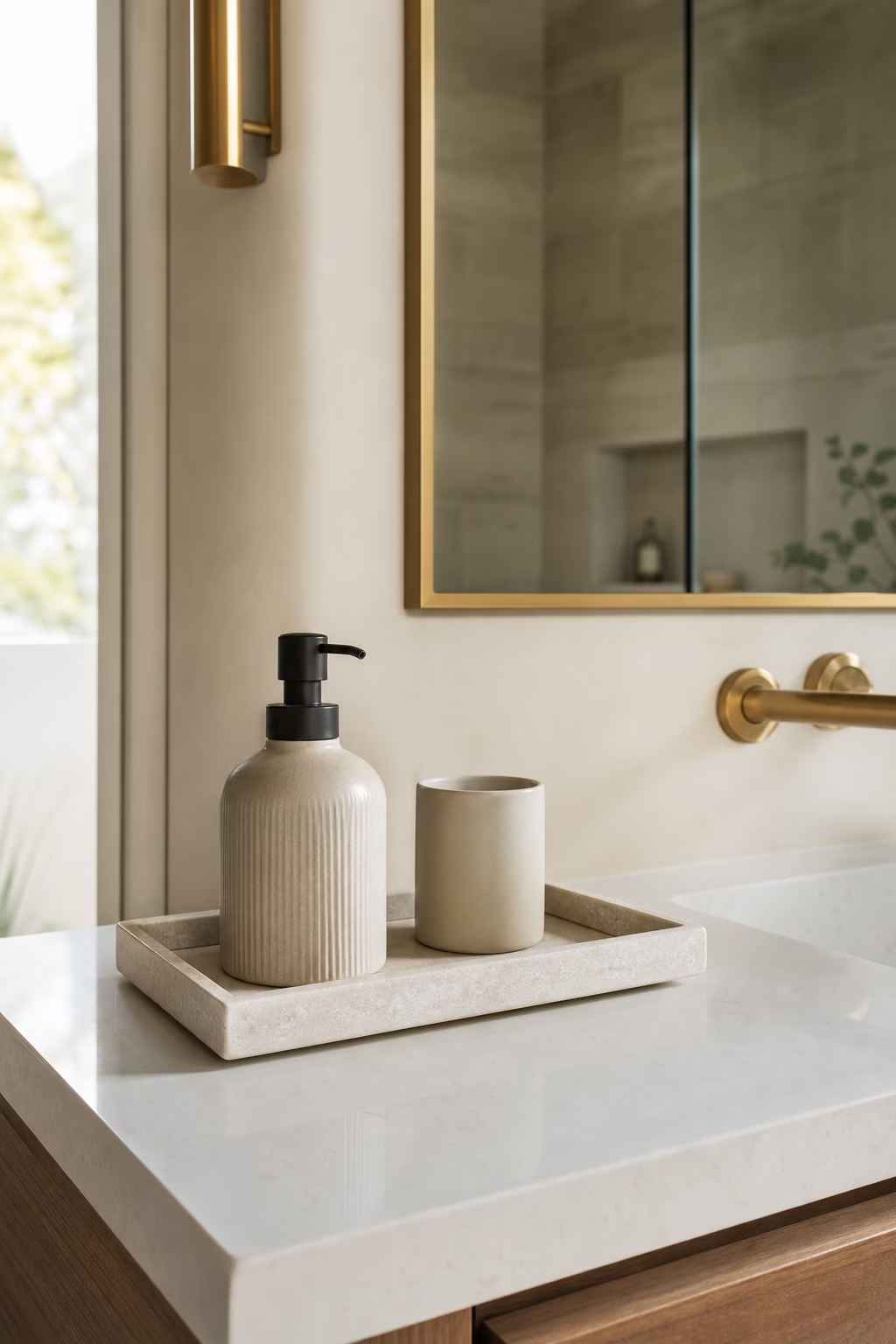
A bathroom counter looks more expensive when the daily objects have a defined place. Choose one tray in stone, lacquer, ceramic, or warm wood, then use it to gather soap, hand cream, a small dish, and one decorative object. The tray should be large enough to feel intentional but not so large that it crowds the sink. Match the material to the room: honed marble suits a classic vanity, while oak or travertine softens a modern bath. Leave clear space around the tray so the counter still feels useful. This small boundary turns ordinary products into a composed vignette instead of visual clutter.
Replace a Basic Mirror With Real Presence
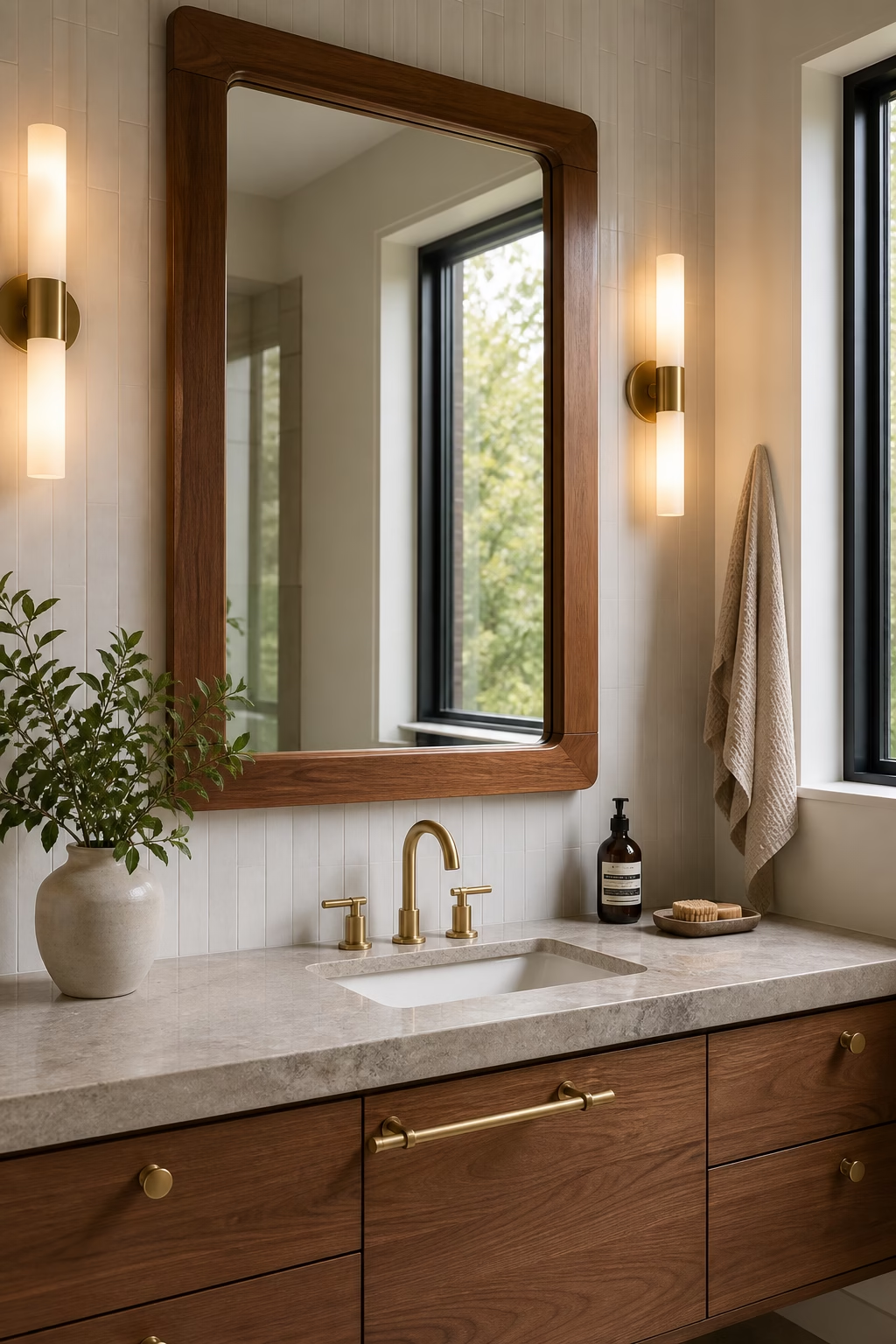
The mirror often sets the tone of the entire bathroom, especially in a room with simple tile. A framed mirror in oak, walnut, aged brass, blackened metal, or painted wood can make the vanity wall feel finished without adding bulk. Scale matters more than ornament. The mirror should relate to the width of the sink or vanity, sit comfortably above the faucet, and leave enough room for lighting. In a small bath, a medicine cabinet with a slim frame can add storage while still looking tailored. A better mirror gives the room architecture, reflection, and polish in one move. It can also steady the palette.

Use Sconces to Make the Vanity Feel Designed
Lighting is decor when it is chosen with proportion and purpose. Vanity sconces bring a finished, residential feeling that a single overhead fixture rarely provides. Place them at face height when possible, either flanking the mirror or between two mirrors over a double vanity. The shade, finish, and silhouette should echo the rest of the room without becoming fussy. Opal glass softens modern bathrooms, linen shades warm up traditional rooms, and slim metal cylinders suit compact spaces. Add dimmers so the light can shift from grooming to evening calm. Good sconces make the whole sink zone feel composed. That control is what reads as luxury.
Upgrade Towels Like Textiles, Not Afterthoughts
Towels are some of the largest visible soft goods in a bathroom, so their color and texture matter. Replace mismatched sets with towels that support the palette: warm white, oatmeal, charcoal stripe, muted sage, dusty blue, or soft taupe. Choose a substantial cotton, waffle weave, or Turkish texture, then fold or hang them consistently. A room instantly feels calmer when the towels repeat rather than compete. Keep a few guest towels within reach and store extras in a cabinet or basket. The goal is not a hotel stack for show, but a textile layer that looks good and works every day.

Bring in Art That Can Handle Humidity
Bathroom art should feel deliberate, not like leftover wall filler. Choose pieces that can tolerate moisture and avoid placing delicate works directly beside a shower or tub. Framed prints under glass, small canvases in powder rooms, ceramic wall pieces, and simple photography can all work beautifully. The subject does not need to be literal. A quiet landscape, abstract drawing, botanical study, or architectural photograph often feels more sophisticated than bathroom-themed art. Keep the scale appropriate to the wall, and leave breathing room around the frame. One well-chosen piece can make the room feel connected to the rest of the home.

Add Greenery With the Right Scale
Greenery can soften a bathroom, but it needs the right size and location. A tiny plant lost on a large vanity looks accidental, while an oversized floor plant can block circulation. Use a small branch arrangement, orchid, fern, pothos, or humidity-friendly plant where it receives appropriate light and does not interfere with daily routines. In windowless rooms, high-quality preserved greenery or simple cut branches may be more realistic than a struggling live plant. Choose a ceramic, stone, or woven planter that relates to the finishes. The green note should feel fresh and architectural, not crowded or overly styled. The result should feel alive, not fussy.

Decant Only What Deserves to Stay Visible
Decanting can look elegant, but only when it makes life easier. Keep hand soap, lotion, bath salts, or cotton rounds in containers that suit the room, then hide the rest behind drawers or cabinets. Avoid turning the counter into a row of matching bottles simply for decoration. Glass jars work best for dry goods away from splash zones, while ceramic pumps feel warmer beside a sink. Label-free containers keep the eye calm, but they still need to be practical to refill and clean. The most elevated bathrooms show fewer products, not more containers. Edit first, then decant selectively. Practicality is what keeps the detail elegant.
Repeat One Metal Finish With Discipline
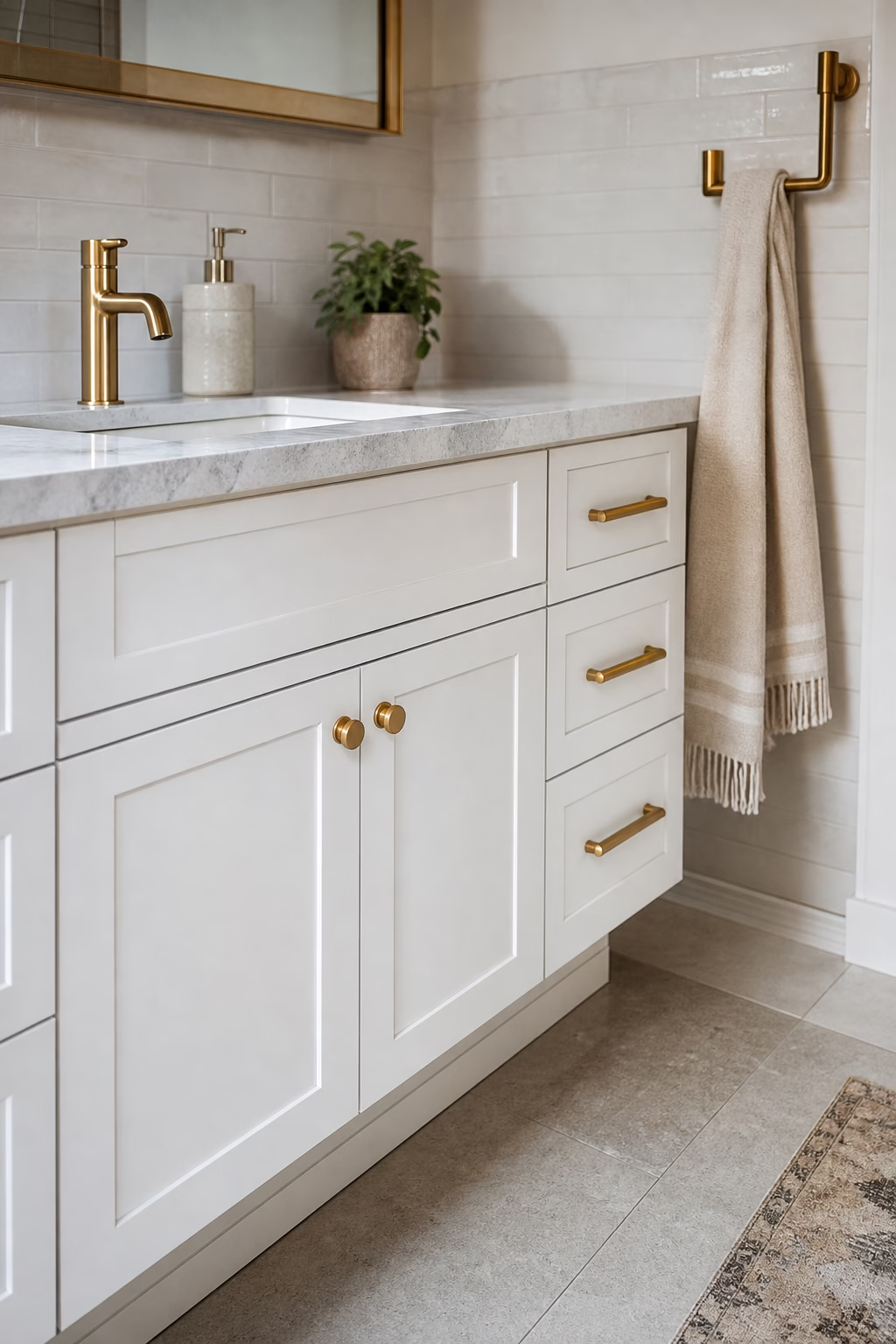
A bathroom feels more tailored when the metal finishes have a clear rhythm. The faucet, sconces, mirror frame, cabinet pulls, towel bars, and robe hooks do not have to match perfectly, but they should relate. Choose one dominant finish, such as brushed nickel, aged brass, dark bronze, or matte black, then repeat it in the most visible places. If you mix metals, keep the contrast intentional and limited. For example, brass lighting with nickel plumbing can work when each finish appears more than once. Random finish changes make a room feel patched together. A disciplined metal story gives even simple decor a custom quality.
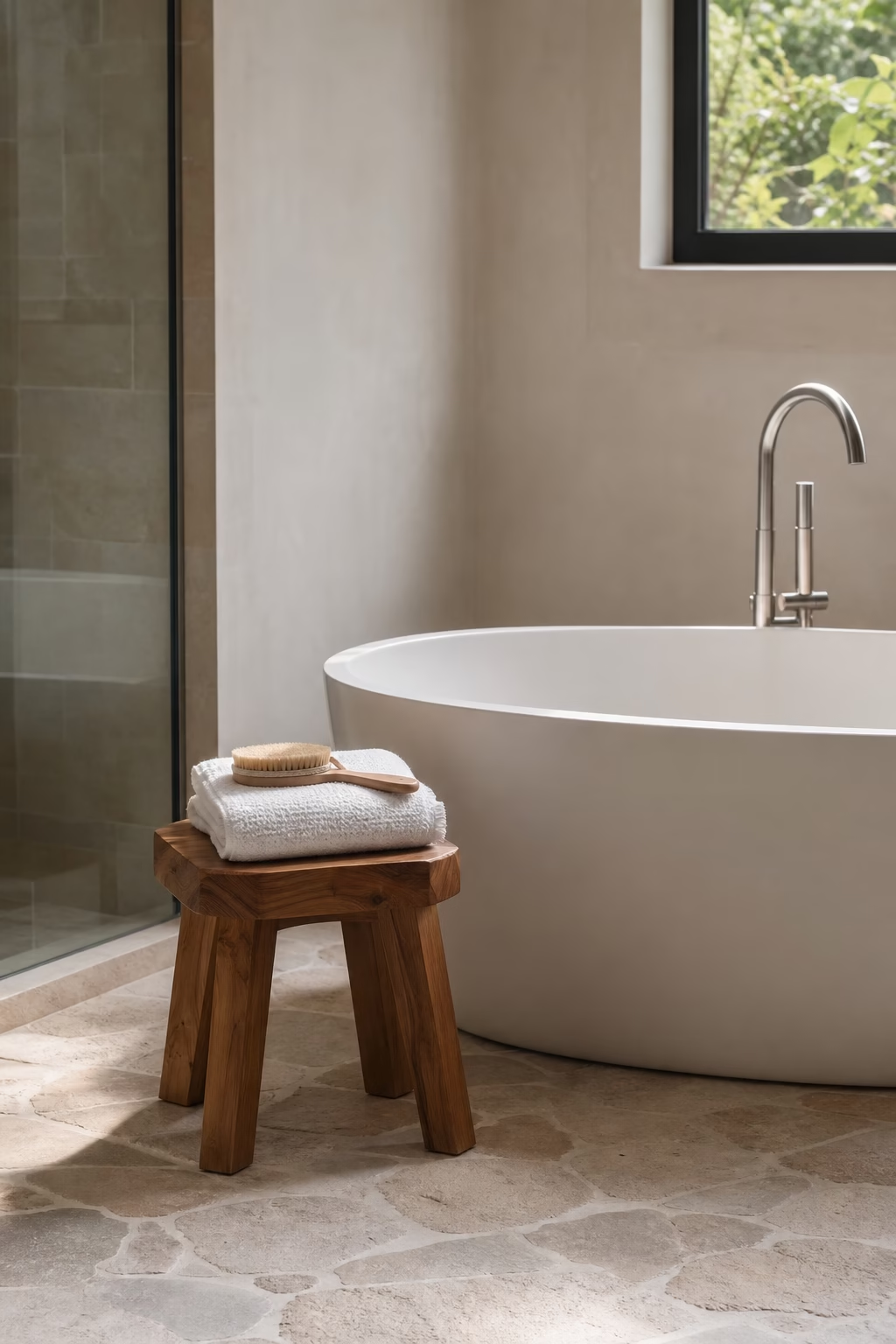
Use a Stool as a Small Luxury
A bathroom stool adds warmth, function, and a lived-in layer when there is enough room for it. Place one beside a freestanding tub for a towel and book, near a shower for folded linens, or under a window as a quiet accent. The material should tolerate humidity and feel grounded: teak, oak, stone, ceramic, or sealed rattan. Avoid squeezing a stool into a tight path where it becomes an obstacle. The best version looks useful even when styled minimally. It introduces a furniture note that makes hard bathroom surfaces feel more relaxed and residential. That restraint is part of its charm.

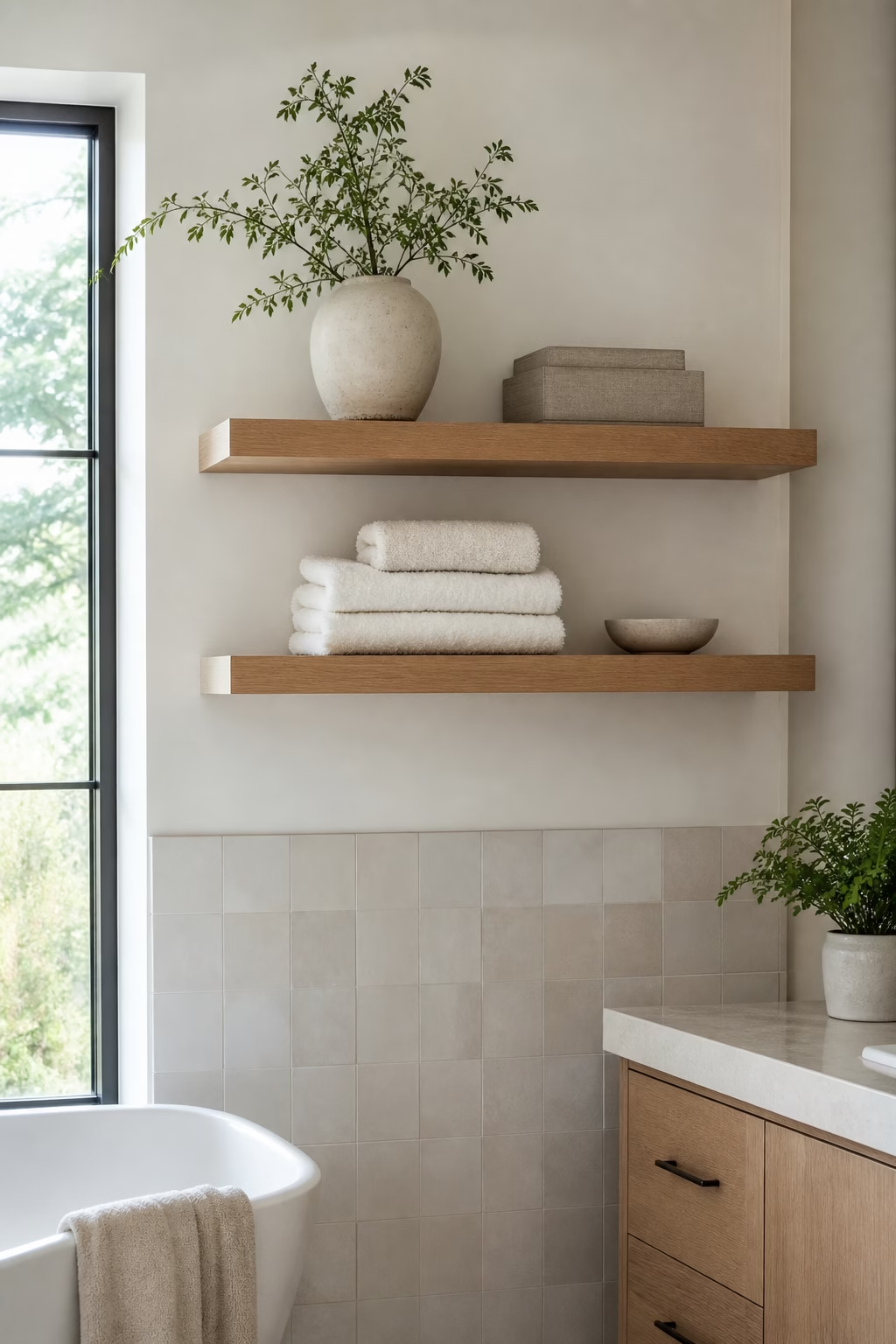
Style Open Shelves With Useful Repetition
Open shelves can elevate a bathroom when they are treated as storage with restraint. Use them for folded towels, a small lidded box, a ceramic vessel, or a few attractive daily items. Repetition is what keeps the shelves calm: matching towel folds, similar containers, and a limited palette. Leave some negative space so the shelves do not look like a display cabinet. In wet rooms, choose materials and finishes that can handle moisture, and keep paper or delicate objects away from splash. The shelves should support the routine while giving the wall depth. Overfilled shelves make the bathroom feel smaller.
Choose a Bath Mat That Looks Intentional
A bath mat is often treated as a purely practical item, but it sits in a highly visible spot. Choose one that feels related to the room instead of a random rectangle. A low-profile cotton mat works in classic and transitional baths, a ribbed mat adds texture to modern spaces, and a small washable runner can warm a longer room. The color should connect to towels, cabinetry, or stone undertones. Make sure the size clears doors and does not bunch around the vanity. A mat that fits the plan gives the floor softness without making the bathroom look casual or unfinished.

Let the Shower Niche Become a Styled Detail
A shower niche is practical, but it can also become one of the cleanest decorative moments in the room. Keep bottles edited, choose a few containers that look good together, and avoid overcrowding the shelf. If the niche is lined in the same tile, the styling can stay quiet. If it has a stone slab shelf or contrasting tile, let that material be the focus. Place items where they can drain properly and still be reached comfortably. A niche should never look like a product shelf at a store. Styled simply, it adds depth and usefulness without cluttering the shower.

Use Wallpaper Where Steam Will Not Punish It
Wallpaper can transform a powder room or well-ventilated bathroom, but placement matters. In a full bath, keep wallpaper away from direct splash and heavy steam unless the material and installation are suitable. A vanity wall, upper wall above tile, or separate toilet room can carry pattern beautifully. Choose a print with scale that suits the room: small patterns can feel charming, while larger botanical or mural designs create a more dramatic envelope. Balance the paper with simple mirrors and lighting so the wall does not become chaotic. Done carefully, wallpaper brings personality without needing many extra objects. Ventilation remains part of the design decision.

Paint Cabinetry for a Polished Color Moment
If the tile and fixtures are neutral, painted cabinetry can bring color in a controlled way. A vanity or linen cabinet in muted sage, smoky blue, mushroom, deep green, or warm clay adds personality without overwhelming the room. The color should be tested beside the countertop and floor, because bathroom light can shift undertones quickly. Upgrade the hardware at the same time so the new finish feels intentional. Painted cabinetry is also easier to change later than tile, making it a smart place to experiment. Keep the surrounding decor restrained so the cabinet color feels sophisticated rather than busy. It creates impact without taking over.

Add a Roman Shade for Softness
Window treatments can make a bathroom feel finished, especially when the rest of the room is hard tile, glass, and stone. A tailored Roman shade adds softness without the fuss of long fabric. Choose a moisture-aware material and place it where privacy, ventilation, and splash are all considered. Linen blends, performance fabrics, woven shades, and simple cotton patterns can work depending on the room. The shade should relate to towels or cabinetry rather than introduce a completely new palette. When properly scaled to the window, it gives the bathroom a more residential, decorated feeling while still protecting privacy. Privacy can look graceful, not improvised.

Use One Sculptural Vessel Instead of Many Small Objects
Bathrooms often become cluttered because too many tiny objects are asked to create atmosphere. A single sculptural vessel can do the work more elegantly. Try a ceramic vase, stone bowl, carved wood piece, or glass vessel with simple branches. Place it on a vanity, shelf, stool, or ledge where it has enough room to be seen. The shape should contrast gently with the room: a rounded pot against linear tile, or a tall narrow vase beside a broad mirror. One strong object gives the eye a place to rest. It feels collected without making cleaning harder. Scale gives the gesture its quiet strength.

Make Hooks Look Like Part of the Design
Hooks are small, but they are used constantly and are often installed as afterthoughts. Choose robe hooks that relate to the faucet and hardware, then mount them at a consistent height where towels and robes can actually dry. A pair of hooks on a narrow wall can be more useful than a long towel bar, especially in compact bathrooms. Keep enough clearance from doors, switches, and shower glass. When hooks are aligned and well finished, they look like a planned detail rather than utility hardware. This is one of the simplest upgrades for making a bathroom feel more resolved. Utility can still look considered.

Use Baskets Where Texture Helps
Baskets bring warmth, but they should be used where texture solves a real storage need. A lidded basket can hold extra towels, a narrow woven bin can organize toilet paper, and matching baskets under an open vanity can make storage look intentional. Keep them away from direct water and choose tight weaves that do not snag linens. The basket color should connect to wood, rattan, or warm stone already in the room. Too many baskets can make a bathroom feel rustic by accident, so limit the material to one or two places. Used carefully, they soften the room without adding visual noise.
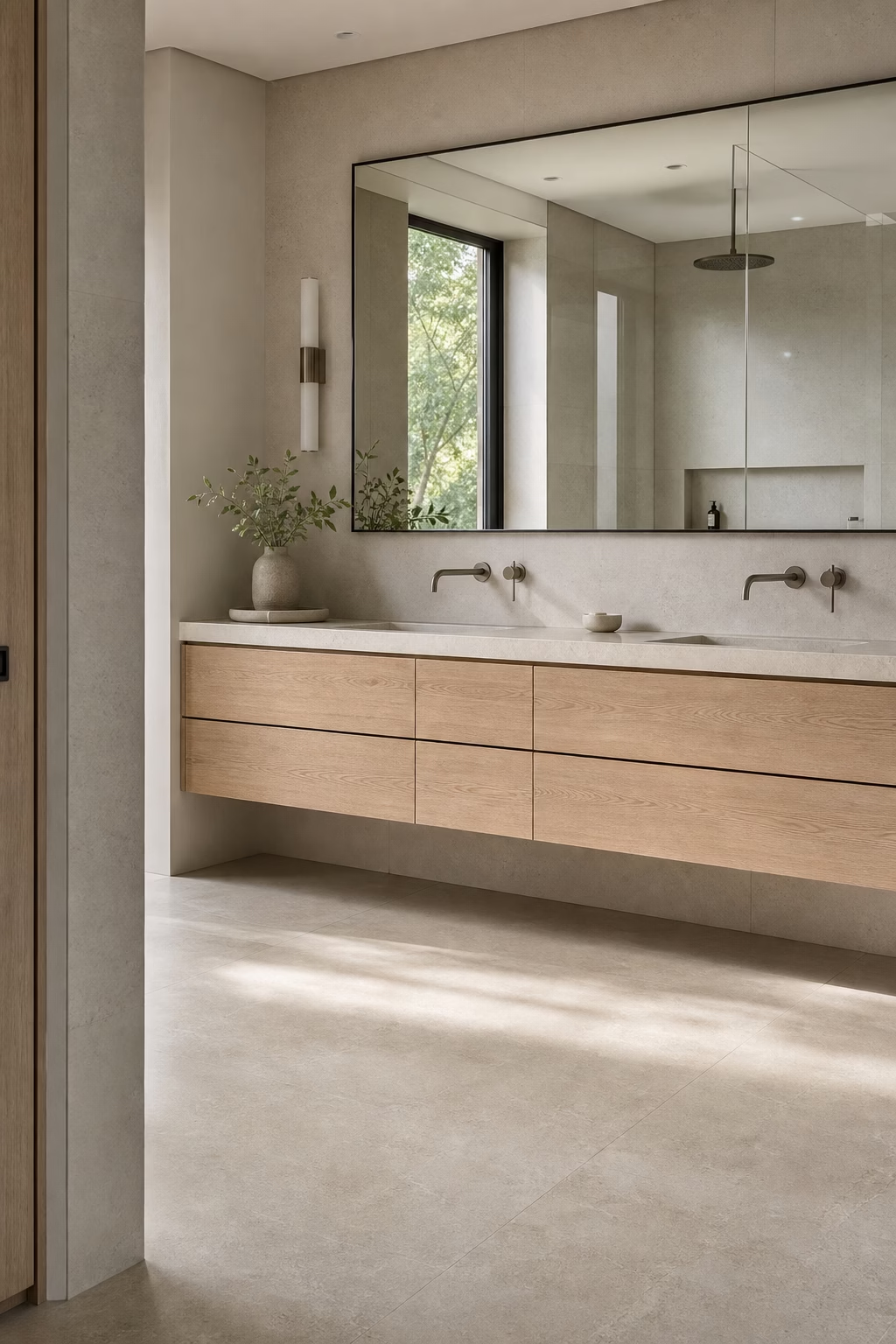
Keep Countertop Fragrance Subtle
Scent can make a bathroom feel luxurious, but the visual side matters too. Choose one candle, diffuser, or covered vessel that suits the room, then give it space rather than surrounding it with decorative extras. Avoid strong labels, oversized reeds, or anything placed too close to a sink edge. A quiet ceramic candle on a stone tray or a small diffuser on a shelf can feel polished without dominating the counter. The fragrance should be clean and restrained, especially in small rooms. A subtle scent layer supports the atmosphere, while the decor remains calm and practical. The quietness is what makes it feel refined.
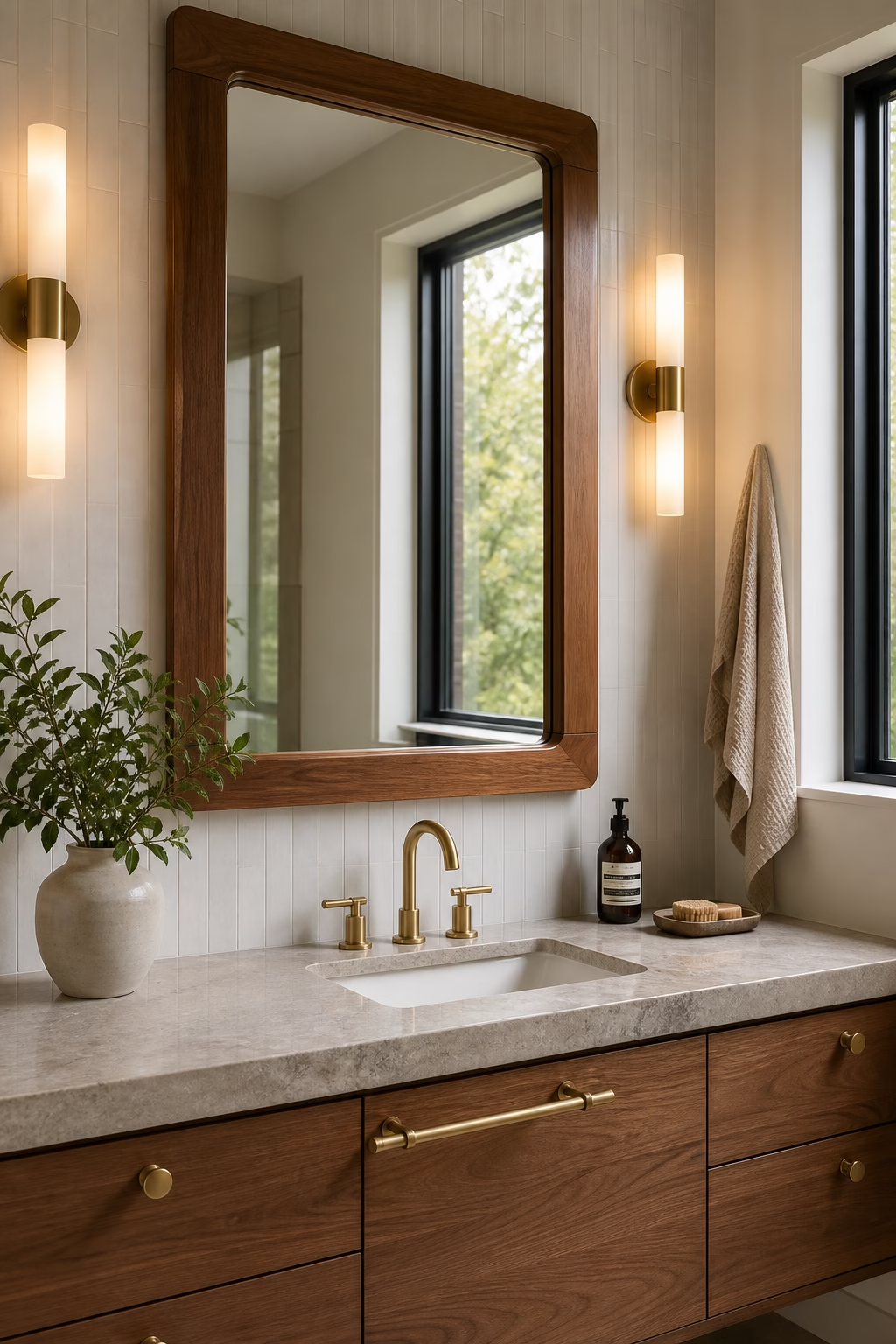
Edit Until the Room Has Breathing Room
The final decor move is editing. Bathrooms are small, functional rooms, so every visible object has more impact than it would in a living room. Remove duplicate products, tired towels, extra jars, and decorative pieces that do not serve the palette or routine. Step back and look at the sink, floor, shelves, and shower ledges as one composition. The room should have useful beauty, clear surfaces, and a few moments of texture or color. Empty space is not unfinished; it is what lets good materials and thoughtful details register. A well-edited bathroom feels elevated because nothing is fighting for attention.