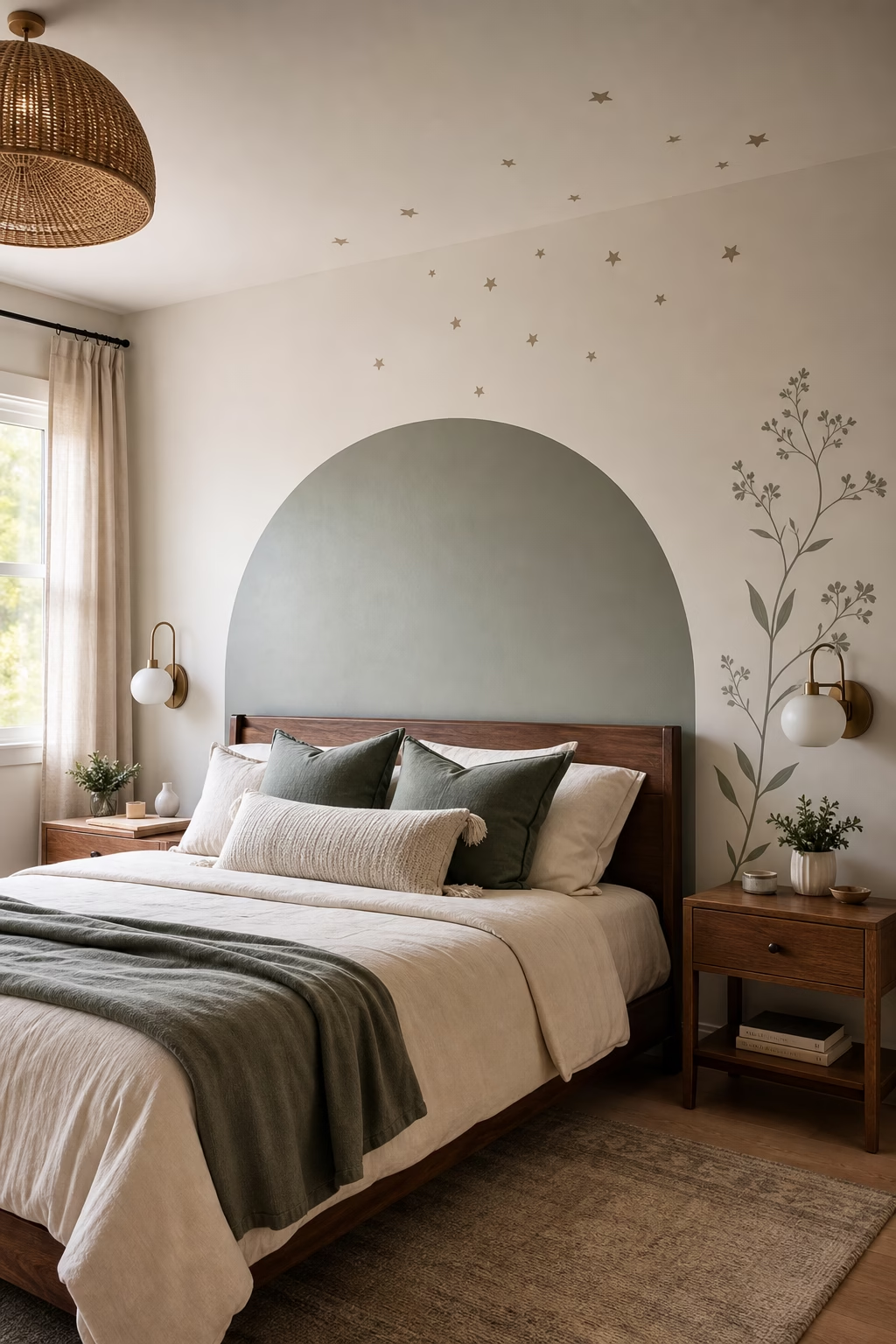
The best bedroom wall decals do more than fill blank drywall; they change scale, frame the bed, soften corners, and let personality show without the permanence of paint or wallpaper.
- Frame the Bed With a Tone-on-Tone Arch
- Use Vertical Stripe Decals to Lift a Low Ceiling
- Place Oversized Botanical Silhouettes Above a Dresser
- Try Minimal Line-Art Decals for a Gallery Feel
- Scatter Small Stars Across a Kids Bedroom Ceiling Wall
- Add a Crescent Moon Above a Reading Nook
- Install a Removable Landscape Mural Behind the Bed
- Fake Picture-Frame Molding With Thin Trim Decals
- Dot a Corner With Tiny Polka Decals for Soft Playfulness
- Create a Half-Wall Headboard Effect
- Use Watercolor Florals in a Romantic Guest Room
- Run Delicate Vine Decals Around a Mirror
- Place Abstract Brushstroke Decals Over the Nightstands
- Tuck Cloud Decals Into a Nursery Sleep Zone
- Build a Geometric Accent in a Teen Bedroom
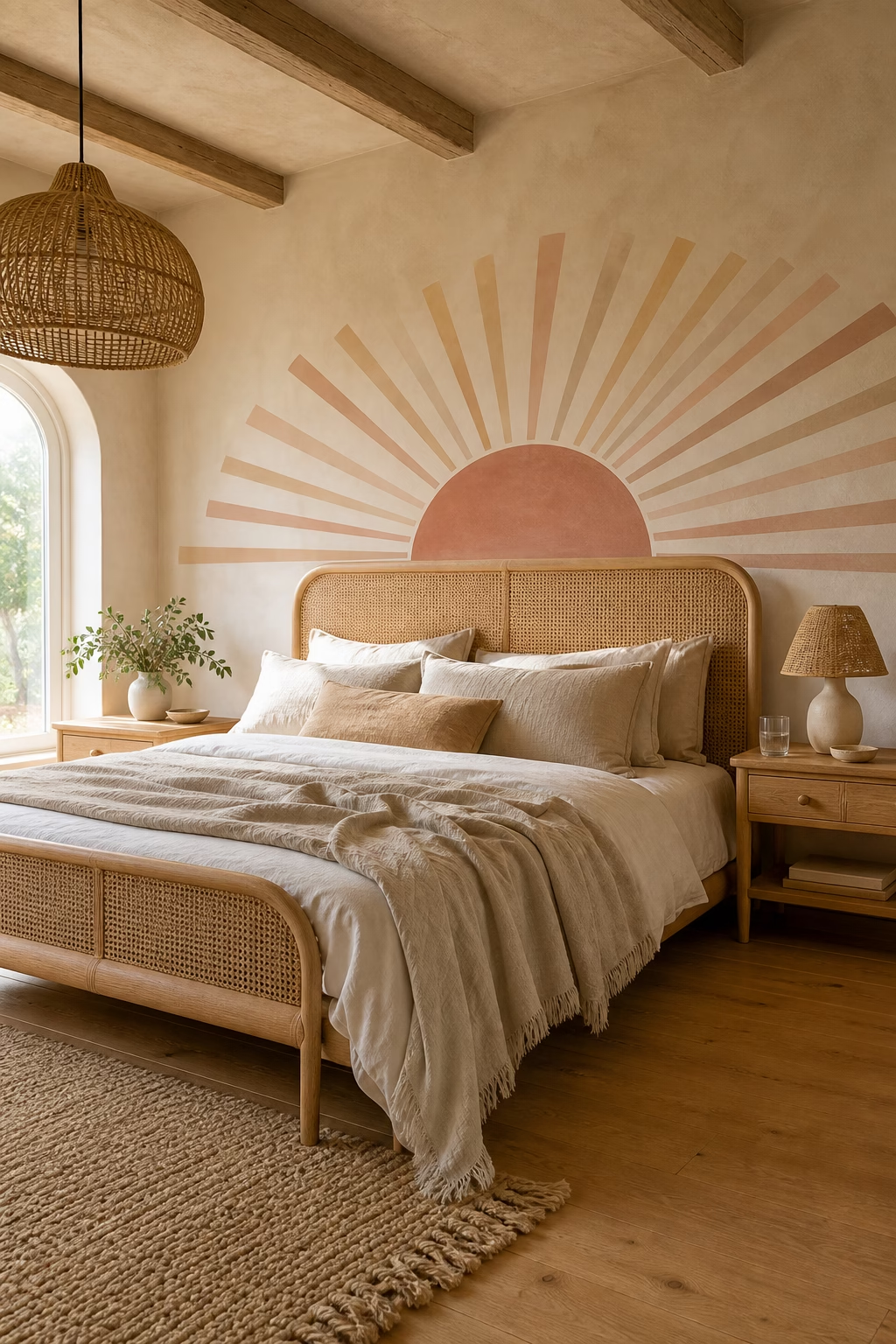
- Lay a Sunrise Motif Behind a Cane Bed
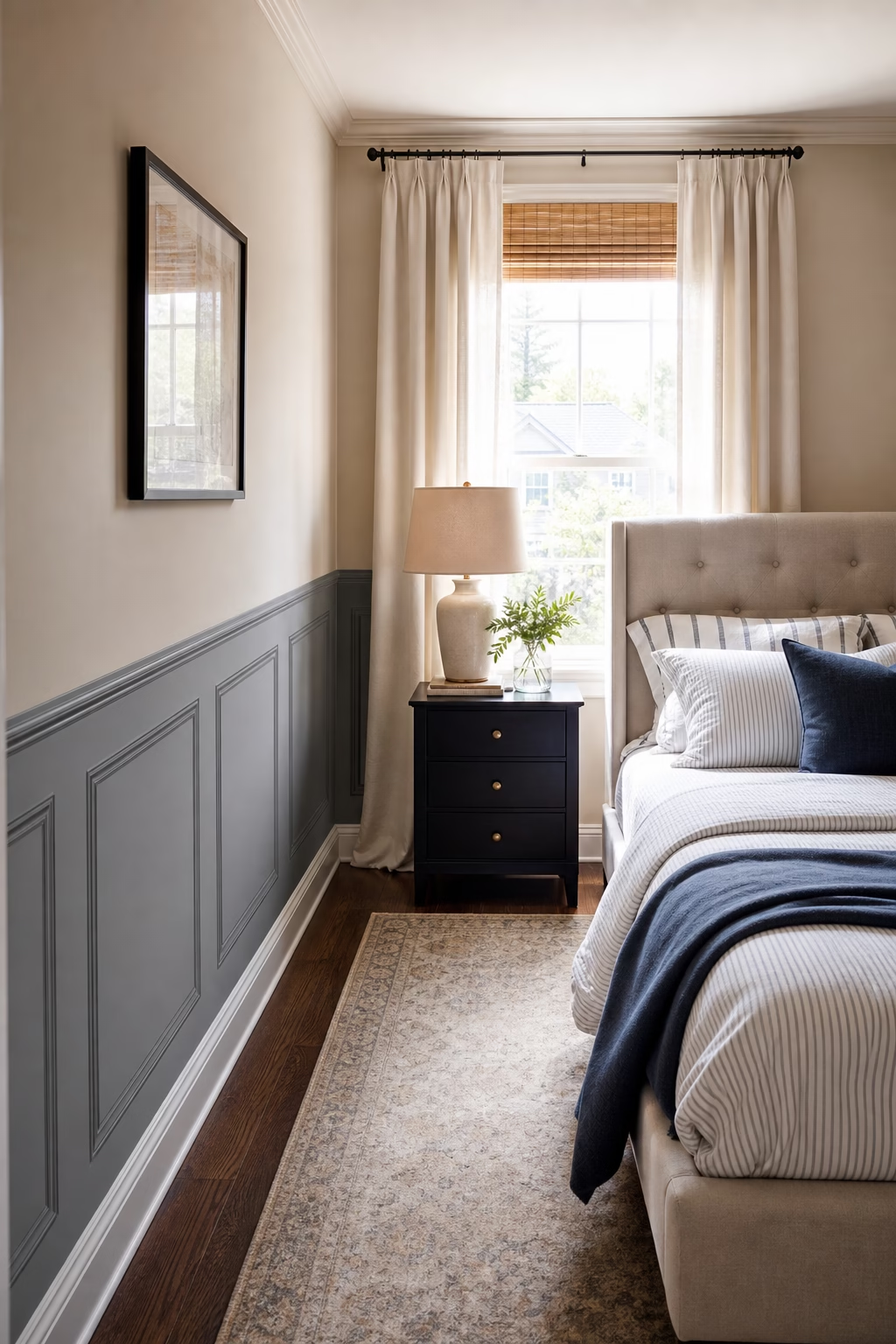
- Stretch Faux Wainscot Decals Along the Lower Wall
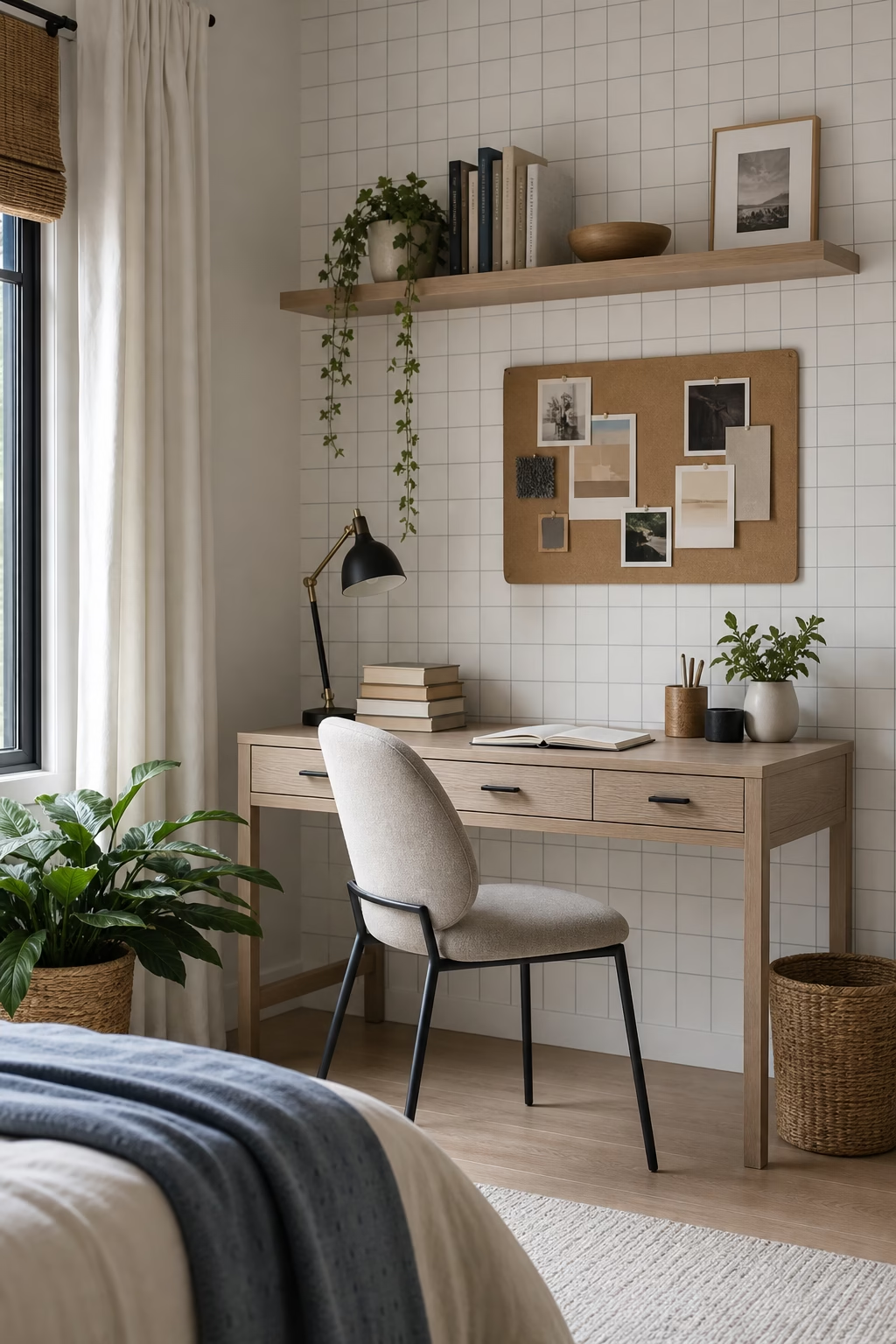
- Outline a Workspace With Grid Decals
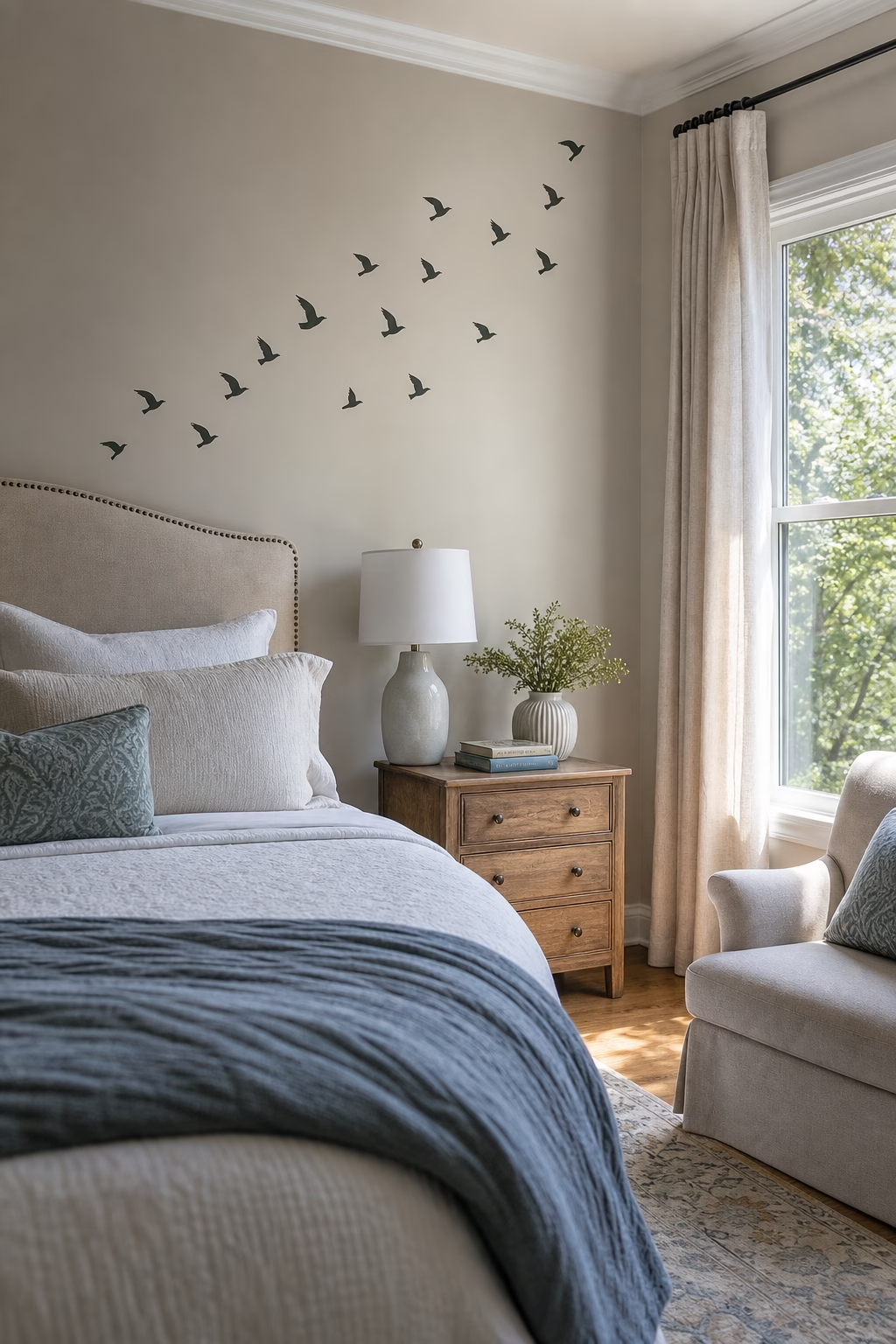
- Use Flock Decals to Mimic Flying Birds
- Add Name Initials Above a Child’s Headboard
- Taper Mountain Decals Across a Shared Kids Room
- Create a Halo Circle Behind a Wall Sconce
- Run Border Decals Along the Ceiling Line
- Use Brushy Rainbow Decals in Muted Tones
- Finish With a Mixed Decal Story on One Accent Wall
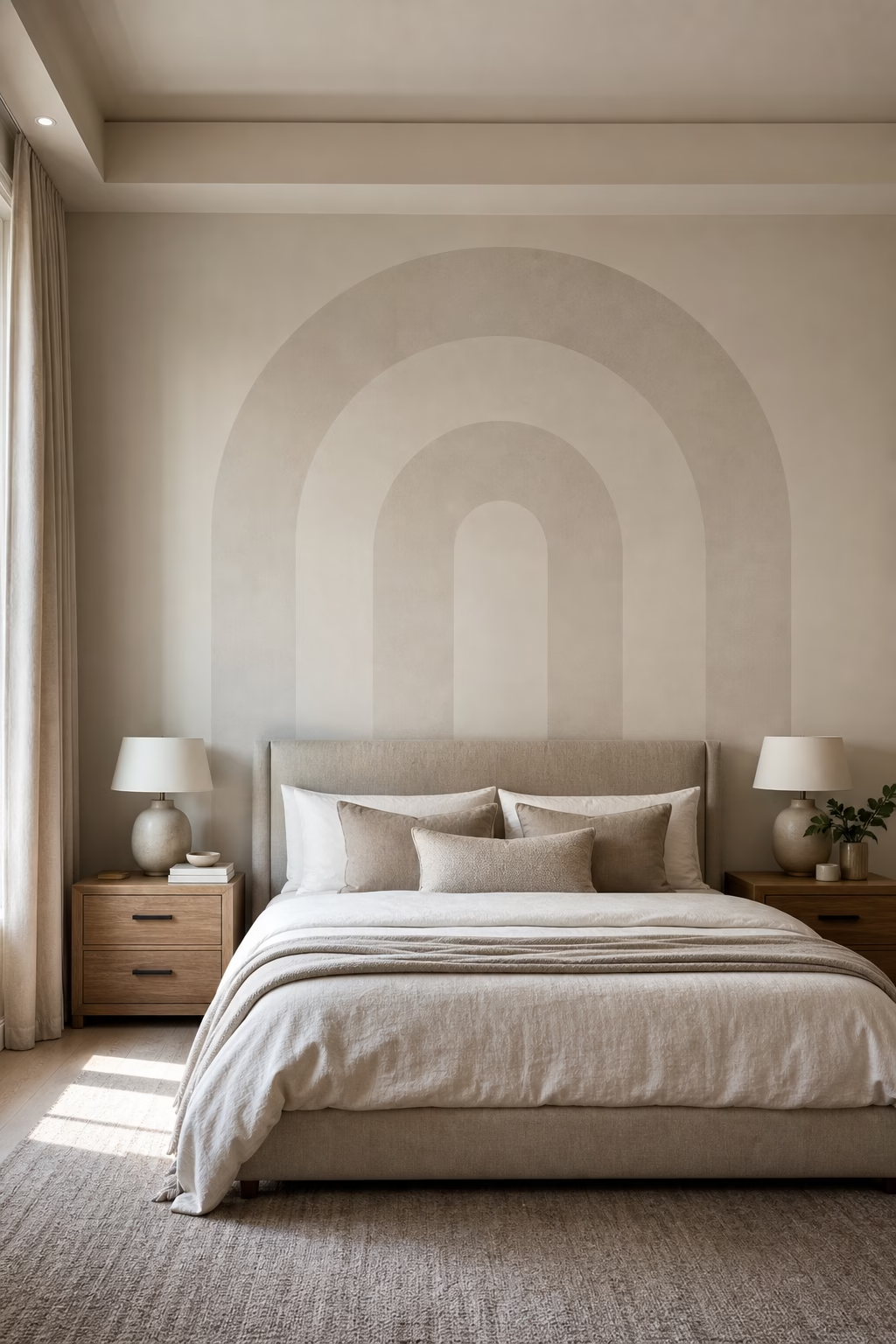
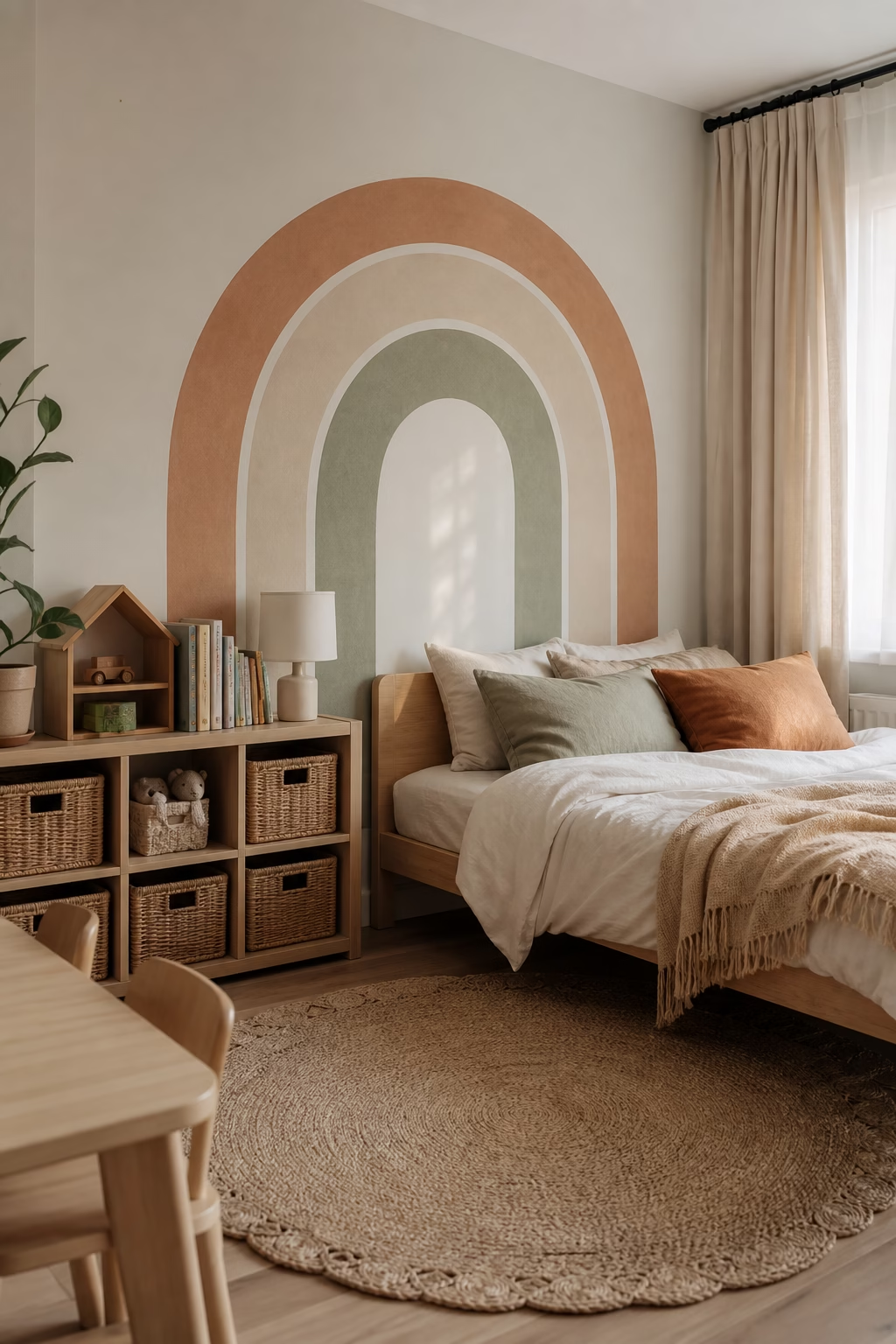
Frame the Bed With a Tone-on-Tone Arch
An arch decal behind the headboard is one of the cleanest ways to make a bed feel anchored without adding millwork or paint. The most elegant version uses a shade only slightly deeper or warmer than the wall, so the contrast reads as shape rather than loud color blocking. Size the arch wider than the bed and high enough to feel architectural, then keep nearby art minimal so the curve stays legible. This works especially well in rental bedrooms because it creates a custom focal point that is still removable. The result feels soft and intentional, giving even a simple upholstered bed more presence and visual identity.
Use Vertical Stripe Decals to Lift a Low Ceiling
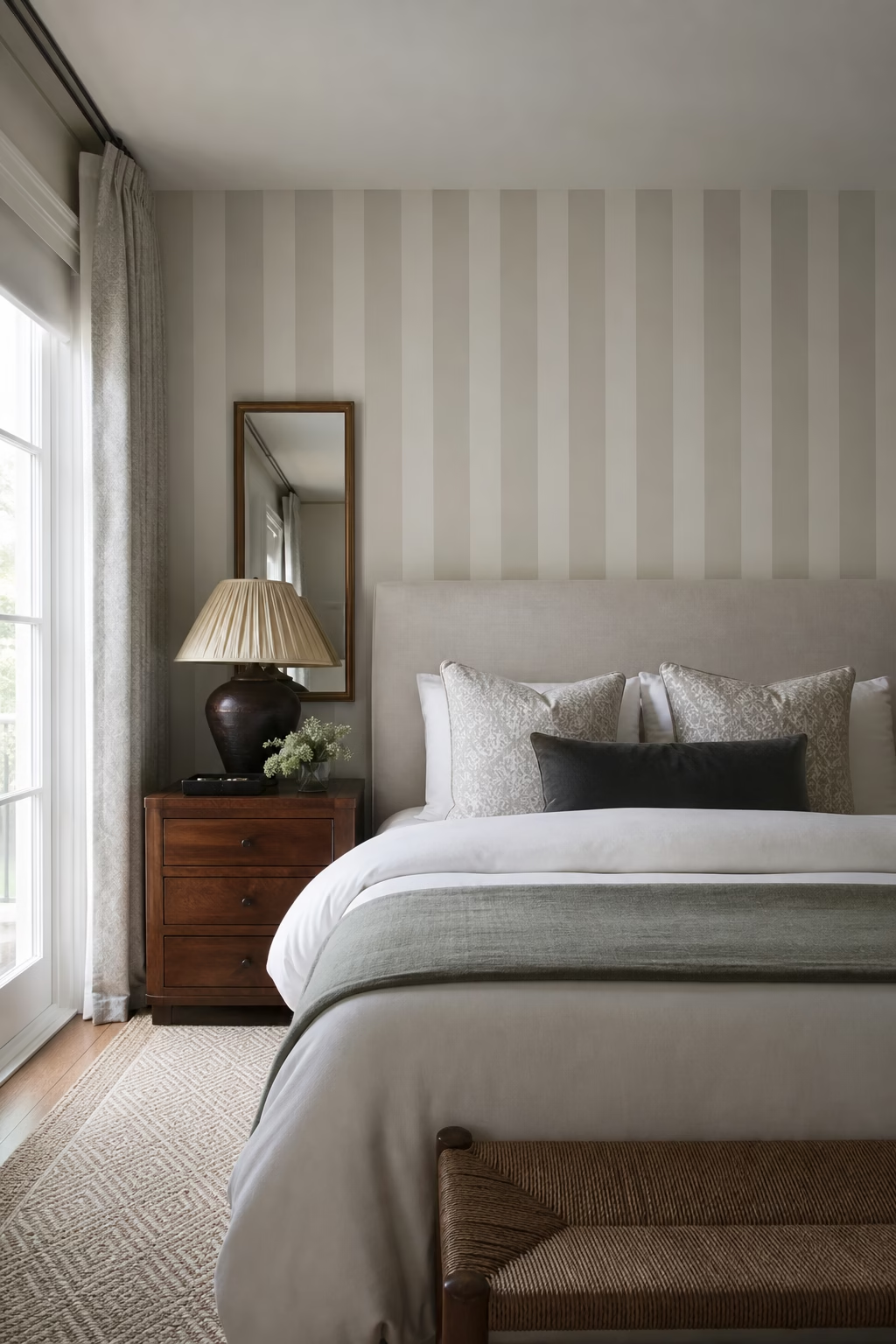
Vertical stripe decals can quietly change how a room is perceived because they draw the eye upward and make the walls feel taller. Choose stripes with enough spacing that the wall still reads as restful, then keep the palette muted so the effect stays sophisticated. Warm white on beige, mushroom on cream, or dusty blue on soft gray all work beautifully. In a bedroom, place the stripes on the headboard wall or a dressing corner rather than on every surface. The rhythm adds height and a gentle tailored feeling, especially when paired with simple bedding, low furniture, and a calm floor covering. It is an optical trick with very real impact.
Place Oversized Botanical Silhouettes Above a Dresser
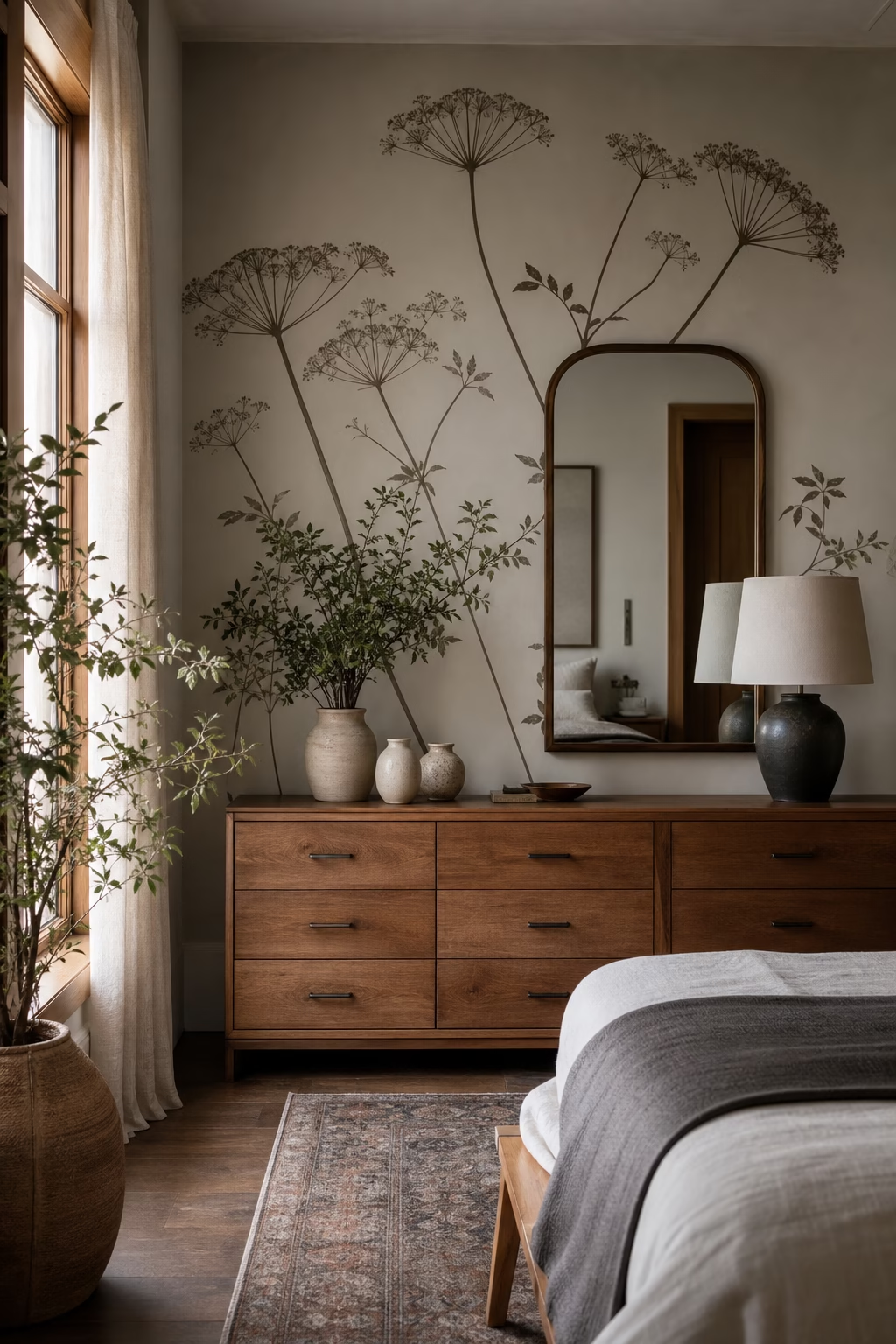
Botanical decals look freshest when they are scaled boldly and treated like mural fragments rather than tiny repeated stickers. A pair of oversized leaf or branch silhouettes above a dresser can add movement to the wall while preserving the lightness of the room. Choose shapes with clean edges and natural proportions, then keep the color close to earth tones, charcoal, olive, or muted sand so the design still feels grown up. This is especially effective in bedrooms with simple furniture, where one organic gesture can soften rectilinear storage. The decal becomes a quiet backdrop for ceramics, mirrors, and lamps without overwhelming them.
Try Minimal Line-Art Decals for a Gallery Feel
Line-art decals can give a bedroom a lightly artistic mood without the visual weight of framed pieces. Look for abstract faces, curves, or figure-inspired outlines that feel fluid and intentional rather than cartoonish. Black, taupe, or muted terracotta lines on a pale wall work particularly well in modern or bohemian bedrooms. Because the drawing is already airy, you can place it beside a mirror, sconce, or console without making the wall feel crowded. The key is restraint: one large decal or a small pair is usually enough. Used this way, line art brings personality and movement while keeping the room uncluttered and easy to rest in.
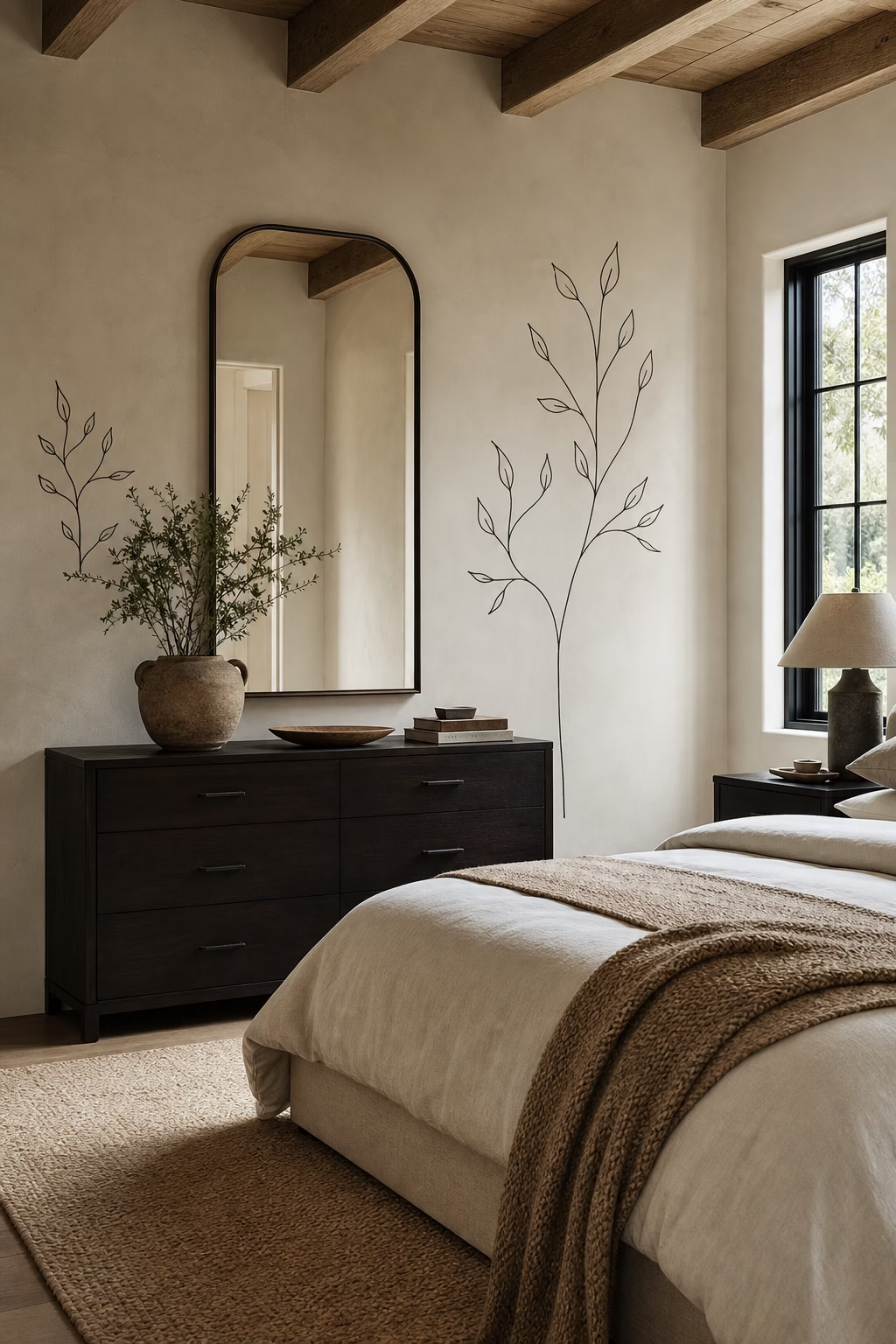
Scatter Small Stars Across a Kids Bedroom Ceiling Wall
Star decals are a classic for children’s bedrooms, but they look more polished when they are scattered with intention instead of packed into a dense pattern. Concentrate them near the upper wall and ceiling line so the room feels lifted, almost like the stars are drifting upward. Choose matte finishes in soft gold, warm white, sage, or pale gray rather than metallic surfaces that can read harshly in daylight. Keep the bedding and furniture simple so the star field remains the playful moment. This approach gives a child’s room imagination and softness while still feeling tidy enough to grow with them for several years.
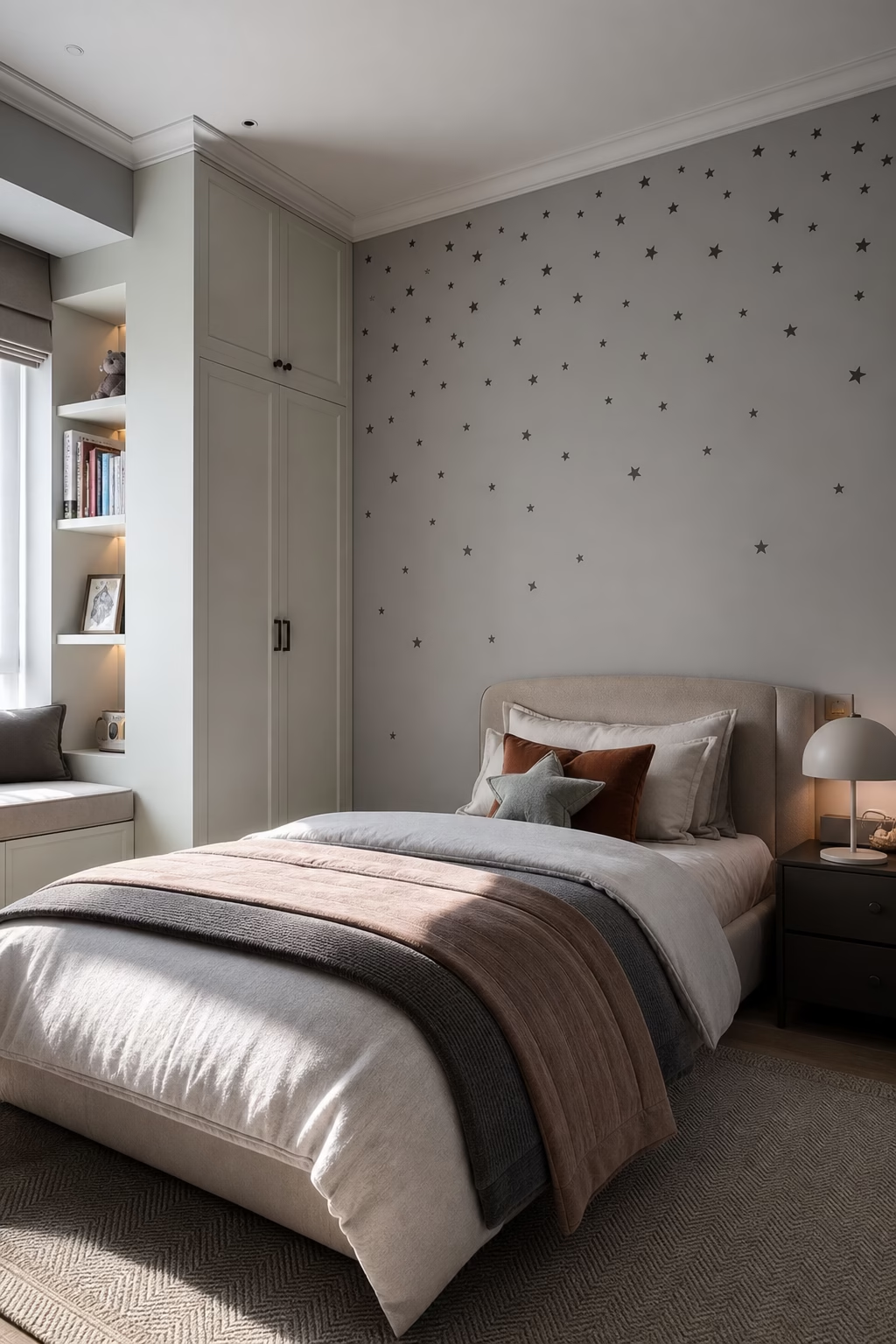
Add a Crescent Moon Above a Reading Nook
One crescent moon decal can be surprisingly effective in a bedroom reading nook because it introduces a hint of story without forcing a whole themed room. Place it above a chair, daybed, or low shelf where it can act almost like a tiny mural. Pair it with a warm lamp, soft quilt, and one or two textural accessories so the corner feels intentional after dark as well as during the day. A moon in soft white, dusty blue, olive, or brushed sand works better than high-contrast yellow in a room meant for rest. The effect is whimsical, but still calm and visually breathable.
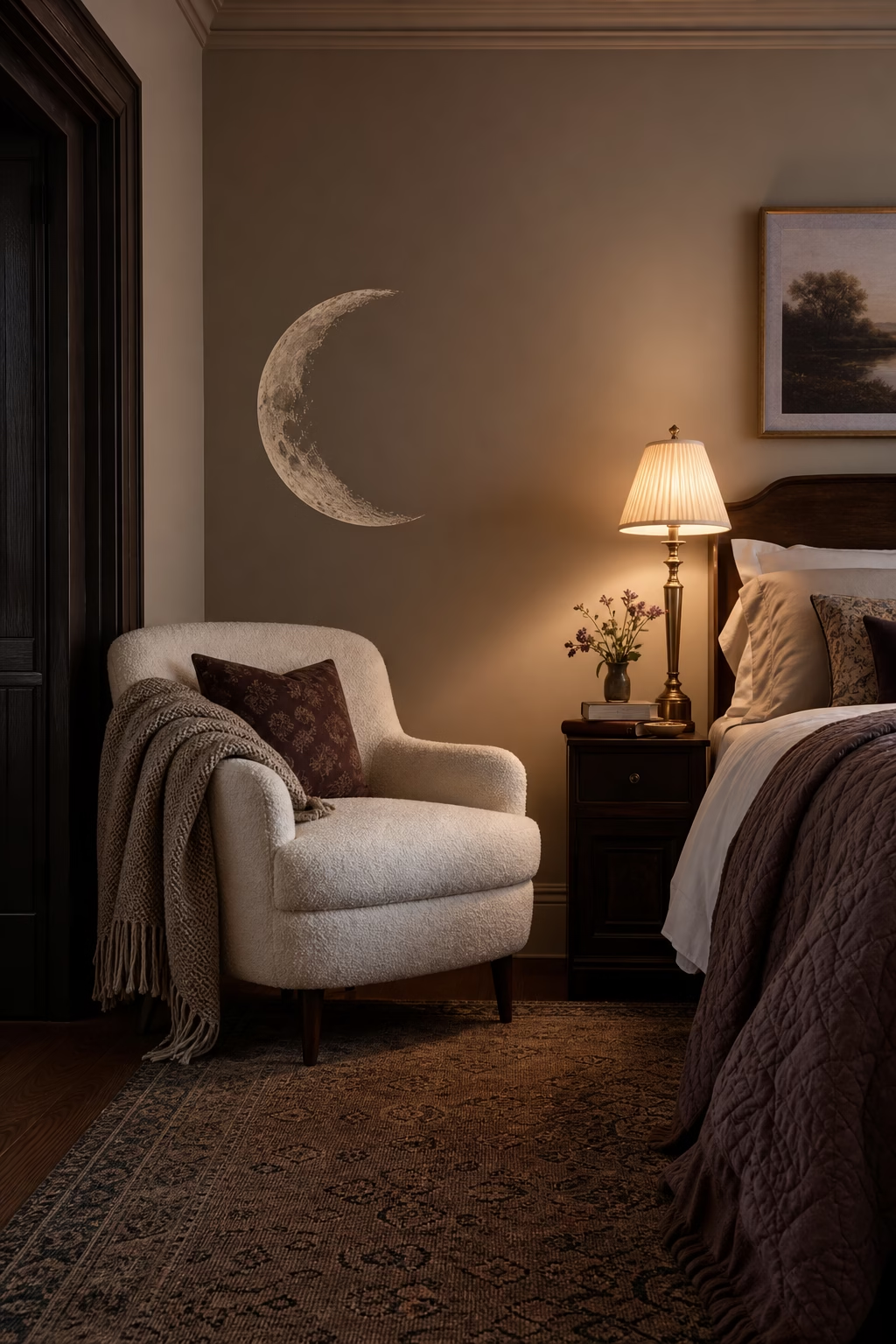
Install a Removable Landscape Mural Behind the Bed
A mural-style decal can create drama in a bedroom without the commitment or labor of wallpaper, especially when it uses one broad landscape image with soft tonal depth. Misty hills, abstract dunes, tree lines, or painterly horizons work well because they bring atmosphere while remaining restful. Place the mural on the bed wall and let the bedding draw colors from it quietly rather than matching it exactly. Keep the remaining walls simple so the room still has somewhere for the eye to rest. Done well, a removable landscape mural makes the bed feel nestled into a scene, adding scale and serenity at once.
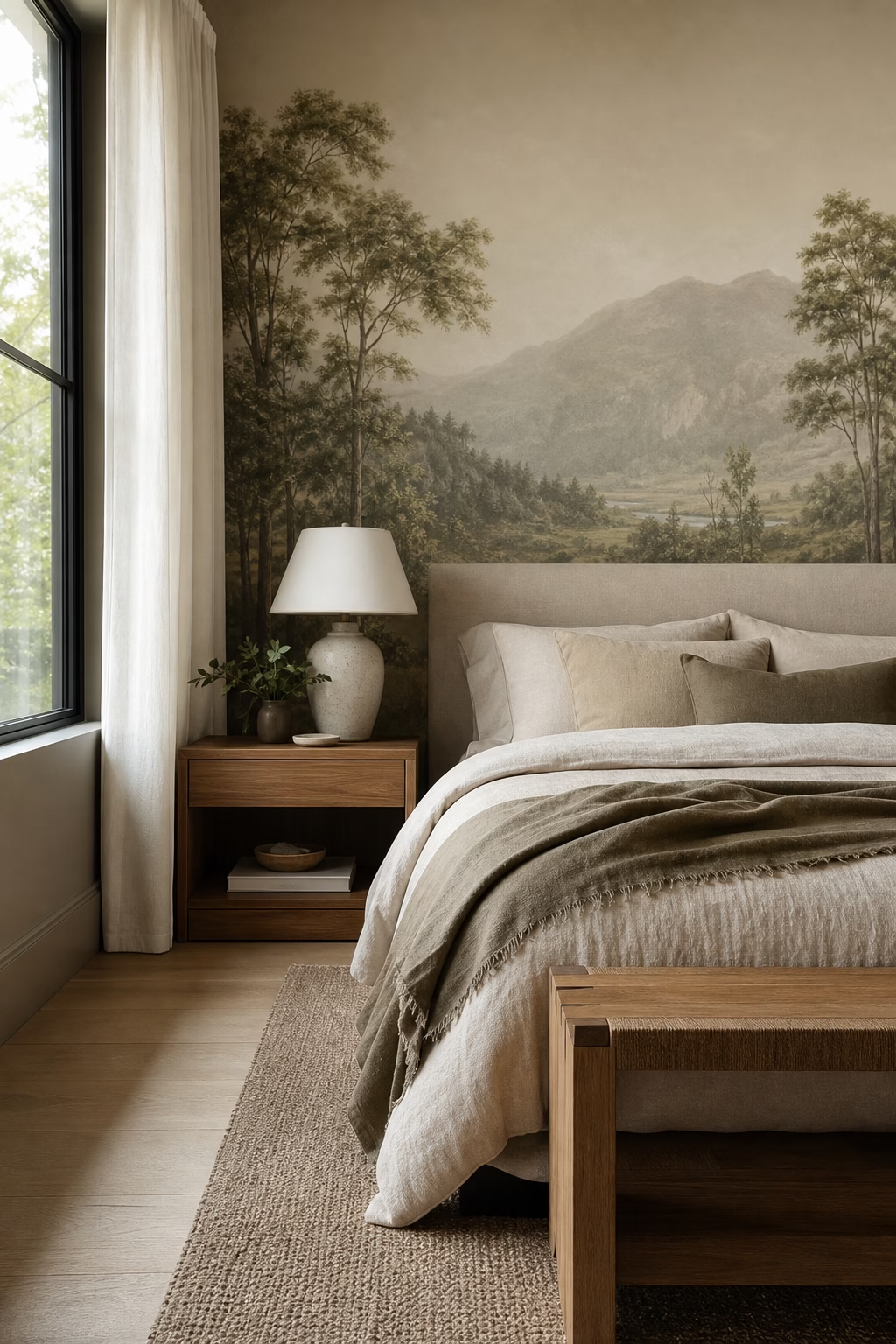
Fake Picture-Frame Molding With Thin Trim Decals
Trim decals can mimic the refinement of wall molding in apartments or newer homes that lack architectural detail. Use thin rectangular outlines placed with careful symmetry on the wall behind the bed or a dresser to create a paneled effect without tools. The best version keeps the color subtle, either matching the wall closely or offering only a gentle tonal shift. Because the outlines are linear, they work especially well with upholstered beds, tailored drapery, and simple bedside lamps. This approach gives the bedroom a more traditional or Parisian feel while remaining temporary. Precision in spacing is what makes the illusion convincing.
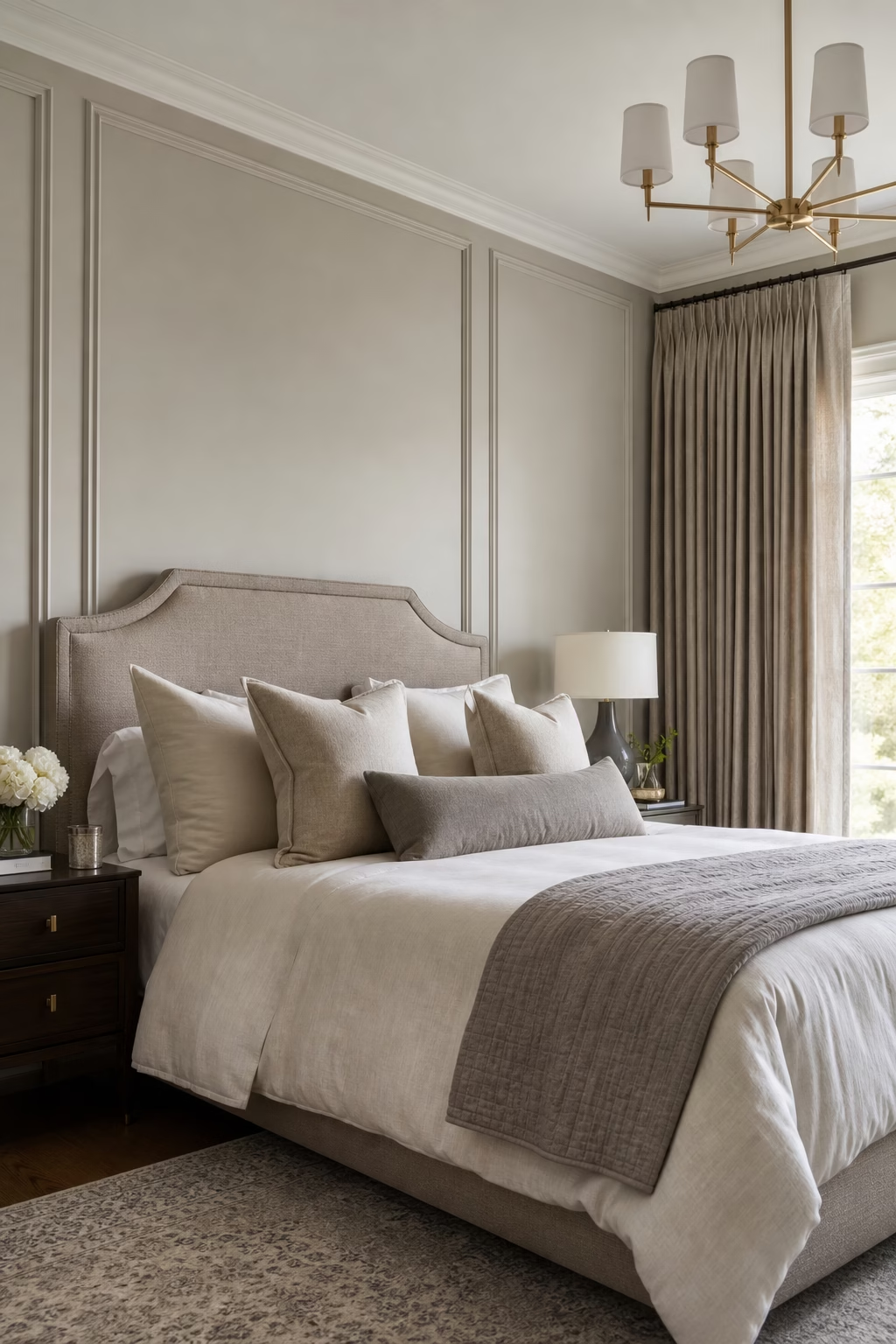
Dot a Corner With Tiny Polka Decals for Soft Playfulness
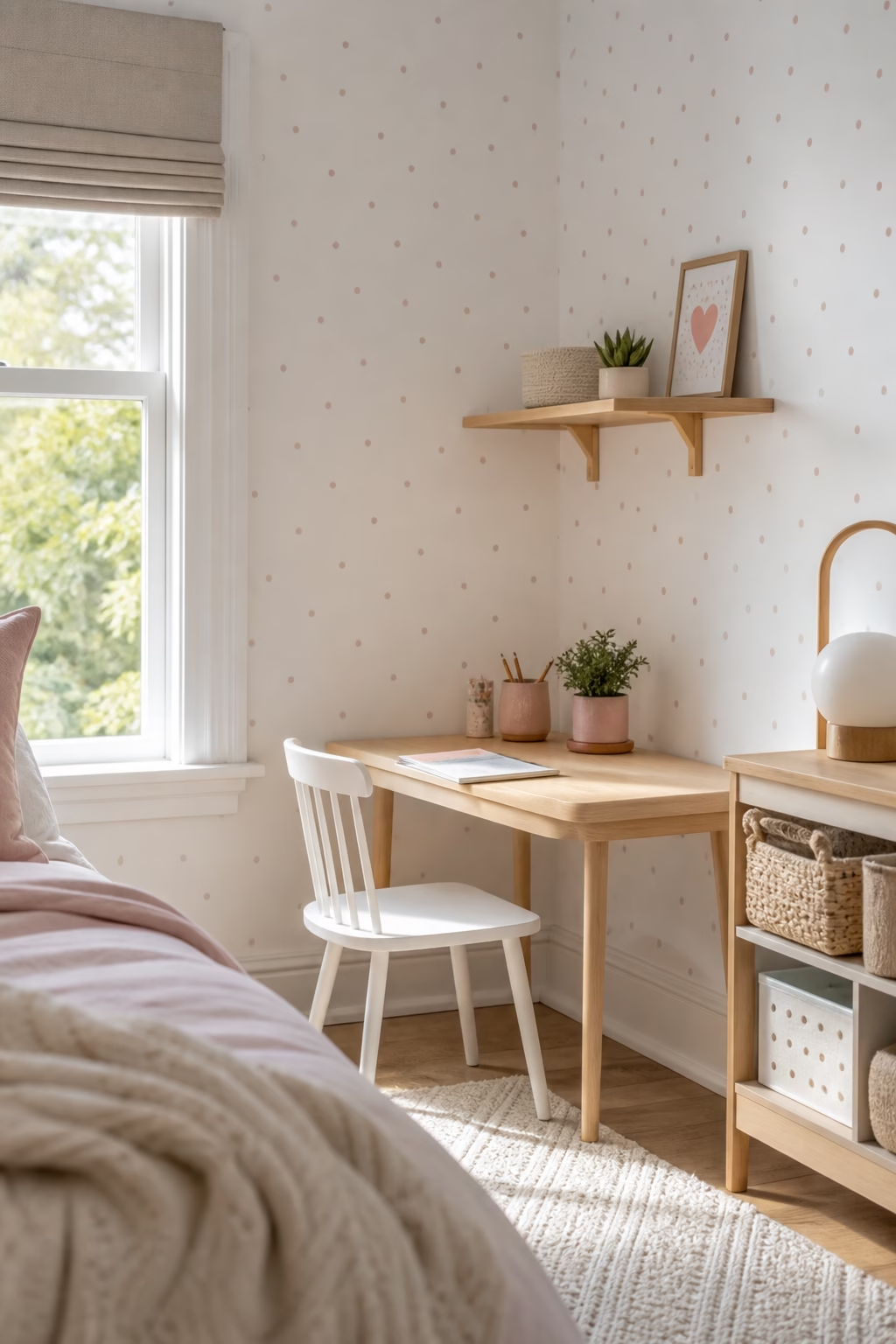
Tiny polka decals can introduce lightheartedness to a bedroom without making the whole space feel juvenile. The key is using them in one contained zone, such as a reading corner, desk wall, or area above a toy chest, rather than covering every surface. Space them irregularly for a more natural feel, and keep the color gentle: blush, oat, sage, pale gray, or warm white all read softer than bright primary tones. This is a strong option for toddlers’ and young kids’ rooms because it can sit happily beside simple furniture and solid bedding. The dots create personality while keeping the room airy and easy to evolve.
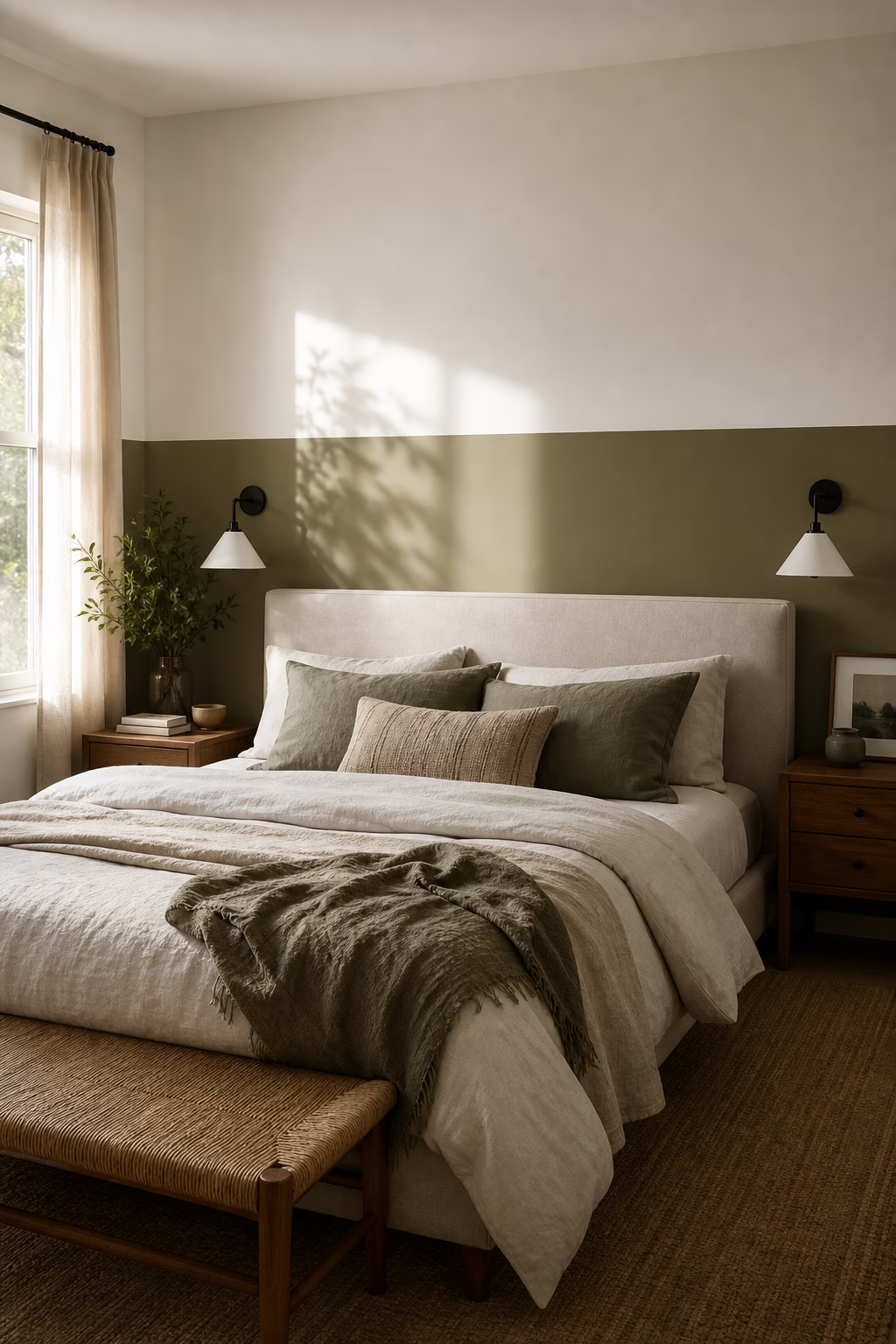
Create a Half-Wall Headboard Effect
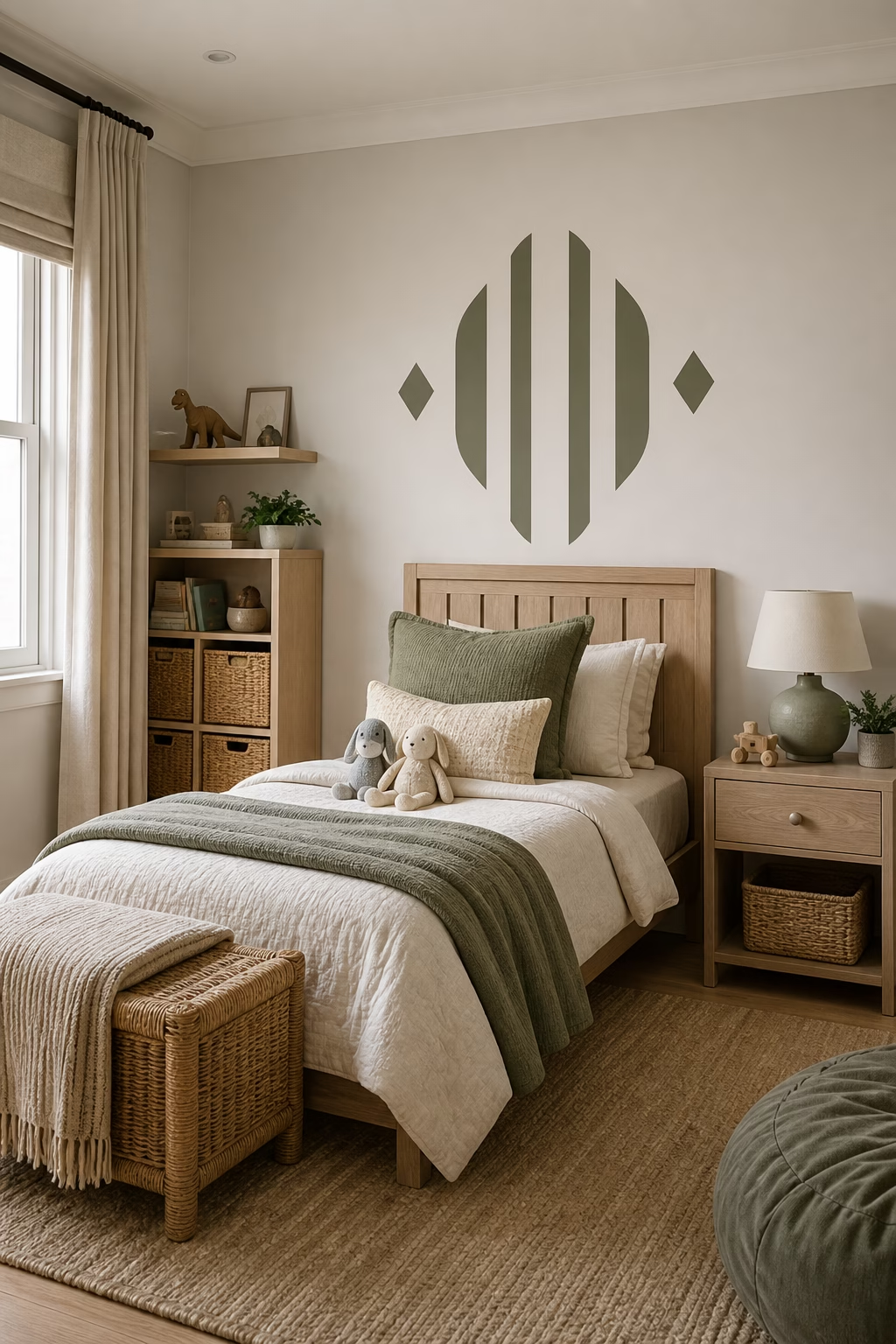
A large block decal that covers only the lower half of the wall can act almost like a painted headboard, especially in bedrooms where a full upholstered bed feels too bulky. Extend the decal wider than the mattress and align its height with the pillows or sconces so it feels deliberately integrated. Soft terracotta, dusty olive, warm taupe, or deep blue can all work depending on the room’s palette. The contrast helps the bed stand out while also protecting the overall calm of the upper wall. This is a practical way to introduce color, define the sleeping zone, and make inexpensive furniture look more custom.
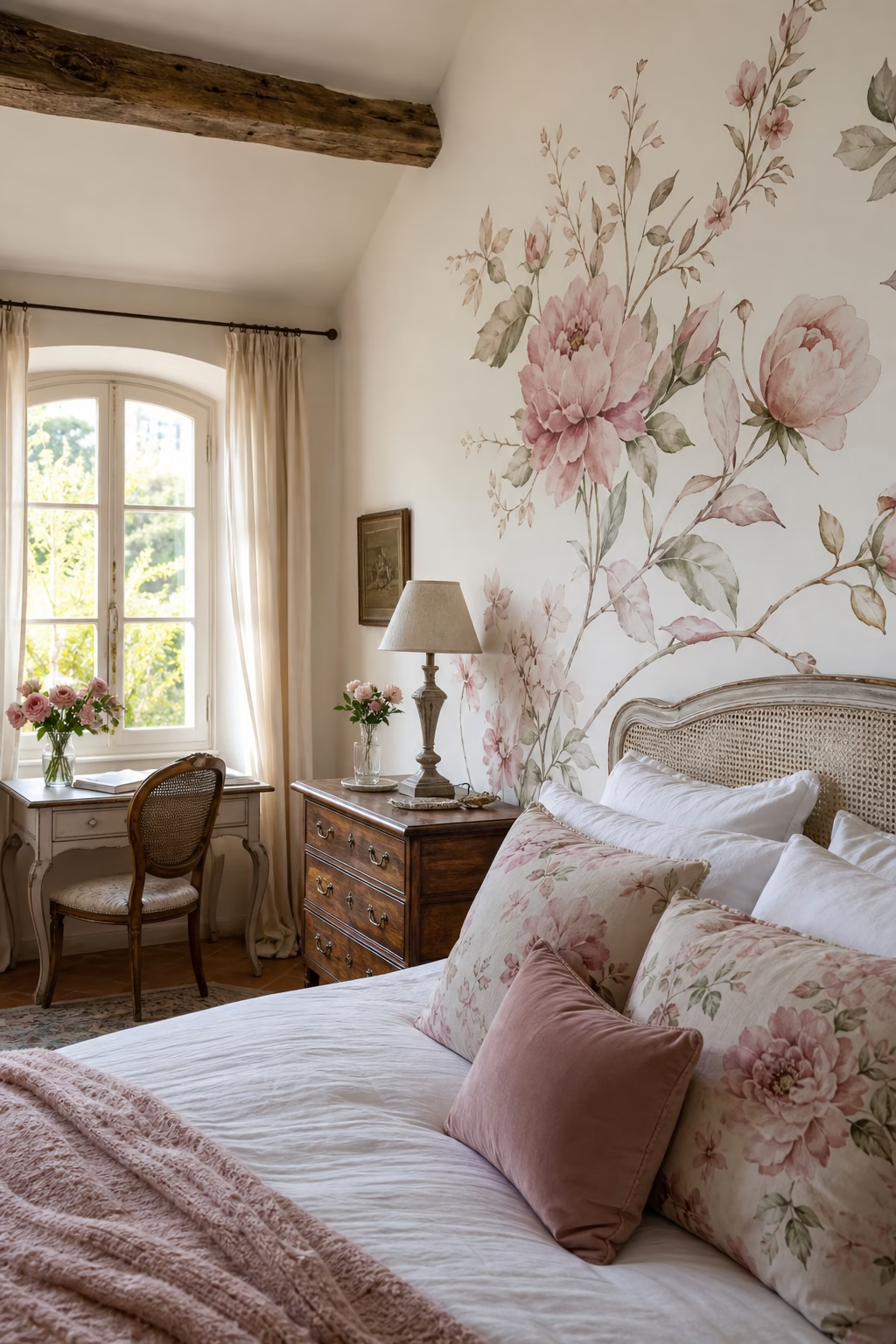
Use Watercolor Florals in a Romantic Guest Room
Watercolor floral decals can make a guest bedroom feel generous and welcoming when they are kept loose and airy rather than densely patterned. Position a spray of blooms around the corner of the headboard wall, above a writing desk, or near a window so the flowers appear to drift through the room. Choose petals in faded rose, sage, cream, dusty plum, or soft apricot for an elegant look. Because the florals already carry movement, balance them with simple bedding and plain curtains. The goal is not a sugary effect, but a quiet romantic note that makes the room feel cared for and personal.
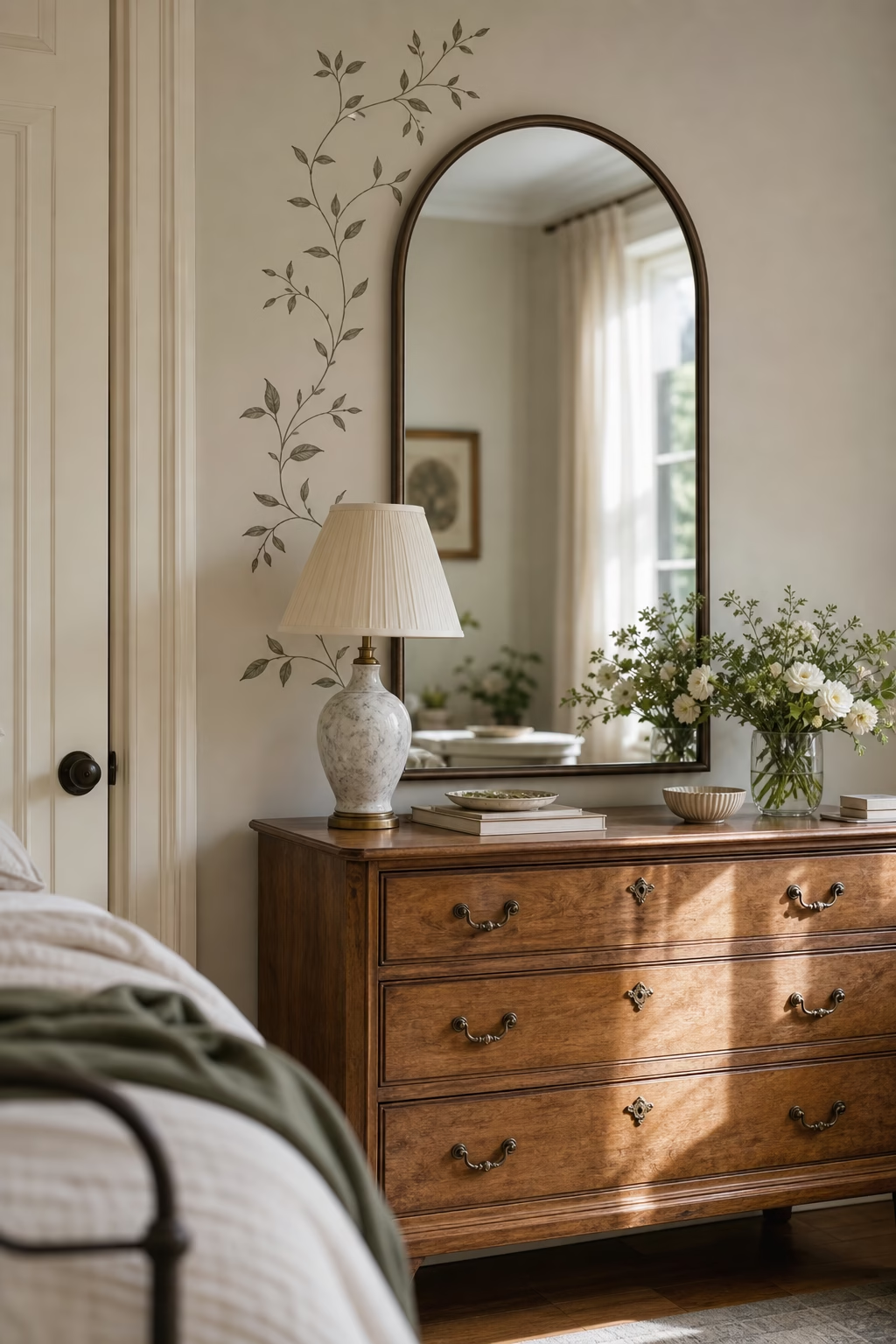
Run Delicate Vine Decals Around a Mirror
A mirror wall can feel more layered when delicate vine decals soften its edges. Place the vines so they appear to climb from behind the frame or wrap lightly around one side, then keep the rest of the decor simple enough that the gesture remains visible. This works especially well in bedrooms with vintage, cottage, or quietly romantic influences because the organic shapes make the mirror feel less isolated on the wall. Choose thin botanical drawings in olive, charcoal, or warm brown instead of bright green. The result is subtle but effective, adding movement and a little personality to a surface that is often purely functional.
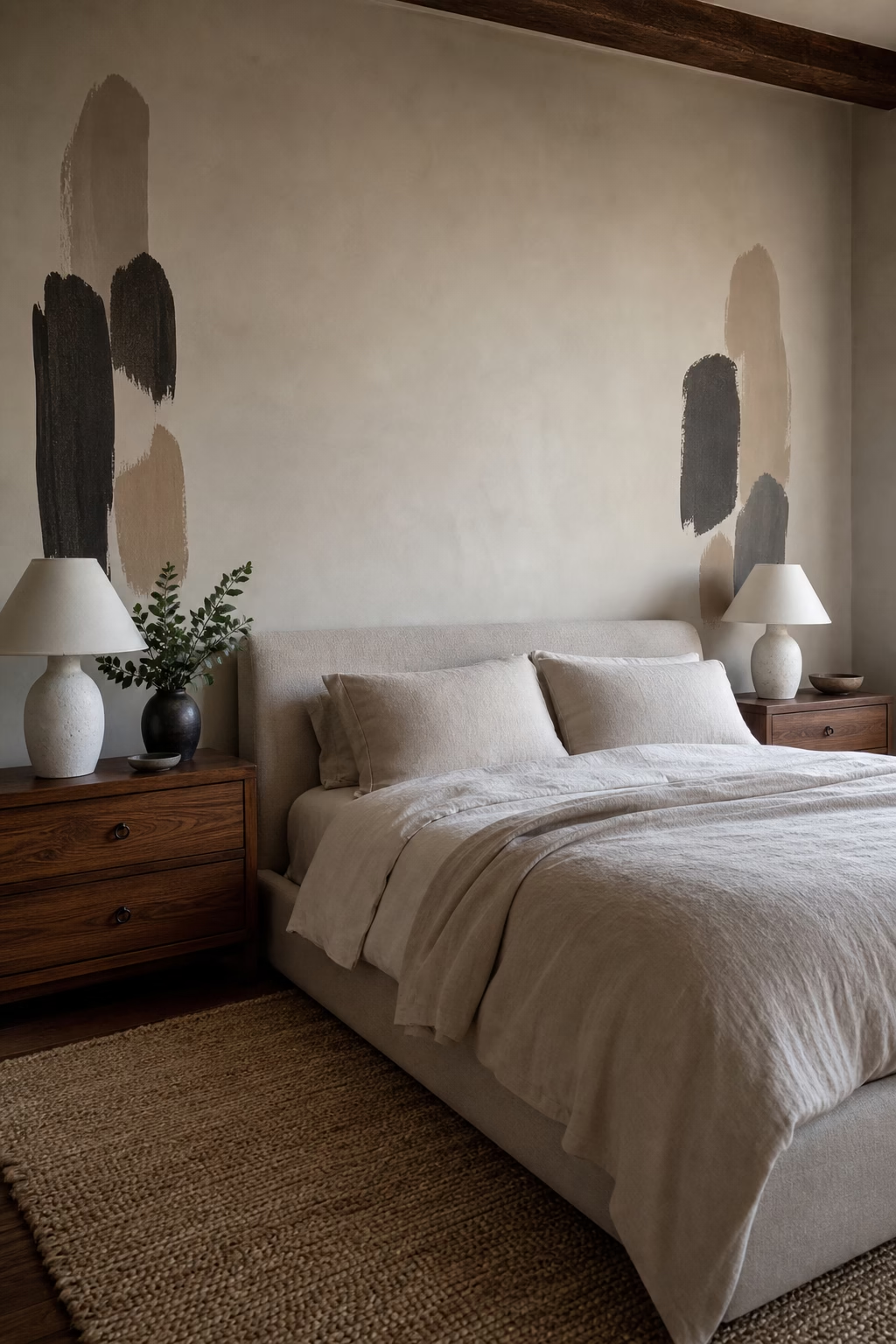
Place Abstract Brushstroke Decals Over the Nightstands
Abstract brushstroke decals can replace framed art when you want a softer, more integrated statement around the bed. Position one above each nightstand or offset them asymmetrically for a more relaxed room. Shapes that feel hand-painted and irregular are often more convincing than hard geometric stickers because they echo real decorative gestures. Choose colors that connect to the bedding or rug, but keep them slightly muted so the bedroom still reads as restful. This is particularly effective in modern spaces where a few painterly marks can warm clean lines. The decals add energy without requiring shelves, nails, or extra visual clutter.
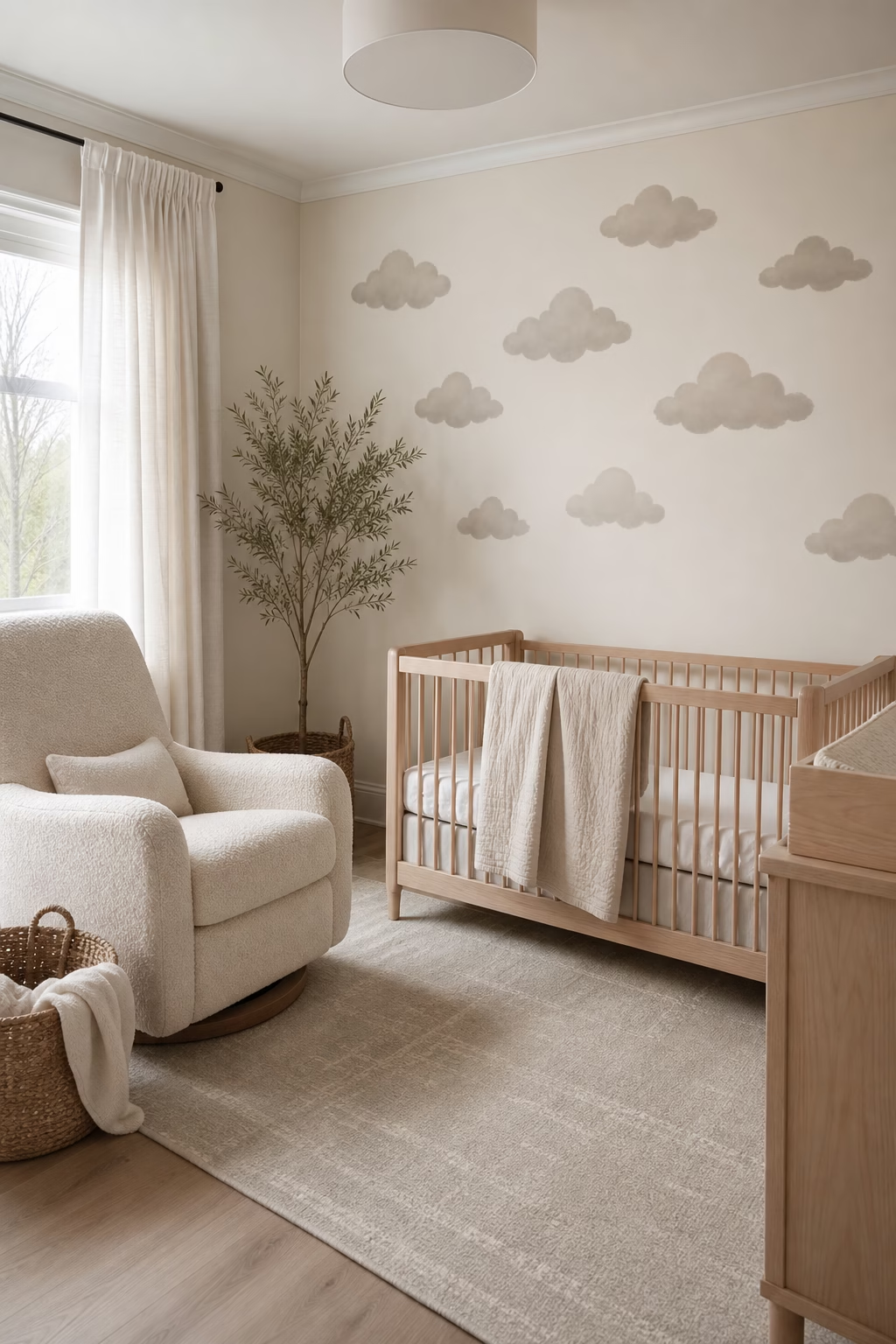
Tuck Cloud Decals Into a Nursery Sleep Zone
Cloud decals work best in nurseries when they stay light and spacious rather than cartoon-heavy. Float them above the crib wall in varied sizes, then leave enough breathing room between shapes that the wall still feels calm during naps and nighttime feedings. Soft gray, cream, pale blue, or warm beige all create a soothing atmosphere, especially when paired with natural wood furniture and simple textiles. The cloud motif introduces gentleness and visual softness without requiring a full sky-themed room. Because decals are removable, they also let the nursery evolve as the child grows and the room begins to serve new routines.
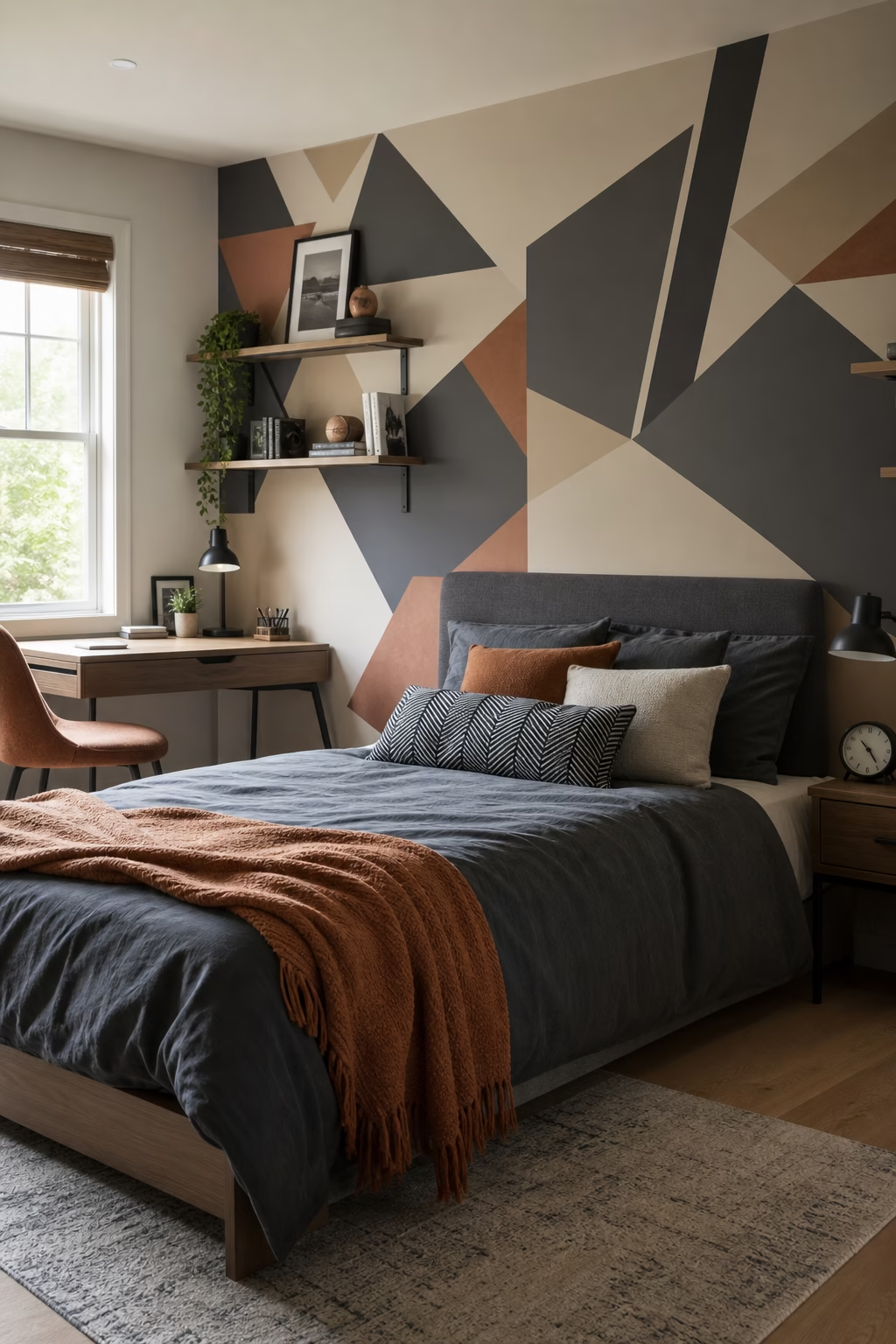
Build a Geometric Accent in a Teen Bedroom
Geometric decals are useful in teen rooms because they feel graphic and current without demanding a permanent paint decision. Try angled blocks, stepped shapes, or interlocking forms on one feature wall, then keep the color story controlled with two or three tones at most. Deep navy with warm white, clay with blush, or charcoal with soft green can all feel mature and energetic. The geometry gives the room a sense of identity, especially when the bed, desk, and shelving are fairly straightforward. Because the shapes are removable, the wall can change as tastes shift. It is a flexible way to make the room feel distinctly theirs.
Lay a Sunrise Motif Behind a Cane Bed
A sunrise decal radiating from behind the bed can make a bedroom feel optimistic and gently nostalgic without becoming kitschy. The motif works best when the rays are broad and spaced, almost architectural, rather than thin and busy. Use warm sand, muted ochre, pale terracotta, or soft blush so the wall still supports rest. Sunrise shapes pair beautifully with cane, rattan, light oak, linen, and other natural materials because they extend that breezy mood upward. This style is particularly strong in bohemian, coastal, or child-friendly rooms where some softness and narrative are welcome. It gives the bed area a visual glow even before the lamps are switched on.
Stretch Faux Wainscot Decals Along the Lower Wall
Wainscot-style decals can make a plain bedroom feel more finished by adding a lower band of structure and texture. Apply them consistently around the lower third of the room or on the bed wall only, then top them with a slim visual ledge or a tonal paint line if the rental rules allow. The effect works especially well in children’s rooms, guest rooms, and compact bedrooms because it gives the eye a strong base and protects the upper wall from feeling empty. Keep the finish matte and believable. When aligned carefully, faux wainscot decals bring charm and architecture without the cost or permanence of joinery.
Outline a Workspace With Grid Decals
A bedroom desk area often benefits from a clearer identity, and subtle grid decals can provide that without introducing a separate piece of art. Use them behind the desk or vanity to define the zone, choosing a thin line weight so the pattern still feels light. Black, warm taupe, or desaturated blue grids can all look smart if the furniture is simple. The grid adds order and visual rhythm, which helps study or work corners feel more purposeful. Because it stays flatter than shelving or pinboards, it is also useful in narrow bedrooms where wall depth matters. The result is organized, modern, and easy to reverse later.
Use Flock Decals to Mimic Flying Birds
Bird decals can feel elegant rather than childish when they are rendered as silhouettes in motion and placed with plenty of open space. A small flock lifting diagonally from a dresser toward a corner or window creates a sense of movement that can make the room feel larger. Choose a finish that blends gently with the wall, such as charcoal on warm white or sandy taupe on pale gray. This motif is especially good for guest rooms or creative bedrooms where you want a poetic note without overwhelming the furniture. The birds become a quiet visual path, drawing the eye upward and outward.
Add Name Initials Above a Child’s Headboard
Letter decals can feel polished in a child’s room if they are treated like typography rather than classroom labels. Use one initial or a short first name in a well-chosen serif or script above the headboard, then let the rest of the wall remain quiet. Scale matters: large enough to feel intentional, but not so dominant that it crowds nearby shelves or art. Keep the finish matte and the color linked to the room’s palette. This move gives the space a personal signature while staying easier to change than custom paint or carved lettering. It is intimate, simple, and visually clear.
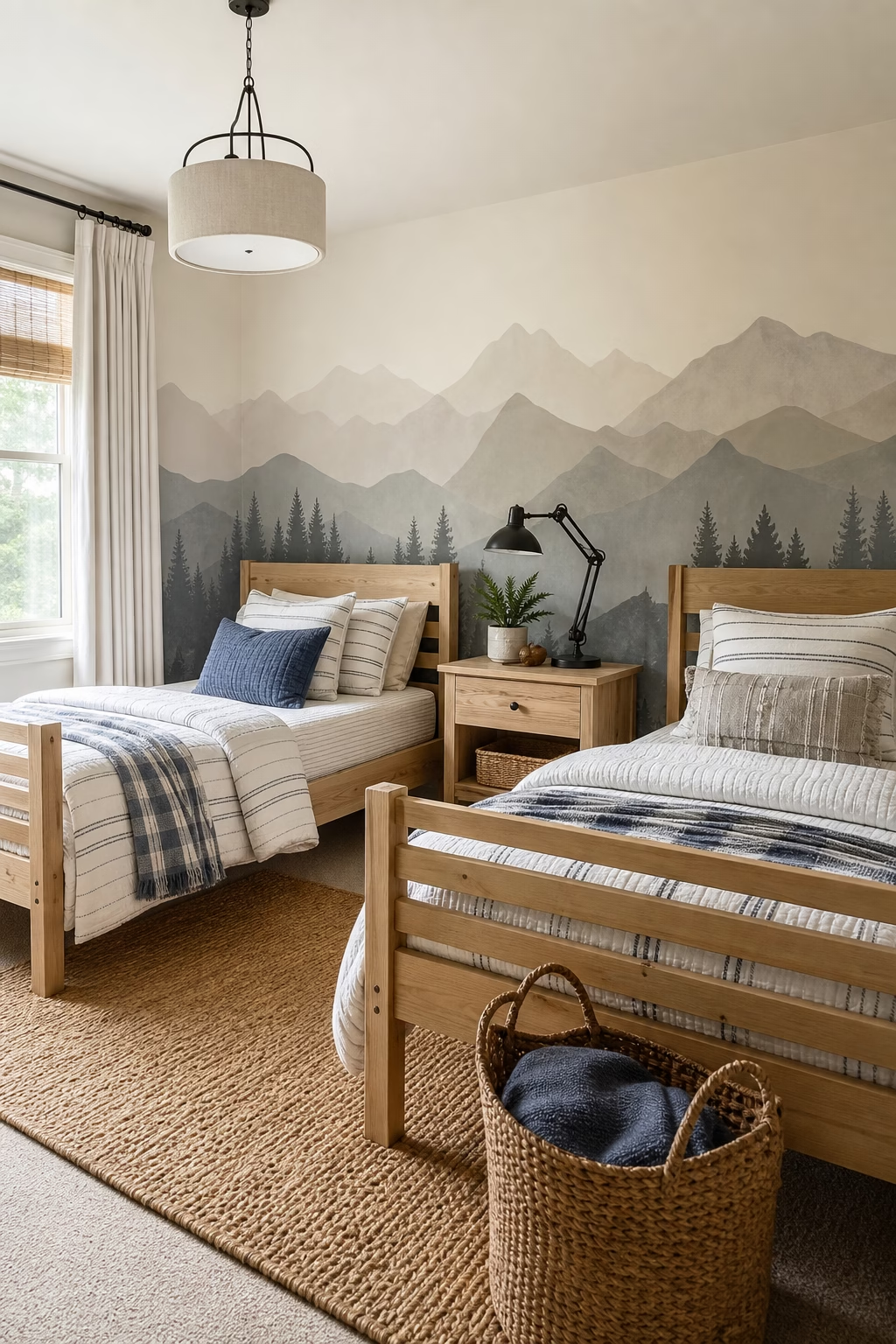
Taper Mountain Decals Across a Shared Kids Room
Mountain decals are a practical choice for shared children’s bedrooms because they create one strong backdrop without forcing different tastes into conflict. A horizon of simple peaks across the lower or mid wall can unify two beds, a bunk setup, or a sleep-and-play arrangement. Keep the shapes broad and the colors dusty rather than cartoon-bright so the room still feels calm at bedtime. Mountains work especially well with wood furniture, wool rugs, and simple striped bedding. Because the pattern reads as landscape rather than theme-park scenery, it can stay in place longer and mature with the room.
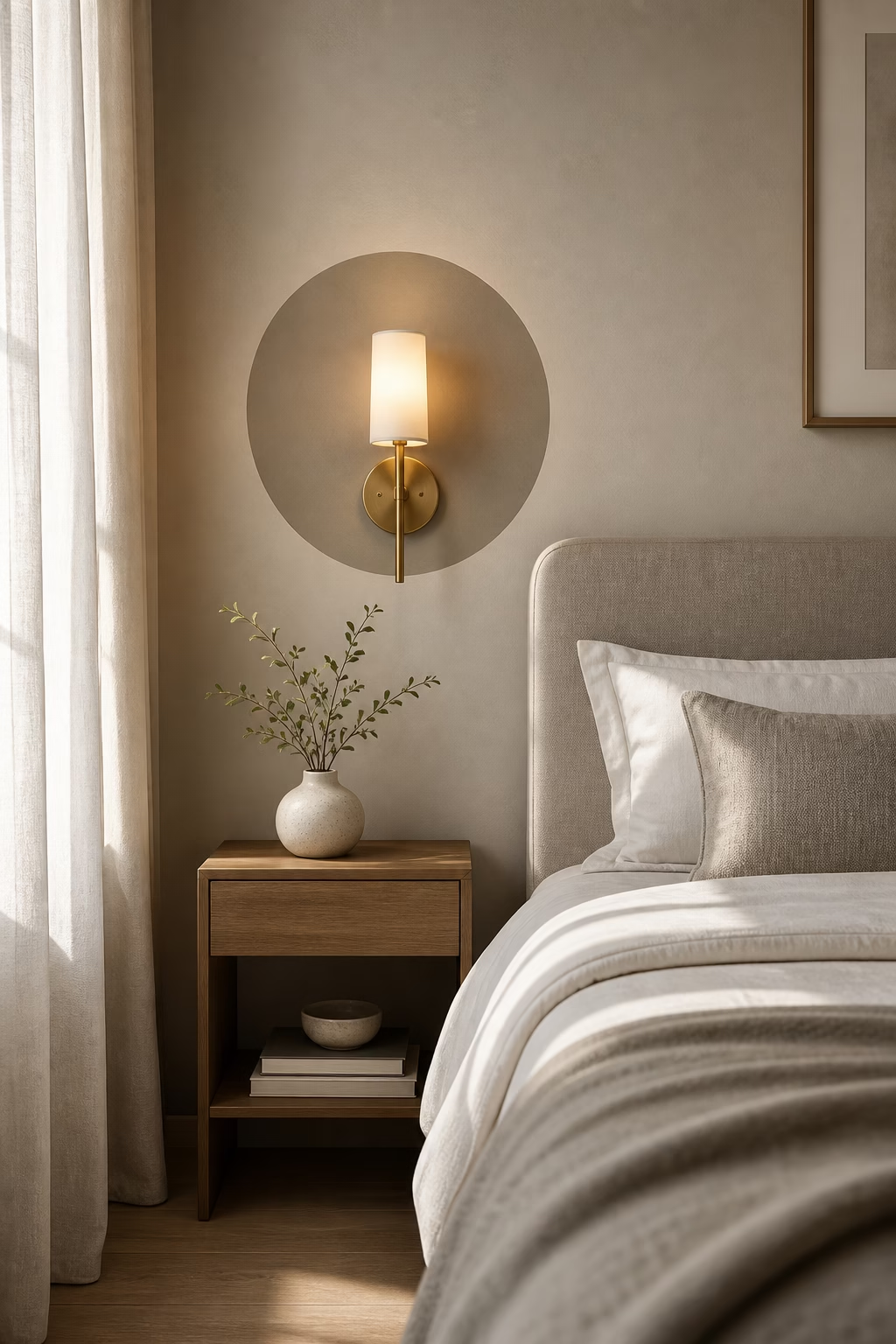
Create a Halo Circle Behind a Wall Sconce
A circle decal behind a wall sconce or bedside lamp can make even a modest lighting setup feel custom. The shape acts almost like a painted medallion, framing the fixture and giving the wall a little depth without any construction. Keep the circle larger than the lamp’s shade or backplate so it reads clearly from across the room. This works beautifully in small bedrooms where you want impact from very little material. Tonal colors are usually best, though a deeper contrast can be striking in more modern interiors. The effect is concise, graphic, and surprisingly architectural for such a small intervention.
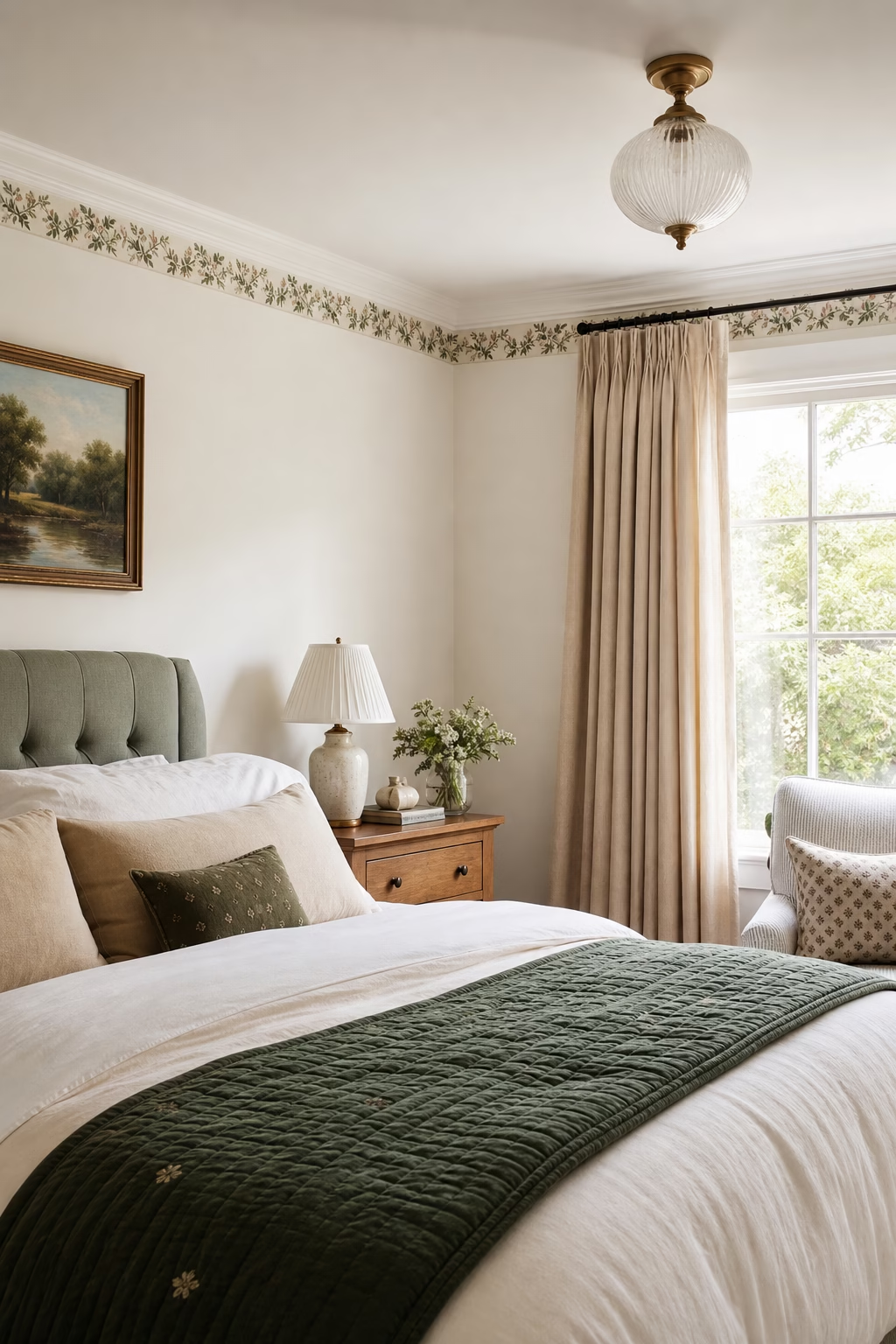
Run Border Decals Along the Ceiling Line
Ceiling-line border decals can introduce detail to a bedroom that lacks cornice molding or other trim. A repeating wave, scallop, leaf, or simple stripe along the top of the wall draws attention upward and gives the room a finished outline. This is especially effective in children’s rooms, guest rooms, or vintage-inspired spaces where a little decorative edge feels welcome. Because the border sits high, it leaves artwork and furniture placement flexible below. Choose a motif with a clean silhouette and a soft, matte finish so it looks designed rather than pasted on. The result is delicate and characterful without consuming wall space.
Use Brushy Rainbow Decals in Muted Tones
Rainbow decals have become much more sophisticated when the palette shifts from bright primaries to dusty, earthy tones. In a child’s or nursery bedroom, a broad brushy rainbow above a dresser or toy chest can add joy without making the entire room feel loud. Look for arcs in clay, rust, blush, oat, sage, and warm cream, then pair them with plain textiles so the wall remains the focal point. The softness of the edges matters too; painterly or hand-cut looking forms feel more decorative and less commercial. It is a cheerful motif that can still sit comfortably within a beautifully styled room.
Finish With a Mixed Decal Story on One Accent Wall
If you love more than one decal motif, keep the combination to a single accent wall and give each element a clear role. An arch can anchor the bed, tiny stars can rise toward the ceiling, and one botanical stem can soften the edge, for example. What matters is a shared palette and enough negative space that the wall still feels composed. Mixing decals successfully is less about quantity than hierarchy. One large gesture should lead, while the others support it quietly. This approach allows a bedroom to feel highly personal and layered without sliding into visual clutter or a temporary craft-room look.