Warm Minimalism With Real Texture
Minimal rooms in 2026 feel warmer because the restraint is carried by texture, not emptiness. Instead of flat white walls and thin furniture, use plaster, oak, boucles, wool rugs, honed stone, and quiet ceramics. Keep the layout edited, but make every surface earn attention when light hits it. A low sofa, generous rug, and one substantial table usually look better than several delicate pieces competing for space. The palette can stay soft if the materials have depth. This approach gives a home the calm people want from minimalism without the coldness that makes a room feel unfinished. A single dark accent can sharpen the softness without disturbing the quiet mood.
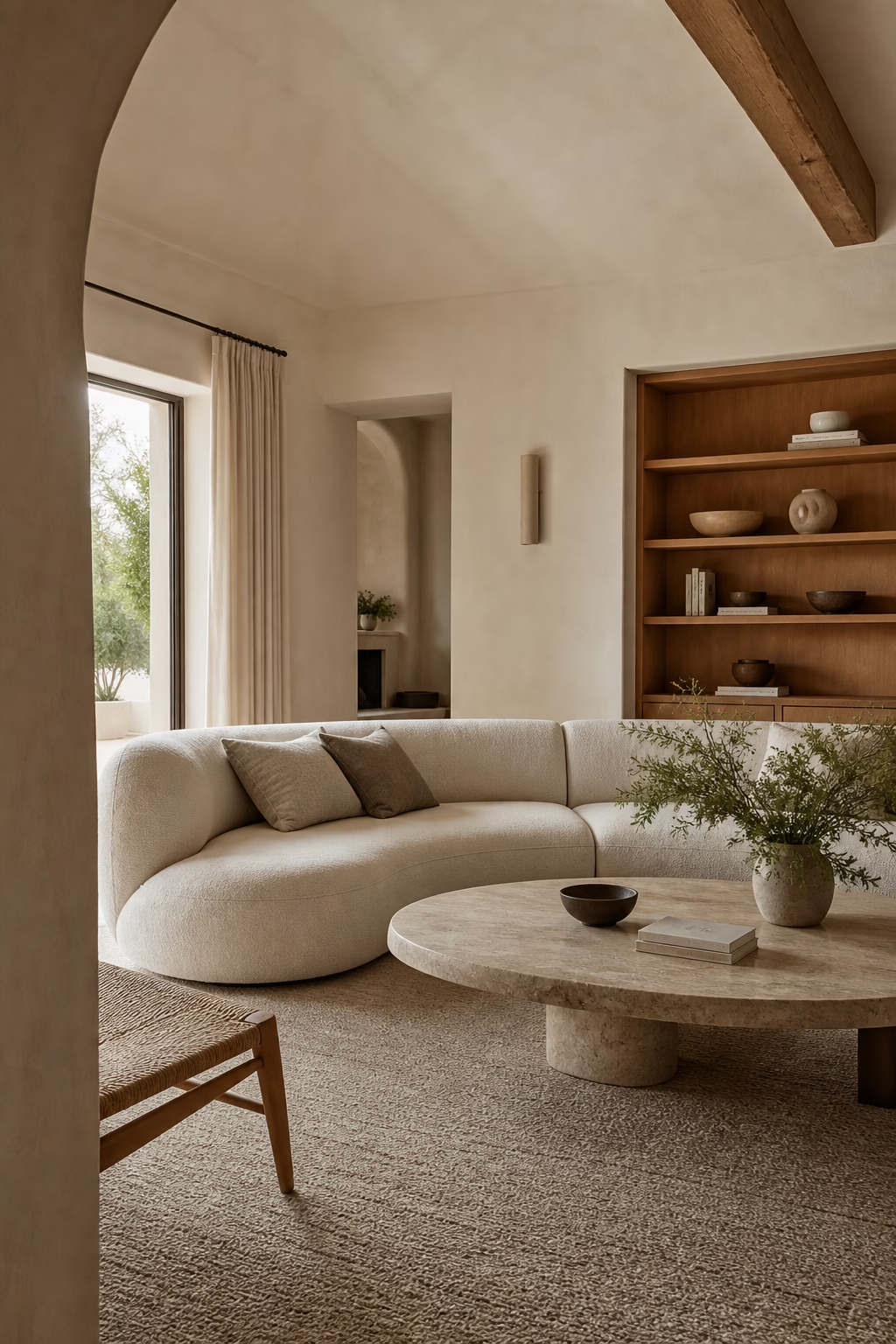
Curved Seating That Softens the Plan
Curved seating is useful when a room needs flow, not just a trend-driven silhouette. A rounded sofa can soften a rectangular living room, while a curved chair near a window creates an inviting pause without blocking circulation. The key is scale. The curve should leave clear walking paths and relate to the rug beneath it. Choose upholstery with enough structure that the piece does not sag or look theatrical. Pair curved forms with one straighter element, such as a console or built-in, so the room stays grounded. Done well, the shape makes open-plan interiors feel more relaxed and human. It is most successful when the curve answers a real circulation problem.
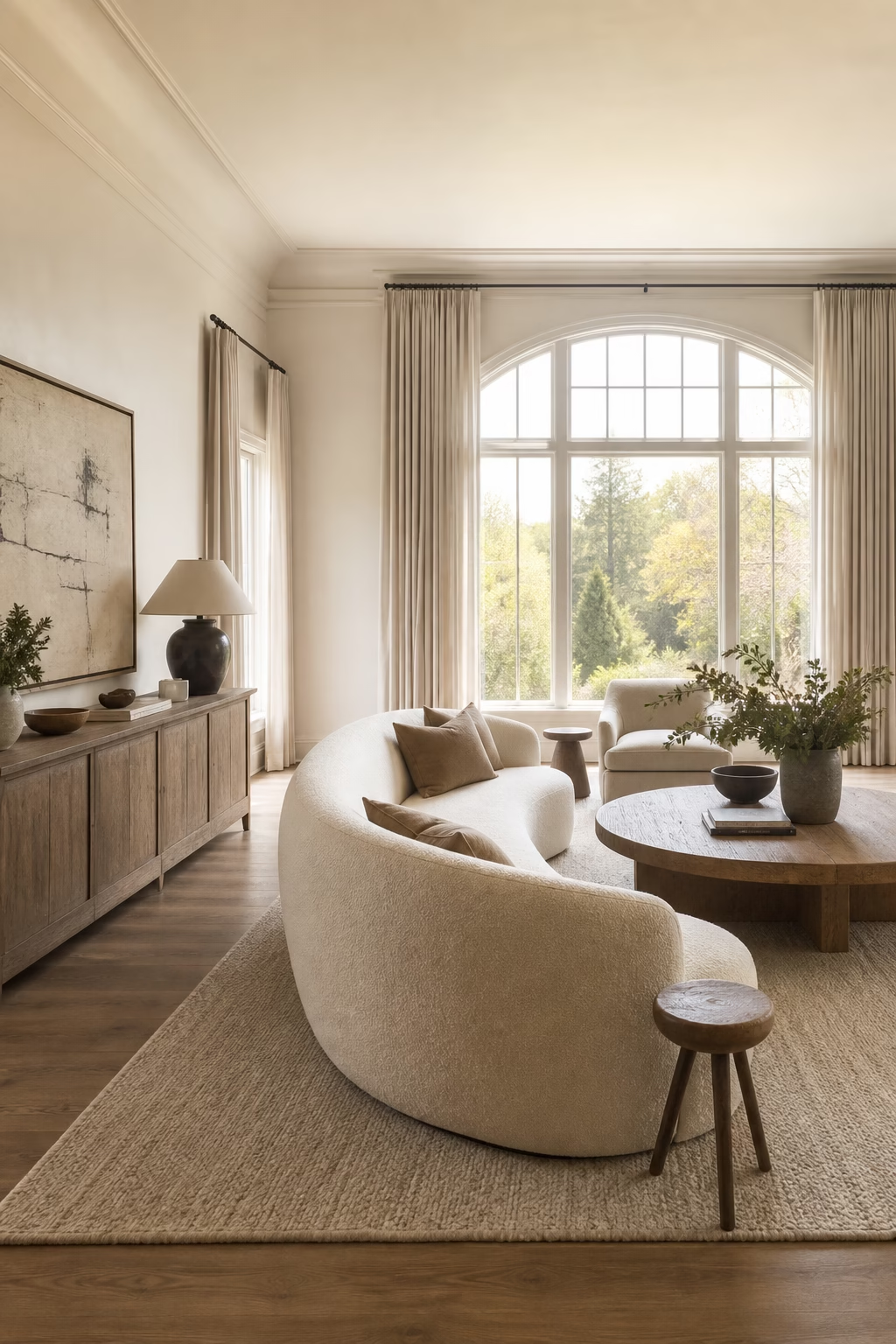
Statement Lighting as Architecture
Lighting is becoming more architectural, with fixtures that shape the room even when they are switched off. A sculptural pendant above a dining table, a plaster sconce in a hallway, or a tall floor lamp beside a sofa can define zones without adding walls. Focus on proportion first: the fixture should feel related to the ceiling height, table width, and furniture mass nearby. Warm dimmable bulbs matter as much as the form. Avoid filling every room with a different showpiece. One strong light, supported by quieter lamps and hidden sources, gives the whole interior a more composed evening mood. Keep switches intuitive so the atmosphere is easy to adjust every night.

Built-Ins That Hide Daily Clutter
The most stylish homes often look calm because storage has been planned into the architecture. Built-ins around a media wall, bench, dining niche, or hallway can hide cables, games, shoes, paperwork, and charging cords while leaving shelves for the pieces worth seeing. Use a mix of closed doors and open display so the wall does not feel like a cabinet showroom. Oak, painted wood, fluting, reeded glass, and simple bronze pulls all feel current when the proportions are clean. Good built-ins reduce visual noise and make the decorated parts of the room feel more intentional. Measure the objects that need hiding before deciding door heights or shelf depths.
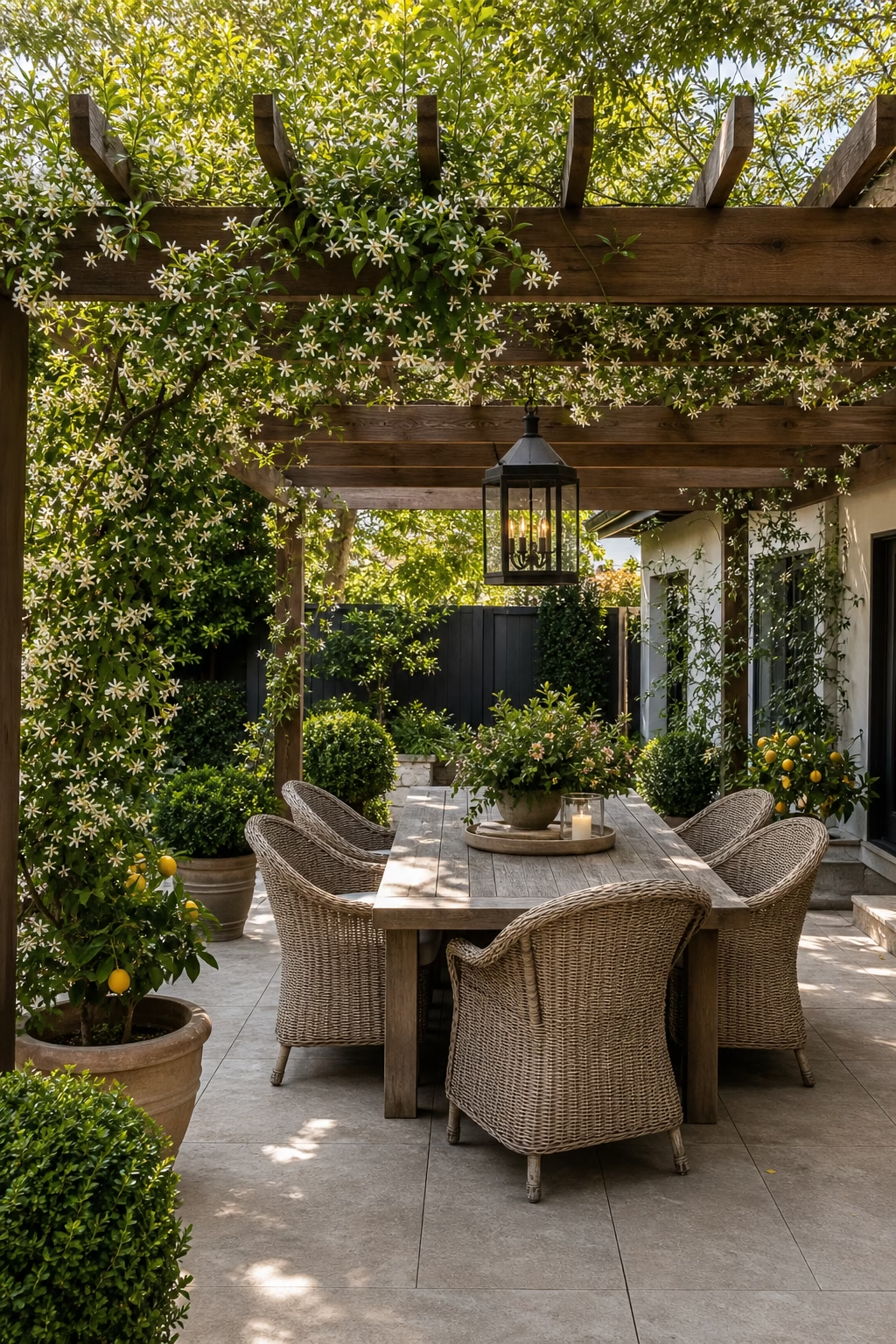
Quiet Color Instead of Stark Neutrals
Neutrals are shifting toward color that is felt more than announced. Clay, mushroom, olive gray, smoky blue, buttercream, and warm taupe can replace stark white without making the room busy. Use these shades on walls, upholstery, cabinetry, or curtains, then keep adjacent materials calm. A quiet color works best when it changes gently through the day, gaining depth in shadow and softness in morning light. Test large samples before committing because undertones become obvious at room scale. This kind of color gives interiors personality while still letting art, furniture, and natural materials lead the composition. Carry the undertone into textiles so the room feels resolved from every angle.
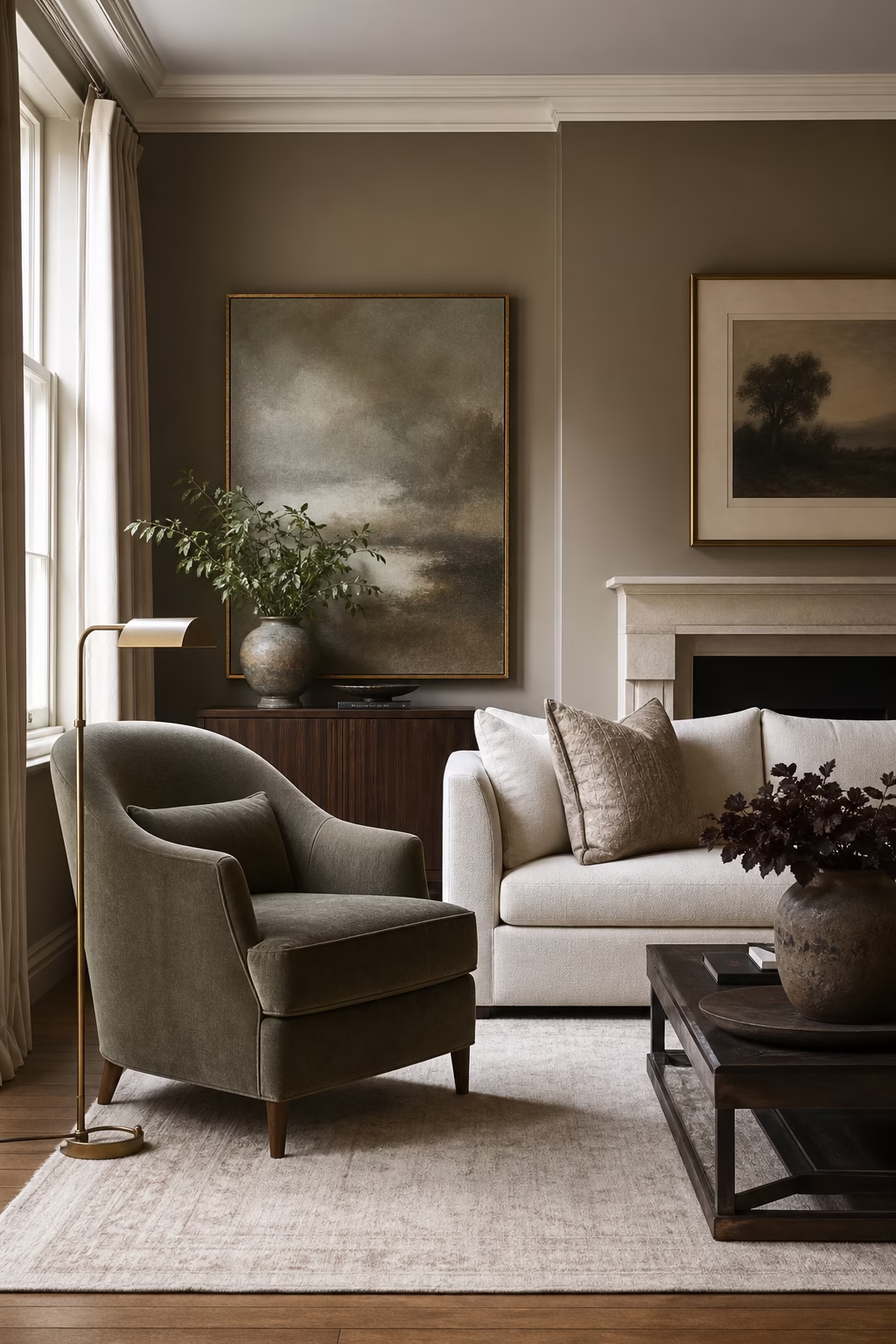
Stone Surfaces With Honed Finishes
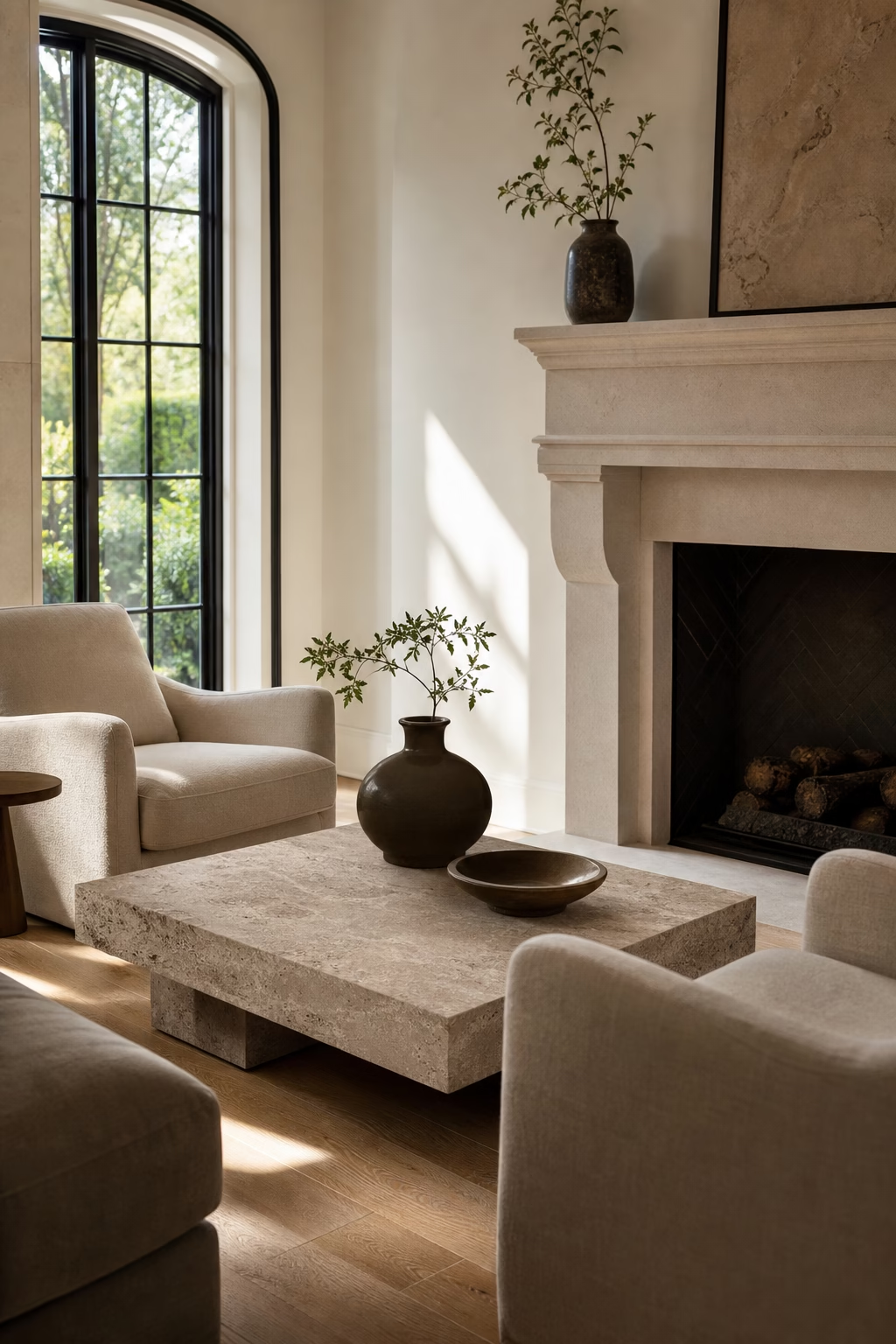
Honed stone feels especially relevant because it brings luxury without glare. Travertine, limestone, marble, quartzite, and soapstone look richer when the finish is matte enough to reveal texture. Use stone on a coffee table, fireplace surround, kitchen backsplash, bathroom vanity, or console top where the surface can be appreciated up close. The veining should suit the scale of the piece; dramatic slabs need room, while smaller applications often look better with quieter movement. Pair stone with warm wood or soft fabric so it does not feel severe. The result is tactile, permanent, and quietly expensive. Seal porous stones properly so the beauty can survive daily use.
Layered Window Treatments
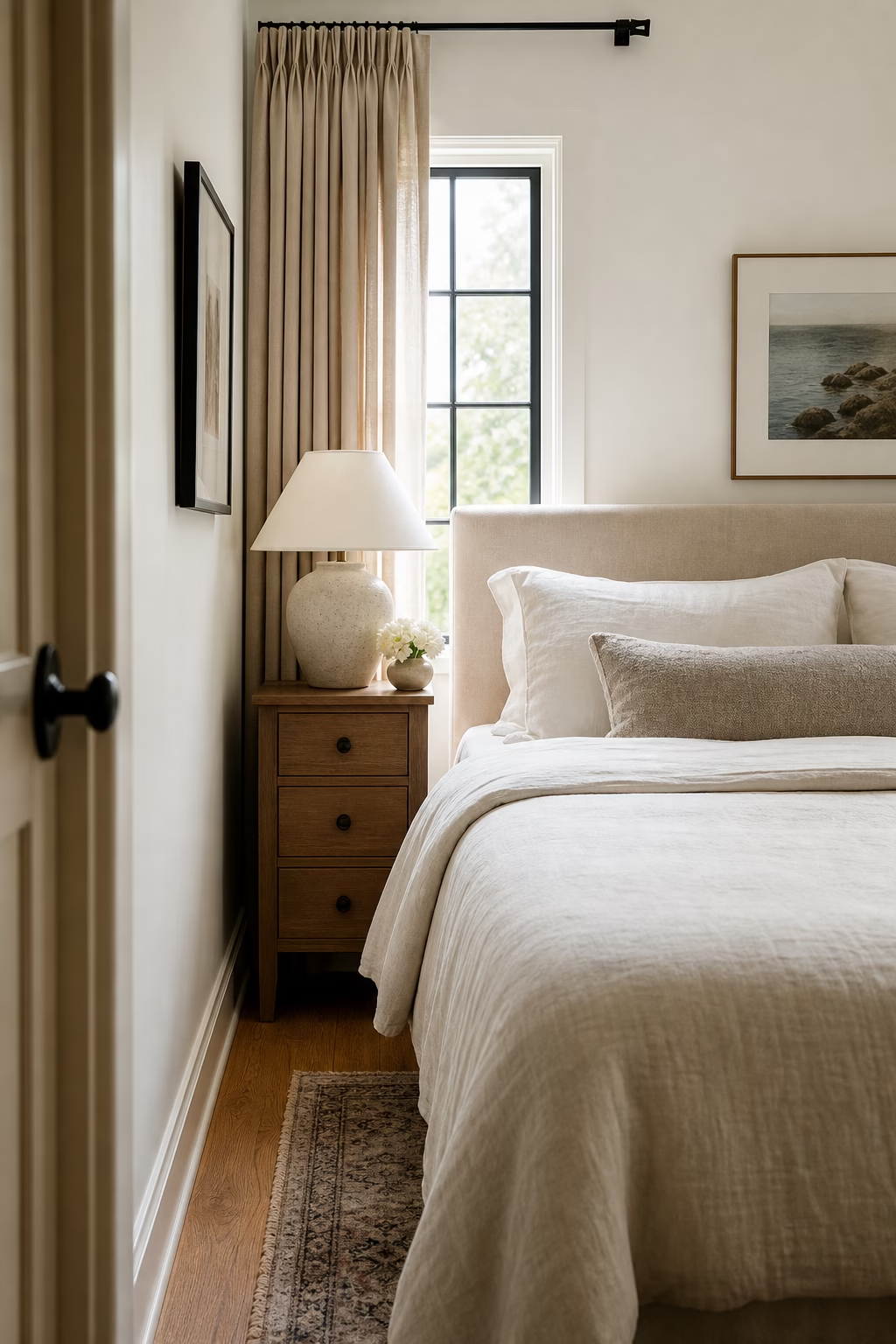
Layered window treatments make a room feel finished because they control light in more than one way. Pair woven shades with linen curtains, sheers with blackout panels, or tailored Roman shades with side drapery. The hardware should be mounted high and wide so the windows look generous rather than pinched. Choose fabric weight based on the room: airy linen for living spaces, lined panels for bedrooms, and moisture-appropriate shades for baths. Keep colors close to the wall if the room needs calm. This layer improves acoustics, softens architecture, and gives interiors a composed magazine quality in both daylight and evening.
A More Personal Mix of Eras
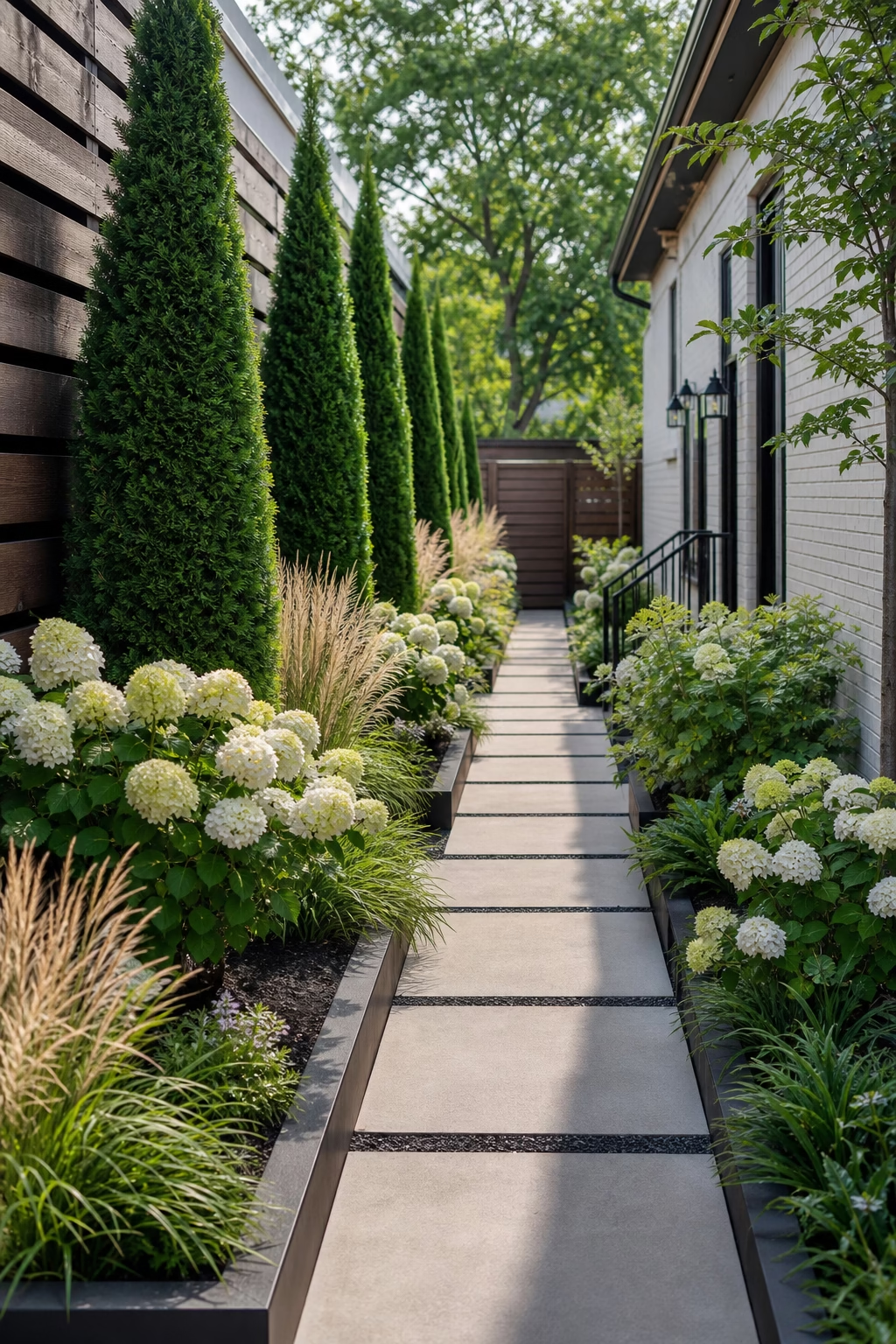
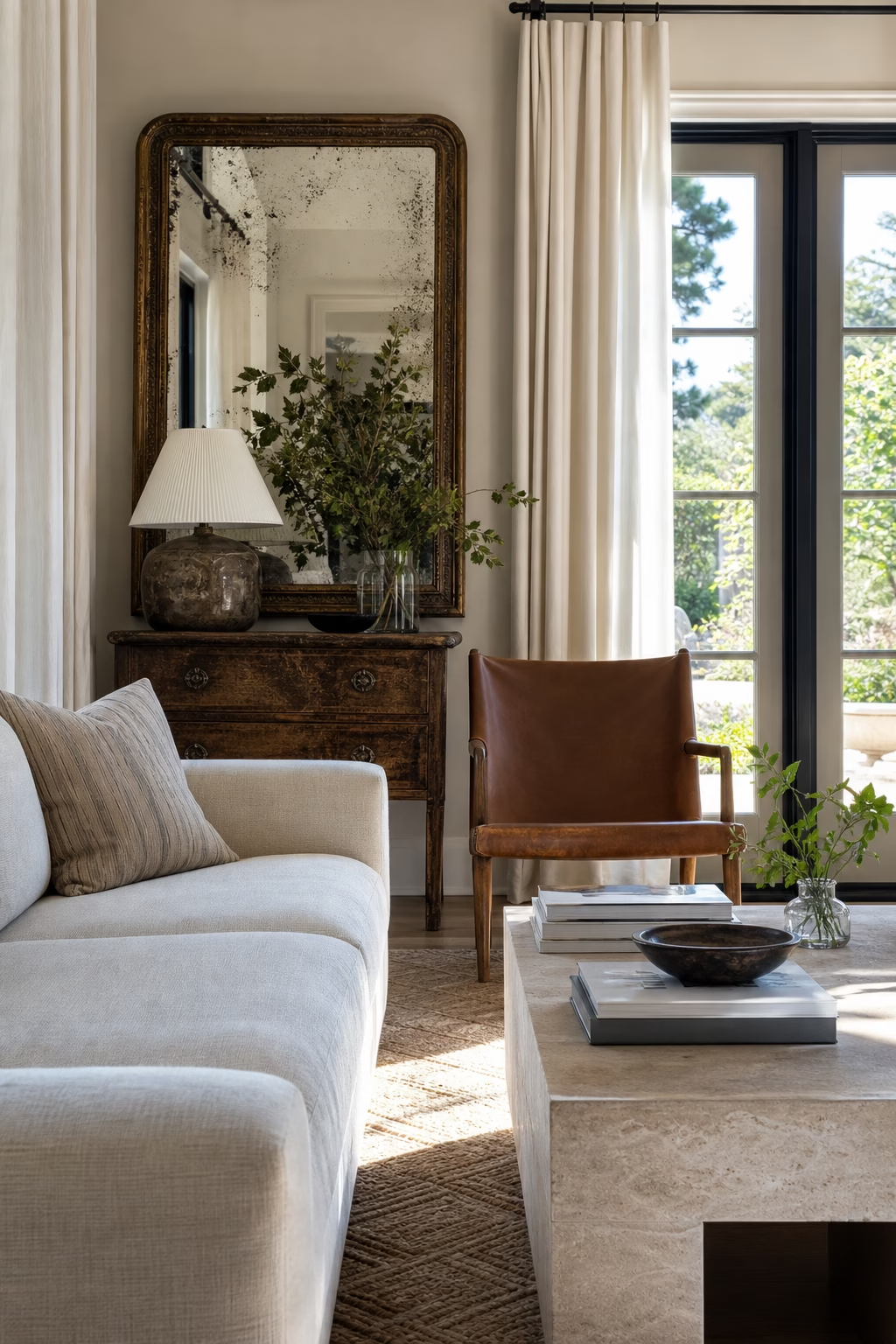
Rooms feel fresher when they are not locked into one decade. A contemporary sofa can sit near a vintage side table, an antique mirror can hang above a simple stone console, and a midcentury chair can work beside new built-ins. The mix needs discipline: repeat a material, color, or line so the pieces speak to each other. Avoid adding old furniture only for age; it should be useful, well scaled, and in good condition. This layered approach keeps 2026 interiors from feeling showroom-new. It gives the home memory, depth, and the sense that the design evolved with the people living there.
Deep Comfort in Tailored Shapes
Comfort is getting more generous, but the shapes are becoming cleaner. Sofas have deeper seats, chairs have softer backs, and beds are layered more luxuriously, yet the tailoring remains precise. Look for rounded arms, firm cushions, hidden legs, and fabrics that invite use without looking sloppy. A comfortable room still needs clear pathways and tables at the right height, so do not let oversized seating consume the plan. The goal is ease with structure. When the proportions are right, a room can feel deeply livable and still polished enough for a high-end interior photograph. Choose fabrics with enough body to hold the clean lines over time.
Dining Rooms That Work Daily
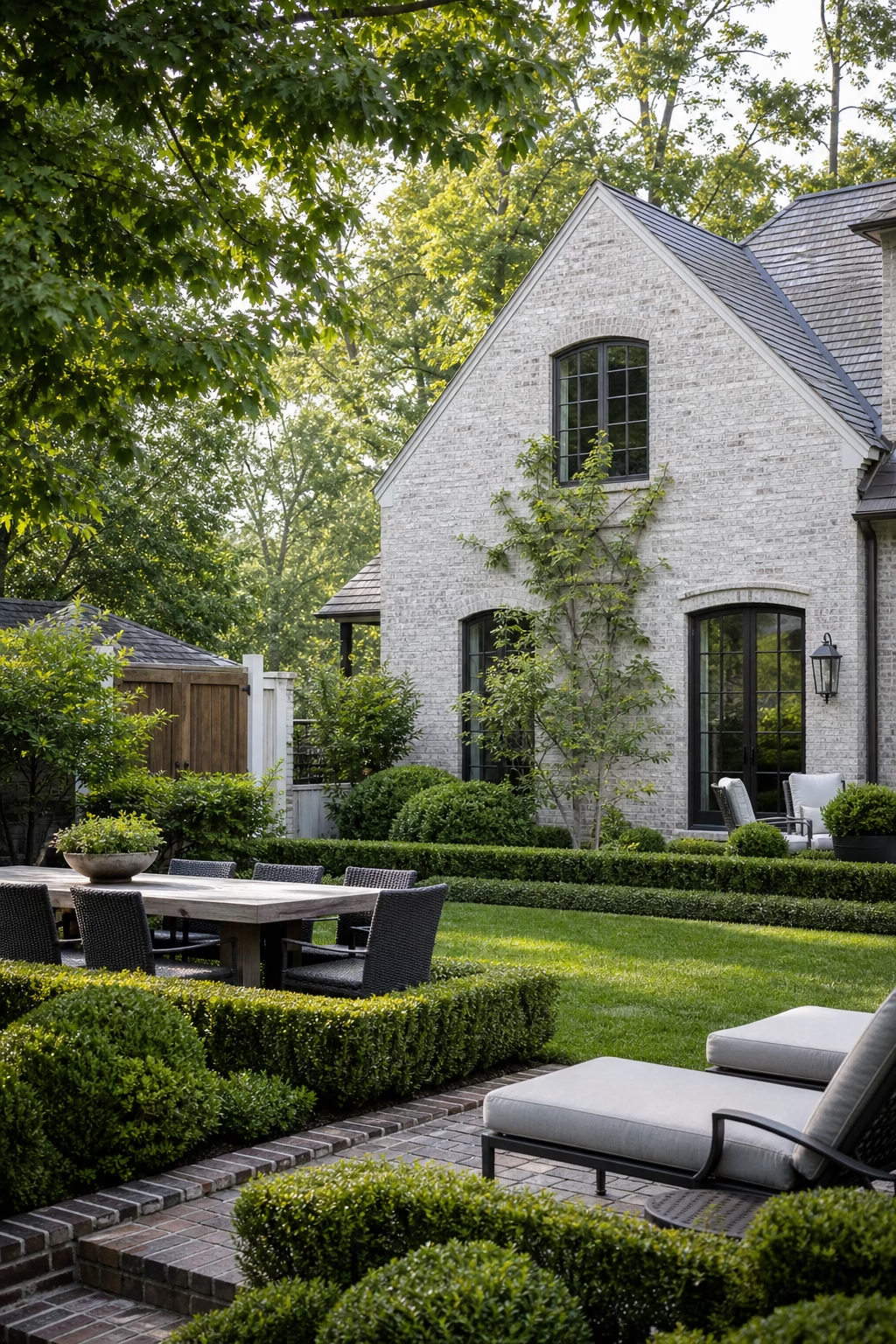
Dining rooms are becoming less formal and more useful. Instead of saving the room for rare occasions, design it for weekday meals, laptop hours, puzzles, and long dinners. A durable table, comfortable chairs, dimmable lighting, and a storage piece for linens or serving pieces make the room earn its footprint. Keep centerpieces low and surfaces easy to clear. If the dining area is open to the living room, repeat one material, such as oak or brass, so the zones relate. A stylish dining room in 2026 feels elegant because it supports real rituals, not because it remains untouched. Comfort, clearance, and easy lighting control matter as much as the table itself.
Home Offices With Softer Edges
The home office is moving away from corporate furniture and toward rooms that still belong to the house. Use a real desk with proportion, a comfortable upholstered chair, shelves with closed storage, and lighting that flatters both work and video calls. A rug, art, curtains, and a small table lamp can make the space feel less temporary. Keep technology organized with trays, drawers, and cable channels so the room does not become visually tense. If the office shares a guest room or living area, choose finishes that coordinate with nearby furniture. Productivity improves when the space feels calm, personal, and complete.

Kitchens With Furniture-Like Details
Kitchens are feeling more like rooms and less like equipment walls. Furniture-like details help: inset cabinets, warm wood islands, stone ledges, unlacquered brass, framed pantry doors, and lamps on counters where they are safe. This does not mean sacrificing function. The best kitchens still have strong ventilation, practical storage, durable counters, and good task lighting. The difference is that useful elements are designed with the same care as furniture. Balance closed cabinetry with a few open moments for ceramics or cookbooks. A kitchen feels stylish when cooking is supported and the materials remain beautiful from the living area. The room should still clean easily and support serious cooking.

Textured Walls With Subtle Movement
Flat drywall can make even good furniture feel isolated. Limewash, Roman clay, plaster, grasscloth, or a softly textured paint gives walls a quiet movement that changes with daylight. Use it behind a bed, in a powder room, along a hallway, or throughout a living space when the color is restrained. The finish should look handmade but not theatrical. Pair textured walls with simple trim and clean window treatments so the surface reads as architecture. This layer is especially effective in new construction, where rooms often need softness, depth, and a sense of permanence before art is added. Sample the finish beside flooring and upholstery before approving the final color.
Large-Scale Art With Breathing Room
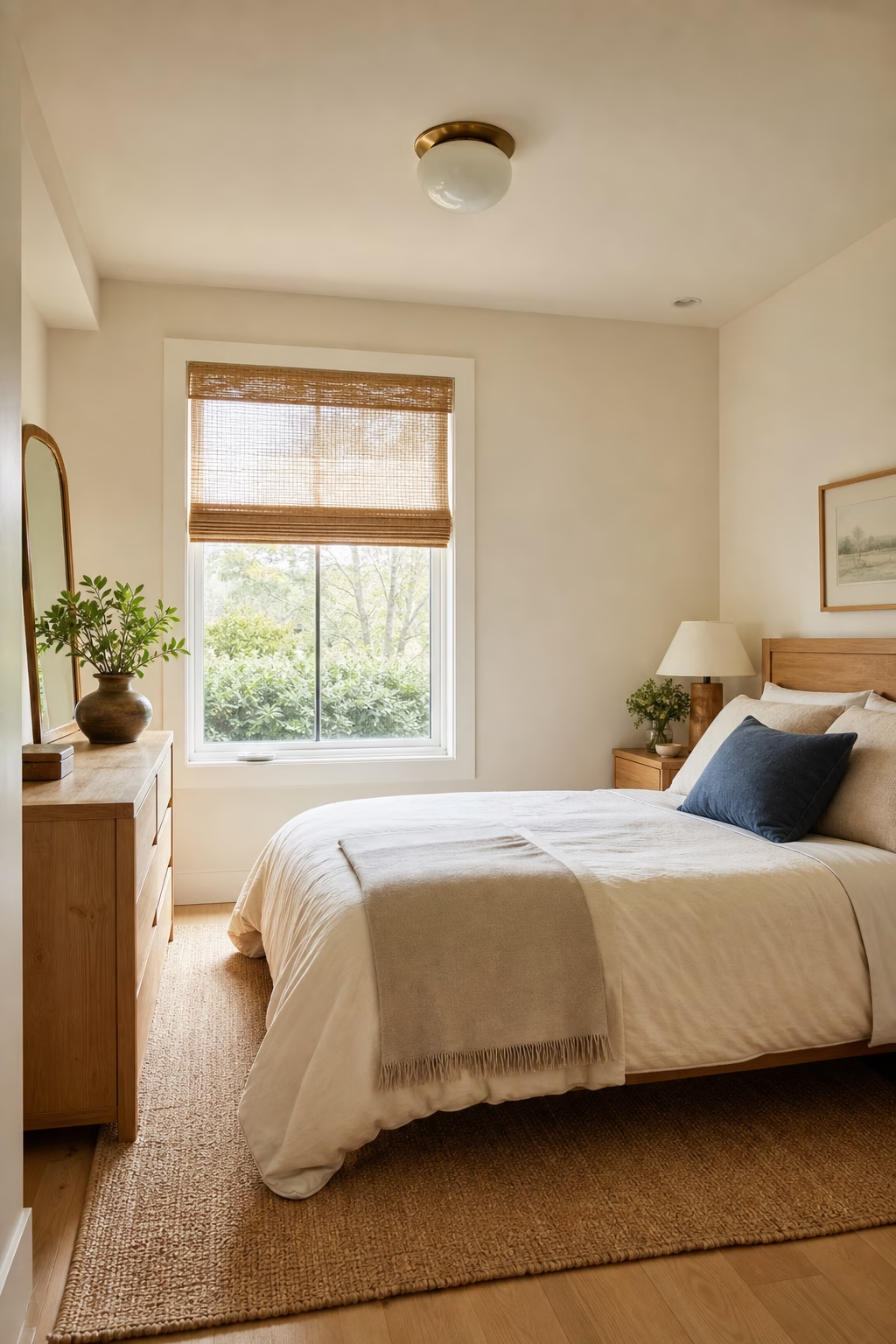
Large-scale art remains one of the simplest ways to make an interior feel resolved. Choose one piece that has enough size to relate to the furniture below it, then give it space rather than surrounding it with small filler objects. Tonal abstracts, landscape photography, textile art, and sculptural reliefs all work when the frame and scale are right. Hang art at human eye level and consider how it looks from the room entrance. The colors do not need to match perfectly, but they should belong to the room's mood. A confident piece gives the whole interior a point of view.

Indoor Greenery With Strong Silhouettes
Indoor plants look more sophisticated when they are chosen for shape and placed with restraint. One olive tree, ficus, sculptural cactus, large fern, or trailing plant can do more for a room than many small pots scattered around. The planter should feel like part of the design, with ceramic, stone, fiber, or metal that relates to nearby materials. Place greenery where it has the right light and enough space to grow without brushing furniture. A strong silhouette brings movement to quiet rooms and softens hard architecture. It also connects the interior to the view outside, which is increasingly important in home design.
Bathrooms That Feel Like Small Retreats
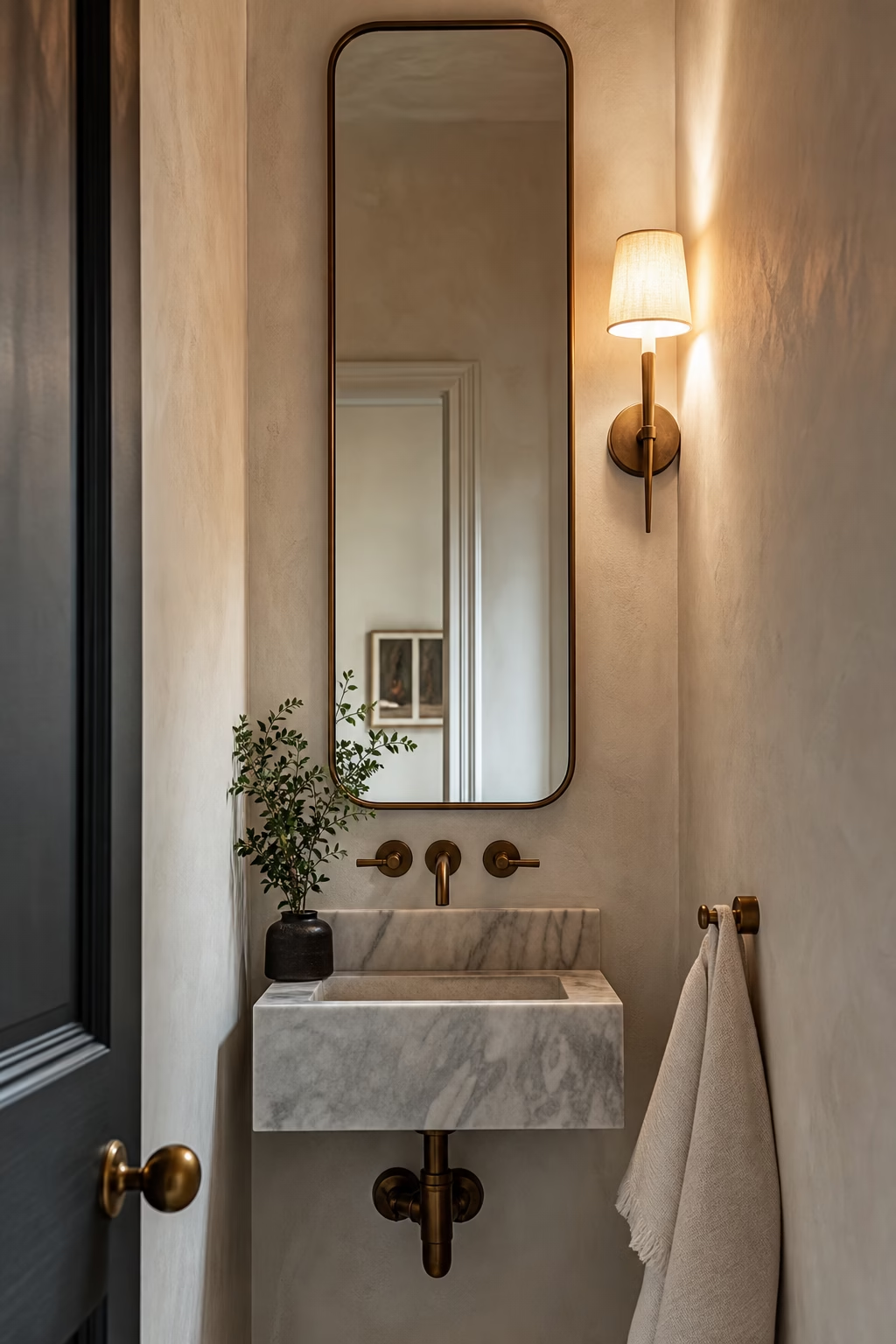
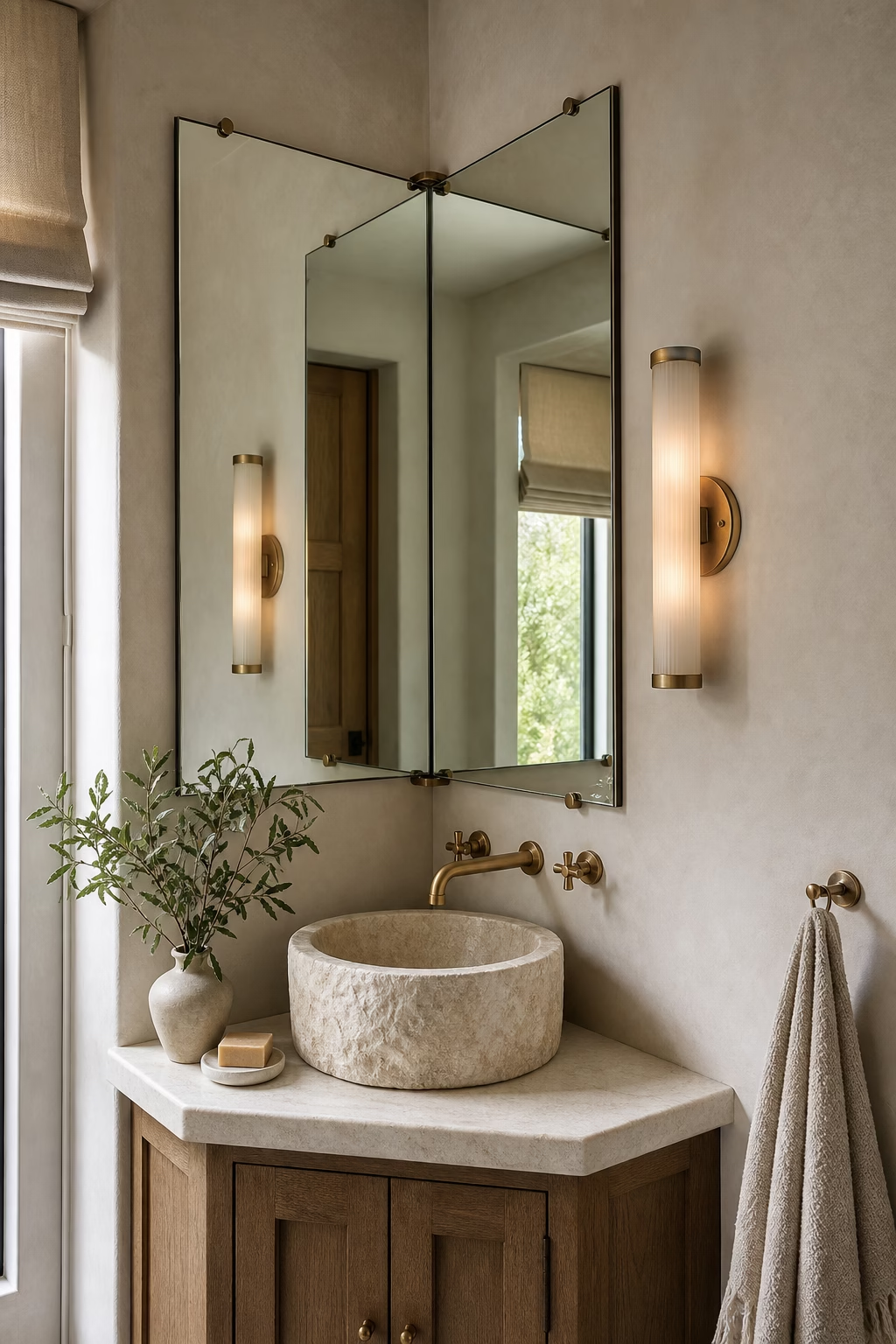
Bathrooms are becoming warmer and more room-like. A small retreat can include a wood vanity, stone counter, softened mirror shape, warm sconces, textured tile, and a niche that holds products neatly. The design still has to respect moisture, ventilation, and cleaning, so choose materials that can handle daily use. Avoid cramming in decorative objects that interfere with function. Instead, make the permanent pieces beautiful: hardware, lighting, mirrors, towel hooks, and tile edges. When practical details are refined, even a compact bathroom feels calmer. The best versions feel private, tactile, and quietly luxurious without pretending to be a spa hotel. Even the towel bar and robe hook should feel deliberately placed.
Entryways With Useful Beauty
A stylish entryway should solve the first five minutes of coming home. Include a surface for keys, a mirror for light, concealed storage for shoes or bags, and a bench or stool if space allows. The finishes can still be beautiful: stone tray, oak console, woven baskets, brass hooks, and a rug that can handle traffic. Keep the styling spare because entries collect life quickly. If the space is narrow, use wall-mounted storage and a shallow ledge. A well-designed entry sets the tone for the whole home because it turns an everyday transition into a composed moment. Good proportions keep the practical pieces from feeling like hallway clutter.
Layered Rugs for Better Proportion
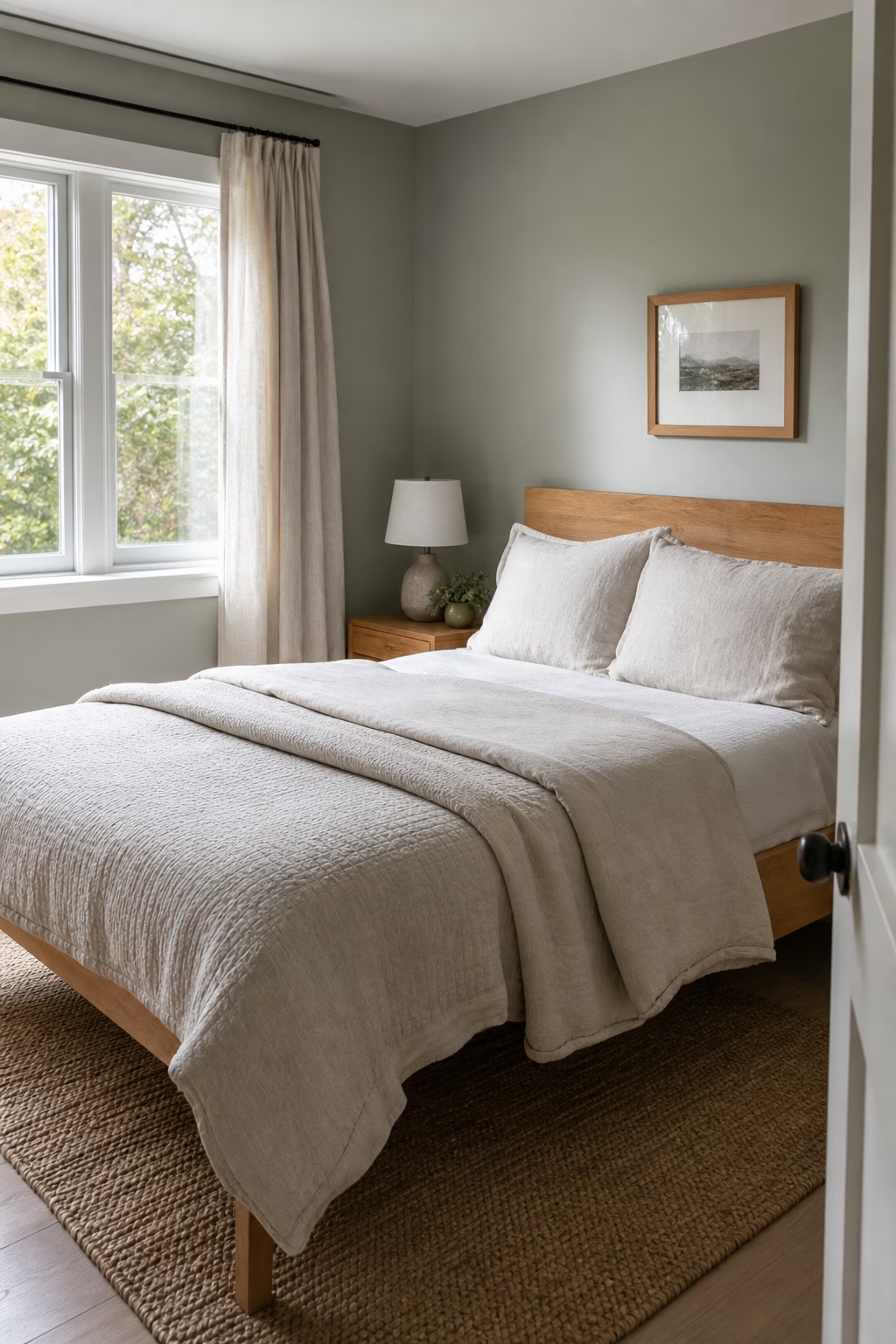
Layered rugs can fix rooms where one perfect rug is difficult to source or too expensive. Start with a large natural-fiber or flatwoven base that reaches the furniture properly, then add a smaller wool, vintage, or patterned rug where the room needs character. The top rug should sit flat and relate to the main seating or bed. Use rug pads so the layers feel stable underfoot. Keep patterns controlled if the room already has strong art or curtains. This idea works because it solves scale first, then adds personality. The room feels more generous and more collected at the same time.
Metal Finishes That Look Aged
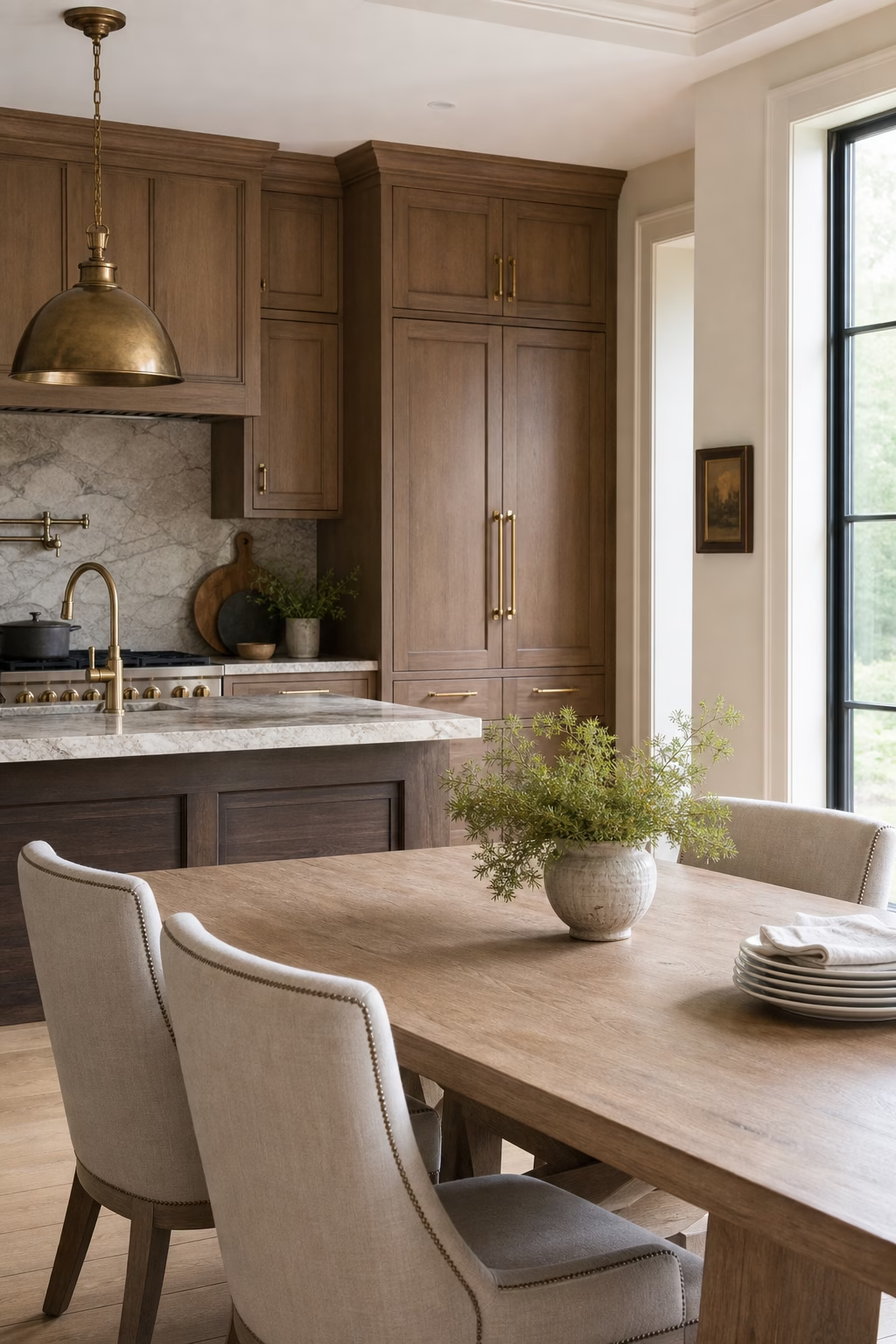
Highly polished metal is giving way to finishes with depth: aged brass, bronze, blackened steel, pewter, and unlacquered hardware that patinas over time. These metals work because they add definition without looking flashy. Use them on lighting, cabinet pulls, mirror frames, picture lights, and small furniture details. The finish does not need to match everywhere, but it should repeat enough to feel deliberate. Pair aged metal with stone, wood, linen, or plaster so it sits within a natural material story. A little darkness or warmth in the metal can make pale interiors feel more grounded and mature. Let the patina look natural rather than artificially rubbed or overly shiny.
One Memorable Custom Moment
The strongest interiors usually have one detail that could not belong anywhere else. It might be a built-in reading niche, a tiled fireplace surround, a sculptural stair rail, a painted ceiling, a stone shelf, or a vintage cabinet fitted into a modern room. Let this custom moment have space to register. Too many special details compete, but one gives the house identity. The rest of the room can stay quiet and beautifully edited. In 2026, style is less about chasing every trend and more about making the home feel specific, personal, and carefully resolved. Good lighting helps the detail register without turning it into a display.
