A bathroom mirror does more than reflect a sink wall. It shapes the light, changes how large the room feels, and decides whether the vanity looks custom or unfinished. The strongest mirror ideas balance proportion, moisture-safe materials, useful lighting, and enough style to make the room feel considered every day.
Use an Arched Mirror to Soften Tile Lines
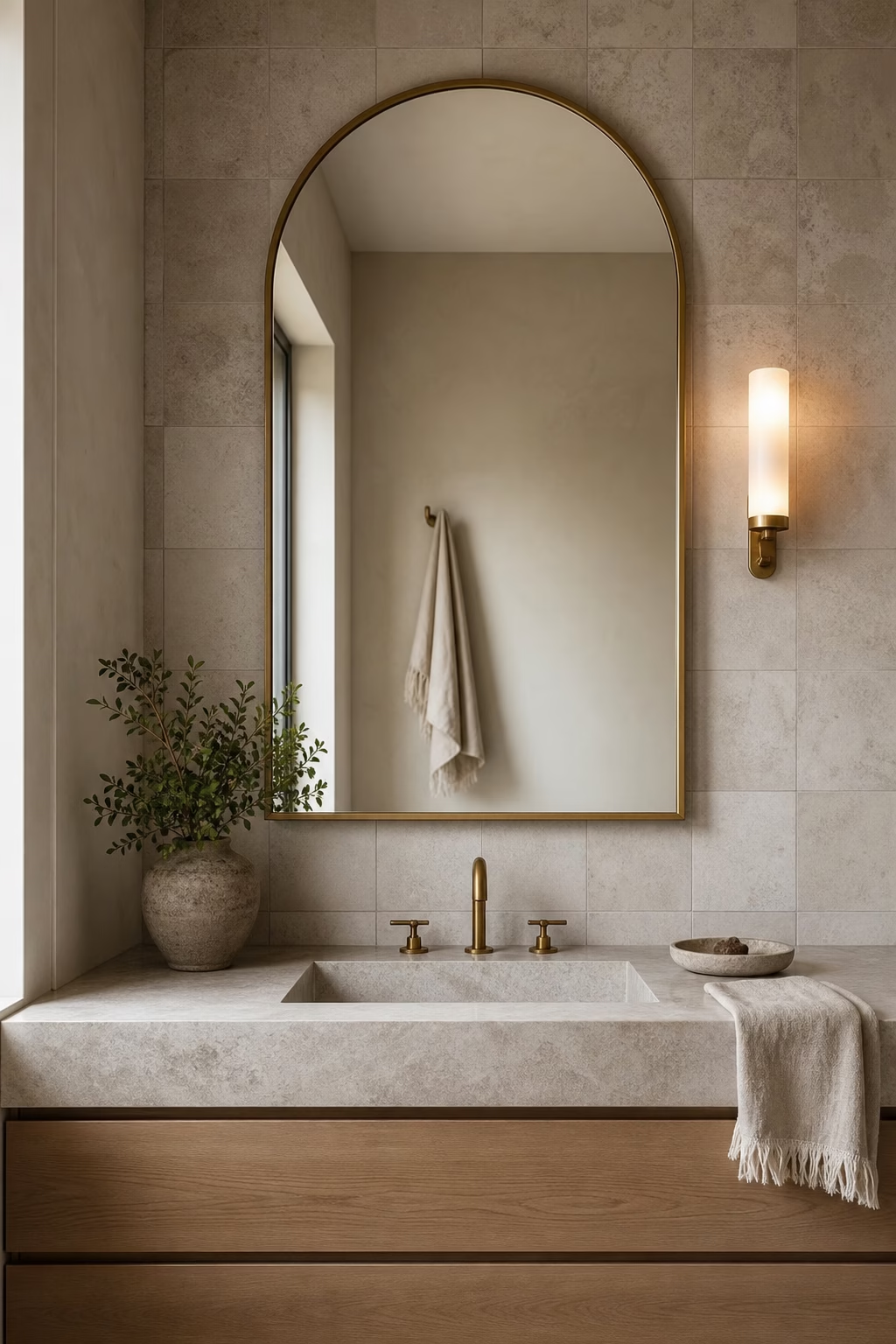
An arched mirror is especially useful in bathrooms with strong tile grids, square cabinetry, or a narrow vanity wall. The curved top breaks up all the hard rectangles without making the room feel decorative for decoration's sake. Choose a frame finish that repeats elsewhere, such as brass on the faucet or black on the shower screen, so the shape feels integrated. The arch should still be tall enough for everyday grooming and wide enough to relate to the sink below it. Leave a little wall or tile visible around the frame; crowding the edges makes the detail look forced instead of architectural.
Choose a Backlit Mirror for Even Face Lighting
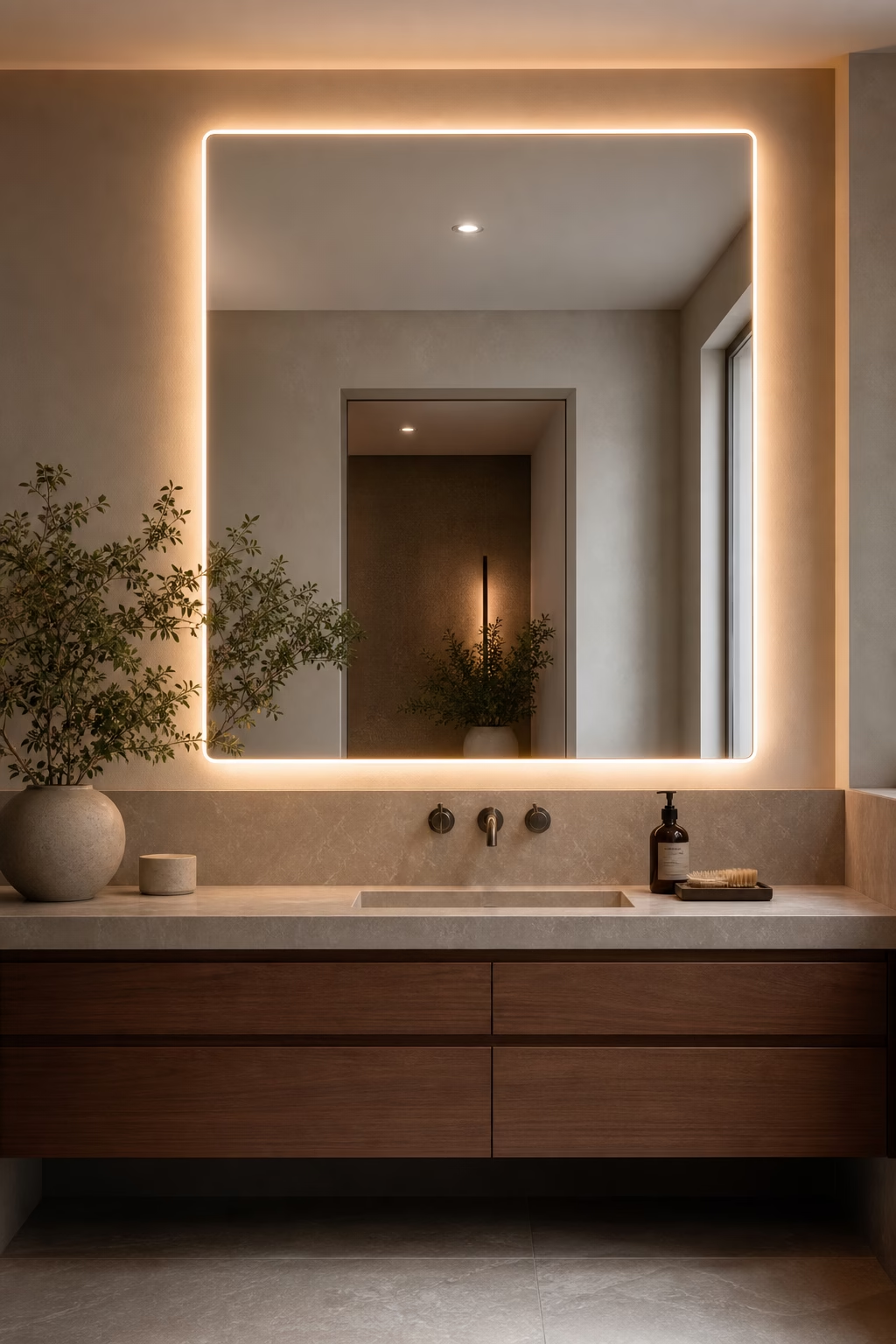
A backlit mirror can make a bathroom feel calm and current, but it works best when it supports other light rather than replacing it. The glow should wash the wall softly and reduce shadows around the face, not act like a bright sign. Look for warm or adjustable color temperature, a sealed bathroom-rated design, and a dimmable setting for early mornings. Backlit mirrors are strongest on smooth plaster, stone, or large-format tile because the light reveals the surface. Pair one with recessed or ceiling light for cleaning and task visibility. The final effect should be flattering, not clinical.

Stretch a Wall-to-Wall Mirror Over a Double Vanity
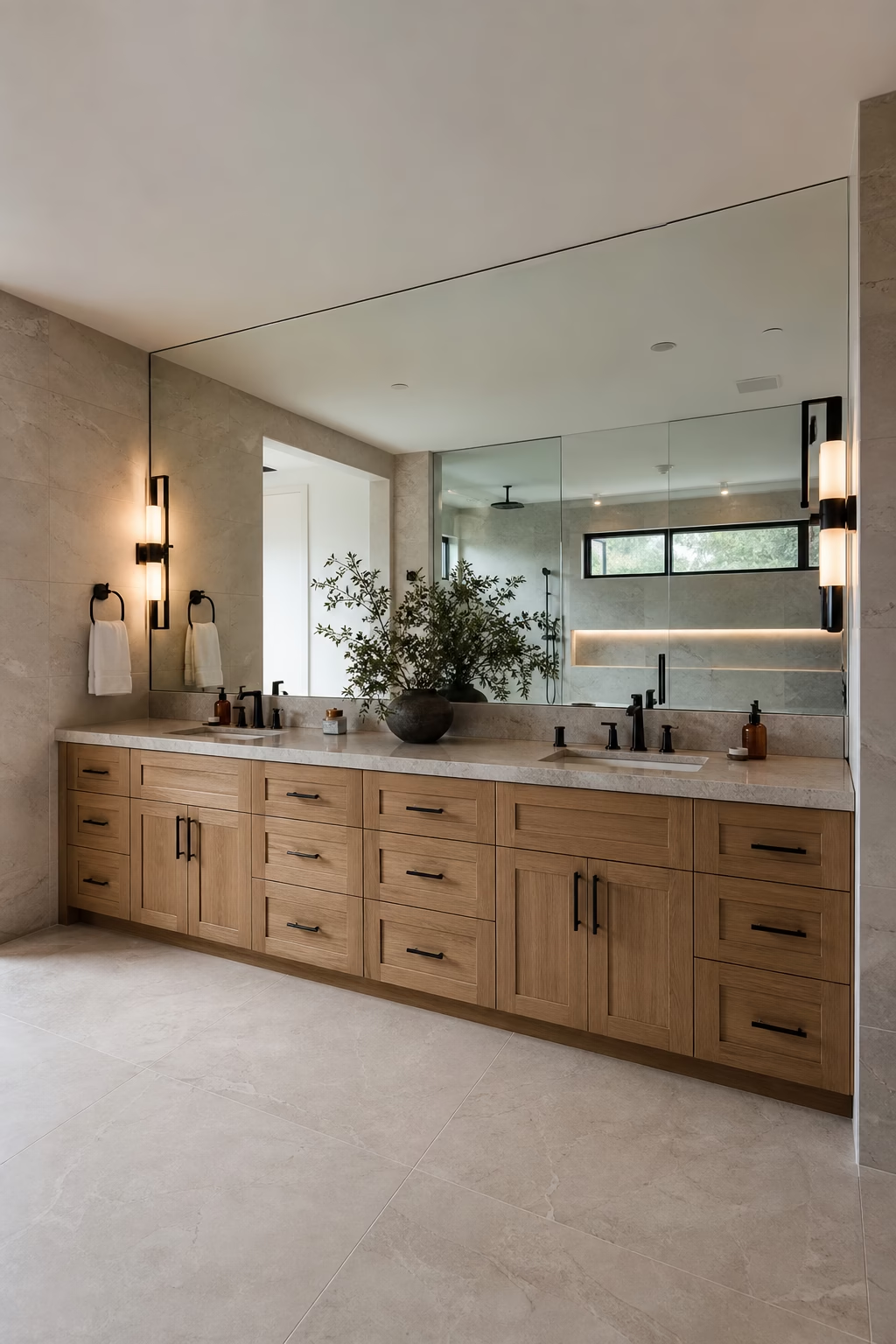
A wall-to-wall mirror is a practical way to make a double vanity feel wider and brighter. It reflects more daylight, removes the visual interruption between two sinks, and gives each person generous usable mirror space. This approach needs careful measuring because the mirror should align cleanly with tile edges, sconces, or the vanity width. If the room already has strong stone or wood, a frameless slab keeps the composition quiet. Add lighting at the sides or from above to avoid a flat reflected wall. A large mirror can look luxurious, but only when the glass, edges, and surrounding caulk lines are crisp.
Try a Round Mirror for a Compact Vanity
Round mirrors work beautifully over small vanities because they add movement without needing much wall width. The key is scale. A mirror that is too small looks like an accessory, while one that nearly reaches the vanity width feels intentional and useful. Keep the sink, faucet, and light placement simple so the circular shape remains the main gesture. A thin black frame can sharpen a pale bathroom, while brass or wood warms the wall. Round mirrors are also forgiving in powder rooms where the vanity is offset or the ceiling height is limited. Center the mirror on the faucet, not always the wall.

Hide Storage Behind a Refined Medicine Cabinet
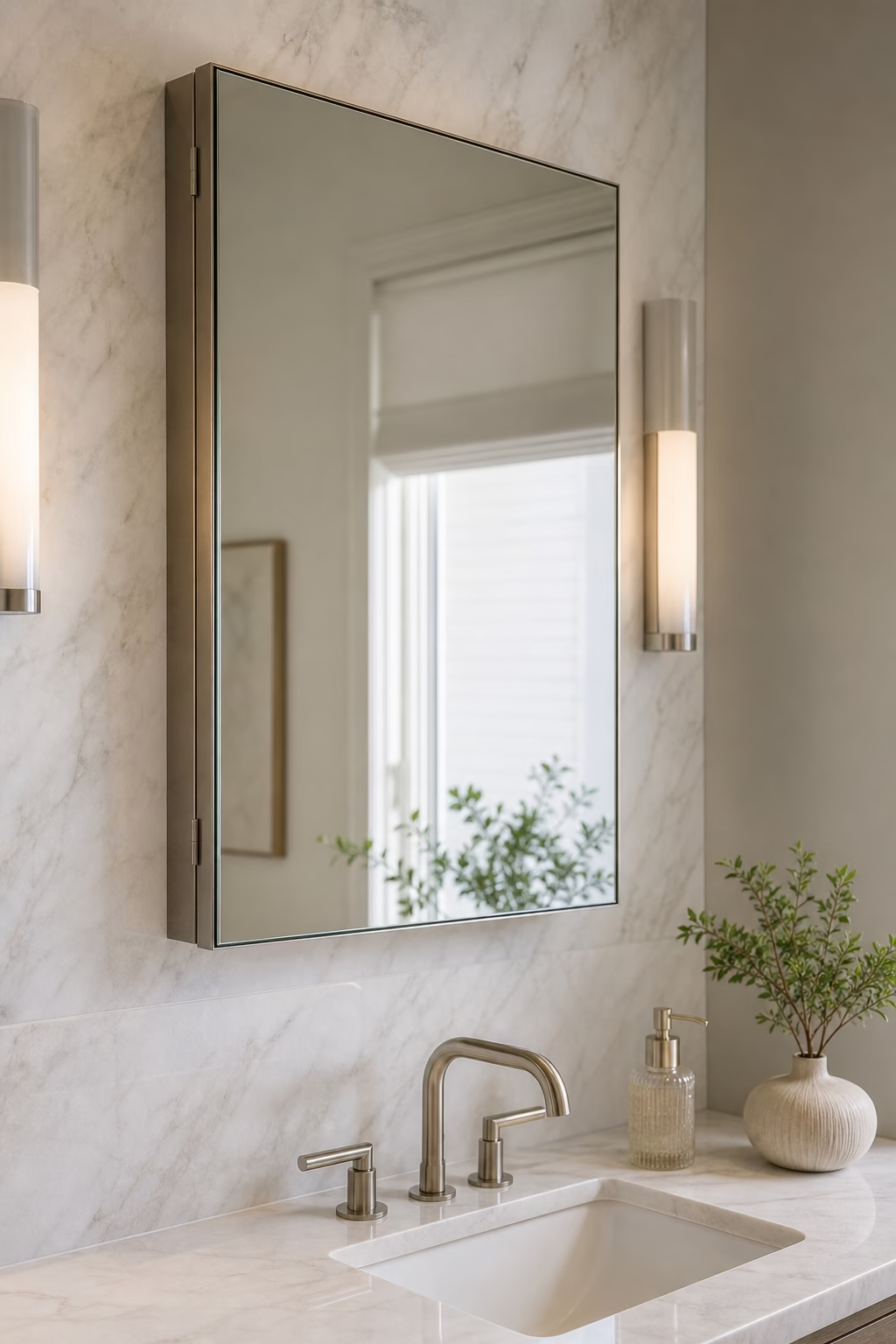
A medicine cabinet does not have to look bulky or old-fashioned. Recessed models with slim frames, soft-close hinges, internal outlets, and adjustable shelves can keep daily products close while preserving a clean vanity surface. This is especially valuable in small bathrooms where drawers are shallow or shared. Check wall depth, plumbing, and electrical runs before choosing a recessed cabinet; surface-mounted versions can still look polished if the profile is thin. A mirrored cabinet should open without hitting sconces, faucets, or nearby walls. When the frame and hardware are restrained, the storage disappears into the design rather than announcing itself.
Balance Twin Mirrors Over a Shared Vanity
Twin mirrors give a shared vanity a more tailored rhythm than one large sheet of glass. They work best when each mirror is centered over its sink, with equal spacing from the outer vanity edges and between the two frames. Use matching sconces or a repeated frame finish to keep the wall organized. This layout also lets tile, paint, or wallpaper show through the center, which can make the bathroom feel more designed. Avoid mirrors that are too narrow; each person still needs enough width for grooming. The goal is symmetry with function, not a cramped hotel-style arrangement. Check reflection height before final installation.

Install a Pivot Mirror Where Angles Matter
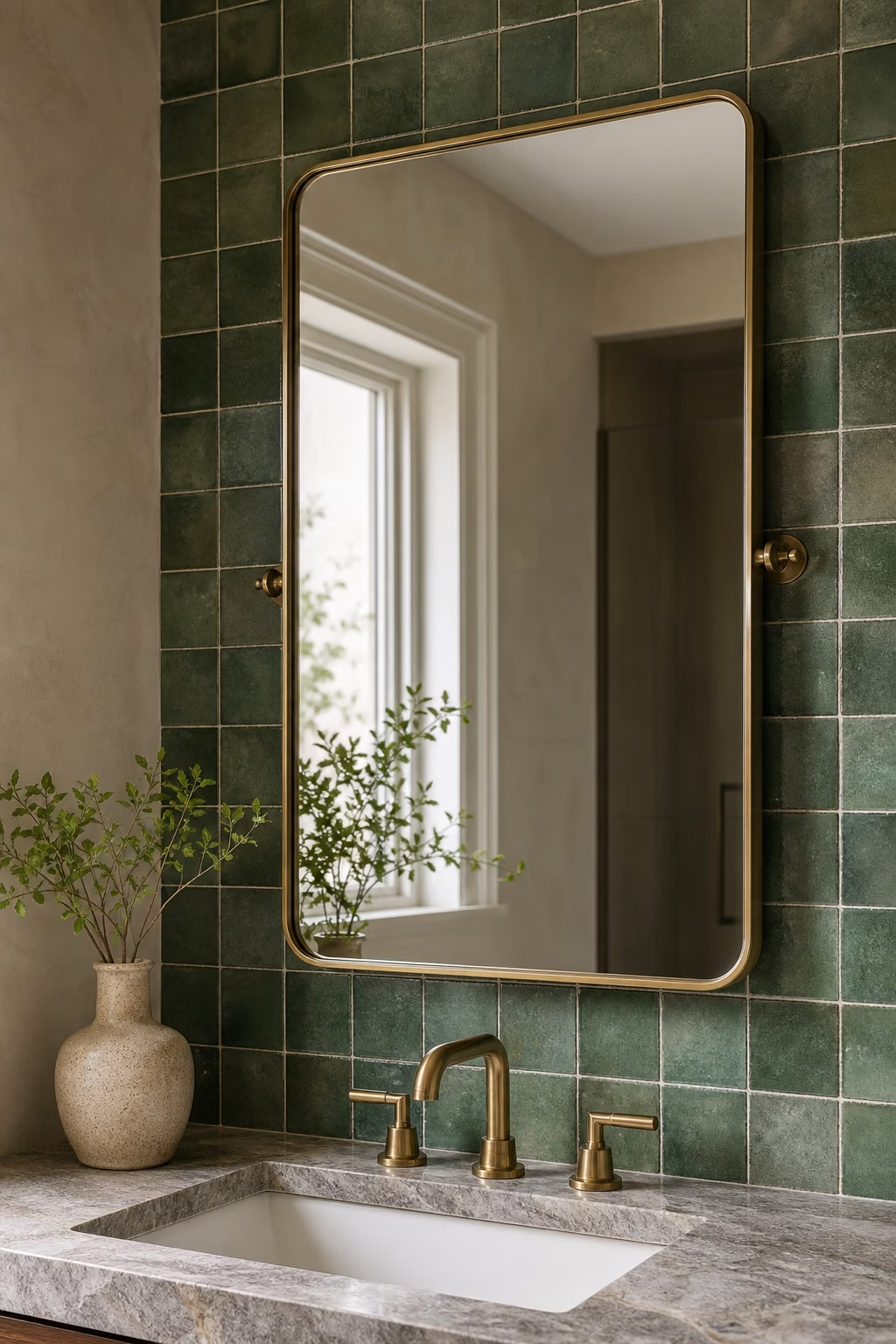
A pivot mirror is useful when a bathroom has awkward daylight, a very narrow sink wall, or users of different heights. The adjustable tilt gives a little flexibility without adding electronics or extra fixtures. Choose hardware that feels solid and bathroom-rated, because the side brackets become part of the design. Pivot mirrors often suit powder rooms, guest baths, and small primary bathrooms where a standard flat mirror can feel static. Keep the surrounding wall uncluttered so the mechanism looks intentional. It is a functional detail, but in the right finish it can also give the vanity a more crafted, architectural presence.
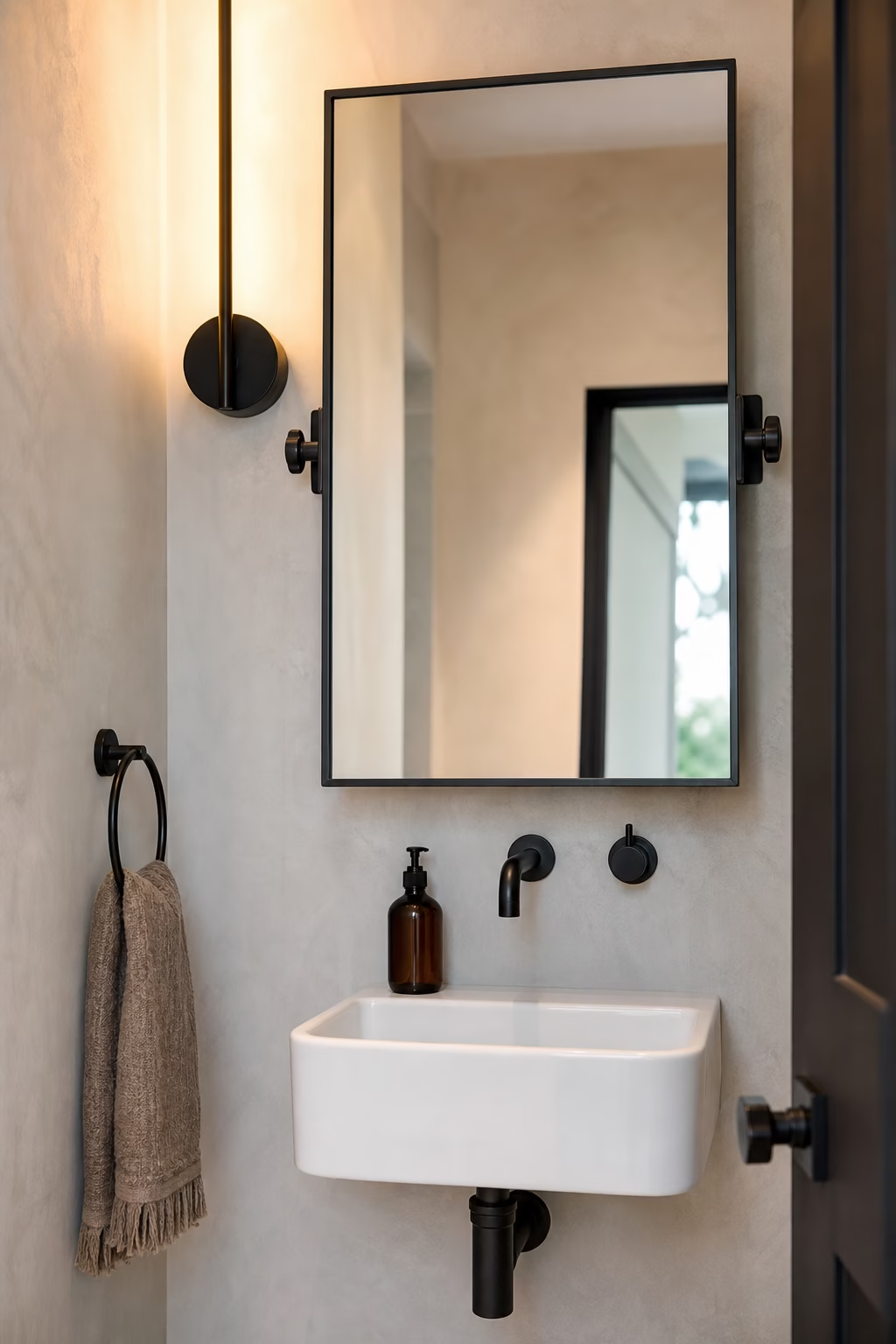
Use a Pill-Shaped Mirror for Modern Softness
A pill-shaped mirror has the height of a rectangle and the softness of an arch, which makes it a good choice for modern bathrooms that need warmth. It is especially flattering above a single vanity because the elongated form draws the eye upward and can make the ceiling feel higher. Pair it with vertical sconces, a simple faucet, and tile that does not compete with the curve. The mirror should have enough breathing room at the top and sides to show its silhouette clearly. A thin frame usually looks more sophisticated than a heavy one unless the room needs strong contrast.
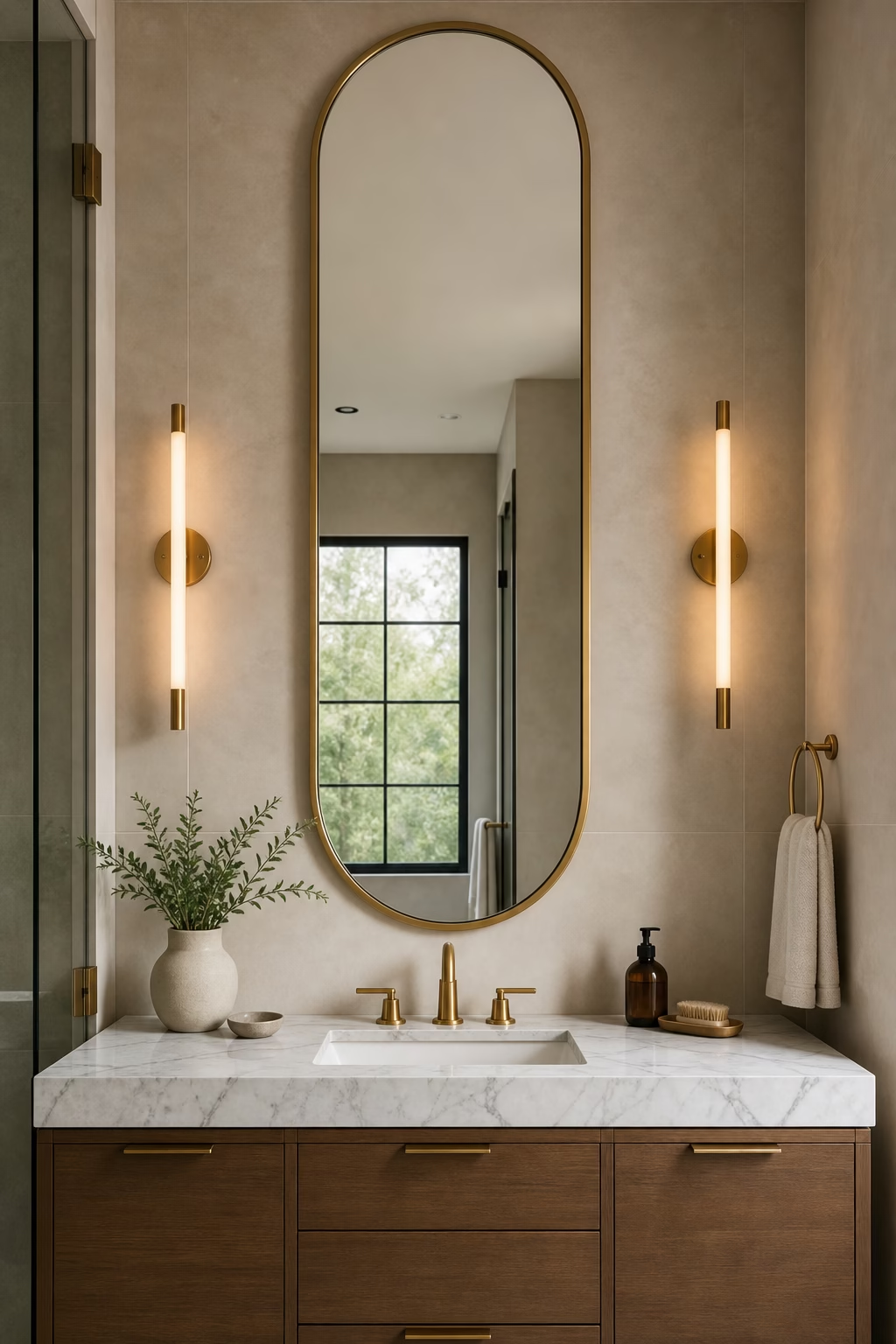
Add a Mirror Shelf for Small Daily Essentials
A mirror with a slim shelf can solve the smallest bathroom annoyances: where to put soap, a small vase, contact lens cases, or a daily serum without crowding the sink rim. The shelf should be shallow enough to avoid head bumps and strong enough to hold real objects. Stone, metal, or sealed wood can all work if the material handles humidity and wipes clean. Keep the shelf edited; too many products will quickly make the mirror wall look messy. This idea is strongest in powder rooms and apartments where the vanity has little counter space but the wall can do more work.

Bring Character With an Antique-Style Frame
An antique-style mirror can keep a new bathroom from feeling too perfect. The trick is to use the frame as a single character piece rather than filling the room with vintage references. A carved gilt frame, aged brass edge, or softly patinated wood can sit beautifully against simple tile and modern plumbing. Make sure the mirror itself is clear enough for daily use; heavily distressed glass is better for a hallway than a vanity. Seal wood frames properly and avoid placing delicate finishes where splashing is constant. One old-world note can make a practical bath feel collected and personal.

Keep a Frameless Mirror Crisp and Minimal
A frameless mirror is not automatically plain; it can be the cleanest choice when the vanity, tile, or lighting already has presence. It works well over stone backsplashes, fluted cabinetry, or bathrooms with strong architectural lines. The installation quality matters more than the mirror itself. Edges should be polished, corners should align with the vanity or tile grid, and adhesive or clips should not distract from the surface. Consider a narrow shadow gap or a carefully planned backsplash height to make the mirror look built in. With minimal styling, the glass expands the room instead of adding another decorative layer.

Pair Fluted Glass With a Simple Mirror
Fluted glass brings texture and privacy without the heaviness of an opaque wall. When it sits near a simple vanity mirror, the two surfaces create a layered play of reflection and blur. This idea works especially well beside a shower screen, toilet partition, or narrow window area. Keep the mirror shape restrained so the fluting remains the texture feature. Warm sconces or a soft LED strip can catch the ridges and make the bathroom feel more dimensional. Use this detail carefully in compact rooms; too many reflective surfaces can feel busy. One fluted plane is usually enough. Keep sealants neat and minimal.

Frame the Mirror With Sconces
Side sconces are one of the most flattering ways to light a bathroom mirror because they reduce the under-eye shadows created by overhead light. Place them around face height where possible, with the mirror sized to leave comfortable clearance. Vertical fixtures suit tall mirrors, while small shades can soften a traditional bath. The light should be diffused, bathroom-rated, and warm enough for skin tones without turning yellow. If wall space is limited, choose slim fixtures rather than moving them too high. A mirror framed by sconces feels finished because the lighting and glass read as one planned composition.
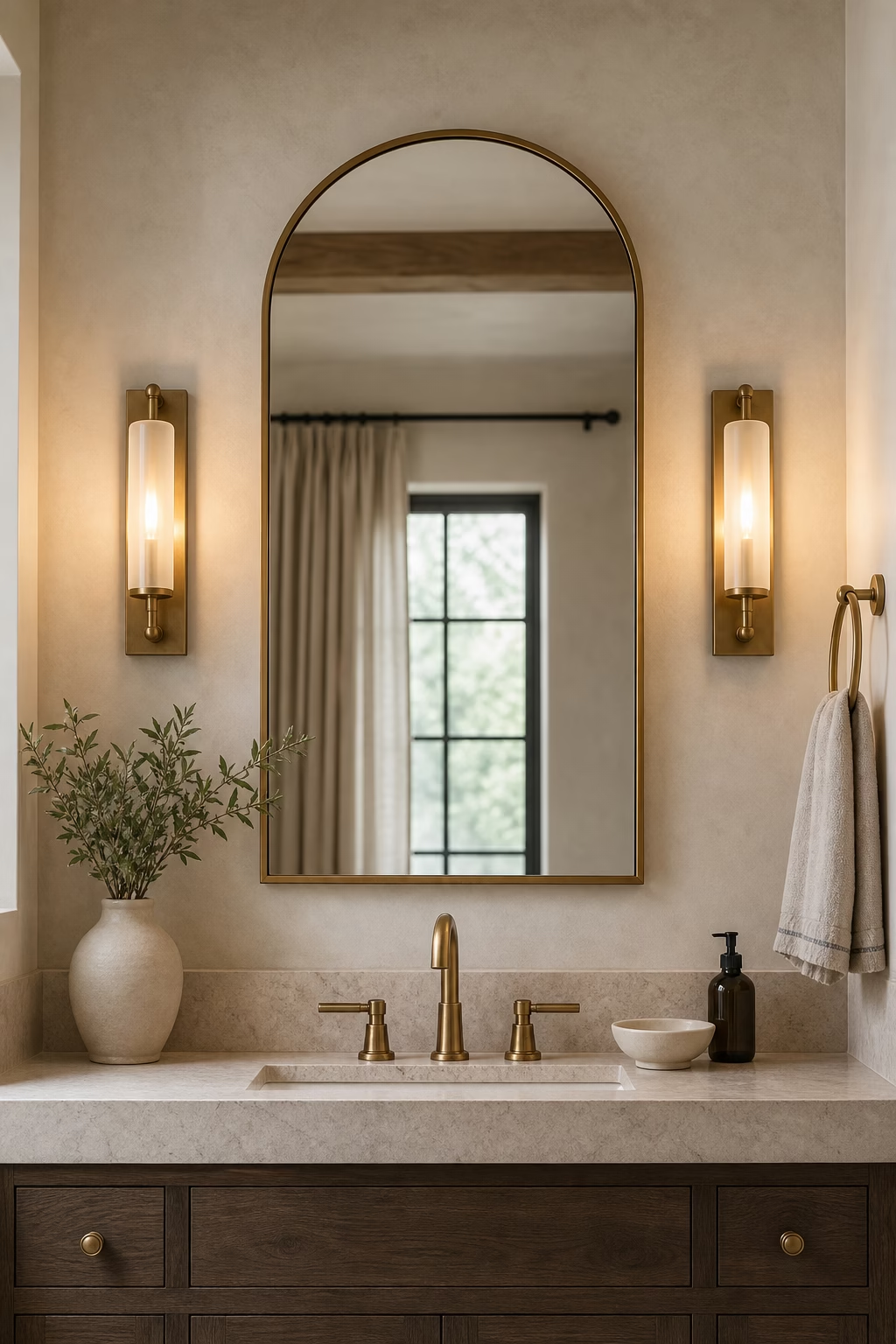
Use a Tall Narrow Mirror in a Powder Room
Powder rooms often have tight wall widths, but they can handle more vertical drama than expected. A tall narrow mirror draws the eye upward, helps the room feel less squat, and gives guests enough reflection without requiring a wide vanity. It looks best when paired with a small sink, a pendant or side sconce, and a wall finish that has texture. Avoid placing the mirror so high that shorter guests cannot use it comfortably. If the sink is off-center, align the mirror with the faucet and let the surrounding wall become part of the design. Add side clearance for cleaning.

Warm the Vanity With a Wood Frame
A wood-framed mirror can soften a bathroom filled with stone, tile, glass, and metal. Choose sealed oak, walnut, teak, or another moisture-tolerant finish, and repeat the wood tone through the vanity, shelves, stool, or door trim. The frame should be substantial enough to look intentional but not so chunky that it traps moisture or overwhelms the sink. Wood is particularly effective in white, gray, or concrete-look bathrooms because it restores warmth quickly. Keep the profile simple for a modern bath, or slightly rounded for a softer transitional room. The mirror becomes a bridge between utility and comfort.
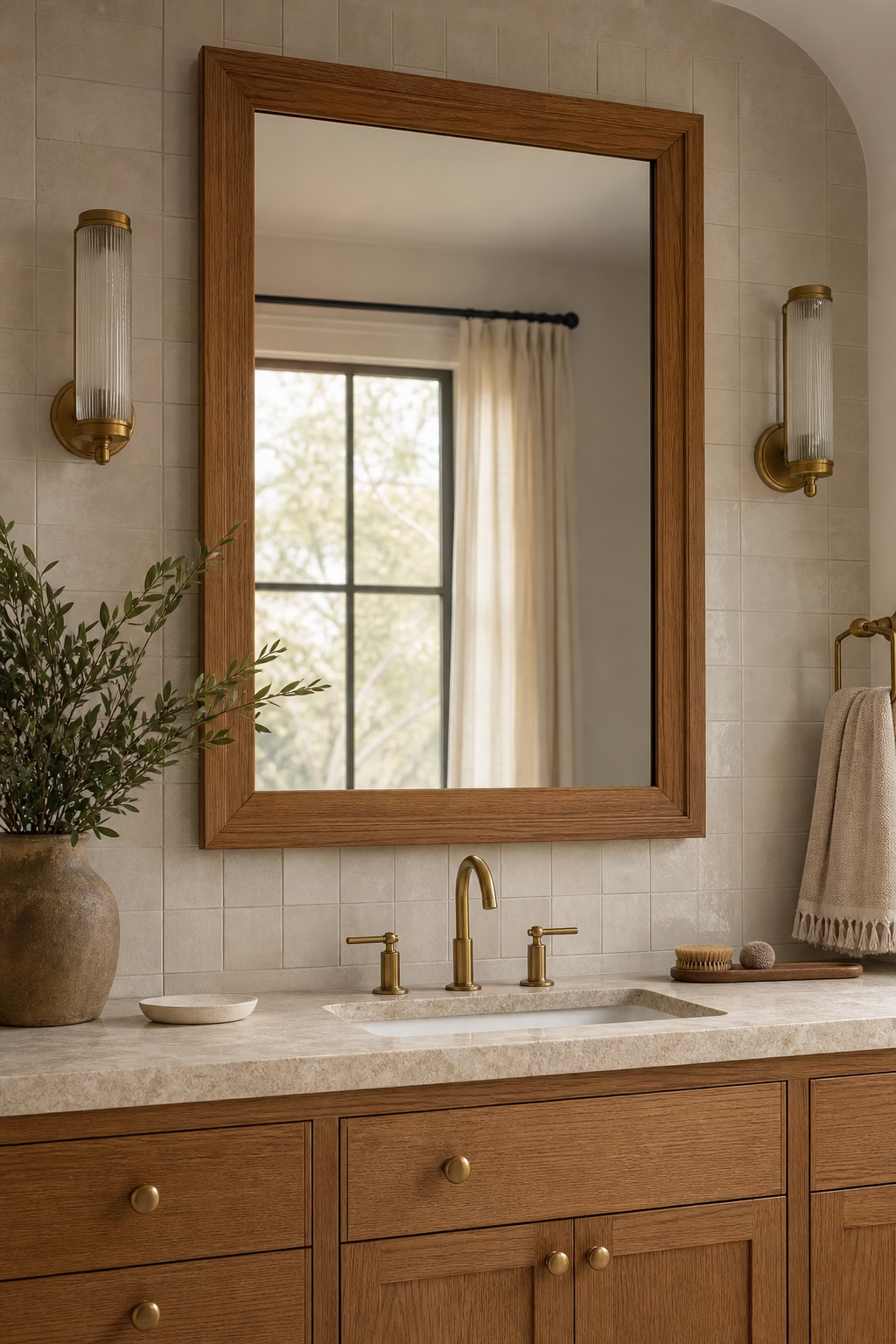
Solve a Corner Vanity With Angled Glass
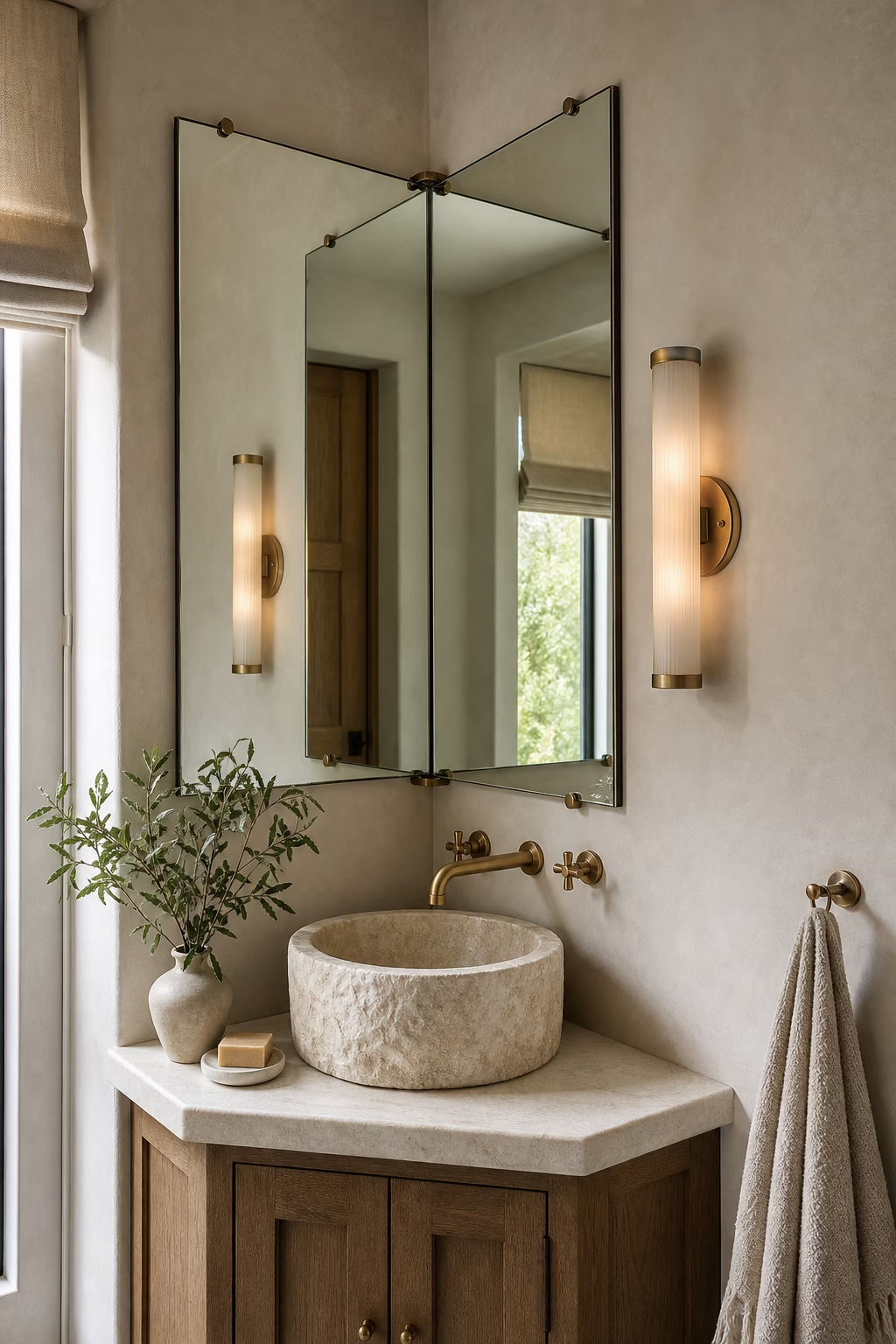
Corner vanities need careful mirror planning because a standard centered rectangle can leave dead space or awkward reflections. Angled glass, a wraparound mirror, or a mirror mounted on the dominant wall can make the sink area feel deliberate. Start with how the person stands at the basin, then align the usable reflection with that position. Keep lighting simple: one sconce on the open side, a ceiling fixture, or a compact backlit mirror can work better than forcing symmetry. The surrounding shelves and towel hooks should not interrupt the reflection. A difficult corner can become a smart custom-looking moment with precise placement.
Float the Mirror Above a Floating Vanity
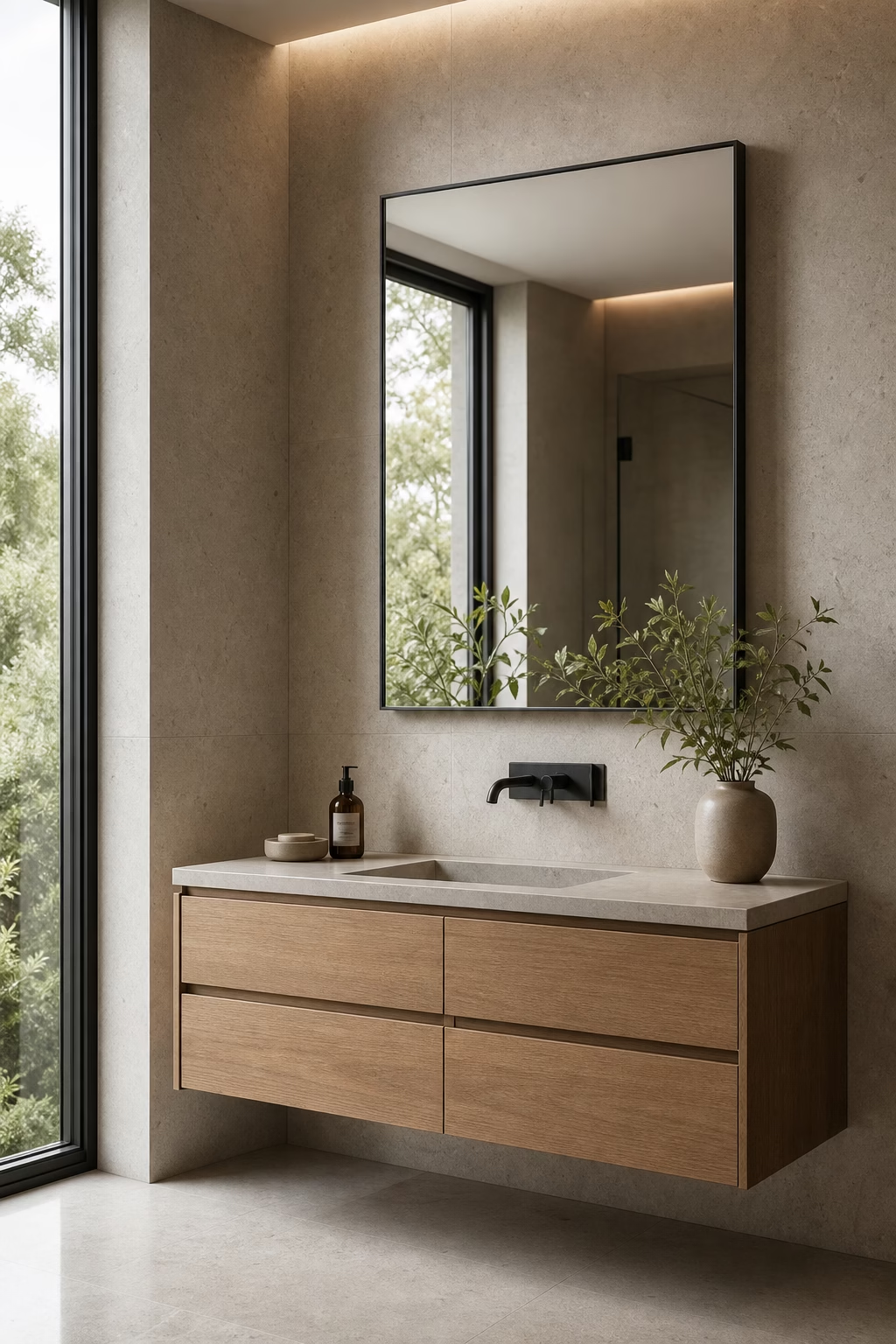
A floating vanity already makes a bathroom feel lighter, so the mirror should continue that sense of lift. Leave a clean gap between the counter backsplash and the bottom of the mirror, or align the mirror with a full-height tile field for a built-in effect. Avoid oversized heavy frames that fight the airy base. A slim metal frame, backlit edge, or frameless rectangle usually works best. Under-vanity lighting can be beautiful if it is subtle and practical, not theatrical. The mirror and vanity should feel like two related planes on the wall, with enough open floor below to keep the room breathing.
Make a Scalloped Mirror the Statement
A scalloped mirror can bring charm to a bathroom, but it needs restraint around it. Let the edge be the statement and keep the faucet, sconces, towels, and accessories quieter. This shape works best in powder rooms, guest baths, or soft traditional spaces where a plain rectangle would feel too severe. Scale is important: a small scalloped mirror can look juvenile, while a generous one feels designed. Pair it with stone, plaster, or simple tile rather than a busy patterned wall. The result should feel playful in a grown-up way, adding movement without reducing the room's polish. Avoid competing decorative trims.

Use Smart Features Without Visual Clutter
Smart mirrors can be useful when the technology is quiet. Anti-fog heating, dimmable lighting, touch controls, and adjustable color temperature are practical features; visible clocks, icons, and screens can date the room quickly. Choose a model that looks like a good mirror first, then evaluate the functions. Electrical planning is essential because cords should never trail across a vanity wall. Smart mirrors suit busy primary bathrooms, rental properties, and compact rooms where a separate light fixture would crowd the wall. Keep the rest of the design tactile with stone, wood, or tile so the technology does not make the bathroom feel cold.
Layer a Mirror Over a Tile Backsplash
Mounting a mirror over a tiled backsplash gives the vanity wall depth and makes the mirror feel built into the architecture. The tile can run halfway up, full height, or just behind the sink, depending on the room's proportions. Choose a mirror shape that lets enough tile remain visible around the edges; otherwise the backsplash becomes an expensive detail no one sees. Small handmade tile, stacked rectangles, stone slabs, and glazed ceramic all work if the grout lines are planned. This idea is practical too, because tile protects the splash zone while giving the mirror a richer backdrop. Finish edges with intention.