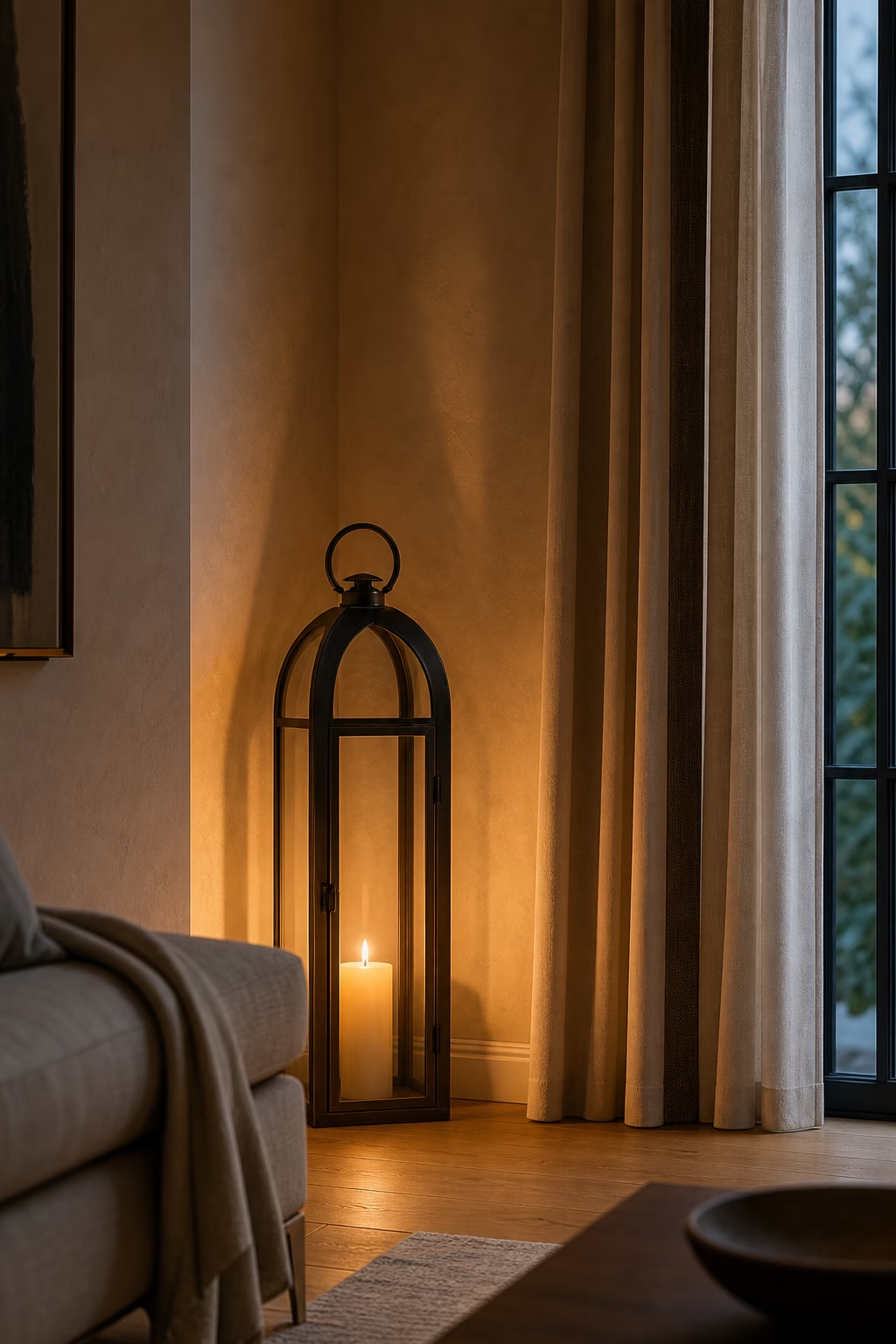
Decorative lanterns work best when they are treated as small architectural light sources: scaled well, placed safely, and tied to the room's materials.
- Layer Lanterns at Three Heights
- Frame the Fireplace With Oversized Floor Lanterns
- Use Woven Lanterns for a Softer Coastal Glow
- Line a Console With Slim Glass Hurricanes
- Choose Black Metal for Graphic Contrast
- Style Brass Lanterns With Warm Wood
- Place Lanterns Under a Covered Patio Roof
- Cluster Mini Lanterns Down the Dining Table
- Turn a Stair Landing Into a Glow Point
- Mix Lanterns With Potted Greenery
- Use Mirrored Backing for Extra Candlelight
- Set Lanterns Inside Built-In Shelves
- Pick White Ceramic for Quiet Minimal Rooms
- Create an Entry Welcome With Paired Lanterns
- Hang One Lantern Pendant in a Reading Corner
- Use Outdoor Lanterns to Edge a Garden Path
- Combine Lanterns With Stone Trays
- Choose Frosted Glass for Bedroom Calm
- Let One Statement Lantern Fill an Empty Corner
Layer Lanterns at Three Heights
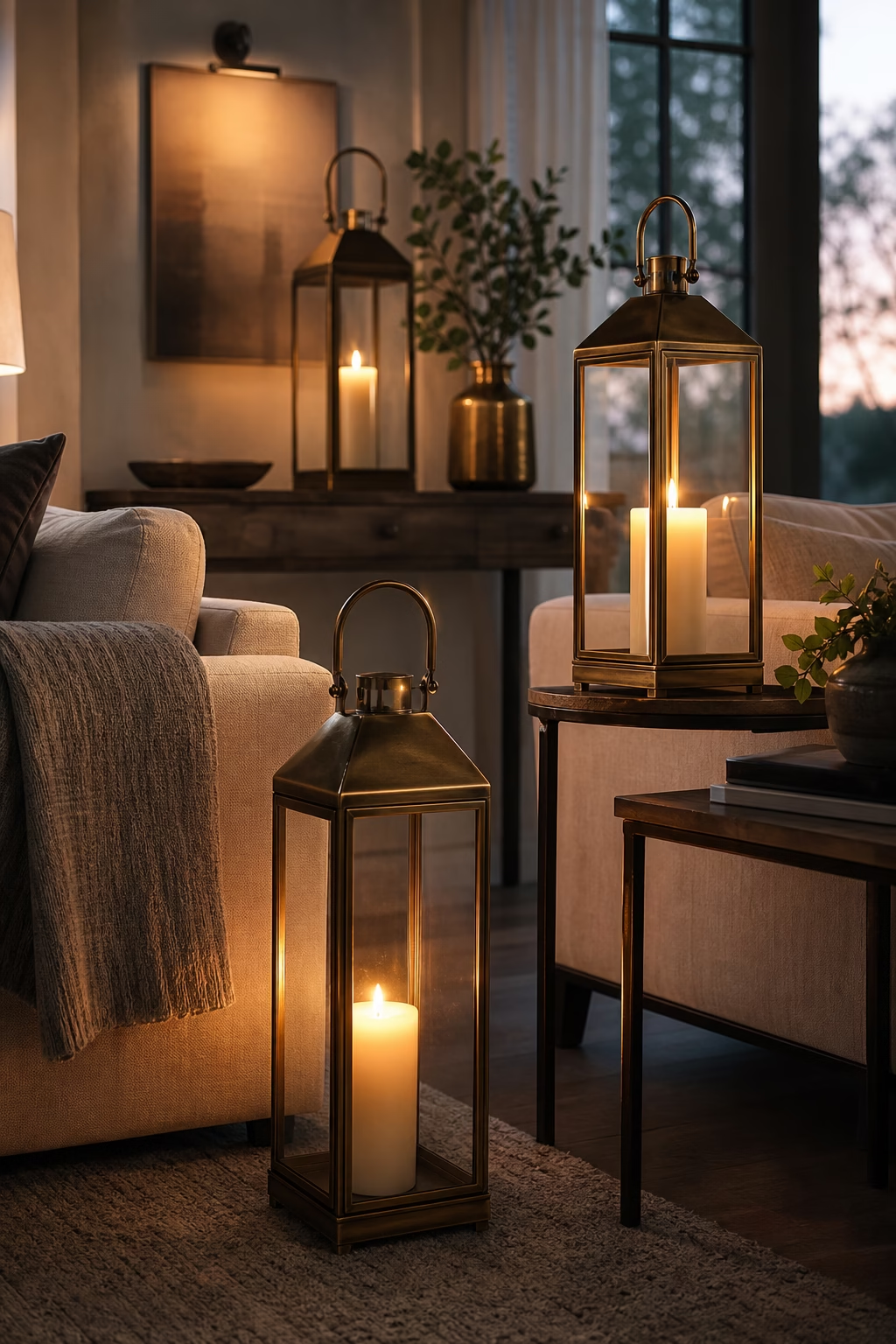
Height is what turns lanterns from simple holders into a lighting composition. Start with one tall floor lantern, add a medium piece on a console or hearth, then finish with a smaller lantern on a tray or side table. The different levels spread glow through the room instead of concentrating it in one corner. Keep the materials related so the grouping feels intentional: aged brass with clear glass, matte black with smoked glass, or woven rattan with linen upholstery. For safety and convenience, use high-quality flameless pillars where lanterns sit near curtains, pets, or busy walkways. Leave breathing room around each piece so the silhouettes stay visible after dusk. This approach works especially well in living rooms because it creates atmosphere without adding harsh overhead light.
Frame the Fireplace With Oversized Floor Lanterns
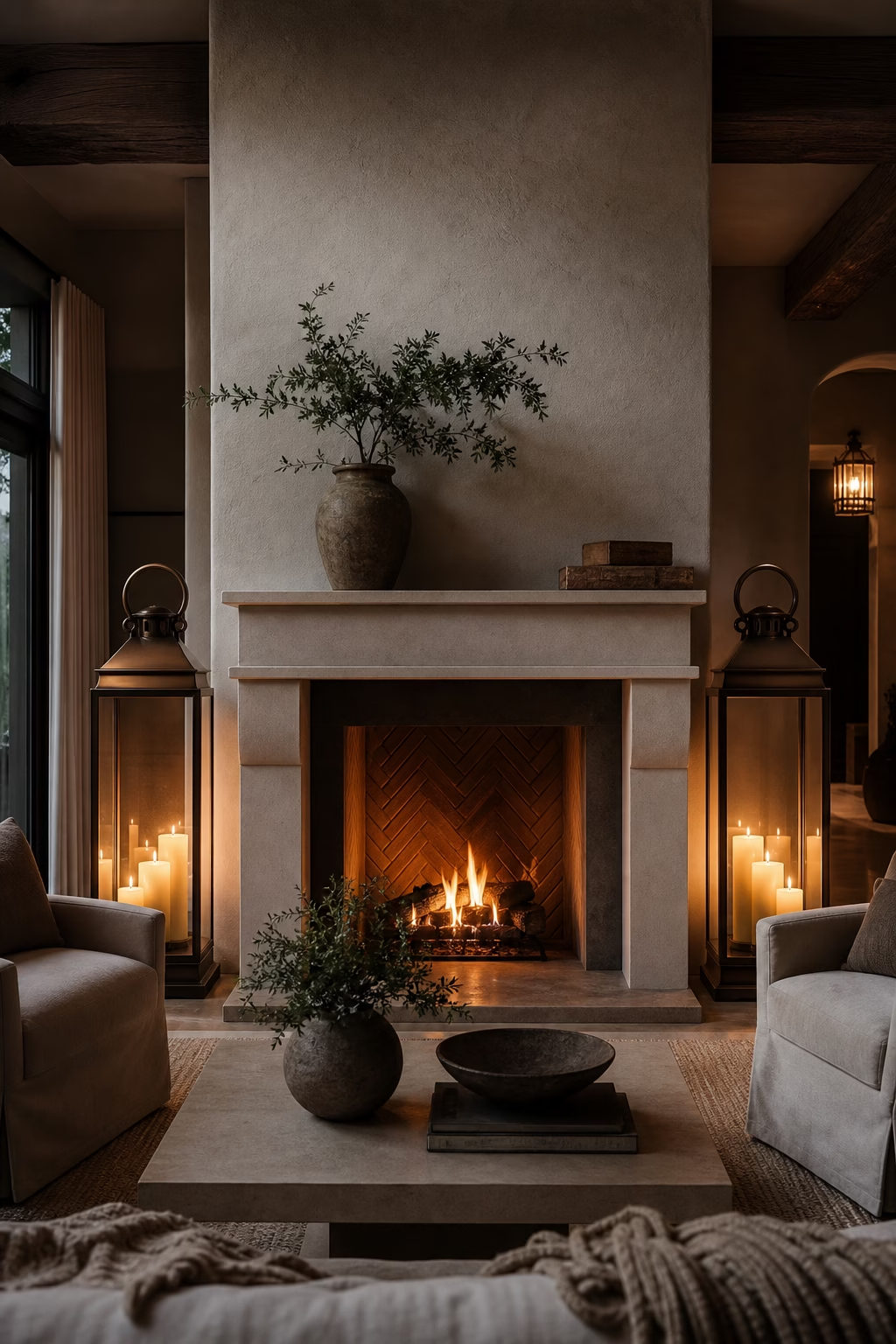
A fireplace already draws the eye, so oversized lanterns can make the surround feel finished even when no fire is burning. Place a substantial lantern on one side of the hearth, or use a balanced pair if the mantel and firebox are symmetrical. Choose pieces that are tall enough to relate to the fireplace opening rather than disappearing at floor level. Iron, bronze, or warm brass looks grounded against stone, brick, or plaster. Inside, use one large pillar or a staggered cluster of flameless candles, not a crowd of small lights. The goal is a calm glow that flatters the hearth materials. In summer, lanterns keep the fireplace wall purposeful without needing logs, garlands, or seasonal filler.
Use Woven Lanterns for a Softer Coastal Glow
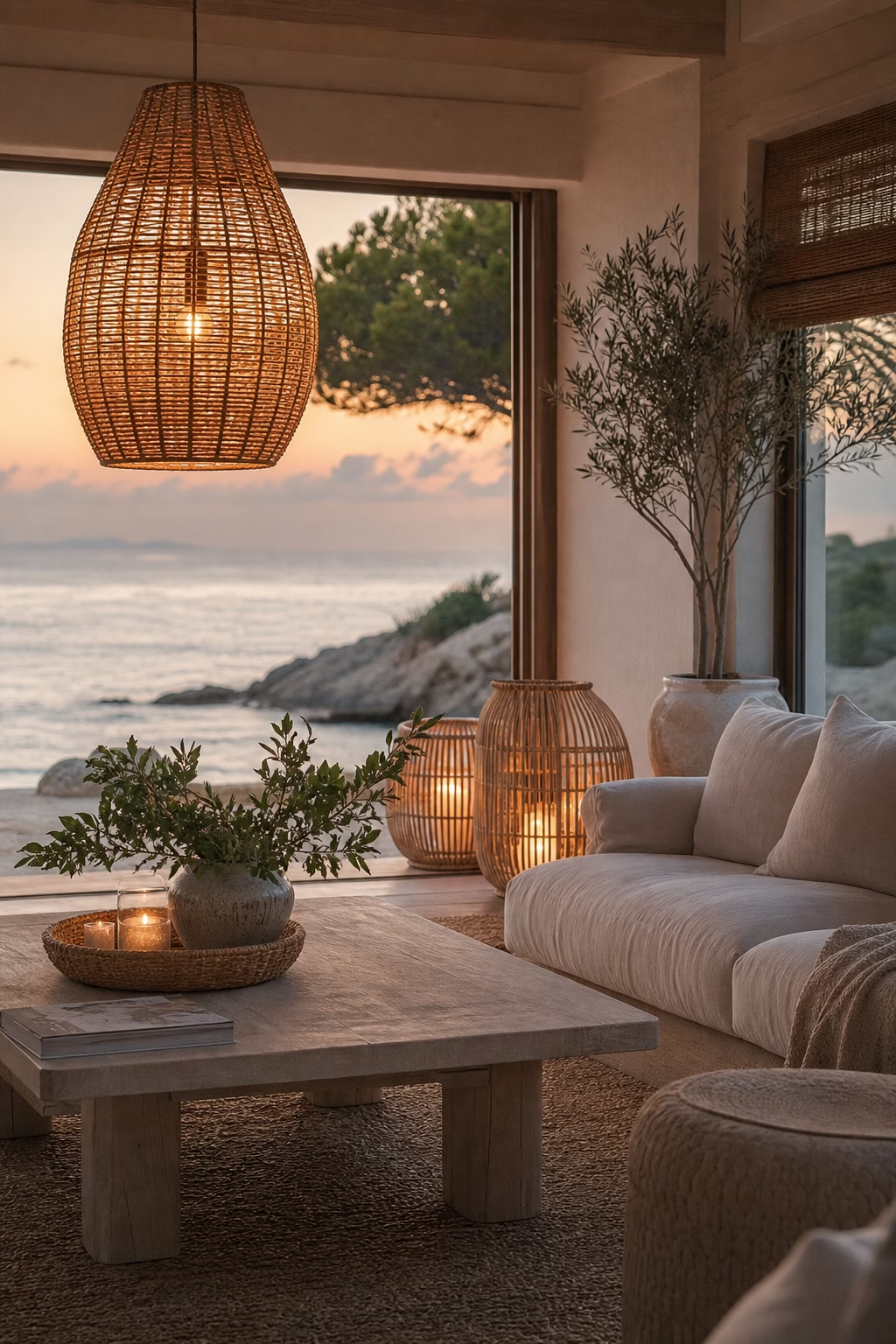
Woven lanterns are ideal when a room needs warmth but not shine. Rattan, bamboo, cane, and seagrass diffuse light through texture, casting a softer pattern than metal or glass. They suit coastal, organic modern, boho, and relaxed transitional rooms, especially when paired with linen, pale oak, jute, and stone. The key is choosing a weave that feels sturdy rather than flimsy. Use larger woven lanterns on the floor near a sofa, beside a reading chair, or on a covered patio where the natural fiber makes sense. Keep the candle color simple, usually warm white or ivory, so the weave remains the feature. A woven lantern should feel like part of the room's material palette, not a souvenir placed on top of it.
Line a Console With Slim Glass Hurricanes
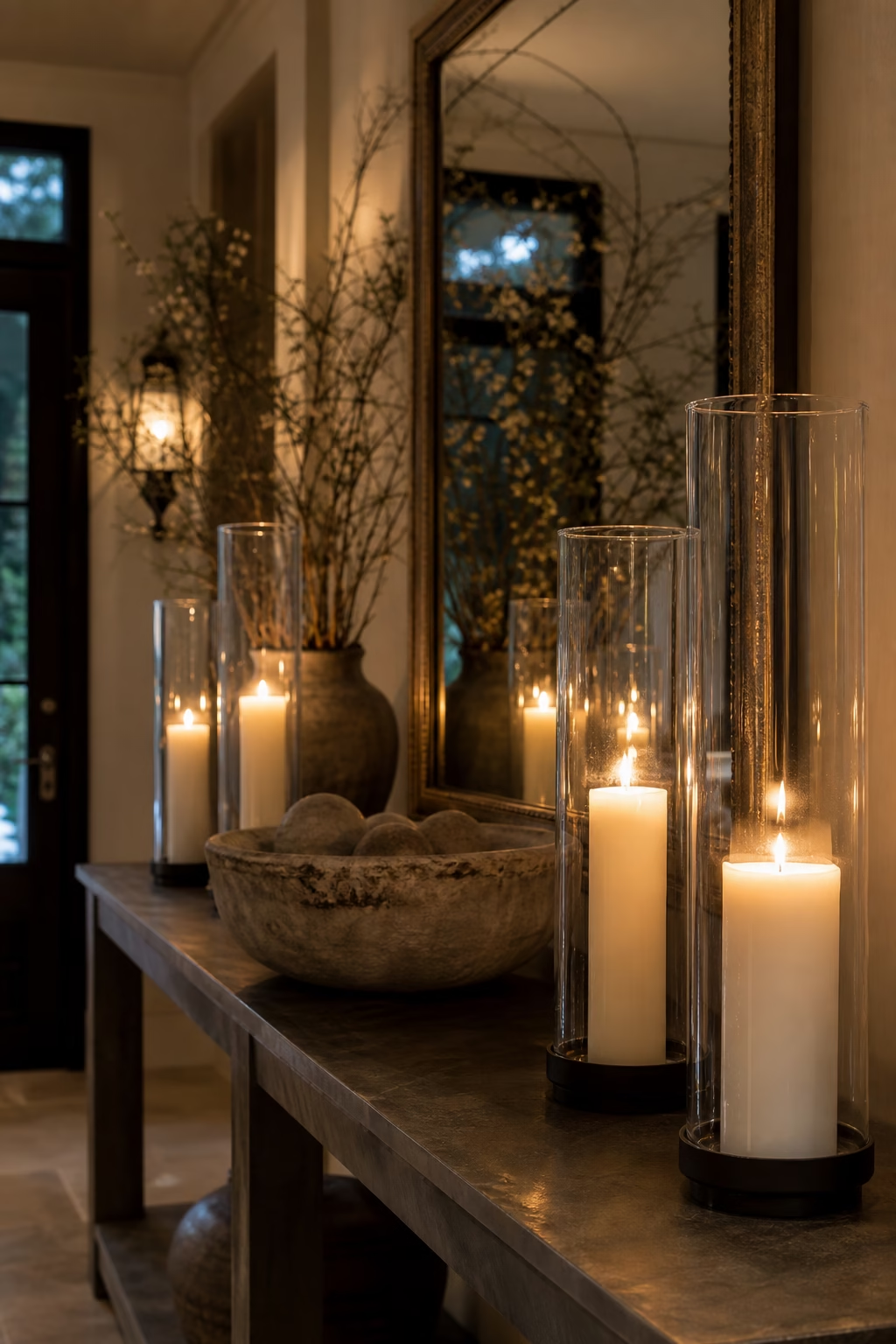
A console table can handle a row of lanterns if the shapes stay slim and the spacing is disciplined. Glass hurricane lanterns are especially good here because they give candlelight presence without blocking artwork, mirrors, or a view down the hallway. Use three or five pieces with slight height variation, then keep the rest of the console quieter: one bowl, a branch arrangement, or a stack of books. Clear glass feels classic, ribbed glass adds texture, and smoked glass gives a moodier evening effect. Avoid mixing too many candle colors. When the lanterns are lit, the console becomes a low, linear light source that is flattering in entries, dining rooms, and open-plan living spaces.
Choose Black Metal for Graphic Contrast
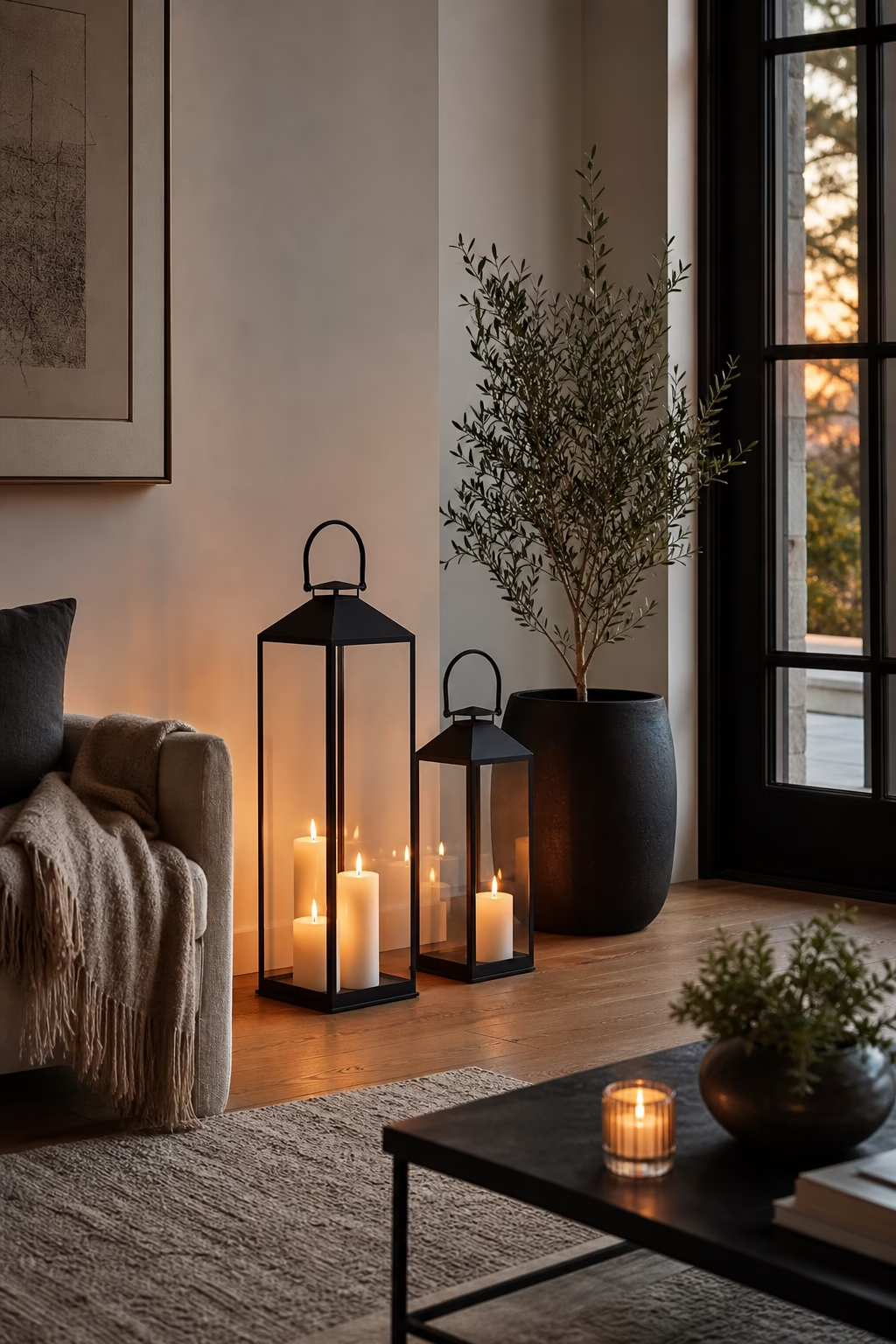
Black metal lanterns sharpen a room without making it feel heavy, provided the lines are thin and the scale is controlled. They work beautifully in neutral spaces that need definition, especially near black window frames, dark picture frames, or iron hardware. Look for lanterns with clean rectangular or arched profiles rather than ornate scrollwork. A matte or softly burnished finish is easier to integrate than glossy black. Use them in pairs around a fireplace, as a single statement on a stair landing, or in a sheltered entry where the silhouette can be seen from outside. The contrast is most successful when the surrounding textures stay warm: wool rugs, plaster walls, oak, linen, or stone. Black lanterns bring structure while the candlelight keeps the mood welcoming.
Style Brass Lanterns With Warm Wood
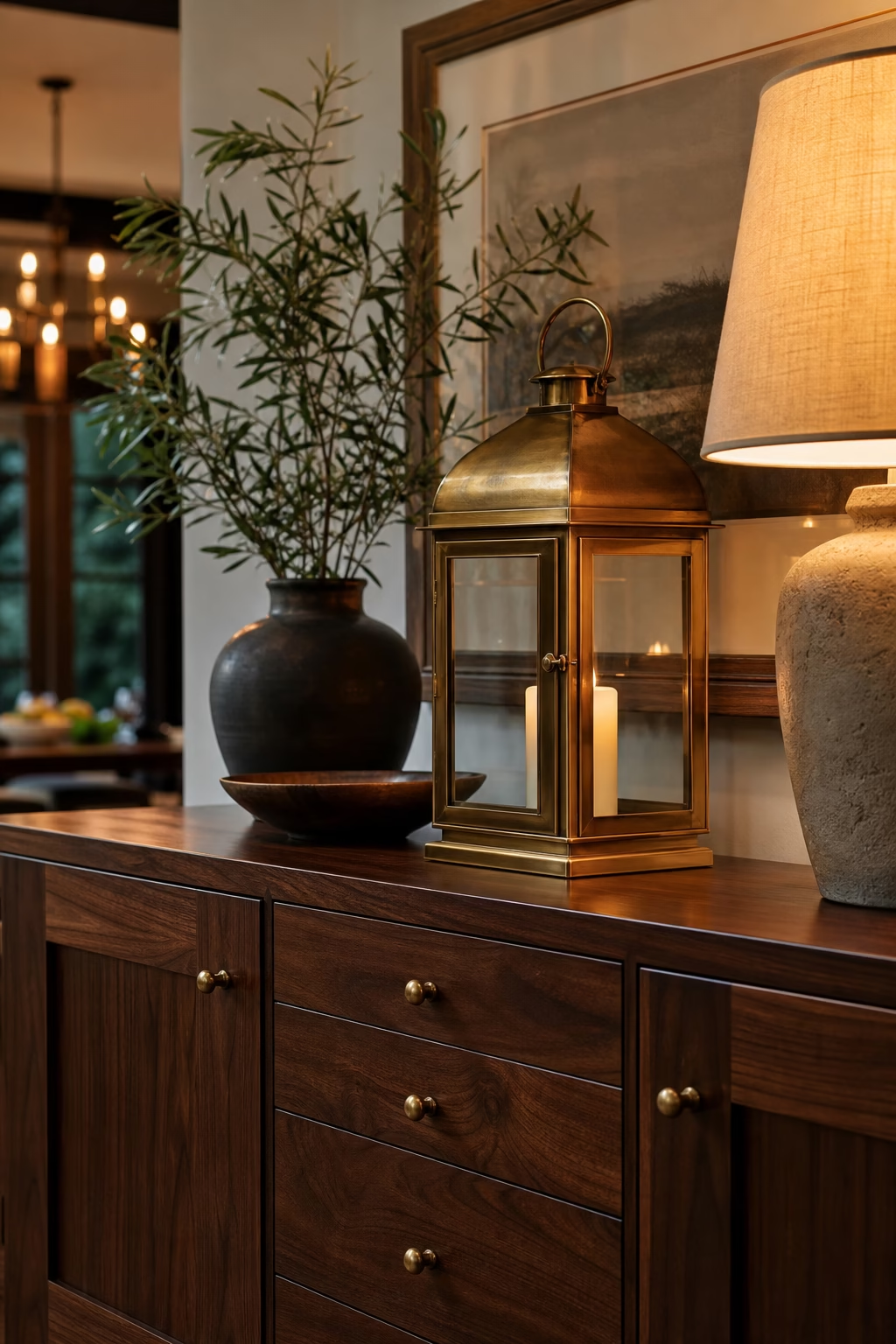
Brass lanterns can look either classic or current depending on what surrounds them. Pairing brass with warm wood keeps the glow rich but grounded, especially in dining rooms, libraries, and living rooms with walnut, oak, or teak furniture. Choose unlacquered, antique, or satin brass rather than mirror-bright finishes if you want a quieter effect. The warmth of the metal should echo nearby hardware, lamp bases, or picture frames without matching every detail. On a sideboard, one generous brass lantern can replace a pair of small candlesticks and feel more architectural. On open shelves, a smaller brass piece adds reflection among books and ceramics. The combination works because wood absorbs light while brass returns it in controlled highlights.
Place Lanterns Under a Covered Patio Roof
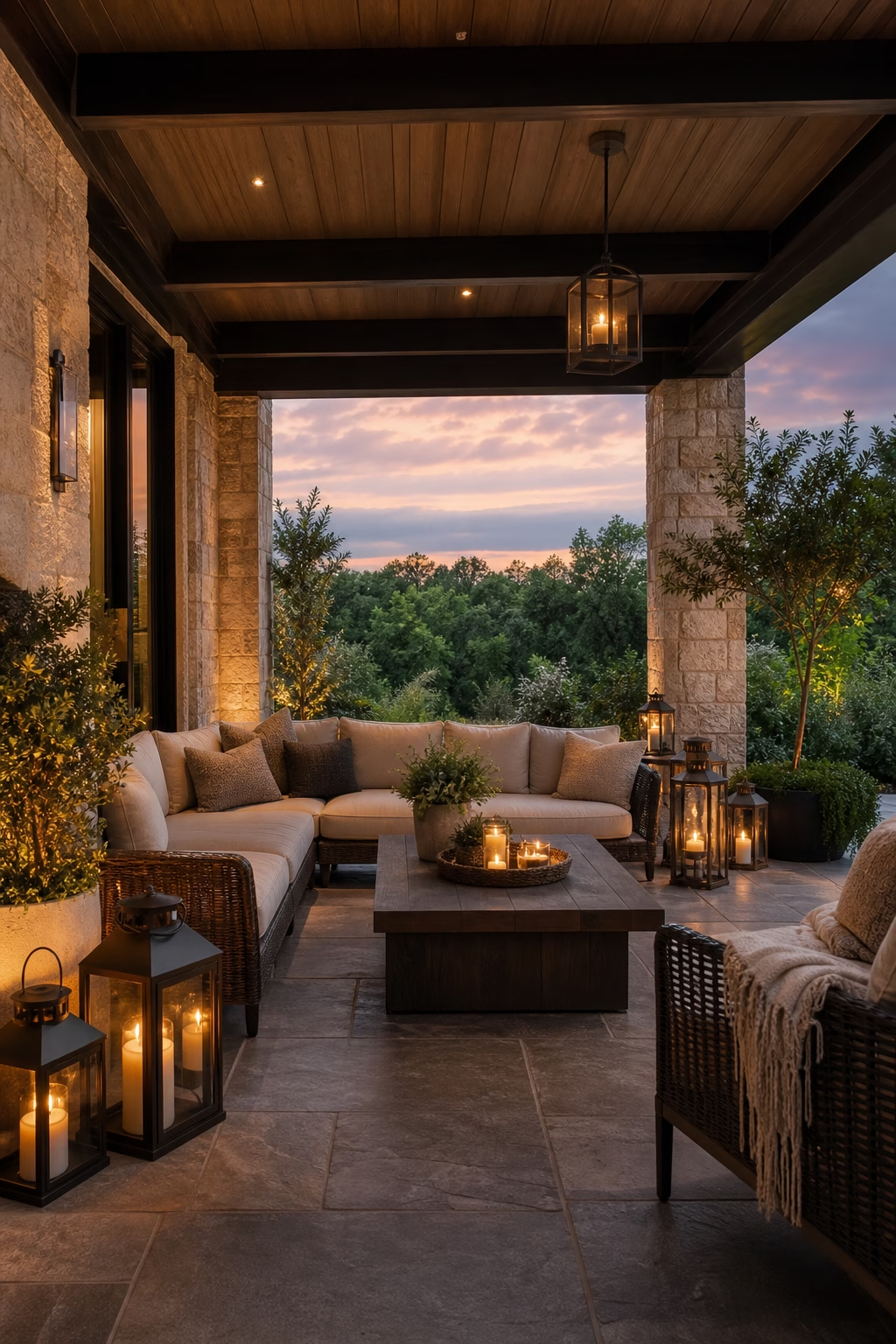
Lanterns make covered patios feel like outdoor rooms, but they need to be chosen for the conditions. Use weather-rated metal, powder-coated frames, or sturdy woven pieces designed for sheltered exterior use. Place larger lanterns near lounge seating or at the edge of an outdoor rug where they can define the conversation area. Smaller lanterns work well on a coffee table, dining table, or low wall, but leave enough clearance for plates and drinks. Flameless outdoor candles are usually the best choice because wind, children, and fabric cushions make real flames impractical. Keep the palette connected to the house exterior: black metal for modern trim, bronze for stone, or rattan for coastal siding. The effect should feel relaxed, not staged.
Cluster Mini Lanterns Down the Dining Table
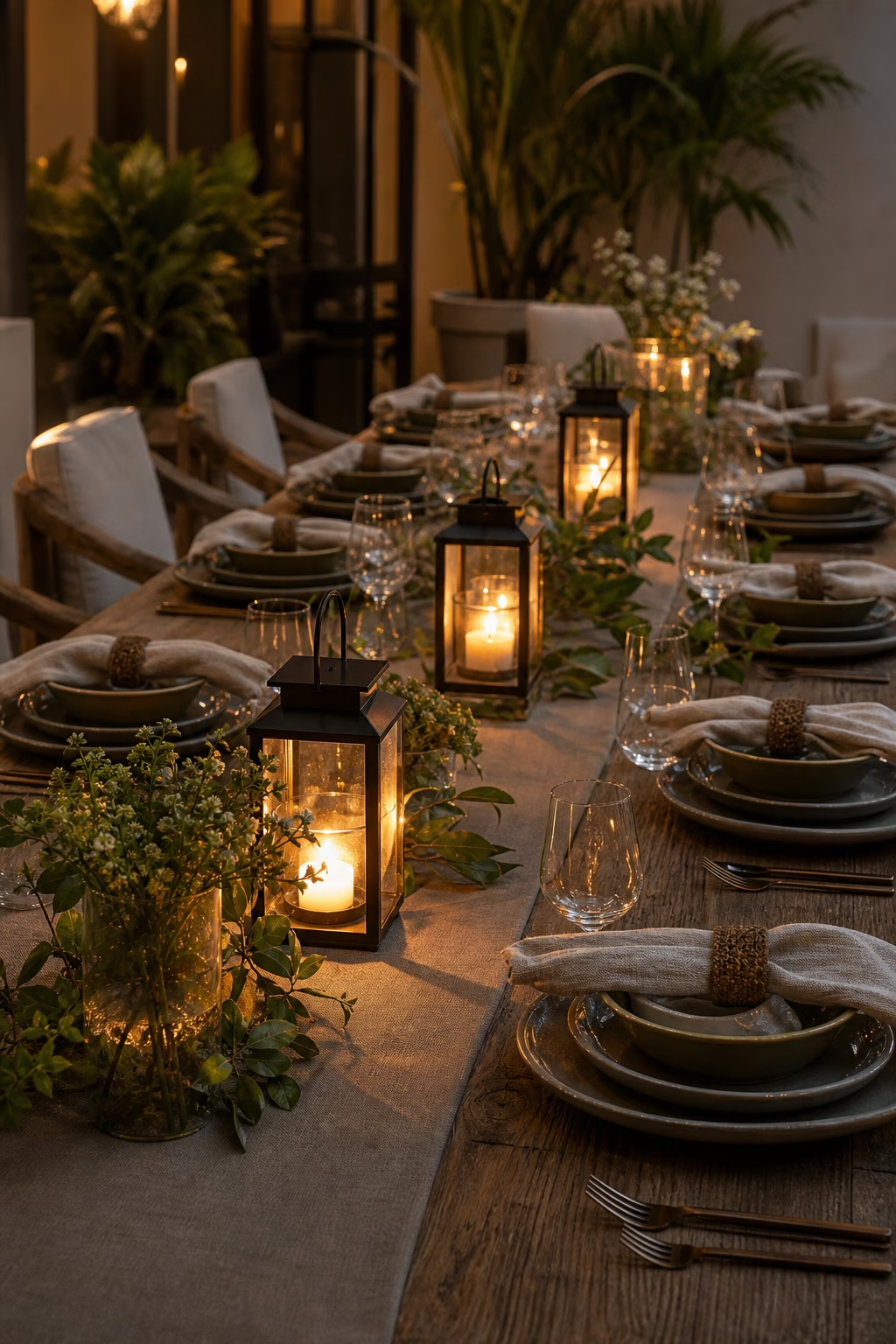
Mini lanterns can make a dining table feel intimate without blocking conversation. Choose low pieces with glass sides and handles that do not rise too high into sightlines. Space them down the center with small gaps, then weave in simple greenery, linen napkins, or a few ceramic bowls. Keep the candles flameless if guests will be reaching across the table, and avoid scented candles during meals. The most elegant table lanterns are restrained: clear glass, aged metal, ceramic, or fine rattan rather than novelty shapes. A cluster works best on long rectangular tables where one centerpiece would feel lonely. The repeated glow creates rhythm and makes dinner feel considered before any formal place setting is added.
Turn a Stair Landing Into a Glow Point
Stair landings are often underdecorated, yet they are perfect for a single lantern moment. A lantern placed beside a small bench, pedestal, or framed artwork can make the transition between floors feel intentional. Choose a piece with enough height to be visible from both directions of the stairs, but keep it tucked safely away from foot traffic. Battery candles are essential here because landings are circulation spaces. If the stairs have black rails, try a black or bronze lantern; if they are oak or white painted, a woven or brass piece may feel softer. The glow gives the landing a purpose after dark and prevents the stairwell from feeling like a purely functional passage.

Mix Lanterns With Potted Greenery
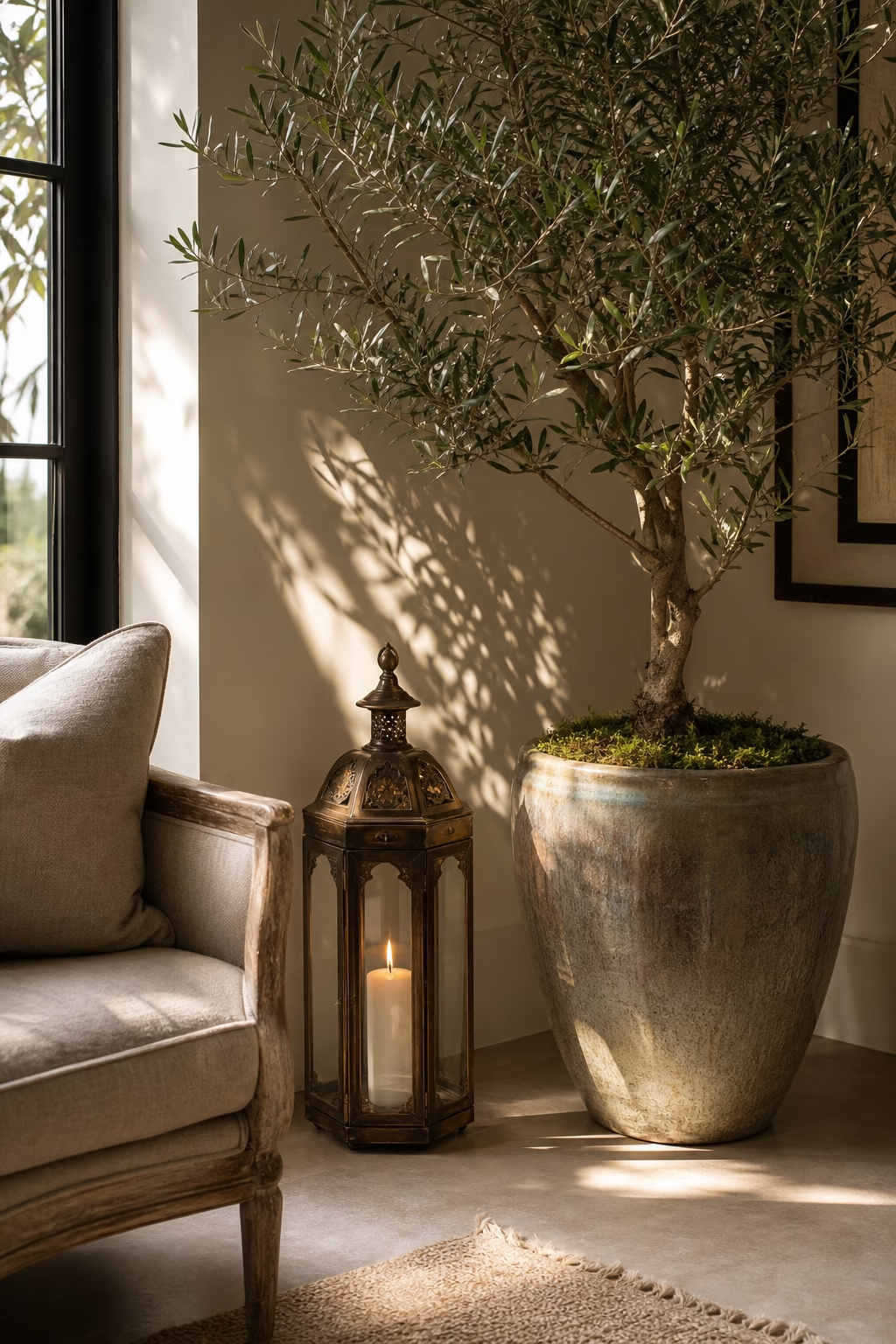
Lanterns look more natural when they are grounded by living texture. Pair a metal or glass lantern with a potted olive tree, fern, rosemary, or trailing plant so the light feels integrated into the room rather than placed as an accessory. Outdoors, set lanterns near planters at different heights to define a patio edge. Indoors, a lantern beside a large ceramic pot can soften a bare corner without needing extra furniture. Keep leaves away from any real flame, and use flameless candles if the arrangement is tight. The contrast between structured lantern frames and organic foliage is what makes the idea work. It adds depth, shadow, and a sense of care to otherwise plain corners.
Use Mirrored Backing for Extra Candlelight
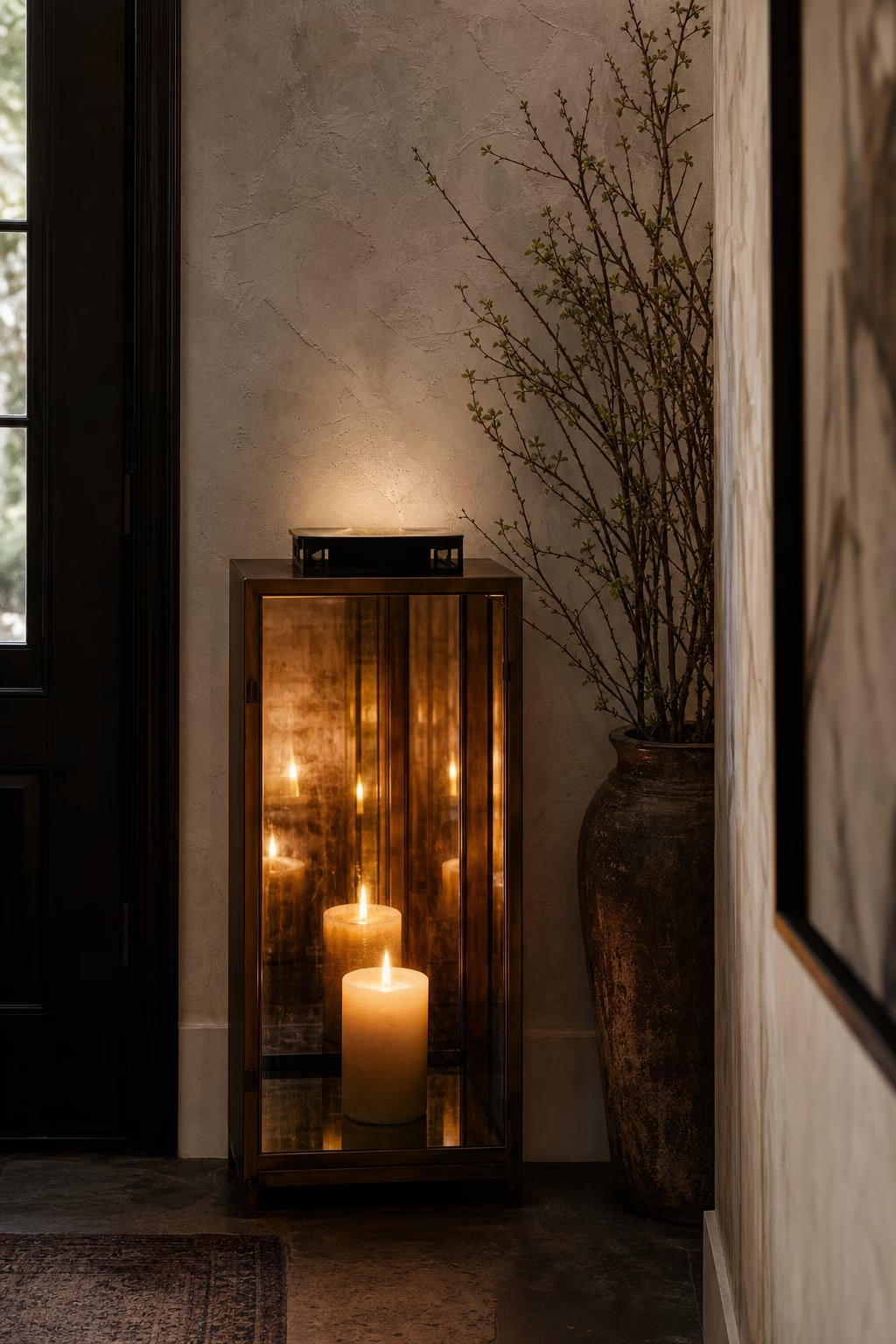
A lantern with a mirrored back panel can double the sense of glow without adding more candles. This is useful in compact rooms, dark entries, powder rooms, and apartments where every light source matters. The mirror should be subtle, ideally antiqued or softly smoked, so the reflection feels atmospheric rather than glaring. Place the lantern where it reflects something attractive: a candle flame, a textured wall, greenery, or a small artwork. Avoid aiming it toward clutter or a bright screen. Mirrored lanterns work best as single accents because too many reflective pieces can become busy. Used with restraint, they add depth and polish while still reading as ambient lighting rather than a decorative trick.
Set Lanterns Inside Built-In Shelves
Built-in shelves can hold lanterns if the scale and heat source are handled carefully. Use flameless candles only, and choose lanterns that leave open space above and around the frame. A lantern on a lower shelf can add evening light among books, ceramics, and baskets, especially when the room has few table lamps. Keep the styling around it simple so the lantern does not compete with many tiny objects. Glass and metal pieces feel crisp in formal built-ins, while woven lanterns suit relaxed family rooms. The best shelf lanterns have a sculptural shape even when unlit. They make shelves feel useful at night, not just arranged for daytime display.

Pick White Ceramic for Quiet Minimal Rooms
White ceramic lanterns are a strong choice when glass or metal feels too busy. Their matte surfaces blend into pale walls, linen upholstery, and stone accents while still giving off a gentle glow through cutouts or open sides. Look for simple forms: cylinders, small houses without novelty details, or sculptural rounded shapes. The candlelight should be soft and warm, not bright enough to turn the ceramic into a glare point. Use one on a nightstand, bathroom shelf, console, or low coffee table where it can add atmosphere without interrupting a minimal palette. Ceramic lanterns also pair well with natural wood and handmade vessels, giving quiet rooms a human touch without introducing visual clutter.

Create an Entry Welcome With Paired Lanterns
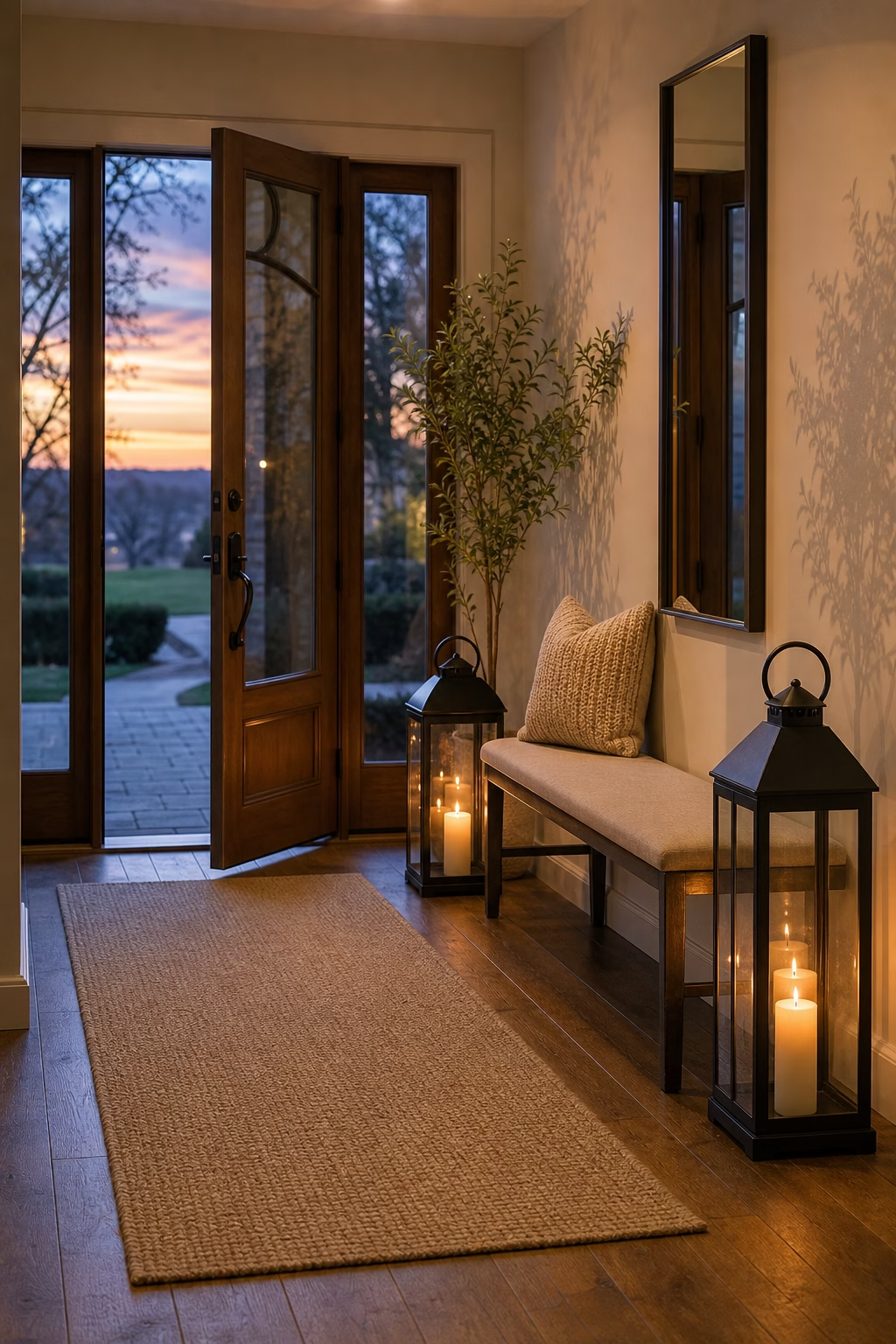
Paired lanterns near an entry door create a welcoming threshold, but the placement should look intentional from both inside and outside. Use substantial lanterns that relate to the door height, not tiny pieces that disappear on the floor. If the entry is narrow, place one lantern beside a bench and the second on a console instead of blocking the walkway. Black metal, bronze, or weathered brass usually works well with exterior hardware. Inside, repeat one material from the lanterns in a mirror frame, hook rail, or tray. Use timers on flameless candles so the glow appears before guests arrive. This small routine gives the entry a hospitality feeling without adding clutter.
Hang One Lantern Pendant in a Reading Corner
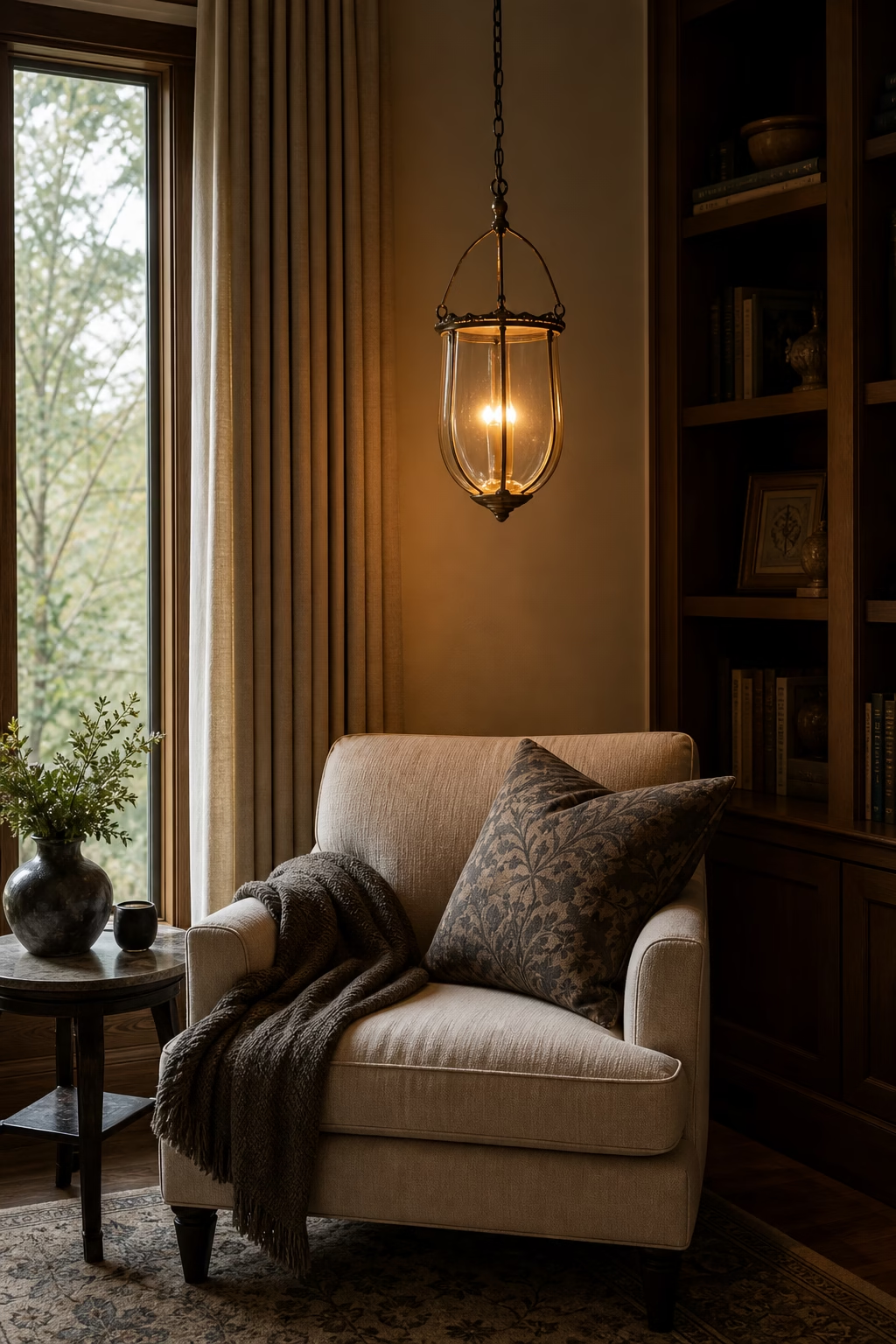
A hanging lantern-style pendant can bring ambient light to a reading corner while saving surface space. The fixture should be wired and scaled like a real pendant, not a candle lantern hung as an afterthought. Look for glass, paper, rattan, or metal frames that echo the room's other materials. Hang it low enough to create intimacy over a chair and side table, but high enough that no one bumps it when standing. Use a dimmable warm bulb, then support the corner with a task lamp if you actually read there. The lantern shape gives the nook character, while the controlled light keeps it functional rather than purely decorative.
Use Outdoor Lanterns to Edge a Garden Path
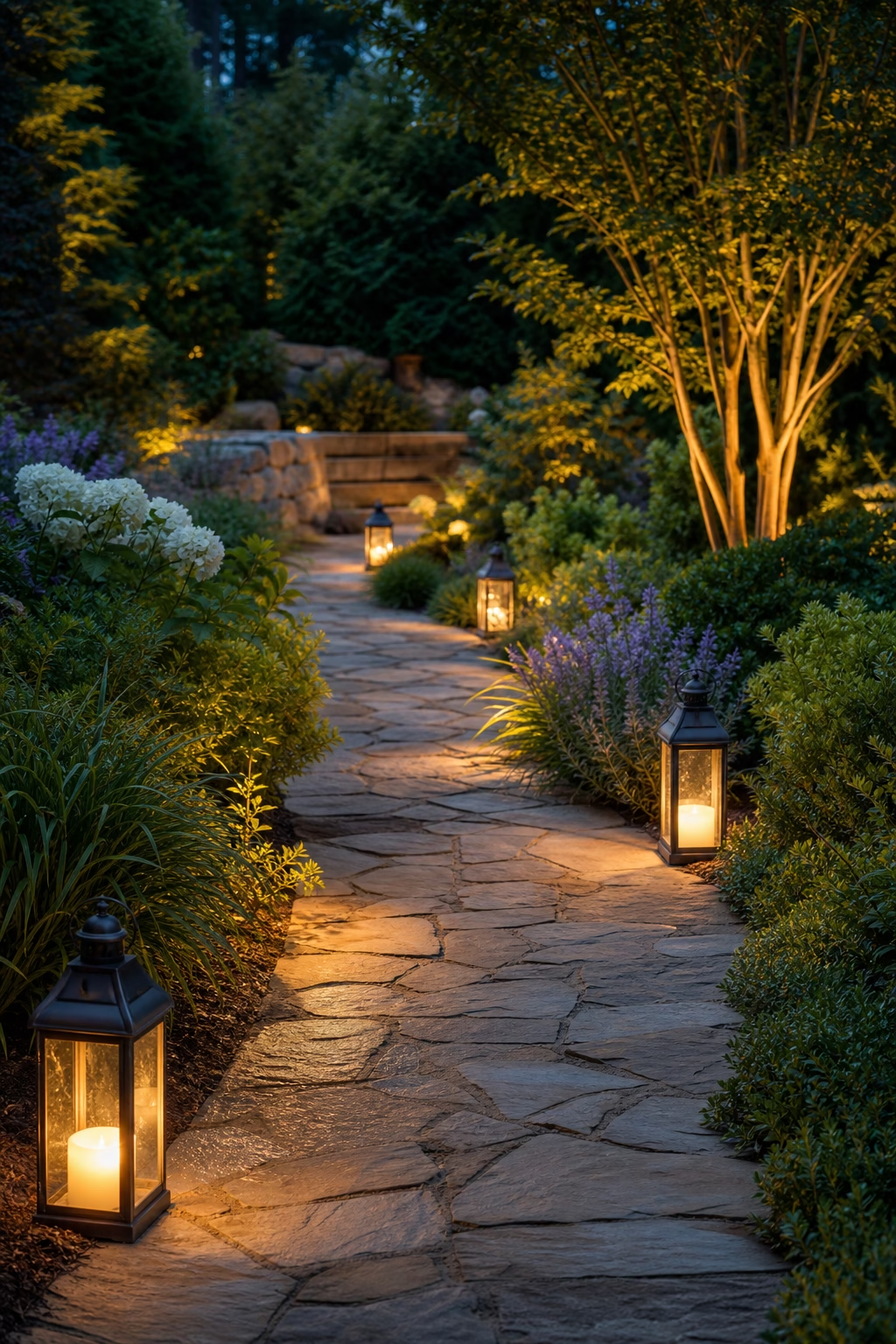
Lanterns can guide a garden path more softly than harsh stake lights. Choose weather-rated pieces with stable bases and place them at key turns, steps, or seating transitions rather than lining every inch. The spacing should feel natural, with pools of light leading the eye forward. Solar lanterns can work if they produce a warm, steady glow, but low-voltage or rechargeable options often look more refined. Keep the frames simple so the planting remains the focus. Bronze, black, or aged zinc tends to disappear beautifully among greenery. Path lanterns are especially useful for evening entertaining because they make movement safer while giving the garden a calm, layered atmosphere.
Combine Lanterns With Stone Trays
A stone tray gives lanterns a more finished base and protects delicate surfaces from wax, soot, or scratches. Use marble, travertine, slate, limestone, or a ceramic tray with a stone look, then place one lantern with a small bowl or branch stem beside it. The tray creates a contained vignette on coffee tables, bathroom counters, consoles, and bedside tables. Keep the arrangement asymmetrical so it does not look like a store display. Stone works especially well with glass lanterns because it balances transparency with weight. On a bathroom vanity, a tray and lantern can make the space feel spa-like without relying on many decorative items. The material contrast does most of the styling work.

Choose Frosted Glass for Bedroom Calm
Bedrooms need lantern light that feels restful rather than dramatic. Frosted glass softens the candle shape and spreads a gentle glow across nightstands, dressers, or window benches. It is also more forgiving than clear glass because it hides battery candles and keeps the light from looking busy. Choose rounded or simple rectangular lanterns with warm metal or pale wood details. Use one lantern per surface, then leave space for real bedside needs such as a book, water glass, or jewelry dish. The effect should support winding down, not compete with lamps. Frosted glass lanterns are especially useful in guest rooms, where they add atmosphere without requiring visitors to manage open flames.

Let One Statement Lantern Fill an Empty Corner
An empty corner does not always need a plant, chair, or cabinet. Sometimes one statement lantern is enough, especially in a room that already has strong furniture. Choose a lantern with architectural scale, an interesting handle, or a tall arched frame. It should feel substantial from across the room and still look beautiful unlit during the day. Place it near a textured wall, curtain panel, or large planter so the corner has context. Avoid adding several smaller accessories around it; that weakens the confidence of the gesture. A single large lantern can bring warmth to a dining room corner, bedroom bay, or living room alcove without making the room feel overfilled.