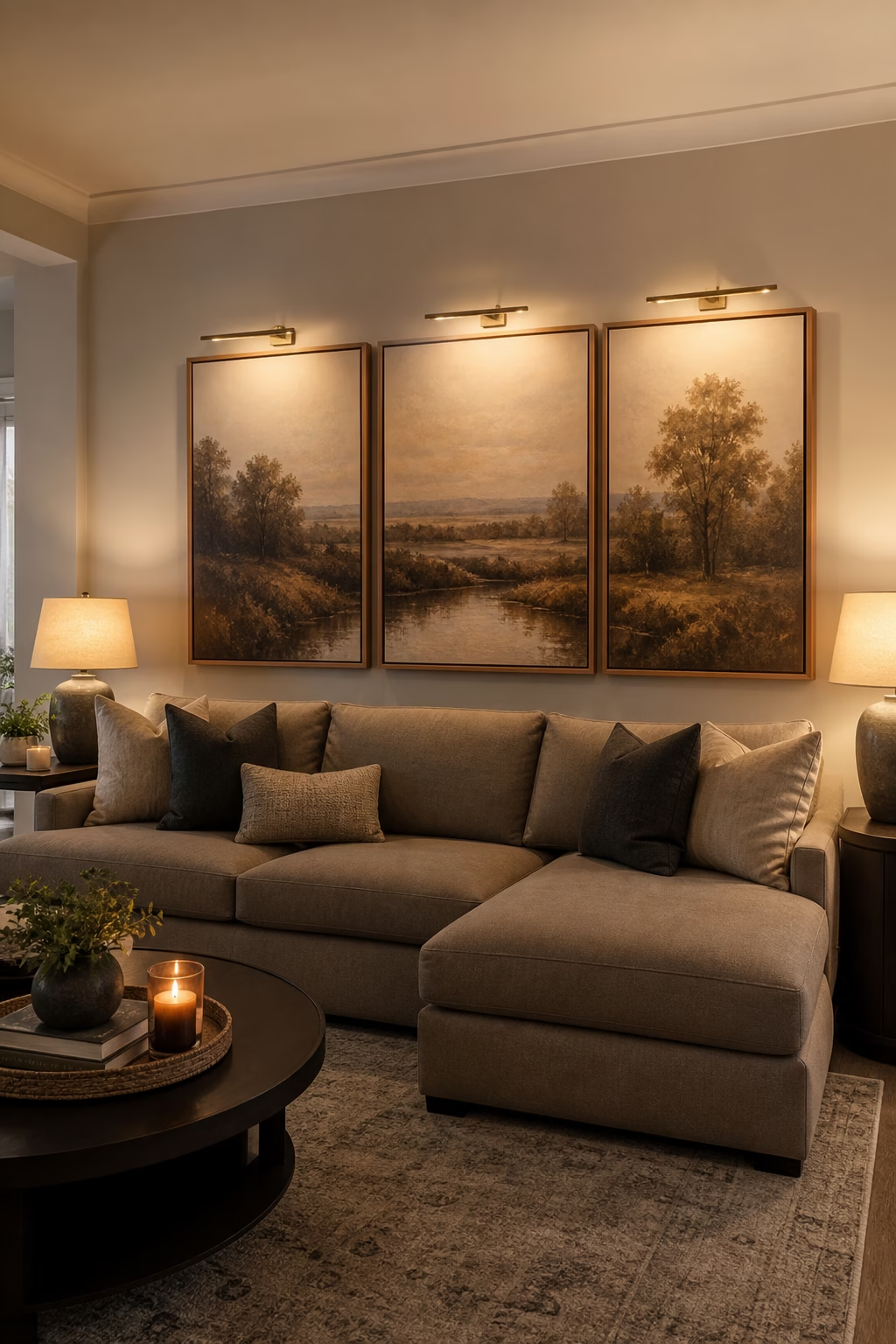
Living room artwork works best when scale, framing, lighting, and the view from each seat are planned together instead of treated as a final accessory.
- Hang One Oversized Canvas Above the Sofa
- Build a Salon Wall With Matching Frame Depths
- Use Black and White Photography for Quiet Drama
- Lean Framed Art on a Picture Ledge
- Center Art Between Built-In Shelves
- Choose a Diptych for a Wide Wall
- Frame Textile Art for Soft Texture
- Pair Art With Wall Sconces
- Use Sculptural Wall Art Over a Console
- Let Landscape Art Expand the Room
- Try a Grid of Small Works
- Match the Artwork Scale to the Fireplace
- Use Color Echoes From the Rug
- Choose Minimal Line Art for Busy Rooms
- Add a Moody Painting to a Neutral Room
- Hang Art Low Beside a Reading Chair
- Use Mirrors Only When They Reflect Something Beautiful
- Make Art the Bridge Between Open Spaces
- Frame Personal Pieces Like Fine Art
- Finish With Lighting That Does Not Glare
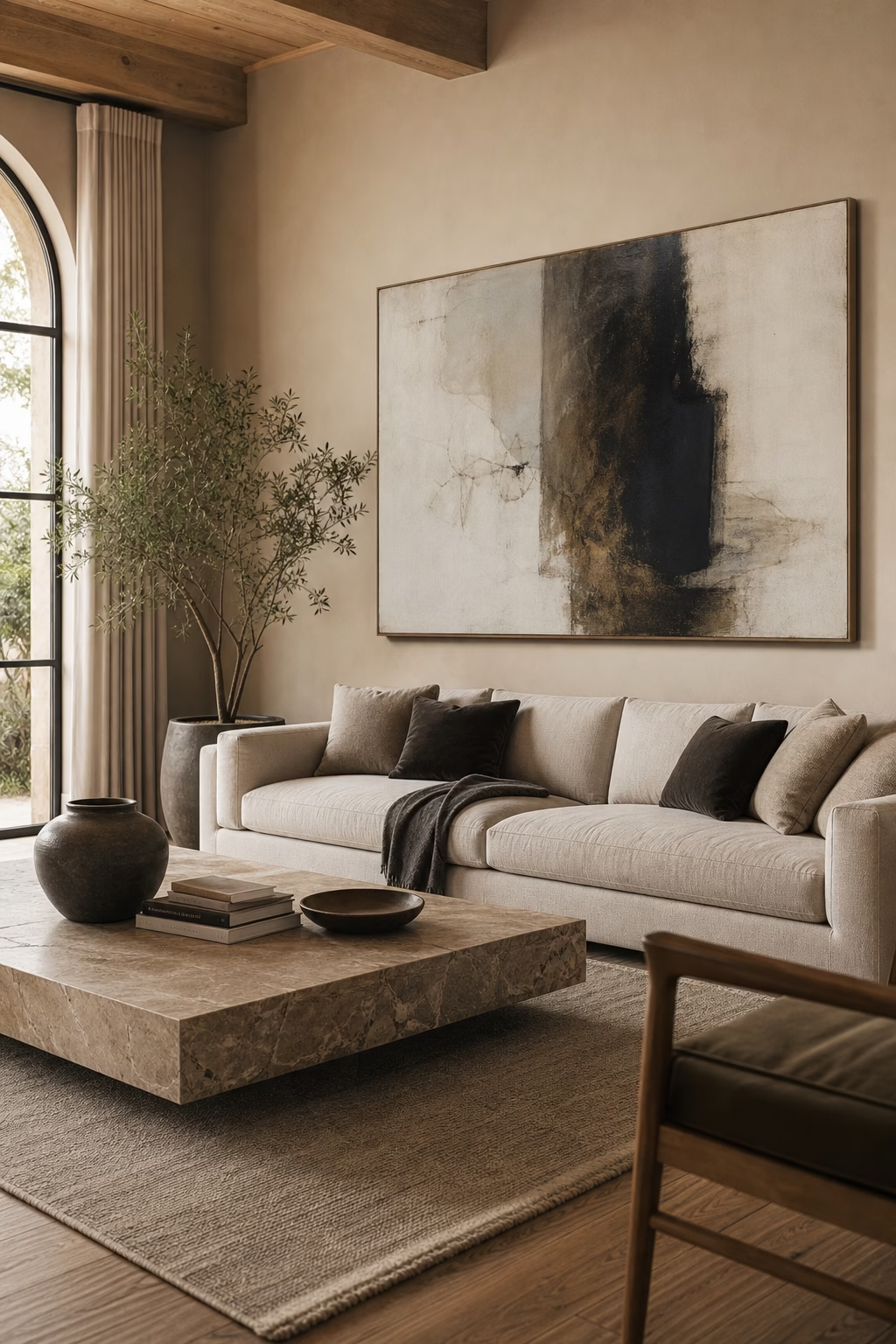
Hang One Oversized Canvas Above the Sofa
A single oversized canvas can make a living room feel calmer than a wall filled with small pieces. Choose art that spans roughly two thirds of the sofa width, then hang it low enough to relate to the seating instead of floating near the ceiling. The subject can be abstract, landscape, figurative, or textural, but the scale should feel intentional from the entry to the room. Keep the frame simple when the colors are strong, and choose a deeper frame when the palette is quiet. This idea works especially well in modern and transitional rooms because one commanding piece gives the wall structure while leaving lamps, pillows, and tables room to breathe.
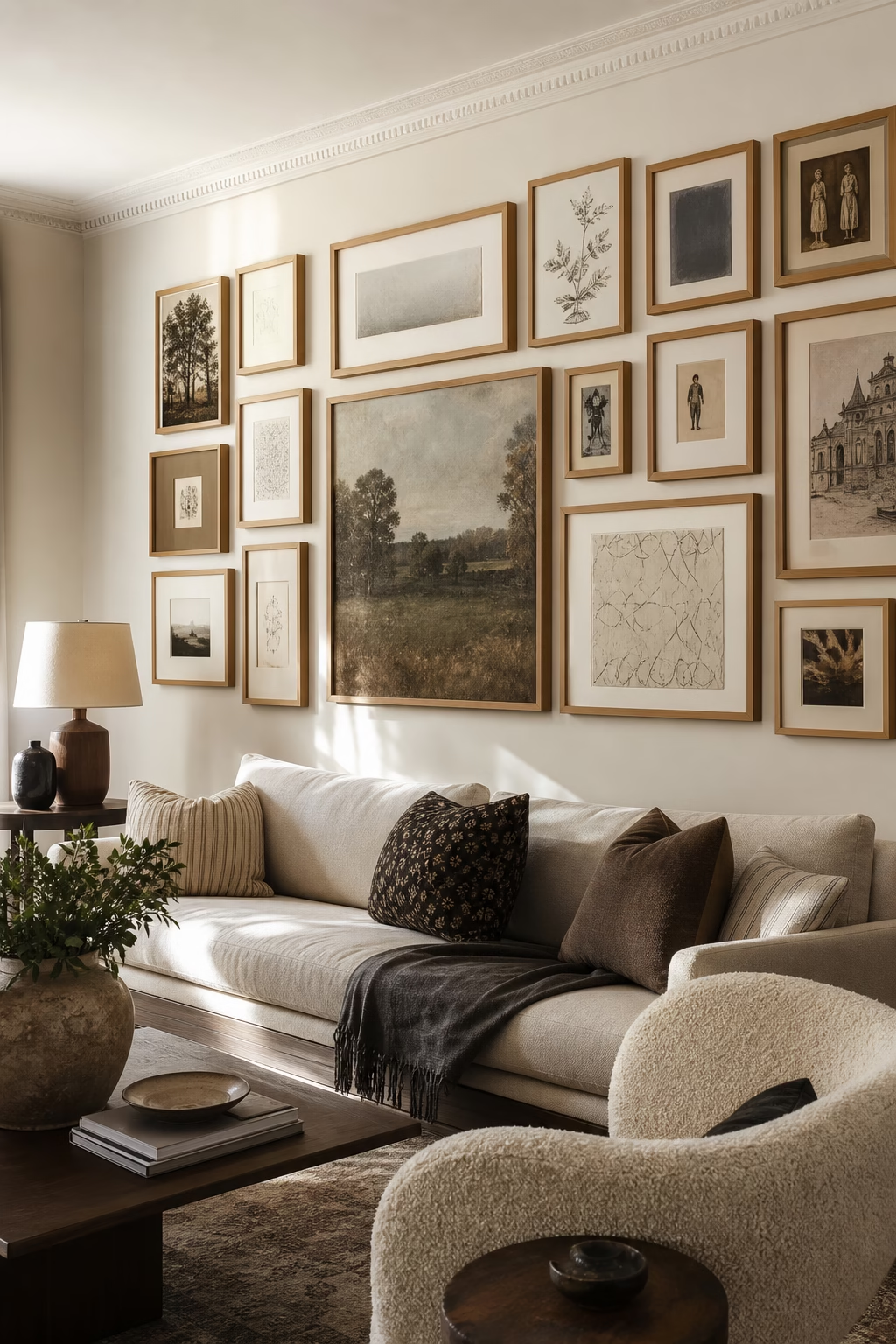
Build a Salon Wall With Matching Frame Depths
A salon wall feels collected, but it still needs discipline. The easiest way to make varied artwork look polished is to keep the frame depth consistent, even when the sizes, subjects, and mat widths change. Use slim black, oak, walnut, brass, or white frames, then arrange the largest piece slightly off center so the wall does not look overly formal. Mix drawings, photographs, small paintings, and textiles, but leave steady spacing between frames. Before hanging, tape the layout on the floor and check the overall silhouette. In a living room, this approach gives personality without letting the wall become visually noisy or disconnected from the furniture below.
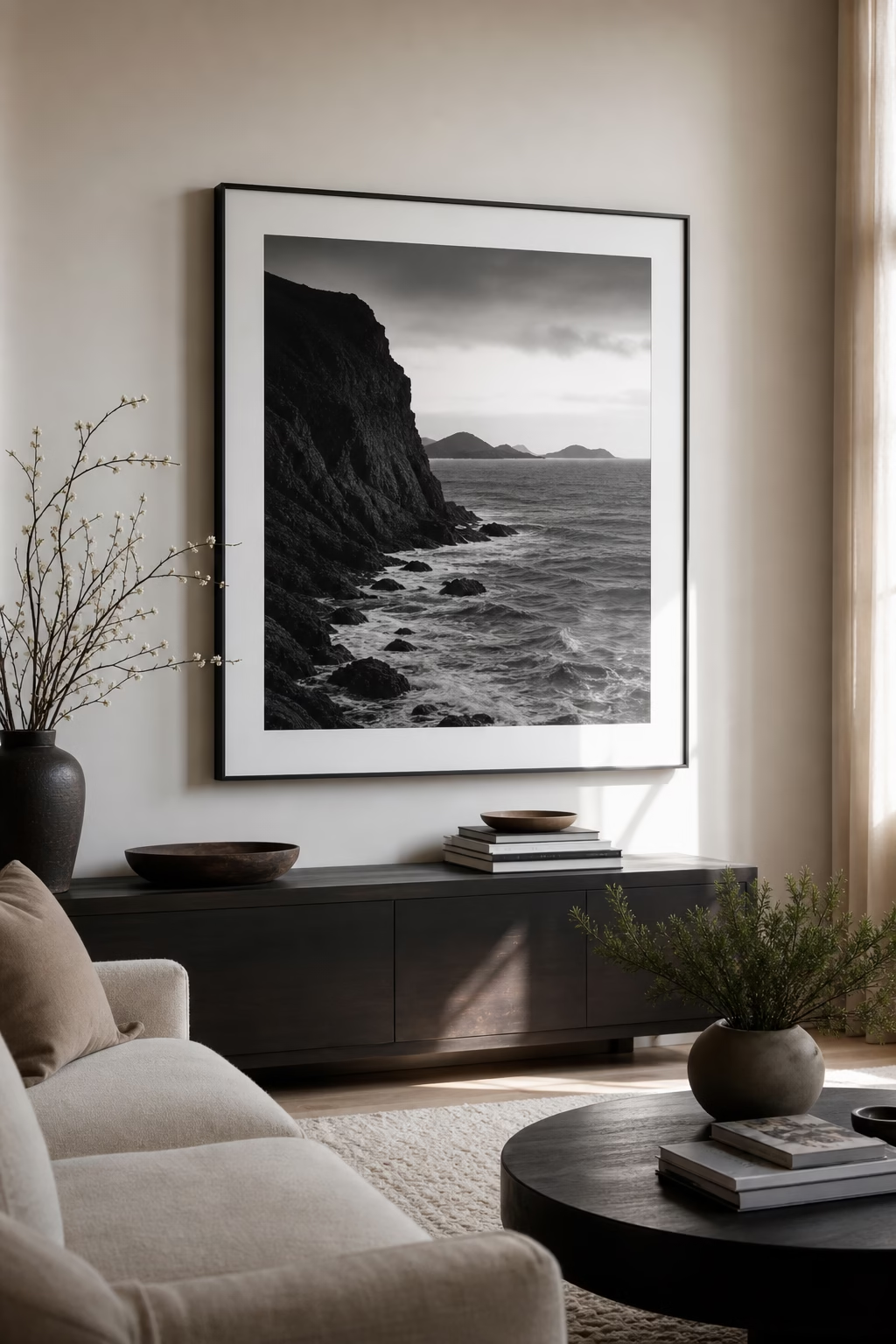
Use Black and White Photography for Quiet Drama
Black and white photography gives a living room drama without adding another accent color. It suits rooms with stone, wood, linen, leather, and metal because the image becomes about light, shadow, and composition. Choose one large photograph for a clean look, or hang a pair with matching mats when the wall needs width. The subject should support the room's mood: architecture for a tailored space, landscape for calm, portraiture for character, or close detail for texture. Avoid tiny prints that disappear from across the room. A generous mat and thin frame make the photograph feel gallery-level while still keeping the living room relaxed.
Lean Framed Art on a Picture Ledge
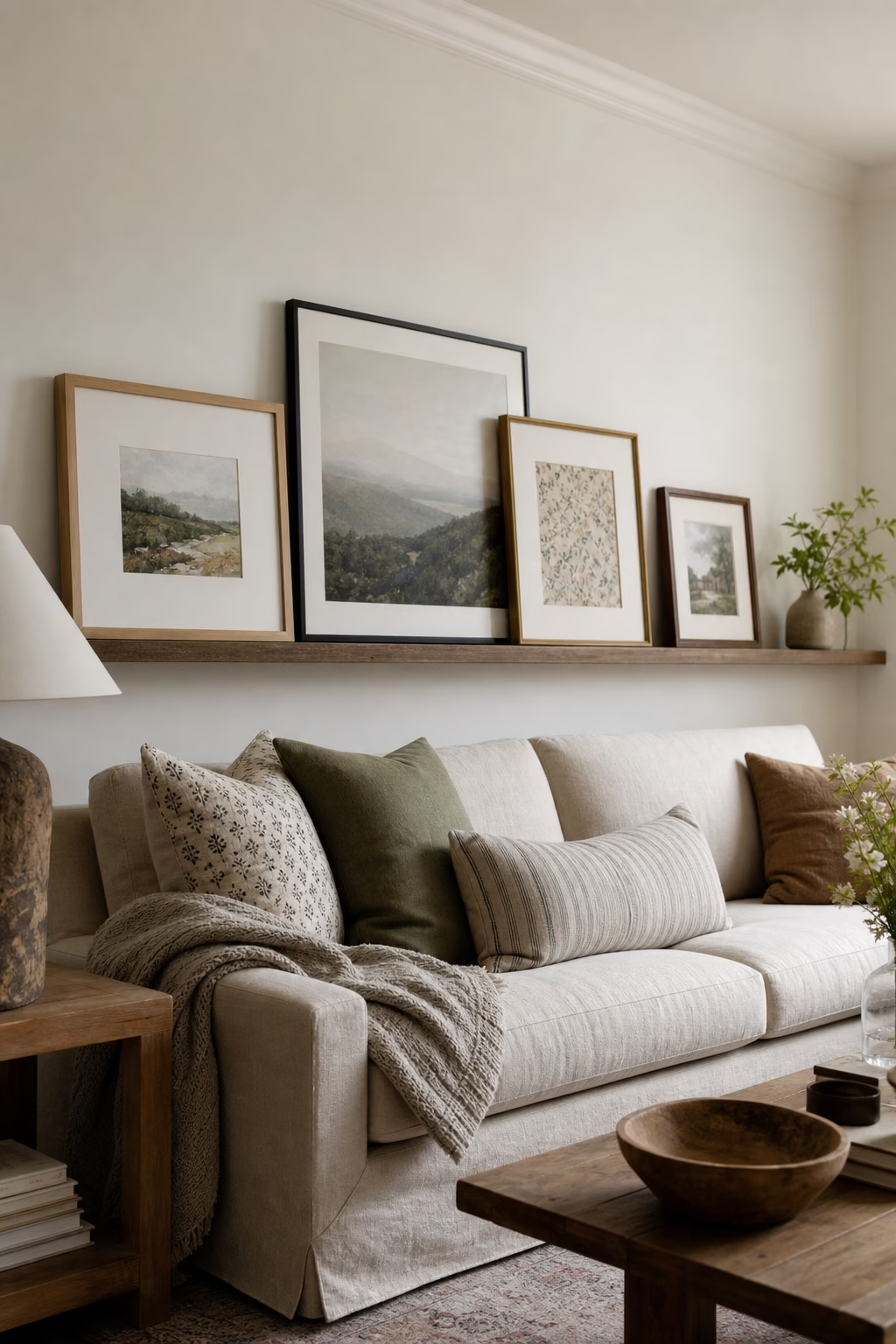
A picture ledge gives artwork flexibility, which is useful if you like changing the room seasonally. Install one long ledge above a sofa, console, or low bookcase, then layer framed pieces in two or three heights. The key is overlap: let one frame sit partly in front of another so the arrangement has depth. Keep the ledge color close to the wall or trim for a built-in look, and vary the art enough that it does not feel like a set. This is also a renter-friendly idea when drilling many frame holes is not ideal. In a living room, ledged art feels casual, personal, and easy to refresh.
Center Art Between Built-In Shelves
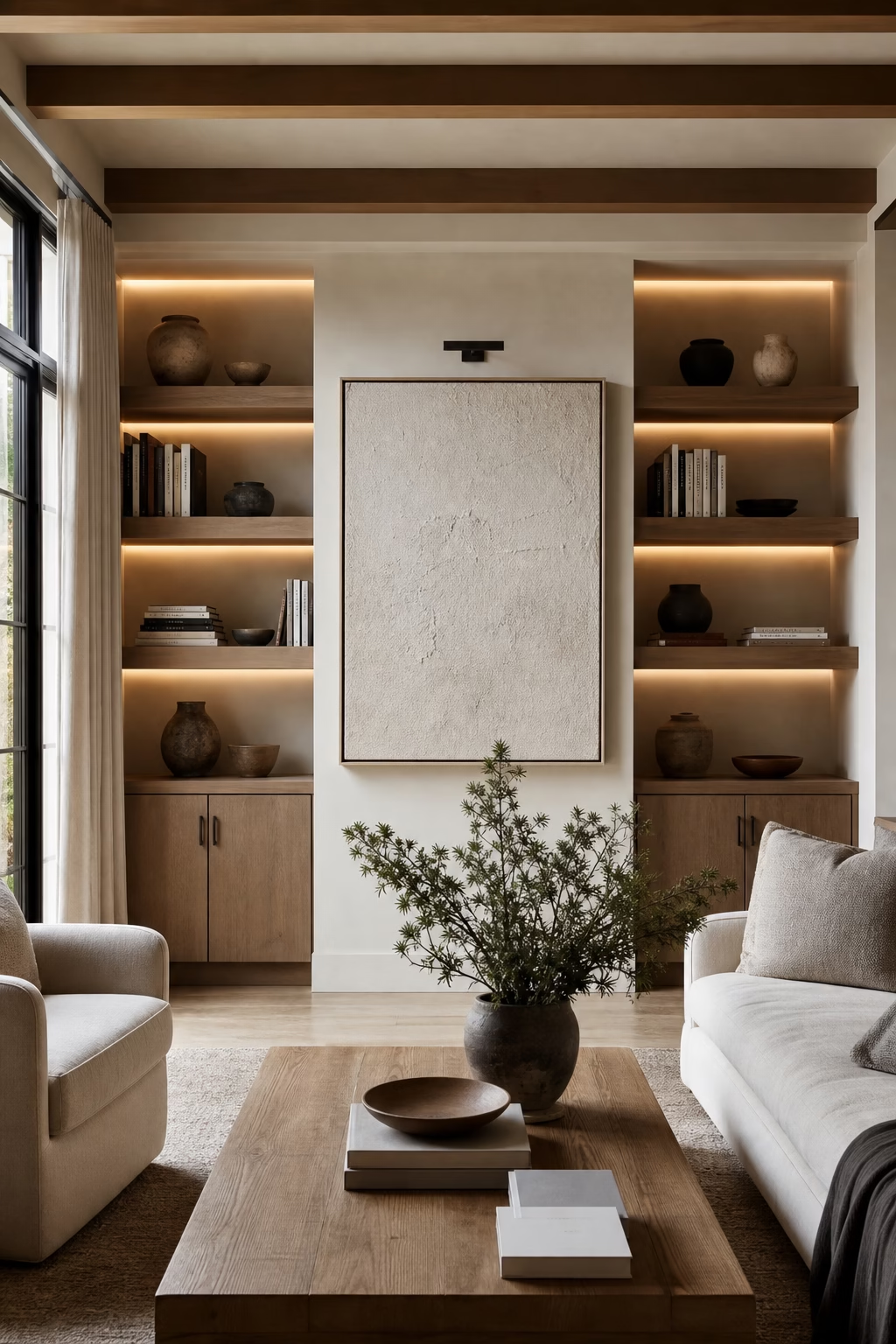
When a living room has built-ins, the artwork between them needs enough presence to hold its own. Treat the center wall as a framed architectural panel, then choose one piece that relates to the shelf styling without matching it too literally. A textured canvas, framed textile, landscape, or sculptural wall piece can soften the grid of shelves. Keep nearby shelf objects lower so they do not compete with the art. If there is a console, fireplace, or media unit below, align the artwork with that centerline first. The result feels custom because the art becomes part of the millwork composition rather than an afterthought squeezed into leftover space.
Choose a Diptych for a Wide Wall
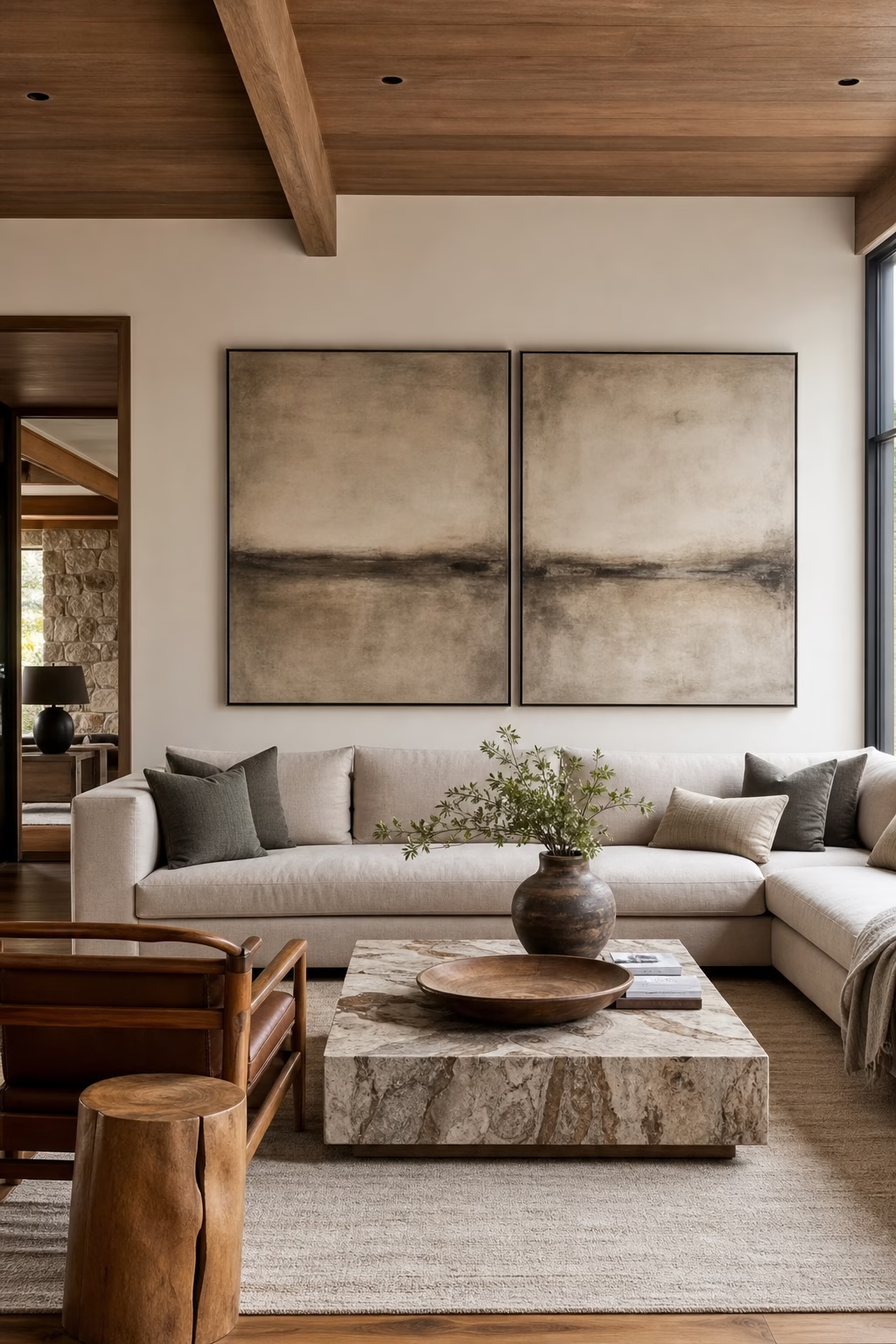
A diptych is useful when one canvas would need to be enormous but several small pieces would feel busy. Two related panels can stretch across a long wall while keeping a clean rhythm. Choose art that was designed as a pair, or use two works with matching scale, palette, and subject weight. Hang them with a narrow gap so they read together from a distance. This works beautifully above sectionals, credenzas, or long fireplaces. Keep the surrounding decor spare, because the repeated format already creates structure. A diptych gives the living room width and sophistication without requiring a complicated gallery wall.
Frame Textile Art for Soft Texture
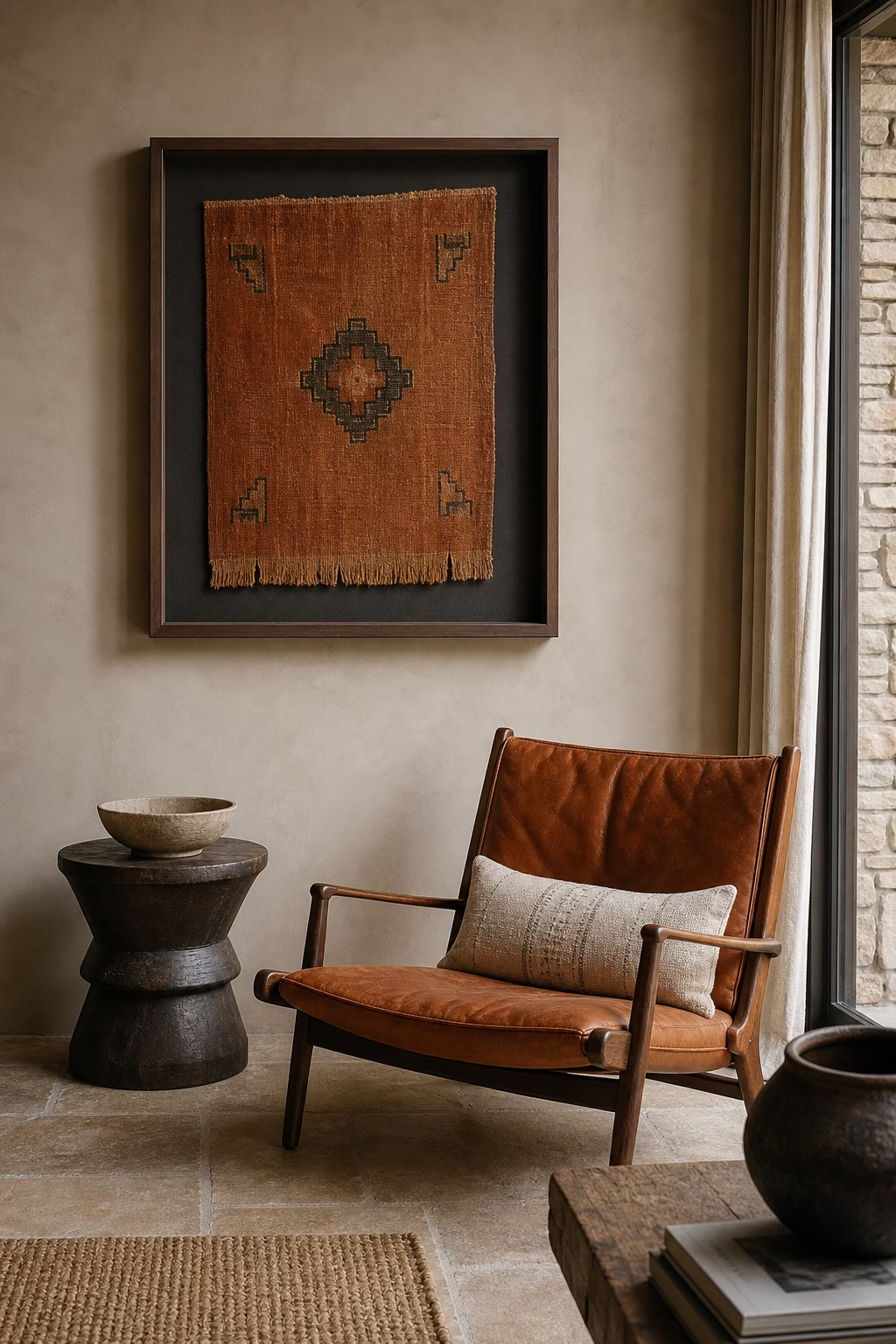
Textile art brings warmth to a living room wall in a way that paint and prints often cannot. Look for framed weaving, embroidered linen, antique fragments, quilt pieces, or contemporary fiber work with real texture. A shadow-box frame protects the piece while letting the surface remain visible. Textiles are especially effective in rooms with hard finishes such as stone floors, metal tables, plaster walls, or leather seating. Keep the palette connected to the upholstery or rug so the art feels integrated. Because textile art has physical depth, it does not need loud color to be interesting. It gives the wall a quiet handmade quality without looking rustic by default.
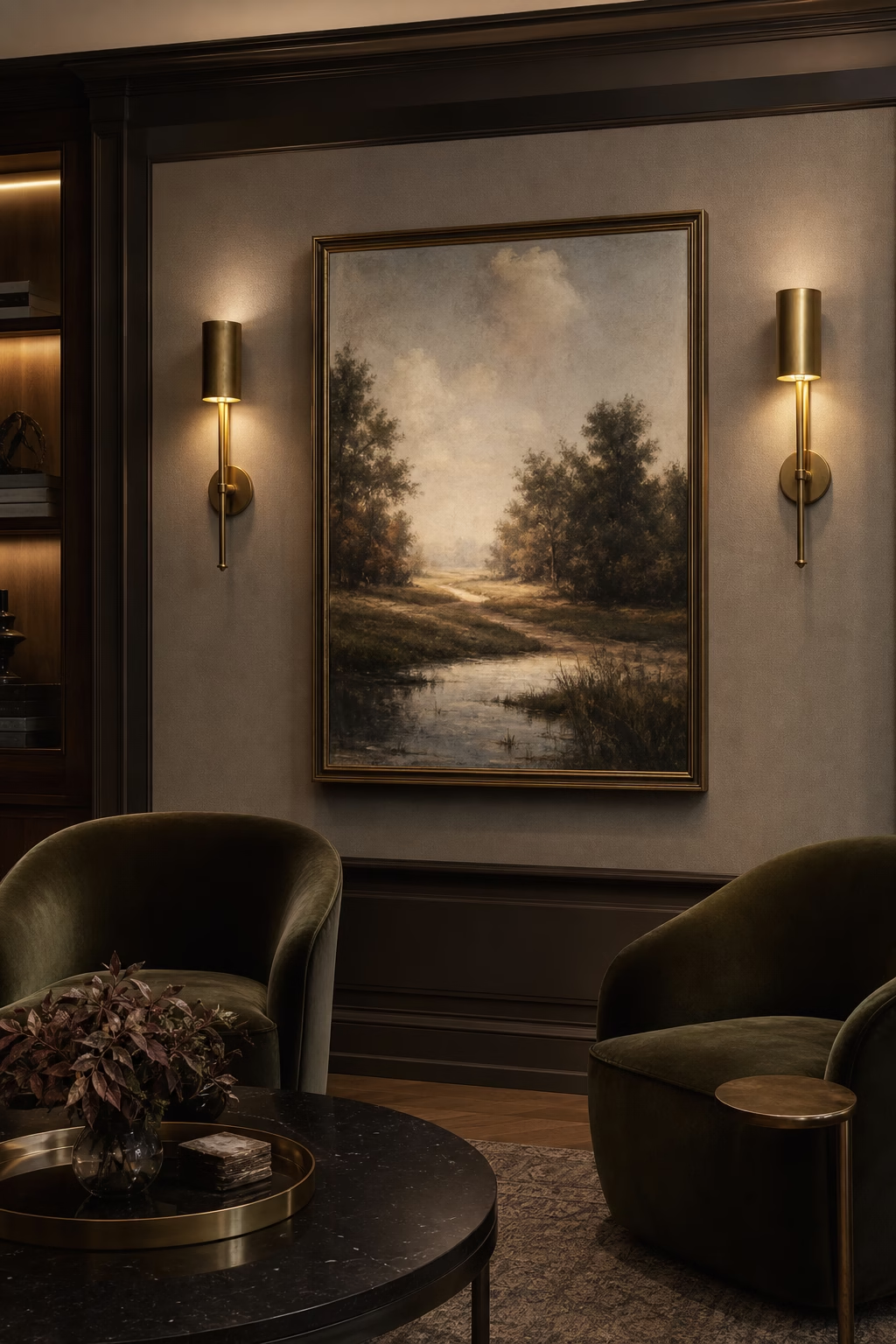
Pair Art With Wall Sconces
Wall sconces can make living room artwork feel more architectural, but placement has to be thoughtful. Use a single picture light over a large piece, or place matching sconces outside a mirror or framed artwork when the wall needs symmetry. The light should wash the art gently rather than create glare on glass. Warm dimmable bulbs are best because they flatter both the artwork and the seating area. Coordinate the sconce finish with one other metal in the room, such as curtain rods, table lamps, or cabinet hardware. This idea works well in evening rooms, libraries, and formal living spaces where the artwork should remain visible after dark.
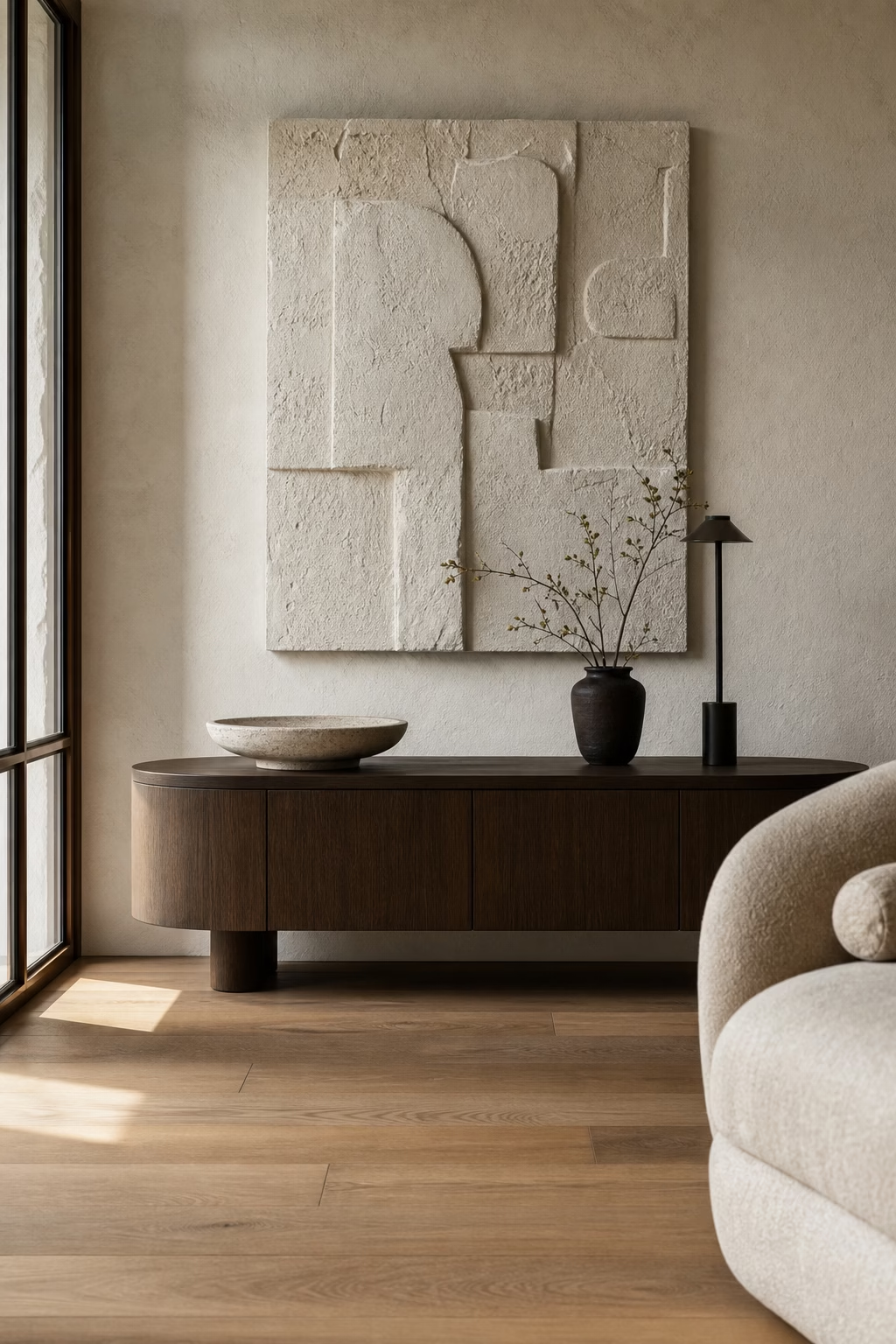
Use Sculptural Wall Art Over a Console
Sculptural wall art is a strong choice when a flat print would not bring enough depth. Above a console, try ceramic disks, carved wood relief, plaster panels, metal forms, or a woven installation with a restrained silhouette. The console surface should stay edited so the wall piece remains the focus. One lamp, a bowl, and a branch arrangement are usually enough. Pay attention to projection from the wall, especially in walkways, and avoid sharp edges where people pass closely. Sculptural art gives the living room a custom feel because it responds to light throughout the day, changing with shadows instead of relying only on color.
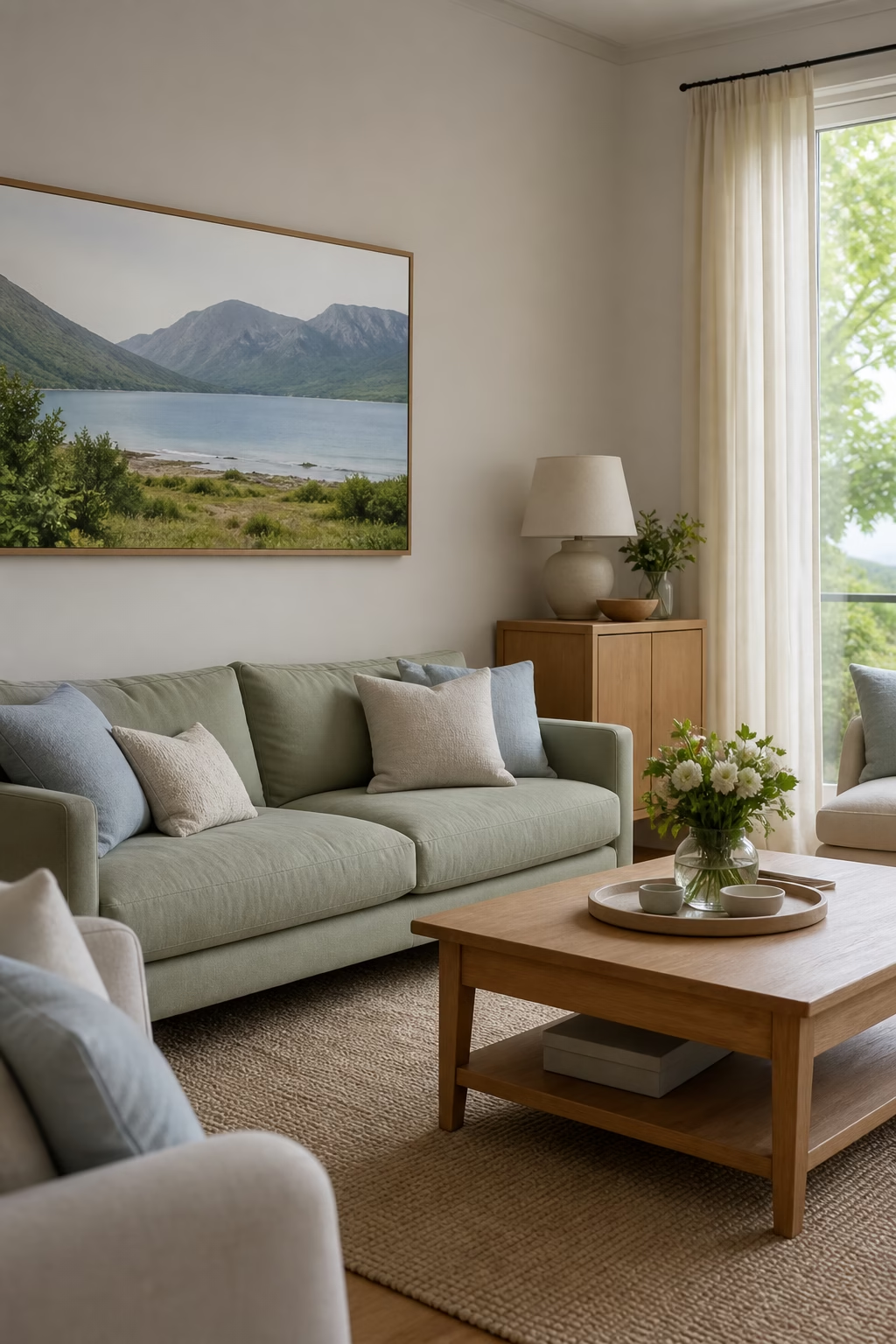
Let Landscape Art Expand the Room
Landscape artwork can make a living room feel larger when it is chosen for depth, not just color. A painting or photograph with a horizon, garden path, coastline, or distant hills gives the eye somewhere to travel. Hang it where people see it from the main seating position, and avoid placing busy objects directly below that interrupt the view. A wider landscape format works well above a sofa or fireplace, while a vertical landscape can soften a narrow wall near a window. Keep the frame understated so the scene remains immersive. In rooms without a strong outdoor view, landscape art can bring a sense of air and distance.
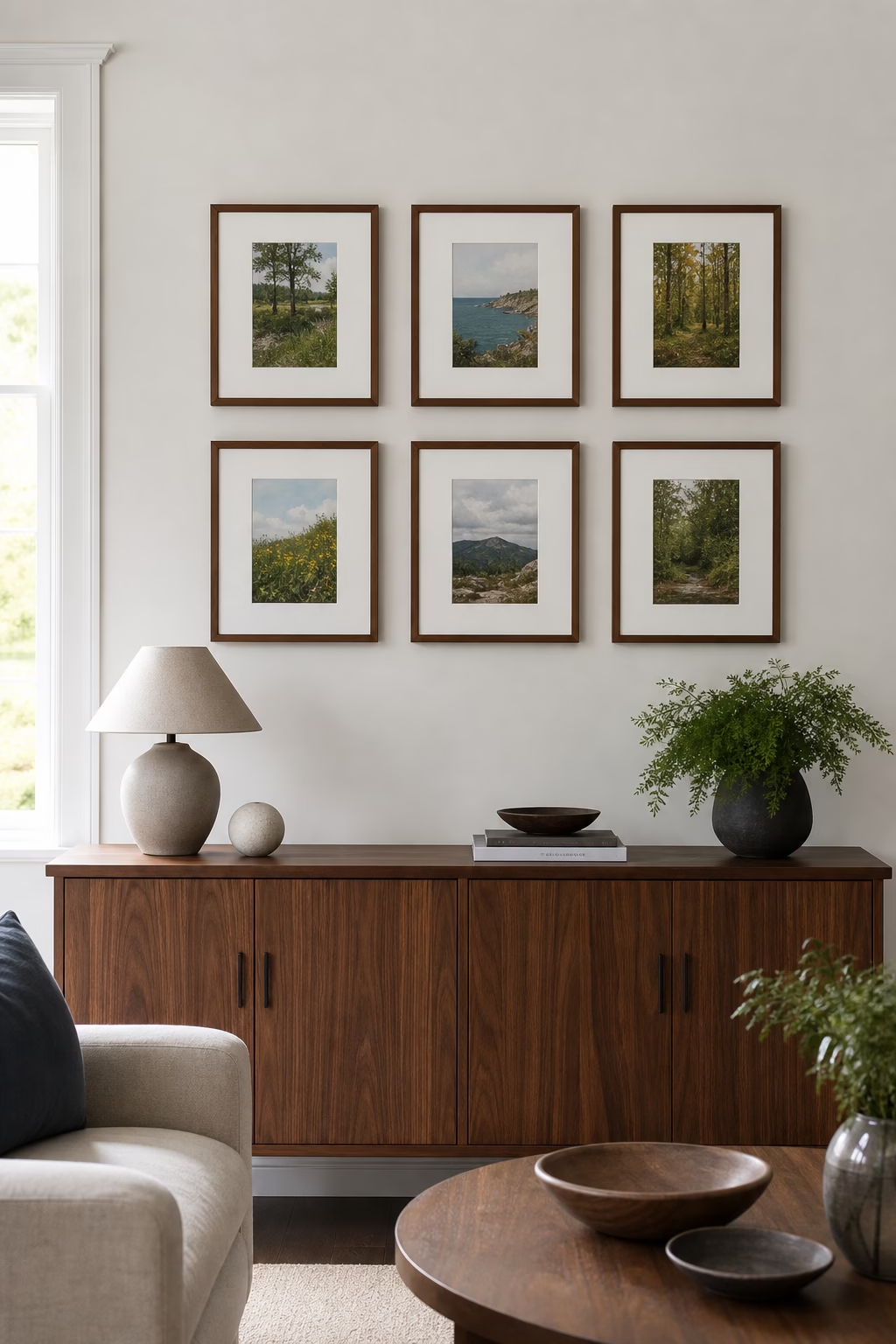
Try a Grid of Small Works
A grid is ideal when you own several small works that would look weak on their own. The secret is precision: matching frames, consistent matting, and equal spacing. Use four, six, or nine pieces depending on wall size, then hang the grid as one larger artwork. Botanical studies, travel sketches, black and white photos, and abstract studies all work if the series feels related. This format suits traditional, transitional, and modern rooms because the order keeps small pieces from becoming clutter. Place the grid above a console, sectional end, or reading chair where people can appreciate details up close without losing the overall structure.
Match the Artwork Scale to the Fireplace
Fireplace artwork should relate to the mantel, firebox, and chimney breast as one composition. A piece that is too small makes the whole fireplace wall look unfinished, while art that is too wide can crowd sconces or mantel edges. Start with a width slightly narrower than the mantel opening, then adjust for ceiling height. Leaning artwork can feel relaxed on a deep mantel, but hanging is usually cleaner on shallow shelves. Keep mantel styling low and asymmetrical so it does not cover the art. Whether the work is a moody painting, a landscape, or a framed print, the correct scale makes the fireplace feel designed year-round.
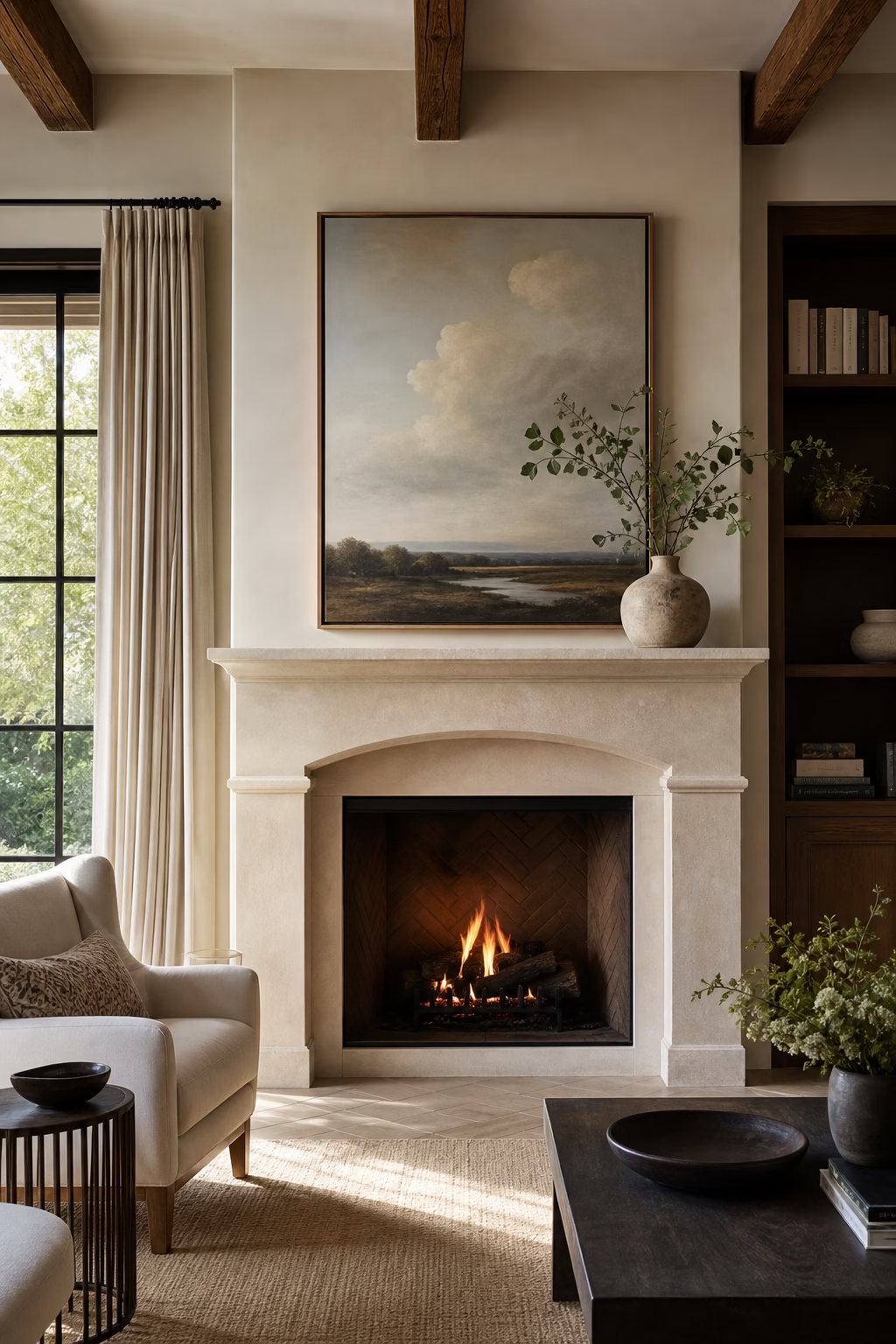
Use Color Echoes From the Rug
Artwork looks connected to a living room when it quietly echoes the rug. This does not mean matching every tone; one or two shared colors are enough. If the rug has rust, repeat it in a small part of the painting. If it has soft blue, look for art with a similar shadow or sky tone. Keep the sofa and larger furniture calmer so the relationship feels subtle rather than overly coordinated. This technique is useful when the room feels disjointed after adding a patterned rug. The art becomes a bridge between floor and wall, helping the whole space read as one composed palette.
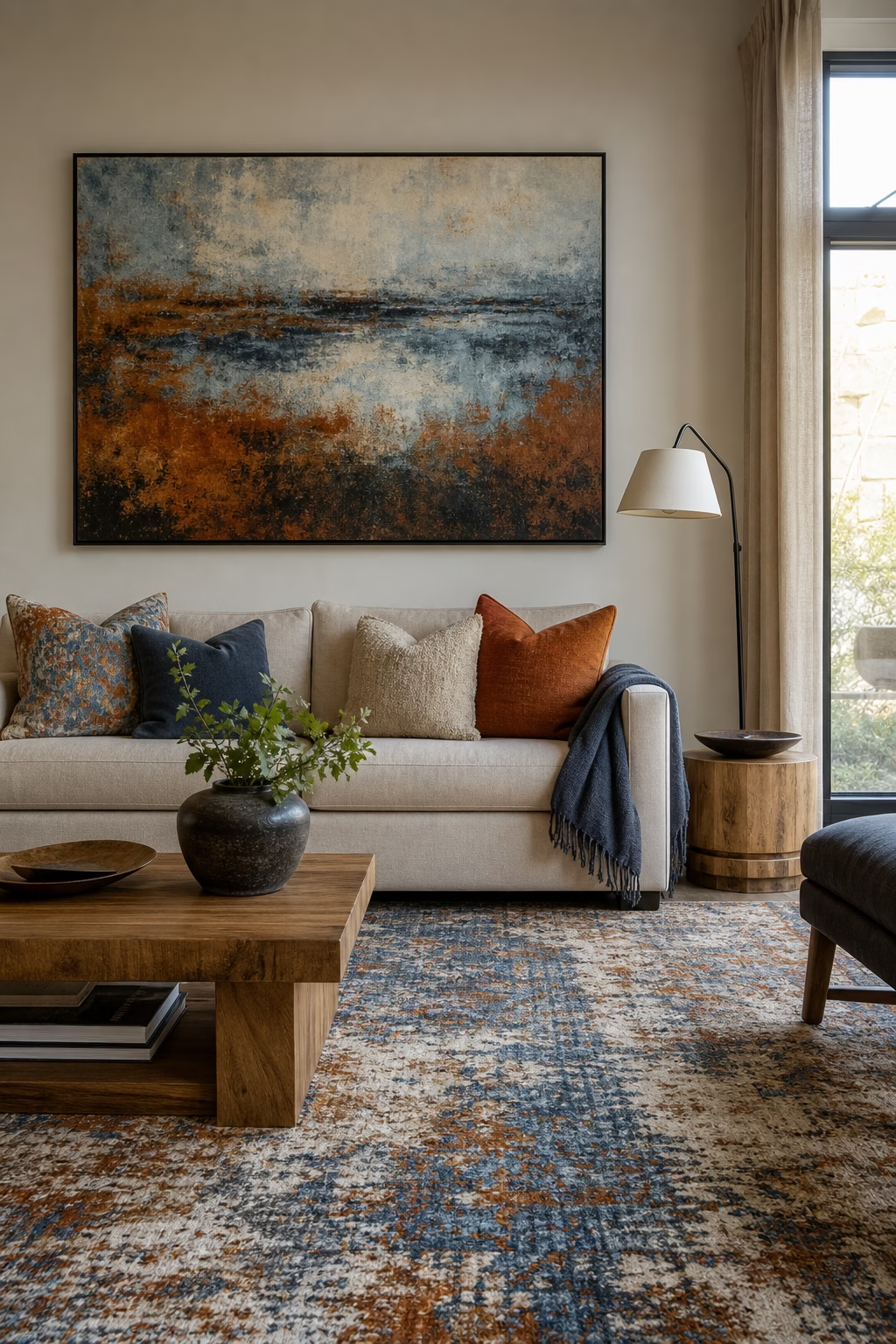
Choose Minimal Line Art for Busy Rooms
When a living room already has patterned upholstery, full bookshelves, or layered textiles, minimal line art can give the eye a rest. A simple figure drawing, architectural sketch, or abstract line composition adds polish without competing for attention. Use a generous mat and a thin frame so the empty space around the lines becomes part of the design. This kind of art is especially helpful near reading chairs, desks, or compact seating areas where the wall cannot carry heavy color. The simplicity should still feel intentional, so choose quality paper, good framing, and a scale that holds the wall confidently.
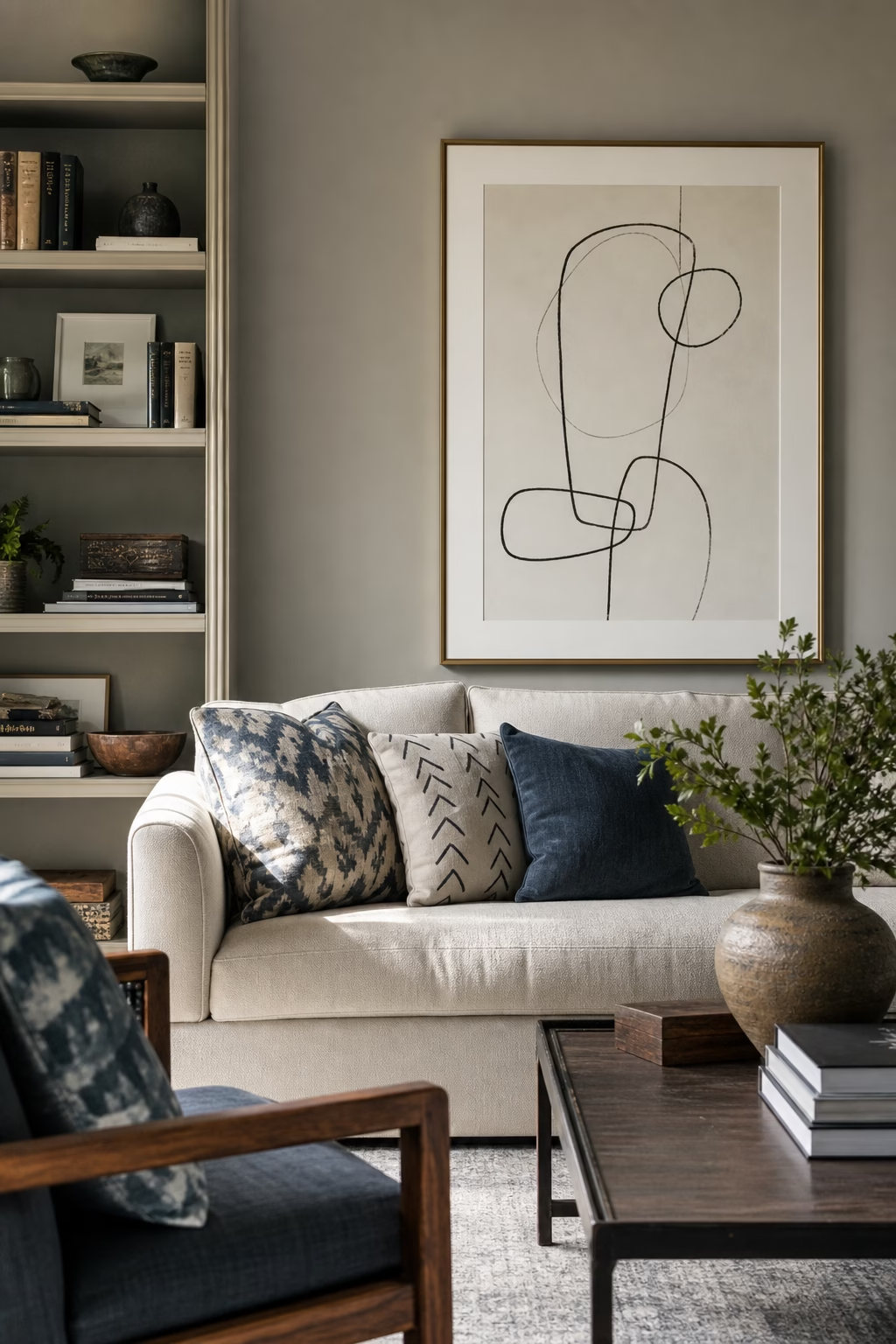
Add a Moody Painting to a Neutral Room
A neutral living room can handle one moody painting if the surrounding materials have enough warmth. Deep green, charcoal, umber, navy, or burgundy artwork adds gravity above a pale sofa or light stone fireplace. The trick is to let the darker piece be the anchor, not the start of a heavy palette everywhere. Repeat one dark note in a lamp base, cushion, or frame, then stop. Matte walls, linen, wool, and warm wood keep the room from feeling stark. A moody painting makes a pale living room feel richer and more finished, especially in the evening when lamps deepen the shadows.
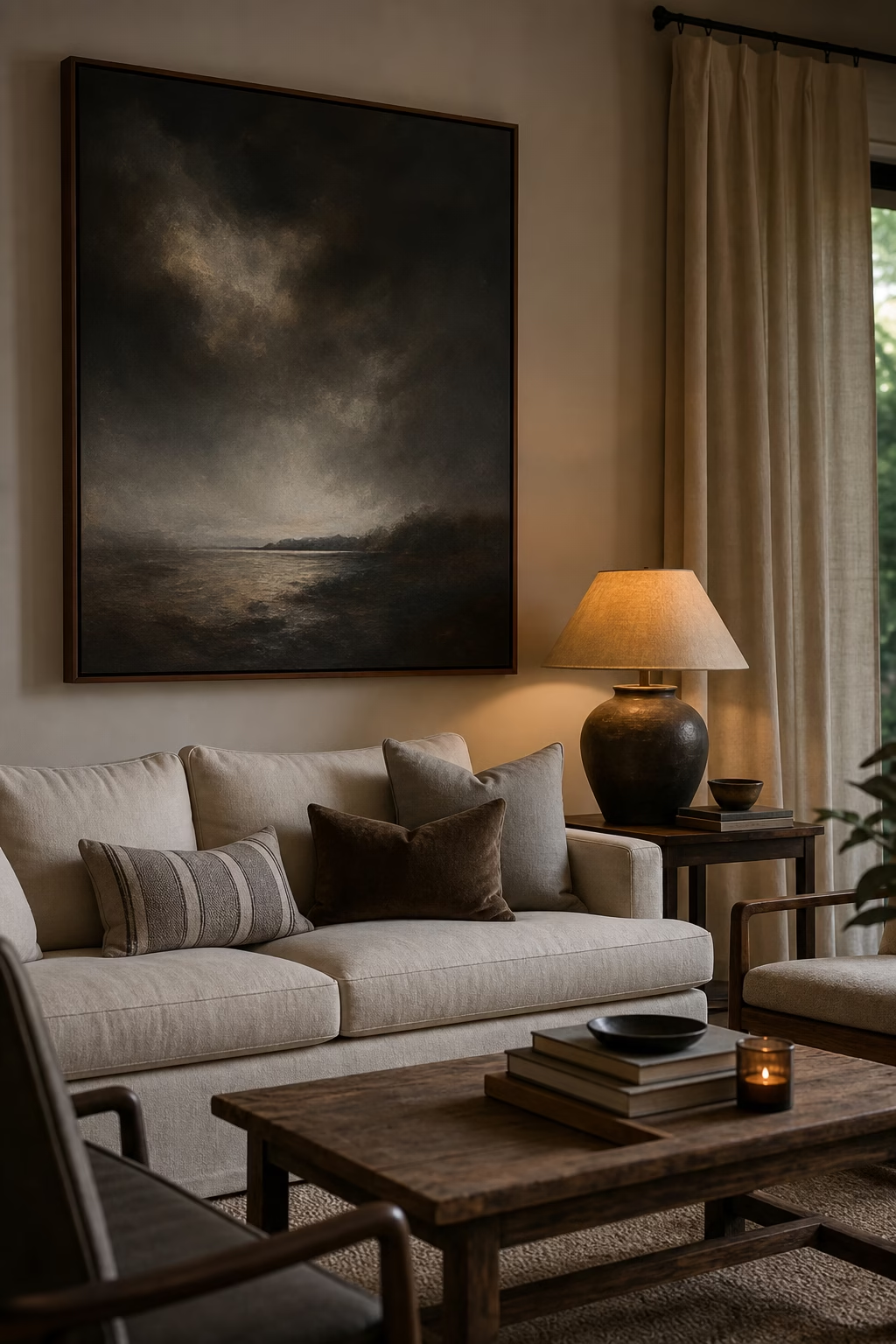
Hang Art Low Beside a Reading Chair
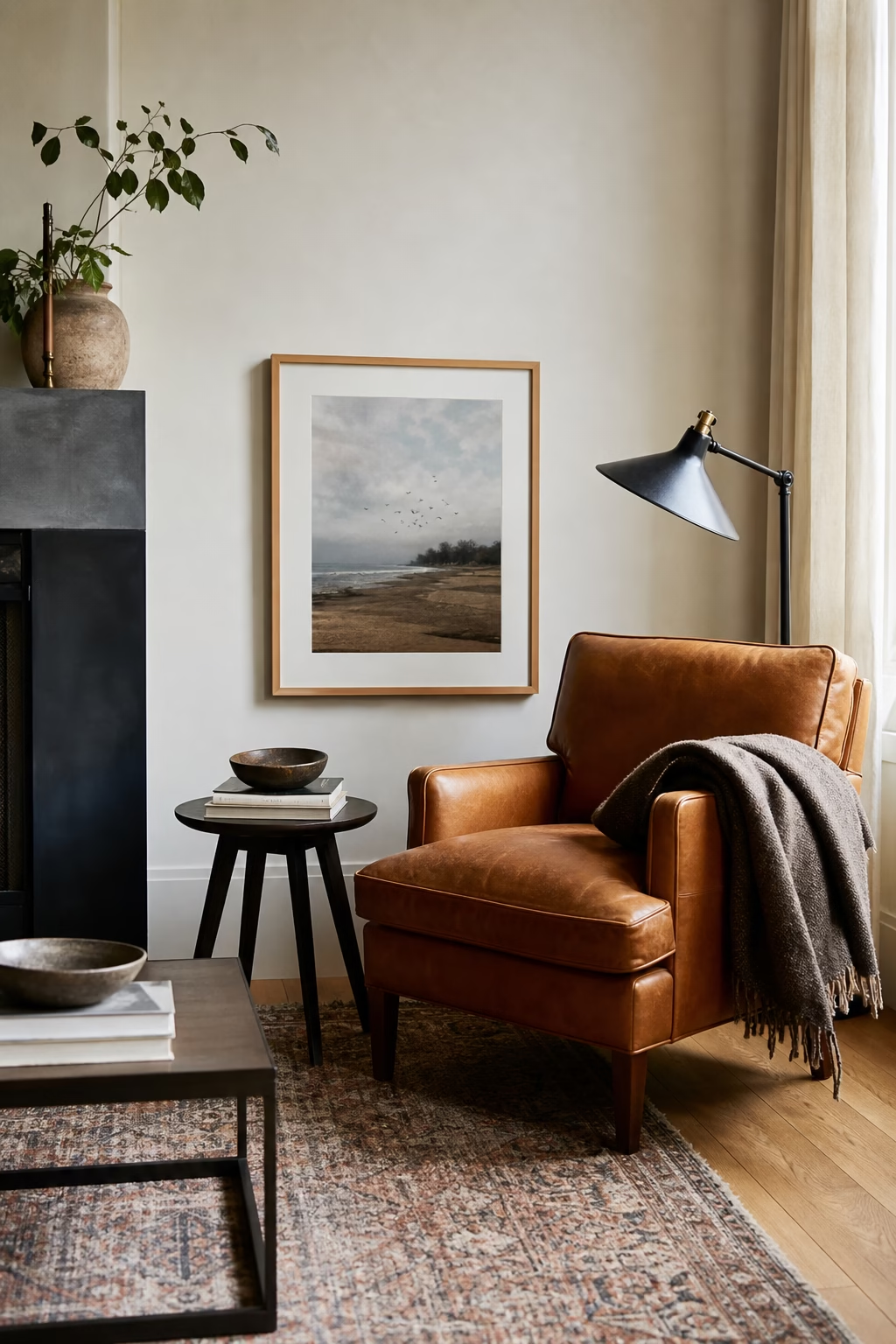
Artwork beside a reading chair should relate to the seated experience, not just the standing view. Hang a medium piece slightly lower than usual so it feels connected to the chair, side table, and lamp. This creates a small room within the room, especially in corners that otherwise feel leftover. Choose art with detail or texture that rewards close viewing, such as a small landscape, print, drawing, or textile. The frame can coordinate with the lamp finish or nearby wood tone. A well-placed piece in a reading corner makes the living room feel considered from every seat, not only from the main sofa wall.
Use Mirrors Only When They Reflect Something Beautiful
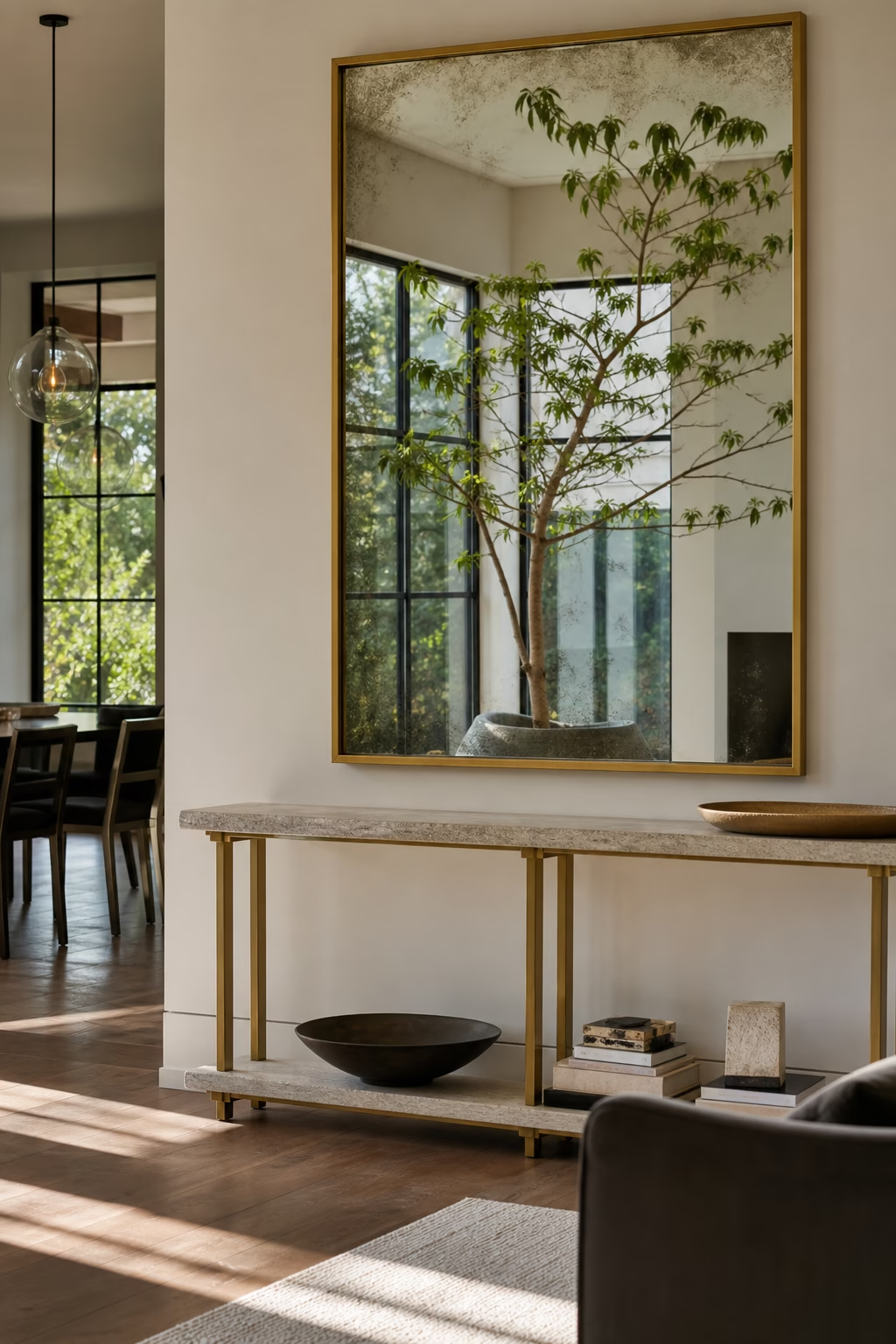
Mirror-like artwork and framed mirrors can behave like art, but the reflection matters as much as the frame. Before hanging one, check what appears from the main seating position. A mirror reflecting a window, plant, chandelier, or artwork across the room can make the space brighter and more layered. One reflecting a ceiling fan, clutter, or blank doorway will weaken the design. Choose a frame with the same care as a painting: slim black for crispness, warm wood for softness, or aged brass for polish. In a living room, reflective pieces work best when they improve light and composition, not just fill a wall.
Make Art the Bridge Between Open Spaces
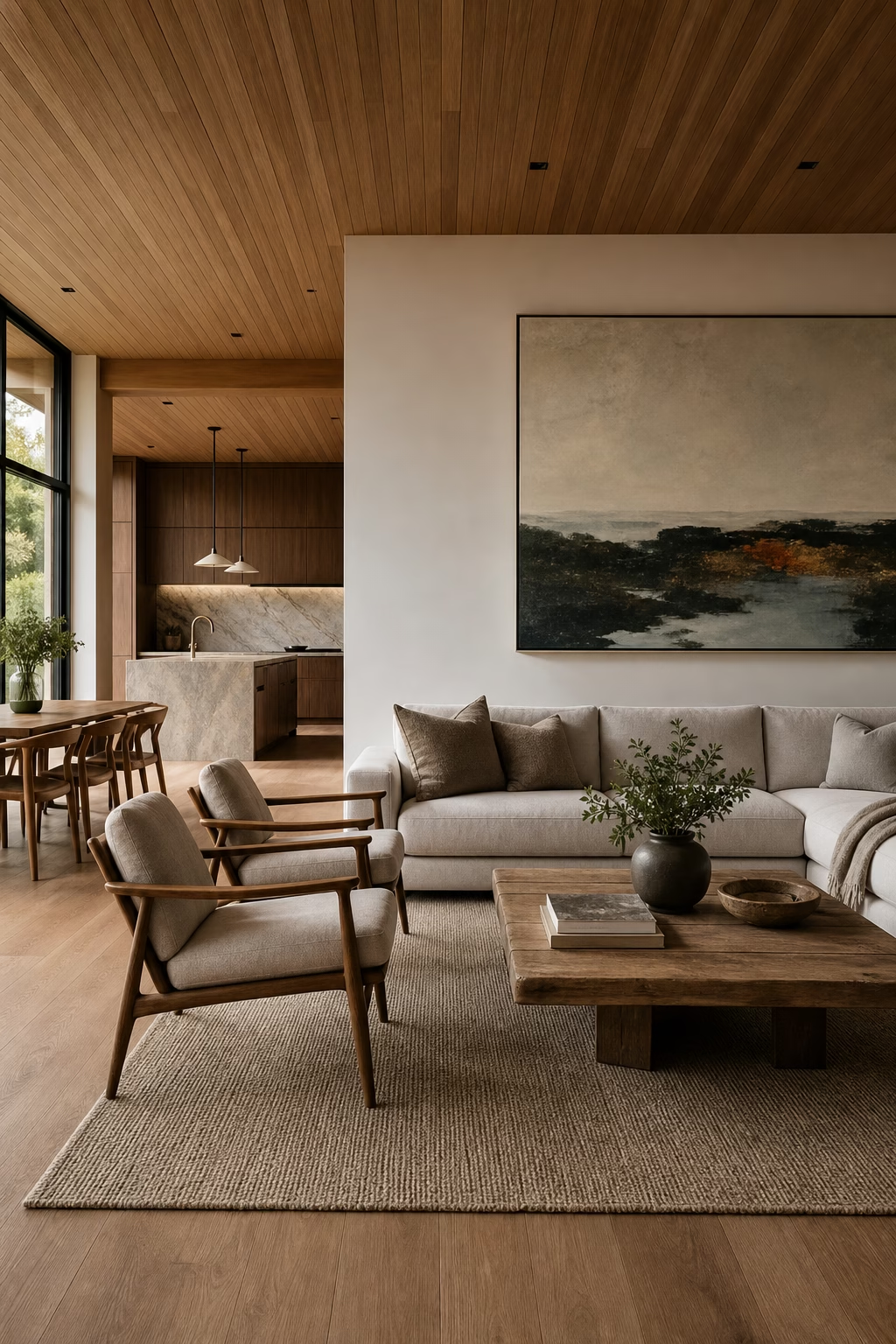
In an open-plan home, living room artwork often has to connect with the dining area, kitchen, or entry. Choose pieces that share a palette or mood with nearby rooms while still giving the living zone its own identity. A large artwork above the sofa can pull in the dining chair fabric, cabinet hardware, or kitchen stone through subtle tones. Avoid using the same print in multiple areas; repetition should come through color, material, or framing. This approach helps open spaces feel cohesive without becoming flat. The art acts like a visual bridge, guiding the eye from one function to the next.
Frame Personal Pieces Like Fine Art
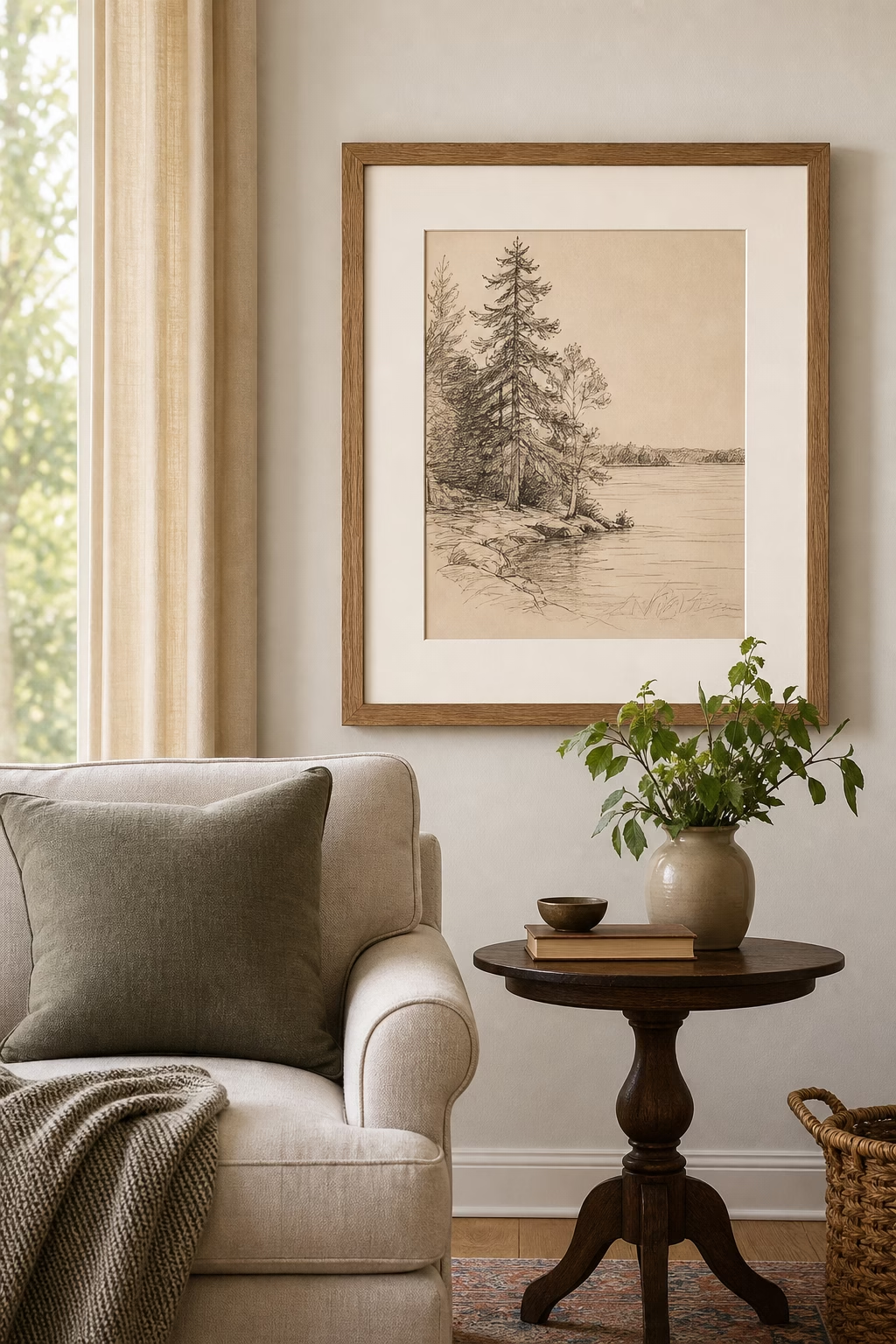
Personal artwork can look sophisticated when the framing is handled with the same care as a gallery piece. Children's drawings, travel sketches, family photography, inherited prints, or small handmade works deserve proper mats, archival backing, and frames that suit the room. Edit the selection rather than displaying everything at once. One meaningful piece in a beautiful frame often has more impact than a crowded sentimental wall. Place personal art where it can be enjoyed daily, such as near the sofa, reading chair, or entry side of the living room. The result feels warm and specific without sacrificing the polished character of the space.
Finish With Lighting That Does Not Glare
Even excellent artwork can look flat if the lighting is wrong. Aim for soft, angled illumination rather than a bright spotlight directly on glass. Picture lights, ceiling washers, track heads, and nearby lamps can all work when they are dimmable and warm. Check the art during the day and at night because reflections change with windows and lamps. If a piece is behind glass, museum-style non-glare glazing may be worth the upgrade. Lighting should reveal texture, color, and framing without announcing itself. In a living room, this final layer makes the artwork feel integrated into how the room is actually used after sunset.