
Warmer Woods Replace Weathered Gray
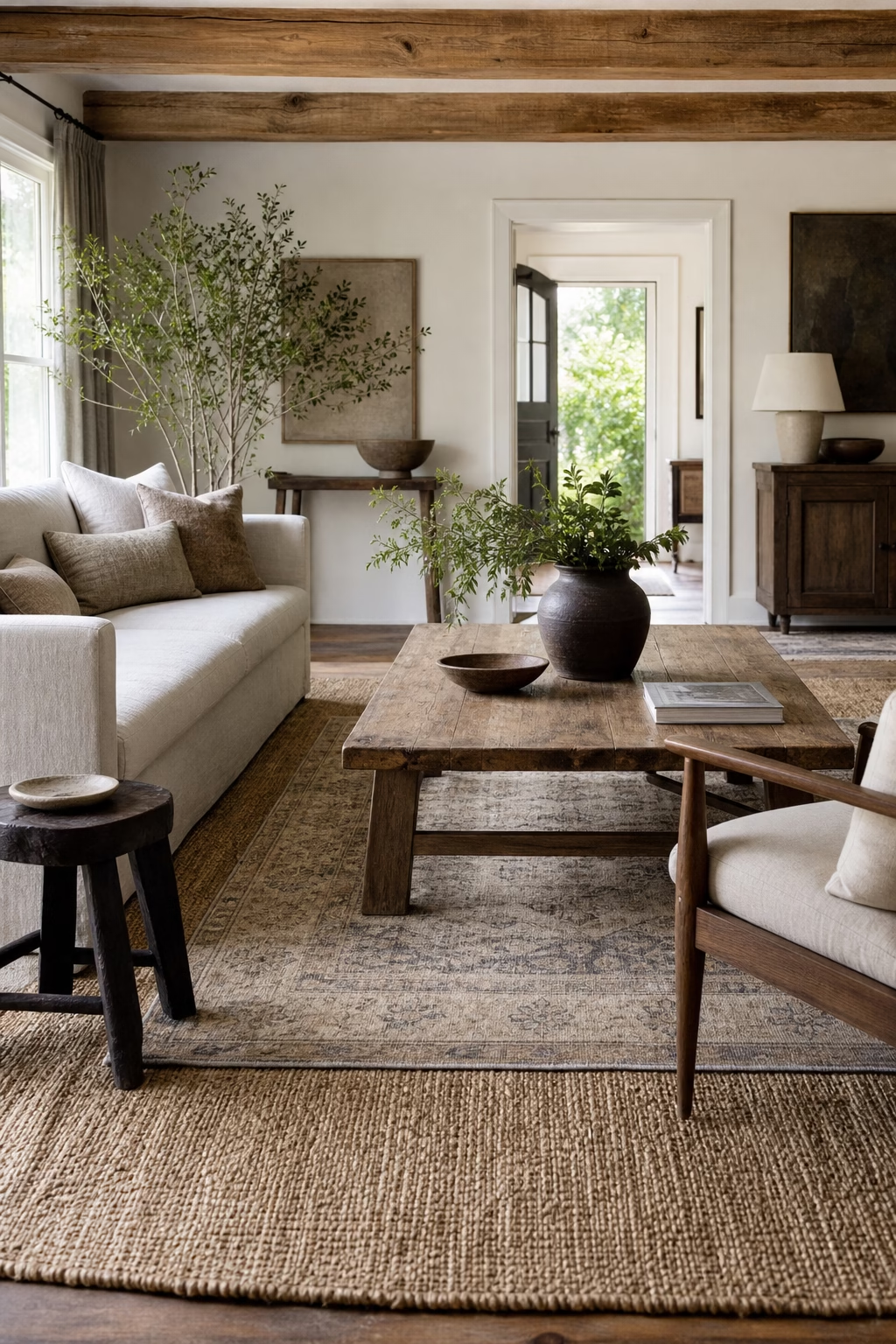
Modern farmhouse style is moving away from graywashed finishes and toward woods that feel warmer, richer, and more natural. White oak, aged pine, walnut, elm, and reclaimed fir bring grain and depth without looking overly distressed. Use them on beams, dining tables, consoles, open shelves, or a single antique cabinet. The finish should be matte enough to reveal texture but clean enough to suit modern rooms. Pair warm wood with plaster walls, linen upholstery, black iron, and quiet stone. This shift makes farmhouse interiors feel less themed and more architectural, with rustic character that can age gracefully. The rooms feel more expensive because the material looks honest.

Slipcovered Seating Looks Tailored
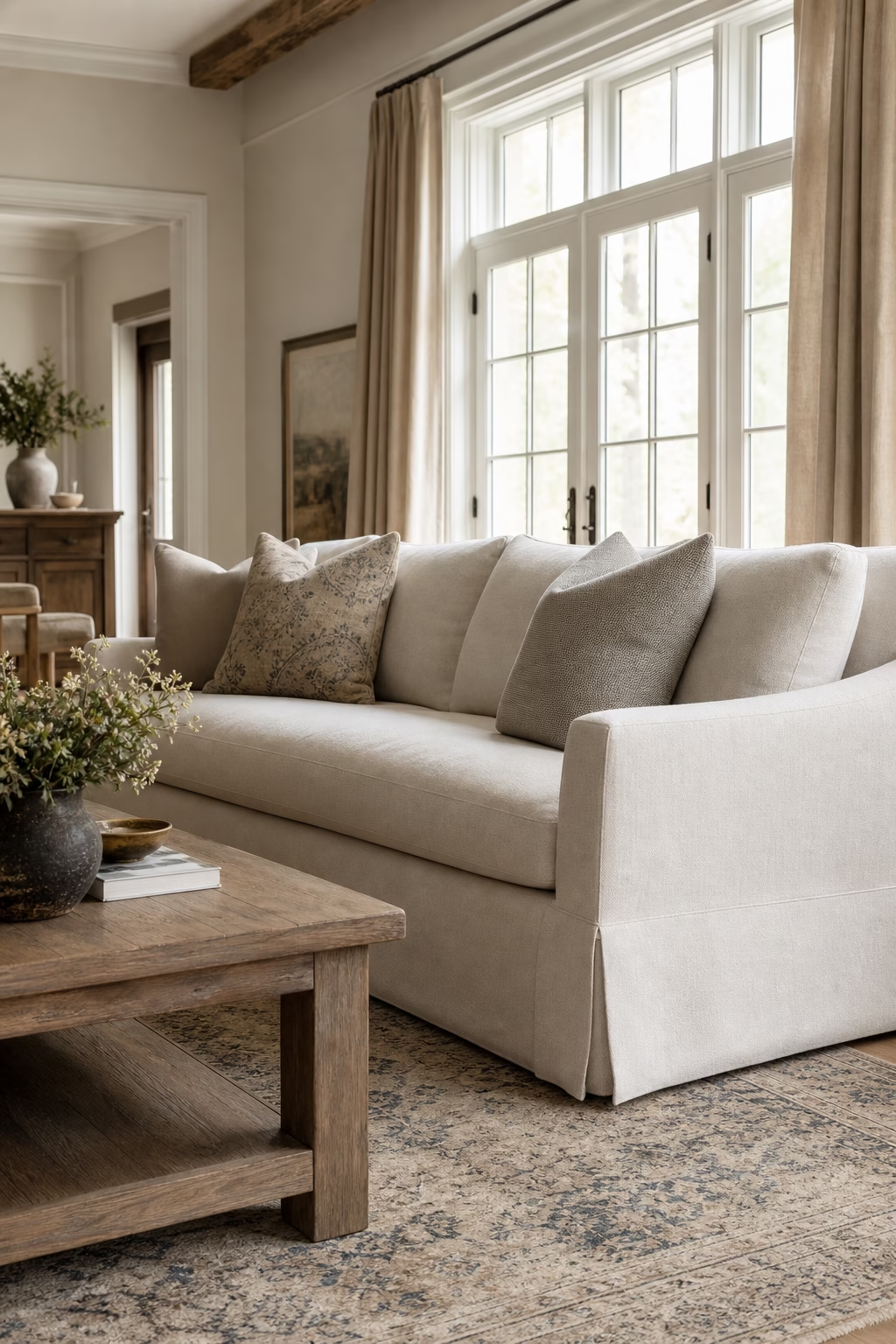
Slipcovered sofas still belong in modern farmhouse rooms, but the trend is cleaner and more tailored. Look for straight seams, generous cushions, and linen or cotton blends in oatmeal, flax, warm white, or mushroom. The cover should feel relaxed without sagging, and the proportions should suit the room rather than swallowing it. Pair slipcovered seating with a structured coffee table, iron lamp, or vintage rug so the space does not become too soft. The appeal is practical comfort: washable, livable upholstery that still looks polished enough for a refined family room. Add one structured accent chair to sharpen the room.
Black Iron Lighting Stays Crisp
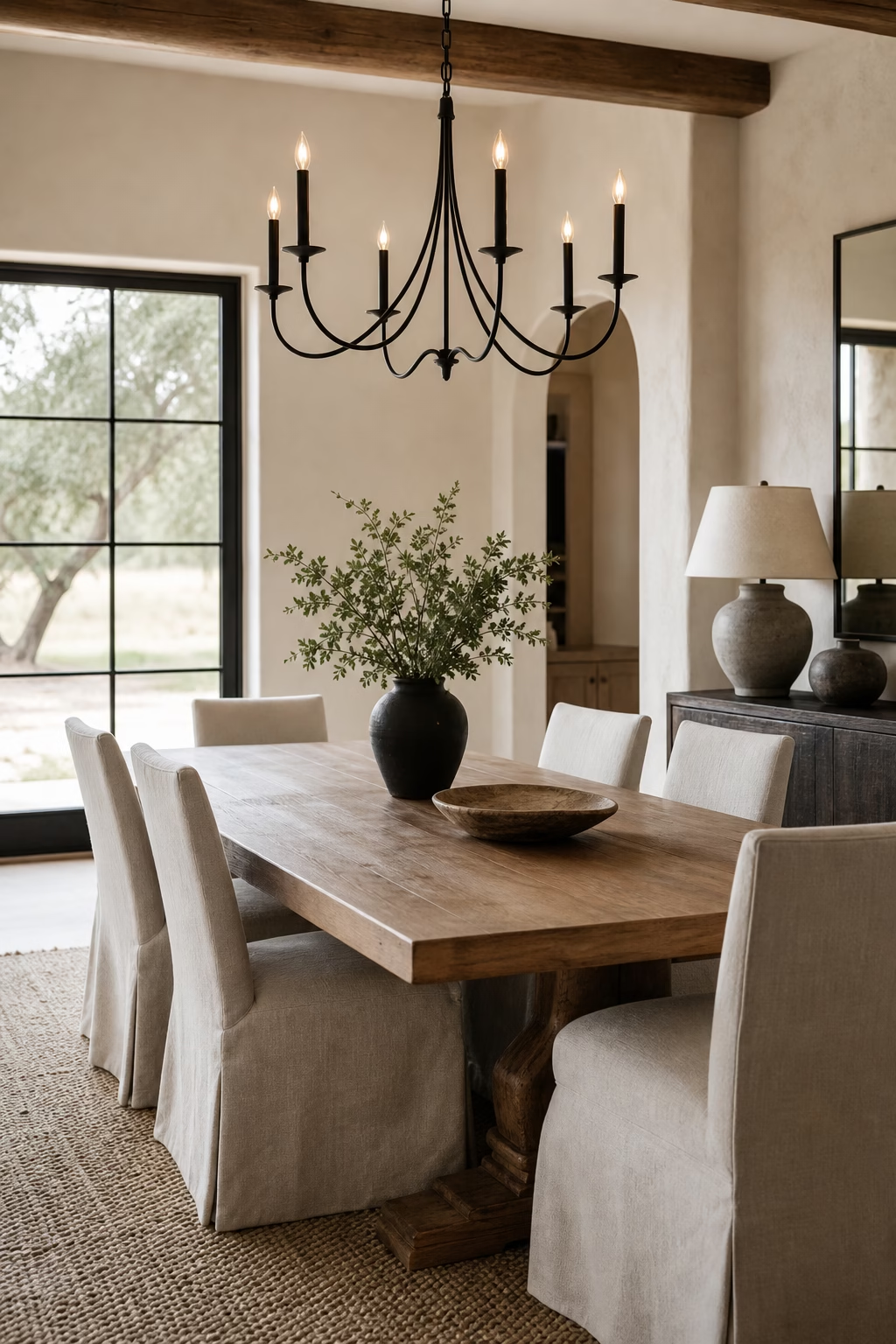
Black iron lighting remains a farmhouse staple because it adds definition to pale walls, wood, and linen. The modern version is simpler: clean lanterns, linear chandeliers, slim sconces, and hand-forged pendants without excessive ornament. Scale is the detail that makes it work. A dining fixture should relate to the table, while sconces should sit at a useful height and glow warmly. Matte or softly aged finishes look better than glossy black. Use iron lighting as an architectural line, not a costume piece. It brings contrast, utility, and a grounded note to otherwise soft rustic rooms. Repeat the finish once so it feels intentional.
Stone Fireplaces Feel More Natural
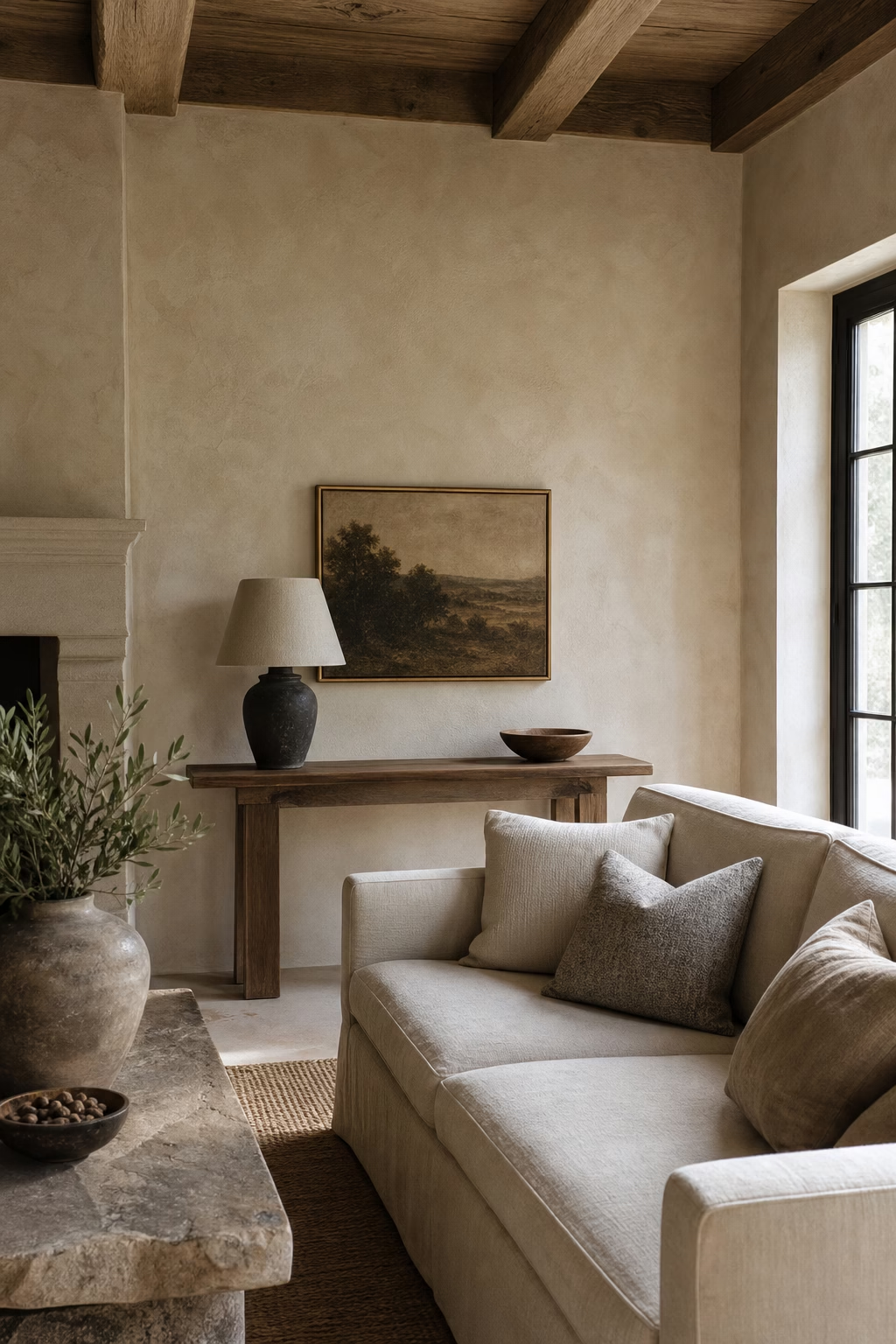
The most current farmhouse fireplaces look less manufactured and more quietly permanent. Limestone, fieldstone, plaster, brick, or a simple honed stone surround can bring age and texture without heavy decoration. Keep the mantel substantial but restrained, then style it with one artwork, a vessel, or a pair of sconces. Avoid crowding the hearth with signs or seasonal clutter. A natural fireplace should feel connected to the room's architecture and materials. When paired with linen seating and warm wood, it becomes a calm gathering point that feels rustic, modern, and genuinely useful through colder months. A simple hearth keeps the composition grounded.

Vintage Landscape Art Adds Place
Vintage landscape art is one of the easiest ways to make modern farmhouse decor feel collected. Look for small oils, pastoral sketches, tonal prints, or framed countryside photography with quiet color and real atmosphere. Hang one large landscape above a console or cluster related works in a simple grid. Frames in aged wood, antique brass, or slim black all work when the palette is restrained. The goal is a sense of place, not nostalgia overload. Landscape art connects wood, stone, and linen to the outdoors, making the room feel rooted rather than assembled from trend pieces. Let the artwork guide one small accent color.

Stoneware Becomes Everyday Decor
Stoneware is trending because it looks useful even when it is styled decoratively. Pitchers, crocks, bowls, and handmade vessels can hold branches, utensils, fruit, or simply occupy a shelf with quiet weight. Choose creamy, gray, salt-glazed, or brown pieces with subtle variation instead of glossy novelty ceramics. One large vessel usually feels more elevated than many tiny ones scattered across a surface. In kitchens and dining rooms, stoneware bridges function and beauty. It supports the farmhouse idea that objects should earn their place, but the modern styling keeps the display edited and calm. Use pieces with enough scale to stand alone.

Woven Storage Looks Intentional
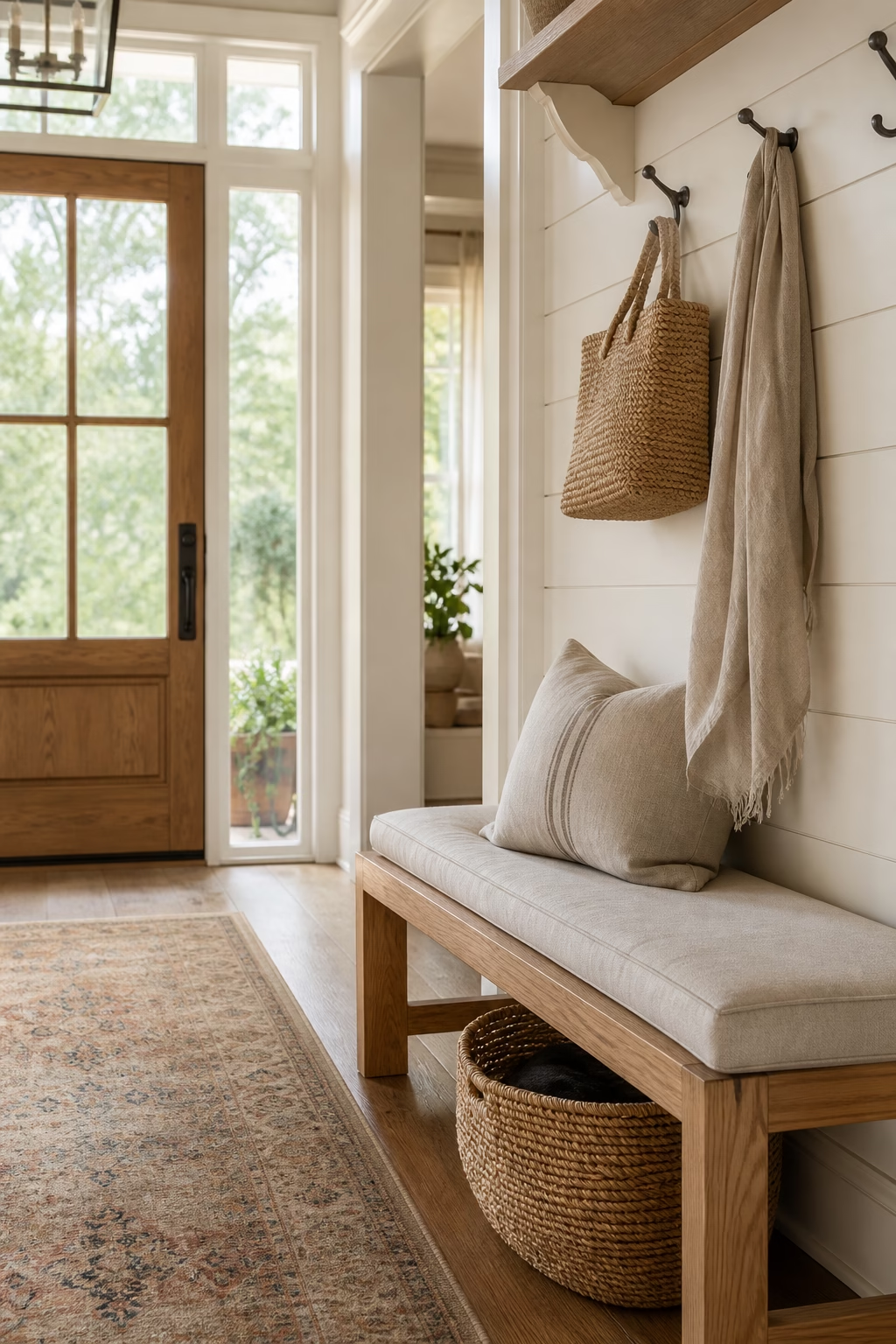
Baskets are no longer just a farmhouse accessory; they are part of how the room stays organized. Large woven baskets can hold throws beside a sofa, smaller lidded versions can hide entry clutter, and sturdy pantry baskets can make open shelves look calmer. Choose natural fibers with tight weaving and strong handles so they feel durable, not decorative filler. Repeat similar tones across the room for cohesion. The texture softens painted millwork, stone floors, and iron lighting while solving real storage needs. This is the kind of trend that looks warm because it works hard. It is storage that contributes to the atmosphere.
Open Shelves Are More Edited
Open shelving still suits farmhouse kitchens, but the styling is becoming much more disciplined. Use shelves for the pieces you actually want to see: everyday plates, stoneware bowls, glassware, cookbooks, or a small lamp. Leave gaps so the arrangement feels breathable. Wood shelves with simple brackets or integrated plaster ledges both look current when the proportions are right. Avoid filling every inch with mugs and signs. The best shelves combine utility and display, giving the kitchen warmth while keeping the main storage behind closed cabinet doors where daily clutter belongs. Edit them seasonally so the display stays fresh and genuinely useful.

Farmhouse Kitchens Feel Furniture-Like
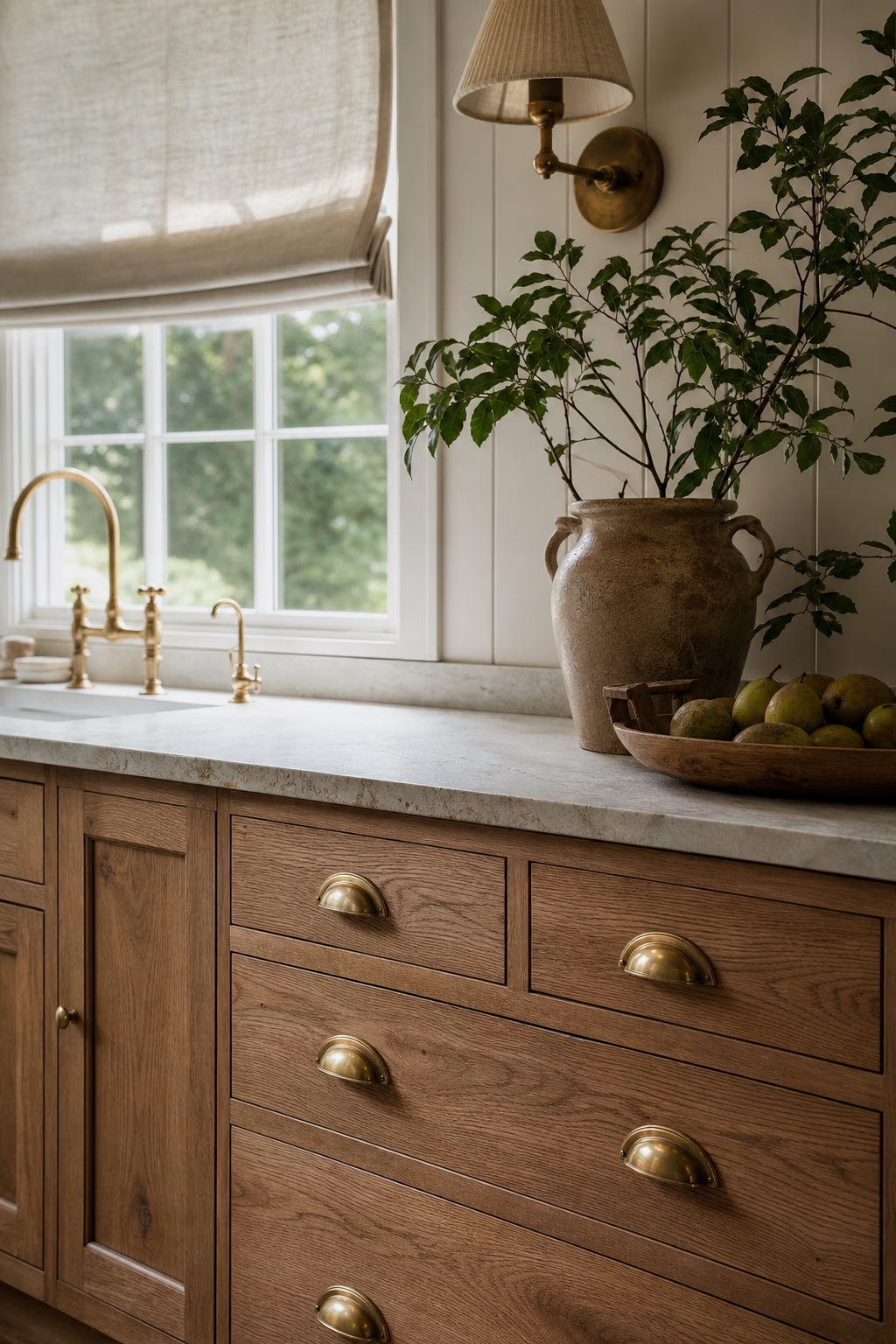
The modern farmhouse kitchen is becoming more furniture-like, with islands, hutches, and pantry cabinets that feel built for a room rather than installed as equipment. Inset doors, warm wood islands, unlacquered brass pulls, stone counters, and framed glass cabinets all help. Function still comes first: good ventilation, durable surfaces, and storage near the work zones matter more than styling. The trend works when the kitchen feels connected to nearby living areas through material and proportion. It should look beautiful from the dining table but still support cooking, cleaning, and everyday traffic without fuss. Add lamps or art only where they are safe.

Plaid Appears in Smaller Doses
Plaid is returning in modern farmhouse rooms, but it is more restrained than theme-heavy checks everywhere. Use it on one pillow pair, a throw, a Roman shade, a bench cushion, or a single upholstered chair. Muted olive, camel, charcoal, rust, and cream feel more current than high-contrast black and white. The pattern should relate to the room's woods and metals, not compete with every surface. Keeping plaid to a small dose gives the room a traditional note without making it feel like a lodge set. It adds warmth, pattern, and a little memory. The room stays classic instead of overly themed.

Linen Curtains Soften Rustic Rooms
Linen curtains are a major reason modern farmhouse rooms feel more elevated. They soften wood beams, stone, iron, and painted walls while improving light and acoustics. Hang rods high and wide so the windows look generous, and choose enough fullness that the panels do not appear skimpy. Warm white, oat, flax, and mushroom tones work especially well. In bedrooms, consider lining for privacy and sleep; in living rooms, a lighter weave can keep daylight airy. This trend matters because it turns rustic architecture into a comfortable interior, not just a collection of hard surfaces. Their movement also makes still rooms feel lived in.

Brass Hardware Gets Softer
Farmhouse hardware is warming up with aged brass, unlacquered brass, bronze, and pewter replacing overly black or shiny finishes. The softer metal works beautifully on kitchen cabinets, built-ins, bathroom vanities, and furniture-like storage. Choose pulls with real grip and enough weight; flimsy hardware weakens even good cabinetry. The finish does not need to match every lamp or faucet, but it should repeat somewhere so the choice feels deliberate. Over time, unlacquered brass develops patina, which suits the farmhouse preference for materials that show life. It adds a quiet layer of polish without feeling precious. Test one sample pull before ordering a full set.
Checkered Floors Look Timeless
Checkered floors are appearing in entries, mudrooms, laundries, and kitchens because they bring pattern at an architectural scale. The modern farmhouse version favors softer contrast: limestone and marble, terracotta and cream, warm gray and off-white, or painted wood in muted tones. Keep the tile size proportional to the room so the pattern does not feel busy. Simple walls and practical storage help the floor stay the feature. This trend feels timeless because it references old houses without copying them too literally. It also hides dirt well in hardworking rooms, which makes the beauty practical. Use quiet grout so the pattern remains refined.

Mudrooms Become Beautiful Workhorses
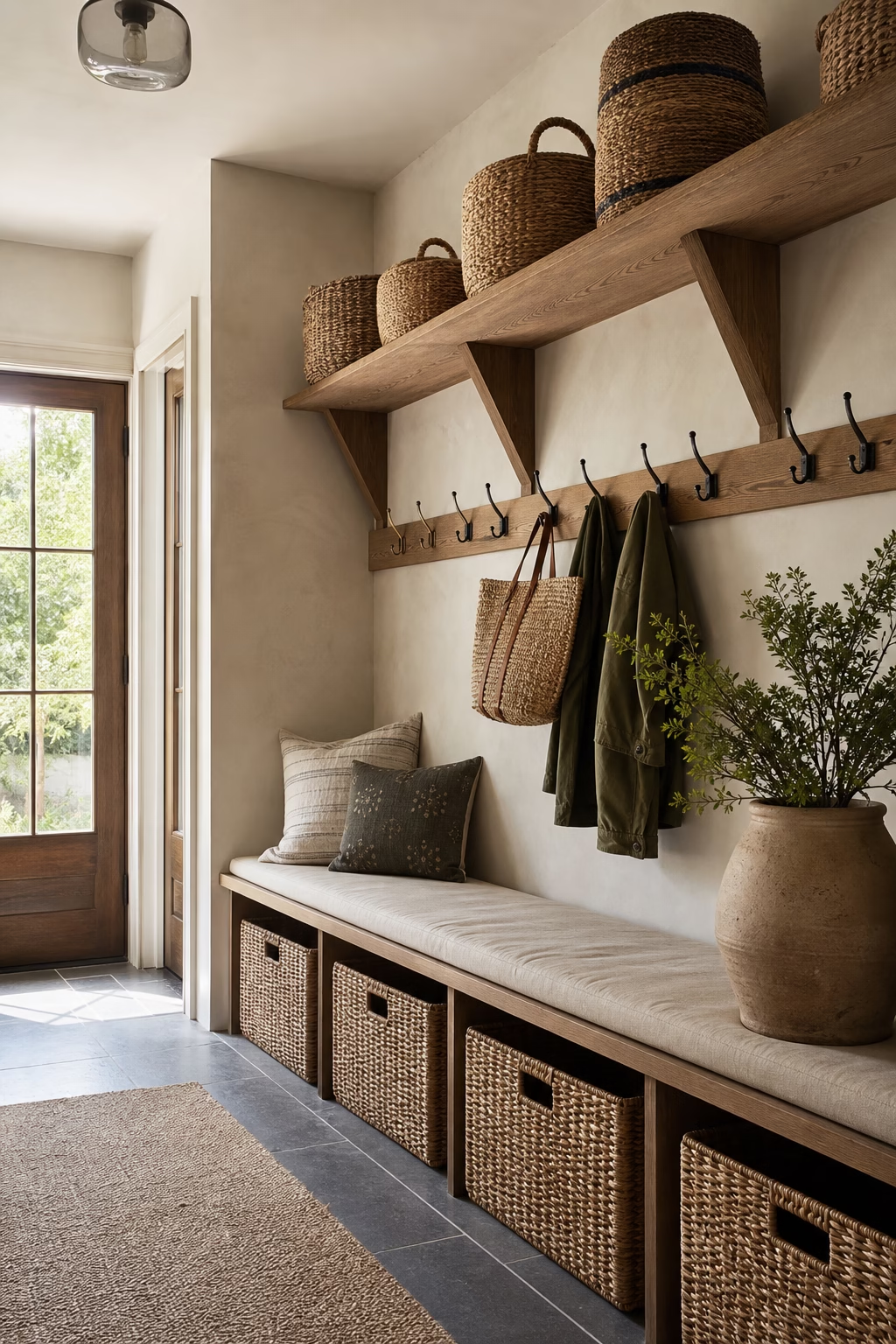
Mudrooms are becoming one of the most designed farmhouse spaces because they handle real mess. Built-in benches, hooks, closed cubbies, washable runners, boot trays, and durable wall finishes make the room useful every day. The modern trend is to make these hardworking details beautiful through warm wood, painted cabinetry, woven baskets, brass hooks, and good lighting. Keep the layout honest: storage should sit exactly where bags, shoes, and coats arrive. A beautiful mudroom supports the rest of the house by containing clutter before it spreads. It is practical farmhouse thinking with a more polished finish. Good lighting makes the space feel less secondary.

Rustic Tables Get Cleaner Lines
Farmhouse dining tables are still substantial, but the silhouettes are becoming cleaner. Instead of heavily turned legs or overly distressed finishes, look for plank tops, trestle bases, simple tapered legs, and matte natural wood. The table should feel sturdy enough for daily meals but refined enough for an open dining area. Pair it with upholstered chairs, woven seats, or a bench on one side for a relaxed mix. Keep centerpieces low and functional, such as a stoneware bowl or branches. Cleaner lines let the wood grain provide character without pushing the room into costume rustic territory. The simpler form leaves room for better chairs.

Quiet Florals Replace Busy Prints
Florals are returning to farmhouse decor in a quieter, more sophisticated form. Instead of bright, crowded patterns, choose faded botanicals, block-printed linens, small-scale vines, or painterly florals in muted colors. Use them on a pillow, bedroom quilt, Roman shade, or framed textile. Balance the pattern with solid linen, wood, and stone so the room does not become sweet. Quiet florals add softness and a garden connection, especially in bedrooms, breakfast nooks, and guest rooms. They bring the charm people love about farmhouse style while keeping the palette calm and grown-up. Repeat one floral color in a small accessory.
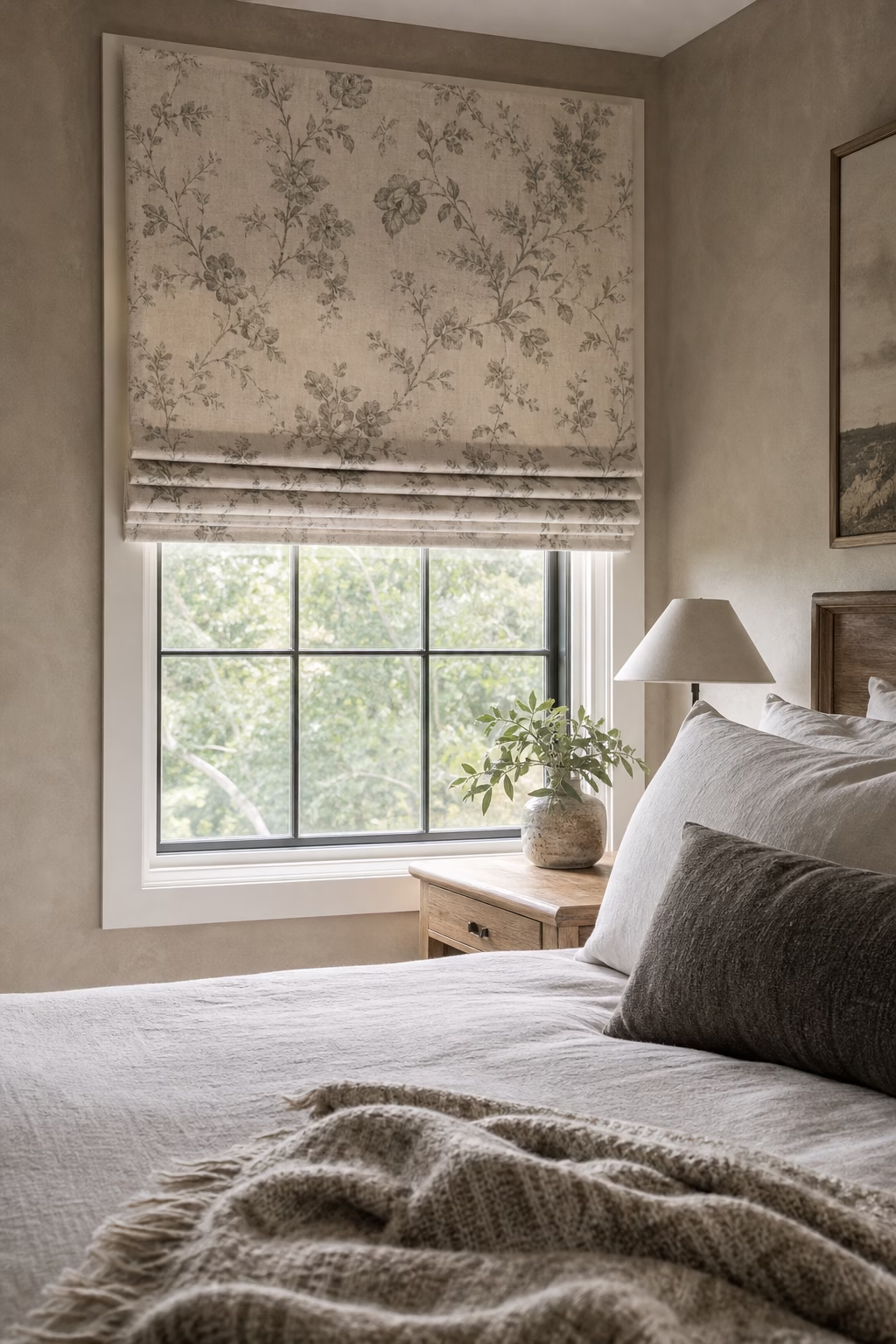
Plaster Walls Feel Collected
Plaster and plaster-look finishes are shaping the next phase of modern farmhouse style. They give walls depth without pattern and make new construction feel less thin. Warm white, clay, taupe, and soft gray plaster tones work well with wood beams, linen, and stone. Use the finish throughout a main room for subtle movement, or reserve it for a fireplace wall, bedroom, powder room, or entry. The texture should be gentle rather than theatrical. Plaster helps rustic elements feel more architectural and less decorative, which is why it pairs so naturally with the cleaner farmhouse direction. The finish rewards daylight better than flat paint.
Bench Seating Adds Easy Hospitality
Benches suit modern farmhouse homes because they are flexible, useful, and relaxed. Use one in an entry for shoes, along a dining table for extra guests, at the foot of a bed, or under a window with cushions. The current look is simple: warm wood, linen upholstery, woven rush, or a slim painted base. A bench should leave clear circulation and feel sturdy enough for daily use. Style it with one cushion or folded throw, not a pile of accessories. The piece suggests hospitality without formality, which is at the heart of the best farmhouse interiors. It can move between rooms when hosting requires flexibility.
Ceramic Lamps Replace Mason Jars
Farmhouse lighting is becoming more refined, and ceramic lamps are leading the shift. A handmade ceramic base with a linen shade feels warmer and more lasting than novelty lamps or mason jar fixtures. Use them on consoles, nightstands, kitchen counters, and side tables where a soft glow improves the room. Look for earthy glazes, simple silhouettes, and shades that cover the bulb properly. This trend brings craft into the home without shouting. It also makes farmhouse rooms feel better at night, when overhead lighting can flatten all the texture that makes the style appealing. Their glow makes rustic texture feel softer.

Layered Rugs Add Collected Warmth
Layered rugs help farmhouse rooms feel collected instead of newly furnished all at once. Start with a large natural fiber, wool, or flatwoven base that fits the furniture properly, then add a smaller vintage or patterned rug where the room needs color and history. Keep the top rug flat and use pads so the layers feel secure. This works especially well in living rooms, bedrooms, and dining spaces with simple furniture. The layering adds softness, hides wear, and brings a relaxed sense of age. It also solves scale problems when one large antique rug is hard to find. Keep door swings and chair movement in mind.
Built-Ins Hide Modern Clutter
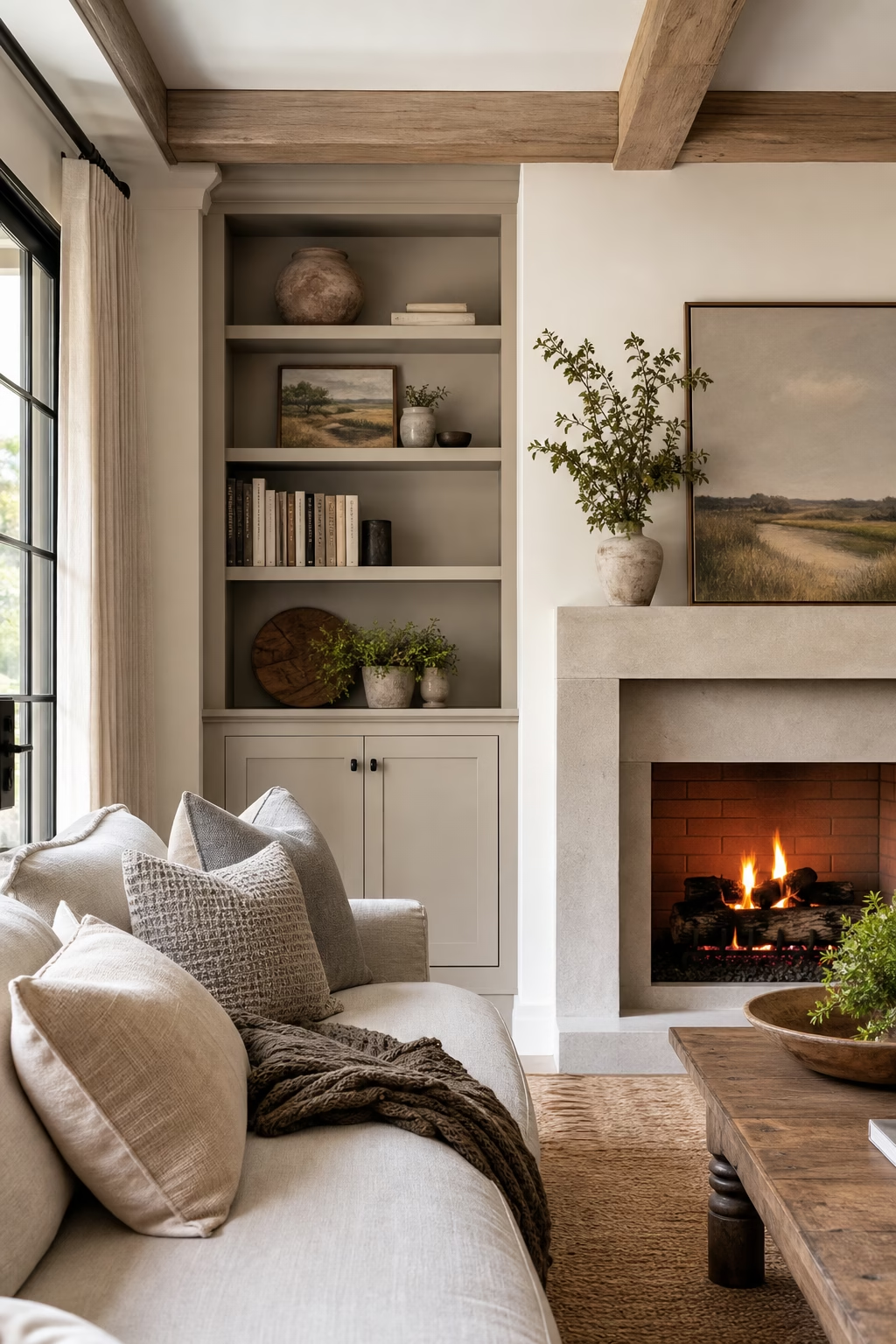
Modern farmhouse rooms work best when storage is planned into the architecture. Built-ins around a fireplace, mudroom bench, dining nook, or media wall can hide cables, games, shoes, blankets, and paperwork while leaving display space for books and ceramics. Use a mix of closed doors and open shelves so the wall feels useful but not heavy. Painted finishes, oak interiors, brass pulls, and simple trim all suit the style. This trend matters because real homes need real storage. When clutter disappears into handsome cabinetry, the rustic textures and decorative pieces can actually be appreciated. Add outlets inside cabinets when possible.
Greenery Looks More Sculptural
Farmhouse greenery is becoming less about many small plants and more about strong silhouettes. A potted olive tree, large fern, branch arrangement, or clipped topiary can bring life to a room without cluttering every surface. Choose planters in terracotta, stoneware, zinc, woven fiber, or aged wood that relate to the room's materials. Placement should make sense for light and circulation; a plant should not brush the sofa or block a walkway. Sculptural greenery connects the interior to the land outside, which is one reason it feels so natural in modern farmhouse spaces. One healthy plant is better than several tired ones.

Seasonal Styling Gets More Restrained
Modern farmhouse seasonal decor is becoming quieter and more material-driven. Instead of filling every surface with themed pieces, use branches, bowls of fruit, simple wreaths, linen runners, candlelight, or one changed artwork to mark the season. The base room should still be visible. Natural materials age better than plastic signs, and they are easier to edit when the holiday passes. This restrained approach keeps the house feeling current all year. It also lets the permanent elements, such as wood, stone, lighting, and textiles, remain the main story while seasonal details add a gentle shift. Store fewer pieces and buy better natural materials.
