A beautiful kitchen depends on the items that stay out, get touched daily, and quietly support every meal. The best 2026 essentials are durable, easy to clean, and attractive enough to live in view. These kitchen finds balance function with a calmer, more edited look for counters, drawers, shelves, and pantry zones.
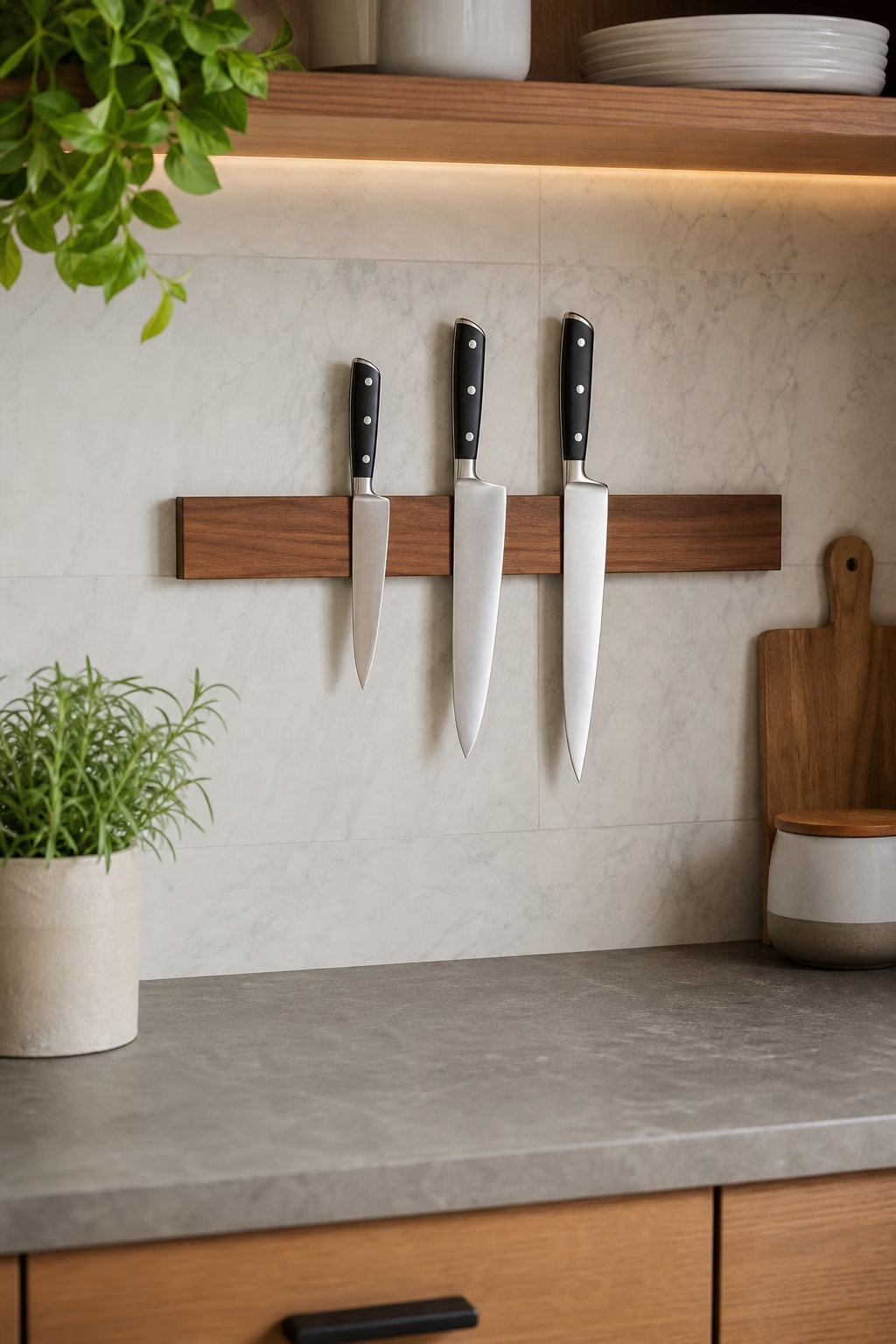
Mount a Magnetic Knife Rail for Clear Prep Space
A magnetic knife rail frees drawer space and keeps the knives you use most within easy reach. Choose wood if you want the rail to feel warm against stone or tile, and make sure the magnet is strong enough to hold blades securely without dragging the edge. Mount it away from the stove splash zone and high enough that children cannot reach it. Limit the rail to a few essential knives instead of filling it with every blade in the house. The visual effect is cleaner when the handles align and the surrounding counter stays open for real prep work.
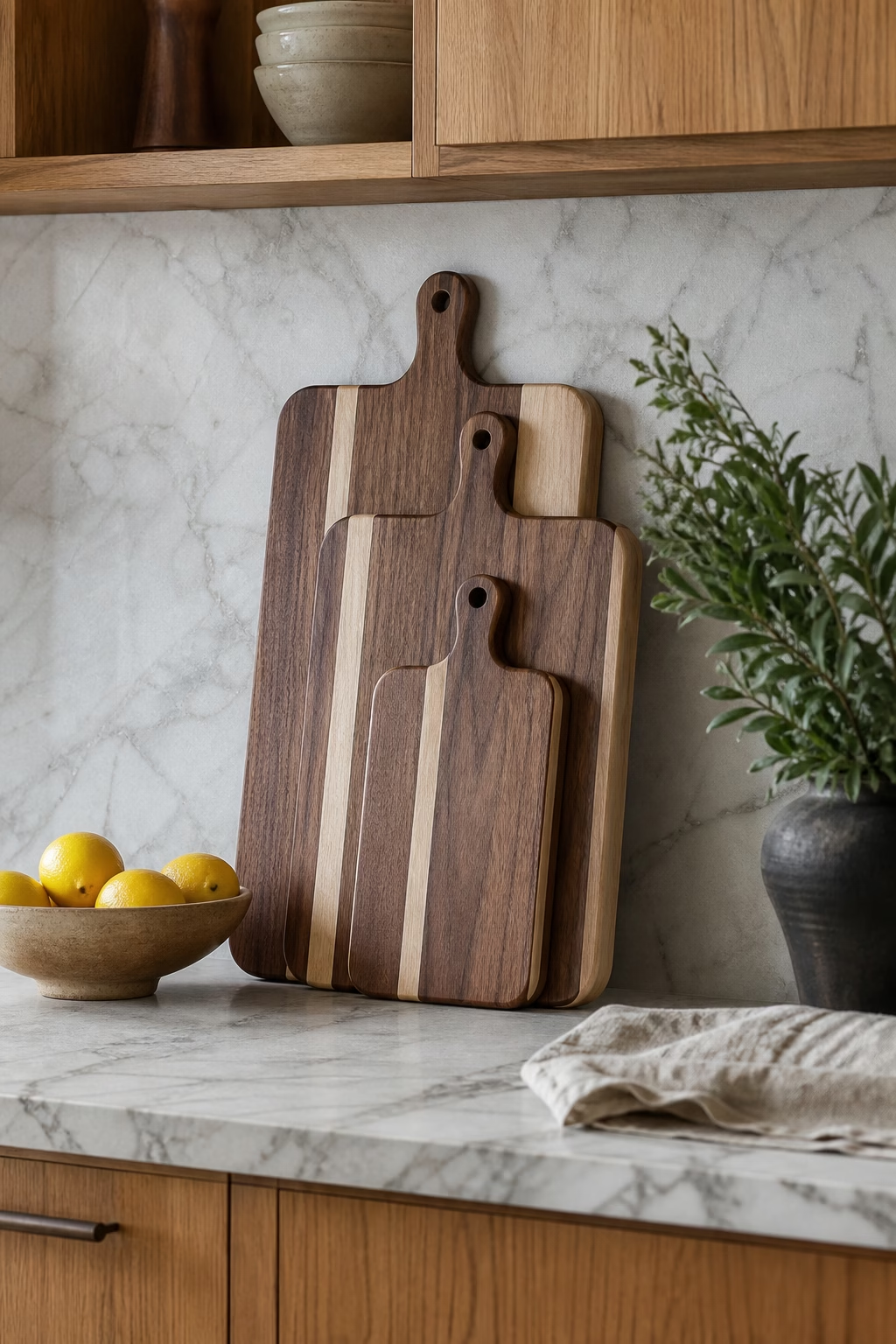
Layer Wood Cutting Boards as Useful Decor
Cutting boards are among the rare kitchen items that look better when visible, provided they are chosen with intention. Keep two or three boards in different sizes and wood tones, then lean them where they are easy to grab for bread, fruit, or quick prep. End-grain boards are heavier and durable, while paddle boards double as serving pieces. Oil them regularly so the wood does not dry out near heat or sunlight. Avoid stacking boards where water can pool after washing. When the shapes are simple and the grain is rich, the arrangement brings warmth without requiring extra decor.
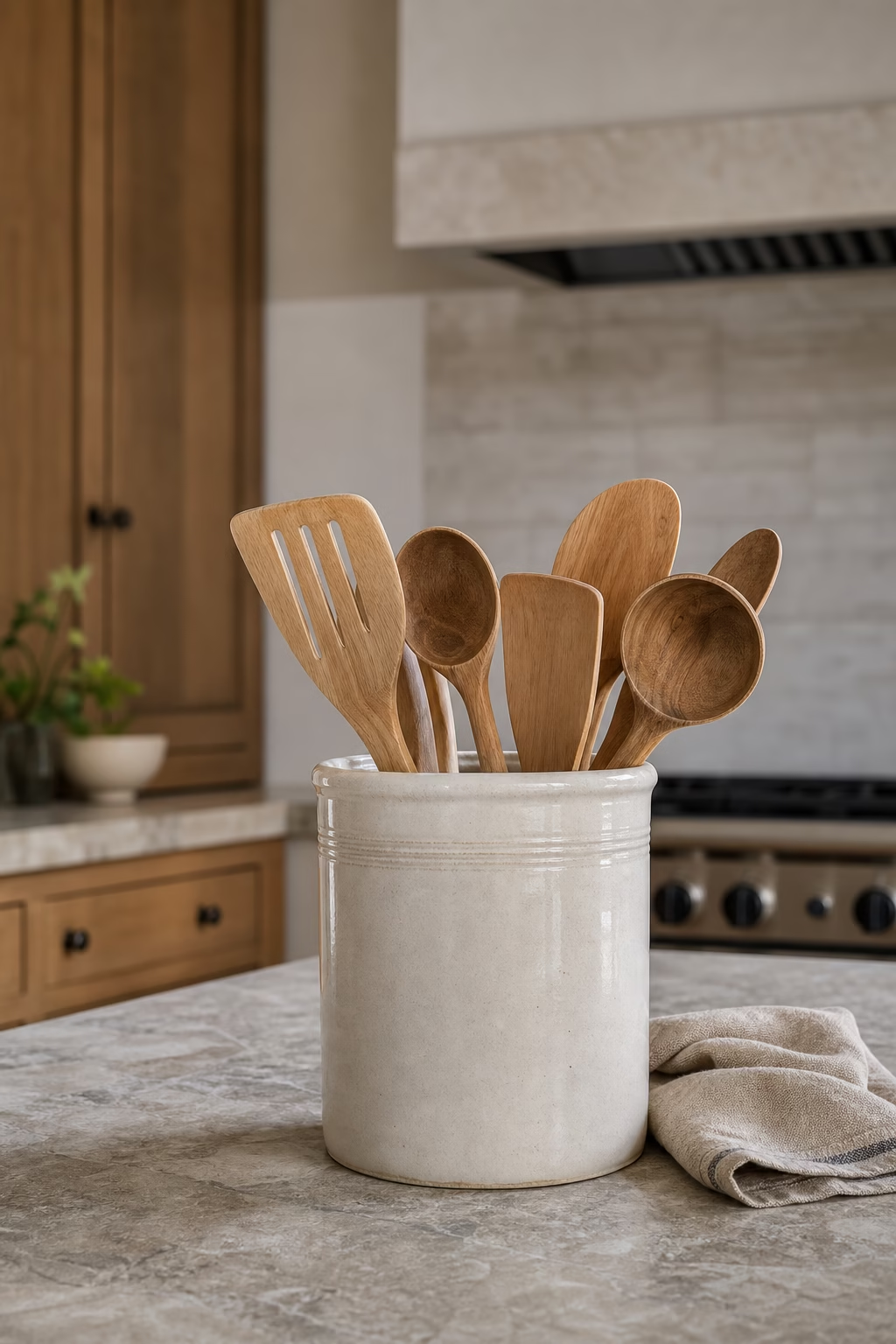
Keep Wooden Tools in a Ceramic Crock
A utensil crock saves time only if it holds the tools you reach for every day. Edit it down to wooden spoons, a spatula, a ladle, and perhaps tongs; specialty gadgets belong in a drawer. A heavy ceramic crock stays stable and adds texture to stone counters, especially in kitchens with lots of metal and glass. Place it near the range but not so close that grease coats the handles. The opening should be wide enough for tools to fan out without snagging. This one item can make a cooking zone feel generous and lived-in while still looking controlled.
Choose Nesting Mixing Bowls You Can Leave Out
Nesting mixing bowls earn their space because they support prep, baking, serving, and storage. Ceramic bowls look beautiful on open shelving, while stainless versions are lighter and more practical for heavy use. For a 2026 kitchen, a muted set in cream, sage, charcoal, or soft clay feels more integrated than bright colors. Check that the bowls are stable, dishwasher safe, and easy to grip when full. A pouring lip is useful for batter and sauces. Keep the set together so it does not become drawer clutter. When the bowls are attractive enough to display, they can replace less useful decorative objects.
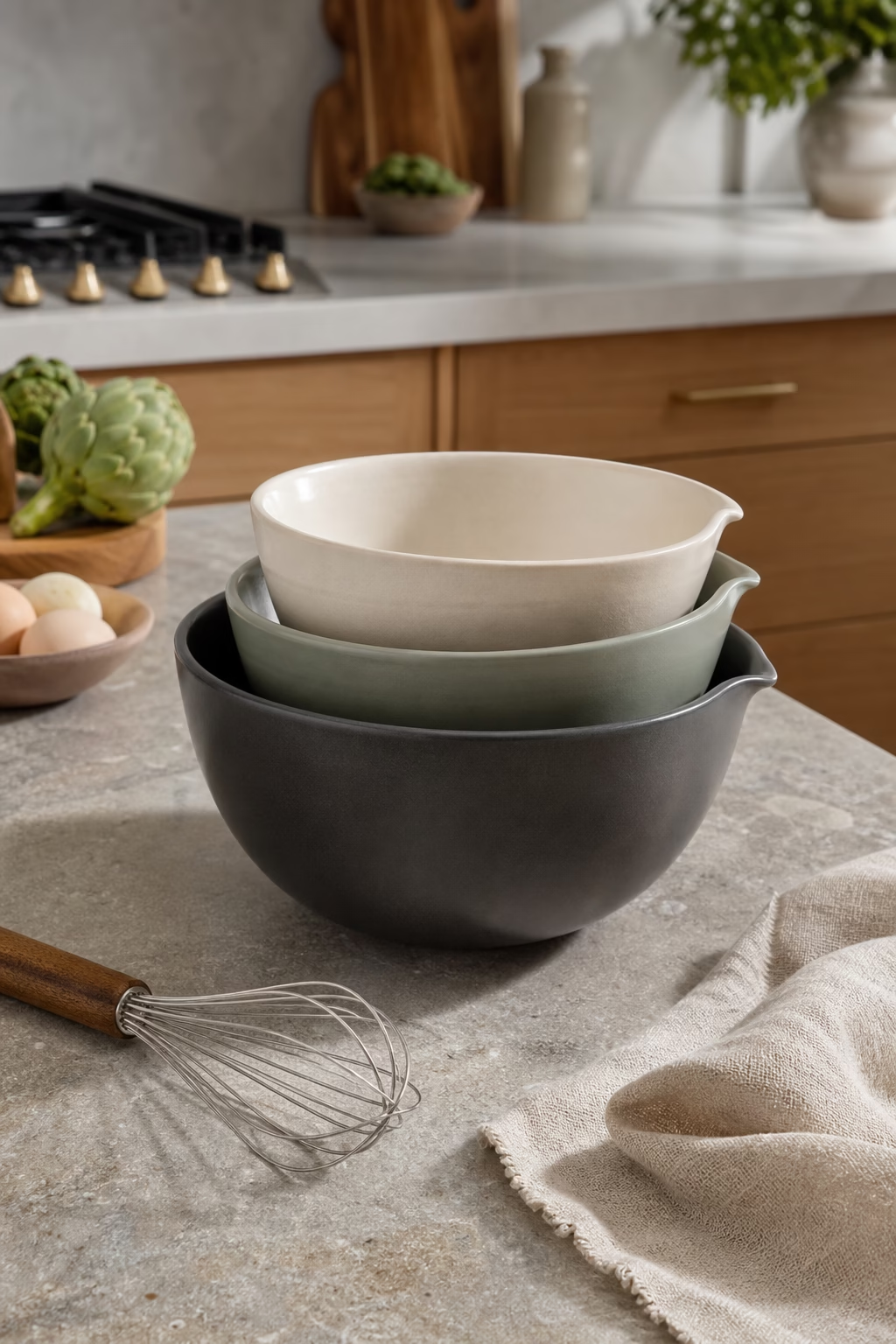
Decant Pantry Staples Into Glass Jars
Glass jars make a pantry easier to scan and keep open shelving from looking chaotic. Use them for staples you replenish often, such as pasta, oats, rice, beans, lentils, nuts, and flour. The jars should seal well and have openings wide enough for scoops. Skip labels on display shelves if the contents are obvious; inside a pantry, discreet labels can be helpful. Consistent lids create the visual order, not perfect matching contents. Before buying a full set, measure shelf depth and height so the jars do not waste space. A good jar system makes cooking faster while giving the kitchen a calmer rhythm.
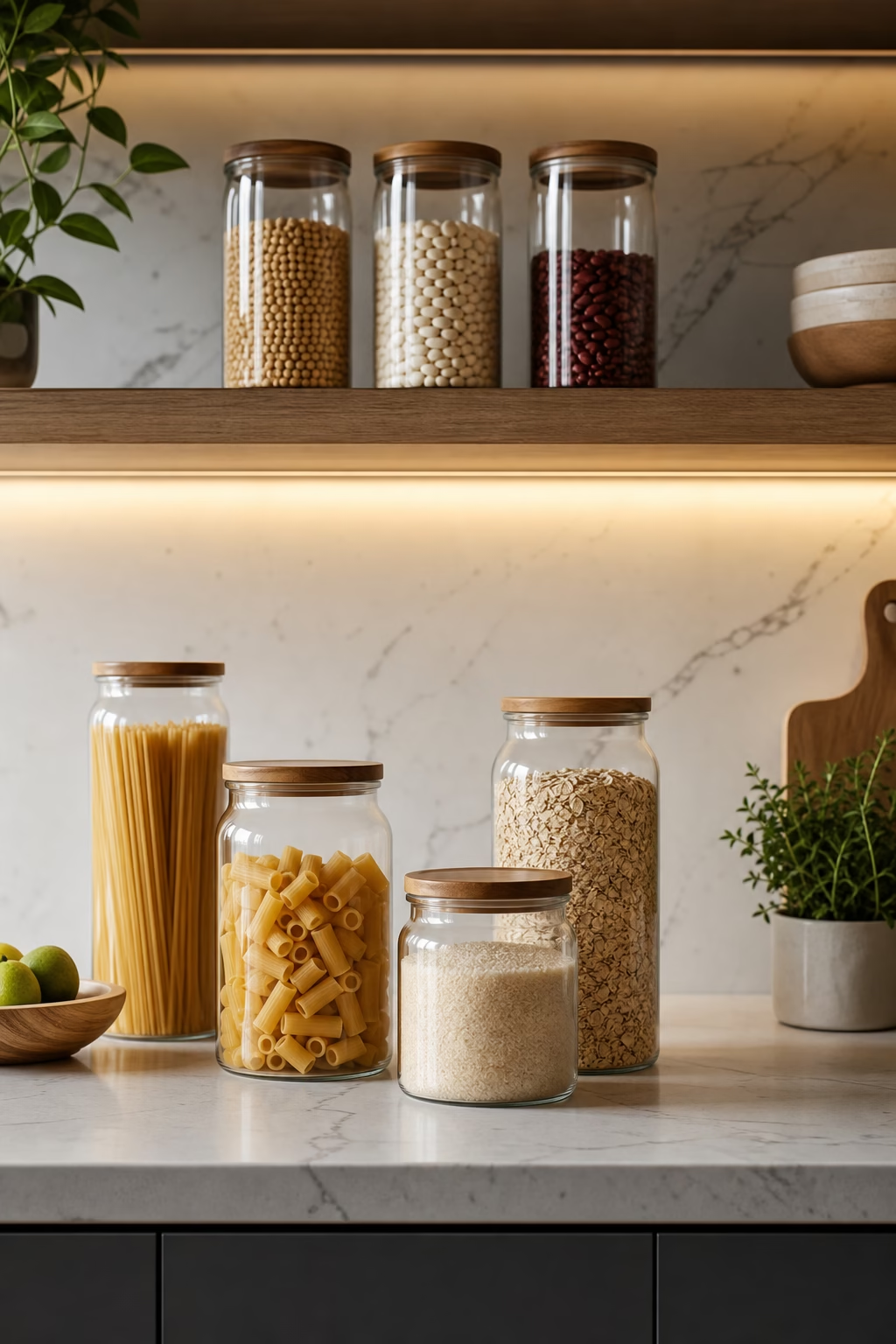
Use a Compact Dish Rack That Looks Permanent
A dish rack is often visible all day, so it should be treated as part of the sink design. Look for stainless steel, silicone, or sealed wood details that handle water and can be cleaned easily. Compact racks are best for daily glasses, plates, and a few utensils; oversized racks encourage clutter. Place it where drips fall into the sink or onto a washable tray. If counter space is tight, a roll-up rack or in-sink version may work better. The goal is not to hide dishwashing completely, but to make the drying area look tidy, intentional, and proportionate to the kitchen.
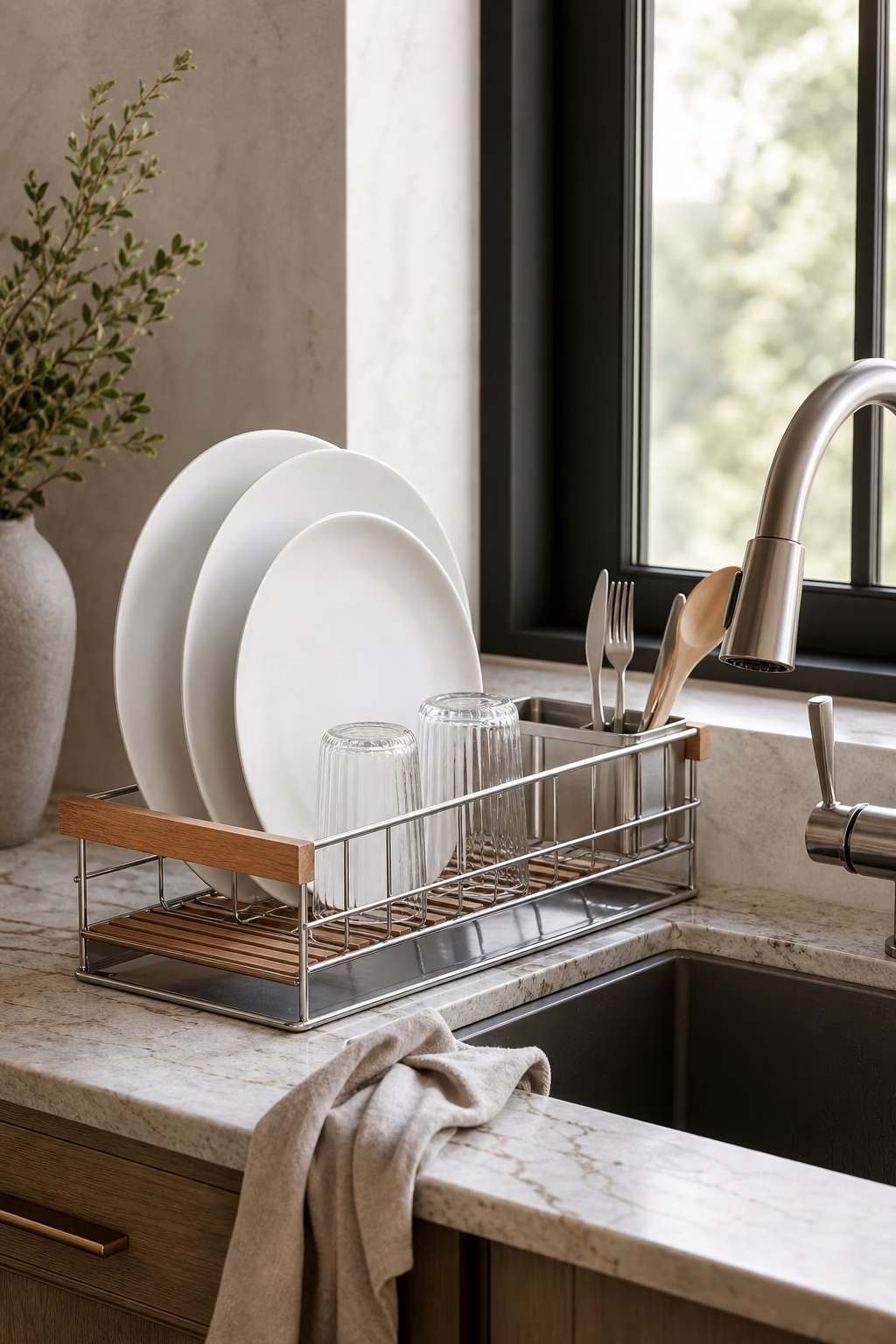
Add a Pot Rail for Frequently Used Pans
A pot rail can be beautiful and practical when it holds only the pans you truly use. Mount it on a strong wall or backsplash, then check that the hooks do not swing into the cooktop, faucet, or open shelves. Aged brass, blackened steel, and stainless all work if they repeat nearby hardware. Limit the rail to a skillet, small saucepan, strainer, or ladle rather than every pot in the cabinet. The spacing should let each piece hang freely. In the right spot, a rail turns storage into a working detail and keeps deeper drawers available for heavier cookware. Keep the rail easy to wipe after cooking.
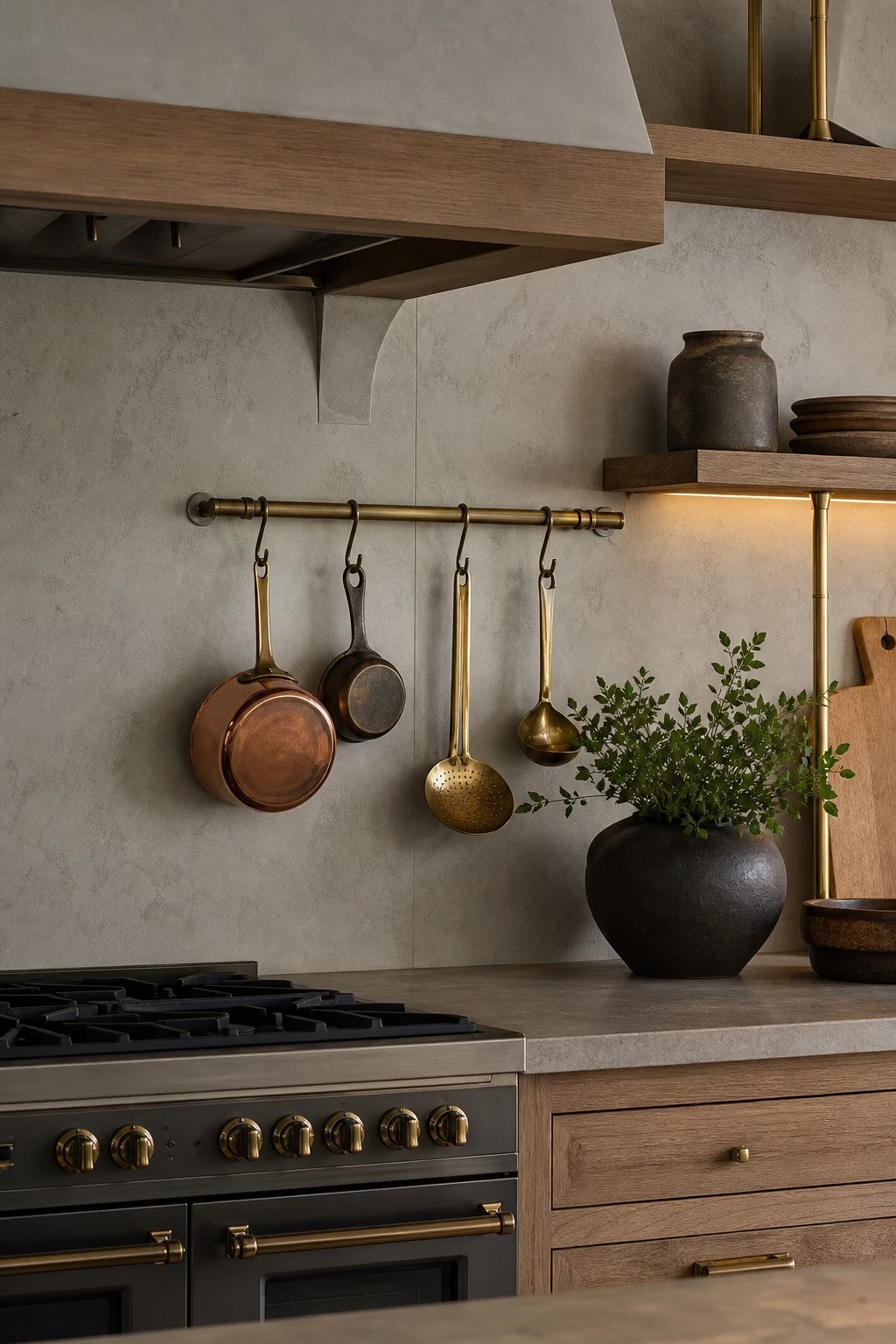
Organize Spices in a Shallow Drawer
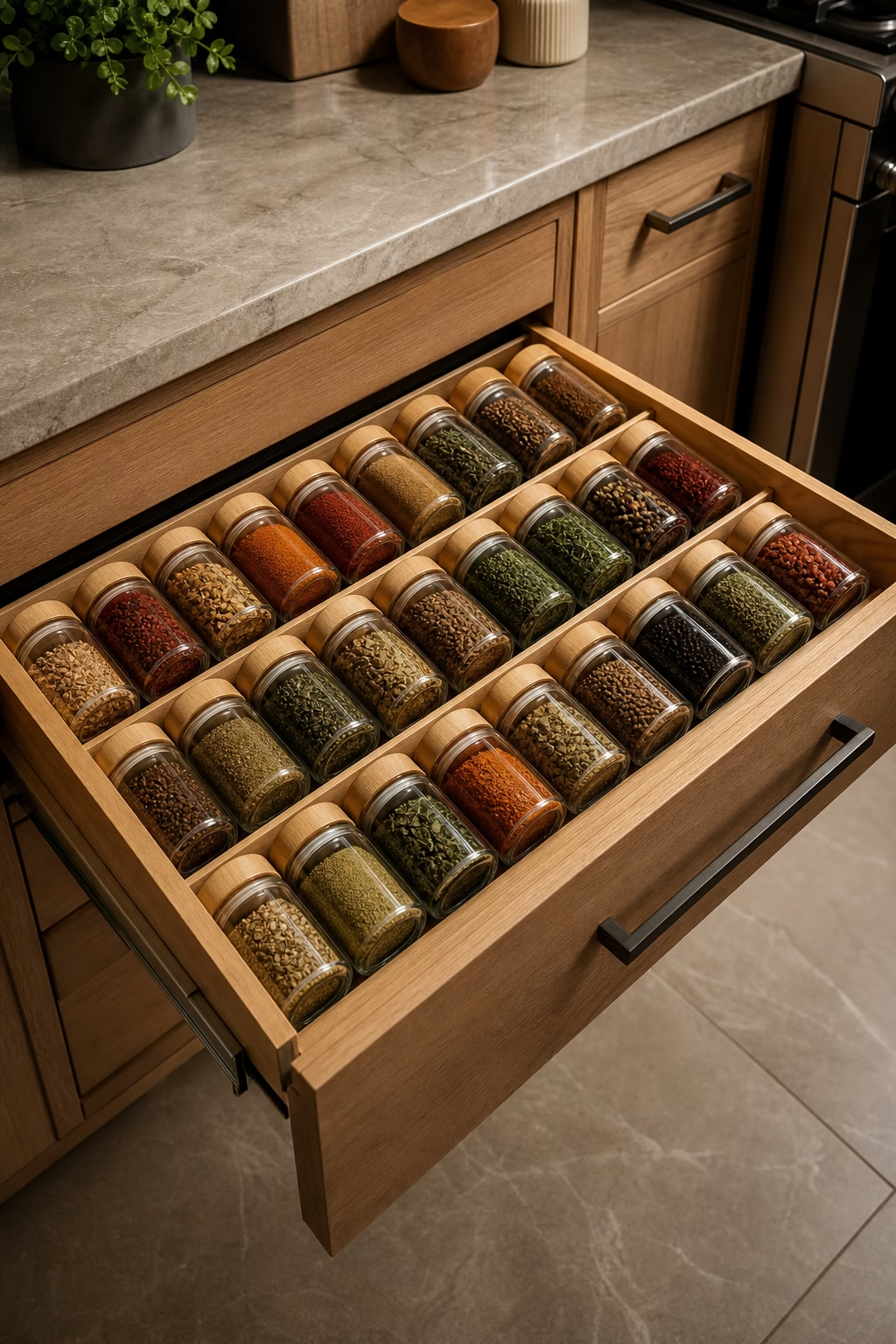
Spice drawers are easier to use than high cabinets because every jar is visible at once. Lay jars at a slight angle or use low dividers so the tops do not roll. For a calmer look, transfer frequently used spices into matching glass jars, but keep backup bags or bulk containers elsewhere. Avoid placing spices in direct heat beside the range; warmth shortens their life. If labels are needed, keep them on the lid or back edge rather than across the front of a display shelf. A good spice drawer saves time because the whole collection can be scanned in seconds.
Keep the Sink Zone Neat With a Caddy
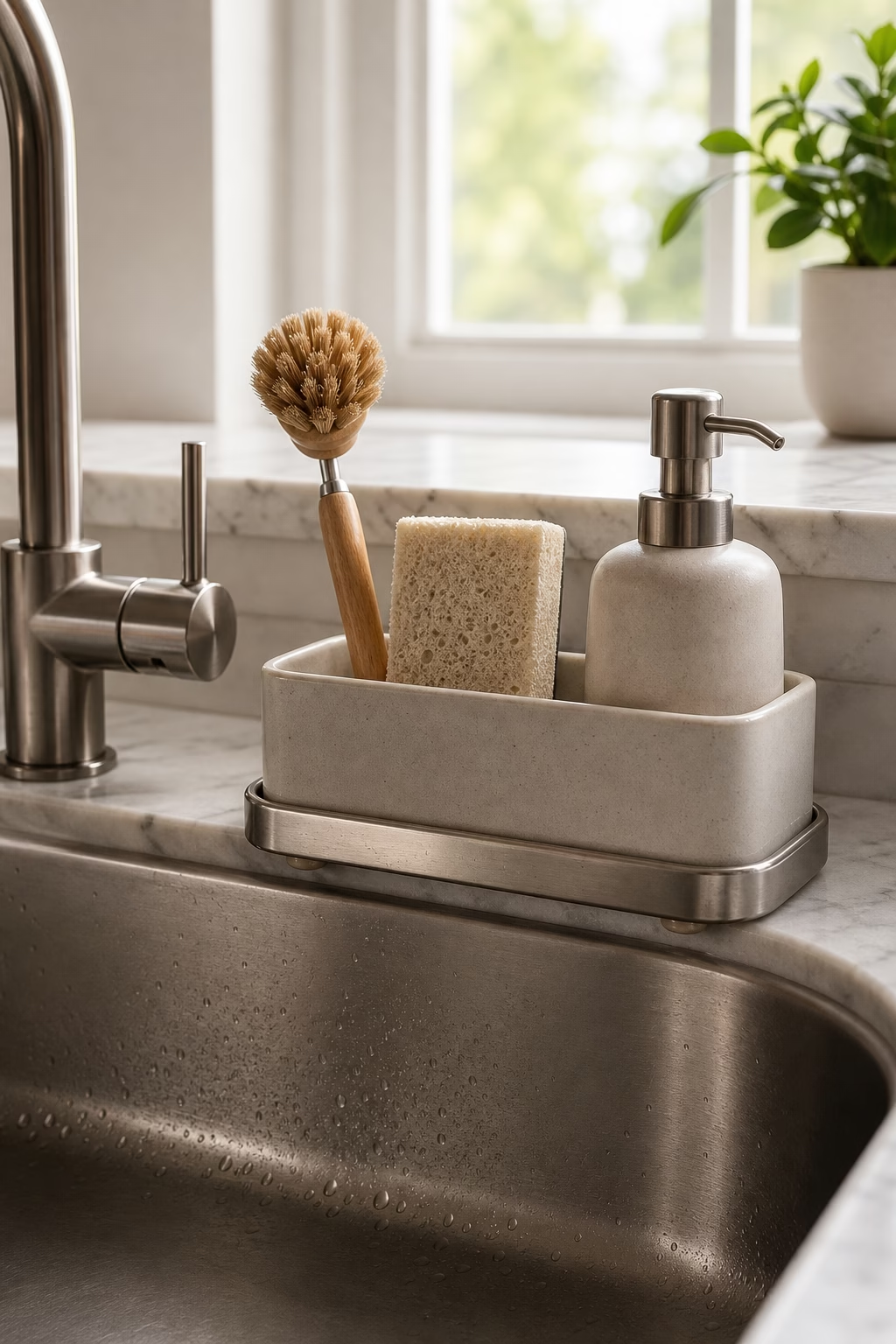
The sink area can make a clean kitchen feel messy if brushes, sponges, and soap sit loose on the counter. A compact caddy gives wet tools a defined home and helps them dry between uses. Choose a material that resists water, such as stainless steel, stoneware, silicone, or powder-coated metal with drainage. Keep the soap pump plain and refillable, and replace sponges before they look tired. The caddy should fit the sink ledge or counter without blocking the faucet handle. When this small station is controlled, the entire kitchen reads as more hygienic and more thoughtfully maintained. Empty it weekly for a reset.
Invest in Linen Towels That Can Stay Visible
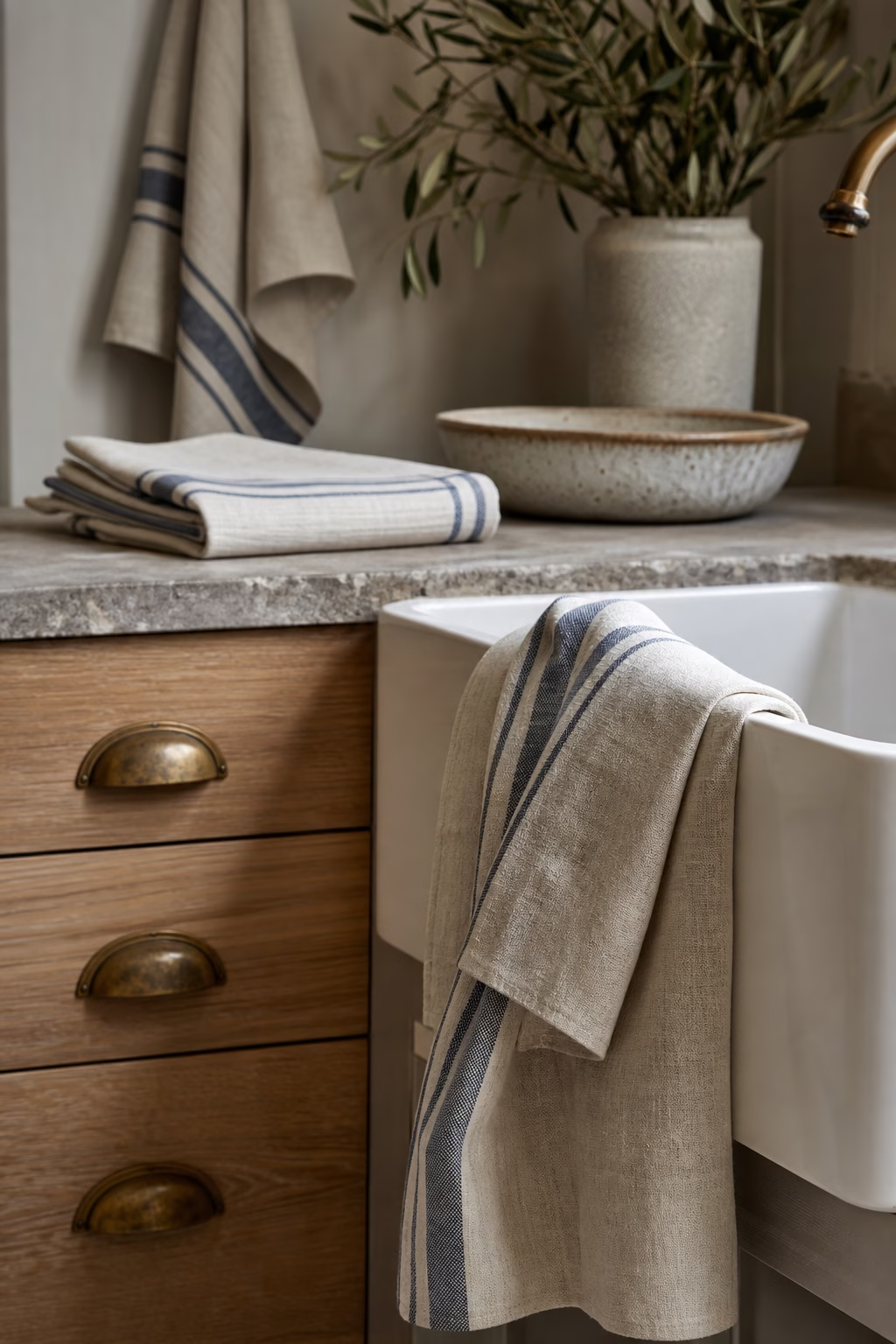
Kitchen towels are used constantly, so they should be absorbent, durable, and attractive enough to hang in view. Linen and cotton-linen blends soften with washing and dry quickly, making them useful for hands, glassware, and light counter cleanup. Choose a restrained stripe, windowpane, or solid color that connects to the cabinetry or stone. Keep at least two towels active: one for hands and one for dishes. Hang them where they can dry rather than leaving them folded damp on the counter. A small stack of good towels gives the kitchen a working, finished quality without adding decorative clutter. Rotate stained towels out promptly.
Use an Oil Cruet That Pours Cleanly
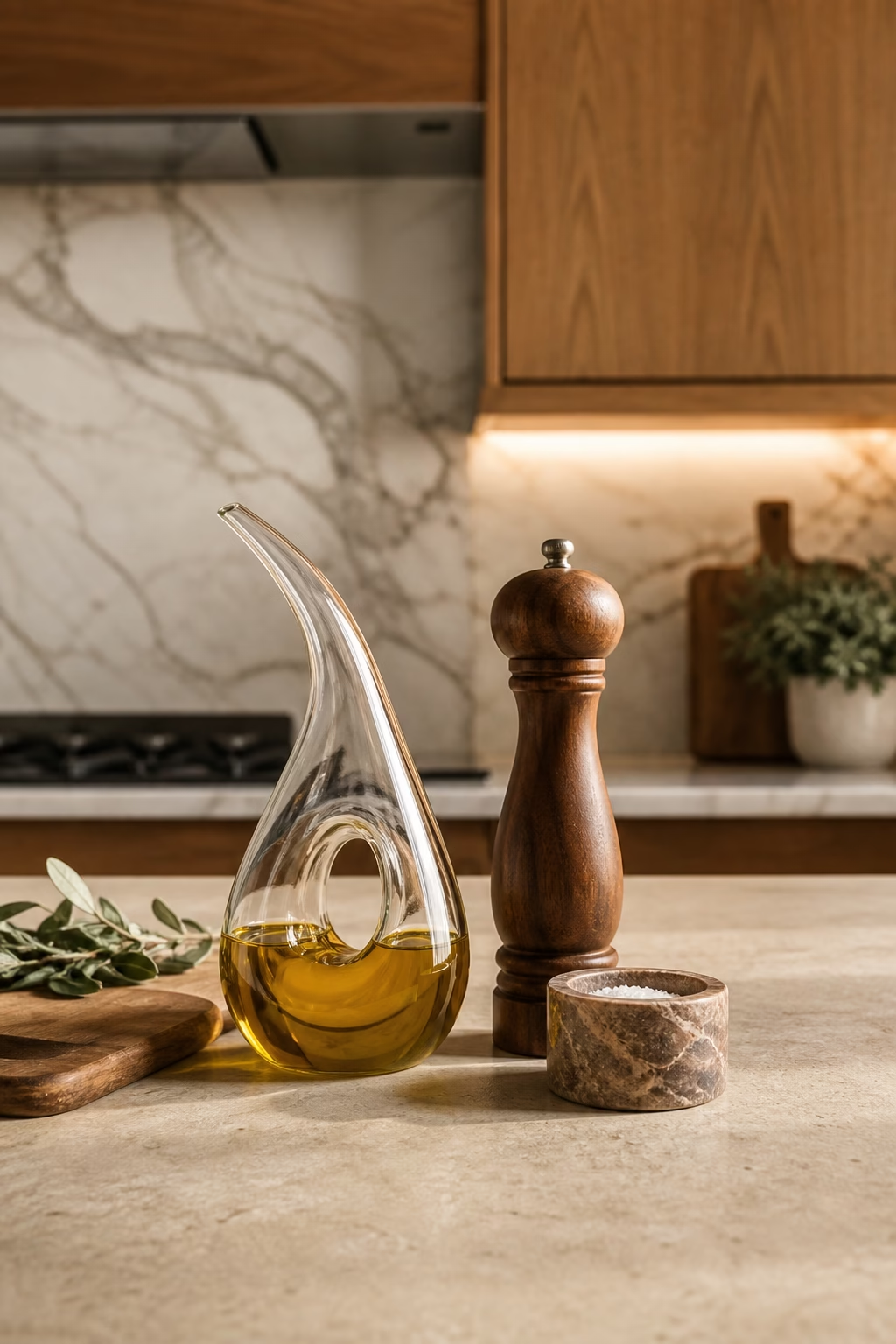
An oil cruet is worth keeping out only if it pours cleanly and protects the oil from constant light. Clear glass looks beautiful for small amounts used quickly; darker glass or ceramic is better for larger quantities. The spout should not drip down the side, and the vessel should be easy to refill without a funnel gymnastics routine. Place it beside salt, pepper, and a board near the prep zone so seasoning becomes natural. Avoid branded bottles on the counter unless their design genuinely suits the room. A well-chosen cruet turns an everyday ingredient into a neat cooking station.
Hide Dry Goods in Ceramic Canisters
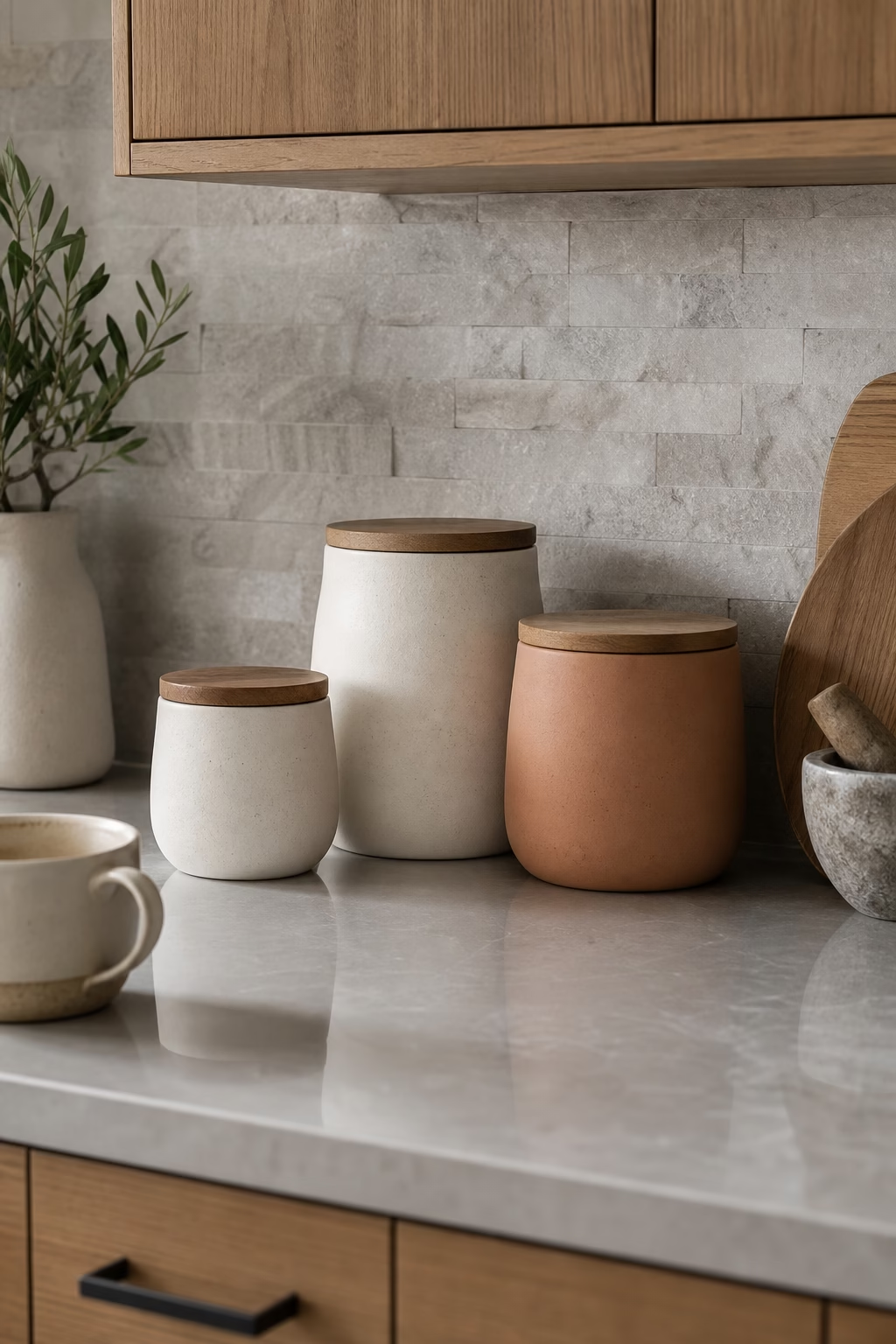
Ceramic canisters are useful when you want storage close at hand without exposing every ingredient. Use them for coffee, tea, sugar, flour, or snacks, but limit the counter to a small group. Wood lids warm the look and help the pieces relate to cutting boards or cabinetry. Before choosing a set, check that the seals are tight and the openings are wide enough for a scoop. Canisters work best when their color is close to the backsplash or counter, with one earthy tone for interest. They should make the kitchen easier to use, not become a row of decorative containers with mystery contents.
Contain the Coffee Station on a Tray
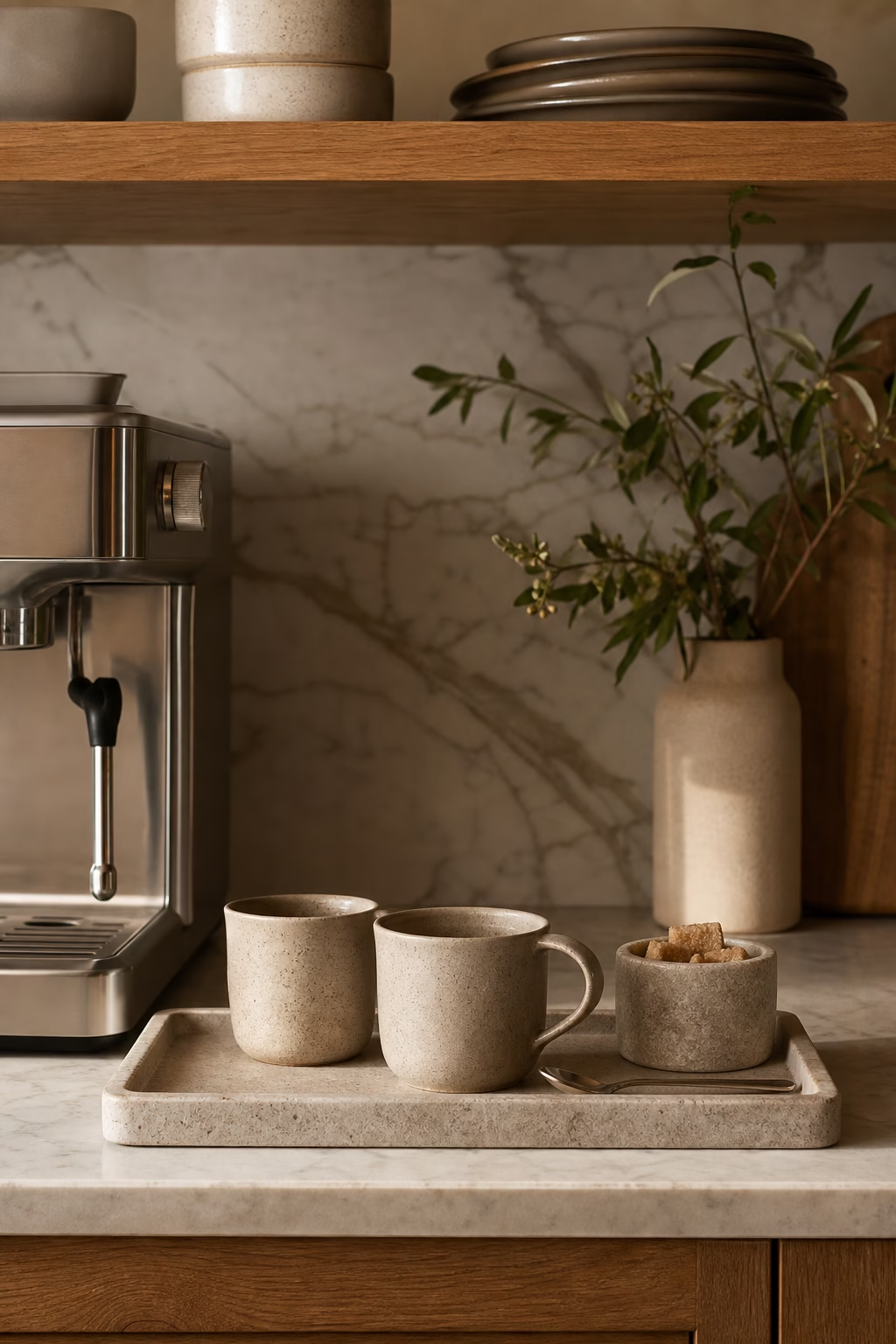
A coffee station looks more polished when the small items are contained. Use a stone, wood, or metal tray for mugs, sugar, spoons, and pods or beans, then keep the machine beside it with enough space for steam and refilling. The tray should be easy to lift for cleaning because coffee grounds collect quickly. Store backup supplies in a drawer rather than on the counter. If the station sits under open shelves, coordinate mugs and canisters so the area feels like one purposeful zone. A compact setup can make the morning routine smoother without turning the kitchen into a cafe display.
Choose Cookware That Can Move From Stove to Counter
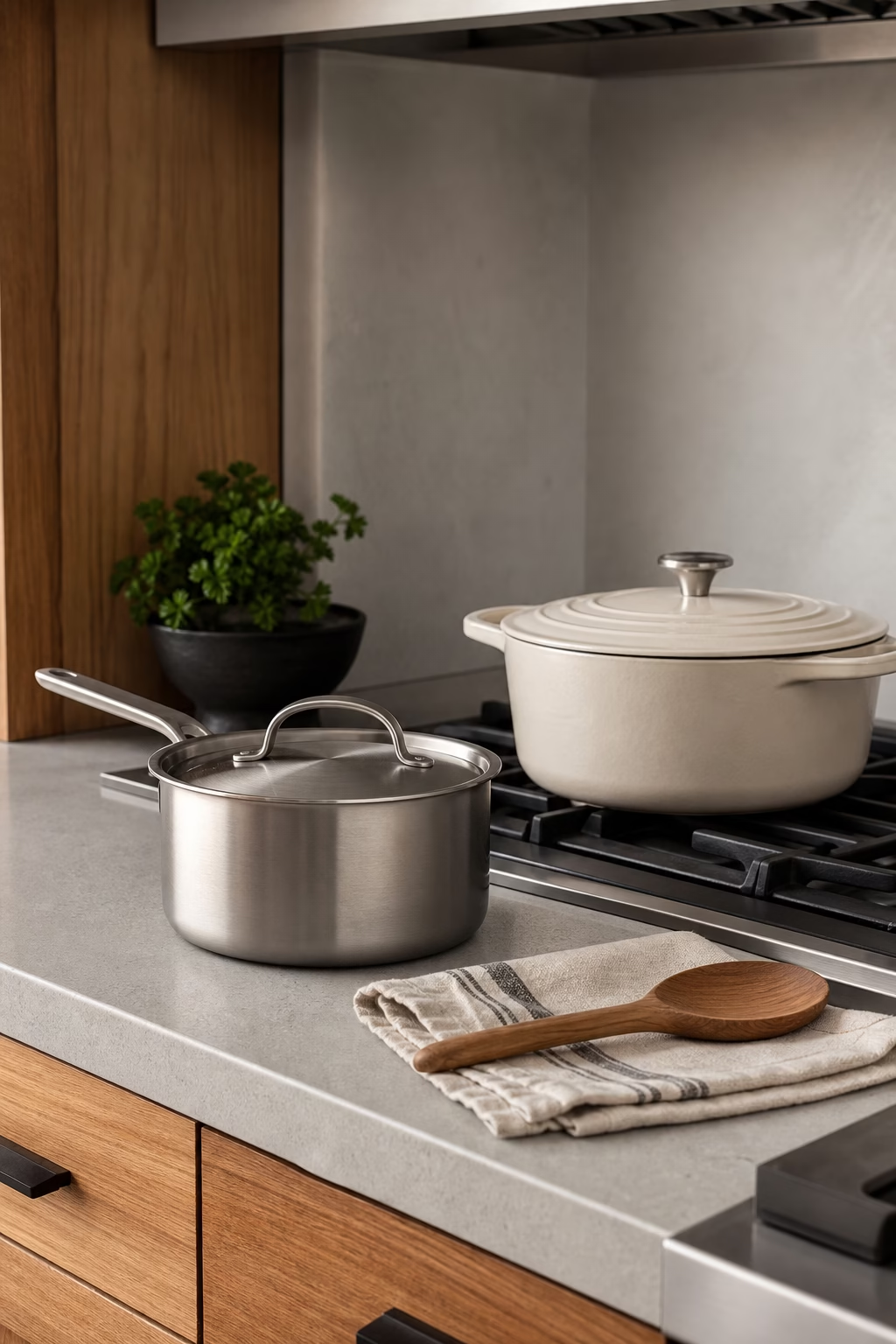
Everyday cookware should be durable enough for repeated heat and attractive enough that it does not look out of place while dinner is underway. A stainless saucepan, enameled Dutch oven, and reliable skillet cover most daily cooking needs. Look for balanced handles, lids that fit well, and materials that suit your cooktop. Matching sets can look tidy, but performance matters more than uniformity. Store heavy pieces where they can be lifted safely, not stacked in a deep awkward cabinet. When cookware is chosen well, it supports cooking and contributes to the room's material palette instead of feeling like visual noise.
Keep Baking Sheets and Racks Nested
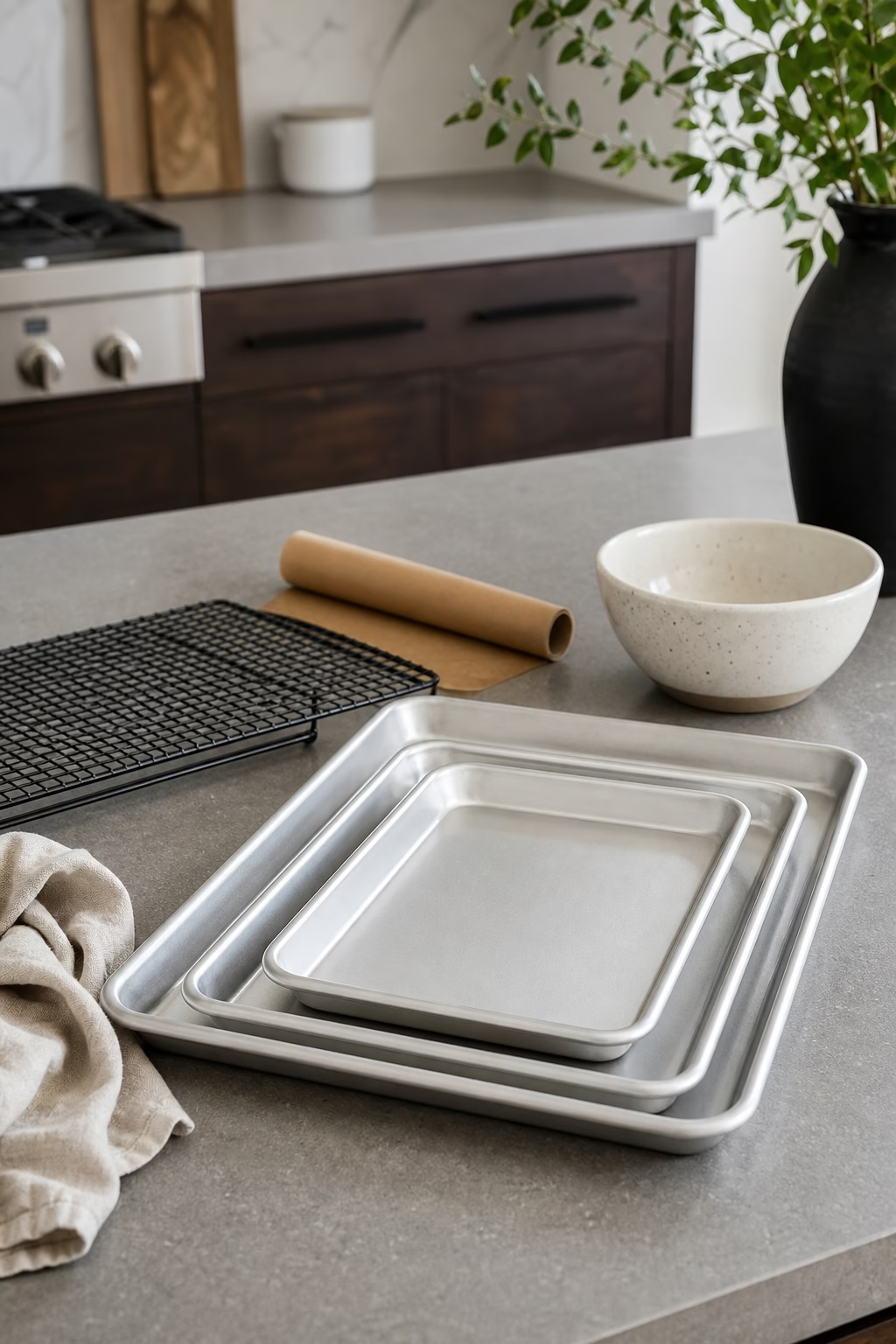
Rimmed baking sheets are some of the most useful kitchen essentials because they handle roasting, sheet-pan dinners, cookies, and meal prep. Buy sturdy pans that resist warping, then store them vertically or nested with cooling racks so they are easy to grab. A wire rack extends their usefulness for cooling baked goods, draining fried foods, and keeping roasted items crisp. Avoid nonstick coatings if they scratch easily under heavy use. Keep parchment and silicone mats nearby, but not scattered across the drawer. When the baking pieces live together, weeknight cooking becomes faster and the cabinets stay easier to maintain.
Use an Enamel Colander Near the Sink
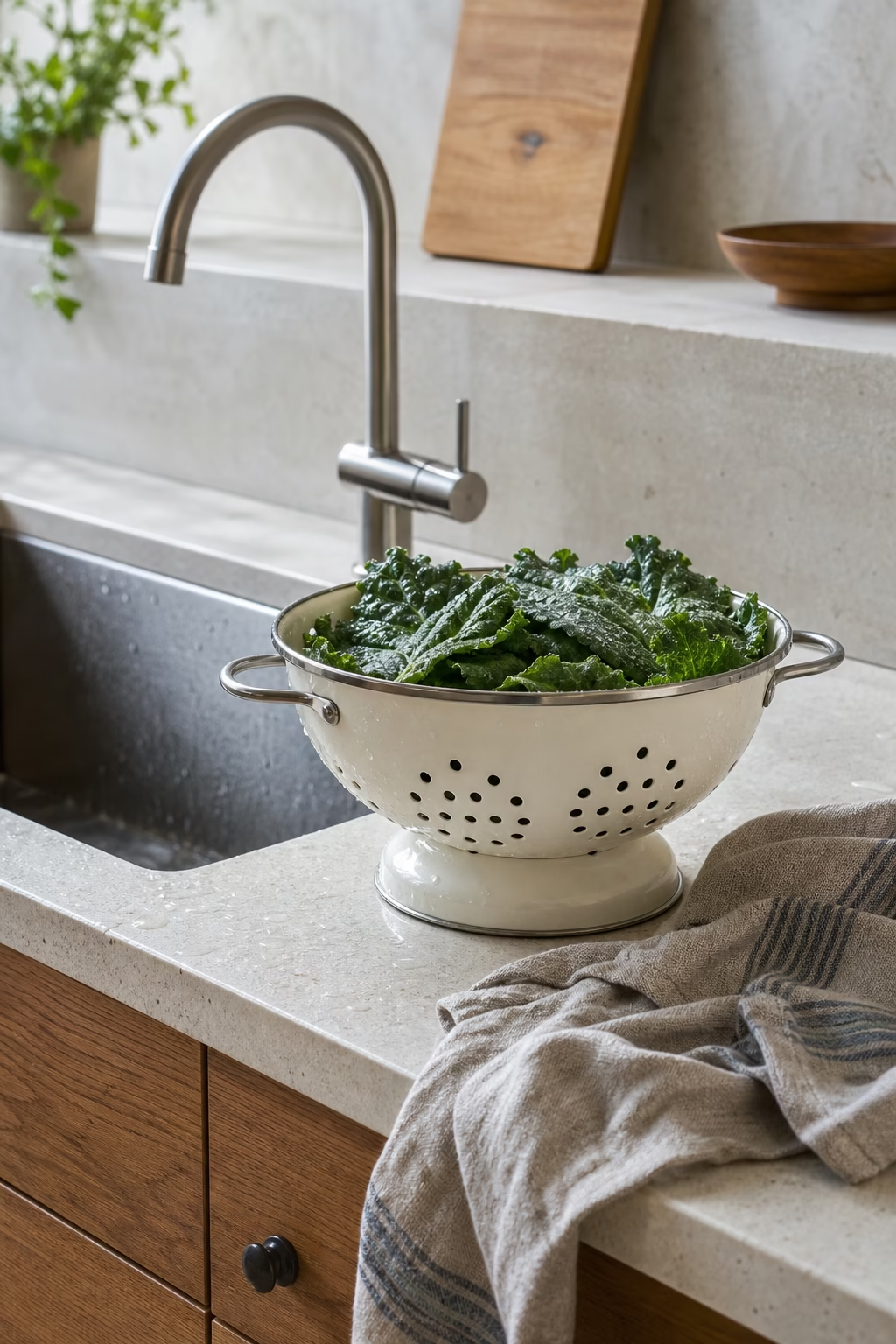
A good colander should be sturdy, easy to rinse, and large enough for pasta, greens, berries, and vegetables. Enamel versions look classic and can sit out briefly without making the sink area feel utilitarian. Stainless steel is lighter and more durable for heavy use, while collapsible options save space in small kitchens. Check the base height so food drains instead of sitting in water. Handles are important when the colander is full and hot. Keep it near the sink or in a lower drawer where it can be reached quickly. A practical colander is one of those items you miss immediately when it is poorly designed.
Switch to Measuring Sets You Enjoy Using
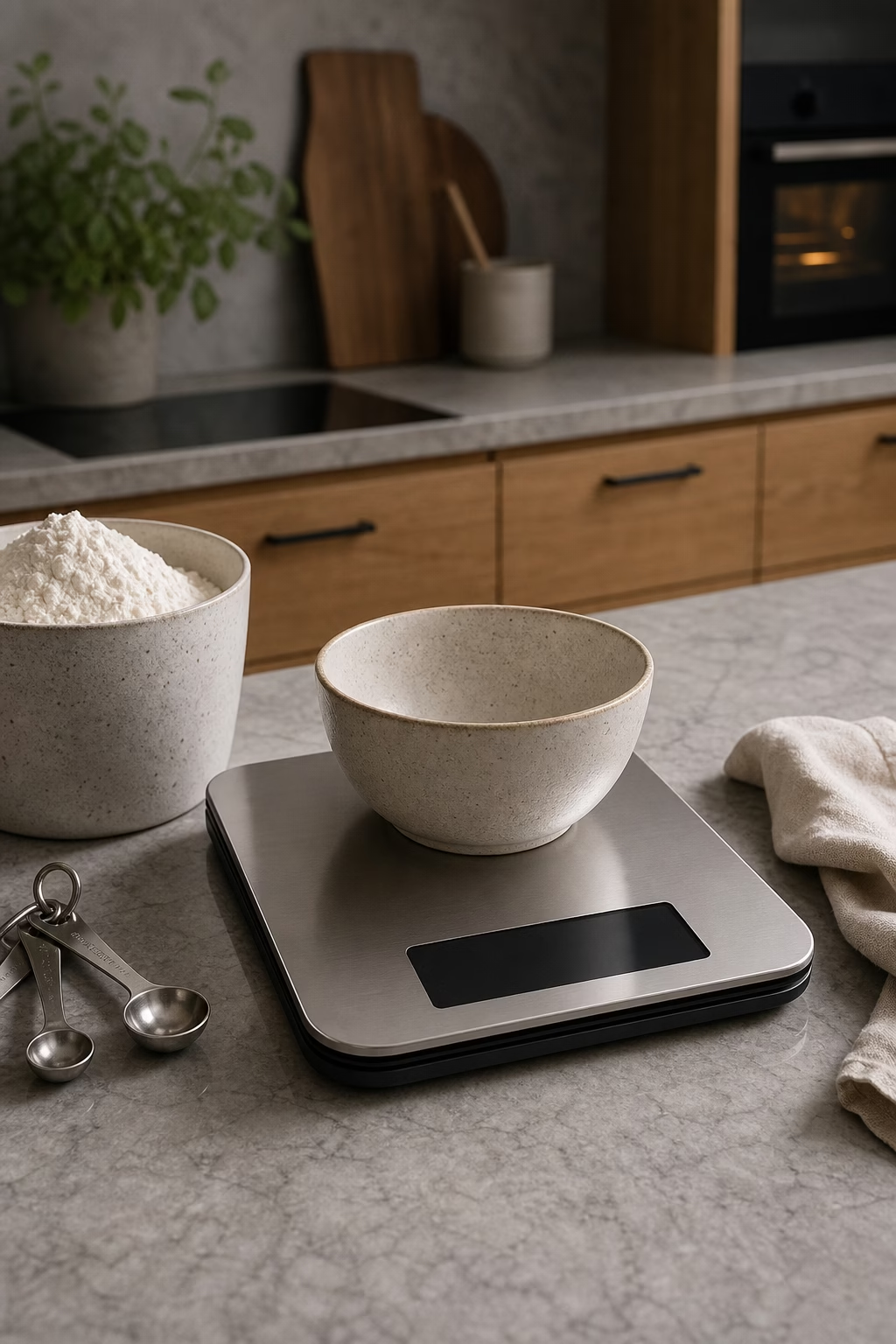
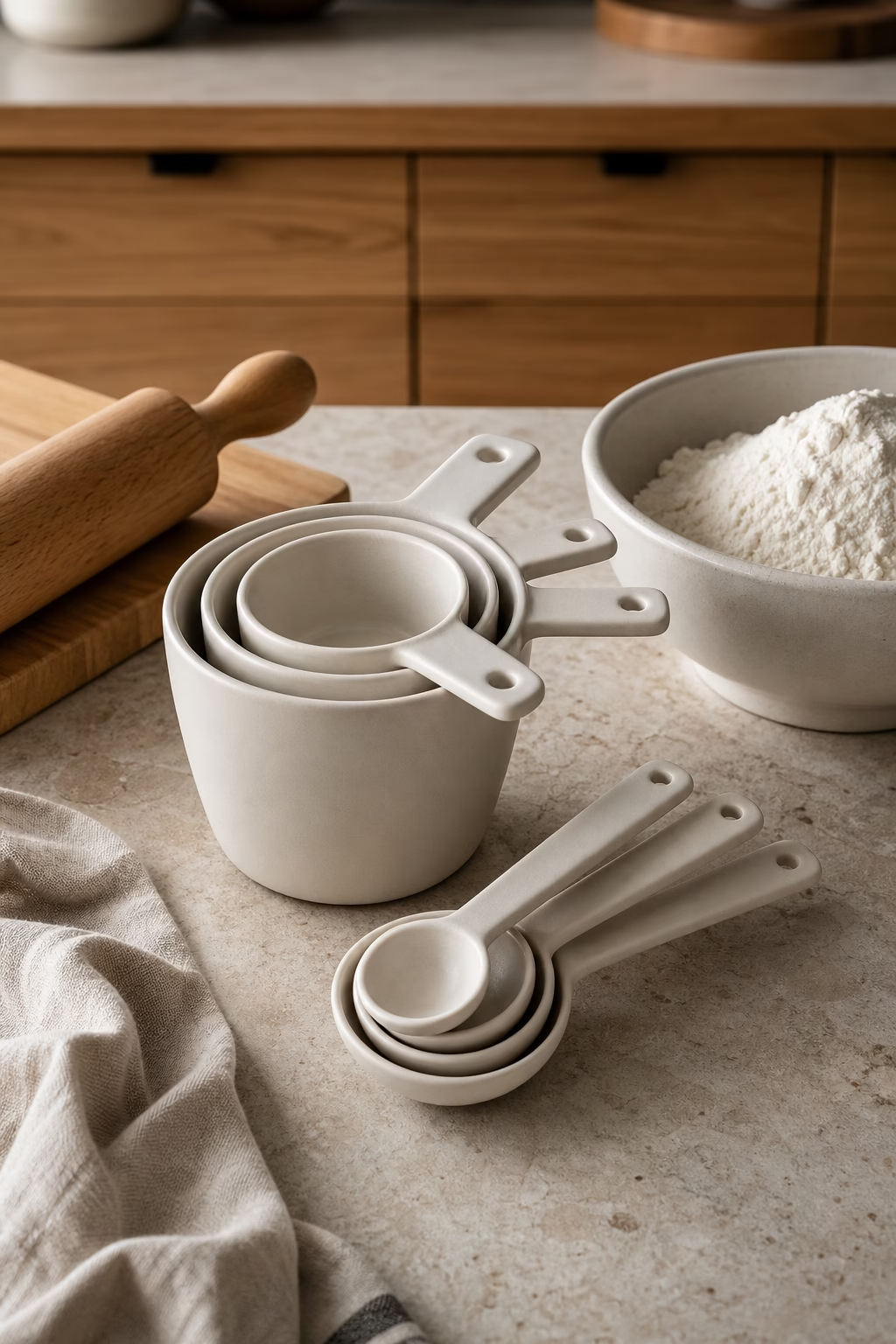
Measuring cups and spoons are small, but frustrating sets slow down baking and meal prep. Choose pieces that nest neatly, separate easily, and feel comfortable in the hand. Ceramic sets look beautiful for dry ingredients, while stainless is better for heavy everyday work and sticky liquids. Keep one complete set together instead of letting spoons disappear into different drawers. If you bake often, store measuring tools near flour, sugar, mixing bowls, and baking sheets so the workflow is obvious. The best set is accurate, washable, and pleasant enough that you do not avoid using it when a recipe depends on precision.
Add a Countertop Compost Bin With a Lid
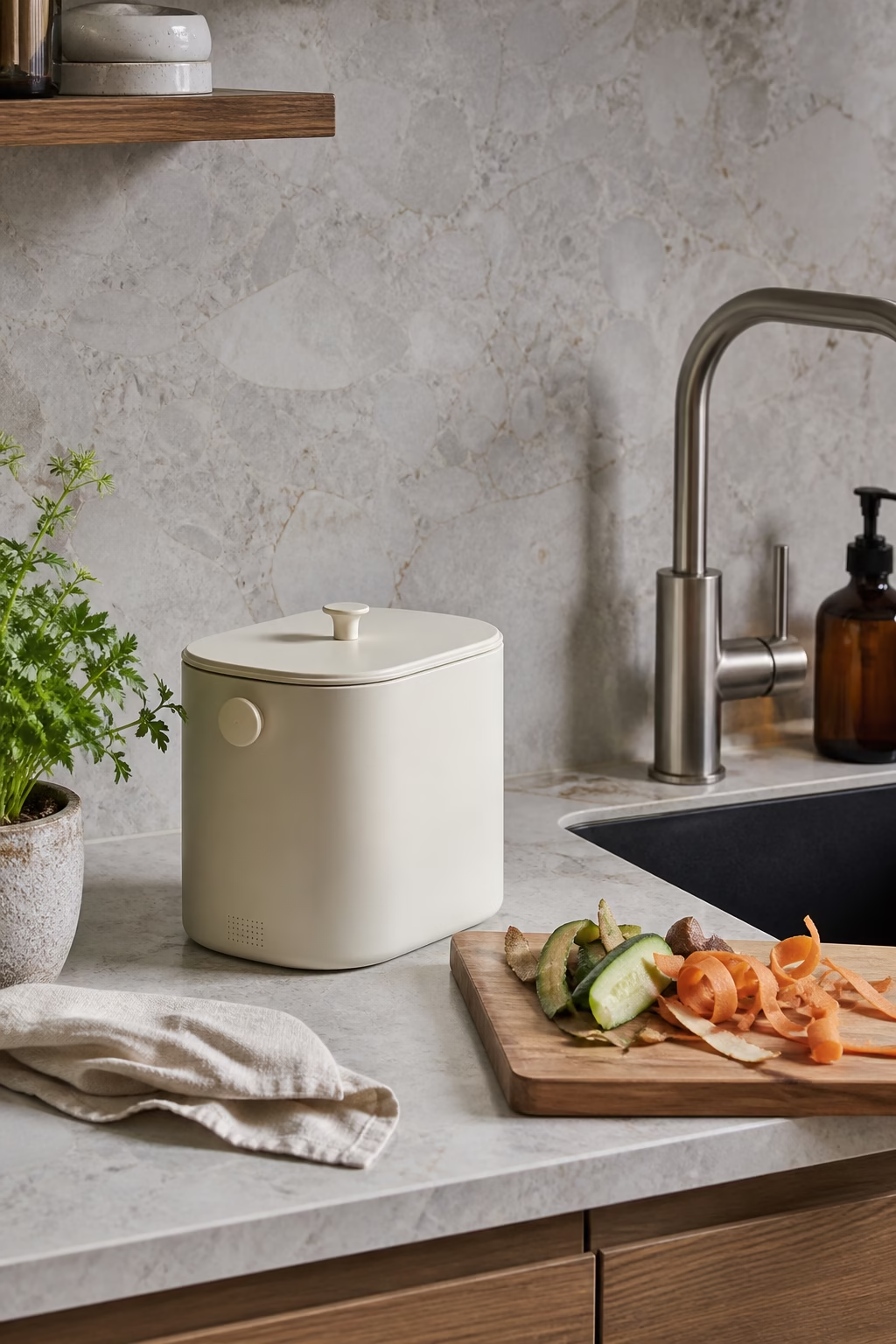
A countertop compost bin makes food prep cleaner because scraps have a home before they reach the trash. The key is choosing one that seals well, opens easily with messy hands, and is small enough to empty often. Ceramic, stainless, and powder-coated metal versions can look good beside a sink if the color stays quiet. Keep it near the prep board, not across the kitchen, or people will stop using it. A removable liner or smooth interior makes cleaning less unpleasant. When the bin looks discreet and hygienic, composting becomes part of the cooking routine instead of an afterthought.
Use Drawer Dividers for Everyday Utensils
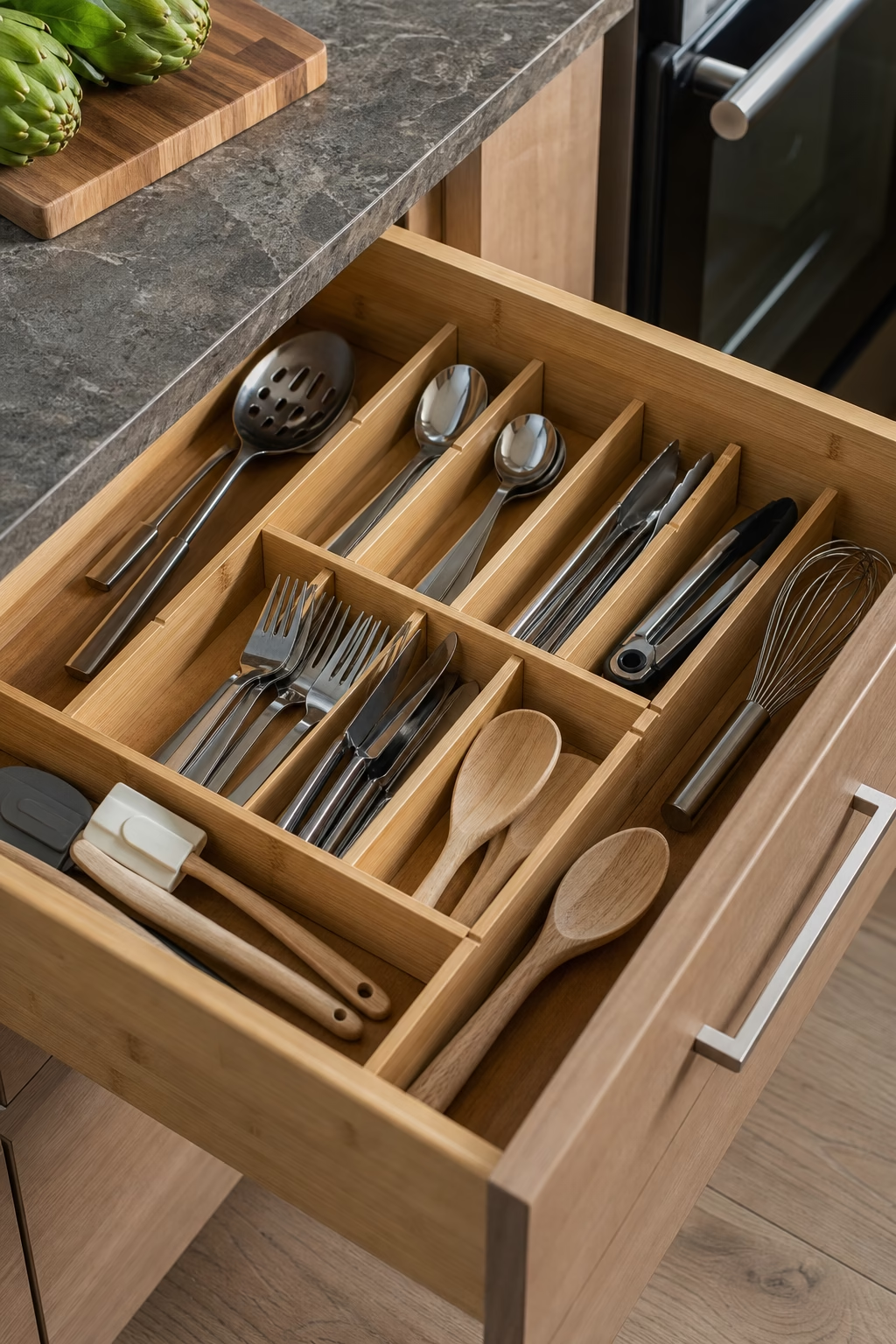
Drawer dividers keep useful tools from becoming a tangled search problem. Adjustable bamboo or wood inserts feel warmer than plastic and can be changed as your tool collection evolves. Separate flatware, serving spoons, tongs, spatulas, and whisks by how often they are used. The most important rule is to edit before organizing; a divider cannot fix a drawer filled with duplicates. Leave a little empty space so items can be returned quickly. Good drawer organization supports the kitchen visually even when the drawer is closed because it reduces the number of tools that end up living on the counter. Recheck the layout after a month.
Place a Turntable in Deep Pantry Corners
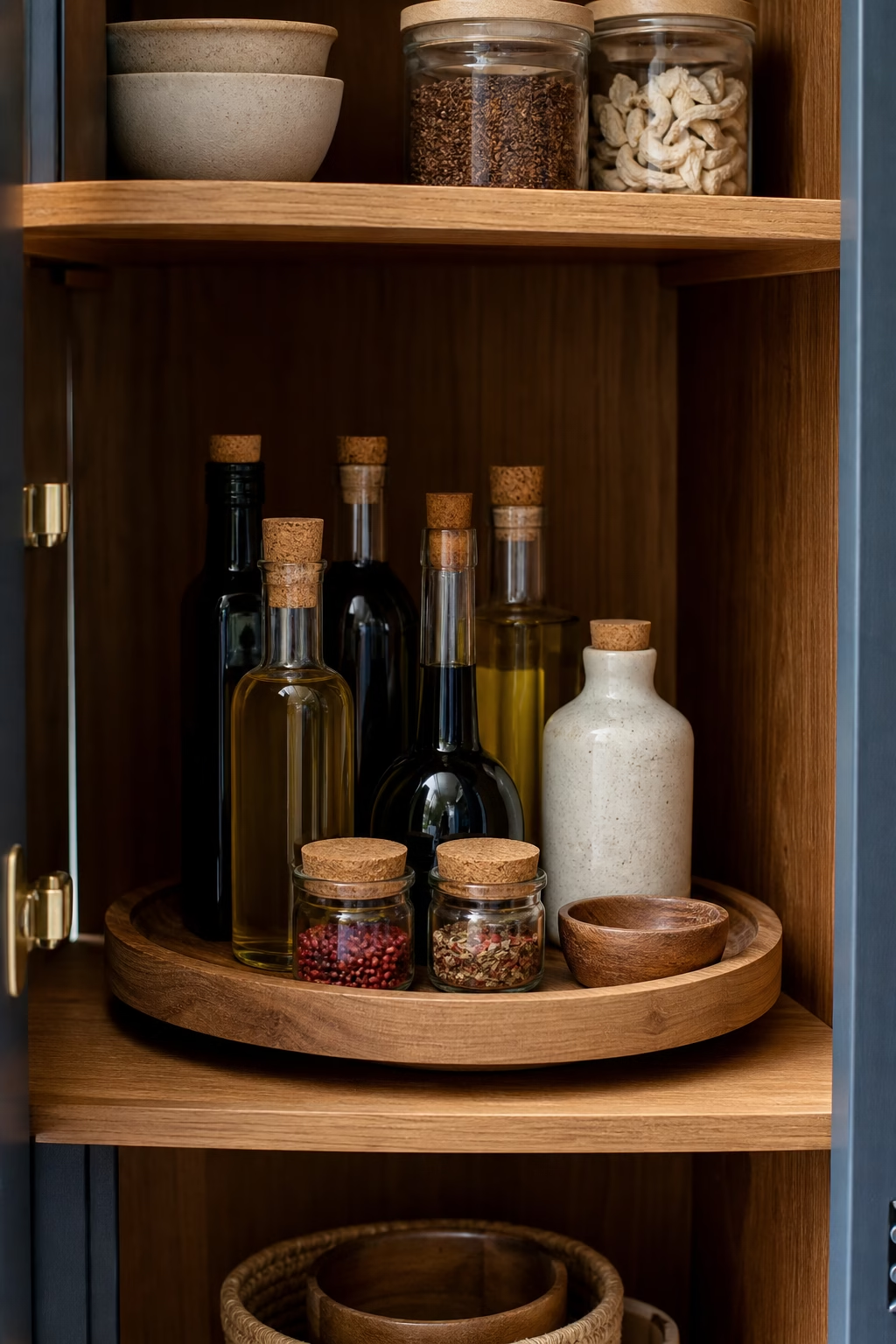
Deep pantry shelves often hide bottles and jars at the back until they expire. A turntable solves that by bringing everything forward with one spin. Use it for oils, vinegars, sauces, baking extracts, nut butters, or small jars that would otherwise scatter. Wood and matte plastic turntables look calmer than shiny versions, but the edge must be high enough to keep bottles from tipping. Do not overload it; the mechanism should turn smoothly even when full. This item is especially useful in corner cabinets, appliance garages, and pantry shelves above eye level. Visibility is the real luxury here. Group similar bottles together.
Keep Serving Boards Ready for Casual Hosting
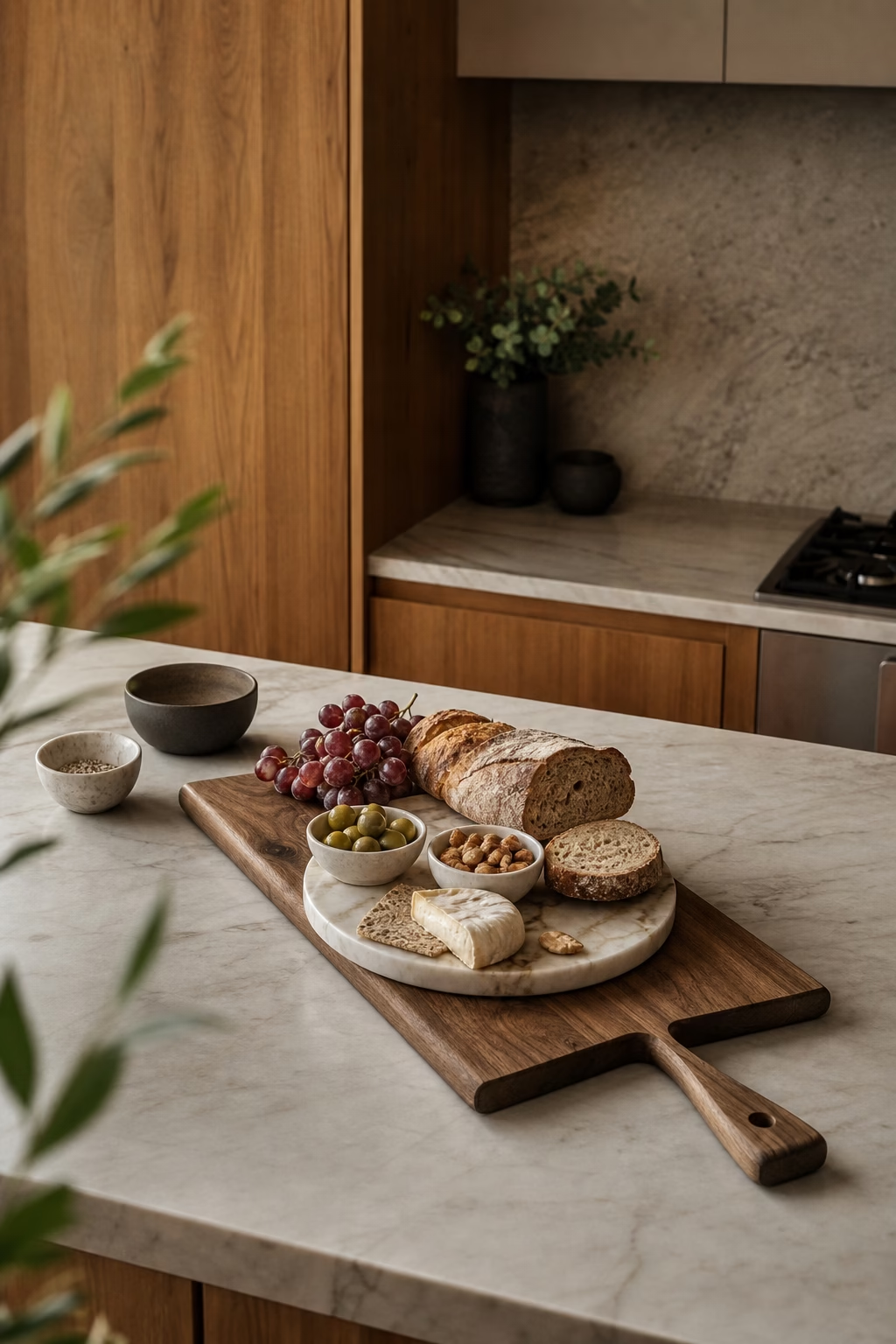
Serving boards make casual hosting easier because they turn snacks into a composed spread quickly. A long wood board handles bread, fruit, and cheese, while a marble or stone board is useful for foods that benefit from a cooler surface. Store them upright with cutting boards or in a shallow cabinet slot so they do not become hard to reach. Avoid boards so oversized that they are awkward to wash in your sink. When one or two are attractive enough to lean against the backsplash, they also add warmth between uses. The best serving pieces are not special-occasion-only; they invite use.
Add an Under-Shelf Basket for Light Overflow
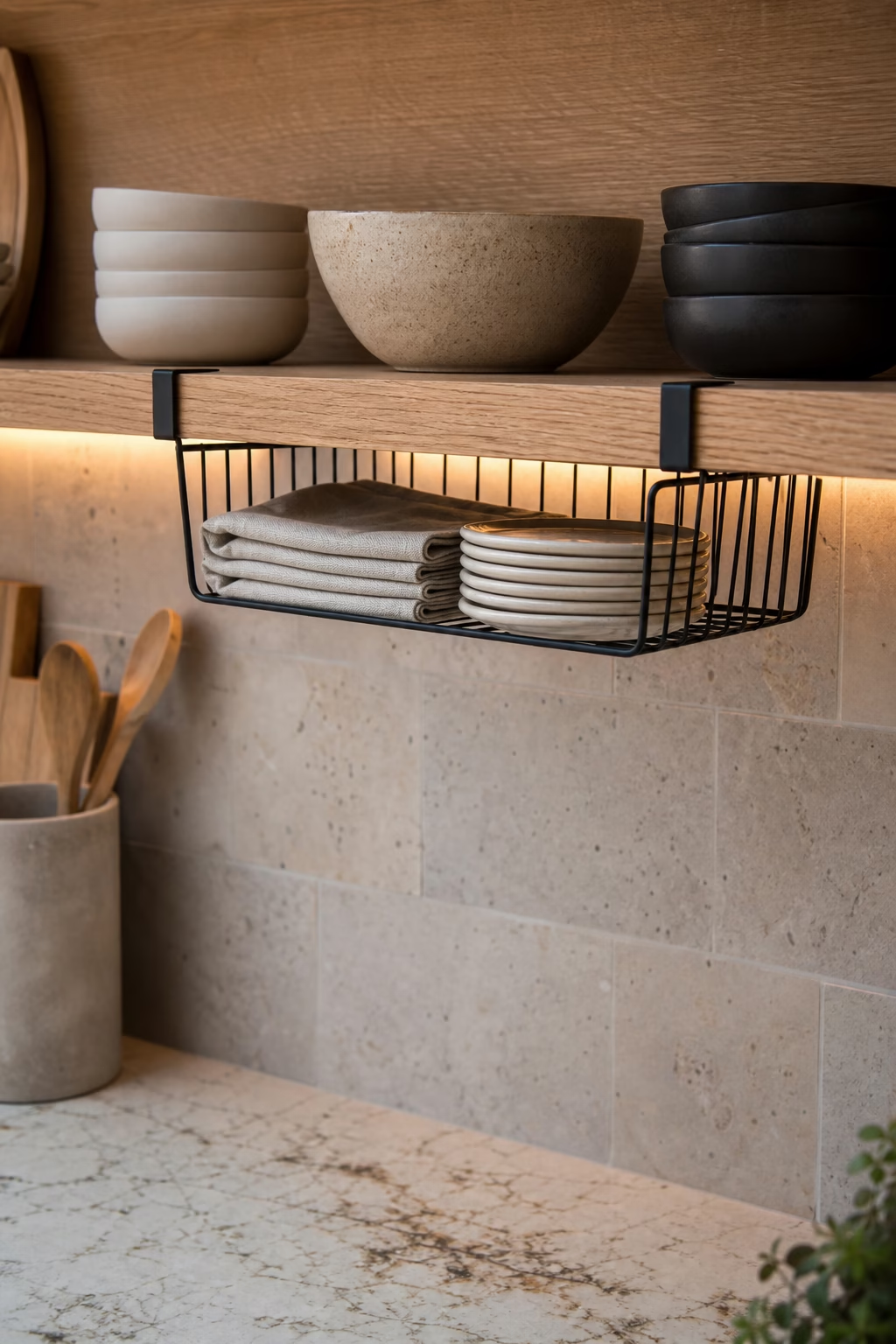
Under-shelf baskets are useful when cabinets have wasted vertical space, but they should be reserved for light items. Napkins, tea towels, small plates, flat lids, or wraps work better than heavy bowls. Choose a basket that grips securely and matches nearby hardware, then check that cabinet doors can still close. On open shelving, black or brass baskets can look intentional if the contents are tidy and limited. Avoid using them as a catchall; visible overflow can make a kitchen feel cramped. The best placement gives one awkward shelf a second layer while keeping the counter below clear and usable.
Use a Slim Digital Scale for Reliable Prep
A digital scale improves baking, meal prep, coffee brewing, and portioning because it removes guesswork. Choose a slim model with a readable display, a wipeable surface, and enough capacity for a mixing bowl. Store it vertically in a drawer or keep it on a baking shelf with measuring cups and flour. The scale should have simple controls that still make sense when your hands are dusty or damp. For a calmer look, choose stainless, white, or matte black rather than a gadget-like finish. It may not be decorative, but a reliable scale is one of the most functional upgrades in a serious kitchen.