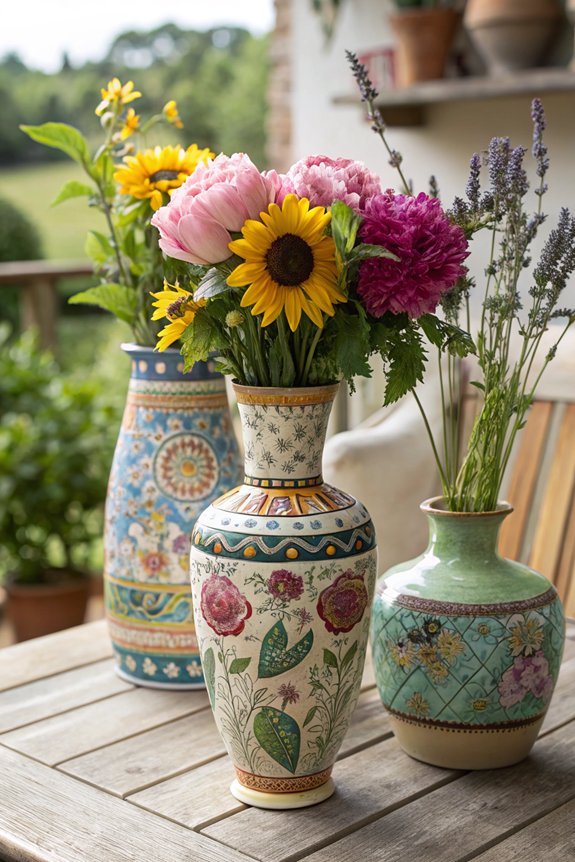
The right decorative vase makes fresh flowers easier to arrange and helps them feel connected to the room's scale, materials, and daily routines.
- Choose One Tall Vase for Branches
- Use Clear Glass for Fresh Flower Color
- Pick a Bud Vase Trio for Small Stems
- Let Handmade Ceramic Vases Add Warmth
- Style a Sculptural Vase Empty
- Match Vase Shape to Flower Type
- Use Stone or Travertine for Weight
- Place Vases in Front of Artwork Carefully
- Create a Low Bowl Arrangement
- Use Metal Vases for a Polished Accent
- Group Vases by One Color Family
- Choose Rattan Wrapped Vases for Casual Texture
- Let a Black Vase Sharpen Pale Flowers
- Use Vintage Vases for Character
- Make a Pair Feel Deliberate
- Put Small Vases on Bedside Tables
- Style Vases Along a Dining Sideboard
- Use Narrow Vases on Window Sills
- Let Oversized Floor Vases Fill Corners
- Choose Colored Glass for Subtle Tint
- Keep Floral Arrangements Loose
- Edit the Surface Around the Vase
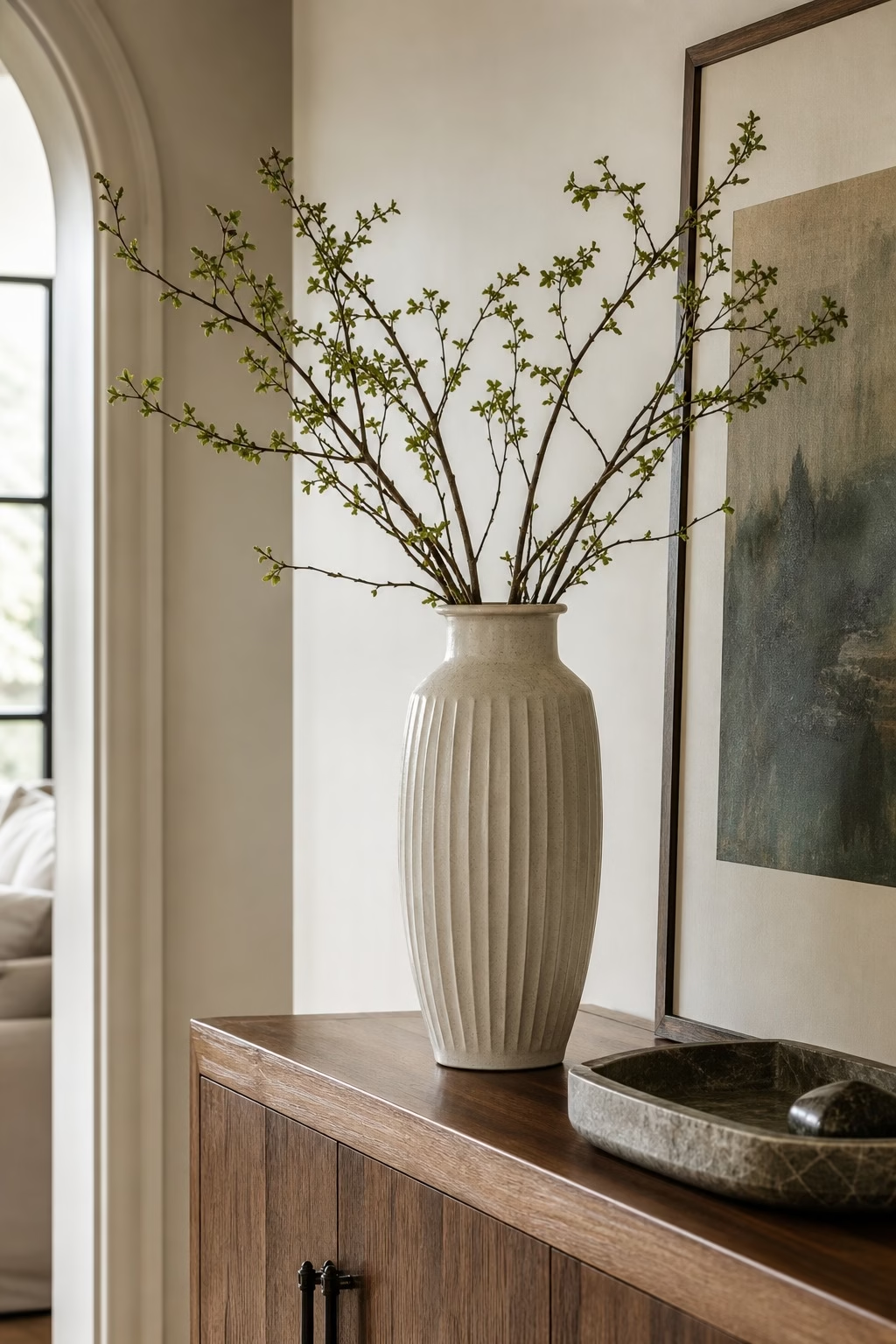
Choose One Tall Vase for Branches
A tall vase gives fresh branches the height they need to look graceful instead of cramped. Place it on a console, dining sideboard, mantel, or deep coffee table where the arrangement can rise without blocking conversation. The vessel should be heavy enough to support stems and narrow enough at the neck to keep them upright. Ceramic, stoneware, glass, and metal all work, but the finish should relate to nearby materials. Use fewer branches than you think, allowing their shape to create movement. This kind of vase is especially useful in living rooms because it adds architecture, seasonality, and natural texture without requiring a full floral arrangement every week.
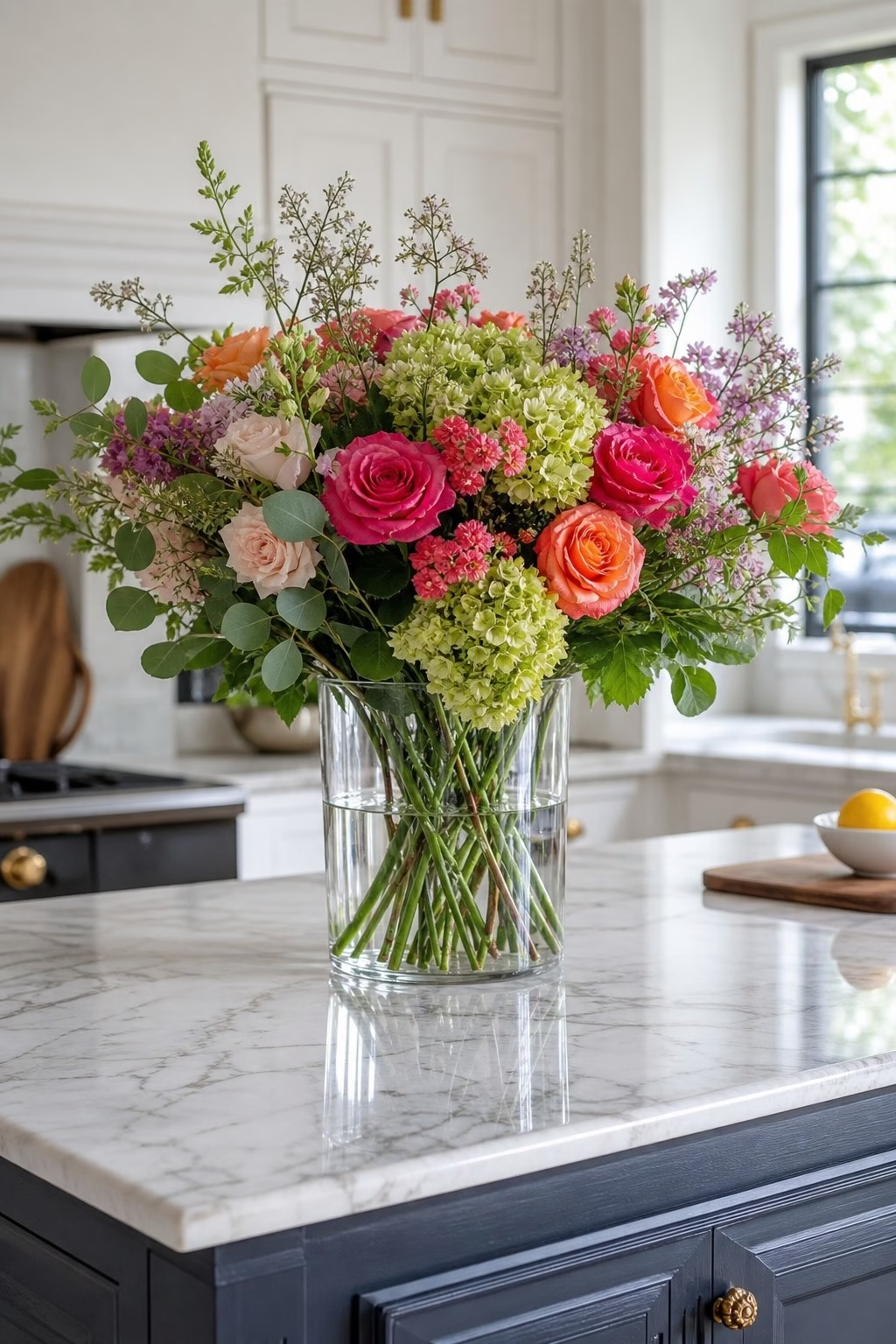
Use Clear Glass for Fresh Flower Color
Clear glass is the best choice when the flowers themselves are the star. It lets tulips, peonies, roses, ranunculus, or garden stems bring color without another decorative finish competing. Keep the water clean, strip leaves below the waterline, and choose a vase with a shape that supports the bouquet rather than letting it flop outward. Cylinder vases feel modern, flared vases look generous, and rounded glass vessels suit looser garden arrangements. Because stems are visible, treat them as part of the design. On a coffee table or kitchen island, clear glass makes fresh flowers feel honest, bright, and easy to live with.
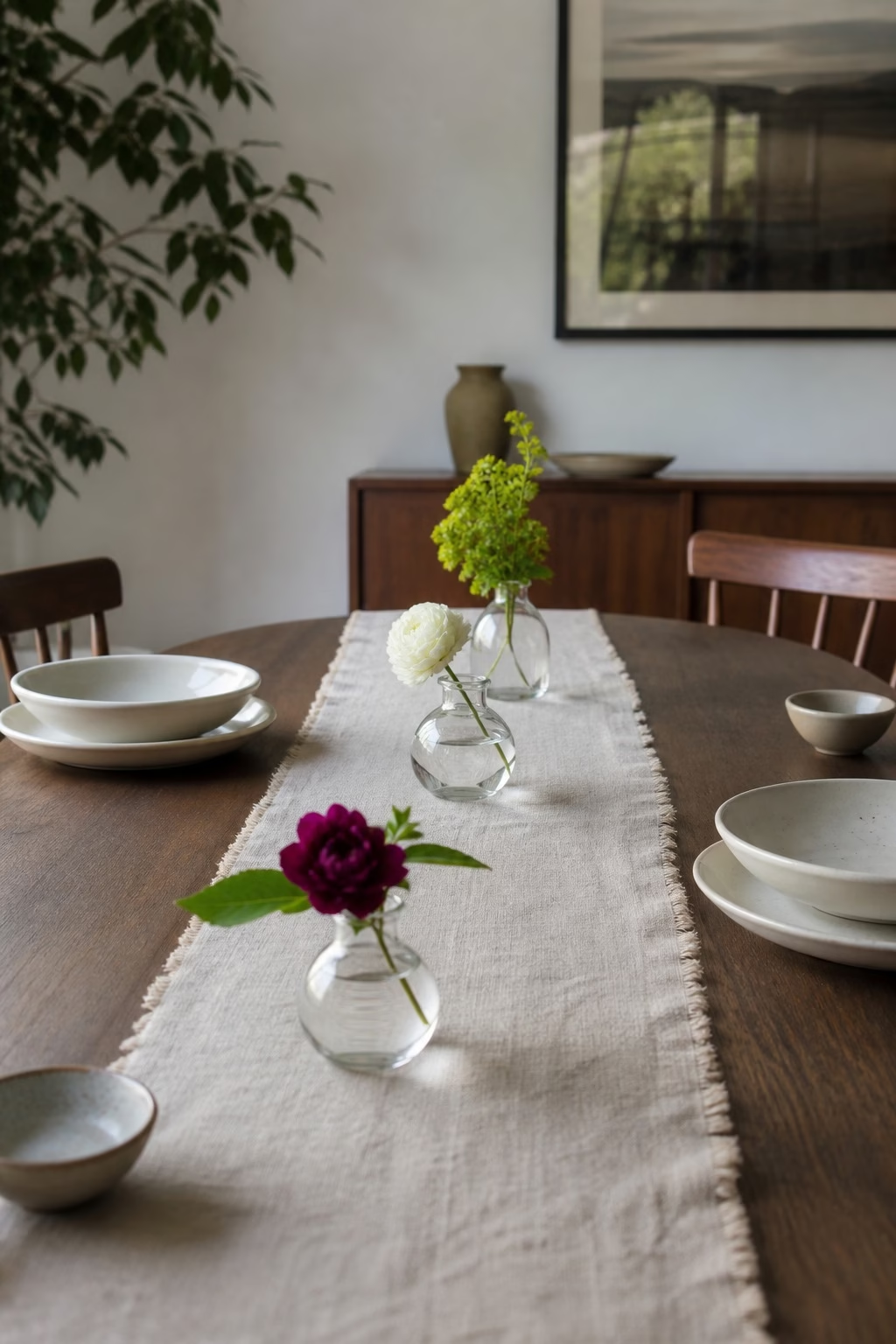
Pick a Bud Vase Trio for Small Stems
Bud vases are ideal when you have only a few beautiful stems. Instead of forcing them into a large vessel, group three small vases with slight height differences. Place one flower or small branch in each, then let the spacing create rhythm down a shelf, nightstand, or dining table. The vases can match for a cleaner look or share one material, such as glass, ceramic, or brass. This idea is practical because it makes grocery-store flowers, garden cuttings, or leftover bouquet stems feel intentional. A bud vase trio also leaves room for plates, books, or lamps, which larger arrangements often crowd.
Let Handmade Ceramic Vases Add Warmth
Handmade ceramic vases bring a room warmth even before flowers are added. Slight irregularities in the rim, glaze, or silhouette make the piece feel collected rather than mass-produced. Choose a vase whose color sits comfortably with the room: warm white for calm spaces, terracotta for earthiness, black clay for contrast, or celadon for softness. These vessels are especially strong on shelves, mantels, and consoles because they have sculptural presence when empty. With flowers, keep the arrangement loose so it does not fight the handmade quality. Ceramic vases work beautifully with branches, grasses, and simple garden stems because both the vessel and flowers feel tactile.

Style a Sculptural Vase Empty
A decorative vase does not always need flowers. If the silhouette is strong enough, an empty vessel can act like sculpture on a shelf, pedestal, console, or coffee table. Look for an interesting handle, cutout, asymmetrical profile, fluted surface, or substantial material. Give the piece breathing room so it reads as intentional rather than forgotten. Empty vases are useful in minimal rooms, where constant floral arrangements may feel too busy, and in darker corners where real flowers would not last. The key is scale: a tiny empty vase can look accidental, while a generous sculptural form gives the room a quiet focal point.
Match Vase Shape to Flower Type
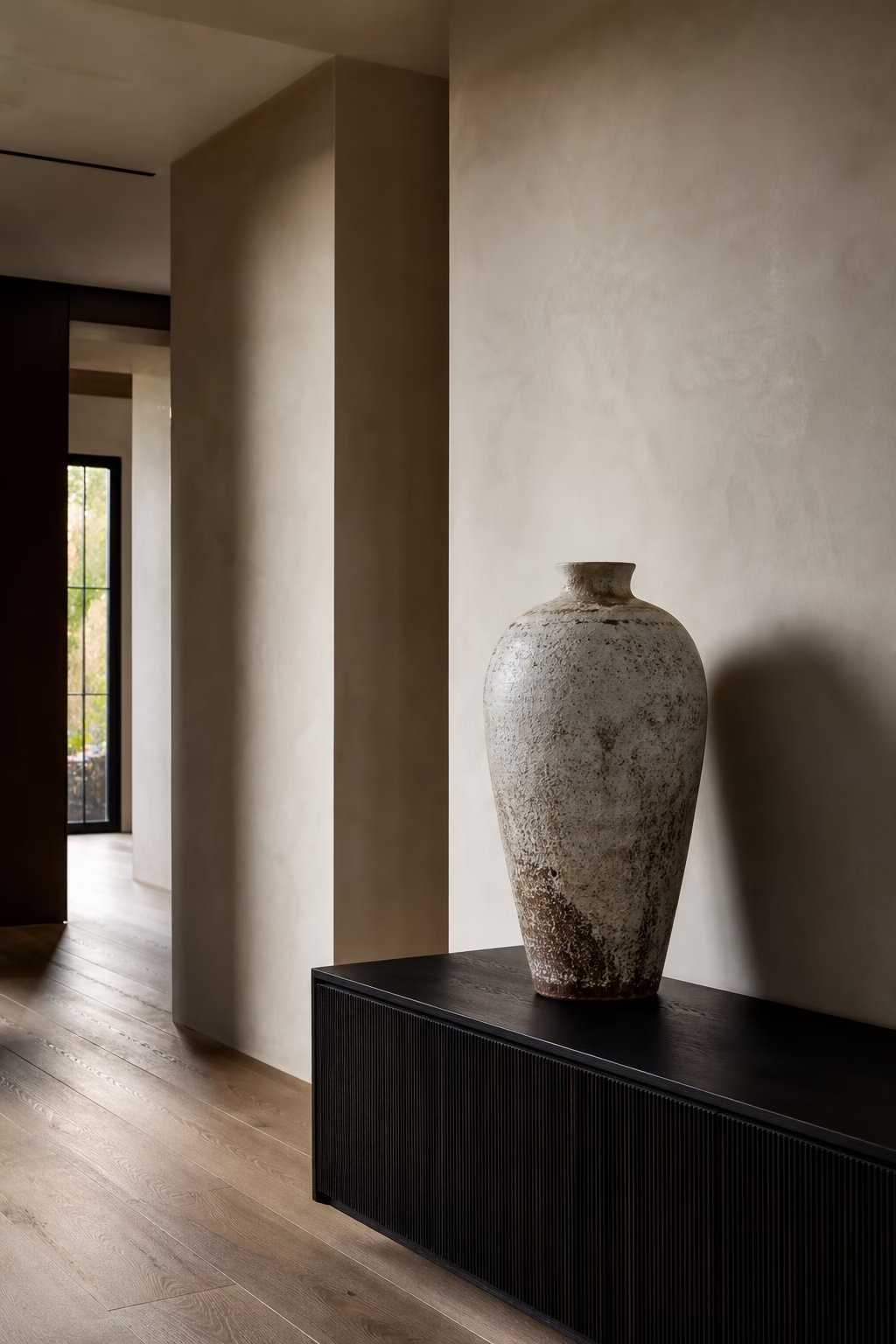
The right vase shape makes flowers look better with less effort. Tall cylinders support long-stemmed roses, gladiolus, or branches. Rounded bowls suit loose garden flowers with shorter stems. Narrow-necked vessels hold a small cluster upright, while wide-mouth vases need fuller bouquets or a floral frog to prevent spreading. Before buying another vase, think about the flowers you actually bring home most often. A beautiful vessel that never supports stems properly will sit unused. When shape and flower type match, the arrangement looks relaxed and professional, and the table or shelf stays cleaner because stems are not constantly being rearranged.
Use Stone or Travertine for Weight
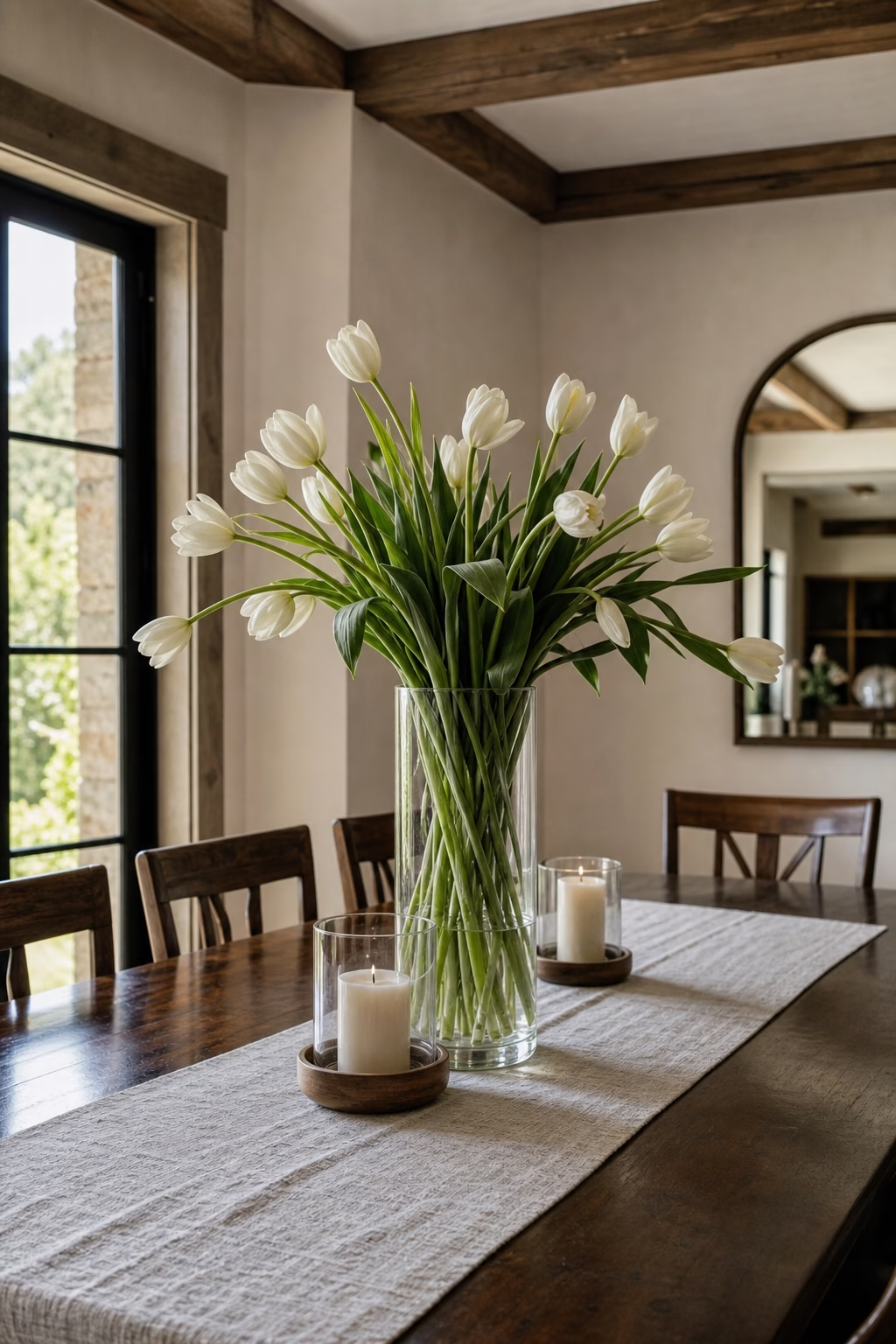
Stone vases bring visual weight to rooms with soft upholstery, pale walls, or delicate flowers. Travertine, marble, limestone, and onyx have enough presence to anchor a coffee table or sideboard even with a simple arrangement. Because stone can look heavy, keep the flowers airy: branches, tulips, anemones, or a few sculptural stems. Check that the vessel is properly sealed or use an inner liner if it is porous. Stone works especially well near other natural materials such as wood, linen, plaster, and metal. A stone vase makes fresh flowers feel more architectural and gives the surface a grounded focal point.

Place Vases in Front of Artwork Carefully
A vase in front of artwork can look layered, but it should not hide the most important part of the piece. Use a low or narrow vessel when the art is detailed, and reserve taller vases for abstract work or pieces with generous negative space. The vase color can pull a tone from the artwork, creating a subtle relationship between surface and wall. Keep stems loose so they frame the art rather than scribble over it. This setup works on consoles, mantels, and sideboards where art and objects naturally share a vertical plane. Done well, the vase adds depth and makes the arrangement feel designed from wall to tabletop.
Create a Low Bowl Arrangement
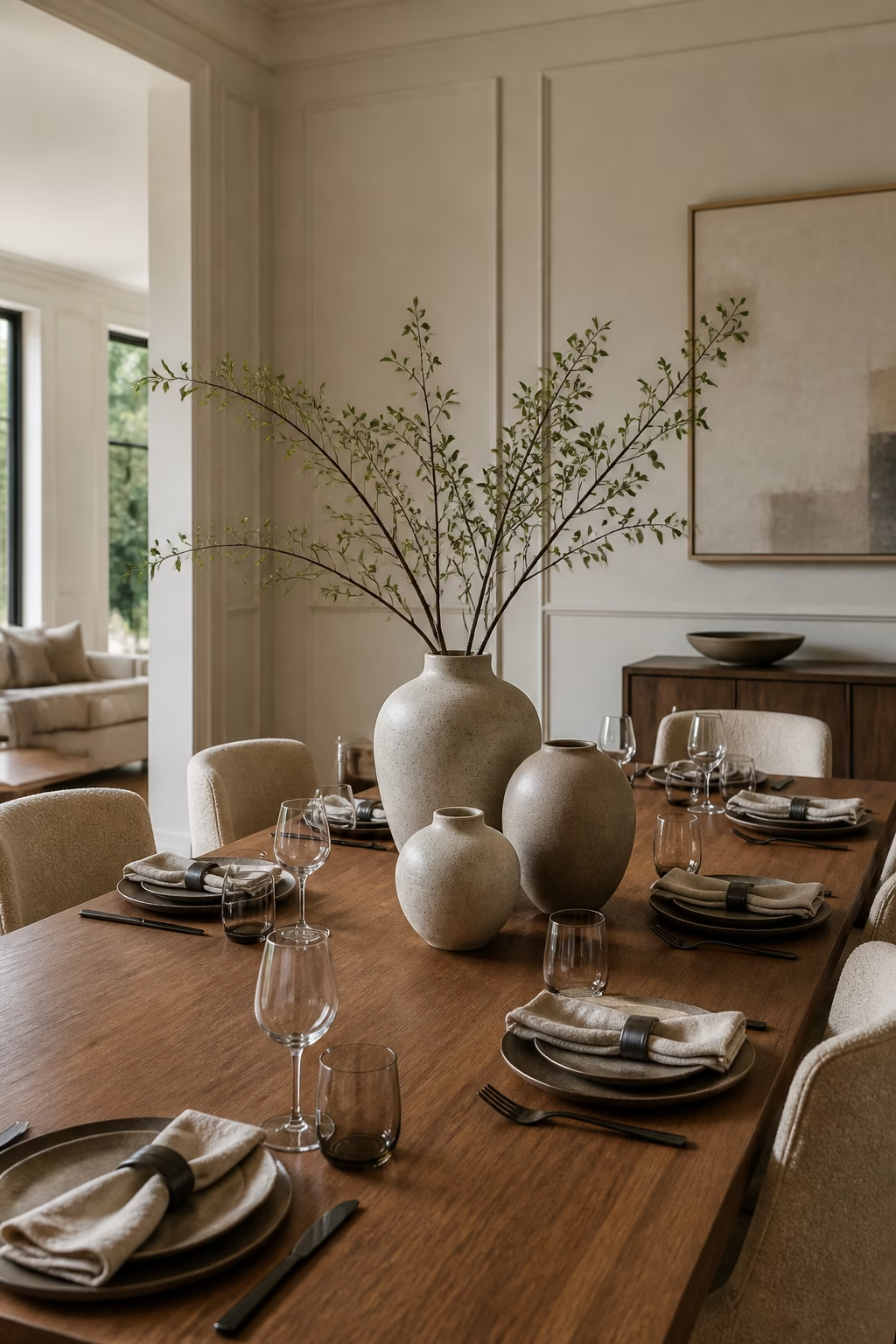
Low bowl vases are perfect for coffee tables and dining tables because they add flowers without blocking sightlines. Use a floral frog, chicken wire, or a small grid of tape inside the bowl to hold stems in place. Choose blooms with interesting faces, such as ranunculus, garden roses, hellebores, or dahlias, then add greenery sparingly. The arrangement should feel low, wide, and relaxed. A ceramic or footed bowl makes the flowers look more integrated with decor than a standard florist vase. This style is especially useful for entertaining, since guests can see each other across the table while still enjoying fresh flowers.
Use Metal Vases for a Polished Accent
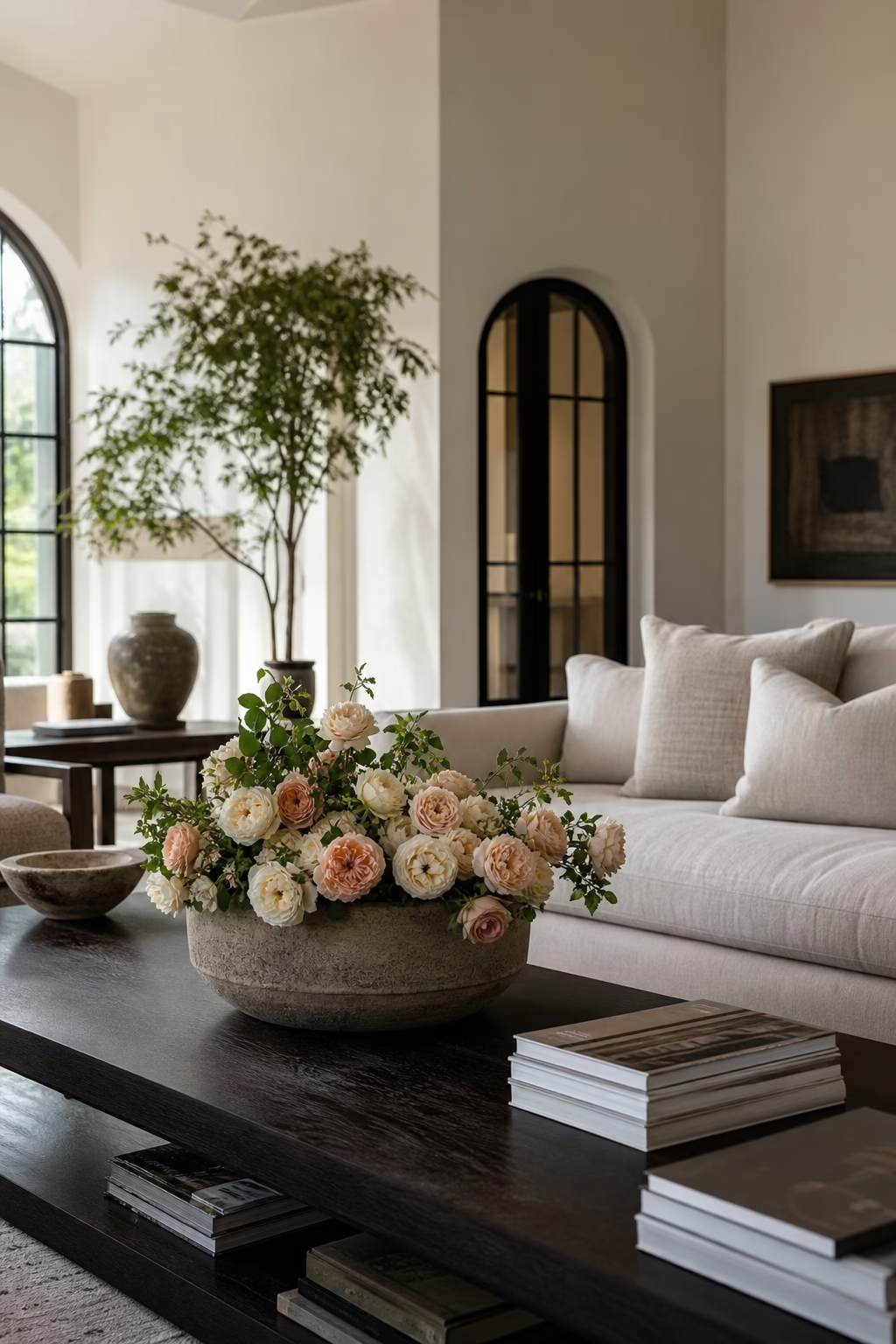
Metal vases add polish when a room needs a reflective note. Brass, bronze, nickel, pewter, and blackened steel each create a different mood, so connect the finish to lighting, hardware, or furniture legs nearby. Use metal sparingly; one vase can be enough on a sideboard or shelf. Because metal already has shine, choose flowers with softness, such as hydrangeas, sweet peas, tulips, or leafy branches. A liner is useful if the vessel is not watertight. Metal vases work especially well in dining rooms, entries, and formal living rooms where the arrangement should feel elevated without becoming ornate. Keep fingerprints wiped away so the finish stays crisp.
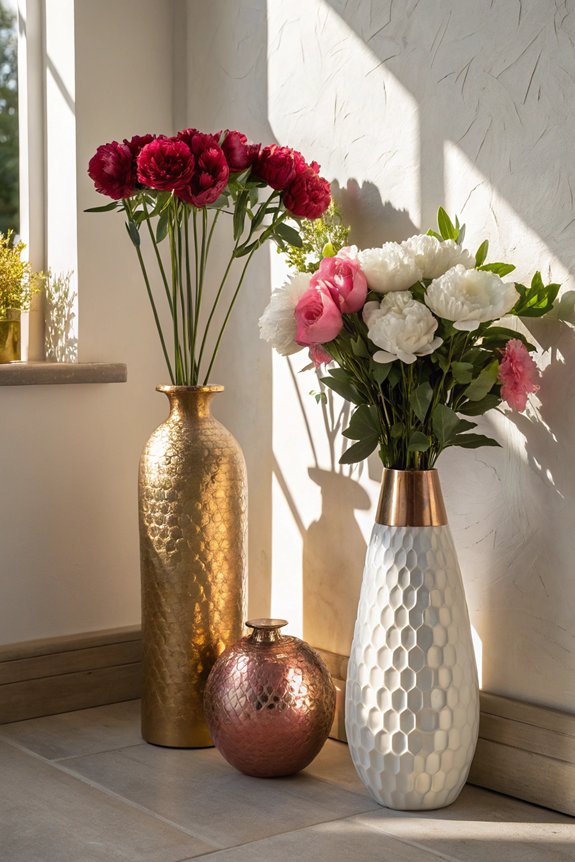
Group Vases by One Color Family
A group of decorative vases looks calmer when the vessels share a color family. Try warm whites, smoky glass, black clay, terracotta, soft green, or muted blue, then vary the heights and shapes. Put flowers in only one or two vases so the grouping does not become crowded. Empty vessels can support the main arrangement by adding silhouette and texture. This approach works on open shelves, mantels, long consoles, and dining sideboards. It gives you the collected feeling of multiple pieces without the chaos of unrelated colors. The shared palette makes even inexpensive vases look more intentional. Leave space between pieces so each outline remains visible.

Choose Rattan Wrapped Vases for Casual Texture
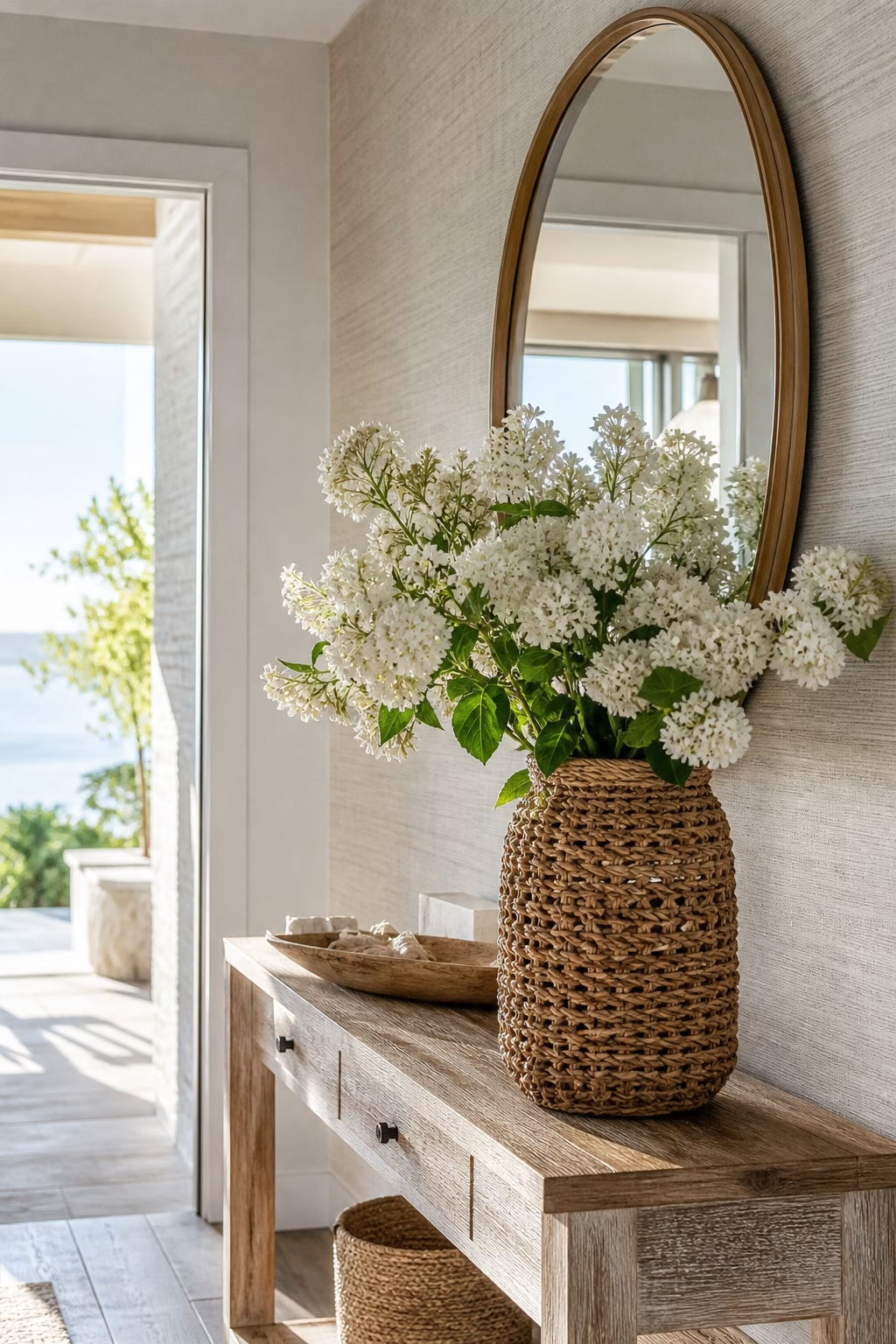
Rattan-wrapped or woven vases bring casual texture to flowers, especially in coastal, organic modern, and relaxed family rooms. They work best with simple stems: eucalyptus, olive branches, white tulips, hydrangeas, or grasses. Because woven surfaces can feel informal, pair them with cleaner furniture or a stone tray so the vignette stays refined. Use an inner glass liner for water if the weave is decorative only. These vases are useful on coffee tables, covered patios, and consoles where you want warmth without shine. The woven texture softens fresh flowers and helps them feel connected to baskets, jute rugs, linen, and pale wood.
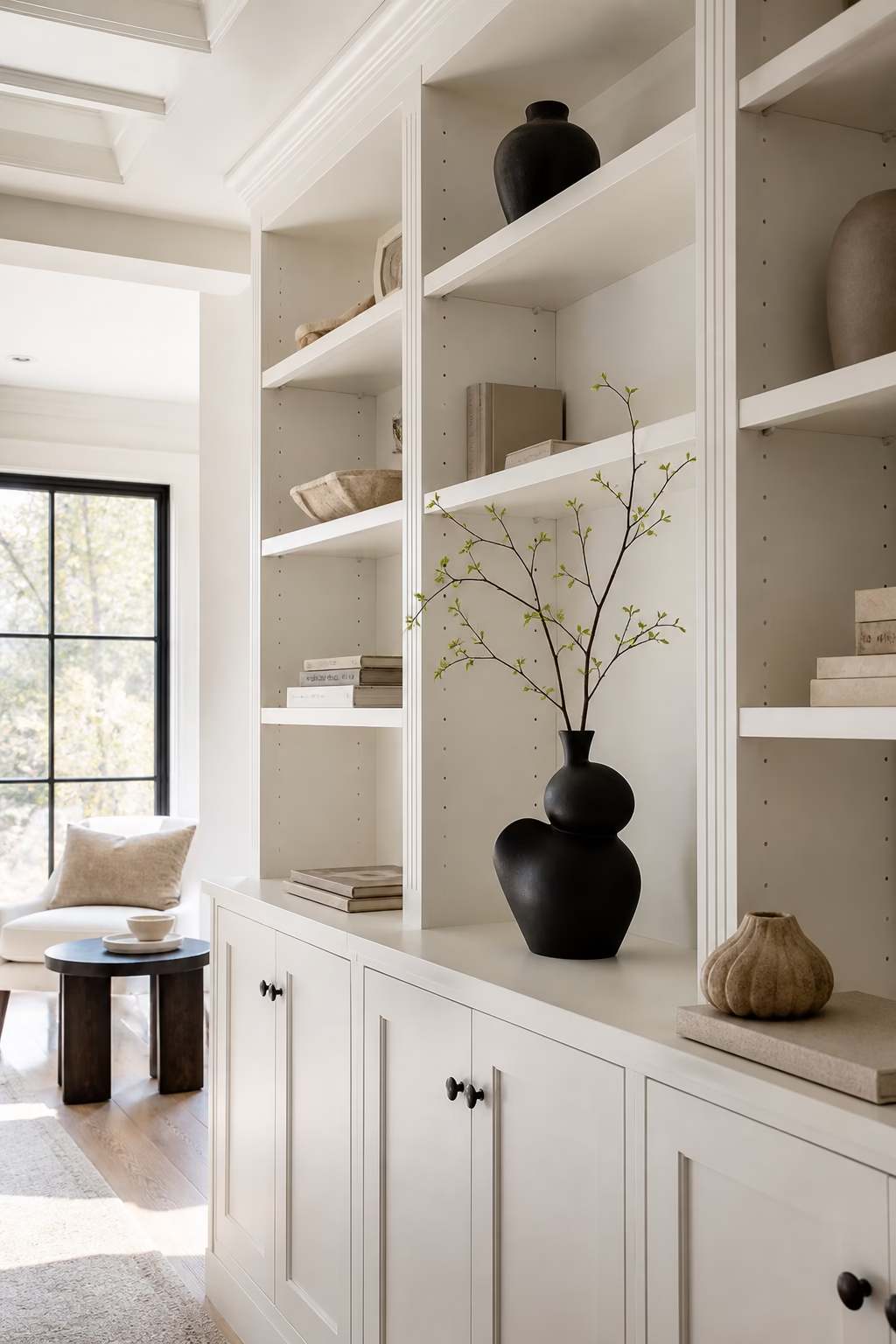
Let a Black Vase Sharpen Pale Flowers
A black vase can make pale flowers look crisp and intentional. White roses, cream tulips, blush peonies, or green branches stand out strongly against matte black ceramic, smoked glass, or blackened metal. Use this contrast in rooms that already have a few black details, such as window frames, lamp bases, picture frames, or chair legs. Keep the arrangement shape simple so the high contrast does not become fussy. A black vase is especially effective on a light console, marble counter, or pale oak table. It adds definition to soft interiors and makes fresh flowers feel more modern than sweet. Pair it with a pale wall for maximum clarity.
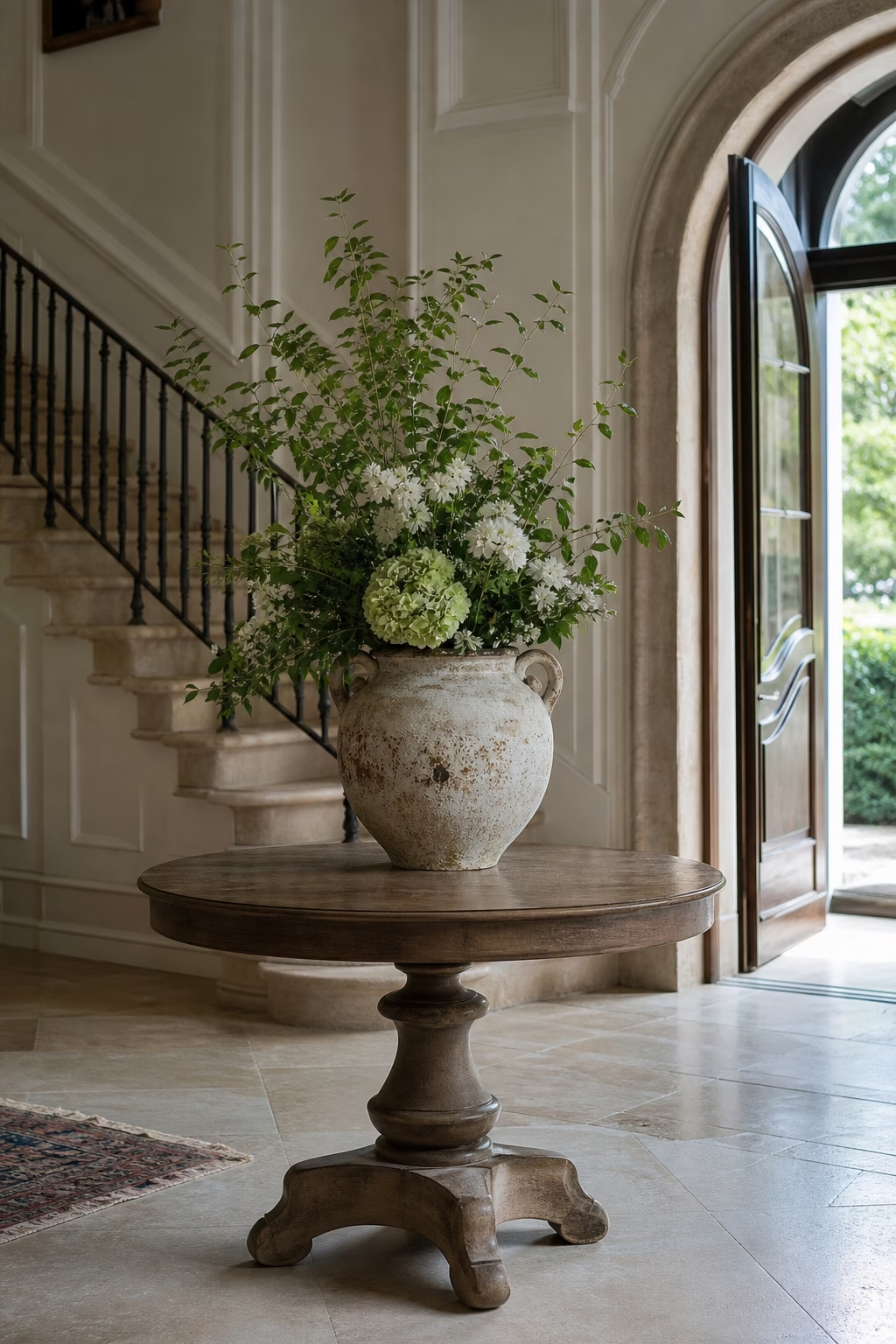
Use Vintage Vases for Character
Vintage vases add character because they bring shape, patina, and history into a room. Look for studio pottery, old glass, brass vessels, ceramic pitchers, or small urns with good proportions. The goal is not age for its own sake; the piece should still work with your furniture and flowers. Pair a vintage vase with simple stems so the vessel remains visible. If the interior is delicate or not watertight, place a narrow glass inside. Vintage vases are especially good on bookshelves and mantels, where they can sit empty between flower days. They prevent a room from looking too newly purchased.
Make a Pair Feel Deliberate
Paired vases can look elegant when they are placed with purpose. Use matching vessels on either side of a mantel, console, or dining sideboard, or choose two related vases with different heights for a looser composition. Avoid filling both with identical large bouquets unless the room is very formal. Often one vase with flowers and one left empty feels more current. The spacing should respond to the furniture below and any artwork or mirror above. Paired vases are helpful when a surface feels visually lopsided, but they should still leave room for lamps, trays, or practical objects. Let the pair support the room, not dominate it.
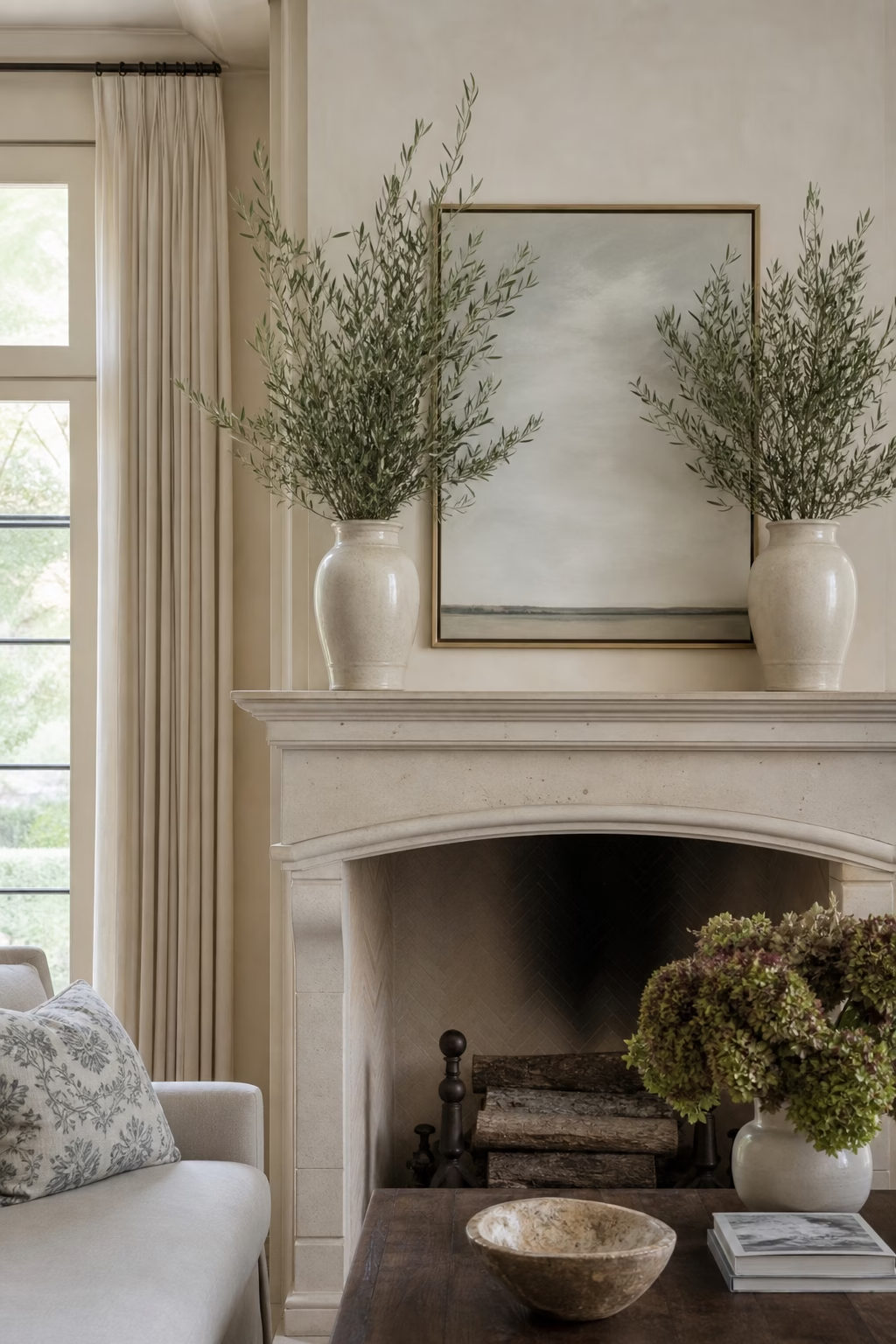
Put Small Vases on Bedside Tables
Small vases on bedside tables make flowers feel personal rather than ceremonial. Choose compact vessels that leave space for a lamp, book, phone, and water glass. A single bloom, a sprig of greenery, or three short stems is usually enough. Avoid heavily scented flowers in bedrooms, and keep the arrangement low so it does not interfere with reaching for essentials. Ceramic, glass, and stoneware all work, but the vase should feel stable and easy to clean. This detail can make a guest room feel considered, or make a primary bedroom feel softer without adding decorative clutter. Refresh the water daily because the arrangement sits close.
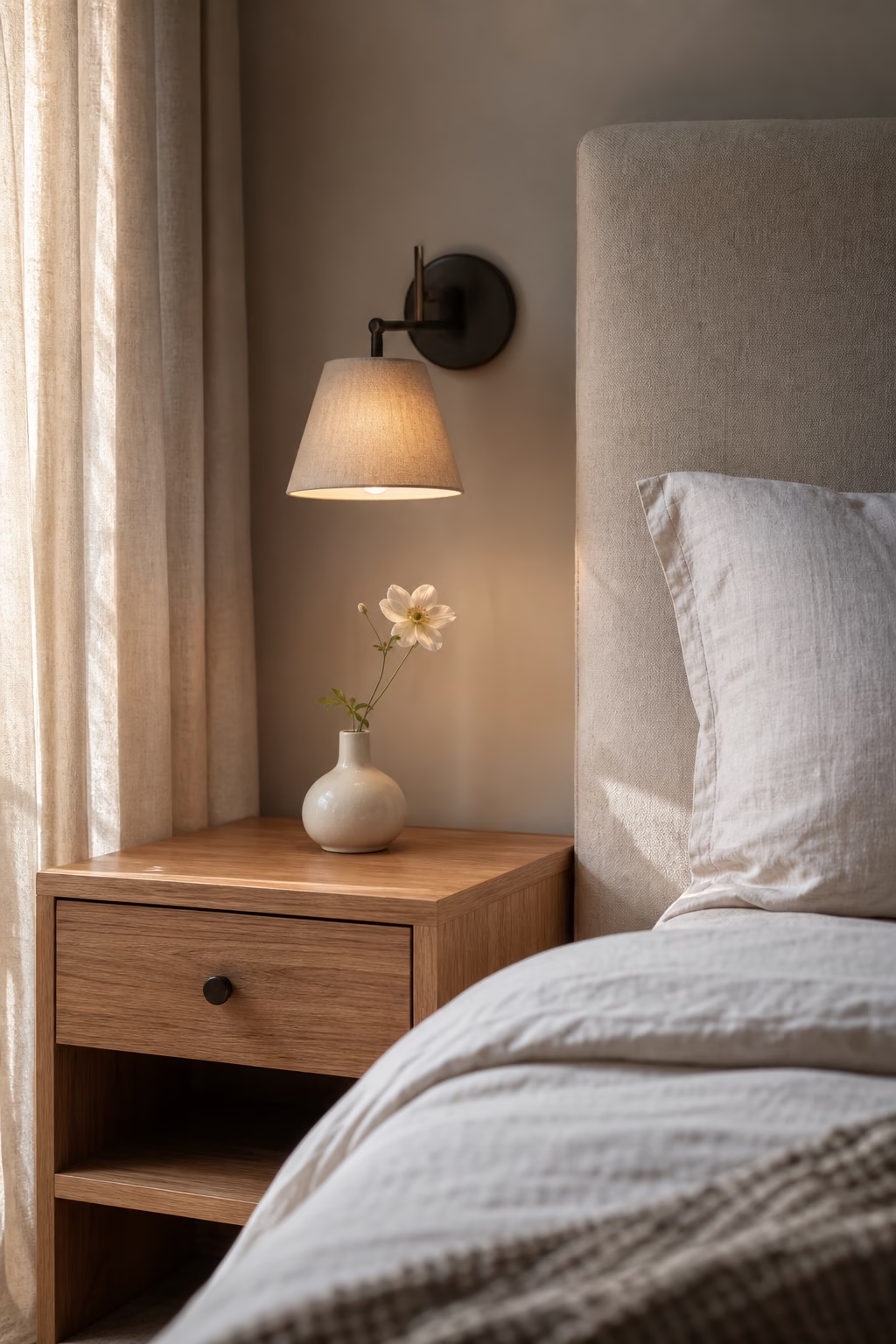
Style Vases Along a Dining Sideboard
A dining sideboard can handle a more generous vase moment than the table itself. Use one tall arrangement near an end, then balance it with a lamp, tray, or low bowl on the other side. This keeps the dining table open for food while still bringing fresh flowers into the room. Choose vase materials that relate to the dining furniture: glass for lightness, ceramic for softness, metal for polish, or stone for weight. The flowers should not brush artwork or sconces above. A sideboard vase is also easier to maintain during meals, because guests will not need to move it to see each other.
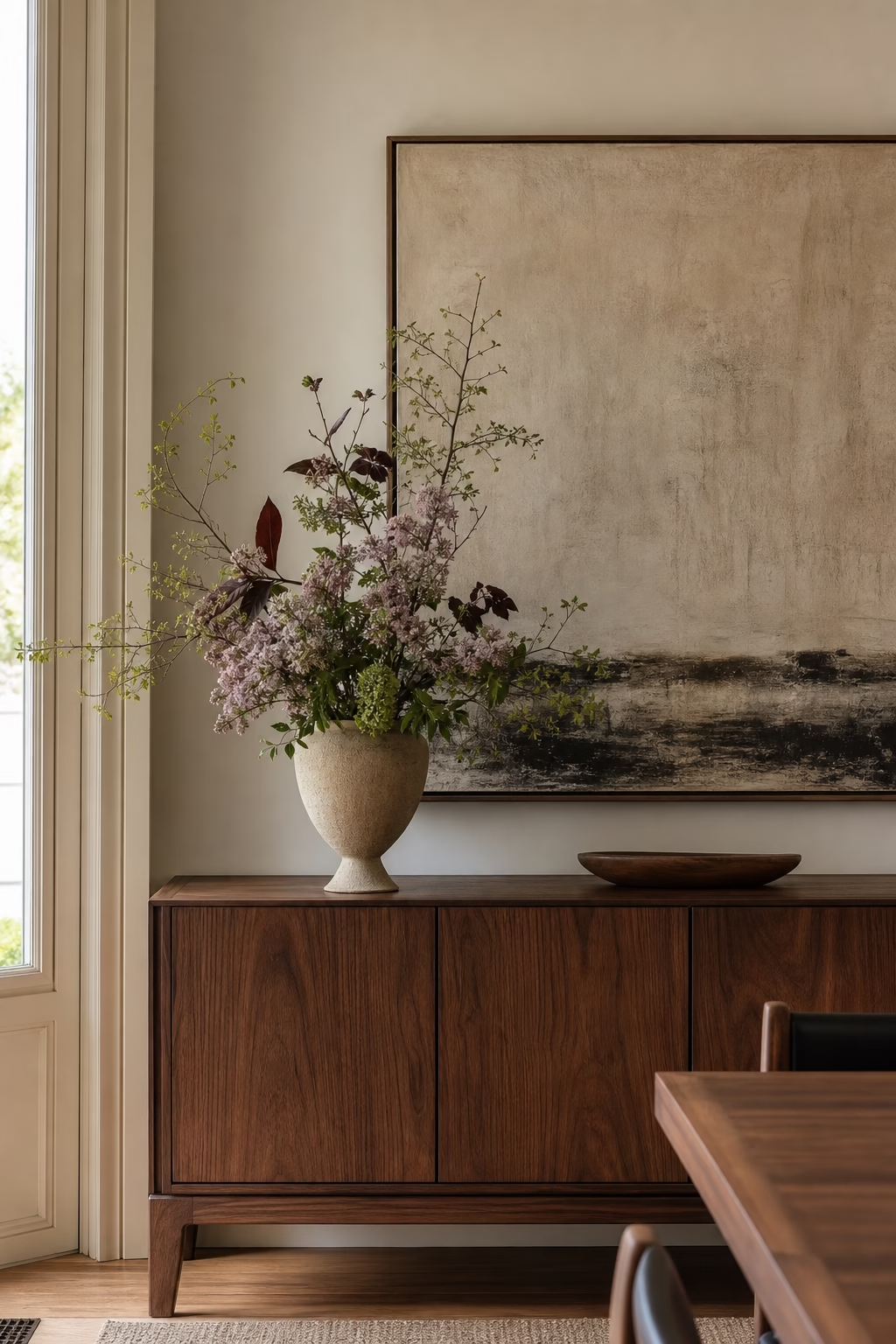
Use Narrow Vases on Window Sills
A narrow window sill can still hold flowers if the vase is slim, stable, and proportionate. Choose small cylinders, bud vases, or weighted glass bottles that will not tip easily. Use flowers that enjoy the light but will not wilt immediately in direct sun, and rotate them when needed. This idea works well in kitchens, bathrooms, and breakfast nooks where a larger bouquet would be impractical. Keep the sill edited so the flowers do not compete with many small objects. The window light shines through petals and glass beautifully, making even one or two stems feel fresh and atmospheric. Use felt pads underneath to protect painted trim.
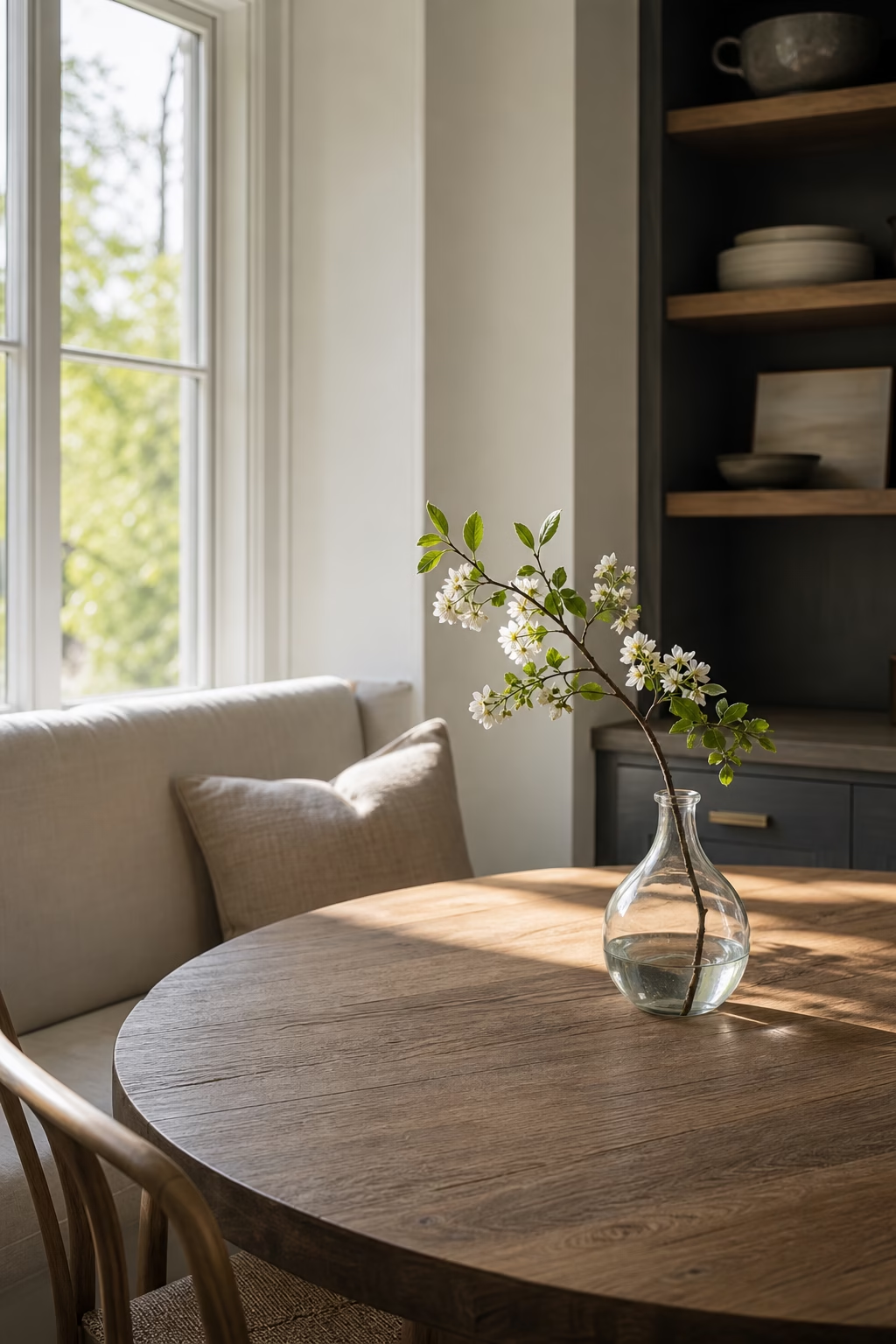
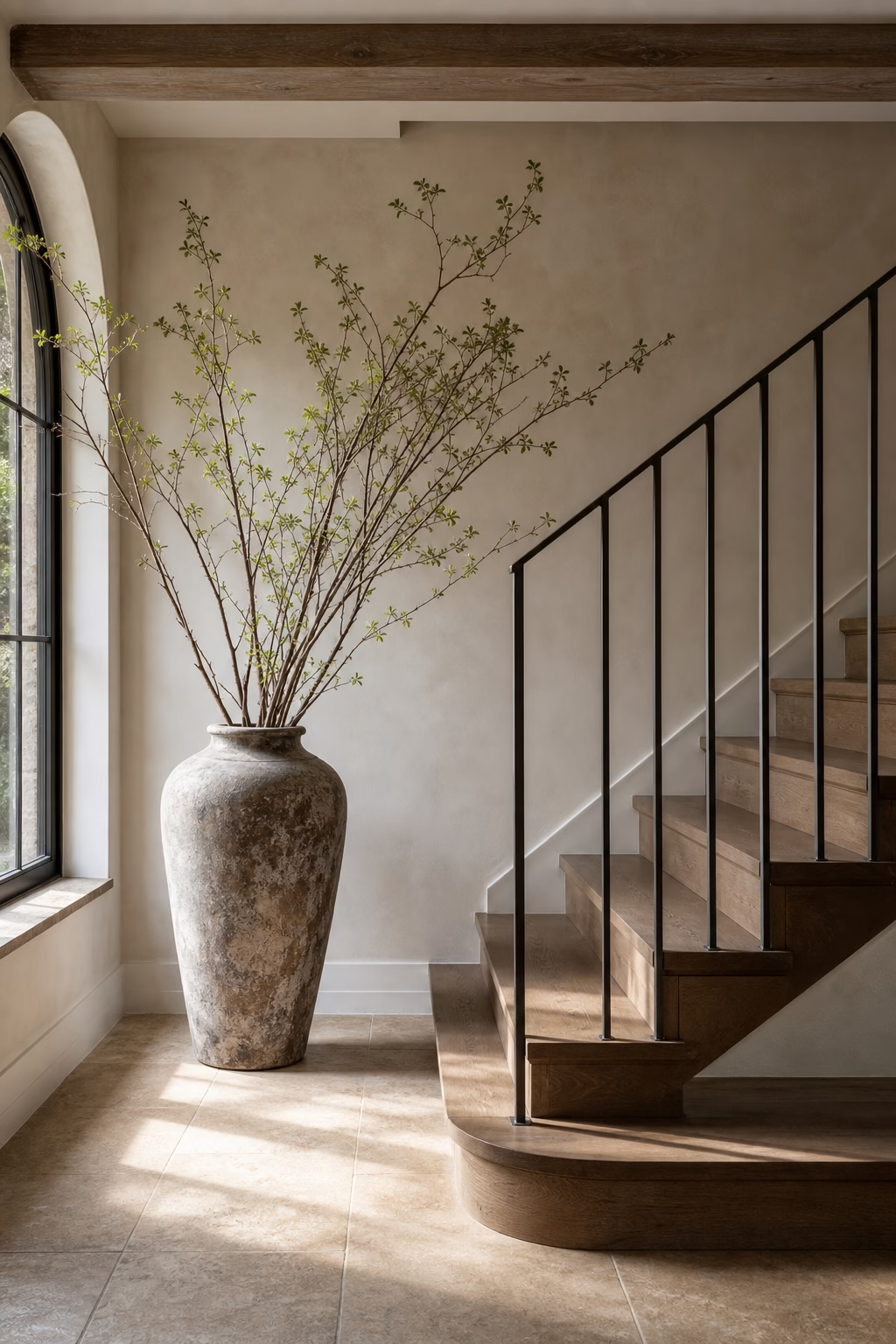
Let Oversized Floor Vases Fill Corners
An oversized floor vase can finish an empty corner without adding another chair or cabinet. Choose a vessel with enough height and diameter to look intentional from across the room, then fill it with tall branches, dried grasses, or a very restrained fresh arrangement. Place it near a wall, curtain, or console so it has context rather than sitting isolated. Make sure the base is stable, especially in homes with children or pets. Floor vases are particularly useful in entries, living rooms, and dining rooms with high ceilings. They add verticality and natural movement while keeping the floor plan open.
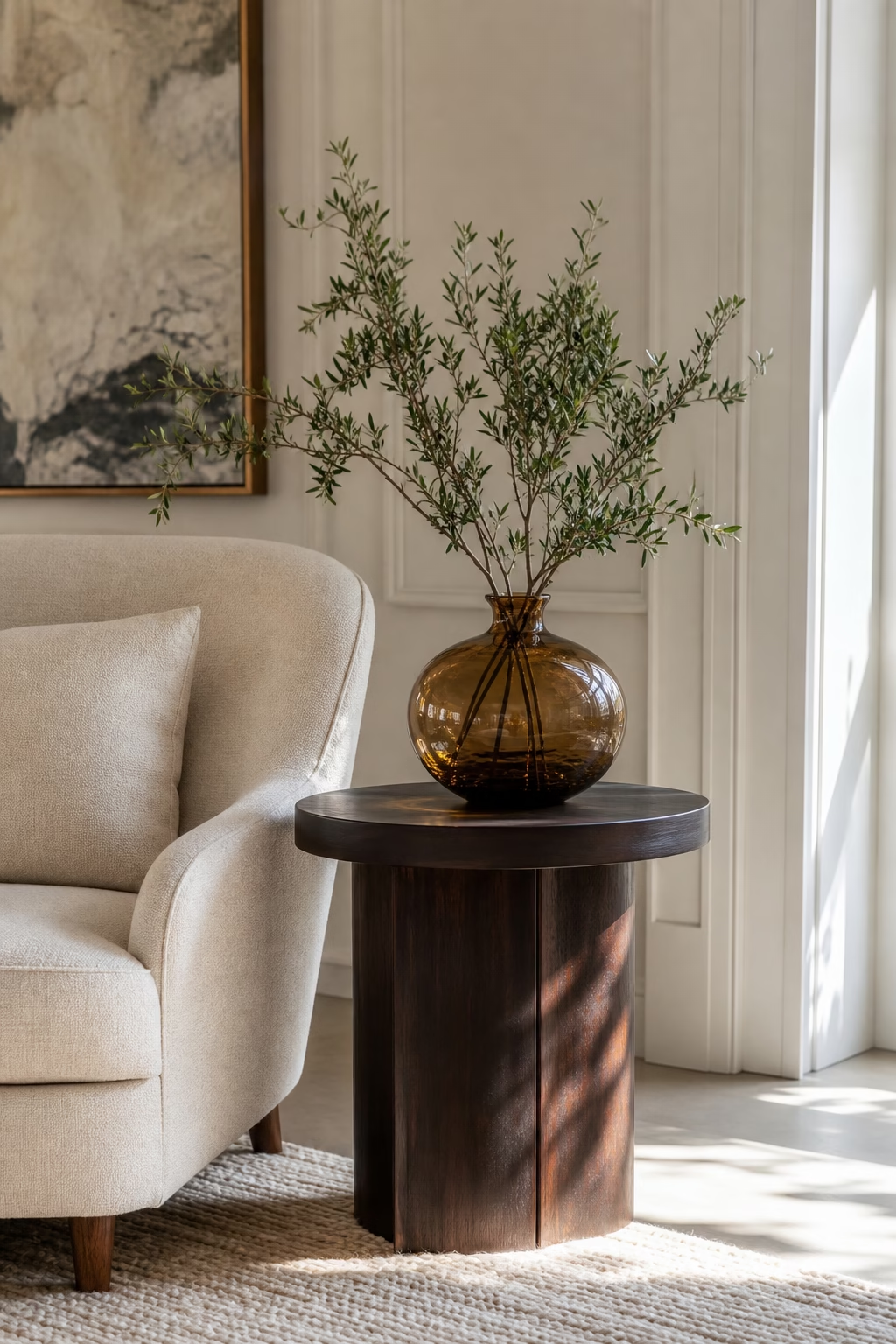
Choose Colored Glass for Subtle Tint
Colored glass vases add tint without the permanence of painted walls or bold furniture. Amber warms autumn flowers, smoke gray feels sophisticated, pale green suits garden stems, and blue glass can cool a sunny room. Keep the flowers simple so the colored glass remains visible. Clear water and clean stems matter even more because the vessel draws attention to transparency. Use colored glass on shelves, coffee tables, and bathroom counters where light can pass through it. The effect is delicate but noticeable: fresh flowers gain another layer of color, and the room feels refreshed without a heavy decorative change. Avoid dyed water, which can cheapen the look.
Keep Floral Arrangements Loose
The most stylish decorative vases usually look better with loose arrangements than stiff domes of flowers. Let some stems rise, some lean, and a few leaves create negative space around the blooms. This relaxed shape feels closer to a garden and shows off the vessel instead of hiding it. Use floral tape, a frog, or a narrow neck if you need support, but do not pack every gap. Loose arrangements are forgiving with grocery flowers because you can remove weak stems and let the best ones shine. In a living room, dining room, or bedroom, this approach feels natural, elegant, and easier to maintain.

Edit the Surface Around the Vase
A vase looks more expensive when the surface around it is edited. On a coffee table, pair it with one tray or book stack rather than a crowd of small objects. On a console, give the flowers space to open and keep lamps, bowls, and frames from pressing too close. On shelves, let an empty patch of wall or backing frame the silhouette. This editing matters because flowers already bring shape, color, and movement. Too many accessories make even a beautiful vase feel like clutter. Treat the vessel as the main moment, then let the surrounding surface support it quietly.