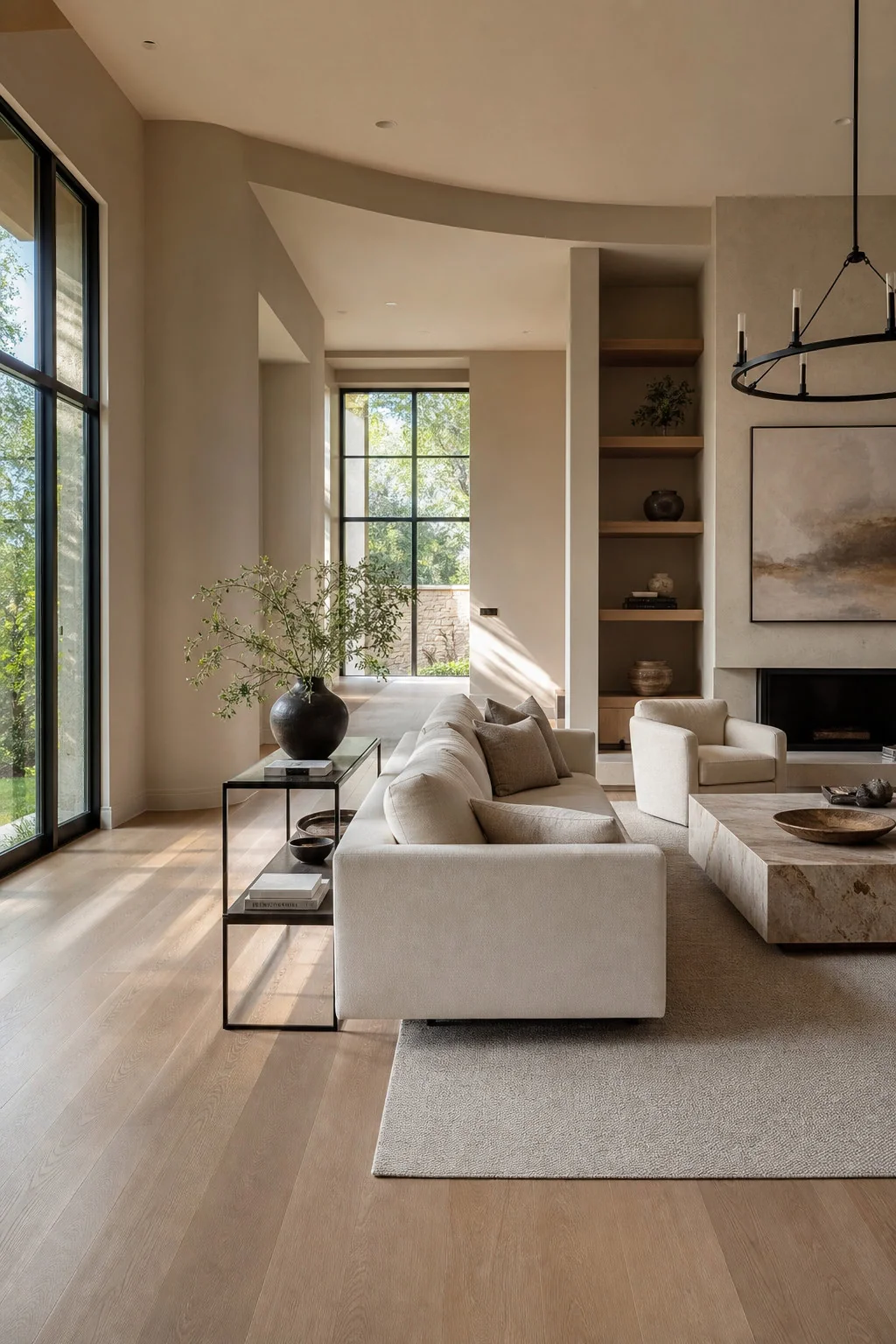
Float the Sofa to Shape the Room
In 2026, the best living rooms feel planned from the center outward. Pulling the sofa away from the wall can create a more gracious conversation area, especially in open-plan homes where the seating needs to define its own zone. Leave enough clearance behind the sofa for walking, then use a slim console, floor lamp, or low bench to make the back view intentional. This approach works beautifully with a rug large enough to hold the front legs of every main seat. The room immediately feels more architectural because the furniture is responding to circulation, windows, and focal points rather than simply lining the perimeter. Check the layout from the entry, because the first view should explain the room before anyone sits down.
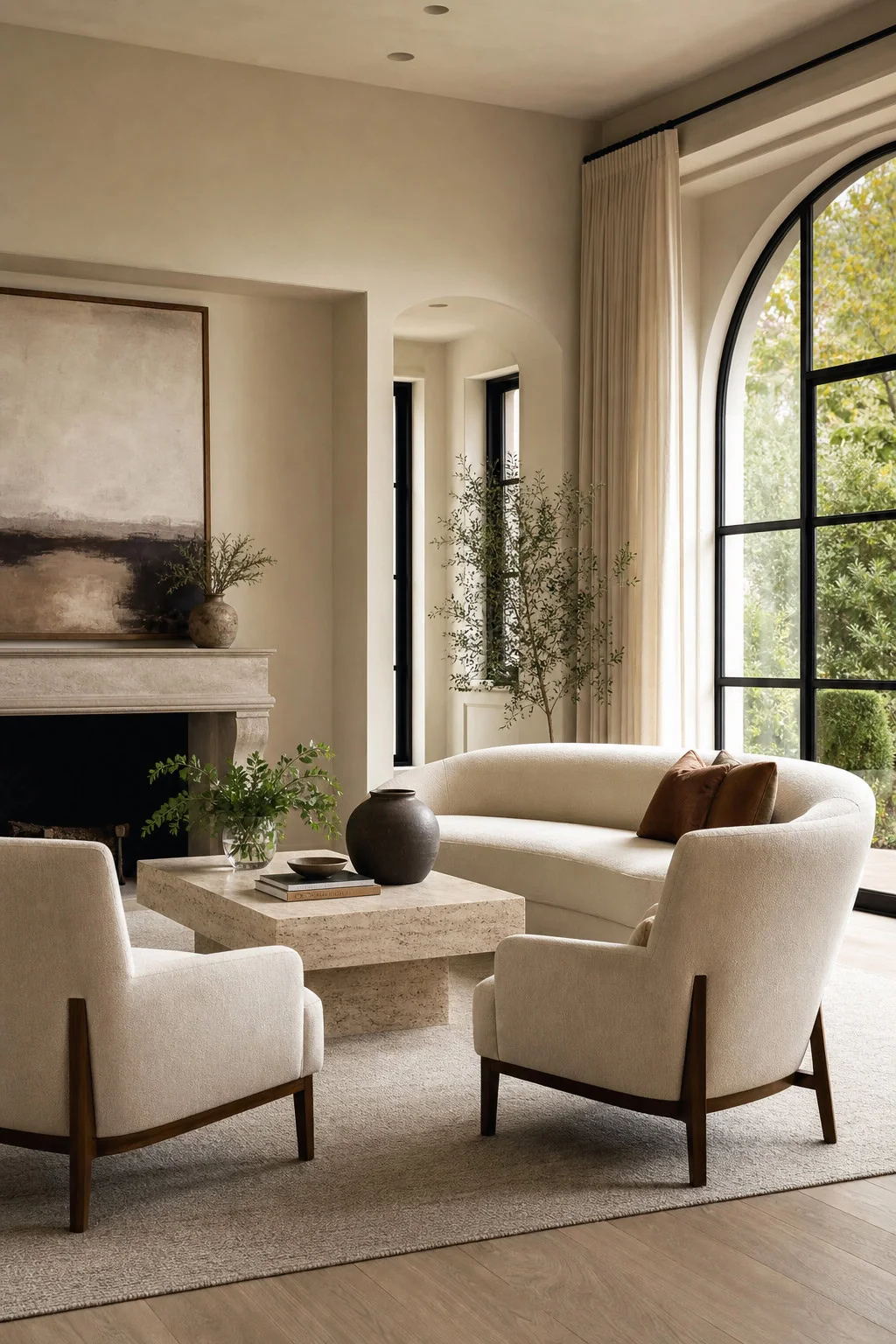
Use Curved Seating for Softer Movement
Curved seating is staying relevant because it solves a real design problem: rectangular rooms can feel stiff when every piece has a hard edge. A rounded sofa, crescent chair, or softly arched chaise helps the eye move through the room with less resistance. The trick is balancing curves with enough straight lines nearby. Pair a curved sofa with a rectangular rug, a clean-lined console, or square side tables so the room does not become overly plush. Curves work especially well near fireplaces, bay windows, and open living areas because they invite conversation without making the layout feel forced or overly formal. Repeat one curve elsewhere, perhaps in a lamp or table, so the gesture feels integrated.
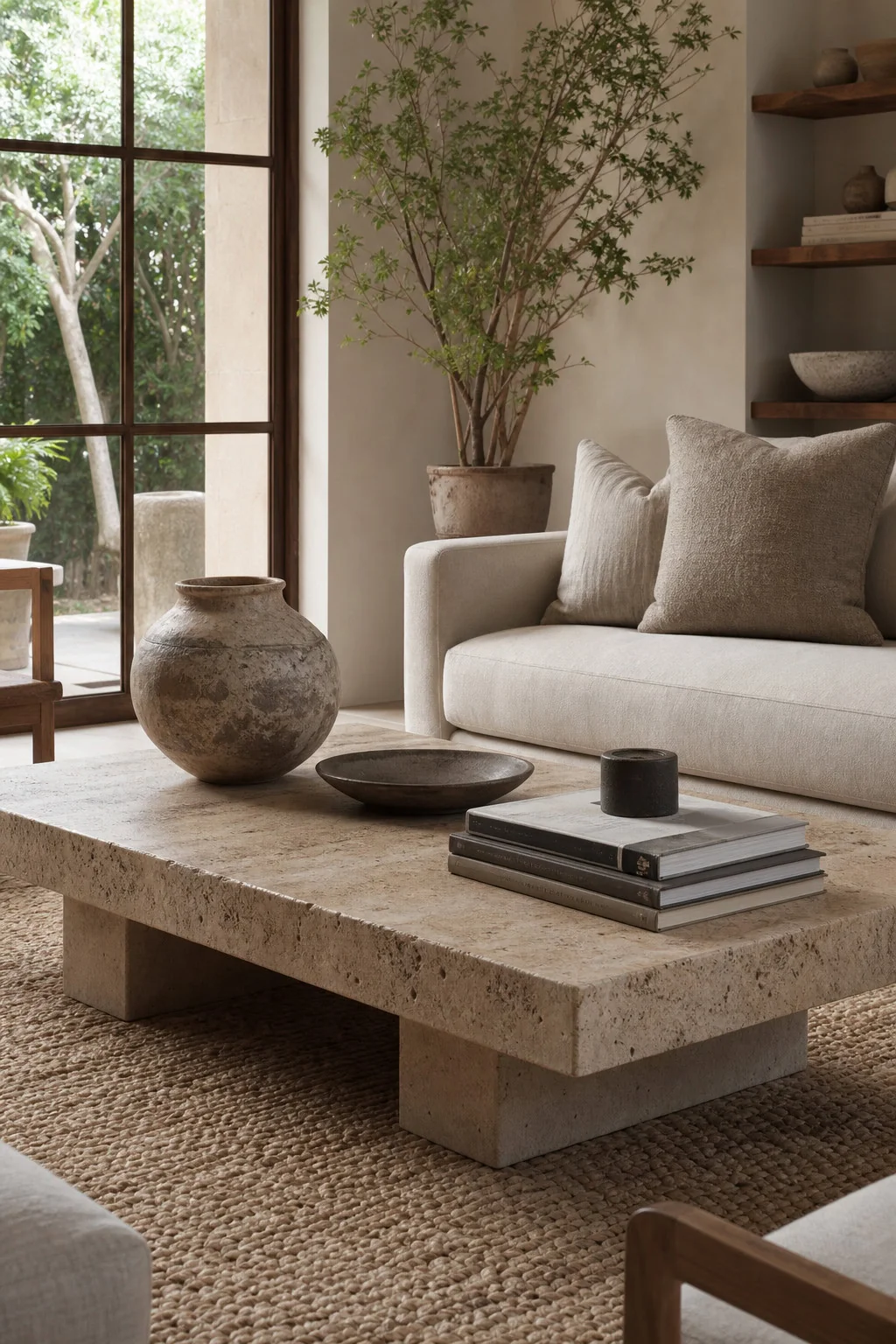
Choose a Coffee Table With Real Presence
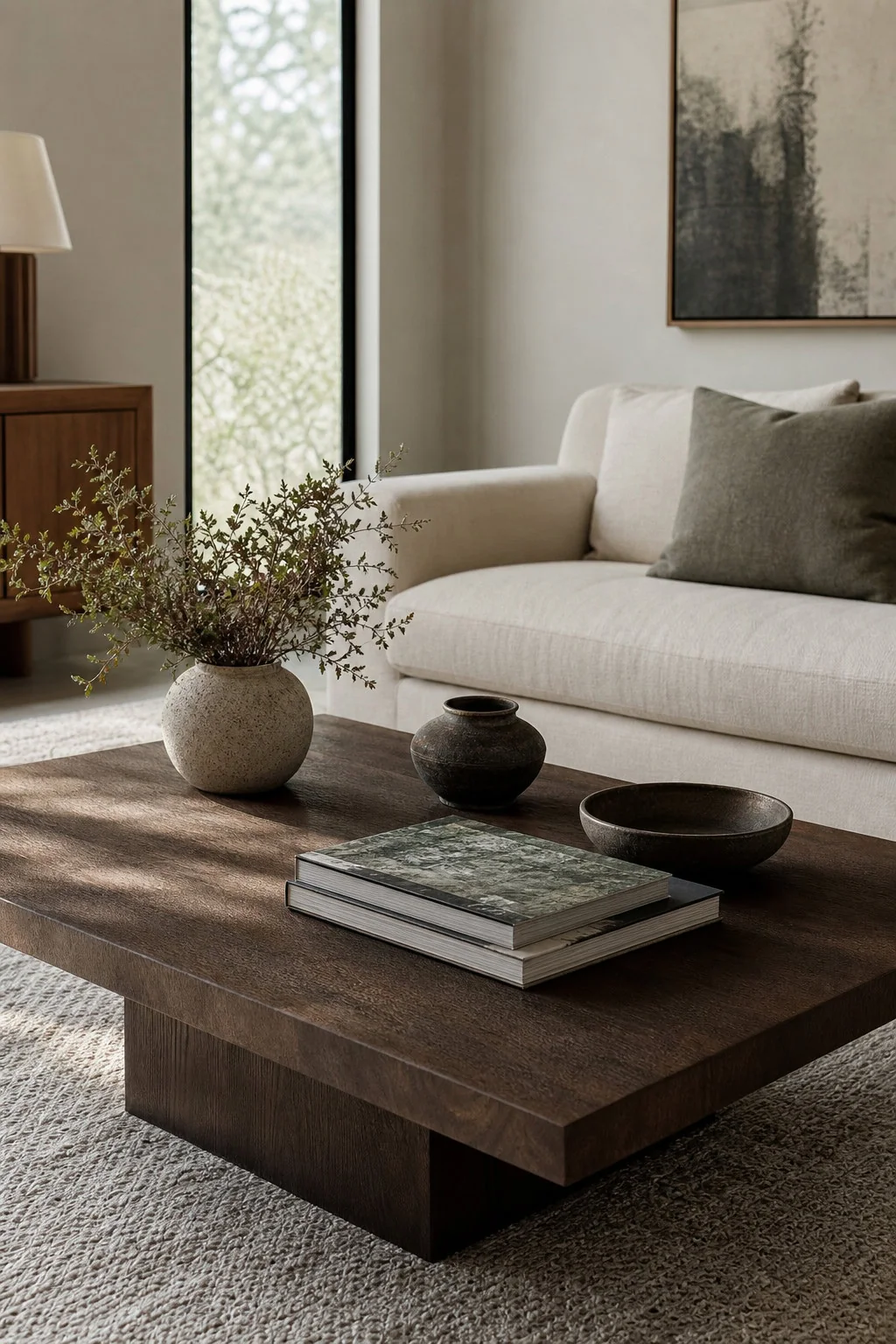
A living room often looks unfinished when the coffee table is too small or visually weak. For 2026, choose a table that has enough scale to anchor the seating group while leaving comfortable reach from the sofa and chairs. Stone, dark wood, fluted oak, lacquer, and mixed-material tables all feel current when the shape suits the room. In a long space, two smaller tables can be more flexible than one oversized block. Keep styling disciplined with a tray, one sculptural object, books, and a low vessel. The table should hold the room together, not become a cluttered display surface. Before buying, tape the footprint on the floor to confirm reach, circulation, and visual weight.
Layer Three Kinds of Lighting
A polished living room needs more than ceiling lights. Start with ambient light from recessed fixtures, a chandelier, or shaded ceiling lamps, then add task lighting near reading chairs and softer accent light on shelves, artwork, or architectural details. The mix creates depth at night and prevents the room from feeling flat. Use warm bulbs and dimmers wherever possible so the mood can change from daytime activity to evening calm. Lamps should vary in height: a floor lamp beside seating, a table lamp on a console, and a picture light over art can make the space feel professionally composed. This layered plan also makes photography, entertaining, and quiet evenings feel much more atmospheric.
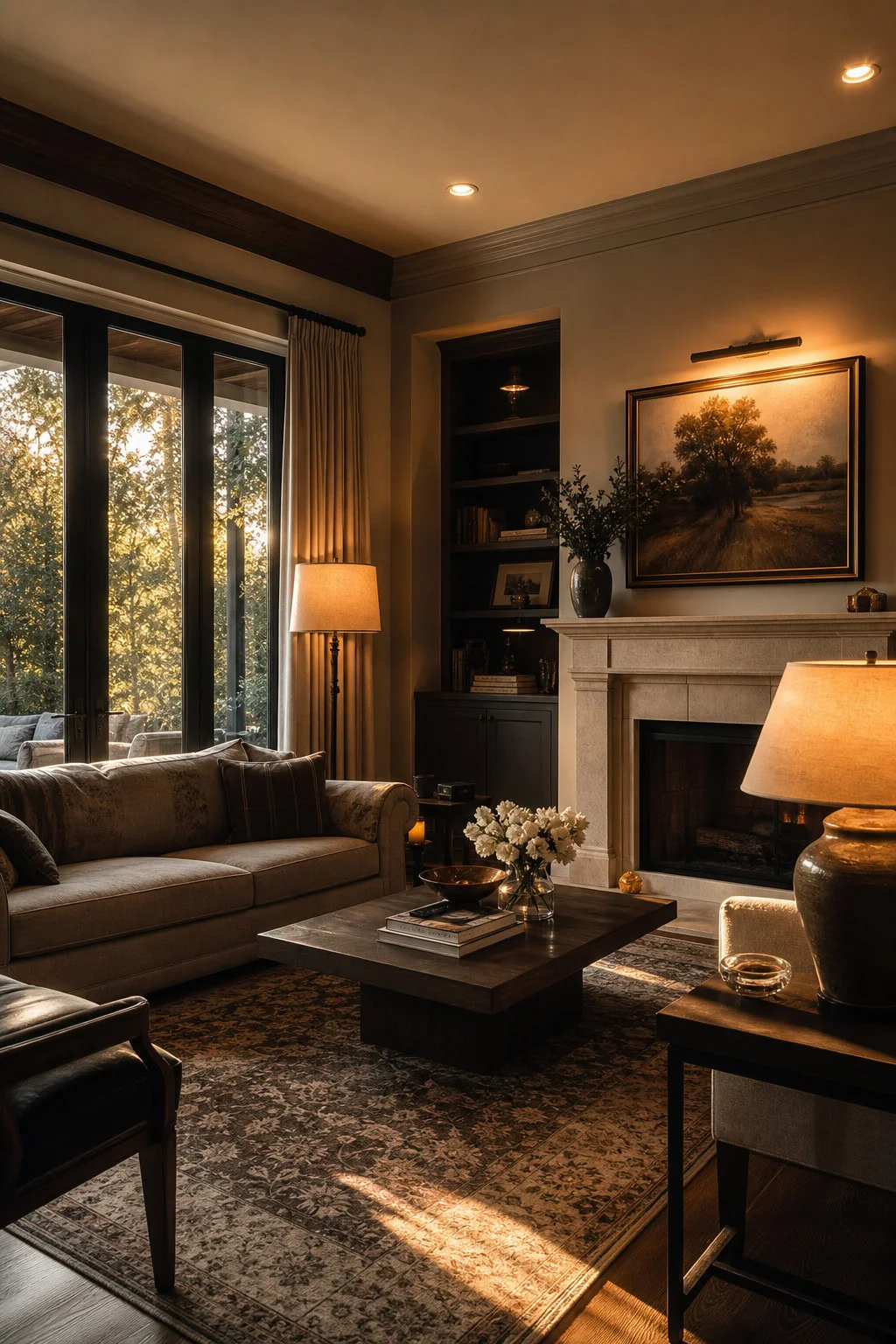
Bring Back Wood Paneling Carefully
Wood paneling is returning in a quieter, more architectural way. Instead of heavy wall-to-wall darkness, consider vertical oak slats, walnut panels around a fireplace, or painted paneling that adds rhythm without overwhelming the room. The best versions align with doors, windows, shelving, and ceiling lines so the detail looks built in. Use paneling on one important plane, then keep nearby walls calmer. This allows the grain or profile to add warmth while preserving daylight. In a neutral living room, wood paneling can replace a busy accent wall and give the space a richer, more permanent feeling. Keep outlets and switch plates aligned cleanly so the detail looks intentional rather than added later.
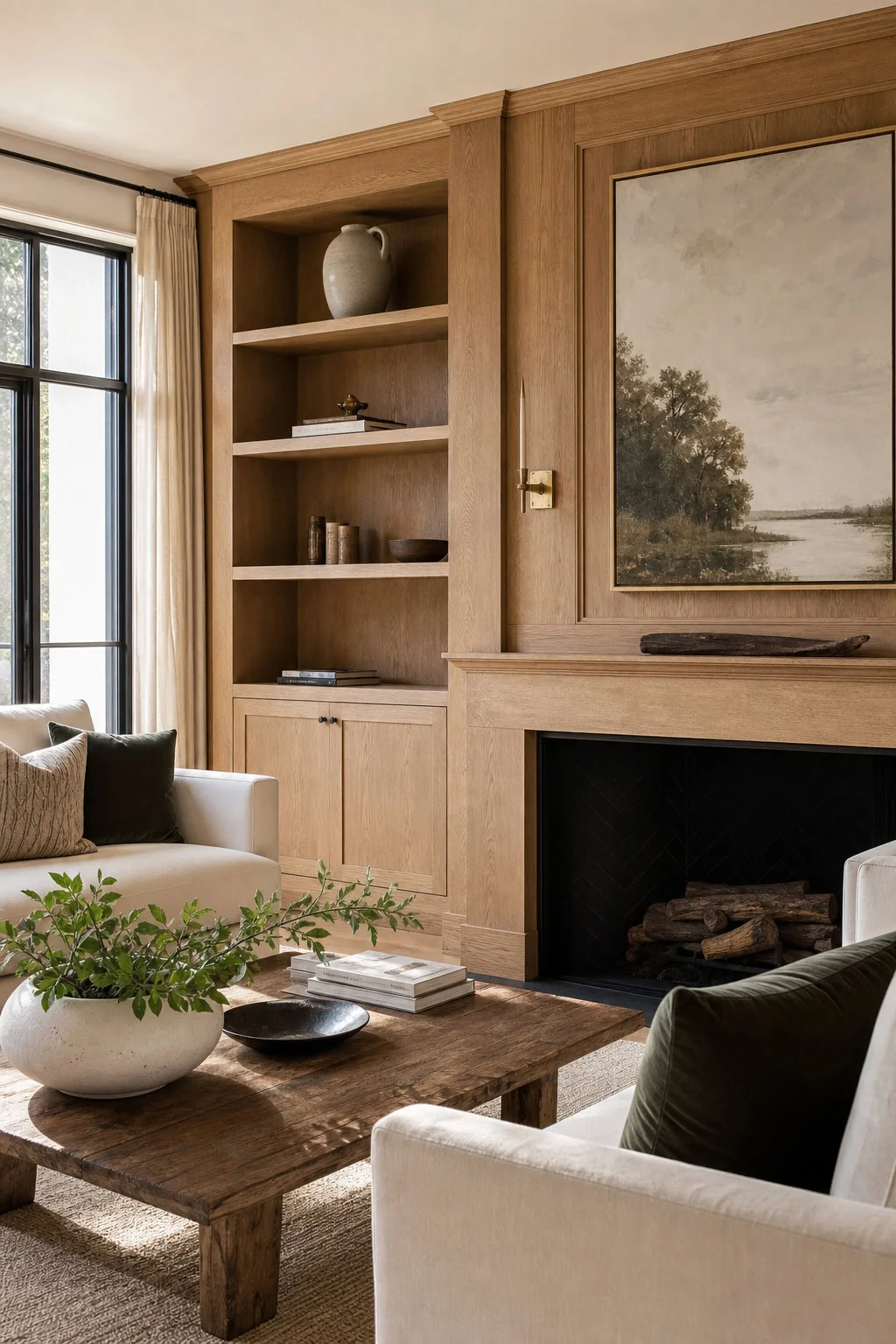
Add a Pair of Quiet Statement Chairs
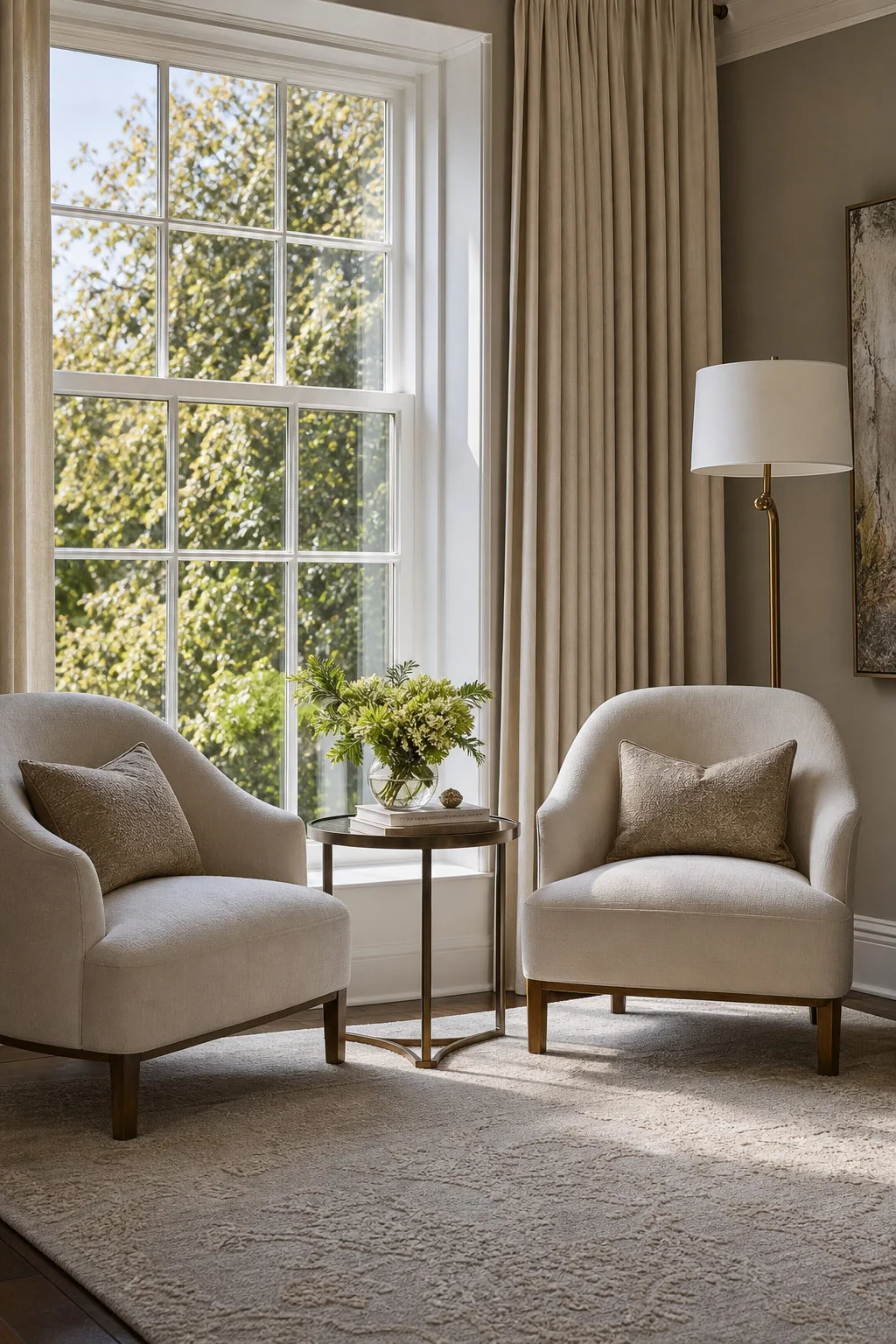
Statement chairs do not need loud fabric to make a room memorable. In 2026, the strongest choices often have interesting proportions, curved arms, a low lounge profile, or a tactile material such as boucle, leather, velvet, or woven upholstery. Use a pair when the room needs balance across from a sofa, or choose one sculptural chair for a corner that needs purpose. The chairs should relate to the sofa height so conversation feels natural. Add a small table between them and the arrangement becomes useful, not decorative. A well-placed pair can make the whole room feel more expensive. A shared side table or lamp between the chairs will make the pair feel anchored.
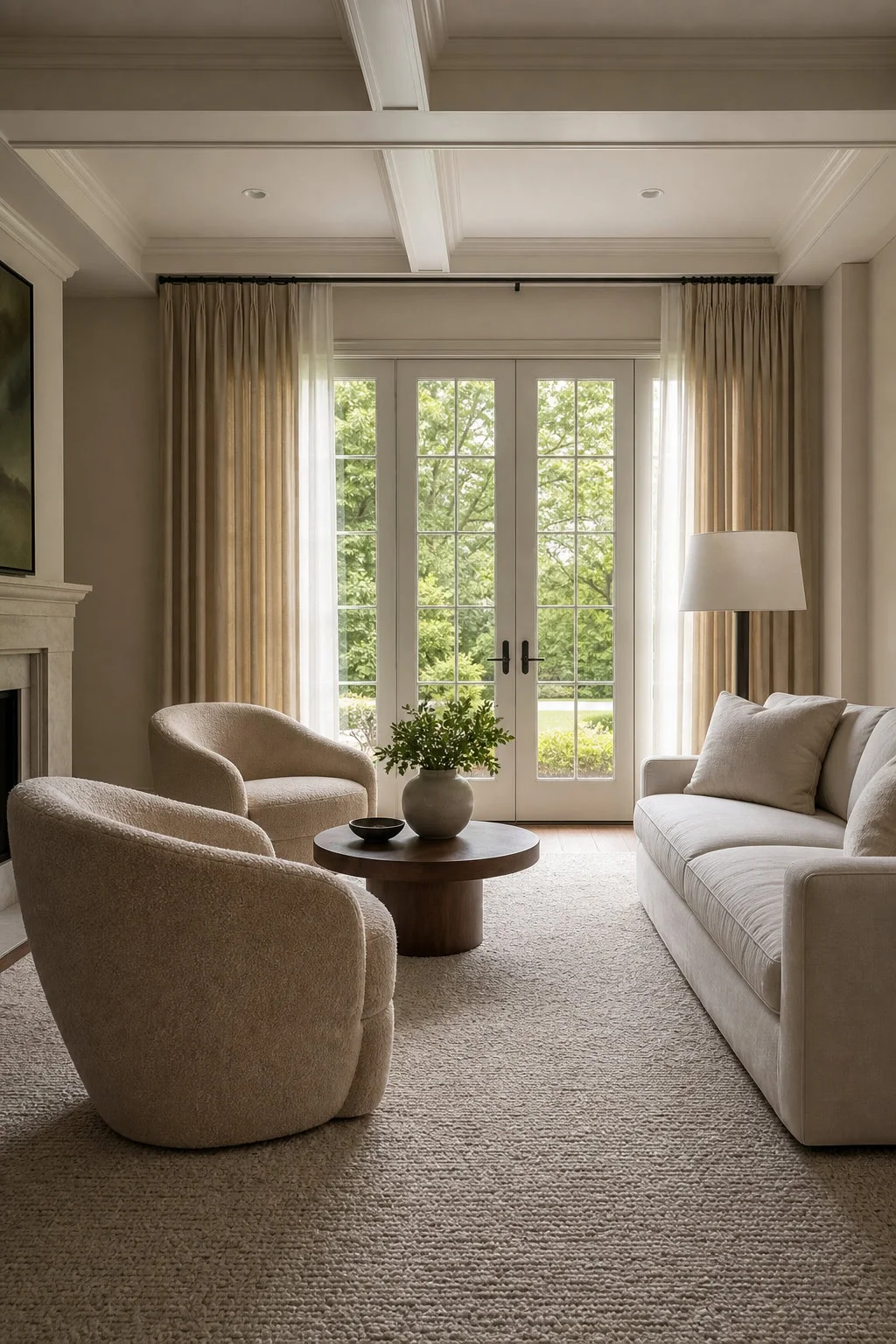
Let Built-Ins Look Collected, Not Packed
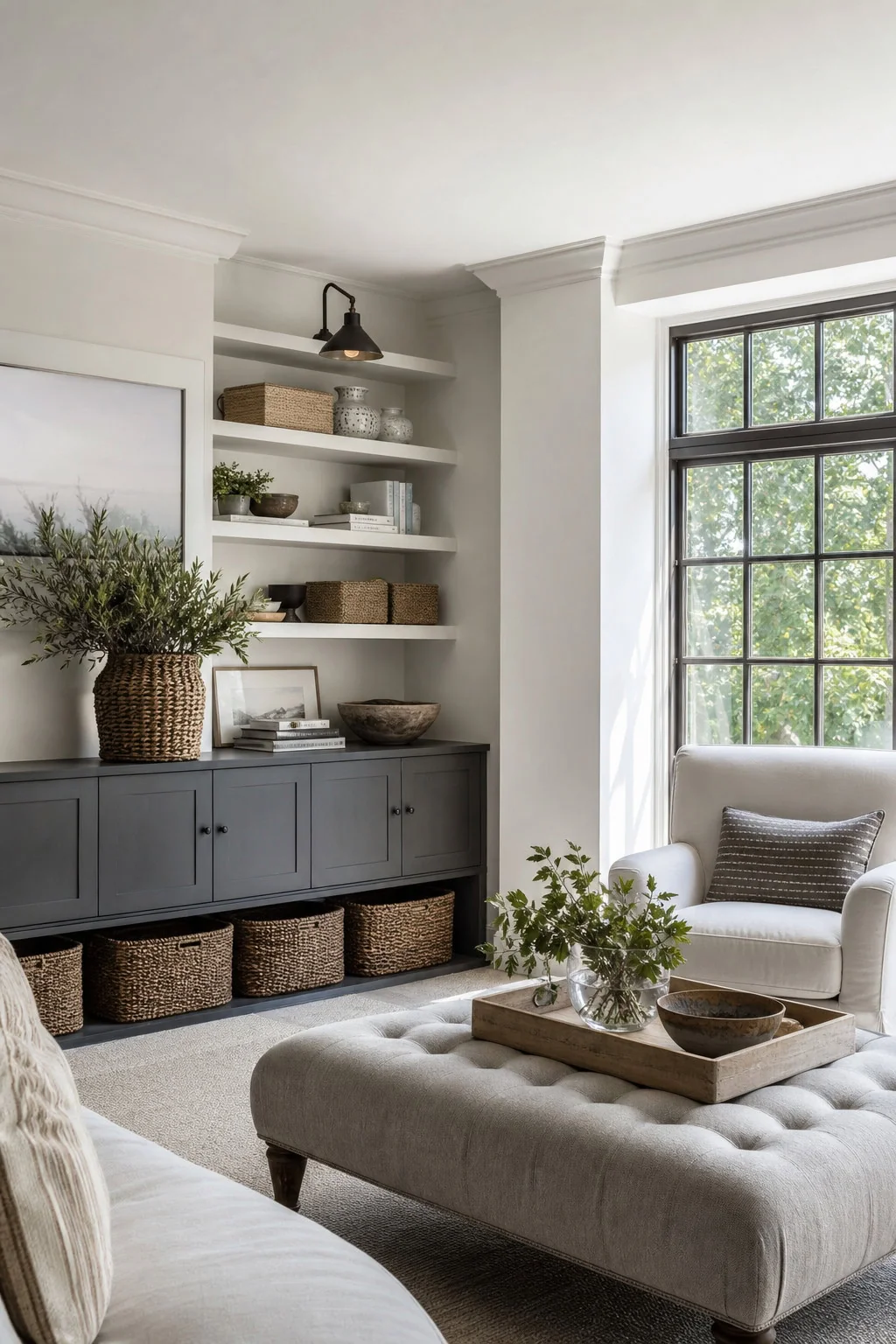
Built-in shelves are most successful when they leave room for shadow. Instead of filling every inch, group books, vessels, boxes, framed pieces, and small sculptures with open space around them. Vary vertical and horizontal stacks so the shelves feel natural, then repeat materials in a quiet rhythm: wood, ceramic, metal, glass, and linen. Avoid arranging everything by color if it makes the shelves look staged. The living room will feel more sophisticated when the built-ins support the architecture rather than shouting for attention. A few closed cabinets below are also worth including, because beautiful shelves still need hidden storage nearby. Edit the shelves seasonally, but keep the overall rhythm stable so the room remains calm.
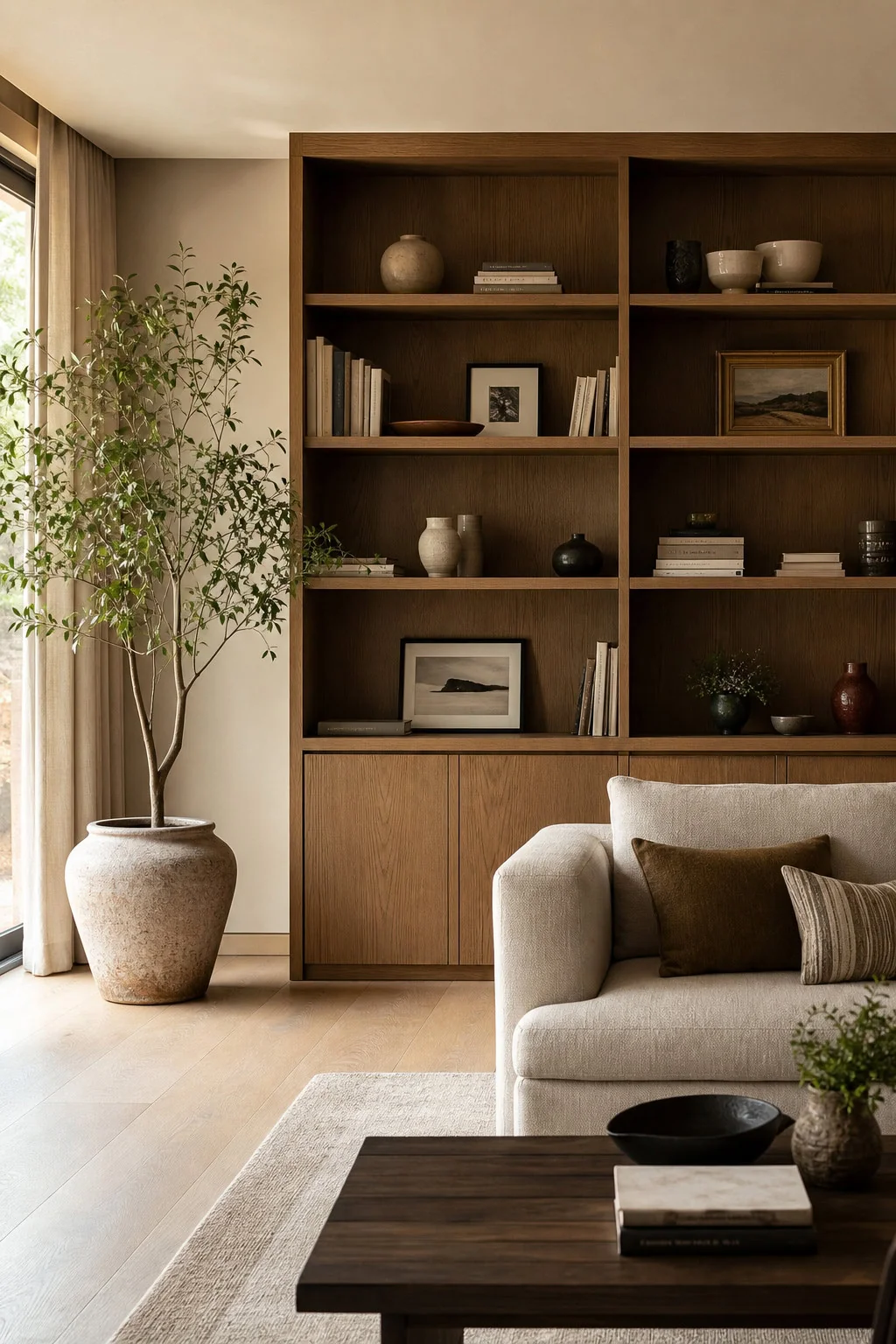
Use a Larger Rug Than Feels Obvious
A too-small rug can make even good furniture look disconnected. For a 2026 living room, size the rug so the main seating pieces sit at least partly on it, and ideally so the conversation area feels held together as one island. Natural wool, low-pile texture, subtle pattern, or a washed vintage look can add depth without dominating the room. Leave a consistent border of flooring around the edges. If the living room is open to a dining area, the rug also helps define function. The right size will make the layout feel calmer, wider, and much more intentional. If the room has children or pets, prioritize dense weaves and forgiving patterns over pale delicacy.
Create a Fireplace Wall With Restraint
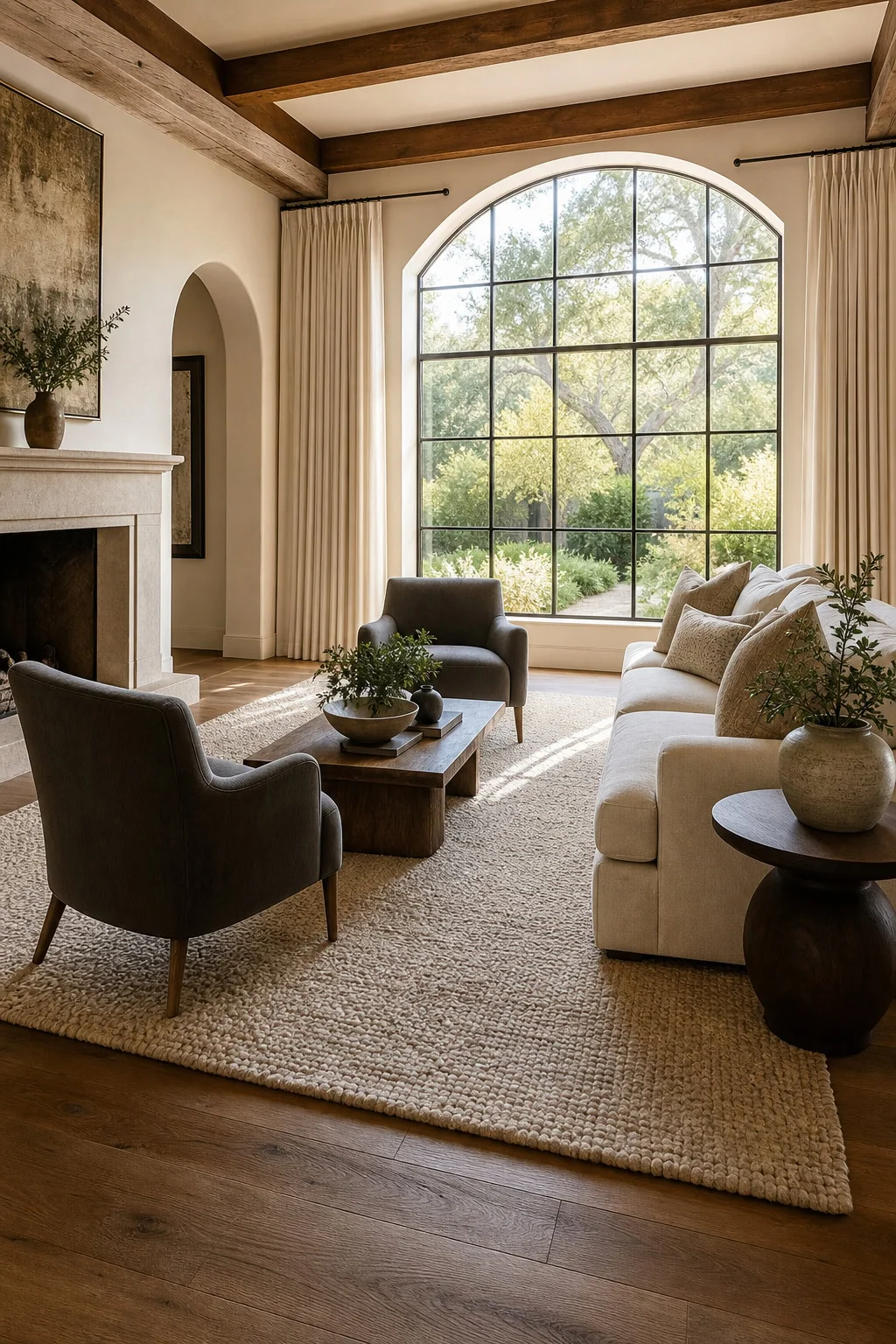
The fireplace wall should feel like architecture, not a television shrine. Stone slabs, plaster, limewash, fluted wood, or simple painted millwork can all work if the proportions are calm. Keep the mantel minimal and avoid stacking too many objects near the firebox. If a television is necessary, recess it, frame it cleanly, or balance it with art and shelving so it does not dominate the room. Low storage on either side can hide remotes, blankets, and games. A restrained fireplace wall gives the living room a focal point that feels warm, practical, and suited to everyday life. Test the wall in daylight and evening light before committing to a final finish.
Choose Art That Sets the Scale
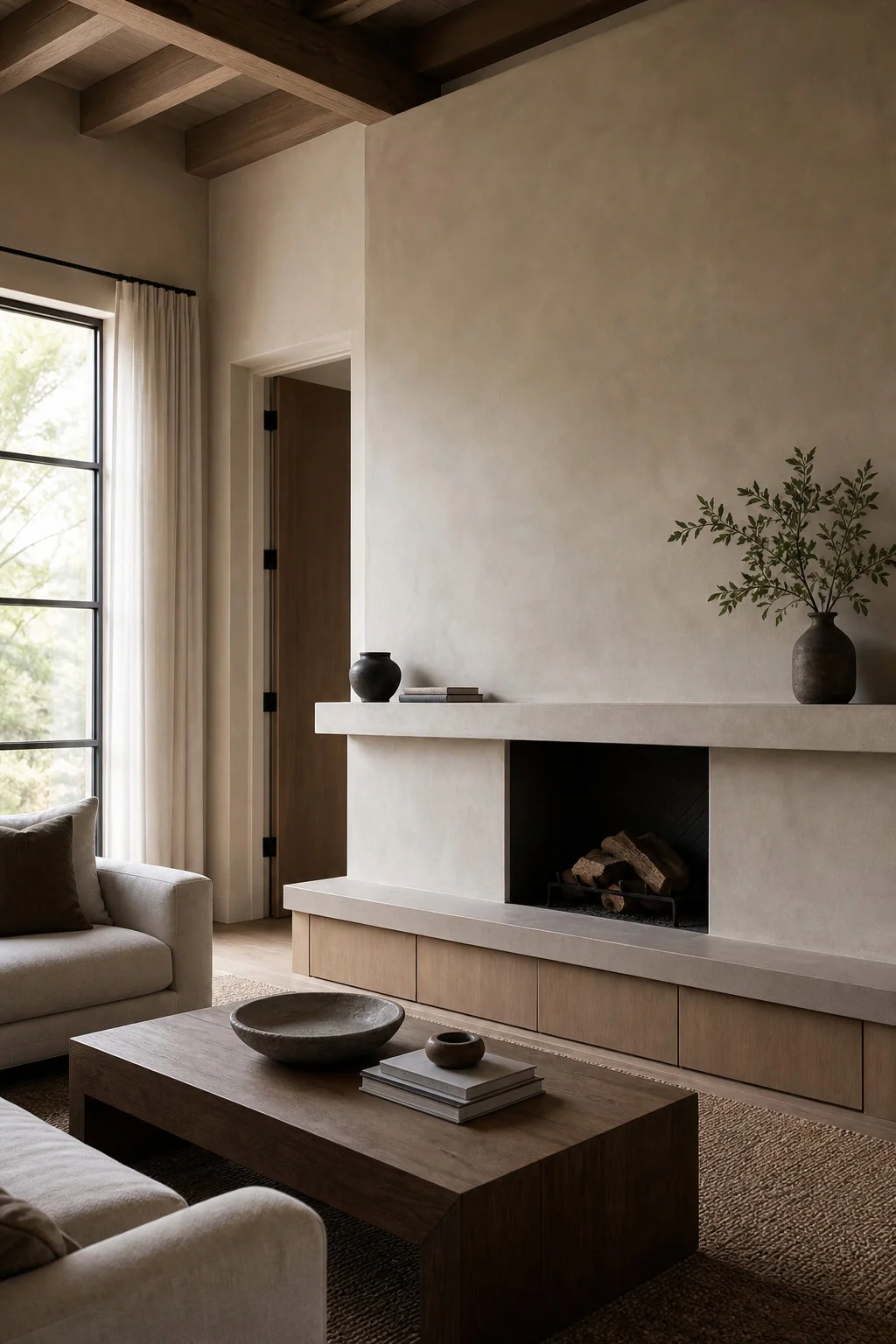
Large art is one of the fastest ways to make a living room feel designed. A single oversized piece above a sofa, console, or fireplace can look calmer than a collection of small frames. Choose art that relates to the room's palette but adds something the furniture does not: movement, contrast, landscape depth, or a strong line. Hang it low enough to connect with the furniture below. The frame should also matter, because oak, walnut, black metal, or aged brass can tie the art to lighting and hardware. In a quiet room, scale often creates more impact than color. If the ceiling is high, let the art rise slightly taller so the wall feels balanced.
Mix Stone, Wood, Metal, and Fabric
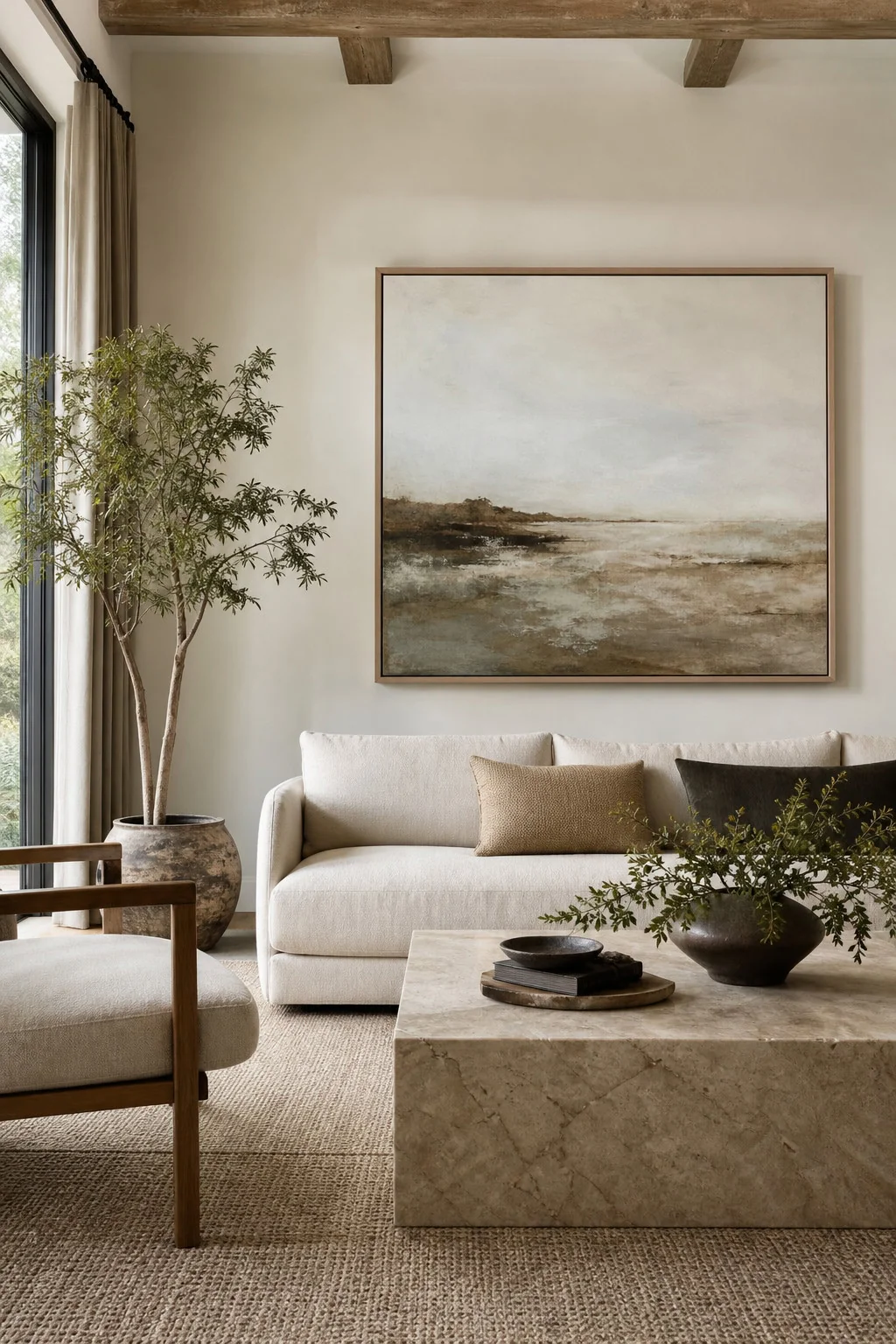
A room feels thin when every surface has the same finish. Build the living room around a deliberate material mix: stone for weight, wood for warmth, metal for definition, and fabric for softness. A travertine table, oak shelves, bronze lamp, wool rug, and linen sofa can feel layered even in a mostly neutral palette. The key is repetition. If brass appears in a lamp, let it return in a frame or cabinet pull. If dark wood grounds the coffee table, echo it in a chair leg. Materials should feel connected across the room, not collected as unrelated purchases. This discipline keeps a neutral room from feeling flat while avoiding a showroom formula.
Use Color as an Undertone, Not a Theme
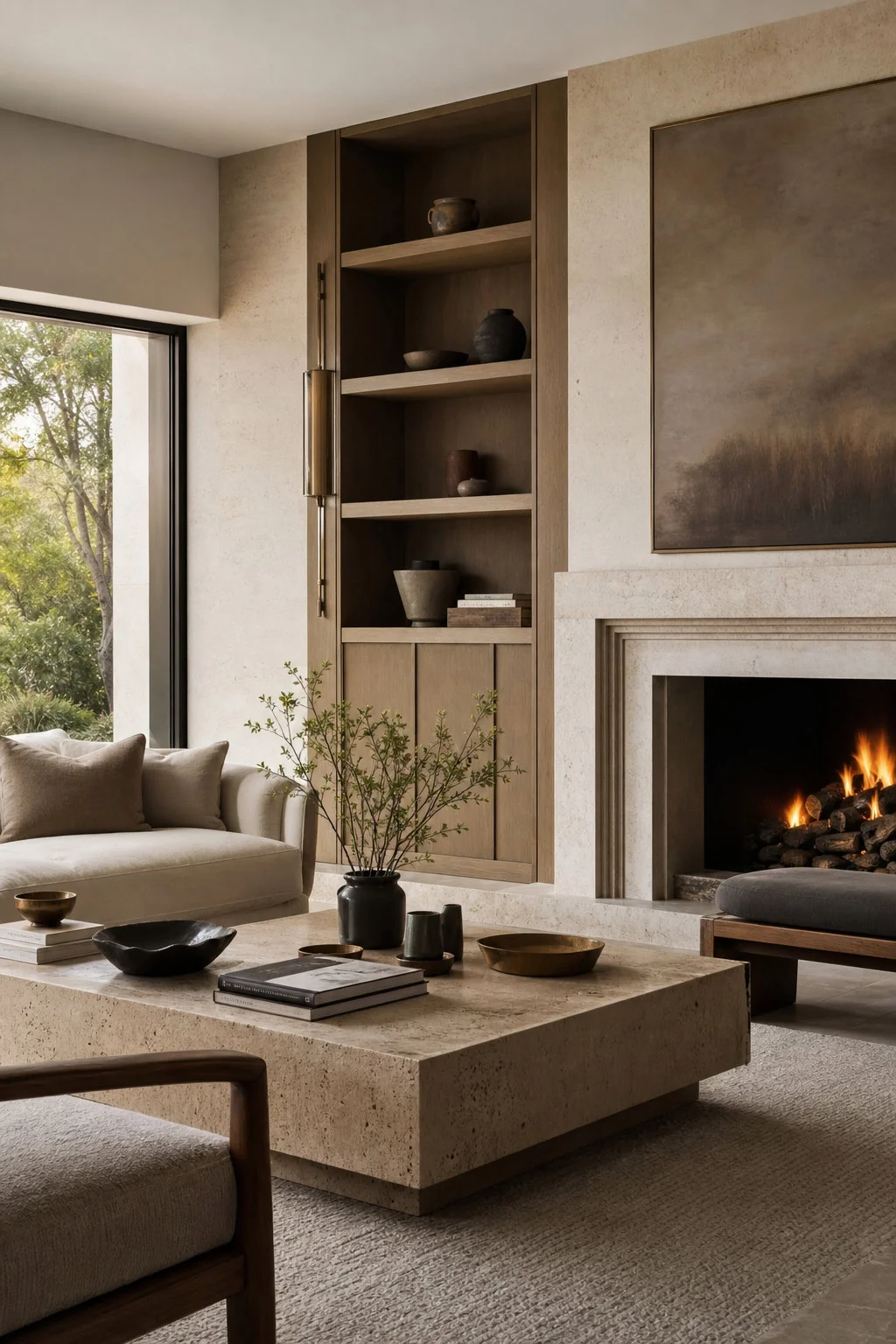
The most current living rooms are not colorless, but their color is handled with subtlety. Instead of building the whole room around one obvious accent, use undertones that repeat quietly: olive in a pillow and artwork, clay in a rug and vase, or deep blue in a chair and book spines. This approach gives the space depth without making it feel seasonal or trend-heavy. Keep the largest pieces flexible, then let smaller layers carry richer tones. When color appears in several restrained moments, the living room feels personal and edited rather than decorated around a single swatch. Use flowers, books, and textiles to adjust the palette as the seasons change.
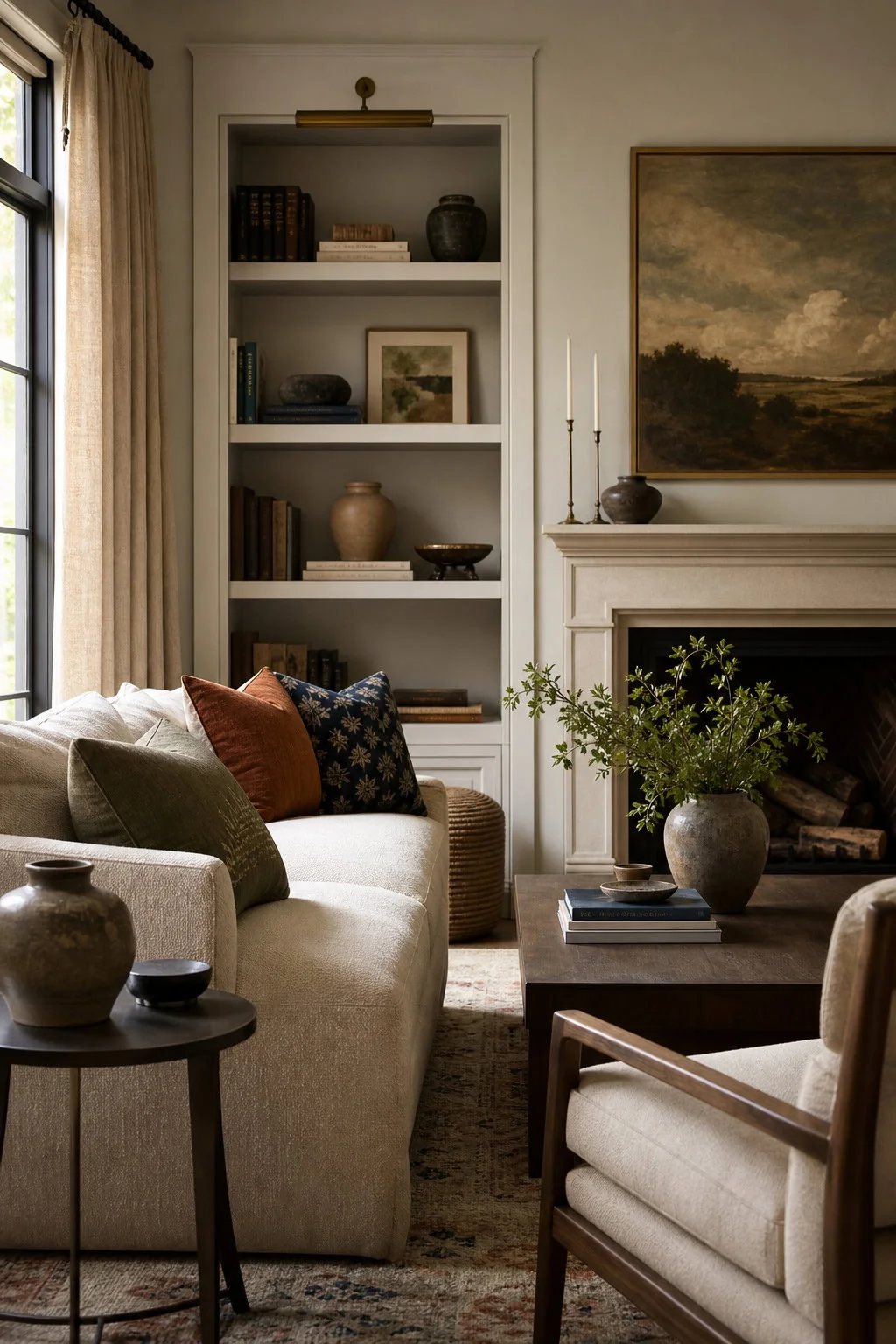
Add Texture Where the Eye Pauses
Texture matters most in the places people naturally notice: the sofa, rug, curtains, coffee table, and wall behind the seating. Use boucle, nubby linen, ribbed wood, woven shades, plaster, wool, or leather to create quiet variation. Avoid piling every texture into one corner. Spread tactile moments across the room so the eye travels comfortably. A smooth stone table beside a slubby sofa, or a woven shade against crisp millwork, creates contrast that photographs beautifully and feels good in person. Texture is especially important in neutral rooms because it provides richness without adding visual noise. When in doubt, remove one texture and let the strongest material contrast carry the room.
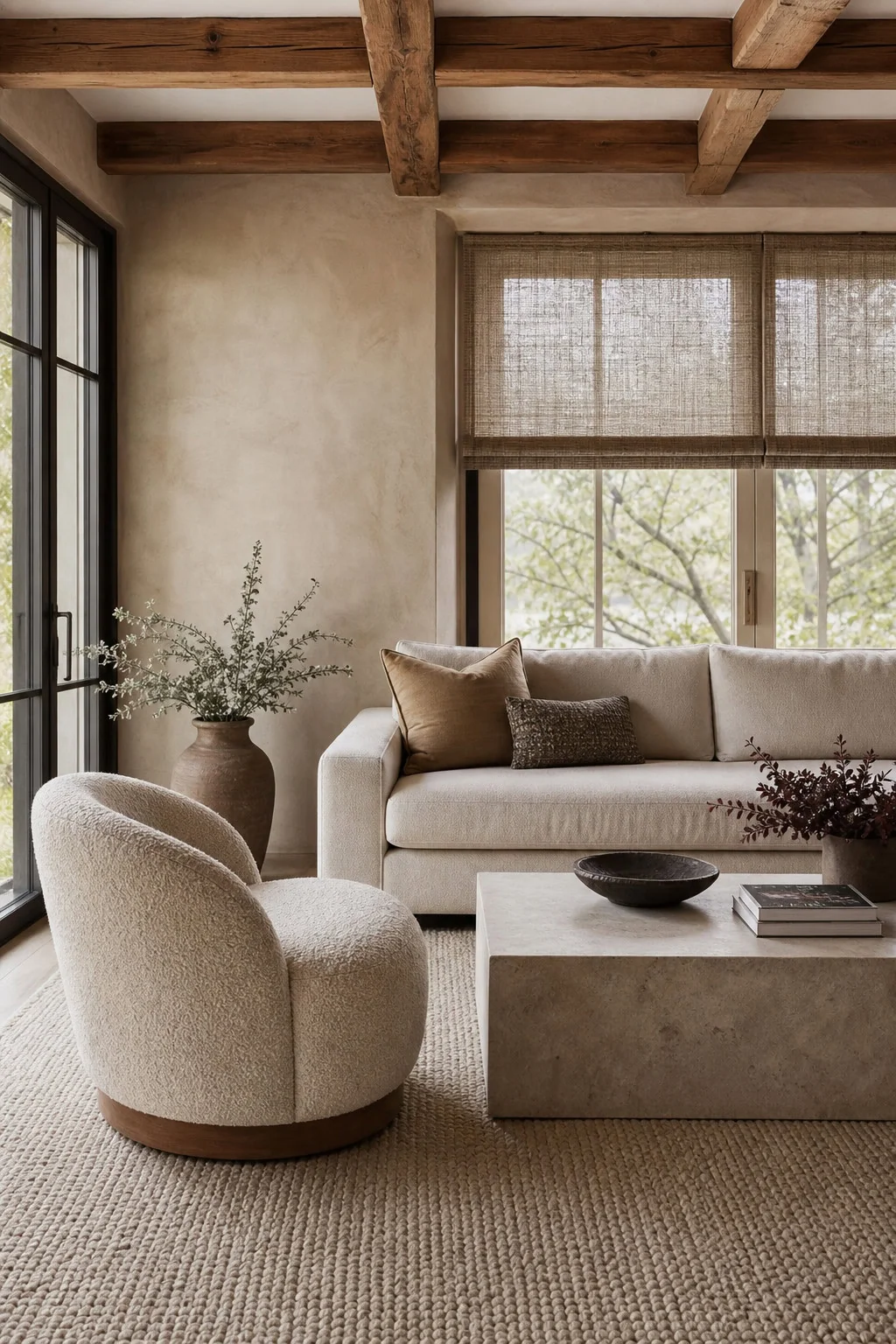
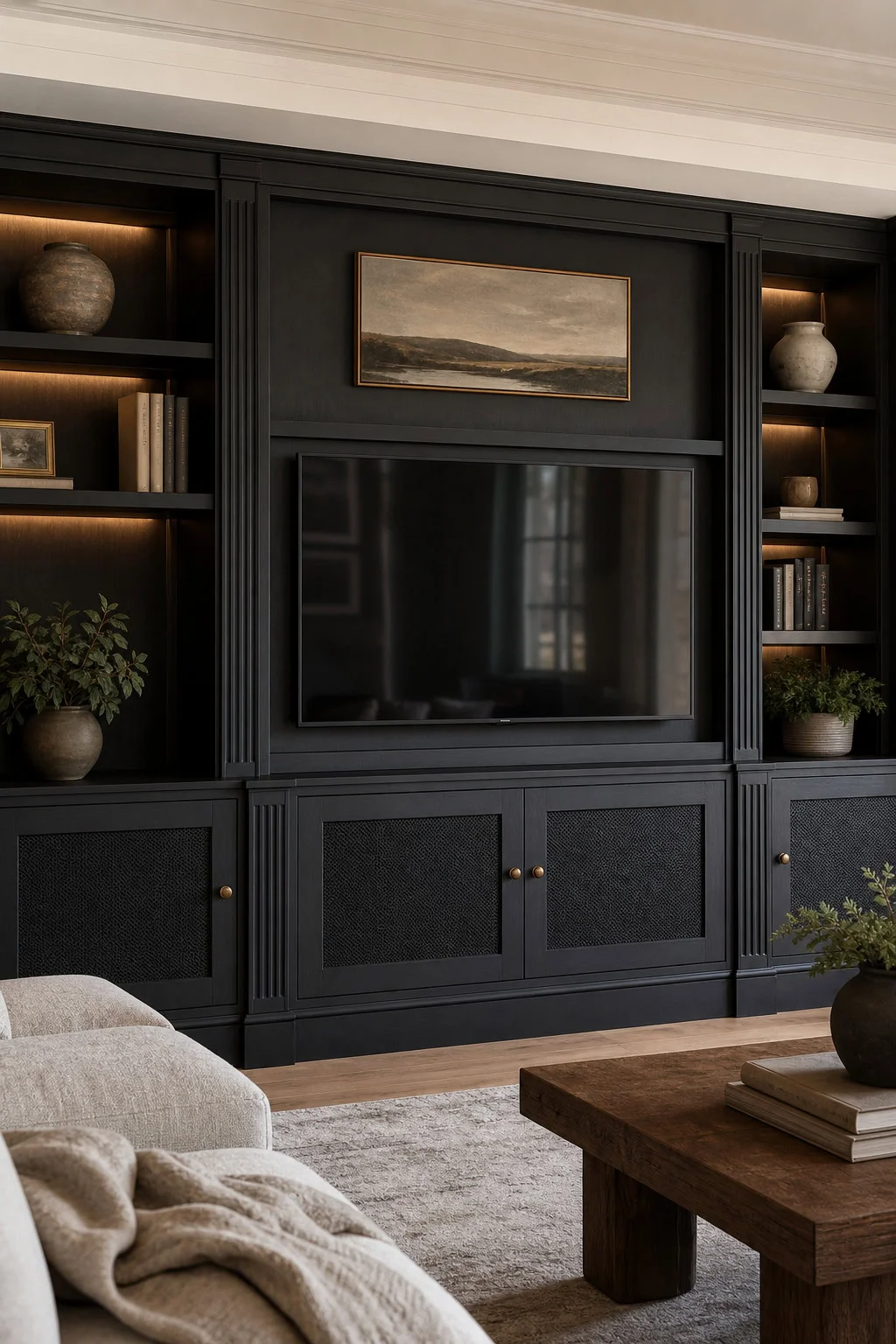
Make the Media Wall Disappear
A television is often necessary, but it does not have to control the entire living room. Use dark paint, a recessed niche, sliding panels, or shelving that gives the screen context. Keep speakers, cords, consoles, and remotes hidden in ventilated cabinetry. If the room has a fireplace, resist forcing the screen above it unless the viewing height truly works. A lower media cabinet with art, sconces, or shelves nearby can feel more comfortable. The goal is not to pretend technology does not exist, but to make it behave like one part of a layered room. Good cable planning matters as much as cabinetry, because technology clutter breaks the illusion quickly.
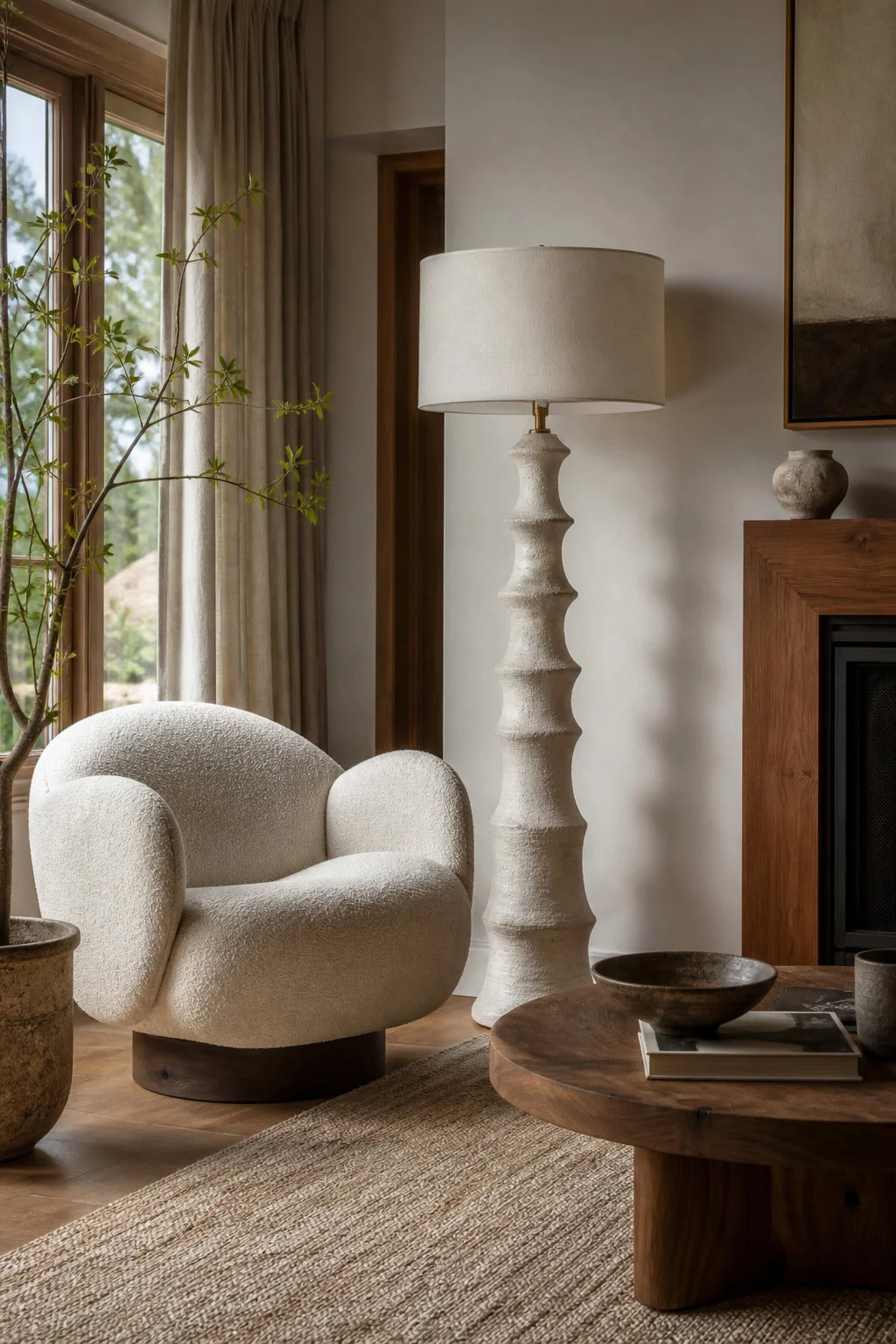
Include One Sculptural Floor Lamp
A sculptural floor lamp can bring height to a living room without adding another piece of bulky furniture. Use one beside a reading chair, behind a sectional corner, or near a dark wall that needs vertical interest. The lamp should have a stable base, a shade that diffuses light gently, and a shape that relates to the room's lines. Arched, tripod, column, and pleated-shade lamps can all work when scaled correctly. Keep the surrounding surface clear so the lamp reads as a design element. It should improve both the silhouette of the room and the evening atmosphere. The shade should sit high enough to light a book without shining directly into seated eyes.
Design a Conversation Corner
Even large living rooms benefit from a smaller, more intimate corner. Place two chairs near a window, add a small table, and give the area its own lamp or sconce. This creates a place for coffee, reading, or quiet conversation without using the main sofa. The chairs do not need to match the primary seating, but they should share a material or color note with the room. A small rug or ottoman can make the corner feel complete. These secondary zones are important in 2026 because living rooms are expected to support more than one kind of daily rhythm. Keep this corner slightly quieter than the main seating so it feels like a retreat.
Use Curtains to Add Architecture
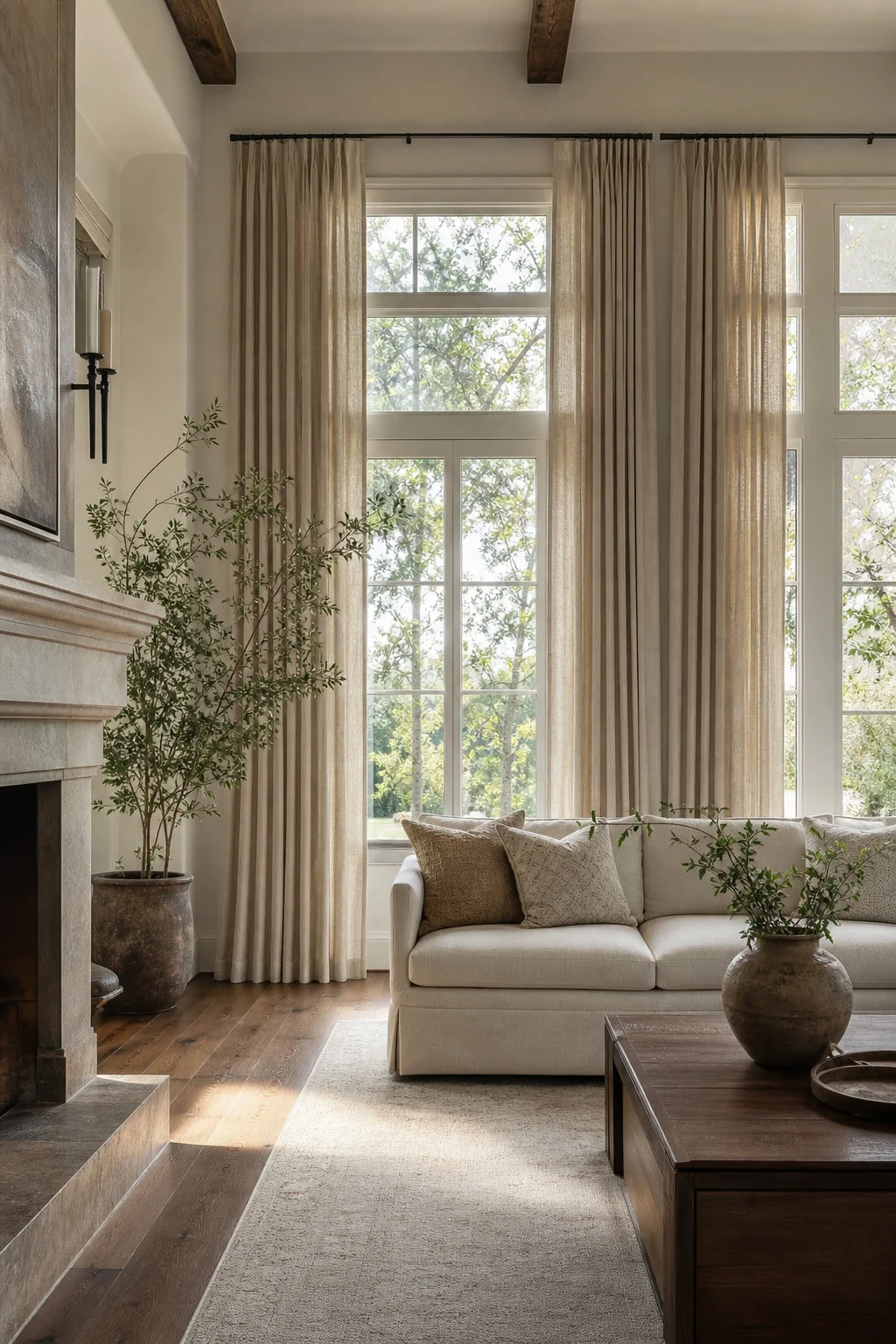
Curtains can change the apparent architecture of a living room when they are hung correctly. Mount rods high and wide so windows look taller and the stack of fabric clears the glass. Choose panels with enough fullness to hang in generous folds, not thin strips at the sides. Linen, wool blends, cotton, and textured sheers all work depending on privacy needs. The color should connect with the walls, rug, or sofa rather than fighting them. Full-height curtains soften hard rooms, improve acoustics, and make the ceiling feel more intentional, which is why they remain a designer staple. If the fabric puddles, tailor the hem; crisp length is what makes curtains look custom.
Make Storage Part of the Design
Living rooms need storage that looks as considered as the seating. Use closed cabinets, woven baskets, ottomans with lift tops, or low built-ins to hide games, cords, throws, and everyday clutter. Open shelves can display beautiful objects, but closed storage keeps the room restful. If the living room is small, choose furniture that does more than one job: a storage bench under a window, a cabinet-style side table, or a media console with real depth. The best storage disappears into the design language of the room, making daily cleanup faster while preserving the polished atmosphere. Measure the interior depth before buying, because shallow cabinets rarely solve real living room storage.
Style the Coffee Table With Negative Space
Coffee table styling looks more luxurious when it leaves room for life. Instead of covering the surface, create one or two low groupings and keep open space for drinks, books, or a tray. Use a stack of design books, a sculptural bowl, a small arrangement, and one personal object. Vary heights gently but avoid anything that blocks conversation across the table. The materials should echo the room: ceramic if there are plaster walls, brass if the lighting is warm metal, wood if the room needs softness. Negative space is what makes the styling feel intentional rather than crowded. This restraint is especially useful in family rooms where the table still has to function.
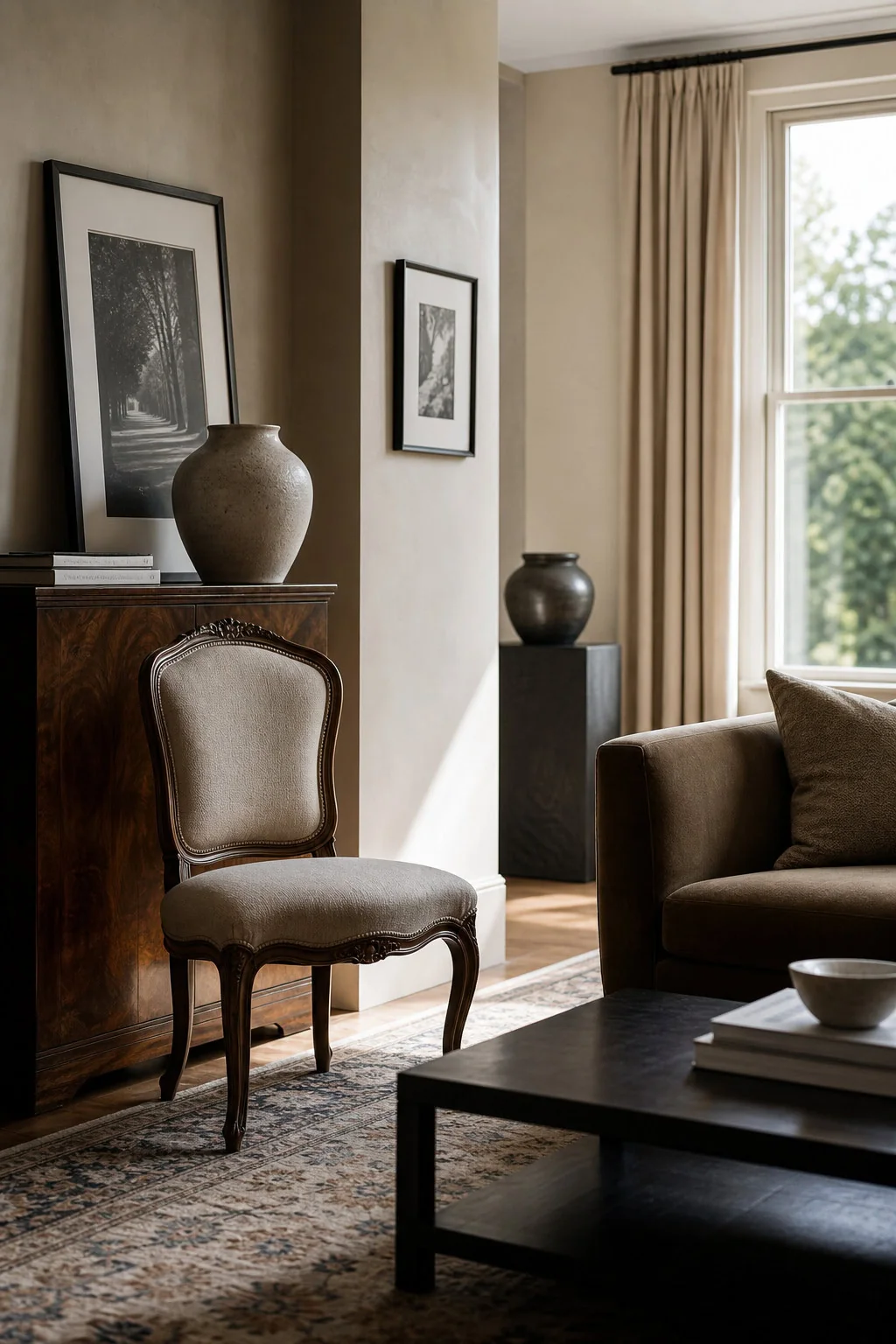
Finish With One Personal, Irreplaceable Detail
The most memorable living rooms include something that could not be ordered as a set. It might be a vintage chair, a family textile, a ceramic piece from travel, framed photography, or an inherited table beside newer furniture. Place that detail where it has breathing room and let the rest of the room support it. This keeps a polished 2026 interior from feeling showroom perfect. Personal pieces work best when they are balanced by clean proportions, good lighting, and a restrained palette. The room should feel designed, but still unmistakably connected to the people who live there. That single detail is often what makes a beautiful room feel lived in rather than arranged.