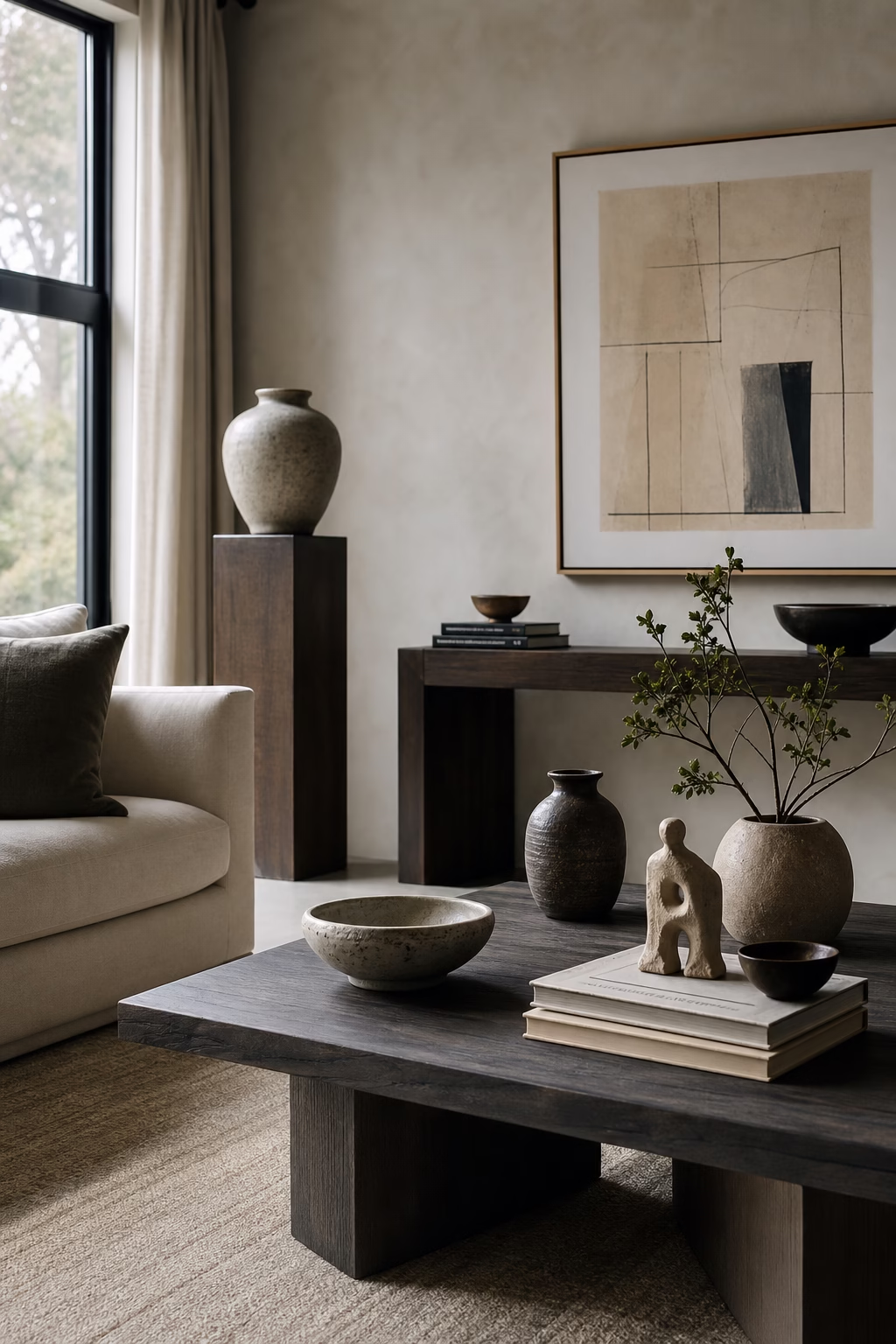
An aesthetic living room is not about chasing one perfect trend. It is a room where scale, light, texture, color, and personal objects feel composed without becoming stiff. These ideas focus on modern spaces that photograph beautifully and still work for daily life: comfortable seating, edited surfaces, layered materials, and details that make the room feel quietly finished.
Begin With a Warm Modern Base
Aesthetic living rooms usually feel calm before they feel decorative. Start with a warm modern base: cream or soft white walls, pale oak or walnut, a linen sofa, and one generous rug that settles the seating area. This gives every later choice a quieter background, especially if the room already has strong windows, a fireplace, or built-ins. Keep the largest pieces simple but not cold. A sofa with good depth, a coffee table in stone or wood, and curtains that fall properly to the floor will do more than a collection of small accents. Once the base feels balanced, color and art can be added with confidence instead of rescue.
Choose a Sofa With a Clean Silhouette
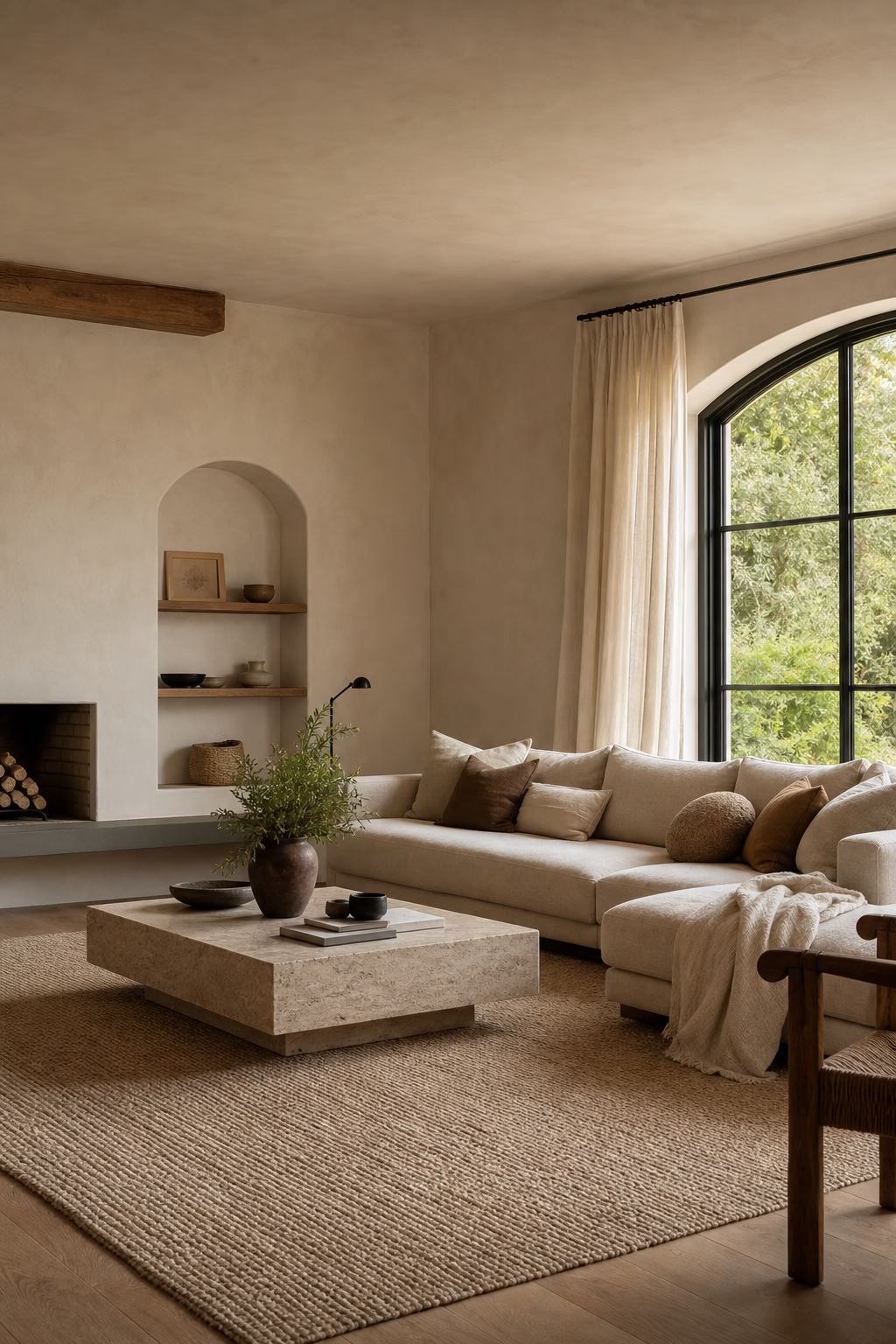
The sofa carries the visual weight of most living rooms, so its shape matters. For an aesthetic modern look, choose a clean silhouette with a low or medium back, tailored cushions, and arms that are neither bulky nor too thin. The piece should look refined from the front and side, especially in open-plan rooms where the back is visible. Fabric can be linen, cotton velvet, boucle, or a performance weave, but the fit should stay crisp. Add only the pillows needed for comfort and contrast. A well-proportioned sofa gives the room a strong center, which makes smaller decor choices feel intentional rather than scattered.

Let One Sculptural Light Lead the Room
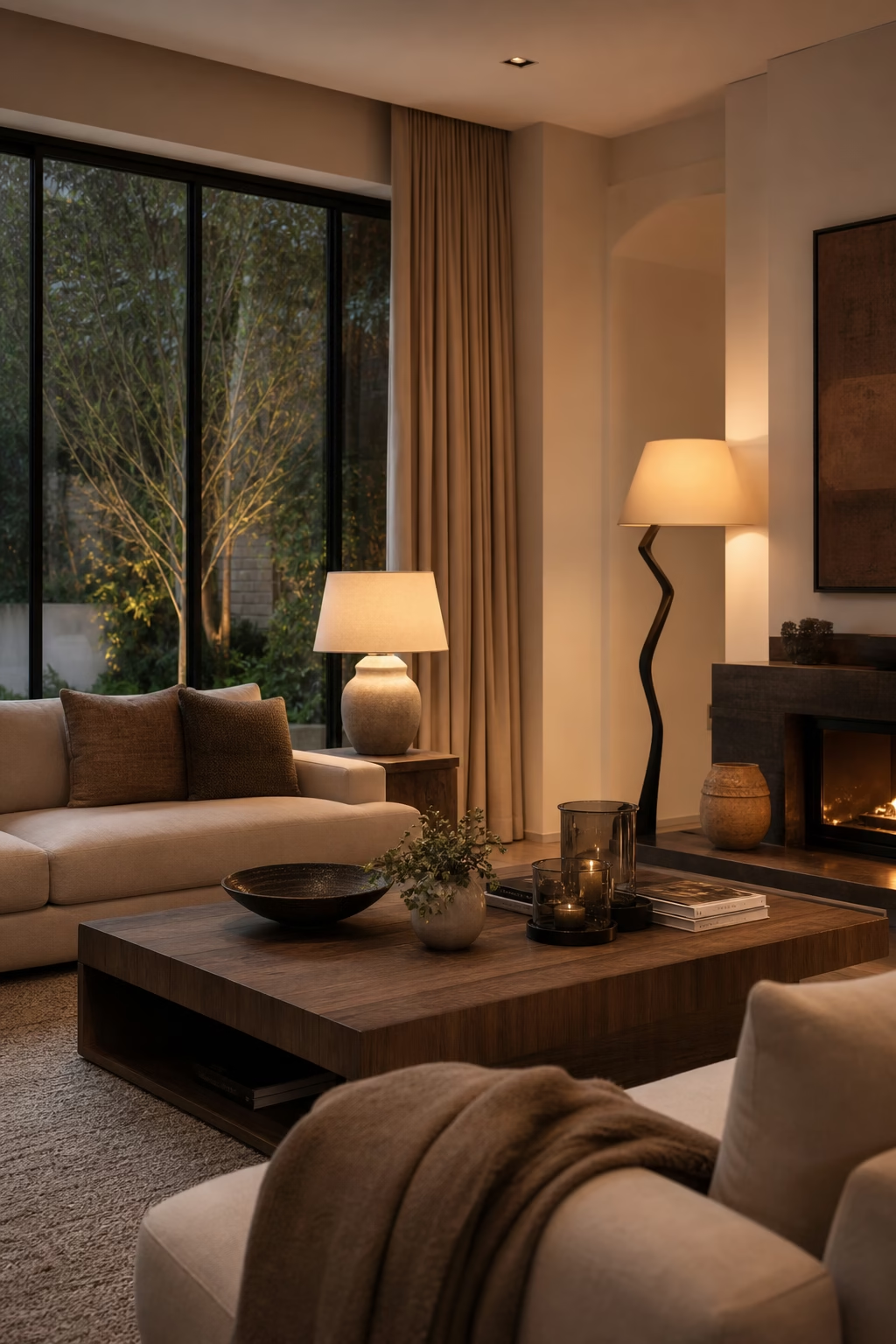
Lighting is where an aesthetic room can become memorable without adding clutter. Choose one sculptural fixture with presence: a paper pendant, arched floor lamp, ceramic table lamp, or modern chandelier with a restrained shape. Then support it with quieter lighting at lower levels so the room still works at night. The statement piece should relate to the architecture instead of fighting it. A high ceiling can take a broader shade, while a compact room may need a smaller lamp with a beautiful profile. Warm bulbs and dimmers are essential. The goal is atmosphere that flatters the materials, not glare that flattens every texture.
Use Art as the Color Anchor
Instead of spreading color across every object, let one strong artwork anchor the palette. A large painting, textile, or framed photograph above the sofa can introduce clay, olive, blue, rust, or black while the furniture stays quiet. This approach feels more collected than buying matching pillows for every trend color. Scale is important: one substantial piece usually looks more expensive than several small frames trying to fill the same wall. Pull one or two tones from the art into a vase, throw, or book stack, then stop. The room will feel connected without becoming overly coordinated or showroom-like in daily use.

Layer Neutrals With Texture, Not Clutter
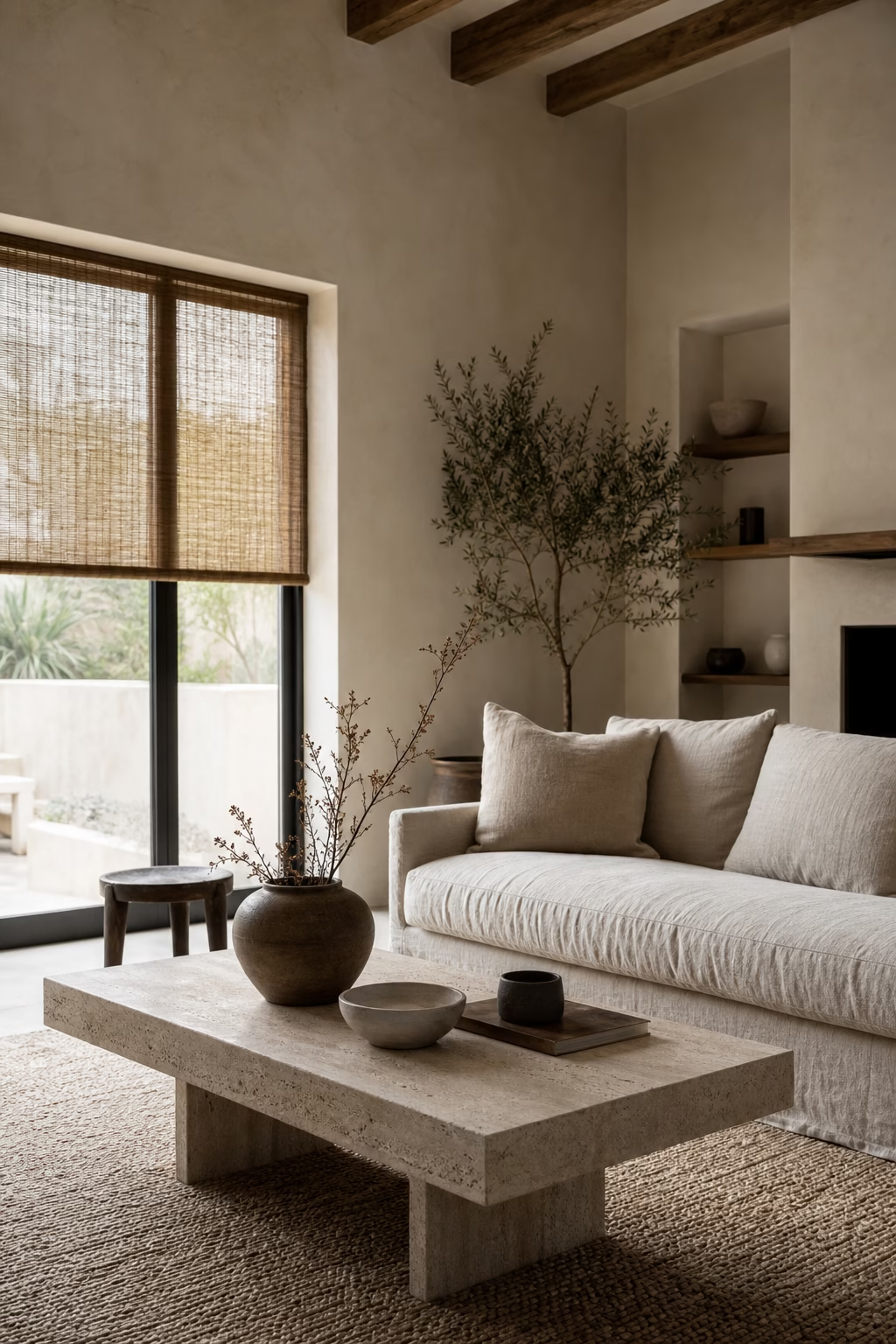
A neutral living room looks polished when the textures are varied enough to hold attention. Combine linen, wool, smooth stone, matte ceramic, woven shades, and plaster or limewash so the palette has movement. Avoid filling every surface simply because the colors are quiet. Texture should come from the main materials first, then from a few well-chosen accents. A chunky wool rug, a travertine table, and a nubby pillow can create more depth than a dozen beige accessories. This is the difference between calm and flat. The room should invite touch while still leaving enough negative space for the eye to rest.
Add a Curved Chair for Softness
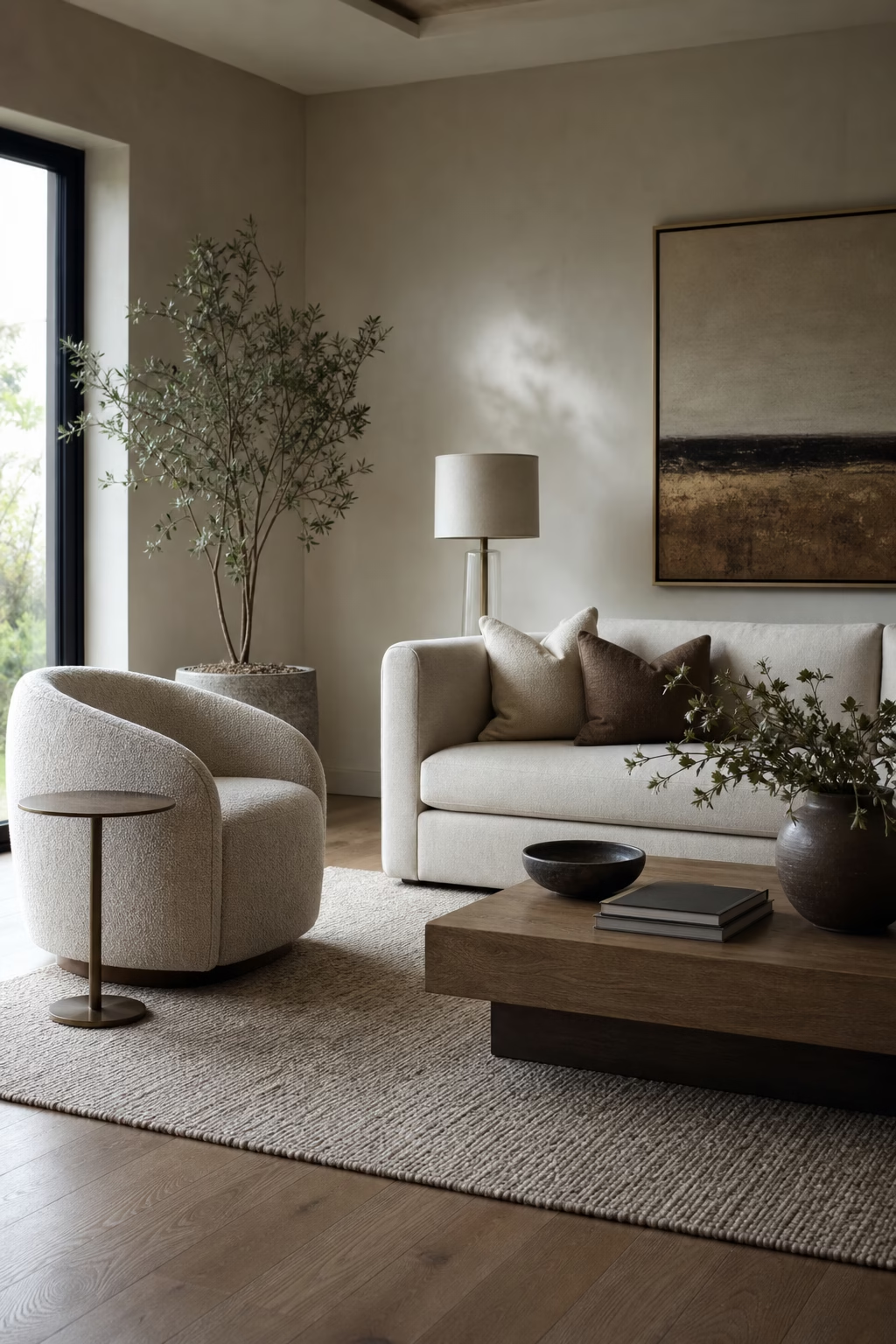
Many living rooms are built from rectangles: walls, windows, rugs, sofas, consoles, and tables. A curved accent chair breaks that rhythm in a subtle way. Look for a rounded lounge chair, barrel chair, or softly curved slipper chair with enough support to be used often. It should soften the seating arrangement, not become an awkward sculpture in the corner. Pair it with a straight sofa or rectangular rug so the contrast is clear. Curves also help conversation because the chair can turn slightly toward the sofa. In an aesthetic room, this single shape shift can make the layout feel more graceful.
Make the Coffee Table Feel Useful
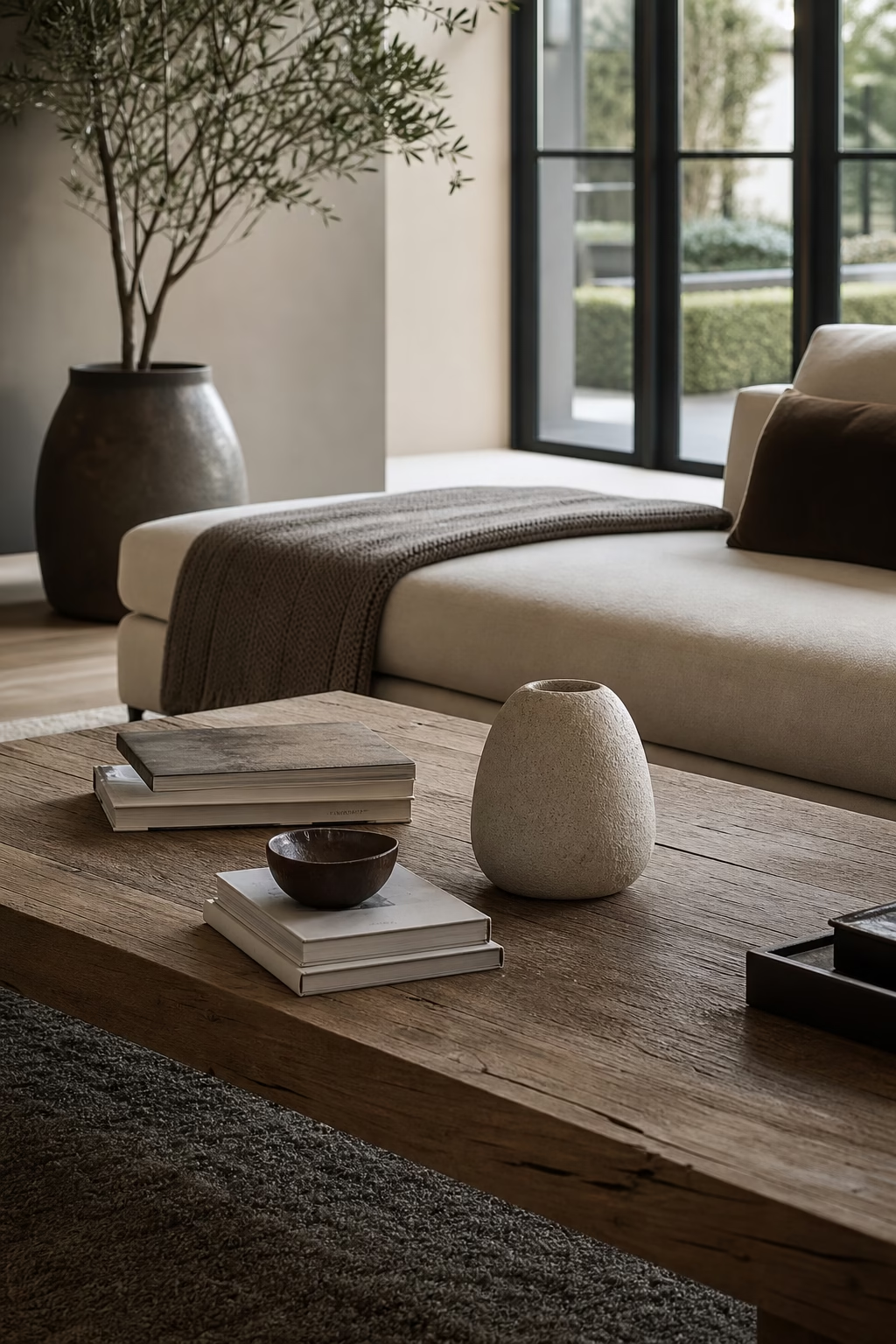
A beautiful coffee table still needs to function. Choose a piece with enough scale for books, drinks, and a tray, then leave part of the surface open. The styling can be simple: two or three design books, one vessel with a strong shape, a small bowl, and perhaps a candle if it suits the room. Vary height without creating a display that has to be moved every evening. Stone, wood, glass, and lacquer all work, but the table should relate to the sofa height and rug size. A useful coffee table makes the room feel lived in, which is what keeps aesthetic styling from feeling staged.
Hang Curtains High and Full
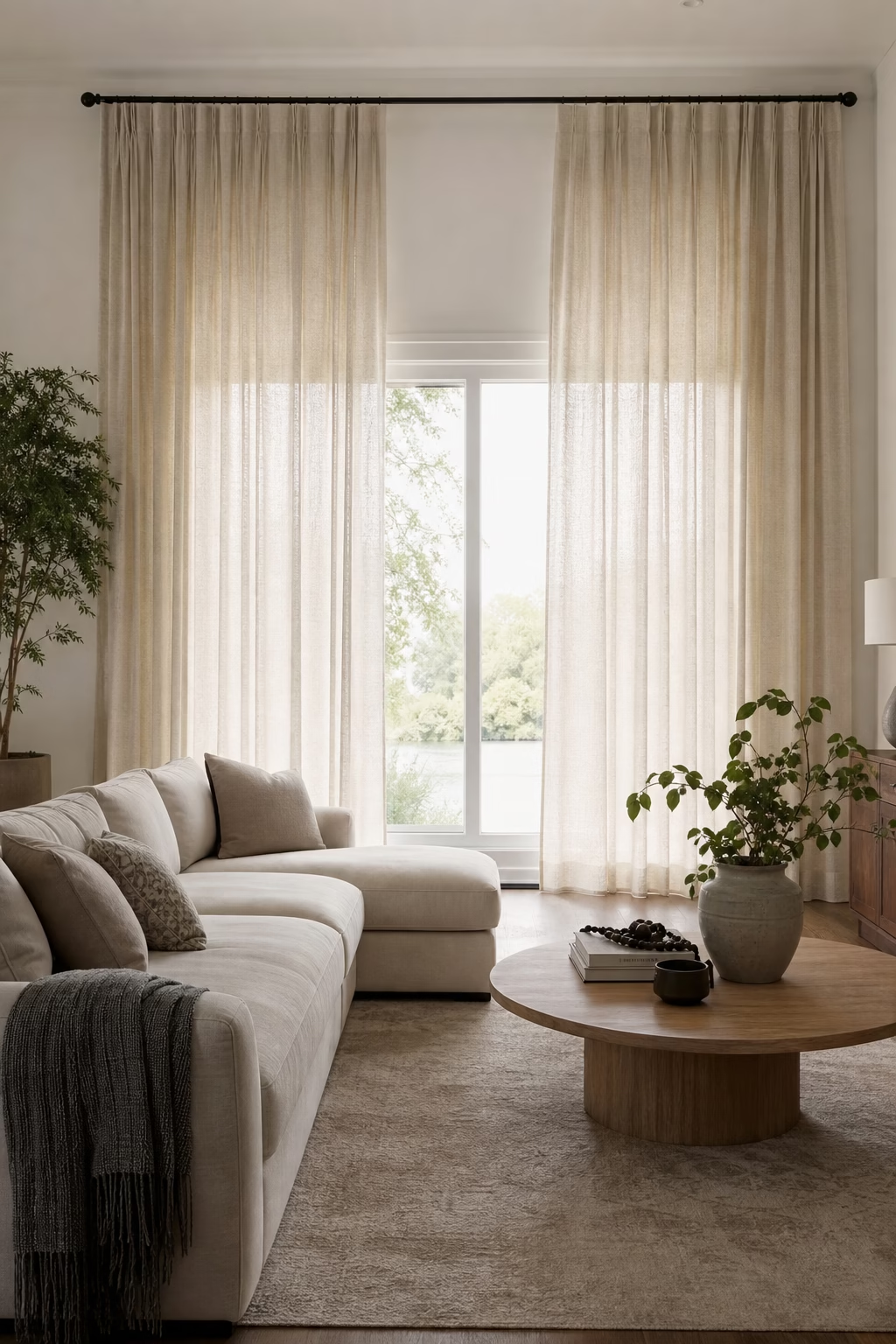
Curtains can change the architecture of a living room more than most accessories. Hang them close to the ceiling and wide enough that the panels stack beyond the glass when open. This makes windows feel larger, ceilings taller, and daylight softer. Fabric should have enough fullness to fall in quiet vertical folds; skimpy panels rarely look intentional. Linen and textured sheers suit a relaxed modern room, while wool blends add more weight. Keep the color close to the wall if you want calm, or slightly deeper if the room needs contrast. Proper curtains make the room feel finished even before the smaller styling begins.
Create a Shelf Moment With Restraint
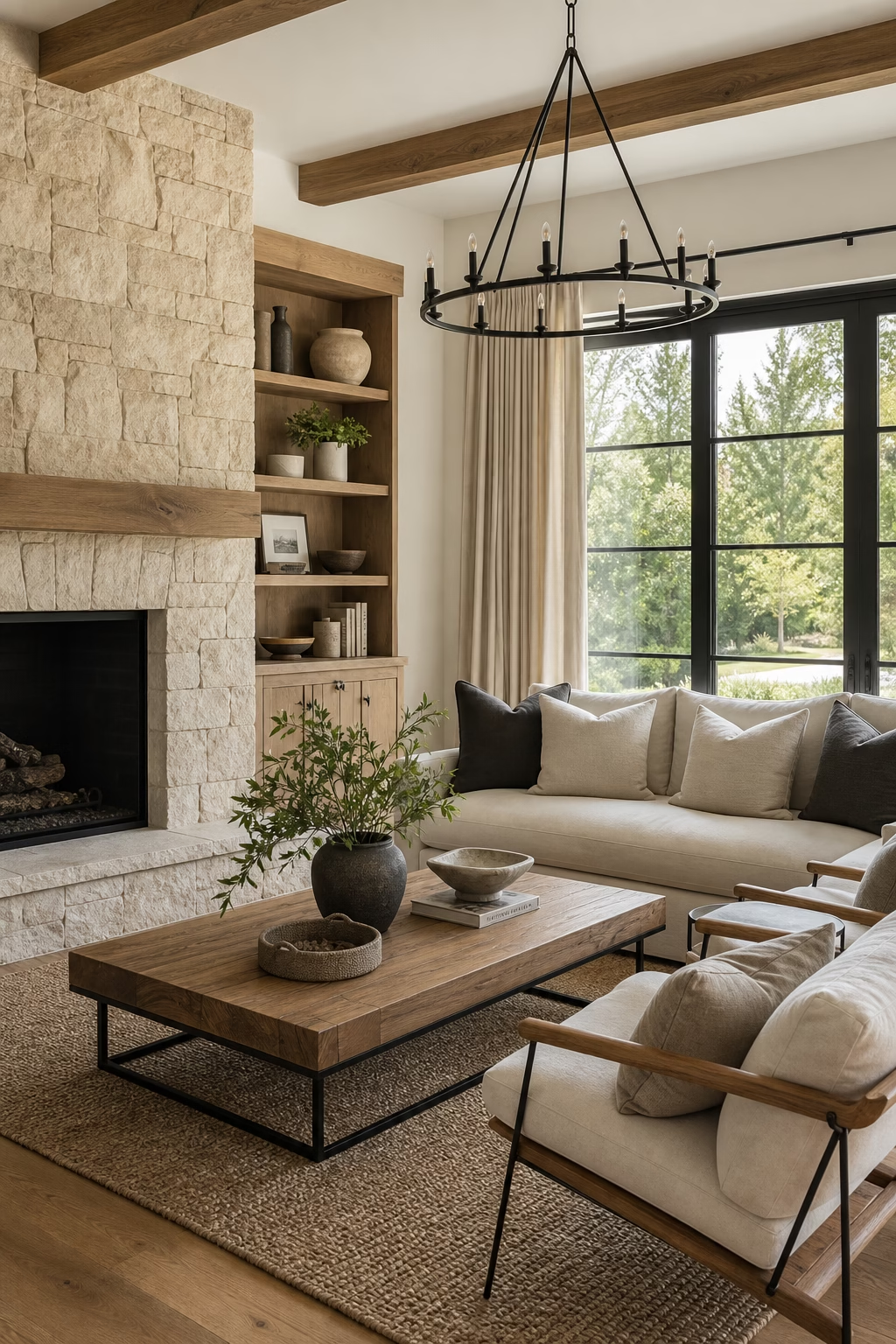
Shelves are often where aesthetic rooms lose their discipline. Treat built-ins or open shelving as a composition, not storage for every attractive object you own. Start with books in small groups, then add ceramics, framed pieces, a bowl, or one trailing plant. Repeat materials so the shelves relate to the room: oak, black ceramic, warm white, aged brass, or stone. Empty space is part of the design because it lets each object register. Practical items can live behind cabinet doors or in baskets. A restrained shelf moment gives the living room personality while keeping the overall mood clean and architectural.

Use a Mirror Only Where It Improves the View
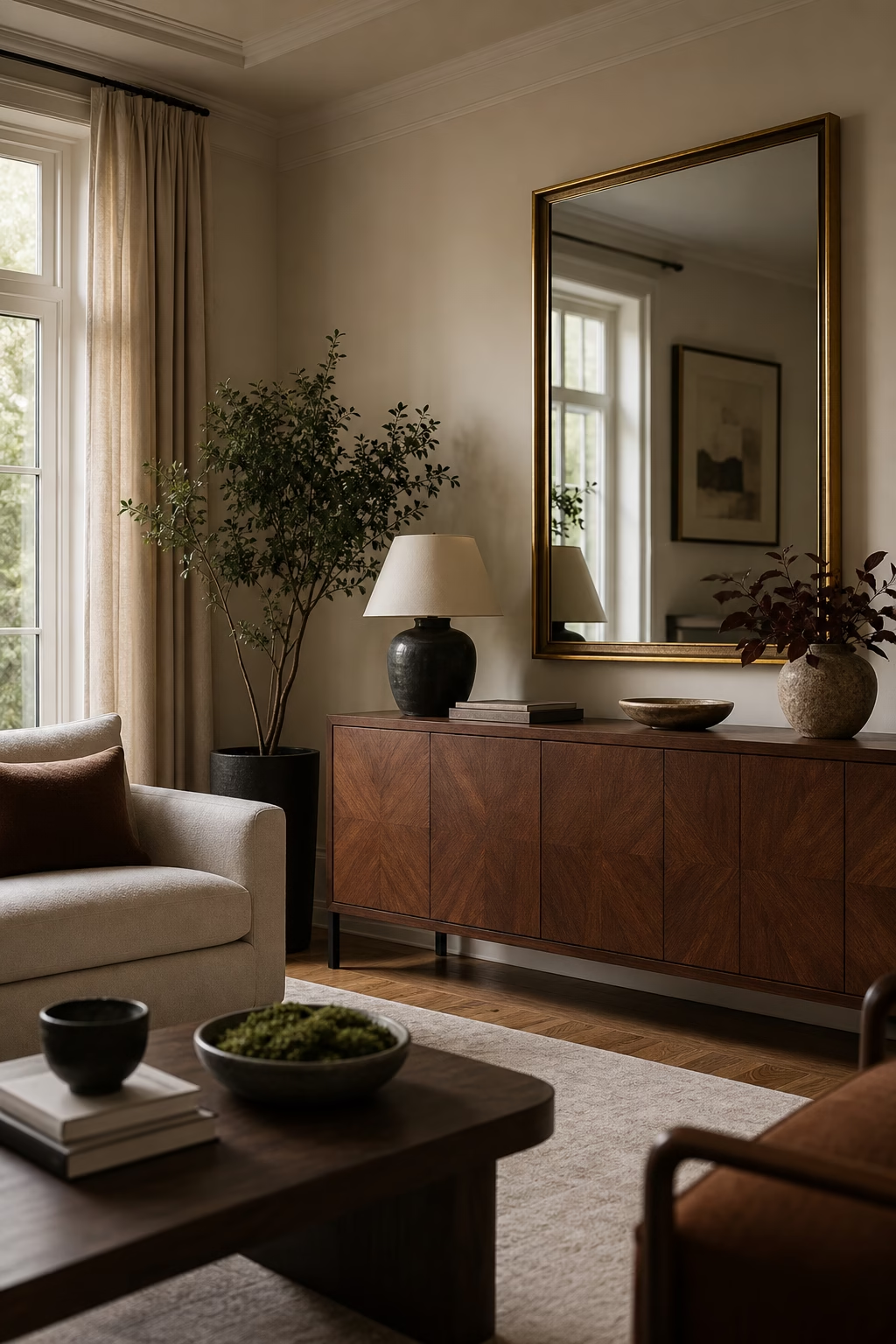
Mirrors are useful, but they should earn their placement. Hang or lean a mirror where it reflects light, art, a plant, or a beautiful part of the room. Avoid reflecting cluttered corners, blank hallways, or a television if that becomes the strongest view. A large mirror can brighten a dim wall, while a smaller framed mirror above a console can make an entry side of the living room feel intentional. Frame material matters: wood softens, brass warms, and black metal sharpens. Used this way, a mirror is less about making the room look bigger and more about doubling the best thing already there.
Bring in One Dark Accent
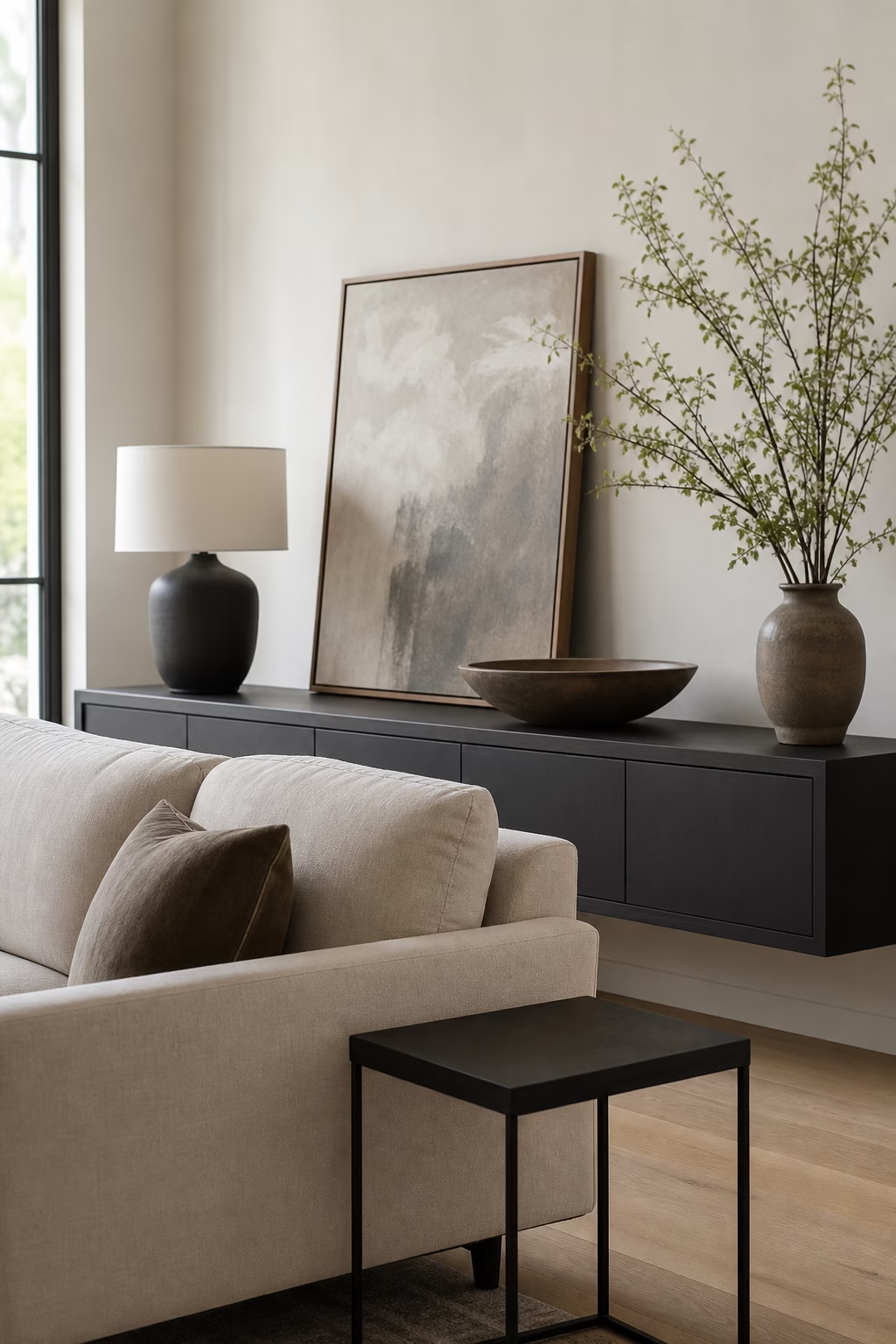
A light room often needs one dark accent to keep it from floating away. This could be a black side table, charcoal lamp, dark wood bowl, bronze picture frame, or a small blackened steel detail. The accent should appear intentionally, not as a random object left behind. Repeat it once or twice in smaller notes so the eye understands the rhythm. Dark details are especially effective beside cream upholstery, pale wood, and stone because they add definition without requiring a bold color scheme. Used sparingly, they make the room look sharper, more photographed, and more finished overall in bright daylight.

Choose Plants for Shape, Not Quantity
Plants make a living room feel alive, but quantity is not the measure of success. One sculptural indoor tree, olive plant, ficus, or large leafy specimen can do more than many small pots scattered across the floor. Choose a plant whose shape suits the room and place it where the light is realistic. The planter should feel like part of the material palette, whether it is ceramic, stone, woven fiber, or simple matte metal. Keep nearby decor restrained so the plant can breathe. A single healthy plant adds height, softness, and movement without turning the room into a greenhouse display.

Mix Vintage Character With Modern Lines
A room filled only with new pieces can look flat, even when everything is attractive. Add one vintage or antique element with real presence: a wood cabinet, side table, chair, lamp, or framed textile. The piece should bring patina, proportion, or craftsmanship that modern retail rarely provides. Keep the surrounding shapes cleaner so the older piece feels highlighted rather than crowded. A vintage cabinet beneath contemporary art is a reliable combination because it adds storage and history at once. This mix gives the living room a more personal aesthetic, the kind that feels assembled over time rather than purchased in one afternoon.

Keep the TV Wall Integrated
A television can live in an aesthetic room if the wall around it is designed with care. Set the screen within built-ins, dark paneling, a low credenza arrangement, or a balanced gallery of shelves and art. Avoid mounting it too high simply to center it over a mantel; comfortable viewing height matters. Hide cords, leave breathing space around electronics, and use closed storage for remotes and devices. A frame-style screen can help, but it still needs real objects and lighting nearby. The goal is not to pretend the TV does not exist. It is to keep it from becoming the only thing the room says.

Use Rugs to Define the Composition
The rug should be large enough to make the seating group feel deliberate. At minimum, the front legs of the sofa and chairs should sit on it; in a larger room, all seating can sit fully on the rug. This one decision often separates a polished living room from a collection of furniture pieces. Texture is usually more useful than busy pattern for an aesthetic modern look, though a faded vintage rug can add softness and age. The rug color should connect the sofa, floor, and tables. Once the rug is right, the whole room reads as one composition instead of disconnected objects.

Style a Console as a Quiet Focal Point
A console can give a living room a second focal point without adding bulk. Place it behind a sofa, under art, or along an empty wall that needs purpose. The styling should feel spare but complete: a lamp, one substantial bowl or vessel, a leaning artwork, and perhaps a tray for practical objects. If storage is needed, choose closed doors or drawers so the surface can stay calm. The console should not compete with the coffee table; it should add height and atmosphere at the edge of the room. This is especially useful in open layouts where the living area needs a graceful boundary.
Repeat Materials Across the Room
Aesthetic rooms often look expensive because their materials repeat. Choose a few core finishes and let them appear in different places: oak on shelving and chair arms, stone on the coffee table and lamp base, linen on curtains and cushions, black metal on frames and lighting. Repetition creates rhythm without obvious matching. It also helps mixed pieces feel intentional, which is important if the room includes vintage, new, and budget-friendly finds. Keep the palette limited enough that each material has a role. When materials echo across the room, the design feels quieter, more cohesive, and easier to live with.
Make Small Objects Larger and Fewer
Tiny accessories can make a living room feel busy even when the colors are calm. Replace clusters of small objects with fewer pieces that have scale: a large ceramic bowl, an oversized vase, a heavy tray, or a stack of substantial books. Larger objects read clearly from across the room and allow the surfaces to breathe. This does not mean every item has to be expensive. It means choosing pieces with proportion, weight, and a reason to be there. Edit side tables, shelves, and coffee tables until each surface has one strong moment. The room will look cleaner, more confident, and more deliberately styled.

Soften Architecture With Fabric
Modern architecture can be beautiful but hard-edged. Fabric brings the softness back. Use curtains, upholstered chairs, a generous sofa, pillows in related tones, and a throw with real texture. The fabric layers should not feel fussy; they should make the room more comfortable and improve acoustics. If the room has large glass, stone floors, or minimal trim, textiles are especially important. Keep patterns controlled and let the weave do most of the work. A living room becomes more aesthetic when it photographs well, but it becomes more livable when the sound, touch, and evening comfort are also considered carefully.

Finish With Personal Pieces That Have Space
The final layer should make the room feel like yours, not like an anonymous showroom. Choose personal pieces with enough space around them to be noticed: a handmade ceramic, a framed photograph, a book stack you actually read, a small sculpture, or a vessel from a trip. Edit anything that feels generic or only fills a gap. Personal objects look more elevated when they are not crowded by filler. They also give the room a slower kind of beauty because the details reward attention. Aesthetic decor is strongest when the composition is polished and the final choices reveal real taste.