Start With a Ruthless Room Edit
The most affordable makeover begins before anything is purchased. Remove the pieces that make the room feel visually tired: undersized accessories, faded cushions, tangled cords, decorative objects that never relate to anything else, and furniture that blocks the best walkway. Then put back only what still earns its place. A cleaner room makes inexpensive improvements look sharper because each decision has breathing room. This edit also reveals what is actually missing, whether that is height, softness, color, storage, or better lighting. Work from the doorway and from the main seat in the room, because those two views show the biggest problems quickly. A strong edit costs nothing, but it can make every later dollar work harder.

Move Furniture Before Buying Anything
Rearranging furniture can change the room more than a new accessory. Pull the sofa a few inches from the wall, angle a chair toward conversation, or move a console to the spot that actually needs a landing surface. Keep the main traffic path generous and let the largest piece face the best view, fireplace, or natural focal wall. If the rug is too small, try layering it over a larger inexpensive jute or flatweave rather than replacing everything at once. Photograph each arrangement from the doorway; the camera makes awkward gaps and crowded corners obvious. A better layout gives the room intention, and intention is what makes affordable decor look designed instead of improvised.
Use Paint on One Small Surface
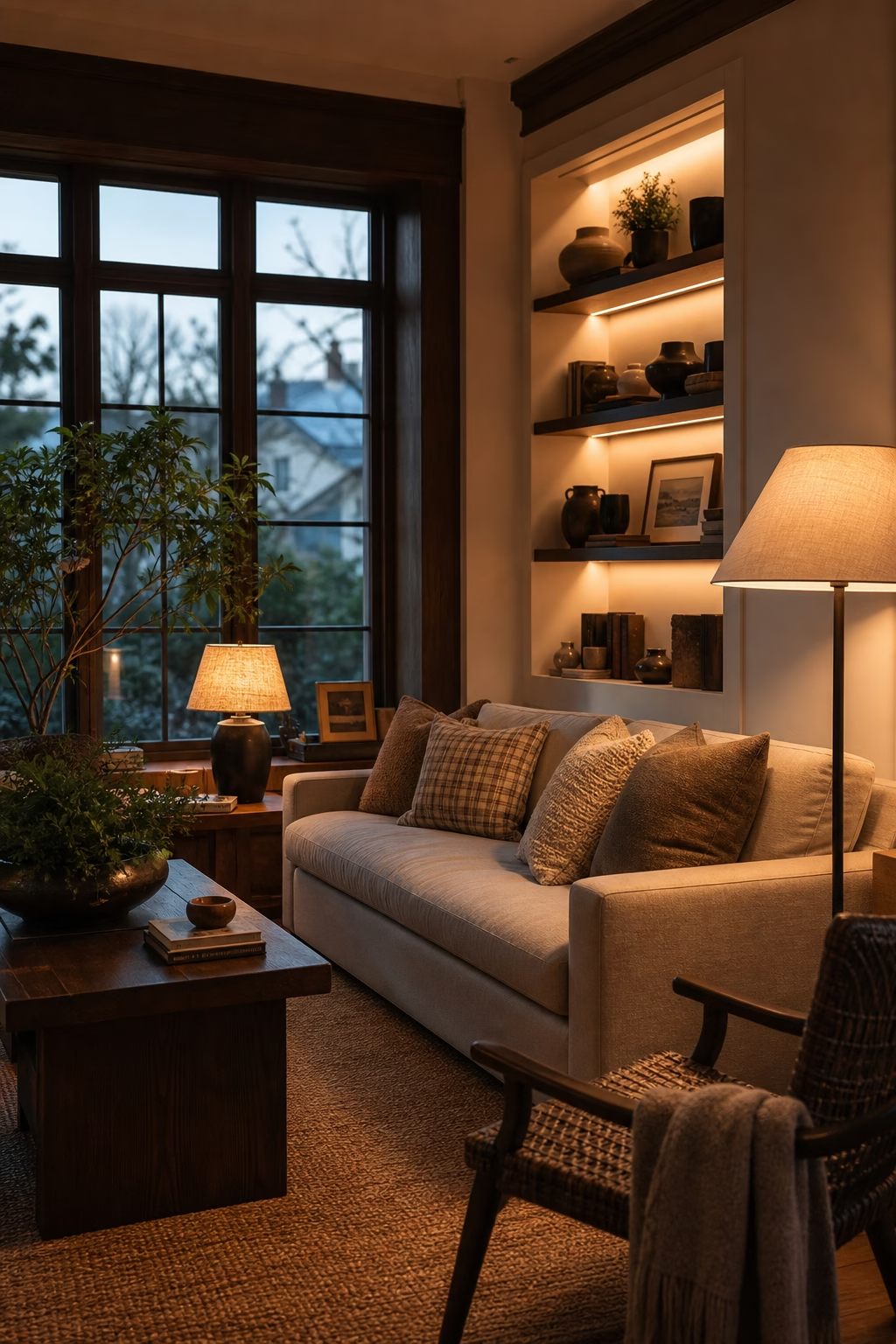
Paint does not have to mean an entire weekend of wall work. A side table, thrifted stool, picture frame, lamp base, interior door, or the back of a bookcase can take color in a contained way. Choose a shade already hinted at in the room, such as olive, clay, mushroom, soft black, or warm white, so the update feels connected. Prep matters more than price: clean the surface, sand lightly where needed, and use the right primer for wood, metal, or laminate. A small painted surface can sharpen the whole palette and make older pieces feel deliberate. It is one of the easiest ways to create a custom look without custom furniture.

Layer Inexpensive Linen-Look Curtains
Curtains can make a room feel taller and softer, even when the panels are budget-friendly. Look for linen-look cotton, polyester-linen blends, or simple sheer panels with enough weight to fall well. Hang the rod higher and wider than the window so the fabric frames the glass instead of covering it. The panels should skim the floor or break slightly, not hover awkwardly above the baseboard. Warm white, oatmeal, mushroom, and pale gray work in many rooms because they filter light without shouting. In a rental, tension rods or removable brackets may solve the problem. Properly scaled curtains give architecture to plain windows and make affordable furniture look more finished.

Upgrade Lampshades for Better Light
An old lamp can look surprisingly current with a better shade. Swap dented, yellowed, or undersized shades for simple linen, paper, pleated cotton, or warm white drum shapes that suit the base. The shade should cover the socket and feel proportionate from both sitting and standing height. Warm bulbs matter just as much; harsh blue light makes even nice rooms feel unfinished. Use table lamps where overhead lighting is doing too much work, especially on consoles, nightstands, and shelves. This small update changes the evening atmosphere immediately. Affordable decor feels more elevated when the light is gentle, layered, and placed where people actually spend time.
Frame Printable Art Like a Collector
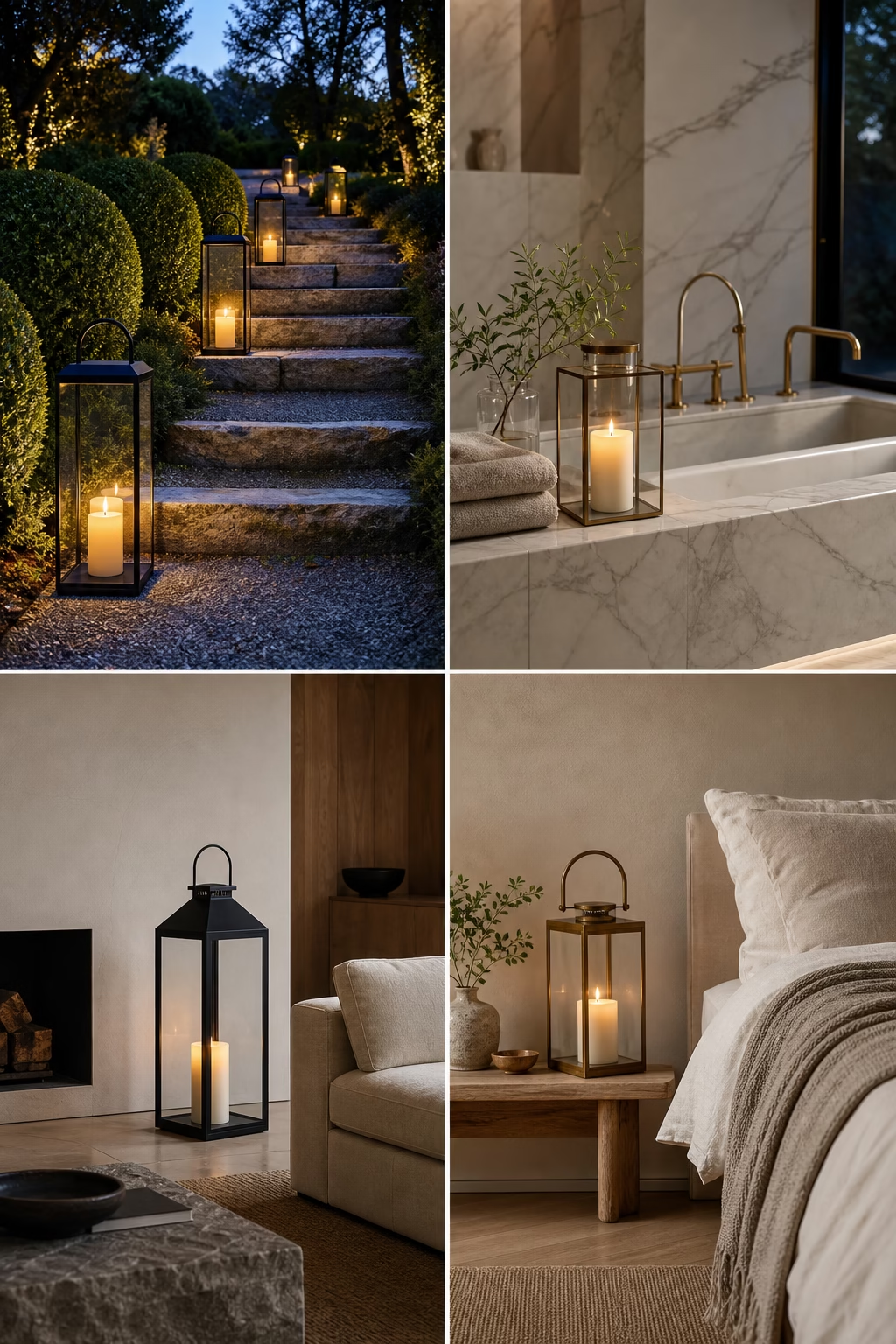
Printable art can look polished when the framing is handled with care. Choose one large piece or a tight pair rather than many tiny prints, then use a mat that gives the image room to breathe. Simple oak, black, white, brass, or walnut frames are easier to make look expensive than ornate plastic ones. Avoid fake text, obvious stock imagery, and pieces that match the sofa too perfectly. Abstract studies, architectural photographs, vintage botanical scans, and quiet landscapes usually age well. Hang the art in relation to furniture, not stranded high on the wall. The print may be inexpensive, but good scale, spacing, and a clean frame make it feel intentional.

Style a Tray to Control Clutter
A tray is affordable because it turns ordinary things into a composition. On a coffee table, gather the remote, candle, small bowl, and a single book. On a dresser, use it for perfume, jewelry, or a ceramic dish. In an entry, let it hold keys without making the whole console look messy. Choose a material that adds texture: woven fiber, lacquer, wood, metal, or stone-look resin can all work when the scale is right. Leave part of the surrounding surface empty so the tray feels curated rather than overloaded. This is not about hiding daily life. It is about giving daily life a boundary, which makes the room feel calmer.
Add One Secondhand Wood Piece
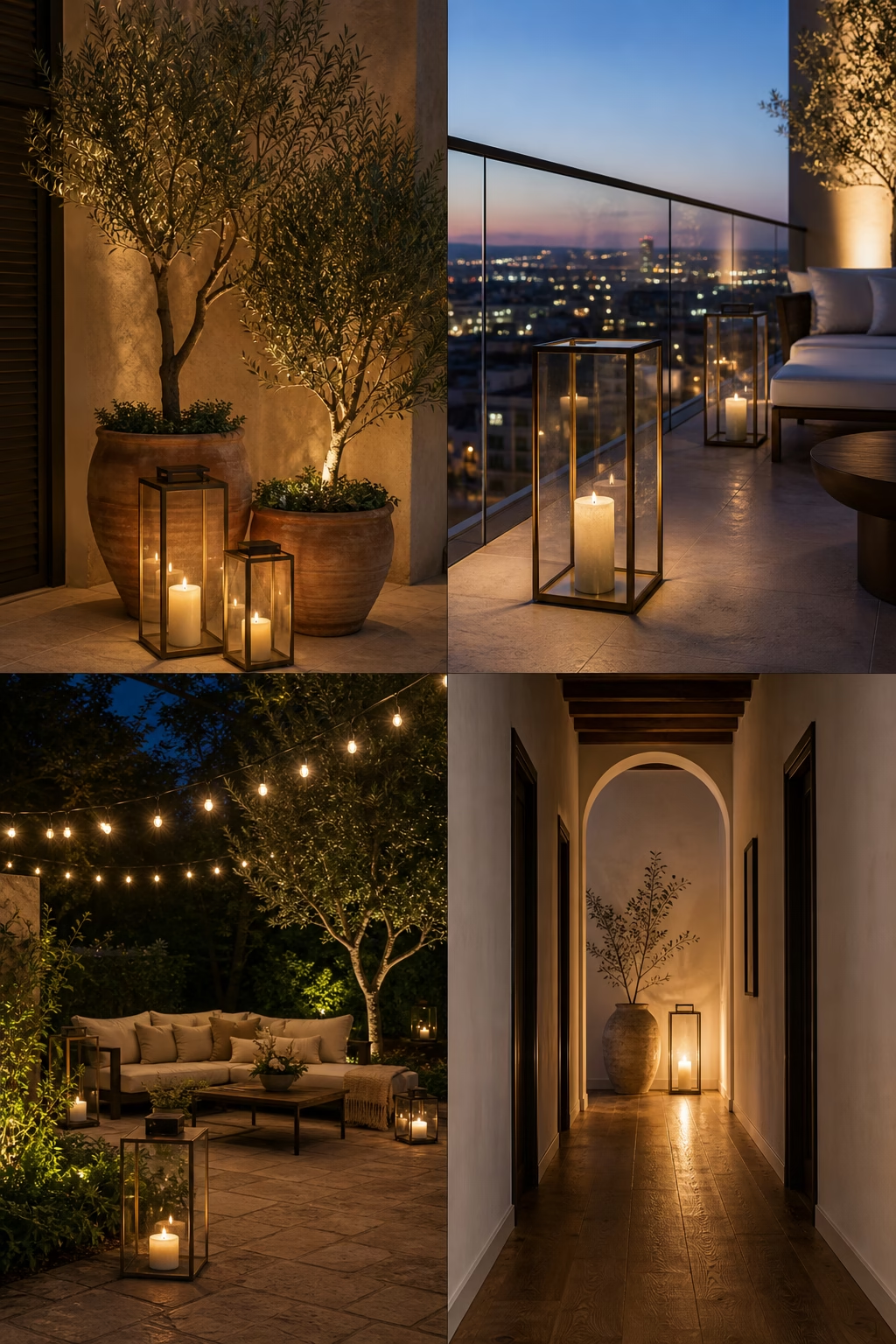
Secondhand wood brings character that flat-pack pieces often lack. Look for a small stool, side table, mirror frame, chair, bench, or chest with honest grain and a useful shape. Scratches can be softened with cleaning, wax, oil, or a careful stain touch-up, but avoid pieces with unstable legs or strong odors unless you know how to repair them. One warm wood piece can make a room feel collected without turning it rustic. Let it contrast with cleaner furniture so the age feels intentional. The best find is not always the cheapest one; it is the piece that adds texture, solves a real need, and fits the room without crowding it.
Make Pillow Covers Work Seasonally
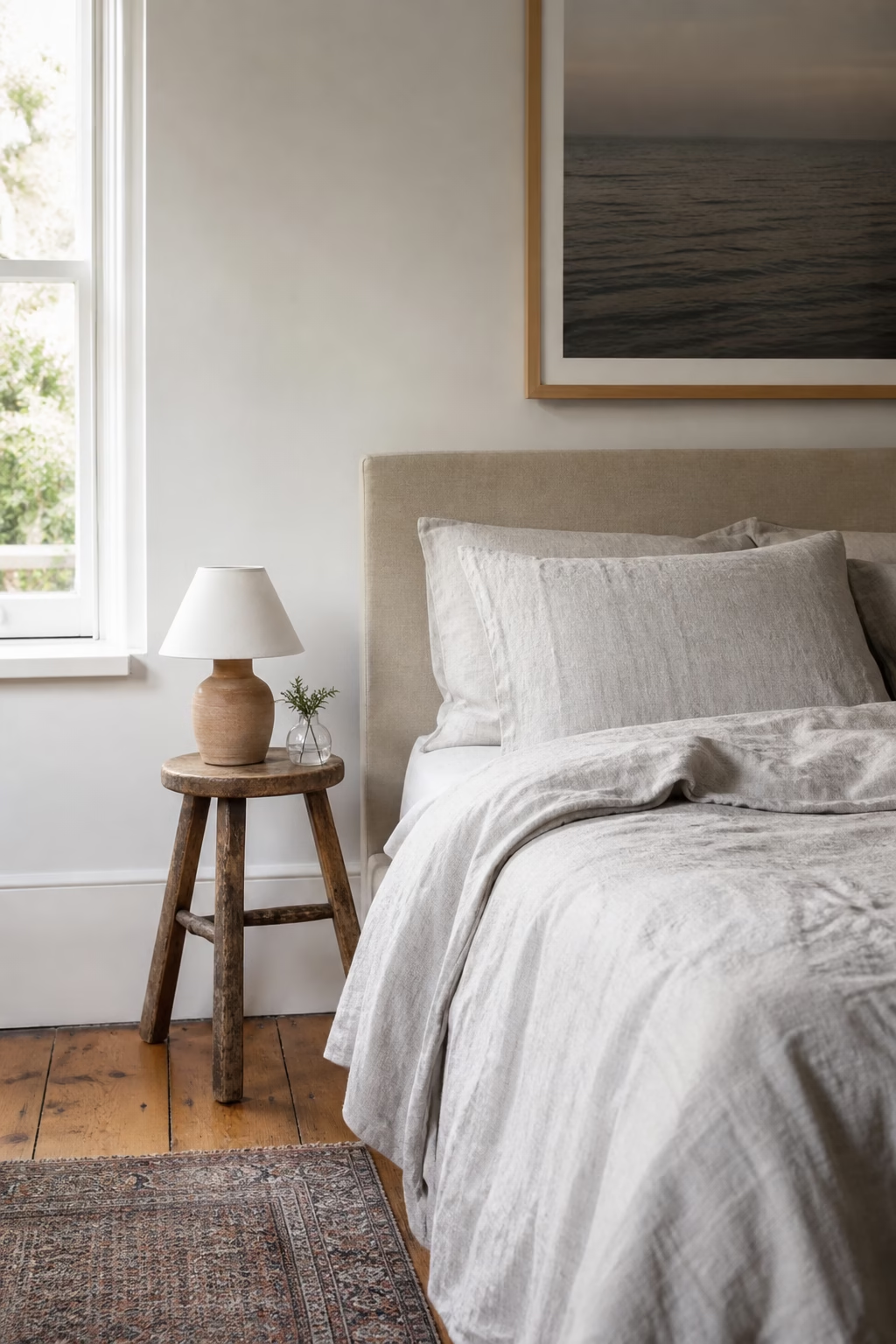
Changing pillow covers is cheaper and better looking than buying new filled cushions every season. Keep quality inserts, then rotate covers in linen, cotton velvet, woven stripe, nubby boucle, or block print depending on the room's mood. Mix only two or three fabrics at a time so the sofa or bed still feels edited. A long lumbar pillow can do more than several small squares, especially on a compact sofa. Check zipper quality and fabric weight; very thin covers collapse quickly. Seasonal pillow covers let the room shift from airy to cozy without major spending. Store off-season covers flat so they stay crisp and ready to reuse.
Bring Height With Branches, Not Bouquets
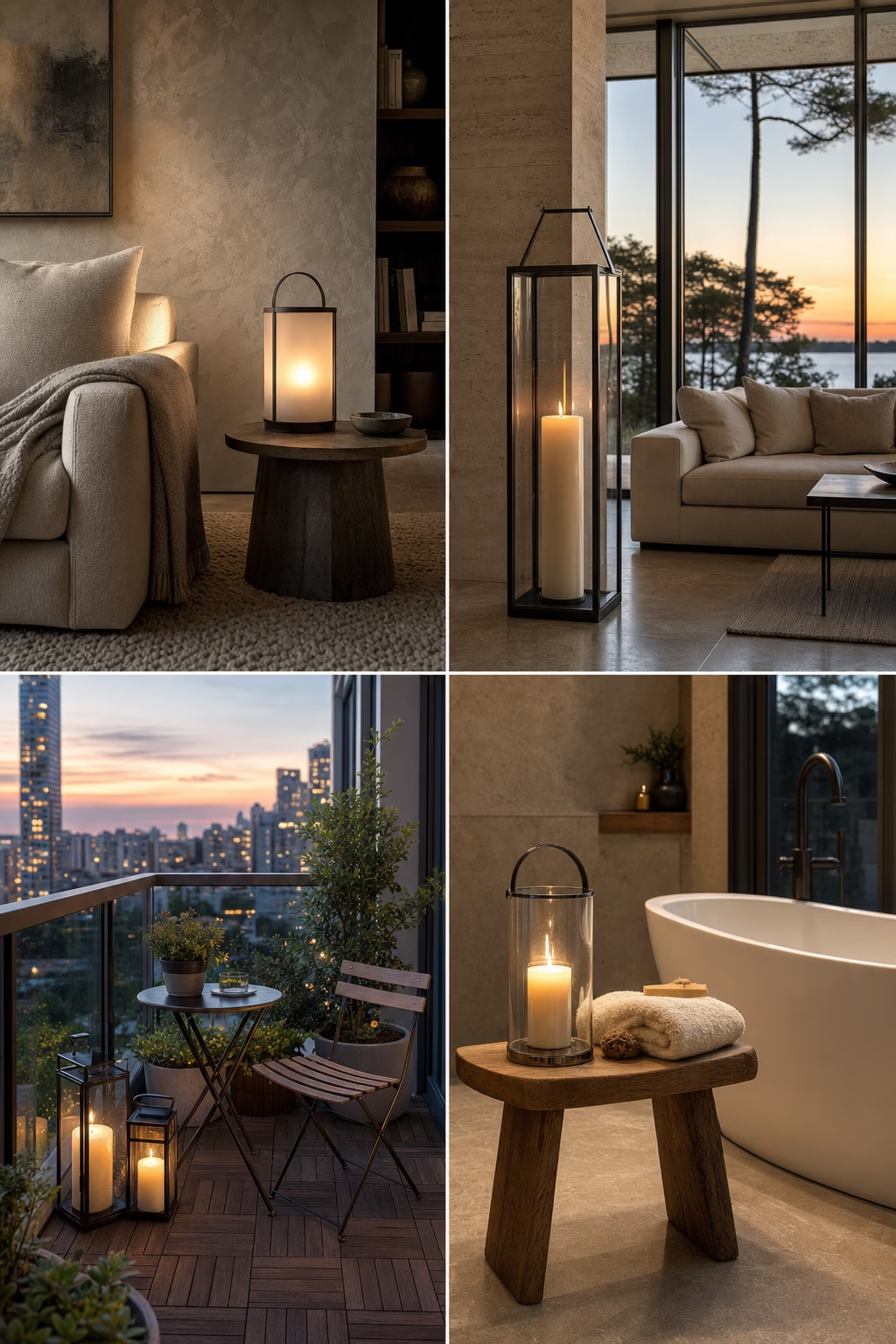
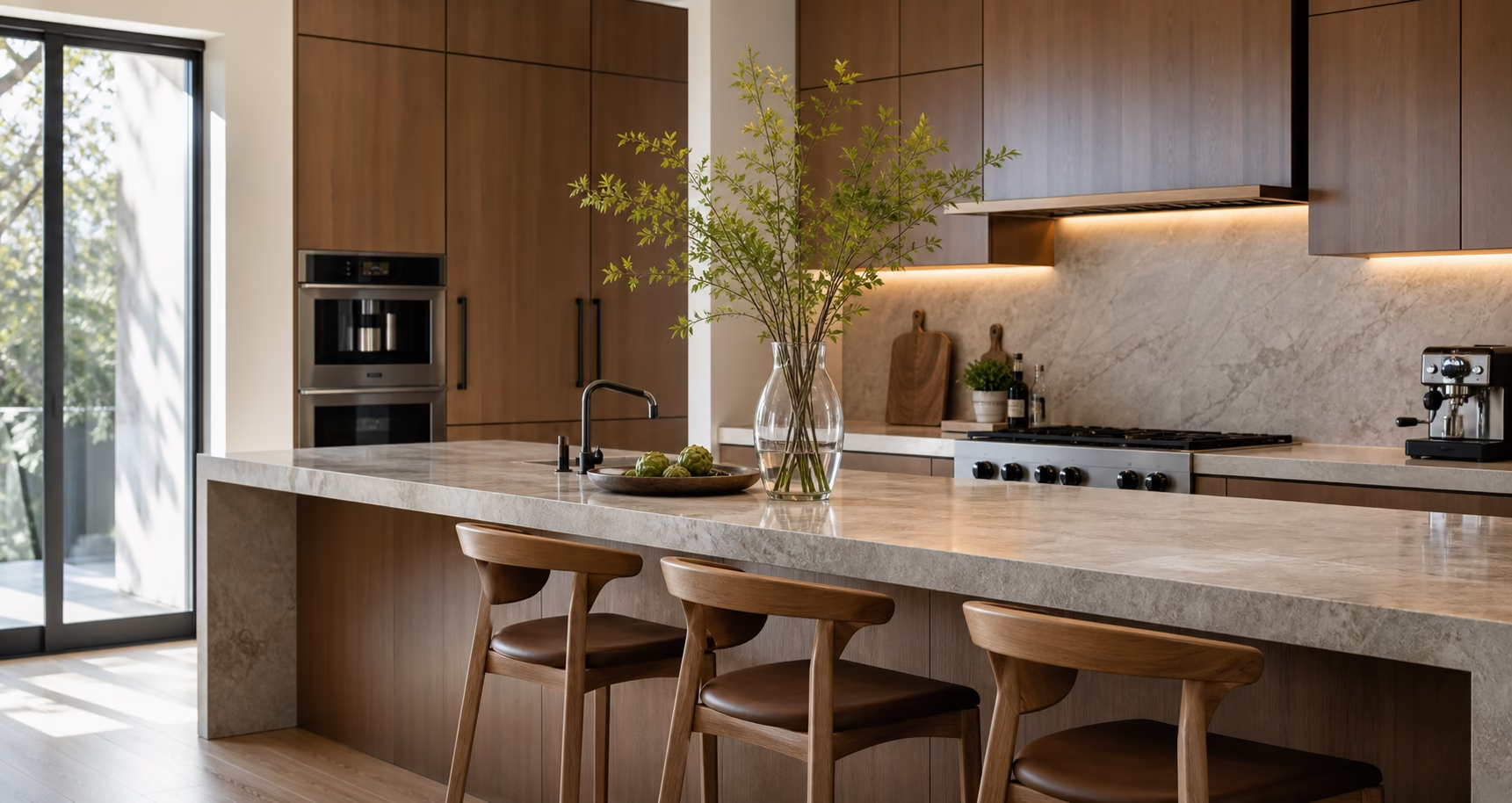
Large branches often look more expensive than small bouquets because they add scale and movement. Use clipped greenery, bare sculptural stems, olive branches, eucalyptus, magnolia, or seasonal foliage in a heavy vase that will not tip. Place the arrangement on a console, dining sideboard, mantel, or empty corner where the height relates to the wall or window. Keep it airy; a few strong stems are better than a stuffed bundle. If real branches are not available, choose one convincing faux stem type and use fewer of them. Height helps a room feel designed because it connects low furniture to the architecture above it.
Use Peel-and-Stick Carefully
Peel-and-stick materials can look good when they are used with restraint and installed precisely. Try them on a bookcase back, laundry nook, desk wall, powder room accent, or plain closet door before committing to a large living room wall. Choose subtle grasscloth texture, small-scale stripe, plaster effect, or simple tile-look panels rather than busy patterns that reveal every seam. Measure twice, smooth slowly, and align from the most visible edge. The goal is to improve a contained surface, not pretend the whole room was renovated. When the color relates to nearby furniture and trim, a removable update can give a rental or budget room real personality.
Create a Shelf With Negative Space
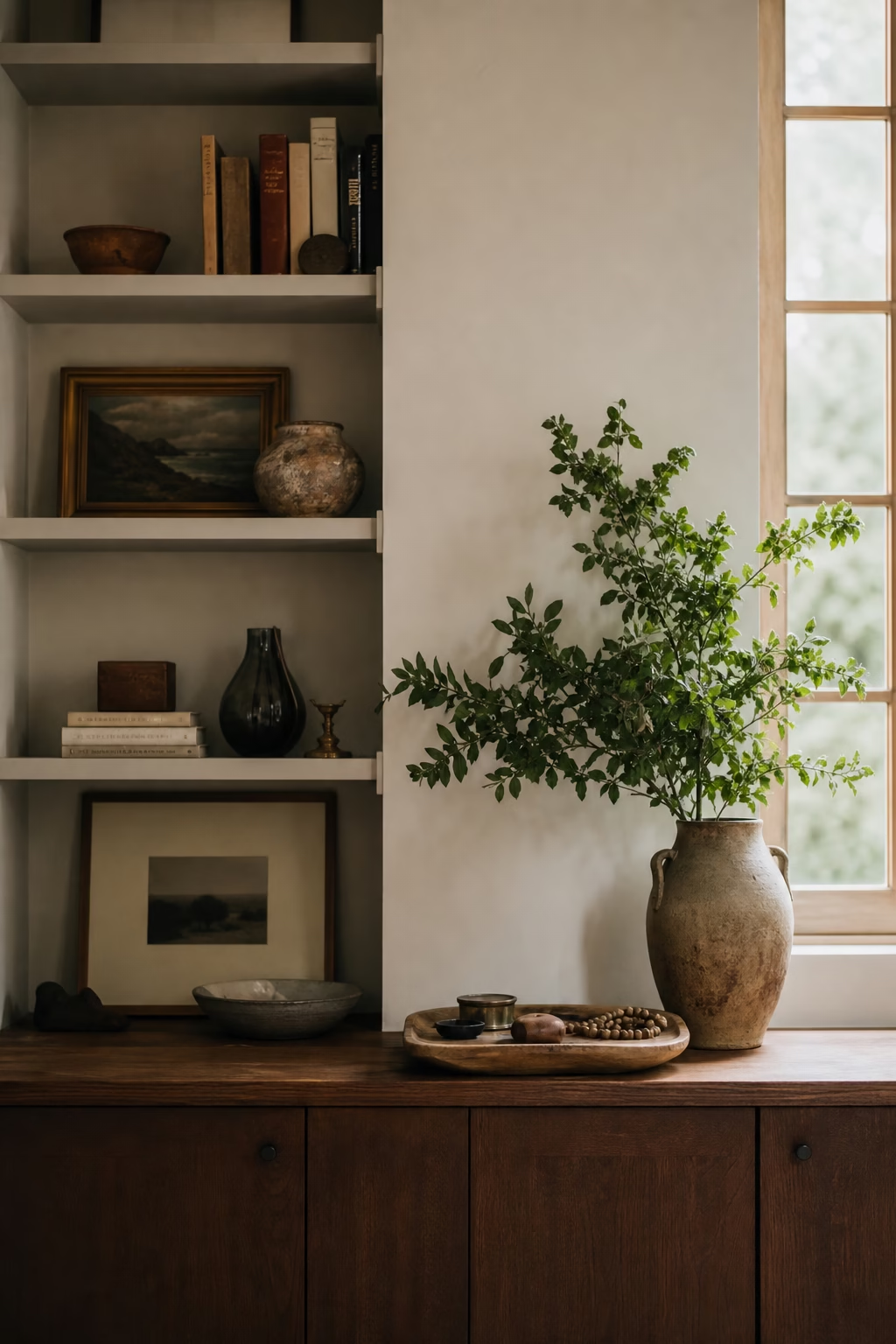
Shelves look more expensive when they are less full. Start by removing everything, then return the largest pieces first: books, a ceramic vase, framed art, a lidded box, or a small lamp. Group objects in uneven numbers and leave open space between them. Repeat two or three materials, such as wood, ceramic, woven fiber, and black metal, so the shelf feels connected to the room. Hide packaging, labels, and tiny unrelated objects in closed storage. Affordable shelf styling is mostly editing and proportion. When each object has room around it, even inexpensive pieces can look chosen rather than accumulated. That quiet spacing is what gives the display polish.

Try a Large Mirror From a Budget Source
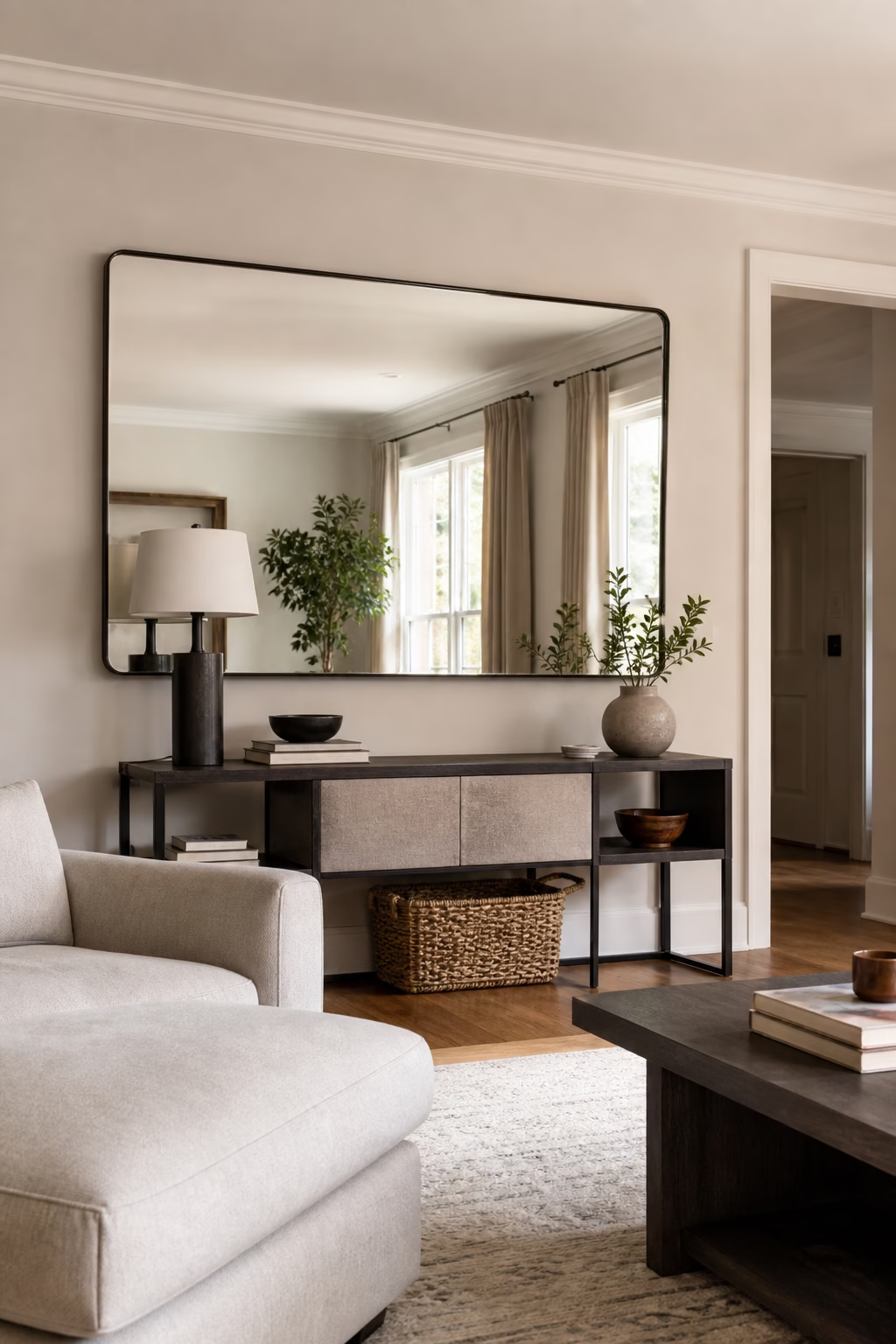
A large mirror can do the work of art, light, and architecture at once. Budget retailers, secondhand shops, and marketplace listings often have generous mirrors that only need a better location. Place one where it reflects a window, plant, lamp, or open room view rather than clutter. If the frame finish feels cheap, consider paint, rub-and-buff wax, or a simple wood stain. Secure heavy mirrors properly, especially if they lean. The size is what makes the room feel more expansive, so avoid going too small above a console or sofa. A well-placed mirror makes affordable rooms brighter and visually deeper without adding more objects.
Refresh Hardware on Existing Furniture
Changing hardware can make an ordinary dresser, cabinet, or nightstand feel tailored. Measure the existing screw spacing before shopping so the new pulls fit without extra holes. Aged brass, matte black, polished nickel, wood knobs, or simple leather pulls can shift the style without replacing the piece. Keep the finish connected to nearby lamps, curtain rods, or door hardware for a more designed result. Clean the furniture thoroughly before installing anything; new handles on dusty drawers never look as good as they should. This update is small, but it gives everyday furniture a tactile upgrade. The piece begins to feel chosen, not merely kept.
Use a Rug Pad to Improve What You Own
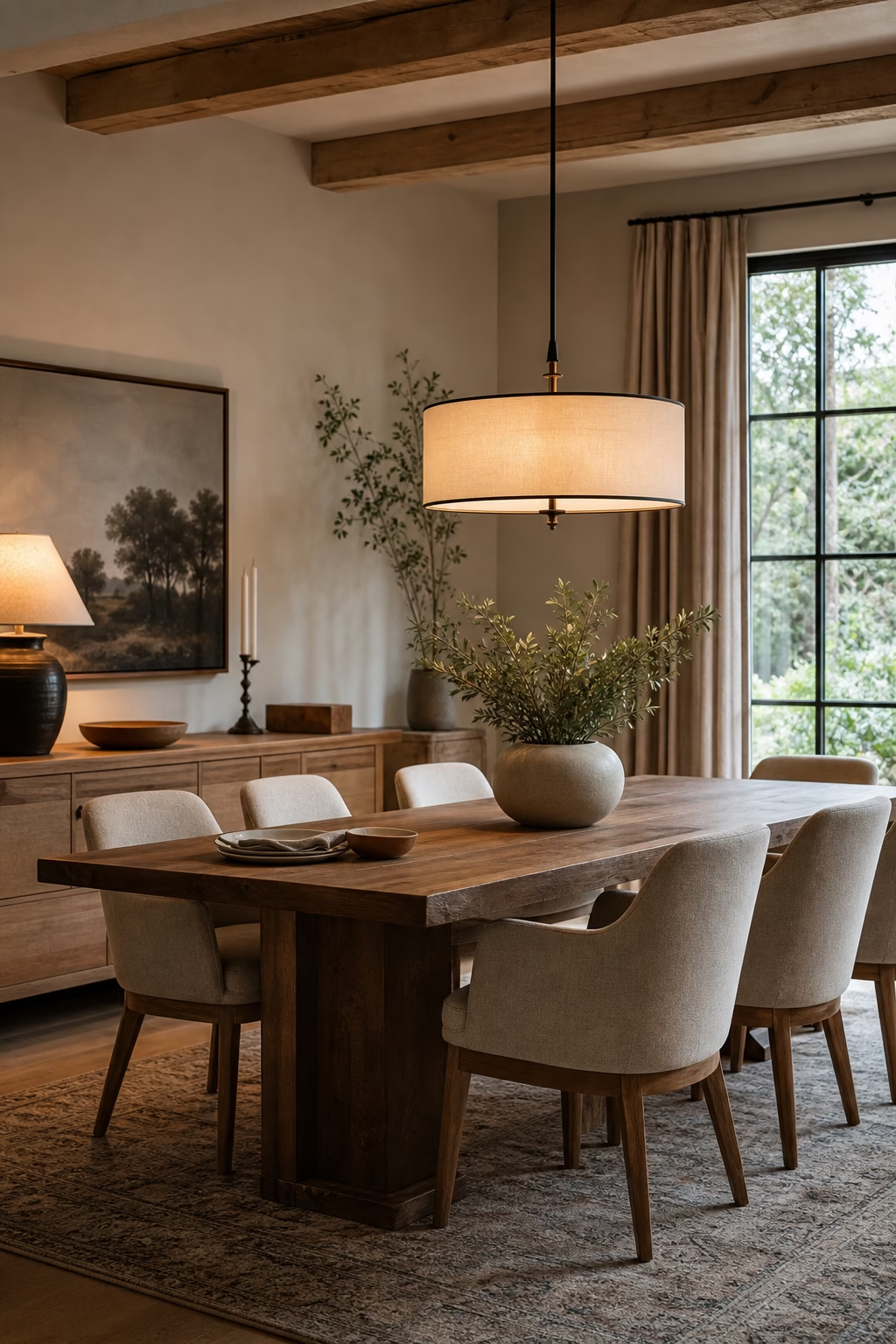
A rug pad is not glamorous, but it can make an affordable rug feel better immediately. It adds cushion, reduces slipping, protects floors, and helps thin rugs lie flatter. Choose felt for softness, rubber grip where movement is a problem, or a combination pad for living rooms and bedrooms. Trim it slightly smaller than the rug so it never shows at the edges. If a rug looks skimpy, center it under the main furniture and layer a larger natural fiber rug below it later. Comfort is part of decor; a room feels more finished when the floor is stable, soft, and quiet underfoot.
Group Small Art Into One Strong Shape
Small frames can look scattered when they are hung one by one around a room. Gather them into a clean grid, vertical stack, or tight gallery rectangle so the group reads as one larger piece. Keep the spacing consistent and align at least one edge. The frames do not have to match, but they should share a finish family or color temperature. This is a smart way to use thrifted art, family photos, or inexpensive prints without making the walls feel chaotic. Lay everything on the floor first and photograph the arrangement before hanging. A strong outer shape gives affordable wall decor the presence of a custom installation.

Turn Baskets Into Quiet Storage
Baskets solve clutter while adding texture, but they look best when their purpose is clear. Use one large basket for throws, one lidded basket for toys or cables, or matching shelf baskets for office supplies. Avoid sprinkling many tiny baskets around the room, because that can feel busy. Natural fiber, seagrass, water hyacinth, and soft woven cotton bring warmth to modern furniture and plain walls. Measure shelf depth before buying so the baskets sit flush and useful. When storage looks quiet, the room feels calmer without needing a renovation. The key is choosing fewer, better-sized baskets that actually hold the things that usually spill into view.

Repeat One Accent Color Three Times
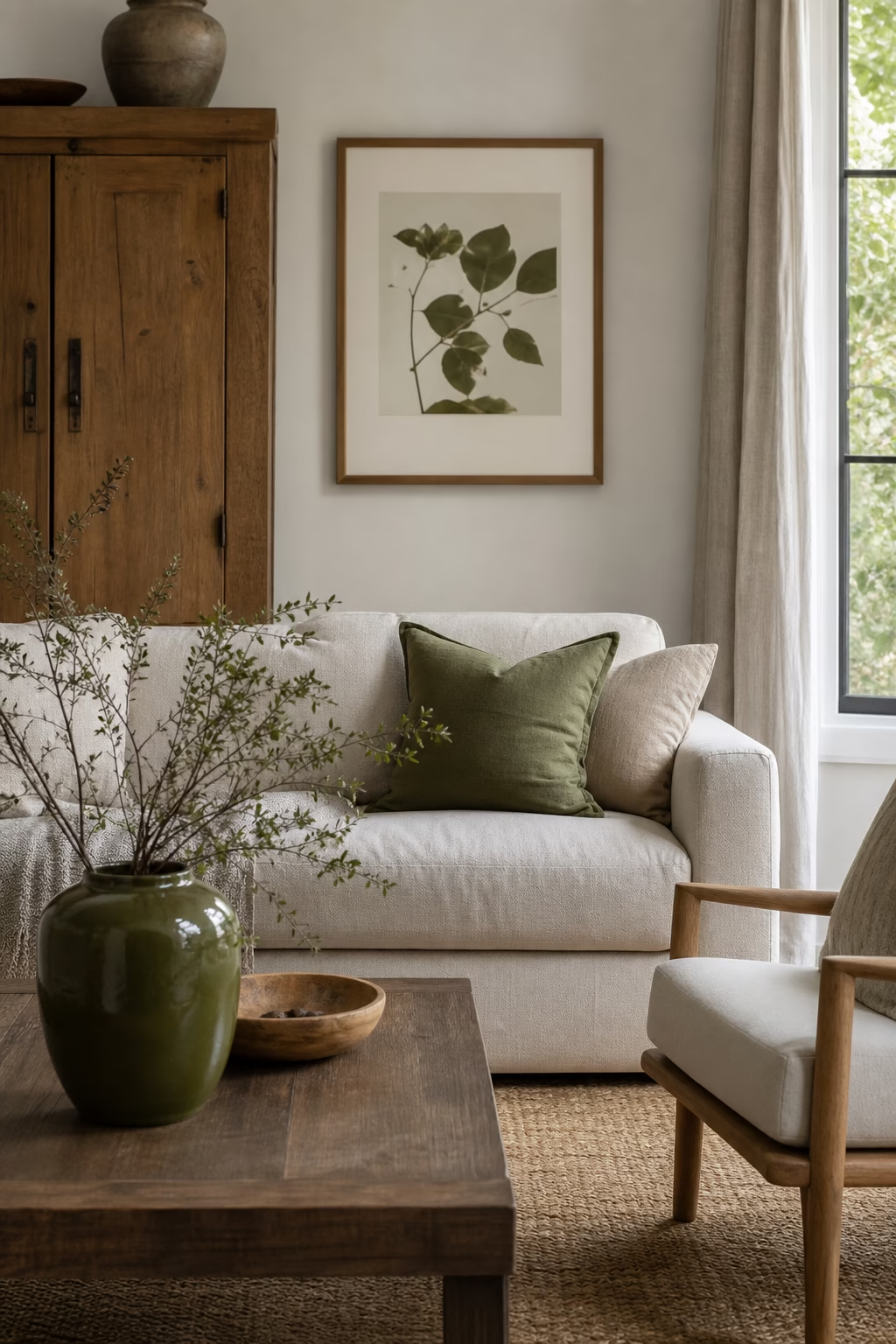
A room can feel more expensive when color appears with discipline. Choose one accent, such as rust, olive, navy, soft blue, burgundy, or ochre, then repeat it three times in small doses. A pillow, art detail, book spine, vase, or throw can be enough. The repetition should not look like a matching set; it should feel like a thread running through the room. Keep larger pieces neutral if the budget is tight, because neutral furniture is easier to update later. This strategy stops affordable decor from feeling random. The eye recognizes the connection and reads the room as more composed.
Finish With a Better Nightstand Moment
A bedroom makeover can feel complete when the nightstand is calm and useful. Remove stacks of old receipts, extra chargers, and products that belong in a drawer. Keep a lamp or sconce, one book, a small dish, and perhaps a tiny vase or candle. If the nightstand itself is plain, add new hardware, a fabric runner, or a tray that fits the top. The arrangement should support sleep rather than create visual noise. Affordable bedrooms often fail at the smallest surfaces, not the largest furniture. A considered nightstand makes the bed feel more inviting and gives the whole room a quieter finish at the end of the day.
