
A stylish apartment living room has to work harder than a larger room. It may need to hold lounging, dining, storage, work, and hosting in one visible space, often with rental finishes or awkward proportions. These ideas focus on small-space decisions that look polished while making everyday life easier.
Choose a Sofa That Fits the Wall and the Life
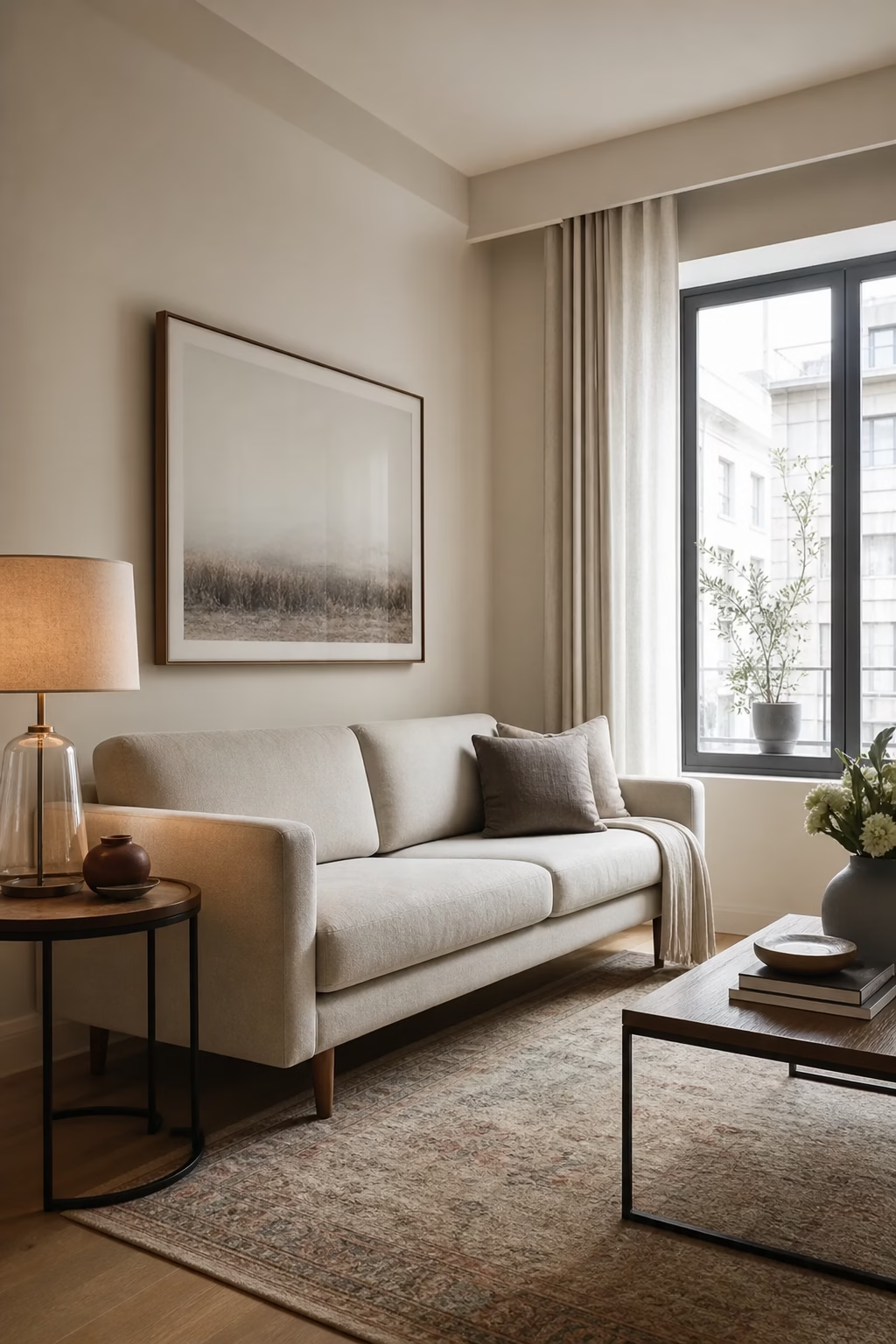
In an apartment living room, the sofa has to be comfortable without swallowing the plan. Measure the wall, door swings, radiator positions, and walking path before choosing the piece. Slim arms, visible legs, and a tight back can make a full-size sofa feel lighter, while a tiny loveseat may make the room less useful. Leave enough space for a side table and a lamp, not just the sofa itself. If the living room doubles as a guest zone, consider a refined sleeper with simple lines. The right sofa gives the apartment a real center while preserving movement around it.
Float the Rug to Define the Living Zone
A rug can create architecture in an apartment that has none. Use it to define the living zone, especially in a studio or open-plan rental where the sofa sits near the kitchen or bed. The rug should be large enough for the front legs of the main seating to rest on it, with a slim reveal of floor around the edges. Texture often works better than a loud pattern because small rooms already carry many visual interruptions. Once the rug is right, the coffee table, chair, and lighting feel connected. The living area begins to read as intentional rather than temporary.

Use a Storage Console Instead of a Bare TV Stand
A bare TV stand wastes valuable storage in a small apartment. Choose a closed console that can hide remotes, cords, chargers, games, documents, or extra linens while still looking like furniture. The piece should be wide enough to balance the screen but shallow enough to protect the walkway. If the television is wall-mounted, keep it at a comfortable viewing height and manage cables cleanly. Style the top with one lamp, a low bowl, or a stack of books rather than a line of small objects. Storage that looks calm gives the living room polish and keeps daily clutter from taking over.

Mount Lighting When Surfaces Are Scarce
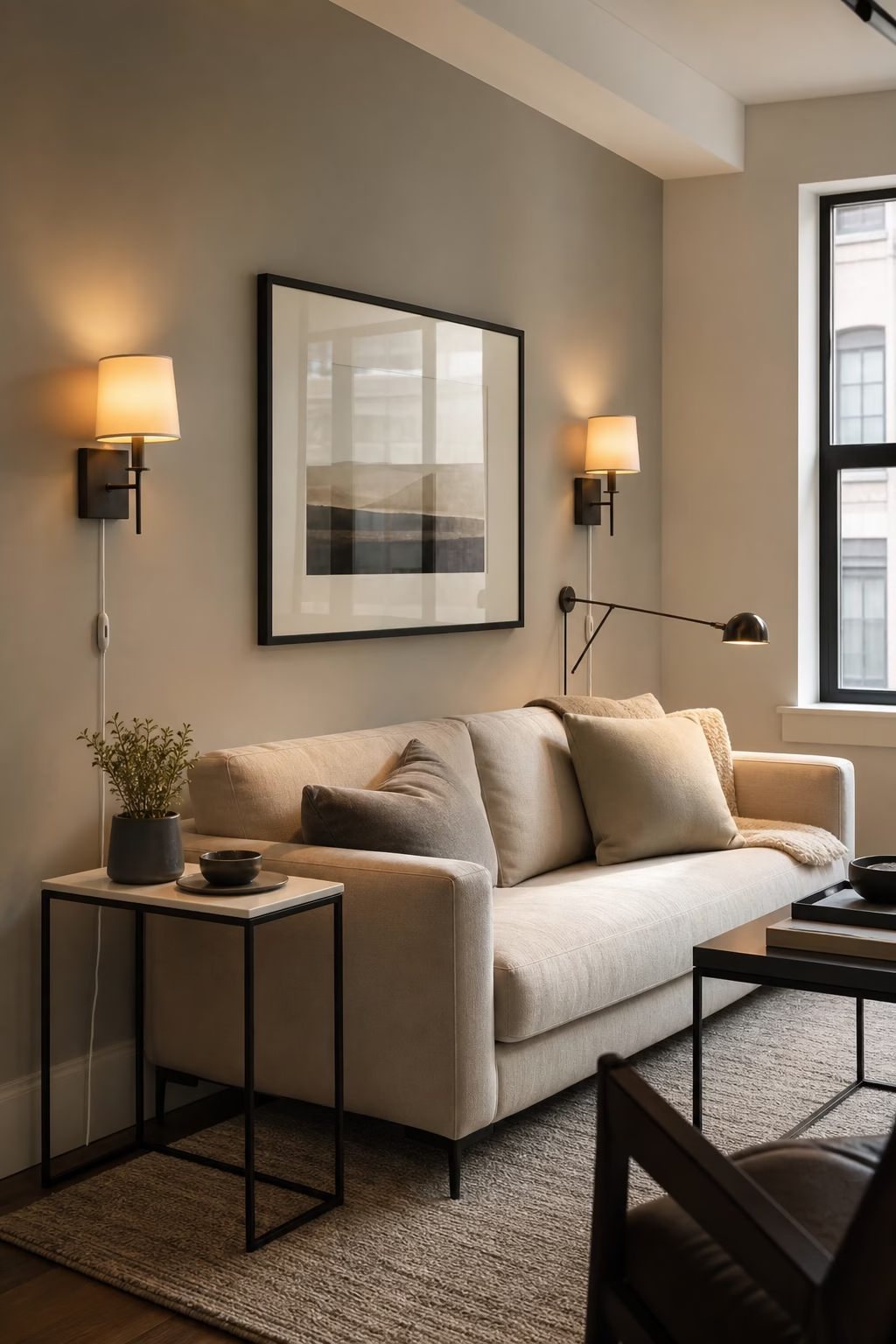
Small apartments often lack enough table surface for lamps, books, and everyday objects. Wall-mounted lighting solves that problem while adding a more designed layer. Plug-in sconces, swing-arm lamps, picture lights, or small pendants can brighten a sofa, reading chair, or shelf without crowding the floor. Choose warm bulbs and opaque or fabric shades so the light feels flattering rather than exposed. Cords can be hidden along trim or behind furniture when hardwiring is not possible. Good mounted lighting makes the room feel custom, even in a rental, and leaves tabletops available for real use. Check switch placement before installing.
Make Curtains Work Harder Than Decor
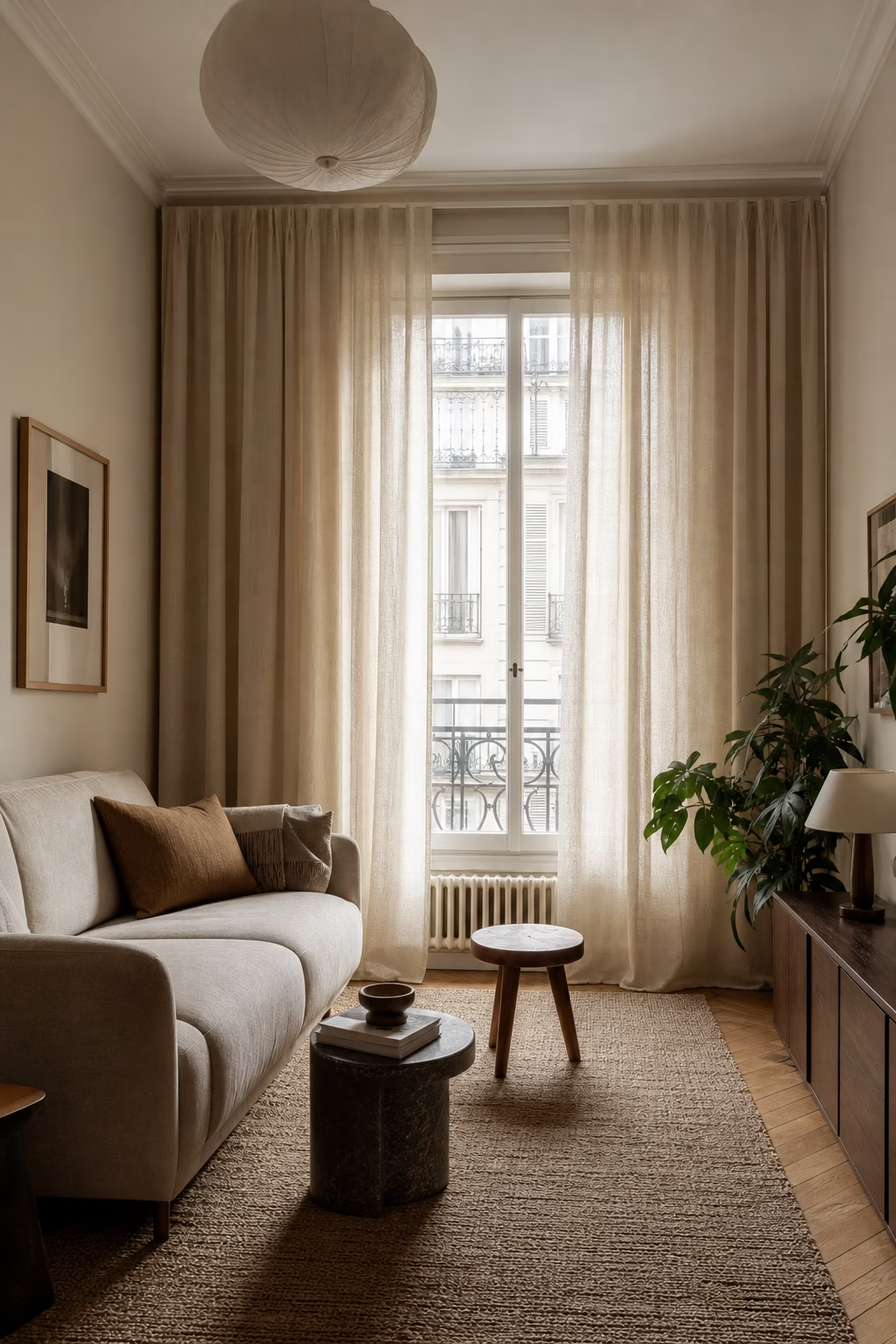
Curtains can correct several apartment problems at once: plain windows, hard acoustics, privacy, and awkward proportions. Hang panels close to the ceiling and wider than the frame so the window looks taller and the fabric does not block light when open. Linen, cotton, or textured sheers soften rental architecture without renovation. If the walls are busy or the room is small, keep the curtains close to the wall color. For more depth, choose a slightly warmer neutral. Full-length fabric makes the apartment feel more settled, especially when the hem reaches the floor cleanly and the rod is simple. Avoid skimpy panel widths.
Add a Dining Nook That Tucks Away
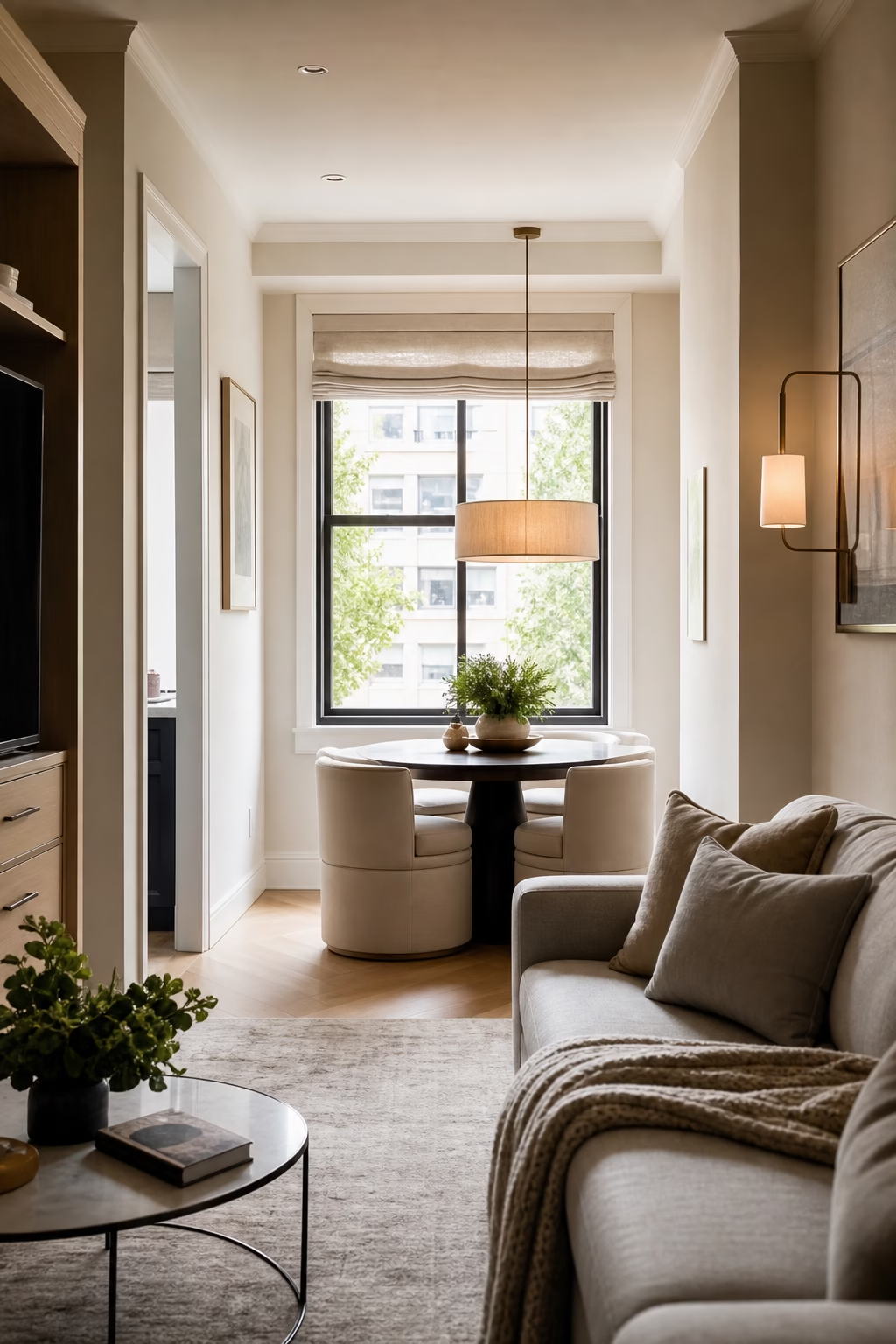
A dining spot can make an apartment feel more complete, but it should not dominate the living room. A small round pedestal table, drop-leaf table, or narrow wall table gives enough surface for meals without creating sharp corners in the walkway. Chairs should tuck in fully, or one side can use a slim bench that slides under the table. Place the nook near a window, a pendant, or a sconce so it feels deliberate. Keep the tabletop easy to clear. The best small dining areas serve breakfast, work, and hosting without making the room feel crowded between uses. Scale the fixture modestly.
Reflect the Best View With a Mirror
A mirror can help a small living room feel brighter, but only if it reflects something worth repeating. Position it across from a window, near a lamp, or where it catches artwork and a clean view of the room. Avoid reflecting clutter, a blank hallway, or a television glare. A tall mirror can visually extend a corner, while a framed mirror above a console can brighten an entry side of the living room. Choose a frame that relates to another finish, such as walnut, brass, black metal, or painted wood. The goal is not trickery; it is doubling the apartment's strongest light and texture.
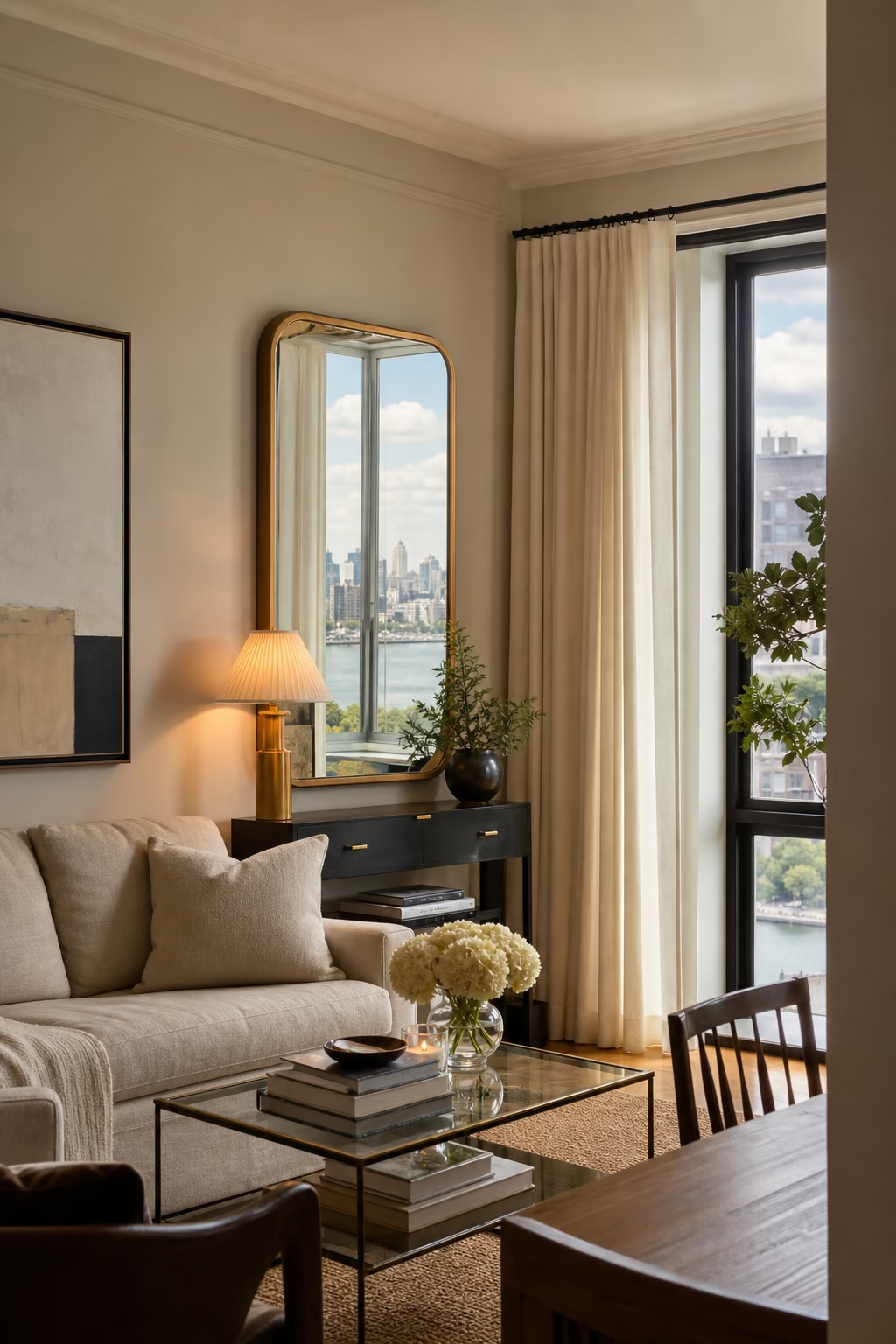
Choose Nesting Tables for Flexible Surface Area
Nesting tables are useful because apartment living rooms change roles throughout the day. Keep them stacked beside the sofa most of the time, then pull one out for guests, a laptop, snacks, or a second reading spot. Look for sturdy construction and refined materials so they do not feel temporary. Rounded edges are easier to move around in tight spaces, while a mix of wood, stone, glass, or metal can add contrast without visual bulk. The flexibility is subtle but powerful. You gain surface area only when you need it, and the room stays open when you do not. Choose stable bases.
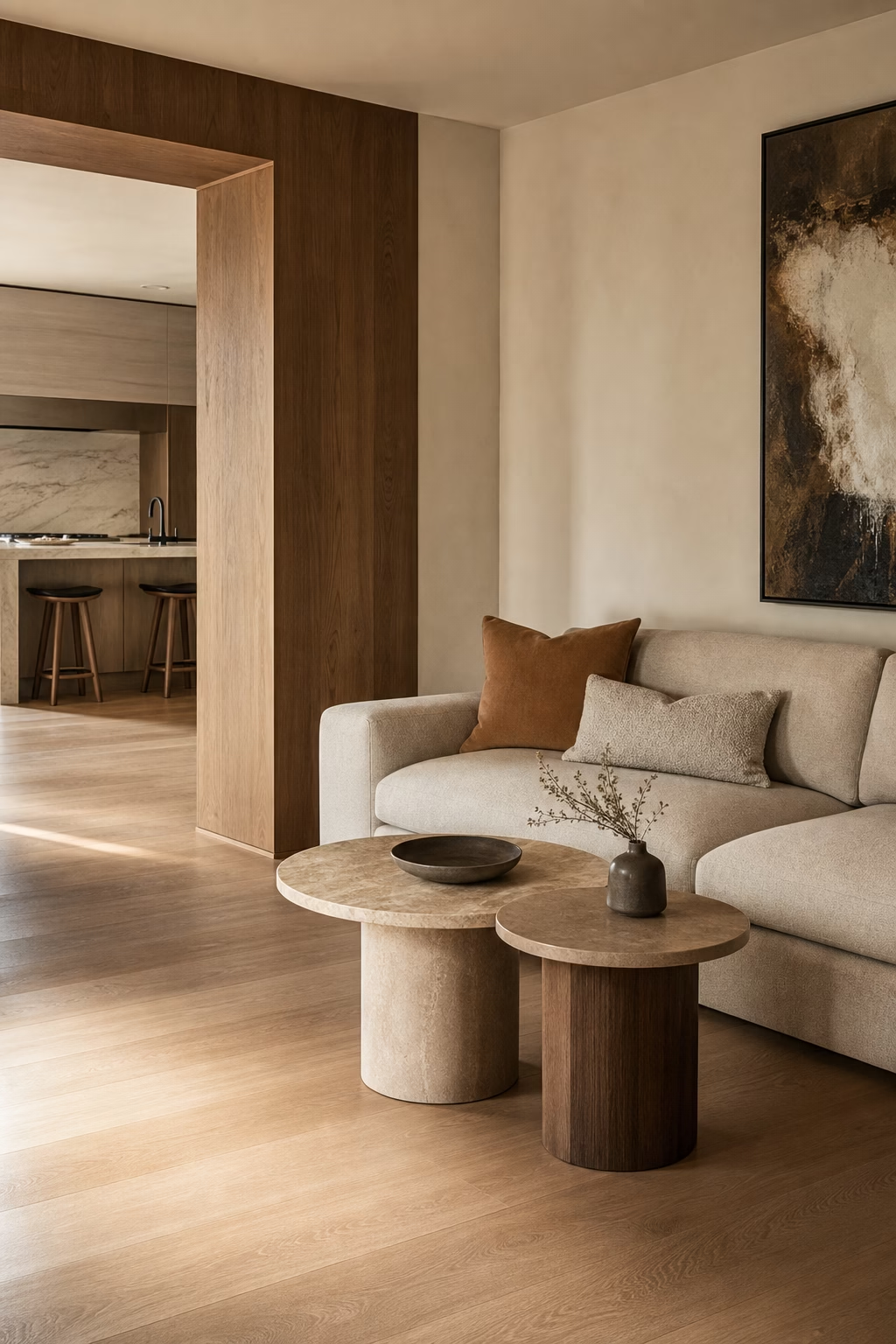
Let a Tall Bookcase Use Vertical Space
Vertical storage is essential in a small apartment, but it should look intentional rather than overloaded. A tall bookcase, slim cabinet, or wall-mounted shelving can hold books, baskets, ceramics, and a few framed pieces while drawing the eye upward. Keep some shelves partly empty so the wall does not become a block of clutter. Use matching baskets or boxes for practical items that do not deserve display. Anchor the bookcase with a nearby chair, lamp, or console so it belongs to the living room composition. When vertical storage is edited well, it feels like architecture and gives the apartment more breathing room.
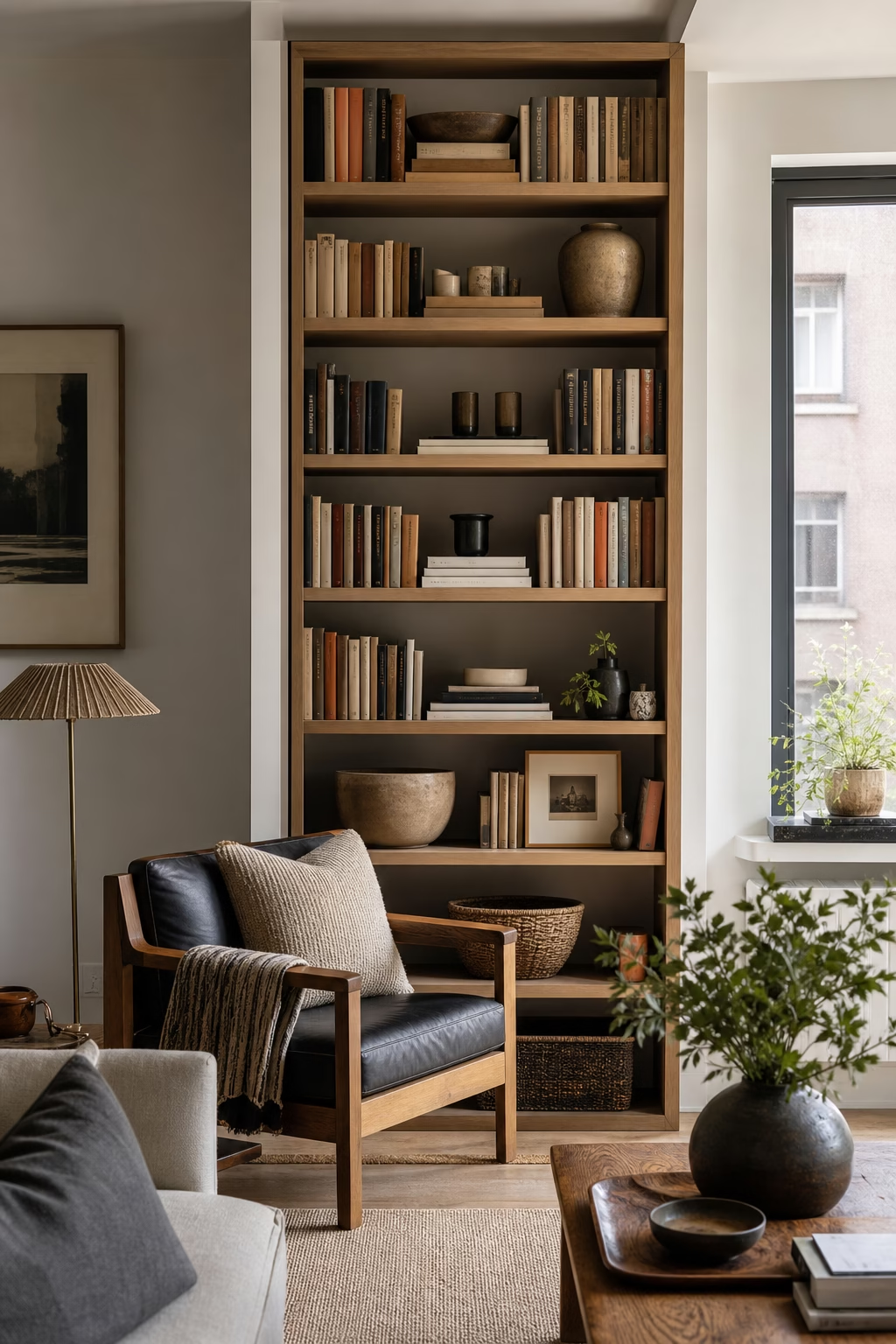
Use an Ottoman That Works Three Ways
An ottoman can replace several pieces when floor space is tight. A tailored shape can serve as a footrest, coffee table, extra seat, and sometimes hidden storage. Choose a firm top if you plan to use trays, books, or drinks, and avoid overly puffy silhouettes that eat up the room visually. Upholstery should be durable because small-space furniture works hard every day. Linen, leather, performance velvet, or textured woven fabric can all look polished when the lines are clean. A compact ottoman makes the living area feel relaxed while giving it a practical surface that adapts quickly. Keep the tray lightweight.

Create an Entry Edge Inside the Living Room
Many apartments open directly into the living room, which can make the first view feel messy. Create a small entry edge with a slim console, wall hooks, a mirror, a tray, or a narrow shoe cabinet. Keep every piece shallow so the route into the room stays clear. A small lamp or picture light makes arrivals feel warmer at night, while closed storage keeps bags and shoes from spreading into the seating area. This does not need to become a full foyer. It simply gives the apartment a landing place, which makes the living room feel more organized and intentional.
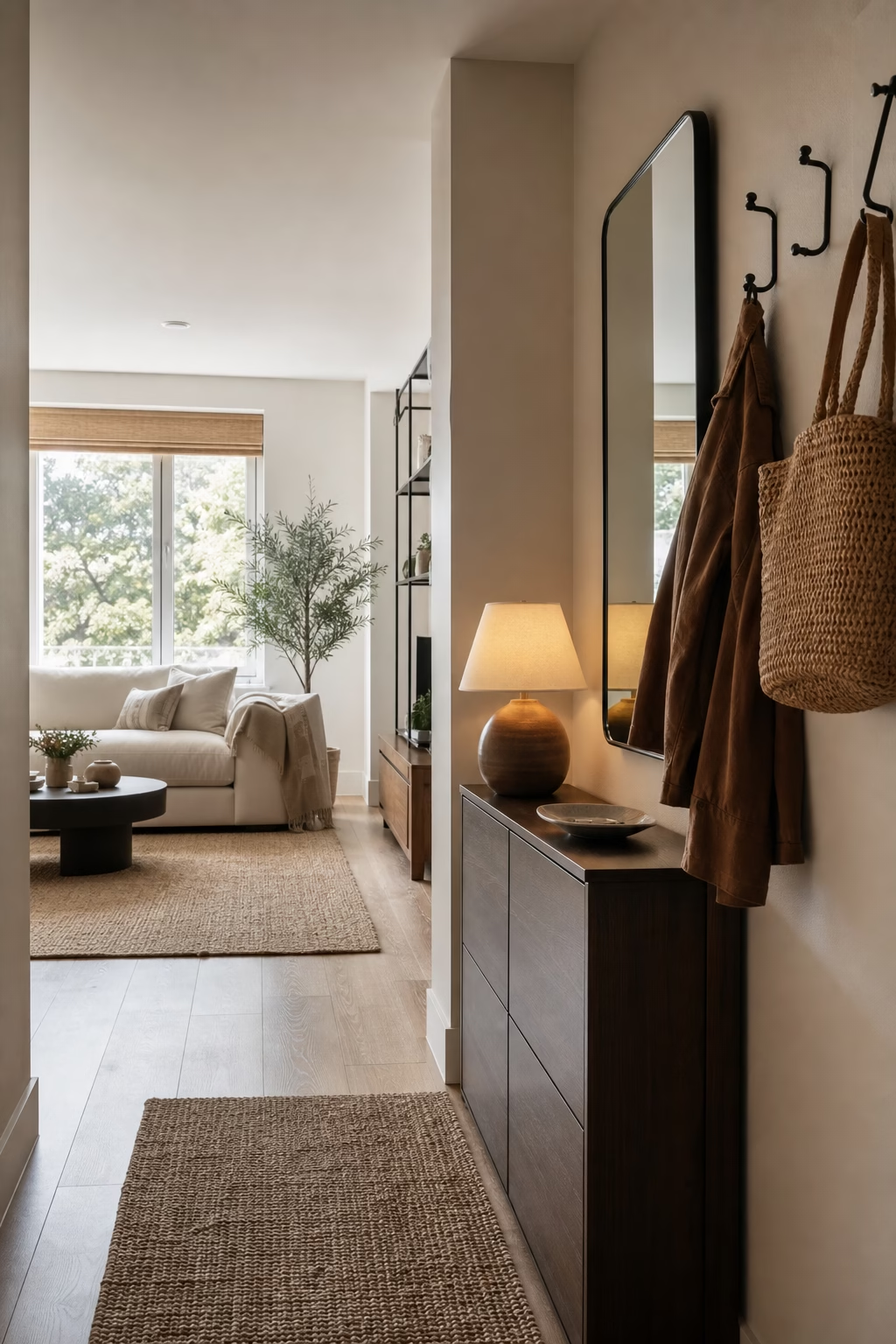
Style Open Shelves With Fewer Better Pieces
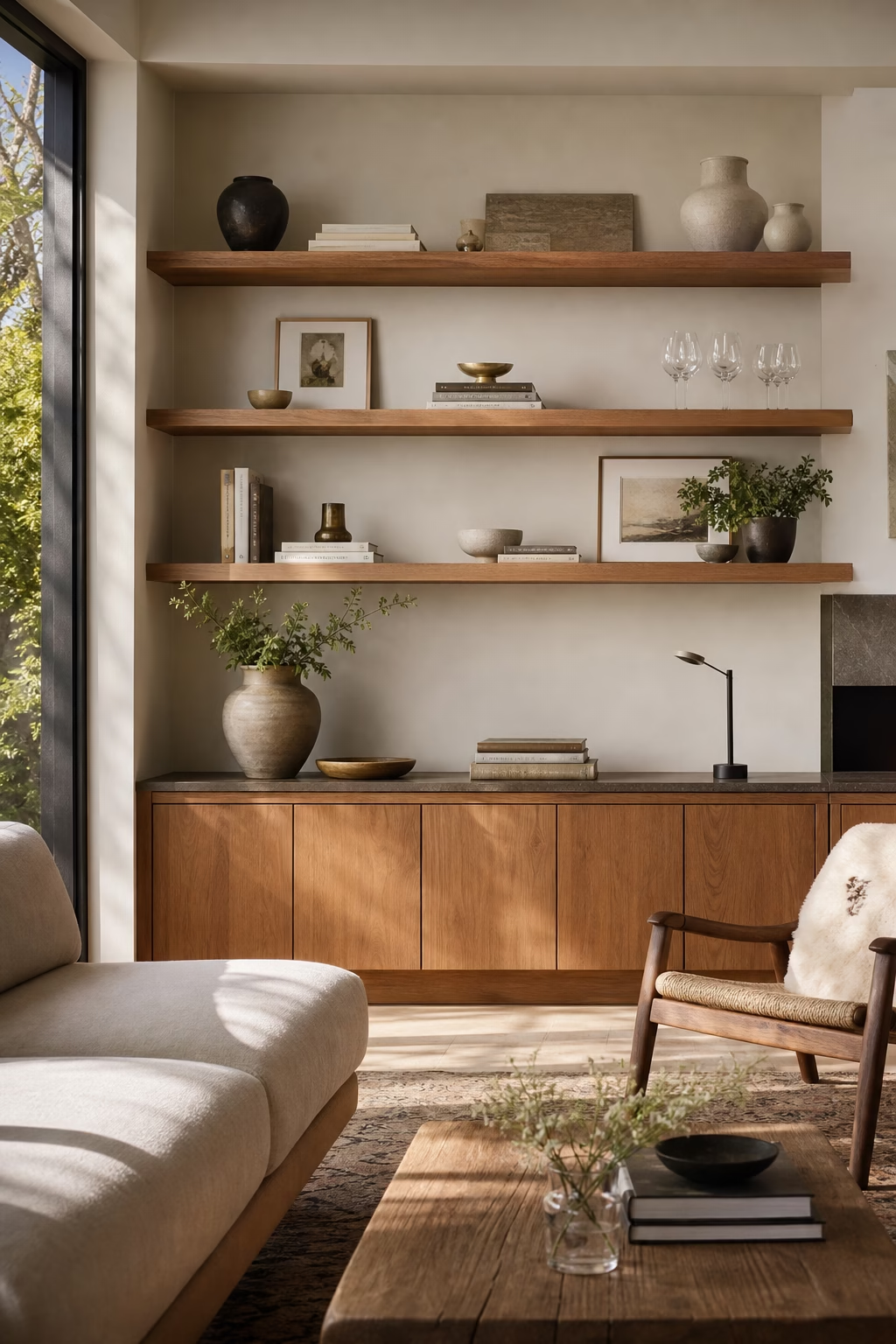
Open shelves can make an apartment living room feel personal, but they need restraint. Use them for books, ceramics, framed art, glassware, and one or two objects with real meaning. Hide paperwork, cables, cleaning supplies, and packaging behind doors or in baskets. Vary the height of objects, then leave negative space so each shelf has a rhythm. Repeating a few materials from the rest of the room, such as oak, black frames, cream pottery, or aged brass, makes the shelves feel connected. Edited shelving adds warmth without turning the wall into visual clutter. Step back before adding more. Keep dusting practical.
Use a Low-Contrast Palette to Stretch the Room
A low-contrast palette can make a compact living room feel calmer and larger without becoming plain. Keep walls, curtains, sofa, and rug in related warm tones, then add depth through wood, stone, woven texture, and a few darker accents. The eye moves smoothly when no single piece creates a hard stop. This works especially well in rentals with limited natural light or awkward layouts. To avoid blandness, vary the surface: linen, wool, oak, ceramic, plaster, and metal all reflect light differently. The room feels more expansive because the boundaries are softened, but it still has enough material richness. Add contrast sparingly.

Give the Kitchen Edge a Visual Connection
In many apartments, the kitchen is visible from the living room, so the two zones should speak to each other. Repeat one or two finishes across both areas, such as black metal, brass, oak, warm white, or stone. Keep kitchen counters edited because they become part of the living room view. A runner, open shelf with everyday dishes, or small lamp can soften the kitchen edge without adding clutter. If appliances are visually strong, balance them with calmer textiles and warmer lighting nearby. The space feels larger and more intentional when the kitchen reads as part of the room rather than a separate leftover zone.

Add a Work Spot That Can Disappear
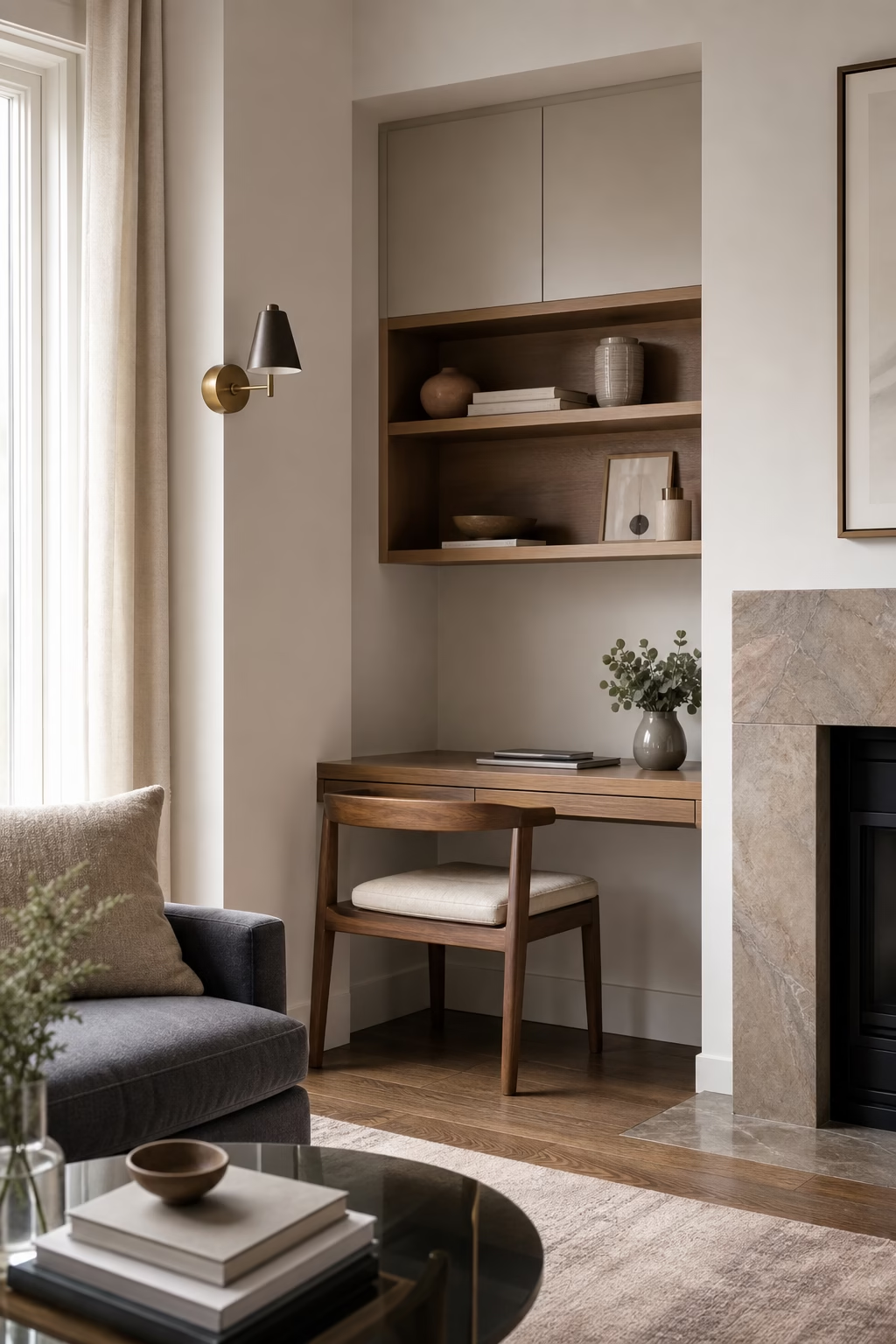
A work zone is often necessary in an apartment living room, but it should not make the room feel like an office after hours. Choose a narrow writing desk, wall-mounted shelf desk, secretary cabinet, or console that can double as display space. Pair it with a chair attractive enough to stay visible, or one that tucks fully underneath. Keep cords controlled and store papers in a closed box or drawer. Lighting matters here: a small sconce or table lamp makes the spot useful without spreading equipment across the room. A disappearing work area helps the apartment return to rest at night.
Layer Small-Scale Art Instead of One Huge Wall
Large art can be beautiful, but apartments often benefit from smaller pieces arranged with discipline. A pair of framed works, a tight grid, or a narrow ledge can bring personality without overwhelming the wall. Keep frames related in color or finish so the grouping feels deliberate. Hang pieces low enough to connect with the furniture, especially above a compact sofa or console. If the room is narrow, avoid spreading art too far across the wall; a focused grouping can make the seating area feel more anchored. Small-scale art is also renter-friendly because it can move more easily than one oversized statement piece.

Choose Chairs That Move Easily
Accent chairs in an apartment should be comfortable, but they also need to move when the room changes roles. Look for lighter frames, visible legs, compact arms, or slipper-chair shapes that can shift for hosting, work, or cleaning. A chair that blocks a balcony door or kitchen path will make the whole room feel smaller. Upholstery can bring character, but keep the silhouette clean so it does not fight the sofa. Place a small table or floor lamp nearby so the chair has a purpose. Flexible seating lets the apartment handle guests without requiring a permanent crowd of furniture.

Turn a Windowsill Into a Useful Ledge
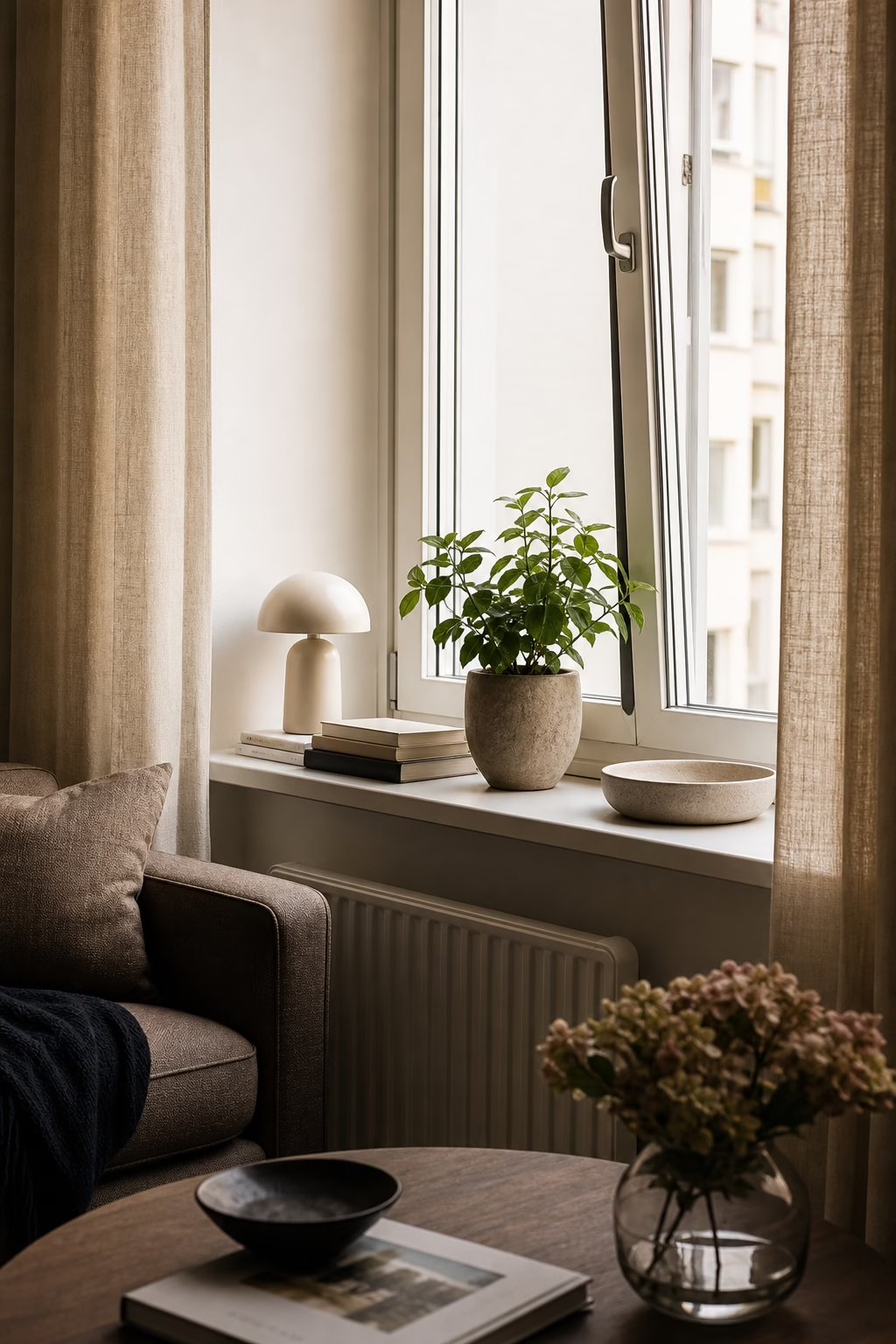
A deep windowsill can become valuable surface area if it is styled with restraint. Use it for a small lamp, healthy plant, a stack of books, or one ceramic bowl depending on depth and sunlight. Avoid lining it with many tiny objects, which quickly looks cluttered from inside and outside. If the sill gets strong sun, choose pieces that will not fade or warp. The detail works because it turns an architectural limitation into a daily ritual. In a small apartment, every ledge matters, but the most successful ones look useful, edited, and easy to clean. Leave space to open windows.
Use One Dark Accent to Add Definition
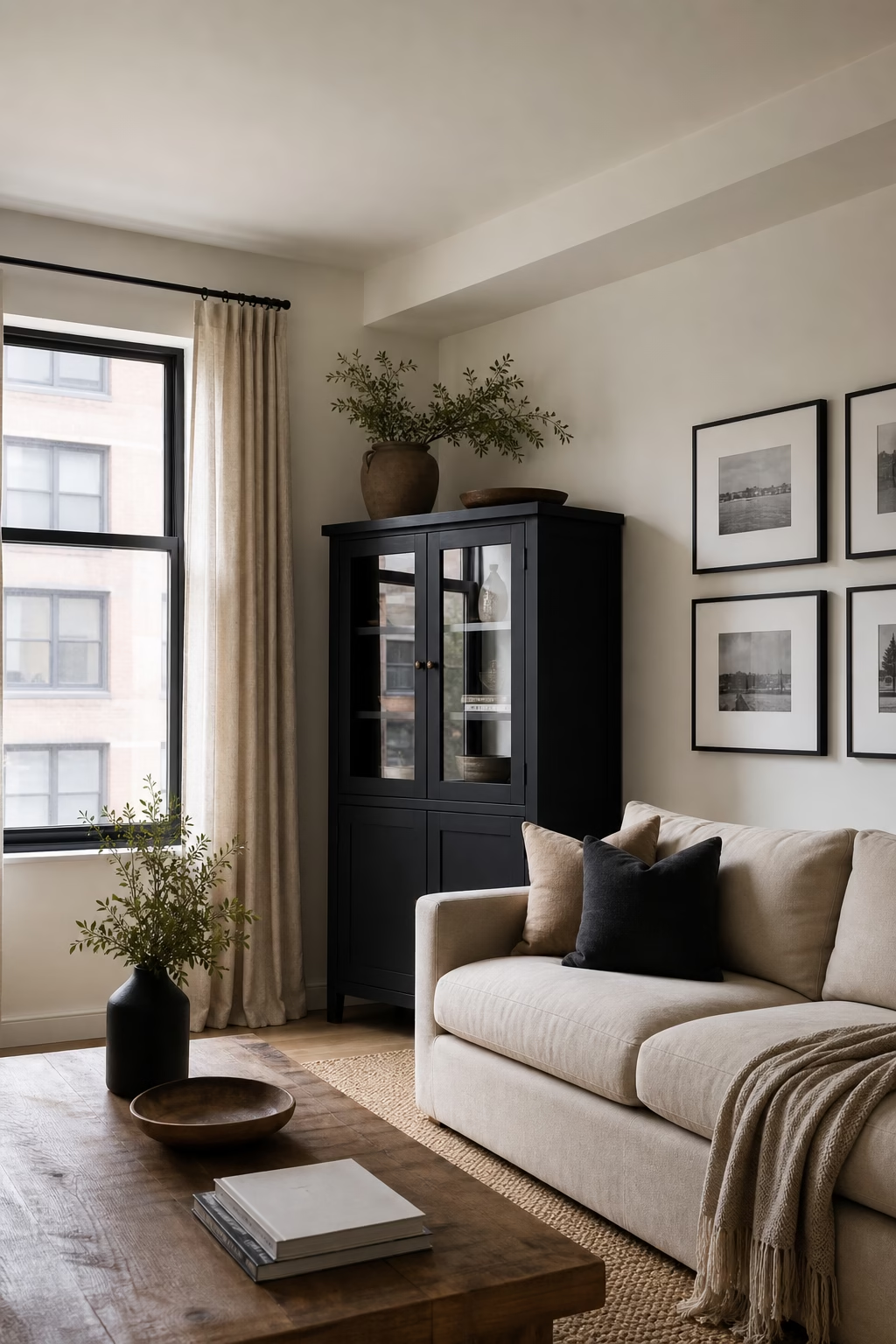
Small living rooms can become visually vague when every piece is pale. One dark accent can add definition without shrinking the space. Try a charcoal cabinet, black metal lamp, deep walnut table, dark picture frames, or an espresso side chair. Repeat the dark tone once or twice in smaller details so it feels intentional. Keep the largest surfaces warm and light if you want the room to stay open. A controlled dark note sharpens the architecture, grounds soft neutrals, and makes the apartment look more finished. The key is restraint: one confident accent is stronger than many scattered dark objects.
Edit Around Daily Rituals
The most successful apartment living rooms are edited around the way people actually spend time. Notice where you drink coffee, read, work, charge devices, watch films, put on shoes, or host friends. Then make those moments easier with a tray, reading lamp, storage basket, compact desk, side table, or entry hook. Remove pieces that only fill space and keep the ones that support a habit. This approach creates style without clutter because every detail has a job. A small room feels larger when it is not fighting daily life, and it feels warmer when the rituals are visible but controlled.
