
The strongest bathroom trends now are less about novelty and more about comfort, longevity, tactile materials, and rooms that work gracefully every day.
Warm Minimalism Is Replacing Sterile White
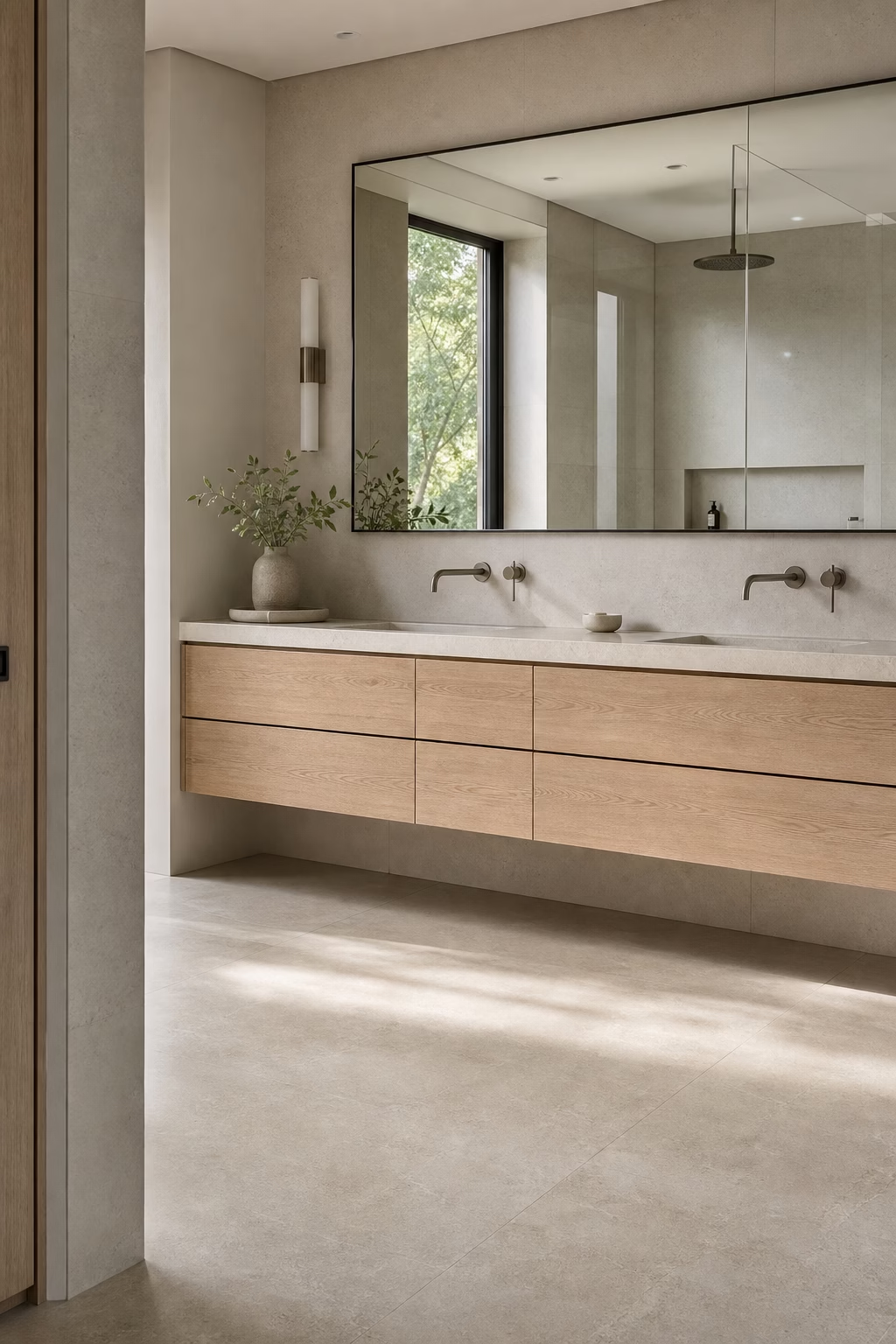
Minimal bathrooms are still desirable, but the mood has shifted away from icy white surfaces and toward warmth, tactility, and quiet comfort. Think warm white plaster, limestone-look porcelain, pale oak, soft greige, and brushed metal instead of glossy white tile everywhere. The trend works because it keeps visual noise low while making the room feel human. To make it functional, avoid stripping the space down so far that storage and towel access suffer. Use hidden drawers, recessed cabinets, and one or two open surfaces for daily objects. The best warm minimal bathroom feels calm at first glance, then proves itself through practical details that are easy to clean and maintain.
Large-Format Tile Creates a Calmer Base
Large-format tile remains a major bathroom trend because it reduces grout lines and gives the room a quieter architectural base. Stone-look porcelain is especially useful in busy bathrooms where natural stone maintenance may not be realistic. The key is planning the layout before installation begins. Align cuts with corners, niches, and drains so the surfaces look intentional rather than patched together. Choose enough texture or slip resistance for floors, especially in wet zones. Large tile is not only about scale; it is about continuity. When the surface flows from floor to shower wall with clean transitions, the bathroom feels more generous and less visually chopped up.

Fluted Glass Adds Privacy Without Weight
Fluted and ribbed glass are appearing in bathrooms because they soften sightlines while still letting light move through the room. A fluted shower panel can blur the wet zone just enough for comfort without creating the heaviness of a solid wall or curtain. Use it where privacy helps, such as a shower beside a vanity or a water closet screen. Keep the frame slim and the surrounding materials restrained so the texture does not compete with patterned tile. This trend works best when the glass is treated as an architectural surface. It brings rhythm, light, and a little privacy while keeping the bathroom open and practical.
Vanities Are Becoming Furniture-Like
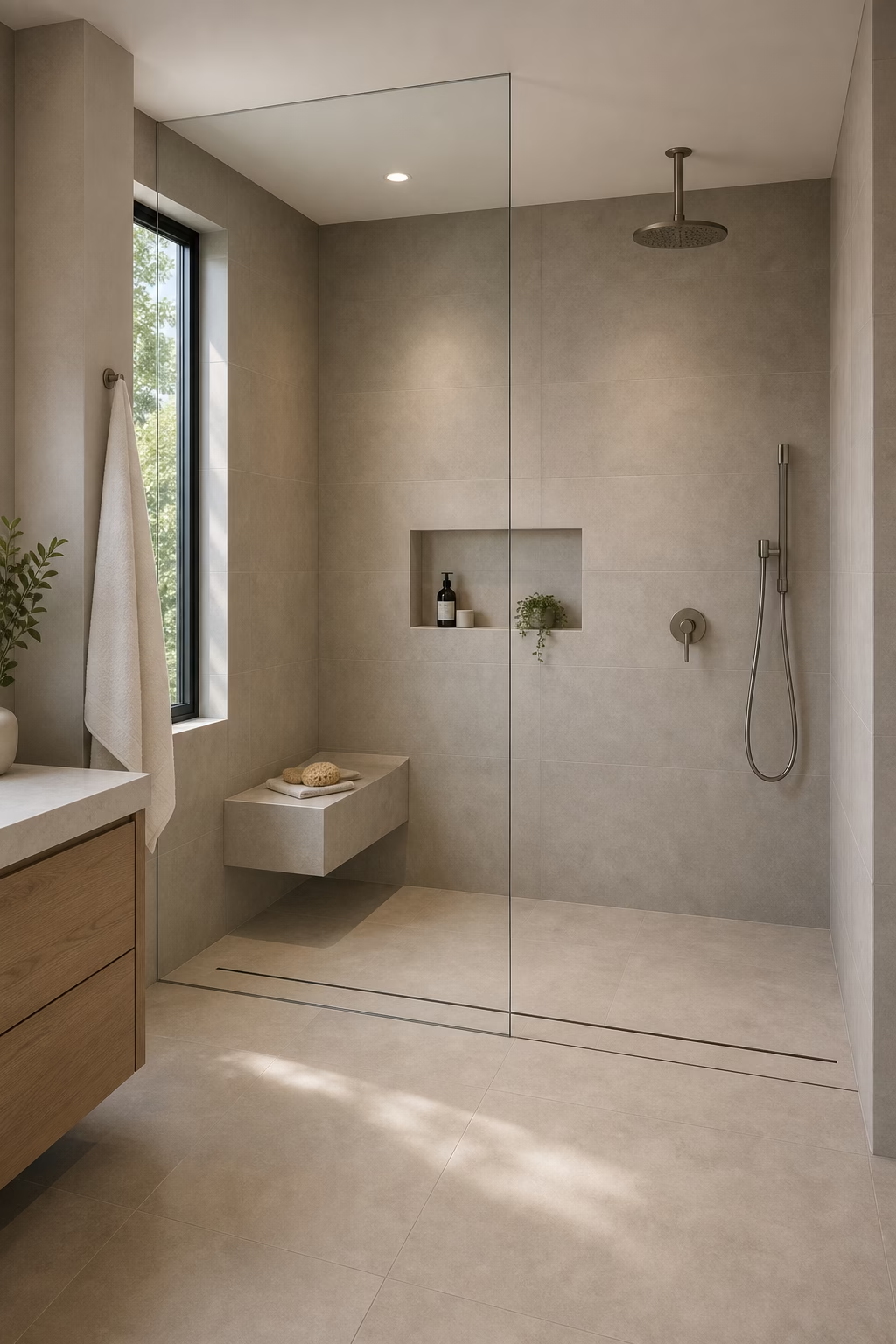
The vanity is moving away from a basic cabinet box and toward a piece that feels closer to furniture. Rounded edges, better drawer proportions, visible legs, reeded fronts, and richer wood tones can all make the sink zone feel designed. Function still has to lead. Deep drawers, internal dividers, integrated outlets, and durable finishes matter more than decorative shape alone. If the bathroom is small, a floating vanity with furniture-level detailing can add character without blocking the floor. In larger rooms, a freestanding vanity can connect the bathroom to the rest of the home. The trend succeeds when storage, scale, and craftsmanship all support the daily routine.
Mixed Metals Need Assigned Roles
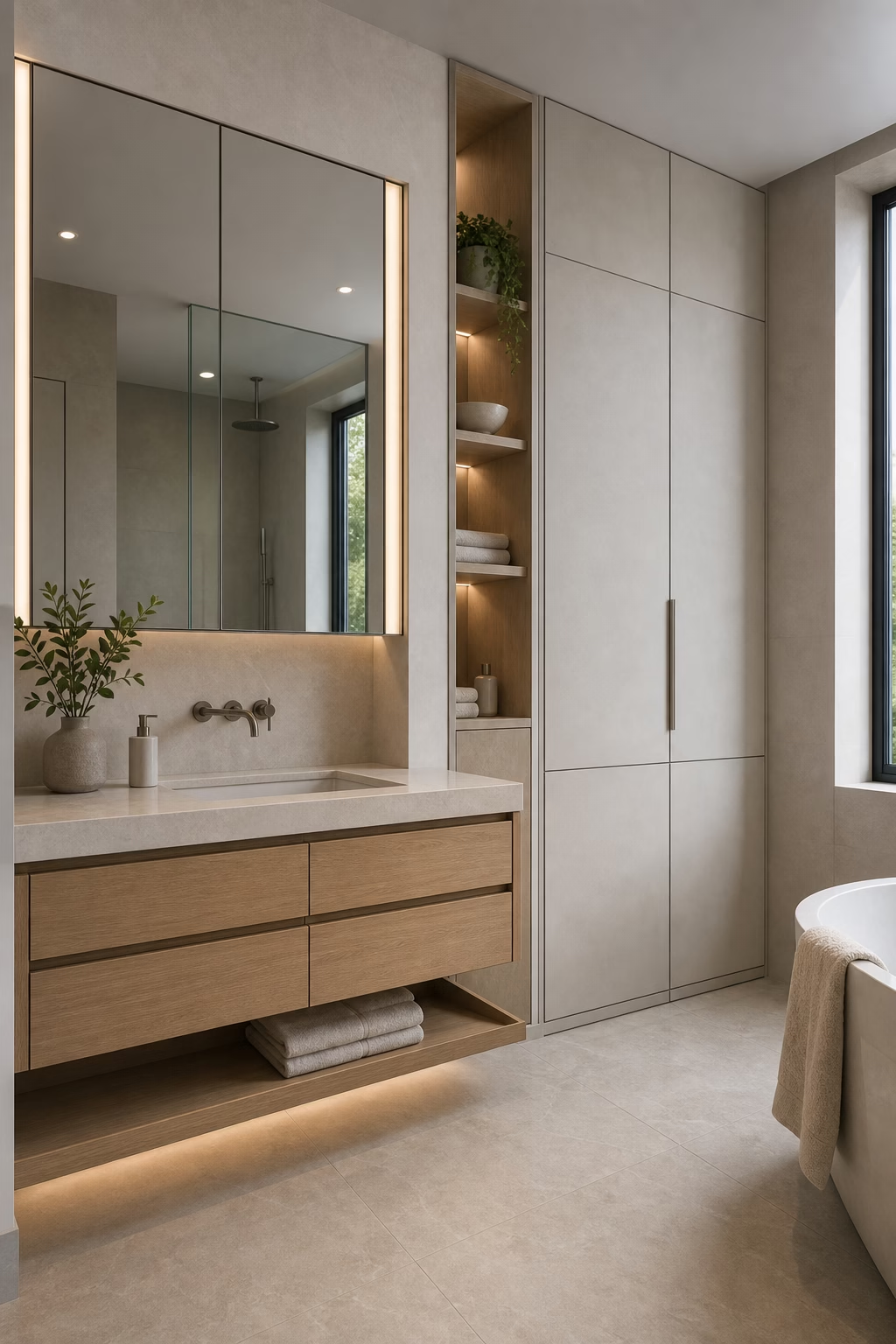
Mixed metals continue to look current, but the most successful bathrooms use them with a clear rule. Assign one finish to plumbing and another to lighting or cabinet hardware, then repeat each finish at least twice. Brushed nickel with aged brass feels warm and livable, while black with brass can look sharper in a high-contrast room. Avoid adding a third finish unless the bathroom is large enough to absorb it. The practical tip is to keep shapes related even when finishes differ. Slim cylindrical sconces, clean faucets, and simple pulls will feel connected. A disciplined metal mix adds depth without turning the vanity wall into a hardware showroom.
Low-Curb Showers Are the New Luxury
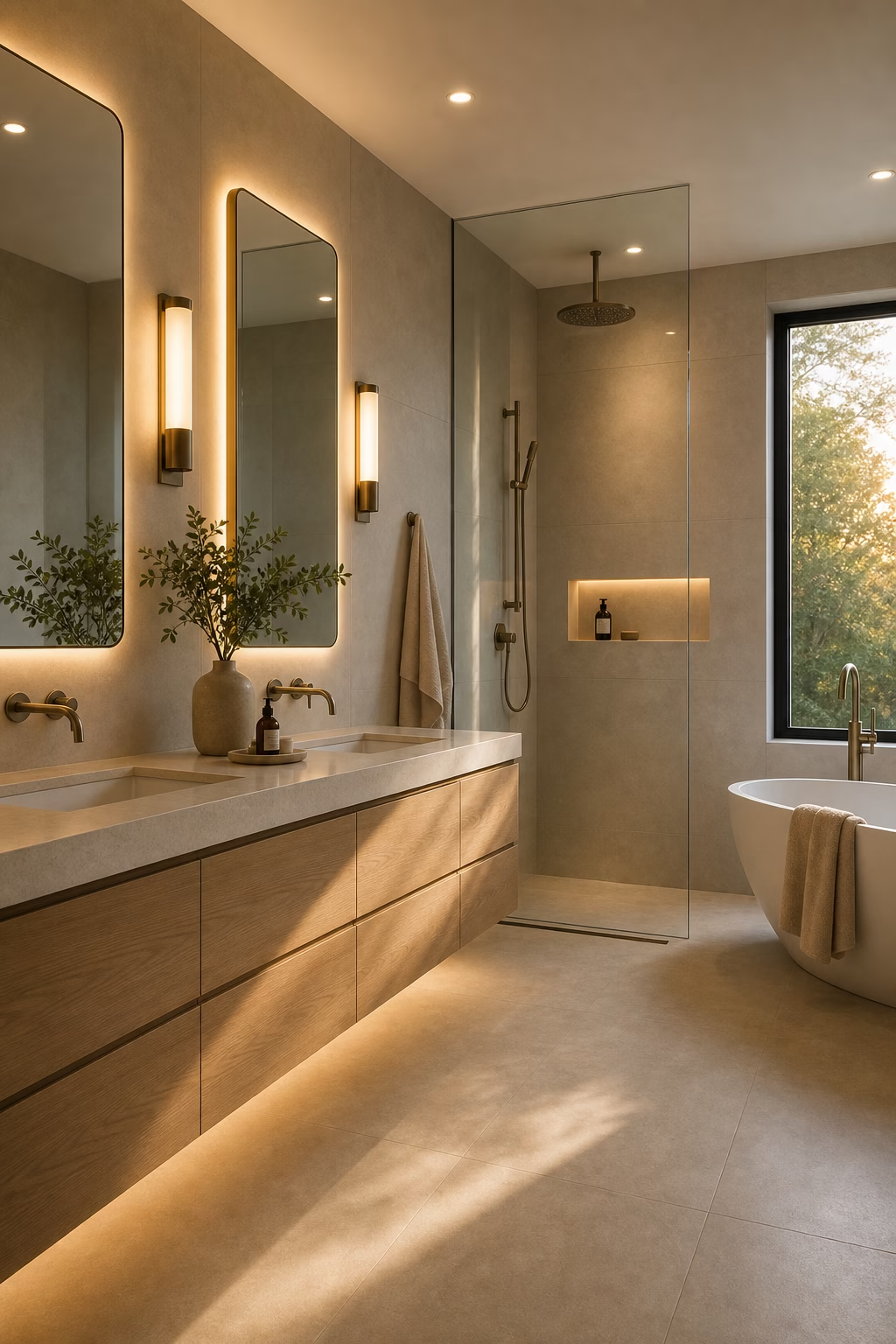
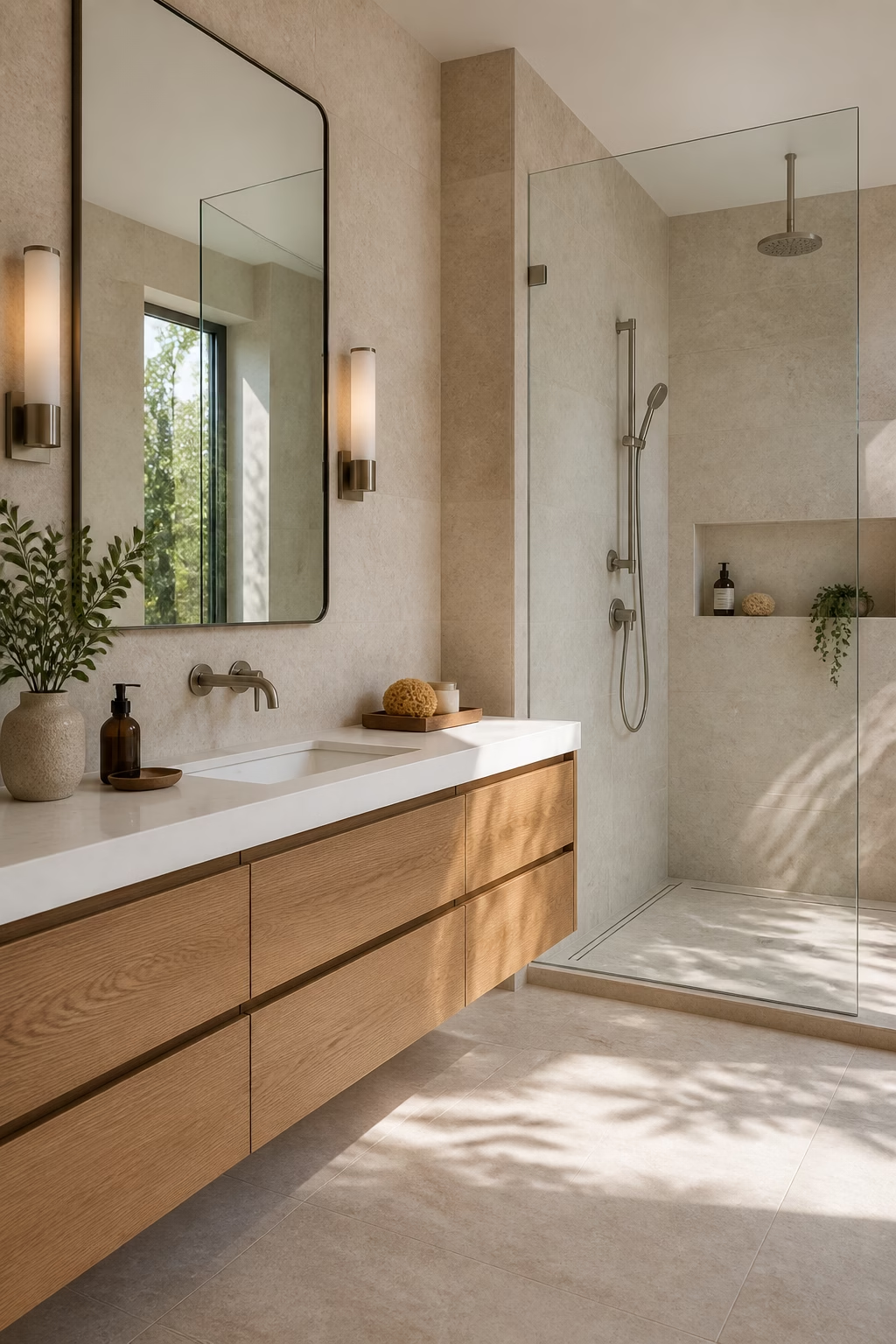
Showers are trending lower, cleaner, and more accessible. A low curb or curbless entry creates a longer floor line, which makes the bathroom feel larger and more refined. The look is simple, but the construction is technical. Proper slope, waterproofing, drain placement, and tile grip are essential. This is not a detail to improvise late in the project. Pair the low threshold with a fixed glass panel, a linear drain, and a recessed niche so the shower feels architectural rather than exposed. The functional benefit is real: easier entry, easier cleaning, and a calmer transition between dry and wet zones.
Arched Mirrors Soften Hard Surfaces
Arched mirrors remain popular because bathrooms contain so many rectangles: tile, vanities, shower glass, drawers, and doors. A soft arch above the sink breaks that geometry without adding clutter. The mirror still needs to be scaled to the vanity, not simply chosen for trend value. Two narrow arches can suit a double vanity, while one broad arch can make a small powder room feel more generous. Keep the frame thin in metal or wood so the shape reads cleanly. The functional tip is to check lighting placement before ordering. Sconces need enough side clearance, and a backlit arch should provide even, warm illumination.
Stone-Look Porcelain Is Getting More Convincing
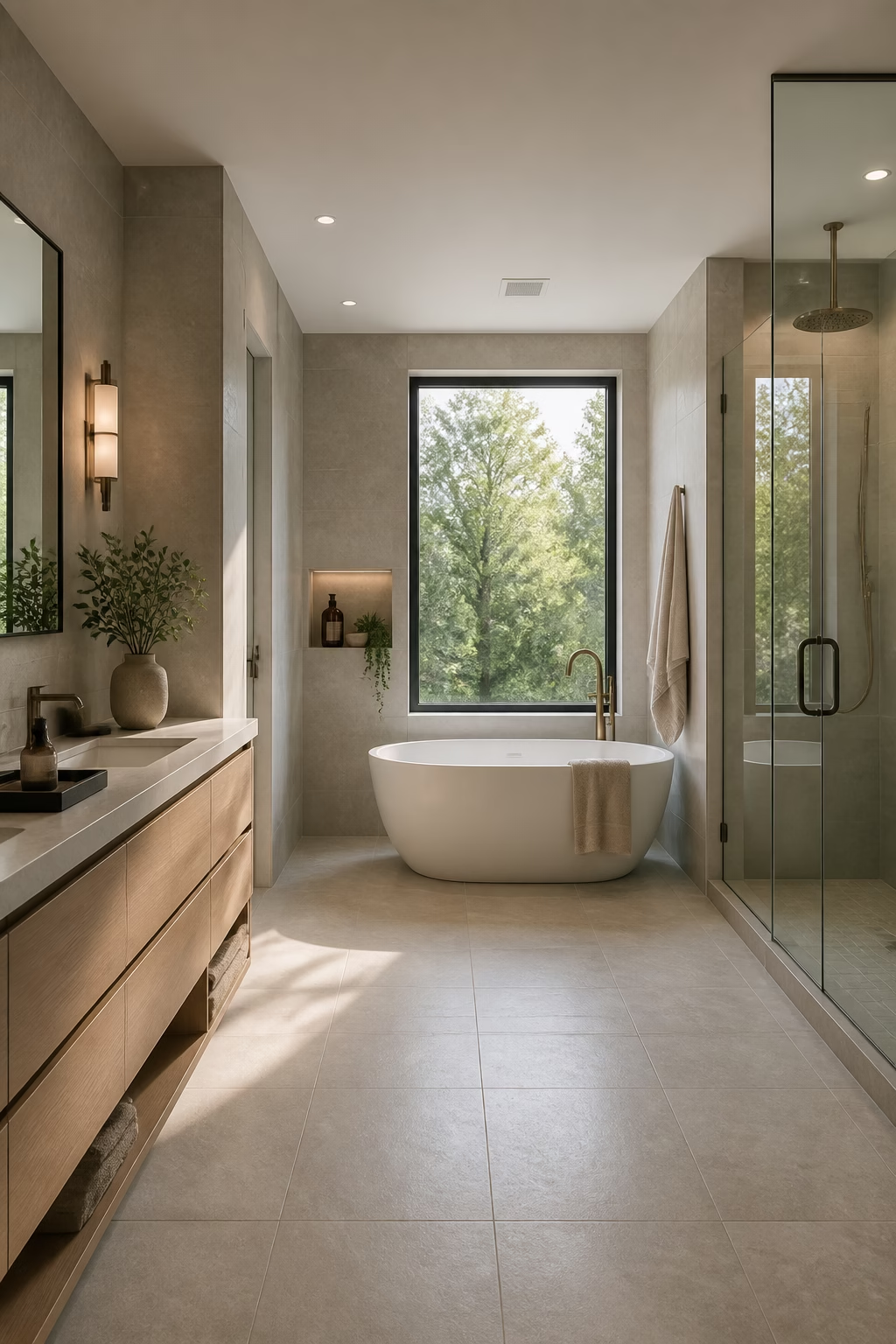
Natural stone will always have appeal, but modern stone-look porcelain has become a practical favorite for bathrooms that need durability. The best versions have soft movement, believable veining, matte or honed finishes, and fewer obvious pattern repeats. Use porcelain where water, cleaning products, and family use would make real marble or limestone stressful. To keep it high-end, choose rectified edges, plan the layout carefully, and avoid overly dramatic printed veining that looks artificial at scale. Pair the surface with real wood, quality metal, and good lighting so it does not feel flat. This trend gives you the atmosphere of stone with less daily worry.

Integrated Niches Are Replacing Shower Caddies
The trend toward cleaner showers has made built-in niches and ledges almost essential. A niche should be sized around real bottles, aligned with the tile layout, and placed where it is useful without being the first thing seen from the doorway. Long horizontal niches feel calm with large-format tile, while vertical niches can work in tighter stud bays. A stone shelf can add subtle contrast, but the waterproofing and drainage slope are more important than the styling. This is one of those details that looks luxurious because it removes visual clutter. The shower feels more functional when daily products have a deliberate, durable place to land.

Layered Lighting Is Becoming Nonnegotiable
Bathrooms now need lighting that works for grooming, cleaning, and winding down. The trend is moving toward layered circuits rather than one bright ceiling fixture. Use face-level sconces or a well-designed backlit mirror for task light, ceiling fixtures for general visibility, and subtle accent light in a niche, under a vanity, or near a tub when appropriate. Warm dimmable bulbs are critical because cool light can make stone and skin look harsh. Separate switches make the room more flexible. Good lighting also supports safety, especially at night. A stylish bathroom should be able to look crisp in the morning and quiet in the evening.

Color Is Moving Onto Cabinetry
Colorful bathrooms are returning, but the most livable version often keeps permanent tile calm and brings color through cabinetry. A smoky blue vanity, muted sage linen tower, clay-toned cabinet, or deep green drawer front can make the room memorable without locking every surface into a trend. Pair the color with neutral stone, warm wood, and controlled metal finishes. This approach is functional because cabinetry can be repainted more easily than tile can be replaced. Use color where it has a clean boundary, then repeat it once in towels, art, or a small accessory. The bathroom gains personality while remaining flexible for future updates.

Earthy Palettes Feel Calm and Current
Earthy bathroom palettes are popular because they feel restful without becoming bland. Clay, mushroom, sand, olive, warm grey, oat, bone, and soft terracotta all bring color in a grounded way. The practical challenge is undertone control. Test samples beside tile, counters, wood, and lighting before committing, because a beautiful beige can turn yellow or pink in the wrong room. Use one grounding tone, one pale support color, and one material with natural texture. This keeps the palette layered but not muddy. Earthy colors work especially well with matte finishes, brushed metal, and natural textiles, creating a bathroom that feels current while still easy to live with.

Mirrored Storage Is Getting Smarter
Recessed medicine cabinets and mirrored storage are being designed with far more care than the bulky cabinets of the past. Look for clean frames, finished interiors, adjustable shelves, integrated outlets, and soft internal lighting. In small bathrooms, this trend is especially useful because it hides daily essentials without sacrificing mirror scale. The cabinet should align with the vanity and open comfortably around sconces or side walls. If recessing is not possible, choose the thinnest profile and treat it as part of the wall design. Smart mirrored storage protects the calm surfaces people want while keeping toothbrushes, skincare, and medicines close at hand.

Heated Details Are Part of the Design
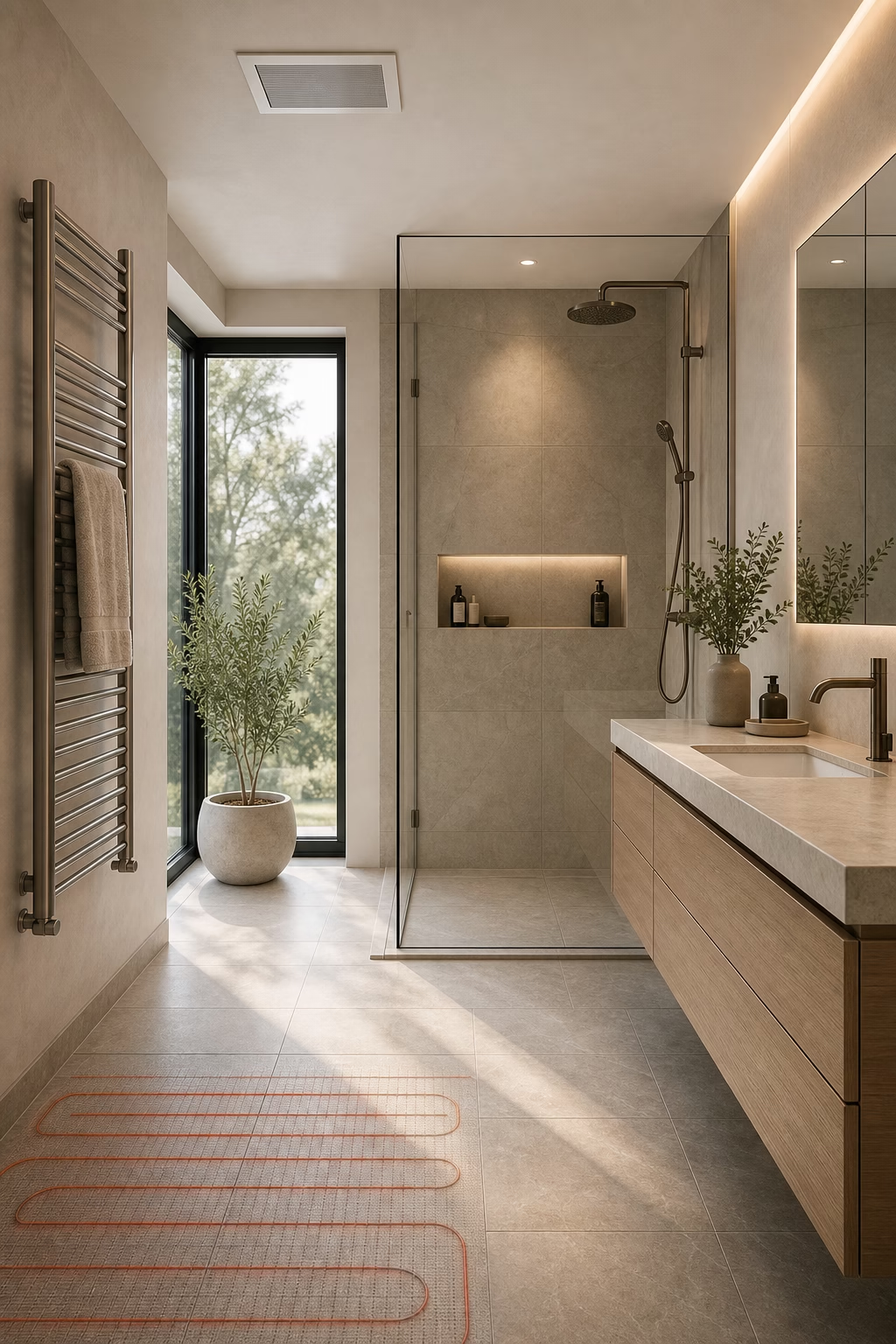
Comfort upgrades are becoming design decisions, not hidden extras. Heated floors make tile more pleasant underfoot, while slim heated towel rails help towels dry faster and keep walls useful. These features are especially valuable in bathrooms with large porcelain floors, limited ventilation, or colder climates. Plan them early so controls, wiring, and tile cuts land cleanly. The visible elements should match the rest of the hardware rather than looking like afterthoughts. A heated towel rail in dark bronze, brass, or brushed nickel can be both practical and elegant. This trend is really about everyday luxury: the room feels better before anyone notices why.
Ventilation Is Finally Being Designed Quietly
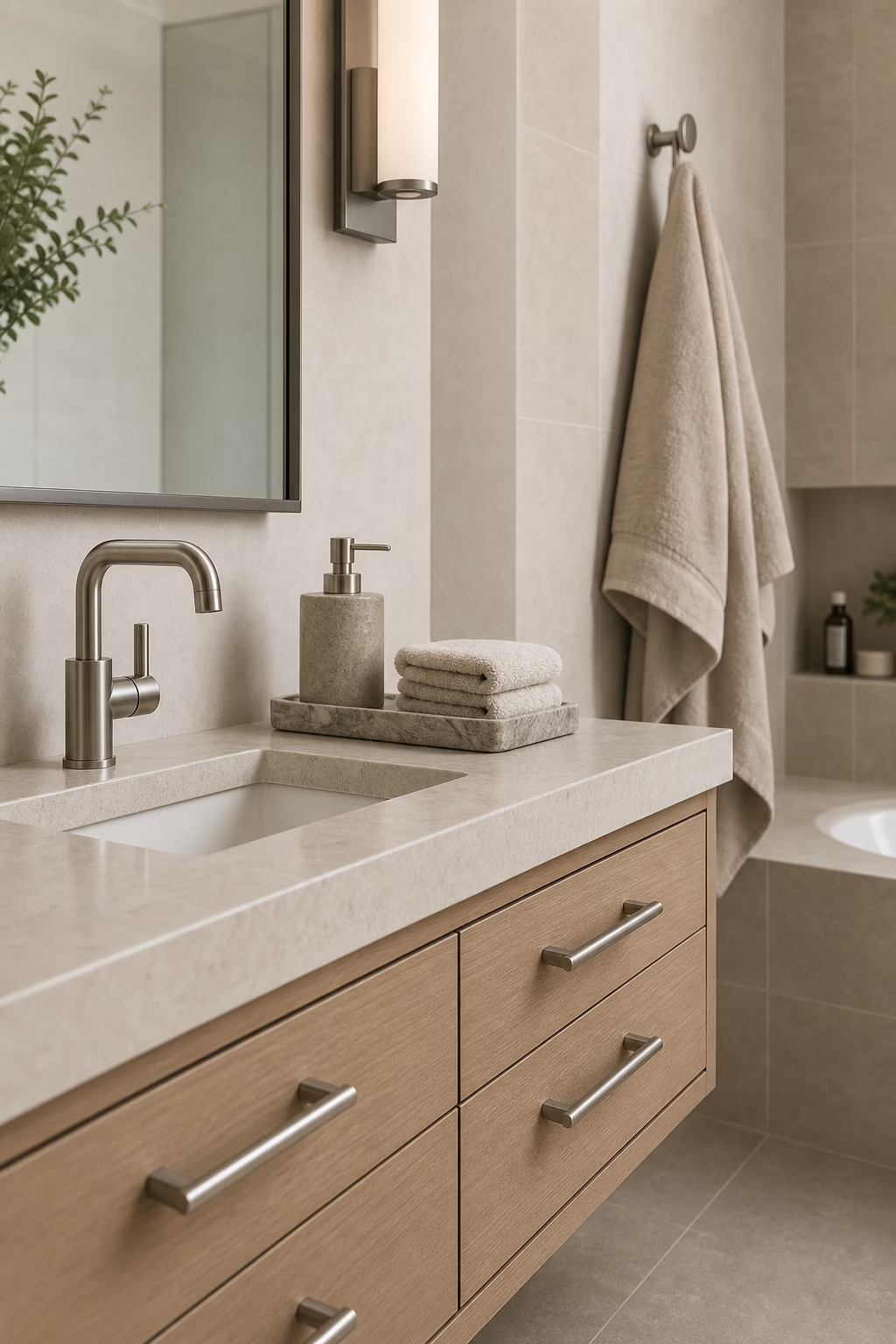
A beautiful bathroom fails quickly if moisture is not handled well. The better trend is toward quiet, properly sized ventilation that blends into the ceiling or wall rather than calling attention to itself. Choose a fan based on room size and shower use, and place it where steam actually gathers. Timer switches and humidity sensors make the system easier to use consistently. This matters for paint, cabinetry, wallpaper, towels, and grout. A discreet grille near the shower can protect the entire investment. Good ventilation is not glamorous, but it allows more decorative choices to survive. The most functional bathrooms dry efficiently without sounding like a utility closet.
Wallpaper Belongs in the Right Zone
Wallpaper is returning to bathrooms, especially powder rooms and dry vanity areas, but placement matters. Keep it away from heavy splash zones unless the product and ventilation can handle humidity. Grasscloth, botanical prints, painterly patterns, and subtle geometrics can all add depth when paired with simple tile and restrained hardware. In a full bath, wallpaper often works best above wainscoting, behind a vanity, or on a single dry wall. Use professional installation and sealed edges for a crisp result. The trend is not about covering every surface. It is about adding atmosphere where tile would feel too hard and paint would feel too plain.
Slab Backsplashes Make Vanities Feel Custom
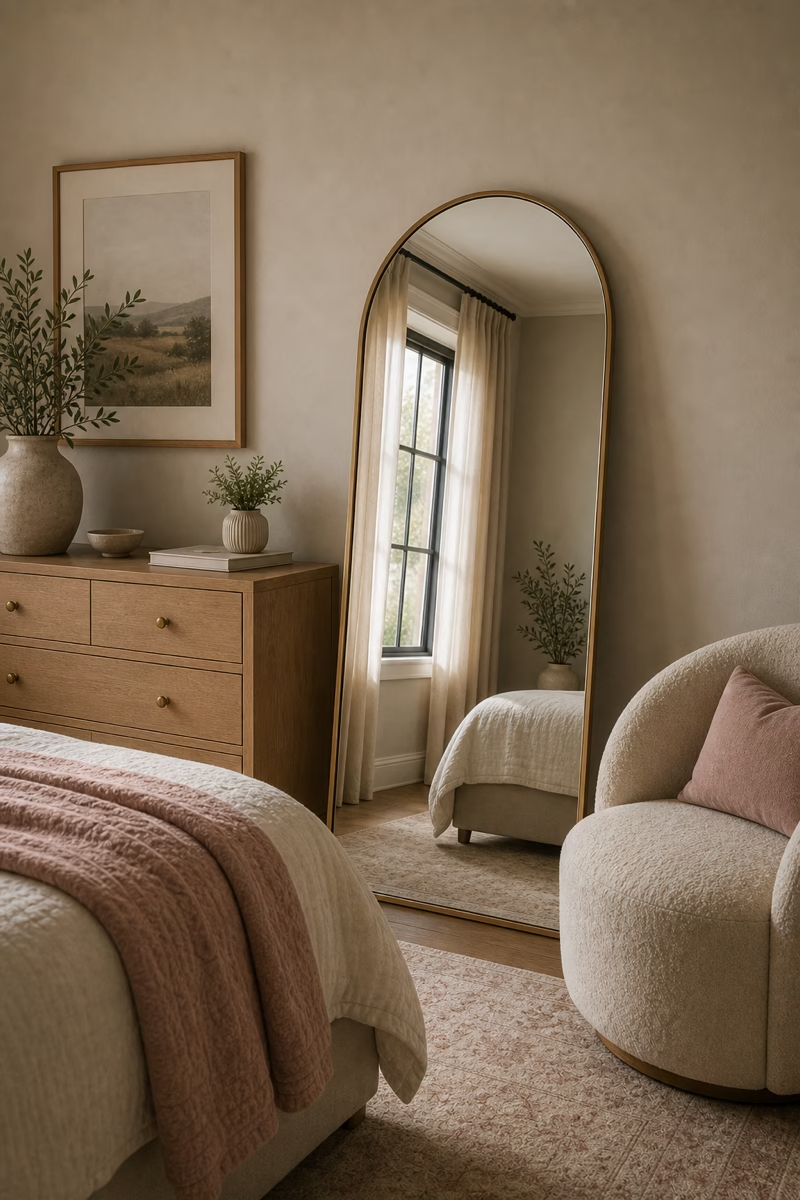
A slab or slab-look backsplash behind the vanity gives the sink zone a cleaner, more tailored presence. It can be real stone, quartz, solid surface, or porcelain, depending on budget and maintenance needs. The practical benefit is fewer grout lines near water and soap. Take the backsplash high enough to feel intentional, not like a narrow strip left from an old counter. Pair it with wall-mounted faucets only if the plumbing is planned correctly and the spout reaches the sink comfortably. This trend works in both small and large bathrooms because it turns the vanity wall into a composed surface that is easier to wipe down.
Shower Benches Need Real Proportions
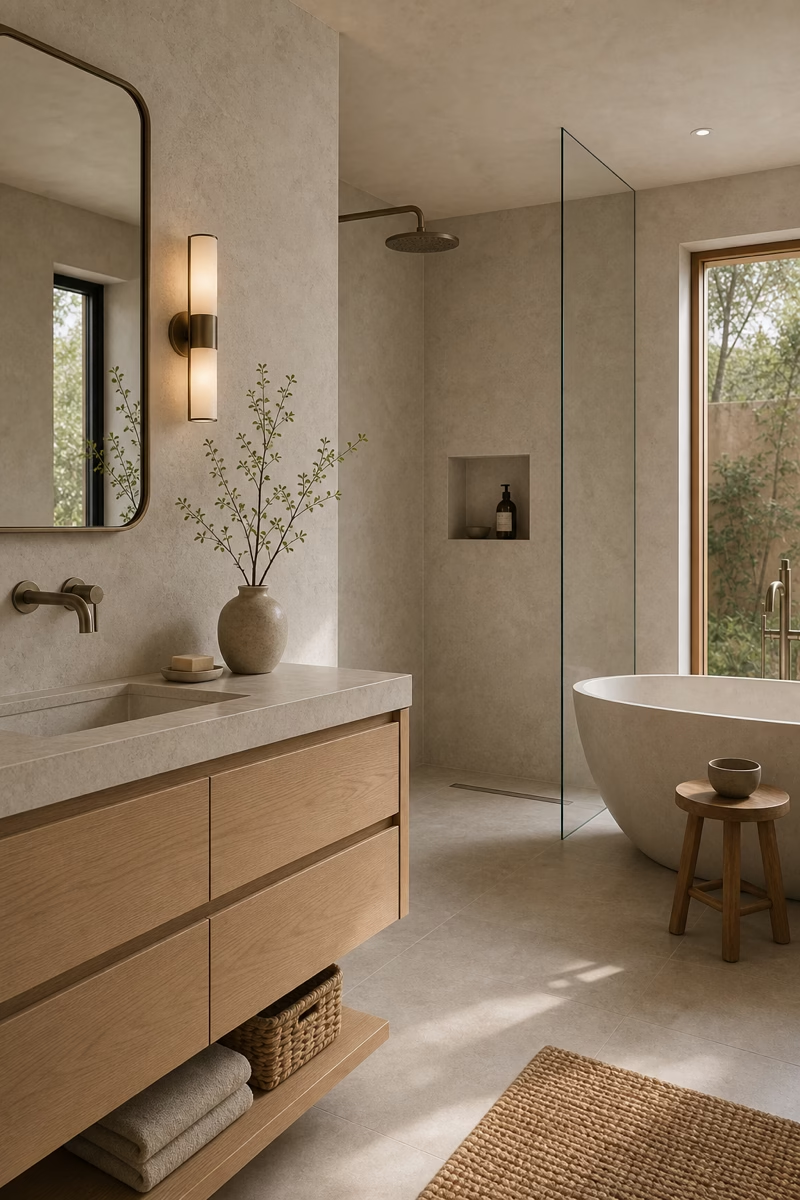
Shower benches are trending because they add comfort, but many fail because they are too shallow, poorly placed, or treated as decoration. A useful bench should be wide enough to sit on, sloped slightly for drainage, and located so it does not block entry. It should relate to the handheld fixture, niche, and shower head. Built-in stone or tile benches feel architectural, while teak benches can work when flexibility matters. The tip is to design the shower around actual use, not a staged photograph. A well-proportioned bench supports shaving, bathing, resting, and storage without turning the shower into an obstacle course.
Natural Wood Needs Bathroom Logic
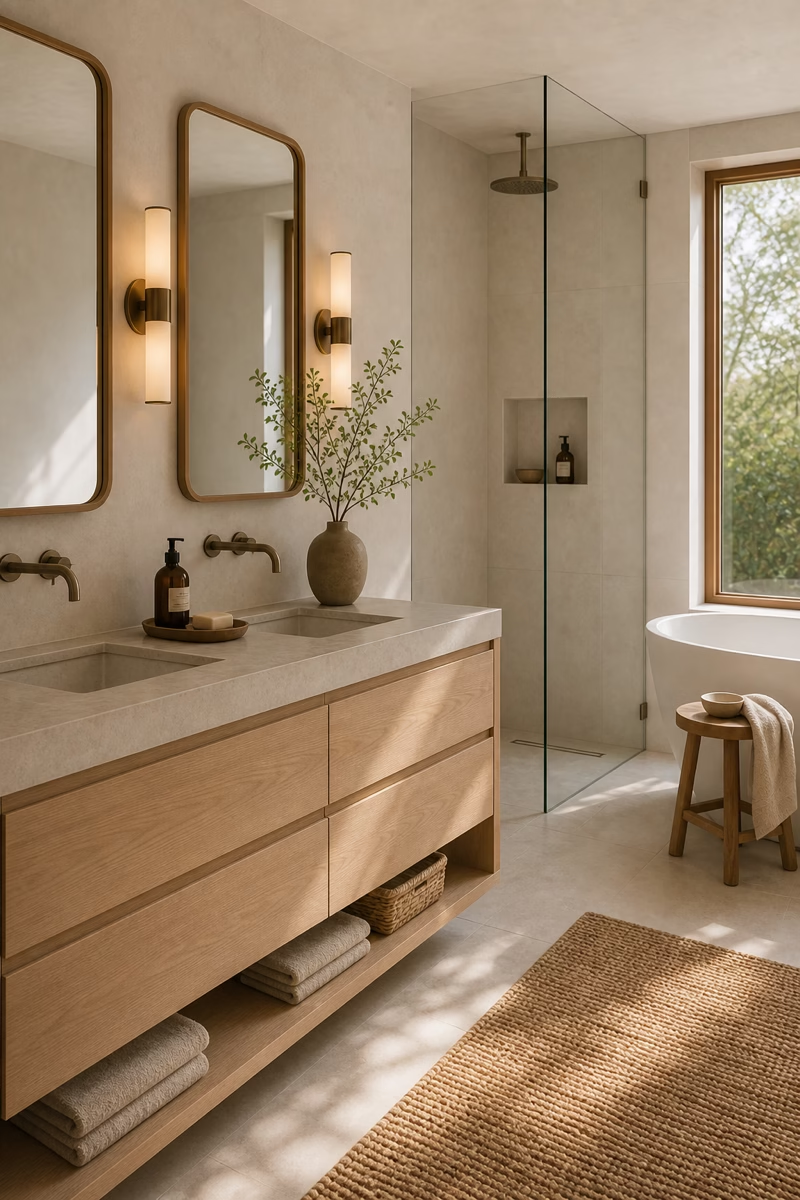
Wood is one of the strongest bathroom trends because it softens tile, stone, and glass. The functional tip is to use it where it can survive. Vanities, shelves, mirror frames, stools, and linen cabinets are usually safer than untreated wood inside a wet shower. Choose sealed oak, walnut, teak, or ash with a finish appropriate for humidity. Repeat the wood tone in two places so it feels integrated. If the room is small, pale wood keeps the palette airy; darker walnut can anchor a larger bath. Wood should bring warmth without becoming rustic by default. Clean lines and proper sealing keep the trend sophisticated.

Hardware Is Becoming More Sculptural
Bathroom hardware is getting more expressive, but the best versions remain easy to use. Knurled pulls, softly rounded knobs, slim lever handles, and sculptural towel hooks can add character without overwhelming the room. Choose hardware that feels good in the hand and can be cleaned easily. Very ornate pieces may collect residue or date quickly, especially in a small bathroom. Repeat the shape language across cabinet pulls, hooks, and lighting for a more resolved look. This trend is ideal for affordable updates because hardware changes the touch points people notice every day. The design should feel elevated, not delicate or fussy.

Accessible Details Are Looking More Elegant
Accessibility is becoming part of high-end bathroom design rather than a clinical afterthought. Wider clearances, low thresholds, handheld showers, sturdy blocking for future grab bars, lever handles, and comfortable bench placement can all be designed beautifully. The key is to plan these features before finishes are selected. Grab bars now come in finishes that match plumbing, and curbless showers can look sleek when drainage is handled correctly. Even if the bathroom does not need every feature today, adaptable design protects the investment. A stylish, functional bathroom should support different ages, bodies, and routines without making the room feel institutional later.

Laundry Storage Is Being Hidden Better
Bathrooms that share laundry or linen storage are becoming more thoughtfully integrated. Instead of exposed hampers and cleaning supplies, designers are using tall cabinets, vented doors, pull-out hampers, appliance niches, and counters that match the vanity. The trend works because it acknowledges real household routines while keeping the room calm. In a compact bathroom, a narrow linen tower can hold towels and products without spreading clutter across open shelves. In a larger family bath, a stacked laundry niche can disappear behind paneled doors. Match hardware and wood tones so the storage feels built in. Function improves when the practical work of the room has a proper place.
Decor Is Being Edited Down
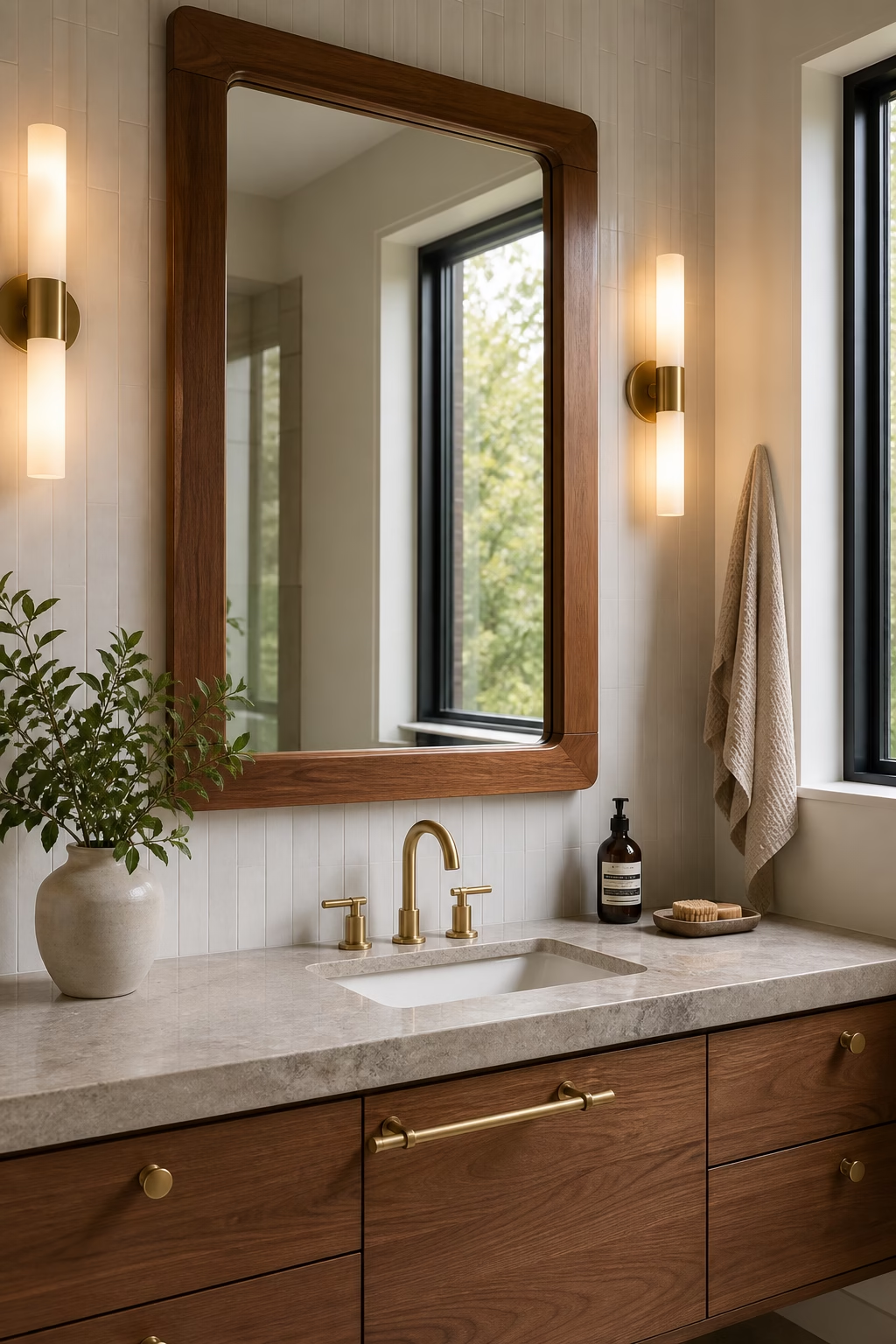
The most stylish bathrooms now look less staged and more deliberately edited. Instead of filling shelves with small objects, choose a few useful pieces with strong material quality: a stone tray, ceramic soap pump, folded hand towel, small branch arrangement, or one moisture-safe artwork. Hide branded packaging and leave open space around the sink. This trend supports function because clear surfaces are easier to clean and more pleasant to use. The room feels more expensive when the materials, light, and proportions carry the design. Decor should soften the bathroom, not compete with it. Edit until every visible object either serves the routine or improves the texture.
