
The best bathroom ideas start with proportion, comfort, and materials that suit both the budget and the way the room is used.
Refresh the Vanity Before Replacing It
A full vanity replacement is not always the smartest first move. If the cabinet is solid and the layout works, paint can give it a new point of view for far less money. Choose a color that complements the floor and counter, then update the hardware so the finish feels current. Soft green, mushroom, navy, charcoal, and warm white can all look tailored when paired with clean pulls. If the countertop is dated but the base is good, consider a new stone or quartz top instead of replacing everything. This approach keeps the budget focused while making the sink wall feel newly considered.
Choose a Modern Mirror for an Instant Shift
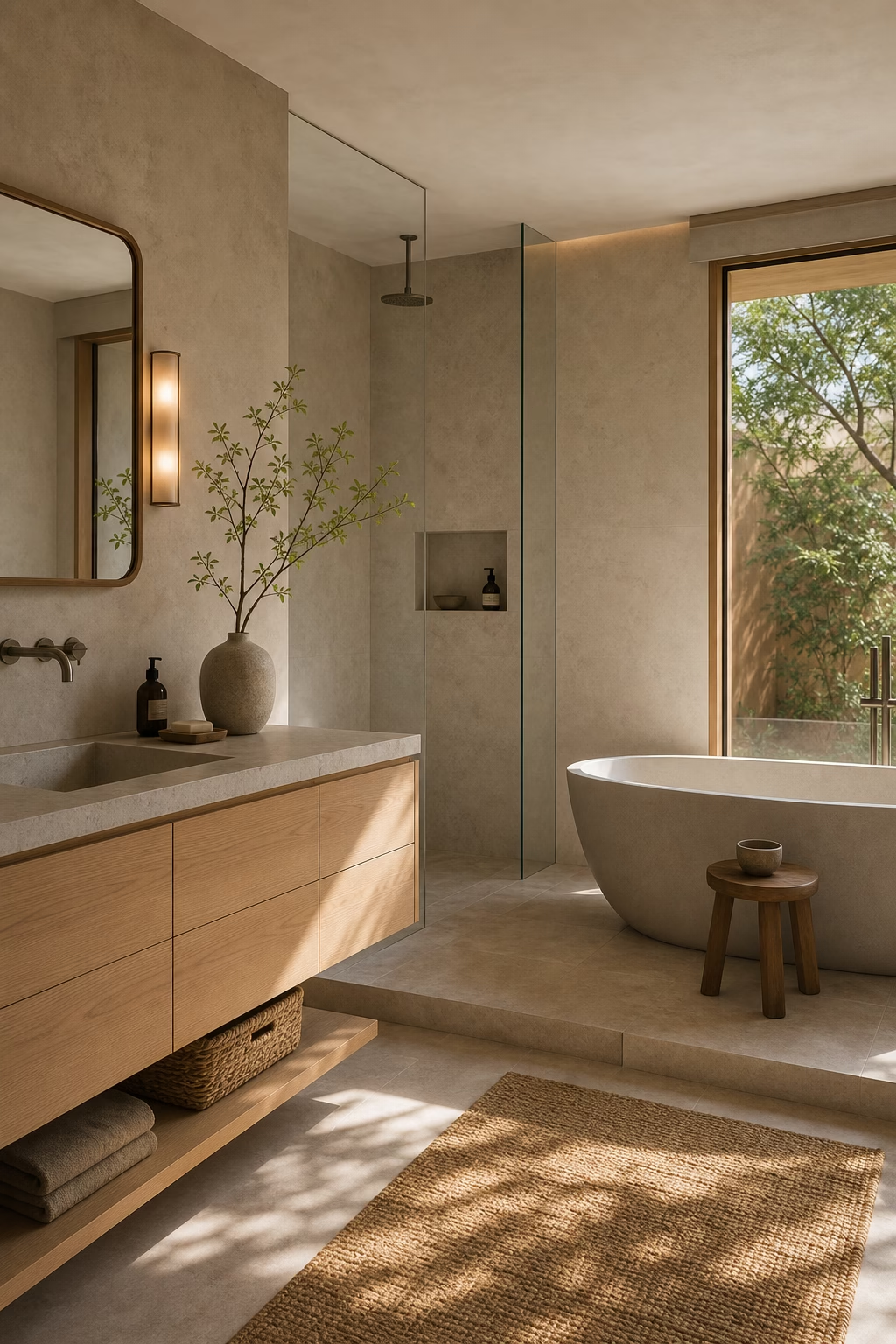
A mirror swap can change the style of a bathroom in an afternoon. For a modern look, choose a simple round, arched, or slim rectangular mirror with a clean frame. For a more classic room, try aged brass, walnut, or painted wood. The new mirror should be proportionate to the vanity, not just the largest size that fits. If storage is tight, a mirrored cabinet with a refined frame can solve two problems at once. Pair the mirror with better lighting and the room feels intentionally updated. It is a relatively small purchase with a large visual return. Scale makes the upgrade feel custom.
Use Peel-and-Stick Carefully in Low-Risk Areas
Budget materials can be useful when they are used honestly and in the right place. Peel-and-stick tile or wallpaper works best in powder rooms, vanity backsplashes, or dry zones that do not face constant steam. Keep the pattern refined and the installation precise, because misaligned seams quickly reveal the shortcut. This is a good way to test color, pattern, or texture before committing to permanent materials. Avoid using it inside showers or on floors that get soaked unless the product is specifically rated for that use. Treated with restraint, temporary finishes can deliver a stylish refresh without pretending to be a full remodel.

Go Spa-Like With Better Light and Texture
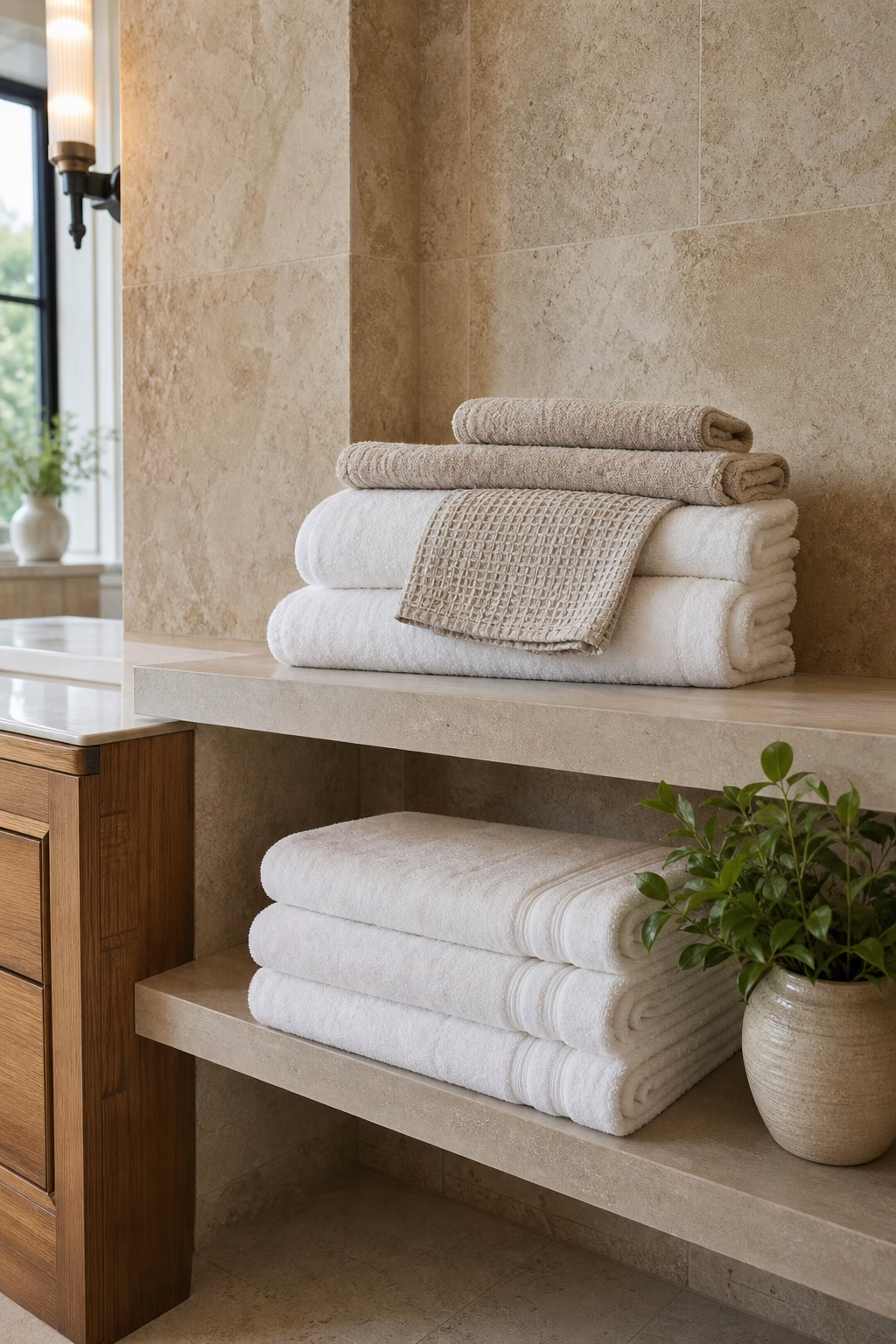
A spa feeling does not require a giant bathroom. It comes from controlled light, soft texture, and fewer visual interruptions. Replace harsh bulbs with warm, dimmable light, add substantial towels, and bring in natural materials through a stool, tray, or bath mat. Keep the palette quiet: warm white, stone, pale wood, oatmeal, and soft grey. If the budget allows, upgrade the shower head to a more generous model and add a handheld fixture for practicality. The room should feel calm, but not empty. A few tactile choices can make an ordinary bathroom feel more restorative every day. Comfort is the real visual cue.

Let Vintage Details Anchor Character
Vintage inspiration works best when one or two elements lead the room. A skirted sink, antique mirror, unlacquered brass faucet, checkerboard floor, or small framed artwork can bring age and charm without making the bathroom feel themed. Balance the old pieces with clean plumbing, good storage, and fresh paint so the room still functions well. If the budget is limited, start with a mirror or lighting rather than difficult plumbing changes. The goal is a bathroom that feels collected over time. Vintage character is strongest when it has space around it and the practical parts are quietly updated. Fresh grout helps too.

Make Small Bathrooms Feel Taller
In a small bathroom, height can be as valuable as floor area. Hang the shower curtain close to the ceiling, choose a tall mirror, run tile or paint color upward, and keep shelves narrow rather than bulky. Vertical lines draw the eye up and make the room feel more generous. A floating vanity can also reveal more floor, but only if it still offers enough storage. Avoid chopping the walls with too many contrasting bands. A continuous color or material from floor to ceiling often feels calmer. These are modest changes, yet they can make a tight bathroom feel far more graceful.

Invest in Tile Where It Matters Most
Tile can consume a renovation budget quickly, so use the best material where it will be seen and touched most. A beautiful vanity wall, shower surround, or floor can carry the room, while simpler field tile handles secondary areas. Mixing tile price points is not a compromise when the layout is thoughtful. Keep colors related and vary scale rather than introducing too many patterns. For example, a stone-look porcelain floor with handmade-look shower tile can feel layered without becoming expensive everywhere. Good grout color and clean edge details matter as much as the tile itself. Strategic tile spending creates a richer result.

Try a Dark Powder Room for Drama
A powder room can handle more drama than a primary bath because it is used briefly and does not need the same grooming light. Deep green, aubergine, charcoal, navy, or chocolate walls can make a tiny space feel enveloping rather than cramped. Pair the color with a crisp sink, good mirror, and warm metal so the room still has contrast. Keep the ceiling, trim, or art intentional instead of defaulting to white without thought. This is a high-impact idea that can be achieved with paint, lighting, and a few accessories. In a small room, confidence often costs less than square footage.

Create Storage That Does Not Crowd the Room
Bathroom storage should support the room without making it feel smaller. Recessed medicine cabinets, shallow wall shelves, vanity drawers, over-toilet cabinets with simple lines, and narrow linen towers all work when scaled carefully. Avoid bulky units that project into circulation or block light. If the budget is tight, even drawer organizers and matching bins can make existing storage work harder. The best storage disappears into the architecture or repeats the vanity finish. Keep the most-used items close to the sink and hide backstock elsewhere. A bathroom feels more stylish when the routine has a place to go. That order reads as calm.

Use Black Accents Without Making a Theme
Black accents can sharpen almost any bathroom style, but they should be used as punctuation. A black mirror frame, shower trim, faucet, or towel hook can add definition against pale tile. Repeat the finish two or three times so it feels intentional, then let the rest of the palette stay warm. Too much black can make a small bathroom feel graphic in a way that tires quickly. Balance it with wood, stone, linen, or soft wall color. This idea works across budgets because even a small hardware change can give the room clearer edges and a more current look. Restraint keeps it elegant.

Make a Rental Bathroom Feel Less Temporary
Rental bathrooms can still feel personal with changes that do not damage the room. Add a better shower curtain, freestanding storage, a framed mirror if allowed, plug-in lighting where safe, a washable rug, and countertop accessories that hide generic finishes. Use tension rods, adhesive hooks rated for humidity, and trays to organize daily items. Keep a consistent palette so the removable pieces feel like a design decision. If the vanity is plain, towels and art can carry the style. The point is to create order and softness without fighting the limitations. A rental bath can feel finished even when the fixtures stay put.

Add Warm Wood to Cool Tile
Cool tile can feel clean but sometimes sterile. Wood introduces warmth quickly, whether through a vanity, mirror frame, stool, shelf, or small accessories. In wet rooms, choose sealed or moisture-aware pieces and keep them out of direct splash when possible. Pale oak lightens a modern bathroom, walnut adds depth, and teak brings a relaxed spa note. The wood does not need to dominate the room; even a single stool or framed mirror can soften white tile. Pair it with warm bulbs and textured towels for the best effect. This is a reliable idea for modern, coastal, organic, and transitional spaces.
Choose One Statement Surface
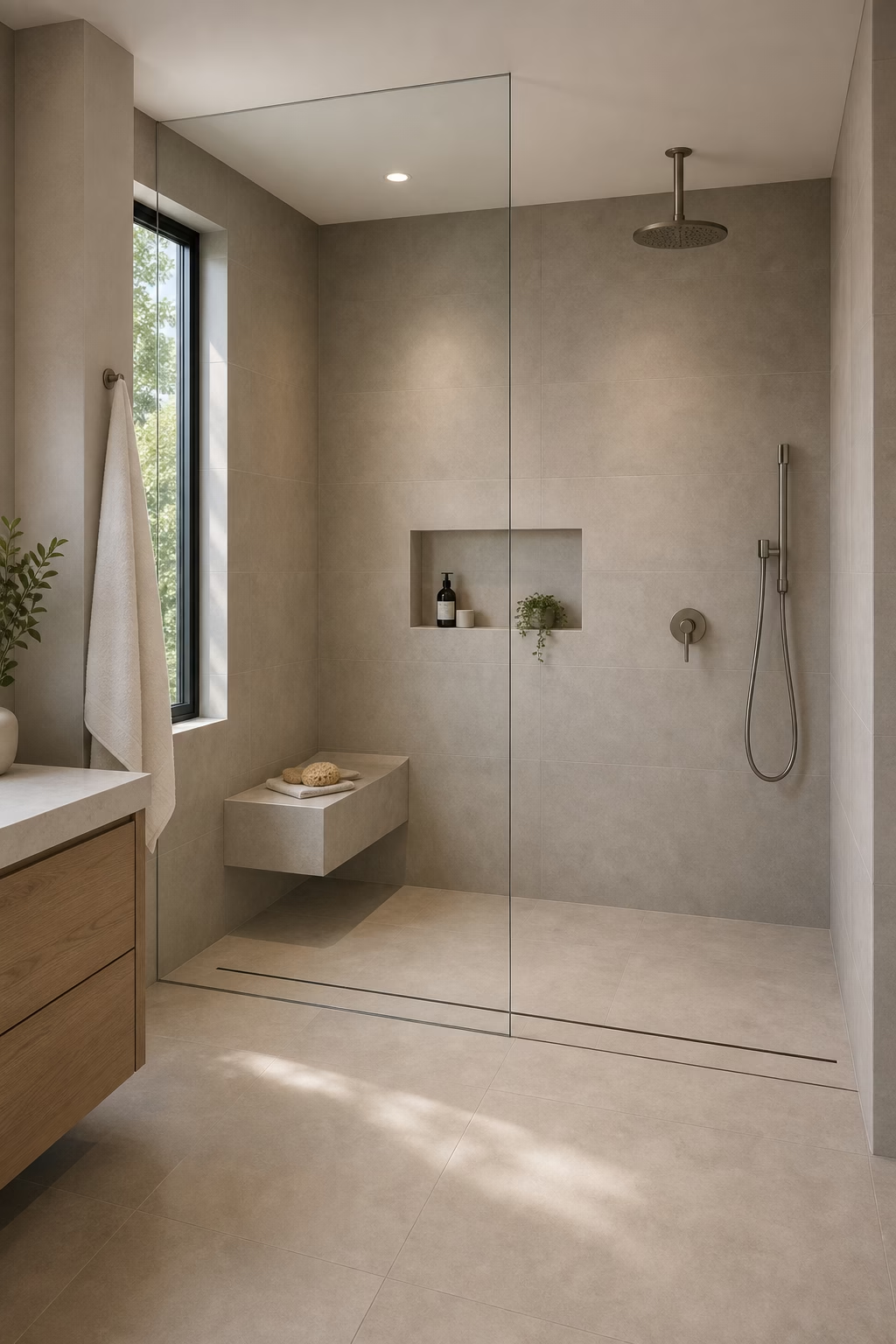
A bathroom does not need every surface to be special. One statement wall, floor, vanity, or shower tile can give the room a clear identity while keeping the budget and the design under control. Decide where the eye should land when someone enters, then spend attention there. A patterned floor can carry a powder room, a slab-look vanity wall can elevate a primary bath, and a textured shower wall can make a simple layout feel custom. Keep the remaining materials quieter so the feature has room to breathe. Restraint is what makes the statement look intentional. The pause matters in real rooms.

Upgrade the Shower Curtain Like a Drapery Panel
A shower curtain can look considered instead of temporary. Hang it higher than the shower opening, choose a fabric with weight, and use a liner that stays hidden behind it. A simple white waffle, linen-look stripe, muted check, or tailored solid can make the room feel softer and taller. Hardware matters too; a clean rod and matching rings look better than mixed plastic pieces. This is one of the most budget-friendly ways to shift a tub-shower bathroom. Treat the curtain like a textile decision, not a last-minute necessity, and the whole wall becomes more polished. Length changes everything visually in photos.
Plan a Luxury Moment Around the Tub
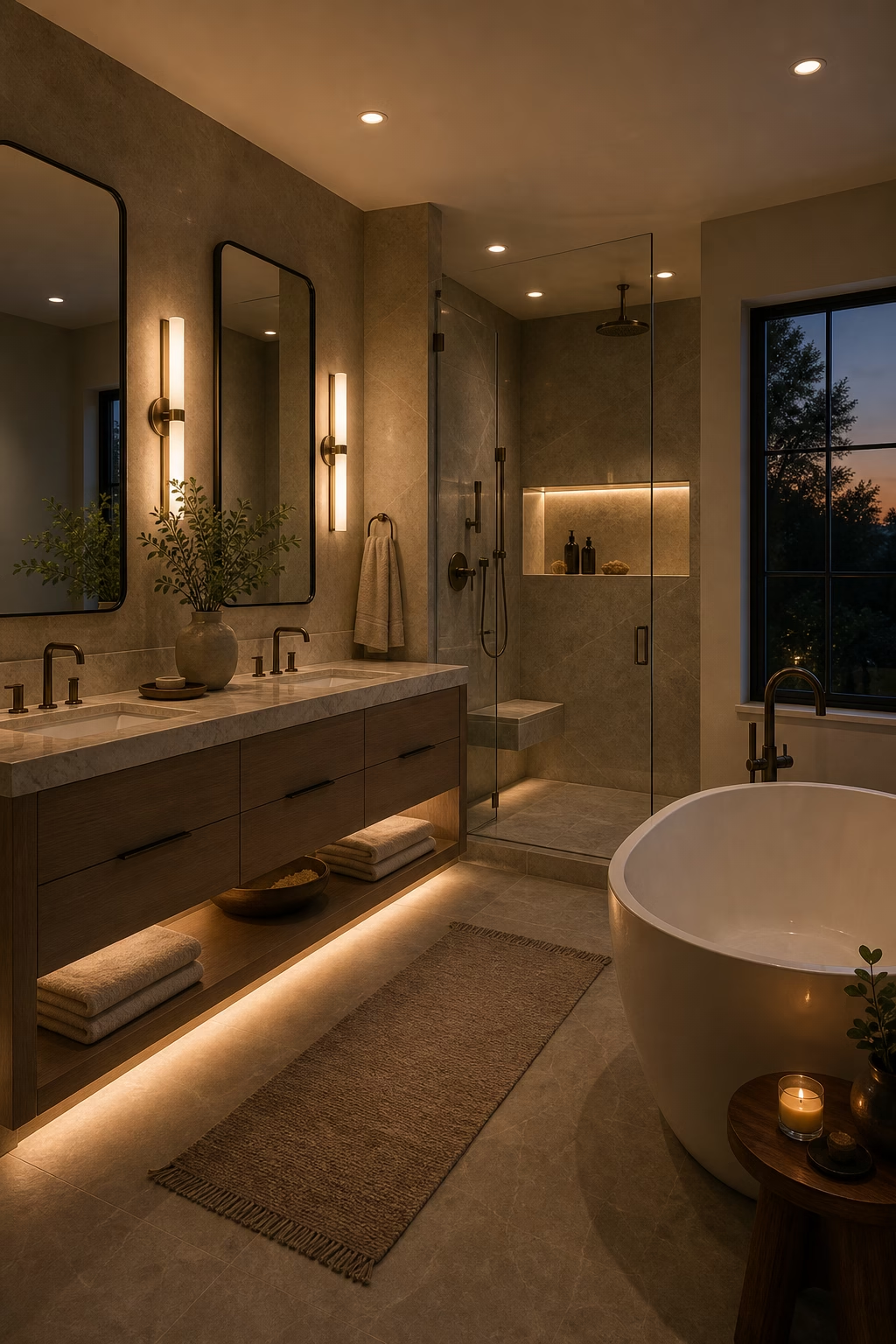
If the bathroom has a tub, make the area around it feel intentional. Add a small stool, wall niche, better bath hardware, a soft mat, or a ledge for towels and bath products. A freestanding tub needs real clearance, while an alcove tub benefits from beautiful tile and a cleaner curtain or glass panel. Keep the styling practical so the area can be cleaned easily. Even without replacing the tub, the surrounding details can shift the mood from purely functional to restful. The luxury is not the tub alone; it is the comfort, reach, light, and material around it. Placement does the work.
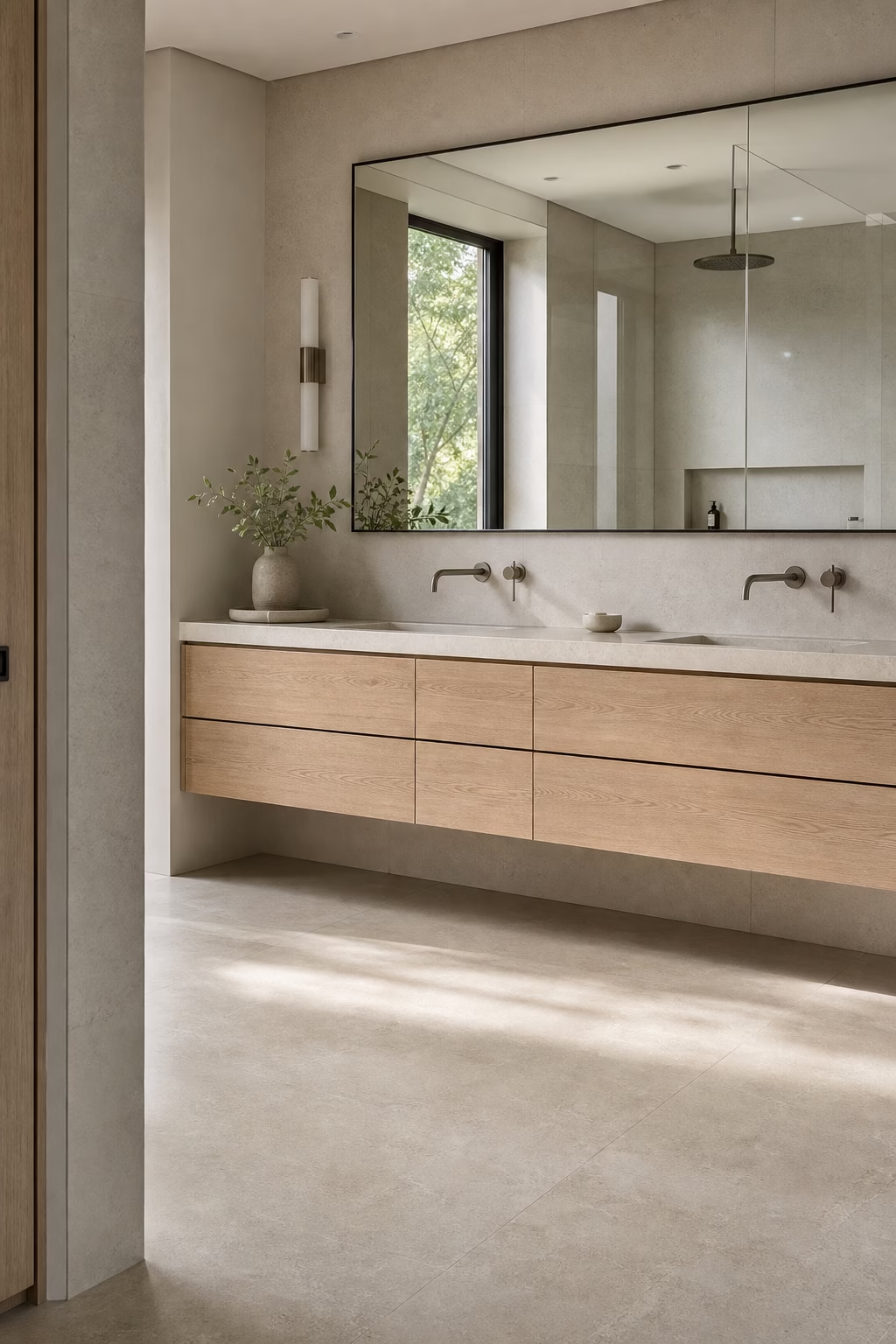
Use Classic White With Better Contrast
White bathrooms are popular because they feel clean and flexible, but they need contrast to avoid looking flat. Add warmth through wood, depth through dark hardware, texture through tile, or softness through towels and window treatments. A white room with one grounding element often feels more expensive than a room filled with many pale materials. Consider a charcoal floor, walnut vanity, brass mirror, or woven shade. The contrast should be repeated lightly so it feels connected. Classic white works at every budget when the undertones are chosen carefully and the supporting details give the room shape. Warm light finishes it.

Design the Lighting in Layers
Lighting can make a modest bathroom feel much more finished. Use general ceiling light for cleaning, face-level light for the mirror, and softer accent light where the room needs atmosphere. Even on a budget, better bulbs and a dimmer can improve the mood. In a renovation, plan sconces, shower-rated fixtures, and under-vanity lighting before tile and electrical work begin. Avoid relying only on one overhead light, which often casts shadows at the sink. Layered lighting supports every style because it makes materials look better and routines easier. It is both decorative and deeply practical. Switch placement matters too, especially at night.
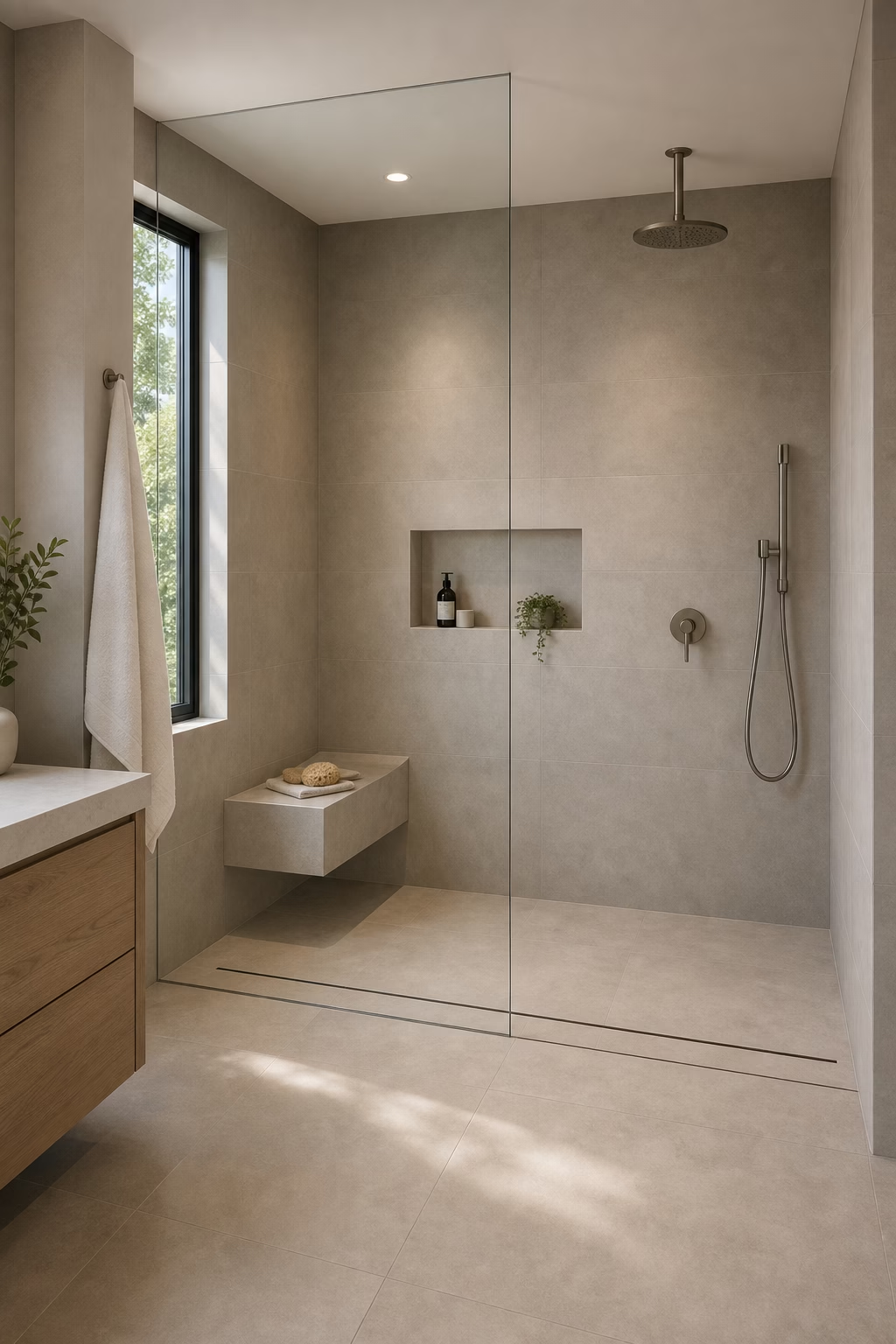
Finish With Fewer, Better Accessories
Accessories should clarify the bathroom, not fill every empty spot. Choose a limited set: a tray, a good soap pump, folded towels, one vessel, and perhaps a small artwork or plant. Repeat materials already present in the room, such as stone, ceramic, wood, glass, or metal. Keep labels and backstock hidden. This idea works for every style and budget because editing costs nothing and better small pieces can be added slowly. The bathroom will feel more polished when surfaces have breathing room and the visible objects look useful. A clear finish lets even modest materials feel considered. Editing is design.
