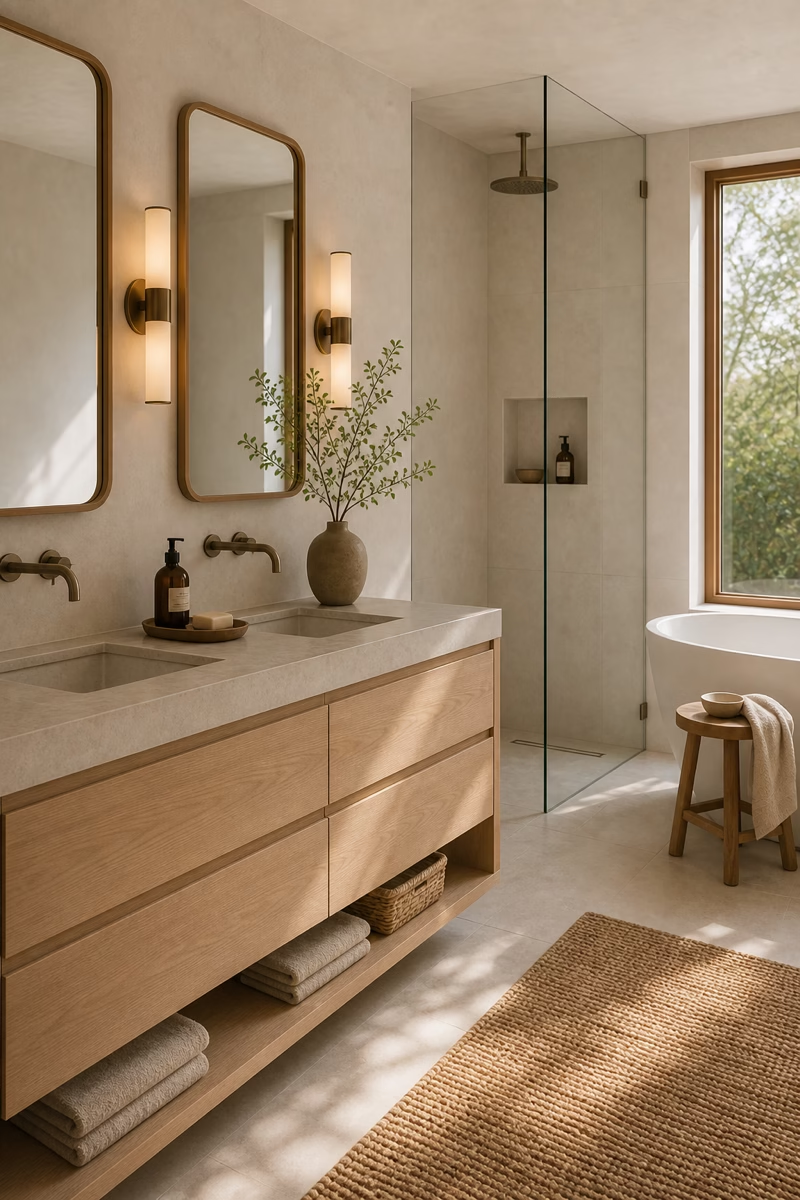
The best bathroom tile feels beautiful on day one and still works years later, because the surface, scale, grout, and layout were chosen with real daily use in mind.
Choose Large-Format Porcelain for a Seamless Base
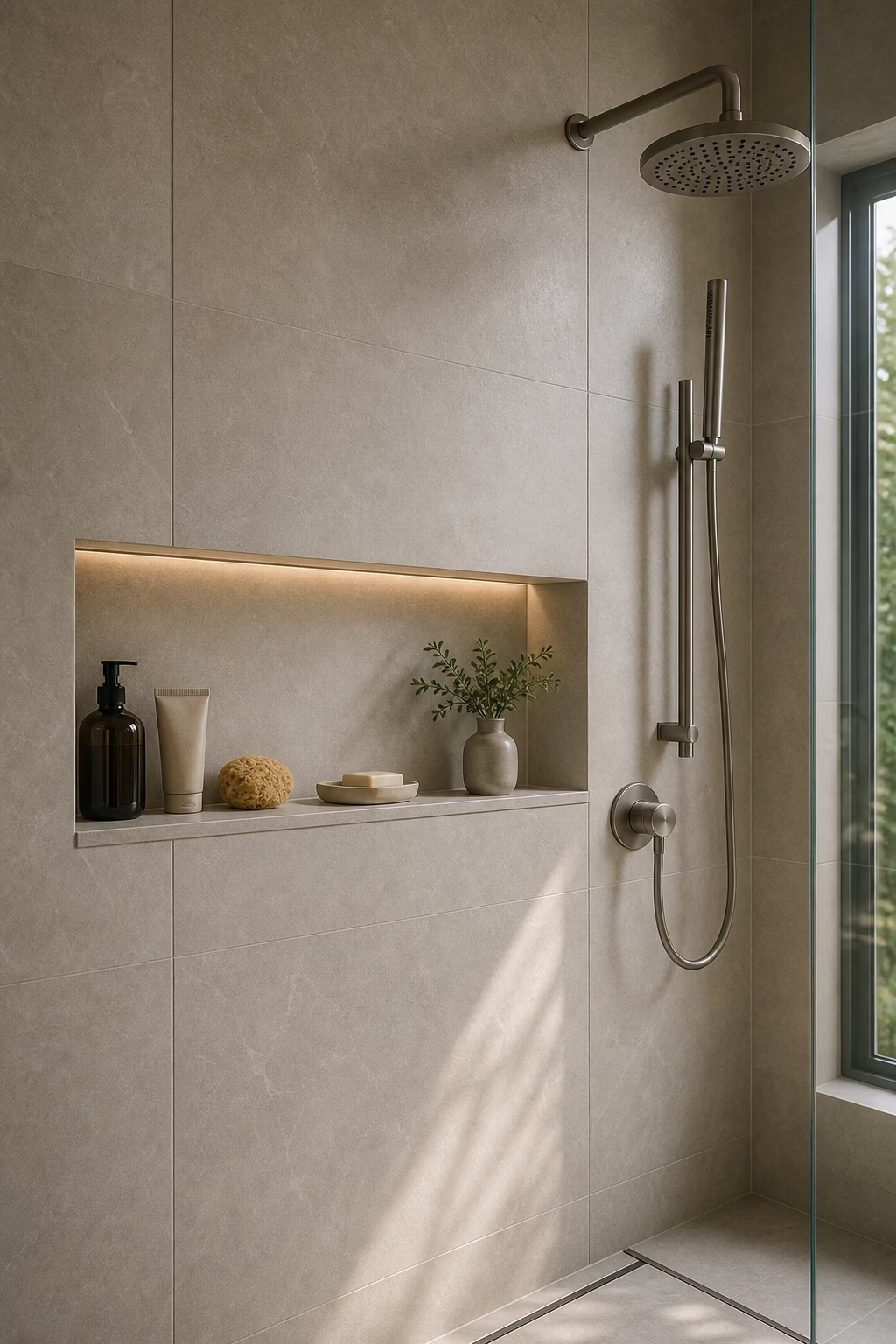
Large-format porcelain remains one of the strongest bathroom tile choices because it gives the room a calm, architectural foundation while reducing grout maintenance. The look works especially well on floors, shower walls, and tub surrounds where too many small joints can make the surfaces feel busy. Choose a stone, limestone, or soft concrete effect with movement subtle enough to repeat naturally across a room. The installation matters as much as the tile itself: plan cuts around drains, niches, and corners so the layout feels intentional. A warm off-white or pale greige slab can make a bathroom feel expansive without becoming cold or showroom-like.

Use Handmade-Look Tile for Soft Movement
Handmade-look tile brings a gentler kind of luxury to bathrooms because the surface catches light in uneven, human ways. Zellige-inspired squares, rippled subway tile, and softly imperfect rectangles can make a simple shower or vanity wall feel layered without adding pattern. The key is to keep the palette restrained so the texture remains elegant. Warm white, bone, misty green, and pale blue all work beautifully with stone counters and quiet fixtures. Because these tiles often have dimensional variation, hire an installer who understands spacing and waterproofing. The result should feel crafted and luminous, not wavy in a way that looks accidental.
Run Floor Tile Into the Shower
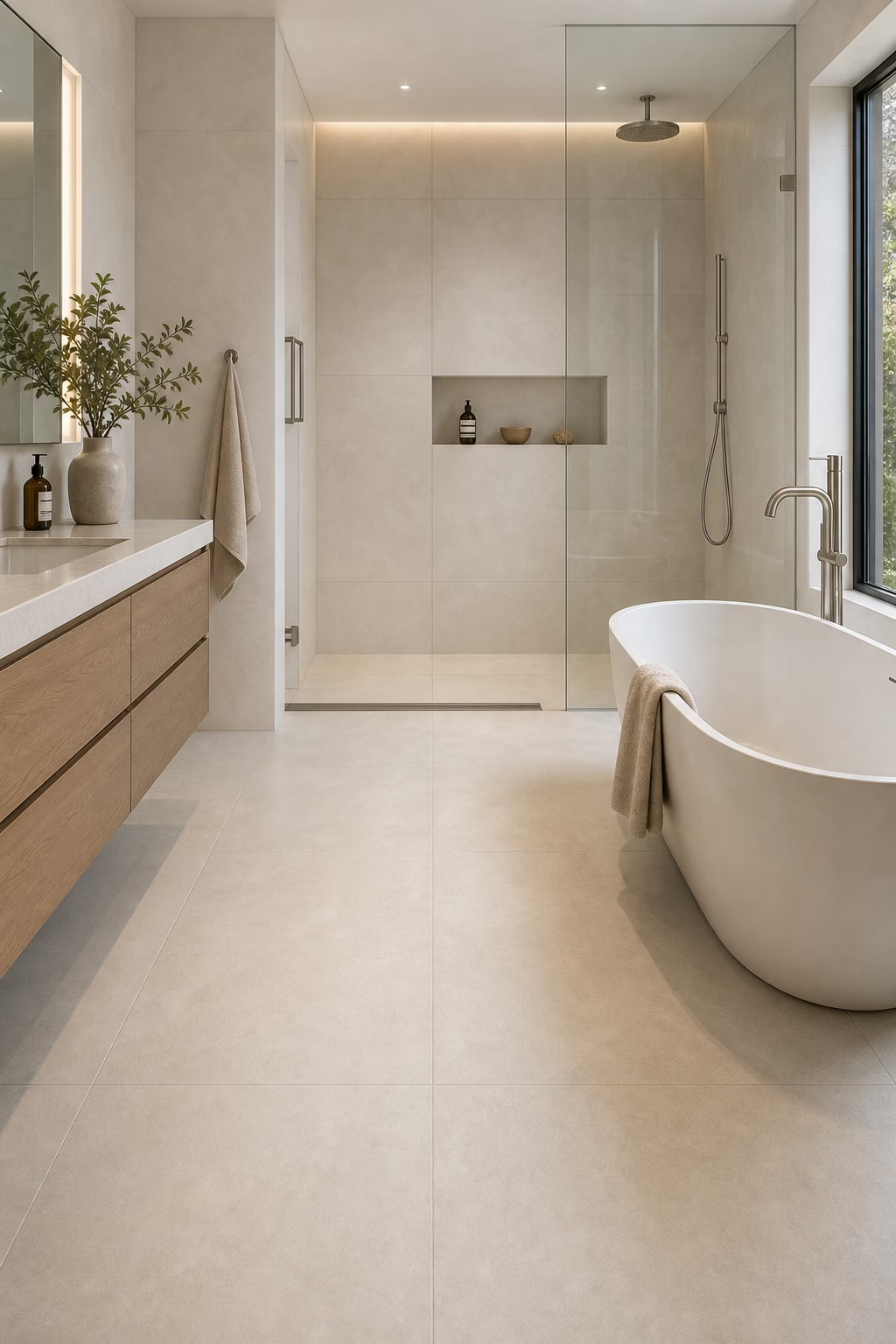
Continuing the same floor tile into a curbless shower creates a clean visual line and can make a modest bathroom feel larger. This idea works best when the tile has enough slip resistance and the shower slope is engineered properly. A linear drain can support the look, but it needs careful placement so water moves predictably. Use the same tile size where possible, or shift to a smaller matching mosaic only inside the wettest zone if drainage requires it. Keeping one continuous surface lets the vanity, mirrors, and lighting stand out while the bathroom floor reads as one polished plane.
Pick Grout That Supports the Design
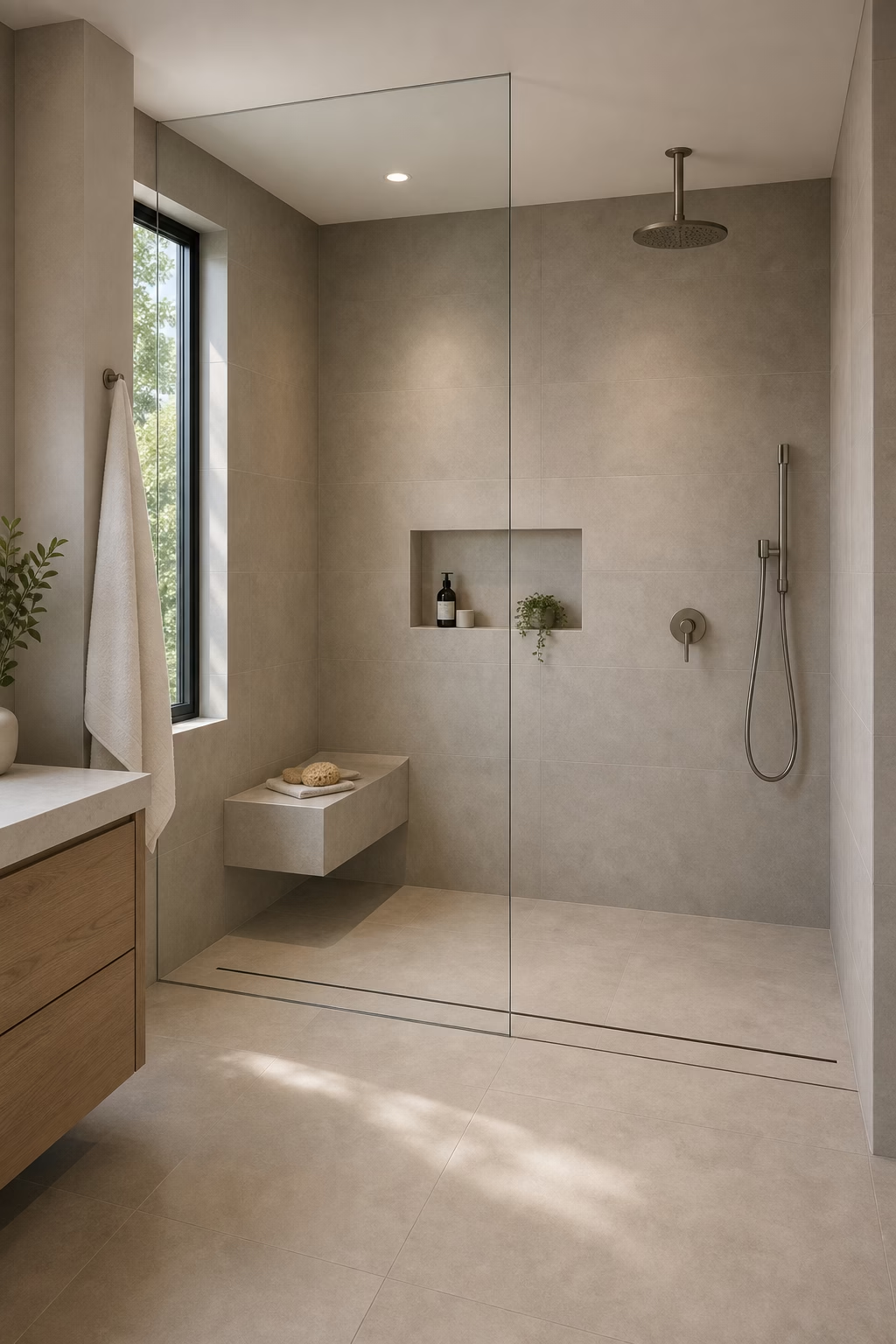
Grout color can make or break a tile installation. A close-match grout creates a softer, more expensive effect and is often the best choice for stone-look porcelain, handmade tile, and small bathrooms. Higher contrast grout can be striking, but it also outlines every tile and every irregular cut. In showers and on floors, prioritize stain resistance, proper sealing, and a color that will not show every speck of dust or mineral deposit. Test grout samples beside the actual tile under bathroom lighting before committing. The most elegant installations usually treat grout as part of the surface rather than a decorative afterthought.
Try a Stone Mosaic on the Shower Floor
Small stone mosaics are practical in showers because their many grout joints add traction, but they can also introduce a beautiful tactile layer. Honed marble, tumbled limestone, pebble-inspired forms, and geometric mosaics all feel current when the surrounding walls stay simpler. Avoid highly polished stone underfoot, especially in wet areas. If you love natural stone, ask about sealing, etching, and maintenance before choosing it for a daily shower. A porcelain mosaic with a convincing stone texture can deliver a similar look with less upkeep. The best shower floors feel secure, comfortable, and connected to the rest of the bathroom palette.
Use Checkerboard in Softer Neutrals
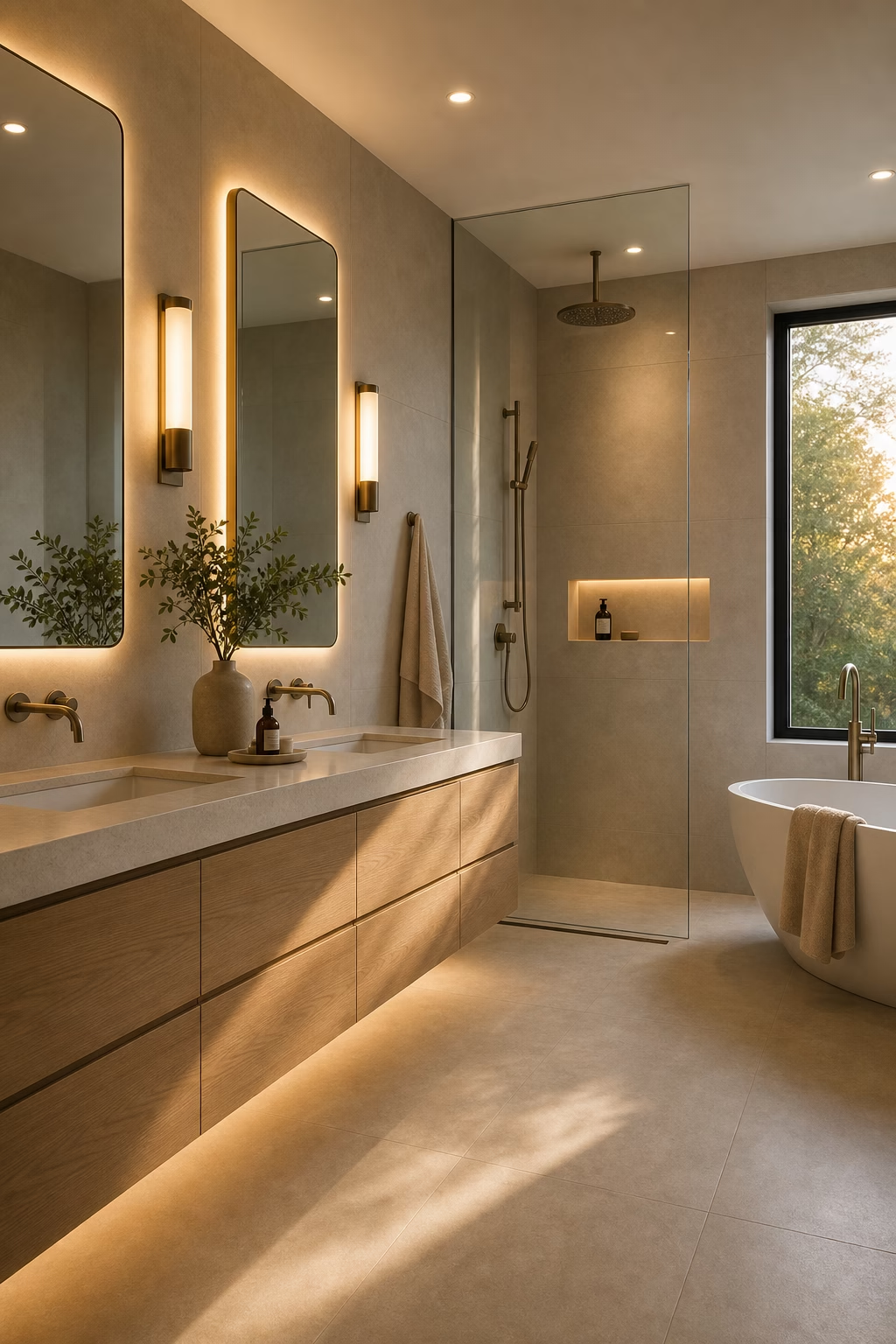
Checkerboard tile is no longer limited to crisp black and white. In bathrooms, the trend feels more livable when the contrast is softened through limestone, taupe, clay, warm grey, or muted charcoal. A honed finish gives the pattern a tailored quality and keeps it from feeling like a diner floor. Use it where the geometry can breathe: a main floor, powder room, or tub zone rather than every vertical surface. Pair the pattern with plain plaster walls, a simple vanity, and understated lighting. The checkerboard then becomes a classic architectural rhythm rather than a loud decorative motif. Use larger squares if the room needs a calmer, more grown-up rhythm.
Add Ribbed or Fluted Tile for Texture
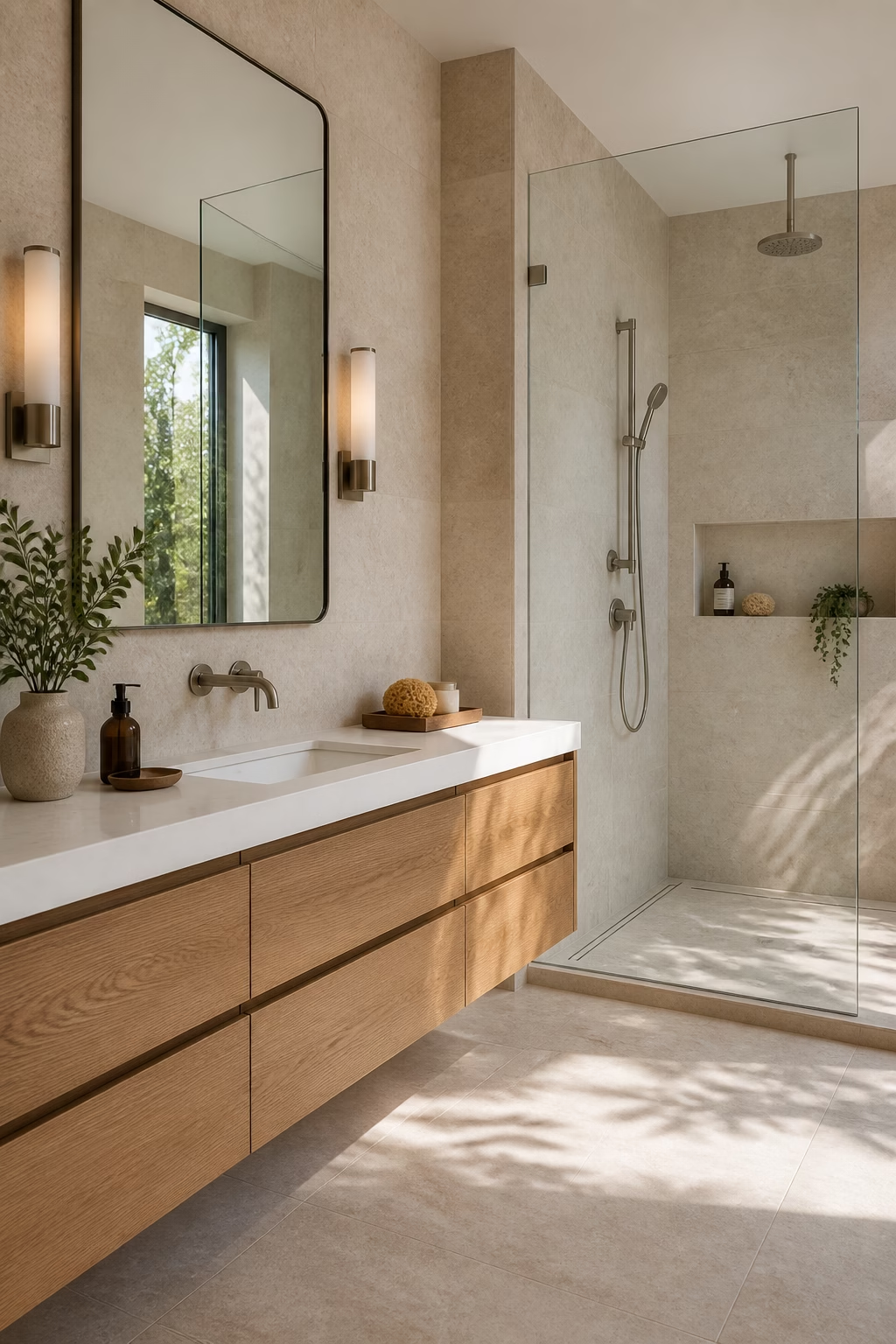
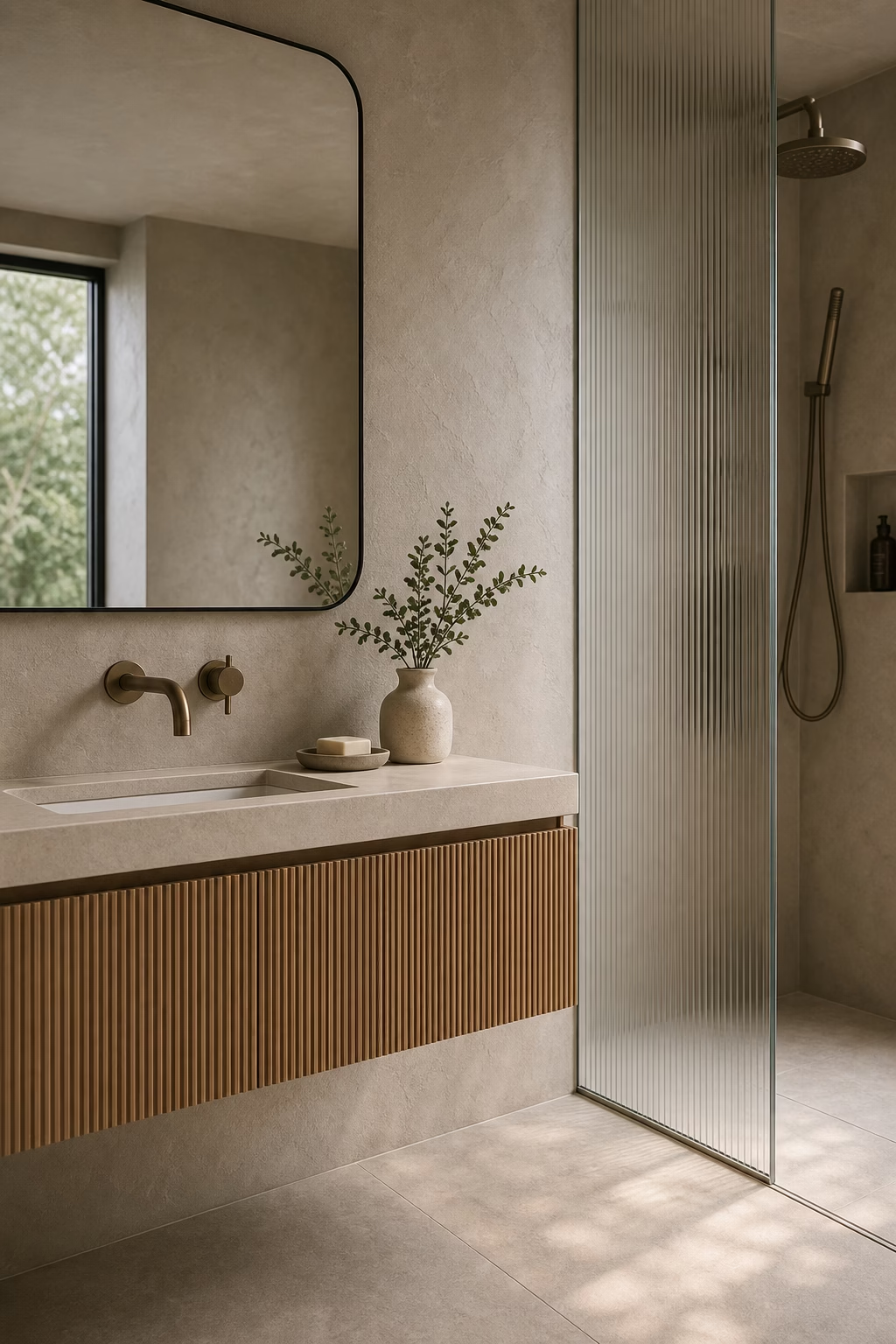
Ribbed tile gives bathrooms a tailored vertical texture that feels especially effective behind a vanity or along a shower feature wall. The raised surface catches light and creates shadow without relying on color or busy pattern. Use it selectively, because too many ridged surfaces can make a compact room feel restless. A fluted tile backdrop behind a floating vanity pairs well with smooth floor tile and simple mirrors. In showers, confirm that the profile is suitable for cleaning and wet-area installation. Texture should bring depth to the room while still respecting the practical realities of soap, water, and daily maintenance.
Use Terrazzo With a Refined Chip Scale
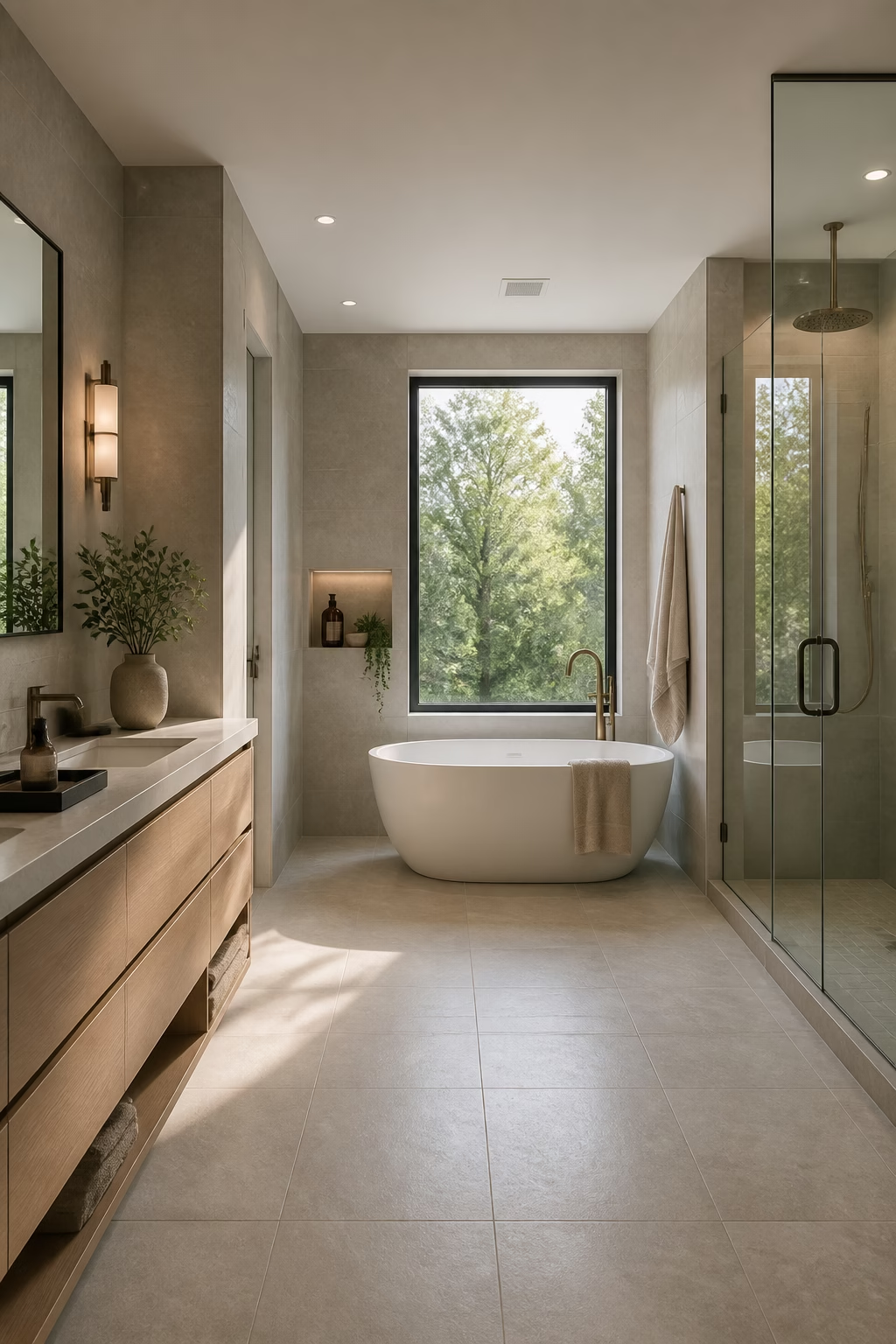
Terrazzo has returned because it offers pattern, durability, and a sense of history in one surface. For bathrooms, the most refined versions use controlled chip colors and a scale that suits the room. Oversized fragments can feel playful in a powder room, while smaller flecks are easier to live with in a primary bath. Porcelain terrazzo-look tile is often more practical than poured terrazzo for renovations, especially when budget and maintenance matter. Let the terrazzo lead the palette by repeating one chip color in towels, metal finish, or cabinetry. This keeps the surface from feeling random and makes the whole room feel edited.
Frame a Niche With Slab or Bullnose Detail
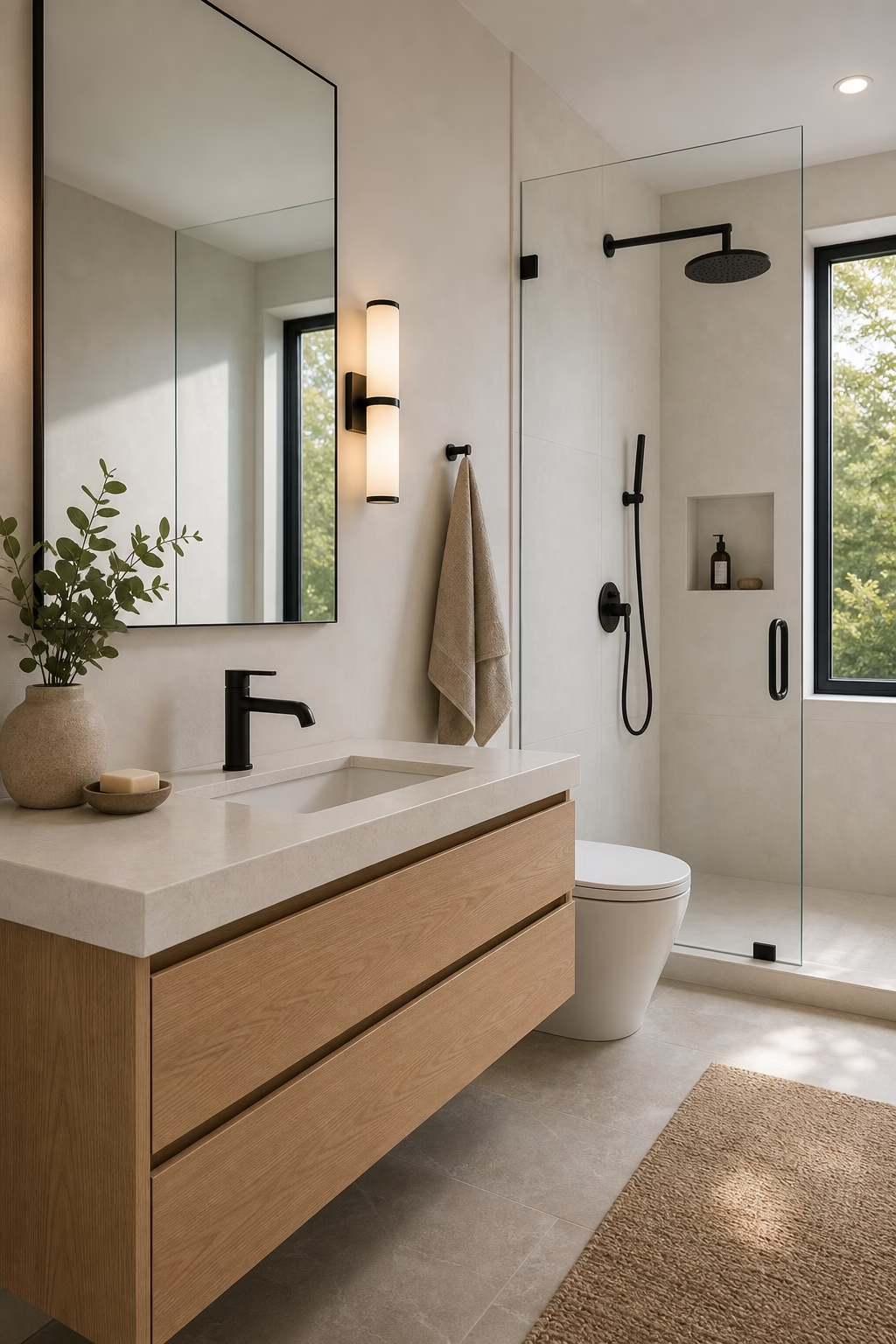
A shower niche should look planned from the beginning, not inserted after the tile layout was decided. One of the most polished approaches is to frame the niche with stone slab pieces, bullnose trim, or mitered tile edges that align with the surrounding grid. The shelf needs a slight slope, and the opening should fit real bottles rather than decorative minis. If the wall tile has strong movement, continue the pattern as cleanly as possible through the niche. A well-detailed recess makes the shower easier to use and gives the tile installation a custom, architectural finish. Those small construction choices are what make daily use feel considered.
Bring Color Through Tile, Not Clutter
Colored tile is a durable way to give a bathroom personality without filling the room with accessories. Sage, mineral blue, clay, oxblood, olive, and smoky teal all feel sophisticated when used with quiet stone, wood, and clean fixtures. The most successful rooms choose one colored tile moment: the shower wall, vanity backsplash, tub surround, or floor border. Keep towels and countertop pieces restrained so the color reads as part of the architecture. Matte and satin finishes tend to age more gracefully than ultra-glossy bright colors. Tile color should feel intentional enough to survive changing styling trends. For longevity, choose a shade you would still enjoy with plain white towels.
Layer Tile Sizes Within One Palette
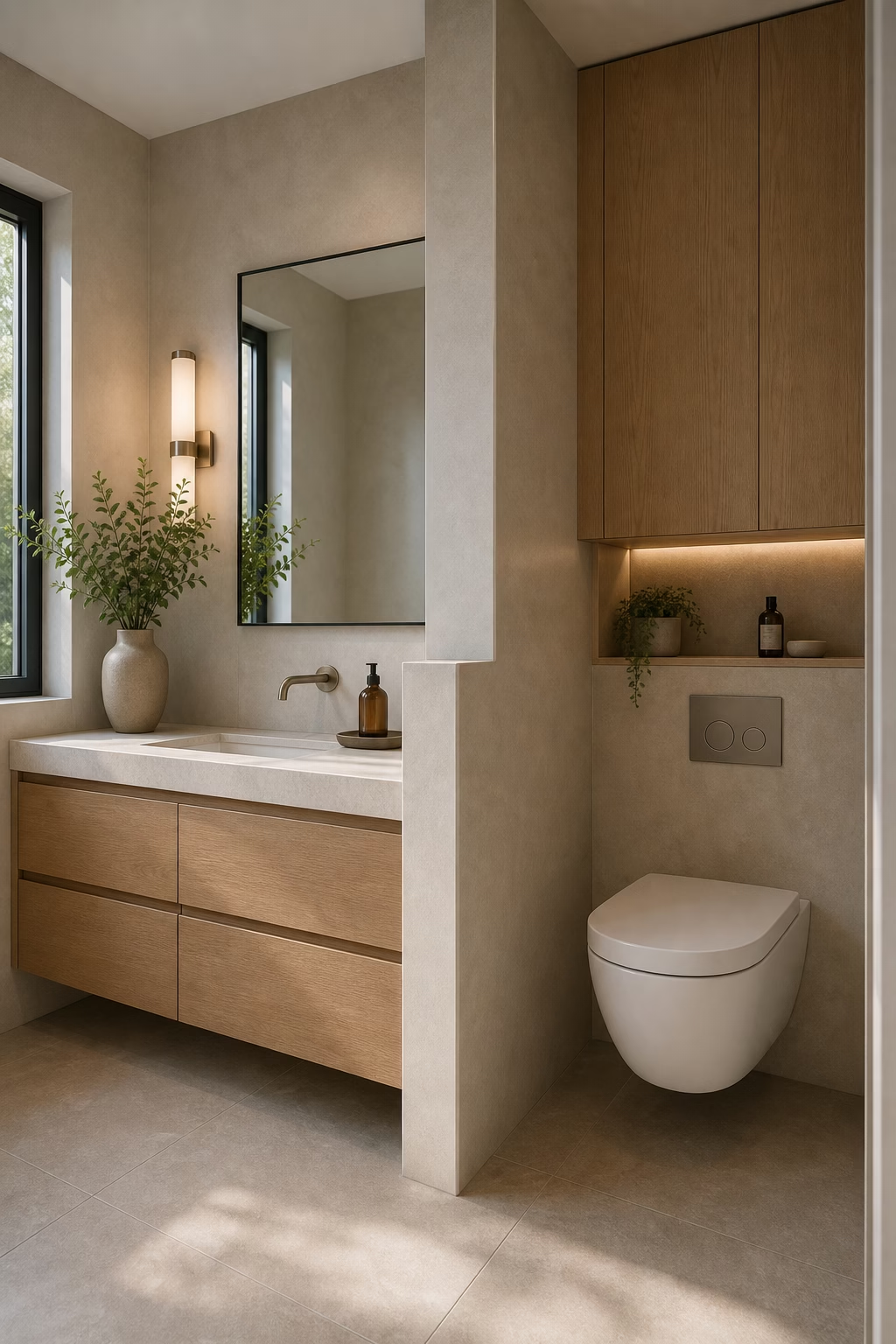
Mixing tile sizes can make a bathroom feel custom while keeping the overall palette calm. For example, use large-format porcelain on the floor, a smaller handmade rectangle in the shower, and a mosaic only underfoot. The shared color family keeps the room cohesive, while the scale changes help define zones. Avoid combining several unrelated shapes and finishes, especially in a small bathroom. Repeat one undertone, such as warm limestone or soft grey, throughout the scheme. This approach gives the design rhythm without making it feel like a showroom display of every tile you liked. That restraint lets each transition feel deliberate when the room is seen as a whole.
Use Vertical Stacking to Lift the Walls
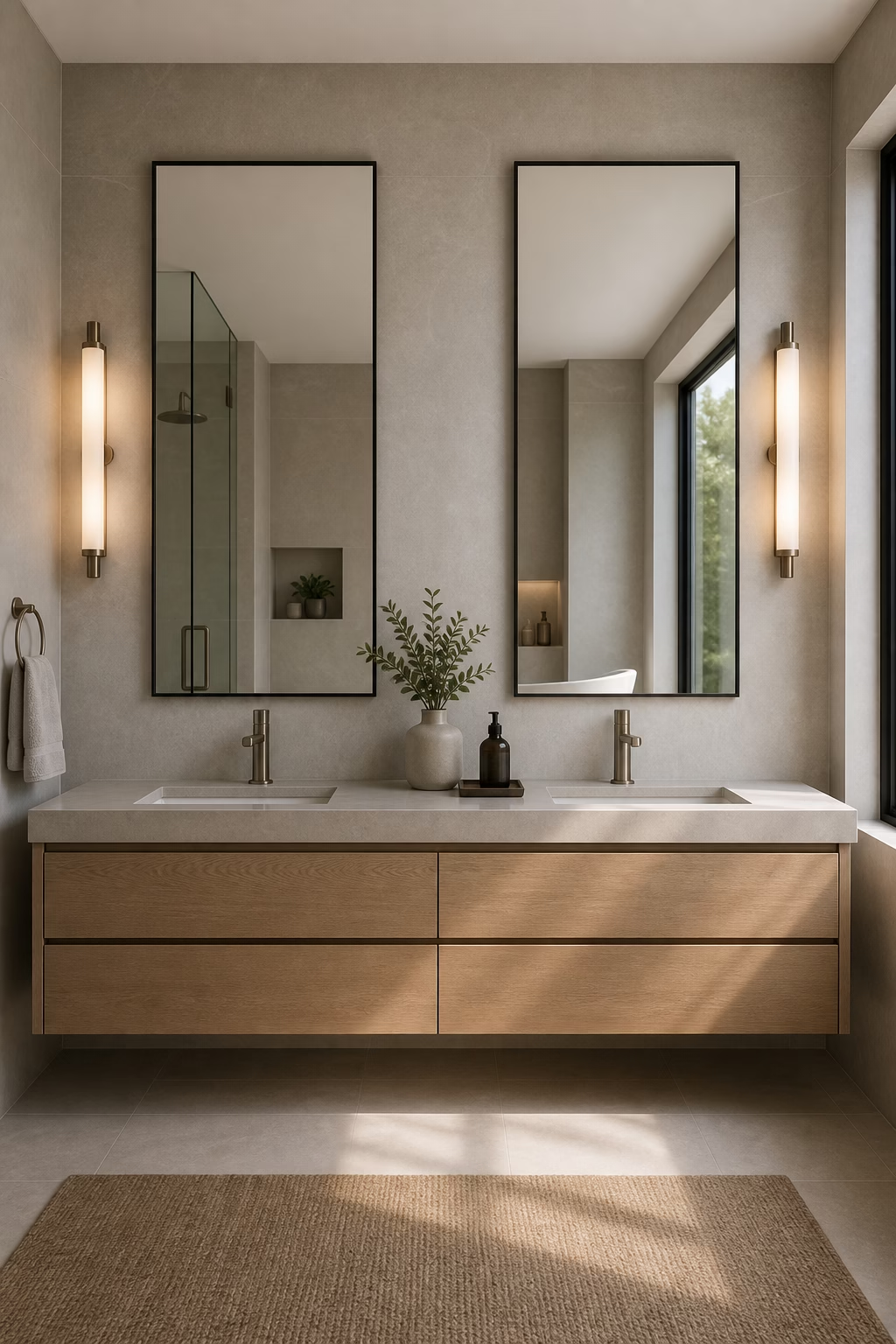
Vertically stacked tile can make a bathroom feel taller and more contemporary. It works especially well with slim rectangular tile, fluted textures, or handmade-look pieces where the vertical joints create a gentle upward pull. In a shower, running tile to the ceiling makes the room feel more finished and protects the wall better than stopping at an arbitrary height. Keep the layout aligned with fixtures, niches, and glass edges so the installation looks disciplined. A vertical stack is clean enough for modern rooms but still has more rhythm than a plain painted wall. It is a simple layout decision with a strong visual payoff.
Choose Matte Finishes for Quiet Durability
Matte tile has a softer, more residential quality than high-gloss surfaces, and it often performs better on bathroom floors. It hides water spots more gracefully and gives stone-look porcelain a convincing depth. The finish should still be easy to clean, so review slip ratings and maintenance notes before buying. On walls, matte tile can make a bathroom feel calm and spa-like, especially when paired with natural wood and warm metal. If the room needs brightness, bring reflection through mirrors, glass, and lighting rather than relying on shiny tile everywhere. The result feels comfortable instead of slippery or overly polished. That restraint is what keeps the finish feeling calm under bare feet.
Create a Tile Rug Without Overdecorating
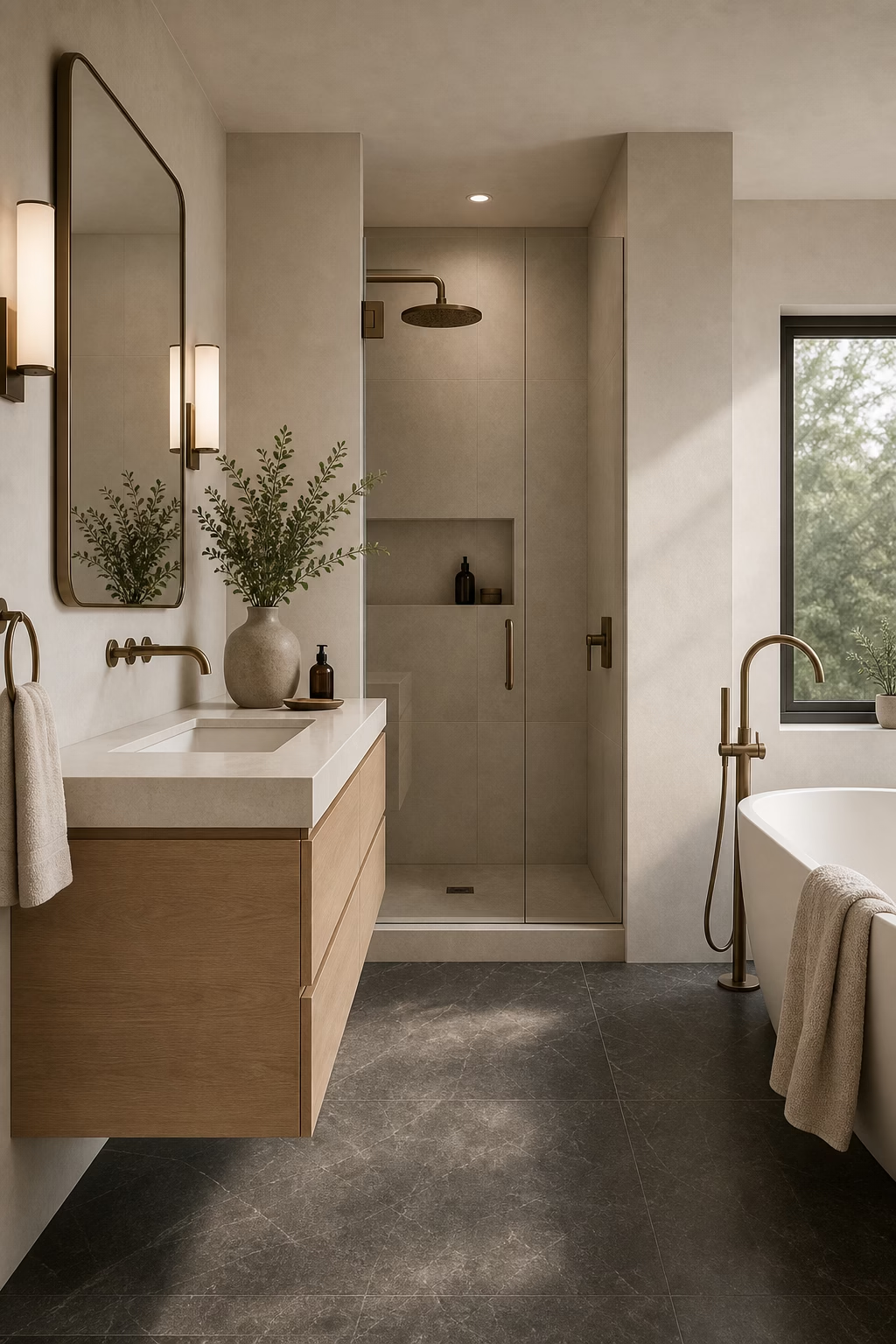
A tile rug can define the vanity or tub area while keeping the floor durable. The most elegant versions use a subtle border, a change in pattern scale, or a quiet inset rather than a loud medallion. This idea works well in larger bathrooms where a plain expanse of tile might feel unfinished. Plan the rug dimensions around the vanity width, tub placement, or doorway sightline so it feels architectural. Make sure transitions are flush and materials share the same thickness. A tile rug should look built into the room, not like a decorative mat copied in stone. Scale the border generously so it never feels like a narrow stripe.

Use Marble Looks Where Real Marble Is Risky
Real marble is beautiful, but it can etch, stain, and demand more care than some households want in a hardworking bathroom. High-quality marble-look porcelain offers a practical alternative for shower walls, floors, and busy family baths. Choose veining that looks natural at room scale, with enough variation between pieces to avoid obvious repeats. Warm Calacatta, soft Carrara, and beige marble effects tend to feel more timeless than dramatic grey lightning patterns. Pair the tile with simple metalwork and plain cabinetry so the veining remains the focal point. This is luxury translated for real routines. It also keeps maintenance expectations realistic for busy households.
Add a Low Tile Wainscot for Protection
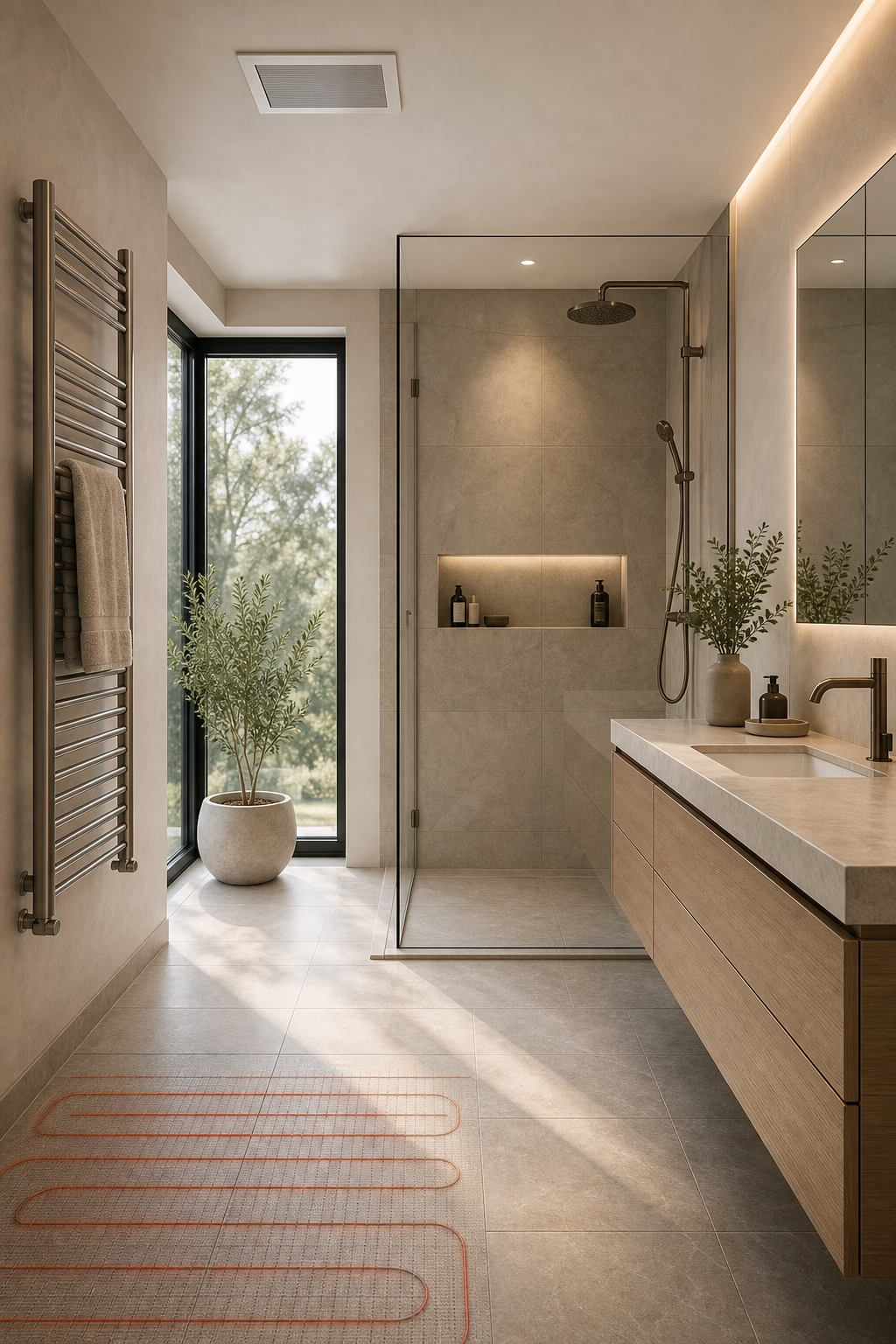
A tile wainscot is a smart way to protect bathroom walls while adding architectural polish. It is especially useful in powder rooms, kids' baths, and narrow spaces where painted drywall gets splashed or scuffed. Run the tile to a consistent height, cap it neatly, and align it with the vanity backsplash when possible. Small rectangles, bead-like ceramic, stone strips, or square zellige-inspired tiles can all work depending on the mood. Above the tile, use plaster, paint, or wallpaper that can handle humidity. The combination feels layered, practical, and more permanent than simply painting every wall. Choose a cap profile that feels slim rather than decorative.
Balance Patterned Walls With Plain Floors
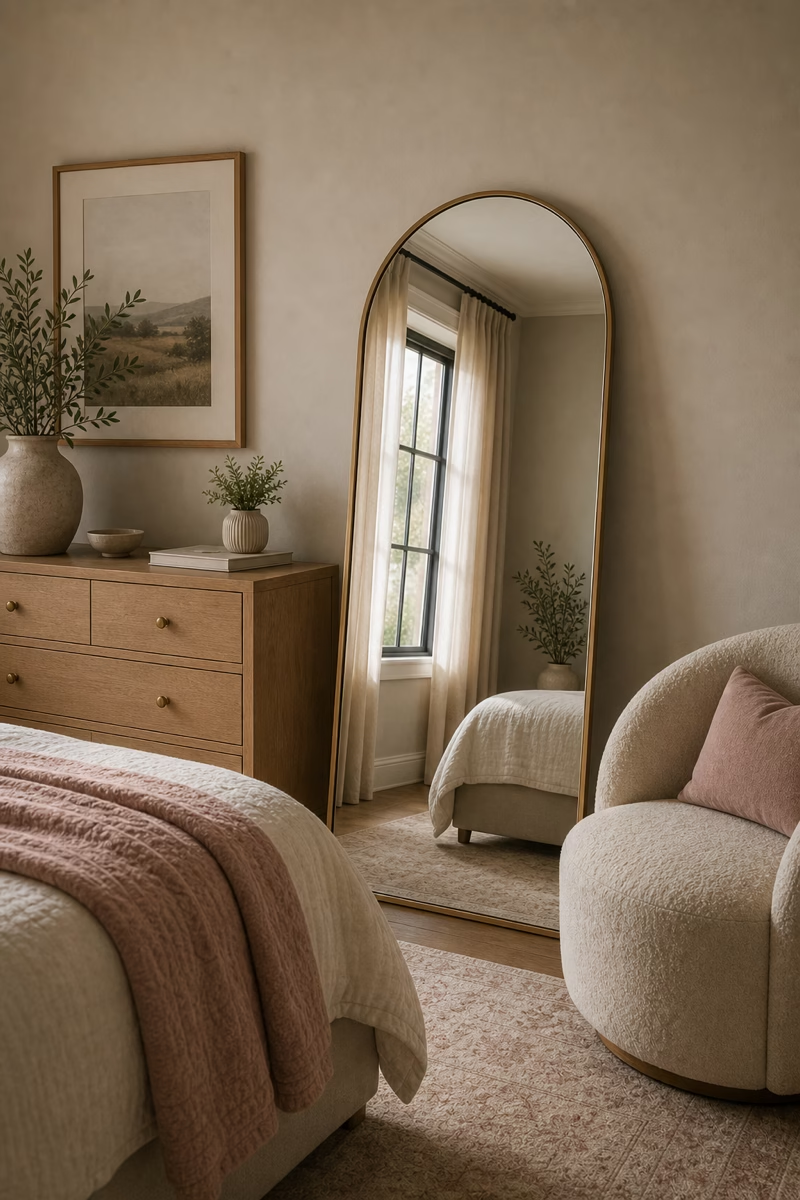
Patterned wall tile can be beautiful in a shower or behind a vanity, but it needs a quiet partner. Plain floors give the eye a place to rest and prevent the bathroom from feeling cramped. If the wall tile has botanical, geometric, or encaustic-inspired movement, choose a floor in one of its background tones. Keep grout lines calm and avoid adding another strong pattern through rugs or busy towels. This balance lets the pattern feel elevated rather than chaotic. It also makes the room easier to update later, because accessories can change while the main tile statement remains composed. The calmer floor also makes cleaning and future styling decisions easier.
Plan Tile Layout Before Ordering
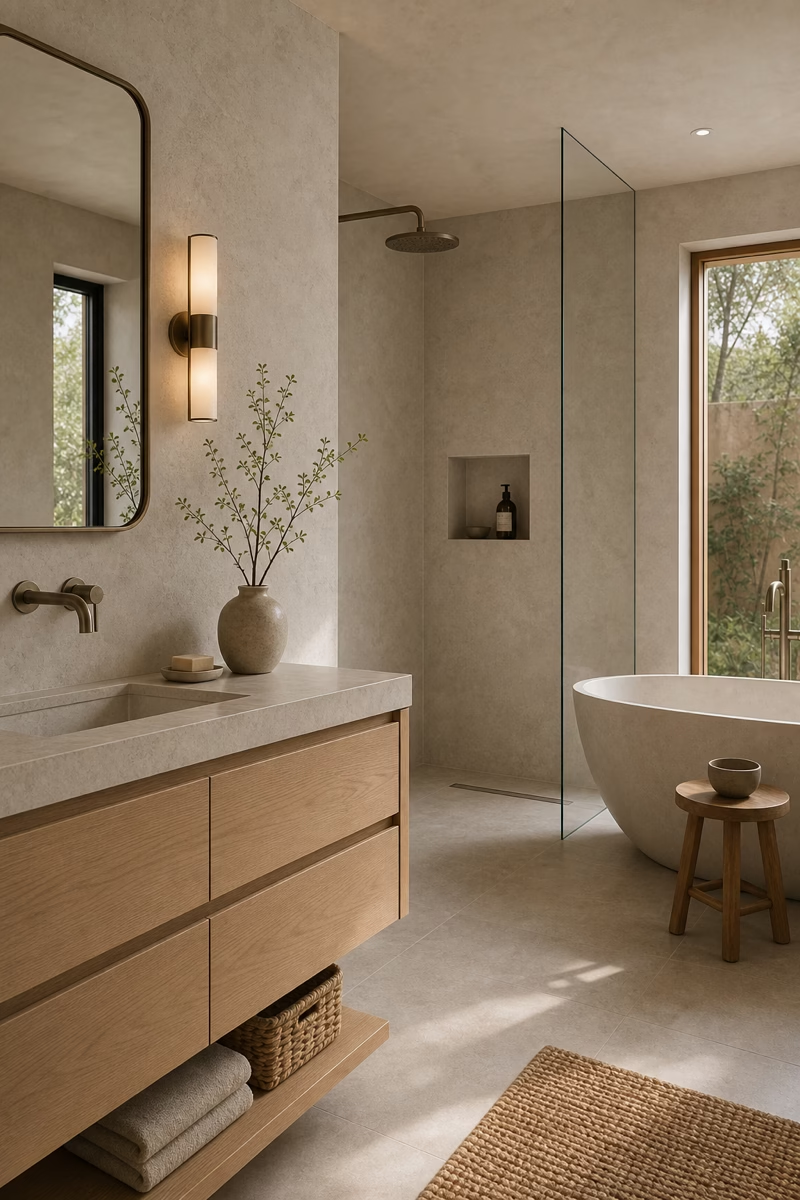
The most expensive tile can still look ordinary if the layout is improvised on site. Before ordering, map the room elevations, fixture locations, grout joints, drain position, and visible sightlines. Decide where full tiles should land and where cuts will be least noticeable. Order enough overage for waste, breakage, pattern matching, and future repairs. For large-format tile, confirm that the walls and floors can be prepared flat enough for a quality installation. Planning sounds technical, but it is what makes a bathroom feel designed. A thoughtful layout gives every trend a better chance of aging well. This is where practical planning becomes visible as quiet luxury.