Begin With One Strong Focal Wall
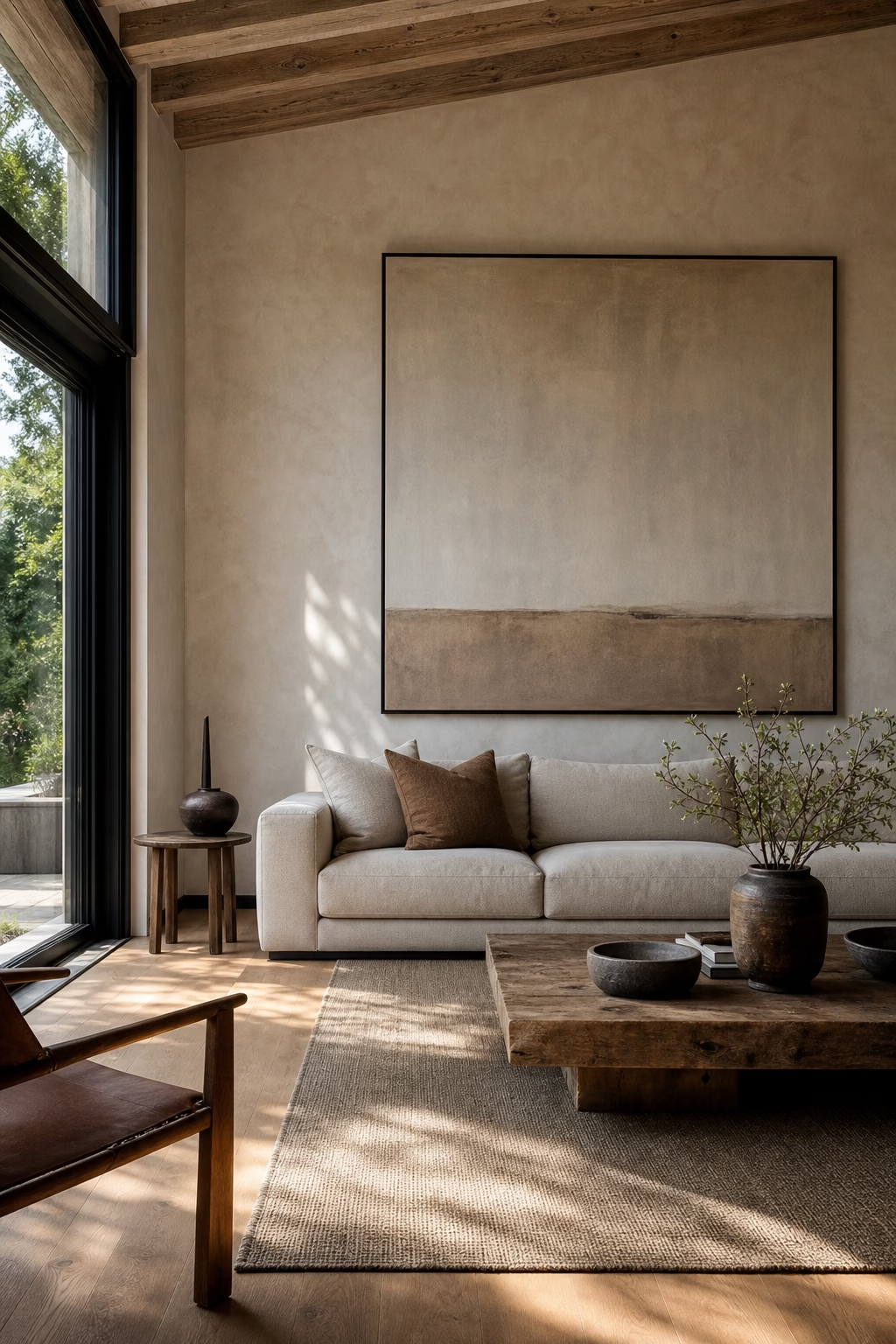
A modern home feels calmer when one wall does the visual work instead of every surface competing for attention. Choose the most natural focal point: the sofa wall, dining wall, fireplace wall, or the view from the entry. Add one generous artwork, a long floating shelf, a plaster fireplace surround, or a paneled treatment with clean proportions. The goal is not drama for its own sake; it is giving the room a center of gravity. Keep nearby furniture lower and quieter so the wall can breathe. When the focal wall is deliberate, smaller decorative pieces look collected rather than scattered. Test the idea from the main doorway, because the first sightline usually reveals whether the scale feels generous or forced.
Layer Rugs for Soft Architectural Depth
Layered rugs can make a modern room feel warmer without filling it with accessories. Start with a large natural fiber or flat woven base that reaches under the main furniture, then add a smaller wool, vintage, or subtly patterned rug where softness matters most. Keep the colors related so the effect is dimensional rather than busy. This works especially well in open-plan homes, where rugs help define the sitting area, dining zone, or reading corner. The edges should look intentional, not accidental, so leave enough of the base rug visible on all sides. A well-layered floor quietly improves the whole room. Keep furniture feet fully committed to the rug plan so the layered floor reads as designed rather than temporary.
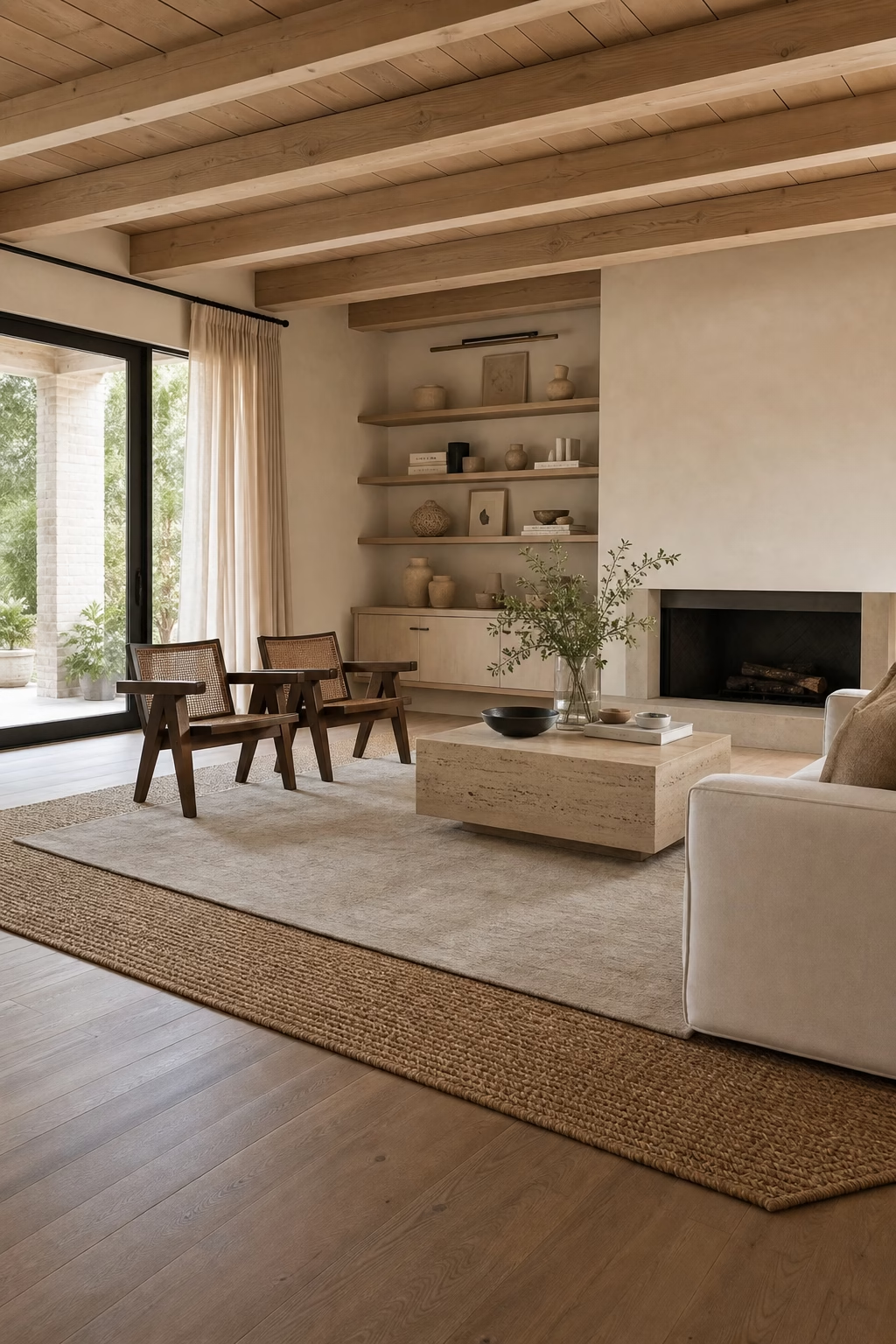
Choose Sculptural Lighting Instead of Extra Decor
Lighting is the most useful decoration in a modern home because it changes both the mood and the silhouette of a room. A sculptural pendant over the dining table, a ceramic table lamp on a console, or an elegant floor lamp beside a chair can do more than a cluster of small accessories. Look for shapes with presence, but keep the finish connected to the architecture: plaster, aged brass, linen, blackened metal, warm wood, or milky glass. Scale matters, so avoid timid fixtures in rooms with high ceilings or large furniture. Beautiful lighting should feel integrated in the day and atmospheric at night. Put every light on a warm bulb or dimmer so the decorative shape is supported by a flattering evening mood.

Style the Entry With a Lean Console
The entry sets the standard for the rest of the home, but it rarely needs much furniture. A lean console with a stone, oak, or metal frame can hold a tray for keys, a small lamp, and one vertical element such as branches or artwork. Keep the depth narrow enough for easy movement and choose closed storage only if clutter genuinely lands there. A mirror above the console can bounce light, while a low stool or basket underneath adds function without crowding the walkway. The best entry decoration feels edited, useful, and welcoming from the moment the door opens. A narrow runner can finish the same entry if the floor still feels bare after the console is placed.
Use Oversized Branches for Natural Height
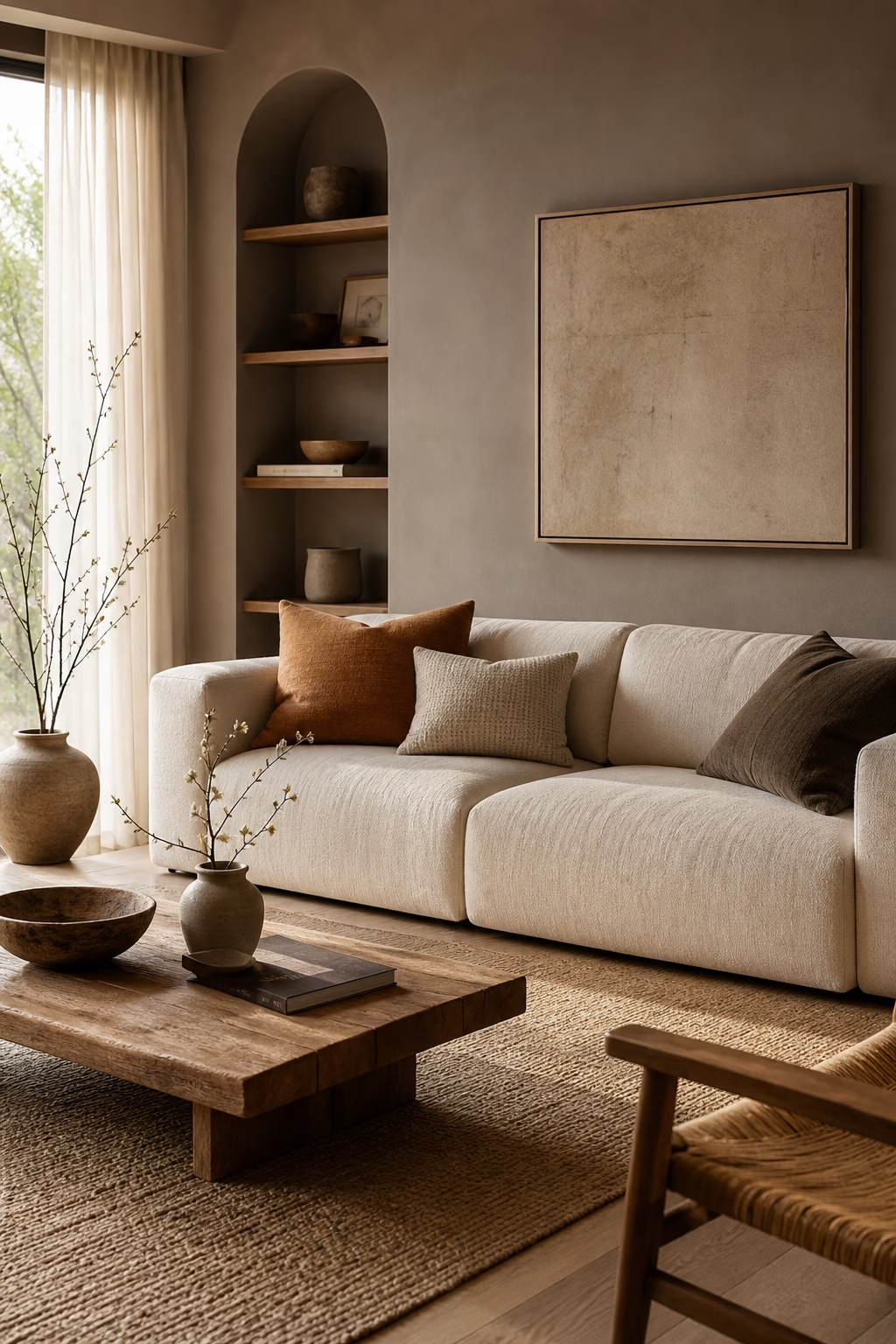
Tall branches bring movement to modern interiors without the fuss of a floral arrangement. Place them in a heavy ceramic, stoneware, or glass vessel on a console, dining sideboard, or empty corner where the height makes sense. The branches should relate to the room's architecture, rising toward a window, artwork, or ceiling line rather than poking awkwardly into traffic. Keep the arrangement airy so it looks grown, not stuffed. Seasonal cuts are especially good: olive, maple, dogwood, magnolia, or bare sculptural stems can shift the room's mood with very little cost. Natural height makes clean rooms feel alive. Trim the stems outdoors first, then bring them in and refine the shape against the actual wall height.
Make Open Shelves Feel Edited
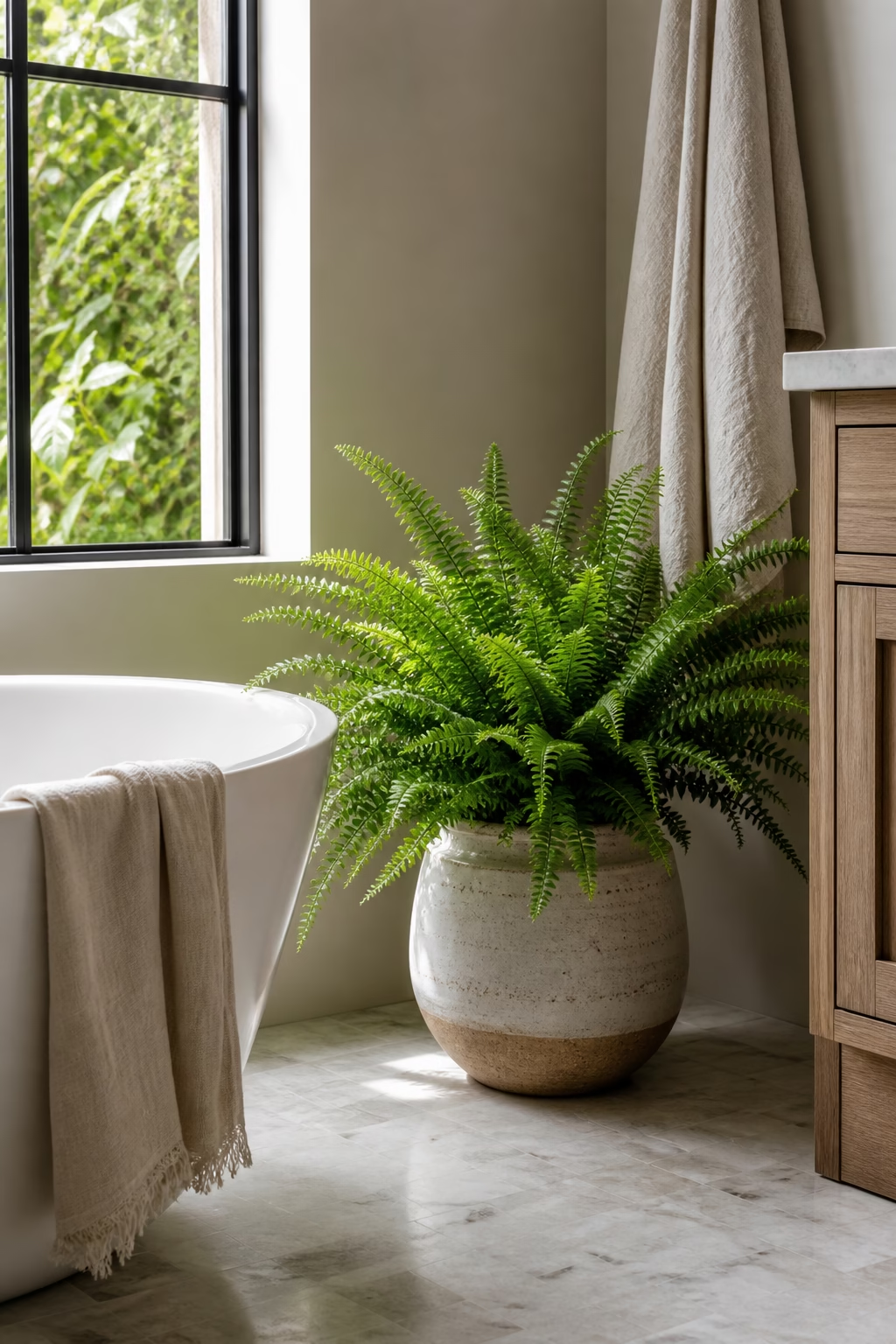
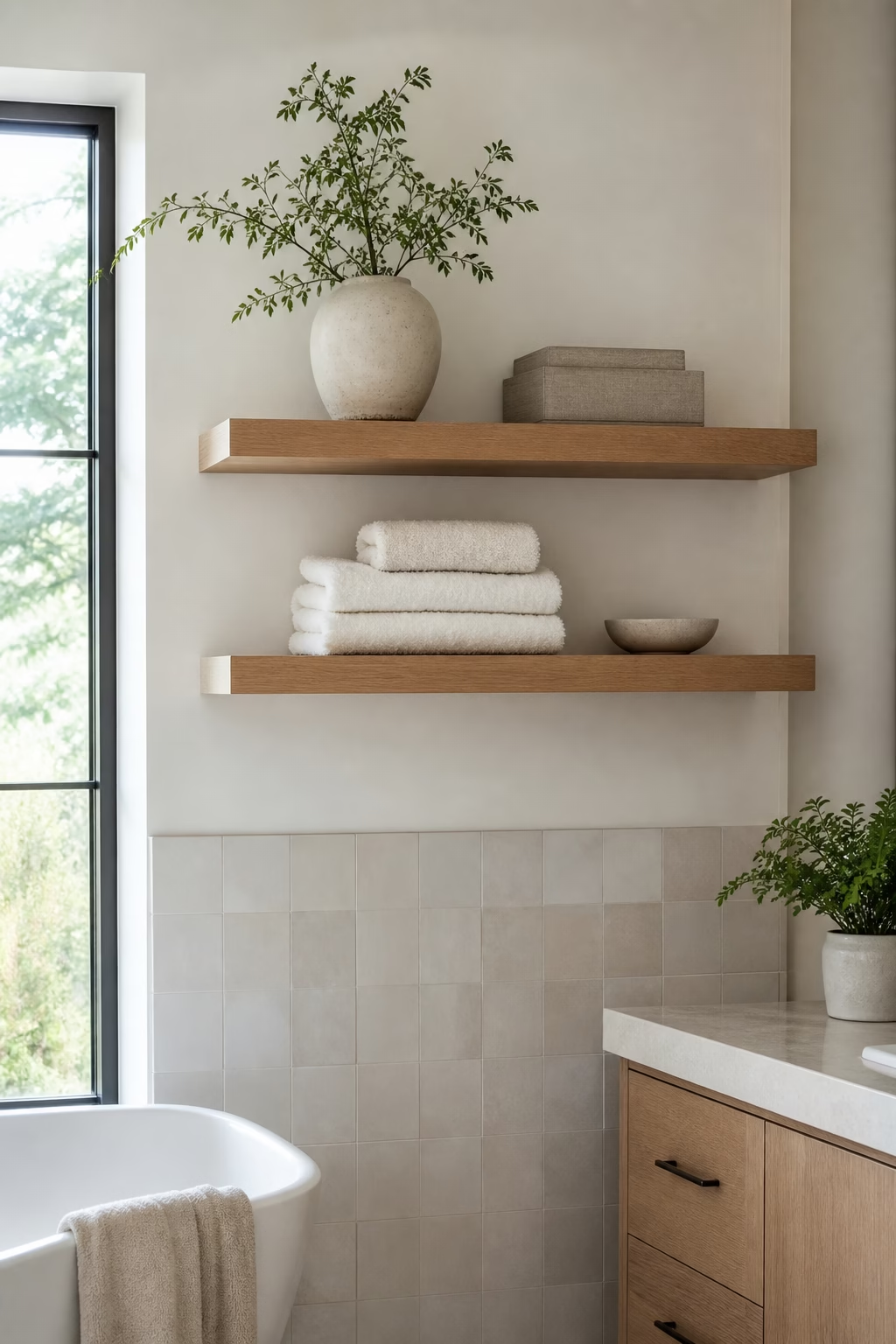
Open shelves are beautiful when they are treated like architecture, not storage overflow. Begin with the largest items first: a stack of substantial books, a ceramic vessel, a framed piece, or a lidded box. Then add smaller objects only where the shelf needs rhythm. Leave negative space around each grouping so the eye can rest. Repeating materials helps the display feel modern: a few tones of ceramic, warm wood, stone, woven fiber, and black or bronze accents are usually enough. Avoid showing every product label or tiny souvenir. Edited shelves make a room feel personal without making it feel crowded. Step back often while styling, because shelves usually need fewer objects and more breathing room than expected.
Add a Stone Tray to Daily Surfaces
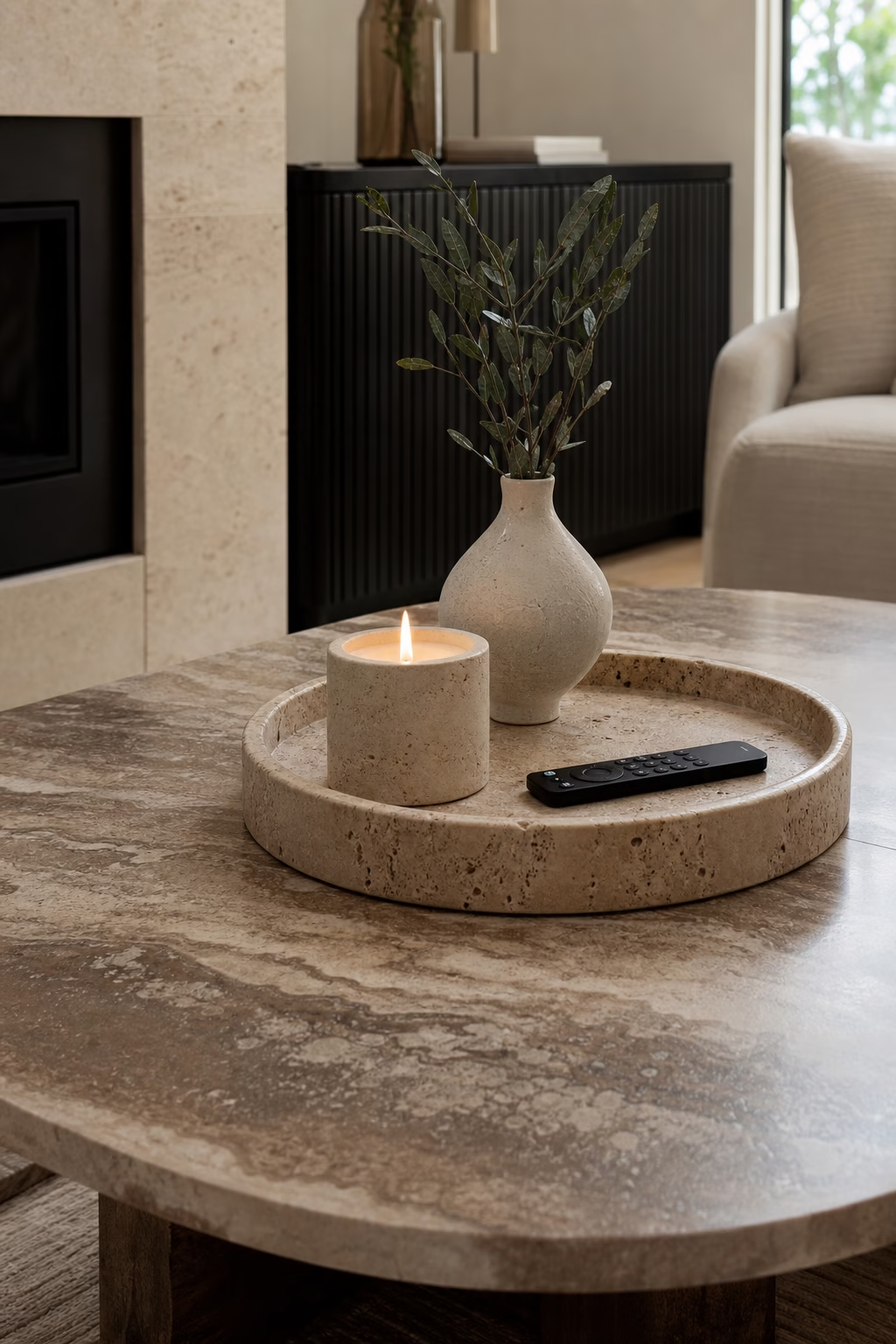
A tray gives everyday objects a boundary, which is why it is so useful on coffee tables, nightstands, vanities, and consoles. Stone feels especially polished in a modern home because it has weight, variation, and a natural surface that does not look fussy. Use travertine, marble, limestone, slate, or a convincing stone composite depending on the room. Gather only what belongs there: a candle, small vase, remote, hand cream, or keys. Leave part of the surface empty so the tray reads as decoration, not containment for clutter. One good tray can make daily use look intentional. Choose a tray size that leaves open surface around it, which keeps the vignette practical instead of crowded.
Repeat One Wood Tone With Restraint
Modern decoration becomes more coherent when wood tones repeat rather than compete. Choose one dominant family, such as pale oak, walnut, ash, or smoked eucalyptus, then echo it in two or three places. A coffee table, picture frame, and side chair can be enough. The pieces do not need to match perfectly, but they should share warmth and undertone. This repetition keeps accessories from feeling random and helps stone, textiles, and metal sit comfortably together. If the room already has wood floors, let them guide the palette. Restraint is what makes natural materials look deliberate instead of accidental. If two woods feel close but not identical, separate them with stone, fabric, or metal so the difference looks intentional.
Soften Clean Lines With Linen Curtains
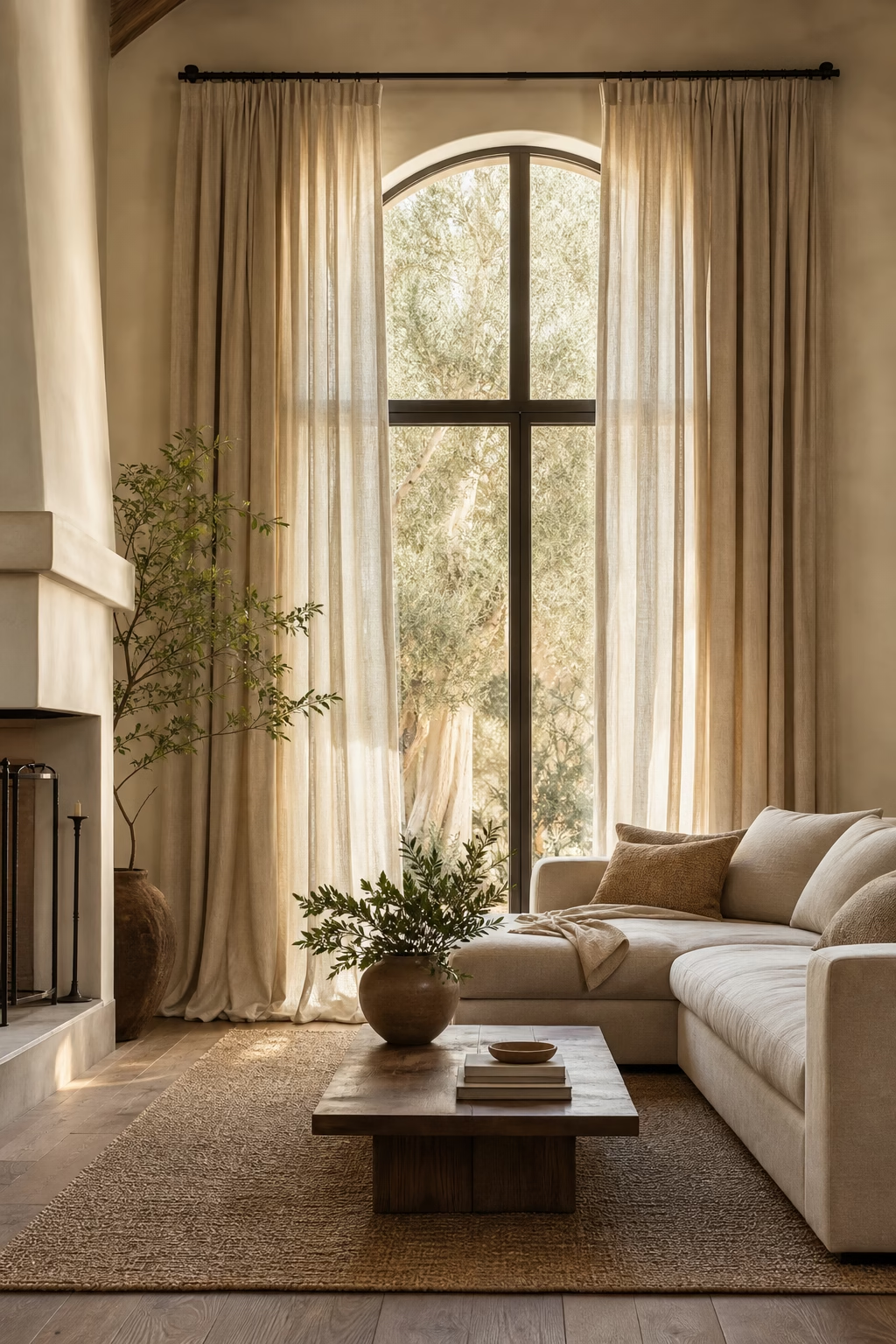
Modern homes often have crisp lines, hard floors, and generous glass, which makes window treatments important. Linen curtains soften all of that structure without hiding it. Hang them high and wide so the fabric frames the window even when open, and choose a warm white, oatmeal, mushroom, or soft gray that belongs to the wall color. The panels should have enough fullness to fall in real folds, not thin strips. Linen also filters daylight beautifully, giving walls and furniture a gentler surface. Even a minimal room feels more finished when the windows have proper scale and texture. For rentals, tension rods or ceiling-mounted tracks can still create the same soft, full-height effect.
Place Art Where It Relates to Furniture
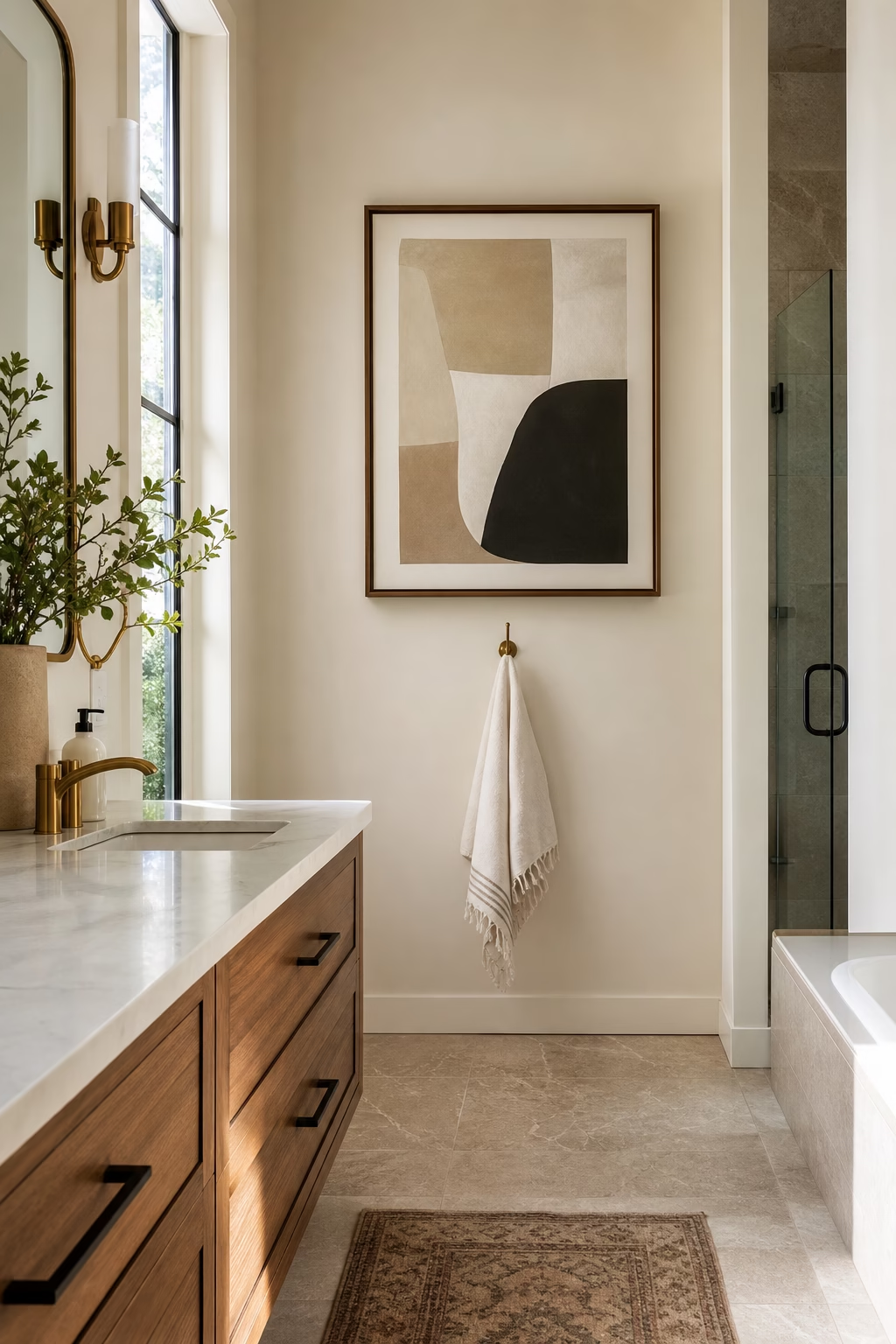
Art looks expensive when it is scaled and placed in conversation with the furniture below it. A piece above a sofa, console, bed, or sideboard should feel connected to that object, not stranded near the ceiling. In modern homes, one large work often feels calmer than a wall of small frames. Choose tonal abstracts, quiet photography, textile pieces, or strong black-and-white compositions depending on the room's mood. The frame should have presence without shouting. Before hanging, mark the size with painter's tape and view it from the doorway. Correct placement makes the entire wall feel more architectural. If the artwork is narrow, add a lamp or branch beside it so the wall still feels properly weighted.
Bring in One Rounded Accent Chair
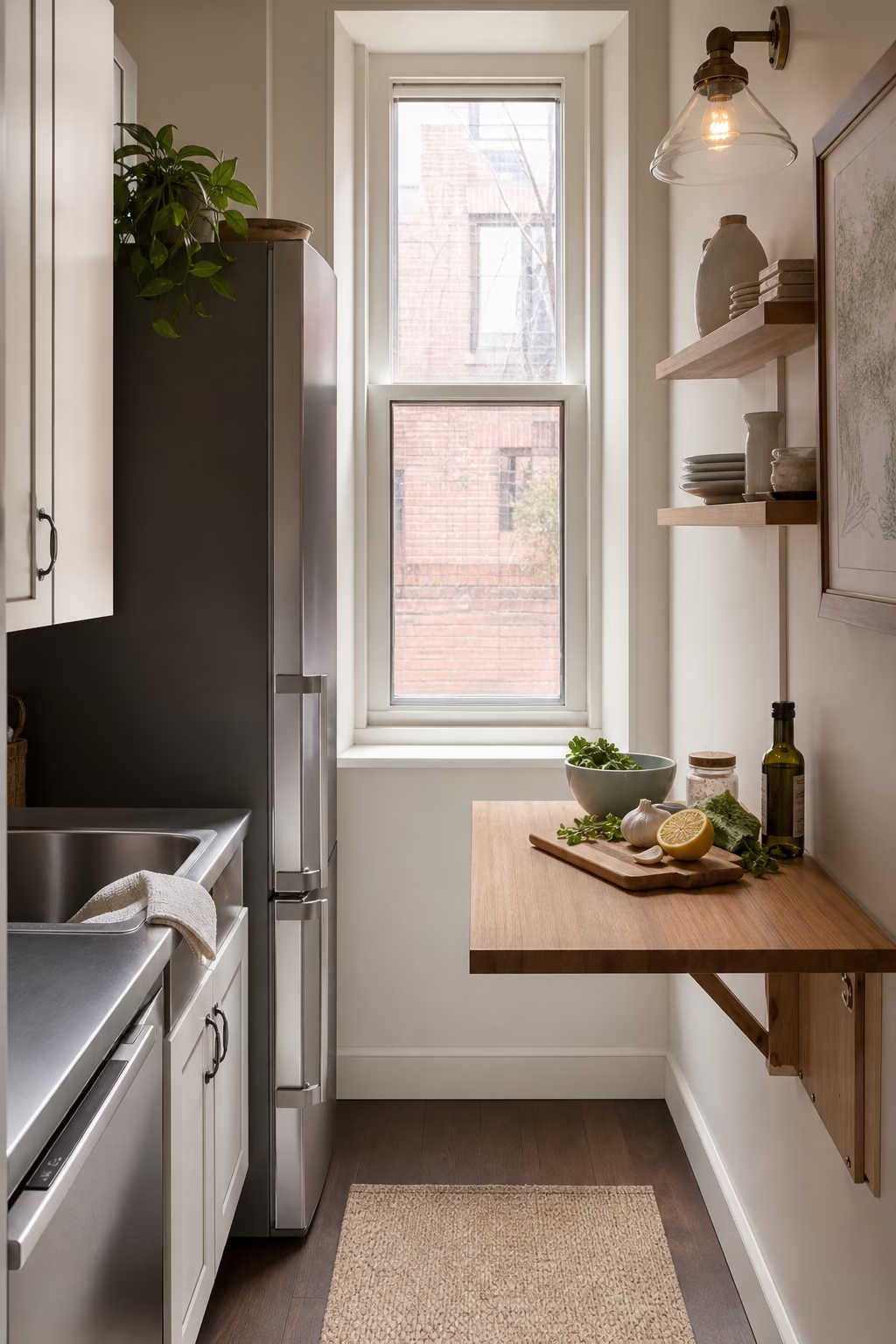
A rounded accent chair breaks up the straight lines of sofas, cabinetry, and rectangular rugs. It can sit in a living room corner, bedroom reading area, or open-plan transition zone where a little softness is needed. Choose a fabric with texture, such as wool, linen, boucle, or a tight performance weave, and keep the silhouette clean enough for the rest of the room. The chair should be useful, not merely decorative, so check seat depth and nearby lighting. Pair it with a small side table if space allows. Curves feel most modern when they are purposeful and comfortable. A small round table nearby can make the chair look useful instead of placed only for shape.

Display Ceramics in a Tight Palette
Ceramics add hand-finished character to modern rooms, but they look best when the palette is disciplined. Choose two or three related colors, such as ivory, charcoal, sand, clay, or soft green, then vary the shapes and heights. A matte vase, shallow bowl, and small lidded jar can create a strong grouping without feeling busy. Place them on a shelf, sideboard, or coffee table where the surface has enough room. Empty ceramics are often more elegant than overfilled ones, especially when the forms are sculptural. The slight irregularities give a clean room the warmth of something made by hand. Group ceramics in odd numbers only when the surface allows it; two strong pieces can feel just as elegant.
Use Mirrors to Reflect the Best View
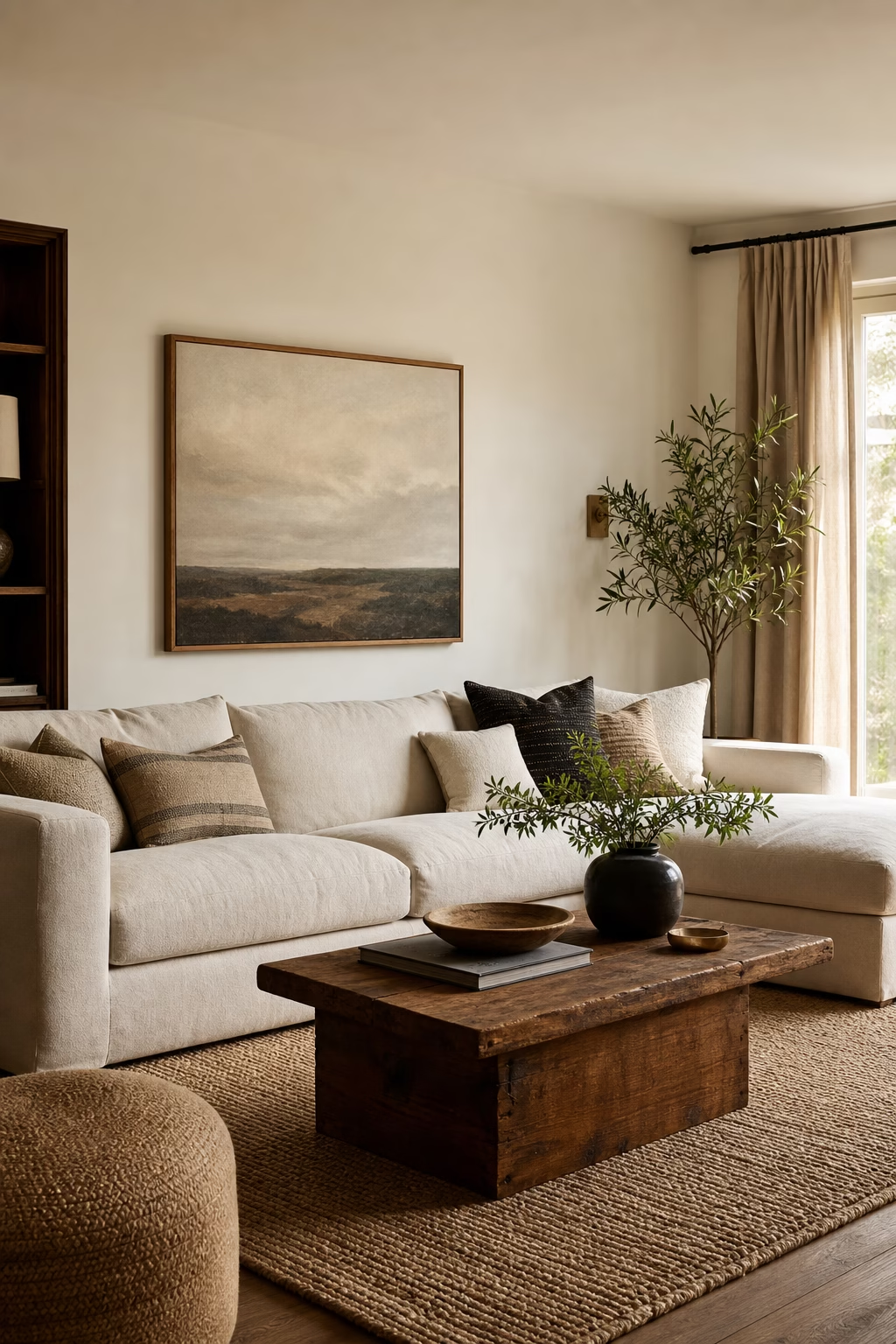
A mirror should be placed for what it reflects, not just where a wall looks empty. In a modern home, aim it toward a window, garden view, sculptural lamp, or calm passage of architecture. Avoid reflecting televisions, cluttered shelves, or dark corners. The frame can be slim metal, warm wood, plaster, or stone, but the scale should feel generous enough to matter. A large mirror in an entry, dining room, or living room can double the daylight and make a narrow area feel more expansive. Thoughtful reflection is decoration that also improves the room's light. Before hanging, check the reflection at several times of day so the mirror improves both daylight and evening light.
Keep Coffee Table Styling Low and Useful
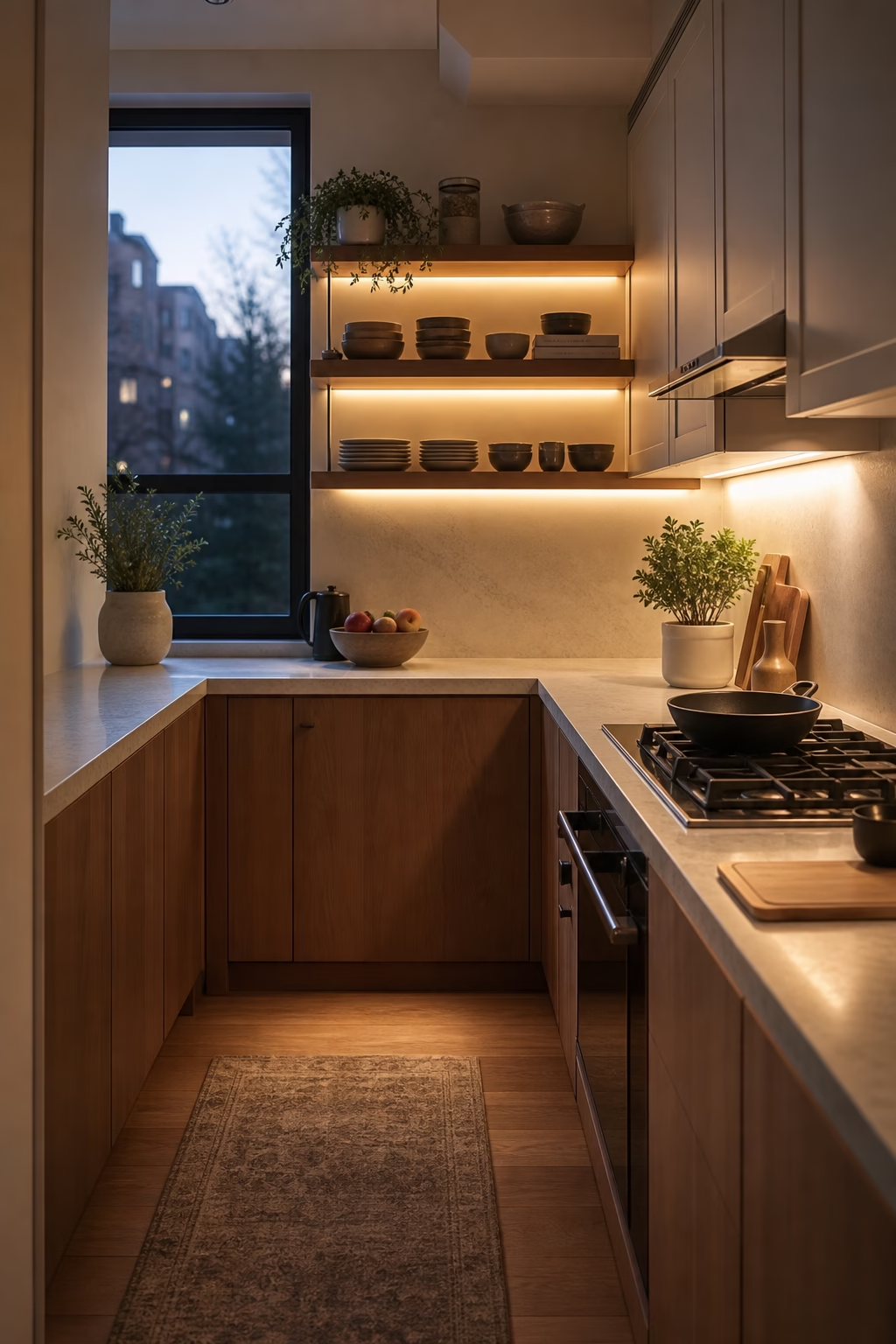
A coffee table should be beautiful, but it still needs to hold cups, books, and the rhythm of daily life. Keep the tallest item to one side, then balance it with a low bowl, tray, or stack of books. Avoid tall arrangements that block conversation across the sofa. Mix textures rather than many colors: stone, paper, ceramic, wood, and a small natural element can be enough. Leave at least one clear zone for real use. Modern coffee table styling succeeds when the surface looks intentional from across the room and still works when people are actually sitting there. Edit the table after styling by removing one piece; the remaining objects will usually look more deliberate.

Add Texture With a Woven Bench
A woven bench brings texture and function to spots that often feel unfinished: the foot of a bed, an entry wall, a long hallway, or a living room window. Cane, rush, leather strapping, or tightly woven fiber can warm up smooth architecture without adding heavy pattern. Keep the frame simple and the scale lean so the piece feels modern. A bench is especially useful because it gives people a place to set down a bag, put on shoes, or fold a throw. The weaving should be taut and well made. Casual materials look luxurious when the construction is crisp. A folded throw or single pillow can make the bench feel welcoming while still preserving its clean line.

Let a Single Plant Have Room
Greenery looks more sophisticated when it has enough space to grow visually. Instead of scattering many small pots around a modern room, choose one healthy plant with a strong silhouette. An olive tree, ficus, rubber plant, dracaena, or large philodendron can fill a corner and soften the architecture. The planter should be as considered as the plant: ceramic, fiber cement, stone, or woven texture all work if the scale is right. Keep leaves away from walkways and curtains. One well-placed plant brings life, height, and a natural irregularity that modern decoration often needs. Rotate the plant a quarter turn every few weeks so it keeps a balanced shape in the room.
Use Black as a Thin Graphic Line
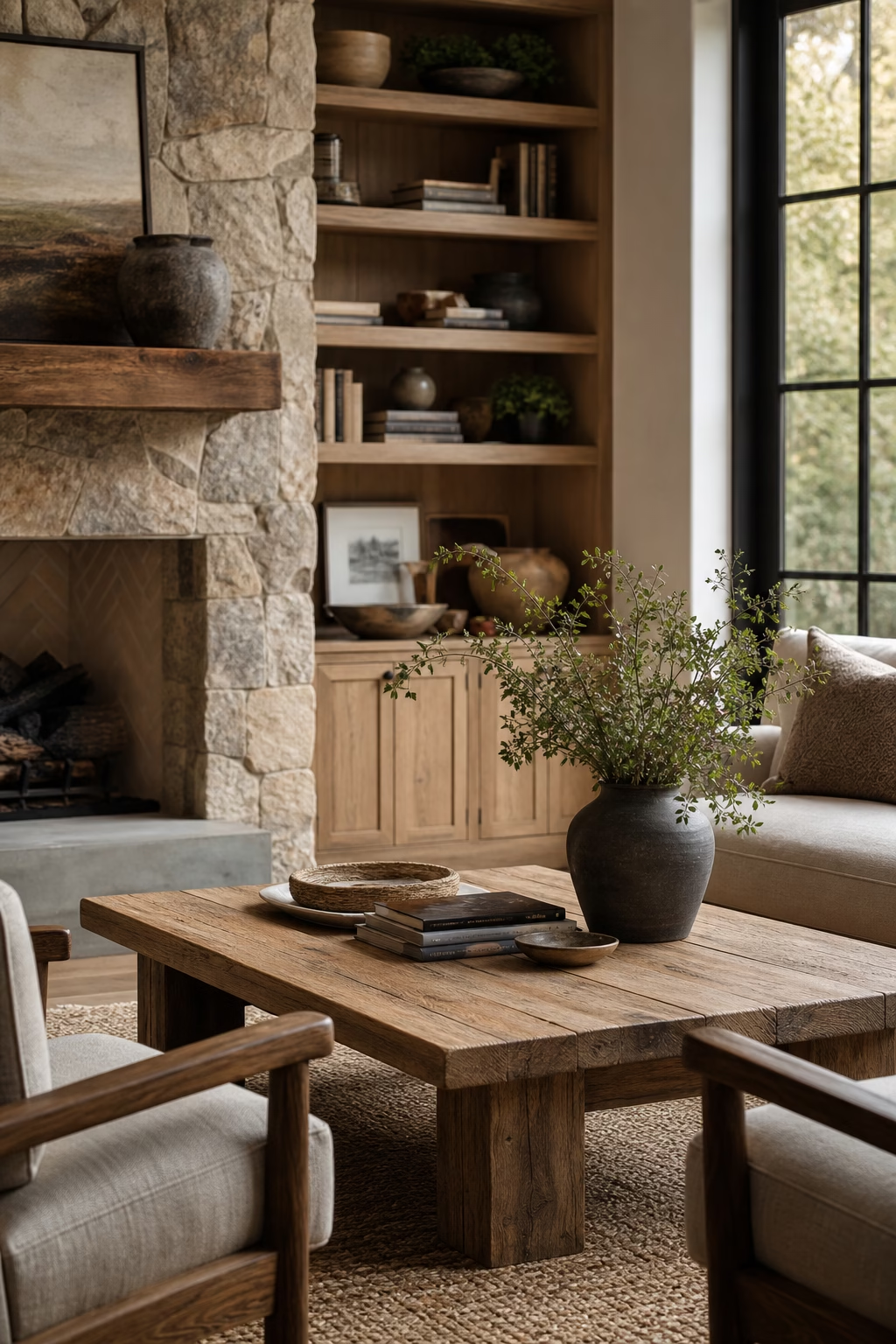
Black accents can sharpen a modern home, but they are strongest when used as a fine line rather than a heavy block. Try a slim picture frame, curtain rod, side table leg, lamp stem, or narrow metal mirror frame. Repeating that line lightly across the room gives pale walls, wood, and stone more definition. If the palette is warm, charcoal or dark bronze may feel softer than pure black. The point is contrast with restraint. Too much black can make a room feel hard, while a few precise touches make the entire composition look more intentional and better edited. Repeat the dark line at least twice so the accent feels like a design language, not a stray detail.
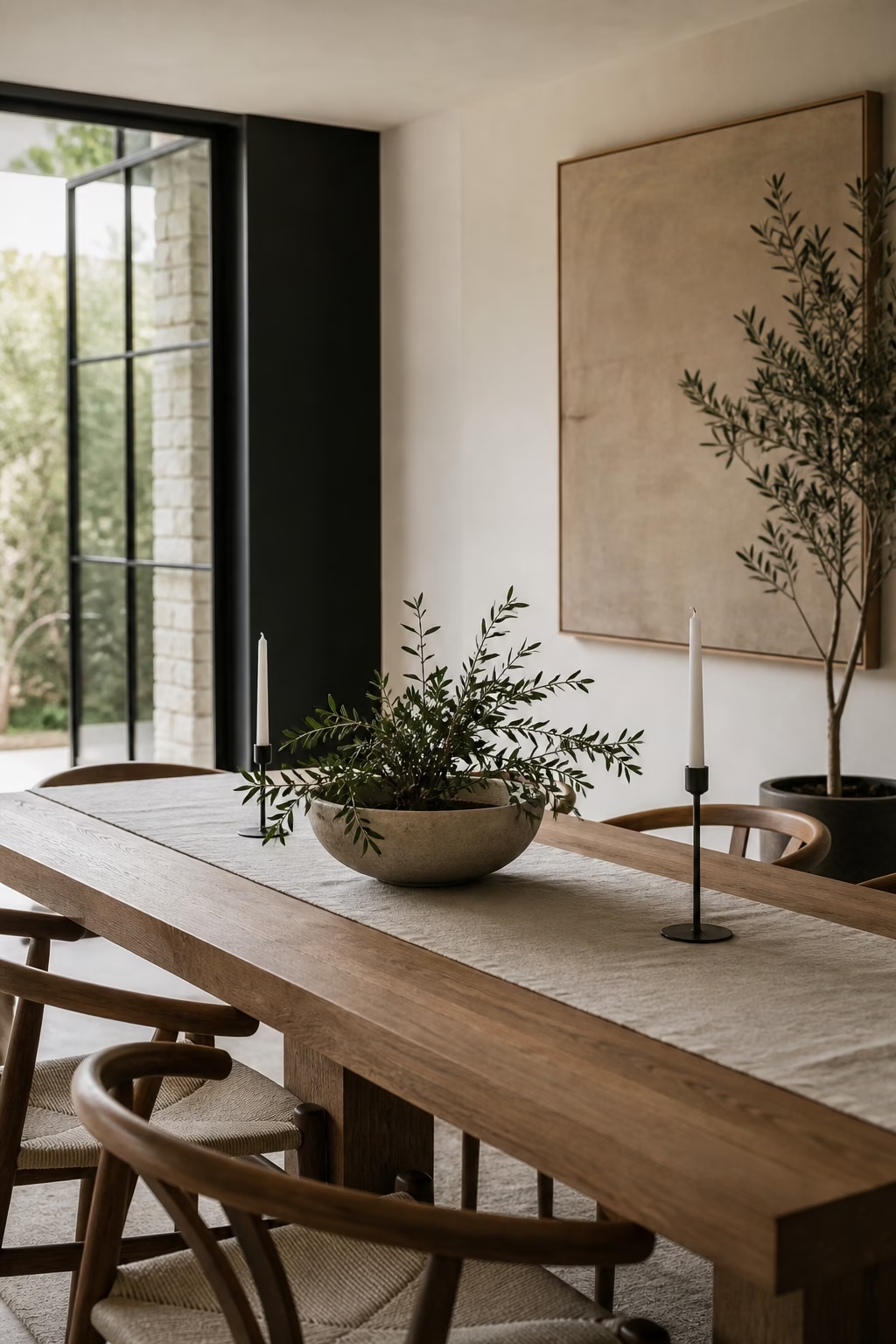
Create a Dining Table Centerpiece That Stays Low
A dining table centerpiece should improve the room without interrupting conversation. Low bowls, footed vessels, grouped candle holders, or a shallow arrangement of greenery work better than a towering bouquet for everyday use. Keep the centerpiece narrow enough that place settings still fit comfortably. Natural materials such as ceramic, stone, wood, linen, and glass tend to age well in modern homes. If the table is long, repeat two or three low pieces instead of placing one small object in the middle. The arrangement should feel composed from the doorway and effortless when dinner is served. For casual meals, the same low centerpiece can stay on the table instead of being moved before dinner.
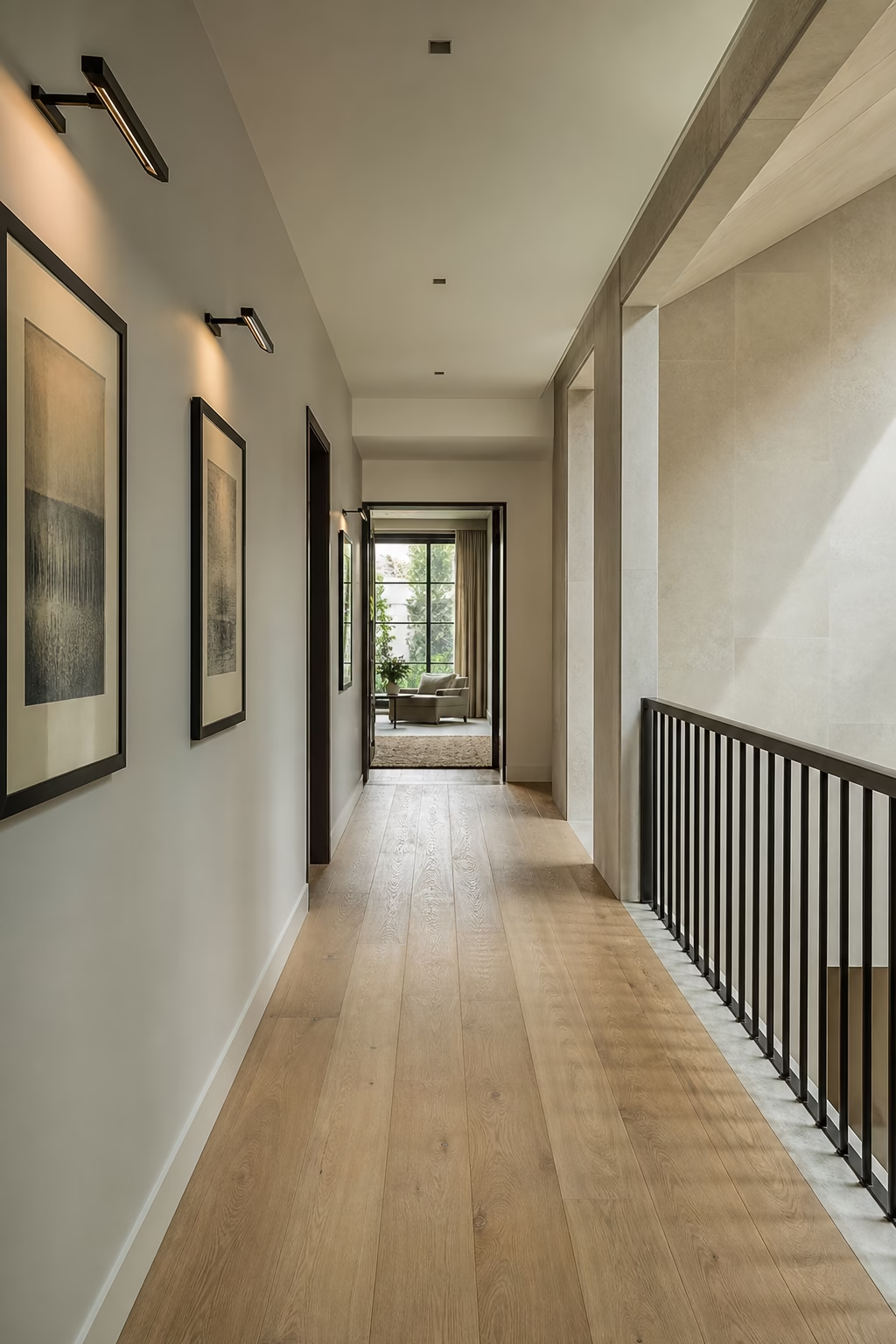
Frame a Hallway With Quiet Art
Hallways are often neglected, yet they shape how a home feels between rooms. Quiet art can make the passage feel intentional without narrowing it. Use a series of related works with slim frames, one long photograph, or a single textured canvas at the end of the view. Keep projections minimal so the hallway remains easy to move through. Lighting matters here; a picture light, wall washer, or nearby sconce can make simple art feel considered. A modern hallway does not need many objects. It needs rhythm, proportion, and one reason to slow down for a moment. Keep hallway frames consistent so the passage feels calm even when the artwork itself varies slightly.
Warm the Kitchen With Decorative Boards
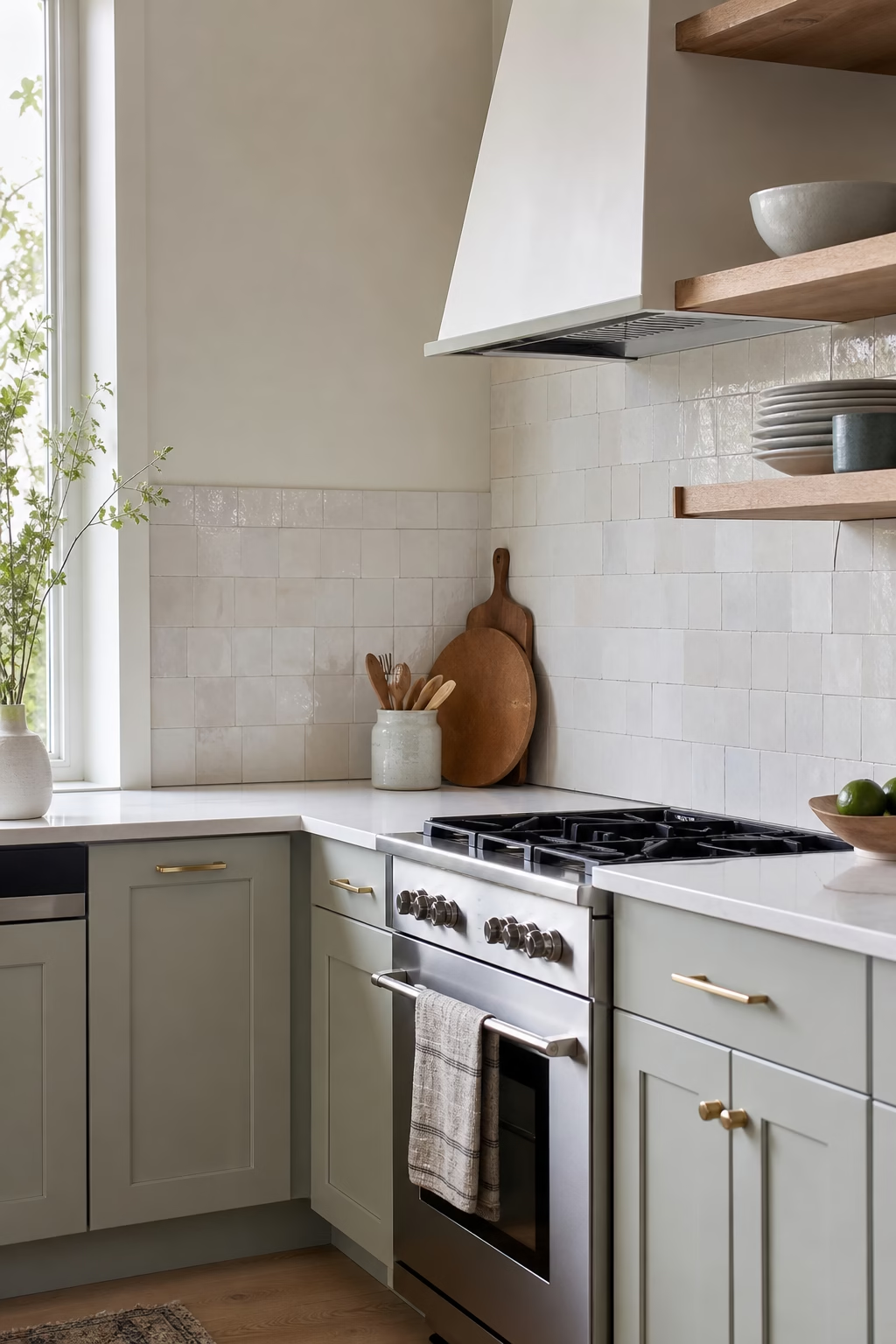
Decorative boards can soften a modern kitchen when they are useful and well placed. Lean one or two wood boards against a backsplash, preferably near the prep area or an open shelf where they make sense. Choose good proportions: one tall paddle board, one round board, or a thick rectangular piece can add warmth to stone and cabinetry. Avoid stacking so many that the counter becomes impractical. The wood should be oiled, clean, and related to other tones in the room. This is a small kitchen decoration that earns its place because it can be used every day. Wash and oil boards regularly, because beautiful kitchen decor loses its polish if it looks neglected.
Turn the Nightstand Into a Calm Vignette
A nightstand works best when the decorative pieces support the evening routine. Start with a lamp or sconce, then add a shallow dish, one book, and a small vase or branch. Everything else should live in a drawer. In a modern bedroom, material quality matters more than quantity: a ceramic lamp, stone tray, linen shade, and warm wood surface can feel luxurious without much color. Keep the height below the line of the headboard unless the lamp needs more reach for reading. A calm nightstand makes the entire bedroom feel more restful and better cared for. Use the drawer to hide chargers and medicine so the visible vignette stays quiet at the end of the day.
Use Scent as an Invisible Layer
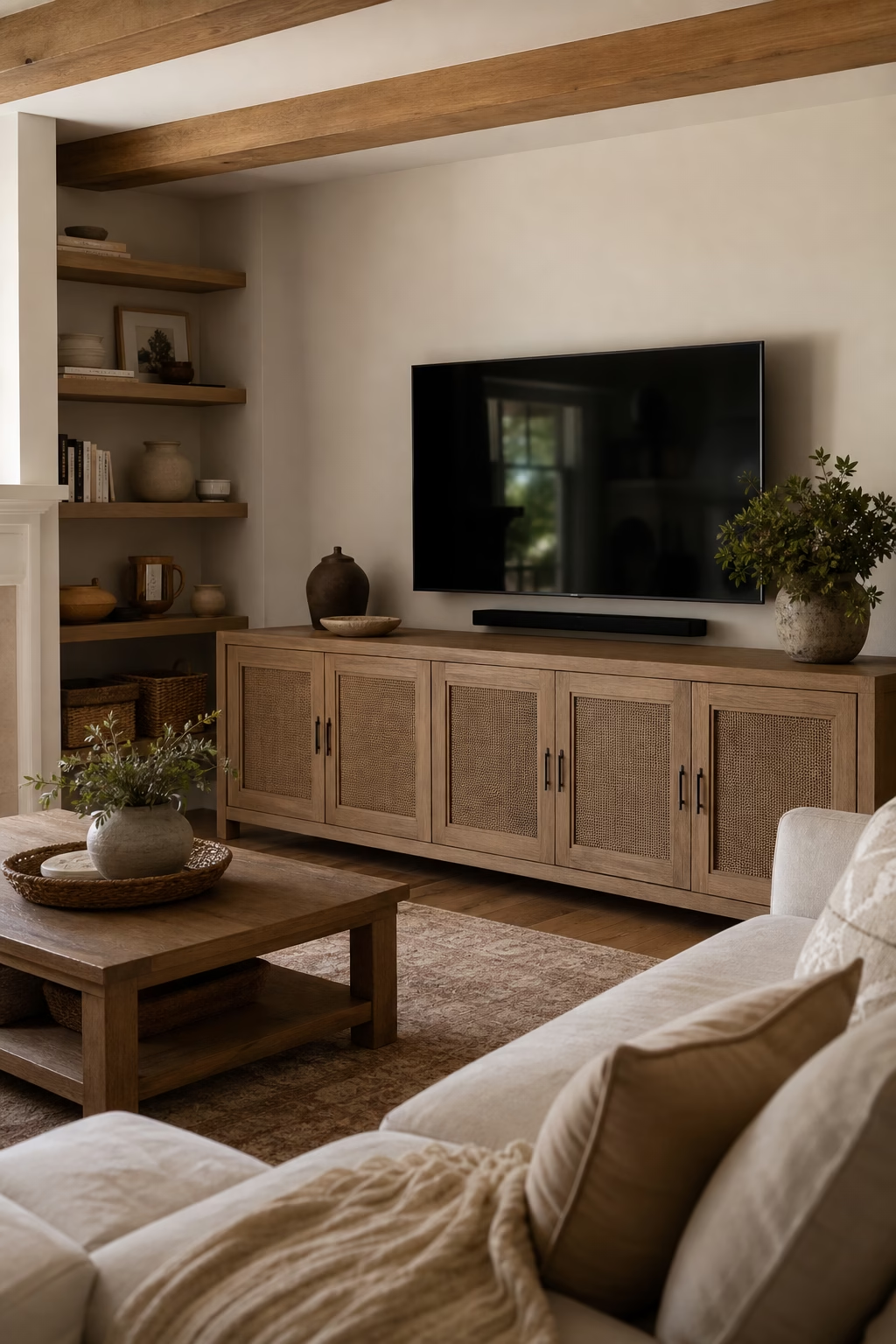
Scent should be subtle enough that guests notice the atmosphere, not the product. A ceramic candle vessel, reed diffuser in a simple glass bottle, cedar blocks, or a small bowl of dried botanicals can make a modern home feel more complete. Choose placement carefully: entry, powder room, bedroom, or living room side table are better than food preparation areas. The vessel should fit the room's materials so it does not feel like packaging left out. Treat scent as a finishing layer, the way you would treat lighting. It should support the room, not announce itself before the decor does. Avoid mixing competing fragrances between rooms; a consistent scent family feels more refined as people move through the home.
Choose Hardware-Like Decorative Accents
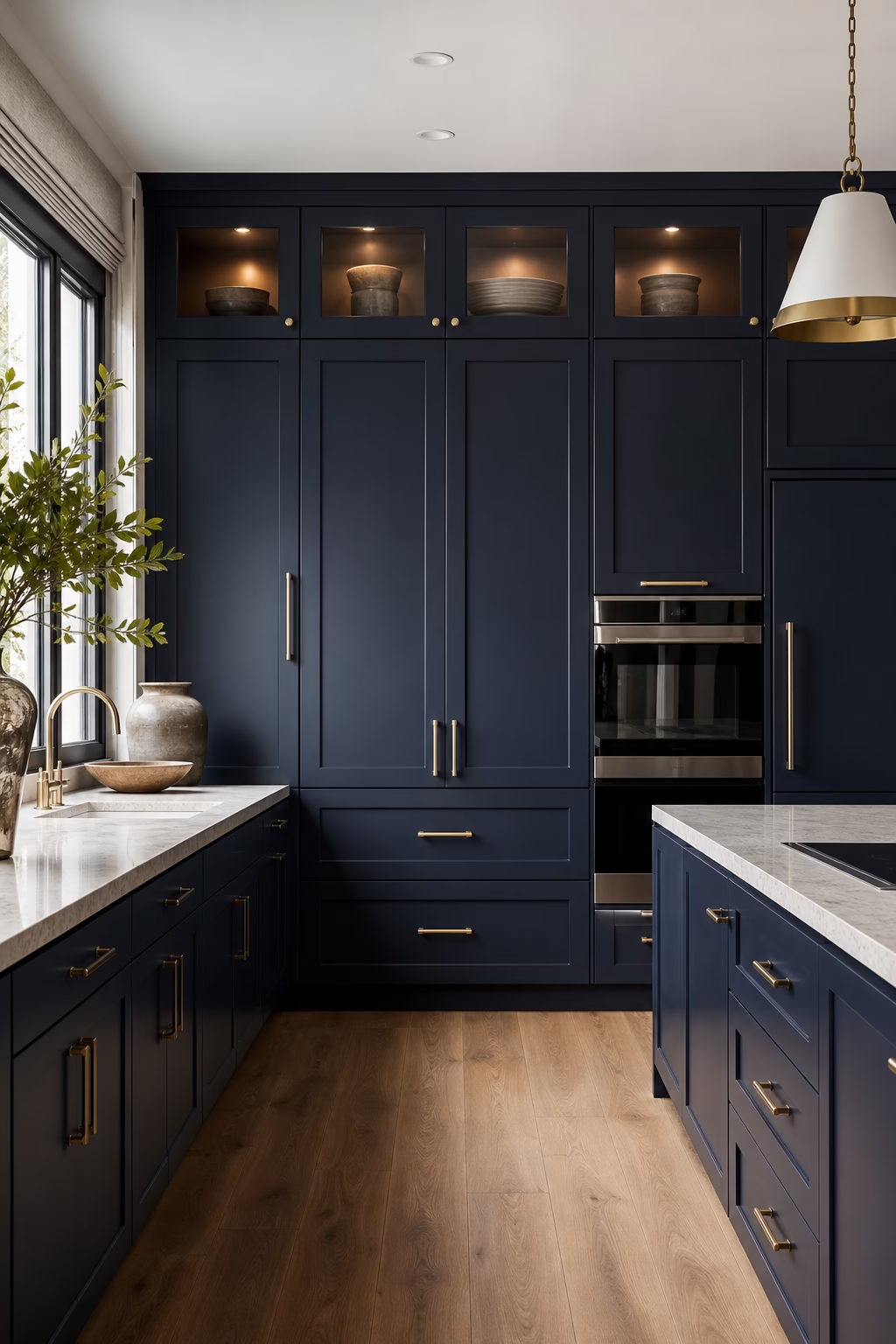
Small accents look more sophisticated when they share the language of the home's hardware. If the doors, faucets, or lighting use aged brass, blackened metal, polished nickel, or bronze, repeat that finish in a tray edge, candle holder, bowl, or picture frame. Keep the pieces few and substantial. This makes decoration feel connected to the permanent architecture rather than dropped onto surfaces at random. Metal is especially useful in neutral rooms because it catches light without relying on color. The trick is restraint: one or two echoes per room usually looks richer than an obvious matching set. Let one metal finish lead and the other finishes support it, especially in rooms with open sightlines.
Make the Powder Room Feel Like a Small Jewel
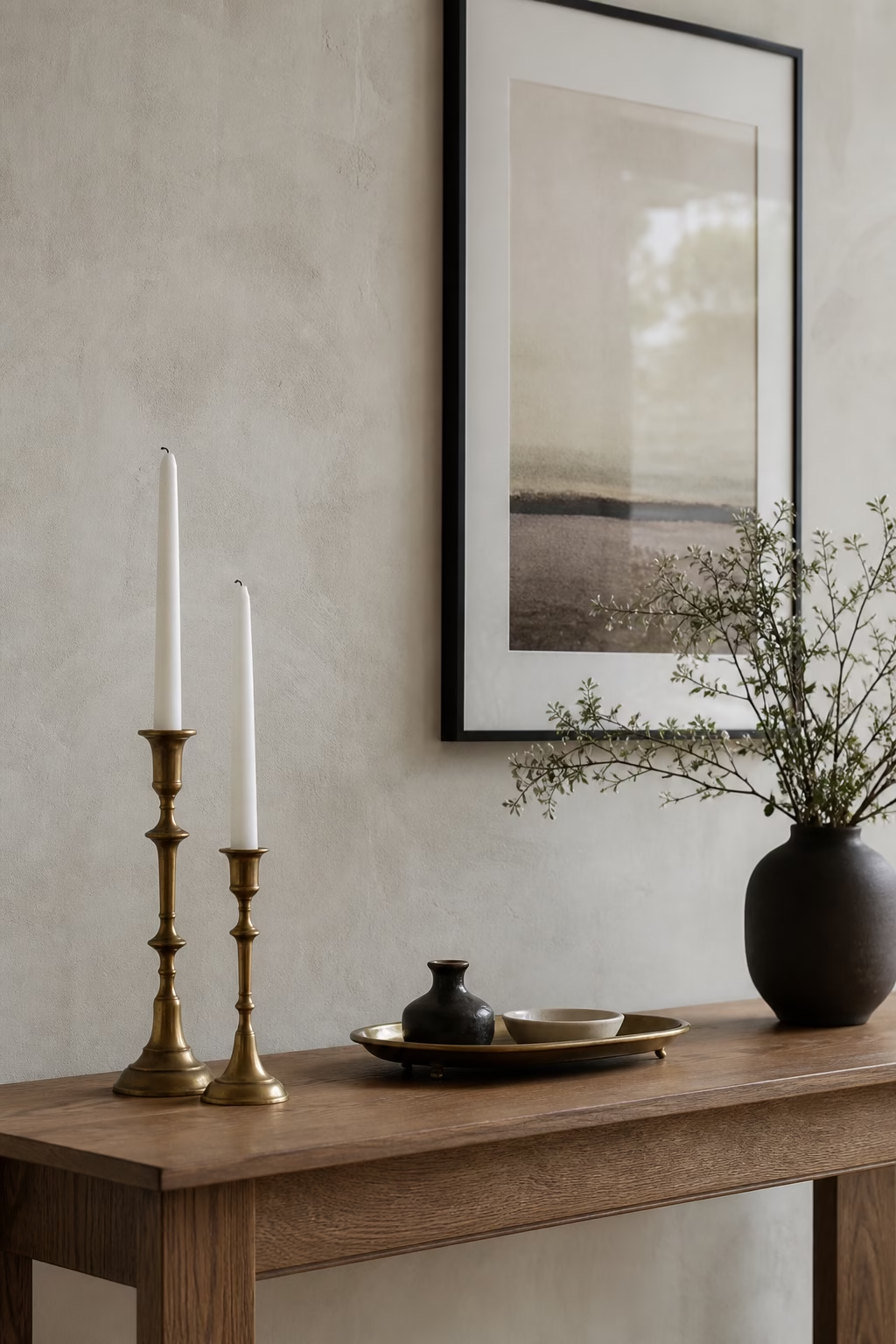
A powder room can carry more decorative intensity than larger spaces because people experience it briefly. Choose one beautiful material or gesture: a stone sink, dramatic mirror, limewash wall, tiny artwork, or sculptural sconce. Then keep the counter clear with a tray, hand towel, and one small vessel. Avoid filling the room with novelty pieces; the small scale already creates intimacy. Good lighting and clean proportions matter more than excess. When the details are carefully chosen, a powder room becomes a memorable moment in the home rather than a purely practical stop. A tiny fresh branch or folded linen towel can soften the space without stealing room from the sink.
Carry Style Into the Laundry Room
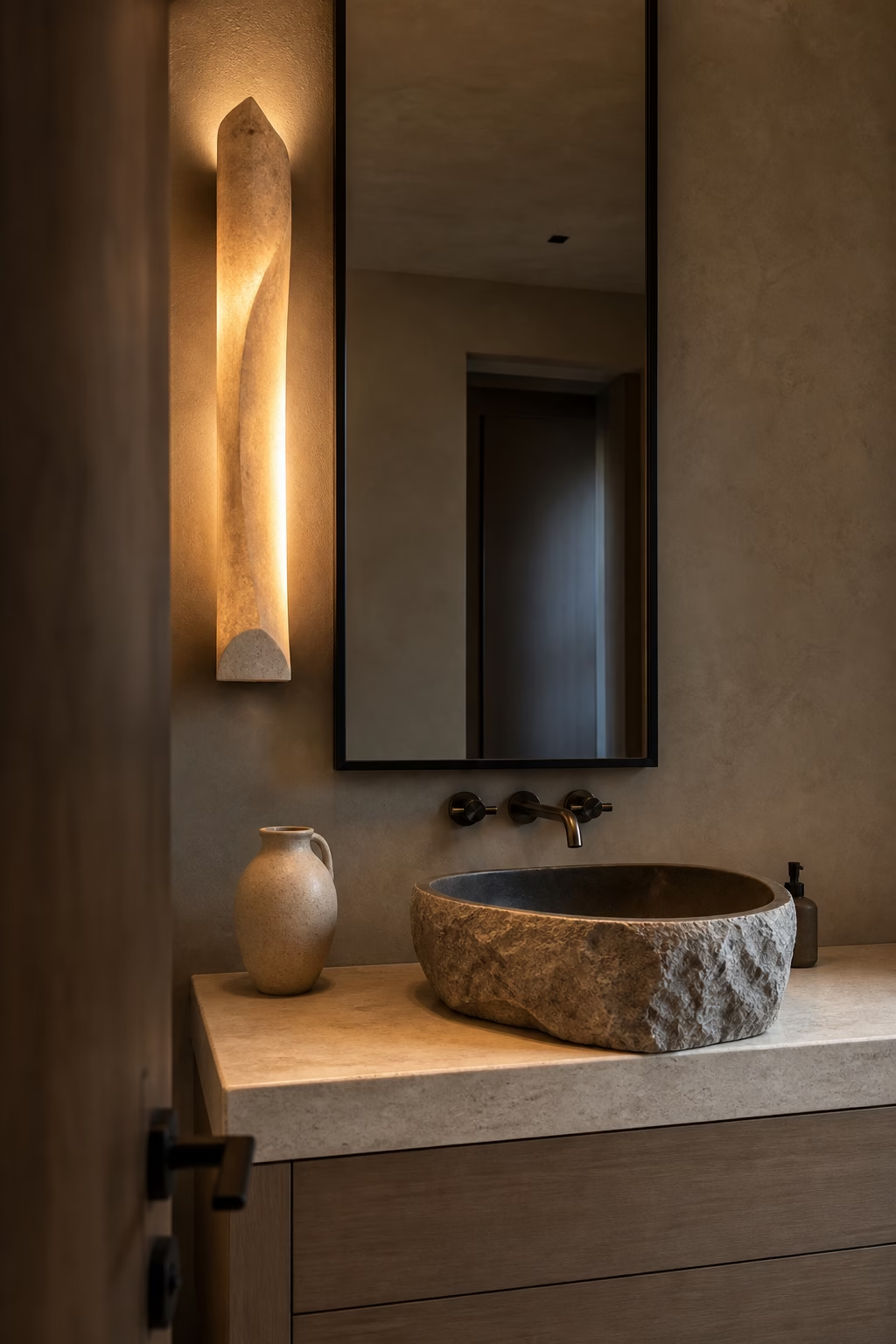
A laundry room deserves the same decorative attention as the rooms guests see first. Use a small runner, pretty storage jars, a woven hamper, a wall shelf, or a single framed print to make the space feel finished. Keep the choices practical, because moisture, detergent, and daily sorting still matter. Closed cabinets can hide supplies, while one open shelf keeps the room from feeling purely utilitarian. If the machines are visible, balance their hard edges with wood, fabric, or a soft wall color. A beautiful laundry room makes repetitive chores feel less like a visual afterthought. Choose washable textiles and wipeable containers so the room remains attractive on real laundry days.
Finish With Negative Space
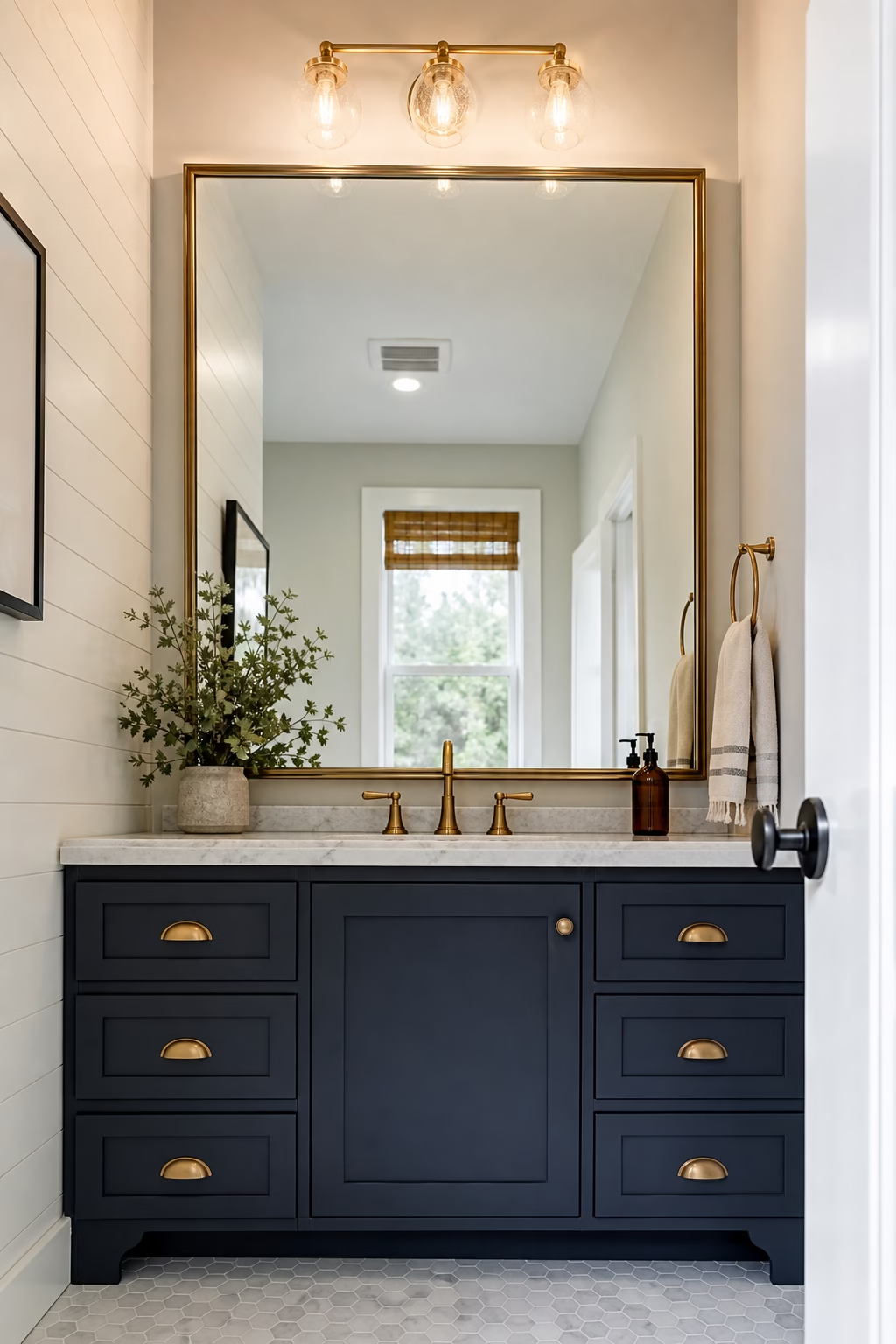
Negative space is one of the most overlooked decoration tools in modern homes. A blank section of wall, an empty stretch of tabletop, or a shelf with breathing room can make the pieces you do choose feel more valuable. Before buying another object, remove a few items and see whether the room improves. Often the best edit is leaving space around a lamp, chair, artwork, or vessel so its shape can be read clearly. This does not make a home cold; it makes the decorative moments easier to appreciate. Luxury is not always more. Sometimes it is enough room to see. The final edit should make cleaning easier too; decoration that complicates maintenance rarely stays beautiful for long.
