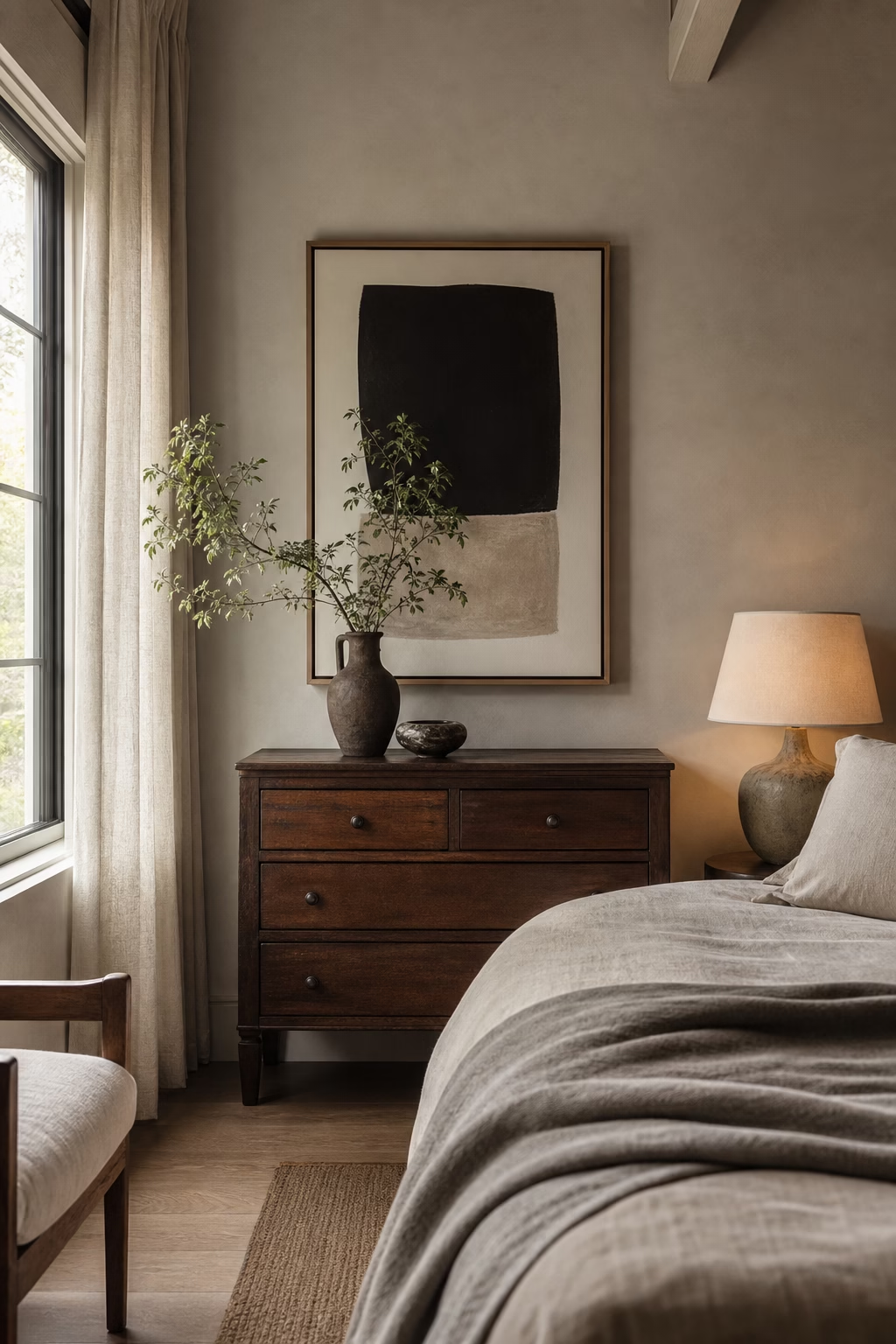
Anchor the Bed With One Oversized Artwork
One large artwork above the bed can make the whole room feel resolved faster than a collection of small pieces. Choose a frame that spans roughly two-thirds of the headboard width, then hang it low enough to relate to the bed without feeling crowded. Tonal abstracts, quiet landscapes, textile pieces, and soft photography all work in a bedroom because they add atmosphere without visual noise. Keep the bedding and lamps restrained so the art has breathing room. The goal is not drama for its own sake; it is a calm focal point that gives the bed wall proportion, mood, and a clear design decision.
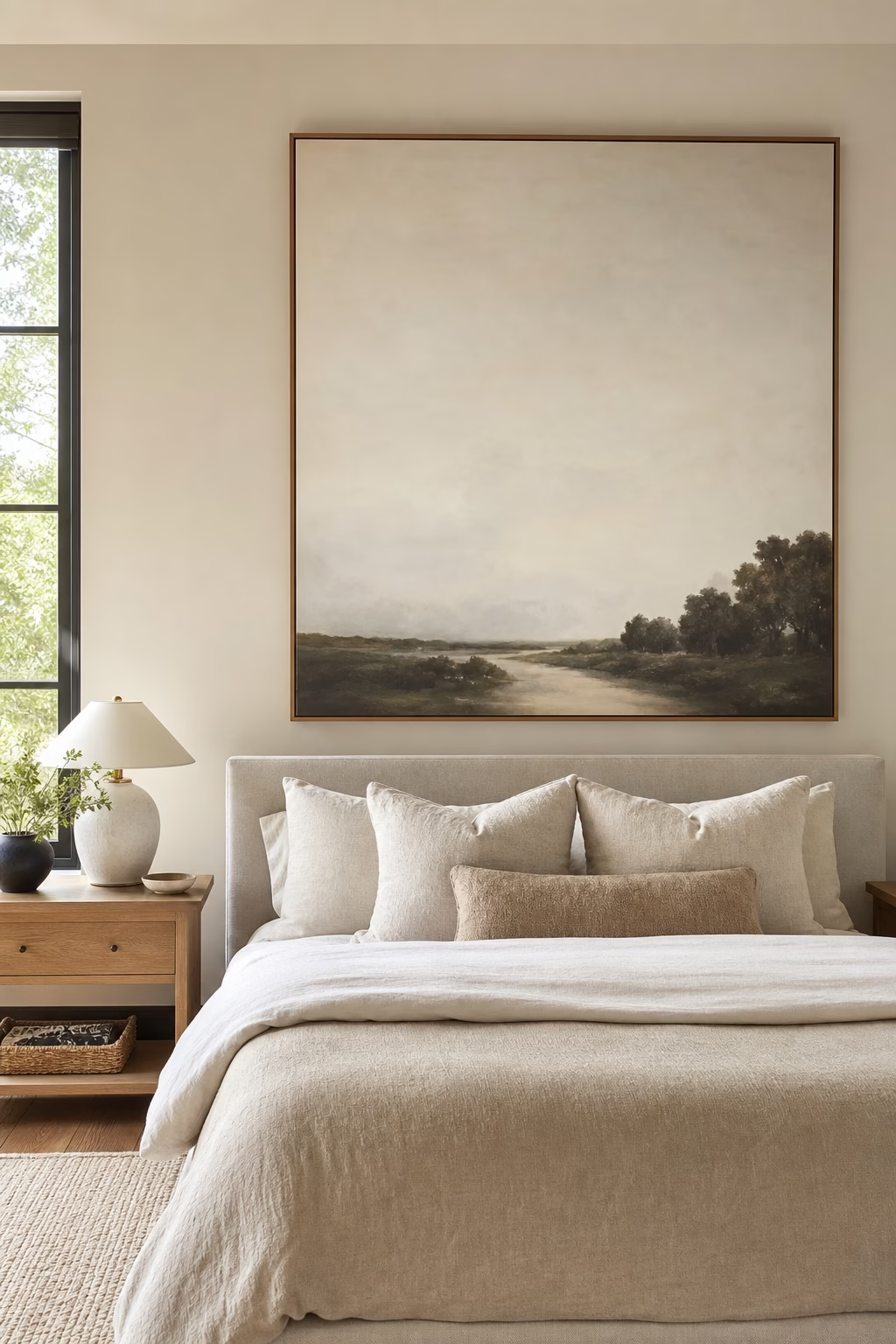
Frame the Headboard With Wall Sconces
Wall sconces free the nightstands and make the bed wall feel more architectural. Place them high enough for reading but low enough that the light feels intimate from bed. Swing-arm sconces are useful for real reading, while fixed plaster, brass, or ceramic fixtures create a softer hotel-like glow. Keep the shades proportional to the headboard and choose warm dimmable bulbs so the room can shift from practical to restful. If hardwiring is not possible, well-designed plug-in sconces can still look polished when cords are managed cleanly. This detail adds symmetry, function, and evening atmosphere in one move.
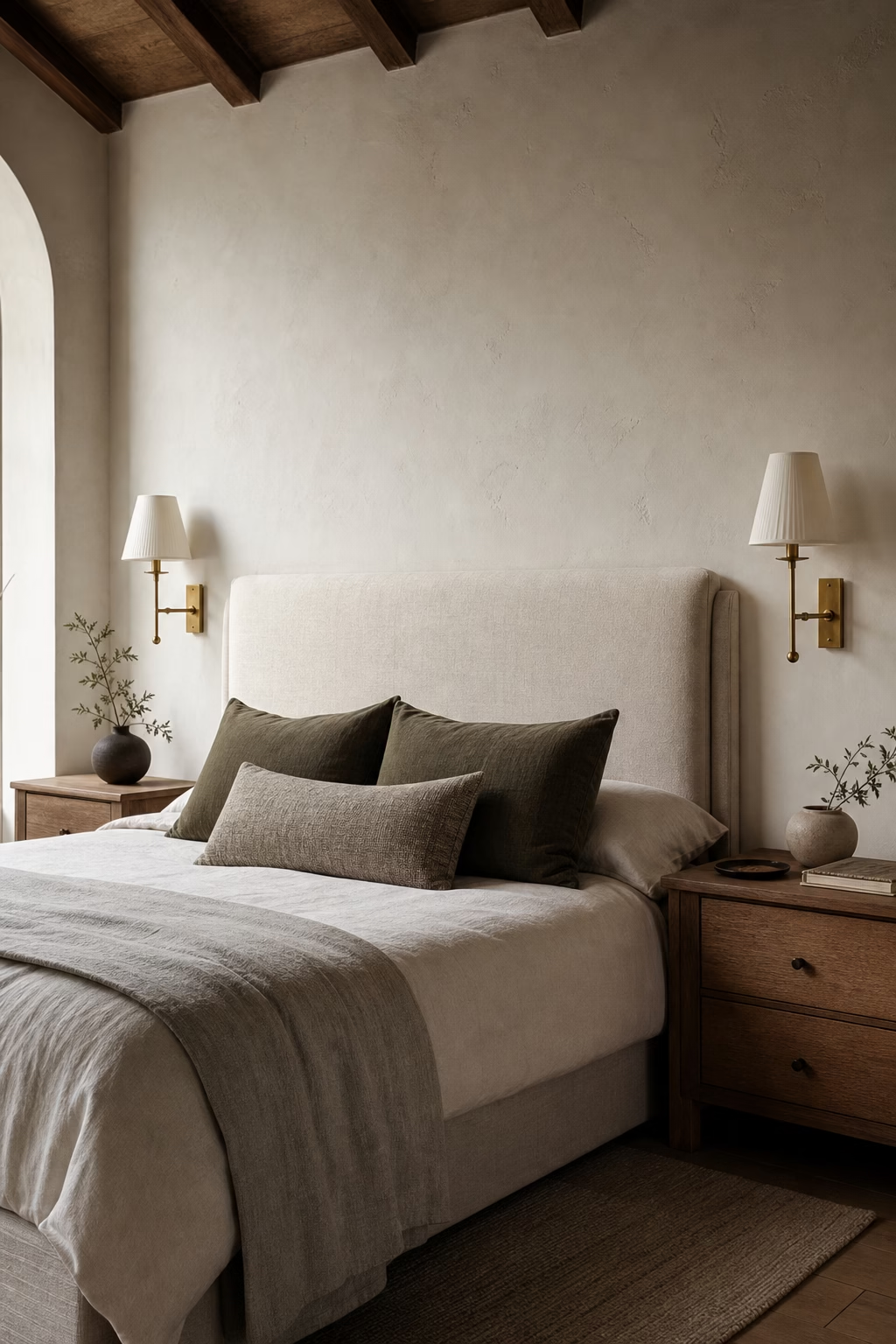
Use a Picture Ledge for Flexible Styling
A slim picture ledge is ideal when you like to change the room without patching new nail holes every season. Install it above a headboard, dresser, or reading chair, then layer two or three framed pieces with a small object or vessel. Keep the ledge shallow and avoid overloading it; a bedroom still needs calm negative space. The frames should vary slightly in height but share a finish or color mood so the arrangement feels intentional. This idea is especially useful in rental bedrooms or guest rooms because it gives the wall depth while staying easy to edit over time.
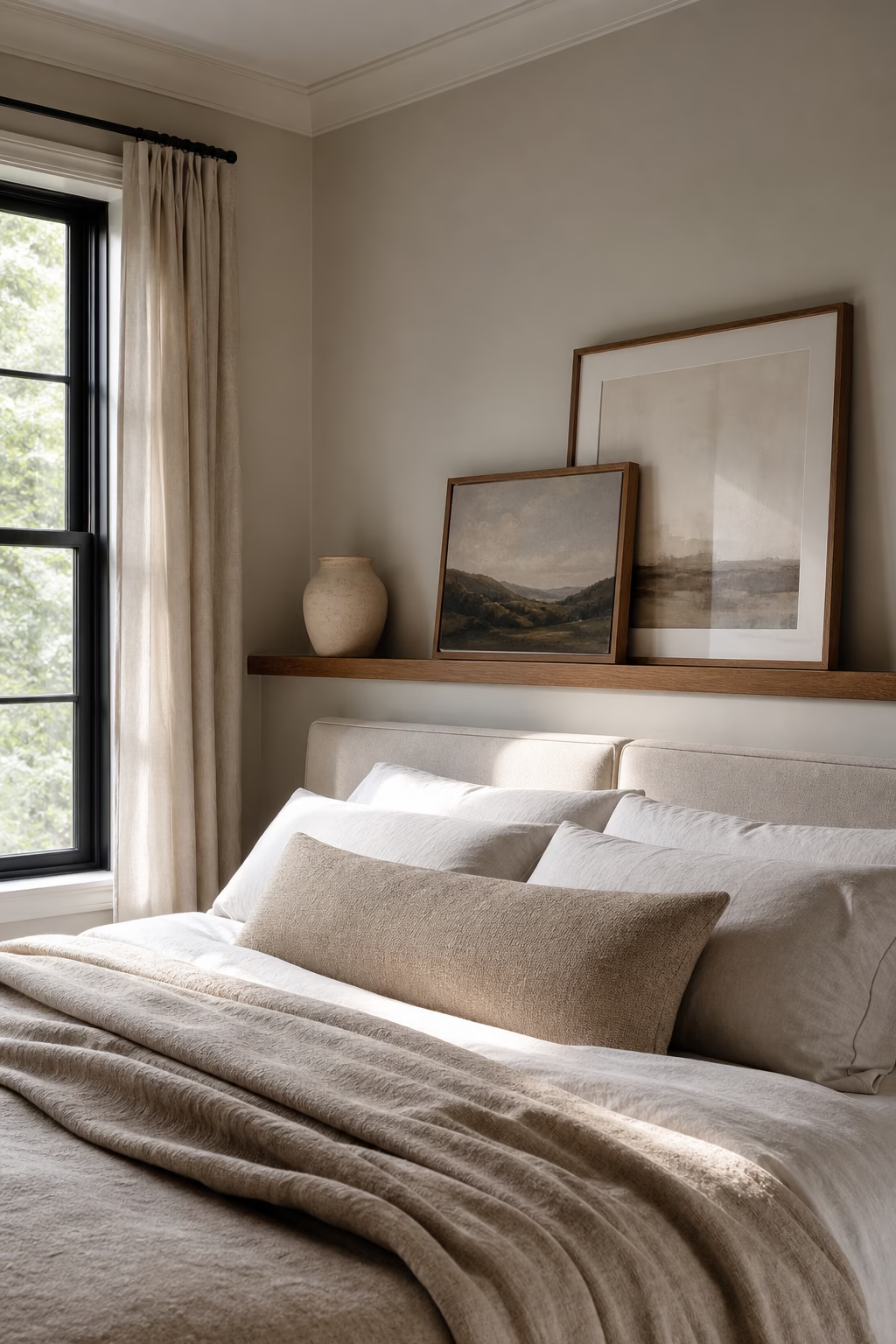
Try Limewash for Quiet Movement
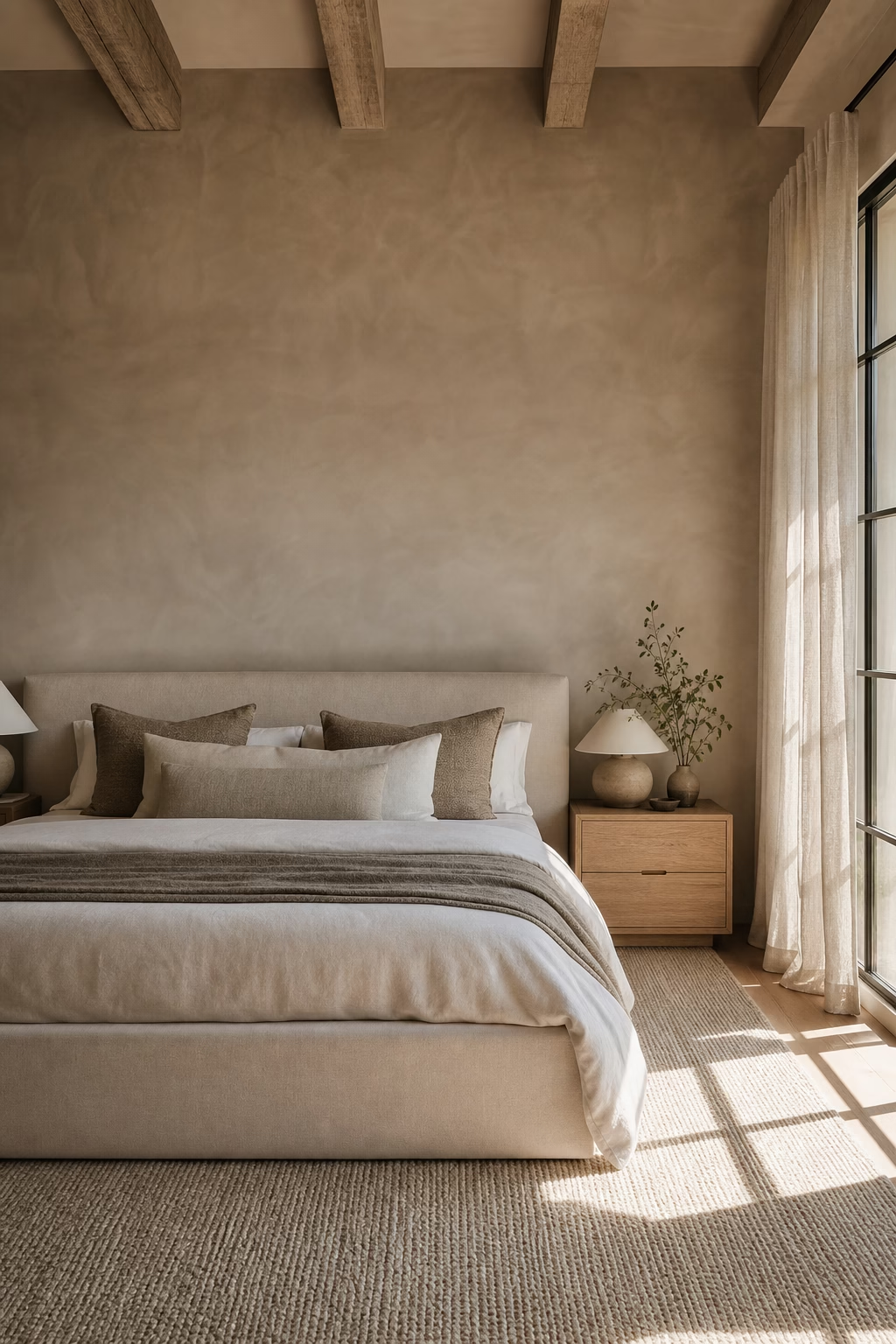
Sometimes the best bedroom wall decor is the wall finish itself. Limewash, Roman clay, plaster, or a mineral paint gives flat walls soft movement that changes with the light. Use it behind the bed when you want a focal wall without pattern, or wrap the whole room for a cocooning effect. The color should stay gentle: warm white, mushroom, clay, pale olive, or soft taupe all support rest. Pair the texture with simple trim, linen curtains, and uncluttered art so the surface reads as architecture. It makes a new bedroom feel more established and quietly expensive. It also reduces the need for extra wall accessories.
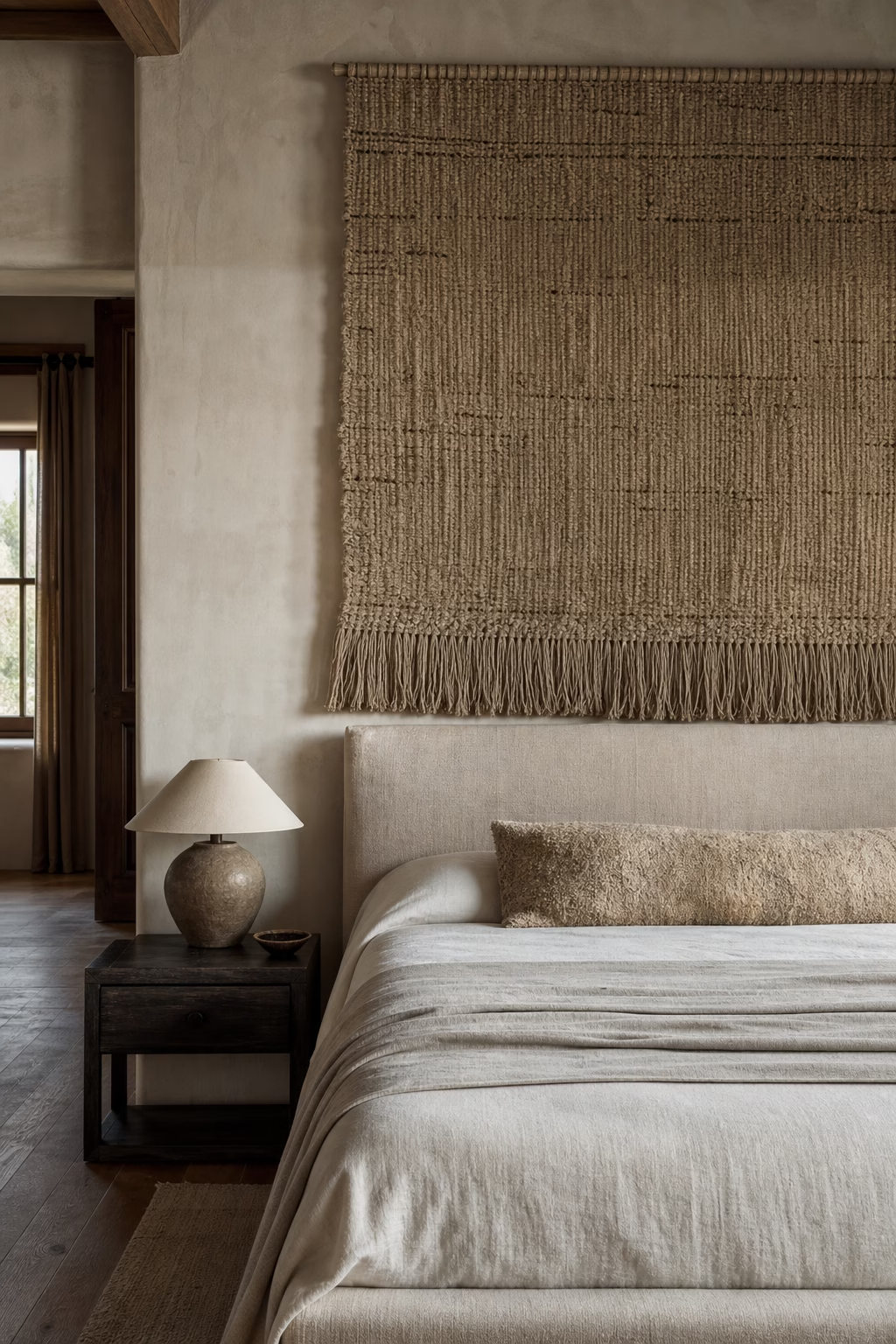
Hang a Soft Textile Panel
Textile wall decor brings softness where framed glass can feel too hard. A woven panel, framed fabric, antique suzani, neutral tapestry, or hand-stitched textile can add texture above a bed or beside a reading chair. Choose a piece that lies flat, hangs securely, and relates to the bedding through tone rather than matching it exactly. In a bedroom, restraint matters; one substantial textile usually looks more refined than several small fabric accents. This approach also improves the acoustic feel of the room, especially in spaces with wood floors, high ceilings, or minimal window treatments. The result feels intimate without becoming visually heavy.
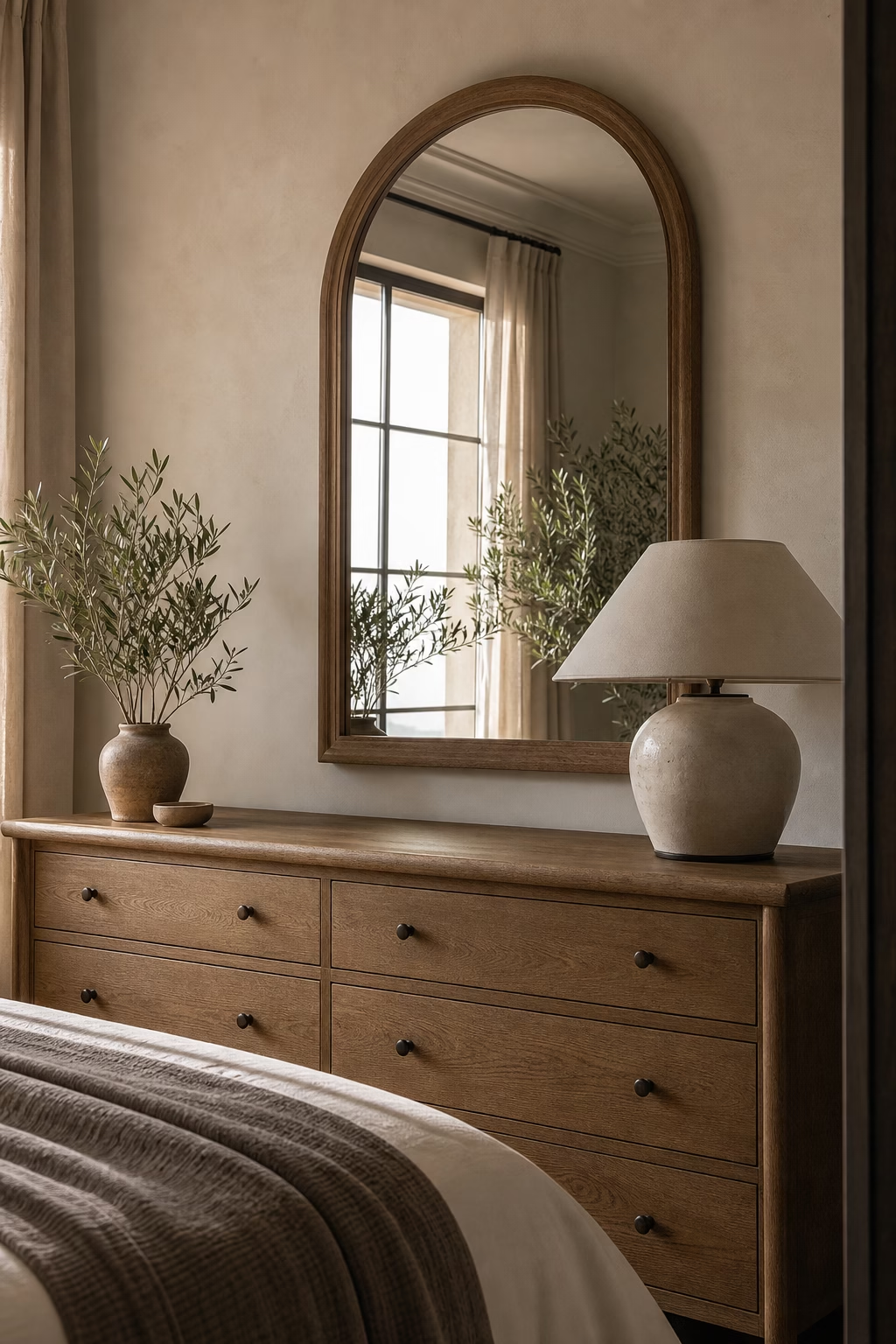
Add a Mirror Where It Reflects Light
A bedroom mirror should be placed for what it reflects, not only for the wall it fills. Aim it toward a window, lamp, artwork, or quiet corner rather than a messy doorway or laundry chair. Above a dresser, an arched or softly rounded mirror can break up straight furniture lines. Full-length mirrors work best when they have breathing room and a frame that relates to the room's metals or woods. Avoid hanging a mirror directly opposite the bed if the reflection feels restless at night. Used carefully, a mirror brightens the room and adds depth without another busy pattern.
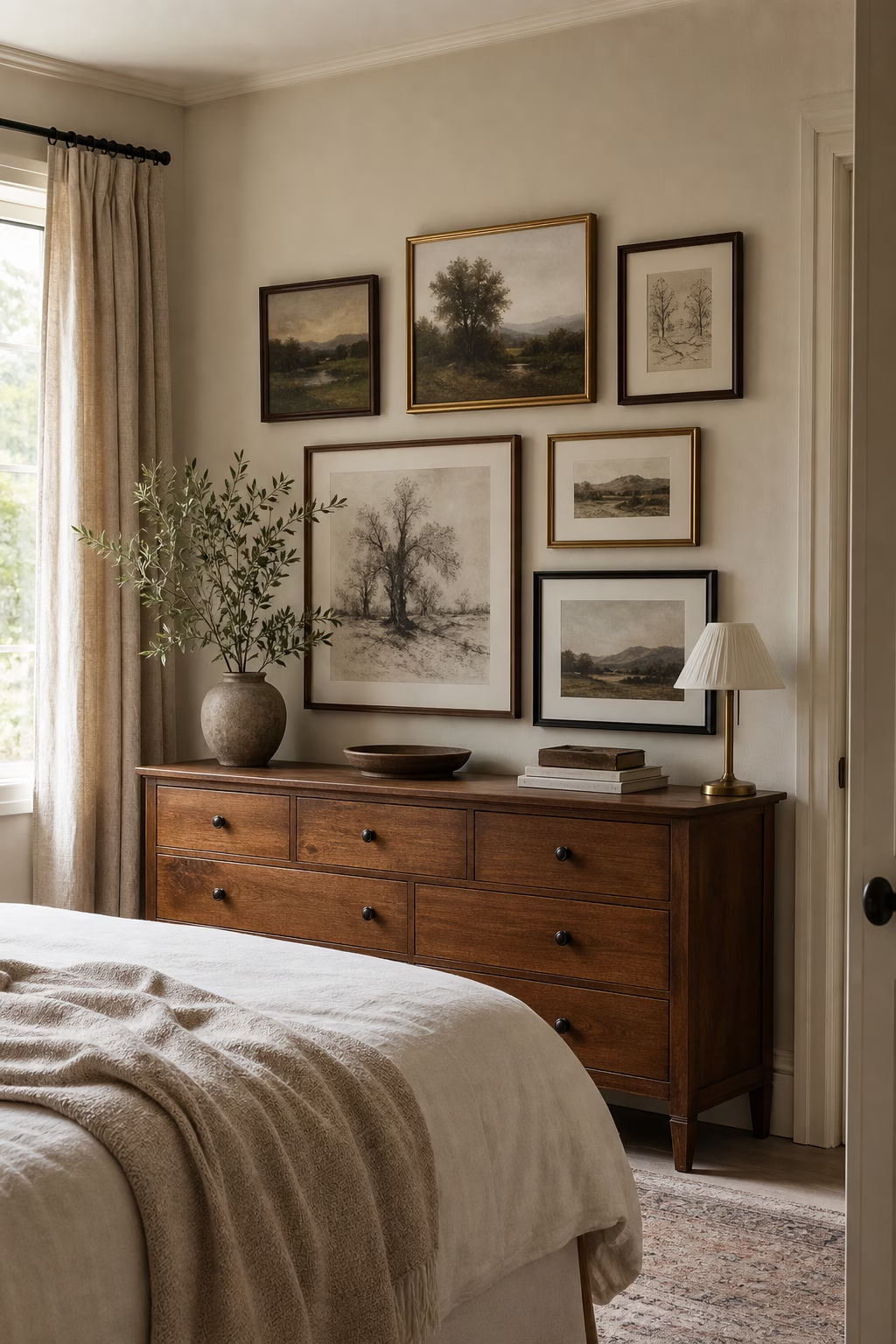
Build a Calm Gallery Wall
A bedroom gallery wall should feel quieter than one in a hallway or living room. Limit the palette, repeat frame finishes, and mix only a few types of imagery: landscapes, figure sketches, botanicals, or tonal abstracts. Start with the largest piece near the center, then build outward with consistent spacing. The arrangement can sit above a dresser, around a reading chair, or on the wall opposite the bed. Keep the total shape simple so the room still feels restful. A calm gallery wall works because it adds personal history without making the bedroom feel visually crowded. Use paper templates first to confirm the spacing.
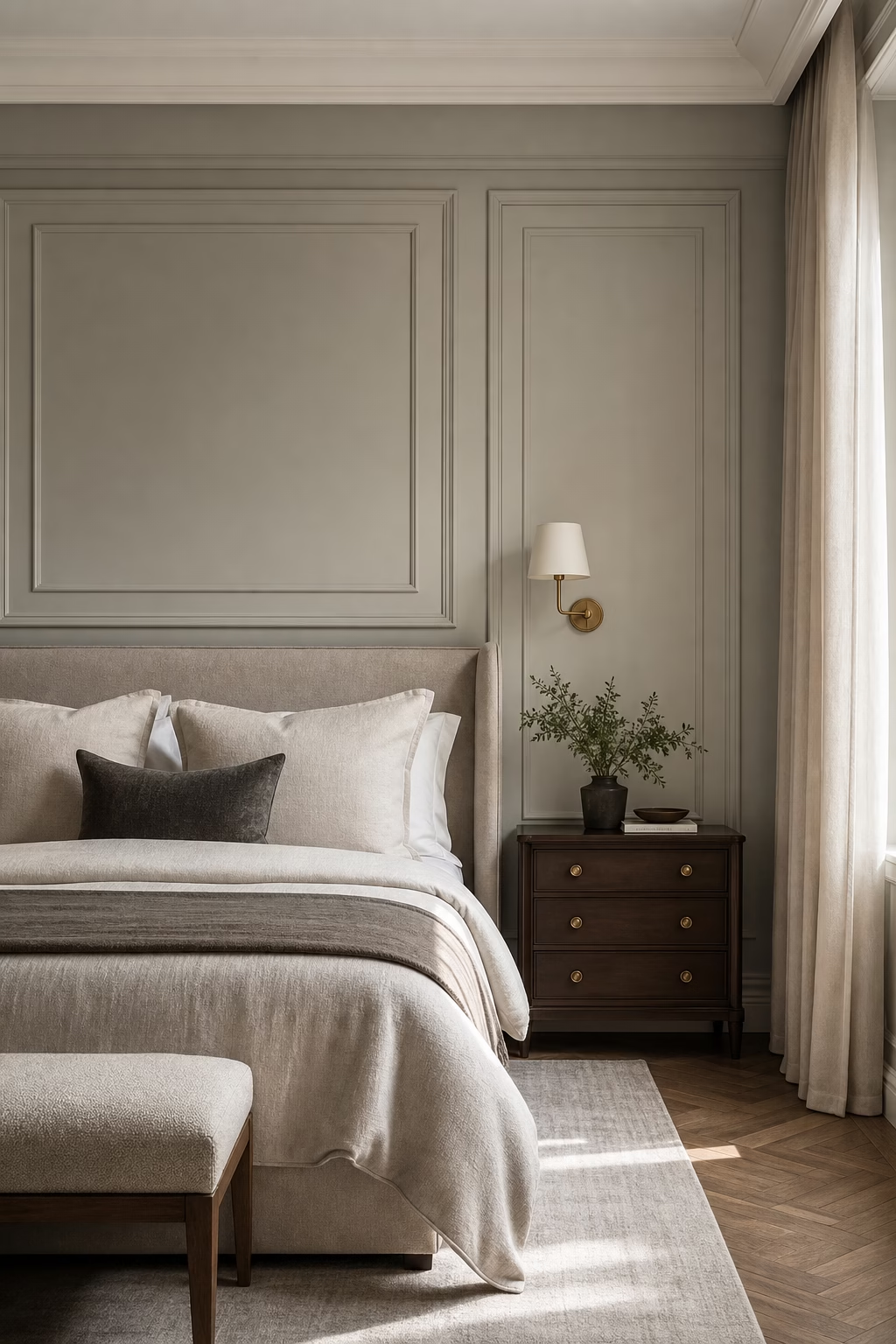
Use Panel Molding for Architecture
Panel molding gives bedroom walls structure even before art is added. Simple rectangles behind the bed, full-height panels around the room, or a framed section above a dresser can make builder-basic drywall feel more considered. Keep the profiles slim and the paint color consistent with the wall for a quiet, tailored effect. If the ceiling is low, vertical proportions can make the room feel taller. Avoid overly ornate molding unless the rest of the architecture supports it. This idea is especially strong in bedrooms because it creates a finished backdrop while allowing bedding, lamps, and artwork to stay restrained.
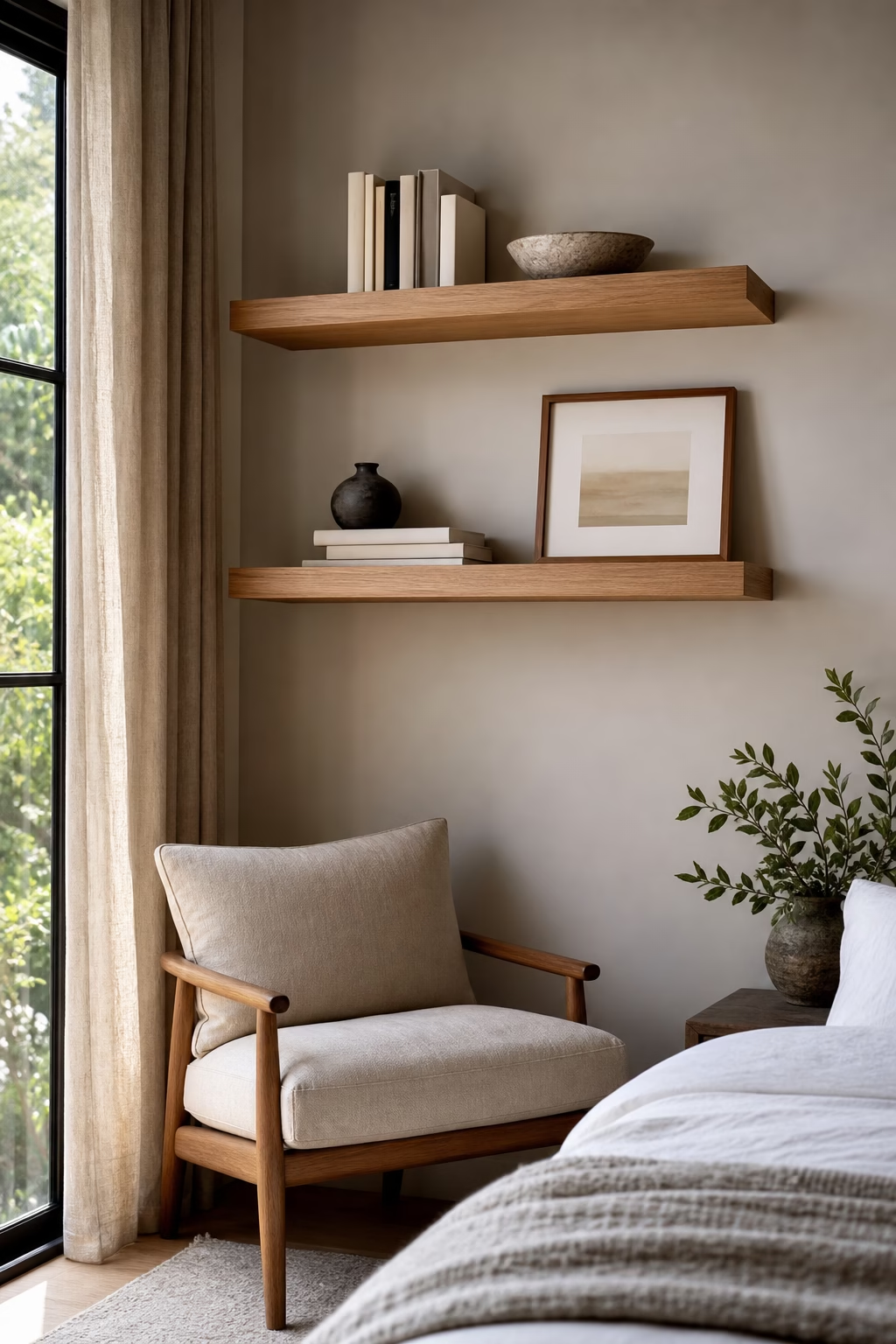
Style Floating Shelves Sparingly
Floating shelves can look beautiful in a bedroom when they are treated as display, not overflow storage. Use them beside a dresser, near a reading chair, or on a narrow wall that needs depth. Limit the styling to books, a small lamp, a ceramic vessel, one framed piece, or a lidded box. Leave visible space between objects so the shelves do not feel heavy over a resting area. Wood shelves warm up painted walls, while plaster or painted shelves blend more quietly. The best version gives a bedroom personality and function without turning the walls into cluttered storage. Edit the shelves whenever the bedside surfaces get busy.
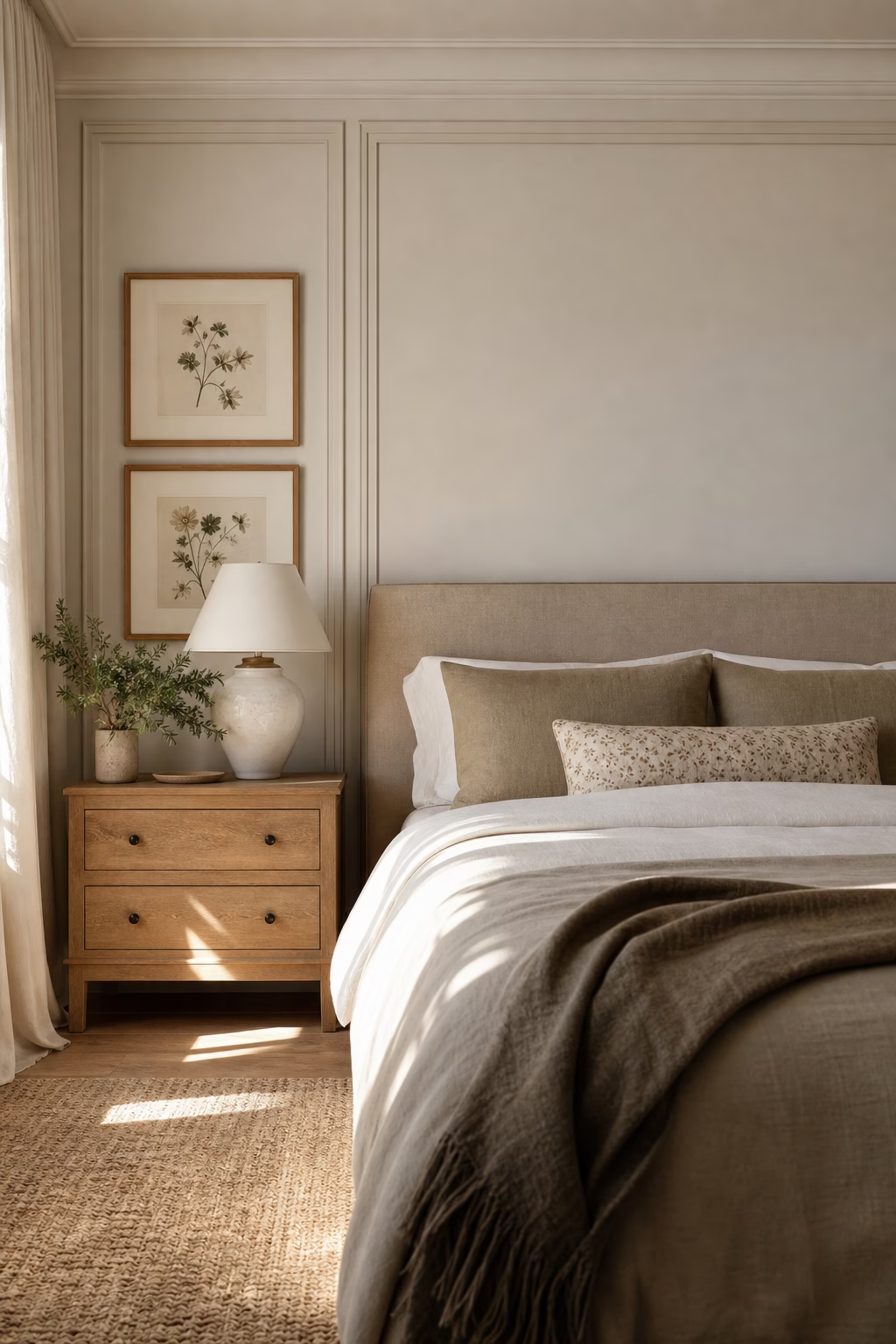
Place Art Above the Nightstands
Small framed pieces above nightstands can balance a bed wall when a single large artwork is not the right fit. Choose matching frames for symmetry or related pieces for a more collected look. Hang each one low enough to connect with the lamp and nightstand below, leaving clear space above the headboard. The art should be calm at close range because it is seen from bed: soft drawings, quiet landscapes, pressed botanicals, or tonal studies work well. This arrangement lets the center of the wall stay open while still giving each side of the bed a finished, intentional moment. Matching mat sizes will make the pair feel calm.
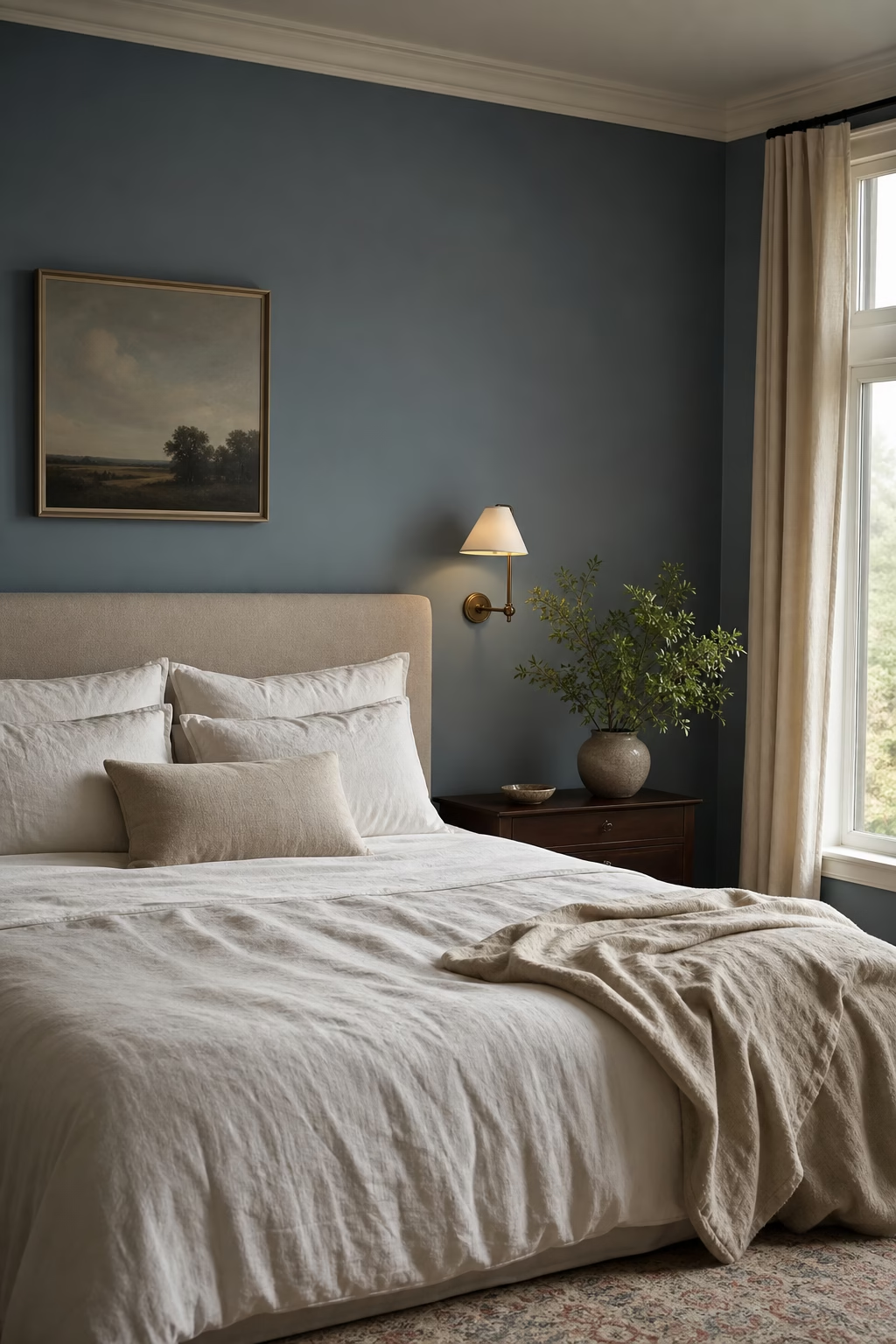
Create a Painted Headboard Wall
A painted headboard wall is a subtle way to give the bed more presence without buying a taller frame. Paint the wall behind the bed in a slightly deeper shade than the rest of the room, or carry one cocooning color across walls, trim, and ceiling. Mushroom, smoky blue, clay, olive gray, and warm taupe feel sophisticated in bedrooms. The line between colors should relate to architecture, not stop randomly. Add simple bedding and warm lamps so the paint reads as a design layer rather than a shortcut. This is an affordable wall decor idea with strong visual impact. Sample the color beside your actual bedding first.
Lean a Large Frame on a Dresser
Leaning art can make a bedroom feel relaxed, but it still needs intention. A large frame on a dresser should be stable, slightly taller than nearby accessories, and wide enough to feel related to the furniture below it. Pair it with one lamp, a tray, and a vessel rather than a row of small objects. This approach works well for renters or anyone who likes a less formal look. Choose artwork with a quiet mood so it does not dominate the room at night. The slight informality adds a collected quality, especially when paired with warm wood and layered bedding.
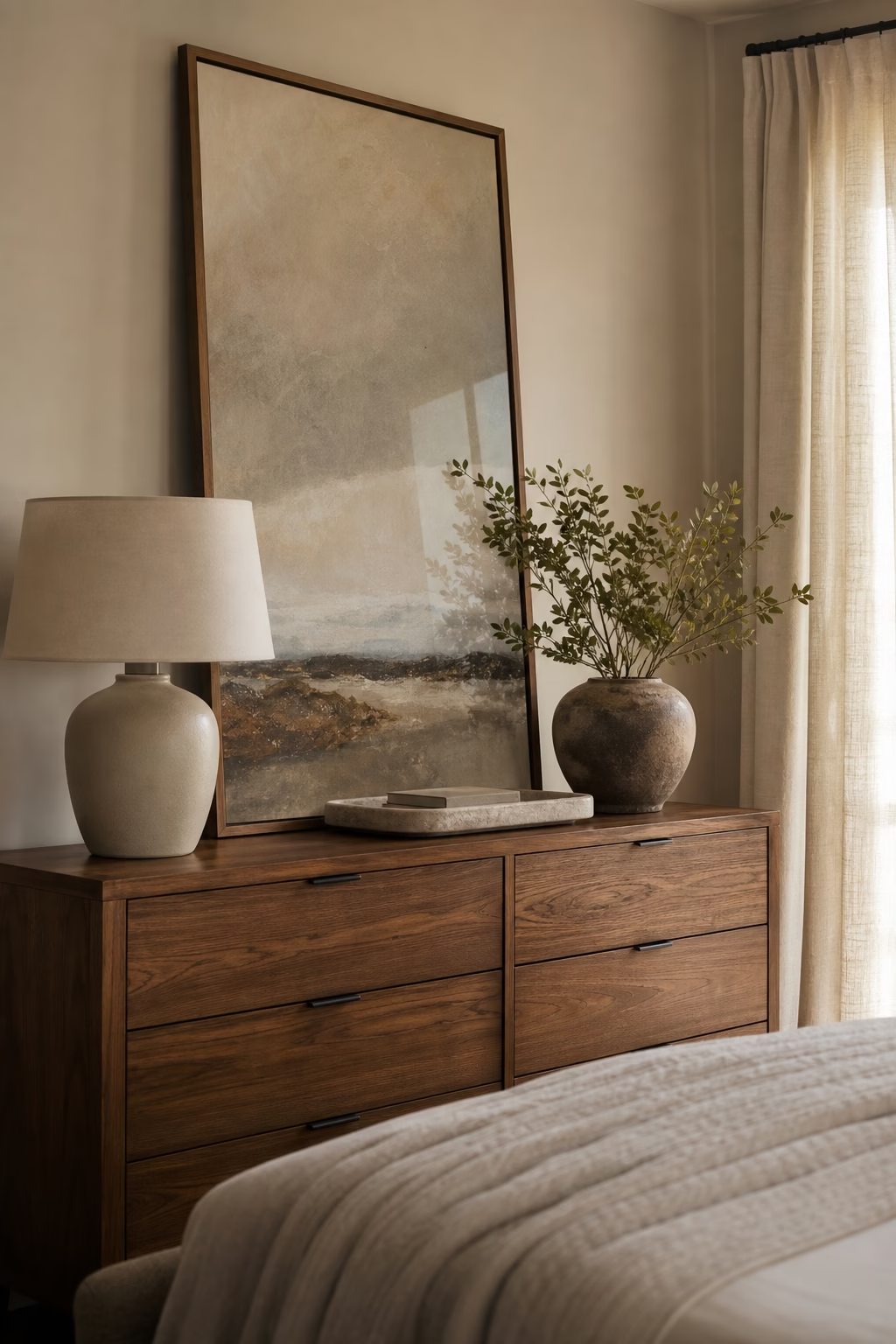
Install a Narrow Bedside Niche
A bedside niche can turn wall decor into architecture. In a renovation, a shallow arched or rectangular recess beside the bed can hold a book, small vase, framed photo, or reading light without crowding the nightstand. The niche should be proportioned to the wall and finished in the same plaster, paint, or tile so it feels built-in. Add a small sconce if the wall depth allows. This idea works beautifully in compact bedrooms because it provides display and function with no extra furniture footprint. Keep the styling minimal so the niche remains a quiet architectural detail. A softly rounded edge makes the detail feel gentler.
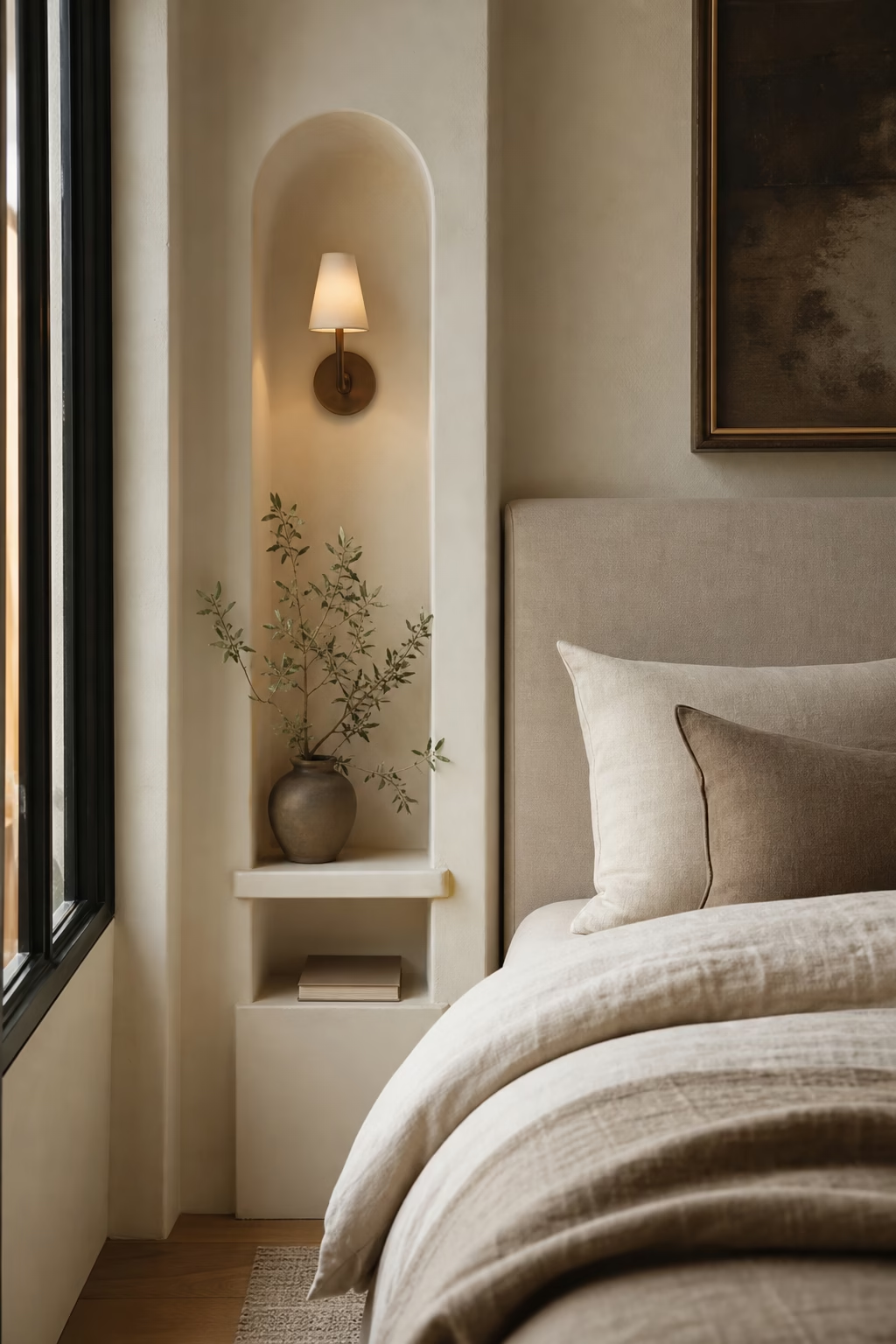
Use Wallpaper With Breathing Room
Bedroom wallpaper feels most sophisticated when the pattern has enough space to breathe. Soft botanicals, grasscloth, tonal stripes, small geometrics, and painterly murals can all work if the bedding and art stay edited. Use wallpaper behind the bed for focus, in a guest room for character, or around the whole room when the pattern is quiet. Pay attention to scale: tiny prints can look busy from bed, while oversized murals need clear furniture placement. Let the wallpaper be the main wall decor and avoid layering too many competing frames over it. The room will feel designed without feeling overfilled. Test the repeat behind the real headboard height.
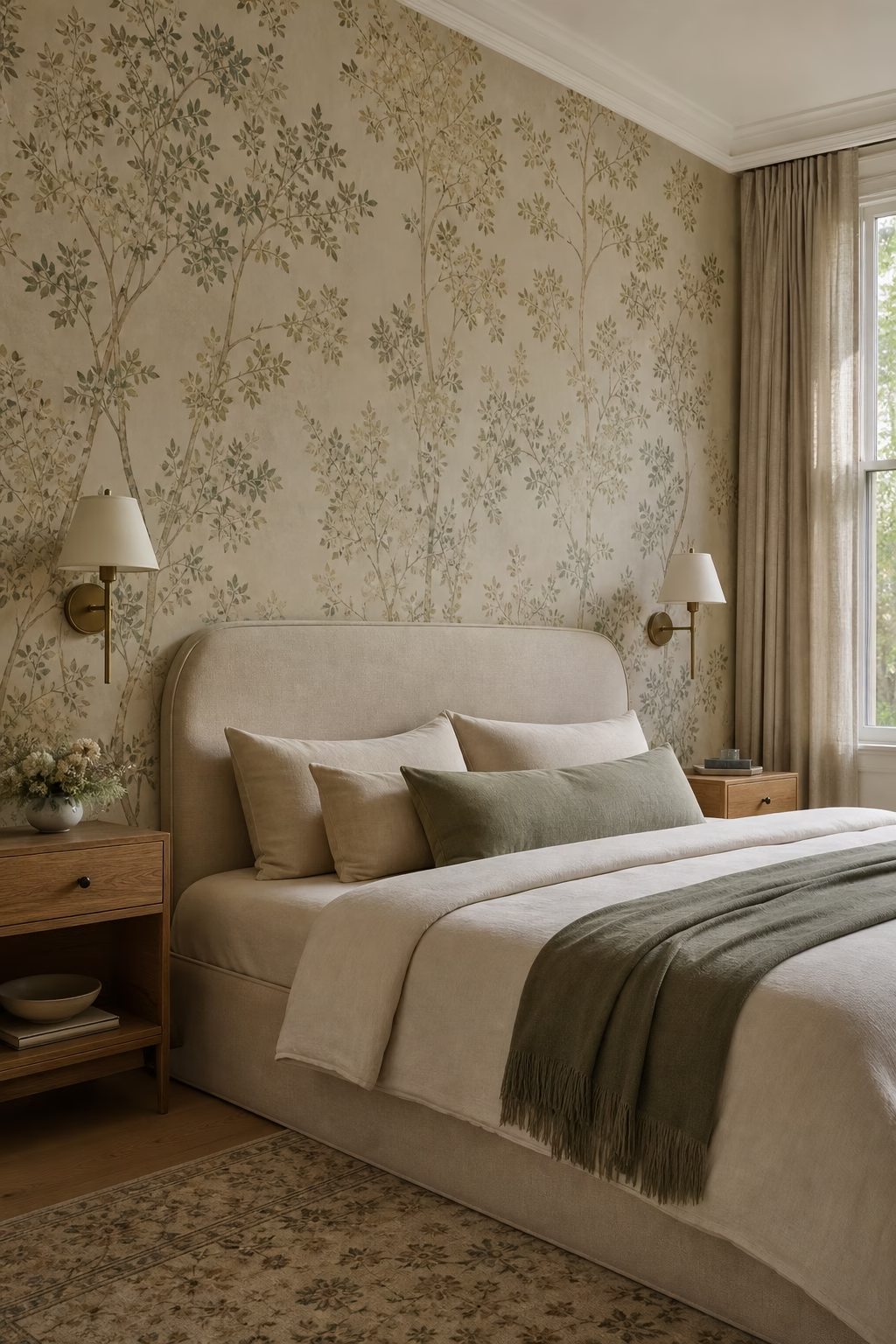
Add a Picture Light Above Art
A picture light gives bedroom art an evening presence and makes the wall feel considered. Use it over one substantial framed piece rather than trying to light a crowded arrangement. The finish can match nearby sconces, cabinet pulls, or mirror frames, but it should not look too shiny for a restful room. Warm, low-glare light is essential; the goal is atmosphere, not a spotlight. This detail works especially well above a dresser, fireplace, or bed wall where the art can be seen from the doorway. It adds a gallery note while keeping the mood quiet and residential. Put it on a dimmer when the wiring allows.
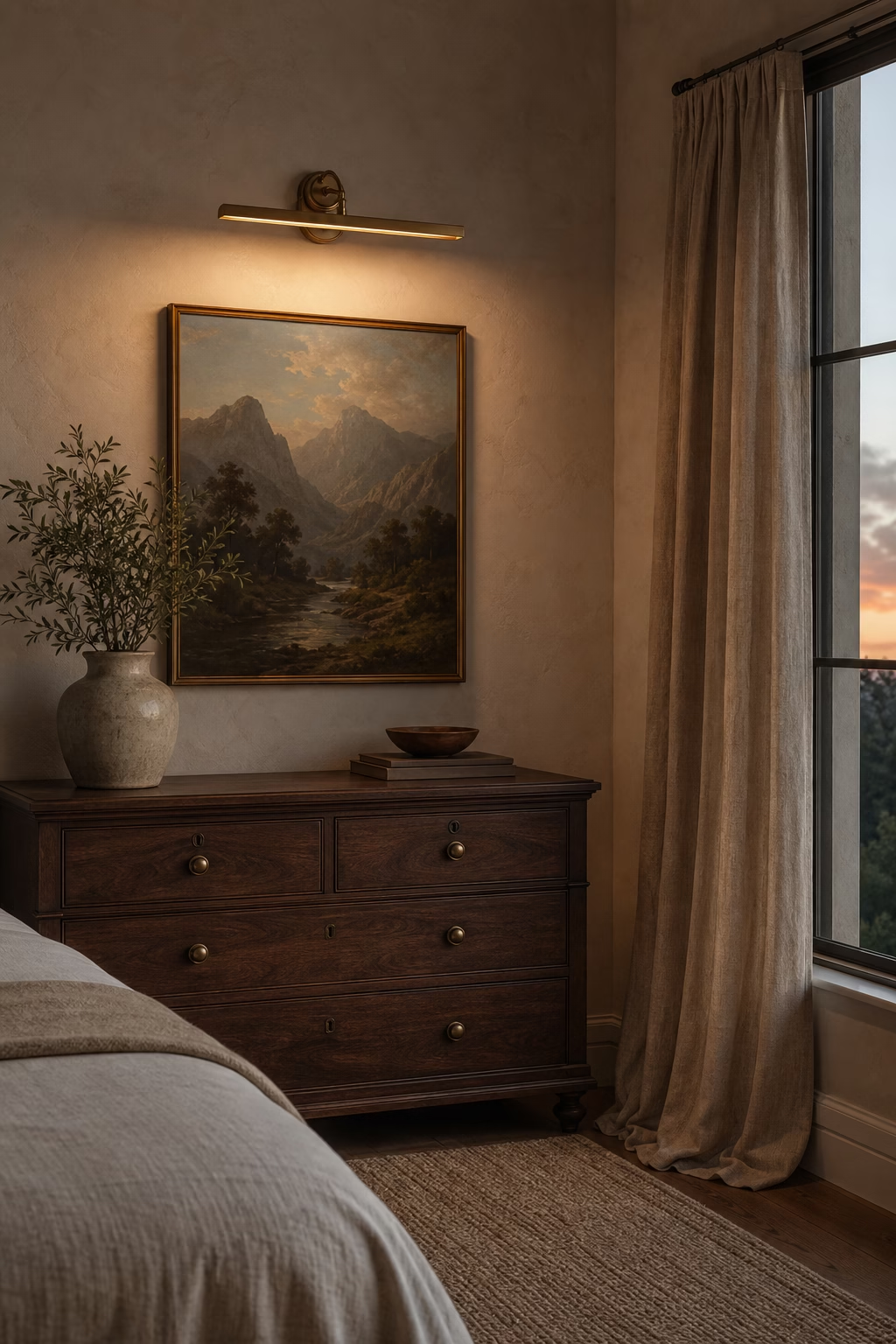
Hang a Pair of Framed Textiles
Framed textiles are a polished alternative to prints when the room needs texture. Two related fabric panels above a bed or dresser can bring pattern in a softer way than busy wallpaper. Look for antique fragments, woven samples, embroidered linen, or neutral block prints mounted properly behind glass or acrylic. The frames should be simple so the weave or stitch remains the focus. Keep the pair aligned and give each piece enough margin inside the frame. This idea feels personal and collected, especially in bedrooms that already use linen, wool, wood, and other tactile materials. It is subtle pattern with lasting warmth.
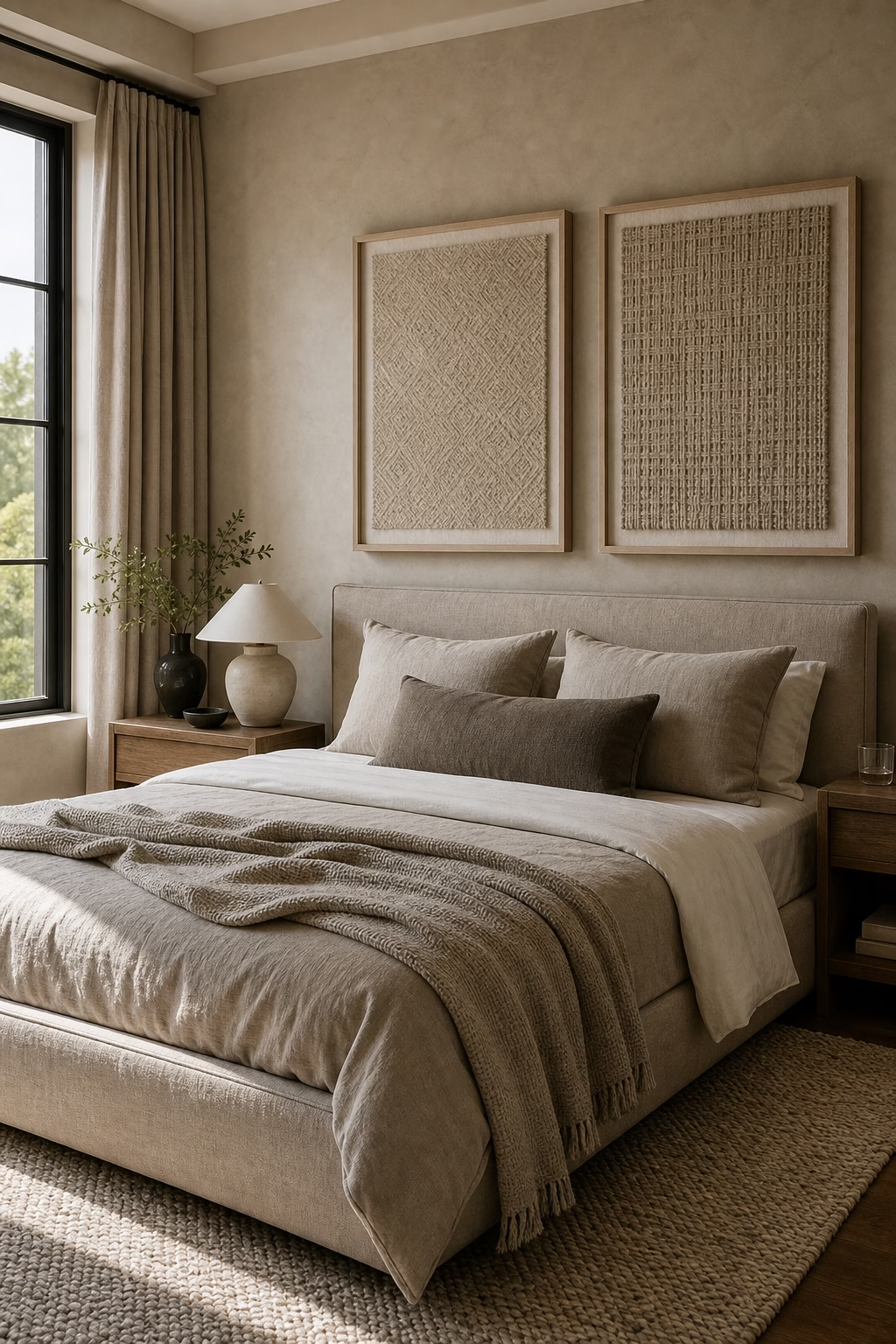
Let a Canopy Frame the Wall
A canopy or tester-style fabric panel can make a bedroom feel enveloping without heavy decoration. The fabric might hang behind the bed, fall from a simple ceiling track, or frame a wall-mounted headboard. Choose linen, cotton, or wool blend in a color close to the wall for a quiet effect. The installation must look tailored and secure, with enough clearance around lamps and outlets. This wall decor idea is especially useful in rooms with plain architecture because it adds softness, height, and a sense of retreat. Keep other wall pieces minimal so the fabric remains the main gesture.
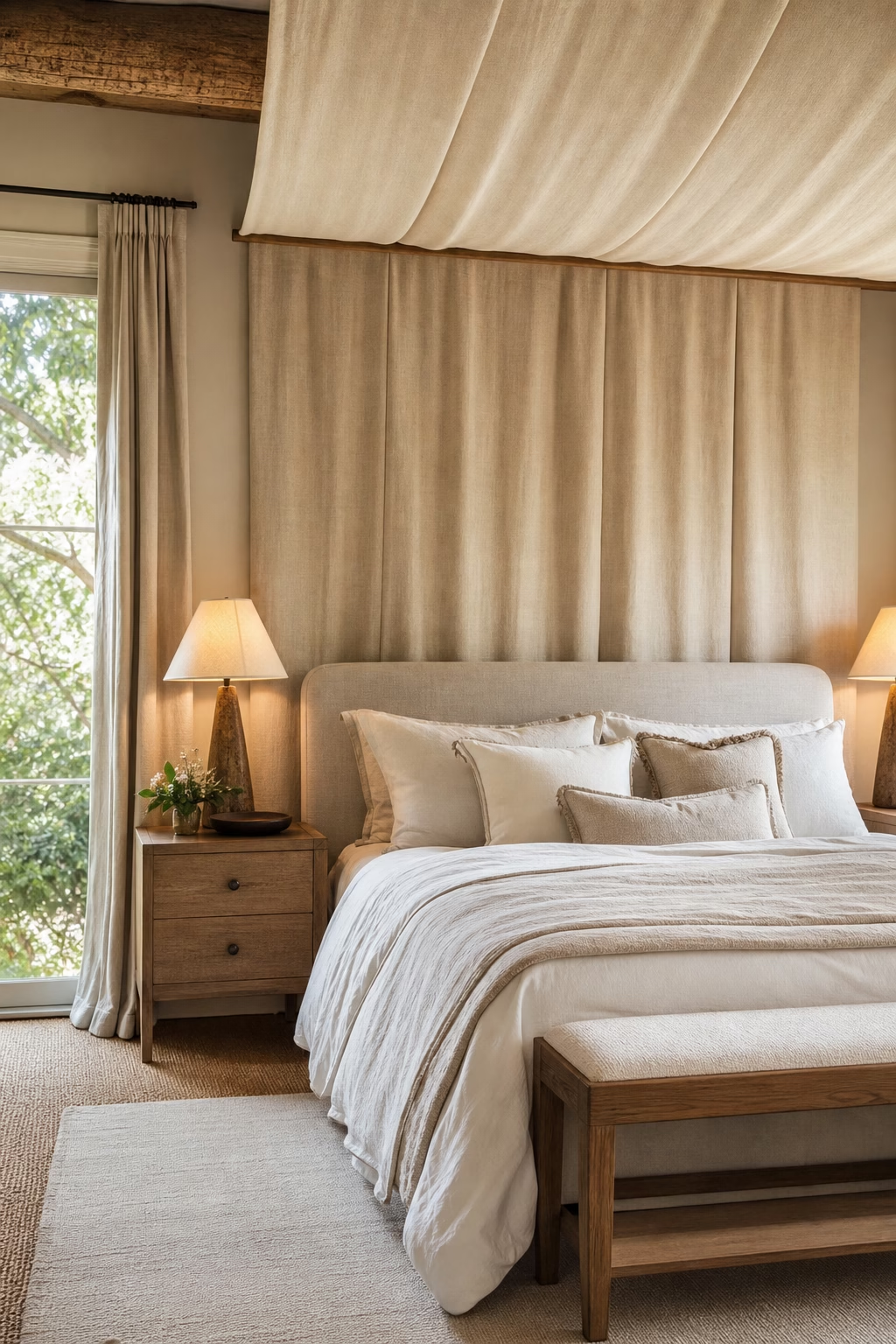
Choose Sculptural Wall Hooks
Wall hooks can be decorative when they are chosen for shape and material, not treated as afterthoughts. A row of wood pegs, aged brass hooks, ceramic knobs, or blackened metal hooks can hold robes, hats, bags, or tomorrow's outfit. Place them near a closet, dressing area, or bathroom door rather than directly above the bed. Leave enough spacing that each hook looks intentional even when empty. This idea is small but useful, especially in bedrooms where chairs become clutter magnets. The hooks add rhythm to the wall while supporting the daily routine of the room. Keep the finish consistent with nearby hardware.
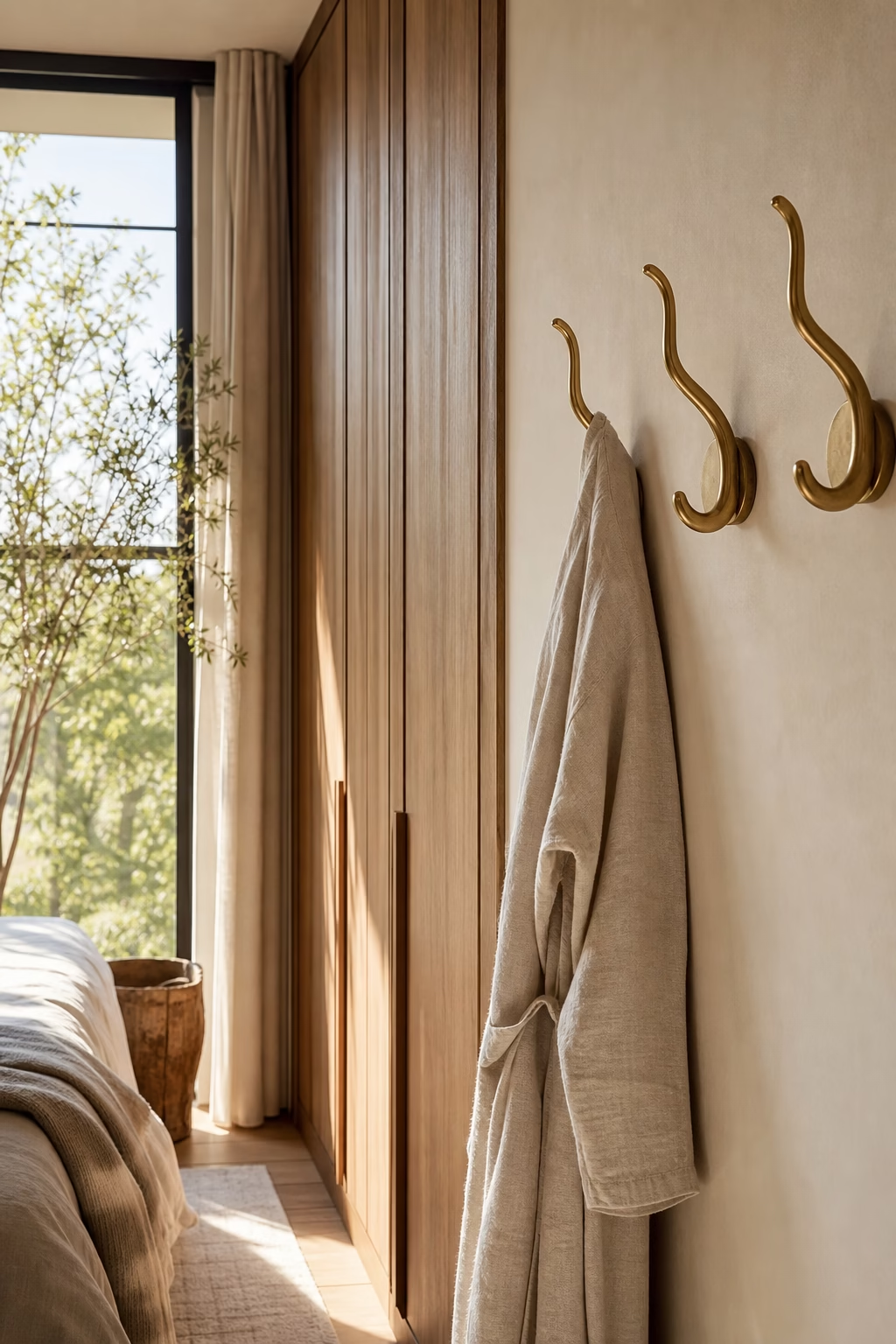
Display a Quiet Ceramic Wall Piece
Ceramic wall decor brings depth without the flatness of a print. A single handmade ceramic relief, a small cluster of neutral plates, or a sculptural tile panel can look beautiful above a console, dresser, or reading chair. Choose pieces with matte glazes, organic edges, and subtle shadow rather than glossy novelty shapes. Secure them properly so the installation feels permanent. Ceramics work especially well in bedrooms with plaster walls, linen bedding, and wood furniture because the material feels grounded and tactile. Keep the surrounding styling simple so the relief and its shadows can be appreciated. It gives the wall a handmade presence.
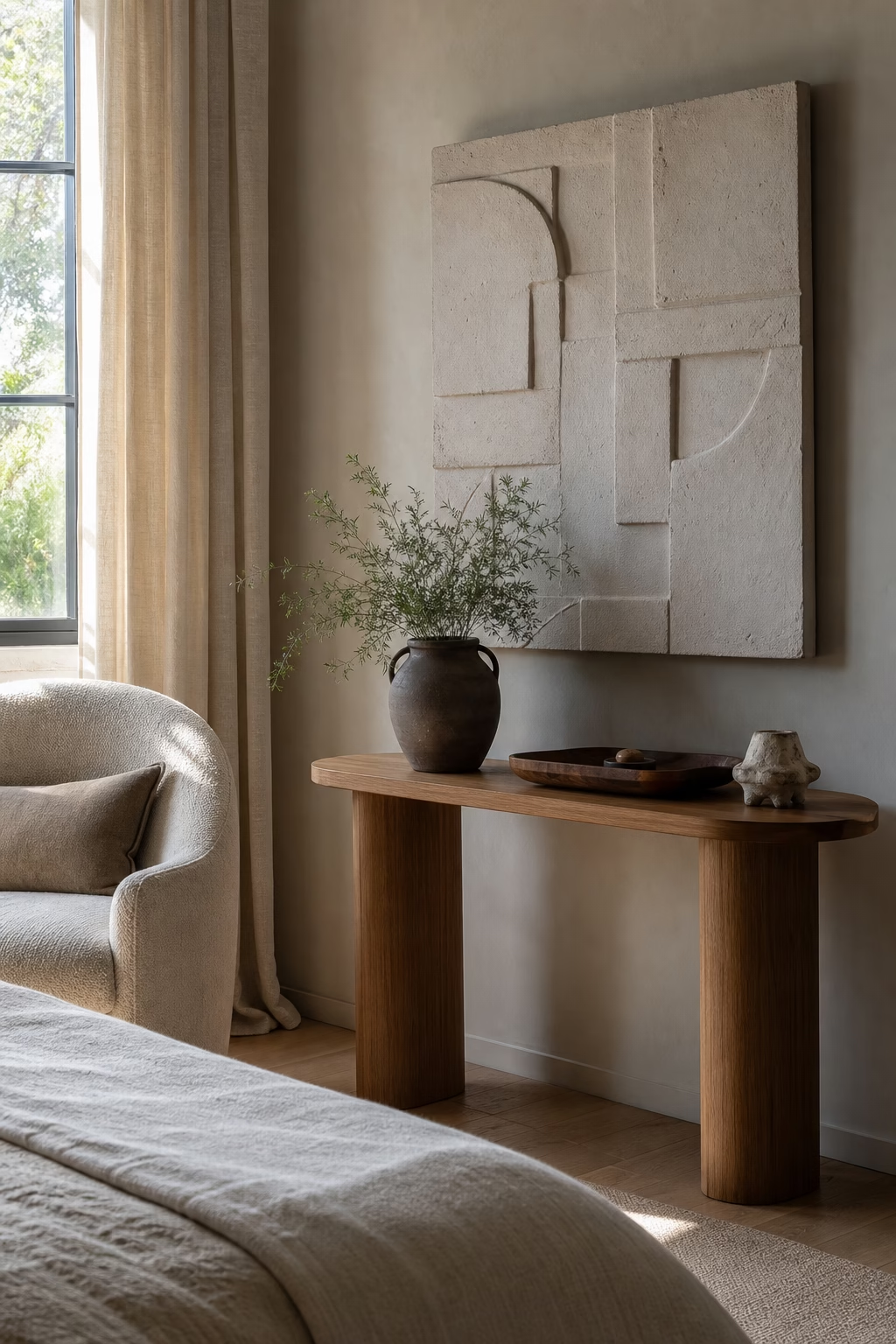
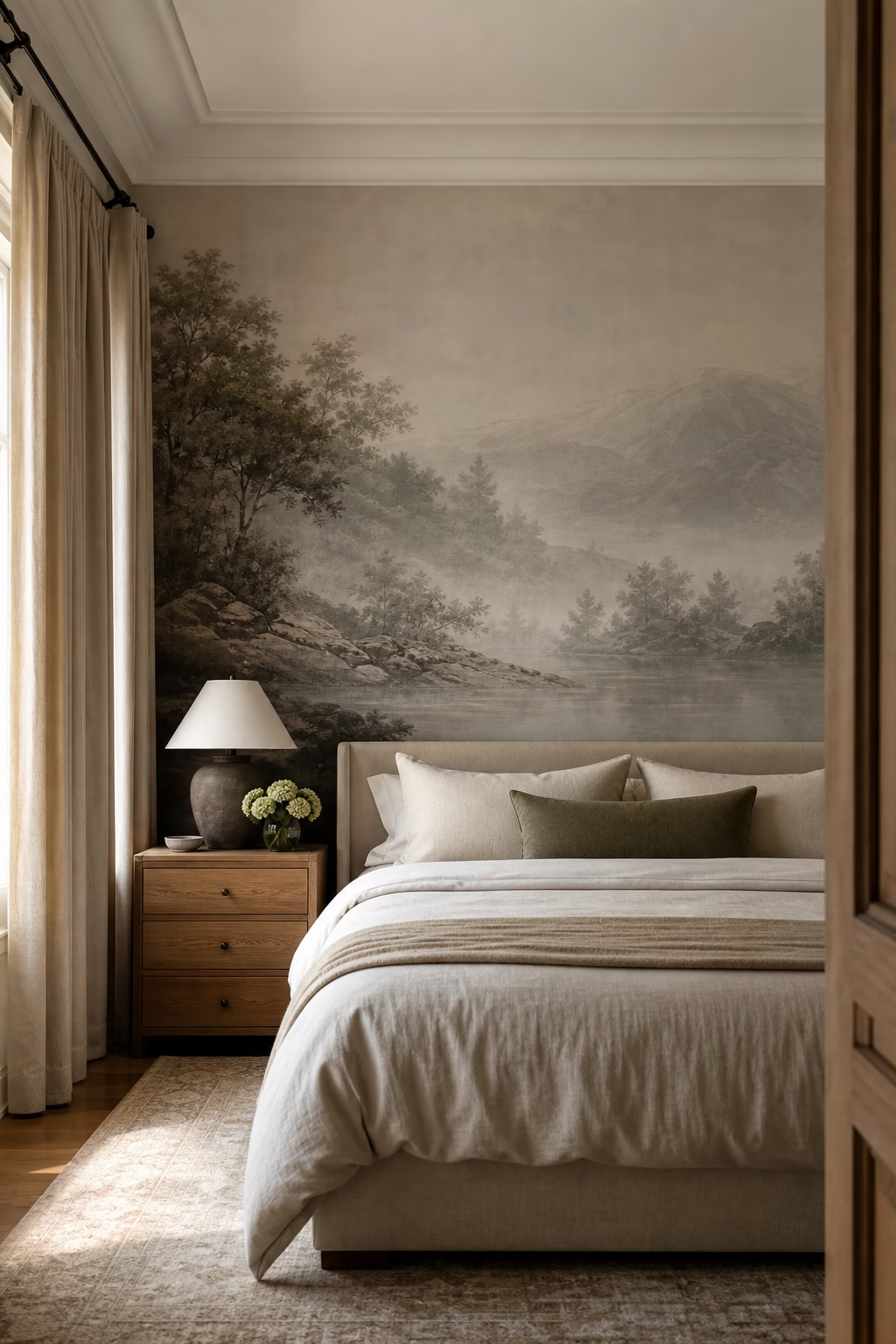
Use a Mural in Muted Tones
A bedroom mural should feel immersive rather than loud. Soft landscape scenes, misty botanicals, tonal clouds, or abstract plaster-like panels can create a sense of escape behind the bed. Keep the colors muted and repeat one of them in the bedding or curtains so the mural belongs to the room. Avoid imagery with sharp contrast or busy detail near the pillow line. The furniture should sit in front of the mural comfortably, not fight with it. Done well, a mural gives the bedroom a memorable view even when the actual window outlook is ordinary. Let the mural replace extra artwork in that zone.
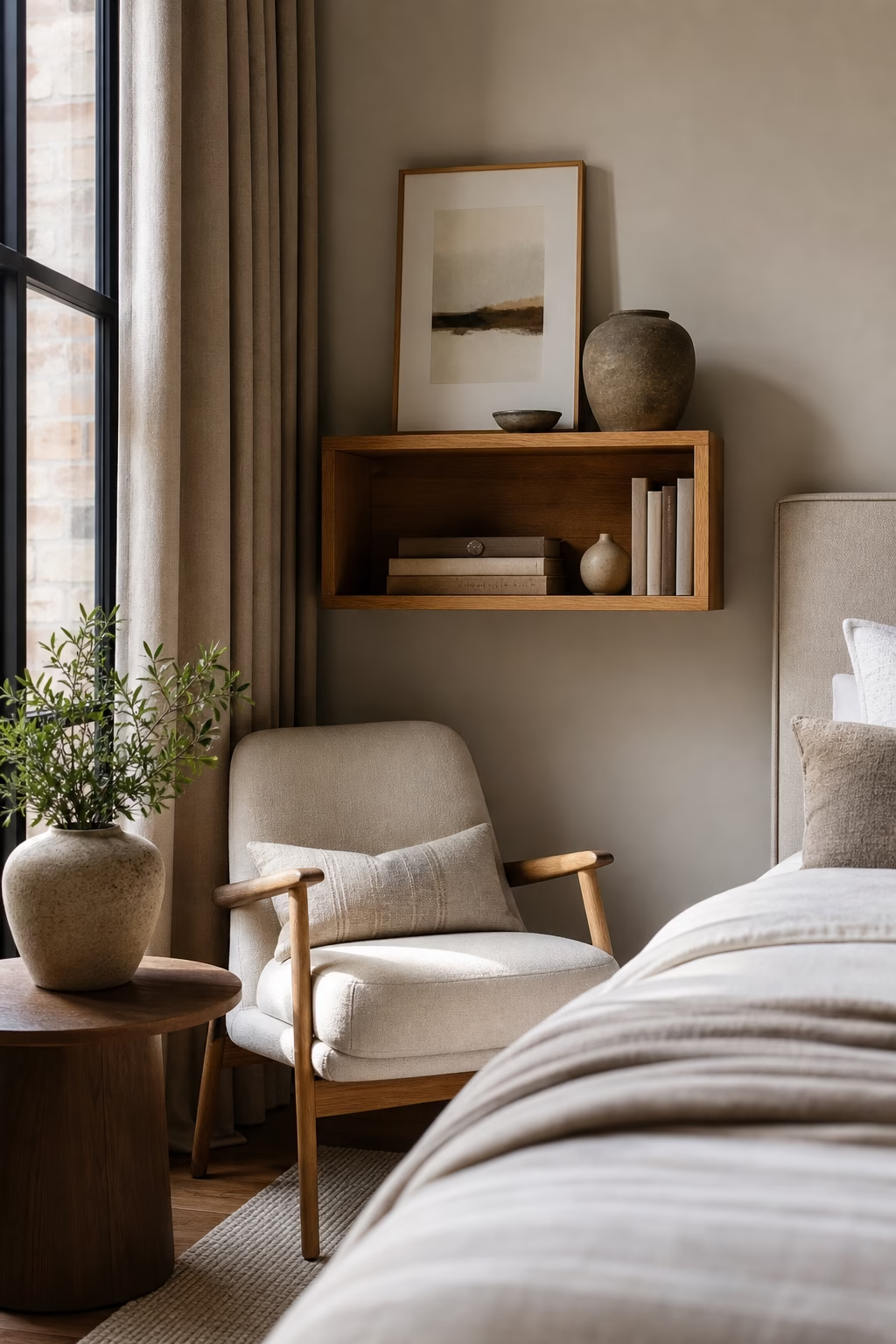
Layer Art With a Small Wall Shelf
A small wall shelf can turn a blank bedroom wall into a layered vignette. Use it beside a reading chair, above a dresser, or near a closet edge where a full cabinet would feel too heavy. Add one framed work, a small book stack, and a vessel or candle, then stop. The shelf should be level, shallow, and finished to relate to nearby wood or wall color. This idea is most successful when it feels like a pause in the room rather than storage. It gives the eye a place to land without overwhelming the restful atmosphere. Keep the shelf below eye level when seated.
Finish With Meaningful Personal Art
The most transformative bedroom wall decor is often the piece with real meaning. A travel photograph, inherited drawing, framed textile, children's sketch, or small painting from a local artist can carry more presence than something chosen only to match the duvet. Give it a good frame, proper matting, and a place where it can be seen every day. Personal art works best when the surrounding wall is edited so the piece is not lost. This final layer keeps the bedroom from feeling like a showroom. It gives the retreat a quiet story that belongs only to the people who live there.