A Sculptural Table Lamp
A sculptural table lamp changes a living room because it adds light and form at the same time. Look for ceramic, stone, plaster, metal, or turned wood bases that have enough presence to hold a side table or console. The shade matters just as much: linen, paper, or silk-like fabric softens the bulb and makes evening light flattering. Keep the scale generous rather than timid, especially beside a sofa with tall arms. A beautiful lamp can make inexpensive furniture feel more considered because it creates atmosphere after sunset. Choose one with a dimmer or warm bulb so the room feels layered, not harsh.

A Generous Area Rug
An area rug is not just decoration; it sets the room's proportions. Choose one large enough for at least the front legs of the sofa and chairs to sit on it, because a small rug can make even good furniture look stranded. Wool, jute-wool blends, flatweaves, and low-pile patterned rugs all work depending on the room's mood. In a busy living room, subtle pattern hides daily wear better than a flat pale surface. The rug should connect the seating, soften sound, and give the coffee table a visual foundation. Once the scale is right, the whole room usually feels more expensive immediately.

A Coffee Table Tray
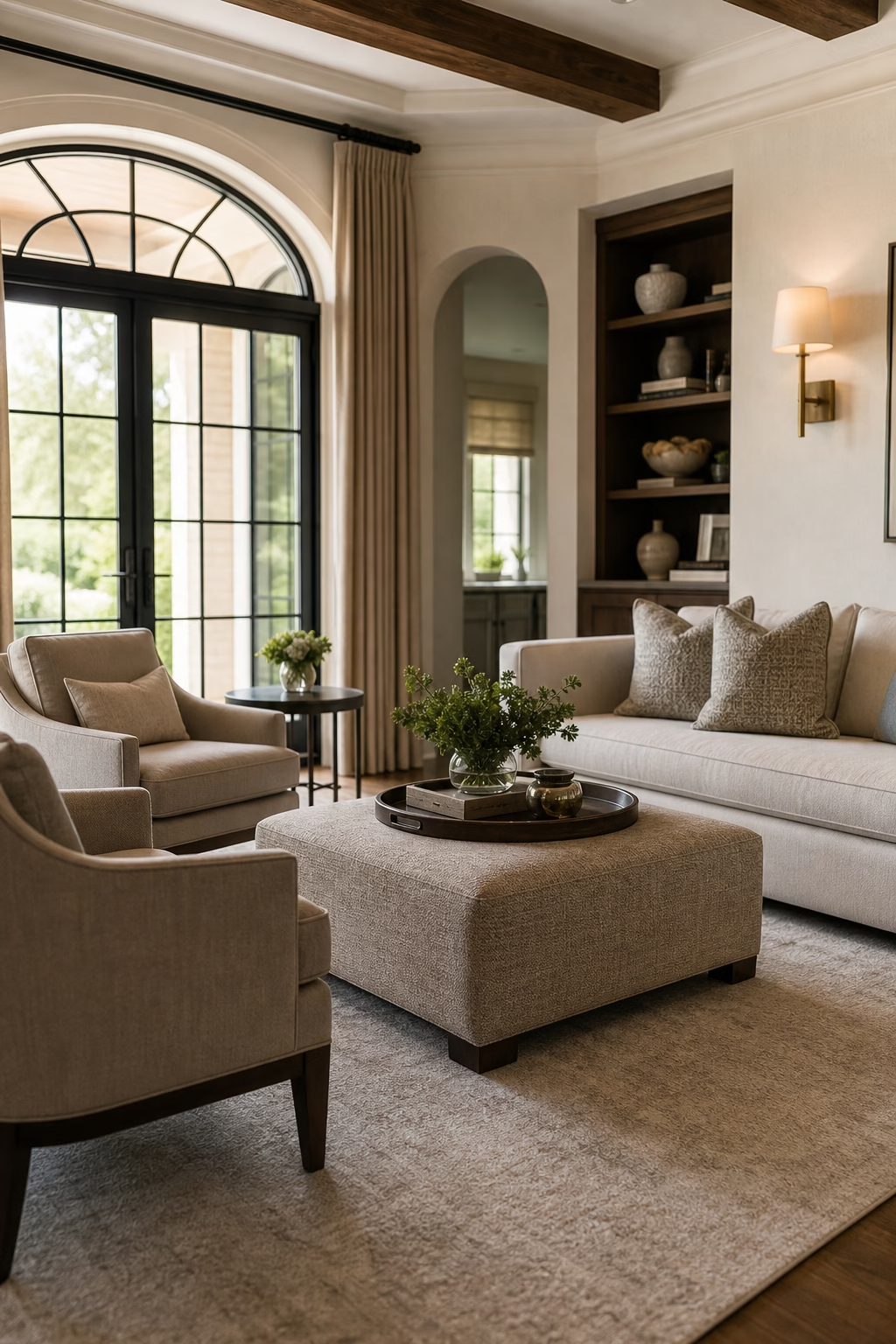
A coffee table tray gives loose objects a boundary, which is why it works so well in real living rooms. Use it to gather a candle, remote, small vase, coasters, or a match striker without letting the surface feel scattered. The tray should contrast gently with the table: stone on wood, wood on glass, lacquer on rattan, or metal on upholstery. Leave part of the table empty for cups and books, because a fully styled coffee table is rarely practical. Handles are useful if the table often needs clearing. A tray is small, but it can make everyday clutter look edited.

Textured Throw Pillows
Throw pillows are most effective when they add texture rather than a random splash of color. Mix linen, velvet, boucle, wool, or embroidered cotton in tones that already belong to the room. Two larger pillows at the sofa corners and one smaller lumbar pillow can be enough; too many make the sofa difficult to use. Choose inserts that fill the covers properly so the pillows look tailored instead of flat. If the room is neutral, vary weave and scale to create depth. If the room already has strong pattern, use pillows to calm it down. The best pillows look inviting, not arranged for a showroom.

A Soft Wool Throw
A wool throw adds comfort before anyone even sits down. Drape it over the back of a sofa, fold it across a chaise, or place it in a basket beside the seating area. The material should feel good in the hand; scratchy throws become visual props and never earn their space. Choose a color that deepens the palette, such as oatmeal, charcoal, olive, rust, or warm gray. A throw also breaks up large upholstery surfaces and makes a living room feel relaxed without becoming messy. Keep the styling simple and let the edge or fringe fall naturally. One beautiful fold or casual drape is usually enough.

A Large Framed Artwork
Large artwork gives a living room a point of view. One substantial piece above a sofa, console, or mantel often looks more polished than several undersized frames floating on the wall. The art does not need to be loud; tonal abstracts, landscapes, photography, or textile pieces can all bring mood. Focus on scale, frame quality, and relationship to nearby furniture. The bottom of the frame should feel connected to the sofa or console below it, not stranded near the ceiling. A generous piece of art can pull together colors already in the room and make the space feel finished without adding clutter.

A Statement Mirror
A statement mirror brings light, depth, and architecture to a living room. Choose a shape that suits the space: arched for softness, rectangular for structure, round for contrast, or irregular for a more collected feel. The frame should relate to another material in the room, such as oak, brass, blackened metal, plaster, or walnut. Placement matters because the mirror doubles whatever it reflects. Aim it toward a window, artful corner, or lamp rather than a messy shelf or television. A well-placed mirror can brighten a dark wall and make the room feel larger without adding another pattern or another large piece of art.

A Ceramic Vase With Seasonal Branches
A ceramic vase with branches is a reliable living room upgrade because it brings height without visual heaviness. Branches last longer than delicate flowers and suit many styles, from modern to traditional. Choose a vessel with weight so the arrangement stays stable, then trim the branches to follow the room's architecture. On a console, they can rise toward artwork; on a coffee table, they should stay lower and looser. Matte ceramic, stoneware, or glazed clay feels more sophisticated than thin glass for larger stems. Change the branches seasonally to keep the room fresh without constantly buying new decor or rearranging every surface.

Decorative Books With Substance
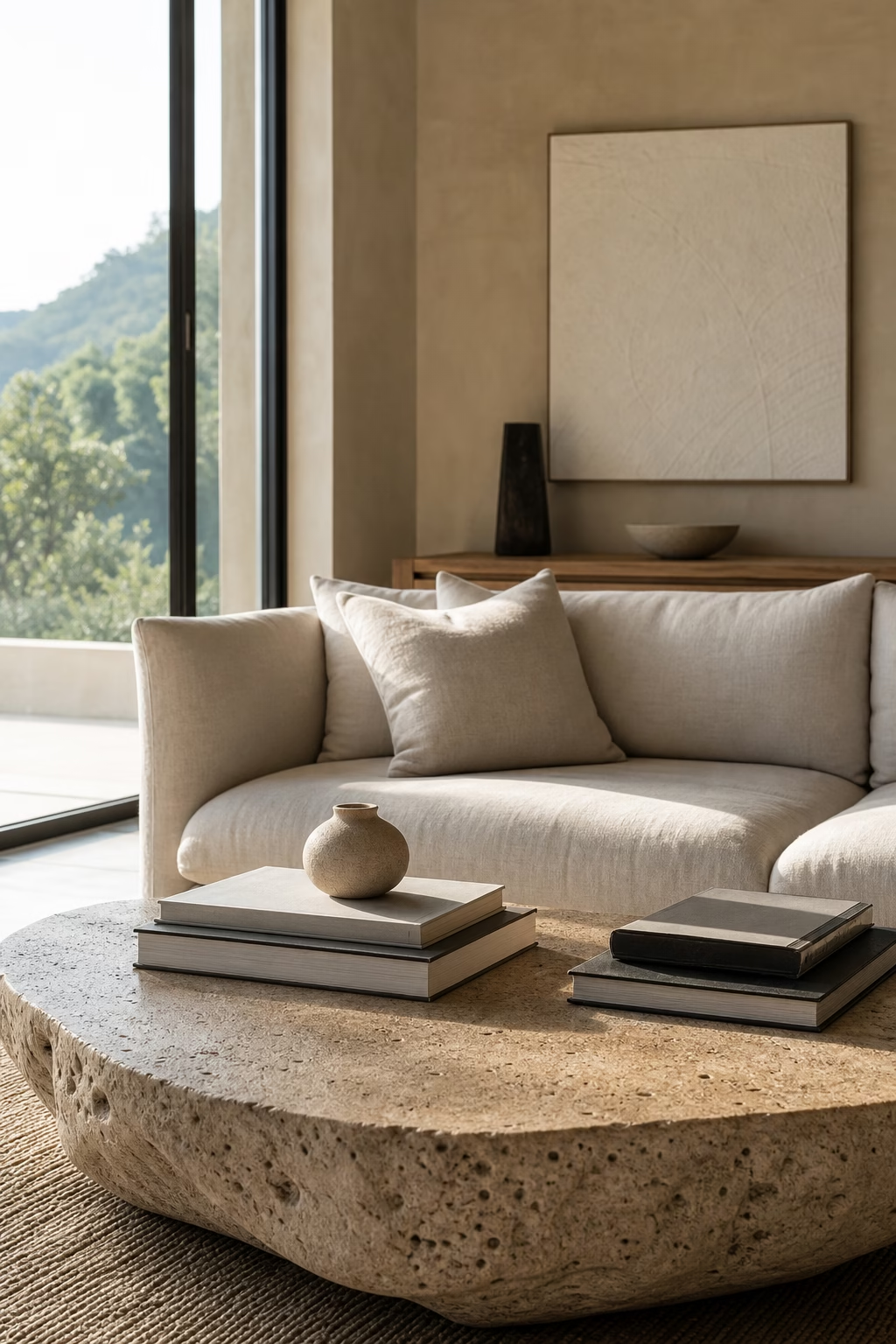
Decorative books work best when they are books you would actually open. Architecture, interiors, gardens, fashion, photography, and travel volumes bring scale and personal taste to a coffee table or shelf. Stack two or three, then place a small object or vase on top if the table needs height. Avoid filling surfaces with books only because the covers match; that approach can feel hollow. Mix sizes and orientations so the arrangement looks used rather than staged. Books also solve a practical styling problem: they lift small objects, create layers, and make a living room feel inhabited by someone curious and engaged.
A Pair of Candle Holders
Candle holders add vertical rhythm and evening warmth without requiring much space. A pair is often enough on a mantel, sideboard, or coffee table, especially when the forms are simple and the finish relates to the room's hardware. Brass, blackened metal, stone, glass, or ceramic can all work. Vary the heights slightly if the setting feels casual, or keep them matched for a more formal room. Use unscented candles near dining or strongly scented rooms, and leave enough clearance from flowers, curtains, and shelves. Even unlit, candle holders give a living room a sense of ritual, polish, and quiet evening readiness.

A Living Green Plant
A living plant softens corners and adds a natural shape that furniture cannot provide. Choose the plant for the room's light first, then for the look. An olive tree, ficus, rubber plant, or dracaena can give height, while a trailing pothos or philodendron suits shelves. The planter should feel as considered as the plant: ceramic, fiber cement, woven seagrass, or stone-toned resin can all look refined. Avoid placing plants where they block walkways or scrape curtains. One healthy plant in the right scale is better than several struggling pots. The room should feel fresher, not crowded, and easy to maintain.

An Accent Side Table
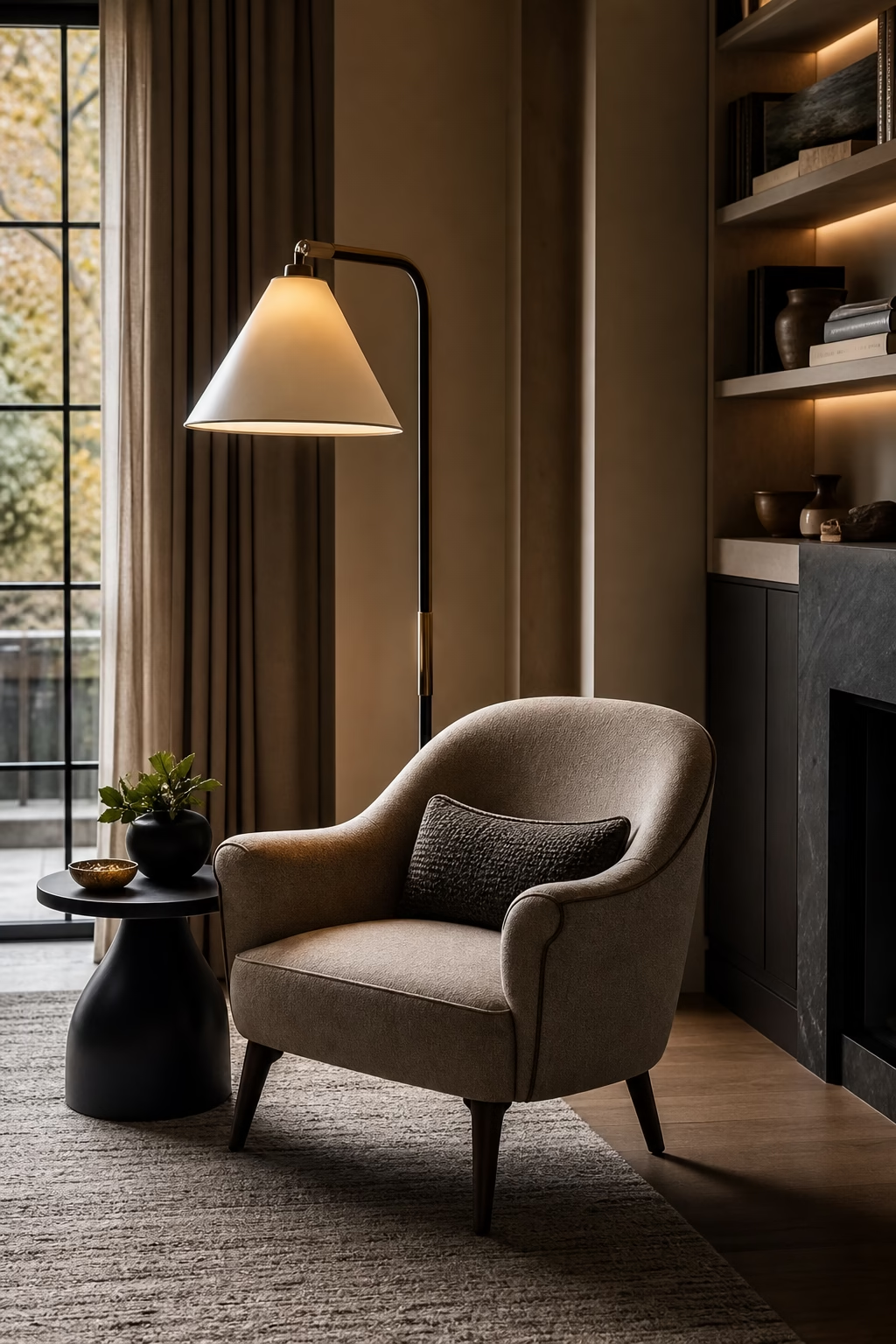
An accent side table makes a seating area easier to use and more layered visually. It can be stone, wood, metal, ceramic, or woven, but it should be sturdy enough for a drink and a book. Small sculptural tables are especially useful beside lounge chairs, where a full end table would feel heavy. Check height carefully; the top should sit near the chair or sofa arm, not far below it. A side table also creates a place for a lamp, vase, or candle without overloading the coffee table. In a living room, convenience often looks like style when the scale is right.

A Woven Storage Basket
A woven basket solves the problem of throws, toys, magazines, and daily clutter while adding texture to the room. Choose one with a strong shape and a material that suits the space, such as seagrass, rattan, water hyacinth, or leather-trimmed fiber. It can sit beside the sofa, under a console, or near the fireplace. The basket should look intentional even when full, so avoid flimsy pieces that collapse. In a neutral living room, woven storage adds warmth; in a colorful room, it gives the eye a natural pause. It is practical decor at its best for everyday cleanup and quick resets.

A Distinctive Floor Lamp
A floor lamp can rescue a dark corner and give the living room another layer of height. Arc lamps work over sectionals, pharmacy lamps suit reading chairs, and shaded column lamps add soft ambient light. The base needs enough weight to feel stable, especially in homes with children or pets. Choose a finish that repeats elsewhere in the room, but do not be afraid of a distinctive silhouette. Good lighting lets the room shift from daytime brightness to evening intimacy. A floor lamp is often the item that makes a seating area feel complete after the overhead lights are turned off.
A Low Decorative Bowl
A low decorative bowl is useful because it can be beautiful empty or practical when holding small objects. Place one on a coffee table, console, or shelf for keys, matchbooks, beads, pinecones, shells, or nothing at all. Stone, wood, ceramic, and metal each give a different mood. Keep the bowl low enough that it does not block conversation across the table, and choose a diameter that relates to the surface below it. A shallow bowl creates a soft landing place for the eye amid taller lamps, vases, and artwork. It is a quiet styling piece with real flexibility and lasting usefulness.

A Fabric Ottoman
A fabric ottoman brings softness to the center of a living room and can replace or supplement a coffee table. Choose a durable upholstery, firm cushioning, and a size that leaves comfortable walking space around it. A tray on top creates a stable surface for drinks or books, while the upholstered edges make the room feel relaxed. Patterned fabric can energize a plain sofa, while a neutral boucle or linen keeps the palette calm. If storage is needed, a lift-top ottoman can hide blankets or games. The best versions look tailored enough for guests and comfortable enough for everyday lounging.
A Personal Object With Patina
The item that makes a living room memorable is often not new. A vintage box, inherited ceramic, travel find, carved bowl, antique frame, or handmade object gives the room a sense of time. Use one or two pieces with patina rather than filling every surface with collectibles. Place the object where it can be seen and appreciated, then give it enough space to matter. This kind of decor keeps a polished room from feeling purchased all at once. The material may be worn wood, aged brass, old stone, or imperfect glaze; the value is in the story and the texture.
