A boho dining room feels best when layered textures, useful furniture, handmade details, and collected accents still leave space for real meals.
Start With a Warm Wood Table
A boho dining room needs a grounded center, and a warm wood table does that better than almost anything else. Choose oak, walnut, mango wood, pine, or reclaimed timber with visible grain and a comfortable shape. The finish should feel touchable rather than glossy. A simple plank table can handle patterned textiles, woven lighting, collected chairs, and handmade ceramics without the room feeling chaotic. If the space is small, a round pedestal table keeps circulation easy and softens the layout. Let small marks and natural variation remain part of the charm. Boho style feels strongest when the main piece looks lived with, not showroom-perfect.

Layer a Rug That Can Handle Real Meals
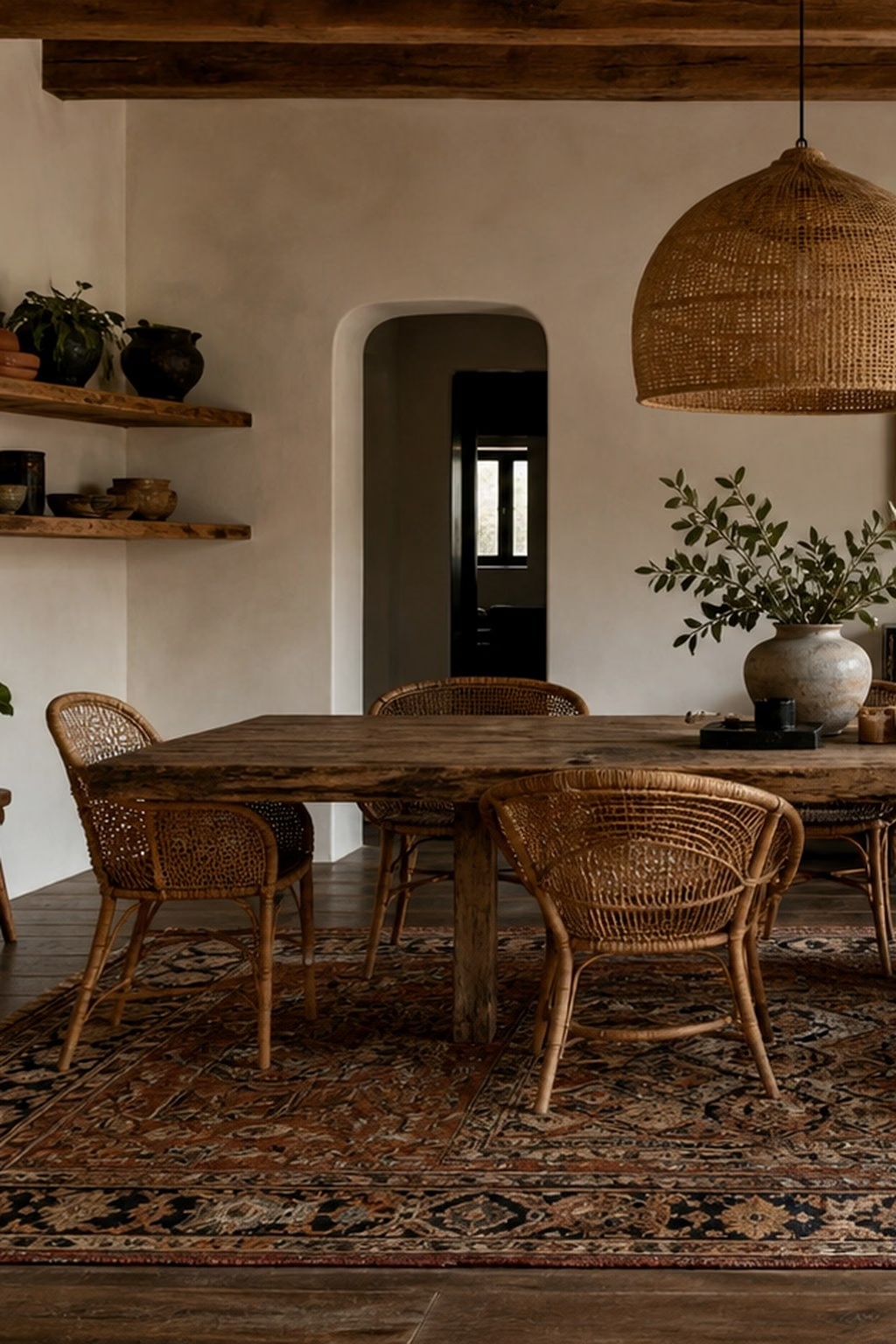
A rug brings pattern and softness to a boho dining room, but it has to be practical under chairs. Choose a flatweave, vintage-style washable rug, low-pile wool, or indoor-outdoor textile that lets chair legs move without catching. The rug should extend well beyond the table so chairs remain on it when pulled back. Patterns with terracotta, indigo, olive, rust, or faded black can hide small spills better than pale solids. Avoid anything too plush under a dining table. The right rug makes the room feel collected while protecting the floor and absorbing sound, which is especially helpful in open-plan homes.
Mix Chairs With a Clear Common Thread
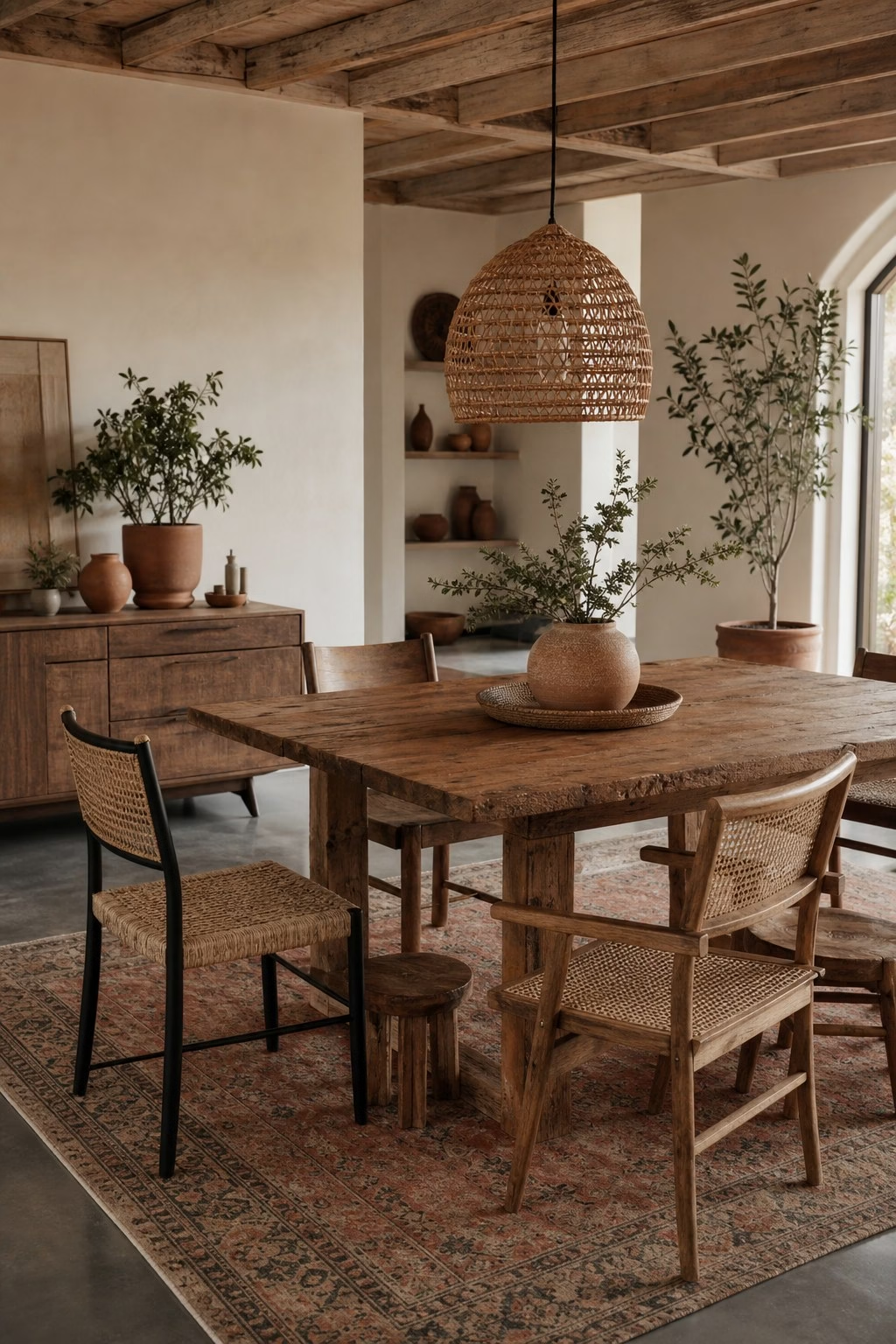
Mismatched chairs are a boho classic, but the room looks better when the mix has one unifying idea. Keep the wood tone similar, repeat black frames, use woven seats throughout, or choose several chair shapes in the same color family. This gives the dining area personality without making it look accidental. Try two upholstered end chairs with simple side chairs, or combine vintage cane chairs with a bench along one wall. Comfort still matters, so test seat height and depth around the table. A good mix feels relaxed and collected, but every chair should still support lingering dinners. Repeat the strongest material elsewhere so the mix feels deliberate.

Hang a Woven Pendant for Instant Texture
A woven pendant is one of the simplest ways to signal boho style, especially above a dining table. Rattan, cane, bamboo, seagrass, and paper rope all add shadow and texture to the ceiling plane. Choose a shade large enough to anchor the table, but keep the weave open or lined so the light remains comfortable. In a room with many patterns, a simple dome or drum shape is usually better than a complicated silhouette. Pair the pendant with warm bulbs and a dimmer so the texture feels inviting at night. It should glow softly, not turn the table into a patterned spotlight.

Use Earthy Color Without Flattening the Palette
Boho rooms often lean earthy, but the palette should still have range. Start with warm neutrals, then add clay, rust, ochre, olive, tobacco, cream, charcoal, or faded indigo. The trick is to vary depth instead of using one note of beige everywhere. A rust rug, olive vase, black chair frames, and cream walls can feel richer than a room filled with similar tan pieces. Let plants and wood add natural color, but include one grounding dark accent so the space does not feel washed out. Earthy boho dining rooms should feel warm, layered, and alive. A little contrast keeps the earthy palette from feeling sleepy.

Style Open Shelves With Handmade Pieces
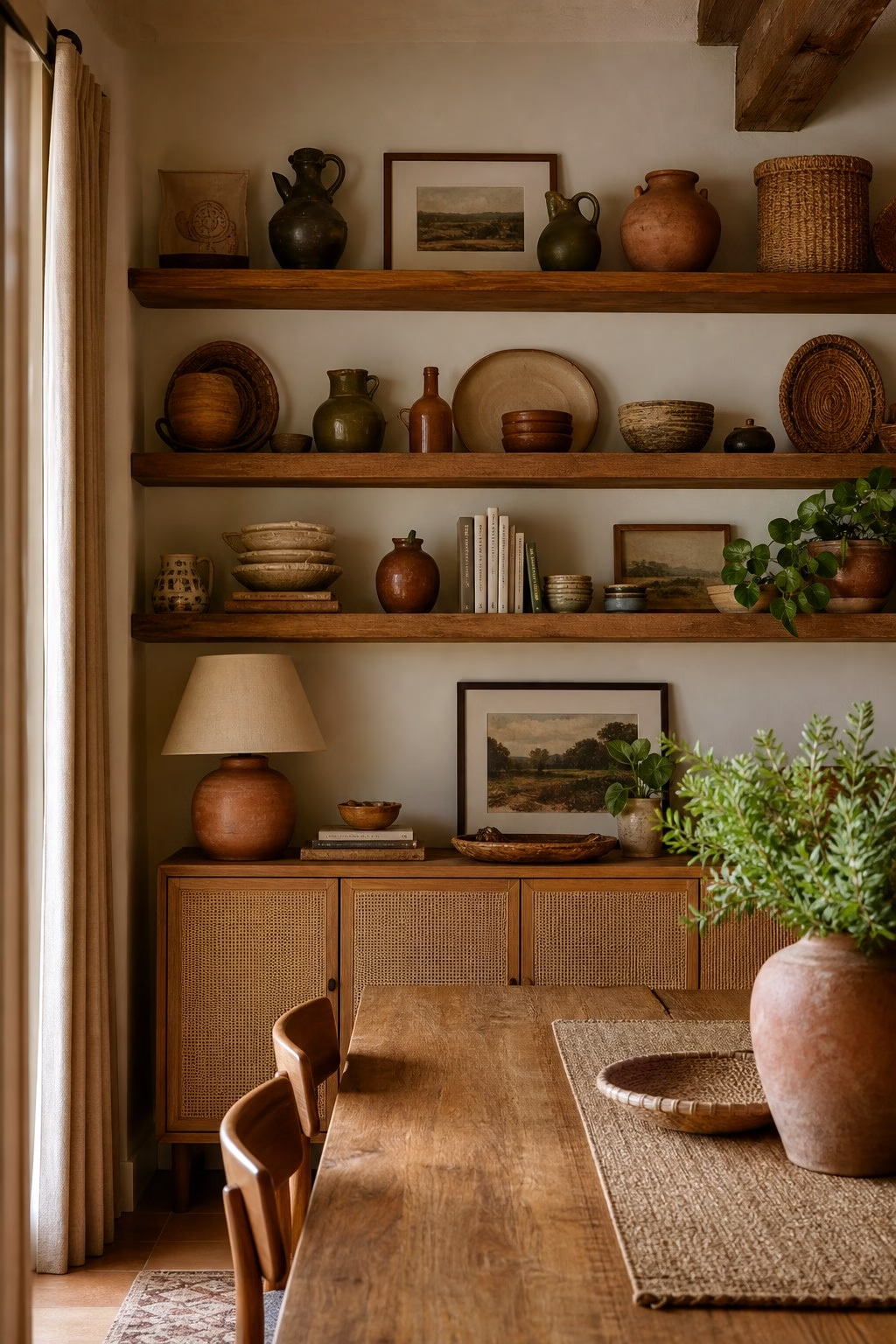
Open shelves can make a boho dining room feel personal when they are edited with care. Use them for handmade bowls, pitchers, baskets, cookbooks, framed art, and a few useful serving pieces. Vary height and material so the shelves have rhythm, but leave open space between objects. Too many small pieces can make the wall feel busy and dusty. A limited palette of clay, wood, glass, and woven texture keeps the display calm. The best shelves look like they support meals and gatherings, not just decoration. Place heavier objects lower and keep frequently used pieces easy to reach. Edit the shelves after setting the table so the wall still feels balanced.
Bring in Plants With Architectural Shapes
Plants are natural in boho dining rooms, but scale and shape matter. A tall olive tree, rubber plant, fiddle leaf fig, or palm can fill an empty corner and soften hard furniture. Smaller trailing plants work well on shelves or cabinets if they do not interfere with serving. Choose planters in ceramic, terracotta, woven fiber, or simple matte finishes. The greenery should feel integrated with the room, not scattered everywhere. If light is limited, use fewer plants and choose varieties that can actually survive there. One healthy sculptural plant is more elegant than several struggling pots. Leave enough clearance so leaves do not brush diners as they sit down.

Add a Bench for Casual Gathering
A dining bench can make a boho room feel more relaxed and flexible. It works especially well along a wall, beneath windows, or on the side of a long table where people can slide in easily. Choose a wood bench, woven bench, or upholstered cushion in a durable fabric. Add only a few pillows if the bench has a back; too many cushions quickly become annoying during meals. The bench can also help a narrow dining area feel less crowded because it tucks under the table. This casual seating choice suits family dinners, weekend brunches, and rooms that need to adapt.

Use Vintage Art Instead of Generic Prints
Boho dining rooms feel more authentic when the art looks collected. Vintage landscapes, abstract sketches, textile fragments, pottery studies, and framed travel photographs can all work if they connect to the palette. Mix frame finishes sparingly, such as warm wood with one black frame or aged brass. A single large piece can calm a busy room, while a small gallery wall suits a plain dining corner. Avoid filling every wall. The art should add story and texture without turning the dining area into a display wall. Choose pieces you would still enjoy if the room were restyled later. The imperfect mix is what gives the room its sense of history.

Set the Table With Handmade Ceramics
Handmade ceramics bring boho dining style down to the tabletop. Stoneware plates, uneven bowls, speckled mugs, and small serving dishes add texture without needing elaborate centerpieces. Choose pieces that share a color family so the setting feels collected rather than mismatched in a careless way. Cream, sand, rust, charcoal, and olive are easy to combine with linen napkins and wood boards. Keep the centerpiece low so conversation stays easy. A few ceramic pieces displayed on open shelves can echo what appears on the table. This repetition makes everyday meals feel warm and intentional without becoming formal. Use dishwasher-safe pieces for the items that will be used most often.
Hang Textiles Where They Make Sense
Wall textiles can soften a dining room, but placement is important. A woven wall hanging, framed textile, or small rug mounted above a sideboard can add warmth without competing with chairs and lighting. Keep it away from areas where food, steam, or direct sun might damage the fibers. The textile should relate to the rug or table linens in tone, not match them exactly. In a minimalist boho room, one large textile can replace several smaller decor pieces. It absorbs sound and gives the wall a tactile quality that paint alone cannot provide. Secure the hanging cleanly so it looks intentional rather than temporary.

Create a Collected Sideboard Moment
A sideboard gives a boho dining room function and a place for personality. Use it to store serving dishes, linens, candles, and extra glassware, then style the top with restraint. A table lamp, framed art, ceramic bowl, woven tray, or branch arrangement is enough. Choose a cabinet in warm wood, cane, painted black, or vintage patina depending on the rest of the room. The surface should still be usable when guests arrive with dishes. A collected sideboard makes the dining area feel layered and hospitable, but it should not become a crowded shelf of fragile objects. Keep one clear landing zone for pitchers, dessert plates, or flowers.

Mix Pattern Through Linens, Not Everything
Pattern is central to boho style, but the dining room still needs visual rest. Table runners, napkins, seat cushions, and rugs are easier places to introduce pattern than permanent finishes. Try block prints, stripes, small geometrics, or faded global-inspired motifs in a controlled palette. If the rug is already busy, keep the table linens quieter. If the walls and floor are plain, patterned napkins or cushions can bring energy without a remodel. This strategy also lets the room change by season. Pattern works best when it supports the meal instead of fighting the furniture and lighting. Washable textiles make experimentation much easier in a working dining room.

Use Curved Furniture to Loosen the Room
Boho dining rooms should not feel stiff, and curved furniture helps. A round table, arched cabinet, curved-back chairs, or oval mirror can soften the straight lines of walls and windows. These shapes work especially well with woven textures and handmade ceramics because they reinforce a relaxed mood. If you already have a rectangular table, try curved chairs or a rounded pendant instead. The room does not need every piece to be soft; one or two curves are enough to shift the energy. This approach keeps the dining space welcoming while still feeling thoughtfully designed. The curves should support movement around the table, not block it.

Keep Window Treatments Light and Textural
Window treatments can either support a boho dining room or weigh it down. Linen curtains, bamboo shades, woven wood blinds, or simple cotton panels filter light while adding texture. Hang curtains high and wide so the window feels generous, and keep the fabric relaxed but not puddled where chairs will catch it. If privacy is not a concern, a woven shade alone may be enough. The material should connect to the pendant, rug, or chair seats without matching too perfectly. Soft window texture makes daytime meals feel brighter and evening dinners feel more intimate. Natural light should still reach the table during daytime meals.

Ground Eclectic Pieces With Repeated Materials
Eclectic dining rooms need repetition to feel intentional. If you love a mix of vintage chairs, handmade pottery, patterned textiles, and unusual lighting, repeat two or three materials throughout the room. Warm wood, black metal, terracotta, cane, or linen can become the thread that ties everything together. This keeps the room expressive without letting each object compete. A black pendant can connect to chair legs, while terracotta planters echo ceramics on the table. Repetition is subtle, but it gives boho rooms polish. Without it, the space can drift from layered into cluttered very quickly. This restraint lets unusual pieces stand out without overwhelming the room.

Choose Lighting That Feels Handmade
Boho lighting works best when it has a crafted quality. Woven pendants, ceramic sconces, paper lanterns, beaded shades, and hammered metal fixtures all bring texture above and around the table. Keep the shape simple if the material is detailed. A handmade-feeling light should still provide comfortable illumination, so check bulb placement and shadow patterns before committing. Pair the main fixture with a small lamp on a sideboard or soft sconces if the room feels flat at night. Lighting is where boho dining rooms can feel most atmospheric, but practical dimming keeps the mood usable for real meals. Choose bulbs that flatter the material instead of exposing the socket harshly.

Edit the Centerpiece So the Table Works
Boho dining tables can become overcrowded with candles, bowls, plants, beads, and textiles. A more useful approach is to choose one low centerpiece and let the materials do the work. Try a wide ceramic bowl, a few taper candles, a branch arrangement, or seasonal fruit on a wooden board. Keep sightlines open and leave space for serving dishes. If the runner or placemats are patterned, the centerpiece can be very simple. The goal is a table that looks inviting before dinner and still functions once food arrives. Ease is part of the style. Practical spacing is what makes the styling feel confident.

Blend Boho Details With the Architecture
The most successful boho dining rooms respect the home they are in. In a modern apartment, that may mean clean plaster walls, one woven pendant, and a few earthy textiles. In an older house, it might mean vintage art, a patinated sideboard, and linen curtains that suit existing trim. Avoid forcing every boho motif into one room. Let the architecture decide how much texture, pattern, and color the space can hold. When the bones of the room and the collected details support each other, the result feels personal and enduring rather than styled for a single trend cycle. The room should feel collected over time, not installed all at once.
