
Boho style is at its best when it feels collected, tactile, and relaxed without becoming chaotic. A stylish boho living room balances softness with structure: low seating, woven texture, vintage character, artful lighting, and enough negative space for every piece to matter.
Begin With Low, Relaxed Seating
Boho living rooms feel most convincing when the seating invites a slower posture. A low linen sofa, deep lounge chair, or modular sectional immediately changes the mood from formal to easy. Keep the frame simple and let the comfort come from generous cushions, a soft throw, and a few tactile pillows. The proportions still need discipline: the coffee table should sit close enough for a book or tray, and the rug should hold the front legs of the main seating pieces. Choose upholstery in cream, oatmeal, tobacco, olive, or clay so pattern and collected objects can layer in without overwhelming the room.
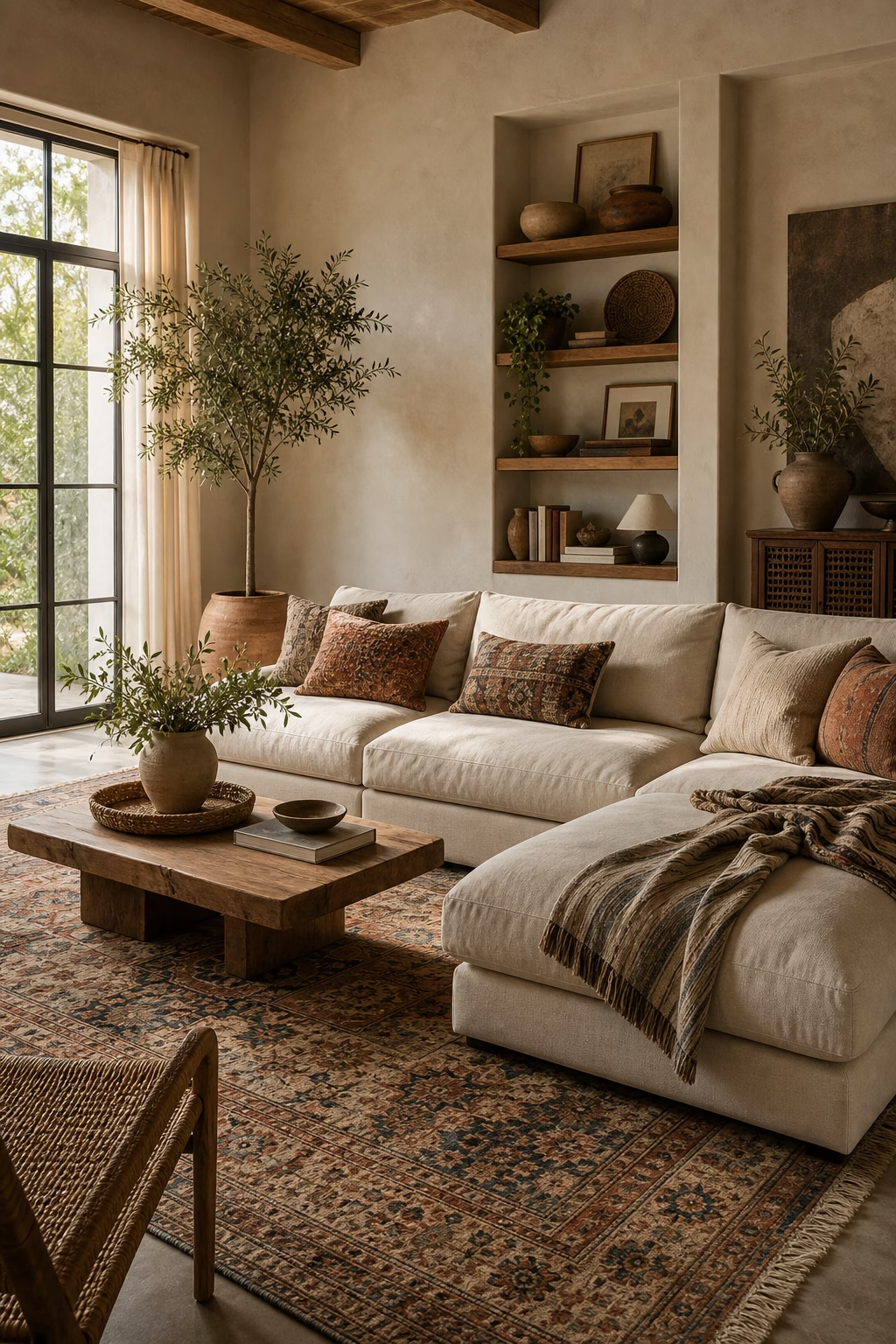
Use Rattan as Structure, Not a Theme
Rattan brings lightness and handmade texture, but it works best when used as a structural accent rather than a repeated motif. Two woven lounge chairs can soften a linen sofa, while a single rattan side table can loosen a polished room. Avoid matching every basket, lamp, and chair in the same weave because the look quickly becomes flat. Pair rattan with plaster, oak, stone, or blackened metal so it has contrast. The strongest rooms treat woven pieces like punctuation: present enough to create warmth, edited enough to keep the design feeling grown-up and architecturally grounded. Vary the weave scale.
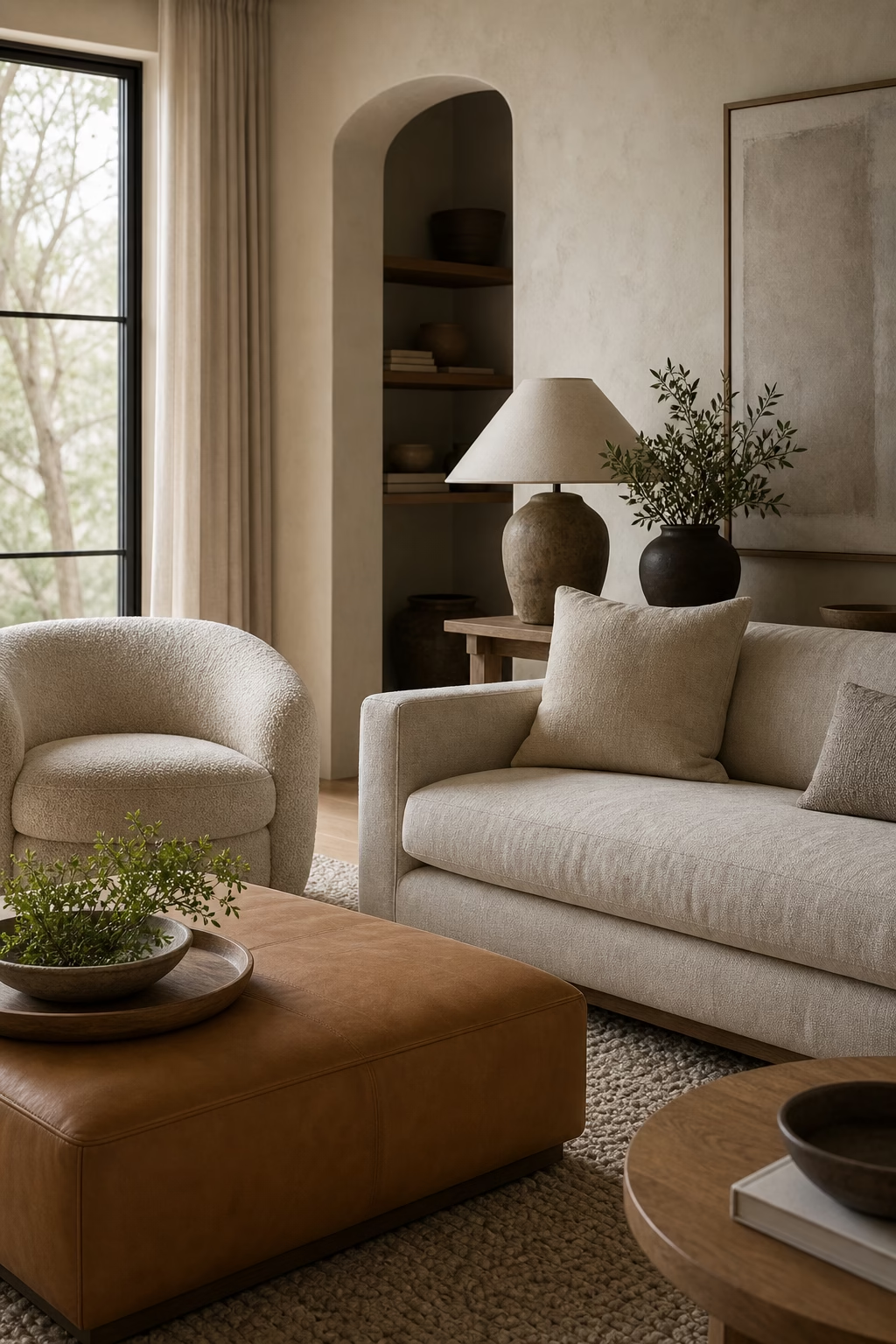
Layer Rugs With Intention
Layered rugs are a classic boho move, but they need proportion to feel luxurious. Start with a large natural fiber rug that covers the whole seating zone, then place a smaller vintage wool, kilim, or flatweave on top. The upper rug should relate to the sofa width or coffee table, not float randomly in the center. Keep one layer quiet if the other has strong pattern. This approach is especially useful in rentals or rooms with cold flooring because it adds texture, warmth, and acoustic softness without construction. Use a thin rug pad where layers meet so edges stay calm underfoot.
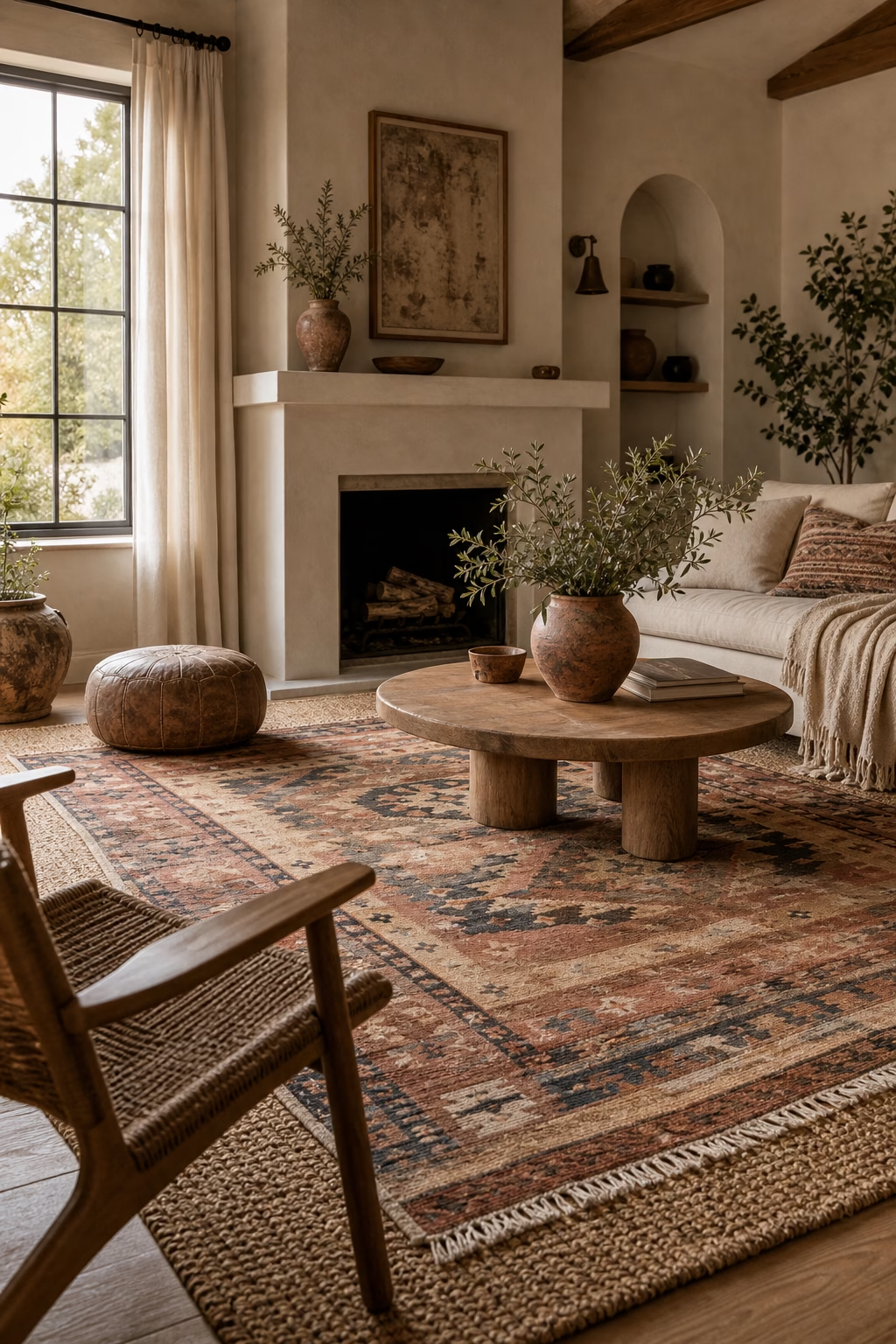
Bring in Plants With Breathing Room
Plants give a boho living room life, but more is not automatically better. One tall tree near a window often feels richer than a crowded plant collection spread across every surface. Choose vessels that add texture, such as terracotta, ceramic, woven baskets, or aged clay. Group plants in odd numbers and vary heights so the arrangement looks natural rather than lined up. Leave enough wall and floor space around greenery for the architecture to show. If the room is dim, prioritize hardy sculptural plants or branches in a vase. Healthy, well-placed greenery always looks more stylish than abundance struggling for light.
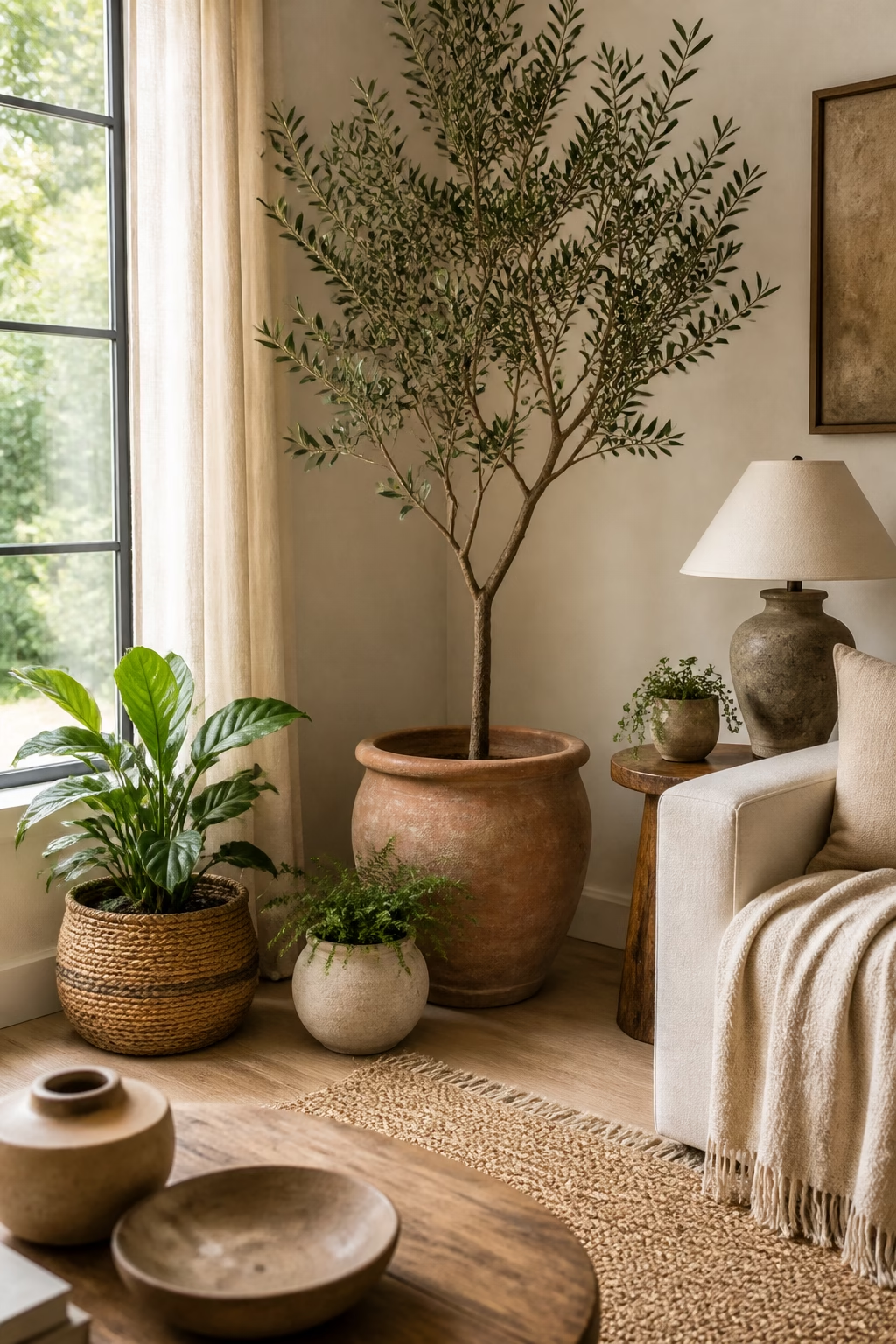
Edit Shelves Like a Collected Room
Boho shelving should feel collected, not crowded. Mix books, ceramics, baskets, framed pieces, and a few sculptural objects, then leave visible breathing room between them. The easiest way to keep shelves calm is to repeat materials: clay, warm wood, natural fiber, aged brass, and a limited range of paper tones. Stack some books horizontally to lift small vessels, but avoid building identical stacks on every shelf. If the shelves sit behind the main seating, keep fragile pieces low or out of reach. The result should suggest curiosity and travel without looking like a souvenir shop. Remove one item before finishing.
Choose One Oversized Woven Light
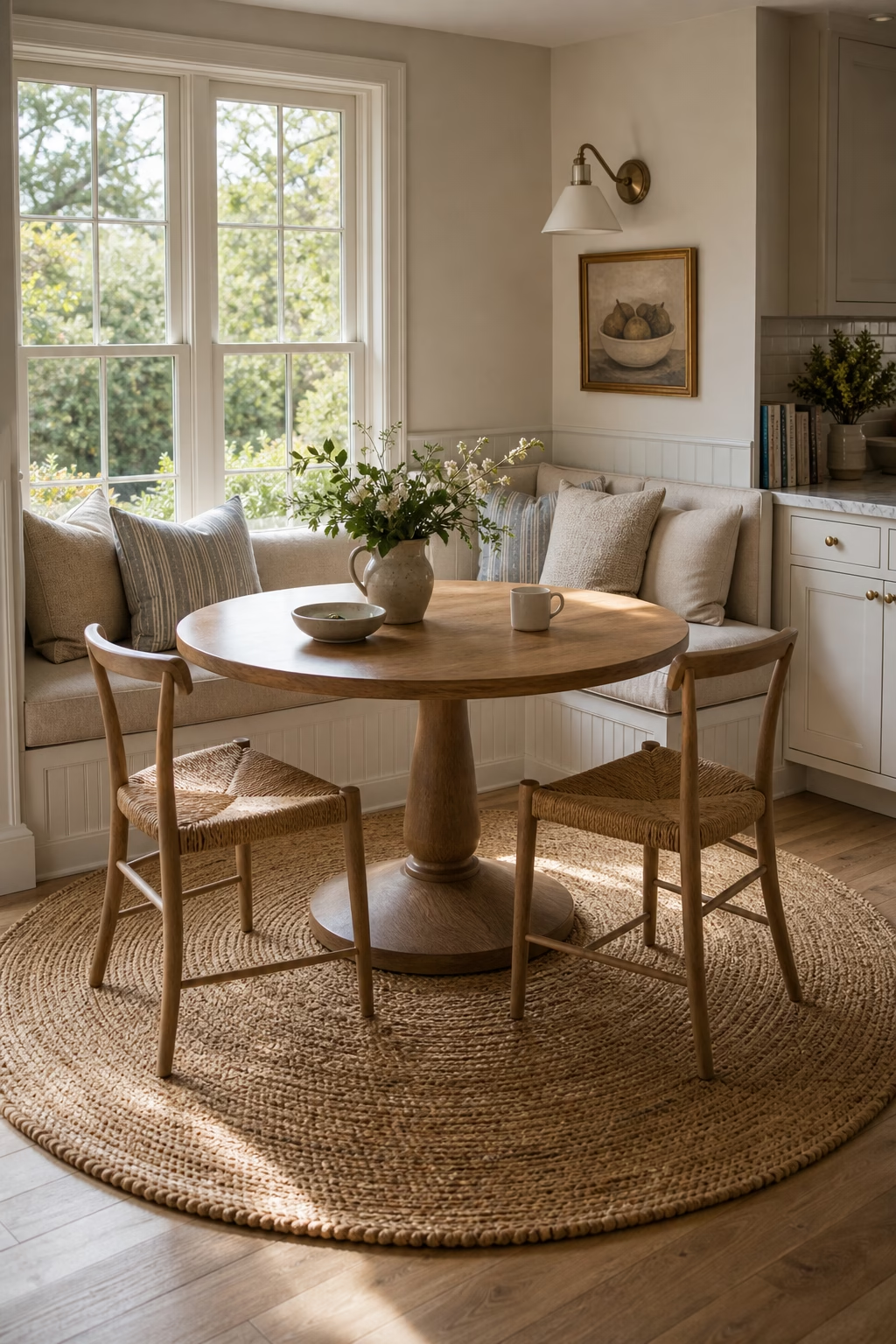
An oversized woven pendant can give a boho living room instant atmosphere because it occupies the air above the seating group. Scale is the key. The fixture should be large enough to feel intentional but high enough that it does not block views or dominate conversation. Natural fiber shades cast a softer, more irregular glow than metal or glass, which suits layered textiles and plaster walls. If the room has low ceilings, choose a flatter drum or wide saucer shape. Keep nearby lamps simpler so the pendant remains the sculptural moment rather than competing with several other statement fixtures. Add dimming.
Add Texture to the Walls Before Adding More Decor
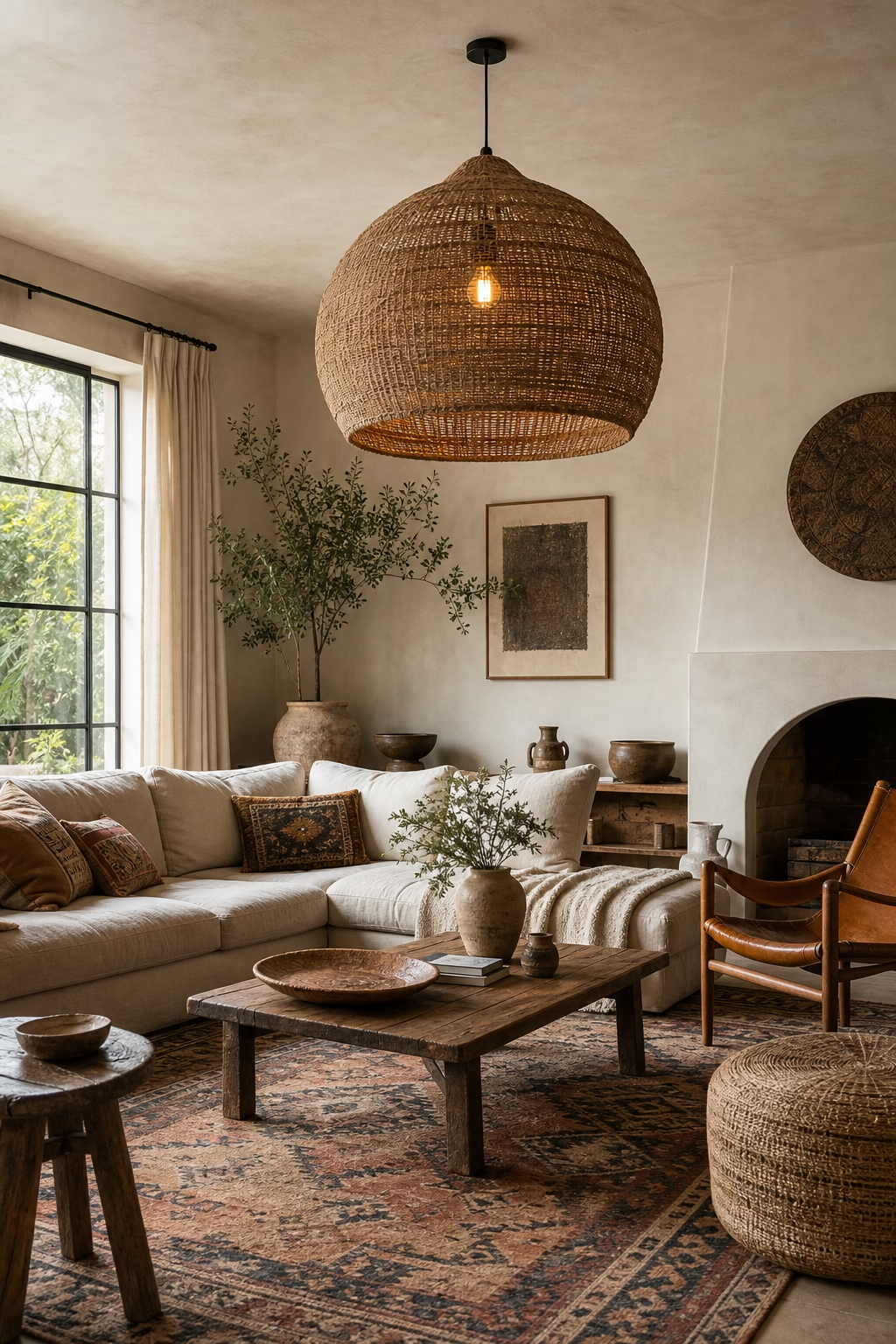
A textured wall finish can make a boho room feel complete with fewer accessories. Limewash, Roman clay, plaster, grasscloth, or a subtle mineral paint gives the background movement that plain drywall lacks. Once the wall has depth, a single framed textile or abstract piece can carry the space without a crowded gallery. Warm neutrals, sand, bone, clay, and soft taupe are especially useful because they flatter wood and woven materials. Test the finish in real light before committing; some textured paints shift dramatically from morning to evening. The aim is quiet atmosphere, not a decorative effect that calls attention to itself.

Anchor the Room With a Sculptural Wood Table
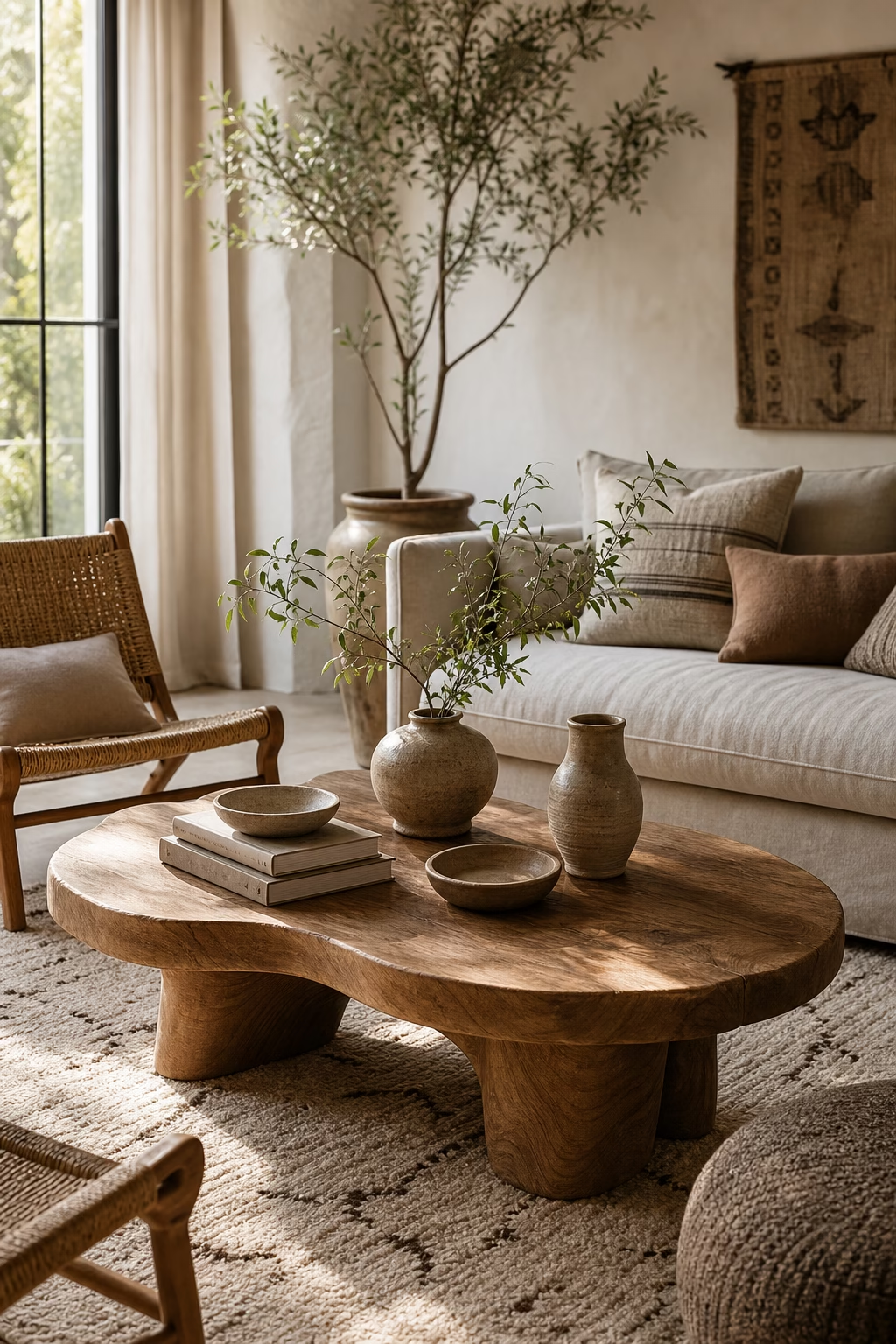
A sculptural wood coffee table gives a boho living room weight and craft. Look for solid forms, carved bases, irregular edges, or rounded silhouettes that contrast with soft upholstery. The table should still work hard: leave room for a tray, a book stack, and a drink without making the surface feel precious. If the table is visually heavy, balance it with lighter woven chairs or leggy side tables. If it is pale and smooth, add darker ceramics or a textured bowl. Wood is most powerful when it looks touchable, so avoid overly glossy finishes that erase grain and age. Check leg clearance.
Add Flexible Seating With Poufs and Floor Cushions
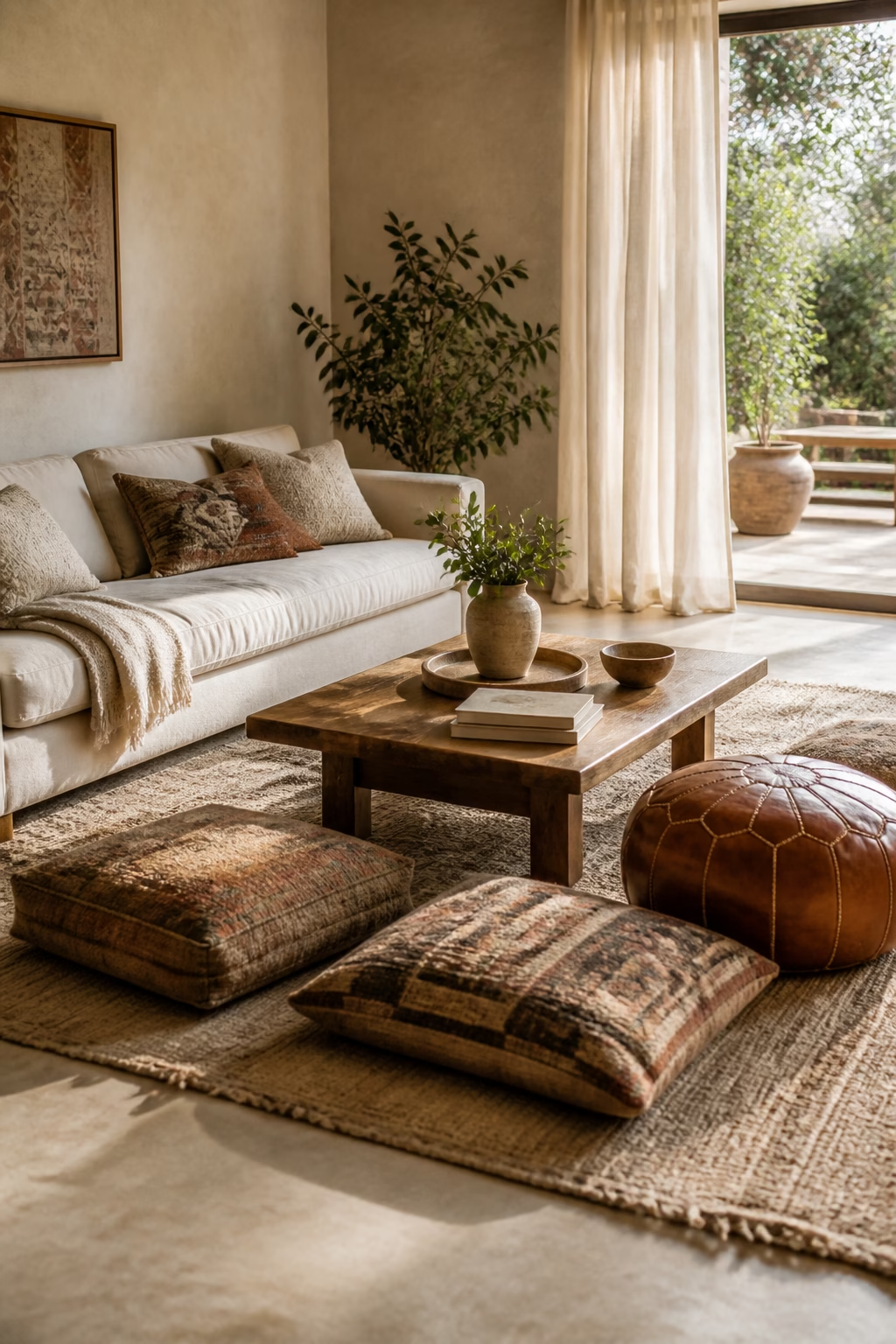
Poufs and floor cushions bring the casual creativity that boho rooms are known for, but they need a planned home. Use one leather pouf as a footrest, one pair of floor cushions near the coffee table, or a woven ottoman that can move when guests arrive. Keep the colors connected to the rug or pillows so the seating looks integrated rather than scattered. Scale matters here too; oversized cushions can make a compact living room feel cramped. Choose durable, weighty fills that hold their shape. Flexible seating works best when it feels effortless, not like overflow furniture. Store extras nearby.
Use Arched Niches for Artisanal Display
An arched niche brings architecture and display together in a way that suits boho interiors beautifully. It can hold ceramics, books, a small lamp, or a restrained arrangement of vessels without needing another cabinet. The curve softens straight furniture lines and gives handmade objects a quiet stage. Keep the niche shallow enough to feel built into the wall, not like a bulky storage recess. If you do not have a true niche, a plastered bookcase or arched cabinet can create a similar mood. Edit the display carefully; one strong vessel often looks more luxurious than five small pieces. Light it softly.
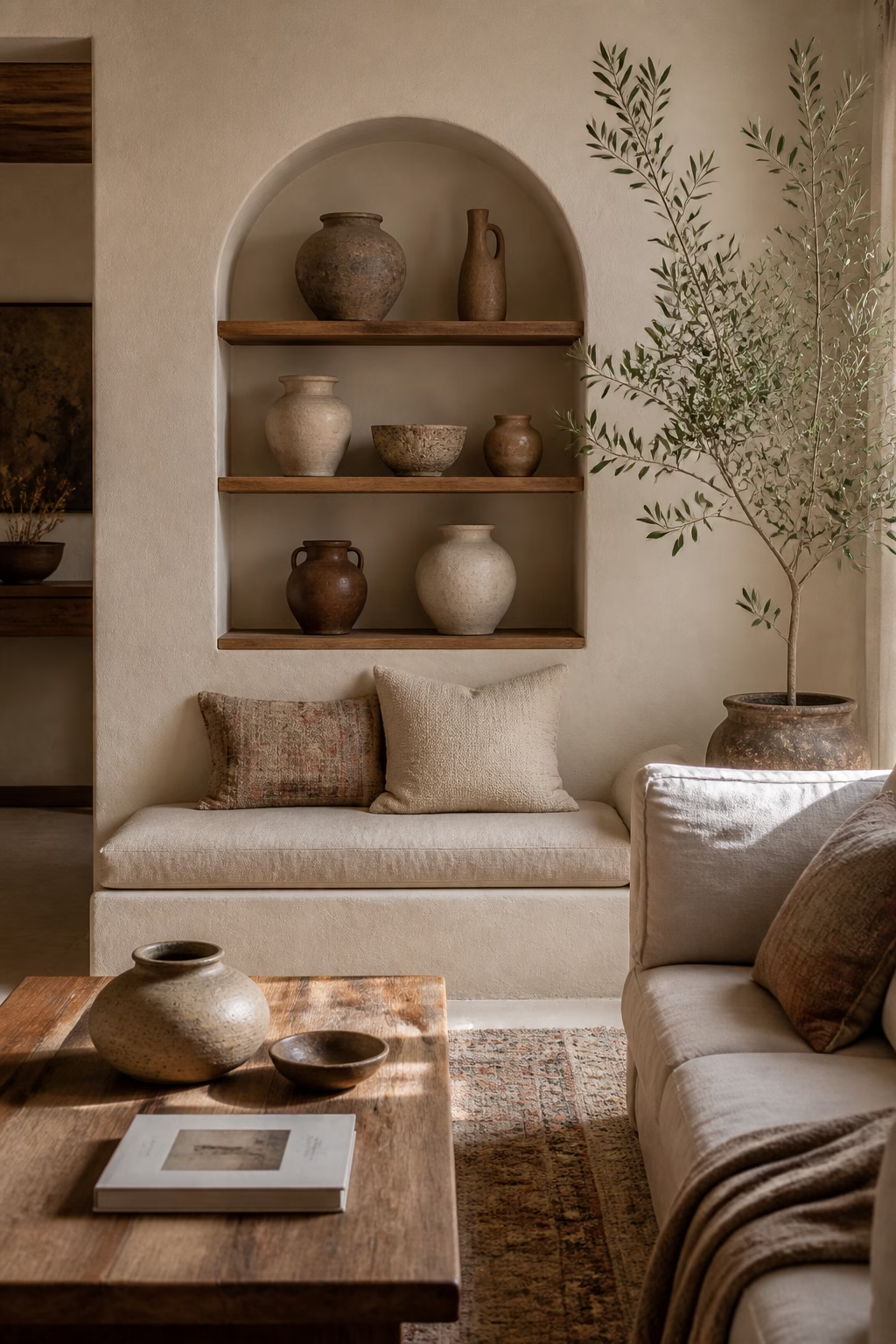
Let Linen Curtains Loosen the Architecture
Linen curtains soften a living room immediately because they move, filter light, and blur hard window edges. For a boho look, hang them high and wide so the window feels taller and the fabric can stack beyond the glass. A slight break at the floor is elegant; heavy puddling can look dusty in everyday rooms. Choose unlined linen when privacy and sun exposure allow, or a light liner when the room needs more control. Natural, ivory, flax, and warm white tones are easiest to layer with rugs and pillows. The softness should feel relaxed but still tailored. Steam panels lightly.
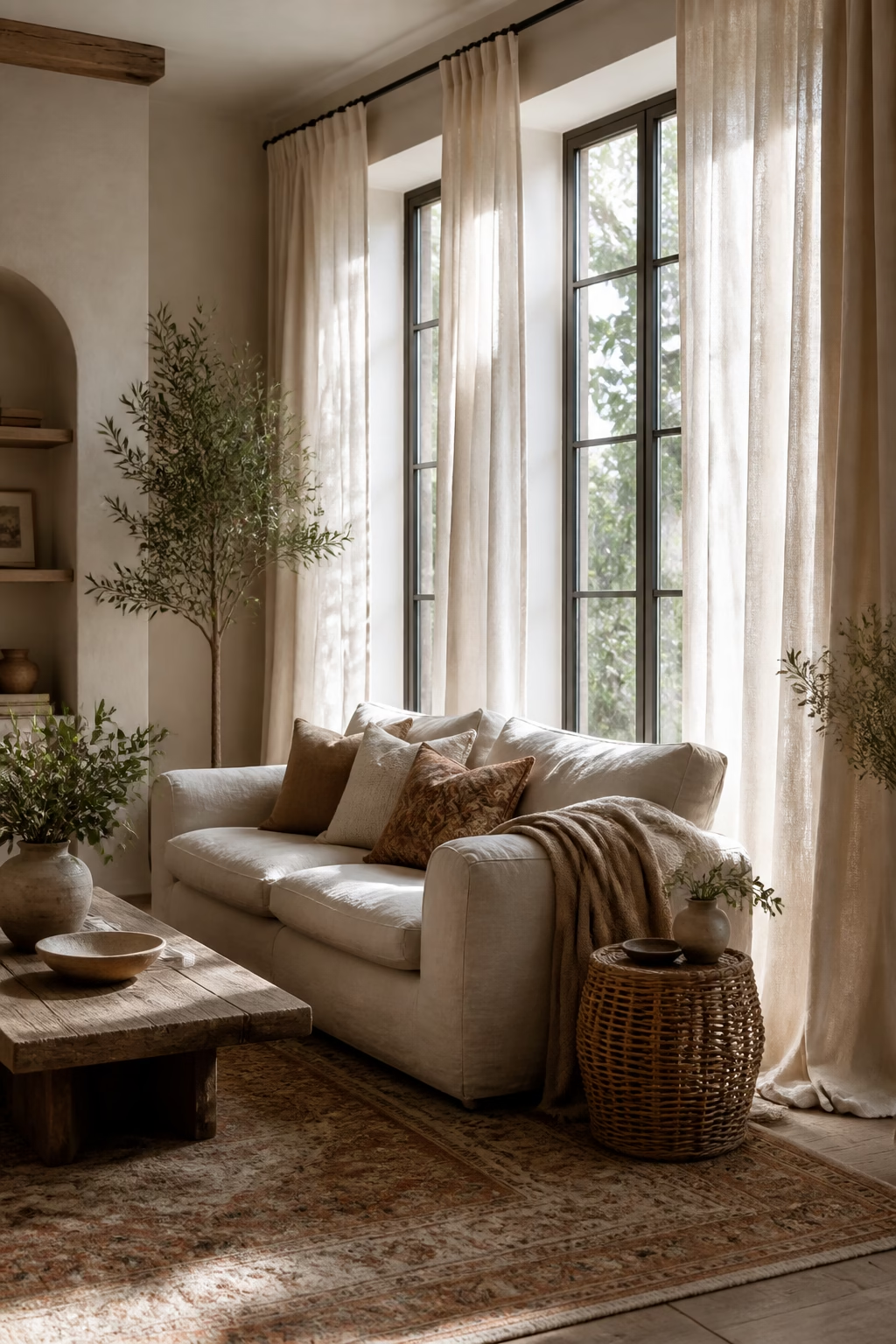
Swap a Standard Console for a Vintage Cabinet
A vintage cabinet gives a boho living room history while solving storage. Use it as a media console, bar cabinet, game storage, or catchall for throws and remotes. The piece should be low enough to sit comfortably under art or a television, and deep enough to be useful without blocking circulation. Imperfect wood, carved doors, or aged hardware adds soul against clean plaster walls. Keep styling on top restrained: one lamp, one vessel, and one stack of books can be enough. A single old piece often does more for character than a room full of new decorative accents. Measure door swings.

Build an Earthy Pillow Palette
Pillows are the easiest place to add boho color, but the palette should feel intentional. Start with a neutral sofa, then layer clay, rust, ochre, olive, charcoal, or indigo in varying textures. Combine no more than one or two strong patterns with solid linen, washed cotton, or wool so the sofa remains inviting. Mix sizes rather than placing identical squares across the back. Down or high-quality inserts make covers look relaxed instead of flat. Edit seasonally: a few deeper tones in winter, lighter woven textures in summer. The goal is richness through touch, not visual noise. Use fewer covers.
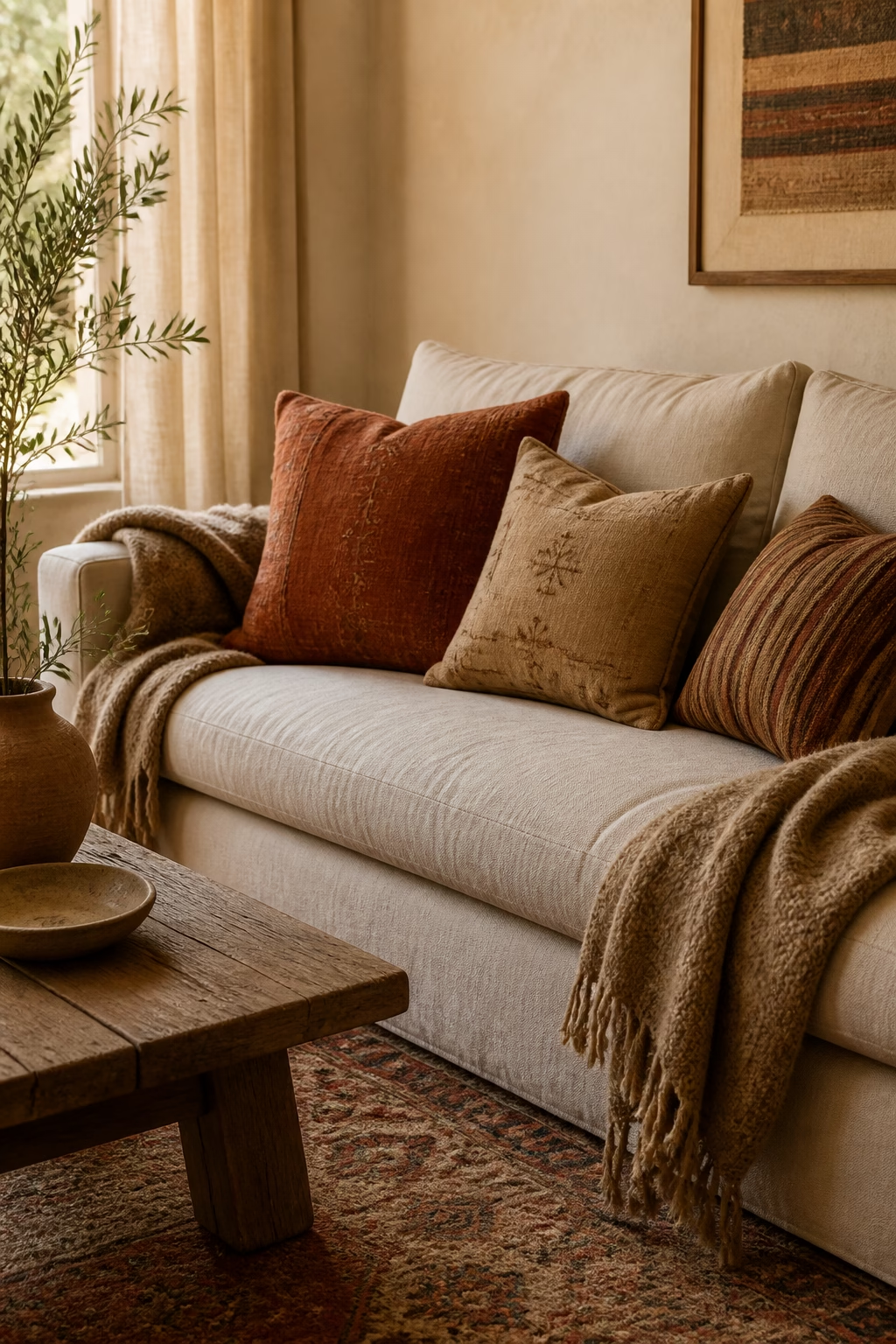
Use Black Accents to Give the Room Discipline
Boho rooms can become too soft if every material is pale, woven, or rounded. A few black accents give the eye places to land and make natural textures feel more sophisticated. Try a slim floor lamp, black picture frames, a dark ceramic vessel, or a metal side table. Keep the pieces fine-lined rather than bulky so they sharpen the room without making it heavy. Black is especially useful beside cream upholstery, oak, jute, and plaster because it adds contrast without introducing another color. Used sparingly, it brings the design back into focus. Repeat it three times across the room.
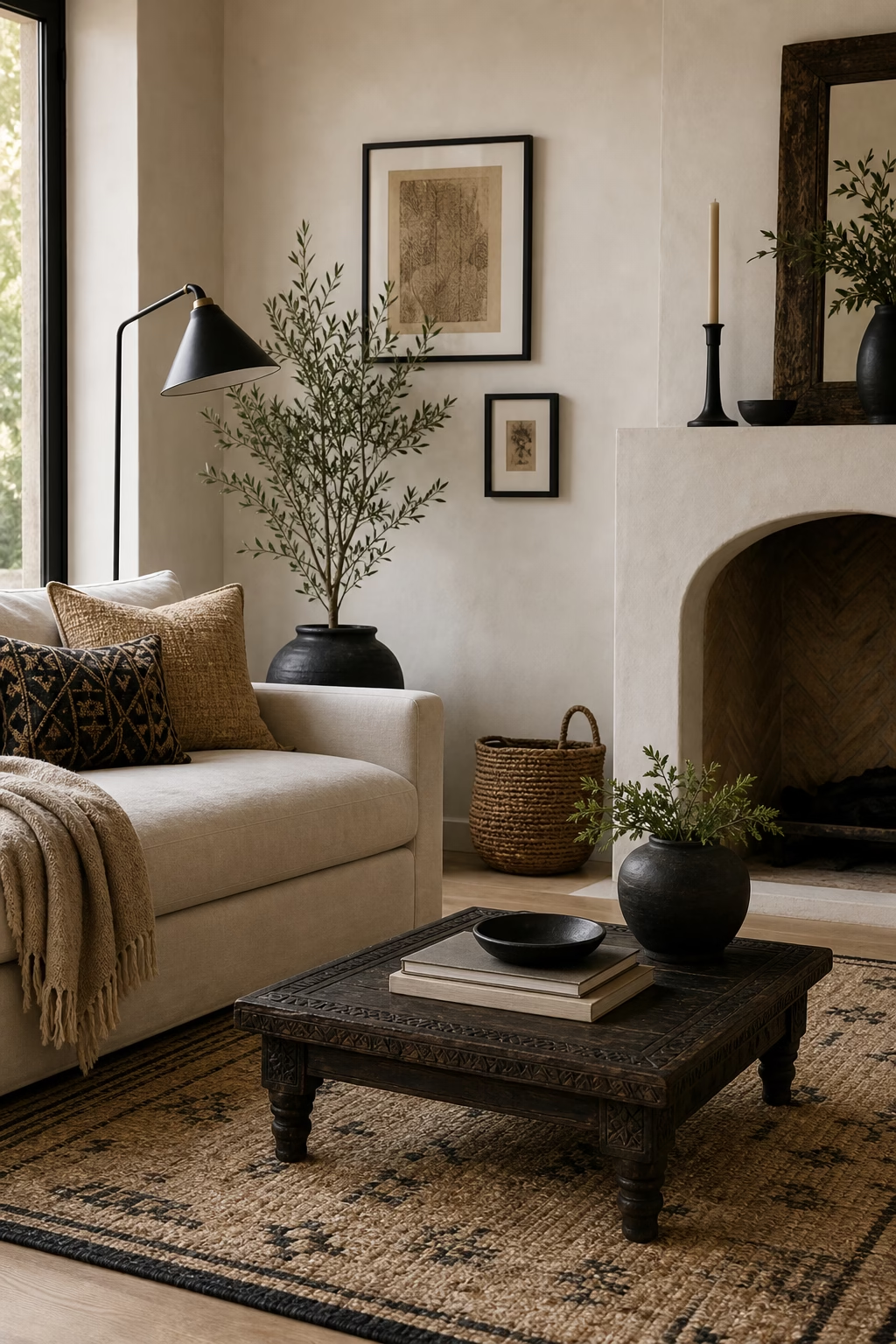
Create a Reading Corner With Real Comfort
A boho reading corner should be more than a pretty chair in an empty corner. It needs light, a surface, softness, and a reason to settle in. Place a comfortable chair near a window or lamp, add a small table for a book and tea, and ground the spot with the edge of a rug. Boucle, linen, leather, or woven upholstery can all work if the scale suits the room. A plant or ceramic lamp adds height without clutter. This small destination makes the living room feel layered, especially when the main sofa faces a different direction. Add a throw.
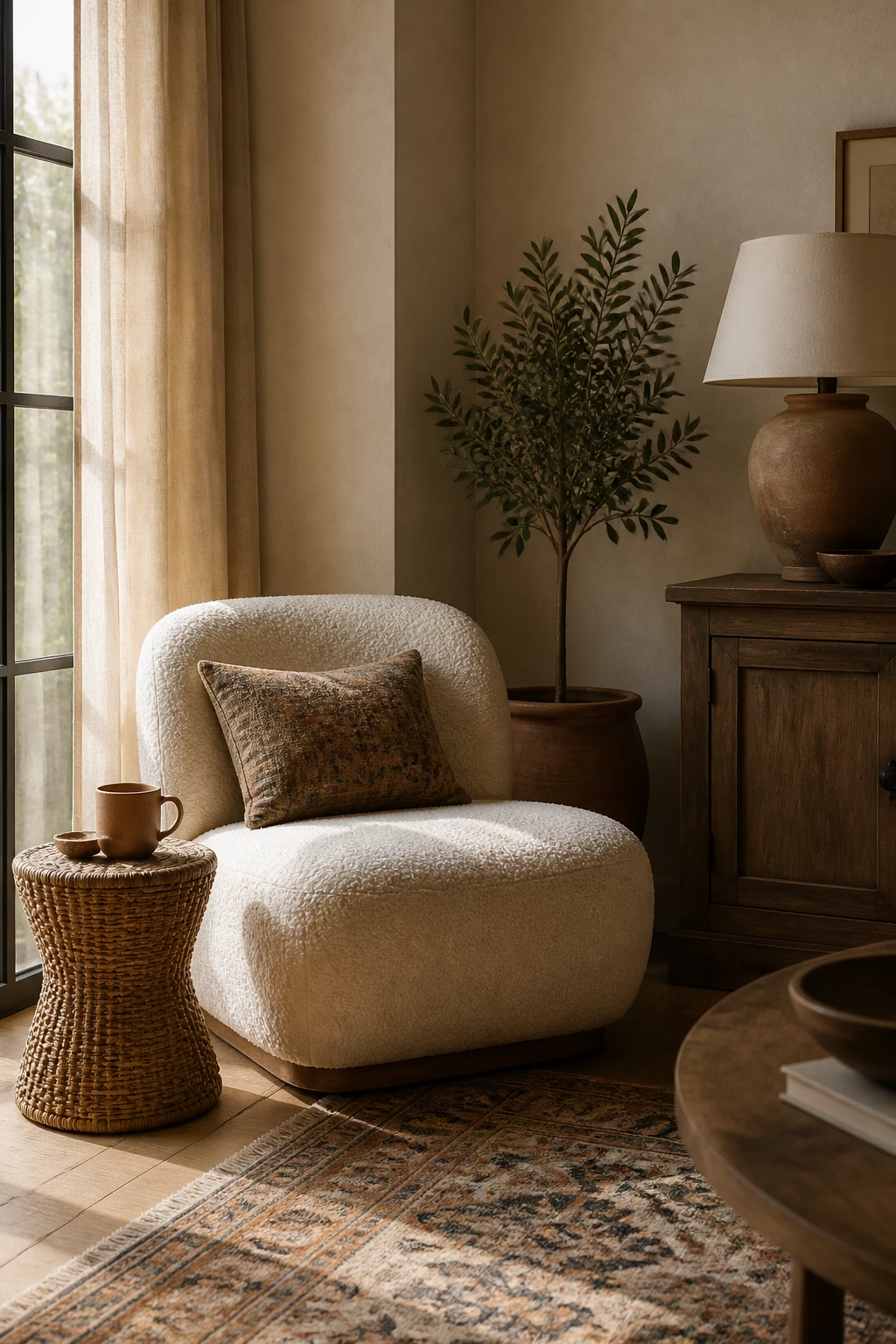
Compose a Gallery Wall With Restraint
A boho gallery wall is strongest when it feels collected over time but edited with care. Mix abstract art, vintage sketches, a textile, or a small object, but keep frames in a related family of wood, black, brass, or natural tones. Leave more space between pieces than you think; crowded frames can make the room nervous. Start with the largest piece at eye level, then build outward asymmetrically. Avoid readable typography if you want a calmer luxury mood. The wall should reflect personality while still supporting the furniture, rug, and architecture around it. Mock it first with paper templates beforehand.
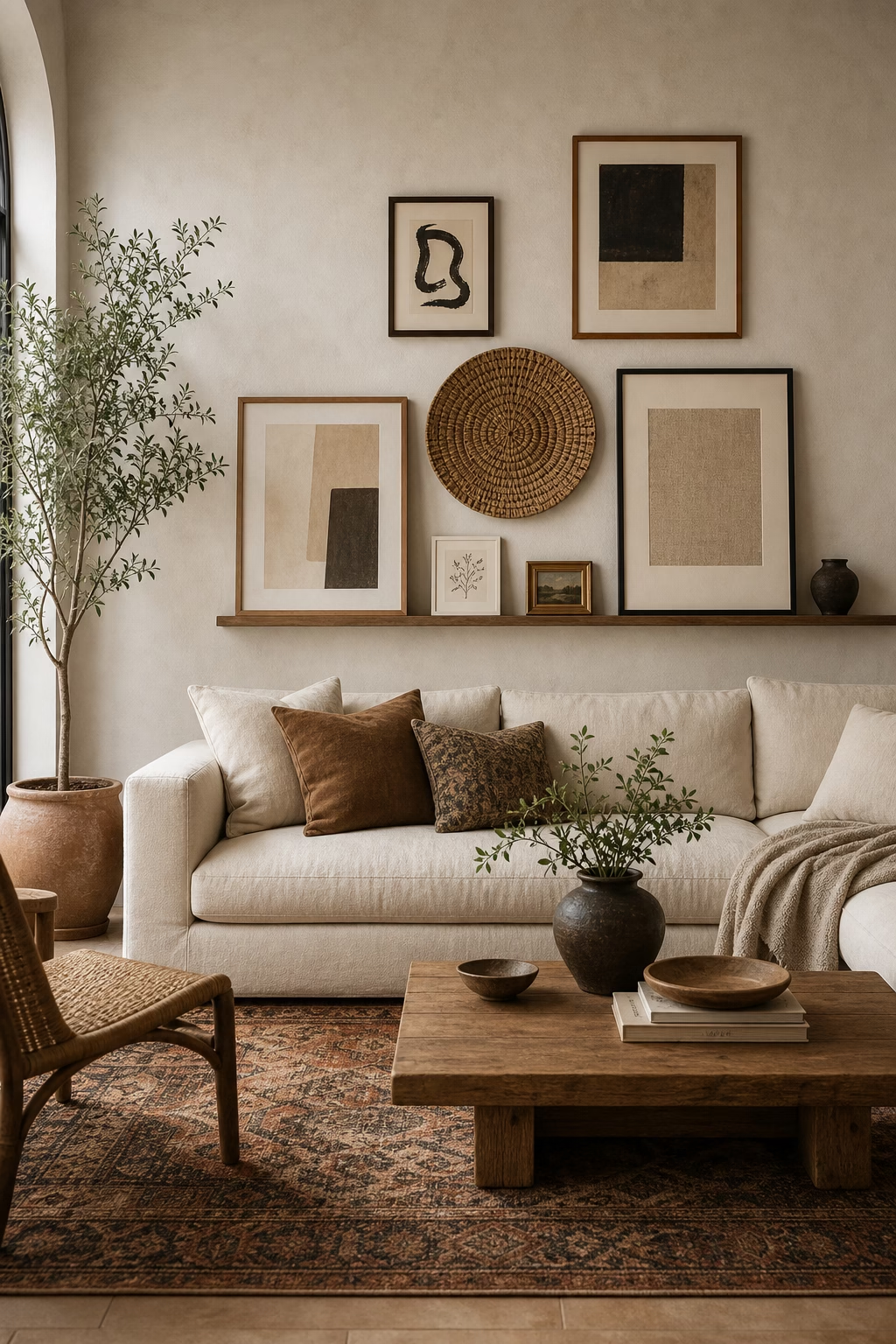
Style the Fireplace With Natural Texture
A fireplace gives a boho living room a natural focal point, but the mantel does not need to be crowded. Choose one leaning artwork, one taller vessel, and one lower object, then let the plaster, stone, or wood breathe around them. Woven baskets beside the hearth can hold blankets or kindling while adding texture near the floor. If the fireplace is decorative, keep the opening clean and intentional instead of filling it with random objects. The best mantel styling looks effortless because it respects proportion. Natural materials should support the architecture, not hide it. Keep symmetry loose and natural always.
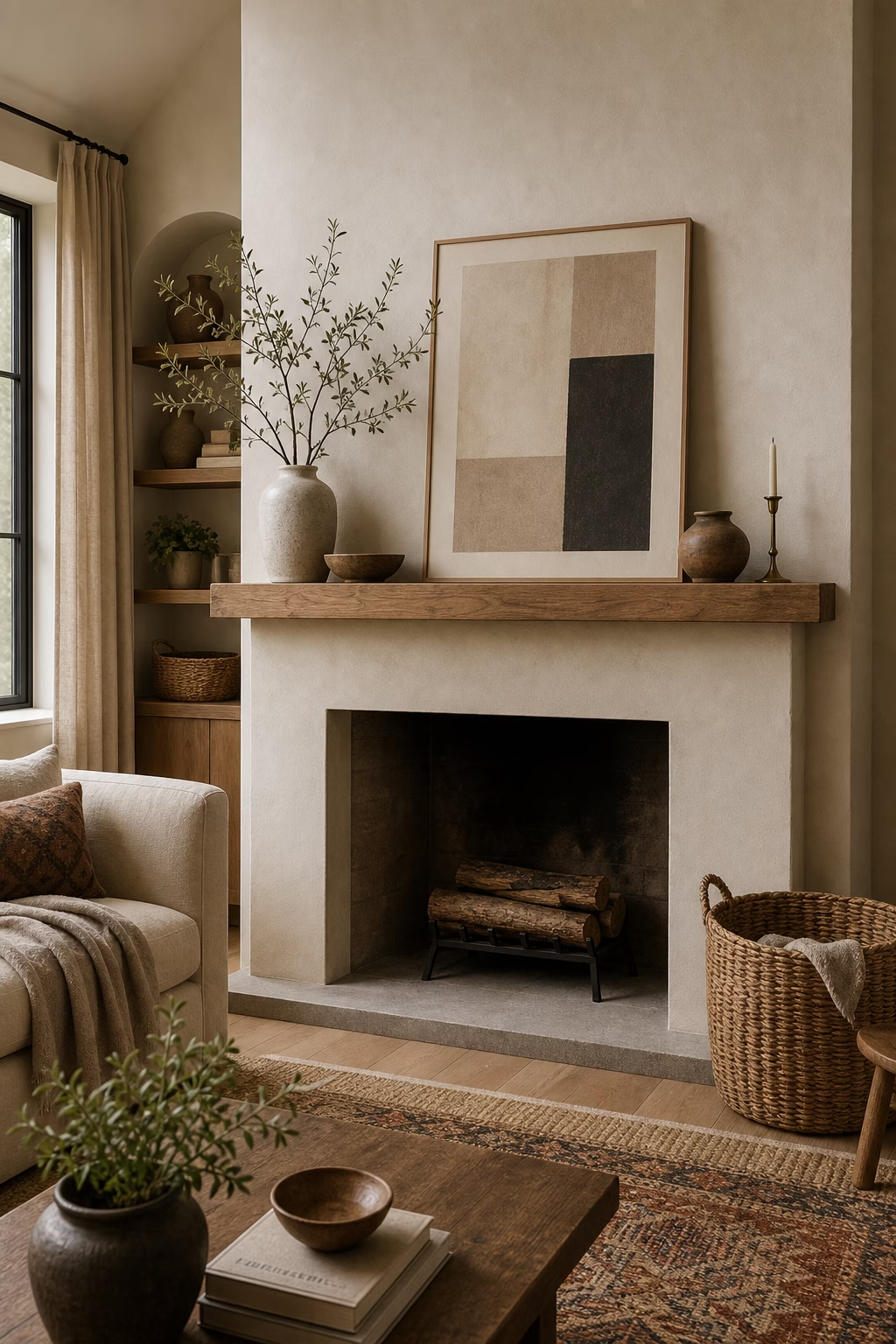
Design an Evening Version of the Room
Boho living rooms are often photographed in daylight, but the real test is evening. Use table lamps, low floor lamps, candles, and a warm pendant to create several pools of light instead of one harsh overhead source. Textiles become more important after dark, so keep a wool throw, soft rug, and upholstered seating in easy reach. Reflective ceramics or brass can catch small glows without looking flashy. Step back at night and notice whether any corner disappears. A creative room should feel just as inviting after sunset as it does in bright afternoon light. Dim everything gradually for atmosphere nightly.
