
Warm Wood Cabinets Return
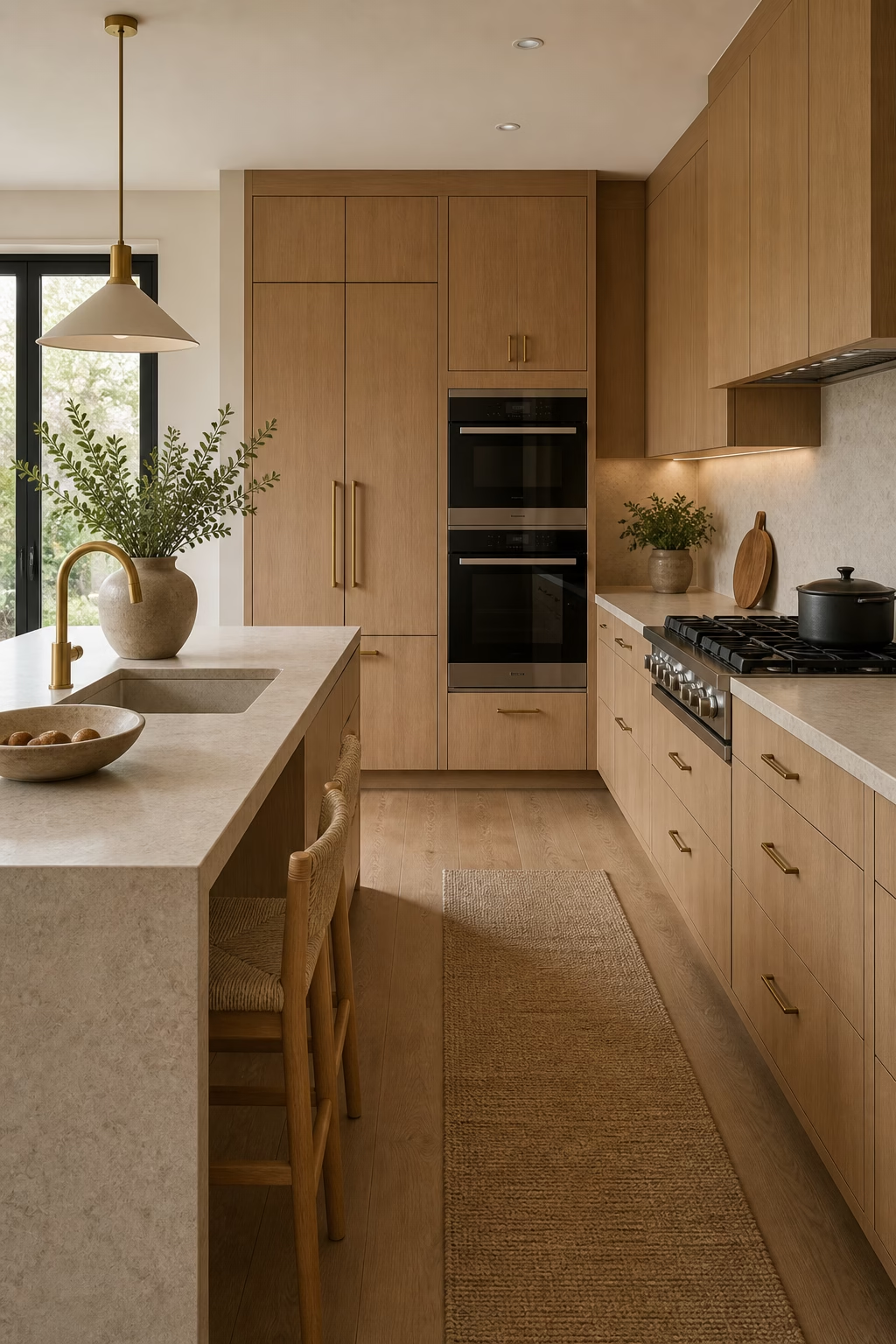
Contemporary kitchens are moving away from cold, glossy finishes and back toward wood with visible warmth. White oak, walnut, ash, and lightly stained maple give modern cabinetry a softer architectural presence. The trend works best with flat or softly framed doors, integrated pulls, and matte finishes that let the grain feel natural. Warm wood also pairs beautifully with stone, plaster, stainless steel, and creamy wall colors, so it can be minimal without feeling sterile. The key is restraint: let the wood carry the room, then keep hardware, lighting, and accessories simple enough to support it. It also makes the kitchen feel connected to nearby living spaces.
Slab Backsplashes Replace Busy Tile
A full-height slab backsplash gives a kitchen an immediate sense of polish. Instead of many grout lines, one continuous stone or porcelain surface runs from counter to upper cabinets or even to the ceiling. Marble, quartzite, limestone-look porcelain, and honed granite can all work depending on the budget and maintenance tolerance. The best slabs have movement that feels natural from a distance, not a pattern that shouts. This trend also makes cleaning easier behind the cooktop and sink. When the counter and backsplash match, the kitchen reads as one calm volume rather than separate decorative decisions. The cleaner surface gives cookware, lighting, and cabinet grain more room to breathe.

Islands Become Furniture-Like
The contemporary kitchen island is becoming more like a custom furniture piece than a block of cabinetry. Designers are using leg details, open shelves, rounded corners, waterfall stone, wood panels, and contrasting bases to give the island presence. This works because the island is often visible from living and dining areas, so it needs to look refined from every angle. Practicality still matters: seating clearances, storage, outlets, and prep space should be planned before the shape is finalized. A furniture-like island can make an open kitchen feel warmer and more connected to the rest of the home. That balance keeps the island impressive without making it difficult to use.

Integrated Appliances Keep Lines Quiet
Panel-ready refrigerators, concealed dishwashers, hidden range hoods, and appliance garages are defining contemporary kitchens because they reduce visual interruption. The goal is not to pretend appliances do not exist, but to make the architecture feel calmer. A paneled refrigerator can read as tall cabinetry, while a concealed hood lets the stone or plaster wall stay uninterrupted. Small appliances can live behind pocket doors so counters remain clear. This trend is especially useful in open-plan homes, where the kitchen is always in view. Quiet appliance integration makes the room feel designed even during ordinary weekday use. It is especially effective when sightlines run directly into the kitchen.

Stone Islands Get Thicker Edges
Thicker stone edges are giving contemporary kitchens a more substantial, tailored look. A mitered edge can make a countertop appear deeper than the actual slab, creating the impression of a solid block without unnecessary weight. This is especially striking on islands, where the edge detail is visible from several sides. Honed quartzite, marble, travertine, and durable engineered stone can all carry the look. The proportion must be right: too thick can feel heavy, while too thin can look timid in a large room. A considered edge makes the island feel permanent and architecturally grounded. The detail looks best when cabinet proportions underneath feel equally considered.

Plaster Hoods Add Soft Architecture
A plaster range hood brings softness to a contemporary kitchen without adding ornament. The form can be simple and blocky, gently arched, or subtly tapered, depending on the architecture. Its appeal comes from the matte texture and the way it catches light, especially beside wood cabinets and stone counters. The hood should be properly sized for the range and built around real ventilation requirements, not treated as a purely decorative shell. When done well, it becomes an architectural focal point that feels quieter than metal and more custom than a standard cabinet hood. Its quiet volume can make even a simple cooking wall feel custom.

Hidden Pantries Work Harder
The hidden pantry is one of the most practical contemporary kitchen trends because it protects the main room from clutter. A door disguised as cabinetry can open to dry goods, small appliances, serving pieces, or a secondary prep zone. In smaller homes, even a tall pull-out pantry can create a similar effect. The best versions are organized around real habits: breakfast items together, baking supplies near the mixer, and everyday snacks at reachable heights. Concealment only works if the inside is efficient. When the pantry has a clear system, the visible kitchen can stay serene without sacrificing function. Good lighting inside the pantry makes the hidden space feel intentional too.

Statement Lighting Gets Sculptural
Kitchen lighting is becoming more sculptural, but the best examples still respect task lighting. Over an island, pendants in glass, ceramic, metal, or paper can add shape and rhythm without blocking sightlines. Linear fixtures are also evolving, with warmer materials and softer profiles. The mistake is relying on statement lights alone; under-cabinet strips, recessed task lights, and dimmable ambient lighting still do the practical work. Choose fixtures that relate to the cabinet hardware or nearby dining lighting, but do not force a perfect match. A contemporary kitchen should glow in layers, not glare from one decorative source. The fixture should add atmosphere while leaving the work surface clearly visible.

Rounded Corners Soften Modern Lines
Rounded corners are appearing on islands, counters, banquettes, shelves, and cabinet ends because they make contemporary kitchens feel more comfortable. The curve does not need to be dramatic. Even a softened stone corner or radius cabinet panel can improve circulation and reduce the hard-edged feeling that modern kitchens sometimes have. This trend is especially useful in open layouts where people move around the island constantly. Rounded details also echo arched doorways, curved sofas, and softer furniture in adjoining rooms. The result is still modern, but the room feels easier to live in. Those softened edges also feel more forgiving in busy family kitchens.

Mixed Metals Look More Natural
Contemporary kitchens no longer need every metal finish to match exactly. Aged brass hardware can sit beside stainless appliances, blackened bronze lighting, or polished nickel faucets when the choices are balanced. The key is repetition: each finish should appear more than once or have a clear role. For example, brass can belong to cabinet pulls and sconces, while stainless stays with appliances and sink details. Mixed metals make a kitchen feel collected and less showroom-perfect. Keep the shapes simple so the variation reads sophisticated rather than accidental. A small finish schedule prevents the mix from drifting into visual clutter later.

Open Shelves Are More Edited
Open shelving is still present in contemporary kitchens, but it is becoming more restrained. Instead of replacing every upper cabinet, designers use one or two shelves for beautiful everyday pieces: stoneware bowls, glassware, cookbooks without readable covers, or a few ceramic vessels. The rest of the storage stays closed so the room can function. Shelves in wood, stone, or metal should align with nearby cabinetry for an integrated look. This edited approach gives the kitchen personality without creating a dusting and styling burden. It works best when the displayed pieces share a quiet palette. The negative space around objects is what keeps the shelves elegant.

Countertop Cabinets Hide Daily Tools
Countertop cabinets are returning because they solve a real problem: the toaster, coffee grinder, blender, and kettle need to be accessible without being constantly visible. A cabinet that sits on the counter with pocket, lift-up, or bifold doors can create an appliance garage that looks built in. Place it near outlets and the relevant work zone so it is genuinely convenient. Match it to surrounding cabinetry for a seamless look, or use a contrasting wood if the kitchen needs warmth. This trend makes the daily routine easier while keeping the counter visually calm. Closed doors let the kitchen reset quickly after breakfast or dinner.

Color Moves Into Muted Earth Tones
Contemporary kitchen color is becoming softer and more grounded. Instead of bright accent cabinets, many rooms are using muted sage, clay, mushroom, olive, smoke blue, or deep taupe. These colors bring personality while still working with stone, wood, and metal. They are especially effective on lower cabinets, pantry walls, or a single furniture-like hutch. The undertone matters more than the name; the color should look natural in daylight and warm under evening bulbs. Muted earth tones make a kitchen feel current without dating it as quickly as a sharper trend shade. The shades feel modern because they are complex, muted, and livable.

Banquette Seating Saves Space
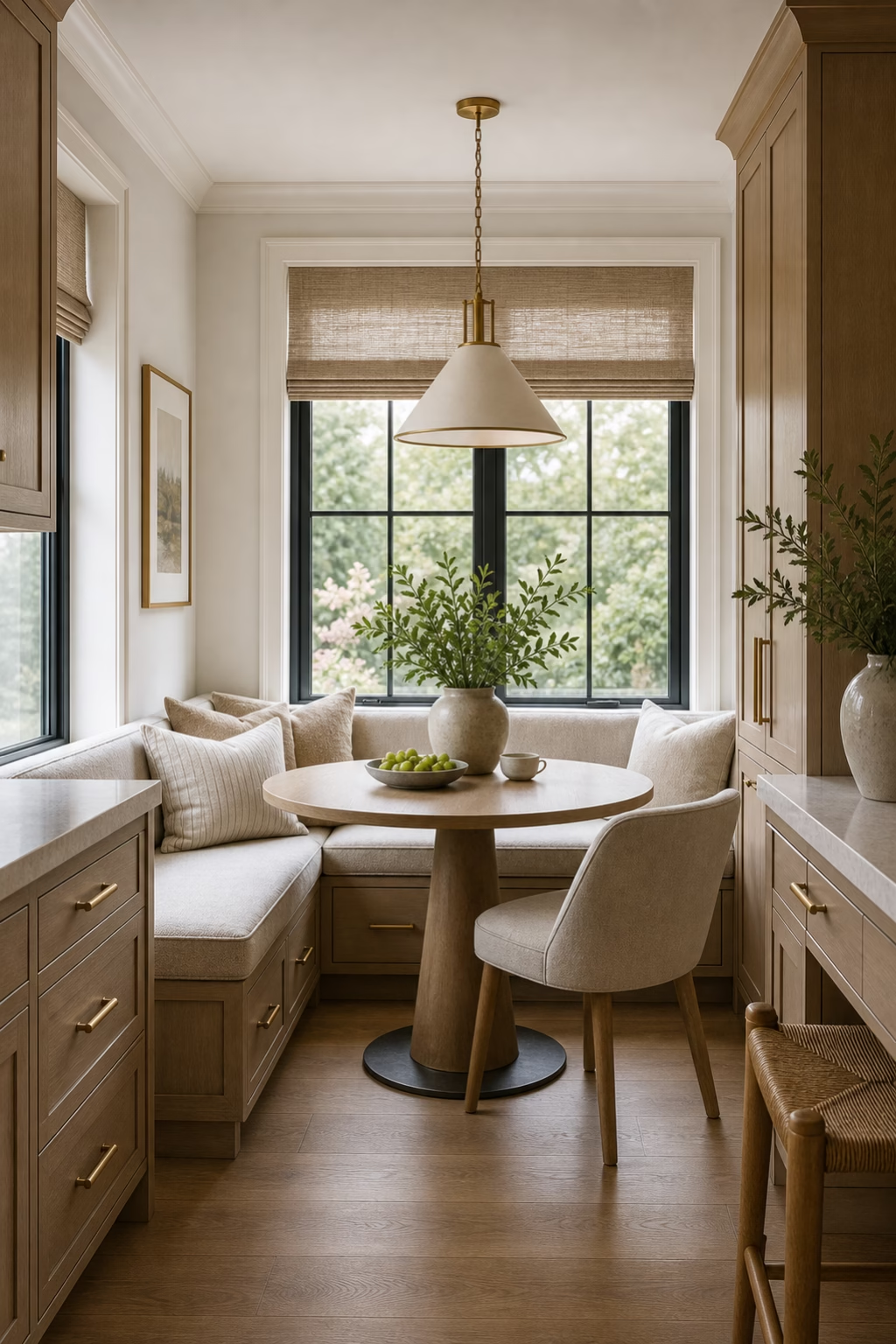
Built-in banquettes are becoming a favorite companion to contemporary kitchens because they make casual dining feel intentional. A bench along a wall or window can seat more people than loose chairs while using less floor area. Add storage below the seat if the kitchen needs room for linens, seasonal pieces, or children's items. The upholstery should be durable and easy to clean, but it can still look refined in leather, performance linen, or textured vinyl. A banquette also softens the hard surfaces of the kitchen, creating a place that invites lingering after dinner. Good proportions make the nook feel built in rather than squeezed in.
Induction Cooktops Create Sleeker Zones
Induction cooktops support the contemporary preference for cleaner lines and flexible prep space. Their flat surface can almost disappear into a dark or stone counter, and the surrounding area is easier to wipe down than traditional grates. The design advantage should not outrun practical planning: ventilation, cookware compatibility, power requirements, and control placement all matter. When paired with a concealed hood or downdraft solution, induction can make the cooking zone feel especially streamlined. It is a trend driven by both aesthetics and performance, which is why it is likely to last longer than a purely decorative choice. The streamlined surface also supports a calmer visual line across the counter.

Drawers Replace Lower Cabinets
Deep drawers are replacing many lower cabinets because they are easier to use. Instead of crouching and reaching into a dark cabinet, drawers bring cookware, dishes, food containers, and utensils forward into view. Contemporary kitchens use wide drawer banks with hidden organizers, peg systems, and soft-close hardware to keep daily items orderly. This change also improves the exterior rhythm of the cabinetry, creating clean horizontal lines. Plan drawer depths around what they need to hold: pots, plates, spices, or small appliances. Good storage is one of the quiet reasons a kitchen feels luxurious. Once organized, the storage is faster to use than a deep cabinet.

Waterfall Edges Become More Subtle
Waterfall countertops are still popular, but the contemporary version is more refined than the heavy statement slabs of previous years. Designers are using softer stone movement, thinner profiles, and waterfalls on only one side of an island where they make architectural sense. The detail can protect cabinet sides and create a beautiful end view from an adjoining living space. It should not block seating knees or make the island feel like a monument. When proportioned well, a waterfall edge gives a kitchen polish while letting the materials and layout stay relaxed. The restraint makes the stone detail feel architectural instead of flashy.

Layered Storage Reaches the Ceiling
Ceiling-height storage is gaining favor because it makes contemporary kitchens look more architectural and uses vertical space efficiently. Tall cabinets can hold pantry goods, appliances, serving pieces, or utility storage while reducing the need for cluttered uppers elsewhere. The top sections should be planned for items used less often, with daily pieces kept within easy reach. To avoid a heavy wall of doors, vary the rhythm with a niche, appliance garage, glass section, or change in material. When tall storage aligns with the ceiling and adjacent walls, the kitchen feels custom rather than assembled from parts. This is where millwork planning can make a standard ceiling feel deliberate.

Quiet Luxury Replaces Showy Details
The strongest contemporary kitchens are becoming less about obvious spectacle and more about details that feel good every day. Think solid drawer action, honed counters, warm light, comfortable seating, durable finishes, and storage that makes sense. Expensive-looking design is not created by adding more features; it comes from proportion, material honesty, and restraint. A simple kitchen can feel luxurious when the joints line up, the lighting flatters the surfaces, and every visible object earns its place. This trend is less photogenic as a single gimmick, but it produces rooms people want to live in. The room looks quieter because the quality is carried by touch and proportion.

Work Zones Feel More Personalized
Contemporary kitchens are being planned around the way people actually cook, host, and live. One household may need a coffee station, baking counter, homework perch, and pantry wall; another may need a generous prep island and hidden bar. This trend is less about one universal layout and more about designing zones that match routines. The important part is adjacency: mugs near the coffee machine, knives near prep space, serving pieces near the dining side, and cleanup near storage. A kitchen feels contemporary when it looks refined, but it feels truly successful when every zone quietly supports daily life. That functional precision is what makes the design feel genuinely contemporary.
