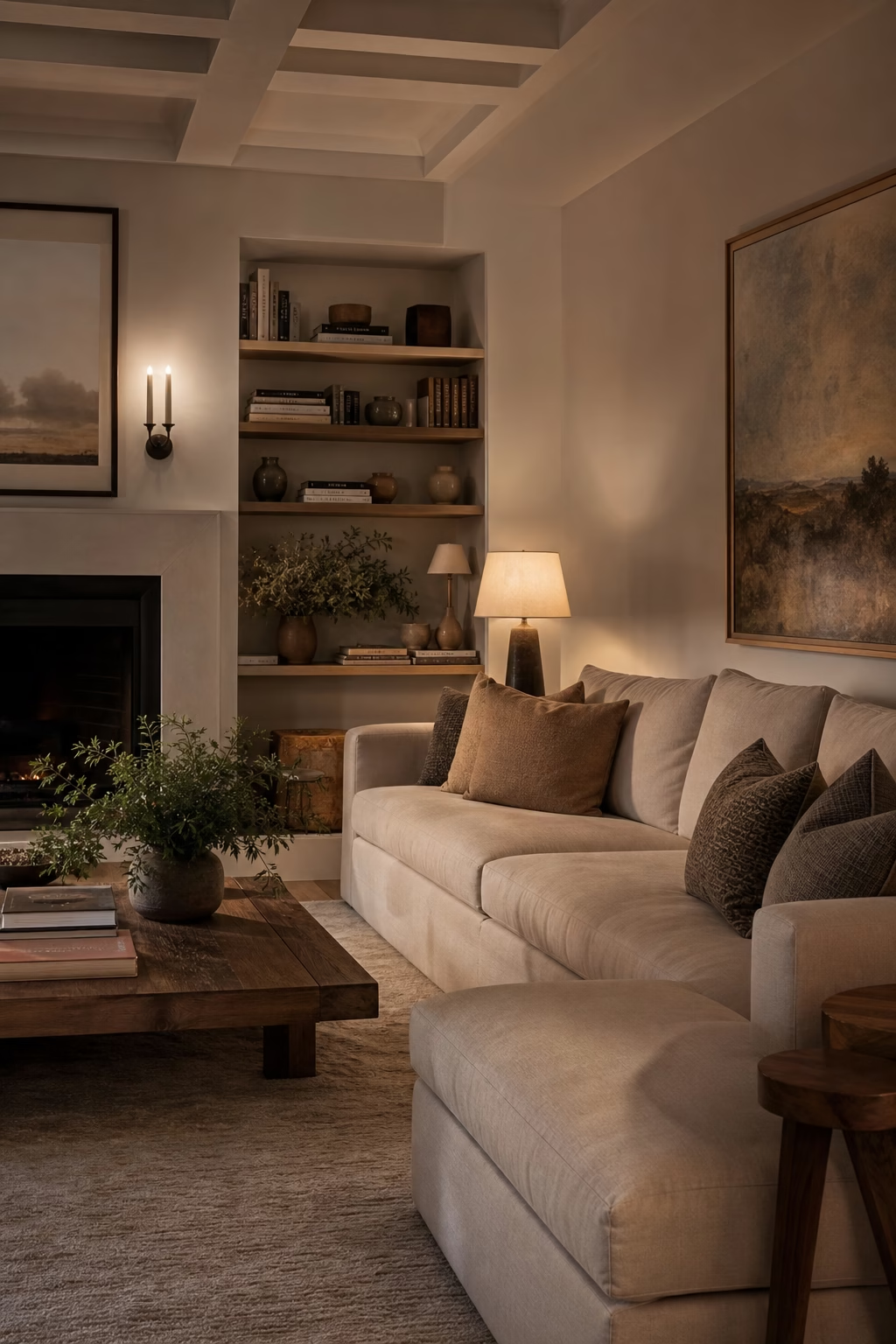
A cosy living room is less about adding more softness and more about making every choice feel intentional. Scale, lighting, upholstery, storage, and texture all have to work together so the room feels warm without becoming heavy. These ideas focus on comfort with polish, creating a space that welcomes daily life as naturally as it welcomes guests.
Start With Seating That Encourages Staying
A living room feels cosy when the seating supports real lingering, not just a neat floor plan. Choose a sofa with enough depth to relax into, then add chairs that turn toward it rather than sitting stiffly along the walls. Keep side tables close enough for a book, lamp, or cup of tea, and leave a clear path through the room so comfort never blocks movement. Upholstery in linen, wool blend, velvet, or boucle brings softness without needing too many pillows. The best arrangement feels generous but still disciplined, with every seat connected to the conversation. Seat heights should feel compatible, too.

Let Warm Neutrals Do the Heavy Lifting
Warm neutrals create a calm base, but they need variation to feel designed. Mix cream, oatmeal, mushroom, greige, soft taupe, and warm white with wood, woven fibers, stone, and aged metal. The room should not read as one flat beige surface; it should feel layered because each material catches light differently. Use the palest tones on walls or curtains, then let slightly deeper shades appear on rugs, chairs, lampshades, and ceramics. A controlled palette also makes texture more visible. When color stays quiet, the eye notices grain, weave, shadow, and shape, which is where real cosiness begins. Test samples in afternoon light.
Build Light at Several Heights
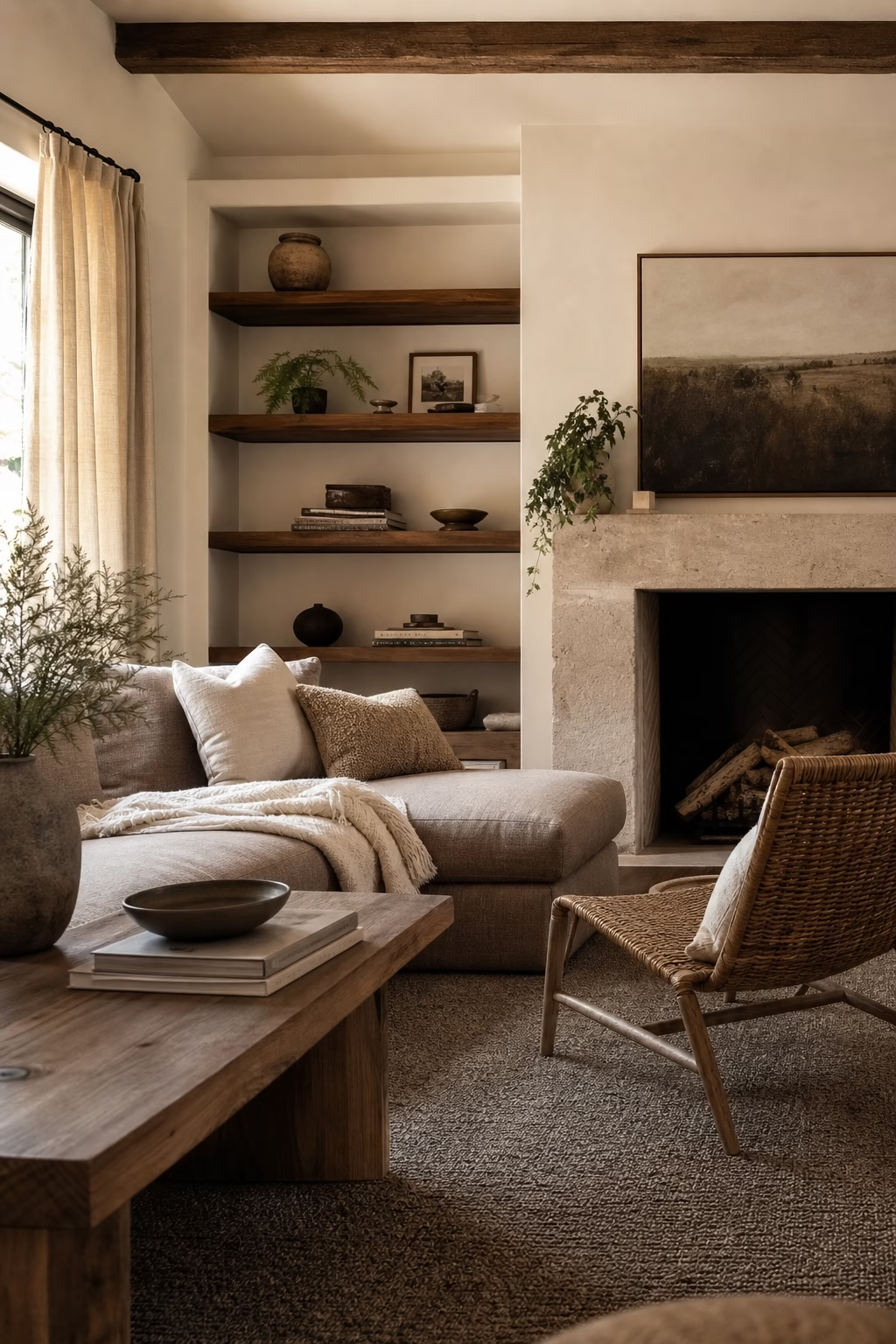
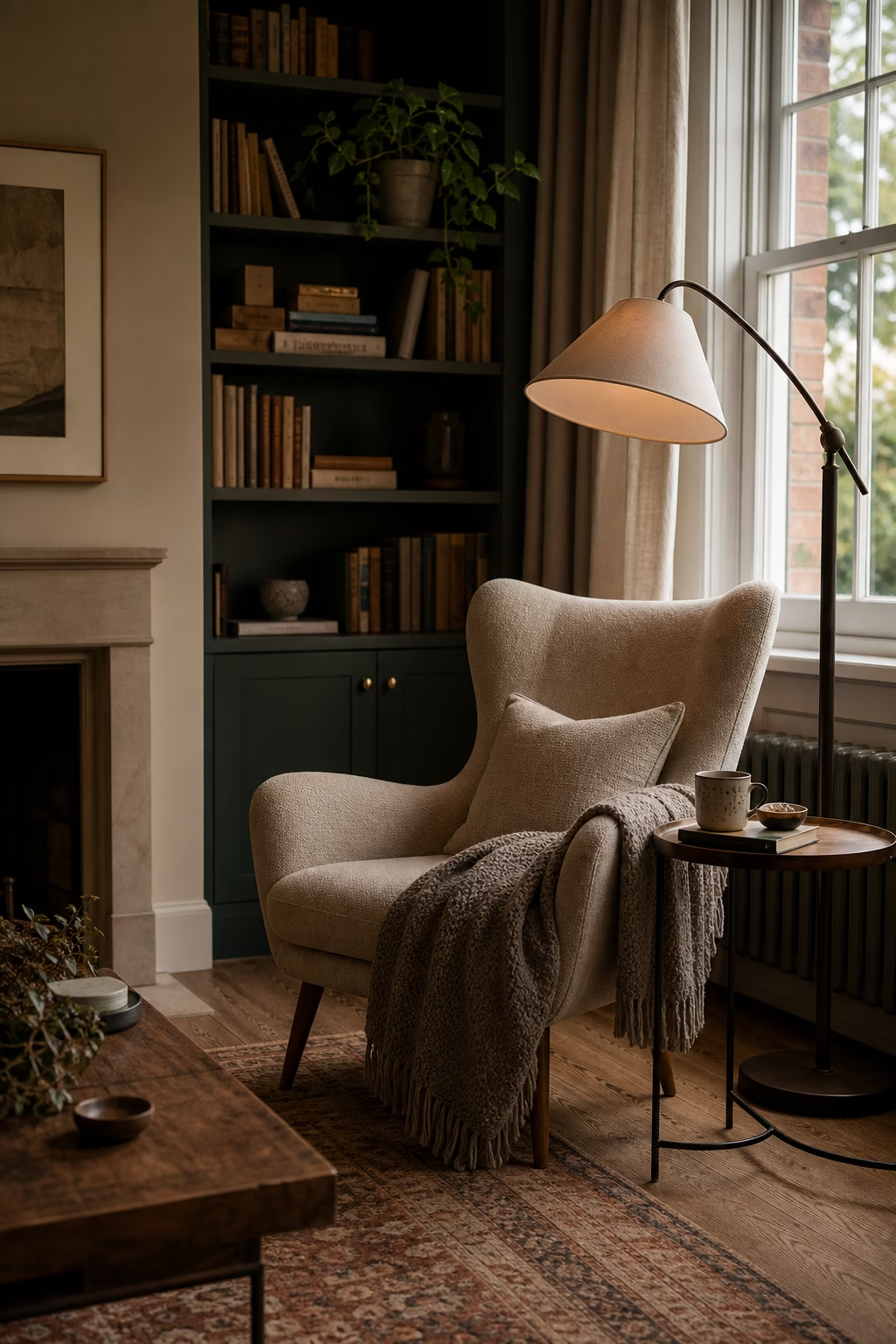
One ceiling light rarely makes a living room feel welcoming. Layer light at several heights so the room can shift from practical daytime use to a softer evening mood. Combine a floor lamp beside a chair, shaded table lamps near the sofa, a small picture light, and dimmable overhead lighting if the room needs it. Warm bulbs flatter wood, fabric, and skin-toned neutrals, while lampshades soften glare. Think of light as part of the furniture plan rather than a late accessory. When the corners glow gently, the room gains depth and feels settled after sunset. Dimmers make the shift effortless.
Use a Generous Rug to Pull the Room Together
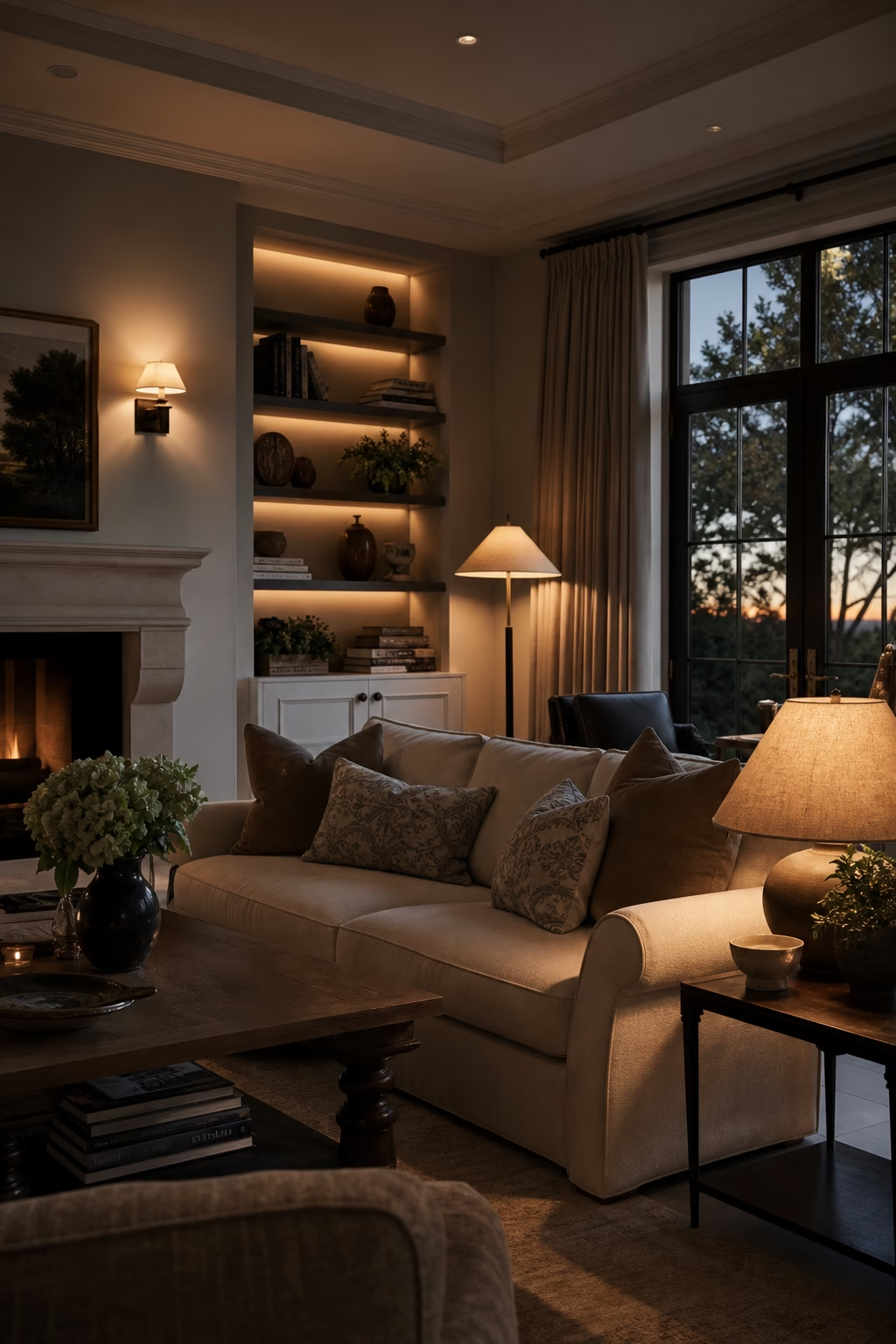
A rug is one of the strongest tools for making a living room feel intimate. Choose a size large enough for the front legs of the sofa and chairs to sit on it, so the seating group feels connected rather than scattered. Wool, flatweave, jute, or a faded vintage pattern can warm hard flooring and improve acoustics at the same time. Avoid a rug so small that it floats under the coffee table alone. The color should repeat something already in the room, perhaps the curtains, timber, art, or upholstery. A proper rug gives the whole space a quieter center of gravity.
Soften the Windows With Full-Length Curtains
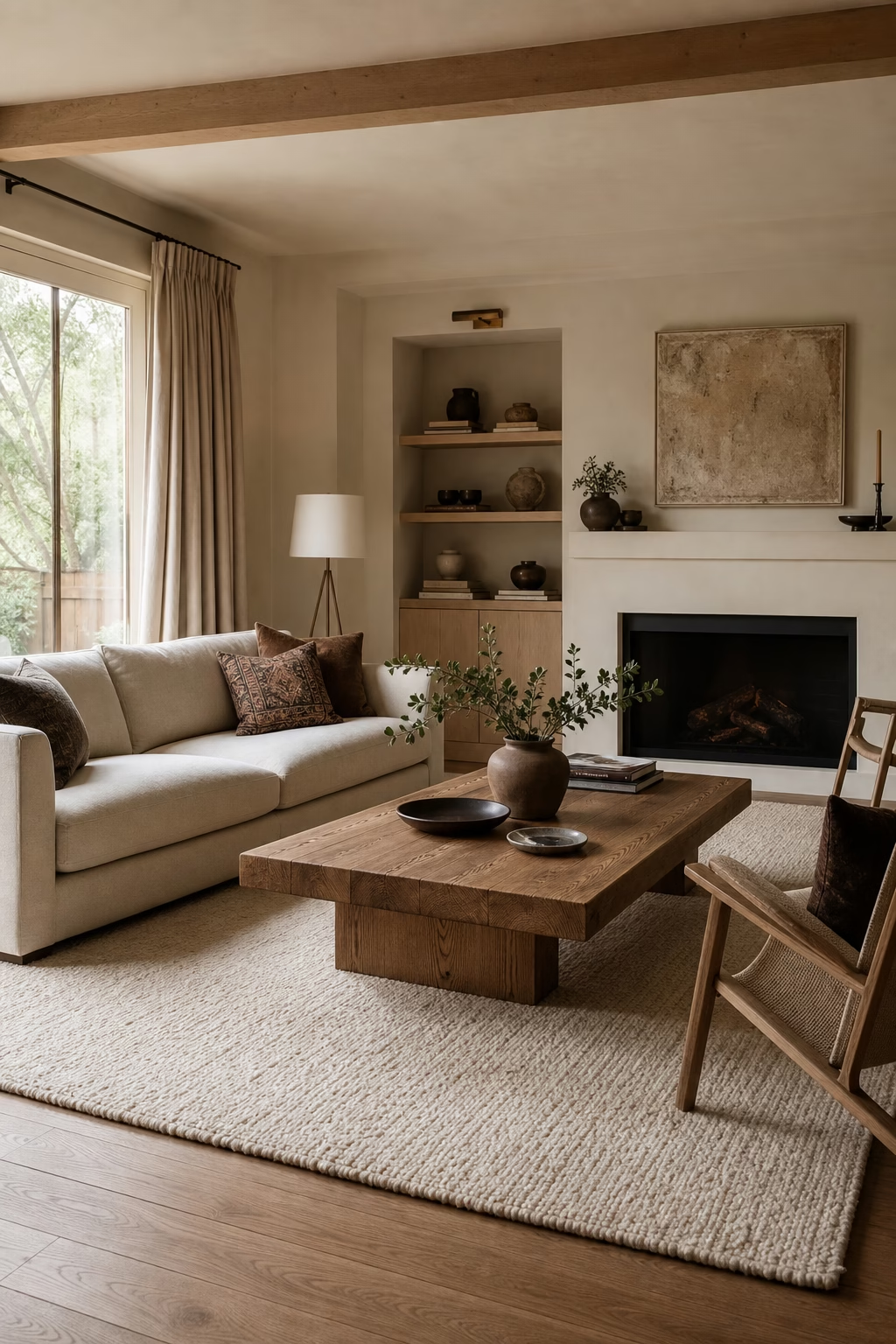
Curtains instantly change the emotional temperature of a living room because they soften hard window lines and filter daylight. Hang them high and wide so the panels frame the glass rather than covering it. Linen, cotton, wool blends, or textured sheers add vertical movement and make the architecture feel taller. In a small room, choose curtains close to the wall color for calm; in a larger room, a slightly deeper neutral can add structure. Let the hem skim the floor cleanly. The effect should be tailored, not fussy, giving the room privacy, softness, and a more finished sound. Use enough fabric fullness.

Add Wood Where the Eye and Hand Meet
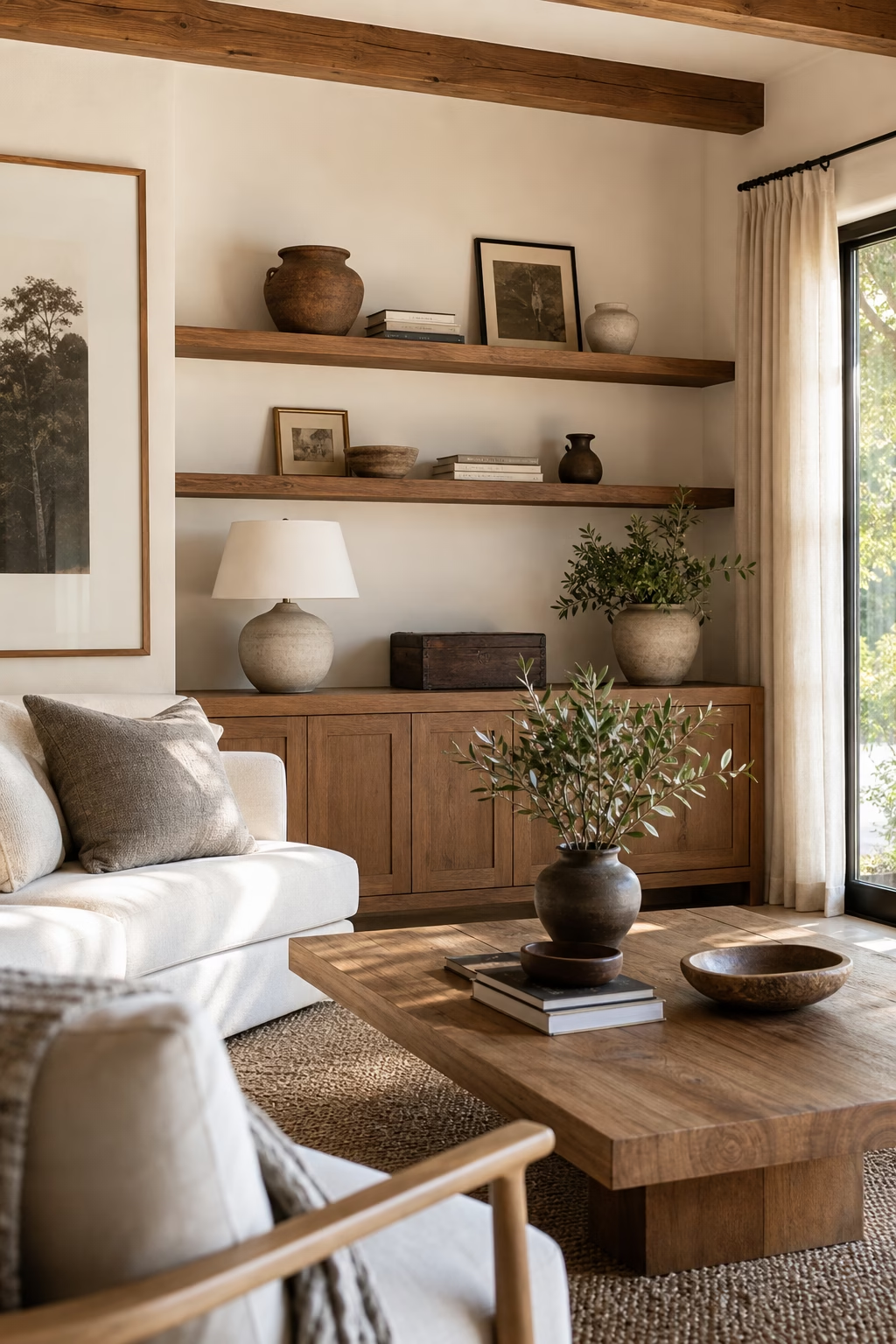
Wood brings warmth most convincingly when it appears where people naturally look and touch. A coffee table, side cabinet, shelving, picture frame, stool, or console can introduce grain without making the room feel rustic. The pieces do not need to match exactly, but their undertones should relate so the room feels collected instead of random. Matte and satin finishes usually feel softer than high gloss because they reveal the texture of the timber. Repeat wood at different heights to create rhythm around the room. Even a pale living room feels more welcoming when a few timber notes hold it down.
Make the Fireplace Wall Feel Useful Year-Round
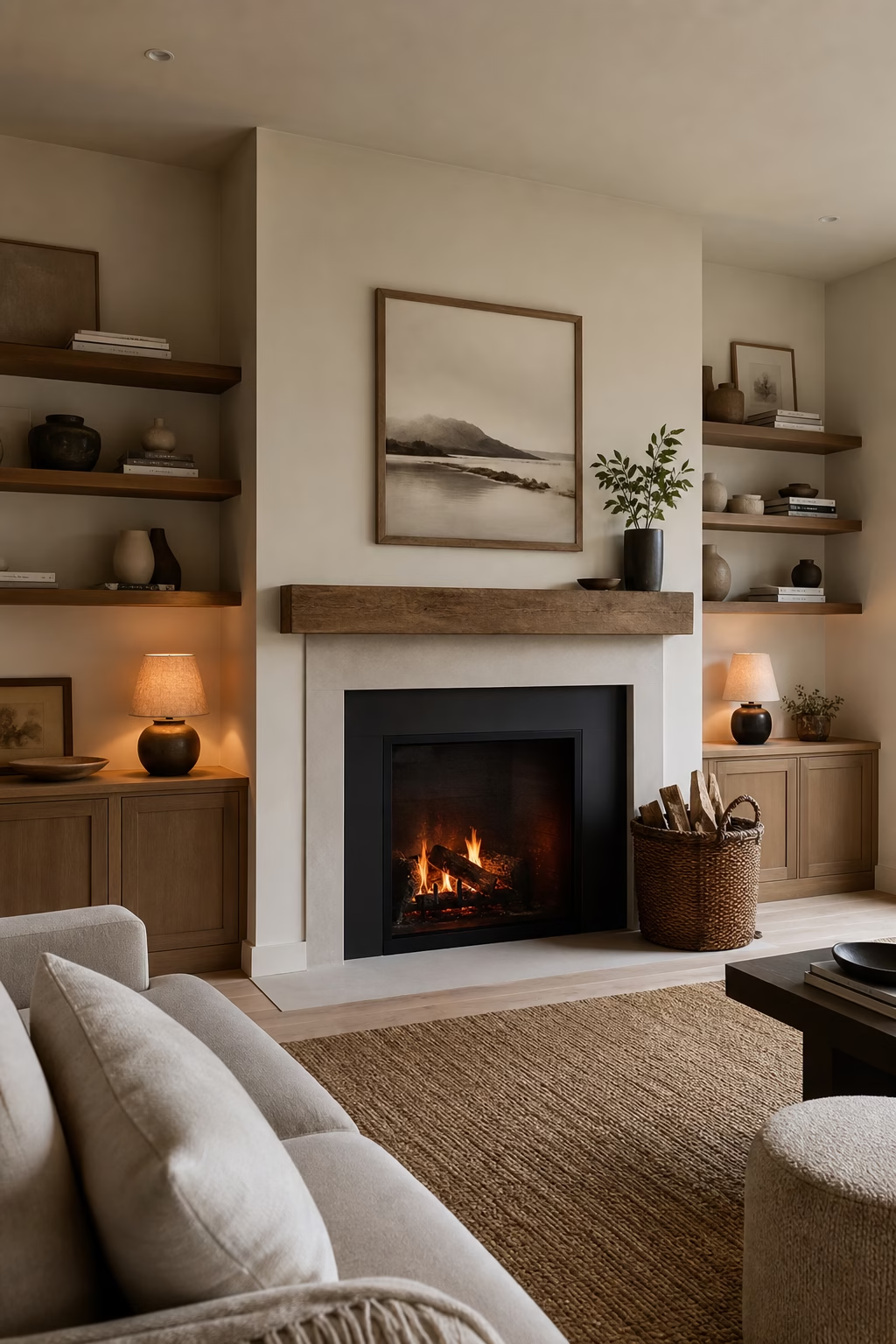
A fireplace can anchor a cosy living room even when it is not lit. Treat the wall around it as a full composition rather than a single feature. Low storage, simple shelves, a basket of firewood, framed art, or a pair of shaded lamps can make the area feel useful in every season. Keep the mantel edited so it does not become a crowded strip of objects. If the fireplace is decorative, add candles or sculptural logs only if they look physically believable and safe. The goal is a warm focal point with purpose, not a staged corner that only works in winter.
Keep Storage Quiet and Close to the Clutter
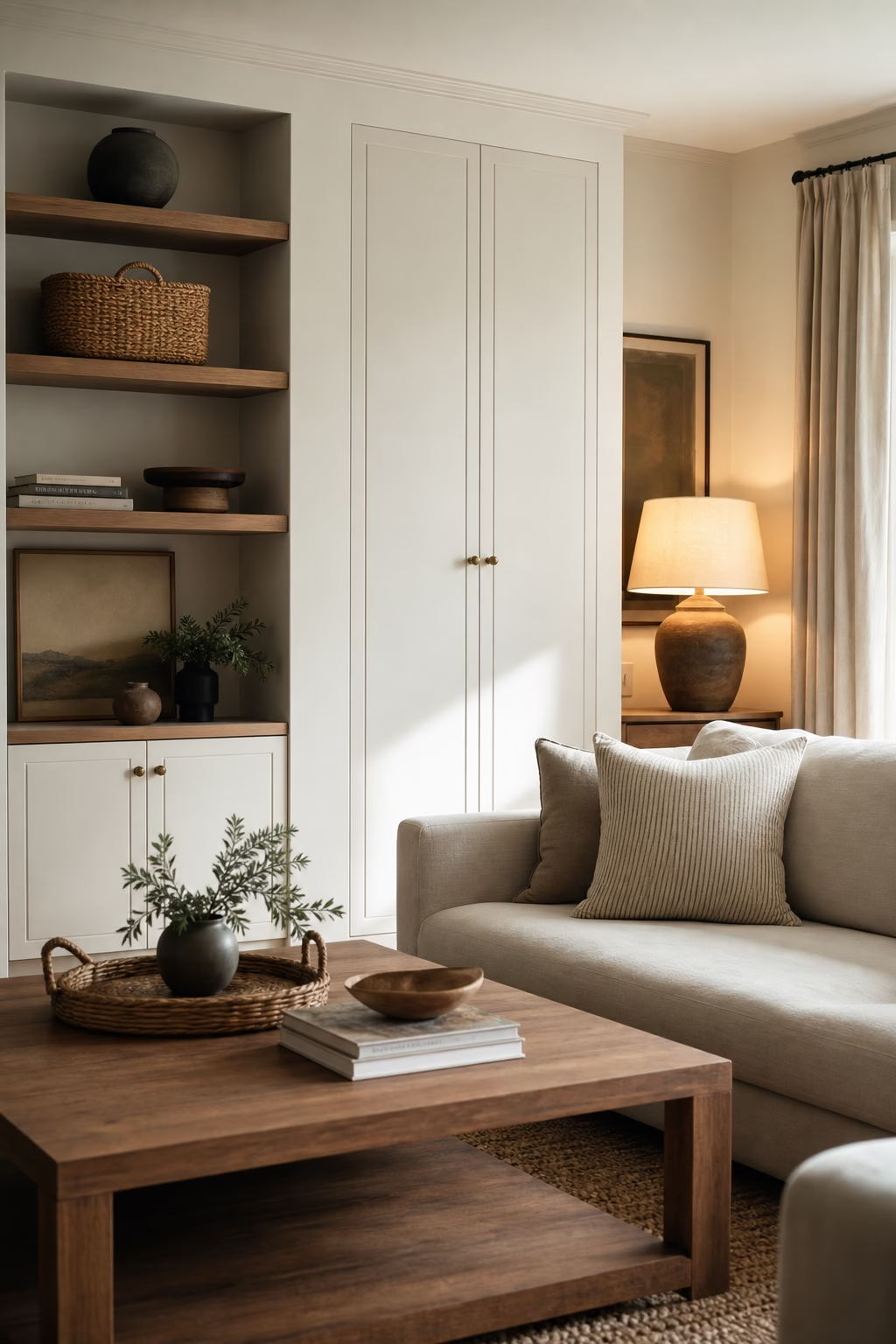
Cosiness disappears quickly when practical clutter has nowhere to go. Place storage near the habits that create the mess: a media cabinet for remotes and devices, lidded baskets for throws, drawers for games, and a console near the entry side of the room. Closed doors are valuable because they let books, lamps, and ceramics stand out on the open surfaces. Choose storage finishes that belong with the rest of the room, such as warm wood, painted fronts, woven panels, or quiet hardware. A living room feels more welcoming when everyday cleanup takes minutes, not a full rearrangement. Easy access matters as much.
Mix One Soft Curve Into the Layout
Most living rooms are built from rectangles: sofa, rug, windows, shelves, and media cabinets. One curved piece can make the entire layout feel more relaxed. Try an oval coffee table, rounded lounge chair, arched floor lamp, circular side table, or softly curved ottoman. The curve should still be useful and properly scaled, not added as a decorative trick. It works especially well in rooms with strong architecture or many straight built-ins, because it breaks the rigidity without changing the whole style. A single rounded form can also improve circulation, making a compact room feel easier to move through. Keep the contrast subtle.

Use Art to Give the Room a Point of View
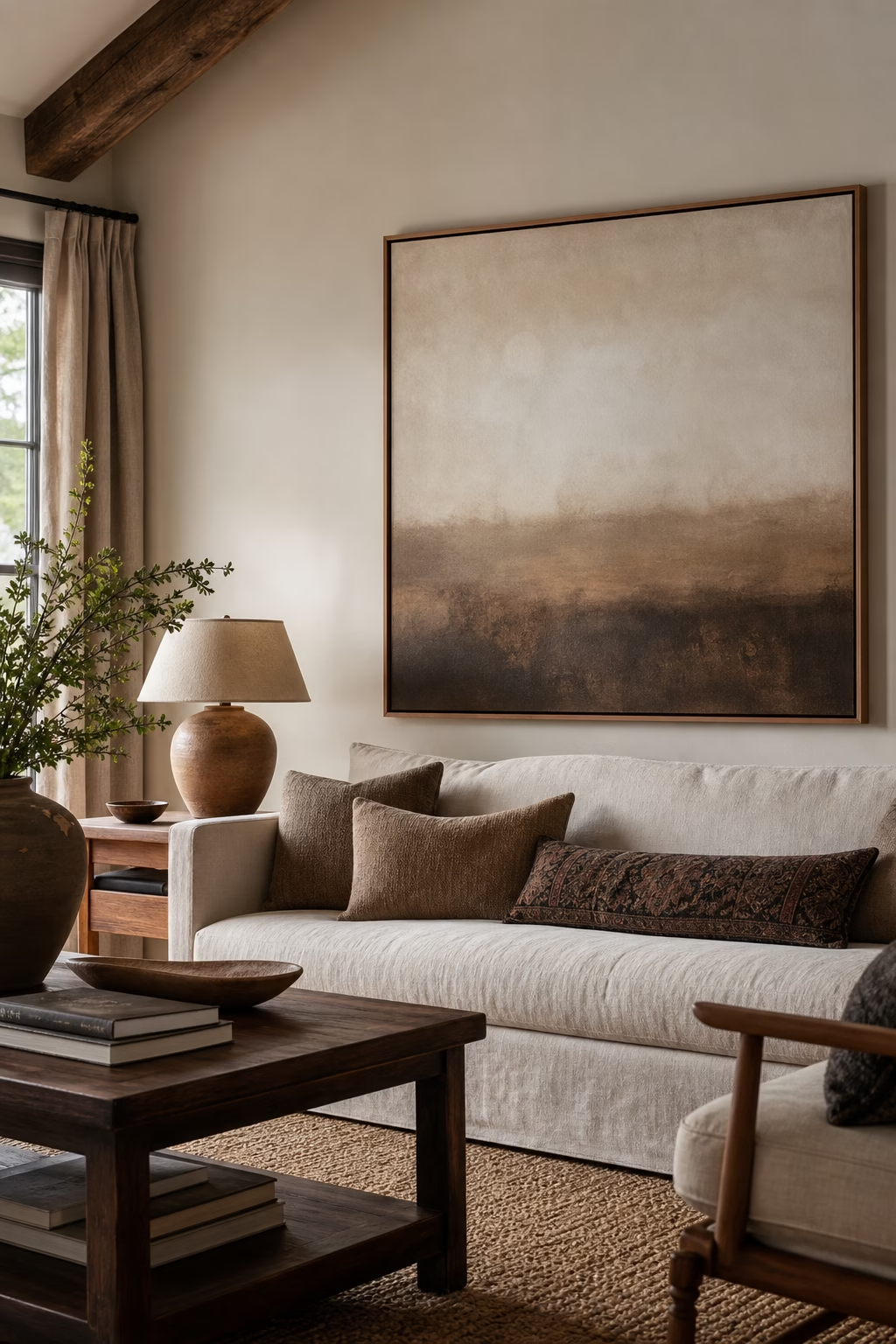
Art can make a cosy living room feel personal before any smaller accessories are added. Choose one generous piece or a restrained grouping that carries the mood of the room: quiet landscape tones, abstract earth colors, charcoal line work, or framed textiles. Hang it at a comfortable height and leave enough space around it to breathe. Then repeat one or two colors from the art in pillows, books, ceramics, or a throw. This approach prevents the room from feeling assembled from unrelated objects. When art leads the palette, you need fewer decorative pieces and the final space feels more confident.
Create One Reading Corner With Real Comfort
A reading corner gives a living room an invitation to slow down. It does not need much space, but it does need comfort: a supportive chair, a small table, a warm lamp, a soft throw, and a place for books. Position it near a window if daylight is good, or in a quieter corner where evening light can create atmosphere. The chair should feel connected to the rest of the room, not pushed into a leftover gap. Add a nearby outlet if the corner is used for music or charging. When one small zone is designed for stillness, the whole room feels more humane.
Let Texture Replace Excess Decoration
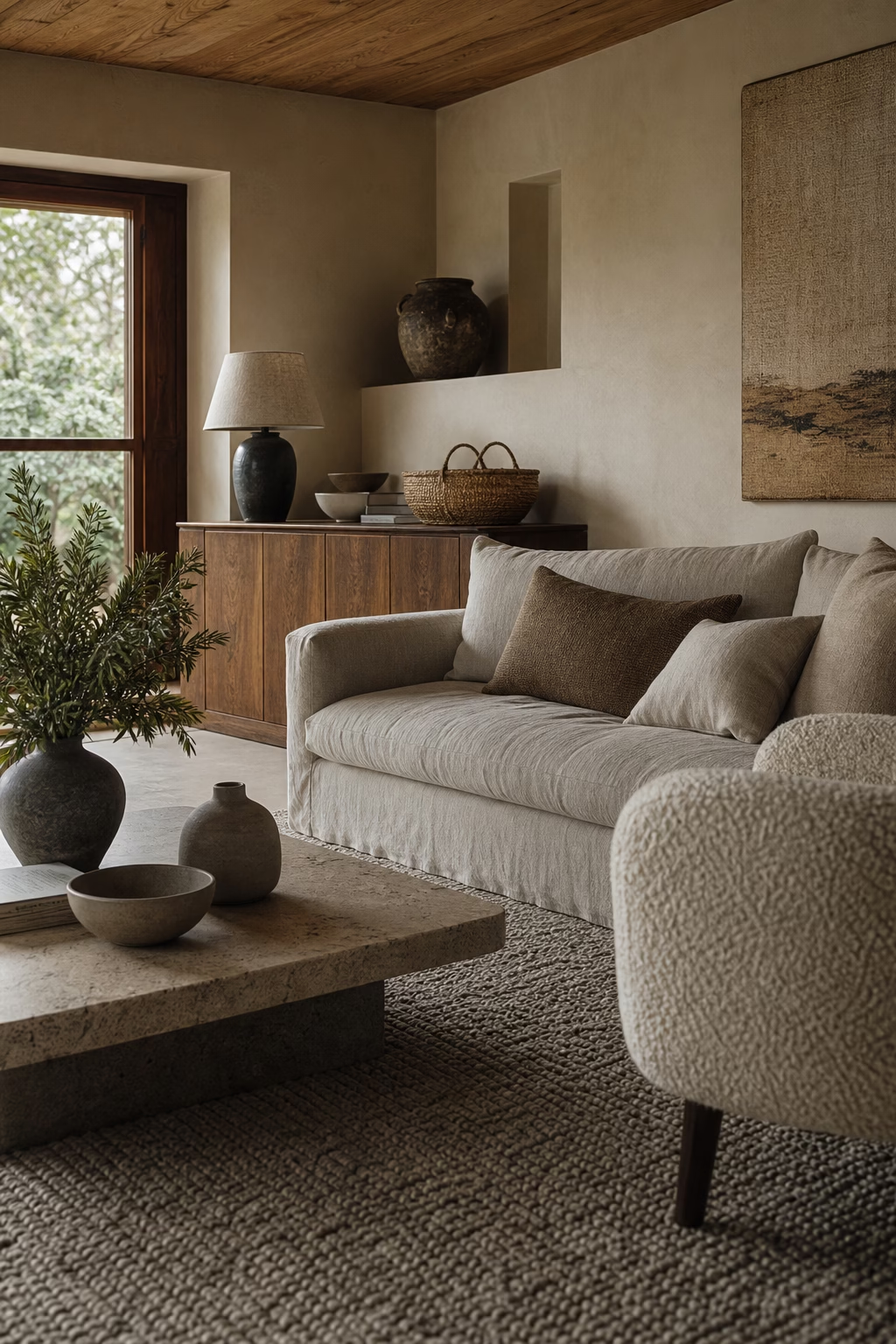
A cosy room does not need many accessories when the materials already have depth. Combine linen upholstery, a wool rug, boucle or velvet on one chair, a stone table, matte ceramics, woven baskets, and visible wood grain. Each texture should earn its place through use, not only appearance. This keeps the room from feeling overstyled while still giving the eye plenty to notice. Stay within a controlled palette so the textures can speak clearly. If the room feels flat, add a different surface rather than another color. Tactile contrast is what makes a simple living room feel luxurious and warm.
Bring in Greenery With a Single Strong Shape
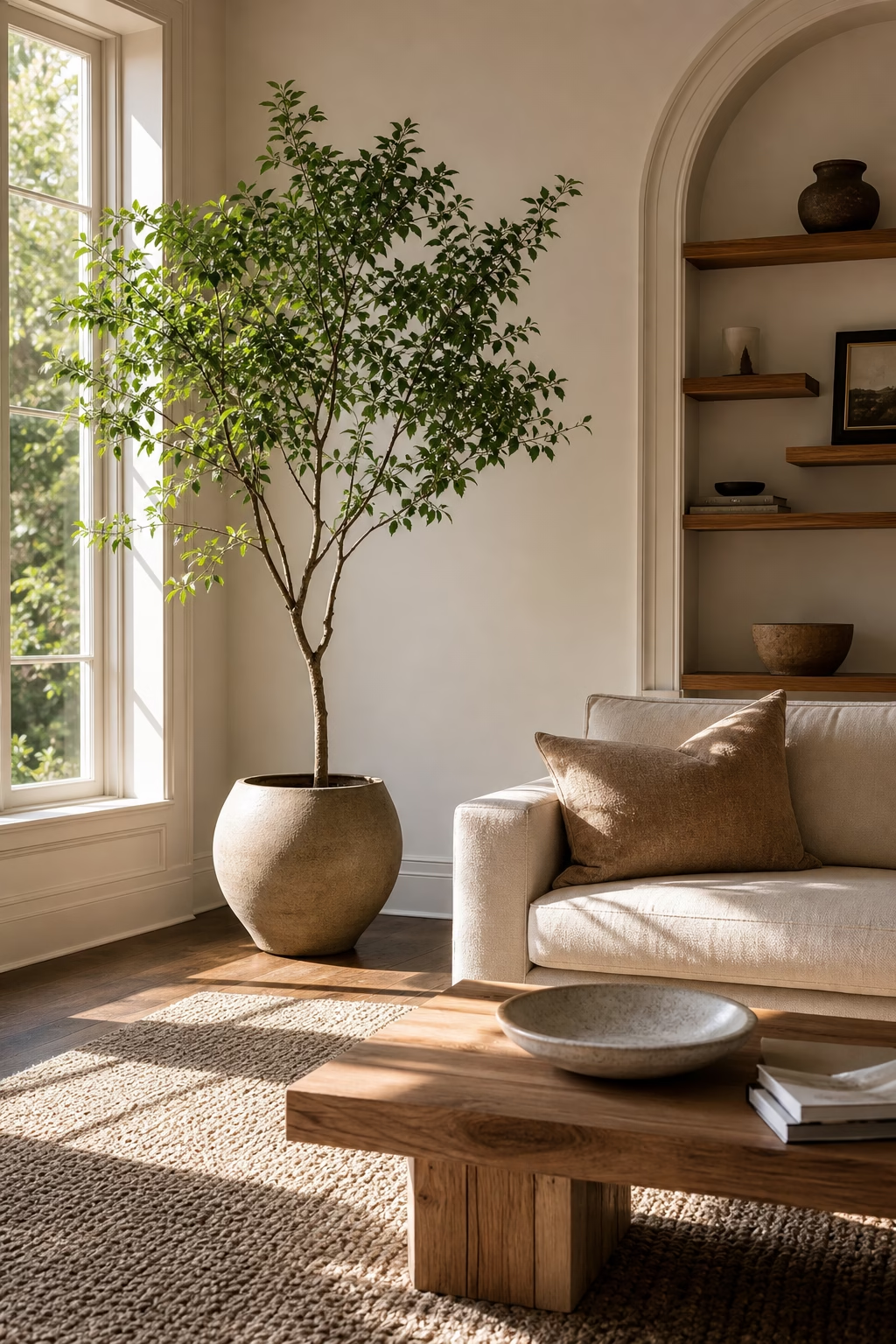
Greenery adds life to a living room, but too many small pots can create visual noise. Choose one indoor tree, large leafy plant, or sculptural branch arrangement that gives the room height and movement. Place it where the light is realistic and where leaves will not interrupt a walkway. The planter should connect to the room's materials, such as ceramic, stone, terracotta, or woven fiber. Smaller plants can work on shelves if they are edited carefully, but one strong silhouette usually feels more elegant. A living element softens furniture lines and makes the room feel connected to the outdoors. Leave room for growth.
Make the Coffee Table Useful, Not Overstyled
A coffee table should look beautiful while still making room for daily life. Use a tray for small objects, two or three books for scale, a low ceramic bowl, and one vessel or candle if it suits the room. Leave open surface for drinks, snacks, remotes, or a laptop. Overly tall arrangements can block conversation and make the room feel staged. The table material should repeat something in the room, whether wood, stone, glass, or metal. Practical styling often looks more refined because it acknowledges how the space is actually used. Keep edges clear so movement around the seating stays easy.

Design the Room for the Evening Test
The true test of a cosy living room happens after sunset. Walk through the space in the evening and notice which corners feel harsh, dim, or unfinished. Add a lamp near the entry, a shaded light by the sofa, and a small glow on shelves or artwork. Clear surfaces enough that the light lands on wood, books, fabric, and ceramics rather than clutter. The room should feel calm but not underlit; people still need to read, talk, and move comfortably. A living room that works at night becomes easier to love because it supports the slower hours of the day.