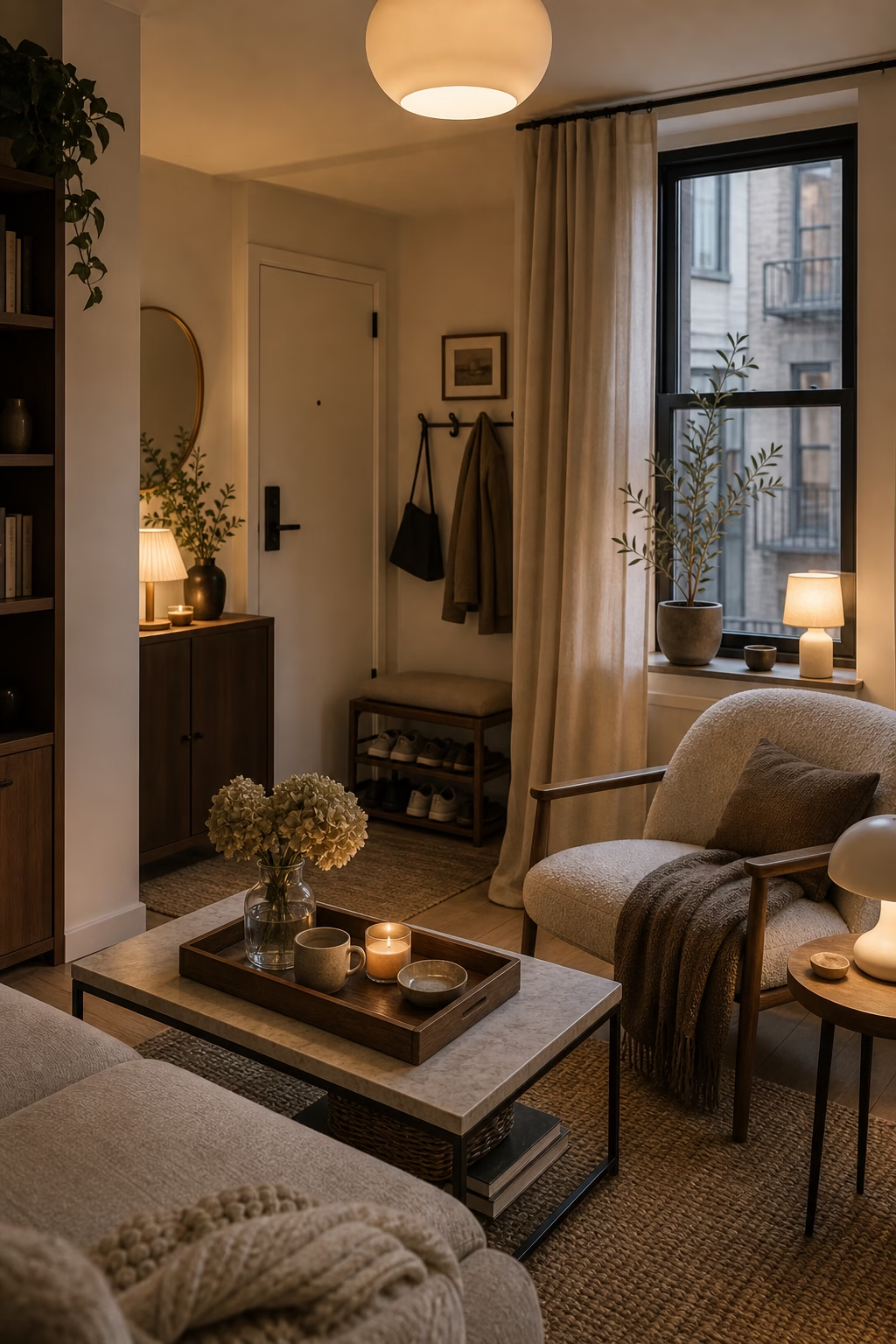
A cozy apartment is not created by filling every corner. It comes from choosing pieces with the right scale, using storage gracefully, softening the architecture, and making daily rituals easier. These ideas are designed for small homes that need comfort, polish, and breathing room at the same time.
Start With One Properly Scaled Sofa
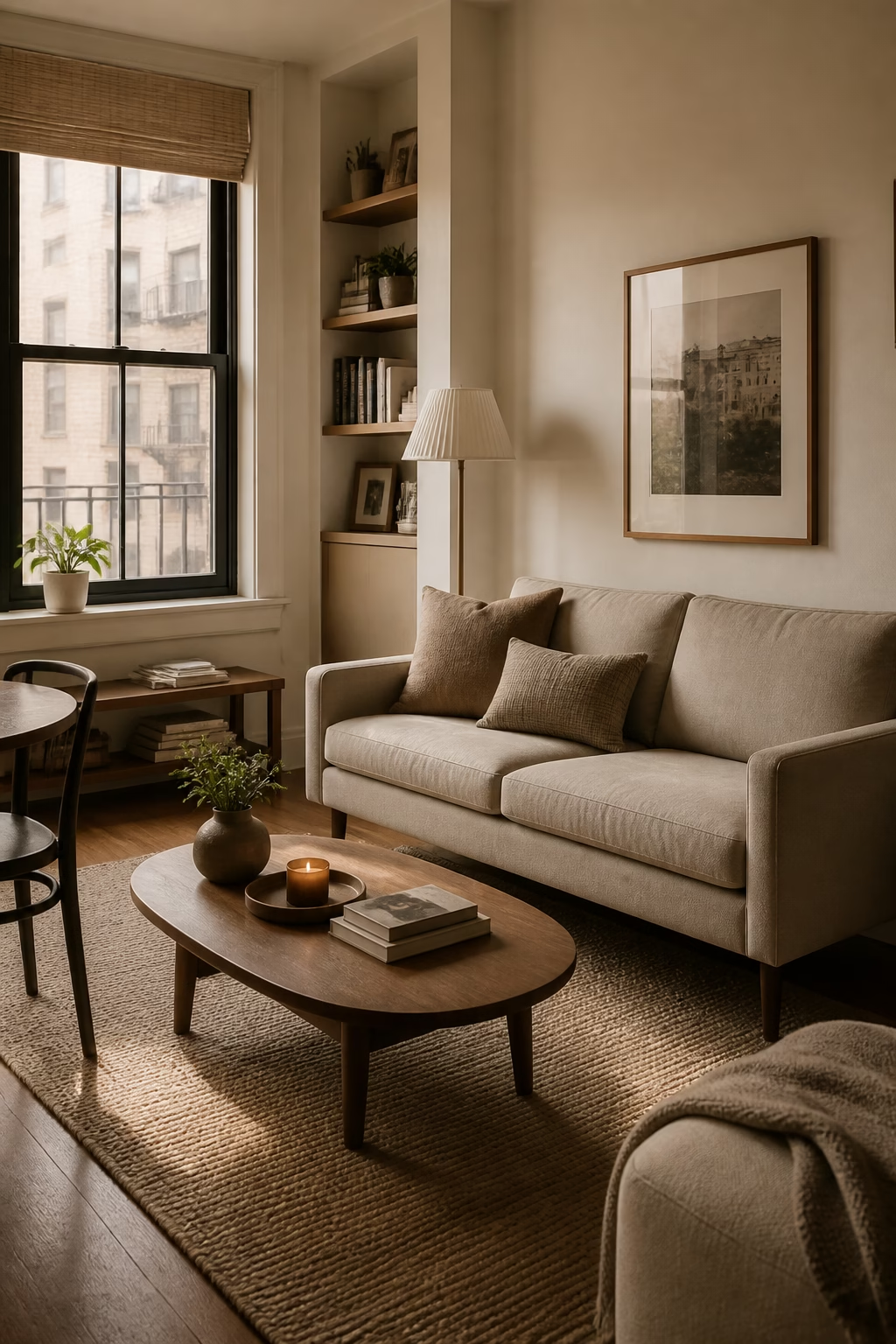
A small apartment often looks calmer with one properly scaled sofa than with several undersized pieces. Choose a sofa that fits the wall, leaves clear walking space, and has enough depth to be comfortable for reading or movie nights. Slim arms, visible legs, and a tight back can keep the shape light without sacrificing seating. Avoid the temptation to buy a tiny loveseat if it forces every guest into an awkward perch. A generous but disciplined sofa gives the room a center, especially when paired with a low table and a rug that reaches under the front legs. Comfort begins with scale, not clutter.
Use a Warm Neutral Base With Depth
Warm neutrals make a compact apartment feel soft, but they need depth to avoid looking bland. Build the room with cream, oatmeal, mushroom, warm white, and pale taupe, then add wood, woven shades, or a darker accent to give the palette structure. The trick is varying texture more than color. A linen sofa, wool rug, plaster-look wall, ceramic lamp, and oak table can all sit in the same family while still feeling layered. Keep the ceiling and trim clean so the apartment reflects light. A warm neutral base also makes rental finishes easier to live with because the eye focuses on the soft materials first.
Float a Rug to Define the Living Zone
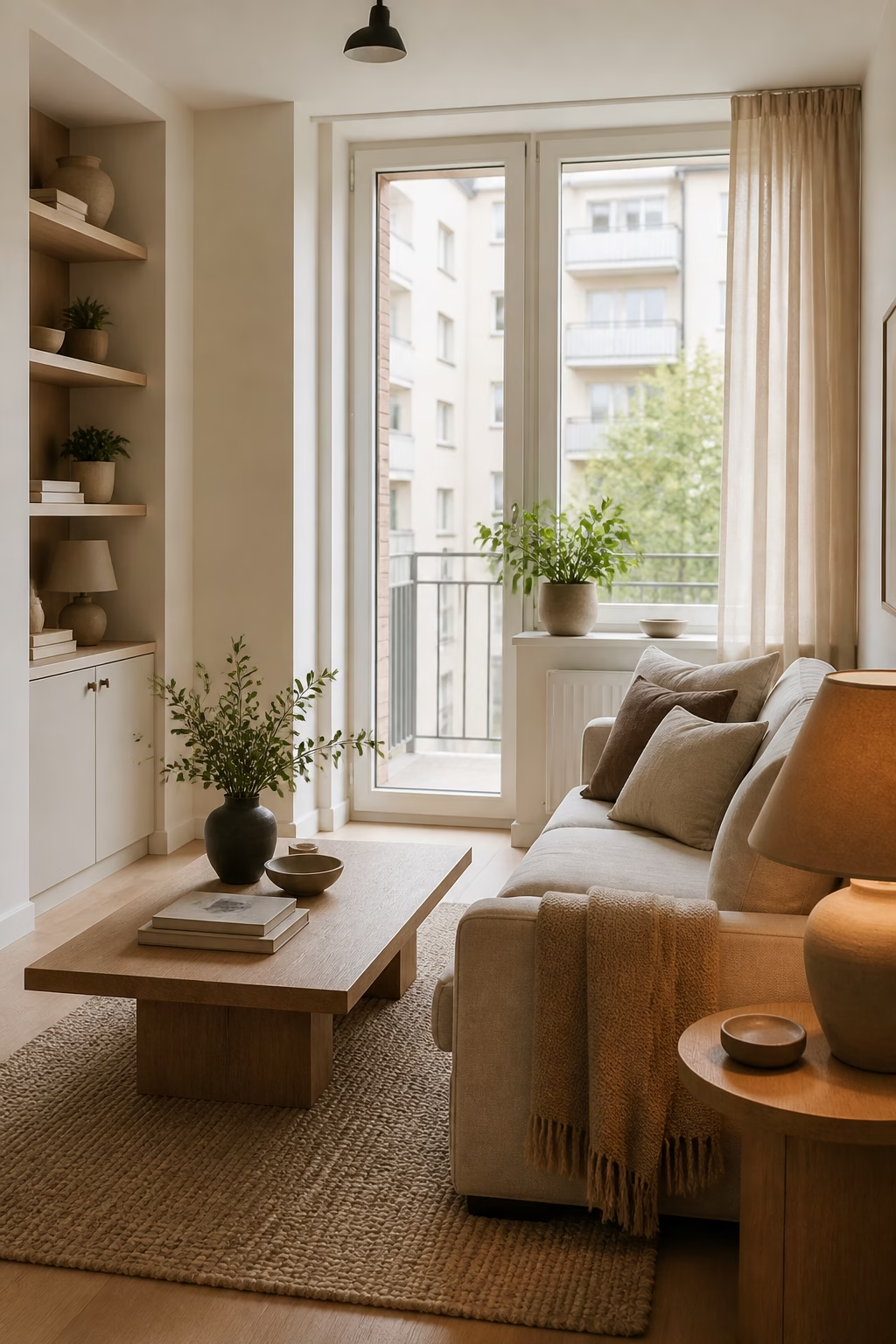
In a studio or open apartment, a rug gives the living area clear boundaries without building walls. Choose a rug large enough for at least the front legs of the sofa and chairs, even if that means using fewer accent pieces. A too-small rug makes the seating feel scattered and can shrink the room visually. Texture is usually safer than busy pattern in tight spaces, though a faded vintage design can hide wear beautifully. Leave a slim reveal of floor around the edges so the apartment still breathes. Once the rug is right, the coffee table, lighting, and seating begin to feel intentional.
Choose Storage That Doubles as Furniture
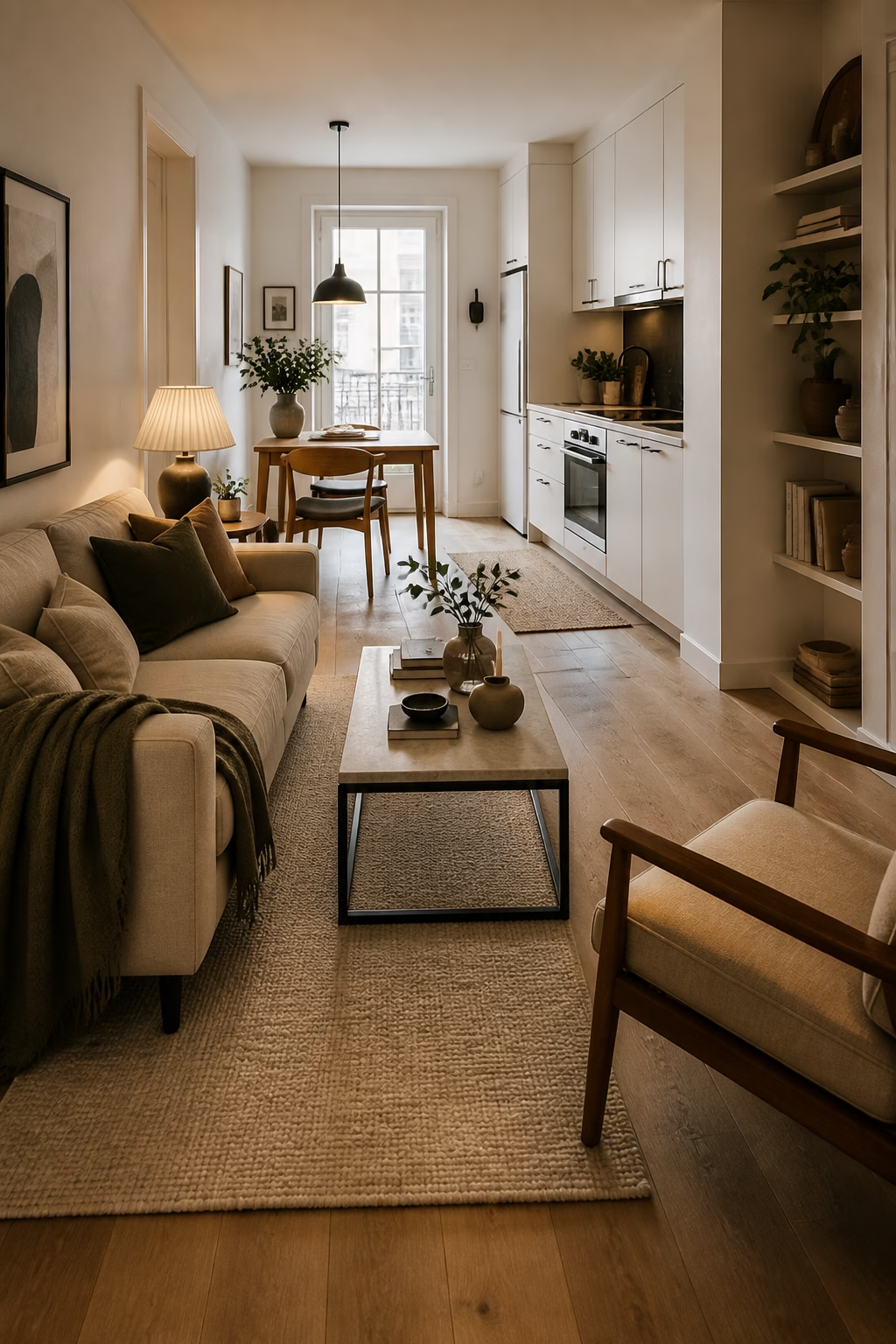
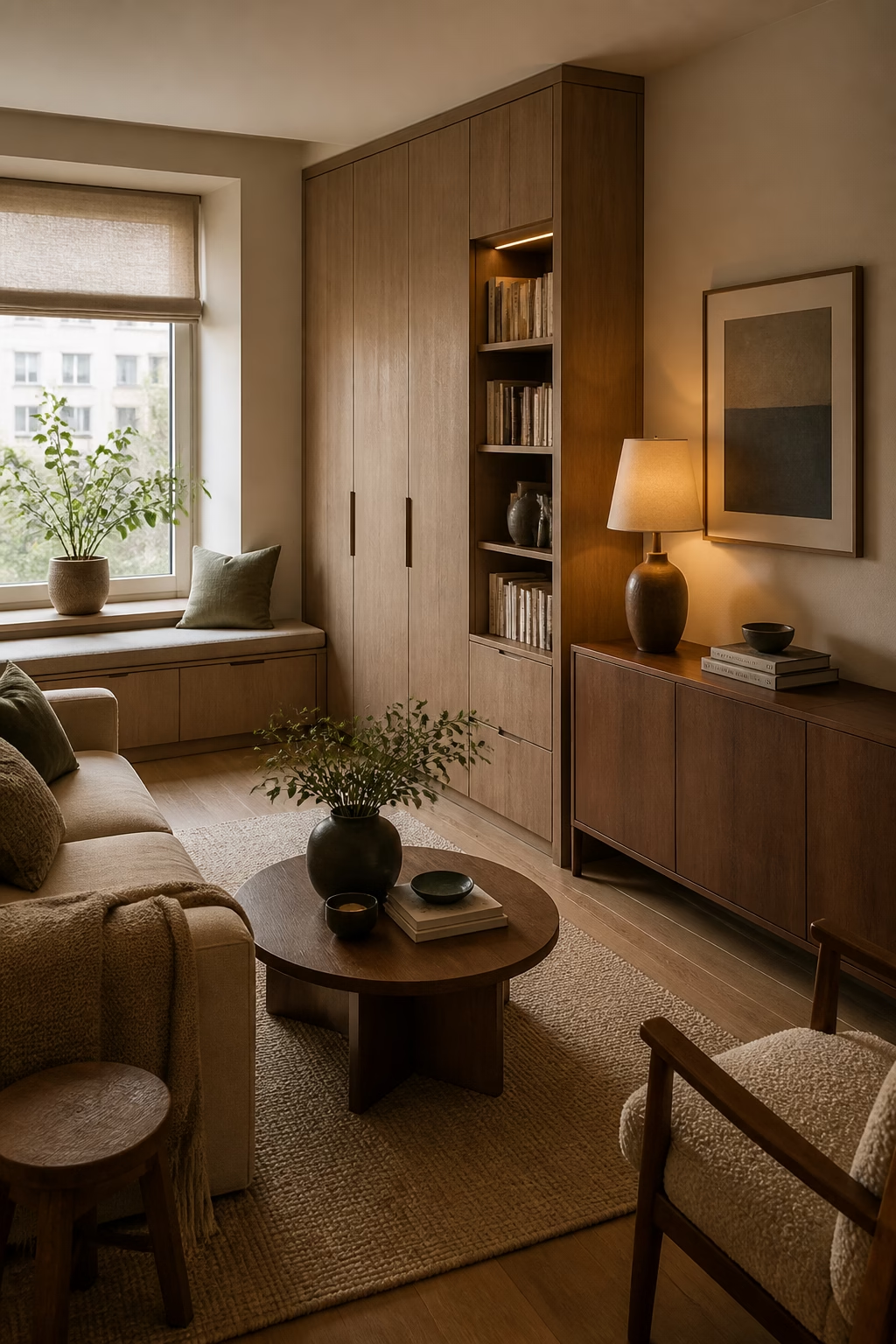
Storage is essential in a small apartment, but it should not make the room feel like a utility closet. Look for pieces that earn their place as furniture: a bench with hidden storage, a sideboard with closed doors, a bed with drawers, or an ottoman that can hold blankets. Closed storage is especially valuable because it hides visual noise from packaging, cables, and everyday supplies. Use open shelves for only the best-looking objects and books. When storage has good proportion and a real material finish, it becomes part of the decor rather than evidence that the apartment is short on space.
Mount Lighting to Free the Surfaces
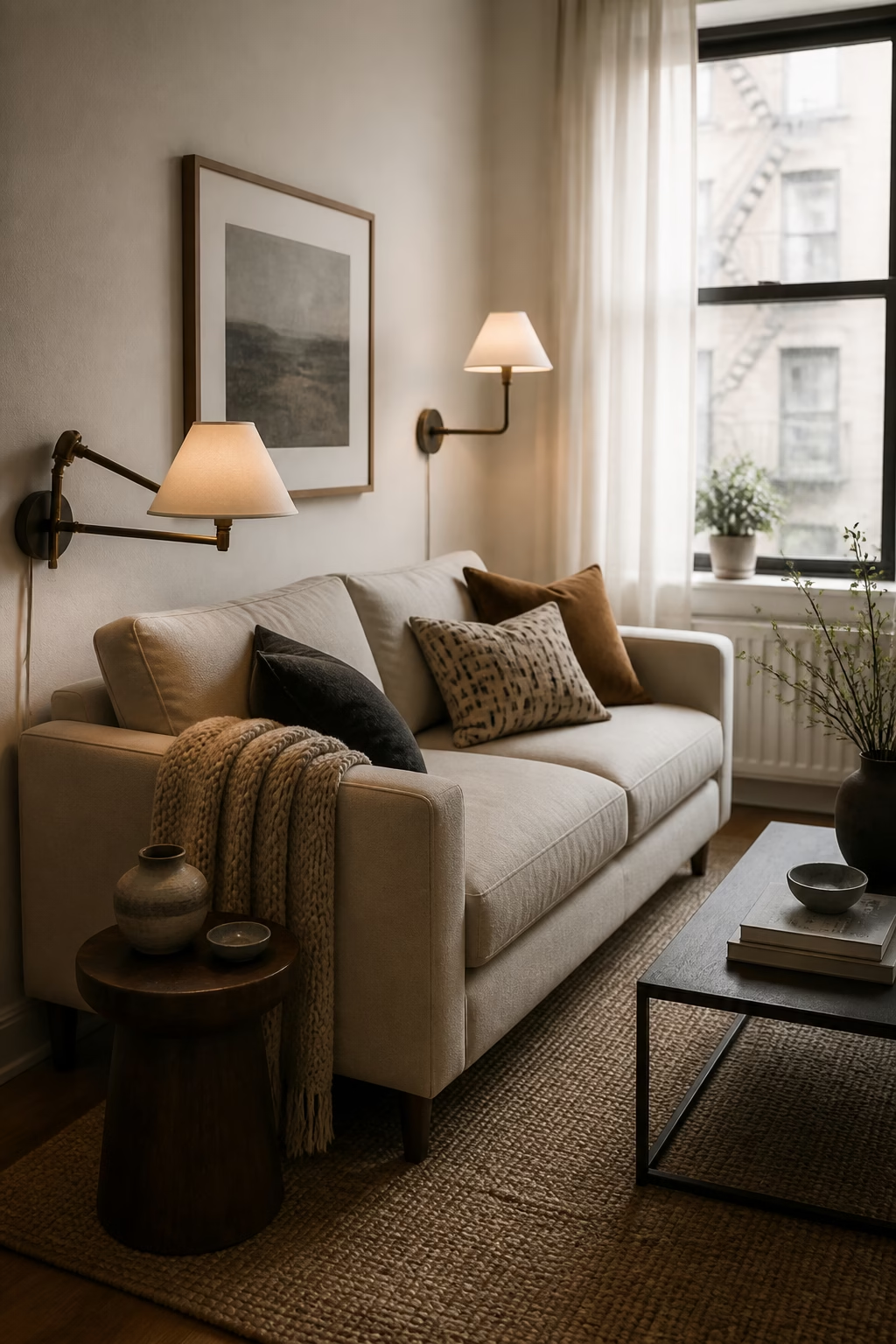
Table lamps are lovely, but small apartments quickly run out of surfaces. Wall sconces, plug-in swing arms, picture lights, and pendant lamps can create atmosphere while leaving side tables and consoles usable. This is especially helpful beside a sofa, bed, or reading chair where a lamp would crowd the only available table. Choose warm bulbs and shaded fixtures so the room feels cozy rather than exposed. Plug-in options are renter-friendly when cords are managed neatly along a corner or behind furniture. Lighting at different heights makes the apartment feel layered, and freeing the tabletops makes daily life easier.
Create a Dining Spot That Can Disappear
A cozy apartment needs a place to eat that does not dominate the floor plan. A small round pedestal table, drop-leaf table, or wall-mounted console can become a dining spot when needed and stay quiet the rest of the day. Chairs should tuck in fully, or one side can use a bench that slides under the table. Place the dining area near natural light if possible, but avoid blocking the main walkway. A pendant or sconce gives the zone identity without adding bulk. Even a tiny table feels more gracious when it has proper lighting, comfortable clearance, and a surface that can be cleared quickly.

Use Curtains to Soften Rental Architecture
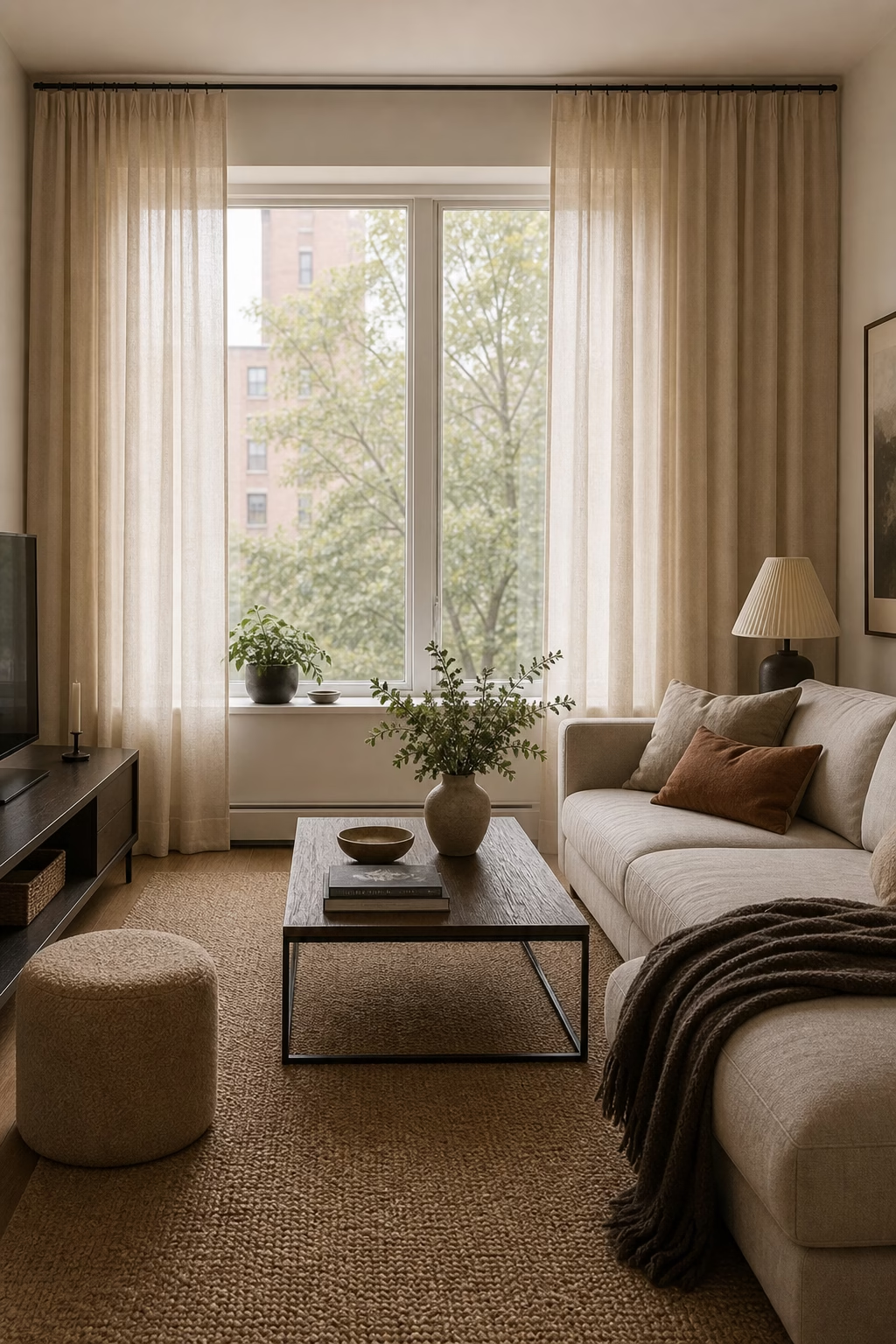
Curtains can do more for a rental apartment than almost any removable upgrade. Hang them high and wide so the window feels larger and the wall gains softness. Linen, cotton, or textured sheers filter light and hide awkward blinds without requiring renovation. In a small space, choose fabric close to the wall color for calm, or a slightly deeper neutral if the room needs weight. Make sure the panels reach the floor; short curtains can make the apartment look temporary. Beyond style, curtains improve acoustics and privacy, which are both part of coziness in close urban living and shared buildings.
Add Mirrors Where They Reflect Something Beautiful
Mirrors are useful in small apartments, but placement matters. Instead of hanging one automatically over the sofa, position it where it reflects daylight, a lamp, artwork, or a pleasing view across the room. A mirror that reflects clutter or a blank hallway only doubles the problem. Tall mirrors can visually extend a corner, while a framed mirror above a console can brighten an entry. Choose a frame that connects to another material in the apartment, such as wood, brass, or black metal. The goal is not just making the room look bigger; it is making the best parts of the room work twice.

Build a Bedroom Nook With Textile Layers
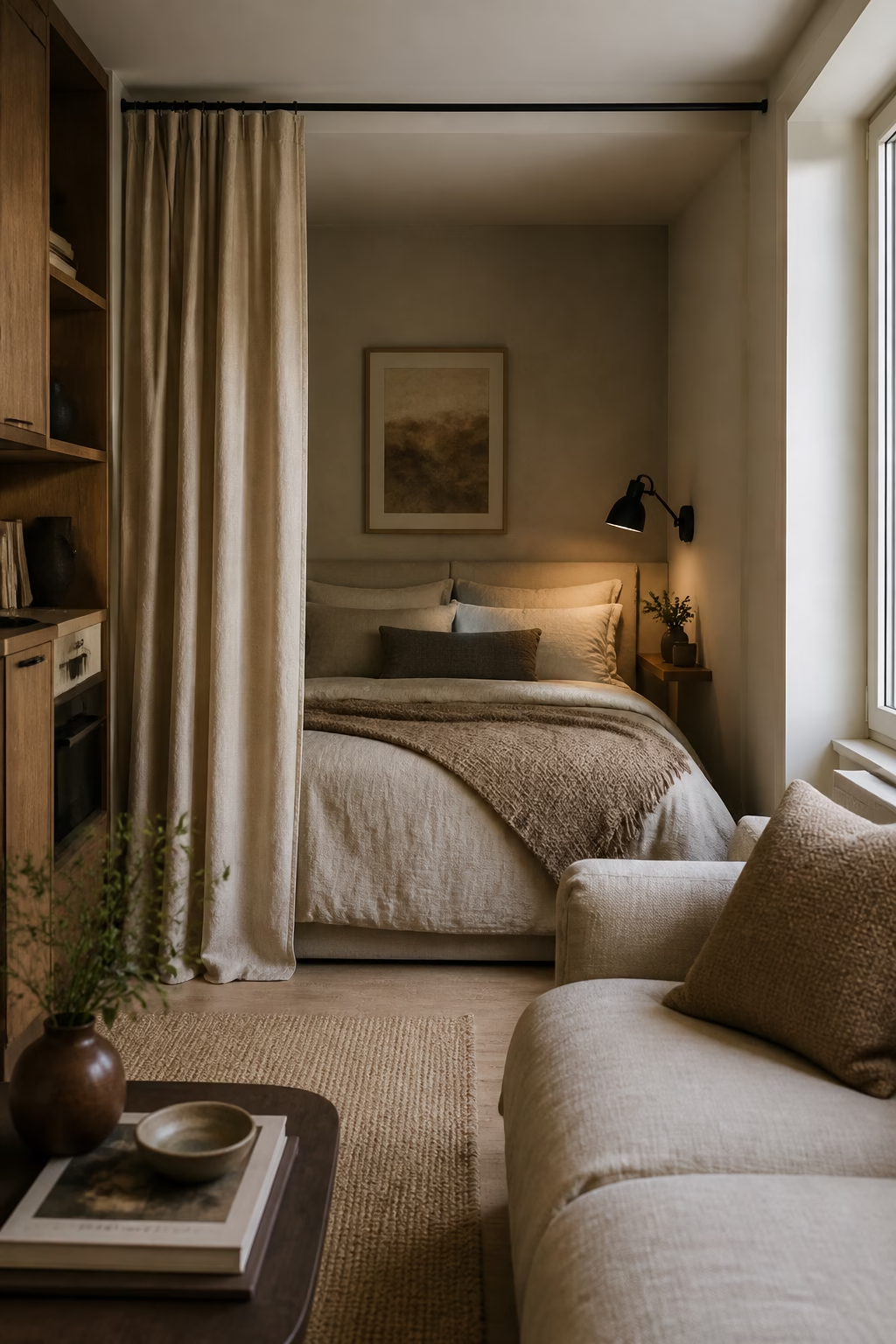
If your bed shares space with the living area, textiles can make it feel like a genuine nook. Use layered bedding, a tailored throw, pillows in related tones, and curtains or a folding screen if privacy is needed. The bed should look finished during the day, especially in a studio. Under-bed storage can help, but keep visible baskets or bins consistent so the base does not feel chaotic. A wall-mounted light saves nightstand space and gives the sleeping zone a softer mood. Treating the bed as a designed area, rather than a piece pushed into a corner, makes the whole apartment feel more composed.
Choose Nesting Tables Over One Bulky Table
Nesting tables give a small apartment flexibility without permanent bulk. Keep them tucked together most days, then pull one out for guests, a laptop, or an extra drink surface. Look for sturdy materials and refined shapes so they do not feel like temporary furniture. Round or softly edged tables are easier to navigate in tight rooms, especially near a sofa or chair. A pair in wood, stone, metal, or glass can also add material contrast without taking up much visual space. This idea works because it respects the way apartments actually function: quiet during the week, adaptable when life expands for an evening.
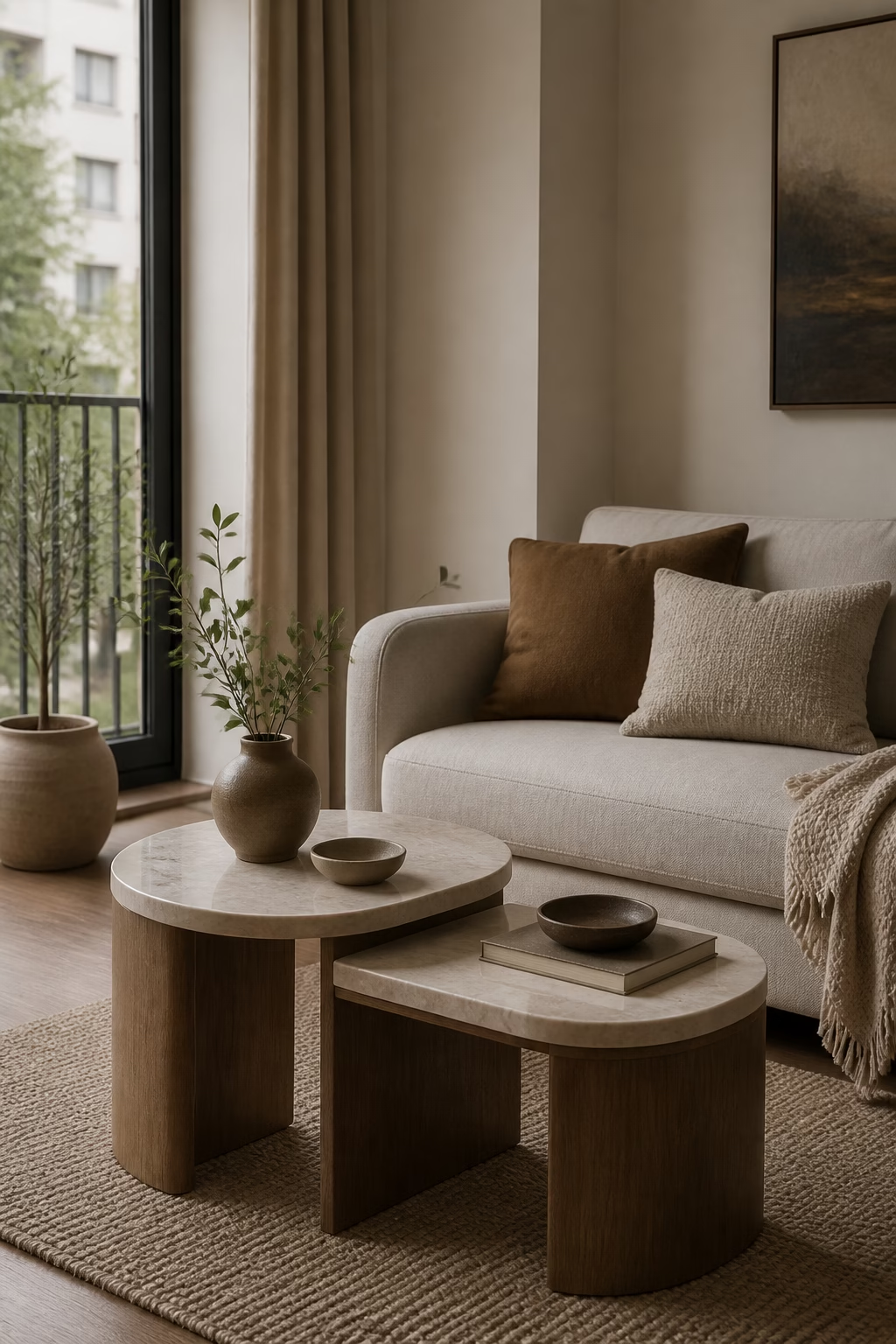
Make Vertical Storage Look Intentional
When floor space is limited, vertical storage becomes valuable, but it has to look planned. A tall bookcase, wall-mounted shelves, or a slim cabinet can draw the eye upward while keeping everyday items contained. Leave breathing room on some shelves so the arrangement does not become a wall of clutter. Use baskets or boxes for practical items, then mix books with a few ceramics, framed pieces, or plants. Anchor tall storage with a nearby chair, lamp, or cabinet so it belongs to the room. The best vertical storage feels like architecture, not a desperate stack of things climbing the wall.
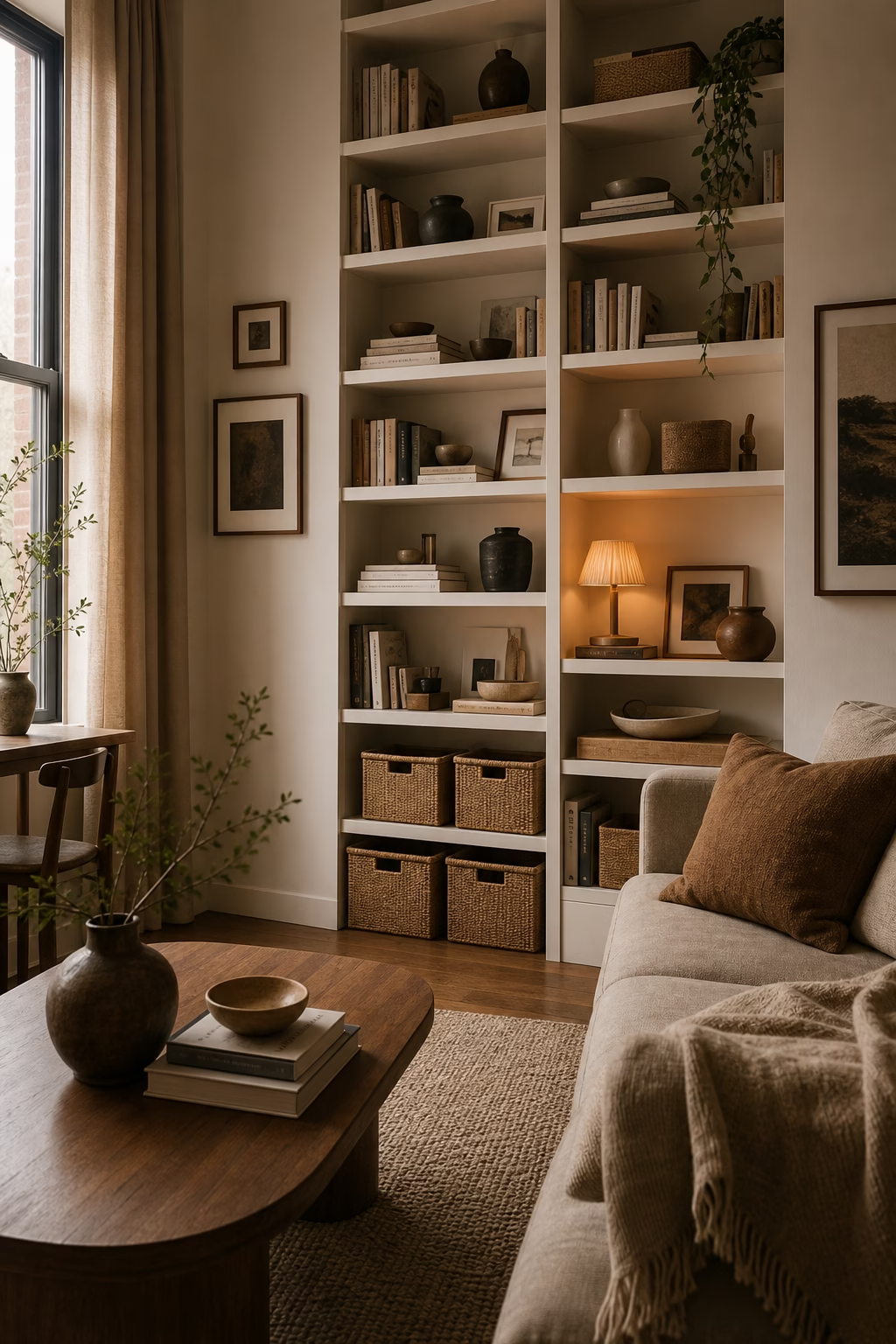
Use Color Capping for a Cocoon Effect
Color capping, where the wall color continues onto the ceiling, can make a small room feel enveloping rather than cramped. This works especially well with warm clay, muted olive, soft taupe, dusty blue, or creamy plaster tones. The continuous color blurs hard edges and can make awkward ceiling lines feel more intentional. Keep the furniture slightly lighter or more textured so the room does not close in. If painting the ceiling is not possible, repeat the wall color through curtains, artwork, or a large textile. A cozy apartment does not always need white walls; sometimes a carefully wrapped color makes the room feel calmer.
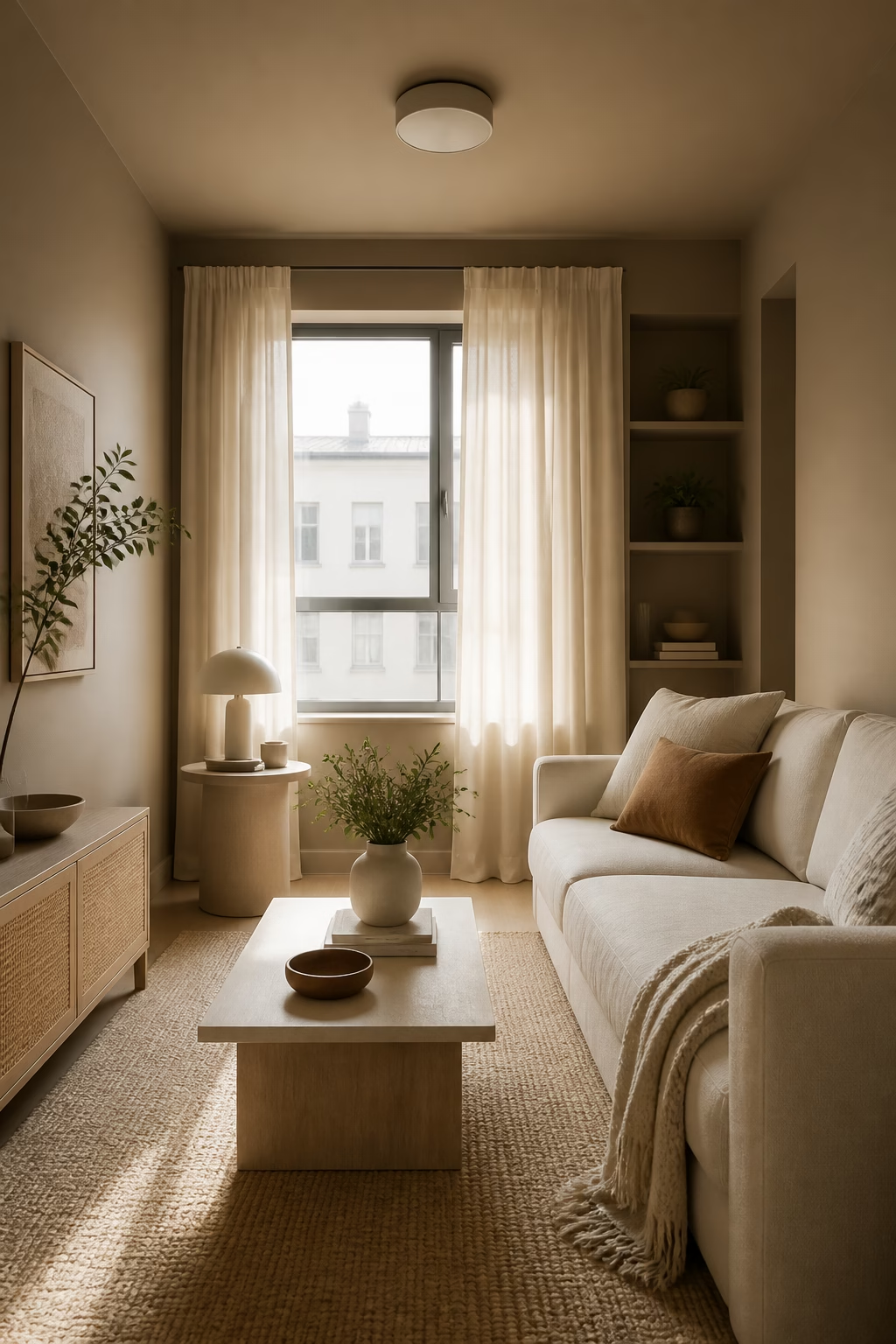
Create an Entry Moment Even Without a Foyer
Many apartments open directly into the living room, but a small entry moment still helps the home feel organized. Use a slim console, wall hooks, a mirror, a narrow bench, or a closed shoe cabinet to create a landing place. Keep the pieces shallow so they do not interrupt circulation. A small lamp or picture light can make the entry feel welcoming at night, while a tray controls keys and mail. The design does not need to be elaborate; it needs to prevent the first view of the apartment from becoming a pile of bags and shoes after every arrival.

Let a Small Kitchen Feel Like Part of the Room
In a small apartment, the kitchen is often visible from the sofa, so it should connect visually to the living area. Repeat one material or color, such as brass, black metal, oak, or warm white, so the two zones speak to each other. Keep counters edited and use attractive containers only where they are genuinely useful. A runner, a small lamp, or open shelf with everyday dishes can soften the kitchen without adding clutter. If appliances are visually loud, balance them with calm textiles and warmer lighting nearby. Treating the kitchen as part of the room makes the apartment feel more intentional and less segmented.
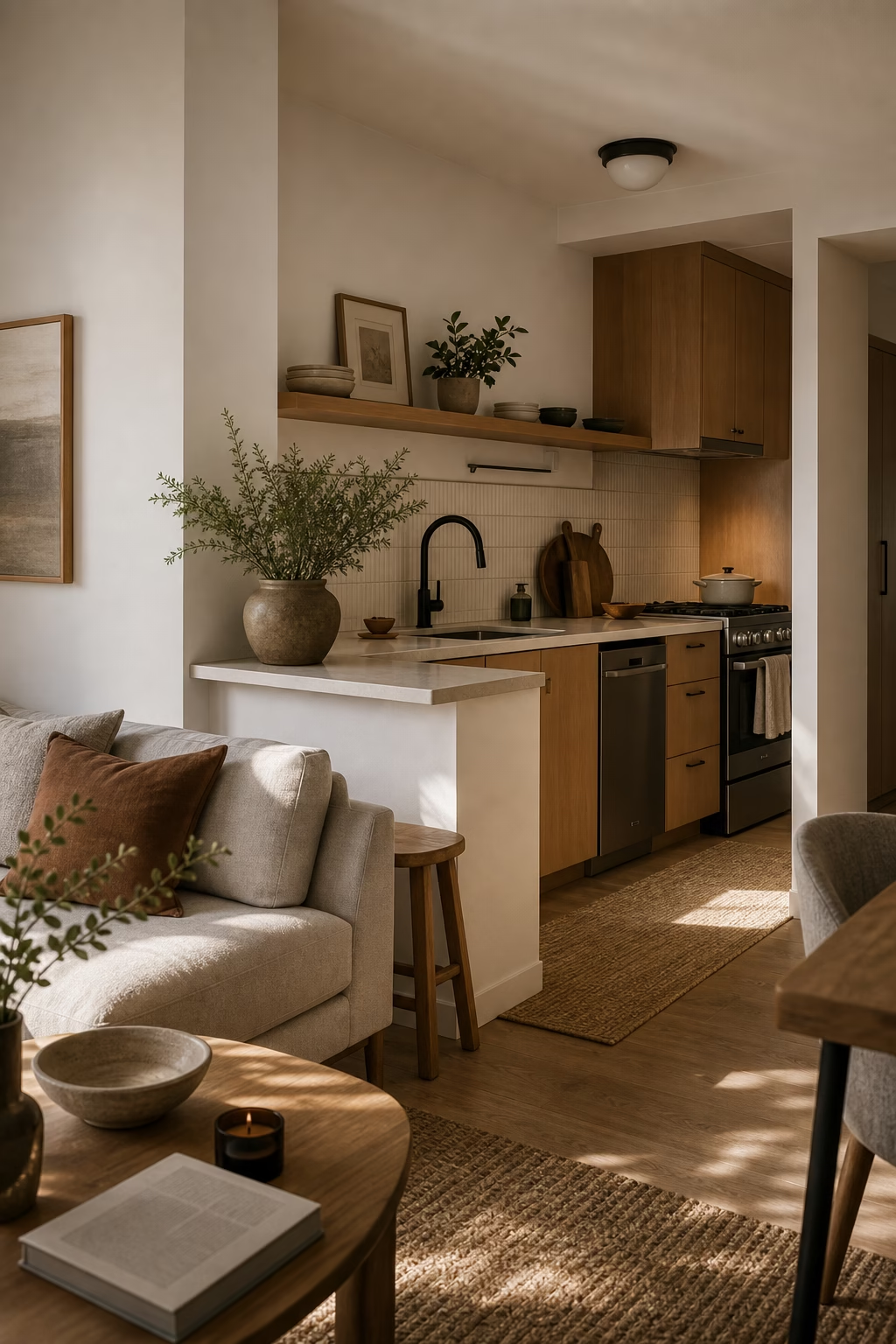
Pick Multi-Use Ottomans With Tailored Lines
A multi-use ottoman can replace several pieces if it is chosen carefully. It can serve as a footrest, coffee table, extra seat, or hidden storage, but it should have tailored lines so the apartment still feels polished. Add a firm tray when you need a stable surface for drinks or books. Upholstery should be durable and easy to clean, especially in a small space where every piece works hard. Avoid overly puffy shapes that swallow the floor. A compact rectangular or round ottoman in linen, leather, or performance velvet can make a living area feel relaxed without looking improvised.
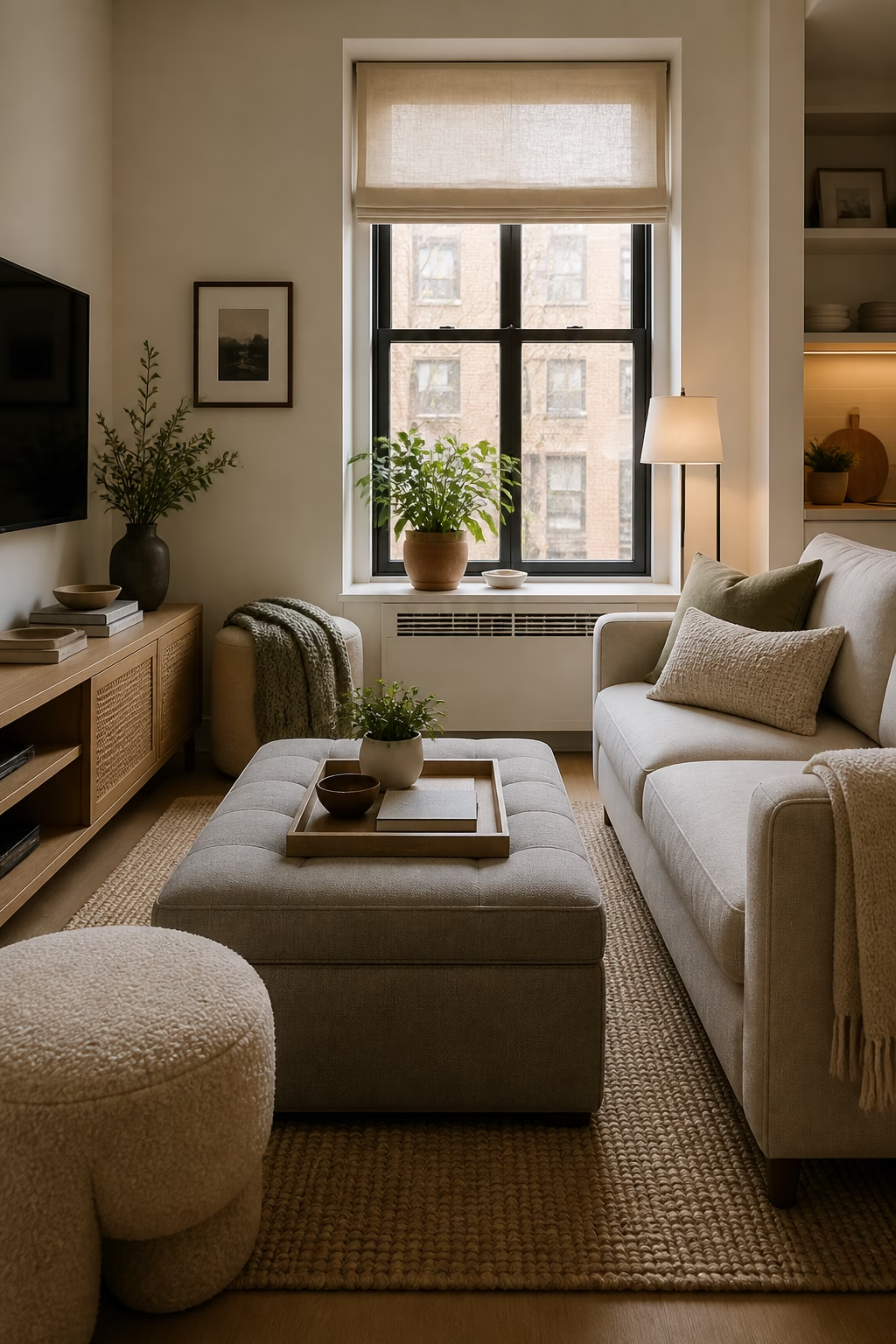
Use Open Shelves Only Where They Stay Beautiful
Open shelves can make a small apartment feel personal, but they are unforgiving when used for everything. Reserve them for objects that look good together: books, ceramics, glassware, a small lamp, or a few framed pieces. Store practical clutter behind doors, in baskets, or inside drawers. Arrange shelves with varied heights and empty space so the wall feels styled rather than packed. If you are renting, a freestanding shelving unit can provide the same effect without drilling. The rule is simple: open storage should show what adds warmth and hide what adds noise from daily routines and cleaning supplies nearby.
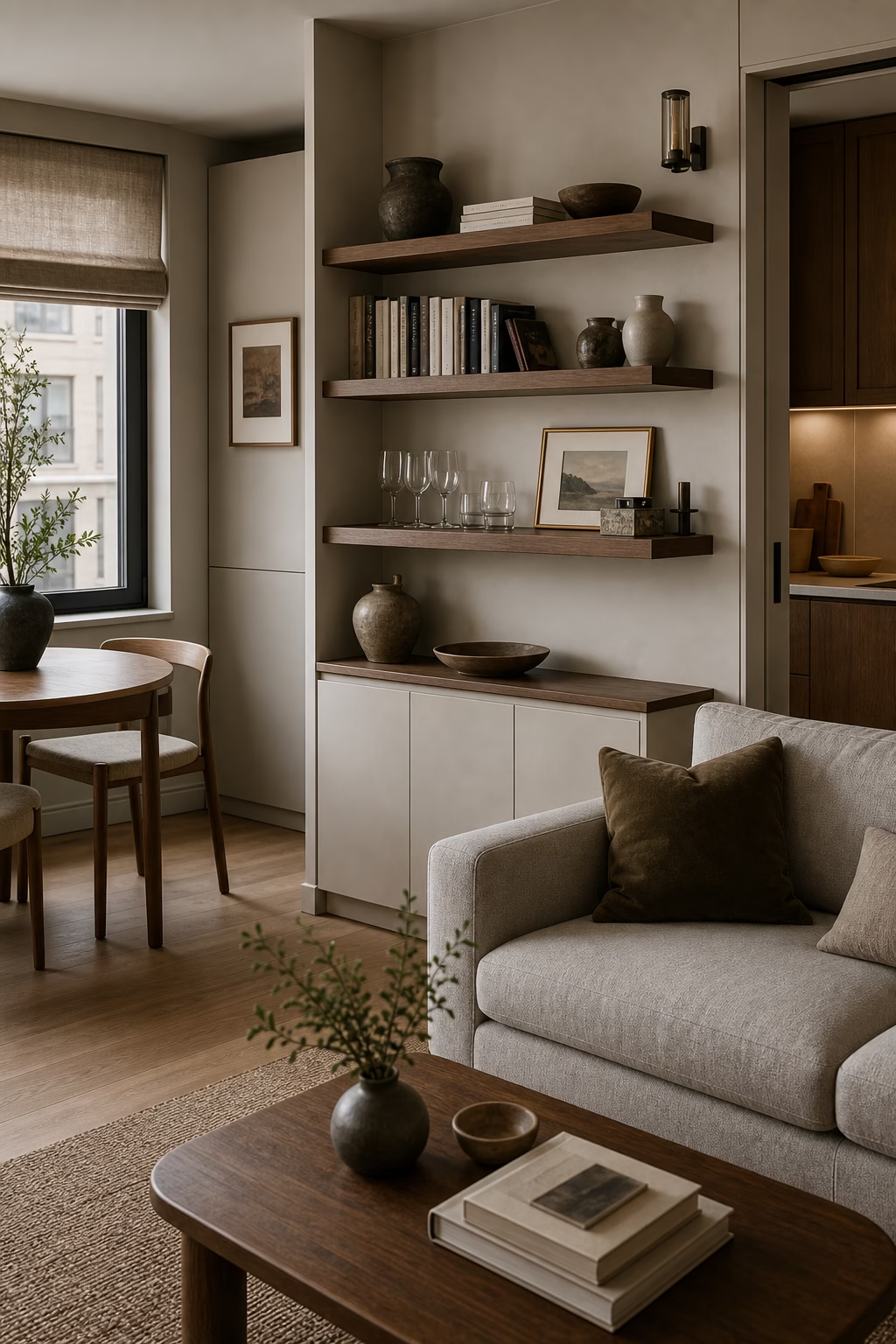
Add Softness Underfoot in Every Zone
Hard floors can make a compact apartment feel louder and less comfortable. Rugs and runners soften sound, define zones, and make everyday movement feel more pleasant. Use a living room rug, a bedside runner, and perhaps a washable runner in the kitchen if space allows. The pieces do not need to match, but their colors should feel related. Choose low profiles near doors and higher pile only where it will not interrupt movement. Softness underfoot is a practical luxury because it changes how the apartment feels in the morning, at night, and during quiet hours when every sound seems amplified.
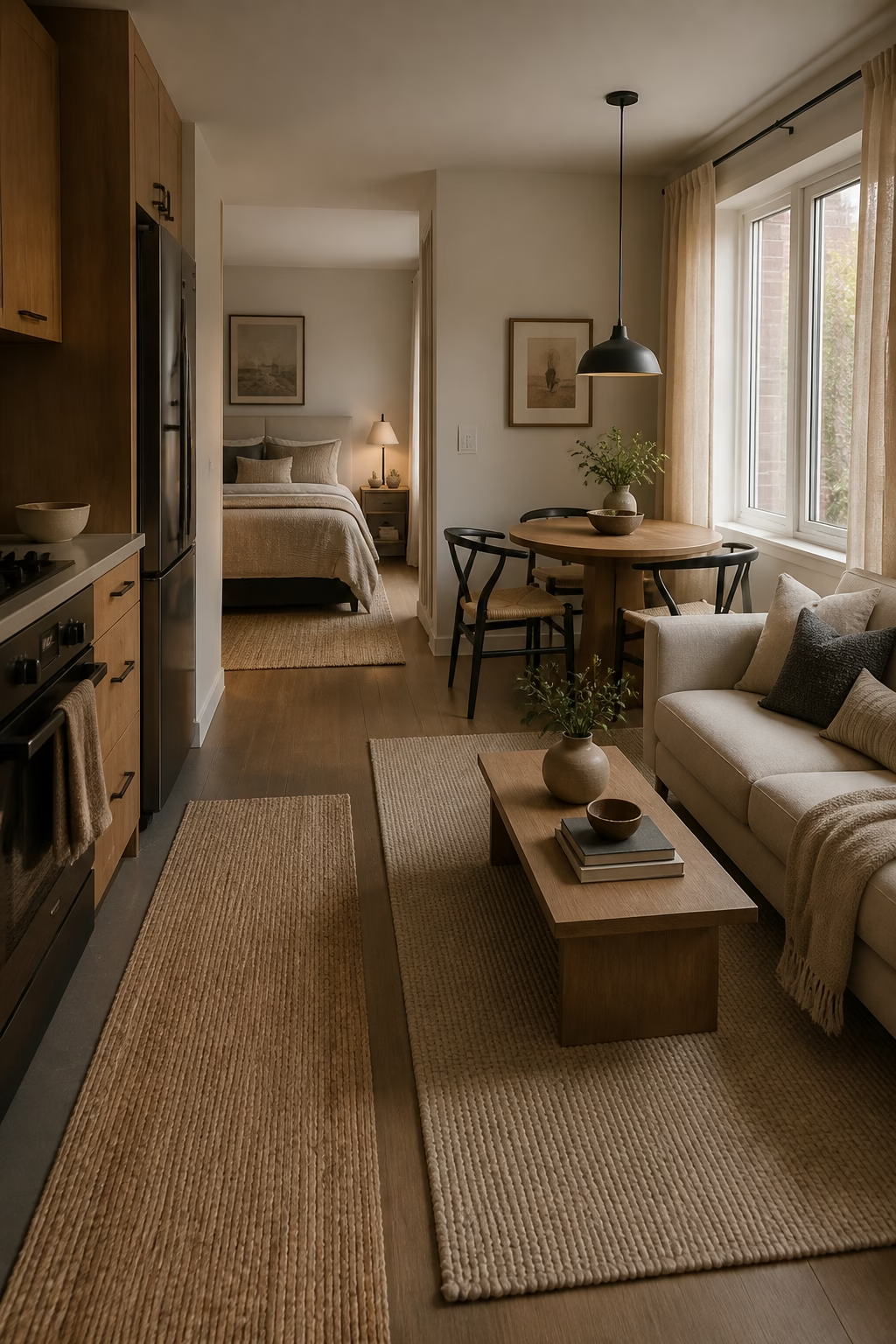
Style Windowsills as Useful Ledges
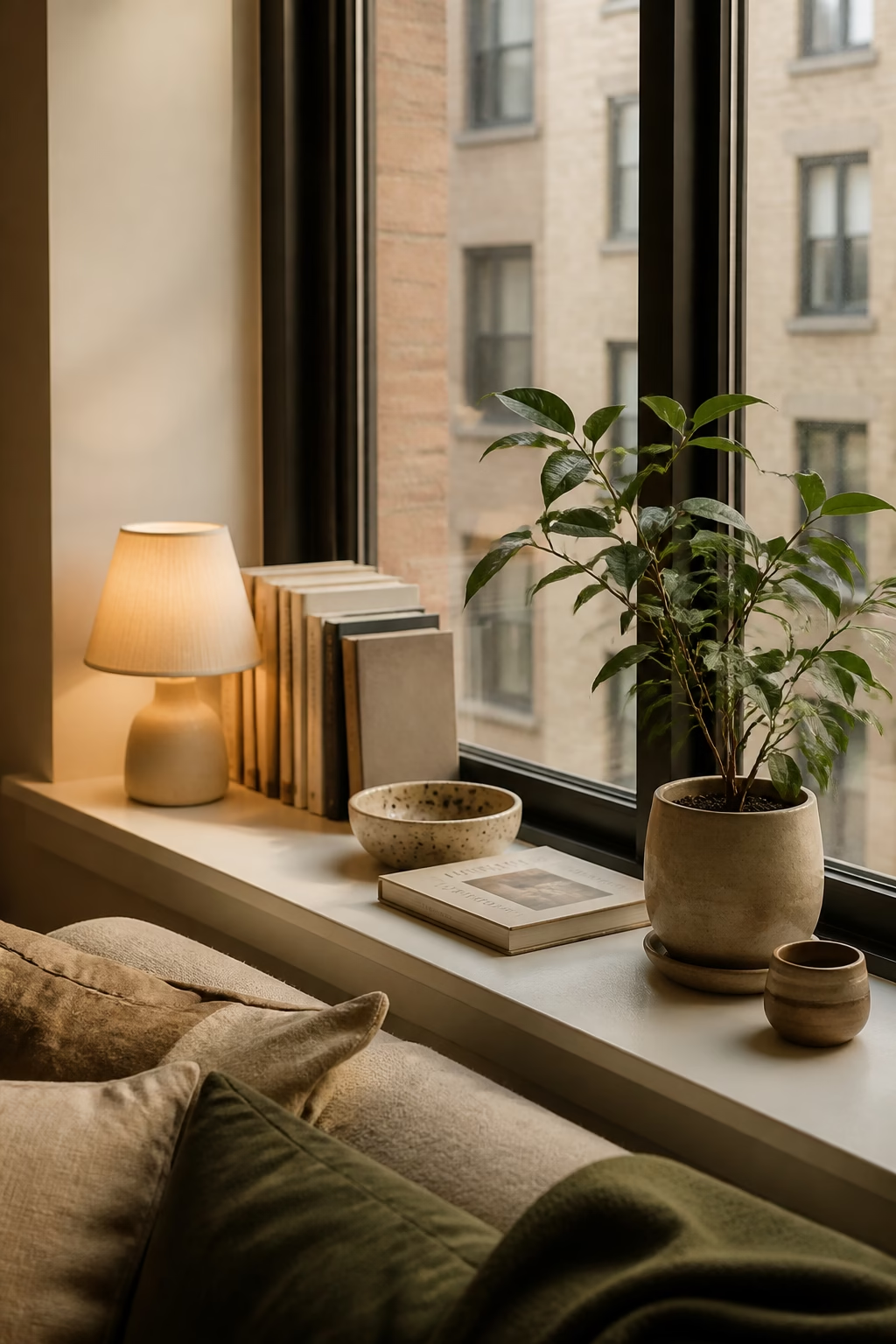
A windowsill can become valuable surface area when it is styled with restraint. Use it for a small lamp, a healthy plant, a stack of books, or a ceramic bowl, depending on the depth and light. Avoid lining the sill with many tiny objects, which quickly looks cluttered from both inside and outside. If the window receives strong sun, choose materials that will not fade or warp. A well-used sill can make a small apartment feel charming because it turns an architectural limitation into a daily ritual. It is also one of the easiest places to add life without losing floor space.
Edit Decor Around Daily Rituals
The most comfortable small apartments are decorated around rituals, not just aesthetics. Think about where you drink coffee, read, work, stretch, put on shoes, or unwind at night, then make those moments easier and more beautiful. A tray near the sofa, a reading lamp beside the chair, a hook by the door, or a small table near the bed can change how the apartment functions. Remove objects that only fill space and keep the pieces that support real habits. This approach creates coziness without clutter because every detail has a reason to be there and gets used every single day.